

Cold weather exposes weaknesses faster than any long highway drive or summer heat wave ever could. When temperatures sink deep below freezing, a car’s ability to start becomes a daily test of engineering, preparation, and reliability. In Canada, winter mornings can feel unforgiving, with engines facing thickened oil, weakened batteries, and frozen components that refuse to cooperate.
For drivers who depend on their vehicles to start without hesitation, confidence matters more than flashy features or bold styling. Reliable cold starts come from a blend of smart engine design, dependable electronics, battery management, and cold-weather calibration.
Some cars handle these conditions with calm consistency, starting smoothly even after sitting outside overnight in extreme temperatures. Others struggle, leaving drivers stuck scraping frost while waiting for an engine to catch. Choosing the right vehicle reduces stress, saves time, and protects long-term mechanical health.
This page focuses on eight cars that show strong cold-start behavior during Canadian winters. Each vehicle listed has earned a reputation for starting dependably in freezing conditions, whether parked on city streets or rural driveways. These cars represent different segments, driving needs, and budgets, offering practical choices for drivers who want peace of mind every winter morning.
Below, Section 1 introduces four vehicles known for consistent winter starts, followed by Section 2 with four additional options. Each section continues the same discussion flow, giving clear reasons why these cars perform well when temperatures fall sharply.

1. Subaru Outback 2.5i AWD
Winter reliability defines the Subaru Outback 2.5i AWD in ways that go beyond traction. Cold starts remain one of its strongest qualities, thanks to a horizontally opposed engine design that balances internal components evenly. This balance reduces strain during startup, allowing the engine to turn smoothly even when oil thickens from extreme cold.
Power delivery during startup feels calm rather than rushed. Subaru’s engine control system carefully manages fuel and ignition timing when temperatures drop, helping the engine fire quickly without extended cranking. Drivers often notice how the Outback settles into a steady idle almost immediately, even after overnight exposure to freezing conditions.
Battery placement and electrical management play a role as well. The Outback uses a battery sized appropriately for cold climates, paired with charging logic that keeps voltage stable during repeated winter starts. Lights, heated accessories, and climate systems do not overwhelm the electrical system during ignition, which reduces startup hesitation.
Cold mornings also reveal the benefit of Subaru’s fuel injection tuning. Fuel delivery adjusts accurately during startup, preventing rough idling or sputtering that can affect less refined systems. Even after several days of sitting unused, the engine responds predictably once the start button is pressed.
Interior readiness adds another layer of winter comfort. While the focus remains on starting reliability, quick engine stabilization allows cabin heat to build sooner. Defrost systems respond faster because the engine reaches a stable operating rhythm early, improving visibility without extended waiting.
Long-term ownership reports consistently highlight how this model handles repeated winter cycles. Starting performance does not degrade quickly as time goes on, which matters in climates where cold seasons last several months. Subaru’s approach emphasizes durability rather than quick fixes.
For drivers who want a vehicle that starts with confidence every cold morning, the Subaru Outback 2.5i AWD delivers steady reliability that feels reassuring when winter conditions refuse to soften.
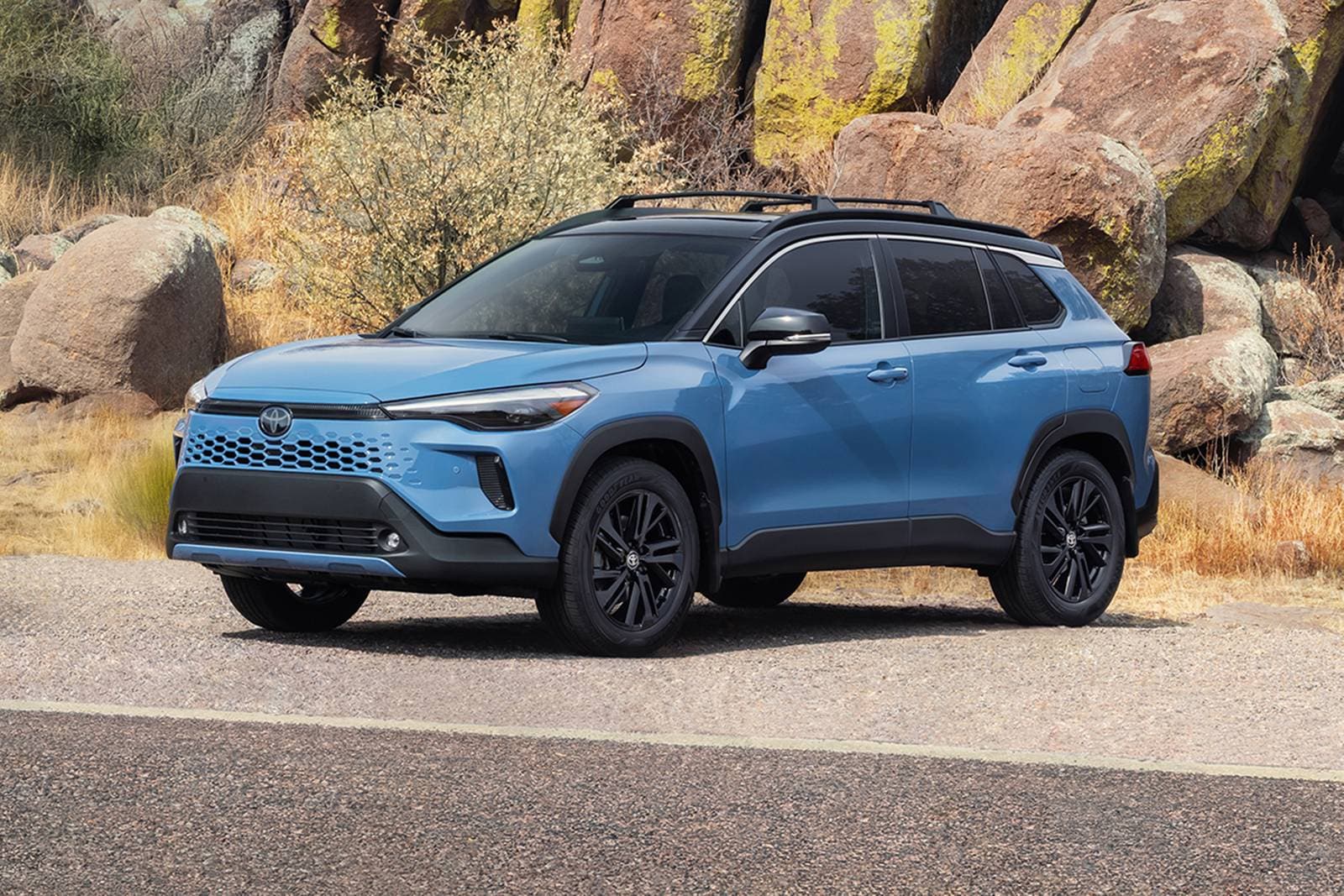
2. Toyota Corolla Hybrid AWD
Hybrid systems often raise questions about cold-weather performance, yet the Toyota Corolla Hybrid AWD handles winter mornings with surprising ease. Toyota engineered this model with cold starts in mind, using its hybrid architecture to reduce reliance on traditional starter strain during ignition.
Rather than forcing a cold engine to do all the work, the hybrid system assists during startup. Electric motor support allows smoother engine engagement, reducing the stress typically caused by freezing temperatures. This design helps the engine reach stable operation quickly, even after sitting overnight in severe cold.
Battery management stands out as a strong point. Toyota’s hybrid battery system includes temperature monitoring that protects performance during winter use. Power delivery remains steady, ensuring electronics, ignition systems, and onboard computers receive consistent voltage during startup.
Fuel efficiency does not suffer during winter starts either. The system adjusts operation intelligently, warming the engine gradually without excessive revving. This approach reduces wear while maintaining reliable ignition behavior each morning.
Drivers often appreciate how quiet and composed the startup process feels. Instead of harsh cranking sounds, the Corolla Hybrid AWD engages smoothly, followed by a stable idle that feels controlled. This behavior reduces anxiety during cold snaps when reliability becomes essential.
Cabin readiness benefits from quick system coordination. Once started, climate systems respond promptly, supported by efficient heat management. Windshield clearing begins sooner, making early departures easier and safer. Toyota’s long-standing reputation for reliability extends clearly into this hybrid model. Winter testing across cold regions supports its ability to start dependably throughout the season.
For drivers seeking a compact car that handles Canadian winters without hesitation, the Toyota Corolla Hybrid AWD proves that hybrid technology and cold weather can work together effectively.
Also Read: 10 Cars With Sun Visors That Slide To Block Side Glare
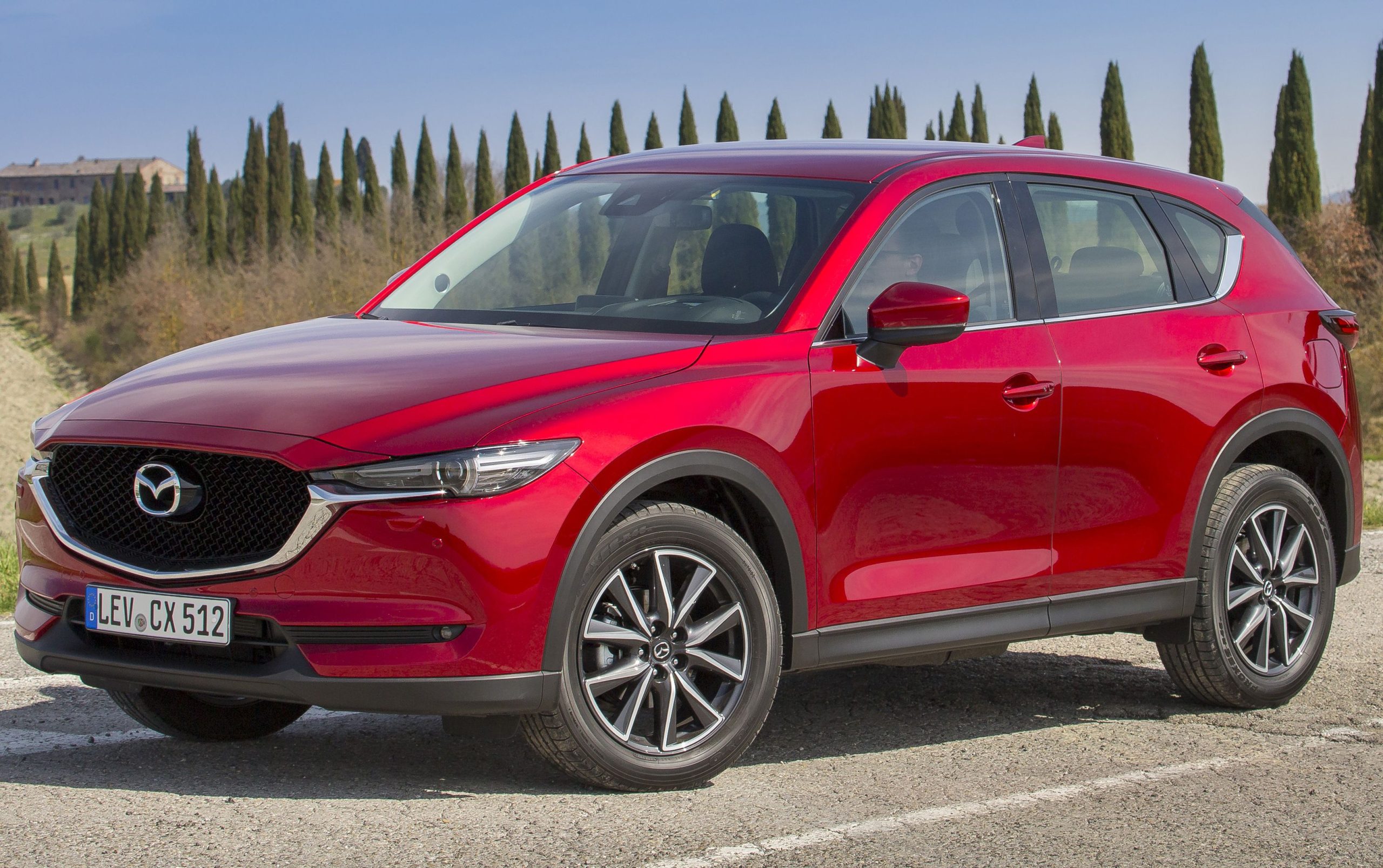
3. Mazda CX-5 Skyactiv-G AWD
Precision engineering remains a defining attribute of the Mazda CX-5 Skyactiv-G AWD, particularly during cold-weather ignition. Mazda’s Skyactiv-G engine architecture focuses on controlled combustion efficiency, a feature that becomes valuable during freezing conditions.
When temperatures fall sharply, the engine responds with steady ignition rather than hesitation. This behavior reflects careful calibration aimed at preserving mechanical balance during winter use. Drivers experience a smooth startup that avoids harsh engine sounds. Such consistency builds trust, especially during early morning departures when reliability matters.
The CX-5 demonstrates that thoughtful engineering decisions can support dependable performance even during severe cold weather conditions. High compression design often raises concern during winter operation, yet Mazda addresses this through advanced calibration strategies. Fuel injection timing adjusts immediately during startup, allowing combustion to occur without delay.
This precise coordination reduces extended cranking, which helps preserve battery strength during repeated winter use. Cold air density receives proper compensation through engine management logic, ensuring ignition remains consistent. Drivers notice that the engine fires quickly without strain. This approach balances efficiency with durability, ensuring winter mornings do not become a source of frustration. Mazda’s attention to ignition detail supports confidence across varied cold-weather driving scenarios.
Electrical support systems play an essential role in this reliability. The Mazda CX-5 Skyactiv-G AWD uses a battery and charging system matched carefully to cold climate demands. Voltage stability remains steady as essential systems activate during startup. Headlights, infotainment, and climate controls engage without causing power dips.
This coordination allows the engine to receive uninterrupted electrical support during ignition. The result is a clean start that avoids faltering. Such a balance proves valuable during repeated cold mornings, where consistent electrical performance prevents gradual deterioration in starting behavior over successive winter seasons.
Cold idle behavior reveals additional refinement. After ignition, the engine settles into a controlled idle pattern that builds warmth gradually. Excessive vibration remains absent, and engine noise stays subdued. This calm response reflects Mazda’s commitment to mechanical harmony rather than aggressive tuning.
Oil circulation occurs smoothly, reducing wear during the critical warm-up phase. Drivers benefit from a composed feel while waiting briefly before departure. This steady idle contributes to long-term engine health, reinforcing reliability during prolonged exposure to low temperatures throughout winter periods.
All-wheel drive hardware supports winter use without interfering with startup efficiency. During ignition, drivetrain components remain disengaged, allowing the engine to stabilize independently. This separation prevents unnecessary mechanical load during cold starts.
Once movement begins, the system engages smoothly, delivering traction without abrupt behavior. Drivers experience confidence without compromise. This thoughtful integration ensures that cold-weather reliability extends beyond ignition into early driving moments. Mazda’s approach balances performance readiness with mechanical protection, enhancing usability during harsh winter mornings.
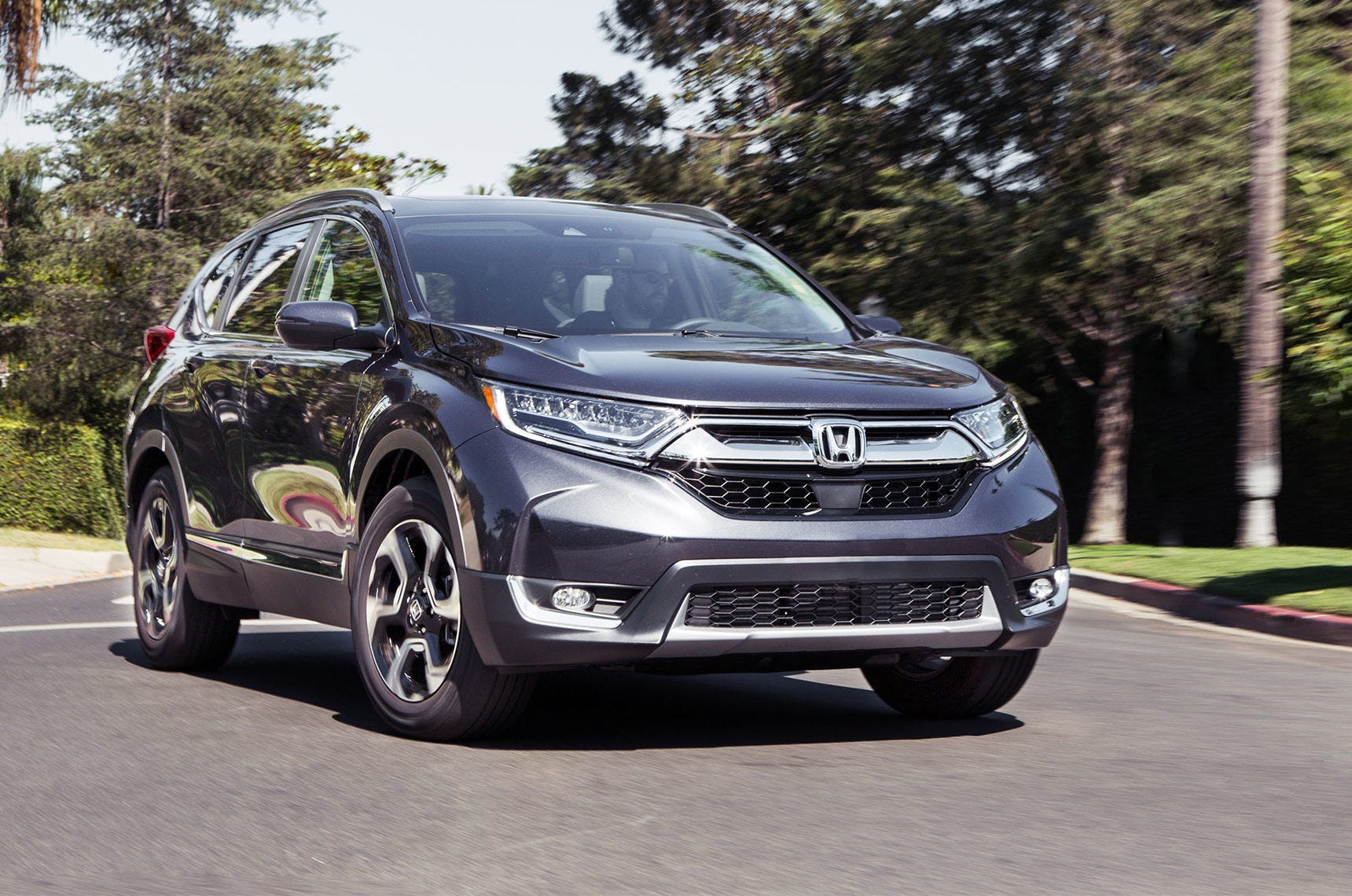
4. Honda CR-V AWD
Dependability has long shaped the Honda CR-V AWD, particularly during winter operation where consistent starting behavior becomes essential. Cold mornings test engine calibration and electrical coordination, and this model responds with predictable ignition. Honda’s design philosophy emphasizes reliability under repeated stress, which proves valuable during prolonged cold seasons.
When temperatures drop overnight, the engine starts without hesitation. This steady response reduces anxiety for drivers who depend on daily transportation regardless of the weather. The CR-V demonstrates that careful engineering can deliver reassurance through consistent winter readiness and dependable cold-weather performance.
Ignition behavior reflects thoughtful fuel management. Upon startup, the engine turns over smoothly without labored cranking sounds. Honda’s fuel delivery system adjusts immediately, providing the appropriate mixture for efficient combustion. This rapid response reduces strain on starter components and preserves battery capacity.
Drivers notice that the engine reaches stable operation quickly. Such predictability supports daily use during freezing conditions. Honda’s conservative tuning philosophy avoids unnecessary stress, allowing the vehicle to maintain reliable starting behavior even after repeated exposure to low temperatures throughout the winter months.
Battery and charging systems contribute directly to this performance. The Honda CR-V AWD uses a battery designed to handle cold climate demands. Charging logic supports steady voltage during ignition, even when accessories engage simultaneously. Climate controls, lighting, and infotainment activate gradually, preventing sudden electrical load.
This measured approach protects the starting process from interruption. Consistent electrical support allows the engine to ignite cleanly. Over repeated winter cycles, this stability reduces wear on critical components, preserving reliable startup behavior across extended ownership periods.
Engine warming behavior further enhances winter usability. Instead of surging to high revolutions, the engine maintains a controlled idle during warm-up. Heat builds progressively, allowing oil to circulate efficiently. This gentle approach reduces internal stress while preparing the vehicle for movement. Drivers experience fewer vibrations and less harsh noise during early operation.
Such refinement contributes to confidence, especially during cold mornings when smooth behavior matters. Honda’s calibration reflects a focus on longevity rather than short-term performance gains. Electronic systems maintain reliability even during severe cold. Sensors, ignition modules, and control units communicate effectively despite low temperatures.
Accurate readings prevent misfires or delayed ignition events. This coordination reduces the likelihood of unpredictable starting issues during extended winter periods. Drivers benefit from consistency rather than uncertainty. Each startup feels familiar, reinforcing trust in the vehicle’s readiness. Honda’s disciplined system integration ensures that cold weather does not disrupt normal operation.
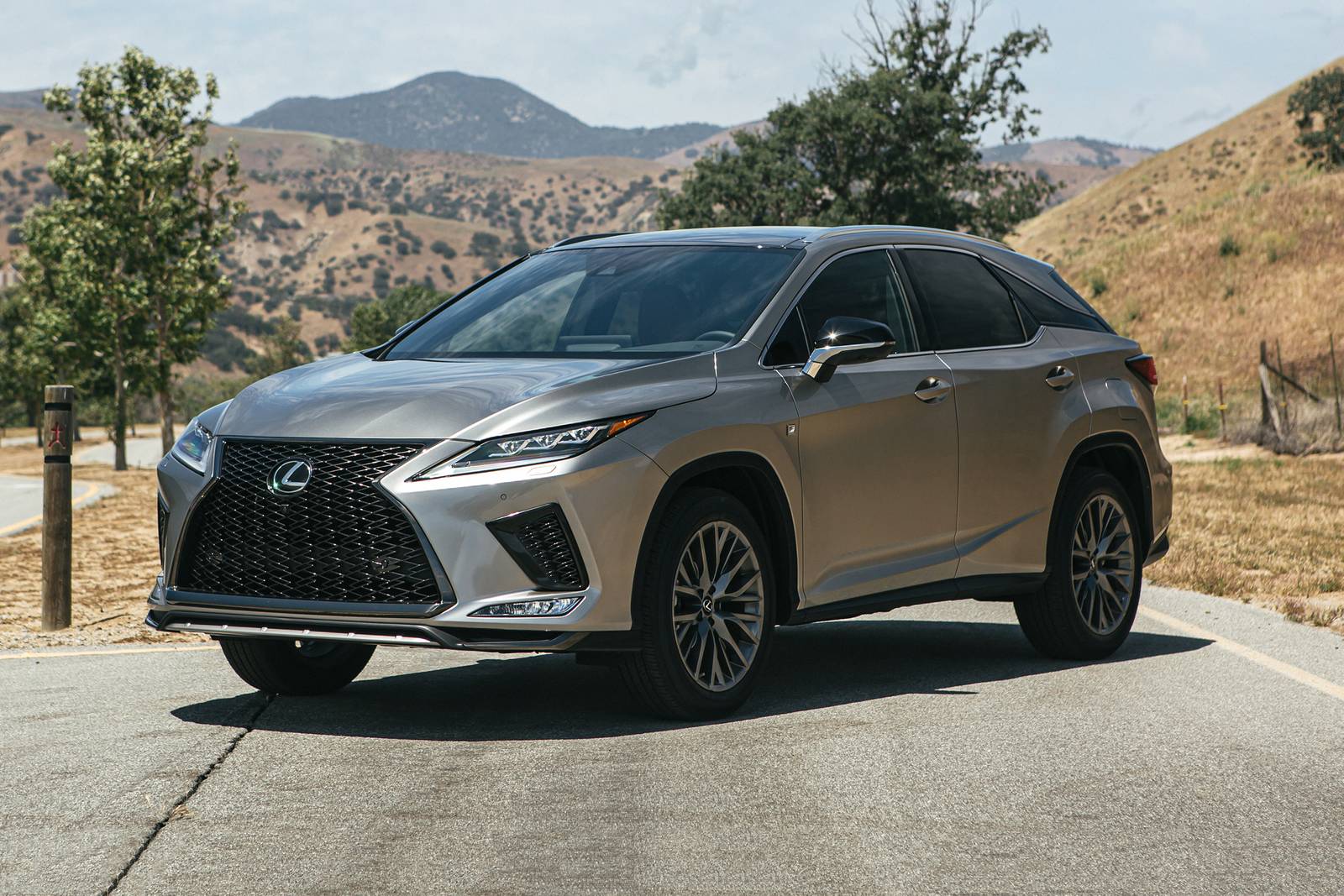
5. Lexus RX 350 AWD
Confidence on a frozen morning often begins with the first turn of the ignition, and the Lexus RX 350 AWD delivers reassurance through calm and dependable starts. Cold weather reveals how well a vehicle has been prepared at the engineering level, and this model responds with a smooth startup sequence that avoids hesitation even after long exposure to low temperatures. Drivers press the start button and feel the engine come to life with measured precision rather than urgency.
Engine calibration plays a quiet yet vital role. Lexus programs the RX 350 AWD to manage fuel delivery carefully during cold starts, preventing rough ignition or uneven idle. The engine settles quickly, allowing oil to circulate without strain. This controlled behavior reduces stress on internal components, which matters when winter mornings repeat day after day.
Electrical reliability supports this experience. The battery and charging system work together to maintain a steady voltage during ignition. Headlights, climate controls, and onboard electronics activate without overwhelming the system. Even in severe cold, power distribution remains balanced, allowing the engine to start cleanly without extended cranking.
Another advantage appears in idle stability. Once started, the engine maintains a consistent rhythm while warming. There is no abrupt revving or fluctuating sound, just a smooth transition from cold start to steady operation. This calm behavior improves confidence, especially during early commutes when reliability matters most.
Cabin readiness follows quickly. Efficient engine warming allows heat to reach the interior sooner, helping defrost systems clear the windshield without delay. Drivers spend less time waiting and more time moving, which adds convenience during busy winter routines.
Long-term reliability strengthens the RX 350 AWD’s reputation. Owners frequently report consistent cold start performance after several winters. Materials, seals, and electronic components show resilience against repeated freeze and thaw cycles. This durability reduces the likelihood of unexpected starting issues during peak winter months.
Driving away from a cold start feels composed rather than rushed. Transmission engagement remains smooth, allowing gradual movement without hesitation. The vehicle feels prepared rather than pressured by the conditions outside. For drivers seeking a midsize luxury crossover that starts reliably throughout Canadian winters, the Lexus RX 350 AWD delivers quiet confidence. Cold mornings feel less demanding when a vehicle responds with steady ignition and predictable behavior every time.
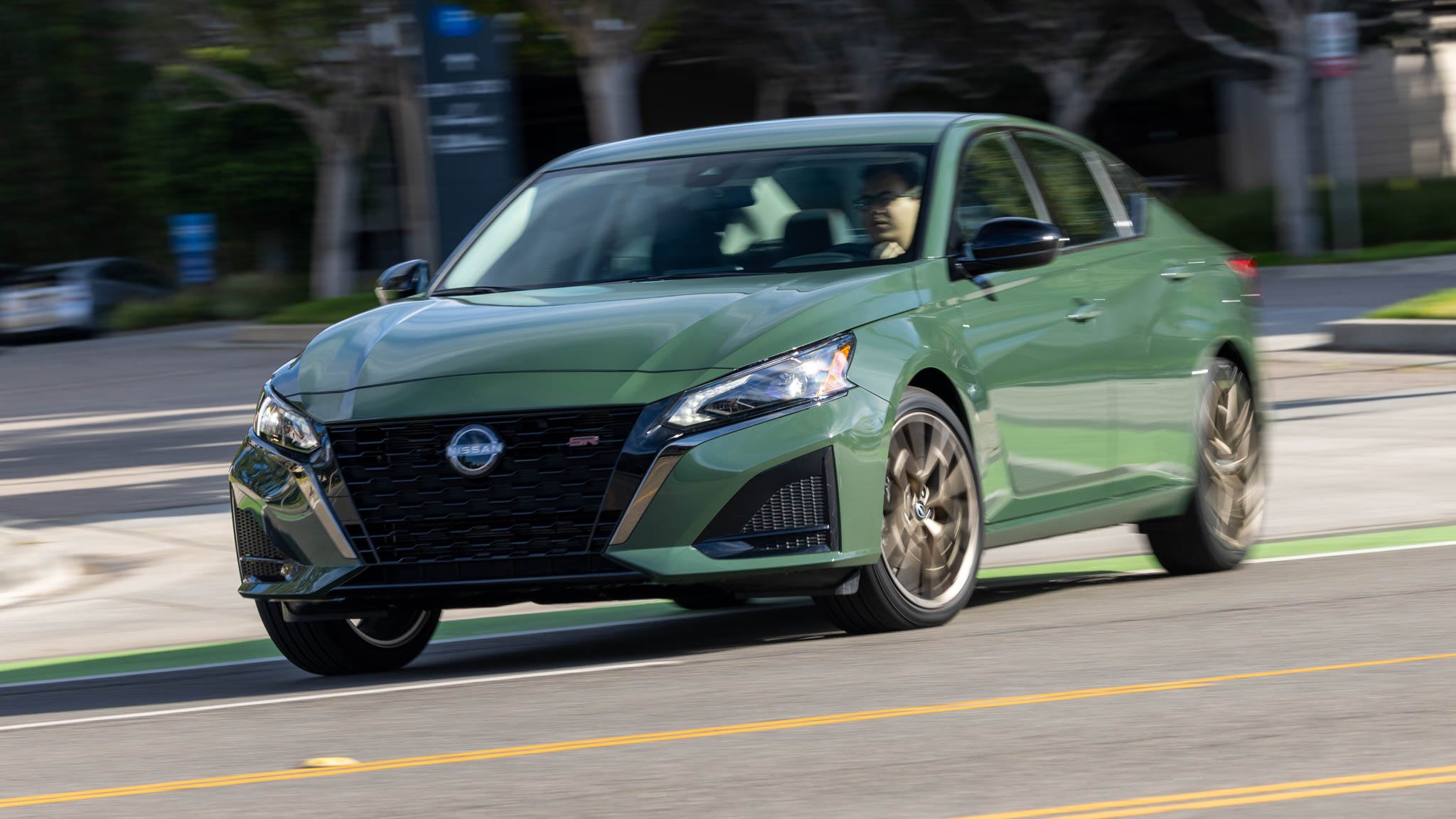
6. Nissan Altima AWD
Sedans rarely receive praise for winter reliability, yet the Nissan Altima AWD challenges that assumption with dependable cold start behavior. This model combines efficient engine management with an All Wheel Drive platform designed to support daily use in colder climates. The result is a sedan that responds reliably when temperatures fall sharply.
Ignition behavior feels direct and controlled. The engine turns over smoothly, avoiding the strained sound common in cold weather. Nissan’s fuel injection system adjusts instantly, delivering the proper mixture for quick combustion. This reduces the time spent cranking, which helps preserve battery health through repeated winter starts.
Battery performance supports this consistency. The Altima AWD uses a power system suited for cold environments, allowing accessories to engage without interfering with ignition. Even with headlights, seat heaters, and climate controls active, voltage remains steady during startup.
Idle quality stands out after ignition. Instead of rough vibration, the engine settles into a stable pattern that warms gradually. This controlled warm up protects mechanical components while ensuring reliable operation. Drivers experience fewer fluctuations during the first minutes of driving.
Interior comfort benefits from efficient engine behavior. Heat begins circulating earlier, allowing the cabin to feel usable sooner. Windshield clearing happens without prolonged waiting, which improves safety during early departures. Electronic systems remain responsive despite cold exposure.
Sensors and control units communicate smoothly, preventing startup delays caused by misread signals. This reliability becomes valuable during extended winter stretches when the vehicle faces repeated overnight freezes. Longevity also contributes to the Altima AWD’s appeal.
Owners in cold regions often report consistent starting performance across multiple winters. The sedan maintains its ability to start reliably without developing persistent cold-weather issues. Leaving the driveway after a cold start feels natural rather than forced. Power delivery remains smooth, allowing gentle acceleration while the engine continues warming. The experience supports daily confidence rather than cautious concern.
For drivers who prefer a sedan yet face harsh winters, the Nissan Altima AWD proves that cold start reliability does not belong only to larger vehicles. It offers dependable ignition behavior that eases winter mornings through steady and predictable performance.
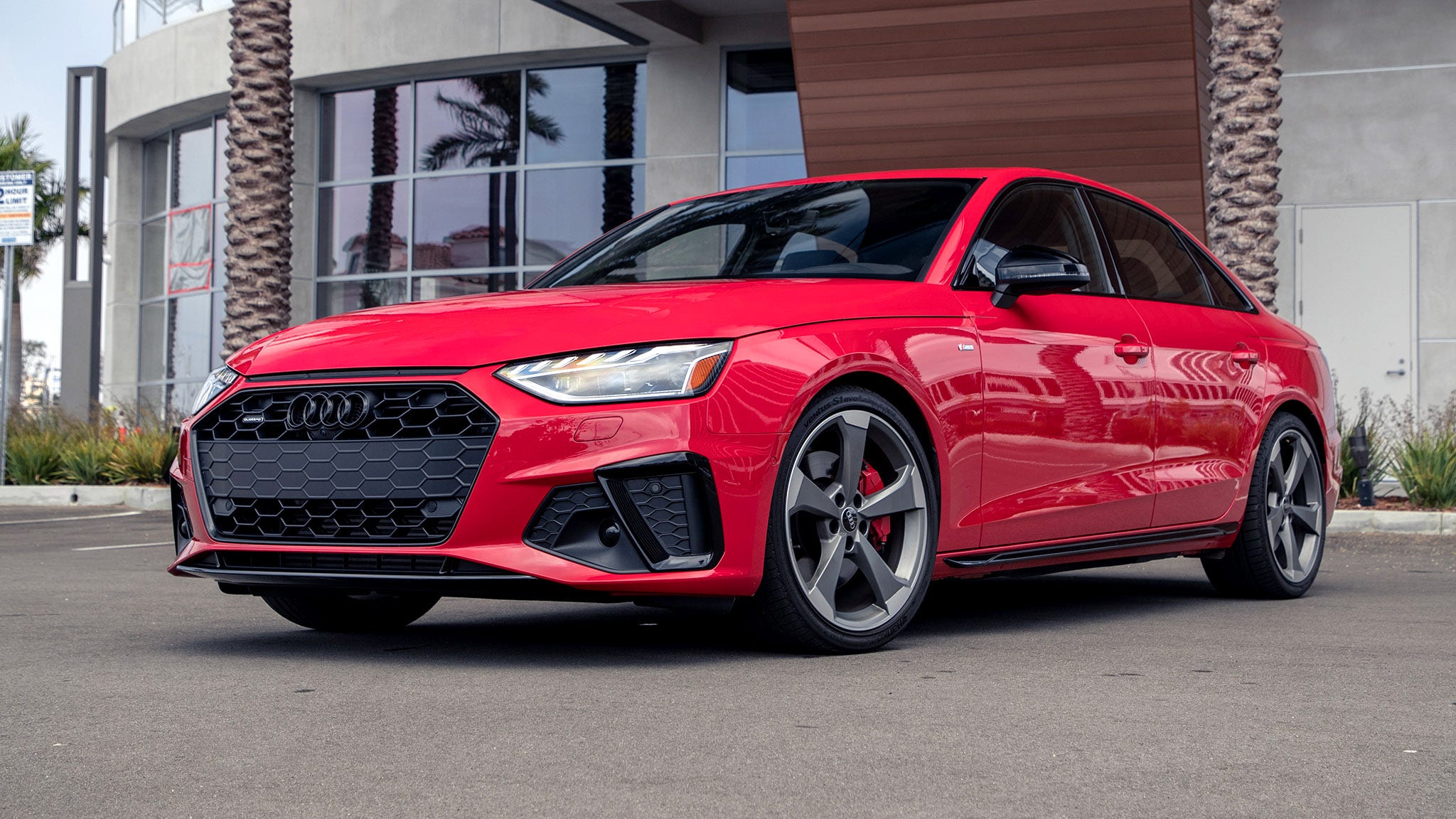
7. Audi A4 quattro
Precision defines the Audi A4 quattro, and that precision becomes clear during winter starts. Cold conditions demand accurate coordination between mechanical and electronic systems, and this sedan responds with refined ignition behavior that inspires trust. Even after a night spent outdoors in freezing temperatures, the engine starts with controlled confidence.
Audi’s engine management system plays a central role. Fuel delivery and ignition timing adjust instantly during startup, allowing the engine to fire quickly without extended effort. This responsiveness reduces battery strain while improving consistency across repeated cold starts.
Electrical stability strengthens the experience. The battery and alternator work in harmony to support the vehicle’s systems during ignition. Lights, infotainment, and climate controls activate without causing voltage dips that could delay starting. Idle quality feels smooth once the engine engages.
The A4 quattro avoids rough vibration during warm-up, maintaining a steady rhythm while oil circulates and temperatures rise. This controlled behavior reflects careful calibration rather than aggressive tuning. Cabin readiness benefits from rapid stabilization. Once started, heat reaches the interior efficiently, allowing defrost systems to clear glass surfaces quickly. This reduces waiting time and improves visibility during early drives.
Long-term reliability supports Audi’s reputation. Owners frequently note consistent cold start performance even after several winters of use. Components remain resilient under repeated cold exposure, reducing the risk of intermittent starting issues. Transmission engagement remains smooth during cold operation.
Movement begins gently, allowing the drivetrain to warm naturally without abrupt moves. This calm behavior supports daily usability in harsh winter conditions. Driving away from a cold start feels composed rather than tentative. The vehicle responds predictably, allowing drivers to focus on the road rather than worrying about mechanical hesitation.
For those seeking a compact luxury sedan with dependable winter starts, the Audi A4 quattro delivers refined reliability. Cold mornings feel manageable when ignition responds quickly and systems work together seamlessly.
Also Read: 8 Cars That Are Easy To Park In Tight City Spots

8. Volvo XC60 B5 AWD
Safety-focused engineering shapes the Volvo XC60 B5 AWD, and that philosophy extends to cold-weather starting reliability. Winter mornings reveal how carefully a vehicle has been prepared for extreme conditions, and this model responds with steady ignition that feels reassuring rather than uncertain.
Engine startup behavior remains smooth even after long exposure to freezing temperatures. Volvo’s mild hybrid system assists during ignition, reducing strain on the engine. This support allows quicker engagement and helps the engine reach stable operation without hesitation.
Battery management strengthens this performance. The system monitors temperature and power demand closely, ensuring steady voltage during startup. Accessories activate without overwhelming the electrical system, allowing the engine to start cleanly. Idle stability follows immediately after ignition.
The engine settles into a consistent rhythm, warming gradually rather than racing. This controlled approach reduces wear and supports reliable daily use throughout the winter months. Interior comfort improves through efficient heat delivery. Once started, warmth begins circulating promptly, helping clear frost from windows. Drivers experience less waiting before departure, which adds convenience during cold mornings.
Electronic systems communicate smoothly during cold operation. Sensors and control units maintain accuracy despite low temperatures, preventing false readings that could disrupt startup. This coordination reduces uncertainty during extended winter periods.
Long-term durability strengthens the XC60 B5 AWD’s reputation. Owners often report consistent cold start performance across several seasons. Materials and components withstand repeated freezing conditions without developing persistent issues. Movement after startup feels calm and controlled.
Power delivery remains smooth, allowing gradual acceleration while systems continue warming. The vehicle feels prepared for winter rather than challenged by it. For drivers who prioritize safety, comfort, and dependable winter starts, the Volvo XC60 B5 AWD offers confidence that lasts through the coldest months. Reliable ignition becomes part of a broader design focused on stability and trust during every winter drive.
