
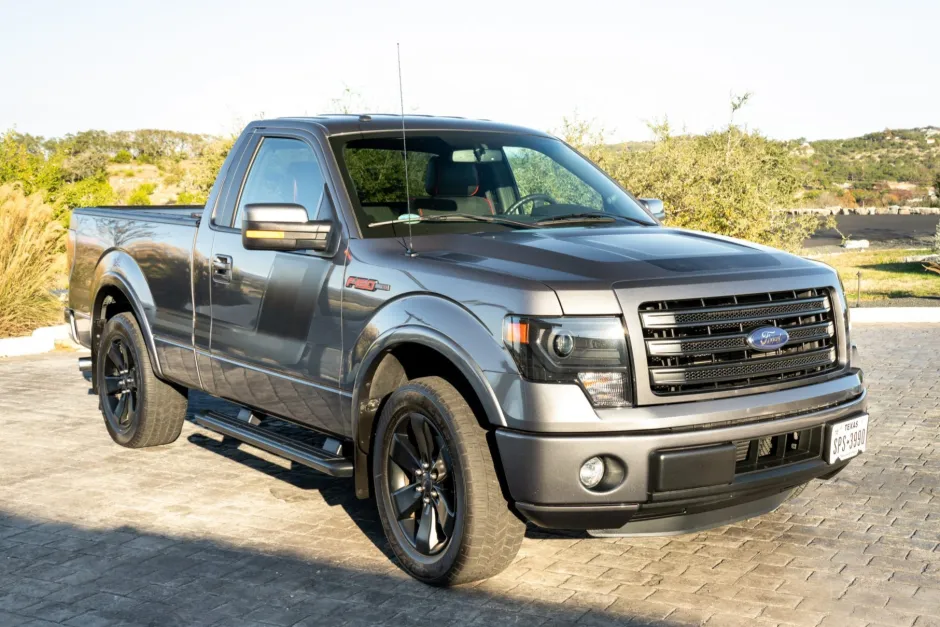
America and trucks share a bond unlike any other. For decades, the pickup truck has stood as the ultimate symbol of hard work, freedom, and the open road. It sits at the heart of American culture, from dusty farm fields in Texas to rugged mountain trails in Montana. The truck is not just a vehicle. It is a statement of identity.
But here is the uncomfortable truth that many buyers never think about. Not every truck wearing an American badge is actually built on American soil. Some of the most iconic-sounding nameplates are quietly assembled in Mexico, Canada, or even further abroad. Meanwhile, a few trucks from foreign automakers are actually manufactured right here in the United States.
The definition of an “American-made” truck is more complicated than it used to be. Domestic content laws, assembly locations, and parts sourcing all paint a messy picture. Buyers who want to support American jobs and American manufacturing need to look beyond the badge.
This article cuts through the noise. We examine five trucks that are genuinely built in the United States and five that trade on American imagery while rolling off foreign or Mexican assembly lines. The results might genuinely surprise you.
5 Trucks Built in the US
These trucks are genuinely built in American factories, supporting local manufacturing, jobs, and supply chains. Models like the Ford F-150, Chevrolet Silverado 1500, and Ram 1500 are assembled in multiple US plants and have long been associated with American production.
They are designed and produced with a strong domestic footprint, often featuring high levels of US-based assembly and workforce involvement, making them true American-built trucks in both heritage and manufacturing.
1. Ford F-150
The Ford F-150 is the best-selling vehicle in America. It has held that title for over four decades straight. When people think of an American truck, the F-150 is almost always the first image that comes to mind.
What makes the F-150 genuinely American is where it is built. Ford assembles the F-150 at two major facilities in the United States. The Dearborn Truck Plant in Michigan and the Kansas City Assembly Plant in Missouri are both fully operational and highly productive. These are not token operations. These are massive, unionized manufacturing facilities employing thousands of American workers.
The Dearborn plant has a particularly deep history. It sits near the legendary Rouge Complex, which Henry Ford himself built over a century ago. There is real heritage baked into every truck that rolls off that line. Michigan workers take enormous pride in what they build there every single day.
The Kansas City plant handles enormous production volumes to keep up with relentless nationwide demand. Shifts run around the clock to ensure dealerships are stocked. The plant has gone through multiple expansions over the years to meet growing consumer appetite.
Ford also sources a significant percentage of its parts domestically. The American Automobile Labeling Act scores for the F-150 consistently rank among the highest in the industry. That means a large chunk of what goes into your truck was made right here at home.
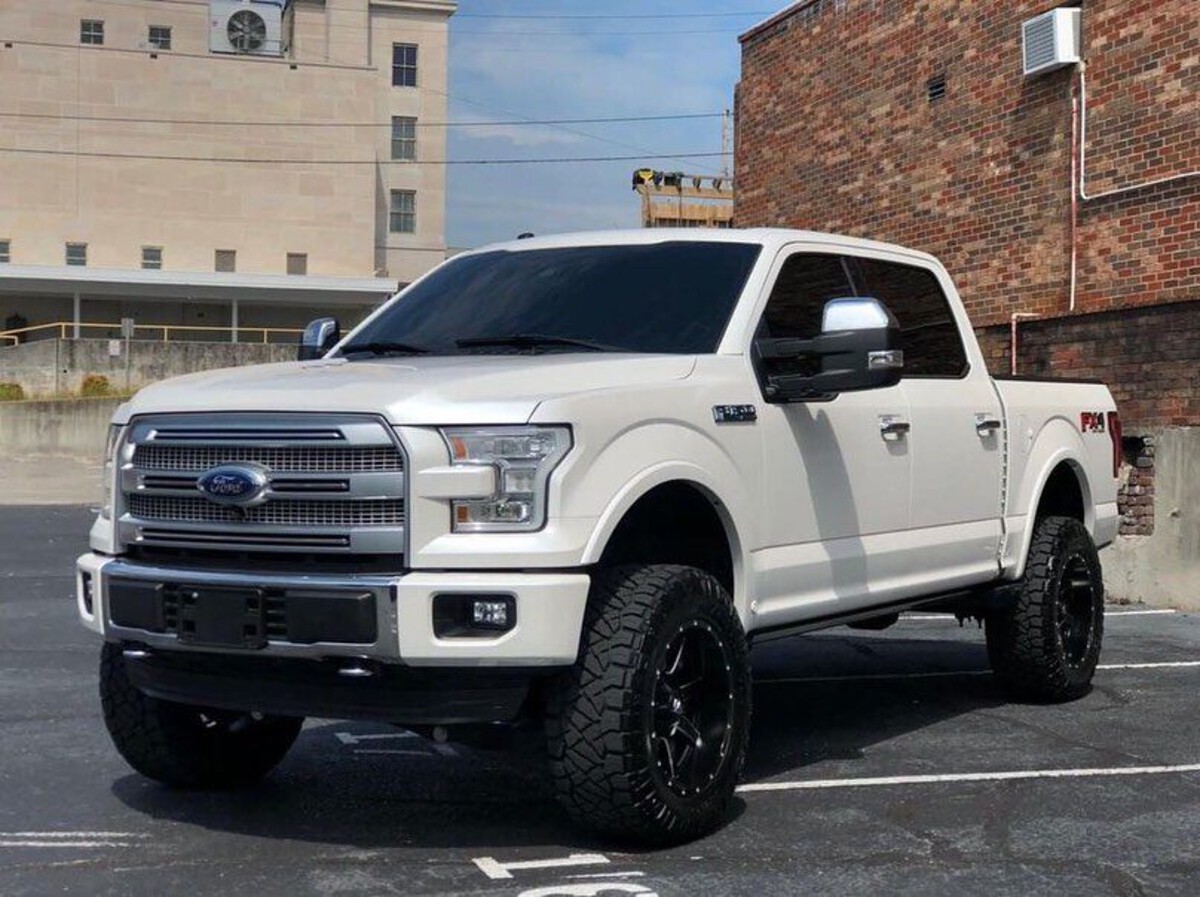
The F-150 lineup covers everything from basic work trucks to luxury trims. The Raptor, Tremor, and Platinum versions are all assembled at the same American plants. You are not paying extra to get something built overseas. The whole range comes from the same domestic facilities.
Beyond the factory floor, the F-150 supports an enormous American supply chain. Steel suppliers, electronics manufacturers, and seating companies across multiple states feed into F-150 production. The economic footprint is staggering and genuinely nationwide.
Ford has also invested heavily in upgrading these plants for electric production. The F-150 Lightning is assembled in Dearborn as well. Even as the industry transitions, Ford is keeping that manufacturing work in America.
The F-150 is not just American in spirit. It is American in practice, in payroll, and in production. No other truck on the market carries that combination quite as powerfully or as consistently as the Blue Oval’s flagship.
2. Chevrolet Silverado 1500
The Chevrolet Silverado is one of the most respected names in the truck world. It battles the F-150 for sales dominance year after year. Behind that competition is a genuinely American manufacturing story worth telling.
General Motors builds the Silverado 1500 at its Fort Wayne Assembly Plant in Indiana. This facility is one of the most productive truck plants in North America. It employs thousands of workers from the surrounding Indiana communities. The plant has been a cornerstone of the local economy for generations.
Fort Wayne has seen enormous investment from GM over the years. The company has poured billions into upgrading equipment, tooling, and production lines. That level of financial commitment shows a real dedication to keeping manufacturing jobs in the United States. Workers there build trucks that head to every corner of the country.
The Silverado consistently scores well on domestic content ratings. A large proportion of its engine, transmission, and body components are manufactured within the United States. That matters to buyers who want their purchase to genuinely support American employment and industry.
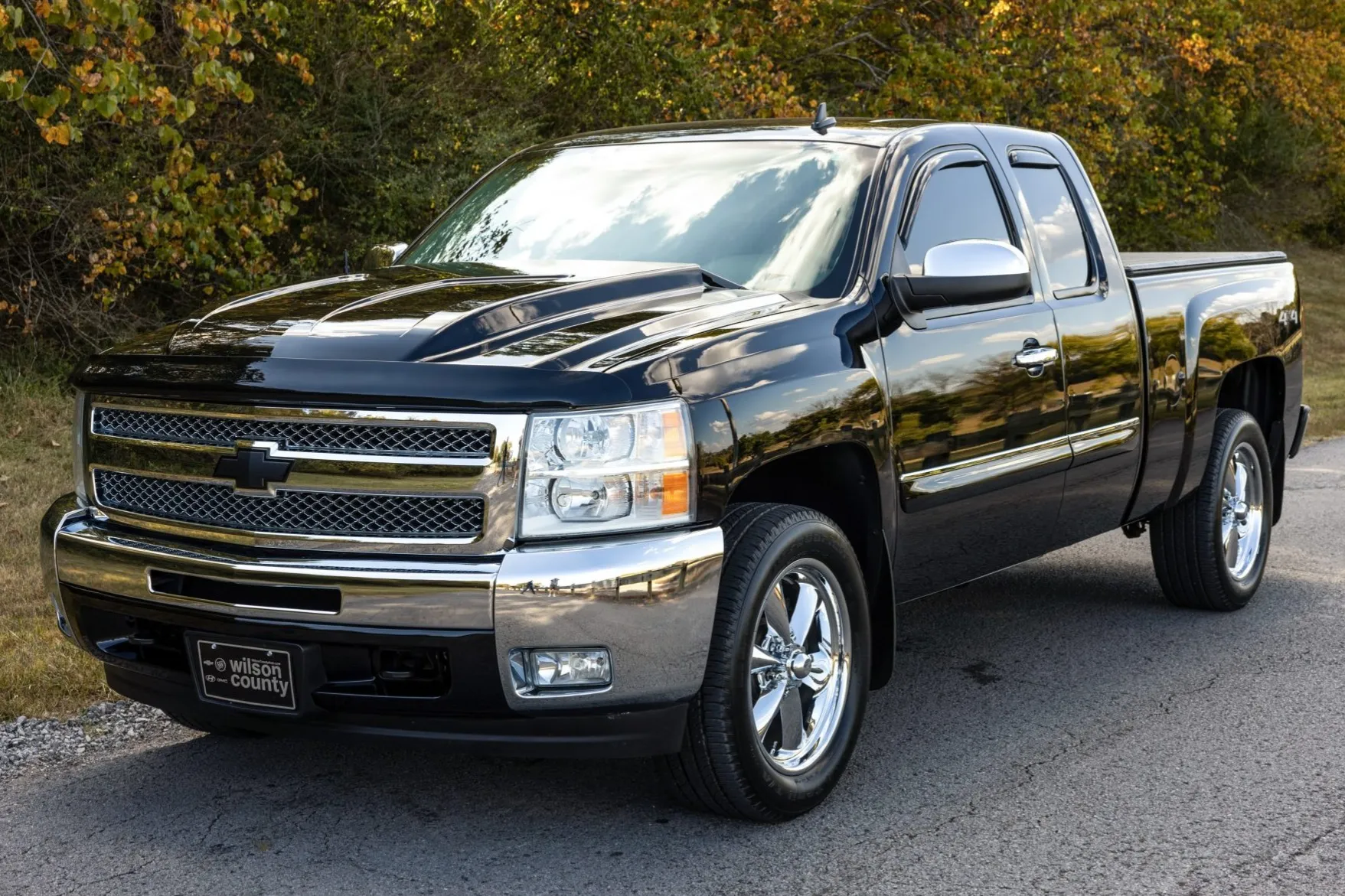
GM has also made the Fort Wayne plant central to its electric truck future. The plant plays a key role in the company’s broader North American manufacturing strategy. GM is not walking away from Indiana or from American manufacturing as it modernizes. That is a meaningful commitment.
The Silverado offers an enormous range of configurations. From the basic work-spec WT trim all the way to the luxurious High Country, every variant rolls out of Fort Wayne. Whether you need a fleet truck or a weekend hauler, American workers built it.
The Silverado’s towing and payload numbers are impressive across the board. Fort Wayne builds trucks that routinely lead segment comparisons in capability testing. The workers there are building some of the most capable trucks on the planet. That is something to be proud of.
Community relationships around the Fort Wayne plant run deep. Local suppliers, restaurants, and businesses all depend on the plant’s activity. When GM invests in Fort Wayne, it invests in a whole regional ecosystem of American commerce and livelihoods.
The Chevrolet Silverado 1500 is proof that domestic manufacturing can produce world-class products. It competes at the very top of the truck market without outsourcing its production. Indiana-built, American-proud, and tough enough to back up every claim it makes.
3. RAM 1500
The RAM 1500 has transformed from a utilitarian workhorse into one of the most refined trucks on the market. Its interior quality and ride comfort have won legions of new fans. Behind that success is a dedicated American workforce making it happen.
RAM builds its 1500 pickup at the Sterling Heights Assembly Plant in Michigan. Sterling Heights is a Detroit suburb with deep automotive roots. The plant employs a significant number of UAW members who have dedicated their careers to building quality trucks. This is a real, working American manufacturing facility.
The Sterling Heights plant has been expanded and upgraded multiple times. Stellantis, RAM’s parent company, has invested substantially in keeping this facility competitive. The investment is visible in the precision and quality that rolls off the line every day. Michigan workers take their craftsmanship seriously.
RAM’s domestic content scores are strong and competitive within the segment. Many of the major components in the RAM 1500 are sourced from American suppliers. The engine options, including the legendary HEMI V8, are produced domestically. There is a real American industrial effort embedded in these trucks.
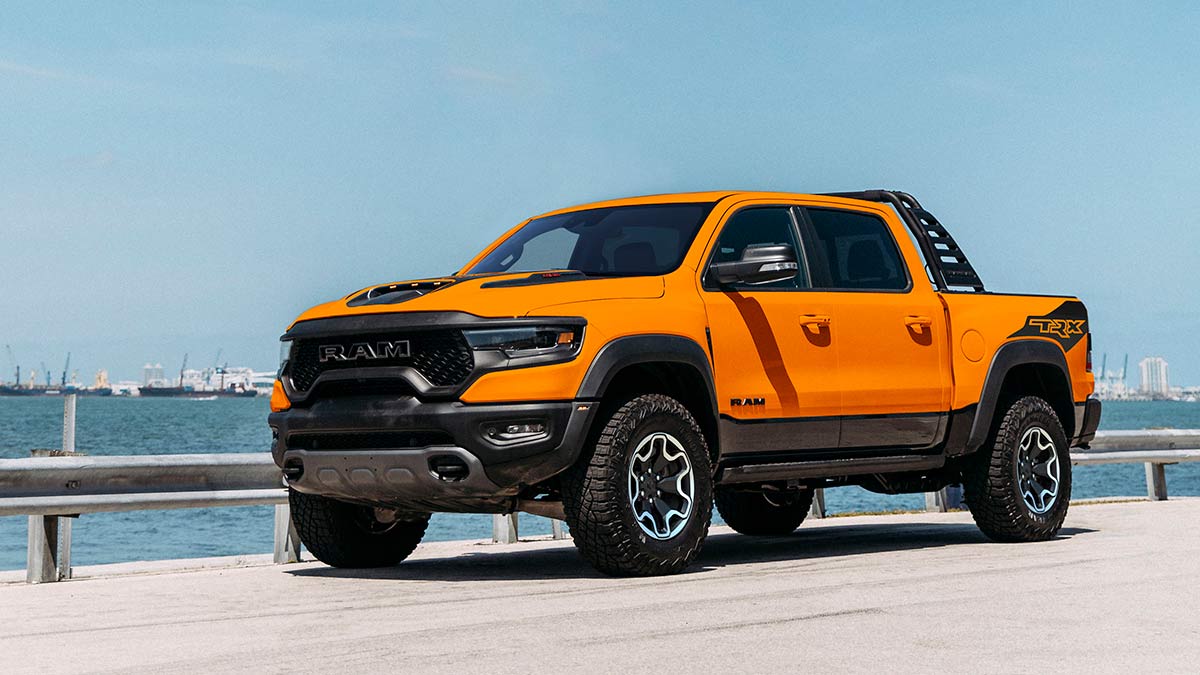
The RAM 1500 Classic is also assembled at a separate facility, but the mainstream 1500 lineup lives in Sterling Heights. Multiple body styles, powertrains, and trim levels all go through that same Michigan plant. The complexity of managing all those configurations is a testament to the workforce’s skill.
RAM’s air suspension system, one of its most praised features, is integrated right there on the Michigan assembly line. Workers are assembling sophisticated technology that buyers notice and appreciate. It is not a simple operation. It requires training, precision, and consistent quality control.
The 1500s ‘ growing reputation for luxury has expanded its buyer base significantly. Buyers who once ignored trucks are now cross-shopping RAM against premium SUVs. Every single one of those buyers is getting a Michigan-made product. That is a genuinely impressive achievement for American manufacturing.
Sterling Heights is more than just a factory location. It represents the resilience of Detroit-area manufacturing through decades of industry upheaval. The RAM 1500 rolling out of that plant carries with it the pride of a community that refused to give up on making things. That story deserves far more credit than it typically gets.
4. Toyota Tundra
Here is where the story gets interesting and a little unexpected. Toyota is a Japanese brand. But the Tundra is built right in the heart of Texas. That makes it more American-made than several trucks wearing domestic badges.
Toyota’s San Antonio plant, officially known as Toyota Motor Manufacturing Texas, is a massive operation. It opened in 2006 and has grown steadily ever since. The plant employs thousands of Texas workers directly. Many more jobs exist in the surrounding supplier network that feeds the facility.
The Tundra scores extremely well on domestic content measurements. Toyota has worked hard to build a deep American supply chain for the Tundra. Engine components, frames, and body panels are sourced from suppliers across the United States. The truck is genuinely American in its construction.
Texas takes pride in the Tundra, and rightly so. San Antonio workers build a truck that competes directly with the F-150 and Silverado on their home turf. The fact that a foreign-branded truck is built domestically while some domestic-branded trucks are not is one of the great ironies of the modern auto industry.
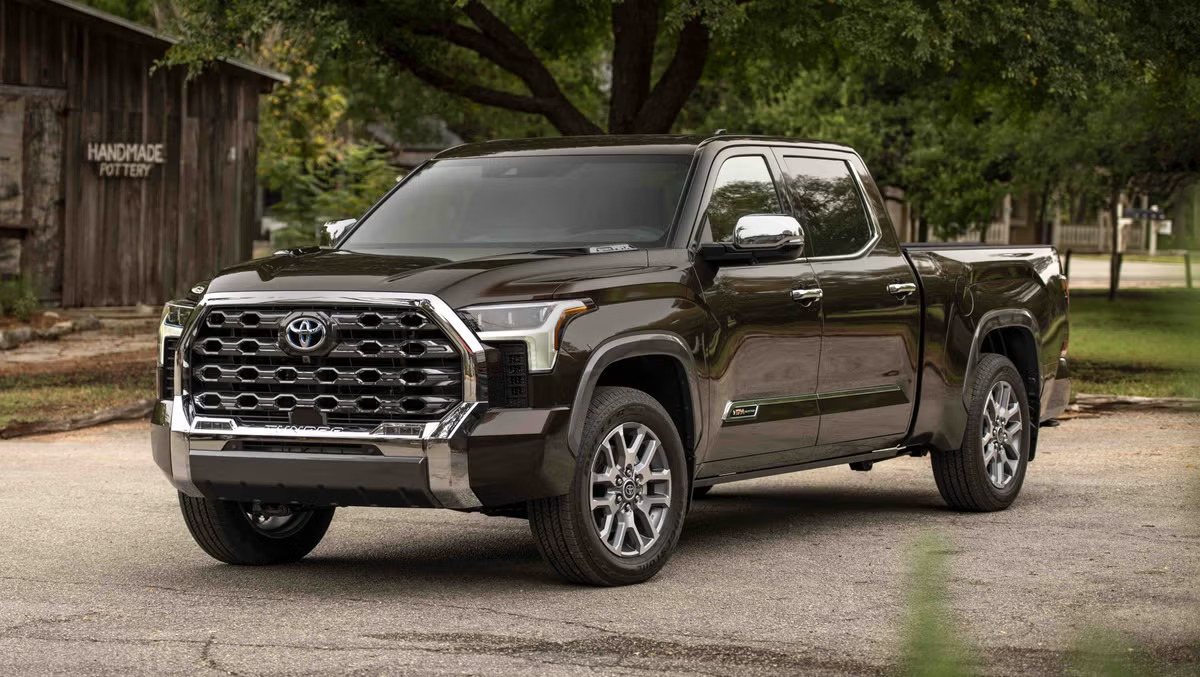
Toyota has invested billions in its Texas facility over the years. The most recent Tundra generation required massive retooling of the plant. Toyota committed to that investment in Texas rather than moving production elsewhere. That is a tangible vote of confidence in American manufacturing and American workers.
The new Tundra’s twin-turbo V6 powertrain is assembled in the United States as well. Toyota has worked to ensure that its powertrain production keeps pace with its assembly commitments. The result is a truck with impressively high domestic content across the board.
San Antonio workers have won quality awards for their production standards at the Tundra plant. Toyota’s legendary quality culture has been successfully transplanted into a Texas workforce. The combination produces a truck that is both reliable and genuinely American-made.
For buyers who prioritize domestic manufacturing over domestic branding, the Tundra is a compelling choice. It supports American jobs, American communities, and American supply chains. The Toyota badge on the front does not change what is happening inside those San Antonio factory walls.
Also Read: 10 Vehicles With Spare Keys That Cost Under $100 To Replace
5. GMC Sierra 1500
The GMC Sierra shares its production home with the Chevrolet Silverado. Both trucks roll out of the Fort Wayne Assembly Plant in Indiana. But the Sierra carves out its own distinct identity in the market despite that shared origin.
GMC positions the Sierra as the premium alternative to the Silverado. It targets buyers who want a more upscale truck experience without going full luxury. The Denali trim, in particular, has become one of the best-selling premium truck configurations in the country. All of that is Indiana-built.
The Fort Wayne plant handles the production of both Silverado and Sierra simultaneously. The logistics of managing two distinct nameplates on the same line is a serious operational achievement. The workers there manage that complexity with impressive consistency. Quality control across both brands is maintained at a high level.
Sierra’s domestic content scores mirror those of the Silverado due to their shared platform. That means buyers get the same strong domestic parts sourcing regardless of which badge they choose. For workers and suppliers across America, both trucks represent genuine domestic economic activity.
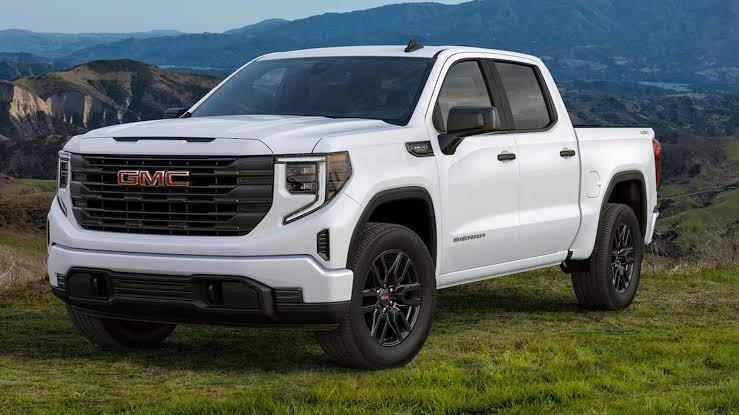
The Sierra has developed a loyal following among buyers who appreciate its more refined styling. The MultiPro tailgate, for example, is a GMC exclusive that has won widespread praise. That innovative feature was engineered and is assembled right alongside everything else in Fort Wayne. American ingenuity goes into every detail.
GM continues to invest in Fort Wayne for both the Sierra and Silverado’s future. The plant is being prepared for next-generation truck production, including potential electric variants. The commitment to Indiana is not just about the present. It is about building a sustainable future for American truck manufacturing.
The Sierra AT4 and AT4X off-road trims have expanded the nameplate’s appeal significantly. Buyers who want capability alongside premium features now have a strong domestic option. Fort Wayne workers build everything from base fleet trucks to fully loaded Denalis. The range is extraordinary.
The GMC Sierra 1500 may live in the shadow of the Silverado commercially. But it is every bit as American in its production and its economic impact. Indiana-built, union-assembled, and backed by decades of commitment to domestic manufacturing, the Sierra deserves full recognition on this list.
5 That Just Pretend to Be
These trucks are often marketed with strong American branding and imagery, but are actually built outside the United States or rely heavily on international production. While they may be sold under American brands or styled to appeal to US buyers, their assembly and sourcing are largely global.
This doesn’t necessarily make them bad vehicles, but it does mean they don’t offer the same level of domestic manufacturing presence as true US-built trucks, making the distinction important for buyers who prioritize where their vehicle is made.
1. RAM 1500 Classic
This one requires careful attention because RAM produces two versions of the 1500. The modern RAM 1500 is built in Michigan as described above. But the RAM 1500 Classic is a different story entirely. It is assembled in Saltillo, Mexico.
The RAM 1500 Classic is the older-generation body style that RAM kept in production to serve budget-conscious buyers. It looks like a RAM, carries a RAM badge, and sits on RAM dealership lots. But it does not come from American soil or American workers. That distinction matters enormously.
Saltillo, Mexico, is home to a major Stellantis manufacturing hub. Multiple vehicles are produced there for the North American market. The facility is efficient and productive, but it is not located in the United States. Workers in Saltillo are building trucks that many American buyers assume are domestic products.
The Classic’s domestic content scores are noticeably lower than the modern 1500’s. A smaller proportion of its parts and components originates from American suppliers. The economic benefit flowing back to American workers and communities is significantly reduced as a result.
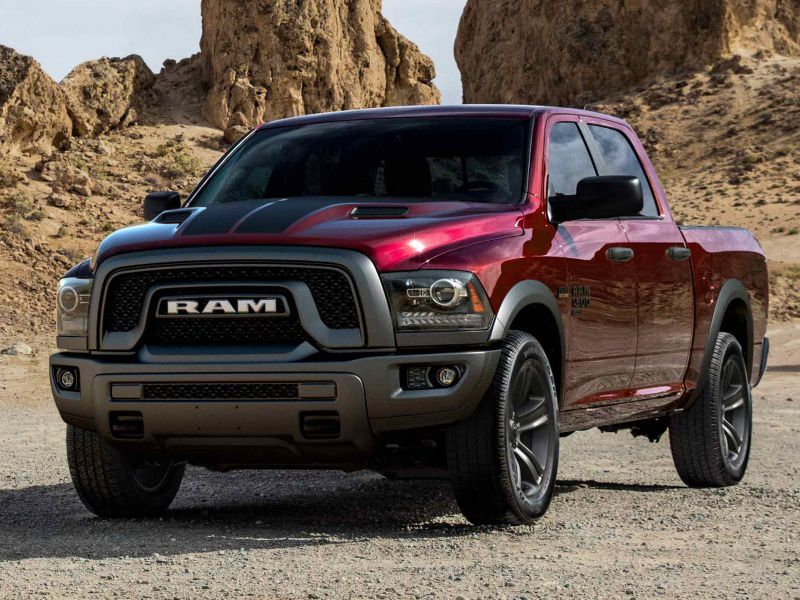
Many fleet buyers choose the RAM 1500 Classic for its lower price point. Government agencies, construction companies, and rental fleets often purchase in large quantities. Those buyers may believe they are supporting American manufacturing when they are actually buying a Mexican-assembled product. The confusion is understandable but costly.
RAM does not prominently advertise where the Classic is assembled. The truck is marketed with the same American work truck imagery as the Michigan-built 1500. Branding and advertising lean heavily on heritage and toughness. The actual assembly location is information buyers have to actively seek out.
This is not an accusation of wrongdoing. Building trucks in Mexico is a legal and common practice. But it does represent a gap between the brand’s American image and its manufacturing reality. Buyers who care about domestic production need to ask specific questions before purchasing.
The RAM 1500 Classic is a capable and affordable truck. It does the job it is designed to do. But if your reason for buying RAM is to support American jobs, the Classic is not the variant you should be reaching for. That distinction is critically important and consistently underreported.
2. Chevrolet Colorado
The Chevrolet Colorado has been a popular mid-size truck option for American buyers. It slots below the full-size Silverado and targets buyers who want something smaller and more maneuverable. Its American identity seems straightforward on the surface. The reality is considerably more complicated.
The Colorado is currently assembled at GM’s Wentzville Assembly Plant in Missouri. That sounds American enough. But the Colorado shares its platform and significant parts sourcing with the Isuzu D-Max, a truck produced in Thailand for global markets. The international DNA of this truck runs deep.
Previous generations of the Colorado were assembled in Thailand for certain global markets. Components and engineering are shared across borders in ways that blur the line between domestic and foreign manufacturing. The truck sitting in a Missouri dealership may have American assembly but a distinctly global identity underneath.
GM’s supply chain for the Colorado is less domestically concentrated than for the Silverado. Many components come from international suppliers. The domestic content score for Colorado has historically trailed that of its bigger sibling. Buyers assuming they are getting the same domestic content as a Silverado are mistaken.
Colorado’s mid-size positioning means it competes against the Toyota Tacoma, Ford Ranger, and Jeep Gladiator. Interestingly, the Tacoma a Toyota product has a more straightforward American assembly story in many of its production runs. The brand hierarchy does not always align with domestic manufacturing reality.
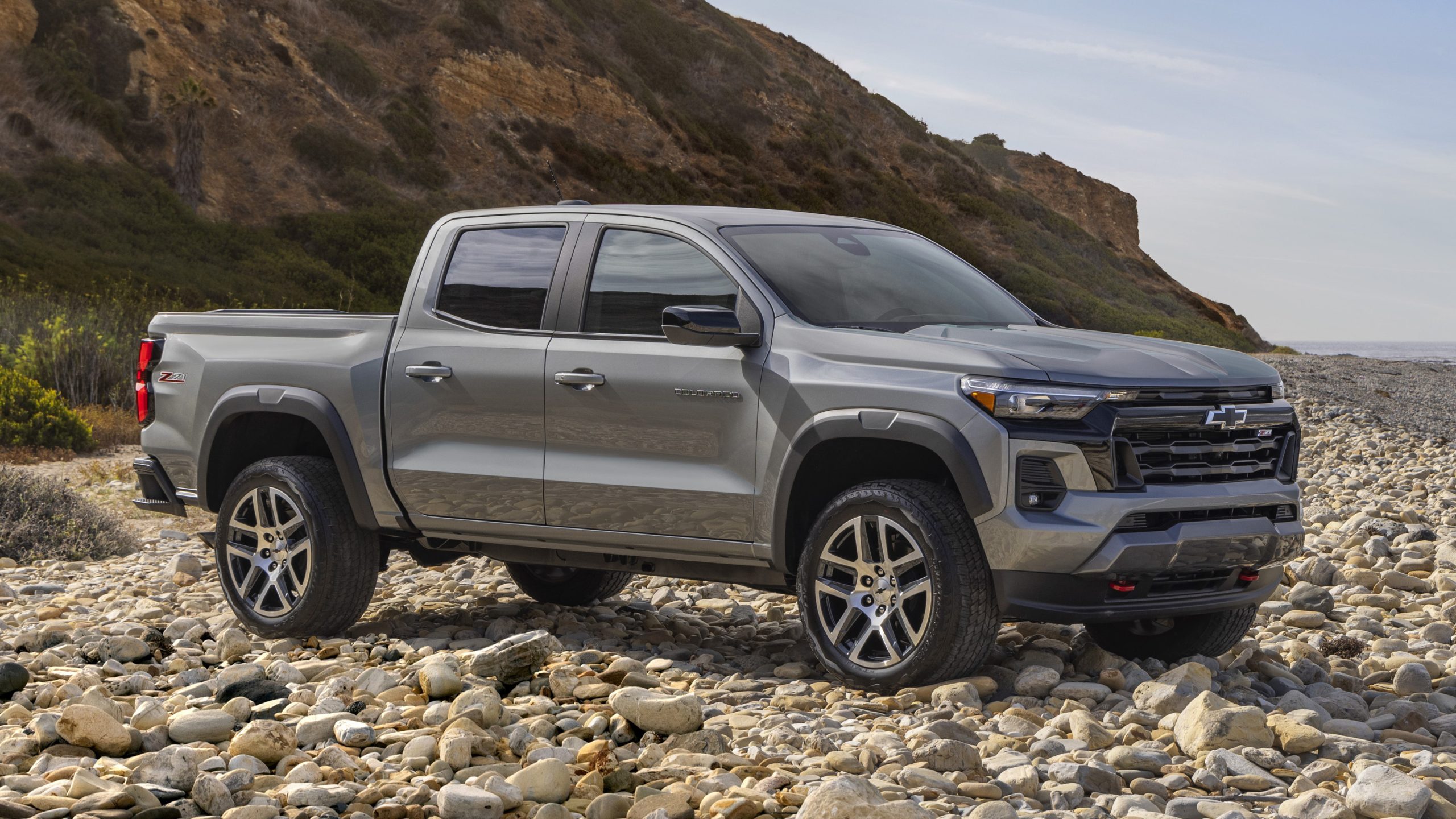
Wentzville workers assemble the Colorado, and those are real American jobs. That should not be dismissed. But the full picture of where this truck’s content comes from is more internationally distributed than the domestic assembly location suggests.
Marketing for the Colorado leans into Chevrolet’s broader American brand identity. The truck is presented alongside the Silverado as part of a proud domestic lineup. The nuances of parts sourcing and international platform sharing rarely make it into the advertising. Buyers deserve a clearer picture.
If domestic manufacturing is your priority, Colorado is a mixed bag. The assembly happens in America, but the economic and engineering roots spread far beyond American borders. It pretends to carry full American credentials when the reality is considerably more nuanced and internationally entangled.
3. Ford Ranger
The Ford Ranger has made a triumphant return to the American market after years of absence. It fills the mid-size gap in Ford’s lineup and has found a strong buyer base. Ford assembles the Ranger at the Michigan Assembly Plant, which sounds properly American on the surface.
However, the Ranger’s story is far more global than its Michigan address implies. The current Ranger is based on a platform developed in Australia and shared globally. Ford sells this same basic truck in Europe, Asia, Africa, and South America with only modest regional adaptations. It is fundamentally a global product wearing American assembly clothes.
The Michigan Assembly Plant does build the Ranger, but its domestic content scores raise eyebrows. A meaningful portion of Ranger components comes from international suppliers. The global platform means global sourcing, which limits how much of the purchase price actually flows back into American supply chains.
Ford’s previous Ranger was discontinued in America in 2011, partly because the company wanted to push buyers toward the more profitable F-150. When the Ranger returned, it returned as a globally shared product rather than a purpose-built American truck. That is a fundamentally different product strategy than what produced the original Ranger.
Buyers drawn to the Ranger’s smaller footprint and relative affordability may not realize how internationally distributed its manufacturing is. The Ford badge and Michigan assembly plant location create a perception of American-ness that exceeds the manufacturing reality. It is a good truck, but not a purely American one.
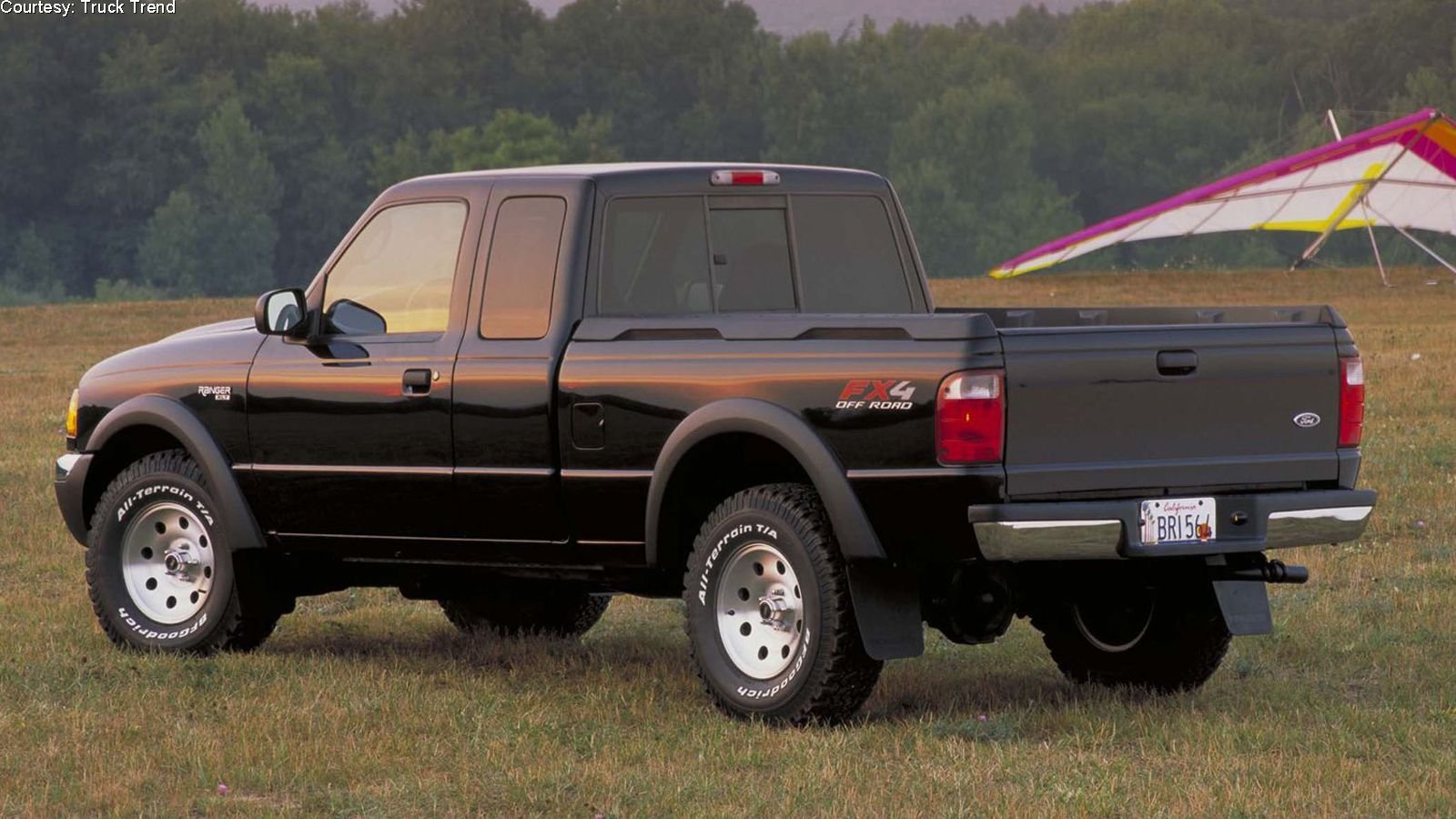
The Ranger Raptor, which arrived for the American market recently, makes the global nature even more visible. The Raptor variant was developed and refined in Australia. Ford did not create a separate American performance development program. The engineering work happened on the other side of the world.
Ford markets the Ranger with the same rugged American imagery it applies to the F-150. Cowboys, dirt roads, and work sites dominate the advertising. The actual origin story of the platform and the international distribution of its supply chain are conspicuously absent from the marketing conversation.
The Ranger is a competent and enjoyable mid-size truck. It genuinely is assembled in Michigan. But its global origins, international supply chain, and cross-continental platform development mean it wears its American identity more as a costume than as a genuine credential. That is worth knowing before you buy.
4. Honda Ridgeline
The Honda Ridgeline occupies a unique space in the truck market. It is built on a unibody platform rather than the traditional body-on-frame construction. That gives it a car-like ride quality that some buyers love and truck purists universally dismiss. Its American credentials are equally complicated.
Honda builds the Ridgeline at its Lincoln, Alabama, facility. Alabama has become a significant hub for foreign automaker production in the United States. Honda, Mercedes-Benz, and Hyundai all operate major plants in the state. The Ridgeline does have genuine American assembly behind it.
However, the Ridgeline’s domestic content scores are among the lower ones in the truck segment. Honda sources many of the Ridgeline’s components internationally. The platform is shared with the Honda Pilot and Passport SUVs, reflecting Honda’s Japanese engineering and global supply chain approach.
The Ridgeline presents itself as a practical, sensible American truck alternative. Its advertising often emphasizes American outdoor activities and the classic truck lifestyle. But the brand DNA, the engineering philosophy, and much of the parts sourcing are rooted in Japan. The Alabama assembly is real, but tells only part of the story.
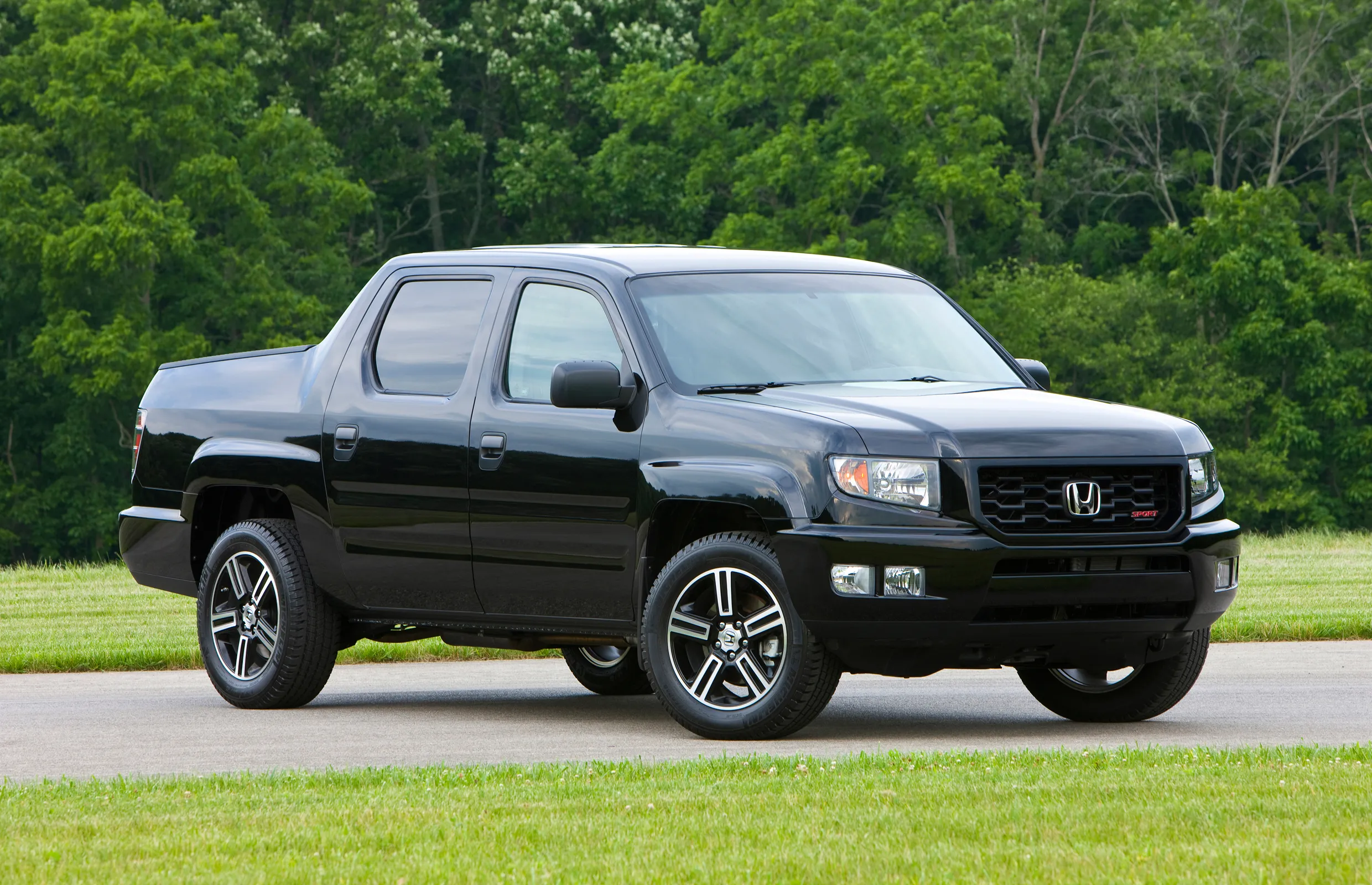
Ridgeline buyers often come from car-buying backgrounds rather than traditional truck culture. They want practicality and comfort over raw capability. Many of these buyers likely do not prioritize domestic manufacturing, which makes the Ridgeline’s blended identity less of a concern for its target demographic.
Honda has invested in its Alabama operations over the years. The Lincoln plant is a real employer in the local community. The company has a genuine presence in American manufacturing. But the Ridgeline is not the most domestically rooted product rolling out of that facility.
The truck’s dual-action tailgate and in-bed trunk are clever, distinctly Honda-style innovations. Those features were engineered in Japan, not in Alabama. American workers assemble Japanese ideas, which is a perfectly legitimate business model but not quite what the marketing imagery suggests.
The Ridgeline is a niche product that serves a specific kind of buyer well. It is assembled in America, which is genuinely meaningful. But calling it a fully American truck overstates its domestic credentials significantly. It is more accurately described as an American-assembled Japanese truck concept. That is a fundamentally different thing.
5. Nissan Frontier
The Nissan Frontier has been a reliable presence in the mid-size truck segment for many years. It has a reputation for durability and value that has kept buyers coming back generation after generation. Nissan builds the Frontier at its Canton, Mississippi plant, making it another case of a foreign brand, American assembly.
The Canton facility employs a significant number of Mississippi workers. It is a real manufacturing operation with real American jobs attached to it. Nissan has invested in the plant over multiple vehicle generations. The Frontier is genuinely assembled on American soil by American workers.
But the domestic content situation for the Frontier is where things get murky. Nissan’s supply chain is heavily weighted toward international sourcing. Many of the Frontier’s components are manufactured in Japan or other overseas locations. The assembly happens in America, but much of what gets assembled traveled a long way to get there.
The Frontier’s platform and engineering originate entirely in Japan. Nissan’s North American team has input into certain regional specifications. But the fundamental truck was designed, engineered, and originally conceived in Japan. American workers put it together, but American engineers did not create it.
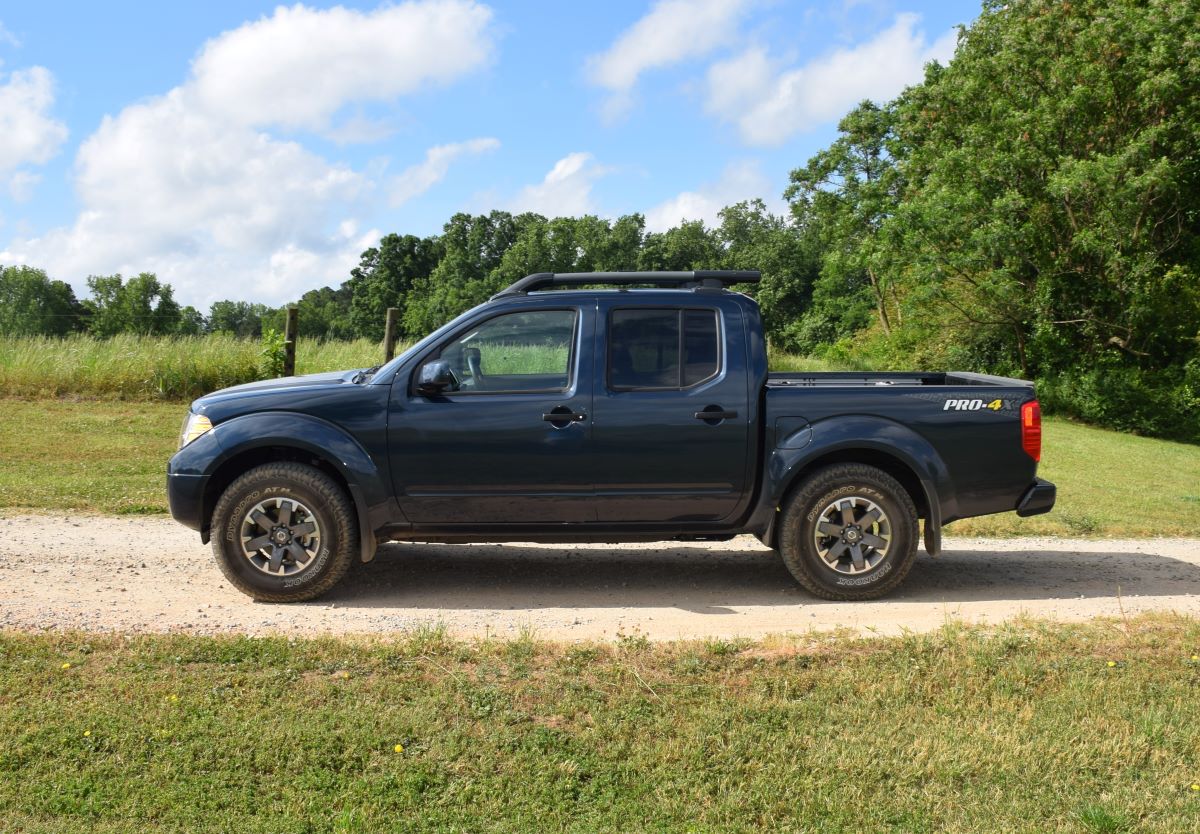
Nissan markets the Frontier with rugged outdoor imagery that resonates strongly in American truck culture. The advertising shows dirt, mountains, and hard work. The Japanese platform and international supply chain behind those images are not part of the story Nissan tells in its commercials.
The Frontier’s price competitiveness has made it attractive to budget-conscious buyers. It often undercuts rivals on sticker price, which appeals to practical shoppers. Some of that price advantage comes from the international supply chain structure, which may not align with what buyers think they are supporting.
Domestic content scores for the Frontier are modest compared to the American-built trucks in the first half of this list. The gap reflects the genuine difference in how these trucks are sourced and where their economic value actually flows. Numbers do not lie, even when marketing images try to tell a different story.
The Nissan Frontier is a dependable, reasonably capable mid-size truck. The Mississippi assembly gives it a legitimate American connection. But its Japanese engineering roots, international supply chain, and modest domestic content scores mean it belongs firmly on the pretender list. Good truck, incomplete American story.
Also Read: 7 Cars With Seats That Cool Down Fast On Hot Days
