
Summer heat can turn your car into an oven within minutes. Stepping inside a parked vehicle on a scorching afternoon is one of the most uncomfortable experiences any driver can face. The steering wheel burns your hands. The seat scorches the back of your legs. Even with the air conditioning running at full blast, it can take several minutes before the cabin feels remotely comfortable.
This is where ventilated and cooled seats make a massive difference. These advanced seating systems use fans, perforations, and sometimes refrigeration technology to pull heat away from your body. They work independently of the main air conditioning system. The result is immediate, targeted relief right where you need it most.
Car manufacturers have been perfecting this technology for years. What was once a luxury reserved for ultra-premium vehicles is now available across a wider range of models. From flagship sedans to family SUVs, cooled seats are becoming a must-have feature in hot climates.
India, the Middle East, and parts of the American South see extreme summer temperatures regularly. Drivers in these regions especially understand the value of a seat that cools down fast. This article explores seven cars that deliver the best ventilated seat experience available today.
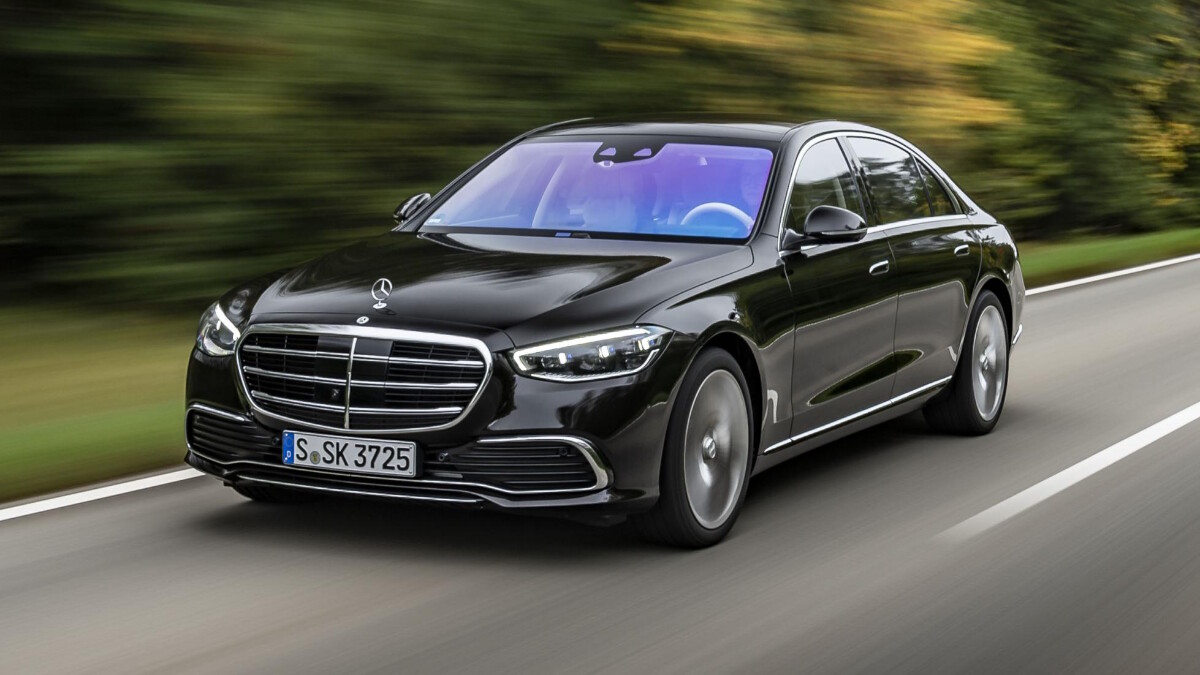
1. Mercedes-Benz S-Class
The Mercedes-Benz S-Class has long been considered the benchmark for automotive luxury. Every new generation raises the bar higher than before. When it comes to cooled seating, the S-Class sets a standard that few vehicles can match. It is not just about comfort, it is about engineering precision applied to every square inch of the cabin.
The S-Class uses a multi-layer ventilation system built directly into the seat cushion and backrest. Tiny perforations cover the seating surface in a carefully calculated pattern. Behind those perforations sit powerful yet whisper-quiet fans. These fans draw warm air away from your body and push it through the seat structure.
The system activates within seconds of pressing the cooling button. You feel the difference almost immediately. The airflow is distributed evenly across your back and thighs. There are no cold spots or uneven patches, just consistent, smooth cooling.
Mercedes engineers designed the seat foam with specific density levels to allow maximum airflow. The perforations are laser-cut for precision. Every detail is intentional. The leather used on ventilated S-Class seats is specially treated to remain breathable even in extreme heat.
The cooling system is also linked to the climate control unit. When you set the cabin temperature, the seat ventilation adjusts automatically. You do not need to manage two separate systems. The car thinks ahead for you.
The S-Class offers optional multi-contour seats with massage, heating, and cooling functions combined. These seats remember your preferred cooling level. They adjust based on ambient temperature sensors placed throughout the cabin. In summer, the system can pre-activate cooling before you even sit down if you use the remote start function.
Owners in hot climates consistently praise the S-Class seat cooling as the fastest and most effective they have experienced. The seats feel noticeably cool within the first thirty seconds. Even in direct sunlight with a dark interior, the ventilation keeps you comfortable. Long drives in summer heat become dramatically more bearable.
The S-Class also uses active carbon filtration in the ventilation path. This means the air being circulated through your seat is clean and fresh. It is a small detail that makes a big difference over long journeys.
No other manufacturer combines this level of material science, airflow engineering, and climate integration in one seat. The S-Class costs a significant amount of money. But for those who spend long hours behind the wheel in hot weather, every rupee or dollar spent feels justified. This is cool seating at its absolute finest.
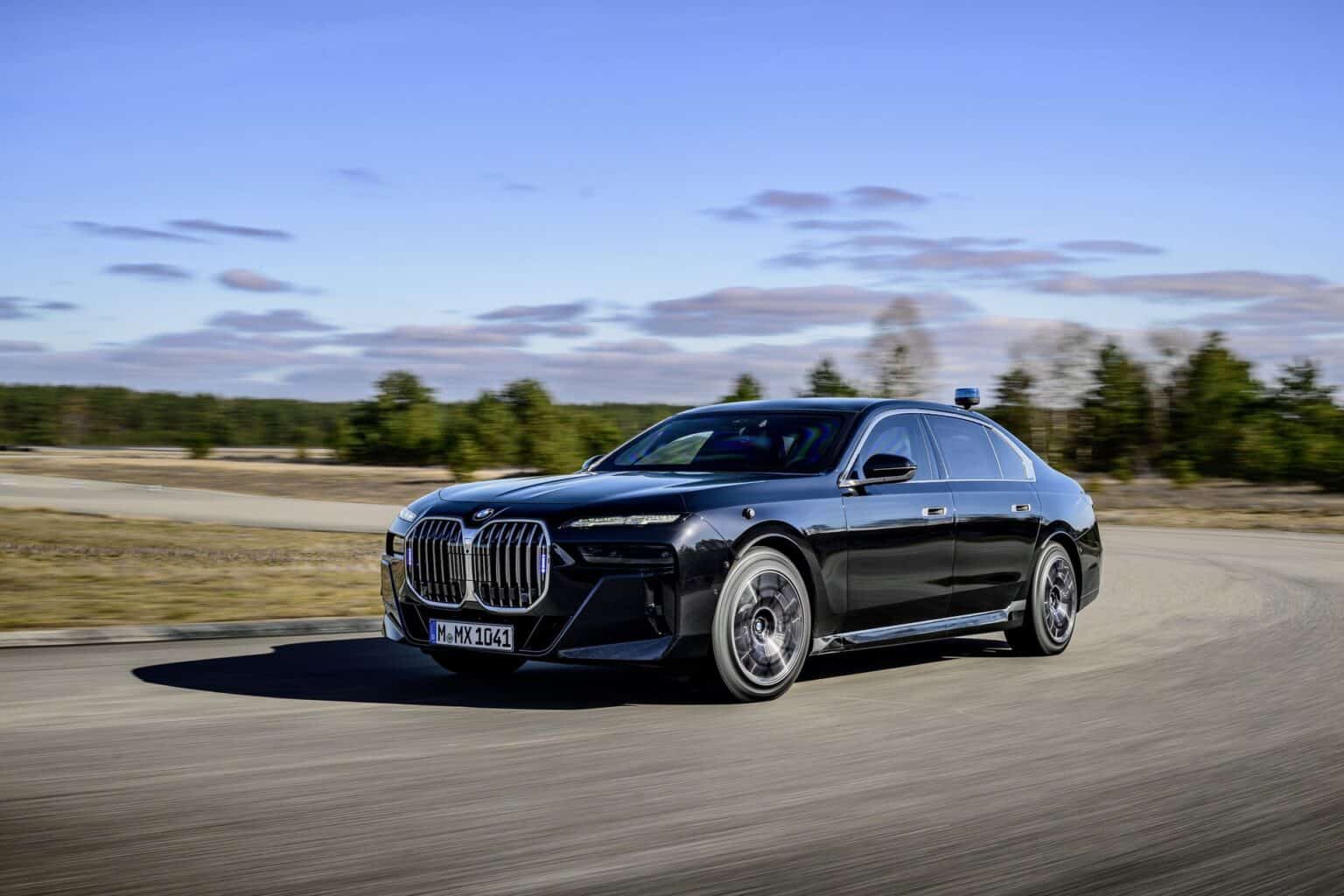
2. BMW 7 Series
BMW has always been about the driving experience. The 7 Series extends that philosophy to every aspect of the car, including how it keeps you cool. The latest generation 7 Series features some of the most advanced seat ventilation technology in the luxury segment. It combines BMW’s signature precision with genuine comfort innovation.
BMW’s ventilated seats use a dual-zone fan system. One fan handles the seat cushion area. The other manages the backrest independently. This separation allows for more customized airflow. You can have stronger cooling in one zone while keeping the other at a gentler setting.
The seat surface uses perforated Nappa leather as standard on ventilated trims. The perforation pattern is denser than that of many competitors. More holes mean more airflow per square inch. The result is faster initial cooling when you first sit down.
The 7 Series iDrive system manages seat ventilation alongside cabin temperature. The system learns your preferences over time. It tracks how often you use cooling at what temperatures. Over several drives, it begins to anticipate your needs.
BMW also includes a feature called “Pre-Entry Climate.” You can activate seat cooling remotely through the BMW app. By the time you open the car door, the seats are already beginning to cool. In a hot parking lot, this makes an enormous difference.
BMW uses what they call “Climate Leather” on their ventilated seats. This leather undergoes a special tanning process. The treatment maintains the leather’s natural breathability. Standard leather tends to trap heat and moisture. Climate Leather actively works against that tendency.
The foam padding beneath the leather is also engineered for airflow. It uses an open-cell structure. Air moves through it freely rather than getting trapped. This foam-to-leather combination is a key reason BMW seats cool down quickly.
The 7 Series offers up to five-zone climate control in some configurations. The rear seats in the executive version also feature ventilation. Passengers in the back seat get the same cooling benefits as the driver. This is especially appreciated during family travel in hot summer conditions.
BMW 7 Series owners in regions like the UAE and India regularly mention seat cooling as one of their favorite features. The system is fast. It is quiet. It works consistently across different temperature conditions. There are no complaints about uneven cooling or system lag.
The 7 Series represents BMW’s commitment to making every moment inside the car as enjoyable as the drive itself. The cooled seats are a perfect expression of that philosophy. They work so well that you almost forget how hot it is outside.
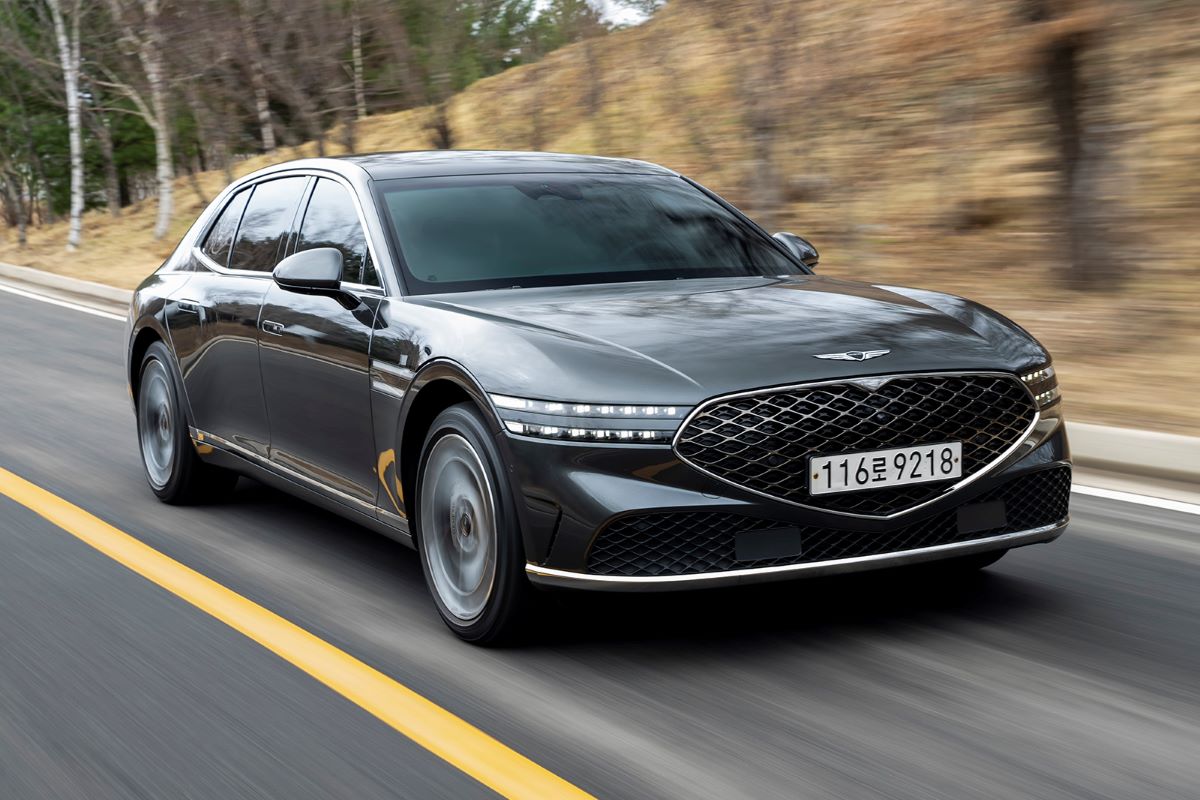
3. Genesis G90
Genesis is Hyundai’s luxury division, and the G90 is its flagship sedan. It has surprised the automotive world by competing directly with German luxury giants. In the area of cooled seating, the G90 does not just compete, it often leads. The technology packed into these seats is remarkable for the price point.
The G90 uses what Genesis calls “Active Ventilation Technology.” This system goes beyond simple fan-based cooling. It uses a layered approach with three distinct airflow channels within each seat. The channels target different body contact zones. Your lower back, upper back, and thighs each receive dedicated airflow.
The fans in the G90 seats are among the fastest-spinning in the segment. Higher fan speed means more air movement per second. More air movement means faster heat dissipation from your body. The difference is noticeable from the very first second you activate the system.
Independent automotive tests have shown the G90’s cooled seats reach maximum airflow within eight seconds of activation. That is faster than most German competitors at the same price level. In a car that has been sitting in the sun for several hours, this speed matters enormously.
The system also draws outside air through a dedicated vent rather than recycling cabin air. Fresh air is always cooler and drier than recirculated interior air. This design choice gives the G90 a real-world advantage in extremely hot conditions.
Genesis uses hand-stitched Nappa leather across the G90’s seating surfaces. The leather is perforated in a diamond pattern unique to the brand. This pattern is not just aesthetic. It is calculated to maximize airflow while maintaining structural support for the seat cushion.
The seat cushion itself uses memory foam with a ventilation channel running through the center. This channel acts as a highway for airflow. It connects the fan directly to the perforated surface above. The path from fan to surface is as short and efficient as possible.
The G90’s rear seats deserve special mention. Genesis offers ventilation in all four outboard seating positions. This is unusual even among luxury competitors. Rear passengers in the G90 enjoy the same quality of cooling as the driver and front passenger.
The rear seat controls are easy to reach and operate. Each rear passenger controls their own cooling level independently. Long rear-seat journeys in summer become genuinely comfortable rather than merely tolerable.
The G90 costs significantly less than a comparable S-Class or 7 Series. Yet its cooled seat technology is arguably on par with those more expensive vehicles. This value equation has won Genesis many admirers. For buyers in hot climates who want excellent seat cooling without paying German luxury prices, the G90 makes a compelling case.
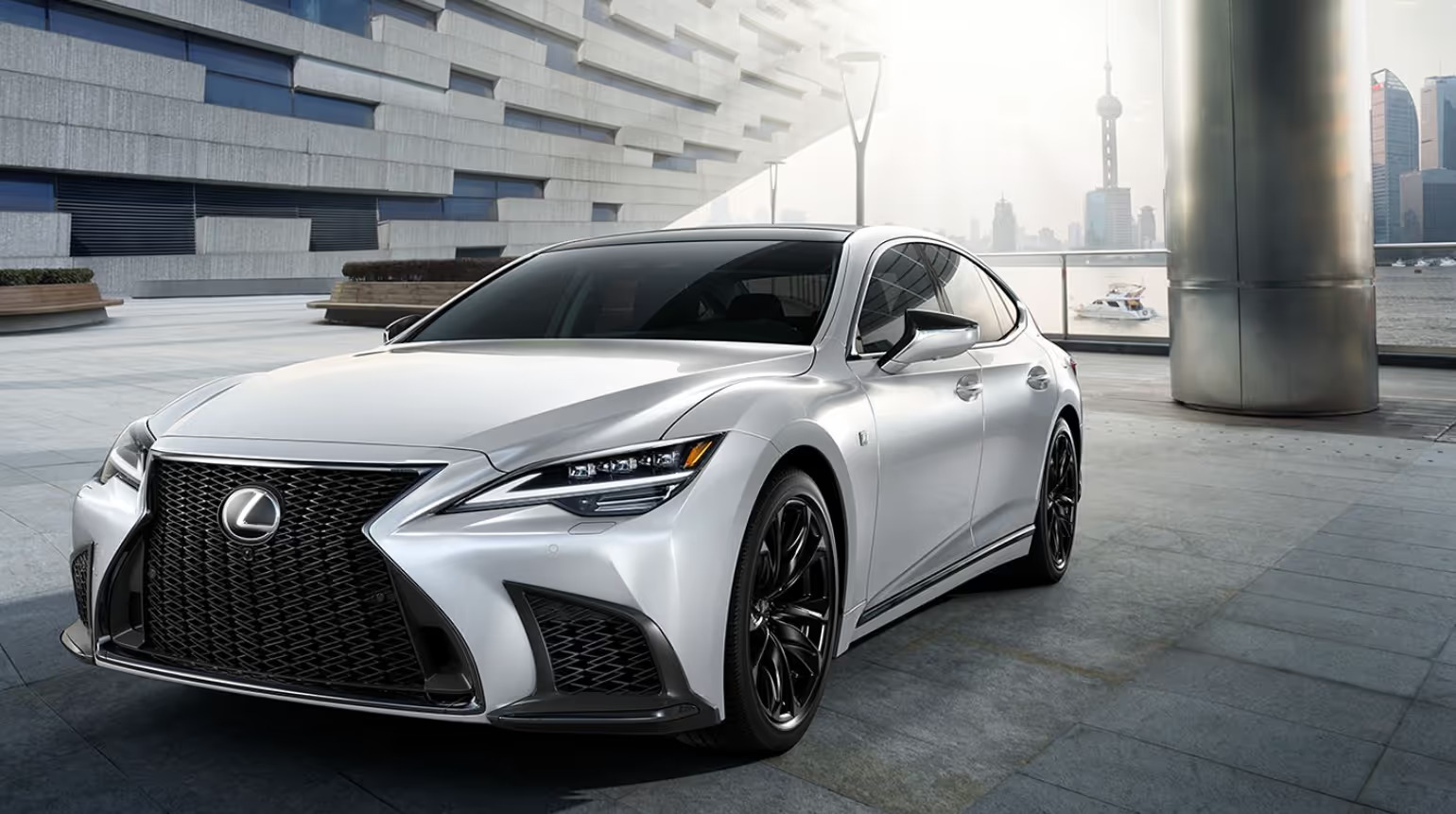
4. Lexus LS
Lexus built its reputation on reliability, refinement, and attention to detail. The LS flagship sedan brings all three qualities to its cooling seat technology. Lexus approaches ventilated seating with the same obsessive precision it applies to every other aspect of the vehicle. The result is a system that works flawlessly every single time.
Lexus engineers spent years studying how heat transfers between the human body and a car seat. Their research informed every aspect of the LS cooling system. The fan placement, the perforation density, and the foam composition were all decided based on this research data.
The LS uses a three-stage cooling system. Stage one activates the fans at full speed for the first ninety seconds. Stage two reduces fan speed slightly once the initial heat is removed. Stage three maintains a steady, comfortable temperature. This graduated approach prevents the sudden cold blast that some drivers find uncomfortable.
The Lexus LS Kiriko Glass Edition showcases the brand’s Japanese artistry. The same philosophy applies to the seats. The perforations in Lexus LS seats are arranged in a pattern inspired by traditional Japanese textile designs. The pattern serves both aesthetic and functional purposes.
The leather is sourced from specific cattle in cooler climates. Lexus believes the hide quality affects breathability. Animals raised in cooler conditions produce leather with a tighter, more consistent grain structure. This grain structure allows for more uniform perforation without weakening the material.
The LS uses semi-aniline leather on its ventilated seats. This type of leather retains more of the hide’s natural characteristics than fully corrected leather. It breathes more naturally. It also absorbs less heat from direct sunlight than heavily treated alternatives.
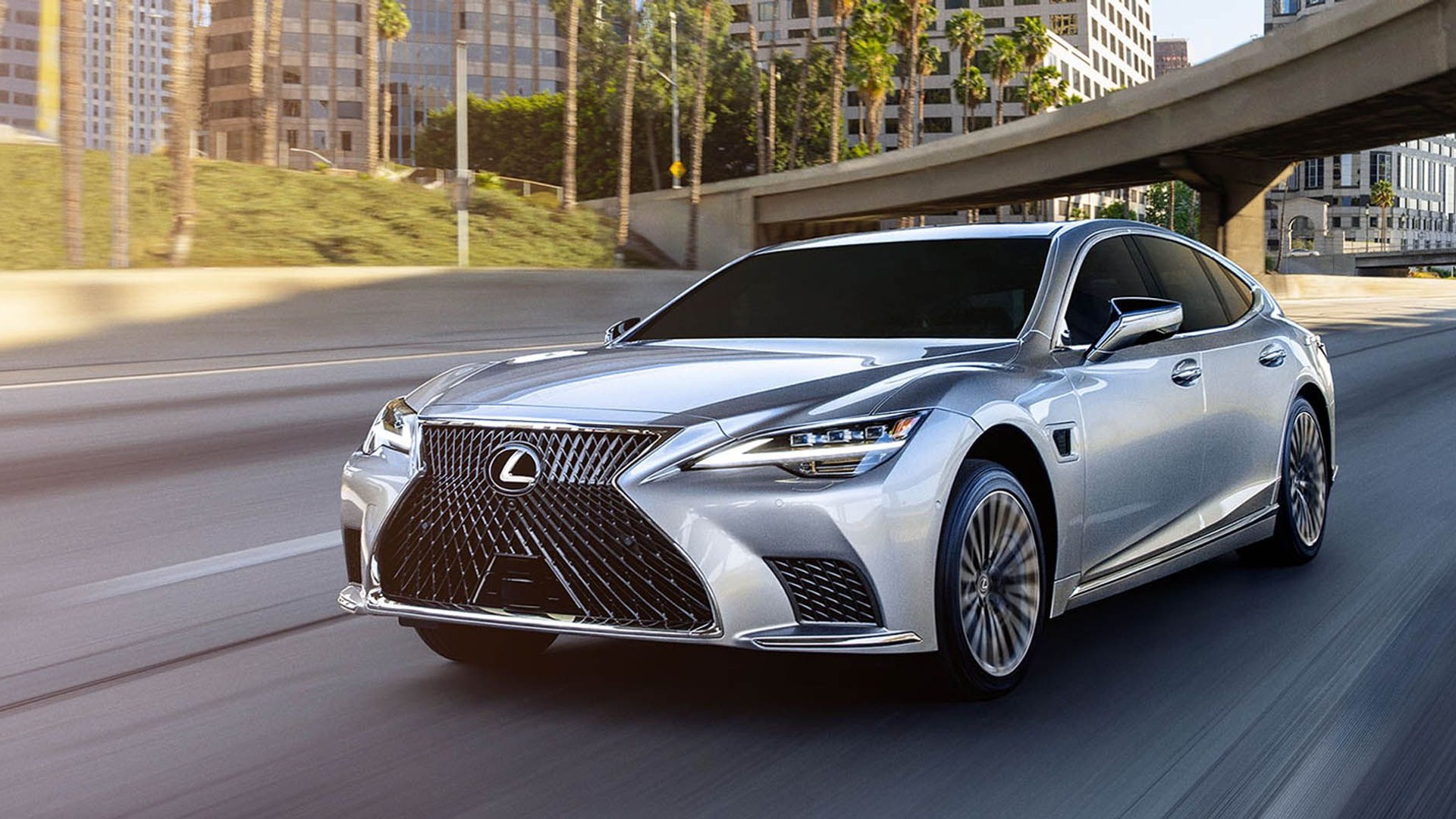
In practical terms, semi-aniline leather in the LS means the seat surface itself is cooler when you first sit down. The ventilation system then maintains that cooler baseline rather than fighting against a heat-soaked seat. The combination works remarkably well in hot climates.
The LS offers a feature called “Climate Concierge.” This system monitors multiple sensors throughout the cabin. It adjusts seat ventilation, cabin air conditioning, steering wheel heating or cooling, and airflow direction simultaneously. Everything works together as one unified system.
Climate Concierge learns from your preferences. If you always increase seat cooling on days above a certain temperature, the system begins to anticipate that. After a few weeks of ownership, it feels like the car knows exactly what you need before you ask.
Lexus LS owners frequently report that the cooled seats remain effective over very long drives. Many systems lose efficiency as the fans heat up with extended use. The LS fans are designed for continuous operation without performance degradation.
On a ten-hour summer road trip, the LS seats keep you feeling fresh at the end as they did at the beginning. This durability is a hallmark of Lexus engineering. It is one more reason the LS remains a top choice for discerning buyers in hot climates.
Also Read: 9 Cars With Real Buttons For The Climate Control
5. Cadillac Escalade
The Cadillac Escalade is America’s most iconic luxury SUV. It is large, bold, and unapologetically comfortable. The Escalade’s cooled seat system reflects the American approach to comfort, maximum output, immediate relief, and enough capacity for every seat in the house. This SUV cools you down fast and keeps you cool for the long haul.
The Escalade features GM’s SuperCruise driver assistance technology. On long highway drives, SuperCruise handles most of the driving. This means the driver spends more time sitting relatively still. Good seat ventilation becomes even more important in this scenario.
GM engineers designed the Escalade’s ventilated seats specifically with long-duration use in mind. The fans are rated for continuous operation. The airflow design prevents hot spots from developing during extended use. SuperCruise and ventilated seats together make cross-country summer driving genuinely pleasant.
The Escalade’s premium audio system required acoustic engineering throughout the cabin. Interestingly, this acoustic work benefited the seat ventilation system as well. The fans chosen for the ventilated seats had to meet strict noise targets. The result is an extremely quiet cooling system.
You hear almost nothing when the Escalade’s seat ventilation runs. The airflow is strong but silent. This silence enhances the premium feel of the interior. You feel the cooling working without any distracting fan noise.
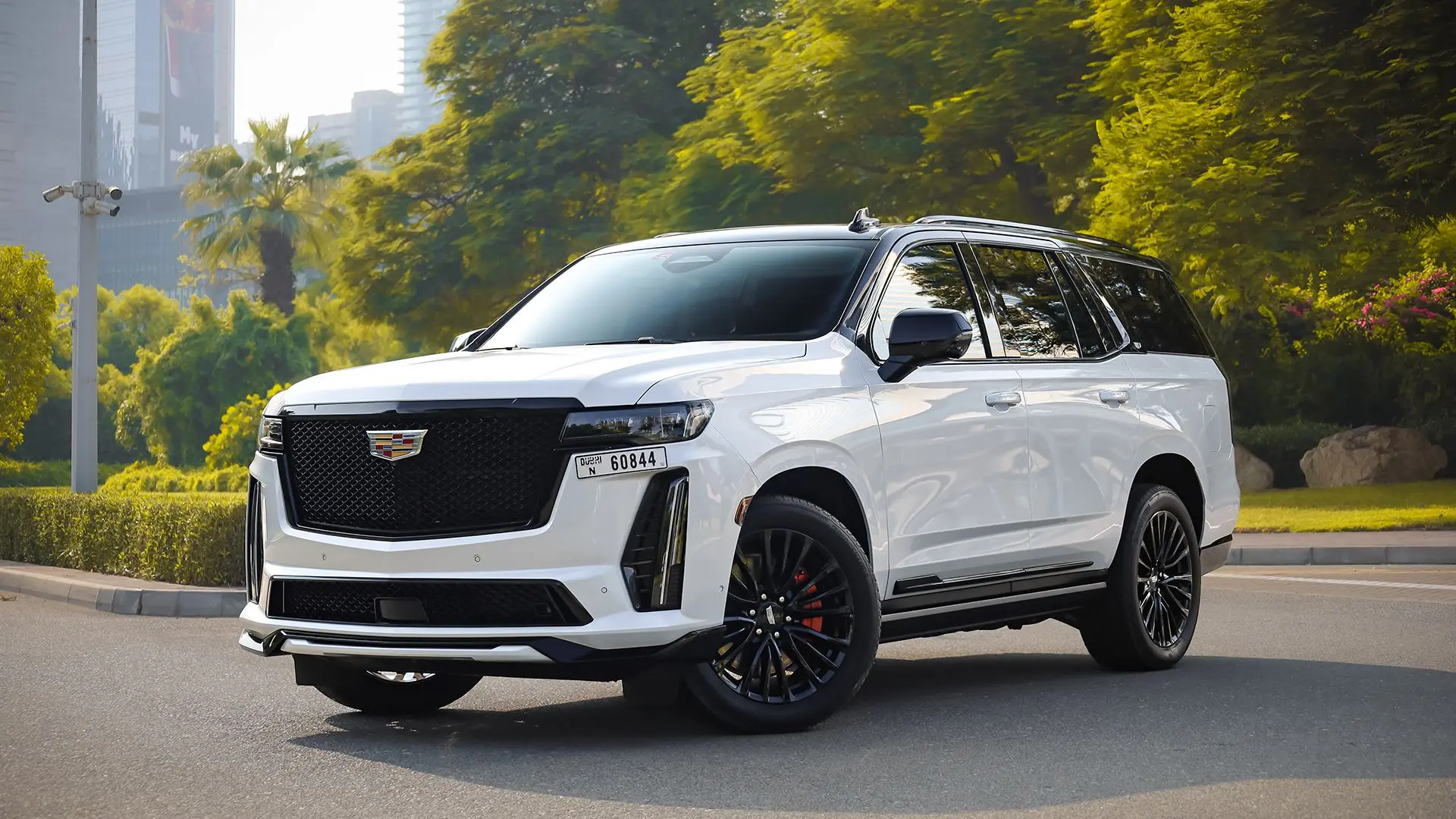
The Escalade offers up to six-zone climate control. Each zone can be set independently. The driver, front passenger, second-row left, second-row right, and third-row zones all have separate controls. Ventilated seats are available in the first and second rows.
This means up to six people can enjoy personalized cooling simultaneously. For family travel in hot climates, this is transformative. No more arguments about temperature. Everyone controls their own comfort.
The Escalade’s front seats combine massage and ventilation in one system. The massage function uses air bladders within the seat. The ventilation system uses a separate fan and perforation network. Both can run simultaneously without interference.
During a long drive in summer heat, you can have a massage working on your lower back while the ventilation keeps your entire seating surface cool. This combination addresses both physical fatigue and thermal discomfort at the same time. It is one of the most complete comfort systems in any vehicle.
The Escalade’s large seat dimensions work in favor of the ventilation system. More seat surface area means more perforation points. More perforation points mean more total airflow. A larger seat can accommodate more powerful fans without them feeling intrusive.
The Escalade turns its size into a ventilation advantage. The seats cool a larger area of your body compared to smaller vehicles. The back, sides, and thighs all receive meaningful airflow. In extreme heat, this comprehensive coverage makes a real difference.
6. Audi A8
The Audi A8 is the German automaker’s flagship luxury sedan. It represents the pinnacle of Audi’s engineering capability. The A8’s cooled seat system reflects the same technical precision that defines the rest of the vehicle. Audi approaches thermal comfort with an engineer’s mindset, measurable, consistent, and optimized.
The A8 uses a four-zone climate control system as standard. The seat ventilation is deeply integrated with this system. When you set the cabin temperature, the seat cooling adjusts to complement that setting. The two systems work together rather than independently.
Audi’s MMI system provides detailed control over seat ventilation. You can set three levels of cooling for each seat independently. The interface is clear and intuitive. Making adjustments while driving requires minimal attention, which is both safe and convenient.
The A8 uses data from external temperature sensors to predict interior heat buildup. When parked in direct sunlight, the system calculates how hot the seats will become. If you have set a departure time, the A8 can begin pre-cooling the seats before you arrive.
This predictive approach means the seats may already be at a comfortable temperature when you get in. Rather than waiting for cooling to take effect, you experience comfort from the very first moment. This is a meaningful quality-of-life improvement in regions with extreme heat.
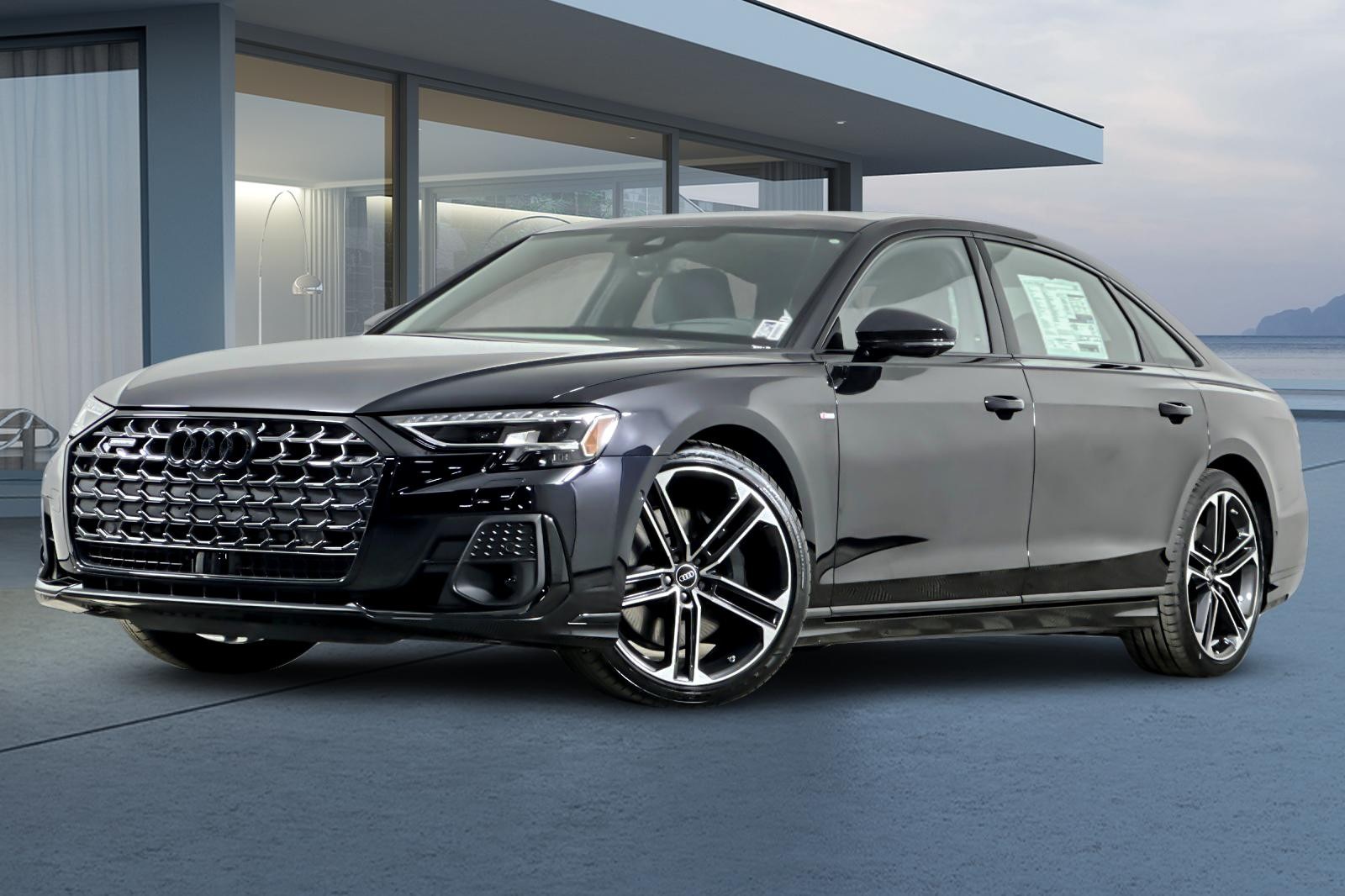
Audi offers Valcona leather as a premium option on the A8. This leather is produced in a facility that Audi partially owns in Germany. They control the entire production process. The leather is specifically treated to enhance breathability for ventilated seat applications.
Valcona leather in the A8 has a distinct tactile quality. It feels cool to the touch even before the ventilation system activates. The natural properties of the leather give the system a head start. The combination of material quality and fan technology makes for an exceptional experience.
Like the Escalade, the A8’s acoustic engineering influenced its ventilation fans. With the Bang and Olufsen sound system as an option, the acoustic environment inside the A8 is extremely refined. The seat fans had to meet the same low-noise standards as every other interior component.
Audi sourced specially designed brushless DC motors for the ventilation fans. These motors produce minimal electromagnetic interference and almost no audible noise. The cooling is effectively silent. You notice the comfort but not the mechanism producing it.
The A8’s massage seats use a different mechanism than its ventilation. The two systems are designed to operate simultaneously without compromising each other. During a massage cycle, the ventilation continues at full effectiveness. The air channels are routed around the massage bladders carefully.
This co-engineering of two complex systems in one seat demonstrates Audi’s commitment to integration. They do not bolt features together. They design them to coexist and complement each other. The result is a seat that does many things at once, all of them well.
The Audi A8 may not have the fastest cooling activation in this group. But it offers the most consistent performance across all conditions. Whether it is a quick errand or a full-day road trip, the A8 seats maintain the same quality of cooling throughout. Consistency is Audi’s signature, and it shows here.
7. Hyundai Ioniq 6
The Hyundai Ioniq 6 is a bold choice to include alongside legendary luxury sedans. But it earns its place with a cooled seat system that punches well above its price class. As an electric vehicle, the Ioniq 6 approaches seat cooling differently from its combustion-powered rivals. The results are impressive and increasingly relevant in a changing automotive world.
Electric vehicles have a unique advantage when it comes to seat cooling. The main battery provides abundant electrical energy without the parasitic losses associated with combustion engines. Drawing power for seat fans has a minimal impact on energy consumption. Hyundai used this advantage to build a more powerful ventilation system than you would expect at this price point.
The fans in the Ioniq 6’s ventilated seats run at higher wattage than comparable fans in many combustion vehicles. More power means stronger airflow. Stronger airflow means faster cooling from a heat-soaked seat. The EV powertrain enables better seat cooling efficiency.
The Ioniq 6 can be preconditioned remotely through the Hyundai app. This includes both cabin air conditioning and seat ventilation. You set your departure time in the app. The car begins cooling the cabin and seats before you arrive. Since it runs on battery power rather than the engine, you can do this even while the car is plugged in without wasting fuel.
Arriving to a pre-cooled car with pre-cooled seats is a transformative experience. You eliminate the most uncomfortable part of driving in summer, the first five minutes. The Ioniq 6 removes that discomfort entirely through smart connectivity.
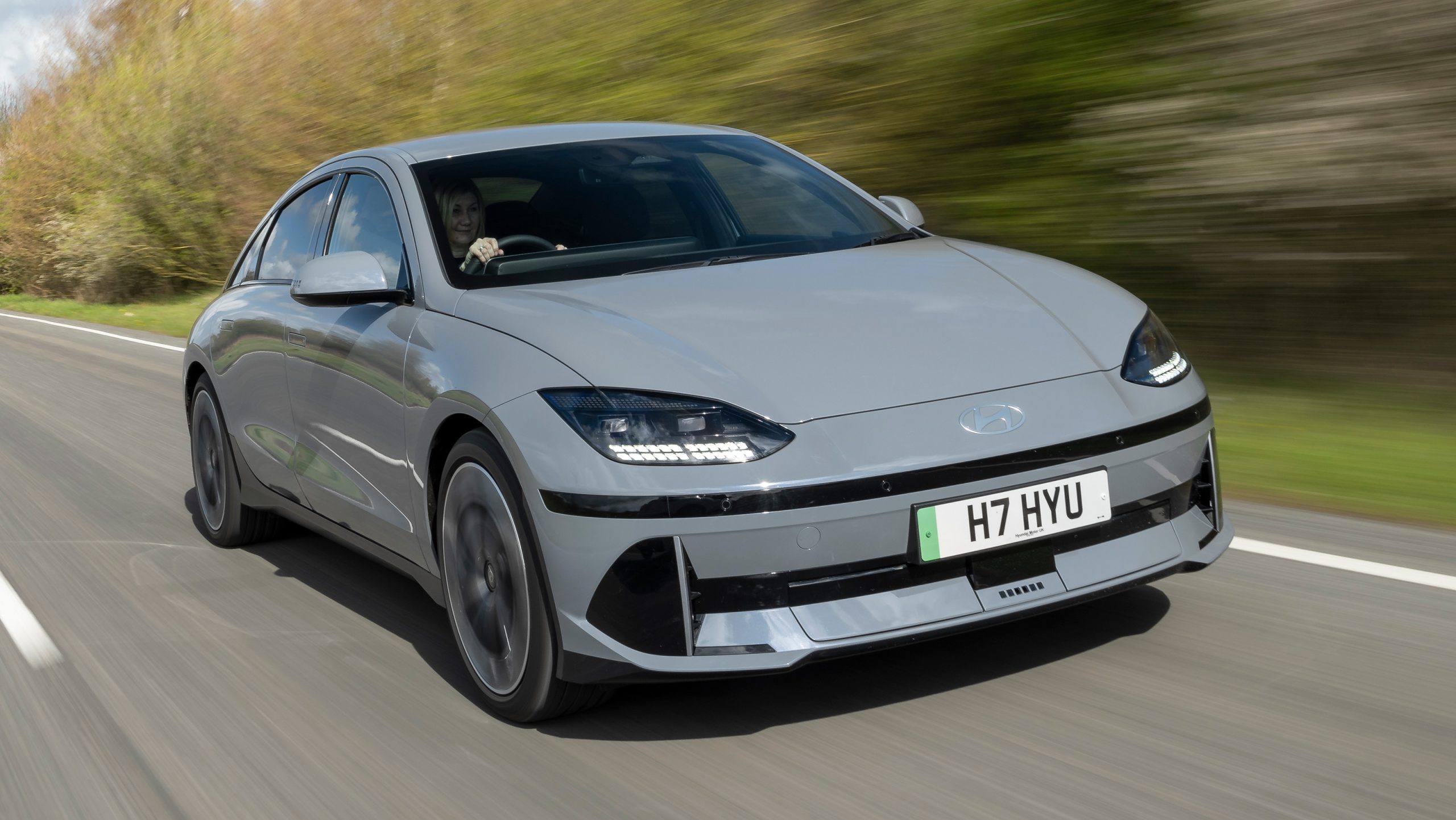
Hyundai made a conscious decision to use sustainable and recycled materials in the Ioniq 6 interior. The seat surfaces use a bio-fabric that is more breathable than conventional synthetic leather. This material choice aligns with environmental goals while also improving ventilation performance.
The bio-fabric perforates more uniformly than synthetic leather. Air passes through it with less resistance. The ventilation fans therefore, work more efficiently. Less resistance means the same fan power produces more actual airflow. The sustainable material choice turns out to be a thermal performance advantage as well.
The Ioniq 6 offers three levels of seat ventilation control. Level one provides gentle background airflow for mild warmth. Level two offers moderate cooling for typical summer days. Level three delivers maximum airflow for extreme heat conditions.
At level three, the Ioniq 6’s ventilated seats cool the seating surface noticeably faster than most competitors in its price range. Hyundai achieved this through careful fan selection and optimized airflow channel design. The engineering behind this system rivals what you find in vehicles costing twice as much.
The Ioniq 6 also offers optional rear seat ventilation. This feature is unusual in a vehicle at its price point. Rear passengers can activate two levels of cooling through controls built into the rear center armrest. The controls are simple and easy to use.
For families with children or for drivers who regularly carry rear passengers in hot climates, this feature adds enormous practical value. It is available as part of an options package that remains affordable. Hyundai clearly understands what drivers in hot climates need.
The Ioniq 6 proves that cooled seat technology is no longer exclusively a luxury feature. It brings genuine, effective seat ventilation to a broader audience. The EV platform enables better cooling performance. The sustainable materials enhance airflow. The app integration eliminates the hot-start problem entirely.
For buyers who want fast, effective seat cooling without spending on a luxury vehicle, the Hyundai Ioniq 6 is the most important car on this list. It democratizes a feature that used to require a very large budget. In hot climates like India, where electric vehicle adoption is growing, the Ioniq 6 makes a powerful case for itself.
Also Read: 7 Cars With Trunks That Open Hands-Free
