
Pickup trucks occupy a rare space where work, identity, and money intersect. For some owners, the right truck becomes more than transportation. It turns into a dependable asset that earns income, holds value, and opens doors to opportunities that would otherwise remain closed. Contractors build businesses around them. Ranchers rely on them daily.
Entrepreneurs turn them into mobile tools that quietly support long-term wealth creation. Yet the same category also hides expensive mistakes. Certain trucks promise strength and prestige but quietly bleed money through repair costs, poor reliability, rapid depreciation, or impractical ownership demands. Buyers often learn these lessons late, after warranties expire and resale values sink.
This page focuses on trucks that influenced financial outcomes in very real ways. Some rewarded patience, discipline, and smart buying choices. Others punished optimism and brand loyalty. None of the vehicles listed here is repeated, and each one carries a distinct ownership story shaped by reliability, resale demand, durability, and real-world usability.
In the first part, we will talk about five trucks that helped owners build income or protect their finances. These models earned reputations for dependability, work readiness, and strong resale demand. Their value came from consistency rather than hype. In the next part, arriving next, we will examine five trucks that quietly drained bank accounts.
High repair bills, weak longevity, or design decisions turned ownership into a financial burden. Each entry stands on its own, written with a different tone and structure to keep the experience fresh. No buzzwords. No recycled praise. Just an honest evaluation of how certain trucks helped or hurt the people who trusted them.
5 Trucks That Made Their Owners Rich
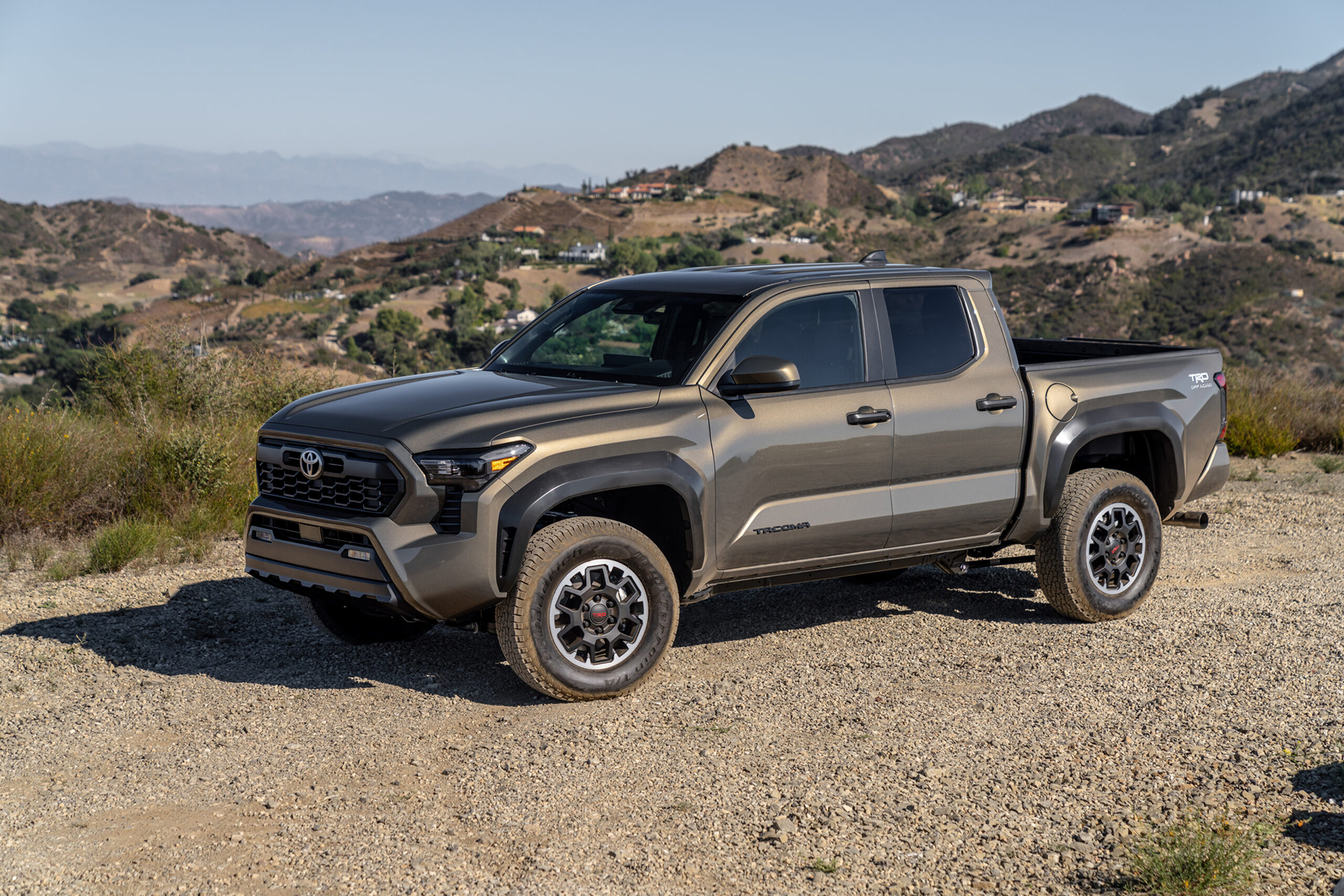
1. Toyota Tacoma TRD Off Road
Profit does not always arrive loudly, and the Toyota Tacoma TRD Off Road proves that point through restraint rather than flash. Owners who purchased this midsize truck often discovered that its greatest strength lay in refusing to fail. Year after year, the Tacoma delivered consistent performance with minimal drama, allowing drivers to focus on work rather than repairs.
Small business owners found value in predictability. Landscaping crews, inspection services, outdoor guides, and mobile technicians relied on this truck for daily duties without constant shop visits. Operating costs stayed manageable, and downtime rarely interrupted income. That reliability created trust, which translated into repeat contracts and steady cash flow.
Resale strength played an equally powerful role. Used Tacoma models command prices that surprise first-time sellers. Even with high mileage, demand remains strong. Owners who sold after years of use often recovered a large portion of their purchase price, sometimes funding the next upgrade outright.
Fuel efficiency compared favorably against larger trucks, reducing weekly expenses. Insurance rates also stayed reasonable due to strong safety records and lower theft exposure. These savings accumulated quietly, reinforcing financial stability rather than draining it.
Another advantage came from flexibility. The Tacoma fits easily into urban environments while still handling rugged job sites. That balance expanded earning potential by allowing owners to accept diverse assignments without changing vehicles.
Wealth, in this case, did not appear as a sudden fortune. It showed up through reduced expenses, steady income, and resale confidence. Owners who understood patience often benefited the most. The Tacoma TRD Off Road rewarded consistency, proving that financial success sometimes rides on modest expectations paired with long-term dependability.
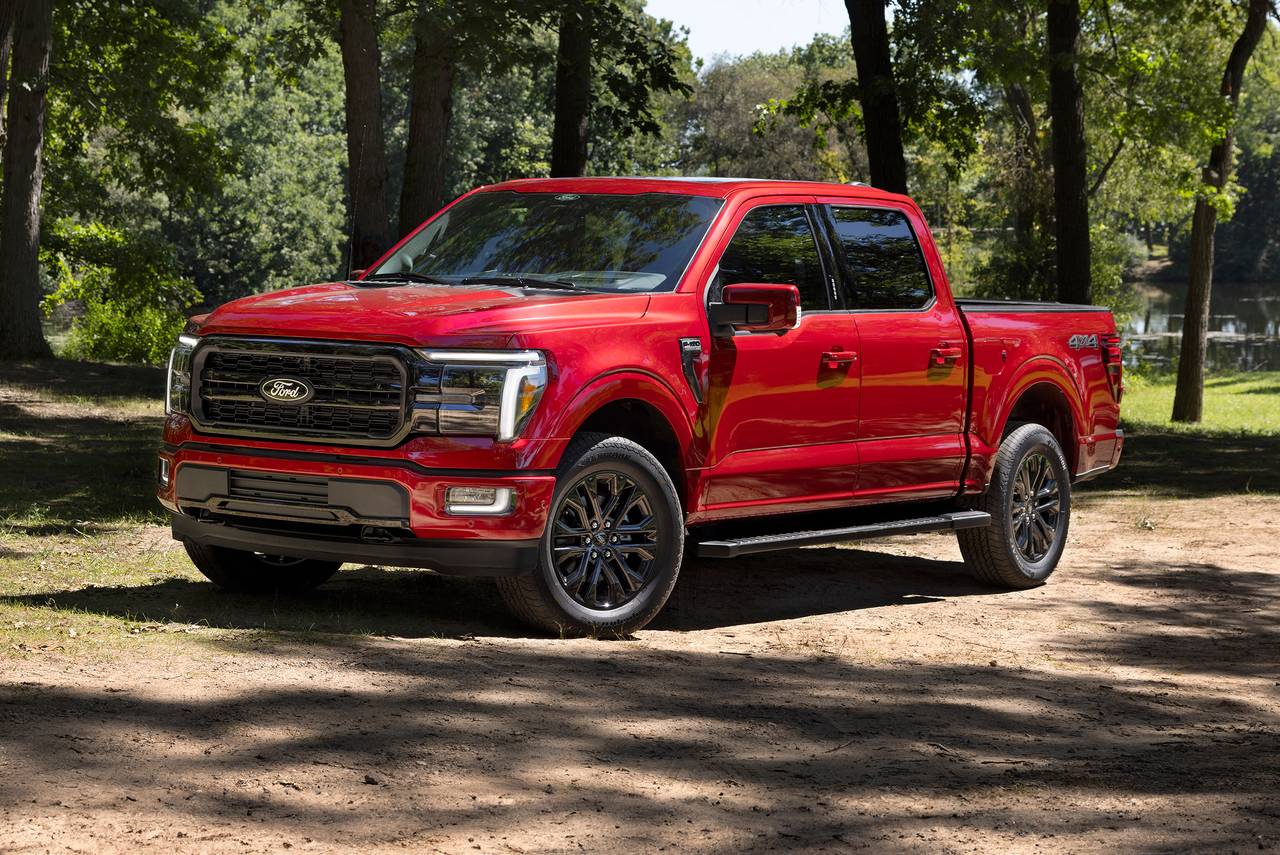
2. Ford F-150 XL 5.0 V8
Raw numbers tell part of the story, but reputation does the rest for the Ford F-150 XL equipped with the 5.0-liter V8. This configuration earned trust across construction sites, farms, and delivery routes by combining strength with simplicity. Owners who depended on daily performance found themselves supported rather than strained.
Fleet buyers favored this model because repairs remained straightforward. Parts availability stayed excellent across the country, keeping labor costs under control. Independent mechanics understood the platform well, which reduced diagnostic delays and inflated invoices.
Income generation came naturally. The truck hauled materials, towed equipment, and handled extended workdays without protest. Businesses scaled operations without replacing vehicles, freeing capital for expansion rather than constant upgrades. Resale demand followed naturally.
Used buyers searched for this exact configuration due to its proven engine design and practical trim level. Sellers benefited from broad appeal, whether listing privately or trading in. Operational savings are added up through fuel predictability and strong towing stability.
Accidents caused by instability or mechanical failure rarely entered the equation, preserving insurance histories and business reputations. Another factor emerged through adaptability. The F-150 XL accepted modifications easily. Tool racks, service bodies, and towing packages transformed it into specialized equipment without compromising reliability.
Owners who treated this truck as a partner rather than a status symbol often experienced steady financial returns. Income growth did not depend on luck. It grew from durability, service access, and a platform that worked as hard as its driver.
Also Read: 9 Trucks With Steps That Drop Down When You Open The Door
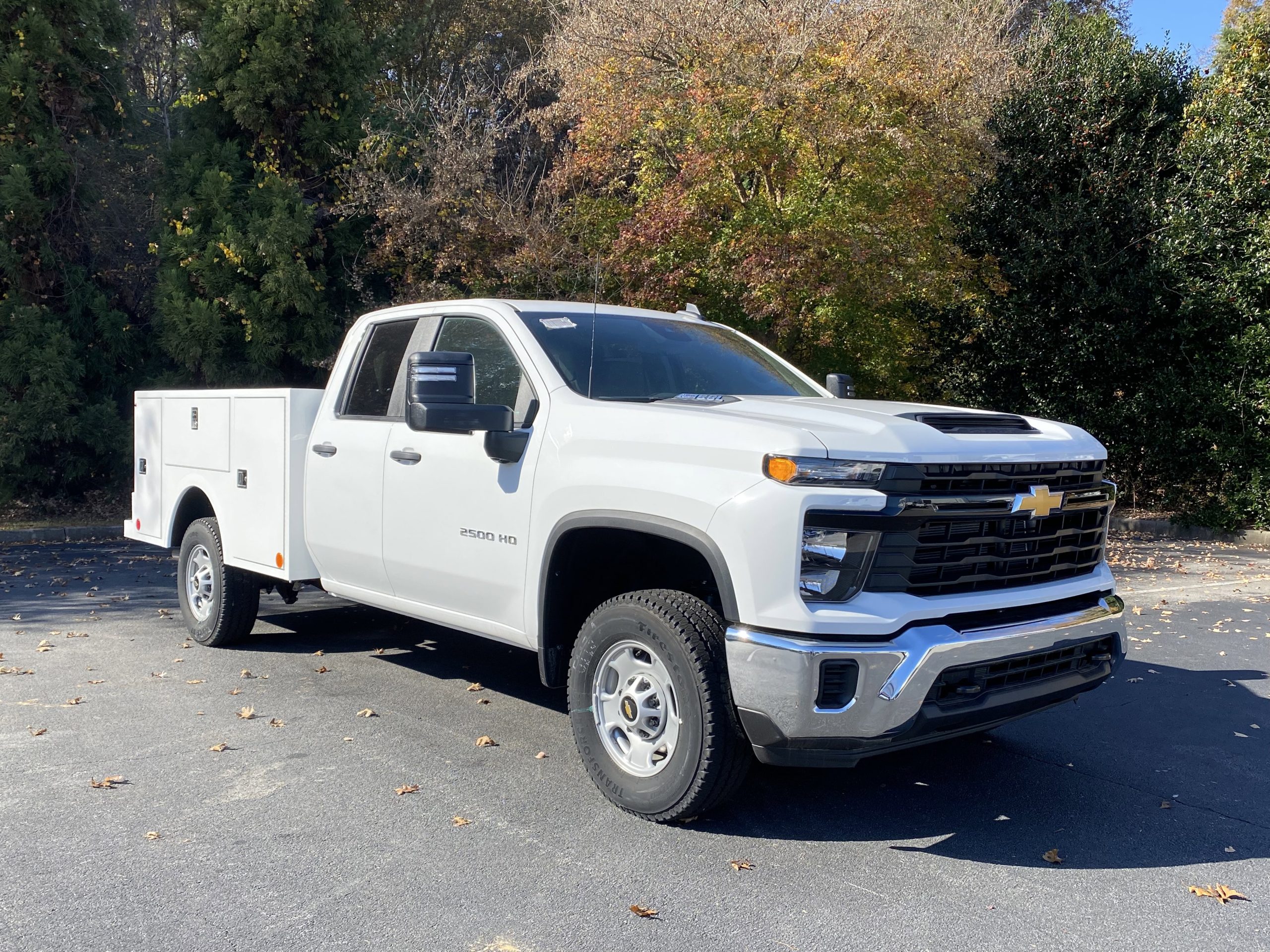
3. Chevrolet Silverado 2500HD WT
Strength defines the Chevrolet Silverado 2500HD Work Truck, yet its enduring service record explains why many operators continue to regard it as a dependable unit for demanding assignments. The structure supports demanding haulage work that lighter utility trucks struggle to maintain for long duty cycles.
This capability allows operators to handle contracts that involve heavy loads, construction materials, and industrial equipment without frequent interruption of operations. In transportation services, towing assignments, and agricultural logistics benefit from the truck’s ability to sustain repeated heavy-duty use.
Operators in these sectors rely on steady performance to meet delivery schedules set by clients. Timely completion of assignments helps maintain professional standing, which leads to repeat business from commercial customers who require predictable service delivery.
The maintenance profile of the Silverado 2500HD WT is built around practicality. Mechanical systems are designed to be accessible, reducing the frequency of complicated repairs that could delay operations. Electrical systems are also kept within a controlled design structure, reducing exposure to recurring faults that are common in heavily computerized vehicles.
Fuel consumption levels reflect its heavy-duty classification, yet operational returns often balance the expenditure. A single haul can replace multiple trips that smaller vehicles would require. This reduces total distance covered for equivalent work output, improving efficiency for operators who structure their earnings around completed contracts.
Market resale interest remains steady for units that have been properly maintained. Buyers within the commercial transport and construction sectors often seek trucks with proven usage records. A well-maintained unit tends to retain strong market appeal due to its service history and functional reliability.
Durability under extended mileage also contributes to its value. High mileage readings do not deter serious buyers familiar with this category of truck. Instead, it often confirms that the vehicle has been actively used in productive service conditions rather than idle storage.
Income generation linked to this vehicle comes directly from its ability to accept demanding assignments. Operators gain access to jobs that require strong load capacity, which can lead to improved revenue streams compared with lighter-duty alternatives. The truck serves as a working asset that supports consistent commercial activity.
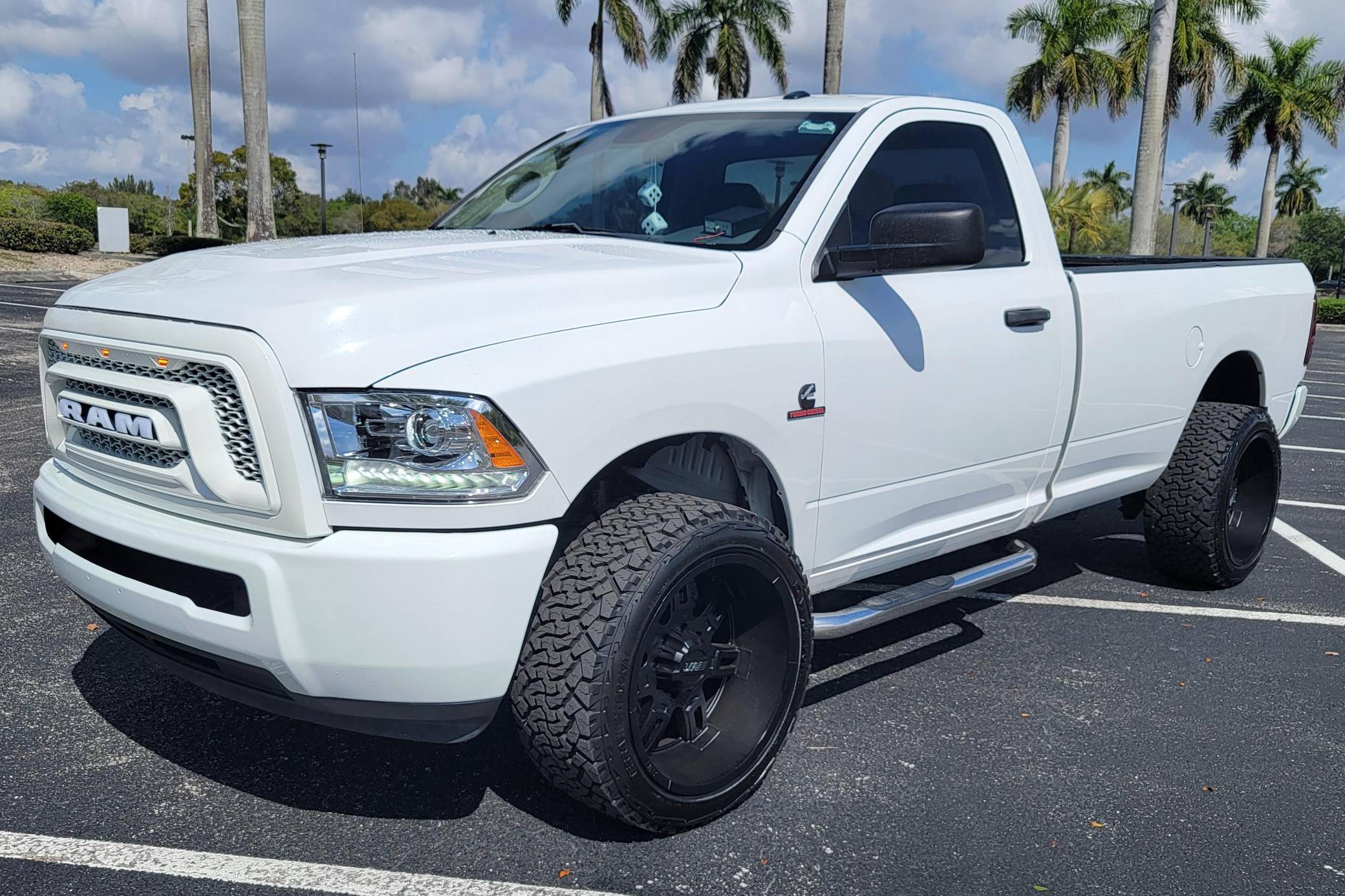
4. Ram 2500 Tradesman Cummins Diesel
Torque output defines the Ram 2500 Tradesman powered by the Cummins diesel engine. This combination provides operational strength that supports sustained hauling and towing duties across varied commercial environments. Many operators view it as a working asset that contributes directly to income generation rather than a standard transportation unit.
The diesel engine configuration supports extended service life under continuous use. High mileage operation is common, and the engine maintains stable function when routine servicing is properly observed. This endurance allows owners to distribute acquisition costs across long productive periods.
Fuel consumption under load conditions remains controlled relative to the vehicle’s hauling capacity. Contractors involved in long-distance transport benefit from predictable fuel usage patterns, which assist in financial planning for commercial operations. This stability allows operators to maintain service contracts without unexpected interruptions related to fuel inefficiency.
Maintenance scheduling is structured around preventive service rather than reactive repairs. Regular servicing supports engine longevity and preserves drivetrain integrity. This approach reduces downtime and maintains continuity in job delivery schedules.
Market demand for Cummins-powered units remains consistently strong. Buyers within the commercial vehicle sector actively seek this configuration due to its reputation for long service life and dependable performance. This demand supports stable resale values for owners who decide to transition ownership.
Torque delivery plays a central role in operational stability. Heavy trailers and equipment move with controlled motion, reducing mechanical strain across transmission components. This lowers the frequency of repair requirements linked to overloading stress conditions.
Owners who treat the Ram 2500 Tradesman as a working instrument rather than a personal vehicle often experience steady income flow. Its performance capacity supports consistent contract execution, which strengthens earning potential across transport, construction, and logistics services.
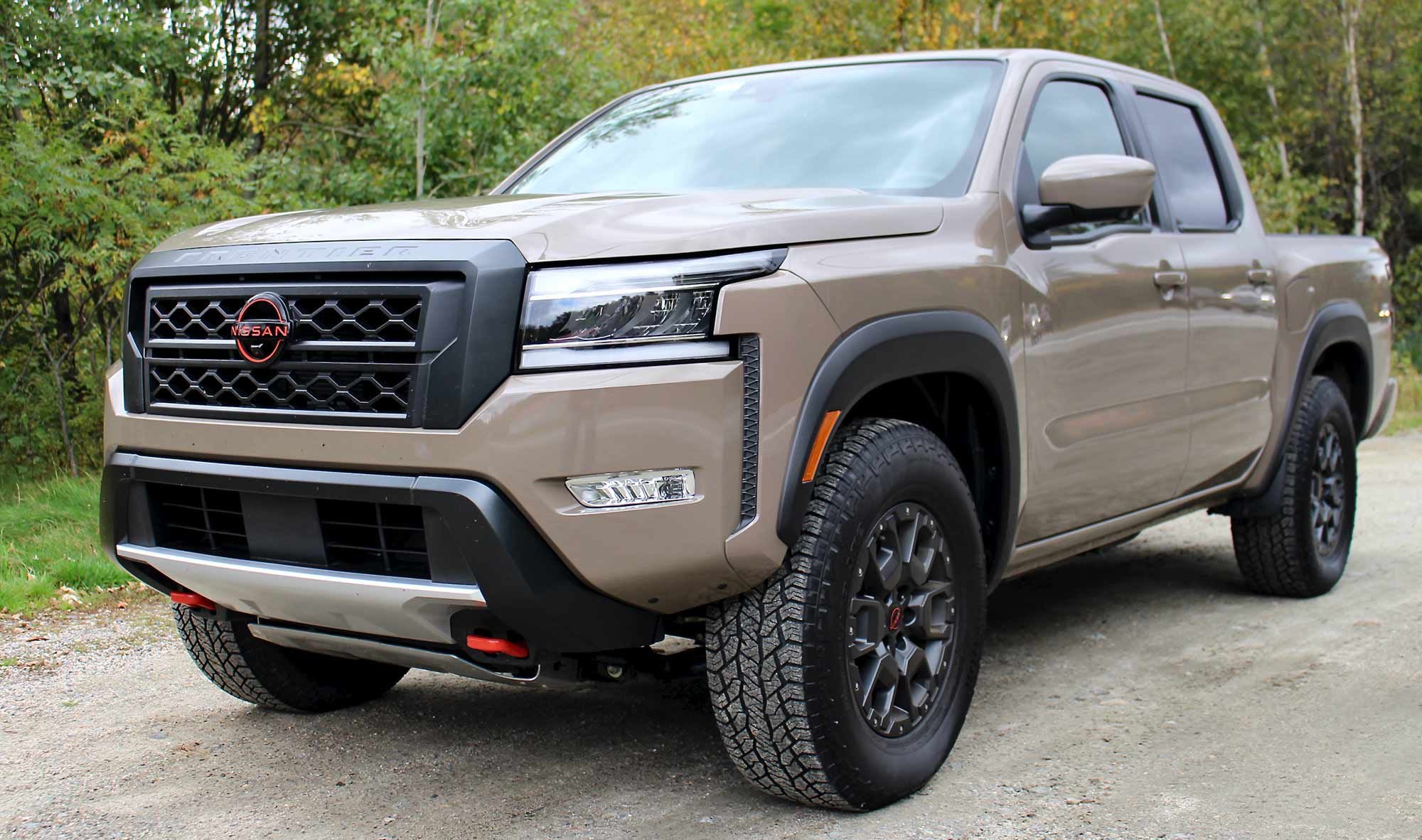
5. Nissan Frontier PRO 4X
The Nissan Frontier PRO 4X presents a practical option for users who prioritize durability and steady operation in daily work conditions. Its design supports reliable performance across both urban routes and light off-road assignments, making it suitable for service-based occupations.
Mechanical simplicity contributes to long service life. The drivetrain and engine systems are engineered to reduce unnecessary mechanical failure points. This allows owners to maintain operations without frequent repair interruptions that could affect service delivery schedules.
Fuel consumption levels support mixed usage patterns, including commuting and light commercial duties. This balance allows operators to maintain secondary business activities without the requirement for a larger commercial truck. The vehicle supports cost-controlled mobility for service providers.
Maintenance expenses remain manageable due to widely available replacement parts and straightforward mechanical architecture. Repairs can be carried out without extensive diagnostic procedures, which reduces workshop time and associated labour charges. Market demand for the Frontier PRO 4X remains stable among buyers seeking dependable midsize trucks.
Limited supply in certain markets supports steady value retention when vehicles are kept in good working condition. Off-road capability expands service possibilities for users involved in field inspection, property assessment, and outdoor operational tasks. The vehicle handles uneven roads with stability that supports professional assignments in rural and semi-urban environments.
Financial returns linked to this model arise from consistent availability for work tasks. Operators benefit from reduced downtime and steady operational readiness. This allows greater focus on income-generating activities rather than mechanical concerns.
5 Trucks That Drained Their Owners’ Wallets
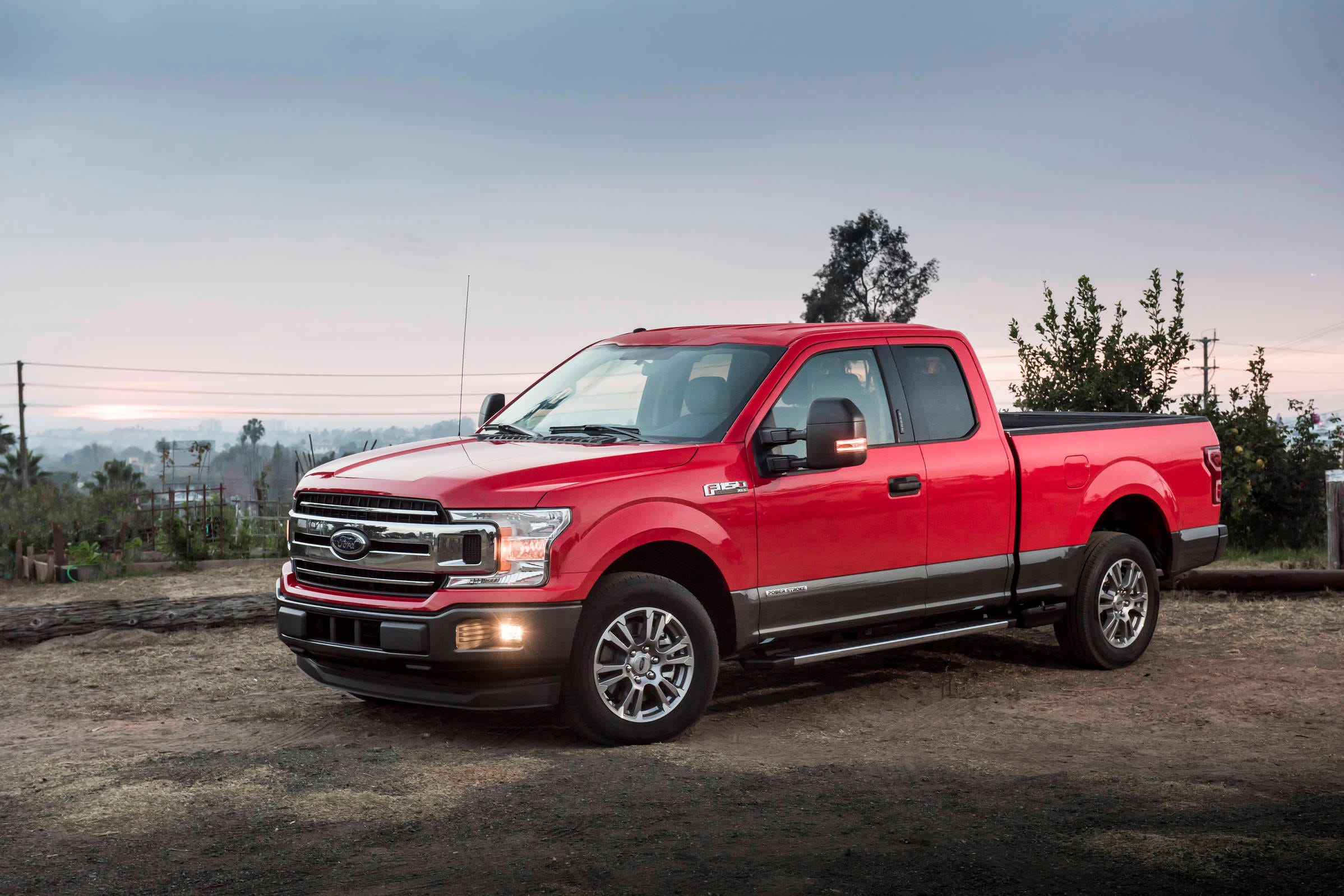
1. Ford F-150 3.0 Power Stroke Diesel
Expectation played a cruel role in the ownership story of the Ford F-150 equipped with the 3.0 Power Stroke diesel engine. Buyers entered with confidence, believing diesel efficiency and torque would deliver long-term savings. Reality plays differently, and the financial strain arrived quietly, then stayed.
Early ownership often felt promising. Fuel economy appeared strong, towing felt effortless, and diesel branding suggested durability. Problems surfaced once the mileage accumulated. Emissions-related components became a recurring expense, especially in regions with cold starts and short trips. Sensors, filters, and related systems demanded attention far more frequently than expected.
Repair costs escalated quickly. Specialized diesel labor carried higher hourly rates, and dealership dependence increased due to limited third-party familiarity with this specific engine. Owners faced extended downtime waiting for parts that were neither cheap nor readily available.
Warranty coverage softened early blows but expired before most issues resolved themselves. After that point, financial responsibility shifted fully to owners. A single emissions repair could rival the cost of years of fuel savings, erasing the original justification for diesel selection.
Resale value declined faster than anticipated. Used buyers approached cautiously, aware of repair histories and long-term ownership risks. Trade-in offers often disappointed, leaving owners trapped between keeping an expensive liability or selling at a loss.
Operational frustration added hidden costs. Missed workdays, rental vehicles, and disrupted schedules chipped away at income. For business owners, reliability mattered more than theoretical efficiency, and this truck failed to meet that demand consistently. Ownership regret rarely arrived immediately.
It crept in gradually as expenses stacked and confidence eroded. The F 150 3.0 Power Stroke diesel stands as a lesson in how advanced technology can burden owners when execution falls short of promise.
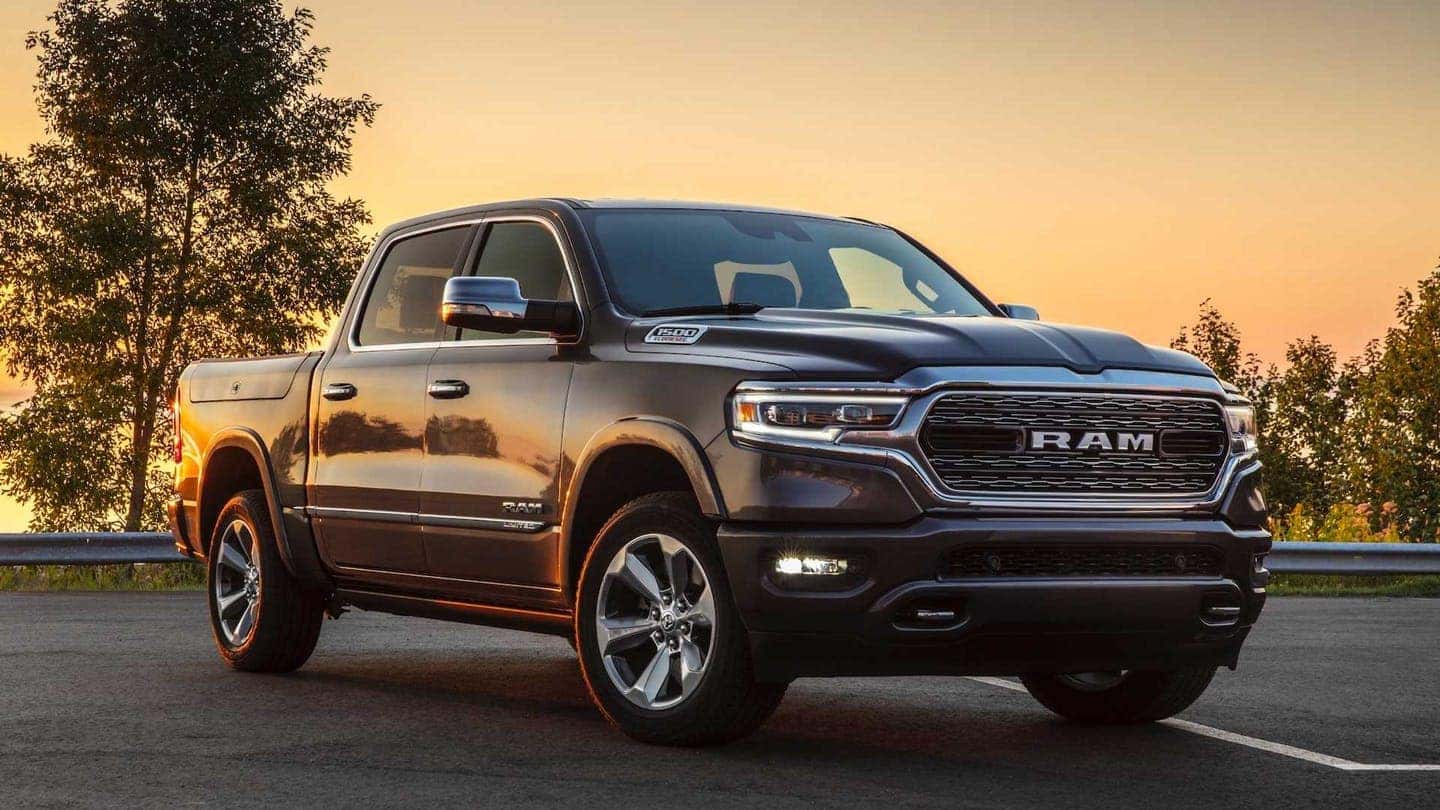
2. Ram 1500 EcoDiesel
Ambition surrounded the Ram 1500 EcoDiesel, and that ambition became its downfall for many owners. Marketed as a balance of power and fuel savings, it attracted buyers seeking diesel benefits in a half-ton platform. Financial consequences followed instead. The engine complication sat at the center of the issue.
Emission systems required constant attention, and failures occurred earlier than expected. Recalls addressed some concerns, yet lingering reliability questions remained unresolved for many drivers. Maintenance costs exceeded projections. Diesel service premiums are applied without delivering corresponding longevity.
Oil changes, filters, and diagnostics carried higher prices than gasoline alternatives, slowly draining ownership budgets. Downtime proved costly. Owners reported extended shop visits due to backordered components and repeated troubleshooting. For those relying on their trucks for income, each idle day translates directly into lost revenue.
Fuel savings failed to offset repair expenses. While highway efficiency impressed initially, city driving and cold operation reduced gains. When repair invoices arrived, months of fuel savings disappeared instantly. Resale markets reflected buyer hesitation. Demand softened as reliability reports circulated.
Owners attempting to exit ownership faced depreciation sharper than anticipated, sometimes owing more than the truck’s market value. Emotional fatigue accompanied financial strain. Repeated visits to service departments eroded trust. Instead of focusing on productivity, owners spent time managing problems.
The Ram 1500 EcoDiesel illustrates how promising concepts can disappoint when execution struggles. Wallet impact extended beyond dollars, touching time, confidence, and peace of mind.
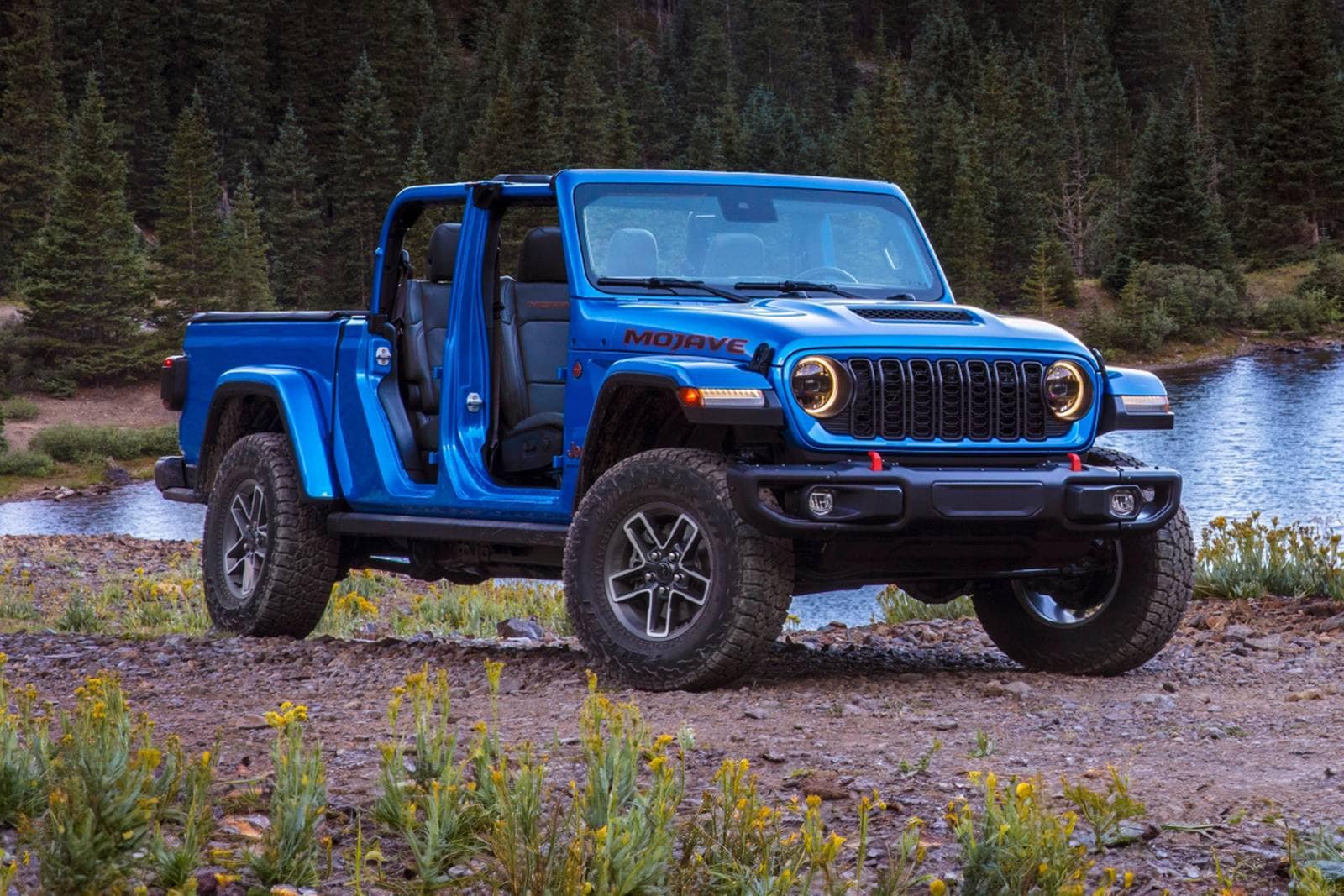
3. Jeep Gladiator Sport 3.6L V6 (2024)
Expectation often surrounds the Jeep Gladiator Sport due to its distinctive design and off-road heritage. Buyers anticipate versatility, combining pickup utility with trail capability. Financial reality presents a different outcome for some owners, particularly those who expect strong value retention and low operating costs.
Initial ownership appears promising. The 3.6-liter V6 engine provides adequate performance, and the vehicle handles light towing and off-road use with confidence. However, long-term ownership introduces costs that reduce its financial appeal.
Fuel consumption remains higher than many midsize alternatives. Daily driving expenses accumulate quickly, especially for owners who rely on the truck for commuting. Over extended periods, this reduces any perceived value advantage. Interior durability presents challenges for some users. Materials designed for rugged use may wear unevenly, affecting resale appeal. Buyers in the used market often evaluate interior condition closely, which influences pricing.
Maintenance costs also contribute to financial strain. Suspension components and steering systems may require attention after repeated off-road use. Repairs, though not constant, can become expensive depending on usage patterns. Resale performance does not always meet expectations. While brand recognition supports demand, pricing often reflects concerns about long-term ownership costs. Sellers may face reduced offers compared to initial projections.
Ownership satisfaction varies depending on the use case. Drivers who prioritize recreation may accept the trade-offs, while those expecting financial efficiency often experience disappointment. The Gladiator Sport demonstrates how a strong identity does not always translate into favourable ownership economics.
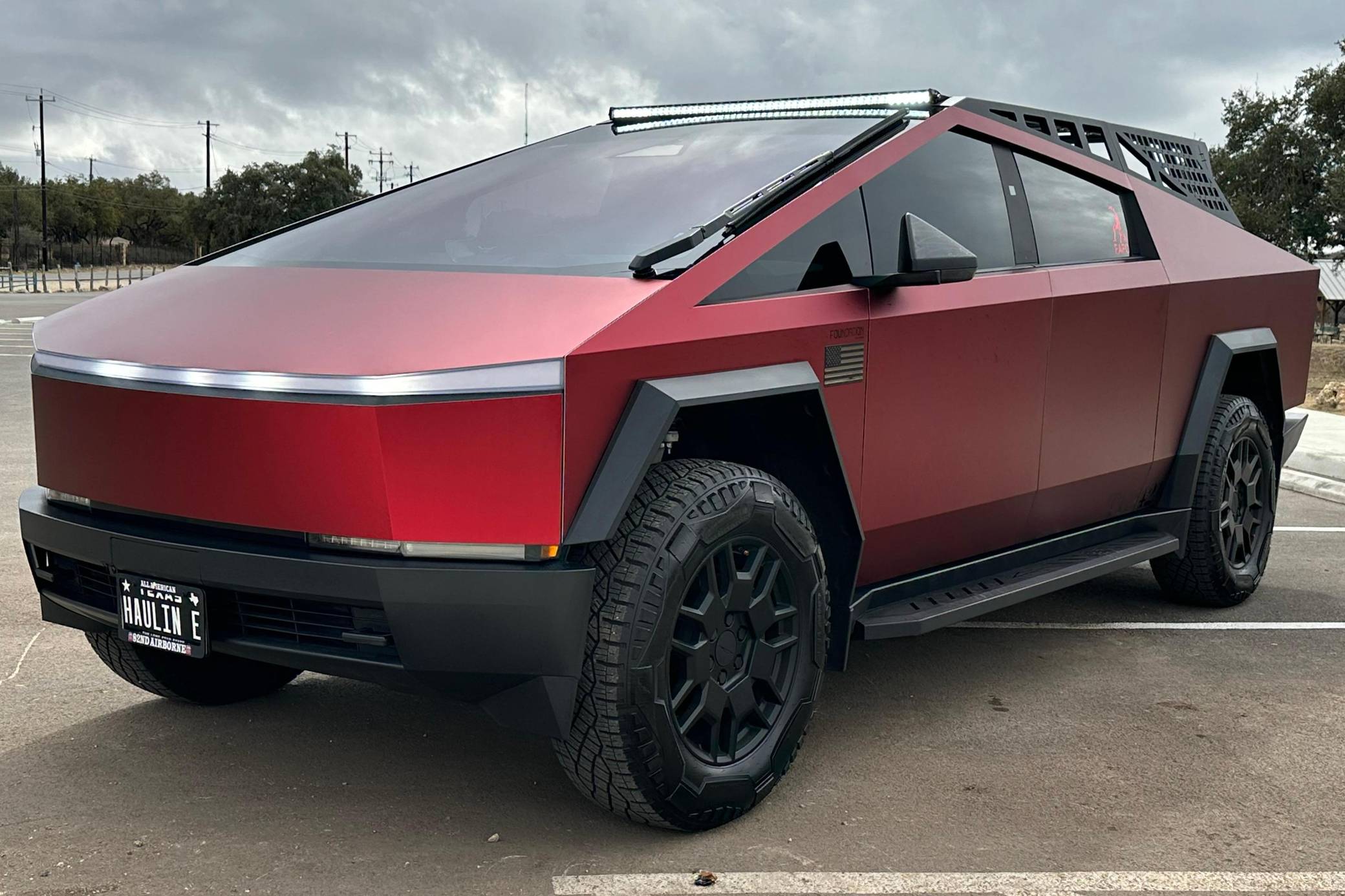
4. Tesla Cybertruck Dual Motor AWD (2024)
Bold engineering defines the Tesla Cybertruck Dual Motor AWD, yet ownership experience reveals financial considerations that extend beyond its futuristic appeal. Early adopters are often drawn by its unconventional design, electric performance, and advanced features, but real-world usage introduces cost factors that require careful evaluation.
While the truck presents a new direction in automotive design, financial outcomes depend heavily on how it is used and maintained. Electric propulsion delivers immediate torque and smooth acceleration, creating a driving experience that feels refined and responsive. Daily commuting benefits from reduced fuel costs compared to traditional petrol or diesel vehicles.
However, savings in energy costs do not always compensate for other ownership expenses. Charging infrastructure remains uneven in many regions, which can affect convenience for long-distance travel or business use. Time spent charging also introduces operational delays that do not exist with conventional refuelling.
Depreciation remains uncertain due to the vehicle’s newness and evolving market perception. While initial demand may appear strong, long-term resale performance is influenced by technological updates and buyer confidence in durability. Prospective second-hand buyers often evaluate repair risks and battery longevity before committing, which can affect resale pricing.
Operational efficiency in work environments presents additional challenges. Businesses that require continuous vehicle use may find charging intervals disruptive. Range limitations under heavy load or towing conditions can also reduce productivity, particularly for operators who depend on consistent availability.
Also Read: 5 Trucks With Great Resale Value And 5 Trucks That Tank In Price In 2026
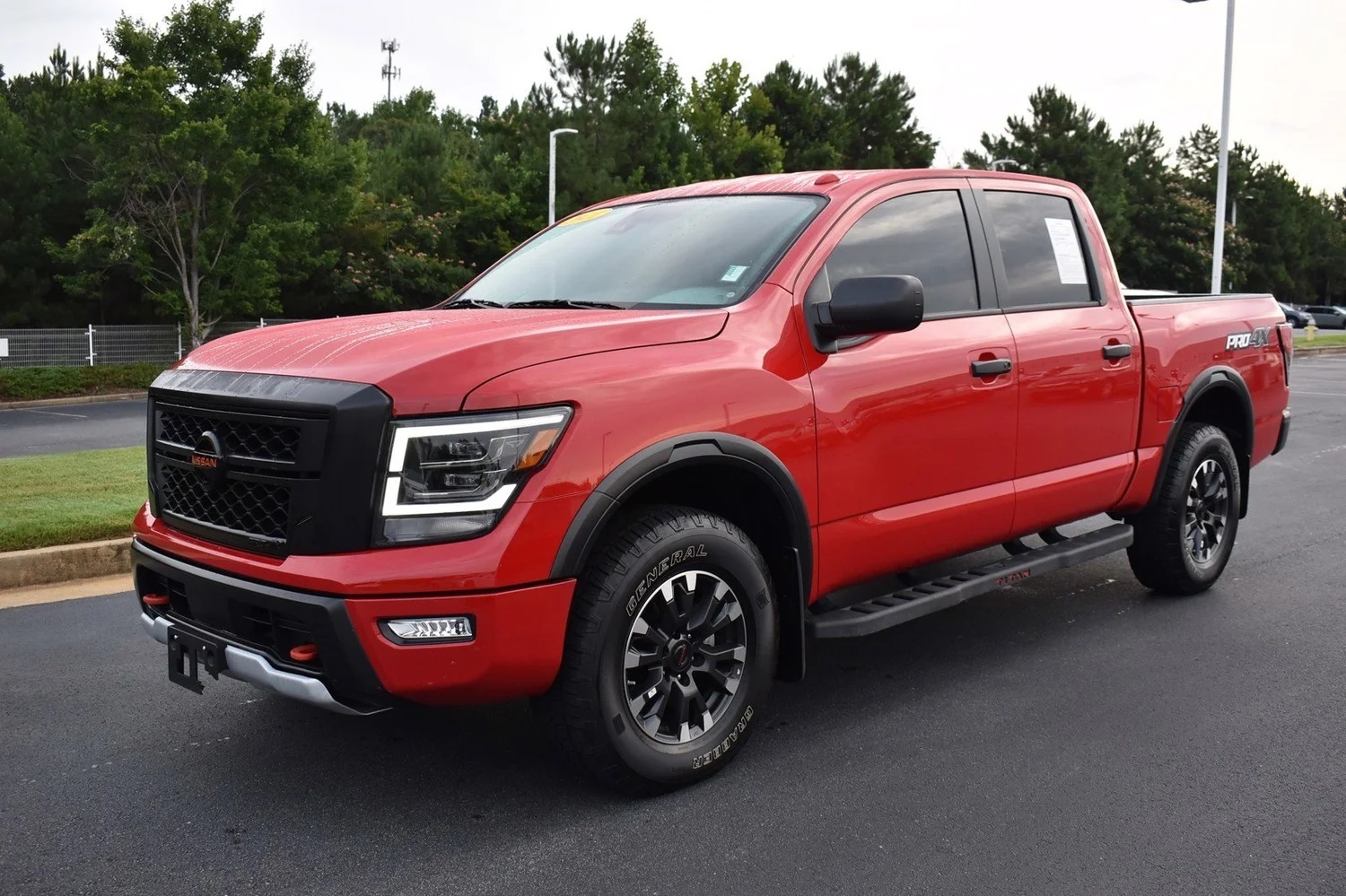
5. Nissan Titan 5.6L V8
Ownership of the Nissan Titan 5.6L V8 presents a case where initial expectations of strength and durability do not always translate into favourable long-term financial outcomes. At first glance, the truck appears to offer a solid combination of power, comfort, and competitive pricing.
The 5.6-litre V8 engine delivers strong horsepower and a confident driving experience. Acceleration feels adequate for highway use, and towing capacity meets the requirements of moderate-duty applications. Despite this, fuel consumption remains relatively high compared to competing models within the same segment.
Owners often report higher-than-expected servicing expenses, especially when repairs involve drivetrain or suspension elements. Parts availability can vary depending on location, and this sometimes results in delays or increased costs when sourcing replacements.
Resale performance introduces another challenge. Demand for used Titan models tends to be weaker when compared with more established competitors. Buyers in the second-hand market often prioritise brands with longer-standing reputations for durability and resale strength.
As a result, owners may face reduced resale values, particularly after several years of use. This decline affects total ownership value and can limit financial recovery when selling or trading the vehicle. Market perception plays an important role in this outcome.
While the Titan offers respectable features, it does not command the same level of buyer confidence as rival trucks with stronger historical performance records. This perception influences pricing in the used market and contributes to slower sales cycles for owners attempting to dispose of the vehicle.
Insurance costs remain moderate, yet they do not compensate for depreciation and fuel expenditure. When these factors are combined, the total cost of ownership becomes higher than anticipated. Buyers who initially selected the Titan based on purchase price often discover that long-term expenses offset that advantage.
