
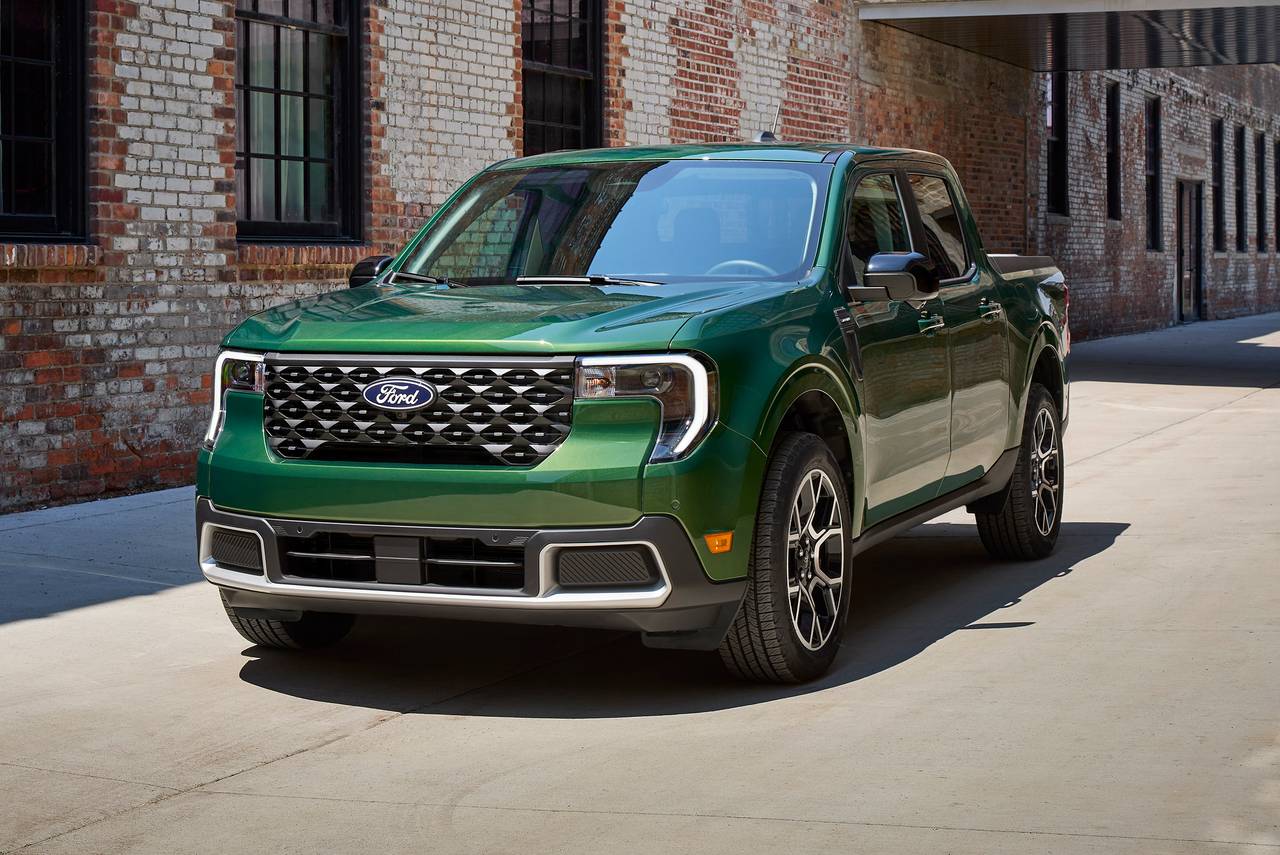
The pickup truck market in 2026 continues to be one of the most financially significant segments in the automotive industry, especially for buyers who care about long-term ownership costs and resale value.
Unlike many passenger vehicles that rapidly lose value within the first few years, trucks behave differently depending on brand reputation, reliability history, demand in the used market, and durability. This makes understanding resale value extremely important before making a purchase decision.
In general, trucks are known to hold value better than sedans and SUVs, largely because they are used for both personal and commercial purposes. Work demand, towing capability, off-road performance, and long-term durability all play major roles in how much a truck is worth after five years.
However, not all trucks are equal. Some models consistently retain over half of their original value, while others lose value at a much faster rate due to poor demand, high maintenance costs, or weak brand perception in the used market.
For example, trucks like the Toyota Tacoma and Toyota Tundra are widely recognized for their strong resale performance. These vehicles are built with long-lasting reliability in mind and have strong demand across global markets.
On the other hand, certain full-size trucks from less dominant brands tend to depreciate faster, especially if they suffer from inconsistent reliability ratings, outdated platforms, or weaker consumer trust.
Another major factor influencing resale value in 2026 is fuel efficiency and technology. Modern buyers are increasingly interested in trucks that offer better fuel economy, hybrid systems, and advanced safety features. Trucks that fail to keep up with these expectations often lose value faster. Additionally, fleet sales and heavy incentives can artificially lower resale prices by flooding the used market with similar vehicles.
This article breaks down five trucks that consistently hold strong resale value and five trucks that tend to depreciate significantly. Whether you are buying new or used, this guide will help you understand which trucks protect your investment and which ones may cost you more in long-term depreciation.
Trucks With Great Resale Value
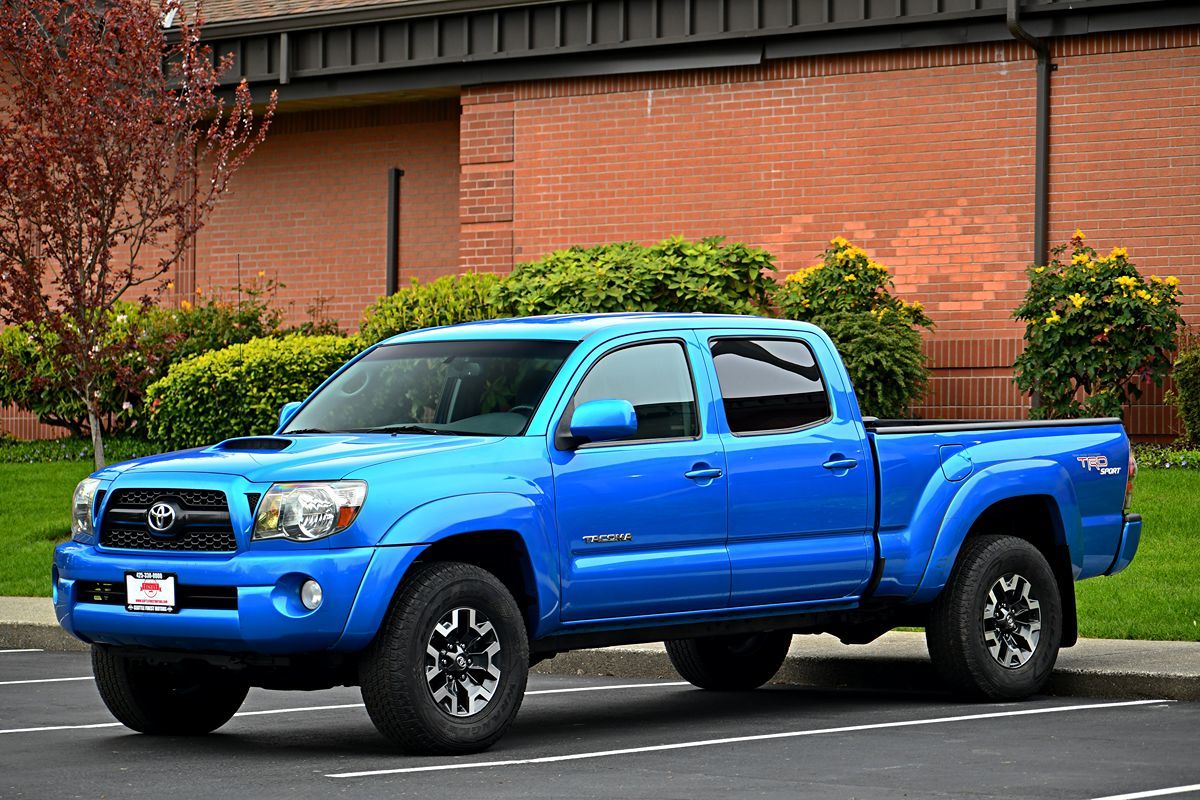
Toyota Tacoma
The Toyota Tacoma is widely regarded as the benchmark for resale value in the midsize truck segment, and its dominance is not accidental. It has built its reputation over decades through a combination of mechanical simplicity, rugged engineering, and an unmatched track record for long-term durability.
In the used truck market, few vehicles generate the same level of buyer confidence as the Tacoma, and that confidence directly translates into consistently high resale prices even for older, high-mileage examples. Unlike many competitors that require frequent repairs as they age, the Tacoma is known for remaining mechanically sound well beyond 300,000 kilometers when properly maintained.
One of the strongest reasons behind the Tacoma’s resale strength is its design philosophy, which prioritizes reliability over excessive complexity. Toyota avoids over-engineering the Tacoma with overly complicated systems that could fail over time. Instead, it focuses on proven engines and transmissions that have been refined over multiple generations.
This approach reduces long-term ownership risk, which is one of the biggest factors that truck buyers consider when paying premium prices for older vehicles. As a result, even base models of the Tacoma hold their value extremely well compared to similarly priced competitors.
Another major factor is its reputation in off-road and utility markets. The Tacoma is extremely popular among outdoor enthusiasts, construction workers, and rural drivers who need a dependable truck that can handle rough terrain without major mechanical issues.
This broad real-world usability ensures that demand never drops significantly, even when newer models are released. In fact, older Tacoma models often develop a cult-like following in the used market, where buyers specifically search for certain model years known for reliability and aftermarket modification potential.
Supply and demand dynamics also play a critical role in its resale value. Toyota does not flood the market with excessive Tacoma production numbers, which keeps supply relatively controlled. At the same time, demand remains consistently high across multiple regions, including North America, parts of Asia, and emerging markets where durability is prioritized over luxury features. This imbalance between supply and demand creates a strong pricing floor for used Tacoma models, preventing sharp depreciation even during broader market downturns.
Finally, the Toyota brand itself reinforces the Tacoma’s resale strength. Toyota has built a global identity around reliability, low maintenance costs, and long-term value retention. Buyers are willing to pay more for a used Tacoma simply because they trust the brand’s engineering standards. This brand loyalty, combined with real-world durability data and strong market demand, ensures that the Tacoma remains one of the best trucks for resale value in 2026 and beyond.
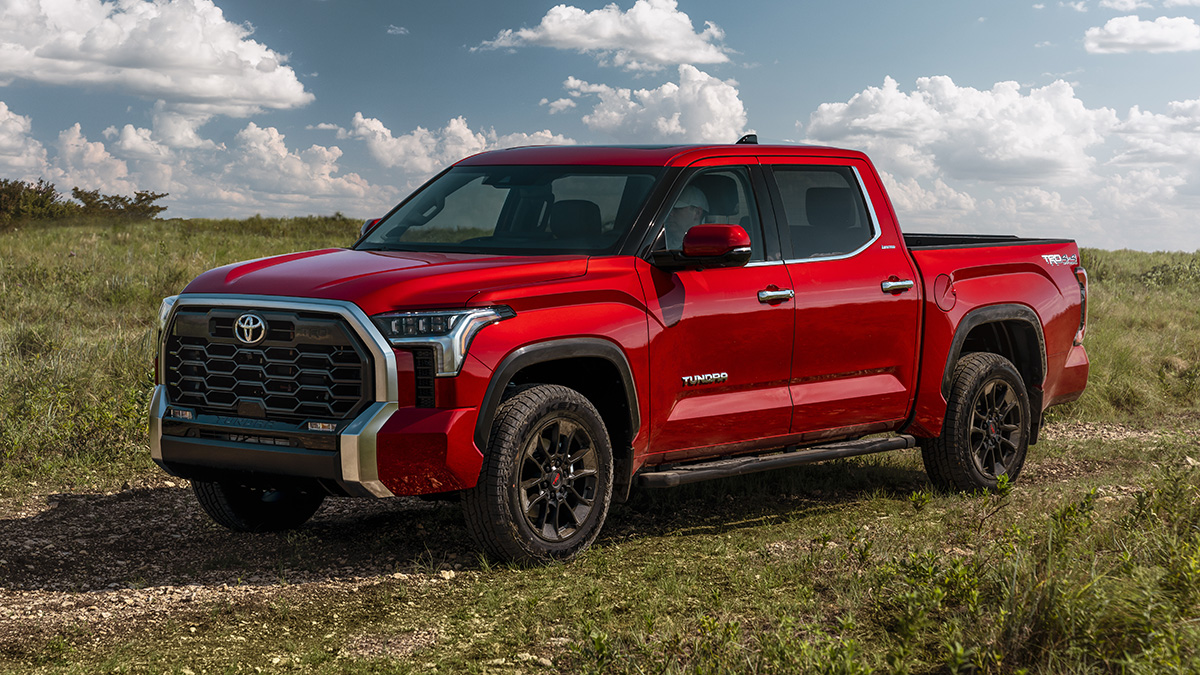
Toyota Tundra
The Toyota Tundra stands as one of the strongest full-size trucks in terms of resale value, and it consistently competes with American rivals despite having lower sales volume. Its strength comes from a long-standing reputation for mechanical toughness and a design philosophy that favors durability over rapid redesign cycles.
In the used truck market, the Tundra is often seen as a safe investment because it tends to age slowly, both mechanically and aesthetically, compared to many competitors that require frequent updates to remain competitive.
A major contributor to its resale strength is the durability of its powertrain options. Historically, the Tundra has been equipped with large displacement engines designed for longevity rather than aggressive performance tuning. These engines are known for handling high mileage with relatively few major failures when properly maintained.
This reliability is particularly valuable in the full-size truck segment, where buyers often prioritize towing capability and long-term dependability over fuel efficiency alone. Because of this, older Tundra models often retain a strong resale value even after extensive use in demanding conditions such as towing or commercial work.
Another important factor is the Tundra’s lower exposure to fleet sales compared to domestic competitors. Many full-size trucks from other brands are heavily purchased by fleet operators, construction companies, and rental agencies. This increases the number of used units entering the market at lower prices, which drives depreciation faster.
The Tundra, however, has historically seen less fleet saturation, which helps maintain tighter supply levels in the used market. This limited supply supports stronger pricing and reduces the risk of sudden value drops.
The Tundra also benefits from a strong reputation in regions where reliability is more important than luxury or cutting-edge technology. Rural markets, mountainous regions, and areas with harsh weather conditions often favor the Tundra due to its ability to withstand long-term stress without major mechanical breakdowns.
This creates a steady base of demand that remains relatively unaffected by short term economic fluctuations, further stabilizing resale values across different model years.
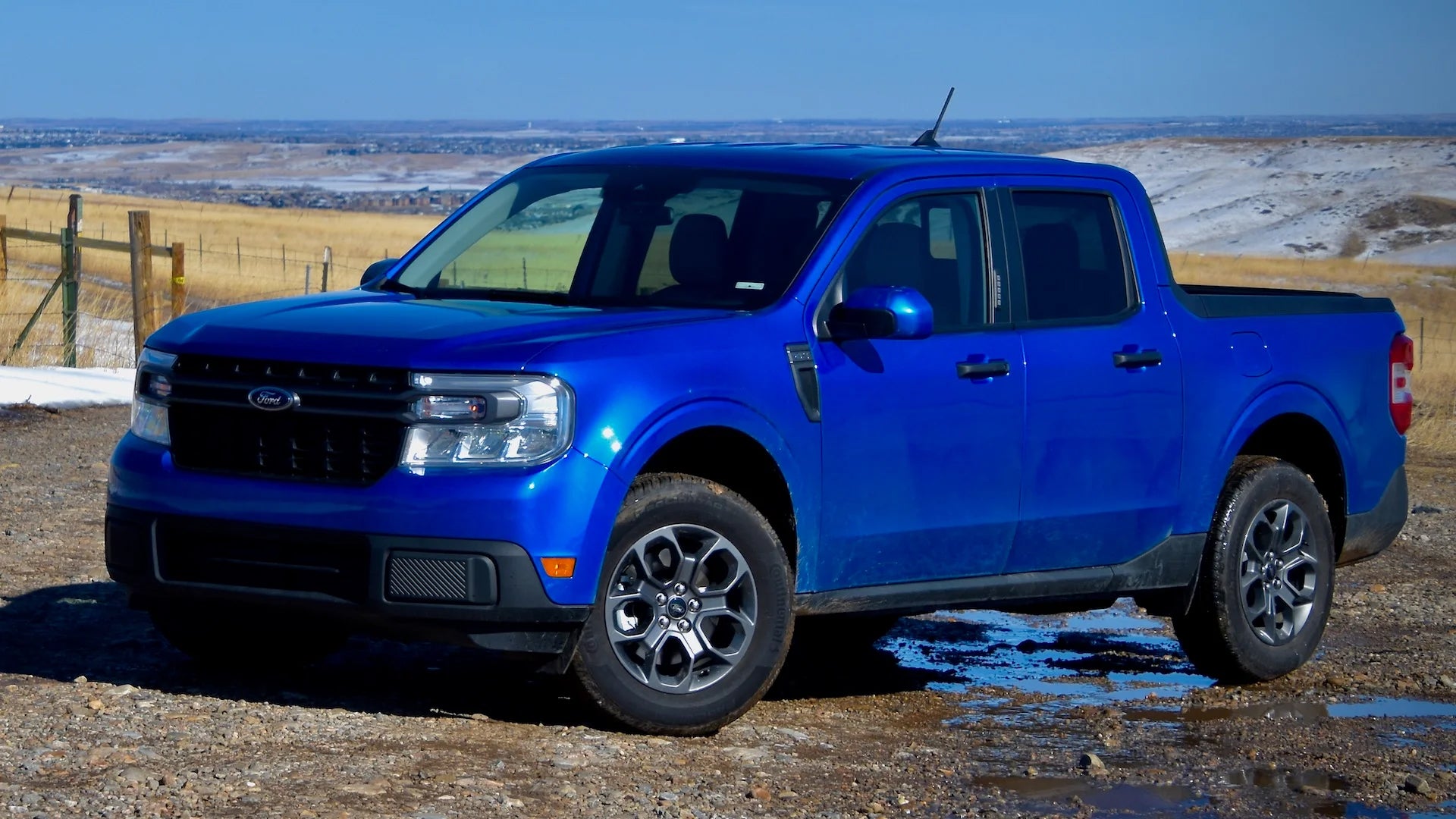
Ford Maverick
The Ford Maverick has rapidly established itself as one of the strongest resale performers in the compact truck segment, largely due to its affordability, efficiency, and modern design approach. Unlike traditional full-size trucks, the Maverick appeals to a new generation of buyers who prioritize fuel economy, city usability, and lower ownership costs.
This shift in consumer behavior has significantly strengthened its resale value, especially in urban and suburban markets where smaller, more efficient vehicles are in high demand.
One of the most important factors behind the Maverick’s resale strength is its hybrid powertrain option. In an era of rising fuel costs and increasing environmental awareness, vehicles that offer strong fuel efficiency tend to retain value better than less efficient alternatives.
The Maverick’s hybrid system delivers impressive mileage, making it highly attractive in the used market where buyers are often budget-conscious. This efficiency advantage ensures that demand remains high even for early model years with moderate mileage.
Another key reason is its low entry price combined with strong demand. The Maverick was introduced as an affordable alternative to larger trucks, and this affordability continues to play a major role in its resale performance. Because it starts at a lower price point than most midsize and full-size trucks, depreciation in absolute dollar terms is naturally limited.
At the same time, high demand often keeps used prices surprisingly close to original purchase prices, especially for well-maintained models.
Finally, the Maverick’s versatility enhances its long-term appeal. It is small enough to function as a daily commuter vehicle yet capable enough to handle light hauling and recreational use. This dual-purpose design makes it attractive to a wide range of buyers, from first-time truck owners to urban professionals and small business users. This broad appeal ensures that demand remains consistent, which is one of the most important drivers of strong resale value over time.
Also read: 5 Cars Designed For Long Trips And 5 That Get Tiring After An Hour In 2026
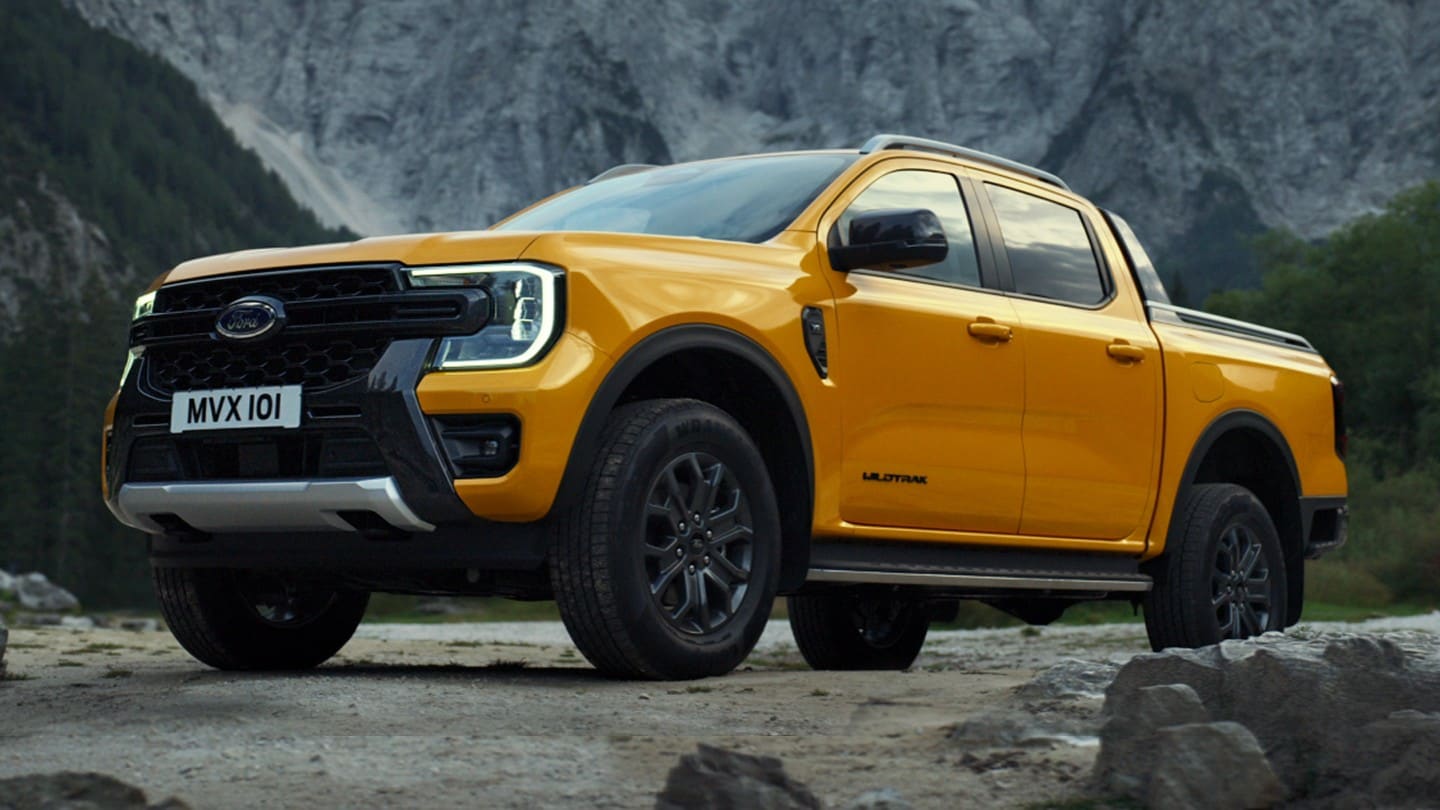
Ford Ranger
The Ford Ranger has built a strong reputation in the midsize truck category, and its resale value reflects its balance of capability, practicality, and global recognition.
It is widely considered one of the most versatile midsize trucks available, and this versatility plays a major role in its ability to retain value over time. Buyers in the used market often view the Ranger as a reliable middle ground between smaller compact trucks and larger full-size models, which keeps demand consistently stable.
One of the key strengths of the Ranger is its global presence. Unlike some trucks that are primarily sold in North America, the Ranger is marketed in multiple regions around the world. This international demand creates a broader resale market, which helps stabilize prices even when local conditions fluctuate. Vehicles with global appeal tend to depreciate more slowly because there are more potential buyers across different markets.
Another important factor is its strong performance capabilities relative to its size. The Ranger offers solid towing capacity and off-road performance without the fuel consumption or size constraints of larger trucks.
This makes it particularly attractive to buyers who need capability but do not want the operating costs associated with full-size trucks. This balance helps maintain strong resale demand across both personal and commercial users.
The Ranger also benefits from Ford’s extensive service and maintenance network. Easy access to parts and repair services increases buyer confidence in the used market, since ownership costs are more predictable. Trucks that are easier and cheaper to maintain generally retain value better because buyers perceive them as lower-risk investments.
Finally, consistent updates and redesigns have kept the Ranger competitive in a rapidly evolving segment. Ford has ensured that newer models incorporate modern safety features, infotainment systems, and improved fuel efficiency, which helps older models remain relevant. This continuous improvement cycle prevents the Ranger from becoming outdated too quickly, which in turn supports long-term resale value.
Jeep Gladiator
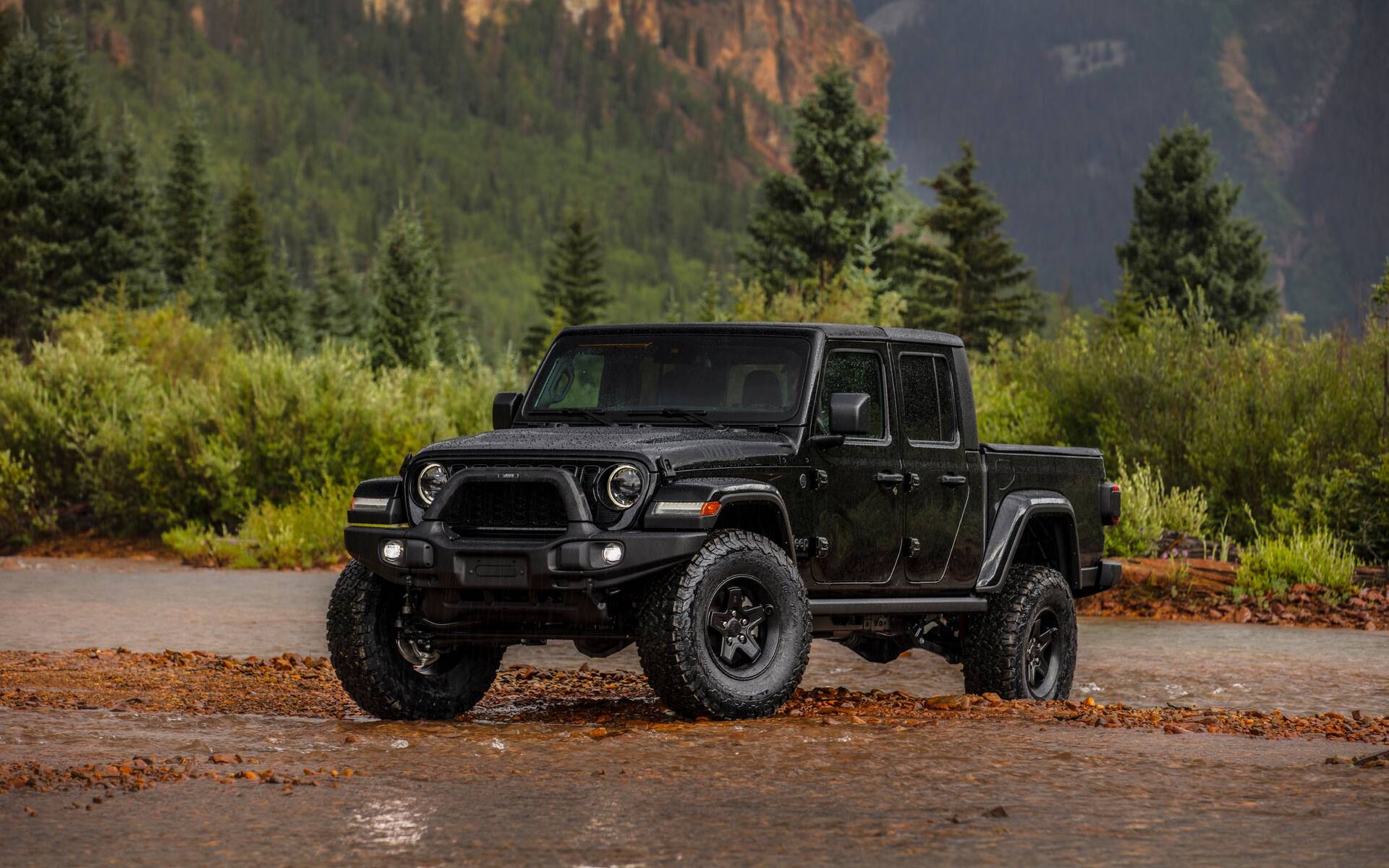
The Jeep Gladiator occupies a unique position in the truck market, combining traditional pickup utility with the off-road heritage of Jeep vehicles. This unique identity plays a major role in its strong resale performance, as it appeals to a niche but highly loyal group of buyers.
Unlike conventional trucks that compete primarily on towing and payload, the Gladiator differentiates itself through lifestyle appeal, which significantly influences its demand in the used market.
One of the biggest drivers of its resale value is its off-road capability. The Gladiator is designed for extreme terrain conditions, making it highly desirable among off-road enthusiasts.
This capability is not just theoretical but proven in real-world environments, which enhances its credibility and market demand. Buyers seeking adventure-oriented vehicles are often willing to pay premium prices for well-maintained used Gladiators.
Another important factor is its unique design features, including removable doors and roof options. These features are rare in the pickup segment and create a strong emotional appeal among buyers. Vehicles with distinctive characteristics tend to retain value better because they stand out in the used market. The Gladiator’s design ensures it remains recognizable and desirable even years after its release.
The shared engineering foundation with the Jeep Wrangler also contributes to its resale strength. The Wrangler is one of the most iconic off-road vehicles in the world, and this association strengthens confidence in the Gladiator’s durability and capability. Shared components also improve parts availability, which helps reduce long-term maintenance concerns for buyers.
Trucks That Tank In Price
Nissan Titan
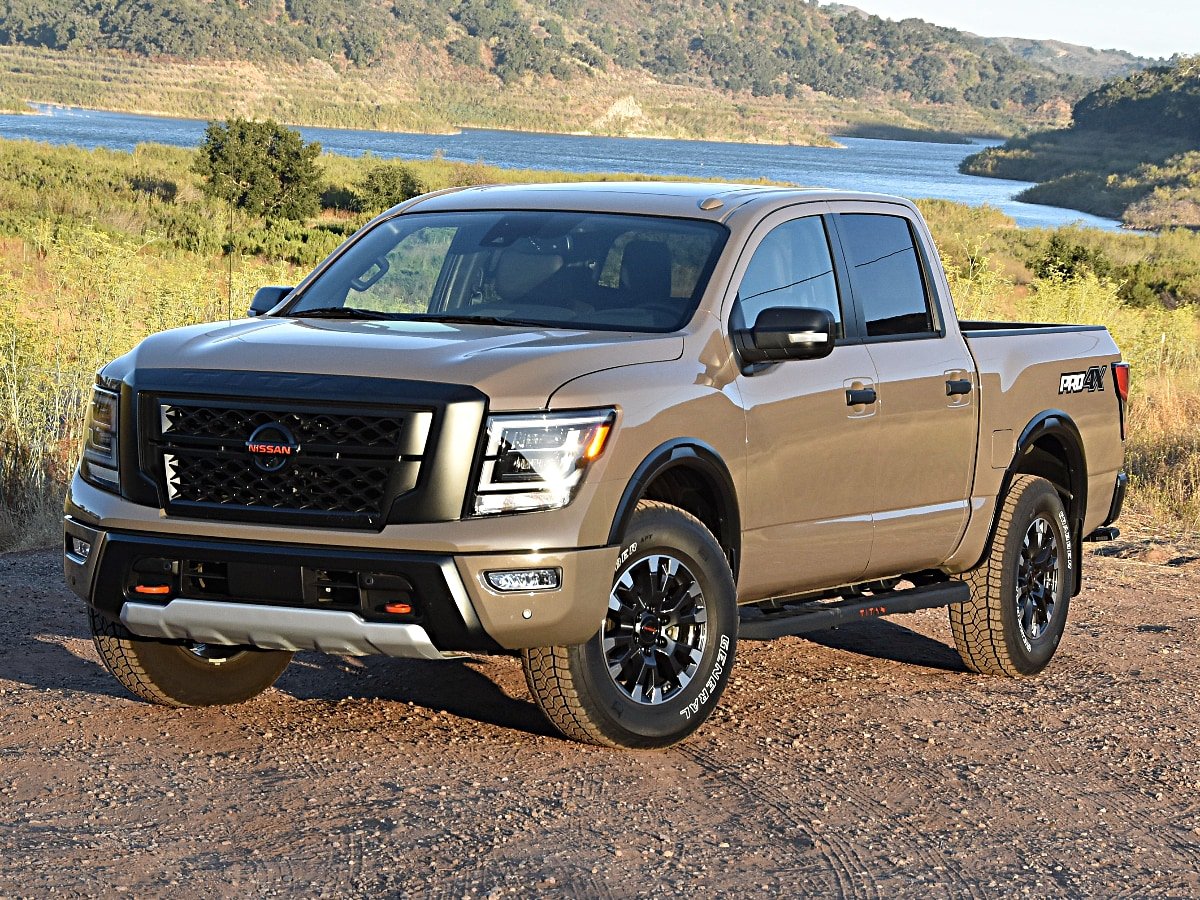
The Nissan Titan is one of the weakest performers in the full-size truck resale market, and its depreciation pattern reflects long-standing challenges in brand positioning, market share, and consumer trust. While the Titan is a capable truck on paper, it has never achieved the same level of market dominance as competitors like the Ford F-150 or Toyota Tundra.
This limited market penetration directly affects resale value because fewer buyers actively search for it in the used market, which reduces demand and pushes prices downward over time.
One of the biggest reasons for its poor resale performance is its lack of a strong brand identity in the truck segment. Nissan is well known for producing reliable passenger cars and SUVs, but it does not have the same deep-rooted reputation in heavy-duty truck engineering.
In markets where trucks are often considered long-term investments, brand trust plays a major role in determining resale value. Because the Titan does not carry the same prestige or proven legacy as its competitors, buyers tend to prioritize other options when shopping used.
Another major factor is slow product evolution. Over the years, the Titan has undergone fewer significant redesigns compared to its rivals. This makes older models feel outdated more quickly, especially in a segment where technology, towing capability, and interior refinement are constantly improving.
When a truck’s design and features lag behind competitors, resale value tends to drop faster because buyers see less long-term relevance in older models.
Market availability also plays a major role in depreciation. The Titan has relatively low sales volume compared to segment leaders, which means it is less visible in both new and used markets. While low production can sometimes help retain value, in the Titan’s case, it actually reduces buyer familiarity and confidence. Many used truck buyers prefer models they see frequently on the road, as this reinforces perceived reliability and parts availability.
Finally, limited aftermarket support and weaker resale demand cycles further contribute to its depreciation. Trucks with strong resale value often have large communities, modification options, and strong dealer networks supporting them. The Titan lacks this ecosystem at the same level, which reduces long-term desirability. As a result, it consistently ranks among trucks that lose value faster than the industry average.
Chevrolet Silverado 1500
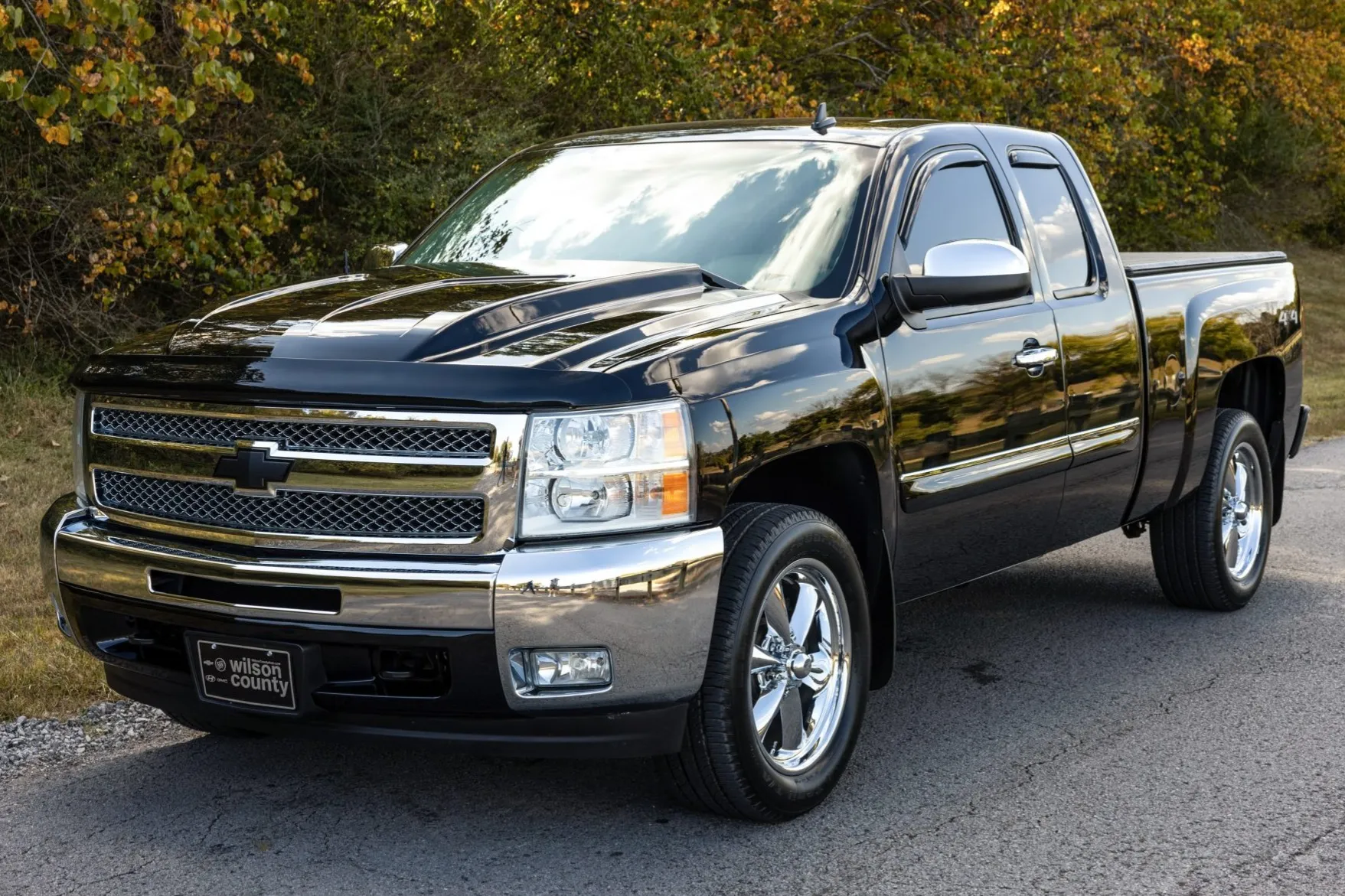
The Chevrolet Silverado 1500 is one of the most popular full-size trucks in North America, but despite its strong sales performance, it does not always maintain strong resale value compared to segment leaders. Its depreciation is influenced by a combination of fleet usage, aggressive pricing strategies, and high supply in the used market, all of which contribute to faster value loss over time.
One of the main reasons for its weaker resale performance is extensive fleet and commercial use. The Silverado is widely used by construction companies, government fleets, and rental agencies. While this drives strong initial sales numbers, it also floods the used market with large quantities of similar vehicles after a few years. When supply increases significantly, resale prices tend to drop because buyers have more options to choose from at lower prices.
Another important factor is aggressive incentive pricing on new models. Chevrolet frequently offers discounts, rebates, and financing deals to maintain strong sales volume. While this strategy helps move new inventory, it also lowers the perceived value of lightly used models. If a new truck can be purchased at a discounted price, used models must compete by lowering their resale prices even further.
The Silverado also faces intense competition within its own segment. The Ford F-150 and Ram 1500 often dominate consumer preference charts, which reduces demand pressure for used Silverado models. In competitive markets, even small shifts in buyer preference can significantly affect resale values, especially when alternatives are perceived as more reliable, more refined, or better equipped.
Finally, although the Silverado remains a capable and widely used truck, its high-volume production means it is rarely considered rare or exclusive. Vehicles that are widely available tend to lose value faster because they lack scarcity, which is a key driver of strong resale pricing.
Ram 1500
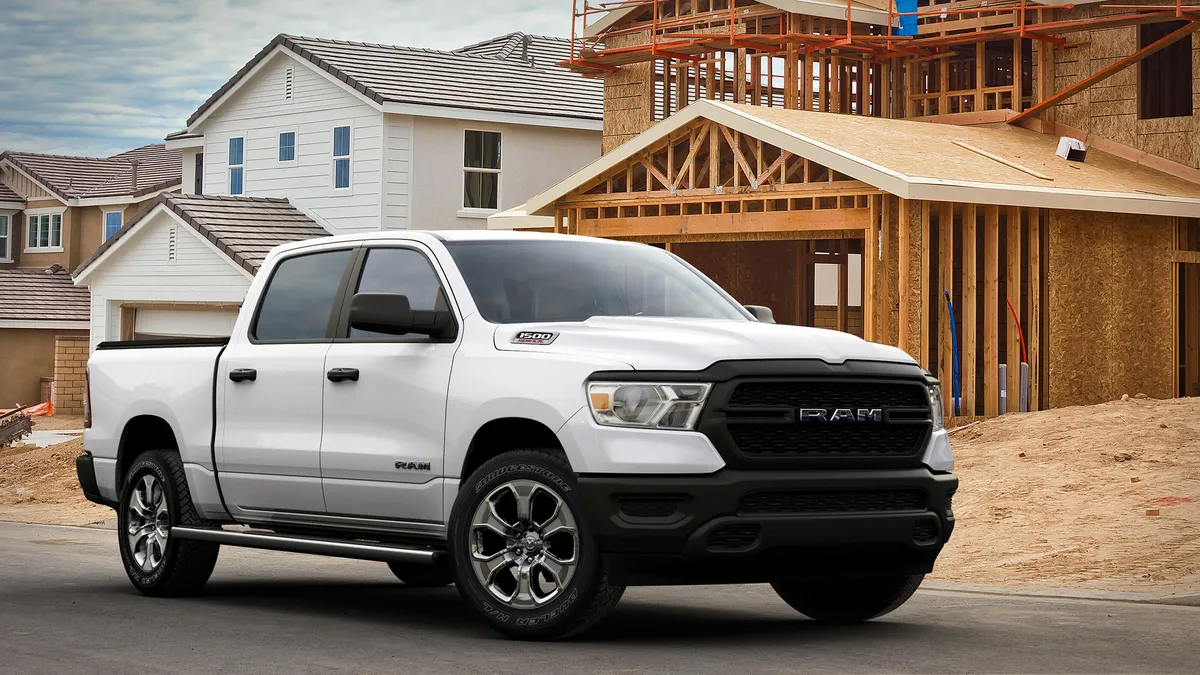
The Ram 1500 is known for its comfort, interior quality, and smooth ride, but these strengths do not always translate into strong resale value. In fact, it often depreciates faster than some of its competitors due to a combination of market incentives, reliability perception issues, and fleet market exposure.
One of the primary reasons for its faster depreciation is aggressive discounting on new models. Ram frequently positions itself competitively by offering attractive pricing and incentives, which lowers the effective cost of new trucks. While this helps boost sales, it also reduces the value of used models, as buyers compare lightly used trucks with discounted new ones and often choose the latter.
Another contributing factor is reliability perception. While many Ram 1500 models perform well, earlier generations and certain model years have faced criticism regarding long-term durability and electrical system issues. Even if newer models have improved, past reputation can still influence resale behavior, as used buyers often rely on long-standing reliability trends when making decisions.
Fleet and commercial usage also play a role in depreciation. The Ram 1500 is commonly used in business fleets, which increases the number of used units entering the market at lower prices. This additional supply creates downward pressure on resale values, especially for base and mid-level trims.
Another factor is strong competition in the full-size truck segment. With the Ford F-150 and Toyota Tundra often leading in resale value, the Ram 1500 struggles to stand out in long-term value retention despite offering superior interior comfort in many trims. In the used market, practicality and reliability often outweigh comfort features.
Finally, luxury-oriented trims such as Limited or Longhorn tend to lose value faster in percentage terms because high initial pricing amplifies depreciation. While these trims offer premium features, the used market is often less willing to pay premium prices for aging luxury trucks.
Nissan Frontier
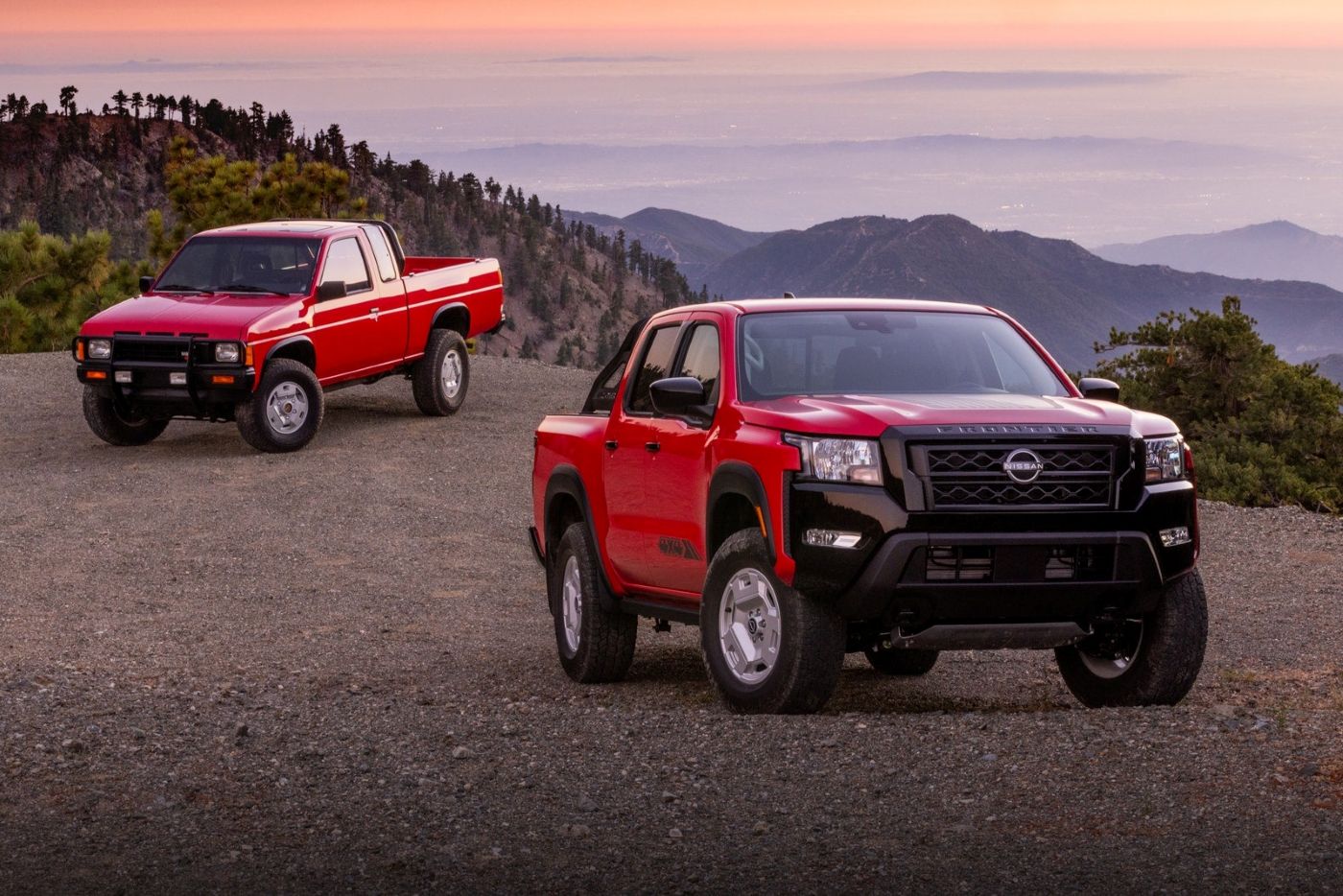
Older generations of the Nissan Frontier tend to depreciate quickly, largely due to outdated design, limited refinement, and strong competition in the midsize truck segment. While newer versions have improved significantly, older models suffer from a perception of being behind modern standards in comfort, technology, and capability.
One of the main reasons for rapid depreciation is outdated platform design. Older Frontier models remained largely unchanged for many years, which made them feel less modern compared to competitors that were continuously evolving. In a segment where buyers increasingly expect advanced safety systems and updated interiors, an outdated design significantly reduces resale appeal.
Another factor is limited interior refinement and feature availability in older models. Compared to rivals like the Toyota Tacoma or Ford Ranger, older Frontiers often lack modern infotainment systems, driver assistance features, and upgraded cabin materials. This makes them less attractive in the used market, especially to younger buyers who prioritize technology.
Market competition also plays a significant role. The midsize truck segment has become increasingly competitive, with newer models offering better fuel efficiency, improved towing capacity, and more advanced features. As a result, older Frontier models struggle to compete, leading to faster price drops.
Another issue is inconsistent demand across regions. While some markets value the Frontier for affordability, others prefer more established or modern alternatives. This uneven demand contributes to fluctuating resale prices, which often trend downward over time.
Finally, older Frontier models do not benefit from strong enthusiast communities or high aftermarket demand compared to rivals like the Tacoma. This limits long-term desirability and accelerates depreciation.
GMC Sierra 1500
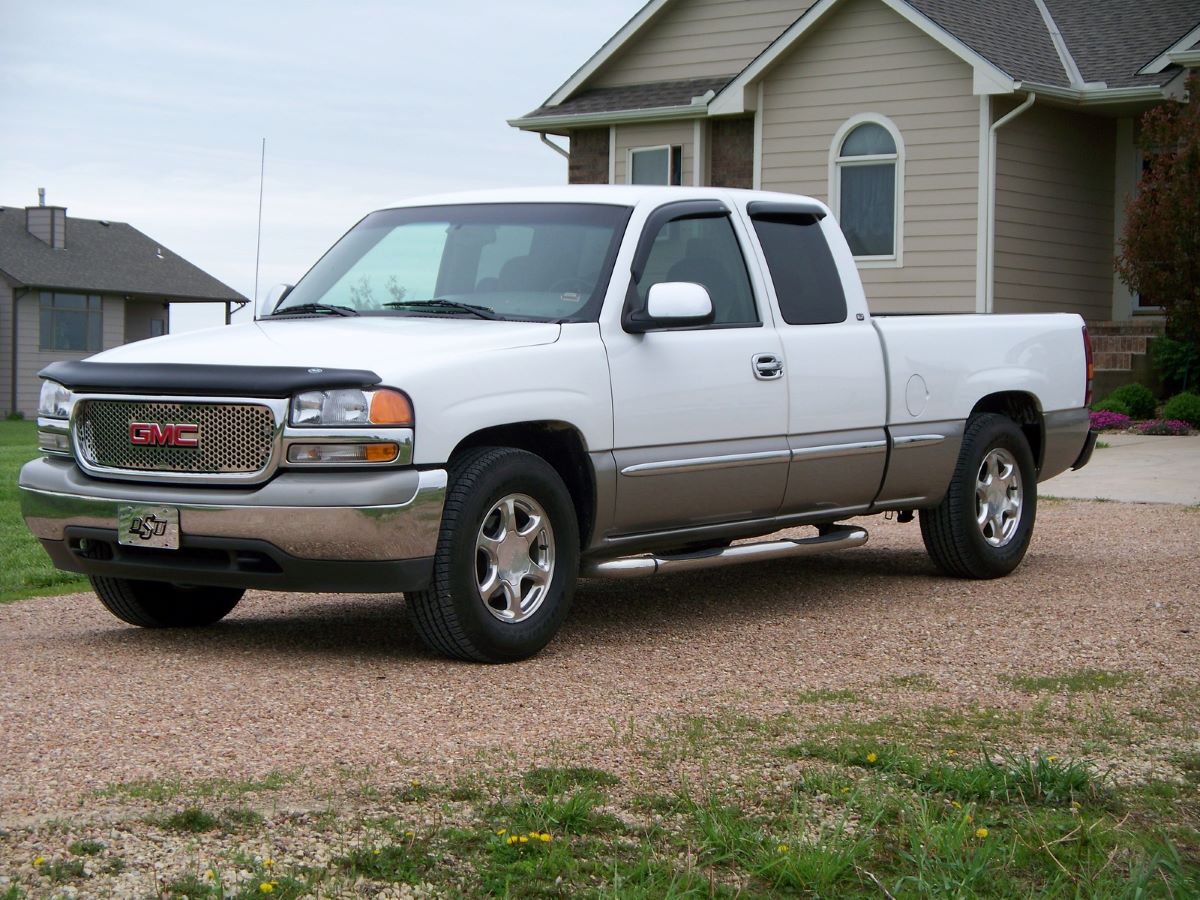
The GMC Sierra 1500 is positioned as a more premium alternative to the Chevrolet Silverado, but despite its upscale branding, it can experience significant depreciation depending on trim level and market conditions. Its resale performance is influenced by pricing strategy, platform similarity to the Silverado, and luxury trim depreciation patterns.
One of the biggest factors affecting resale value is high initial pricing. The Sierra, especially in higher trims, is often more expensive than many competitors at purchase. While it offers premium materials and styling, higher starting prices naturally lead to steeper percentage depreciation over time.
Another important factor is its close relationship with the Chevrolet Silverado. Since both trucks share the same underlying platform and mechanical components, many buyers in the used market see them as functionally similar. This reduces the Sierra’s uniqueness and makes it harder to justify higher resale prices compared to its less expensive counterpart.
Luxury trim depreciation is another major issue. High-end versions such as Denali models lose value faster in percentage terms because the used market is less willing to pay premium prices for aging luxury features. As technology evolves quickly, older luxury trucks become outdated faster than work-focused models.
Fleet usage also contributes to depreciation, although not as heavily as some competitors. Still, the presence of lower trim Sierras in commercial use increases supply in the used market, which puts downward pressure on prices.
