
Canada is one of the most demanding countries when it comes to vehicle ownership. The climate alone can push any SUV to its absolute limits, from brutal prairie winters to icy mountain passes and slushy urban streets.
Canadians need vehicles that can handle heavy snowfall, subzero temperatures, and long highway stretches between cities. An SUV that performs brilliantly in California or Texas might completely fall apart when the thermometer drops to minus thirty in Winnipeg.
Choosing the right SUV in Canada is not just about style or fuel economy. It is about survival, reliability, and getting value for every hard-earned dollar you spend.
The Canadian market has unique demands that many automakers either understand deeply or ignore entirely. All-wheel drive, winter tire clearance, rust resistance, and cold-weather engine performance are non-negotiable priorities for most Canadian buyers.
This list breaks down five SUVs that are genuinely built for Canadian life and five that simply do not make sense given the country’s roads, weather, and driving culture. Whether you are in Vancouver, Toronto, Calgary, or Halifax, this guide will help you make a smarter decision before you sign on the dotted line.
5 SUVs Worth Buying in Canada
These SUVs are built for harsh winters, icy roads, and heavy snowfall, making them dependable choices across Canada. Models like the Toyota RAV4, Honda CR-V, and Subaru Outback are known for strong AWD systems, good traction, and winter-ready performance.
Vehicles such as the Subaru Forester and Toyota 4Runner also stand out with higher ground clearance and stability in deep snow, giving drivers confidence in both city and rural conditions.
These SUVs combine reliability, effective heating systems, and cold-weather durability, making them ideal for long and demanding Canadian winters.
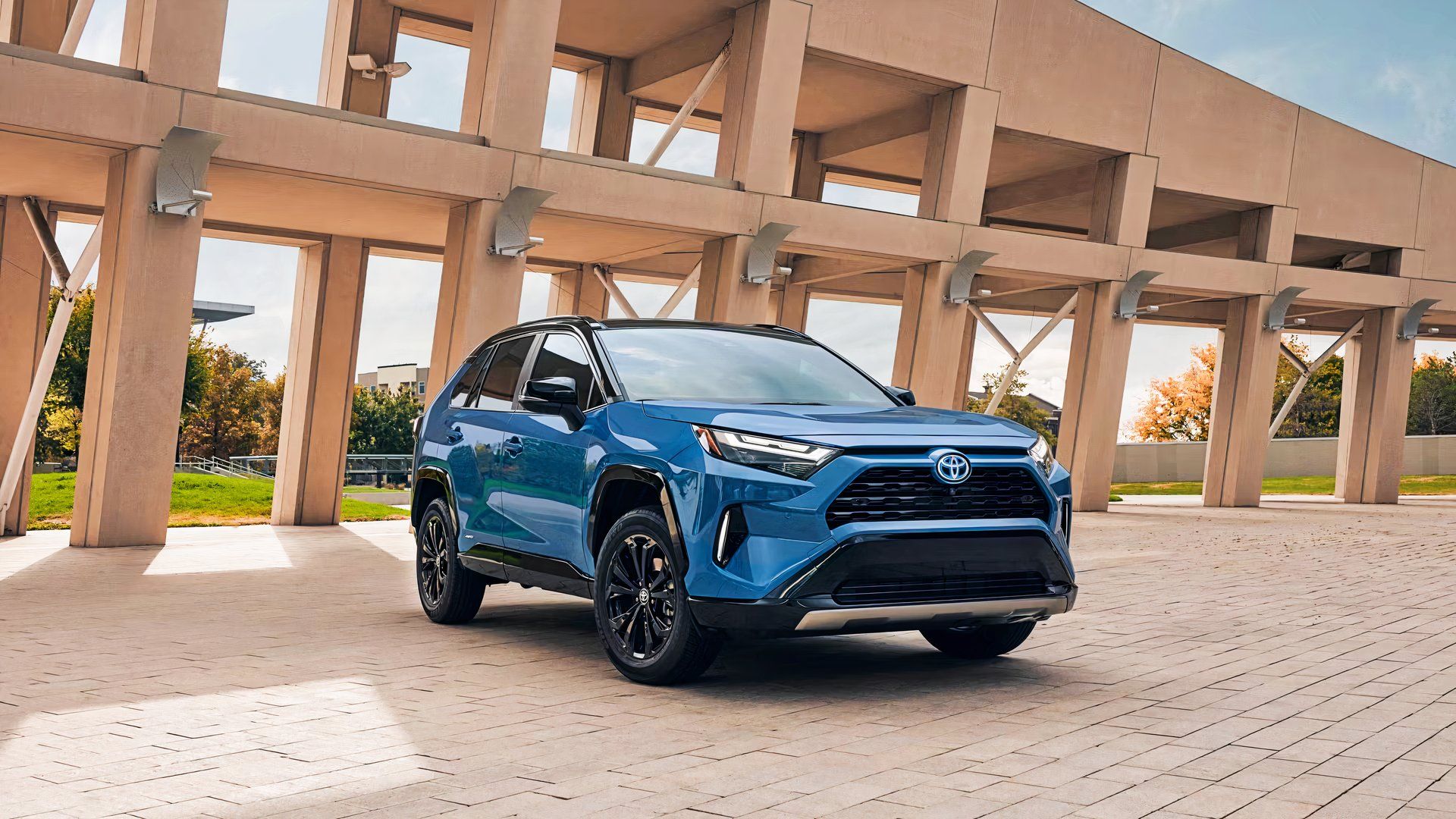
1. Toyota RAV4 Hybrid
The Toyota RAV4 Hybrid is arguably the most sensible SUV you can buy in Canada today. It combines proven reliability with outstanding fuel efficiency, making it perfect for both city commuting and long rural drives.
Canada’s fuel prices are significantly higher than in the United States. The RAV4 Hybrid’s ability to return impressive mileage in combined city and highway driving directly translates into real savings over a Canadian ownership cycle.
Toyota’s reliability record in cold climates is legendary. Canadian owners consistently report that the RAV4 Hybrid starts without hesitation, even in temperatures well below minus twenty-five degrees Celsius.
The standard all-wheel drive system on the Hybrid trim is electronically controlled and genuinely effective. It sends power to the rear wheels via a dedicated electric motor, which provides excellent traction on snow-covered roads without the fuel penalty of a traditional AWD setup.
Ground clearance on the RAV4 is well-suited for Canadian conditions. It handles packed snow, slush, and uneven winter roads with confidence that smaller crossovers simply cannot match.
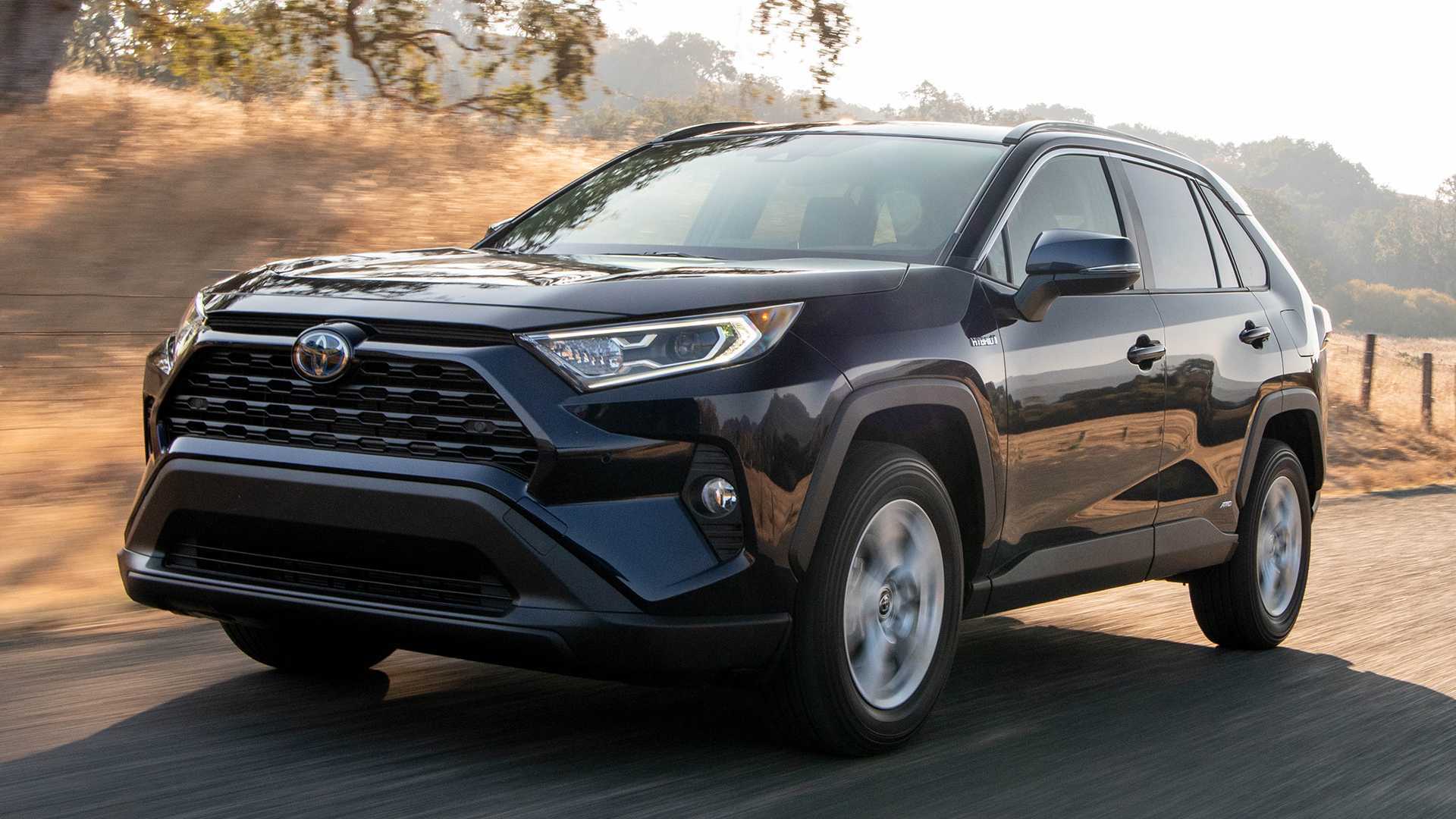
Interior quality has improved dramatically over recent generations. The cabin is spacious, well-insulated against road noise, and equipped with features that Canadian drivers genuinely appreciate, including a heated steering wheel and heated rear seats.
Toyota’s dealer network across Canada is one of the most extensive in the country. Whether you are in a major metropolitan area or a smaller northern community, finding service and parts is rarely a problem.
Resale value for the RAV4 Hybrid is among the strongest in its segment. Canadians who eventually sell or trade in their vehicle will find that the market consistently rewards RAV4 ownership.
The cargo area is genuinely practical for Canadian lifestyles. Whether you are loading ski gear, hockey equipment, or Costco runs, the RAV4 Hybrid accommodates real-world Canadian needs with ease.
Cold-weather battery performance in Toyota’s hybrid system is well-engineered. Unlike some competitors, the RAV4 Hybrid does not suffer dramatic range or performance losses when temperatures plummet overnight.
Safety ratings from both NHTSA and IIHS are excellent across all recent RAV4 Hybrid model years. This matters enormously on Canadian winter roads, where accident risks are significantly raised.
Insurance costs for the RAV4 Hybrid are competitive within its class. Given Canada’s notoriously high insurance premiums in provinces like Ontario and British Columbia, this is a meaningful advantage for budget-conscious buyers.
The ownership cost equation simply works in Canada. From the pump to the repair shop to the resale lot, the RAV4 Hybrid makes financial sense from every angle a Canadian driver could consider.
2. Ford Bronco Sport
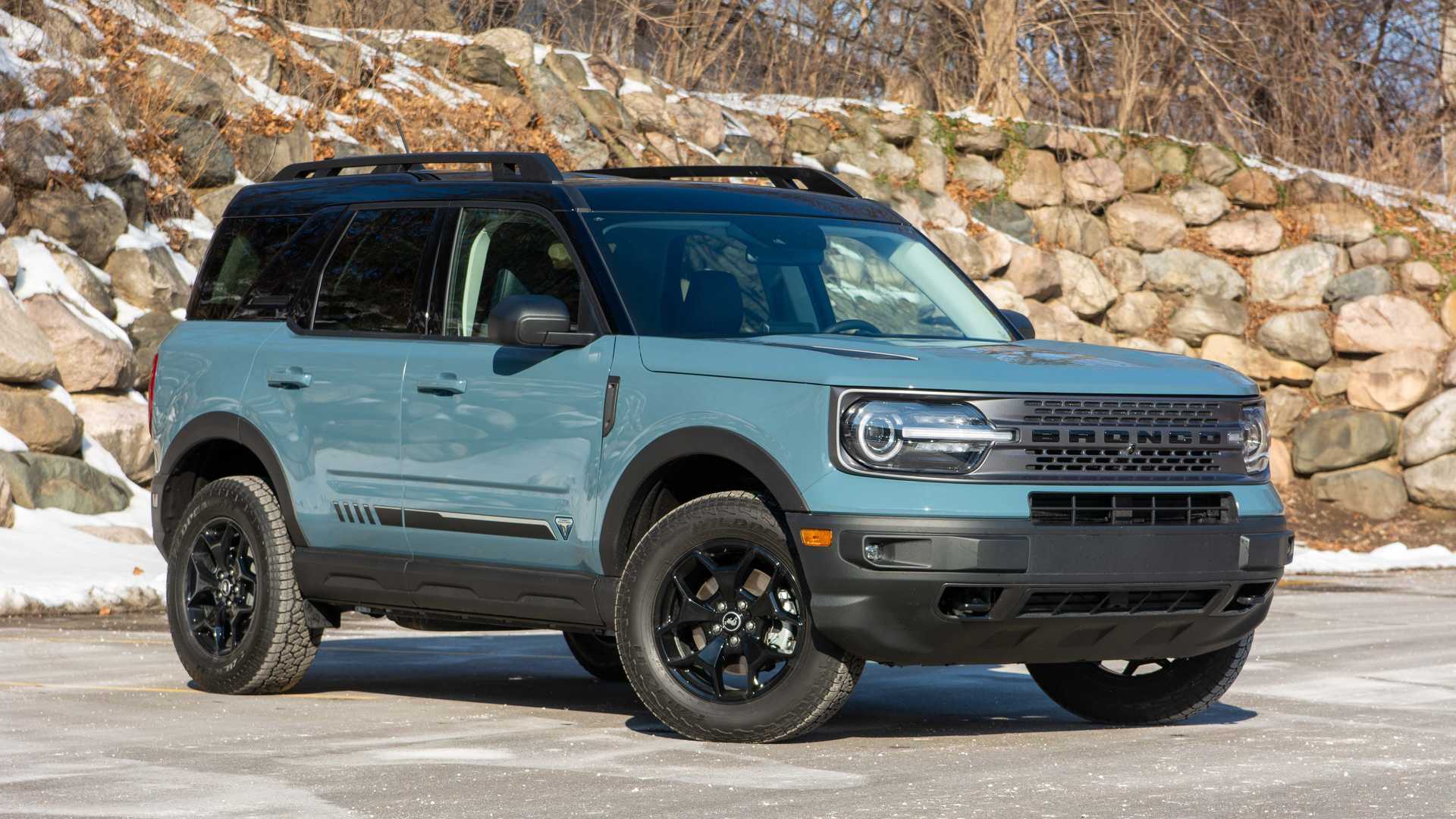
The Ford Bronco Sport is a genuinely capable compact SUV that punches well above its weight class in Canadian conditions. It was designed with outdoor adventure in mind, and that philosophy aligns perfectly with how many Canadians actually use their vehicles.
The GOAT modes, which stand for Goes Over Any Type of Terrain, give drivers real confidence when going through the challenging winter roads. These driving modes are not just marketing gimmicks but genuinely calibrated systems that adjust throttle, braking, and traction control.
Ford equipped the Bronco Sport with impressive ground clearance for a compact SUV. That extra height makes a significant difference when you are going through the deep snowdrifts or poorly plowed rural roads in February.
The standard all-wheel drive system with rear-wheel disconnect is well-designed for Canadian winters. It engages quickly and predictably, giving drivers added security without requiring manual input.
Canadian winters are hard on vehicles in ways that go beyond just traction. The Bronco Sport’s body-on-frame-inspired rigidity and reinforced underbody provide meaningful protection against the harsh road conditions that come with extreme temperature swings.
Ford’s Canadian dealer network is robust and well-distributed across the country. Getting service, warranty work, or winter-specific maintenance done is straightforward in most Canadian regions.
The interior of the Bronco Sport is thoughtfully designed for active Canadians. Rubberized flooring, easy-clean surfaces, and thoughtful storage make it genuinely practical for people who live outdoors.
Cargo space is respectable for the vehicle’s footprint. The rear cargo area can handle ski bags, snowboard gear, and camping equipment without requiring a roof rack for most weekend trips.
Fuel economy is reasonable for a vehicle with genuine off-road capability. The base EcoBoost engine returns competitive numbers on the highway, which matters on Canada’s long intercity routes.
The Bronco Sport has developed a strong following among younger Canadian buyers who want capability without the size of a full truck or traditional body-on-frame SUV. It fills that niche extremely well.
Cold-weather starting and performance have been solid in Canadian owner reports. Ford has paid attention to cold-climate engineering, and it shows in real-world winter ownership experiences across the country.
Pricing in Canada is competitive for what the Bronco Sport offers in terms of hardware and capability. You are getting genuine off-road engineering at a price point that does not require financing for fifteen years.
The Bronco Sport simply makes sense for the Canadian who wants adventure capability, winter confidence, and daily practicality without spending full-size truck money.
3. Subaru Forester
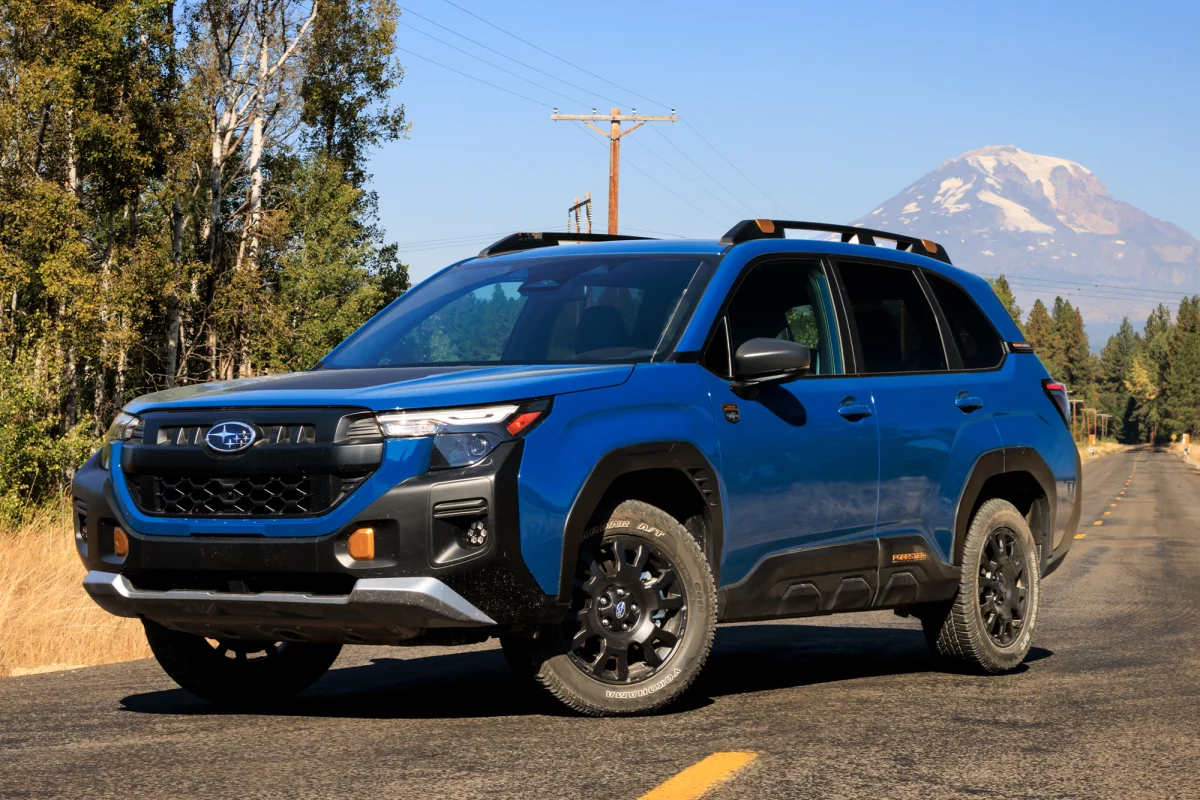
The Subaru Forester has been a Canadian favourite for decades, and for excellent reason. Its combination of standard Symmetrical All-Wheel Drive, generous ground clearance, and proven cold-weather reliability makes it one of the most sensible purchases a Canadian can make.
Subaru’s Symmetrical AWD is not an optional add-on or a rear-biased system that only engages in emergencies. It is a full-time, mechanically robust system that keeps all four wheels engaged at all times, delivering consistency that Canadian drivers deeply appreciate.
The Forester’s ground clearance is among the best in the compact SUV segment. This seemingly simple specification makes a dramatic difference when going through the deep snow in residential neighborhoods or cottage-country roads.
Visibility from the Forester’s driver seat is exceptional by modern SUV standards. The large glass area and upright seating position give drivers a clear view of road conditions, which is critically important when going through the winter roads covered in snow and slush.
Subaru’s EyeSight driver assistance system works remarkably well in Canadian conditions. It has been refined over multiple generations to function reliably even in light snow and reduced visibility situations.
The Forester’s suspension tuning is ideally calibrated for imperfect road surfaces. Canadian roads are notoriously rough due to freeze-thaw cycles, and the Forester absorbs that punishment without transmitting excessive harshness into the cabin.
Interior space in the Forester is genuinely generous for its exterior footprint. Tall drivers fit comfortably, rear passengers have real legroom, and the cargo area handles the practical demands of Canadian family life.
Subaru dealerships are well-established in Canadian urban and suburban markets. Service quality and parts availability are consistently strong across most major Canadian cities and many smaller communities.
Resale values for the Forester have historically been strong in Canada. The combination of brand loyalty and genuine capability means the used market rewards Forester owners when it comes time to sell.
The Forester is available with a hybrid powertrain in certain markets, offering improved fuel economy without sacrificing the core attributes that make it a Canadian favourite. Efficiency matters when you are filling up multiple times per week.
Cold-weather package options from Subaru include heated seats, heated mirrors, and heated steering wheels. These are standard expectations for any vehicle sold in Canada, and the Forester delivers them without requiring expensive trim upgrades.
The Forester is not the flashiest or most technologically advanced SUV on this list. But in Canada, where winters are long and unforgiving, its unpretentious competence is genuinely worth more than any amount of flashy technology.
4. Jeep Grand Cherokee 4xe
The Jeep Grand Cherokee 4xe brings together plug-in hybrid efficiency, genuine off-road capability, and premium interior quality in a package that makes considerable sense for Canadian buyers. It is a vehicle that refuses to compromise between luxury and capability.
Canada’s expanding EV charging infrastructure makes the 4xe’s plug-in hybrid powertrain increasingly practical. Charging at home overnight allows Canadian owners to cover most daily commutes on electric power alone, dramatically reducing fuel costs during the long work week.
When the battery is depleted, the Grand Cherokee 4xe seamlessly transitions to its conventional hybrid operation. There is no anxiety about running out of power on a long Canadian highway stretch or in a remote area without charging infrastructure.
The Quadra-Drive II four-wheel drive system is among the most capable available in a luxury SUV. It handles Canadian winter conditions with authority, whether you are going through the downtown parking lots or accessing a remote ski chalet.
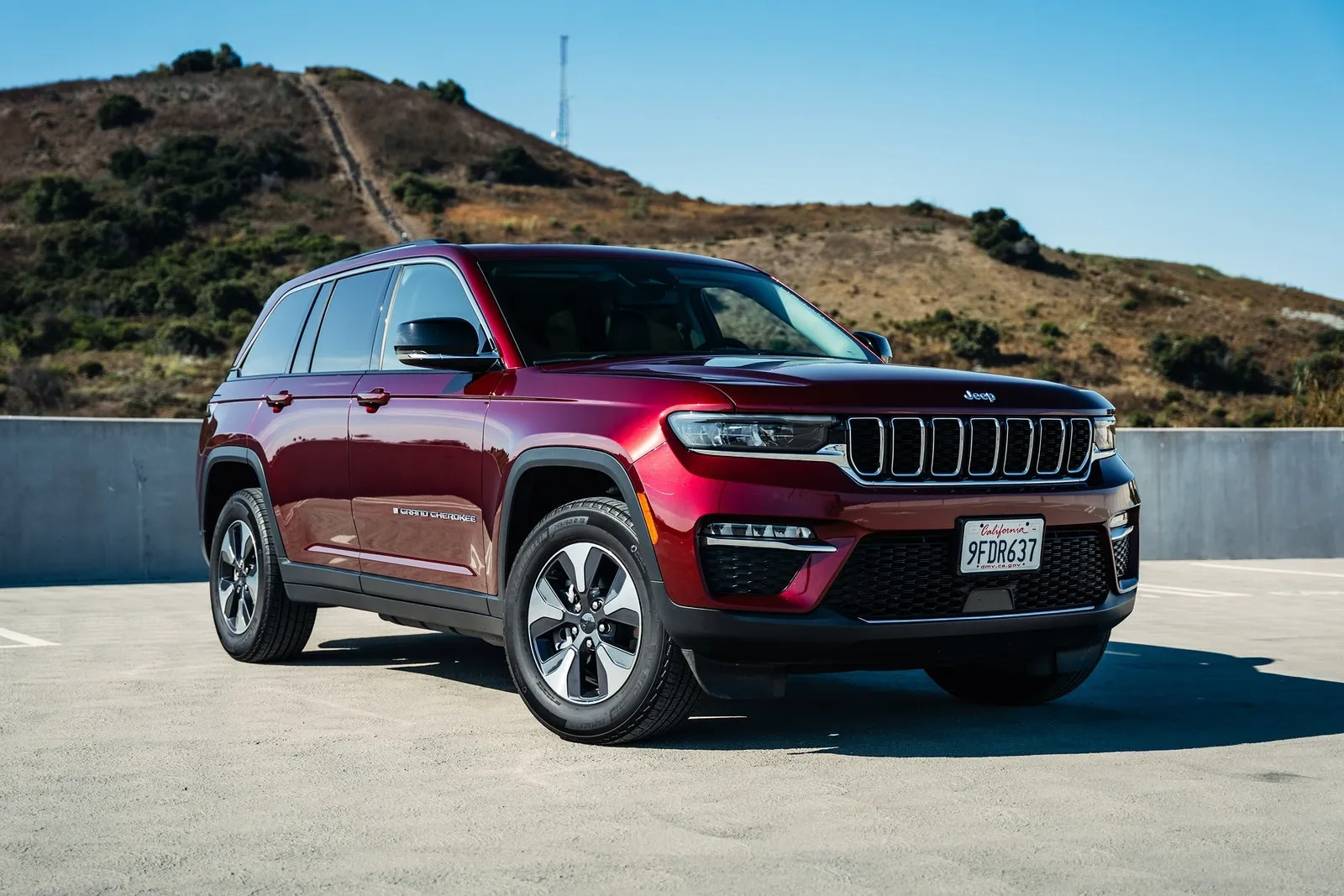
Ground clearance and approach angles on the Grand Cherokee are designed for serious terrain. Canadian cottage roads, logging roads, and winter-roughened surfaces pose no meaningful challenge to this vehicle’s capability envelope.
Interior quality has taken a significant leap forward in the current generation Grand Cherokee. The cabin materials, technology integration, and refinement are genuinely competitive with European luxury SUVs at similar price points.
Heated and ventilated seats, a heated steering wheel, and a premium audio system come standard on most Canadian Grand Cherokee trims. These features are not luxury add-ons in Canada they are winter survival necessities that the 4xe delivers without compromise.
The Grand Cherokee’s towing capacity is meaningful for Canadian buyers who haul boats, trailers, or recreational vehicles. Very few plug-in hybrid SUVs offer comparable towing ratings without significant price premiums.
FCA’s Canadian dealer network has improved considerably in recent years. Service quality and parts availability for the Grand Cherokee are now reliably strong across most Canadian markets.
Safety technology in the current Grand Cherokee is comprehensive and well-calibrated. Features like night vision, a surround-view camera, and advanced lane departure warnings are particularly valuable on dark, slippery Canadian winter roads.
Fuel economy in hybrid mode is impressive for a vehicle of the Grand Cherokee’s size and capability. Canadian drivers who can plug in regularly will find their fuel costs surprisingly manageable compared to traditional large SUVs.
The Grand Cherokee 4xe represents a genuine step forward in Canadian-relevant SUV design. It proves that you do not have to choose between environmental responsibility, winter capability, and premium comfort when buying an SUV in Canada.
Also Read: 10 Trucks With Cabins That Fit Three Adults In The Front
5. Honda CR-V Hybrid
The Honda CR-V Hybrid is the kind of vehicle that Canadians who think carefully about their purchases consistently choose. It combines Honda’s legendary reliability with genuine hybrid efficiency and excellent all-weather capability in one well-executed package.
Honda’s Real Time AWD system in the CR-V Hybrid is electronically sophisticated and responds quickly to changing traction conditions. Canadian winter driving constantly presents unpredictable surfaces, and the CR-V Hybrid’s AWD system handles those transitions smoothly and confidently.
Fuel economy in the CR-V Hybrid is genuinely impressive in real Canadian driving conditions. Unlike some hybrids that only shine in ideal highway conditions, the CR-V Hybrid’s efficiency holds up well in cold temperatures and stop-and-go urban traffic.
The interior of the CR-V Hybrid is among the most practical and well-organized in its segment. Honda’s thoughtful storage solutions and logical control layouts make daily life easier, which matters when you are bundled in winter gear and operating the vehicle with gloved hands.
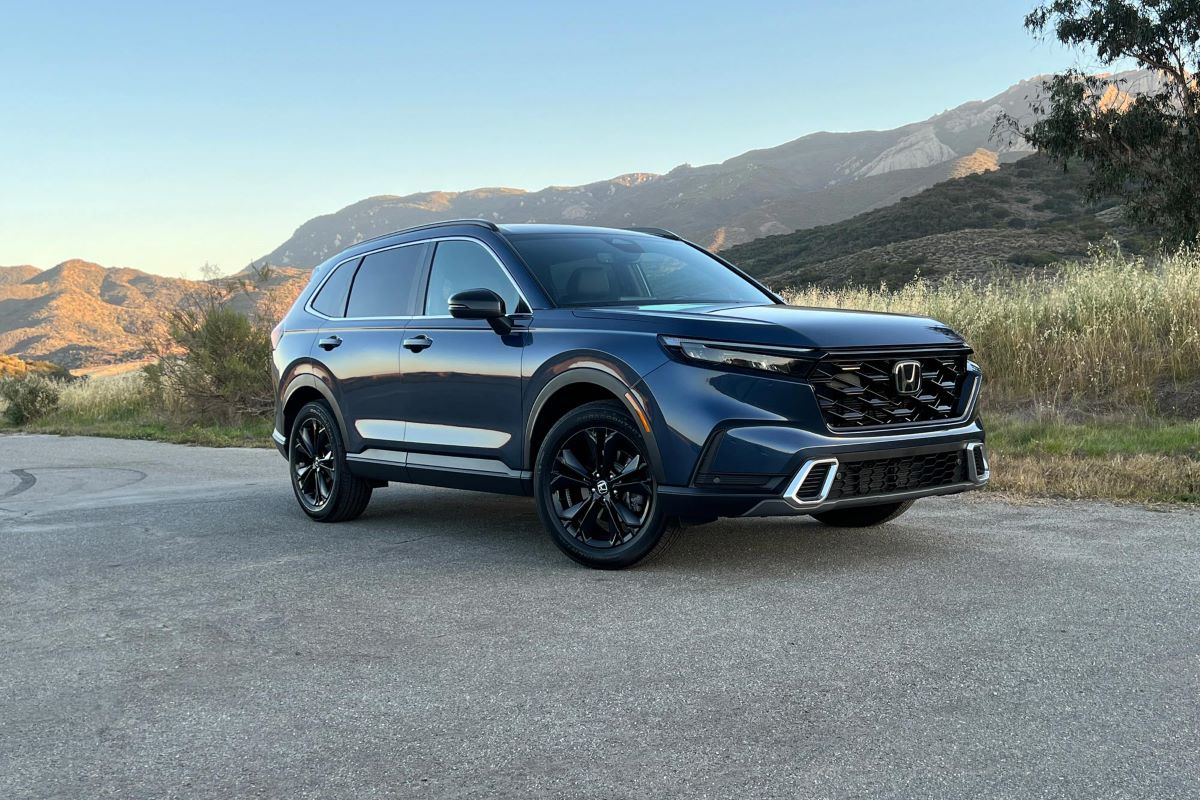
Rear seat space in the CR-V is exceptional for a compact SUV. Canadian families with growing children will appreciate the genuine legroom and headroom that make long road trips comfortable for everyone on board.
Cold-weather starting performance has been consistently strong in Canadian owner reports across multiple model years. Honda’s engineering for cold-climate operation gives owners confidence that the vehicle will perform reliably in January just as well as in July.
The CR-V Hybrid’s cargo area is one of the most practical in the segment. The flat load floor, generous width, and clever underfloor storage make it genuinely useful for the full spectrum of Canadian family activities.
Honda’s dealer network in Canada is extensive and has a strong reputation for service quality. Finding a knowledgeable Honda technician in most Canadian cities is straightforward, and parts availability is excellent.
Resale values for the CR-V Hybrid are consistently strong in the Canadian used market. Canadians researching used vehicle purchases repeatedly return to the CR-V nameplate because of its proven track record.
Safety ratings for the CR-V Hybrid are top-tier across all major testing organizations. Honda Sensing, the brand’s suite of driver assistance features, comes standard and functions reliably in Canadian weather conditions.
Ownership costs over a five-year period are among the lowest in the compact SUV segment. Between reduced fuel bills, strong reliability, and competitive insurance rates, the CR-V Hybrid saves Canadian owners real money over time.
The CR-V Hybrid does not try to be exciting or adventurous. It tries to be dependable, practical, and efficient — and in doing so, it perfectly captures what most Canadian families actually need from an SUV.
5 That Don’t Make Sense Up North
These SUVs may work well in mild climates but struggle in Canada due to lack of AWD, low ground clearance, or poor traction on snow and ice. Vehicles focused more on styling or efficiency often lack the capability needed for harsh winter conditions.
Some also have weaker heating performance or reduced cold-weather efficiency, which can make daily driving uncomfortable in extreme temperatures.
For Canadian conditions, these limitations can lead to reduced safety, more stress, and less usability during winter months, making them poor choices for life up north.
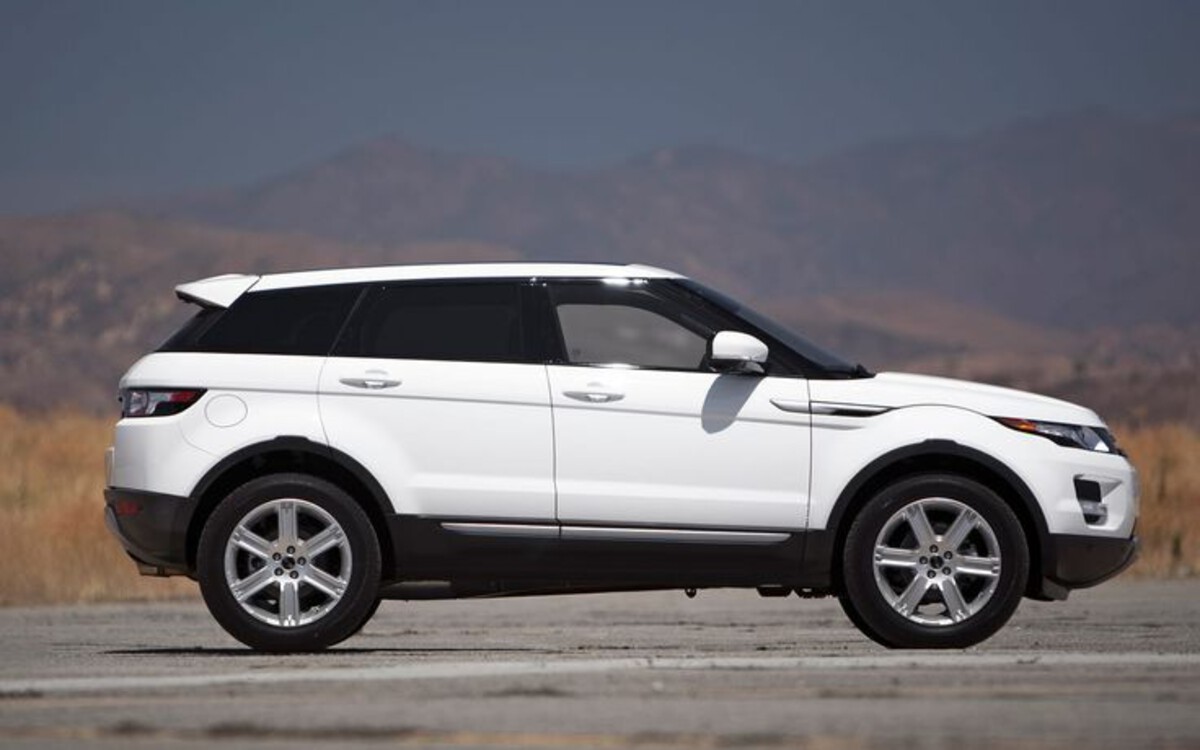
1. Land Rover Range Rover Evoque
The Range Rover Evoque is one of the most visually striking SUVs on the market. Its sleek roofline, fashionable proportions, and premium interior make it enormously appealing on a sunny day in a European city.
But Canada is not a European city. Canada is minus thirty in Edmonton, pothole-riddled highways in Quebec, and gravel roads in Northern Ontario and the Evoque is simply not equipped to thrive in that reality.
Ground clearance on the Evoque is notably limited for a vehicle marketed as an SUV. When you place it alongside a Subaru Forester or even a Honda CR-V, the Evoque’s low-slung stance becomes an immediate liability in deep snow.
The Evoque’s sloping roofline, which is entirely responsible for its stylish appearance, creates genuine practical problems for Canadian owners. Rear headroom is compromised, cargo loading is awkward, and rear visibility is severely restricted a serious concern on snowy Canadian roads.
Reliability has been a persistent concern with the Evoque in the Canadian market. Owner satisfaction surveys consistently rank Land Rover products near the bottom of dependability ratings, which is a catastrophic attribute in a country where breakdowns can have serious consequences.
Land Rover’s dealer network in Canada is thin compared to mainstream brands. In many parts of the country, a breakdown or significant service requirement means long waits, expensive parts sourcing, and limited loaner vehicle availability.
Maintenance costs for the Evoque are significantly higher than competitors in its price range. Canadian owners frequently report expensive routine service intervals and parts costs that make long-term ownership financially painful.
The Evoque’s turbocharged small displacement engine, while refined in moderate temperatures, can behave less predictably in extreme cold. Canadian winters expose the limitations of engines optimized for European conditions rather than North American extremes.
Fuel economy in real Canadian driving conditions falls short of what the official numbers might suggest. Cold-weather operation, which Canadian drivers experience for four to six months per year, significantly degrades the Evoque’s efficiency.
The Evoque’s tires are typically spec’d for European road conditions rather than Canadian winters. Even with proper winter rubber installed, the vehicle’s limited ground clearance remains a fundamental limitation that no tire can fully overcome.
Resale value for Land Rover products in Canada trails mainstream competitors significantly. The combination of reliability concerns and high ownership costs suppresses used market demand and leaves owners with disappointing trade-in values.
The Evoque is genuinely appealing as a piece of automotive design. But beauty alone cannot compensate for the practical, financial, and reliability shortcomings that make it a poor choice for Canadian buyers who need a vehicle they can actually depend on.
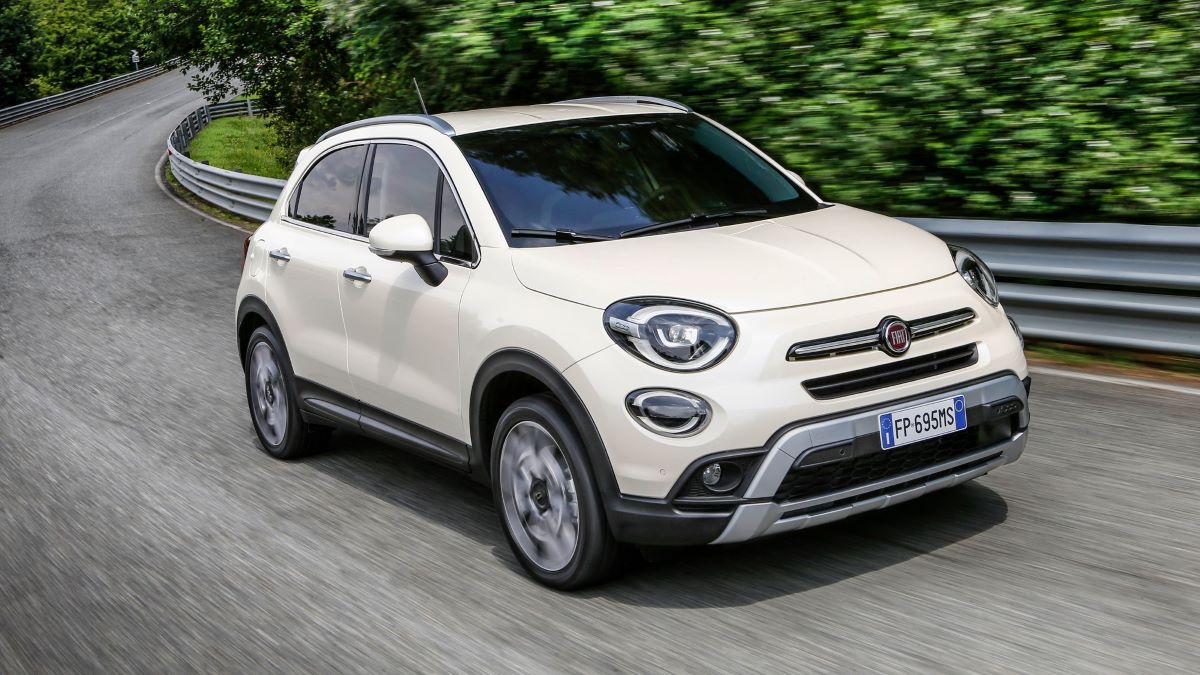
2. Fiat 500X
The Fiat 500X is a charming, personality-filled small crossover that works reasonably well in the Italian cities it was essentially designed for. Canada is a different proposition entirely, and the 500X struggles to meet the country’s basic transportation demands.
Size is an immediate issue. The 500X’s compact footprint and limited ground clearance make it poorly suited to the deep snow, rough roads, and large parking lot obstacles that define Canadian winter driving.
The 500X’s drivetrain options are not well-matched to Canadian needs. The available all-wheel drive system, while functional, lacks the sophistication and responsiveness of systems offered by Japanese and Korean competitors at similar price points.
Cold-weather performance from Fiat’s four-cylinder engines has been inconsistent in Canadian owner reports. Starting reliability in subzero temperatures and warm-up behaviour in extreme cold have both been cited as concerns by Canadian owners.
Fiat’s dealer network in Canada is extremely limited compared to mainstream brands. In many provinces, there are simply very few dealerships, making service access difficult and warranty support frustrating.
Parts availability for Fiat vehicles in Canada has historically been problematic. When components need replacement, Canadian owners frequently face long wait times because the brand’s distribution infrastructure for the Canadian market is underdeveloped.
Reliability ratings for Fiat products consistently rank among the lowest in North American consumer surveys. For a country where vehicle reliability is a genuine safety concern during winter months, this record is deeply problematic.
Interior quality, while characterful, does not hold up well to the Canadian ownership experience. Hard plastics, fit and finish inconsistencies, and electronic system reliability issues have all been noted by long-term Canadian owners.
Cargo space in the 500X is genuinely limited by Canadian lifestyle standards. The boot is too small for a full load of ski gear, hockey bags, or the weekly family grocery run that defines Canadian suburban life.
Fuel economy does not compensate sufficiently for the 500X’s other shortcomings. While the numbers are acceptable, they are not meaningfully better than larger, more capable, and more reliable competitors in the Canadian market.
Resale value for Fiat products in Canada is among the worst in the entire automotive market. Brand perception, reliability history, and limited buyer demand combine to create a resale environment that punishes 500X owners significantly.
The 500X is a vehicle that might make perfect sense for a young professional in Milan or Rome. In Canada, it is a liability wrapped in a cheerful Italian aesthetic that fades quickly when reality sets in.
3. Chevrolet Blazer EV
The Chevrolet Blazer EV arrived with enormous fanfare and genuinely impressive specifications on paper. The reality of early Canadian ownership has been considerably less impressive, making it a vehicle that sensible buyers should approach with significant caution.
Quality control issues plagued the Blazer EV’s initial production runs in ways that damaged consumer confidence severely. Reports of software failures, charging system malfunctions, and various electrical gremlins circulated widely among early Canadian adopters.
Cold-weather battery performance is a critical issue for Canadian EV buyers, and the Blazer EV has not distinguished itself in this area. Range loss in subzero temperatures has been more pronounced than General Motors’ initial communications suggested to buyers.
Charging infrastructure compatibility issues added another layer of frustration for early Canadian Blazer EV owners. Problems with DC fast charging at various Canadian networks created real anxiety for owners who relied on the vehicle as their primary transportation.
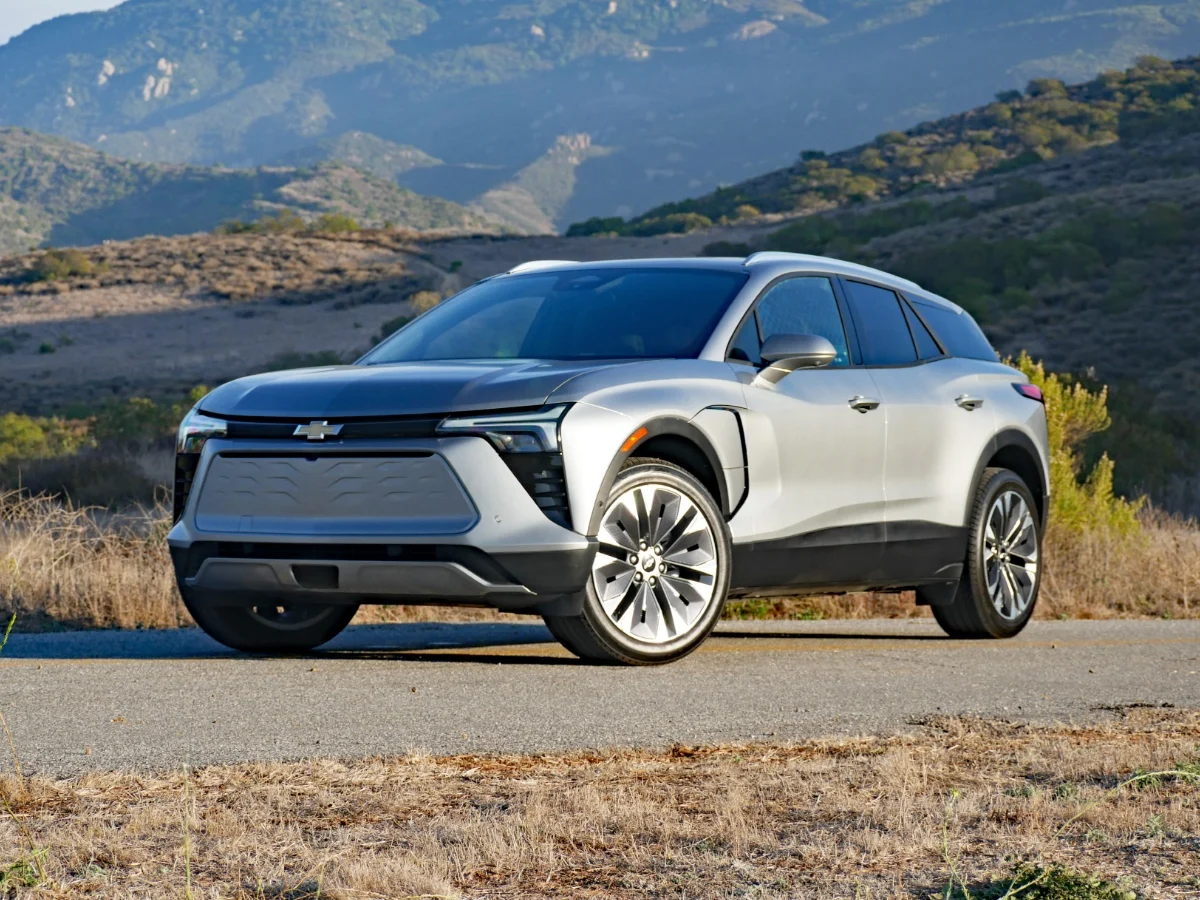
The Blazer EV’s software interface, while visually impressive, has been criticized for unreliability and unintuitive operation. In a Canadian winter when you need to quickly adjust heating, defrost settings, or navigation, software that misbehaves is genuinely dangerous.
General Motors issued significant recalls and software updates for the Blazer EV relatively early in its production life. While updates can resolve issues, the frequency and severity of early problems suggest a vehicle that was brought to market before it was fully ready.
Range estimates in official Canadian testing conditions have not matched real-world winter performance for many owners. The gap between advertised range and actual winter range has been large enough to meaningfully alter the vehicle’s utility for Canadian buyers.
Dealer preparedness for Blazer EV service and repair has been inconsistent across Canada. Not all Chevrolet dealers are equally equipped to diagnose and resolve the sophisticated electrical issues that EV ownership occasionally demands.
The Blazer EV’s pricing in Canada is ambitious given the quality control history. Canadians paying premium prices for a premium EV reasonably expect premium reliability, and the Blazer EV has not consistently delivered on that expectation.
Interior technology, while feature-rich on paper, has been undermined by the reliability issues already discussed. Features that do not work consistently are not features at all — they are sources of frustration and distraction.
Resale value uncertainty for the Blazer EV is significant in the Canadian used market. Buyers who have followed the quality control story are cautious, which suppresses demand and creates financial risk for current owners.
The Blazer EV may well become a genuinely excellent vehicle after further development and refinement. As of now, however, it represents too much risk for Canadian buyers who need a vehicle they can depend on through a long, demanding Canadian winter.
4. Mitsubishi Eclipse Cross
The Mitsubishi Eclipse Cross occupies a strange middle ground in the Canadian market it is not bad enough to dismiss outright, but it is not good enough to recommend over any of its direct competitors. For the money Canadians spend on it, the Eclipse Cross consistently underdelivers.
The name alone is a source of confusion. The Eclipse was a beloved sports car in the 1990s, and attaching that nameplate to a modest crossover sets expectations that the vehicle has absolutely no ability to meet.
Performance from the Eclipse Cross’s base powertrain is genuinely underwhelming in Canadian conditions. Highway passing power, particularly when carrying a full load of passengers and winter gear, requires planning well in advance.
The Eclipse Cross’s styling is polarizing in ways that hurt rather than help it. The rear window design, while distinctive, severely compromises rearward visibility a significant safety concern when backing out of snow-covered driveways with reduced sight lines.
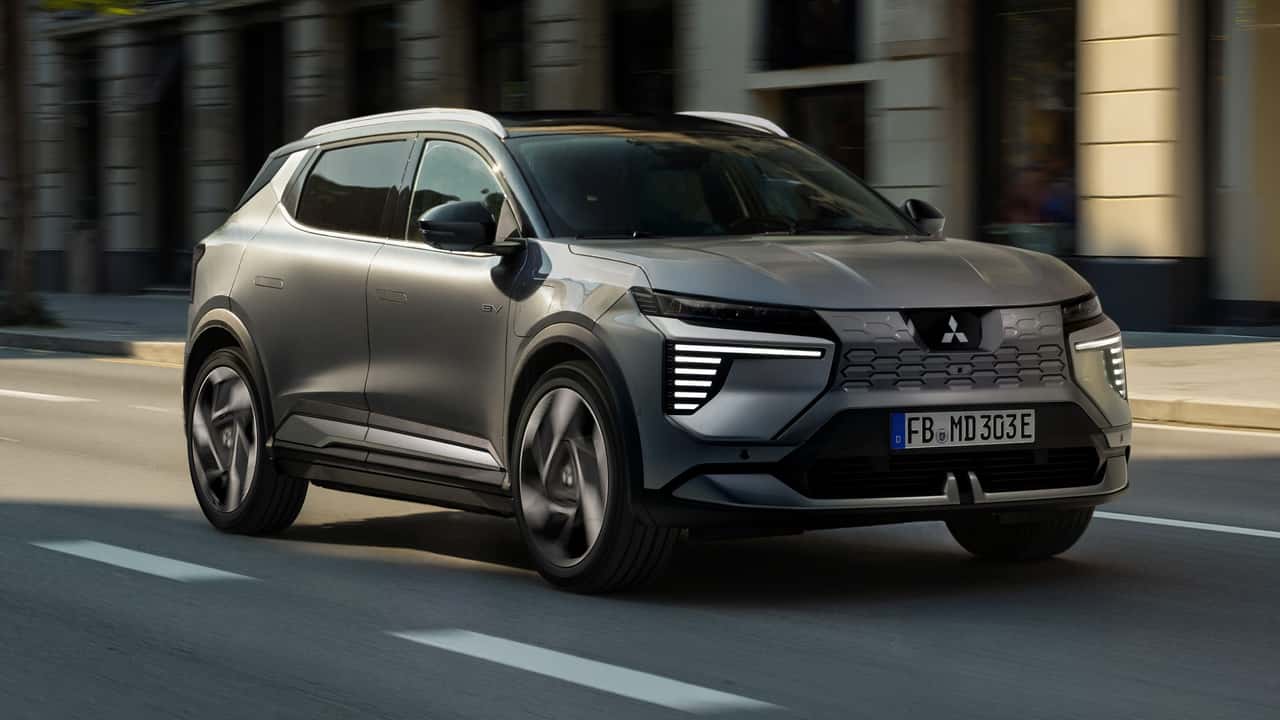
All-wheel drive availability is a positive attribute, but Mitsubishi’s S-AWC system in the Eclipse Cross does not match the sophistication of Subaru’s Symmetrical AWD or Honda’s system at comparable price points. The performance gap on snow and ice is noticeable.
Interior materials quality does not justify the Eclipse Cross’s pricing in the Canadian market. Competitors from Honda, Toyota, and Hyundai offer significantly better cabin quality, technology, and refinement for comparable or even lower prices.
The infotainment system in the Eclipse Cross has received consistent criticism for being outdated and unintuitive. In a market where technology integration is a baseline expectation, Mitsubishi’s offering feels several generations behind.
Fuel economy from the Eclipse Cross is acceptable but not impressive enough to justify choosing it over more efficient competitors. The hybrid and plug-in hybrid options offered by rivals make the Eclipse Cross feel technologically behind the times.
Cargo space, while adequate on paper, is compromised in practice by the sloping rear design and awkward access angles. Loading bulky Canadian winter equipment into the Eclipse Cross requires more patience than it should.
Mitsubishi’s dealer network in Canada, while present, does not offer the service depth or geographic coverage of mainstream competitors. In smaller markets, access to qualified service technicians can be limited.
Resale value for the Eclipse Cross in Canada trails most of its direct competitors meaningfully. The combination of brand perception, limited feature content, and strong competition in the segment creates a challenging resale environment for owners.
The Eclipse Cross will get you from point A to point B in Canada without dramatic incident. But so will dozens of other vehicles that do it better, more efficiently, more comfortably, and with stronger long-term ownership value.
5. Tesla Model Y (Standard Range)
The Tesla Model Y is a technological marvel and a genuinely impressive vehicle in many respects. However, the Standard Range variant specifically presents a combination of limitations that make it a questionable choice for many Canadian buyers, particularly those outside major urban centres.
Canada’s winters are uniquely hostile to battery electric vehicles. Cold temperatures reduce lithium-ion battery performance significantly, and the Standard Range Model Y’s already modest range shrinks to concerning levels when temperatures drop below minus fifteen or minus twenty degrees Celsius.
A Standard Range Model Y that advertises adequate warm-weather range can become a considerably more anxiety-inducing proposition in January in Calgary or Ottawa. The effective winter range reduction is not a minor inconvenience it can fundamentally alter the vehicle’s utility.
Tesla’s Supercharger network, while the best in the Canadian EV charging ecosystem, has geographic gaps that matter enormously in a country of Canada’s physical scale. The routes between major Canadian cities can still present range challenges in winter conditions.
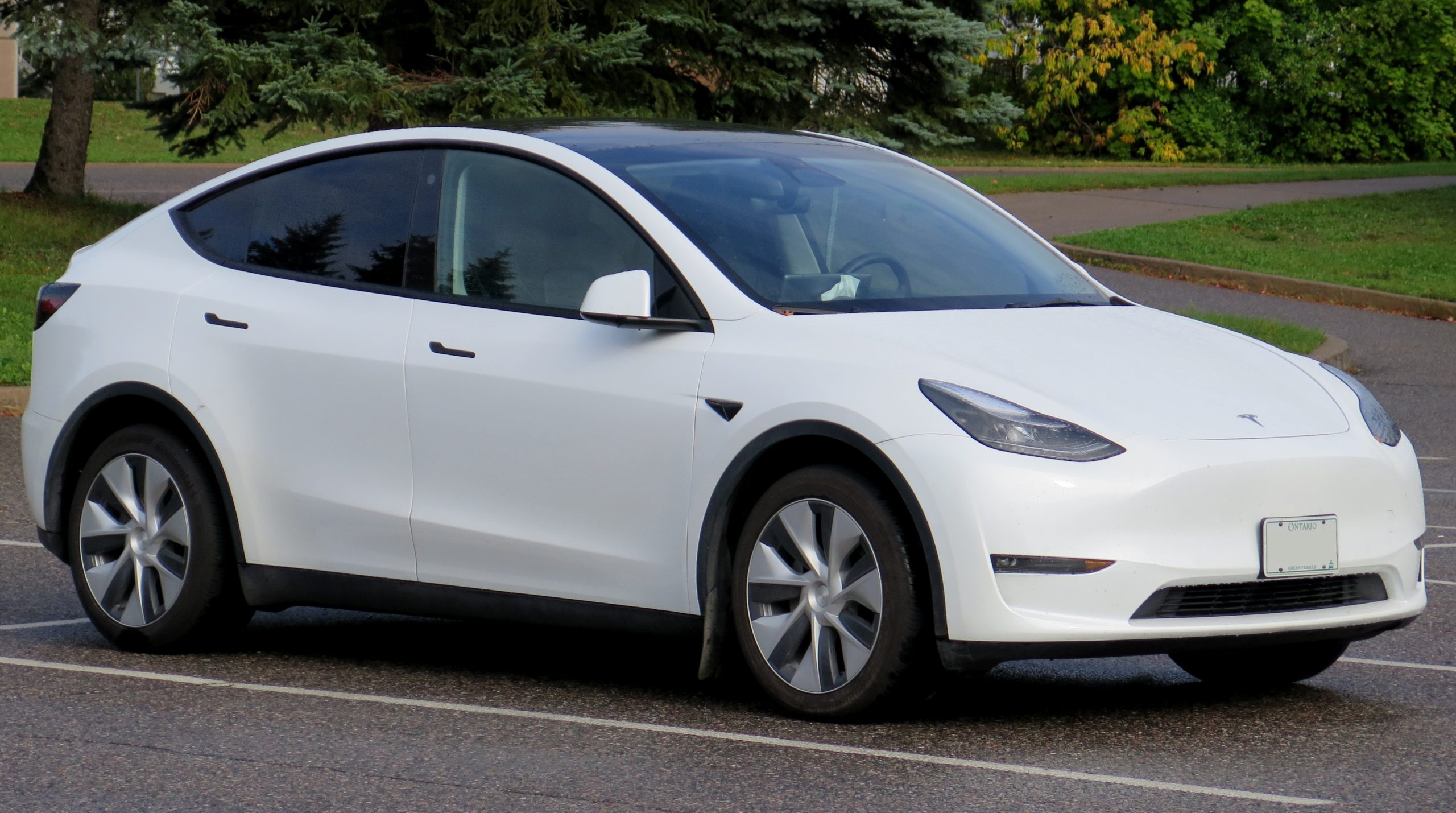
Supercharger congestion at popular Canadian locations during holiday travel periods has been a recurring issue. When every Canadian family is traveling simultaneously during long weekends or holiday seasons, wait times at busy Supercharger stations can be significant.
Tesla’s service centre network in Canada is concentrated in major urban areas. Owners in smaller cities, rural communities, or remote regions face genuine challenges accessing service, which is a meaningful concern for a vehicle with a complex electrical architecture.
Body panel fit and finish quality on Tesla vehicles has been an industry-wide discussion point. Canadian owners have noted specific concerns about door seals, weather stripping, and panel gaps that can allow cold air infiltration during severe winters.
Heat pump efficiency, while improved in recent Model Y production, can still be challenged by extreme Canadian cold. Cabin heating demands in deep winter reduce available range more dramatically than Tesla’s official cold-weather range estimates might imply.
Software-defined features, while innovative, create their own risks for Canadian owners. Features that are disabled or modified through over-the-air updates after purchase represent a form of ownership uncertainty that traditional vehicle buyers find unsatisfying.
Insurance costs for Tesla vehicles in Canada have been raised compared to comparable non-Tesla SUVs. Repair costs for Tesla’s proprietary components and the limited pool of certified repair facilities contribute to higher premiums that buyers should factor into their ownership calculations.
Charging at home in Canadian winters requires careful infrastructure planning. Installing a Level 2 home charger in a Canadian garage is straightforward, but owners without dedicated parking or charging access face real daily challenges managing winter range in a Standard Range Model Y.
The Long Range and Performance Model Y variants address many of these concerns effectively and are considerably better-suited to Canadian conditions. The Standard Range variant, however, represents a combination of constraints that can make Canadian ownership genuinely stressful for buyers outside major urban markets with robust charging infrastructure.
Also Read: 7 Cars With Window Switches That Light Up At Night
