
When people evaluate trucks, they often focus on horsepower, towing capacity, or technology. Yet there is a small detail that quietly shapes perception long before the engine starts: the sound of the door closing.
That single moment tells you a surprising amount about build quality, structural integrity, and attention to detail. A solid, reassuring thud suggests strength and refinement, while a hollow or tinny sound can create doubts, even if the truck performs well in other areas.
Door sound is not accidental. It comes from engineering choices such as panel thickness, sealing quality, latch design, and how tightly everything fits together.
Trucks with better insulation and stronger construction tend to produce a deeper, more controlled closing sound. On the other hand, lighter materials, less damping, or looser tolerances can result in a sharp or cheap impression.
This difference becomes even more noticeable with daily use. Opening and closing the door is something drivers and passengers do repeatedly. Over time, that sound becomes part of the ownership experience. It can either reinforce a sense of durability or slowly chip away at confidence in the vehicle.
In this article, we examine both ends of the spectrum. First, we look at trucks where the doors close with a solid, satisfying feel that reflects strong build quality. Then we move to trucks, where the sound lacks depth, giving off a less premium impression.
Understanding this detail helps reveal how much effort manufacturers put into the finer aspects of design. It is not just about how a truck drives or performs, but how it feels in everyday interactions that truly define its character.
Also Read: 7 Cars With Seats That Cool Down Fast On Hot Days
7 Trucks With Doors That Close With A Solid Sound
A solid door closing sound is often the result of careful engineering rather than coincidence. It reflects how well the vehicle is put together, from the strength of the door panels to the precision of the latching mechanism. Trucks that achieve this tend to feel more substantial, even before you begin driving.
One of the main contributors is structural rigidity. When a truck has a strong frame and well-built doors, the closing action produces a deep and controlled sound instead of a hollow echo. This creates a sense of confidence that extends beyond just the door itself.
Sealing also plays a major role. Thick, well-fitted seals not only reduce cabin noise but also contribute to that satisfying thud when the door shuts. Combined with proper insulation, they help absorb vibrations and prevent unwanted rattles.
We are focusing on these trucks because they demonstrate attention to detail. They show that manufacturers are not just building for performance, but also for tactile and sensory quality. Each model listed here achieves that solid feel in a slightly different way, making the comparison more meaningful.
1. Ford F-150
The Ford F-150 delivers a door closing experience that feels deliberate and reassuring from the very first interaction. When you shut the door, there is a weight behind the motion that immediately communicates strength. The sound is deep and controlled, avoiding any hint of hollowness.
What stands out is how consistent the experience feels across all doors. Whether it is the driver’s door or the rear passenger door, each one closes with the same solid character. This consistency reinforces the impression that the truck has been engineered with precision rather than assembled with varying tolerances.
Another factor is the way the door seals engage. As the door comes into place, there is a slight resistance that adds to the sense of quality. It does not slam loosely or bounce back. Instead, it settles firmly, producing a clean and confident sound.
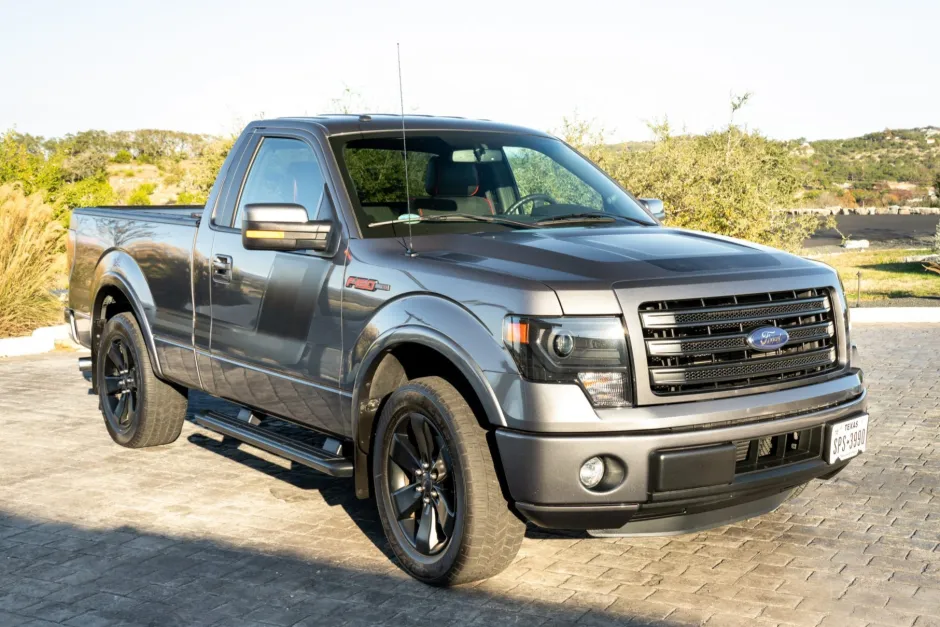
I am including the F-150 because it represents a benchmark in balancing durability with refinement. It shows that a work-focused truck can still deliver a premium tactile experience. For many drivers, that solid closing sound becomes a subtle but constant reminder of the truck’s build quality.
2. Ram 1500
The Ram 1500 approaches door closure with a sense of refinement that feels closer to luxury vehicles than traditional trucks. When you close the door, the sound is muted yet firm, creating an impression of density and control. It does not rely on force to feel solid, which sets it apart.
One of the defining traits here is the damped motion. The door does not swing freely and slam shut. Instead, it moves with a controlled weight that results in a smooth and satisfying closure. This makes the interaction feel more intentional and less mechanical.
The materials used inside the door also contribute to this effect. Insulation and padding help absorb vibrations, preventing any sharp or metallic tones from escaping. The result is a sound that feels composed rather than abrupt.
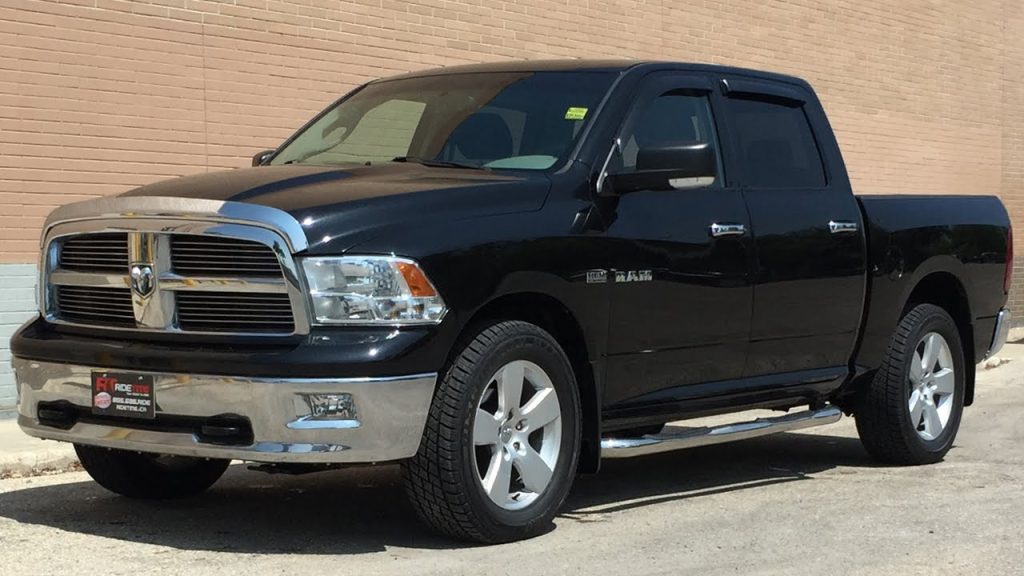
I chose the Ram 1500 because it highlights how attention to small details can upgrade the entire experience. It transforms something as simple as closing a door into a moment that reflects quality and care. For drivers who notice these details, it leaves a lasting impression.
3. Toyota Tundra
The Toyota Tundra delivers a door closing experience that feels engineered with long-term durability in mind. When you shut the door, the sound carries a dense, slightly heavier tone that reflects the truck’s robust construction. It does not try to feel overly refined, yet it avoids the hollow character found in less solid designs.
What becomes noticeable is the way the door settles into place. There is a firm, single-motion closure that does not require a second push or adjustment. This creates a sense of reliability, as if every component is aligned correctly and working together. The sound that follows is short and controlled, with no lingering vibration.
Another detail worth noting is how the door behaves over repeated use. Even after multiple openings and closings, the consistency remains intact. The latch engages cleanly, and the seals continue to provide that slight resistance that contributes to the solid feel. This reliability strengthens the perception of quality over time.
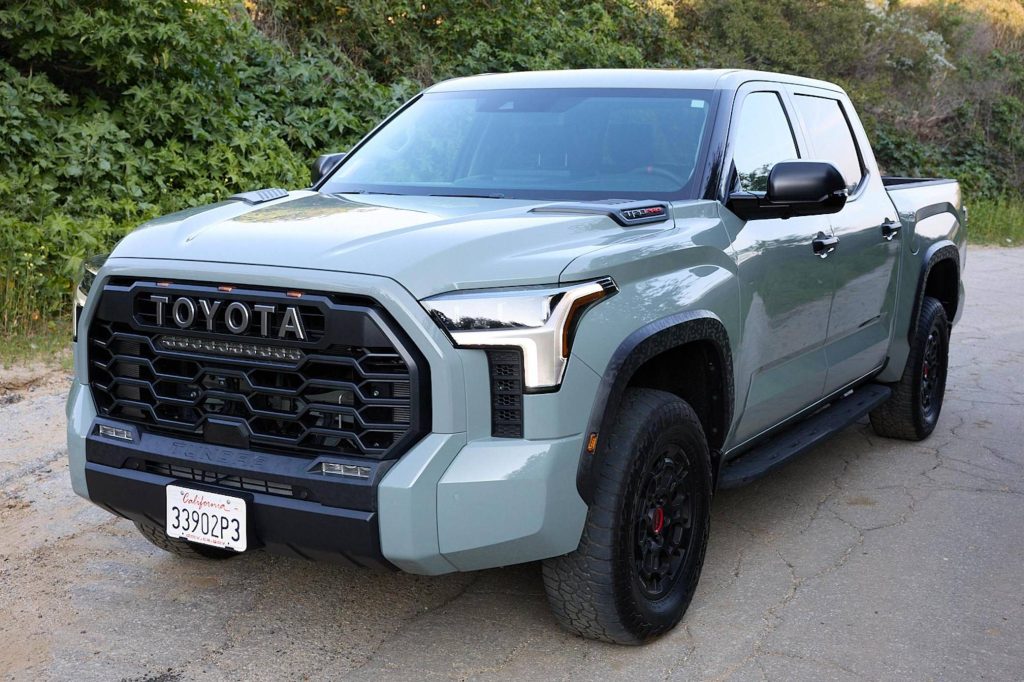
I am including the Tundra because it represents a practical approach to refinement. It does not aim for luxury-like softness, but it delivers a dependable and reassuring closing sound that reflects strong build quality. For drivers who value durability and consistency, this truck stands out in a meaningful way.
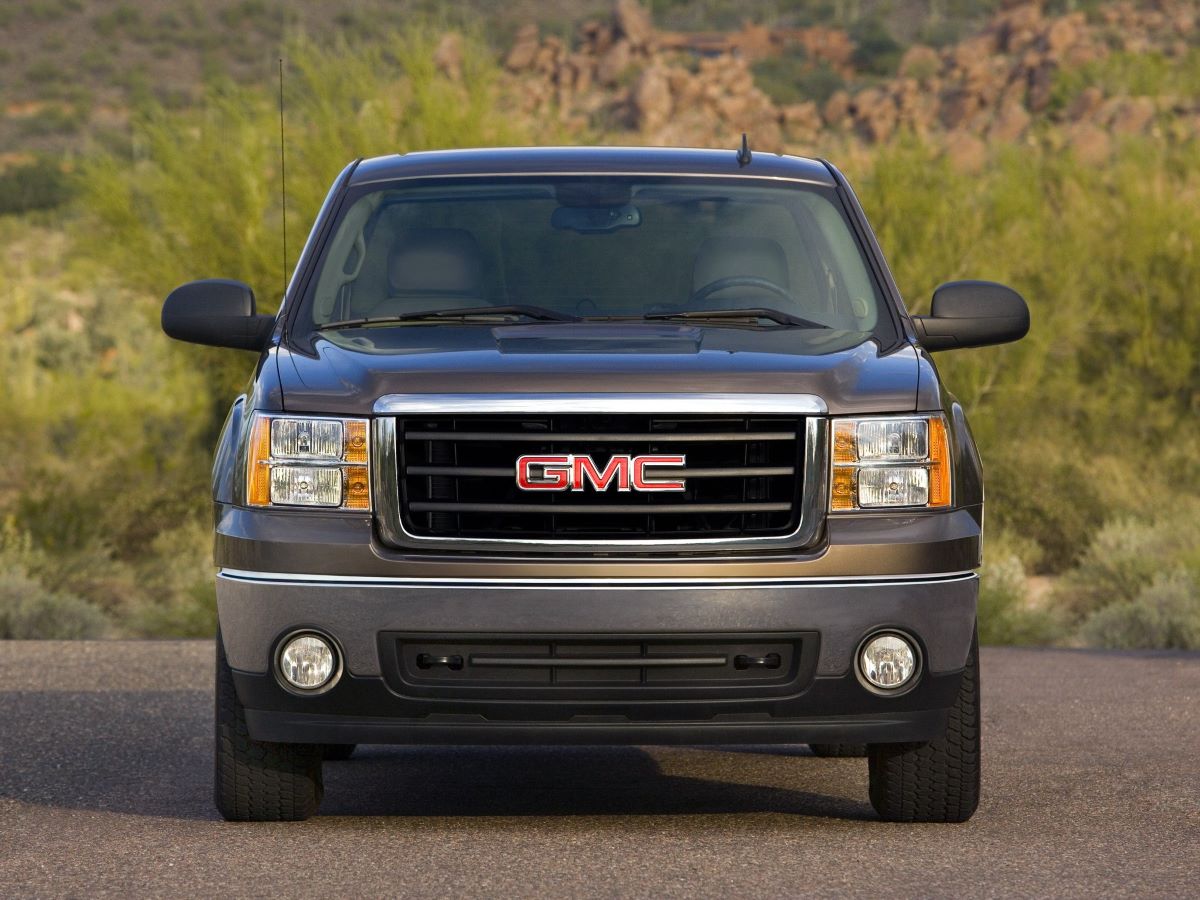
4. Chevrolet Silverado 1500
The Chevrolet Silverado 1500 presents a door closing experience that feels straightforward yet satisfying. The moment you bring the door in, there is a noticeable sense of weight that translates into a firm and confident sound. It is not overly muted, but it avoids any sharp or tinny characteristics.
One of the strengths of the Silverado lies in its structural feel. The door does not flex or vibrate when it closes, which contributes to a more composed sound. This stability suggests that the underlying construction is solid, reinforcing the impression of durability.
There is also a tactile aspect to the closure. The handle, hinge movement, and latch engagement all feel aligned, creating a smooth sequence from opening to closing. This cohesion adds to the full satisfaction of the interaction, making it feel intentional rather than incidental.
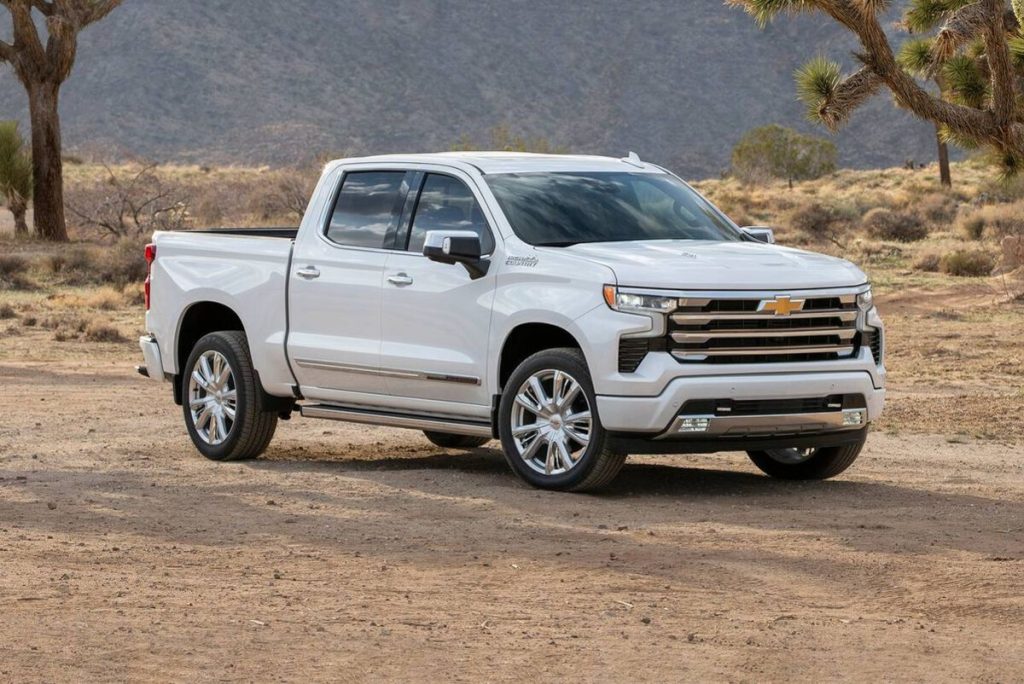
I chose the Silverado because it reflects a balance between ruggedness and refinement. It does not try to mimic luxury vehicles, yet it delivers a closing sound that feels dependable and well-built. For many drivers, this kind of straightforward solidity is exactly what they expect from a truck.
5. GMC Sierra 1500
The GMC Sierra 1500 brings a slightly more refined interpretation of solidity, and it becomes clear the moment you interact with the doors. Instead of a heavy slam, the Sierra delivers a controlled, damped closure that feels intentional. The sound is deeper and more muted, suggesting a well-insulated structure beneath the surface.
What makes this truck stand out is the way the door completes its motion. There is a subtle compression of seals just before the latch engages, which adds a soft resistance.
That resistance translates into a clean, contained sound rather than a sharp impact. It feels composed, almost as if the truck is absorbing the energy instead of releasing it outward.
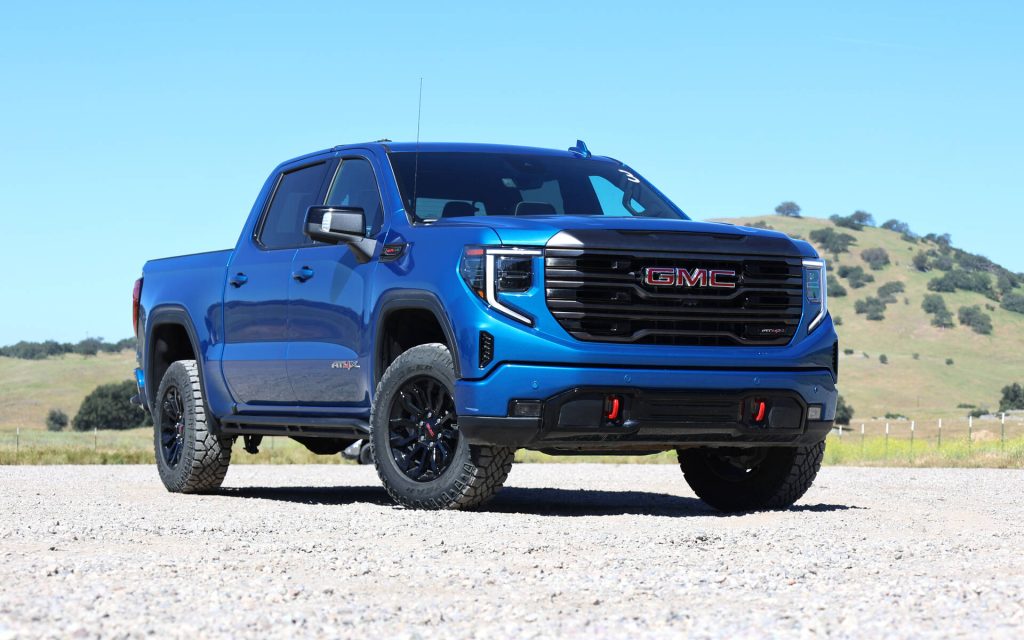
Another interesting aspect is the consistency in tone. Whether you close the door gently or with more force, the resulting sound remains stable. This indicates a well-tuned latch and hinge system that does not rely on excessive force to achieve a secure closure.
I am including the Sierra because it demonstrates how refinement can coexist with strength. It delivers a solid closing sound, but it does so in a way that feels polished and controlled. For drivers who appreciate subtlety in build quality, this truck leaves a strong impression without being loud about it.
6. Nissan Titan
The Nissan Titan takes a more traditional route, and that approach works in its favor when it comes to door feel. The closing action is firm and direct, producing a sound that feels grounded and reassuring. There is no sense of lightness or hollowness, which immediately communicates durability.
One of the defining characteristics is how the door moves through its arc. It feels weighty but predictable, with no looseness in the hinges. When it reaches the latch point, the engagement is quick and decisive. The resulting sound is short, solid, and free from any metallic echo.
The Titan also benefits from a straightforward design philosophy. It does not rely heavily on complex damping systems or layered insulation to create the effect. Instead, the solidity comes from the underlying structure, which gives the sound a more natural and honest quality.
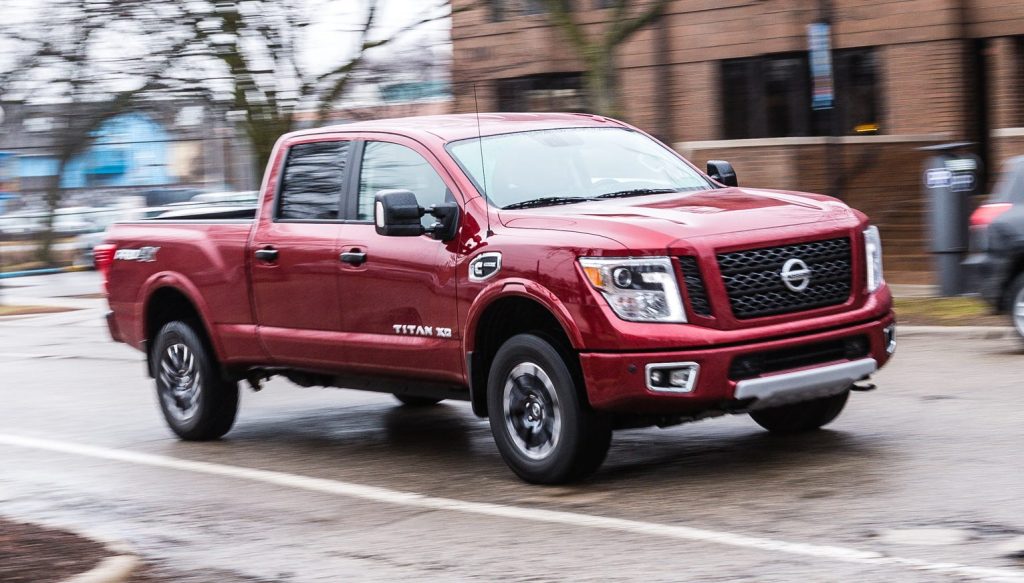
I chose the Titan because it represents a no-nonsense approach to build quality. It may not have the refinement of more premium trucks, but it delivers a closing sound that feels authentic and dependable. For many drivers, that straightforward solidity is exactly what they want from a truck.
7. Honda Ridgeline
The Honda Ridgeline brings a slightly different philosophy to the idea of a solid door closing sound, yet it still manages to deliver a satisfying and confidence-inspiring result. Instead of relying purely on heaviness, the Ridgeline focuses on precision.
When the door shuts, the sound is tight, controlled, and free from any hollow aftertones, which immediately signals a well-assembled structure.
What stands out is the clean finish of the motion. The door does not need to be slammed to achieve a secure closure. Even a moderate push results in a firm latch engagement, followed by a short, contained sound that fades quickly. This creates a sense of refinement without losing the reassuring feel that drivers expect from a truck.
Another important element is how the Ridgeline maintains this quality across different conditions. Whether the vehicle is parked on an incline or used repeatedly throughout the day, the doors behave consistently. There is no variation in sound or feel, which adds to the perception of durability and thoughtful engineering.
The seals also play a subtle role. As the door closes, they compress evenly, contributing to a cushioned yet solid finish. This prevents any sharp or metallic noise from emerging, keeping the sound composed and balanced.
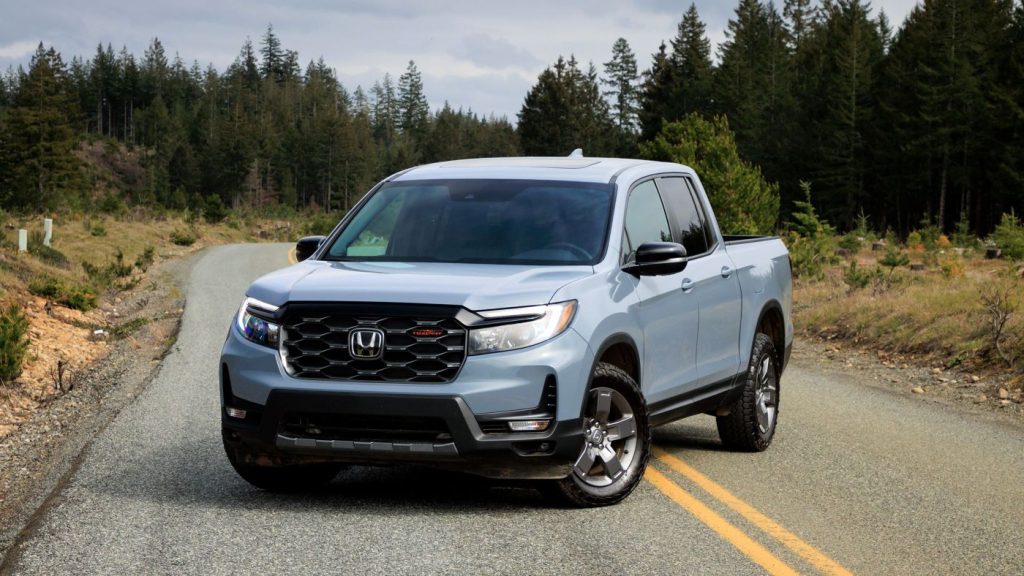
I am including the Ridgeline because it proves that solidity does not always require bulk. Through careful engineering and attention to detail, it delivers a door closing experience that feels dependable and refined at the same time.
For drivers who appreciate precision over brute force, this truck offers a unique take on what a solid closure should feel like.
7 Trucks That Sound Cheap
Not every truck manages to deliver the same sense of quality when you close the door. In some cases, the sound can feel light, hollow, or even slightly rattly, which creates an impression that does not match the expectations many drivers have for a pickup.
This does not necessarily mean the truck is poorly built in every aspect, but it does highlight how certain details can influence perception.
One common issue is a lack of damping. Without sufficient insulation or proper sealing, the sound of the door closing can carry a sharper tone. Instead of a deep thud, you get a higher-pitched noise that feels less substantial. This often makes the door seem lighter than it actually is.
Another factor is how the latch and hinges are tuned. If they do not engage smoothly, the closure can feel abrupt or slightly loose. This affects both the sound and the tactile experience, making the interaction less satisfying.
We are focusing on these trucks to show how small details can impact the full impression. Even if a truck performs well in other areas, a less solid door sound can stand out during daily use.
1. Ford Maverick
The Ford Maverick takes a practical and cost-conscious approach, and that philosophy becomes noticeable in the way its doors close.
The sound is lighter and more hollow compared to larger trucks, which creates an immediate difference in perception. Instead of a deep, controlled thud, the closure produces a sharper tone that feels less substantial.
What contributes to this is the construction approach. The Maverick prioritizes efficiency and weight savings, which can affect how the door panels absorb and contain sound. As a result, the closing action feels less damped, allowing more of the impact noise to escape.
Another aspect is the lack of resistance during closure. The door swings freely and latches without much compression from the seals. While this makes it easy to close, it also removes the sense of density that heavier, more insulated doors provide.
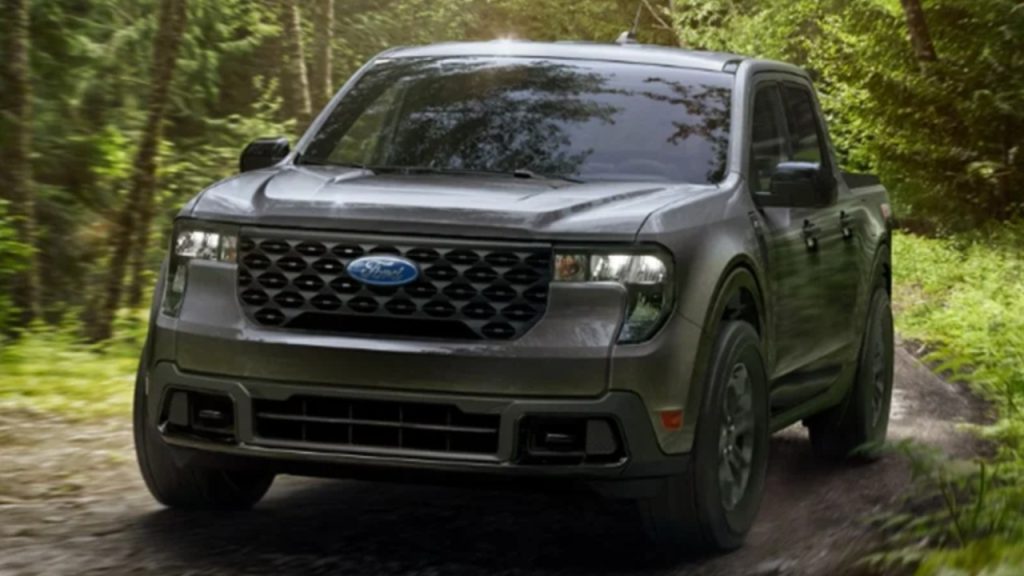
I am including the Maverick because it represents a different set of priorities. It delivers value and practicality, but the door closing sound reflects its focus on cost efficiency rather than refinement. For drivers who pay attention to these details, the difference becomes noticeable over time.
2. Toyota Tacoma
The Toyota Tacoma offers strong capability and reliability, yet its door closing sound does not fully align with those strengths. When you shut the door, the sound lacks the depth found in more solidly built competitors. It feels slightly thin, with a tone that suggests less insulation and damping.
One noticeable characteristic is how the sound lingers briefly after closure. Instead of a clean, contained finish, there is a faint echo that gives the impression of a less dense structure. This does not affect functionality, but it does influence how the truck feels on a daily basis.
The closing motion also plays a role. The door requires a bit more force to latch securely, yet the resulting sound does not match that effort. This mismatch between action and feedback can make the experience feel less refined.
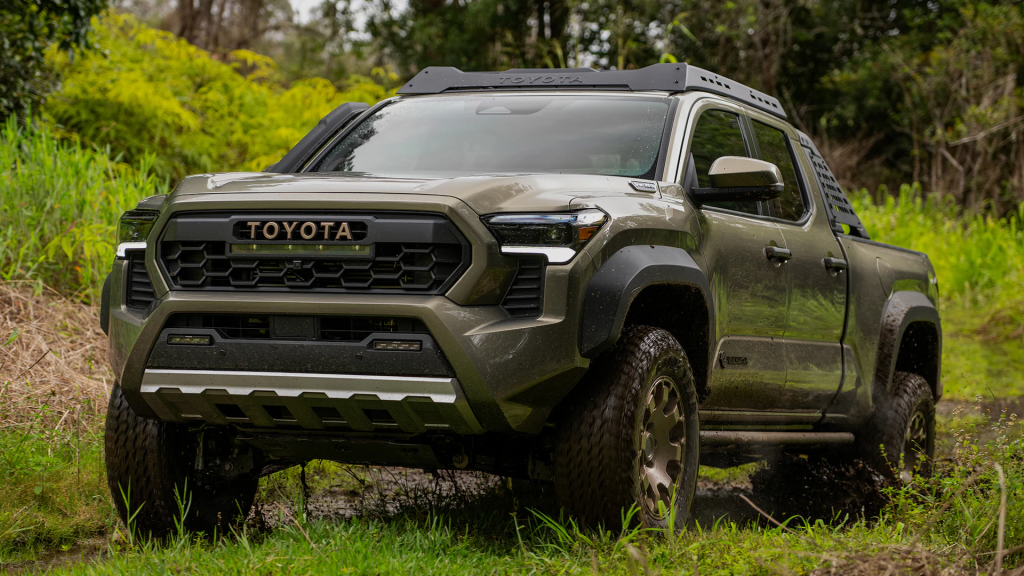
I chose the Tacoma because it highlights how durability and perception are not always aligned. It is a capable and trusted truck, but its door closing sound does not convey the same level of solidity. For drivers who value a more substantial feel, this becomes a noticeable detail.
3. Chevrolet Colorado
The Chevrolet Colorado brings a modern design and solid capability, yet the way its doors close does not fully reflect that strength. The first impression comes from the sound itself, which feels lighter than expected.
Instead of a deep and contained tone, the closure produces a slightly hollow note that can catch your attention, especially if you are coming from a more solidly built truck.
What contributes to this feeling is the way the door panels handle impact. There is less damping present, so the energy from the closing motion is not fully absorbed.
This allows a sharper sound to escape, giving the impression that the structure is not as dense as it could be. The result is a closure that feels functional but not particularly refined.
Another aspect is how the door behaves just before latching. It tends to swing in quickly without much resistance, and while that makes it easy to shut, it removes the sense of compression that often signals quality. When the latch engages, the sound lacks that final reassuring weight that many drivers associate with durability.
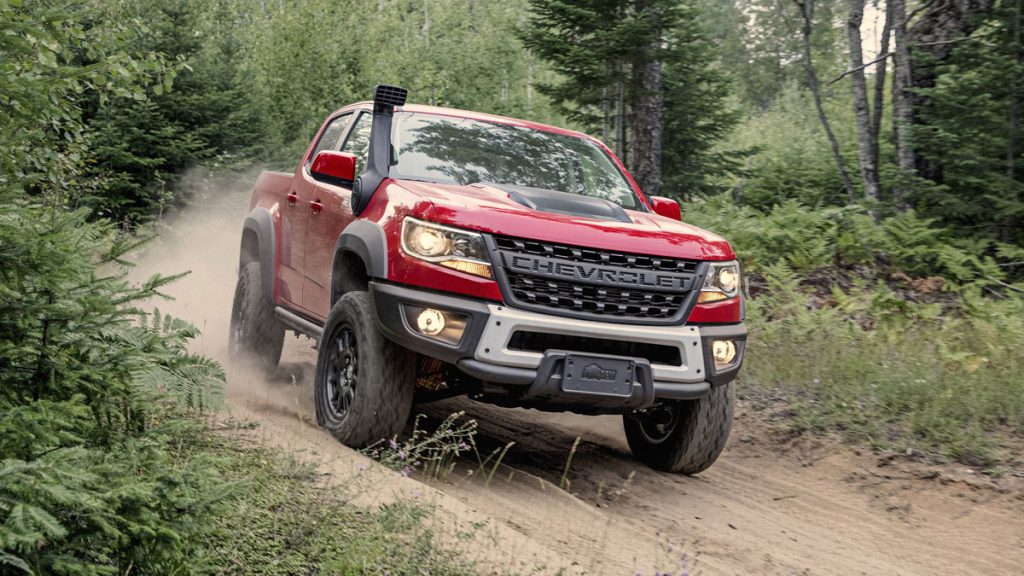
I am including the Colorado because it highlights how design priorities can shift focus away from small but noticeable details. It offers strong performance and versatility, but the door closing sound reveals a gap in perceived refinement.
For drivers who pay attention to tactile feedback, this becomes something they notice repeatedly during everyday use.
4. Nissan Frontier
The Nissan Frontier has improved in many areas over time, yet its door closing sound still leans toward the lighter side. When you shut the door, the sound feels more abrupt than composed. It lacks the depth that creates a sense of solidity, instead delivering a tone that feels slightly thin.
One of the defining characteristics is the way the sound disperses. Rather than being contained within the structure, it seems to echo outward briefly. This creates a less controlled acoustic effect, which can make the door feel less substantial than it actually is.
The motion of the door also plays a role in shaping this impression. It closes quickly and without much resistance, which reduces the feeling of precision. There is no gradual compression or damping to slow the movement, so the closure feels more mechanical than refined.
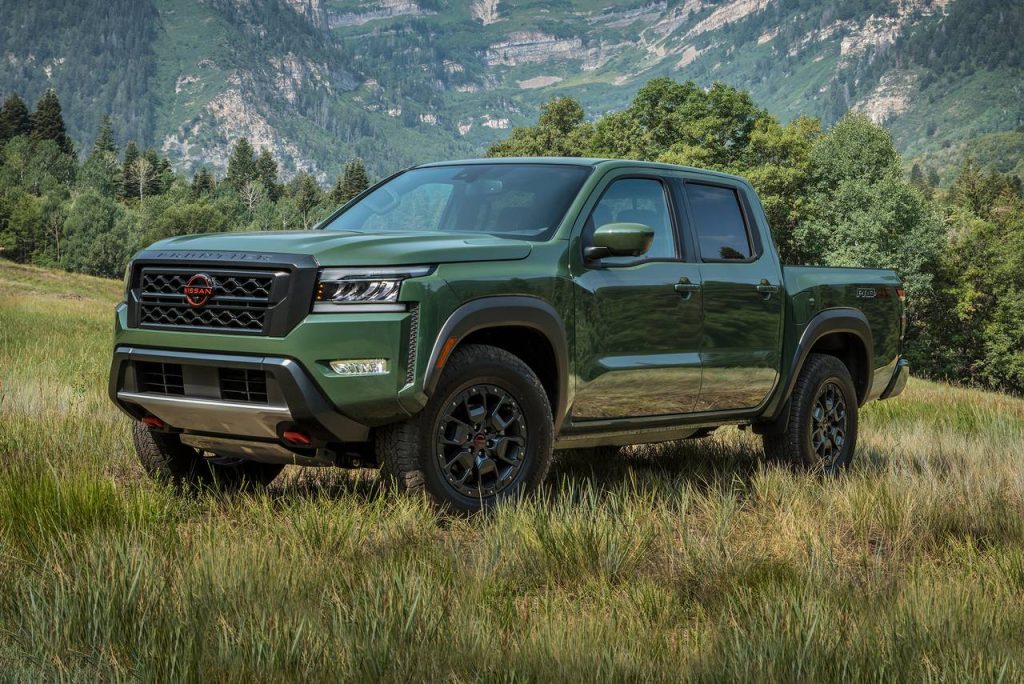
I chose the Frontier because it represents a case where capability and perception do not fully align. It remains a dependable truck in many respects, but the door closing experience does not communicate the same level of strength. For drivers who value a more solid and composed feel, this difference becomes noticeable over time.
5. Hyundai Santa Cruz
The Hyundai Santa Cruz blends pickup utility with crossover design, and that hybrid nature shows up clearly in how its doors close. The sound leans more toward a car-like character, which can feel lighter than what many expect from a truck. Instead of a deep, grounded thud, the closure produces a sharper tone that feels less substantial.
One noticeable trait is how quickly the sound dissipates. There is very little sense of density or compression during the closing motion, which makes the interaction feel less anchored. The door does shut securely, but the feedback it provides does not reinforce that sense of strength.
Another factor is the way the materials handle vibration. With less damping in the structure, small vibrations are not fully absorbed. This creates a slightly hollow impression that becomes more apparent with repeated use. It is not intrusive, but it does stand out when compared to more solid-feeling trucks.

I am including the Santa Cruz because it highlights how platform choices influence perception. Its design prioritizes comfort and efficiency, yet that comes at the cost of a more substantial door feel. For drivers expecting a traditional truck-like closure, this difference becomes noticeable over time.
6. Ford Ranger
The Ford Ranger delivers solid performance and capability, but its door closing sound does not fully match that rugged image. When you shut the door, the tone feels somewhat thin, lacking the depth that creates a strong sense of build quality.
What stands out is the absence of a damped finish. The door closes with a quick, direct motion, but without the cushioning effect that comes from thicker seals or additional insulation. This results in a sound that feels more abrupt than controlled.
There is also a slight mismatch between effort and feedback. Even when you apply a firm push, the resulting sound does not carry the weight you might expect. This can make the interaction feel less satisfying, especially when compared to trucks that deliver a more reassuring closure.
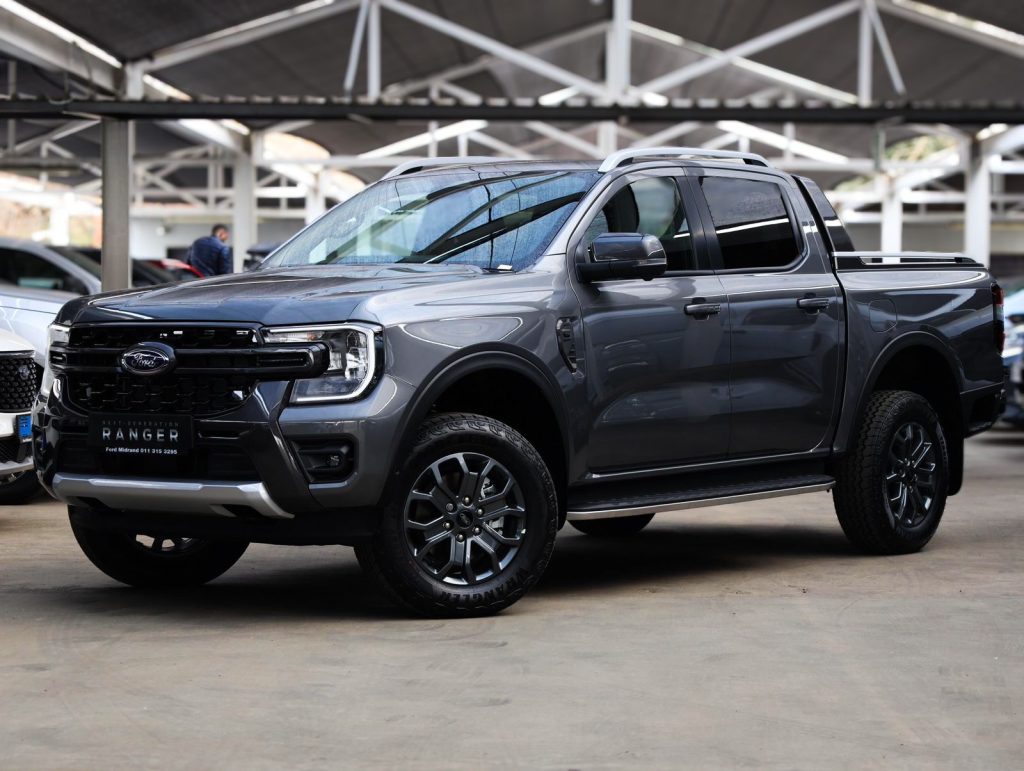
I chose the Ranger because it represents a capable truck where smaller details do not fully align with its strengths. It performs well in many areas, but the door sound reveals a gap in perceived refinement. For drivers who notice these subtle cues, it can influence how the vehicle feels day to day.
7. Mitsubishi Triton
The Mitsubishi Triton closes this list with a door sound that feels noticeably lighter than many of its competitors. When you shut the door, the tone is higher and less controlled, creating an impression that lacks the solidity associated with more refined trucks.
One of the key factors is how the structure handles impact. There is less absorption of the closing energy, which allows the sound to carry a slightly metallic edge. This gives the closure a less composed character, especially when compared to trucks with better damping.
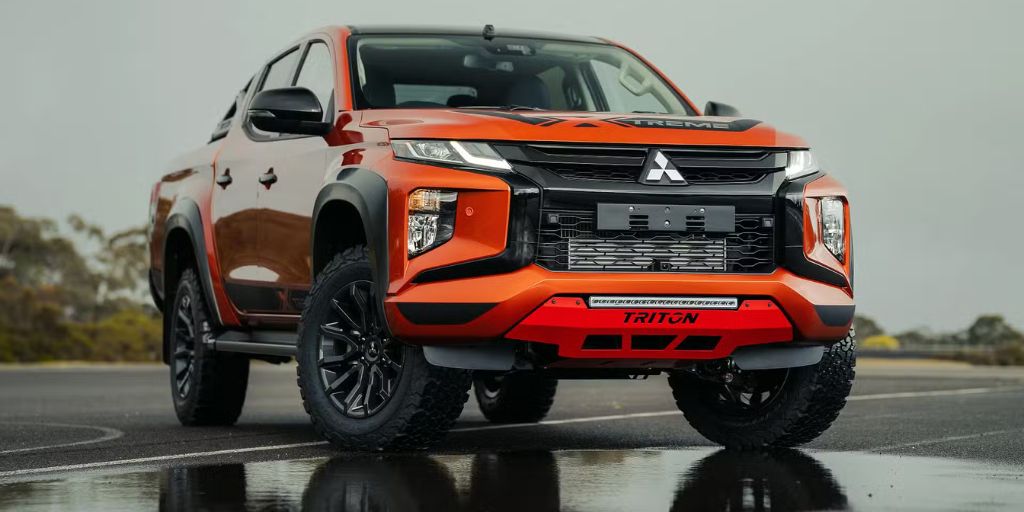
The motion itself also contributes to the experience. The door tends to close quickly without much resistance, which reduces the sense of precision. Instead of a gradual, controlled finish, the interaction feels more immediate and less refined.
I am including the Triton because it demonstrates how build perception can be shaped by small details. It offers practicality and durability, but the door closing sound does not convey the same level of quality. For drivers who value a more solid and reassuring feel, this becomes a noticeable limitation.
Also Read: 7 Sedans With Trunks Big Enough For A Family Costco Run
