
Side mirrors are a basic driving aid that many younger motorists rarely think about. A quick glance to the side provides enough information to judge lane position, traffic speed, and clearance, allowing a smooth lane change with little mental effort. As drivers grow older, that same action can demand greater concentration. Changes in eyesight can turn what once felt automatic into a task that requires deliberate focus, careful timing, and confidence that the mirror is truly showing what is happening beside the vehicle.
Objects shown at a distance may appear less defined, forcing the driver to stare longer to confirm what they are seeing. Peripheral vision also tends to narrow, which limits how much information can be gathered without turning the head. In addition, the speed at which the eyes refocus slows, so switching attention from the road ahead to a mirror and back can briefly blur both views.
Mirror design plays a direct role in easing these challenges. Larger mirror surfaces allow more of the adjacent lane to remain visible without constant repositioning. A wider viewing area reduces the need for rapid head movement and repeated checks, which can be tiring during longer drives. Mirrors positioned closer to the driver create a larger apparent image, helping vehicles appear clearer and easier to judge for distance and speed.
Adjustment quality is equally important. Power-adjustable mirrors allow precise positioning that matches an individual’s seating height, posture, and preferred head position. This precision removes the physical strain of manual adjustment and helps ensure that the mirror remains correctly set after multiple drivers use the same vehicle. Features such as power folding also assist drivers who may find reaching across doors or leaning outward uncomfortable.
This page focuses on nine vehicles chosen for side mirror designs that support clarity, ease of use, and confidence for older drivers. Each model combines mirror size, viewing coverage, adjustment accuracy, and helpful driver-assistance features to make lane awareness more comfortable and less demanding, regardless of how vision has changed with age.
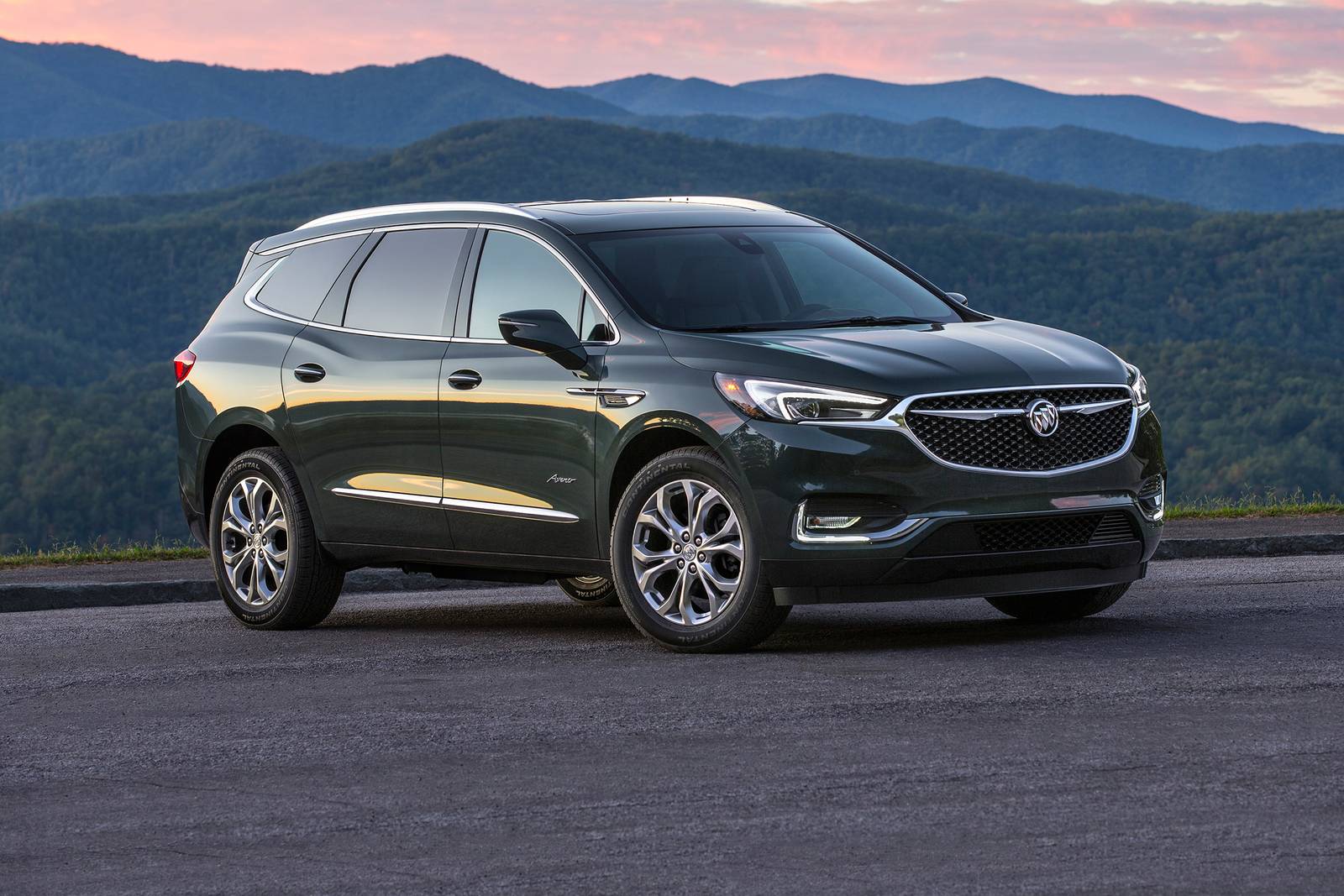
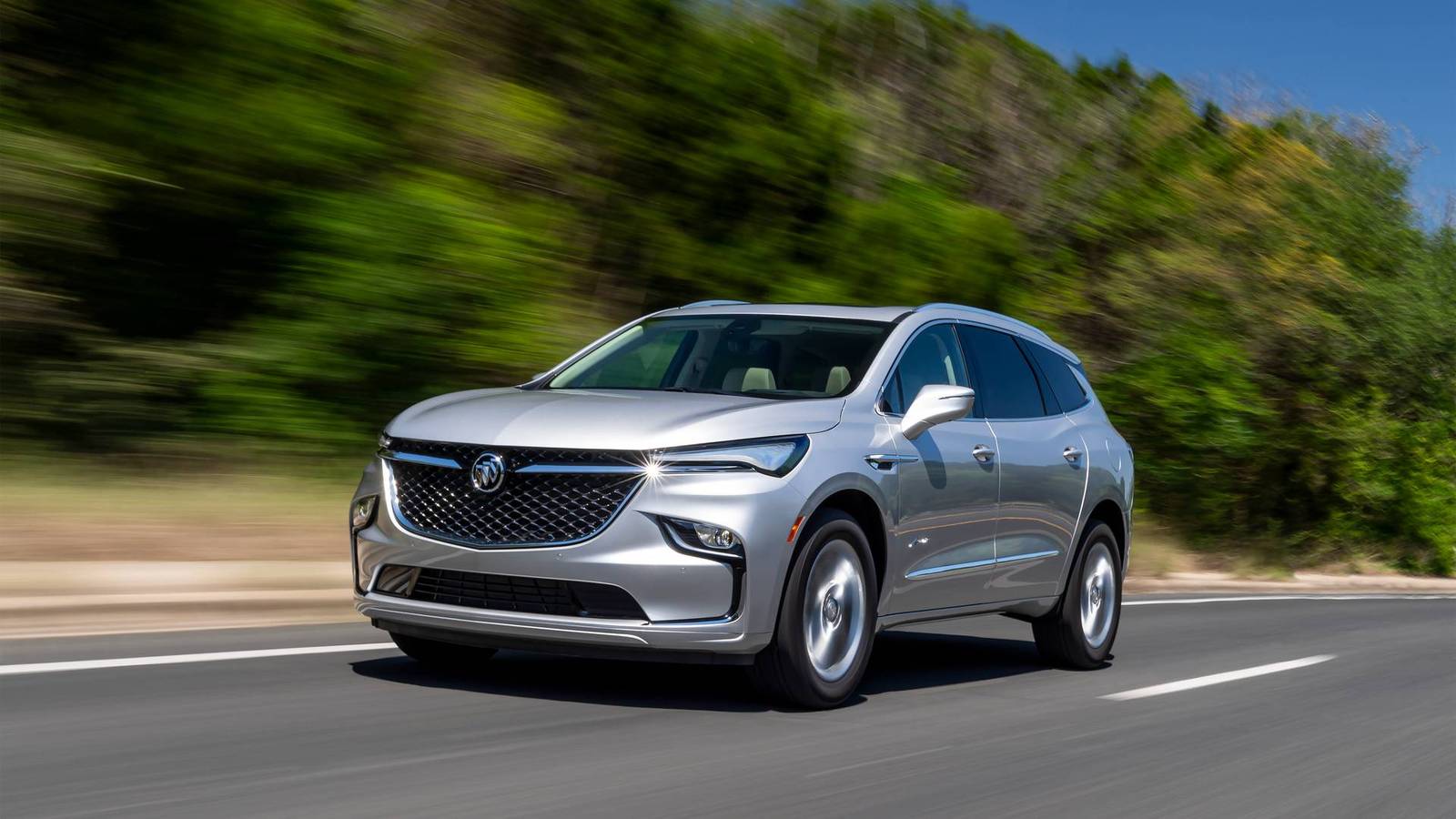
1. Buick Enclave Avenir AWD (Second Generation, 2018 to 2024)
Buick has historically calibrated its vehicle designs toward mature buyer demographics, and the second-generation Enclave Avenir AWD reflects this market awareness in its side mirror specification. Large-vehicle mirror requirements and Buick’s sensitivity to older buyer needs converge in the Enclave’s mirror design to produce an outboard mirror package that addresses the specific visibility challenges that older drivers encounter with smaller-mirror alternatives in the full-size SUV segment.
Enclave Avenir mirrors are physically among the larger side mirror assemblies in the midsize SUV category, providing a face area that creates a wider horizontal field of view than compact mirrors mounted at the same distance from the driver’s eye. Wider horizontal coverage reduces the number of blind zones in the mirror’s coverage area, allowing a single mirror check to confirm more of the adjacent lane condition rather than requiring the driver to make repeated checks at different mirror angles to cover the full zone of concern.
Blind spot monitoring with side mirror indicator lights provides a supplemental awareness system that works alongside the large mirror field of view rather than substituting for it. Blind spot indicator placement in the Enclave Avenir’s mirrors positions the warning light at the outer edge of the mirror face where a driver focused on the mirror will notice it within their primary field of attention without requiring a secondary eye movement to a separate indicator location.
Clear mirror surfaces in adverse conditions are not purely a convenience feature. For older drivers whose visual processing is less forgiving of degraded image quality, heated mirror clarity is a genuine safety benefit that deserves consideration in vehicle selection.
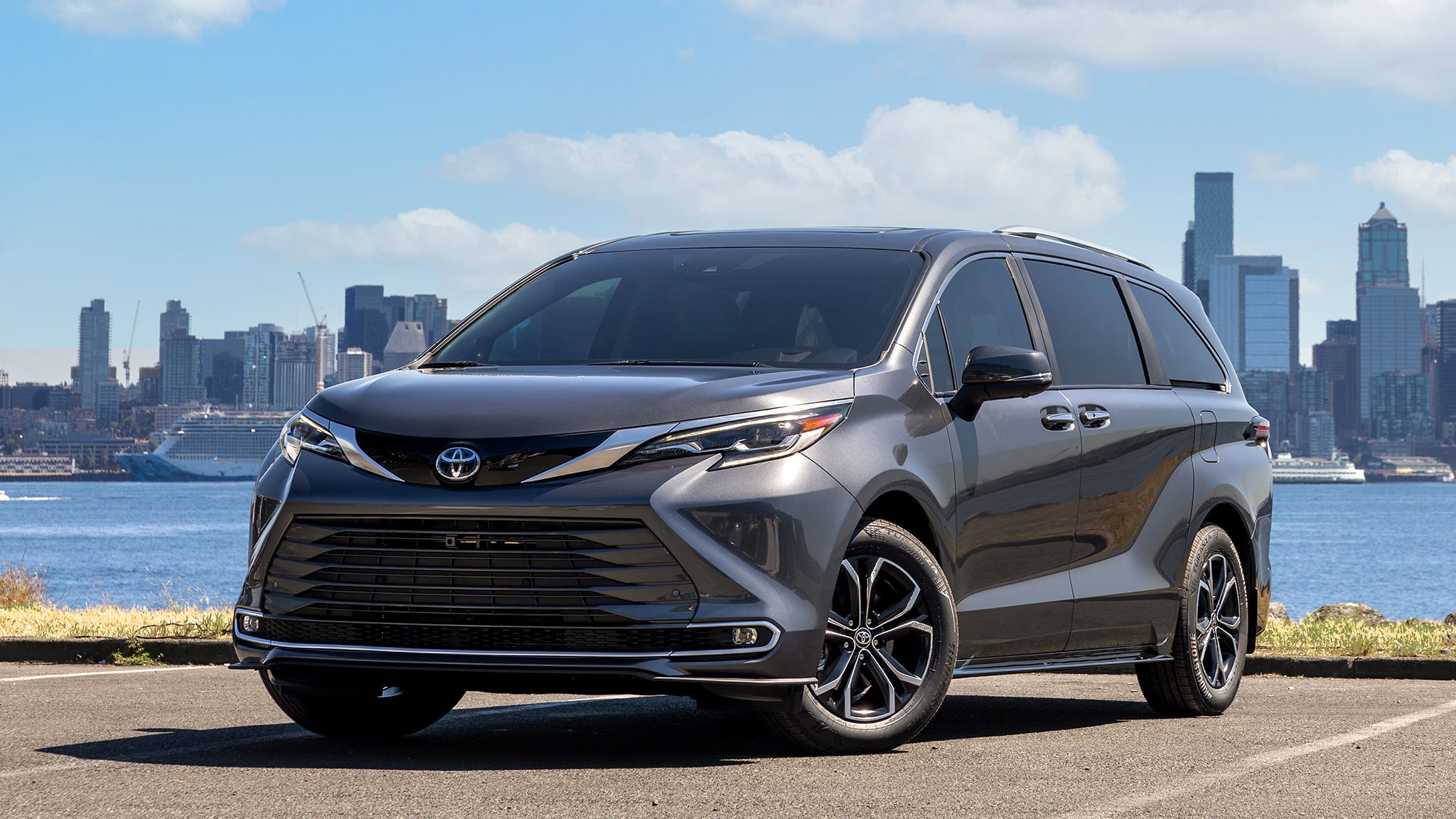
2. Toyota Sienna XSE AWD Hybrid (Fourth Generation, 2021 to 2024)
Toyota’s fourth-generation Sienna understands its buyer demographic better than almost any other vehicle in the current market, and that understanding extends to mirror design that serves the practical visibility needs of drivers who may be transporting grandchildren and who have the driving experience to appreciate genuinely useful mirrors rather than stylishly minimal ones. Sienna XSE mirrors provide the wide-field visibility that a vehicle of this size and function requires, combined with technology features that support drivers whose vision no longer operates at its youthful peak.
Sienna XSE mirror housings are sized for the vehicle’s width and length, which means they provide coverage appropriate for a vehicle whose rear corners are substantially further from the driver than a compact car’s. This appropriately large mirror sizing produces field-of-view coverage that older drivers can rely on for confident lane management rather than having to compensate for insufficient mirror coverage with head turns that are more physically demanding and time-consuming than a simple mirror glance.
Mirror mounting position on the Sienna XSE places the outboard mirrors slightly closer to the driver’s natural line of sight than some competitors, reducing the apparent image size penalty that distance from the eye creates. Small mirrors viewed from proximity show larger apparent image size than larger mirrors viewed from a greater distance, and Toyota’s mirror mounting geometry takes advantage of this optic principle to deliver an effective apparent image size that serves older drivers’ need for easily readable mirror images.
Toyota Safety Sense 2.0’s blind spot monitoring integration in the Sienna XSE provides indicator lights positioned within the side mirror housings that alert drivers to vehicles entering the blind zone during lane change preparation. For older drivers whose reaction time to a newly appearing mirror image may be slightly longer than in younger years, the earlier warning that blind spot monitoring provides relative to first visual detection creates additional response time that can make the difference between a comfortable lane change and an uncomfortable close encounter.
Also Read: 9 Vehicles With All-Wheel Drive That Don’t Cost A Fortune
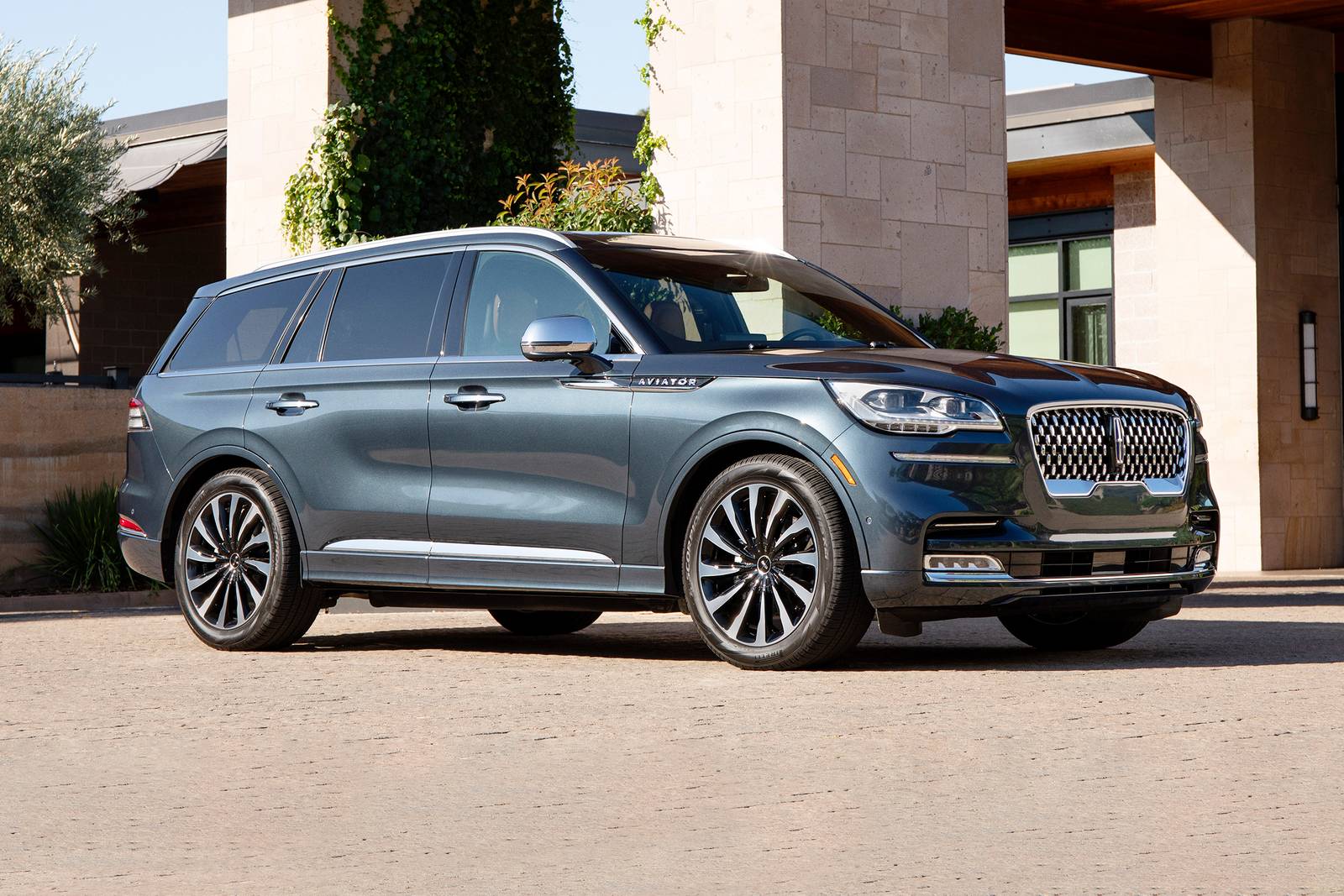
3. Lincoln Aviator Grand Touring Reserve AWD (Second Generation, 2020 to 2024)
The Lincoln Aviator Grand Touring Reserve is positioned for buyers who value refined driving support rather than visual styling decisions that sacrifice usability. A large portion of this audience consists of mature drivers who have accumulated enough experience to recognise how design choices influence daily driving comfort and confidence. Lincoln’s approach to side mirror specification on the Aviator reflects this awareness, with mirrors designed to deliver clarity, coverage, and consistency rather than reduced size for aesthetic balance.
The mirrors fitted to the Aviator Grand Touring Reserve are physically generous, providing a surface area that allows meaningful information to be gathered with a single glance. This design choice supports drivers whose eyesight no longer adapts as quickly as it once did, reducing the need for repeated checks before initiating a lane change.
The mirror face incorporates a carefully engineered compound curvature that expands horizontal viewing coverage without distorting object shape beyond safe interpretation. This curvature allows the driver to see further across the neighbouring lane and into the rearward blind area near the quarter panel, improving spatial awareness during highway movement.
This extended field of view reduces the requirement for fine mirror repositioning during active driving. Older drivers often benefit from mirror setups that remain effective across a range of manoeuvres without frequent adjustment. The Aviator’s mirror geometry supports this need by maintaining visibility across lane boundaries even when the vehicle position changes slightly within the lane or when traffic spacing varies.
Night driving presents additional challenges as eyesight becomes more sensitive to glare. The Aviator addresses this through automatic dimming functionality integrated into the side mirrors. This feature reduces headlight glare from vehicles approaching from behind, preserving visual comfort while maintaining usable mirror clarity. By limiting harsh light exposure, the mirrors help drivers maintain visual adaptation to the road ahead, reducing fatigue during extended night journeys.
Taken together, the mirror system on the Aviator Grand Touring Reserve reflects a design philosophy centred on sustained driving ease. The combination of size, curvature, automated adjustment, and glare reduction provides steady visual support that aligns with the expectations of drivers who prioritise calm, controlled road awareness.
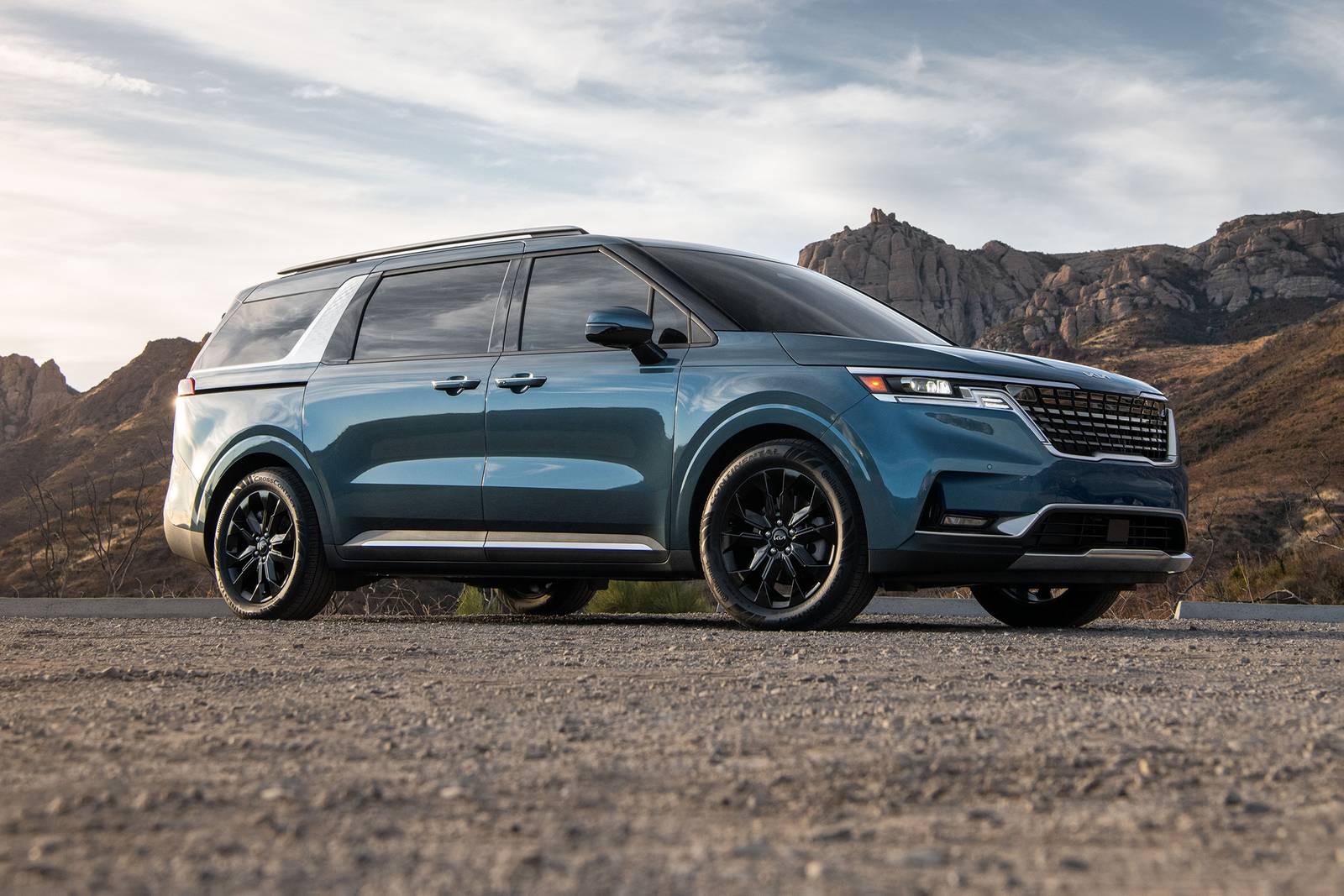
4. Kia Carnival SX Prestige FWD (First Generation, 2022 to 2024)
The Kia Carnival SX Prestige is designed as a practical family vehicle where driver awareness and safety take precedence over styling minimalism. Buyers in this segment often place daily usability above visual restraint, particularly when the vehicle serves multiple roles such as commuting, school transport, and long-distance travel. The side mirror specification on the Carnival SX Prestige reflects this practical orientation, with mirrors sized and equipped to support confident lane awareness under varied conditions.
The Carnival’s mirrors are wide in proportion to the vehicle body, delivering a broad horizontal viewing area that captures a substantial portion of the adjacent lane at a single mirror angle. This wide coverage allows drivers to assess traffic position and speed without scanning through multiple mirror adjustments. Such simplicity reduces visual and mental load, which benefits drivers whose reaction times or visual processing speed have slowed with age.
Power adjustment with memory settings adds further support for shared vehicle use. The SX Prestige trim allows different drivers to store individual mirror positions matched to their seating height and posture. This feature ensures that each driver begins their journey with mirrors set precisely to their preferred angles. For older drivers, this removes uncertainty about whether mirrors are correctly aligned after another person has used the vehicle, supporting confidence from the first moment behind the wheel.
The Carnival also integrates driver-assistance technology that complements mirror use. Rear cross-traffic alert provides warnings during low-speed reversing, a driving phase where side mirrors offer limited coverage. This system detects approaching vehicles from the sides and alerts the driver through visual and audible cues. For drivers with reduced neck mobility or limited rearward viewing comfort, this added awareness reduces stress during parking manoeuvres and driveway exits.
Kia’s decision to pair large mirrors with supportive electronic aids reflects an understanding of real-world driving needs. The Carnival SX Prestige delivers a mirror system that prioritises clarity, stability, and reassurance, making daily driving tasks more manageable for drivers at different stages of life without requiring constant adaptation or physical strain.
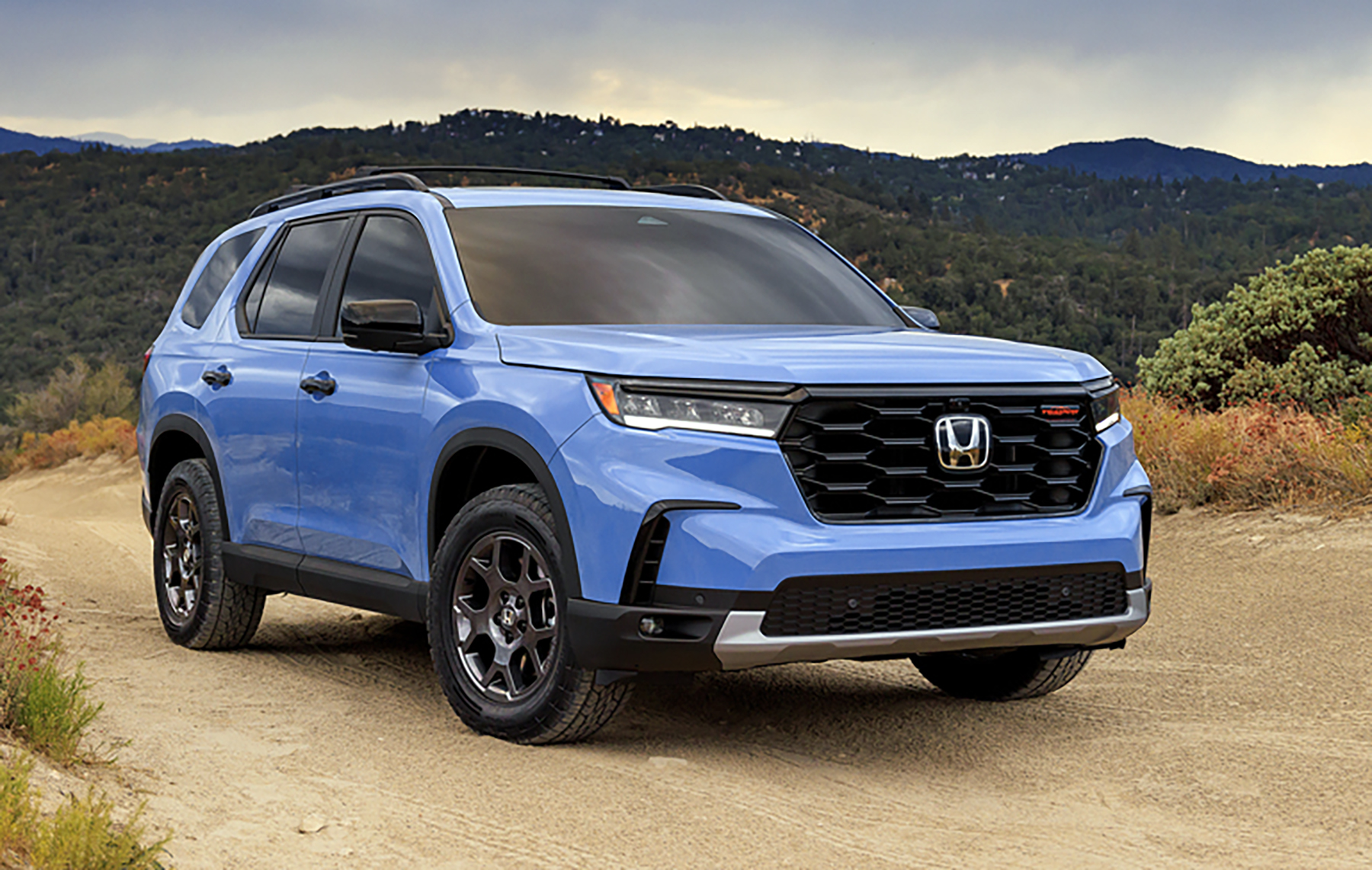
5. Honda Pilot TrailSport AWD (Fourth Generation, 2023 to 2024)
Honda designed the fourth-generation Pilot for families and active adults whose vehicle needs combine practical passenger capacity with occasional outdoor capability, and the TrailSport AWD’s mirror specification serves this buyer’s actual driving conditions rather than a marketing position.
Mirror height alignment with natural glance direction reduces the time and visual effort required for each mirror consultation, which accumulates across a long drive as a genuine reduction in visual fatigue for older drivers who are performing more conscious, deliberate mirror checks than younger drivers who have automated this task.
Honda’s power mirror adjustment uses a control layout that has been consistent across Honda products for an extended period, creating familiarity for experienced Honda owners who have driven multiple Honda generations and who do not need to learn a new control interface as they age.
Familiarity with control location and function reduces the distraction of operating mirror adjustments while driving, which benefits all drivers but is particularly relevant for older drivers who may find less mental bandwidth available for simultaneous vehicle operation and control learning.
Pilot TrailSport’s standard blind spot information system with rear cross-traffic monitoring uses side mirror-integrated indicator lights and audible alerts that provide layered awareness for drivers at every age and ability level. Honda’s specific implementation positions indicator lights clearly within the mirror face where drivers focused on the mirror will naturally notice them without secondary visual effort.
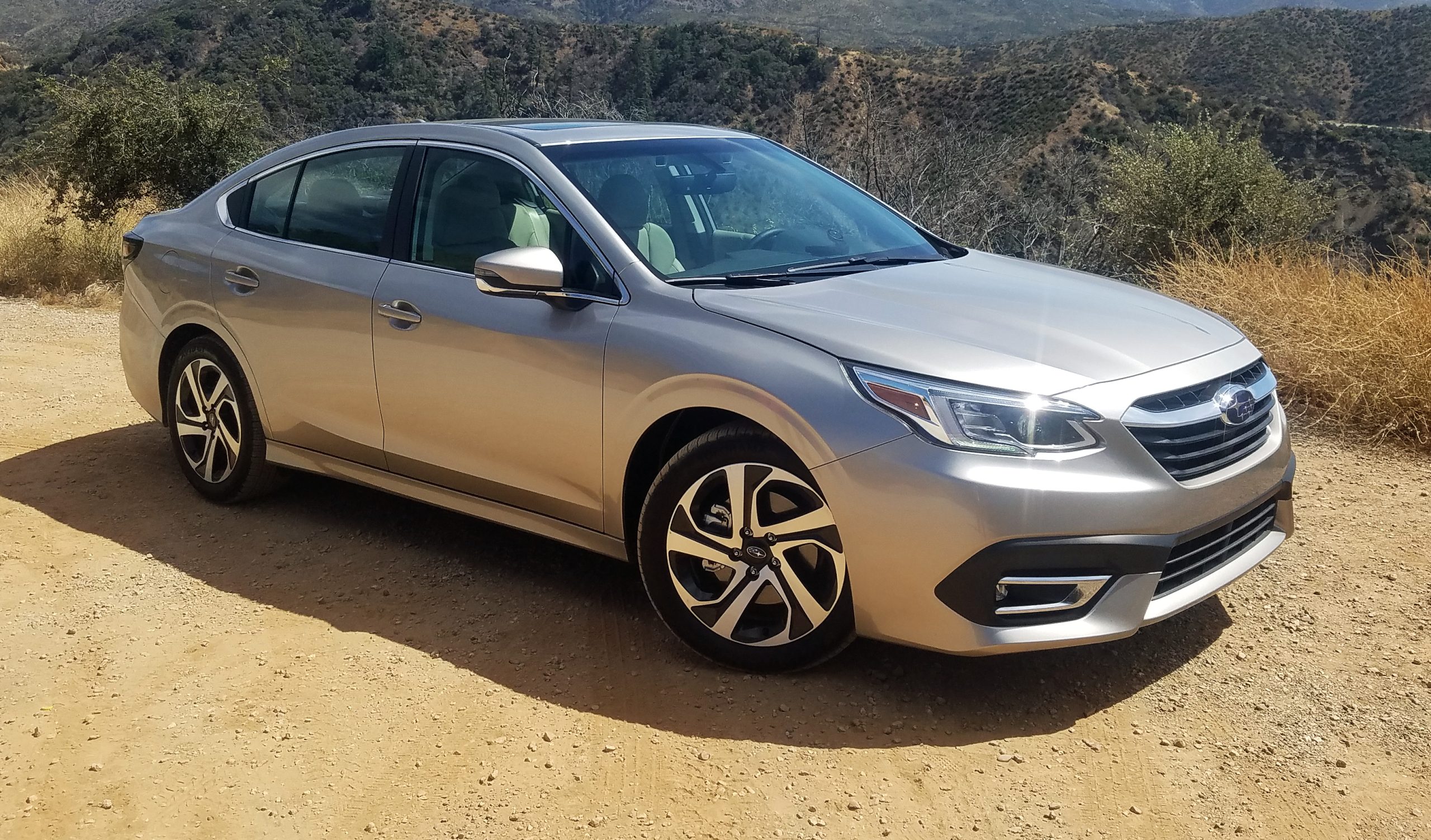
6. Subaru Legacy Touring XT AWD (Seventh Generation, 2020 to 2024)
Subaru’s approach to driver assistance across the Legacy lineup reflects the brand’s genuine safety engineering commitment rather than technology specification for marketing purposes, and the seventh-generation Legacy Touring XT AWD combines genuinely useful mirror design with EyeSight technology that addresses the specific awareness gaps that older drivers most frequently encounter.
Mirror specification on the Touring XT balances physical size with the aerodynamic and aesthetic constraints of a midsize sedan body design, producing mirrors that are among the more useful in the midsize sedan category for older drivers. Legacy Touring XT mirror face dimensions are larger than typical midsize sedan mirrors, a specification choice that reflects Subaru’s market awareness of an aging customer base and the engineering acknowledgment that mirror size directly affects the quality of visual information available for lane change decision-making.
Auto-dimming side mirrors on the Touring XT reduce nighttime glare from following vehicles, which addresses one of the most practically challenging driving conditions for older eyes whose glare sensitivity and glare recovery time are typically greater than in younger drivers.
Night driving with auto-dimming mirrors that maintain readable, non-glare side mirror images allows older drivers to sustain confident lane awareness in conditions where non-dimming mirrors would require them to choose between adequate side awareness and minimizing the disruption that glare creates to their forward vision adaptation.
Power folding mirrors allow Legacy Touring XT drivers to fold mirrors into the body profile for tight parking situations and restore them automatically to stored angle positions when driving resumes. Automatic angle restoration removes the risk of driving with mirrors in an incorrect angle after a fold-and-restore cycle, ensuring that older drivers whose attention may be focused on traffic management rather than mirror angle verification always have correctly positioned mirrors for driving.
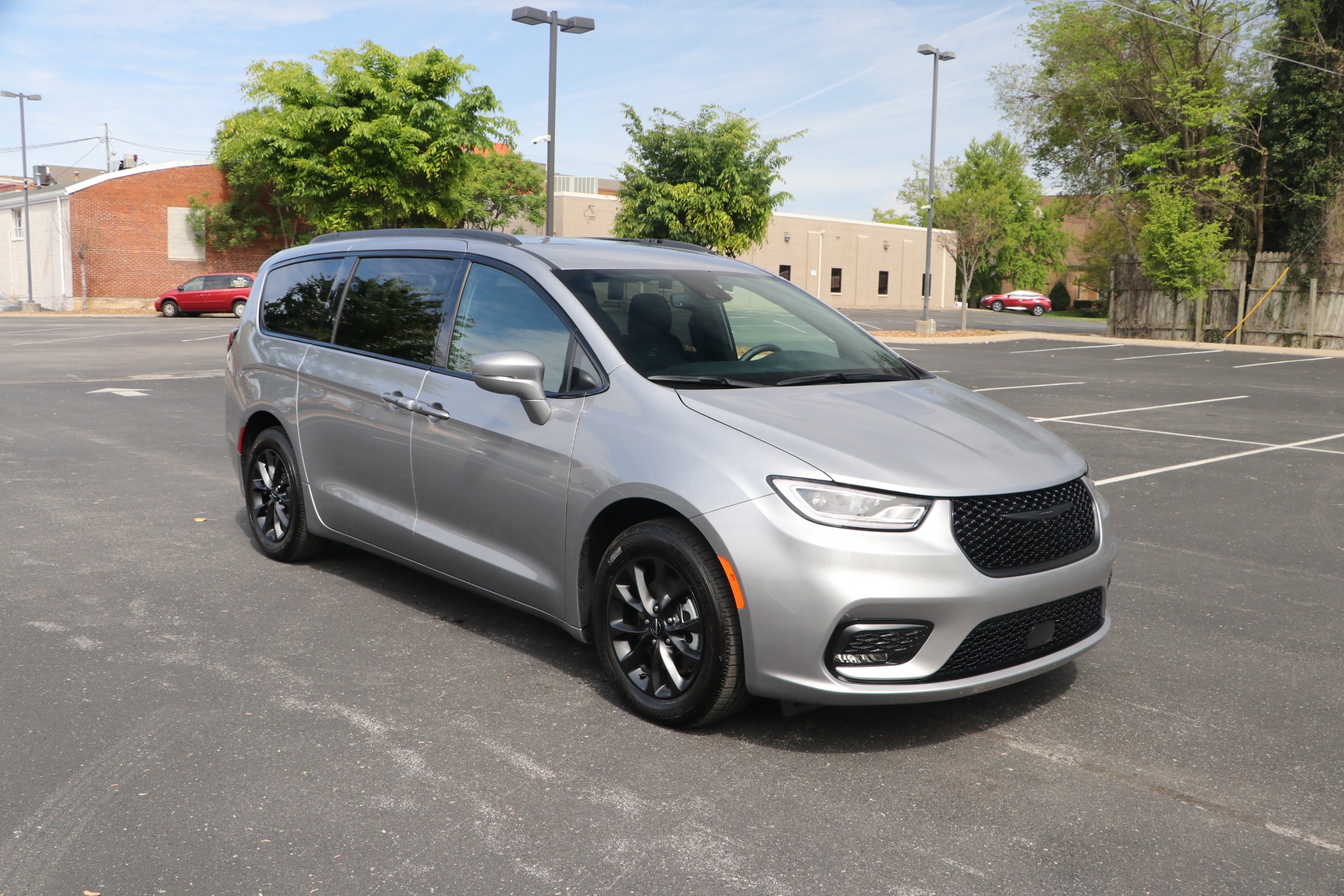
7. Chrysler Pacifica Touring L Plus FWD (2021 to 2024)
Chrysler’s Pacifica occupies a market position where buyers are frequently evaluating the vehicle specifically for multi-generational family transportation, and the Touring L Plus specification addresses the needs of mature primary drivers who are simultaneously transporting younger passengers.
Mirror specification on the Touring L Plus serves the primary driver’s visibility needs with a design that is appropriately sized for a minivan’s physical dimensions, and that includes the technology assists that experienced older drivers most value. Pacifica Touring L Plus mirrors are among the wider-face mirrors in the minivan category, sized in proportion to the vehicle’s width and rear body length, which creates a larger potential blind zone than a compact car.
Appropriate mirror sizing for vehicle dimensions is a design decision that sounds obvious but is frequently compromised by aesthetic choices that prefer smaller, more streamlined-appearing mirror profiles at the expense of the field-of-view width that large vehicles require for adequate lane coverage. Chrysler’s Pacifica mirror sizing accepts the visual weight of appropriately large housings in exchange for the genuine visibility benefit they provide.
Mirror-mounted blind spot indicators in the Pacifica Touring L Plus are positioned with awareness of older driver visual patterns, with indicator lights at the outer lower mirror corner where a driver focused on the mirror face will naturally see them within their primary field of attention. Indicator placement that matches natural visual focus patterns reduces the secondary eye movement required to check indicator status, which cumulatively reduces the visual effort of each lane change sequence across a long drive.
SafetyTec Group technology in the Pacifica Touring L Plus includes rear cross-traffic alert that uses sensors rather than mirrors to detect approaching cross traffic during reversing maneuvers from parking spaces. This sensor-based coverage specifically addresses the situation where side mirrors provide their least useful information, compensating for the visual limitation that any mirror system has during reverse movement.
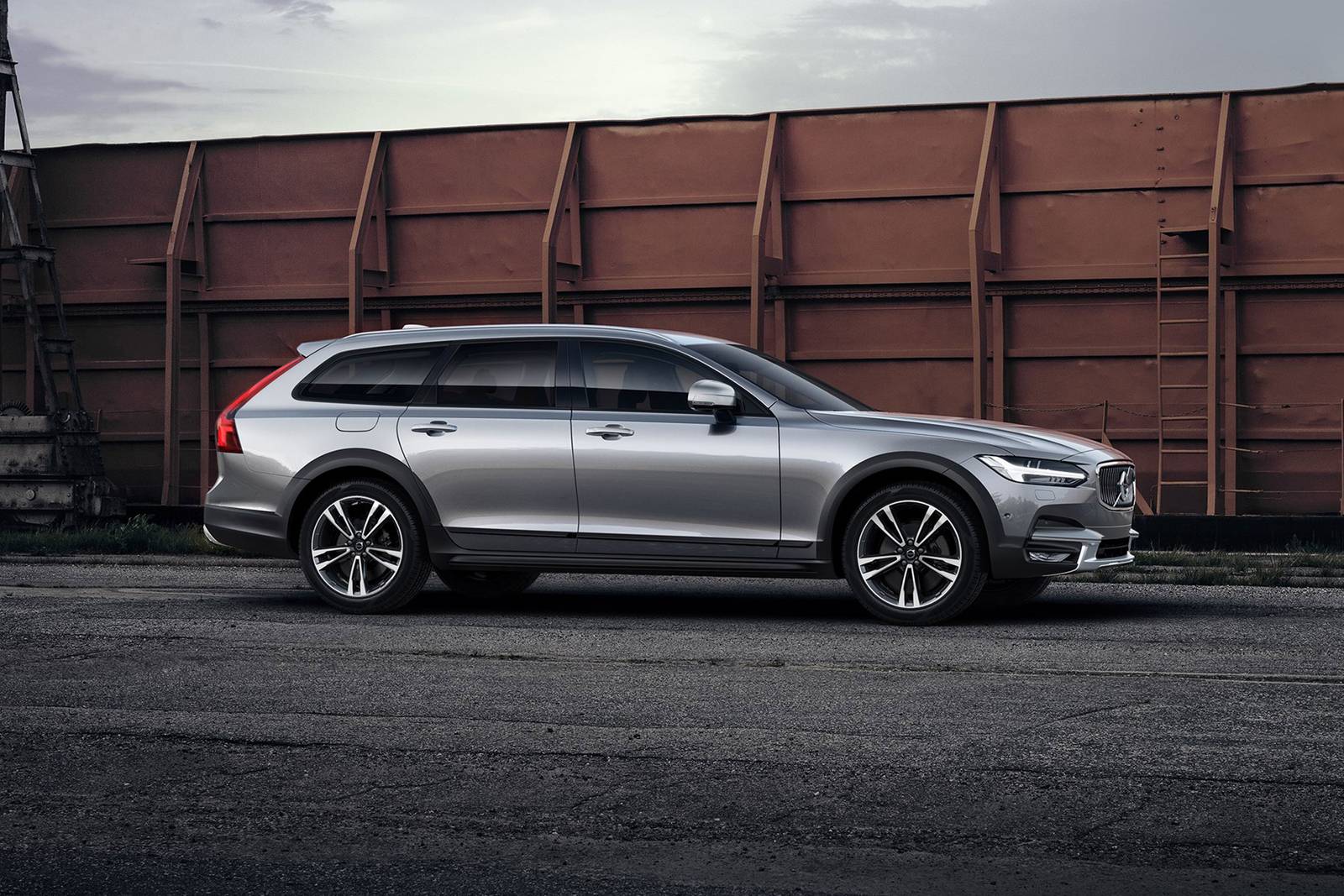
8. Volvo V90 Cross Country B6 AWD (P238 Platform, 2020 to 2024)
Volvo has long associated its brand identity with occupant protection, and this philosophy extends beyond impact safety to how drivers perceive and interpret their surroundings. The V90 Cross Country B6 AWD reflects this thinking through a side mirror specification developed to support clear, reliable visibility rather than visual minimalism.
While some premium manufacturers reduce mirror size to achieve a sleeker exterior appearance, Volvo places priority on functional awareness, a choice that directly supports drivers who rely on strong visual cues to make accurate driving decisions. The mirror assemblies on the V90 Cross Country are generously proportioned in both width and height.
This dimensional choice allows the driver to view a wide section of the adjacent lane and the area behind the vehicle without constant repositioning. The vertical viewing range is especially helpful, as it allows observation of the road surface near the rear wheels while still capturing the full height profile of approaching vehicles. This combined perspective supports sound judgement when preparing for lane changes, merging, or responding to fast-moving traffic.
Mirror placement also reflects careful ergonomic planning. The mirrors are positioned to align naturally with the driver’s seated eye level, reducing the effort required to gather information during brief mirror checks. For drivers whose vision clarity or focusing speed has reduced with age, this alignment helps maintain confidence during routine driving without repeated head movement or prolonged visual engagement.
Power mirror adjustment on the V90 Cross Country is designed with precision control in mind. The adjustment interface allows slow, incremental movement when fine positioning is required, while sustained input enables quicker movement across a broader range. This dual-response system allows drivers to achieve an exact mirror angle suited to their posture, seating height, and eye position. Accurate mirror positioning reduces the need for compensation during driving, as the reflected image remains consistent and dependable.
Driver assistance technology also plays a role in managing visual workload. The Pilot Assist system supports lane centring and adaptive following distance on highways, reducing the number of active lane changes required during extended journeys. By lowering the frequency of these decisions, drivers can conserve visual and mental energy for moments that require direct intervention. This measured support structure suits drivers who prefer steady, predictable assistance rather than constant manual input during long-distance travel.
Als Read: 8 Vehicles With Rear Doors That Open Wide For Easy Loading
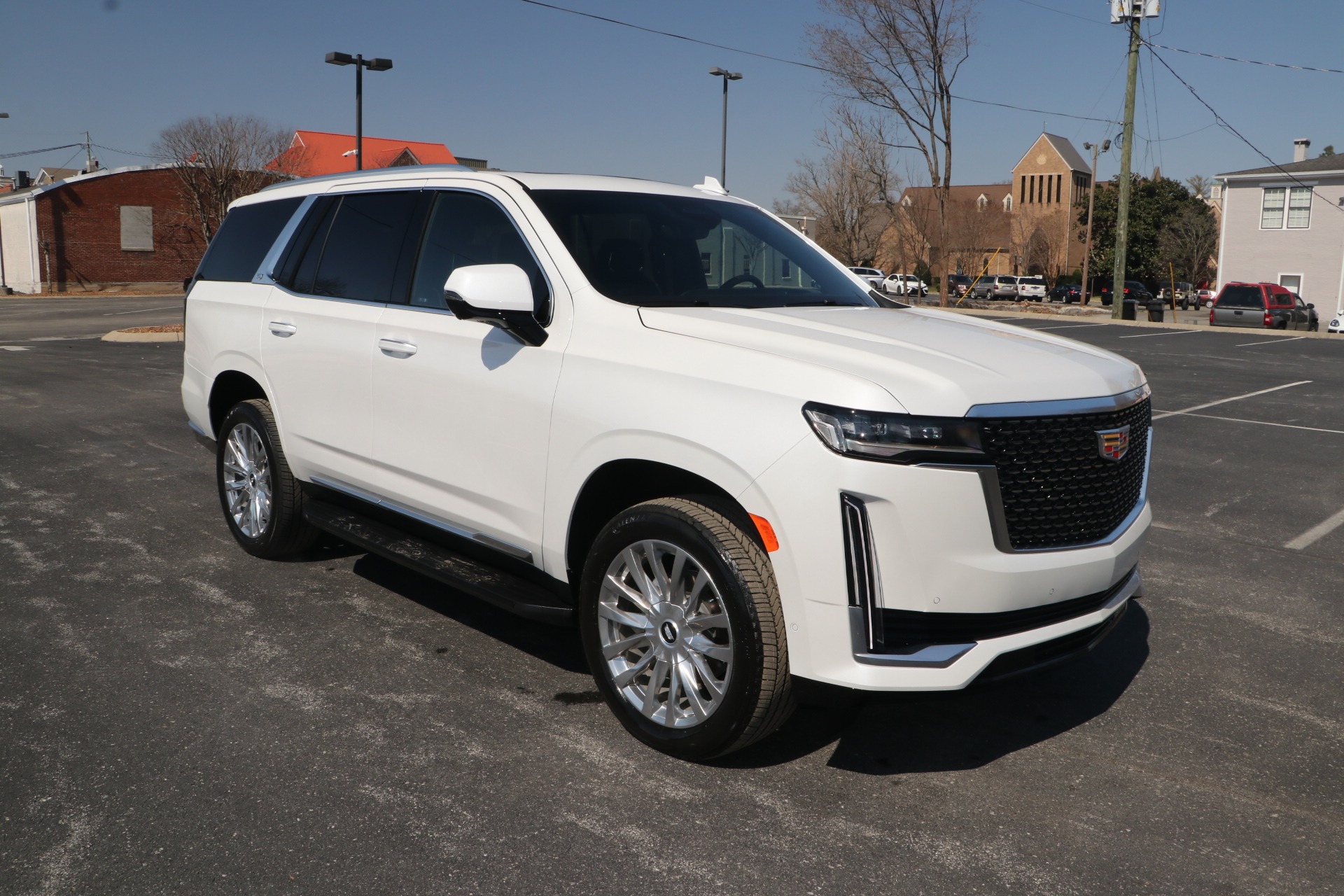
9. Cadillac Escalade Premium Luxury AWD (GMT1XX, 2021 to 2024)
Cadillac positions the Escalade Premium Luxury AWD as a flagship model intended for buyers who expect both physical presence and comprehensive driver support. This buyer group often includes experienced drivers who place value on visibility, awareness, and technological assistance that reduces physical strain during daily and long-distance driving.
The Escalade’s side mirror specification reflects these expectations through size, functionality, and integration with advanced support systems. The mirrors fitted to the Escalade Premium Luxury are among the largest in the luxury SUV segment. This scale is appropriate for a vehicle with considerable width and length, where blind zones can increase if mirror coverage is inadequate.
The large mirror face provides a clear view of the adjacent lane and rearward traffic at standard highway distances. This coverage allows drivers to assess surrounding vehicles without relying heavily on head turning, which can be uncomfortable for those with limited neck flexibility.
Mirror clarity remains consistent across varying light conditions, supporting reliable judgment during both daytime and night driving. The mirror surface delivers a stable image that allows drivers to track vehicle movement accurately, which is particularly helpful when managing lane changes in dense traffic or at higher speeds.
Parking assistance is enhanced through an automatic curb-view function on the passenger-side mirror. When reverse gear is engaged, the mirror tilts downward to reveal the curb and nearby obstacles. This feature assists drivers during parking manoeuvres, especially when positioning a large vehicle within tight spaces. By providing this view automatically, the system removes the need for manual mirror adjustment or awkward body positioning, reducing stress during low-speed driving tasks.
The Escalade also integrates advanced driving assistance through the Super Cruise system. On approved highway routes, this technology manages steering, speed, and lane position, allowing hands-free operation under defined conditions. For drivers who undertake frequent highway travel, this support reduces sustained physical effort and mental load.
By handling routine aspects of highway driving, the system allows drivers to concentrate attention on situational awareness, including monitoring surrounding traffic during lane changes. This distribution of responsibility between driver and vehicle supports a more measured driving experience.
Drivers retain full authority while benefiting from assistance that preserves attention for moments requiring direct judgment. In a vehicle of this size and capability, such a balance supports confidence and composure behind the wheel. The Escalade Premium Luxury AWD delivers a mirror and driver support package designed for clarity, control, and ease of use.
Through scale, automation, and thoughtful integration, it supports drivers who value awareness without unnecessary strain, reinforcing its position as a full-size luxury SUV developed with experienced drivers in mind.
Also read: 5 Cars That Feel Like A Luxury Car For Half The Price And 5 Luxury Cars That Feel Cheap
