

Cold mornings have a way of exposing weak points inside a vehicle faster than any warning light. A heater that fails to warm the cabin can turn a short drive into an uncomfortable chore, and when the source of that trouble traces back to the heater core, repairs quickly become expensive and invasive.
Dash removal, coolant loss, lingering odors, and hours of labor make heater core failure one of the most frustrating ownership experiences an SUV driver can face. Because of that, long-term owners often speak more about heating system reliability than horsepower or infotainment screens.
Some SUVs develop reputations for heater cores that quietly do their job year after year without attention. These designs usually share common traits. Cooling systems stay clean, internal passages resist corrosion, and heater cores are mounted in ways that reduce stress from vibration and thermal expansion.
Materials also matter. Thicker aluminum cores, stable solder joints, and conservative coolant flow rates reduce fatigue inside the unit. When paired with engines that do not shed debris into the cooling system, the result is a heating system that simply works for decades.
This page focuses on ten SUVs that earned trust for heater cores that rarely appear on repair invoices. These vehicles come from different brands and eras, yet each shows how careful engineering and practical design choices lead to heating systems that outlast the rest of the cabin hardware.

1. Lexus GX 460 (2010 to 2023)
Luxury SUVs often carry complicated climate systems, yet the Lexus GX 460 stands out for a heater core that almost never becomes a problem topic among owners or technicians. Built on a traditional body-on-frame platform, this SUV shares much of its cooling architecture with long-running Toyota trucks. That conservative foundation plays a major role in heater core longevity.
A large coolant capacity spreads heat evenly and avoids sharp temperature spikes during warm-up. Heater core flow remains steady rather than aggressive, which reduces internal erosion. Aluminum used inside the GX 460 heater core is thicker than what appears in many crossovers, resisting pinhole leaks caused by corrosion or vibration. Lexus also specifies long-life coolant that stays chemically stable for extended intervals, reducing internal scale that often clogs heater cores in other vehicles.
Placement of the heater core inside the HVAC housing minimizes stress. Rather than being tightly compressed or bent around surrounding components, the core sits in a well-supported cavity. This reduces solder joint fatigue during repeated heating and cooling cycles. Owners who keep vehicles beyond 150,000 miles often report strong cabin heat without loss of coolant or sweet odors that suggest internal leaks.
Technicians rarely list heater core replacement as a common GX 460 service. When heat complaints arise, they usually trace back to blend door actuators or thermostat issues instead of core failure. That distinction matters because it reflects a system designed with margins rather than minimal tolerances. Even in colder climates where heaters work hard for months at a time, the GX 460 continues delivering consistent output without internal seepage.
Longevity also benefits from engine design. The 4.6-liter V8 produces stable operating temperatures and avoids hotspots that stress the cooling circuit. Clean combustion limits contamination entering the coolant. Combined with careful manufacturing standards, the heater core becomes a component that owners forget exists. That quiet reliability earns the GX 460 a place near the top of this list.

2. Toyota 4Runner (Fifth Generation, 2010 to 2024)
Few SUVs match the Toyota 4Runner for mechanical simplicity paired with long service life. While discussions often center on drivetrain durability, the heating system deserves equal attention. Heater core issues remain rare even among examples that spend decades in daily use.
Cooling system layout favors reliability over compact packaging. A large radiator, generous hose diameters, and controlled coolant flow reduce internal pressure spikes. The heater core receives warm coolant at predictable rates, preventing erosion of thin passages. Toyota also uses proven aluminum alloys that resist corrosion when paired with factory-specified coolant.
Mounting design inside the dashboard protects the heater core from vibration. Body-on-frame construction transmits fewer sharp impacts to the cabin compared with lighter unibody designs. That structural advantage reduces fatigue on solder joints inside the heater core. Long-term owners often report strong heat performance without loss of coolant even beyond 200,000 miles.
Service data from independent shops shows heater-related repairs typically involve thermostats or control valves rather than the core itself. This pattern suggests the component is not operating near its failure limit. Toyota engineering tends to prioritize endurance under varied owner care, and the 4Runner reflects that mindset clearly.
Cold weather testing also plays a role. Toyota calibrates heater output to reach comfortable cabin temperatures without pushing coolant temperatures beyond safe ranges. That conservative calibration keeps the heater core working within a stable thermal envelope. Repeated heat cycles occur gradually rather than sharply, preserving internal structure.
Another advantage comes from owner behavior. Many 4Runners require regular coolant service because of their popularity in regions with temperature extremes. Fresh coolant preserves corrosion inhibitors that protect the heater core internally. Even when service intervals stretch longer than recommended, the core often remains unaffected due to robust material choices.
When viewed across decades of production, the 4Runner earns a reputation as an SUV where heater core replacement feels almost unheard of. That consistency across model years strengthens its standing as a dependable cold-weather companion.
Also Read: 10 SUVs With Hidden Storage Compartments Most Owners Never Find

3. Honda CR-V (Second and Third Generations, 2002 to 2011)
Compact SUVs rarely receive praise for heater durability, yet the Honda CR-V quietly built a record of dependable cabin heat without heater core drama. These generations benefited from Honda’s careful cooling system design that favored smooth flow and minimal internal stress.
Coolant passages feeding the heater core are sized to avoid velocity extremes. This approach prevents erosion of aluminum surfaces inside the core. Honda also selected corrosion-resistant materials that perform well with long-life coolant formulations. Owners who follow basic maintenance schedules often experience consistent heat well into high mileage ownership.
Dashboard packaging plays an important role. The heater core in the CR-V sits securely within the HVAC box with sufficient clearance around its connections. Reduced bending at hose joints lowers the chance of fatigue cracks. This design also makes pressure changes less abrupt during engine warm-up.
Field reports from repair shops show heater complaints more often stem from blend door cable issues or clogged cabin filters. Actual heater core leaks remain uncommon even after 15 or more years on the road. That trend reflects engineering choices focused on steady performance rather than maximum output.
Engine behavior also supports heater longevity. Four-cylinder engines in these CR-V models reach operating temperature smoothly without producing thermal spikes. That stability protects the heater core from sudden expansion and contraction cycles. Repeated daily starts in winter climates do not place excessive stress on internal components.
Owners who keep these CR-V models beyond 180,000 miles frequently mention reliable heat as part of the vehicle’s comfort reputation. While the SUV may show wear elsewhere, the heater continues to perform quietly. Such consistency proves that thoughtful design can deliver durability even in smaller, lighter platforms.

4. Subaru Forester (Third Generation, 2009 to 2013)
All Wheel Drive capability often draws buyers to the Subaru Forester, yet its heating system deserves equal recognition. Subaru engineered the heater core and cooling circuit with winter operation in mind, leading to strong reliability under sustained cold use.
Flat four engines circulate coolant evenly across both cylinder banks, promoting stable temperature distribution. That even flow benefits the heater core by delivering consistent warmth without sharp fluctuations. Subaru specifies coolant chemistry designed to protect aluminum components from internal corrosion, extending heater core life.
Placement of the heater core inside the Forester’s dashboard reduces exposure to vibration. The vehicle’s suspension tuning also limits harsh impacts transmitted to the cabin. Less vibration means less mechanical stress on the core and its joints during daily driving.
Service histories show heater core replacement rarely appears as a routine repair. Heat loss complaints usually relate to air trapped in the cooling system after improper service or thermostat faults. Once addressed, heater performance returns without evidence of internal leaks.
Cold climate usage highlights the Forester’s strength. Prolonged heater operation during the winter months does not overwhelm the core. Subaru designs airflow and coolant flow to balance comfort and component preservation. That balance avoids pushing the heater core beyond its intended operating range.
Owners often describe dependable cabin heat as one of the Forester’s understated strengths. Even after years of exposure to road salt and winter conditions, heater cores continue functioning without seepage or clogging. That track record secures the Forester’s position on this list.

5. Ford Expedition (Third Generation, 2007 to 2017)
Full-size SUVs place heavy demands on heating systems due to large cabin volume. The Ford Expedition from this era meets that demand with a heater core designed for endurance rather than minimal cost. A high-capacity cooling system supports stable temperatures under load.
Large coolant volumes reduce thermal stress within the heater core. Ford also selected robust aluminum construction with reinforced joints to handle sustained heat output during cold-weather operation. Dual zone climate control systems often introduce added complication, yet the Expedition’s heater core design remains straightforward.
Coolant flow stays regulated rather than excessive, protecting internal passages from erosion. Mounting brackets inside the HVAC housing secure the core firmly, limiting movement during vehicle motion. Repair data reveals that heater core replacement remains uncommon even among high-mileage fleet vehicles. When heat complaints surface, blend door actuators or control modules tend to be the cause. The core itself usually remains intact and leak-free.
Engine characteristics also help. V8 engines in these Expeditions generate steady heat and maintain consistent coolant flow. That stability prevents pressure surges that can weaken heater core seams. Long-distance highway use further supports smooth operating conditions.
Owners who keep Expeditions for towing or family duty frequently report reliable heat throughout ownership. Despite the vehicle’s size and workload, the heater core continues functioning quietly. That reliability under demanding conditions earns the Expedition a respected place among SUVs known for dependable heating systems.
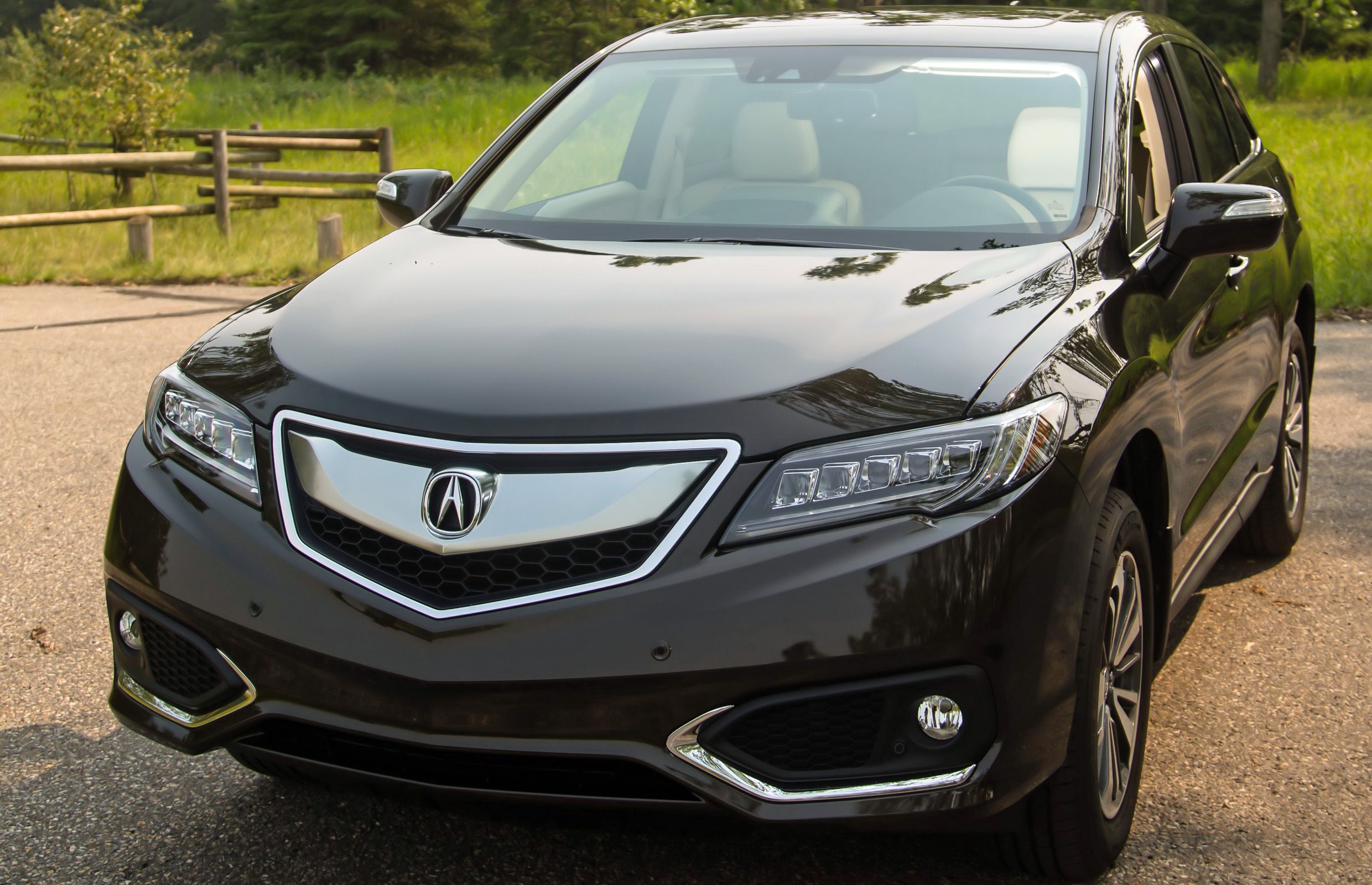
6. Acura MDX (Second Generation, 2007 to 2013)
Stepping into the second-generation Acura MDX reveals a mid-size SUV engineered with durability as a quiet priority rather than a marketing headline. While owners often discuss drivetrain refinement and interior quality, the heating system deserves recognition for its long-term dependability.
Heater core replacement in this MDX generation remains a rare service event even among vehicles that have crossed deep into high mileage territory. The foundation of this reliability begins with Acura’s cooling system philosophy. Coolant flow to the heater core is carefully regulated to avoid excessive pressure or velocity.
Instead of forcing rapid heat transfer, the system favors smooth circulation that protects internal aluminum passages from erosion. This approach keeps the heater core operating within a stable thermal window during warm-up and extended winter driving. Material choice also plays a central role. The heater core uses thick aluminum tubing paired with durable brazed joints.
These joints tolerate repeated heat cycles without developing microcracks that later turn into leaks. Acura paired this hardware with factory long-life coolant designed to resist chemical breakdown for extended service intervals. Even when owners delay coolant changes, corrosion inside the heater core remains uncommon.
Physical placement inside the dashboard contributes additional protection. The heater core sits in a well-supported HVAC housing that isolates it from vibration. Road impacts and drivetrain movement rarely transmit stress directly into the core. This matters during years of daily driving on imperfect roads, where lesser designs may fatigue prematurely.
Ownership patterns provide further evidence. Many MDX examples from this era served as family vehicles with mixed driving routines and inconsistent maintenance habits. Despite that reality, heater performance usually remains steady. When cabin heat weakens, technicians often trace the cause to thermostat wear or air trapped during previous cooling system service rather than internal core damage.
Cold-weather performance reinforces the MDX reputation. Large cabin volume demands sustained heater output, yet the system delivers warmth without pushing the core beyond safe operating limits. Airflow and coolant balance prevent overheating within the HVAC box. Owners frequently report strong heat even after a decade of ownership.
Taken together, these elements explain why the second-generation Acura MDX seldom appears in discussions about heater core replacement. It represents a blend of thoughtful design, conservative engineering margins, and materials chosen with endurance in mind.
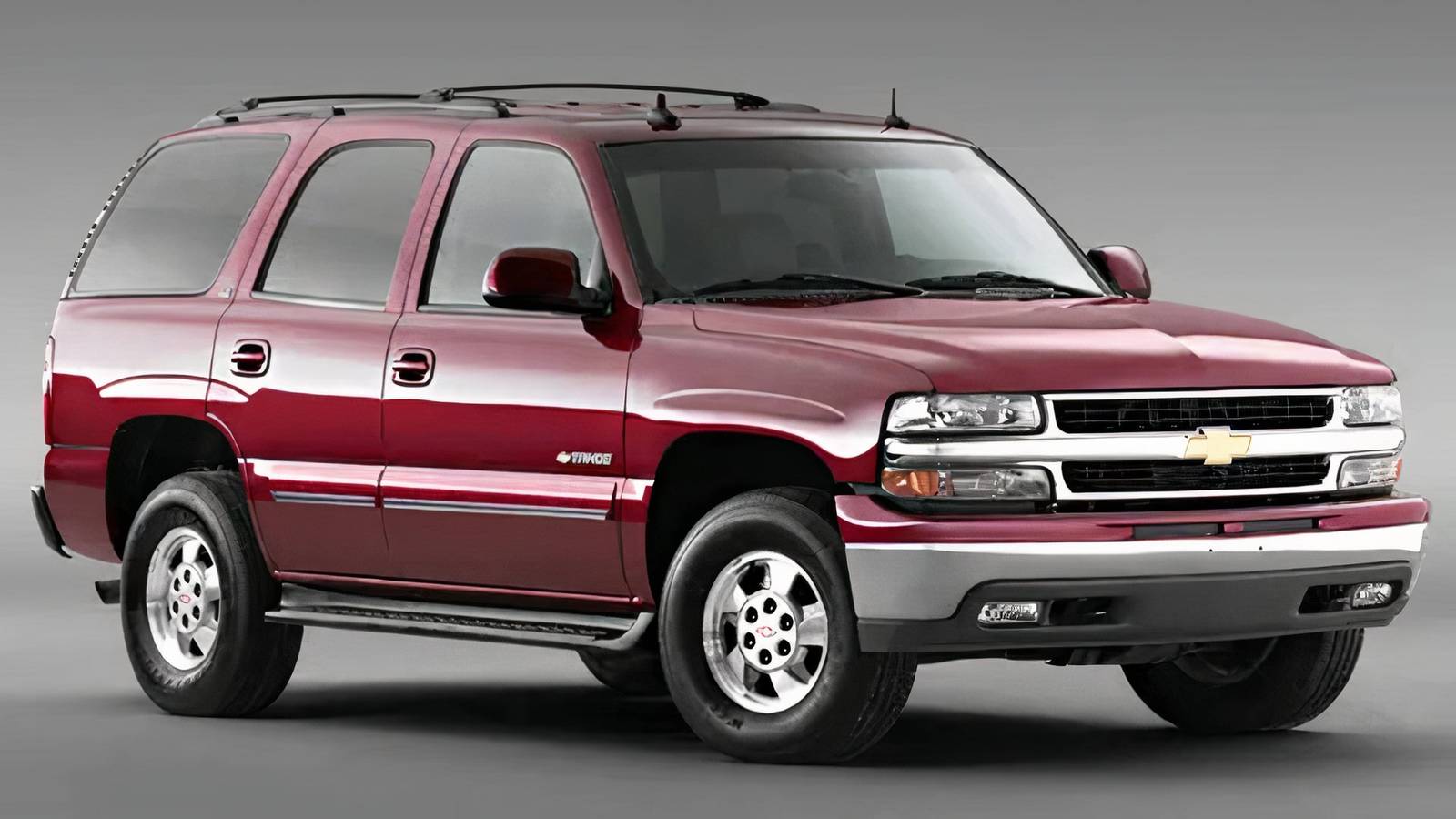
7. Chevrolet Tahoe (Third Generation, 2007 to 2014)
Full-size SUVs present a unique challenge for heating systems due to expansive cabin space and heavy-duty usage. The third-generation Chevrolet Tahoe meets that challenge with a heater core design built to withstand years of demanding service without becoming a weak link.
Cooling capacity forms the backbone of this durability. The Tahoe uses a large radiator and a high-volume coolant circuit that distributes heat evenly throughout the system. Heater core flow remains controlled rather than aggressive, reducing internal wear. This steady delivery allows the core to supply consistent warmth without experiencing pressure spikes that shorten component life.
Construction quality also deserves attention. The heater core employs reinforced aluminum channels with robust solder points. These joints resist fatigue even during extended idle periods or towing conditions where heat output remains high for long stretches. Chevrolet engineered the HVAC housing to support the core firmly, limiting movement during acceleration or rough road travel.
Engine characteristics further protect the system. V8 powerplants used in this Tahoe generation produce stable operating temperatures once warmed. That stability reduces thermal cycling extremes inside the heater core. Instead of repeated sharp expansions and contractions, the core experiences gradual changes that preserve internal structure.
Service records from fleet use offer strong evidence. Many Tahoes served in municipal, utility, or commercial roles where maintenance schedules varied. Despite that environment, heater core replacement rarely surfaced as a frequent repair. Heat complaints usually point toward actuator failures or control issues rather than coolant leaks inside the dash.
Cold climate operation highlights the system’s resilience. Prolonged winter driving with rear seat heating demands places a continuous load on the heater core. Even under those conditions, leakage or clogging remains uncommon. Owners often remark that cabin heat stays reliable long after other comfort features show age.
The Tahoe’s heater core reputation reflects General Motors’ experience building large vehicles for extended service lives. By prioritizing durability over minimal material use, Chevrolet delivered a heating system that matches the SUV’s reputation for long-term utility.

8. Mazda CX 9 (First Generation, 2007 to 2015)
Mazda approached the first generation CX 9 with an emphasis on balanced engineering rather than excess. That mindset extends to the heating system, where simplicity and thoughtful design produced a heater core that rarely demands attention. Coolant routing to the heater core favors smooth transitions rather than abrupt changes in diameter or direction.
This layout minimizes turbulence inside the core, protecting aluminum surfaces from erosion. Mazda also selected corrosion-resistant alloys that perform well with factory-specified coolant formulations. The HVAC packaging in the CX 9 places the heater core securely within the dashboard.
Adequate clearance around hose connections reduces stress from engine movement. That flexibility allows hoses to absorb motion without transferring strain to the core itself. Over years of driving, this detail helps preserve joint integrity. The owner supports the design intent.
Many CX 9 vehicles accumulate high mileage in family service, often with mixed city and highway use. Heater complaints typically relate to blend door calibration or sensor issues rather than internal leaks. Actual heater core failures remain scarce even after long ownership periods.
Engine temperature behavior also contributes. Both naturally aspirated and turbocharged engines in this generation reach operating temperature smoothly. Controlled warm-up reduces stress during cold starts, which is when heater cores often face their highest risk. Gradual heat delivery protects internal passages from sudden expansion.
Cold weather testing reveals consistent cabin warmth without coolant odor or fogging that suggests leaks. Owners in northern regions frequently praise reliable heat during winter without expensive repairs. This reliability builds trust in the CX 9 as a comfortable long-term vehicle.
The first-generation Mazda CX 9 demonstrates how careful cooling system design and secure packaging can deliver heater core durability without resorting to heavy materials or excessive complication.
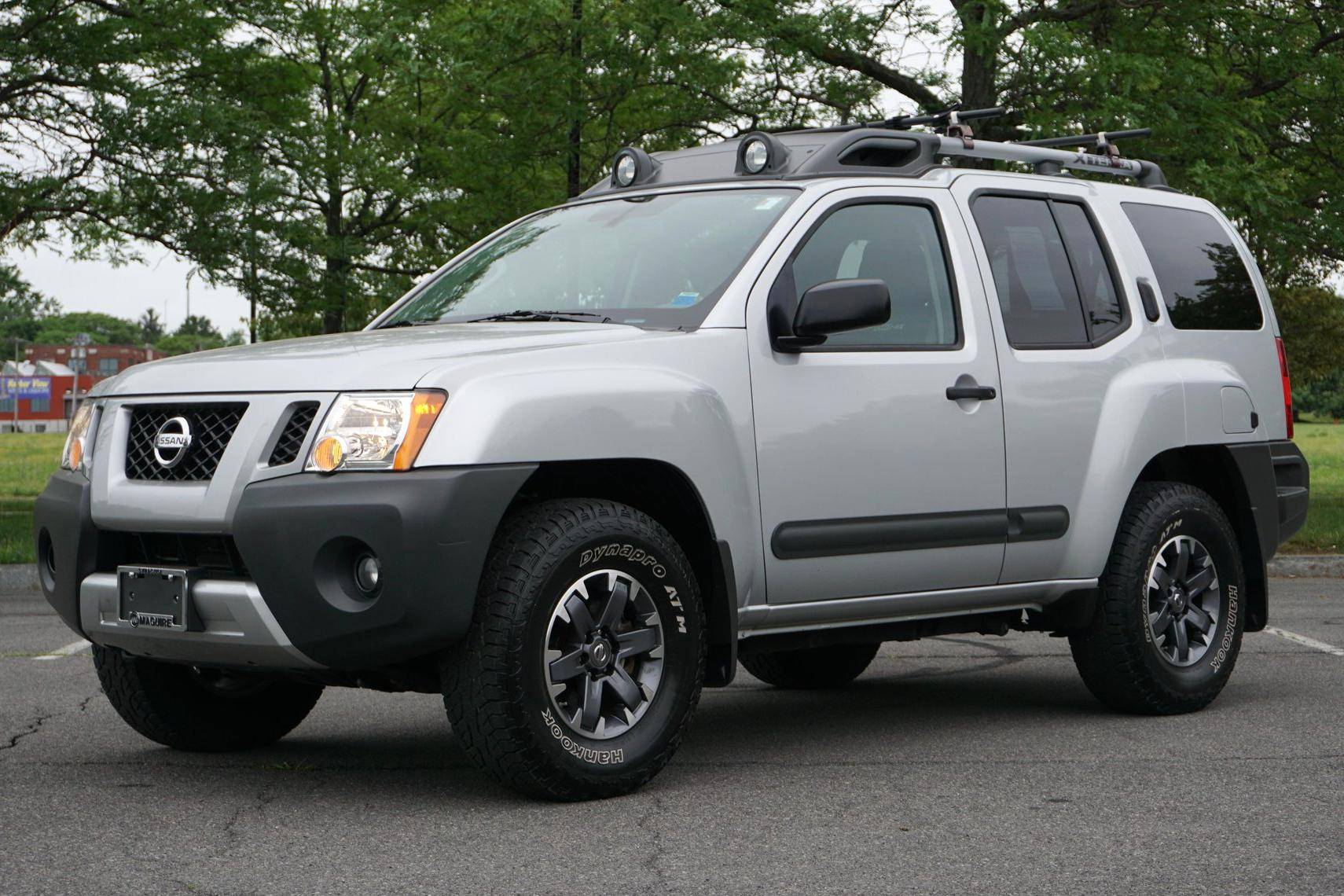
9. Nissan Xterra (Second Generation, 2005 to 2015)
Rugged usage defines the Nissan Xterra, and its heating system reflects that expectation. Designed for outdoor activity and varied climates, the heater core in the second-generation Xterra earned a reputation for toughness that aligns with the SUV’s image. Cooling system simplicity stands out immediately. Straightforward hose routing and conservative flow rates reduce internal stress on the heater core.
Nissan avoided overly compact passages that clog easily, instead favoring designs that tolerate debris without restriction. Material strength plays a supporting role. The heater core uses thick aluminum construction paired with durable joints capable of handling vibration from off-road driving. The HVAC housing secures the core firmly, preventing movement even during uneven road travel.
Real-world usage patterns provide compelling proof. Many Xterra vehicles experienced irregular maintenance due to recreational ownership. Despite that, heater core replacement rarely appeared as a frequent issue. Heat loss complaints more often trace back to coolant level neglect or thermostat faults.
Engine behavior further supports reliability. The V6 engine produces consistent heat output without sudden spikes. That stability protects the heater core from rapid temperature changes. Extended idling during cold-weather activities does not overwhelm the system.
Cold climate performance reinforces confidence. The heater delivers strong output without leaking or clogging after years of winter exposure. Owners often report dependable warmth even as other components show wear from age or outdoor use. The second-generation Nissan Xterra proves that durability-focused engineering extends beyond drivetrains. Its heater core stands as another example of a component built to endure demanding conditions quietly.
Also Read: 5 SUVs Worth Buying In Canada And 5 That Don’t Make Sense Up North

10. Volvo XC90 (First Generation, 2003 to 2014)
Safety and longevity shaped the first-generation Volvo XC90, and its heating system reflects those priorities. Heater core reliability remains a quiet strength rarely discussed until compared with less durable designs. Volvo engineered the cooling system with precise control over temperature and flow.
Coolant reaches the heater core smoothly without excessive pressure. This measured delivery protects internal passages from erosion and reduces stress on solder joints. Material selection also reflects caution. The heater core uses corrosion-resistant aluminum paired with robust manufacturing standards.
Volvo specified coolant chemistry designed to protect internal components for extended periods. Even when service intervals stretch longer than ideal, internal corrosion remains uncommon. Placement within the dashboard further preserves durability. The heater core sits in a protected HVAC enclosure isolated from vibration.
Structural rigidity in the XC90 body reduces cabin movement, limiting mechanical stress on internal components. Ownership data support the design. Many XC90 vehicles accumulated high mileage as family transport in cold regions. Heater core replacement rarely appears as a common repair.
When heating issues arise, they usually involve electronic control modules or air distribution motors rather than leaks. Cold weather performance highlights the system’s balance. The heater delivers steady warmth without pushing coolant temperatures beyond safe limits. That restraint preserves the core over the years of operation. Drivers often report consistent heat even as vehicles age past a decade.
The first-generation Volvo XC90 closes this list with a heater core reputation built on careful engineering and conservative design. It stands as a reminder that reliability often comes from thoughtful restraint rather than aggressive performance targets.
