
Modern SUVs are engineering marvels packed with clever design choices. Automakers spend millions designing vehicles that maximize every inch of available space. Yet most owners never fully explore what their vehicles truly offer. Hidden compartments, secret storage areas, and concealed cubbies go unnoticed for years, sometimes forever.
These hidden spaces are not accidental. Engineers deliberately build them into the vehicle architecture to solve real storage problems. They are designed for valuables, emergency gear, groceries, and everyday essentials. Most owners simply never read their manuals thoroughly enough to discover them.
The irony is striking. People buy SUVs specifically for their storage capacity. Yet they leave significant usable space completely untouched. Some compartments are hidden beneath floor panels. Others are tucked inside door frames or concealed behind dashboard trim pieces.
Dealerships rarely walk buyers through every hidden feature during delivery. Sales staff focus on technology and performance rather than storage secrets. So these clever spaces remain undiscovered by the majority of owners.
This guide reveals ten popular SUVs that hide remarkable storage compartments in plain sight. Each vehicle on this list offers spaces most owners genuinely never find. Read carefully your SUV may be hiding more than you ever imagined.
1. Land Rover Discovery
The Land Rover Discovery is legendary for its off-road capability. But beneath its rugged exterior lies one of the most sophisticated hidden storage systems ever built into a production SUV.
Most Discovery owners know about the rear cargo area. Few realize what lies directly beneath it. The Discovery features a series of underfloor storage compartments that run almost the full width of the vehicle. These compartments are hidden beneath removable floor panels that blend seamlessly into the cargo area design.
The panels are designed to look like standard flooring. They use flush-mounted lift handles that sit completely flat when closed. Most owners mistake these handles for simple floor anchors or tie-down points. The compartments beneath them are surprisingly deep and wide.

Land Rover engineers designed these spaces specifically for expedition-style travel. They intended owners to store recovery gear, tow ropes, and emergency equipment here. The compartments keep these items completely out of sight and protected from shifting cargo above.
The Discovery also hides a secondary storage area beneath the rear passenger seat bases. These flip-up panels reveal shallow but wide trays perfect for documents and flat items. Most owners sit on these hidden compartments daily without ever knowing they exist.
There is also a clever storage solution built into the center console area. The main console bin has a false bottom that slides out to reveal a secondary tray. This secondary tray sits approximately two inches below the primary storage level. It is perfect for hiding valuables like passports and wallets.
The front passenger footwell area also contains a hidden document pouch. This flat pocket is mounted flush against the firewall trim. It blends so perfectly with the surrounding material that most owners never notice its pull-tab opening mechanism.
Land Rover hid additional storage behind the driver-side C-pillar trim panel. This compartment is accessed by pressing a specific section of the trim that releases with a soft click. The space behind is narrow but tall, perfect for storing umbrellas or maps.
Discovery owners who do find these compartments are often stunned by the total additional storage volume. Collectively, these hidden spaces add several cubic feet of usable storage. This is storage that most owners simply never access throughout the entire ownership period.
The engineering behind these compartments reflects Land Rover’s philosophy of purposeful design. Every hidden space serves a specific functional purpose. Nothing is included merely as a novelty feature without genuine practical application.
2. Toyota 4Runner
The Toyota 4Runner has a devoted following for good reason. It combines old-school body-on-frame construction with surprisingly modern storage engineering.
The 4Runner’s most famous hidden feature is its reversible cargo floor. Most owners know the cargo area floor can flip over. Far fewer understand the full extent of what this system actually enables in terms of hidden storage.
When the cargo floor is in its raised position, it creates a substantial hidden well beneath it. This well runs the full width of the cargo area. It drops several inches below the standard cargo floor level. The space is large enough to store a full set of jumper cables, emergency kit, and recovery gear simultaneously.
The 4Runner also hides storage beneath the rear passenger seats. Pressing specific release points on the seat bases allows access to shallow storage trays. These trays are wide and perfectly sized for road atlases, vehicle documents, and flat storage items.
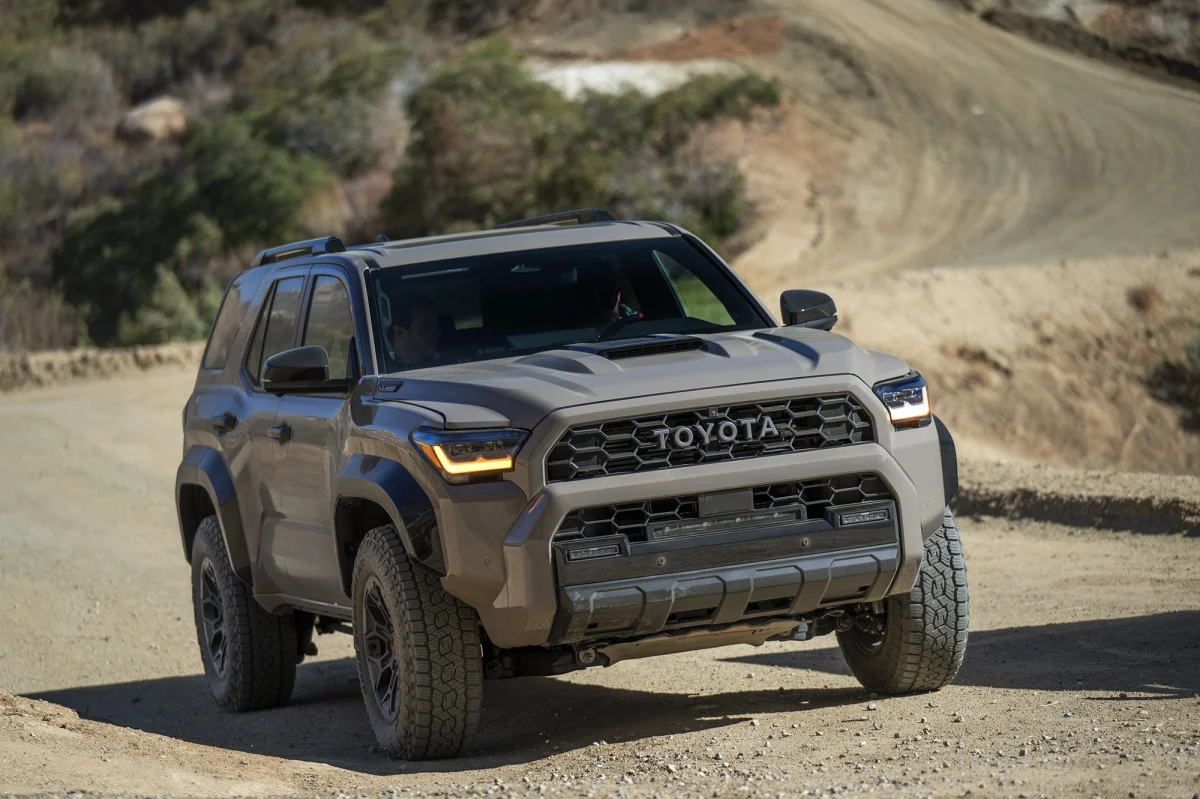
There is a hidden compartment inside the rear quarter panel trim on the driver’s side. This panel features a pressure-sensitive release point that most owners never discover. The compartment behind it is small but perfectly positioned for storing small tools or emergency items.
Toyota also built hidden storage into the center console structure. The primary console bin has a sliding tray mounted at mid-height. This tray must be slid backward to reveal the full depth of the console storage below. Most owners only use the top section and never discover the additional depth beneath the tray.
The 4Runner’s headliner also contains a modest surprise. Running along the front passenger side is a shallow document pocket integrated into the overhead trim. This pocket is secured with a magnetic closure that sits completely flush when shut. It is virtually invisible unless you know exactly where to look.
Underneath the actual spare tire in the rear cargo floor, there is a secondary storage ring. Most owners access the spare tire compartment occasionally but never look at what surrounds the spare itself. The ring around the spare creates a circular storage channel perfect for jumper cables and tow straps.
Toyota engineers apparently understood that 4Runner owners are adventure-focused. Every hidden storage solution reflects practical off-road and overland travel needs. The spaces are tough, accessible, and brilliantly placed throughout the vehicle.
3. Jeep Grand Cherokee
The Jeep Grand Cherokee is one of America’s best-selling SUVs. It blends luxury with utility in a way that consistently impresses buyers. However, the Grand Cherokee also hides several storage compartments that its owners rarely discover.
The most surprising hidden storage in the Grand Cherokee sits directly within the dashboard architecture. On the passenger side, below the glove box and above the footwell, there is a trim panel that conceals a shallow storage pocket. This pocket runs almost the full width of the passenger side. It sits completely invisible behind what appears to be a solid trim section.
The release mechanism is a subtle pressure point rather than a visible handle. Pressing firmly on the lower right corner of this trim piece causes it to swing open on hidden hinges. The storage space behind it is shallow but surprisingly wide. It is perfect for keeping registration documents and emergency cash in a truly hidden location.
The Grand Cherokee also hides storage within its center console structure. Most owners know the standard console bin and armrest compartment. Far fewer discover the sliding storage shelf that sits just below the primary bin level. This shelf extends forward and backward on smooth runners. Sliding it out doubles the accessible storage depth of the console area.

Behind the rear seat center armrest, there is an additional hidden compartment that most rear passengers never find. The armrest itself folds down in the traditional manner. But pressing the back panel of the armrest compartment reveals a secondary storage area. This area connects to the trunk space behind it, creating a useful pass-through for longer items.
The Grand Cherokee’s rear cargo area contains a well-disguised underfloor storage system. The cargo mat appears to be a simple flat item. But lifting it reveals not one but two separate compartment sections divided by a removable center divider. These sections can store emergency gear separately from everyday items.
Jeep also built hidden storage behind both rear quarter panel trim pieces. Each side panel features a trim section that appears to be purely decorative. Pressing inward on these sections reveals storage pockets that run vertically alongside the rear window. These pockets are ideal for storing emergency flares or compact emergency tools.
The Grand Cherokee’s roof liner also hides a modest storage system above the rear seating area. A nearly invisible seam runs across the headliner. Following this seam to its midpoint and pressing upward reveals a shallow overhead storage area. This compartment is secured magnetically and holds flat items like maps or sunglasses cases.
4. Ford Explorer
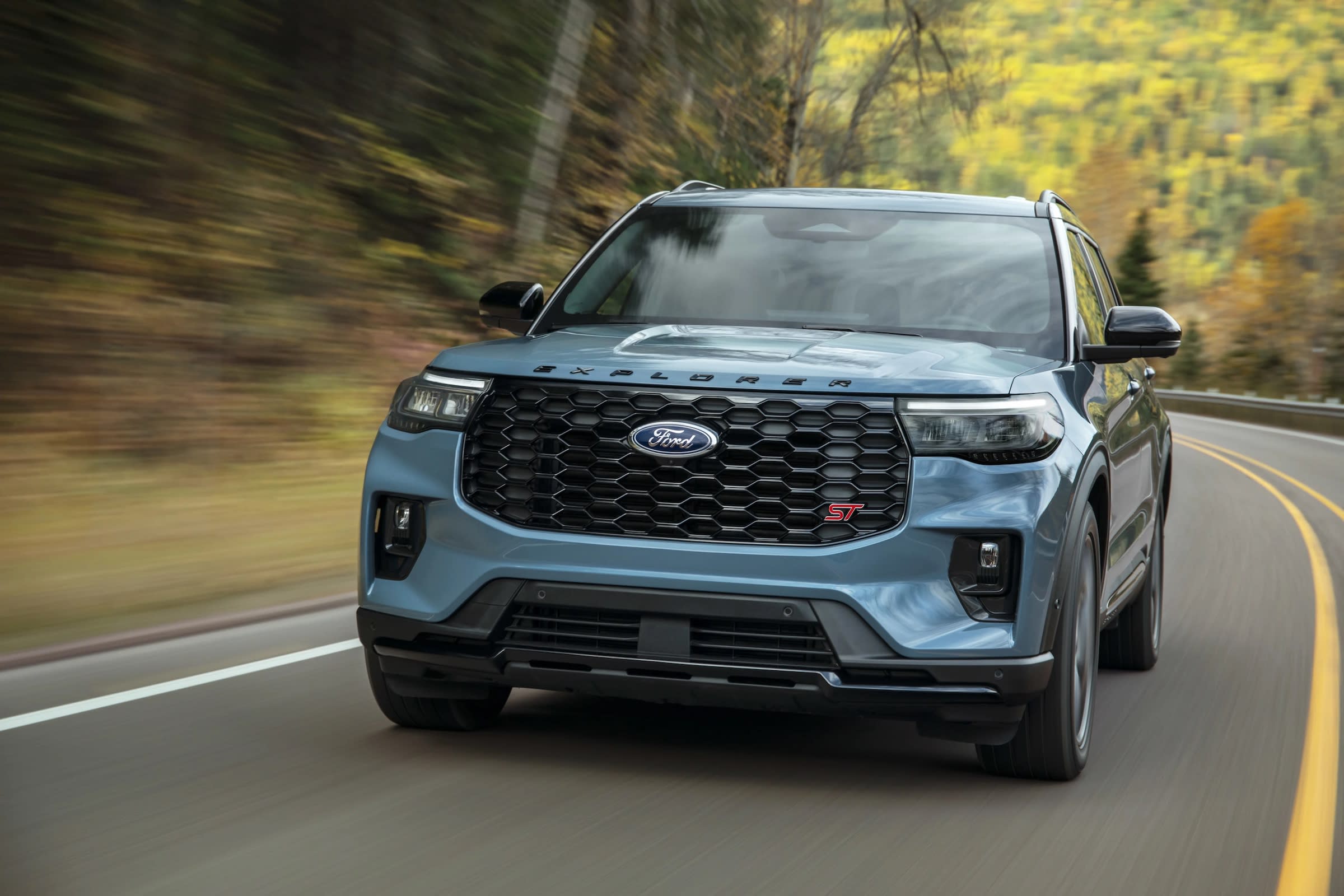
The Ford Explorer has been a family favorite since the 1990s. It offers three-row seating, solid performance, and excellent everyday practicality. What most Explorer owners miss entirely is the vehicle’s remarkable hidden underfloor storage system.
The Explorer’s rear cargo area sits above a surprisingly deep storage well. This well is accessed by lifting the primary cargo floor on its hinges. Most owners do lift this floor occasionally to access the spare tire. However, the full extent of the storage space surrounding the spare is almost always overlooked.
Around the spare tire well, Ford engineers created a dedicated storage ring divided into four separate sections. Each section is separated by removable dividers. The sections can store a full emergency kit, roadside flares, tow equipment, and jumper cables simultaneously without items mixing together.
Ford also hid storage beneath the third-row seat bases. The third row in the Explorer folds flat into the floor. When the seats are up, the mechanism that allows them to fold creates dead space beneath the seat cushions. Pressing the forward edge of the seat base on each side releases a hidden access door into this space.
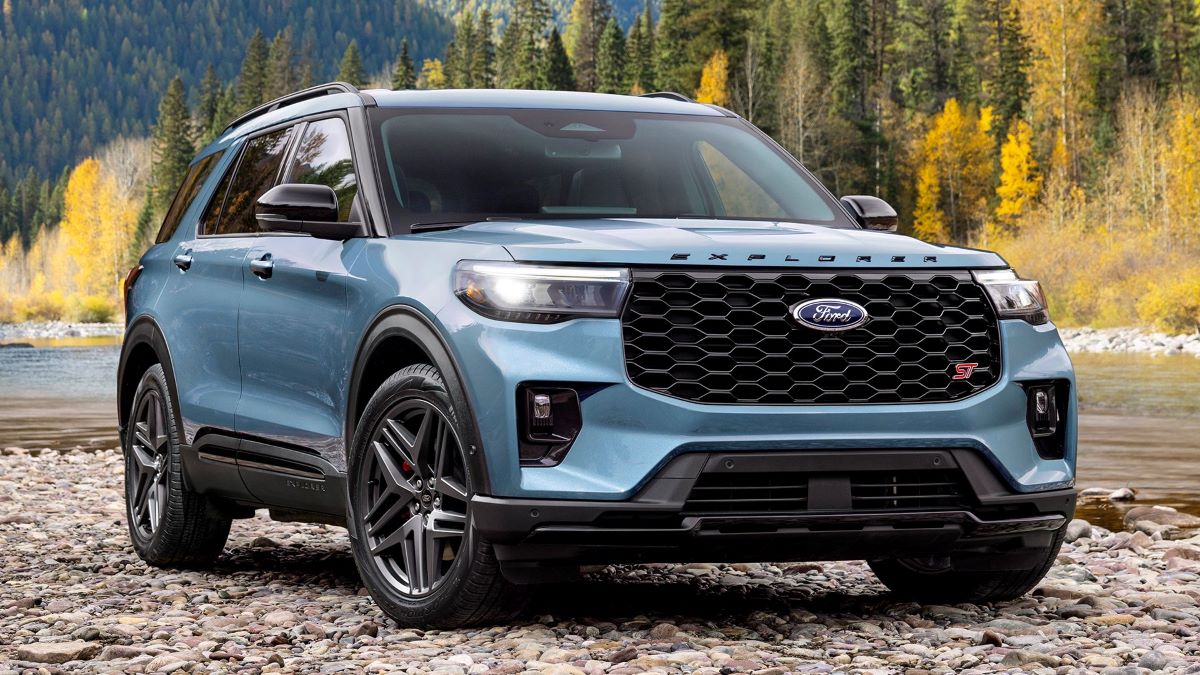
The second-row center seat base also hides a modest storage compartment. When the center seat is occupied, this compartment is completely inaccessible and invisible. However, when the center seat is folded down into an armrest position, pressing the front face of the center console reveals a hidden pull-out tray. This tray slides forward smoothly on concealed rails.
The Explorer’s center console contains more hidden storage than most owners realize. Below the armrest is the standard console bin. But the interior side walls of this bin are not actually solid they contain shallow card slots and document pockets built into the wall panels. These slots are color-matched to the console interior and nearly impossible to see in low light conditions.
Ford engineers also built hidden storage into the driver-side A-pillar area. A small but cleverly designed pocket sits within the trim immediately to the left of the instrument cluster. This pocket uses a magnetic closure and holds registration cards and insurance documents perfectly. Most owners never notice it despite seeing the area every single time they drive.
The Explorer’s front passenger footwell also contains a hidden storage area. Beneath the standard floor mat, a raised section of the carpet conceals a shallow storage tray. This tray is secured with two push-pin fasteners and lifts cleanly away. The space beneath is perfect for storing flat items that drivers want completely out of sight.
Also Read: 5 Cars Boomers Got Right And 5 They Got Wrong
5. Chevrolet Tahoe
The Chevrolet Tahoe is a full-size SUV that already offers enormous storage capacity. Yet even within its generous proportions, Chevrolet engineers found room to hide additional storage compartments throughout the cabin.
The Tahoe’s most impressive hidden storage sits beneath the third-row cargo floor. This is completely separate from the main cargo area behind the third row. When the third-row seats are in their upright position, the floor beneath and around them contains hidden access panels. These panels are flush with the surrounding carpet and nearly impossible to identify without knowing where to look.
The front center console of the Tahoe is famously large. Most owners use the primary console bin extensively. Far fewer discover that the console contains a secondary storage tier. Pressing the rear interior wall of the primary bin causes a panel to swing inward, revealing a second storage zone behind it. This rear zone connects to the pass-through area beneath the console between the front seats.
The Tahoe also hides storage within the driver’s side door architecture. All four doors have standard map pockets, but the driver’s door has an additional hidden pocket above the primary map pocket. This upper pocket sits beneath the window trim. It has a soft-close magnetic opening that blends seamlessly with the surrounding door panel texture.
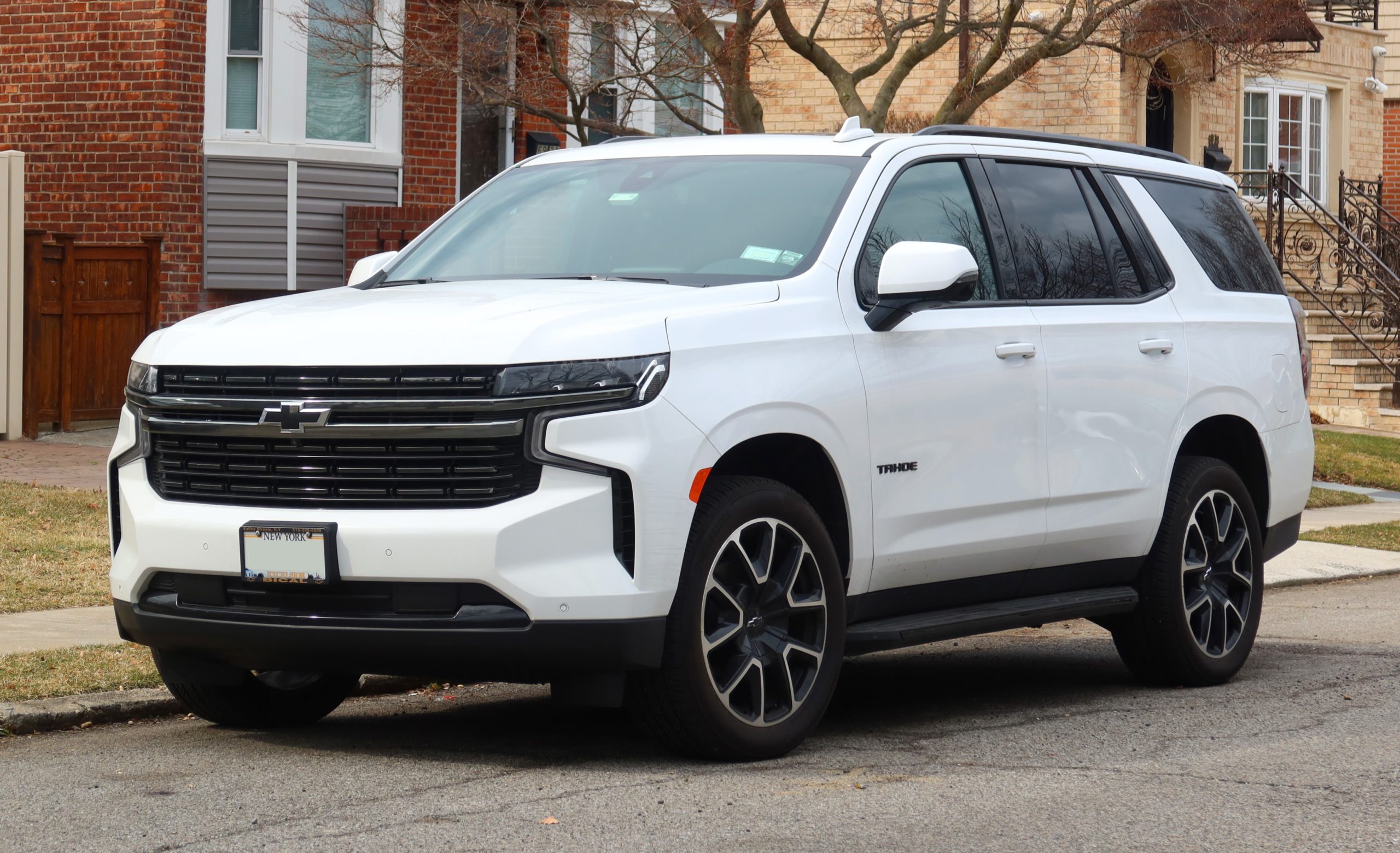
Chevrolet built hidden storage into the Tahoe’s rear quarter panels as well. Each rear quarter panel, on both the driver and passenger sides, contains a storage bin behind the trim. These bins are accessed via a subtle pull handle integrated into the trim seam. The handles are camouflaged so effectively that they appear to be decorative trim lines rather than functional openers.
The Tahoe’s headliner also contains overhead storage above the rear seats. A shallow bin is integrated into the overhead console that runs from the front to the rear of the cabin. The rear section of this overhead console is frequently mistaken for a purely aesthetic element. But pressing the rear face of this console reveals a surprisingly wide storage tray with soft-close damping.
Underneath the Tahoe’s second-row seat cushions lies another hidden storage area. The second-row bench seat has a flat fold-forward capability. But even when the seat is occupied in the standard position, the front edge of the seat cushion can be lifted independently. Beneath the front third of the seat cushion is a storage pocket lined in carpet. This pocket is wide enough to store large flat items or rolled documents with ease.
6. BMW X5
The BMW X5 is a premium SUV that commands a higher price for good reason. It offers extraordinary driving dynamics combined with a genuinely luxurious interior. BMW engineers also packed the X5 with hidden storage solutions that most owners never discover.
The X5’s most famous hidden feature is its retractable cargo floor system. The cargo area floor can be set at two different heights. But between these height settings, BMW created a hidden storage zone. This zone sits at mid-height within the cargo area and is completely invisible when the upper floor position is selected. Items stored in this zone are entirely concealed beneath the upper cargo floor.
BMW also built hidden storage directly into the center console structure of the X5. Below the armrest is a standard storage bin. But the front wall of this bin is not solid — it is actually a hinged panel. Pressing this front panel inward causes it to swing open like a small door, revealing a narrow but tall storage space between the front seats. This narrow space is perfect for storing a compact umbrella or rolled documents.
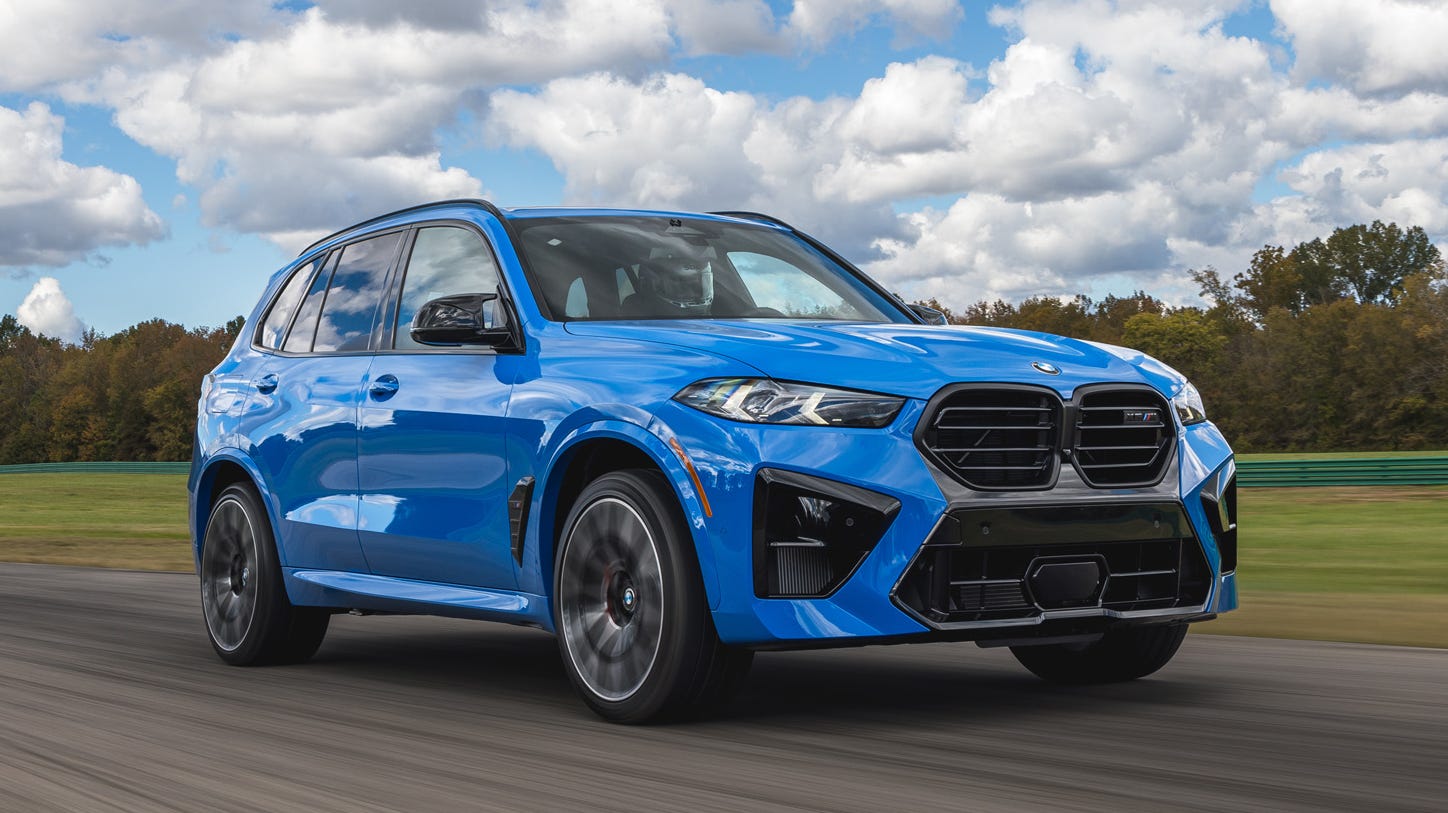
The X5’s rear seat area contains a hidden storage feature beneath the individual seat bases. Each rear seat section has a base that can be tipped forward independently. Most owners know about this when configuring the cargo space. What they miss is that even before tipping the seat, the front edge of each seat base can be raised to access a shallow under-seat storage tray.
BMW hid additional storage behind the rear passenger side panel trim. This trim piece appears to be a solid decorative section in the rear cargo area sidewall. Pressing firmly on the upper forward corner of this panel triggers a magnetic latch release. The panel swings outward on a concealed hinge to reveal a storage pocket that runs the full height of the cargo area sidewall.
The X5’s door panels also contain more storage than immediately obvious. Standard door map pockets are present on all four doors. But the rear doors additionally feature a secondary hidden pocket above the main pocket. This upper pocket is closed with a soft magnetic flap that matches the door panel surface exactly. It provides enough space for a small tablet computer or documents.
The X5’s glove box contains a hidden feature that BMW aficionados call the “inner safe.” Behind the standard glove box interior, pressing the upper rear wall triggers a secondary compartment to open. This inner compartment is smaller but entirely hidden from view when the glove box is closed. BMW designed it for passport-style document storage during international travel.
7. Volvo XC90
The Volvo XC90 epitomizes Scandinavian design philosophy. Every surface is clean, intentional, and free of visual clutter. This design approach actually makes the XC90’s hidden storage compartments even more impressive. They are so well integrated that most owners never suspect they exist.
The XC90’s most remarkable hidden storage runs beneath the entire rear cargo floor. Volvo engineers created an underfloor storage system that is divided into three separate compartments. These compartments are accessed via three individual floor panels that each have recessed lift handles. The handles are so deeply recessed that they do not disturb the flat, clean appearance of the cargo floor surface.
The center rear of the XC90 cabin contains hidden storage integrated into the rear center console. The standard rear console is visible between the second-row seats. But below the primary storage opening, there is a false bottom. Pressing the sides of this false bottom simultaneously causes it to drop down, revealing a secondary storage zone approximately four inches deeper than the primary level.
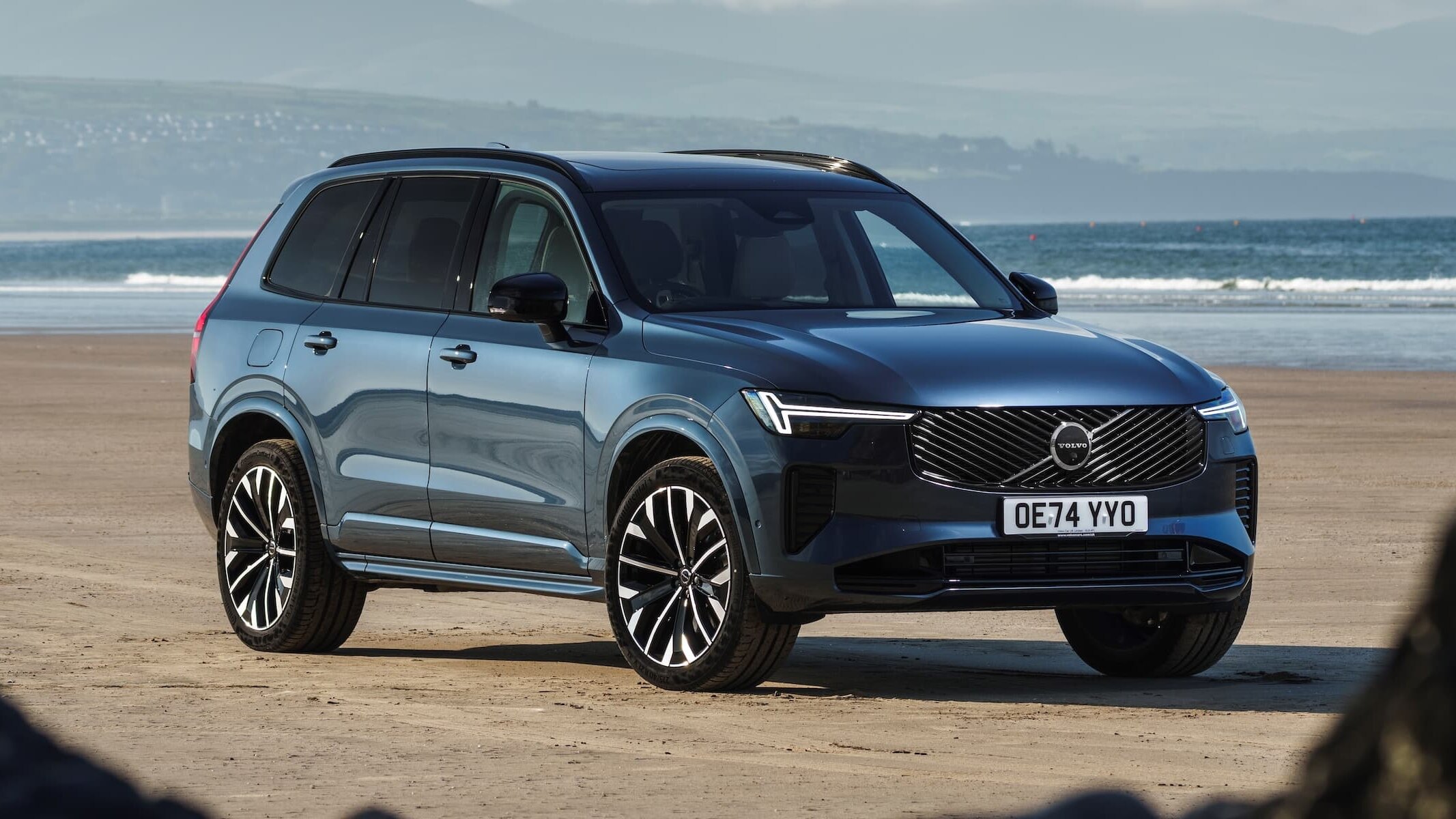
Volvo also built hidden storage behind the driver-side B-pillar trim. The B-pillar trim appears to be a solid safety component. Pressing a specific section releases a concealed storage pocket integrated into the trim structure. This pocket is narrow but runs almost the full height of the B-pillar, creating a surprisingly useful storage column.
The XC90’s front console area also hides storage within the gear selector housing. The panel that surrounds the electronic gear selector has a removable section. Pressing the rear edge of this panel lifts it cleanly from its position, revealing a shallow storage tray underneath. This tray runs the width of the console and provides storage for small items that owners want to keep completely out of sight.
Volvo built hidden storage into the headliner structure of the XC90 as well. Above the third-row seating position, the headliner contains an integrated storage shelf. This shelf is accessed via a single flush-mounted panel that blends into the surrounding headliner material. The magnetic closure keeps it completely shut and invisible during normal use.
The XC90’s rear quarter panel trim also hides a substantial storage pocket on each side. These pockets run vertically behind the trim panels adjacent to the third-row seats. They are accessed by pressing inward on an inconspicuous section of trim seam. The pockets are narrow but tall, ideal for keeping emergency items or umbrellas completely out of sight.
8. Toyota Land Cruiser
The Toyota Land Cruiser is built for serious expedition travel. It is over-engineered in every respect, including its approach to hidden storage. Land Cruiser owners are often explorers and overlanders, yet even they frequently miss some of the vehicle’s most cleverly concealed storage spaces.
The Land Cruiser’s most famous hidden storage feature lies beneath the rear cargo floor. Like many serious off-road vehicles, the Land Cruiser has an underfloor storage area. But the Land Cruiser takes this concept further than most competitors. The underfloor space is divided into multiple zones with removable partitions that can be reconfigured based on what the owner needs to carry.
Toyota built hidden storage into the Land Cruiser’s rear side panels as well. Both the driver and passenger side rear panels contain storage pockets behind the trim. These pockets are accessed through pressure-release panel sections that snap cleanly back into place after closing. The storage pockets are deep enough to hold recovery straps folded flat or similarly sized equipment.
The Land Cruiser’s second-row seat bases contain individual hidden storage trays. Each second-row seat position has a base with a forward-lifting access flap. These flaps are secured with magnetic catches and align perfectly with the surrounding seat base material. The trays beneath are individually sized and suitable for storing personal items belonging to individual passengers.
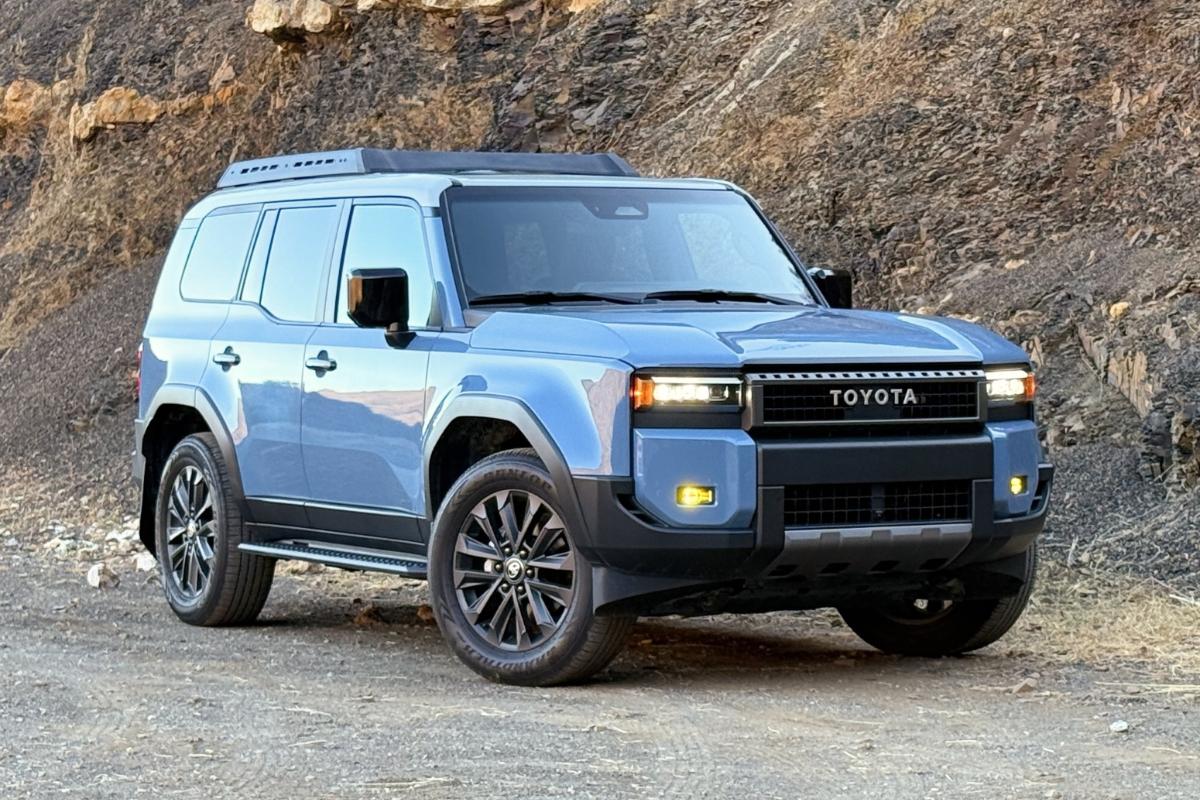
Toyota also integrated hidden storage into the Land Cruiser’s front door architecture. The driver’s door contains a secondary pocket above the map pocket that most owners never find. This upper pocket is hidden by a trim flap that blends with the surrounding door material. The flap uses a soft magnetic closure and provides enough space for road documents and small personal items.
The Land Cruiser’s overhead console system extends the full length of the cabin. The rear sections of this overhead console are frequently overlooked by owners focused on the front. But pressing the rear overhead console panels reveals storage compartments that can hold sunglasses cases, small documents, and other flat items. These compartments are accessible to rear passengers without any disruption to the driver.
The Land Cruiser’s center console is enormous by any standard. Most owners use the primary storage areas extensively. But the console also contains hidden storage within the lower section. Below the main bin level, the console structure widens at the base. This wider base section contains a pull-out tray on the passenger side that slides smoothly on dampened rails to reveal a secondary storage zone.
9. Mercedes-Benz GLE
The Mercedes-Benz GLE represents the pinnacle of German automotive engineering combined with genuine luxury. It offers a driving experience that few competitors match. Mercedes engineers also incorporated hidden storage solutions into the GLE that demonstrate the same attention to detail found in every other aspect of the vehicle.
The GLE’s most surprising hidden storage is found within the spare tire compartment architecture. Most owners who look beneath the cargo floor see only the spare tire and assume that is all there is. But surrounding the spare tire, Mercedes engineers created a storage ring divided into four quadrants. Each quadrant has its own removable cover and can store emergency gear independently of the other sections.
Mercedes also built hidden storage into the GLE’s MBUX interface housing. The large central screen dominates the center stack. Below the screen and above the climate controls, there appears to be a solid panel. But this panel has a pressure release mechanism. Pressing the lower section of this panel causes a small storage tray to eject outward on smooth dampened rails. The tray is compact but perfect for small personal items.
The GLE’s rear passenger area contains hidden storage beneath the seat bases. Each rear seat section has a base flap that can be raised independently. These flaps reveal storage trays that are individual to each seating position. The trays are carpeted and have low sidewalls to prevent items from shifting during driving.

Mercedes hid additional storage in the GLE’s rear door panels. All four doors have standard pockets. But the rear doors feature a secondary storage level accessible via a trim panel that sits above the traditional map pocket. This upper panel uses a soft-close magnetic system that matches the door panel surface texture precisely. Most owners who look directly at it see only a seamless door panel.
The GLE’s cargo area sidewall panels hide storage on both sides of the vehicle. These storage areas are integrated into the panels that run alongside the cargo space. The access mechanism is a concealed pull-handle built into the trim seam. The pockets behind these panels are sized ideally for first aid kits and emergency roadside equipment.
Mercedes also integrated a hidden valuables storage area into the GLE’s glove box structure. The standard glove box interior appears to be a simple open bin. But pressing the upper rear wall of the glove box interior triggers a false back panel to swing open. Behind this false panel sits a narrow but completely concealed secondary storage space. Designers clearly intended this space for storing important documents or small valuables.
10. Kia Telluride
The Kia Telluride has taken the American SUV market by storm since its introduction. It offers near-luxury quality at a significantly lower price point than European competitors. What surprises most Telluride owners is that Kia also packed this affordable SUV with hidden storage features that rival vehicles costing twice as much.
The Telluride’s most remarkable hidden feature is its dual-level cargo floor system. The cargo floor can be set at two heights to accommodate different loading needs. But the space between the two height settings creates a hidden storage zone that is entirely concealed when the upper floor setting is selected. This hidden zone runs the full width of the cargo area and is several inches deep.
Kia also built hidden storage into the Telluride’s center console. The primary console bin is generously sized. But the floor of this bin is not actually the true bottom of the console structure. Pressing the front edge of the bin floor releases a secondary drop-down panel. Below this panel is an additional storage level that sits approximately three inches deeper than the primary bin floor. This secondary level is ideal for storing items that owners want completely hidden from casual view.
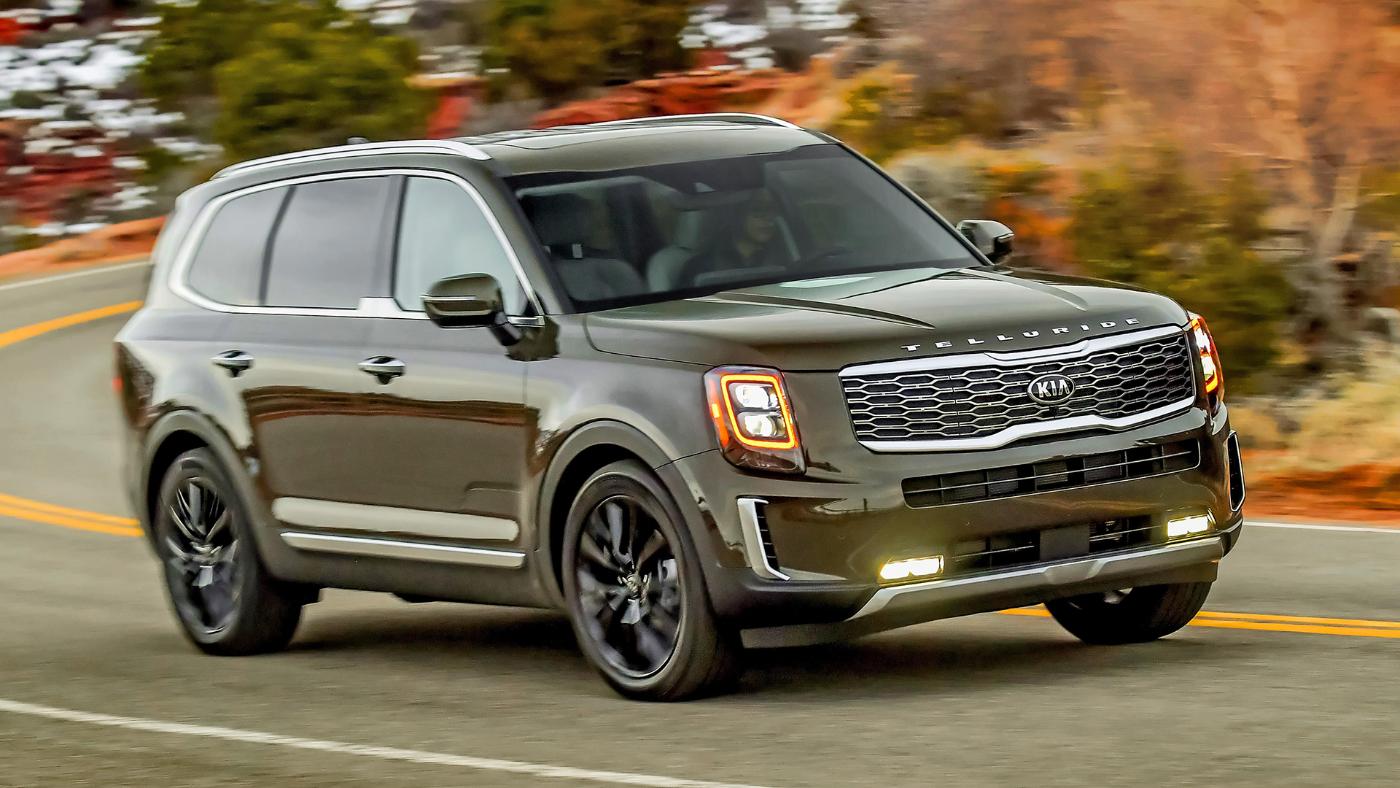
The Telluride hides storage within its third-row seat area as well. The third-row seats fold flat for cargo use, which most owners know. What fewer owners notice is the storage concealed in the third-row seat base mechanisms. When the third-row seats are in their upright position, the forward-facing surface of each seat base has a hinged panel. Pressing this panel releases access to a storage pocket integrated into the base structure.
Kia built hidden storage into the Telluride’s second-row seat floor area too. Between the second-row seats, the center floor console section contains a removable tray system. Most owners see only the top tray and use it for drinks and small items. But lifting this tray reveals a second tray below it at a deeper level. Removing both trays exposes a generous storage well that runs beneath the center console between the second-row seat positions.
The Telluride’s rear cargo sidewall panels hide storage pockets on both sides. These pockets are built behind trim panels that appear to be purely decorative. Each side has a pull-tab integrated into the lower trim seam that releases the panel forward on concealed hinges. The storage spaces behind these panels are designed for emergency kits and roadside tools.
Kia also incorporated hidden storage into the Telluride’s overhead console system. The rear section of the overhead console, positioned above the second-row seats, contains a storage area that most owners mistake for simple trim. Pressing the center rear section of this overhead panel causes it to open downward on concealed hinges. The storage area inside is lined with soft material to protect sunglasses and small electronics.
Finally, the Telluride hides one last storage surprise beneath the driver’s seat. The driver’s seat track mechanism creates dead space beneath the seat structure. Kia engineers used this space to build a pull-out storage drawer that slides rearward on smooth rails. The drawer emerges from beneath the seat front and provides flat storage for documents and small items. Most Telluride owners drive their vehicles for years without ever knowing this drawer exists directly beneath them.
Also Read: 5 SUVs Worth The Sticker Price And 5 You Should Never Pay Full For
