
Not all engines are created equal, and anyone who has spent time around professional mechanics knows certain powertrains instantly trigger frustration.
Some engines are notorious not because they lack performance or innovation, but because they combine poor accessibility, fragile components, and overly complex engineering choices that make even routine maintenance a nightmare.
When a mechanic says they would rather walk away from a job than take it on, it usually means the engine has earned a reputation the hard way.
Modern automotive engineering has brought incredible advancements in efficiency, emissions control, and power output, but it has also introduced layers of complexity that can backfire.
Tight engine bays, sensitive electronics, and unconventional layouts often mean that what should be a simple repair turns into hours of disassembly. In some cases, even basic maintenance tasks require removing major components, making labour costs skyrocket and increasing the risk of further issues.
Another factor that contributes to an engine’s bad reputation is reliability. Engines that suffer from chronic failures, whether due to design flaws or material weaknesses, can become financial sinkholes.
Mechanics are well aware that working on such engines often leads to repeat visits, unhappy customers, and time-consuming diagnostics that rarely provide a permanent fix. This combination of difficulty and unreliability is why some engines are avoided entirely, regardless of how much money is offered.
Some engines were ambitious on paper but problematic in execution. Manufacturers sometimes push boundaries with unique configurations or cutting-edge technology, only for real-world usage to expose weaknesses.
When parts are hard to source, repairs require specialised tools, or procedures are unnecessarily complicated, mechanics quickly lose patience. Over time, word spreads within the industry, and these engines develop a reputation that is hard to shake.
This article highlights ten engines that mechanics consistently refuse to work on, not out of laziness, but because of the genuine challenges they present. Each one tells a different story, from engineering missteps to maintenance nightmares.
Understanding these engines provides insight into what can go wrong when complexity, cost-cutting, or overambition take precedence over practicality.
Also Read: 10 Cars That Survive Being Used as Daily Uber Vehicles
1. BMW N63 V8
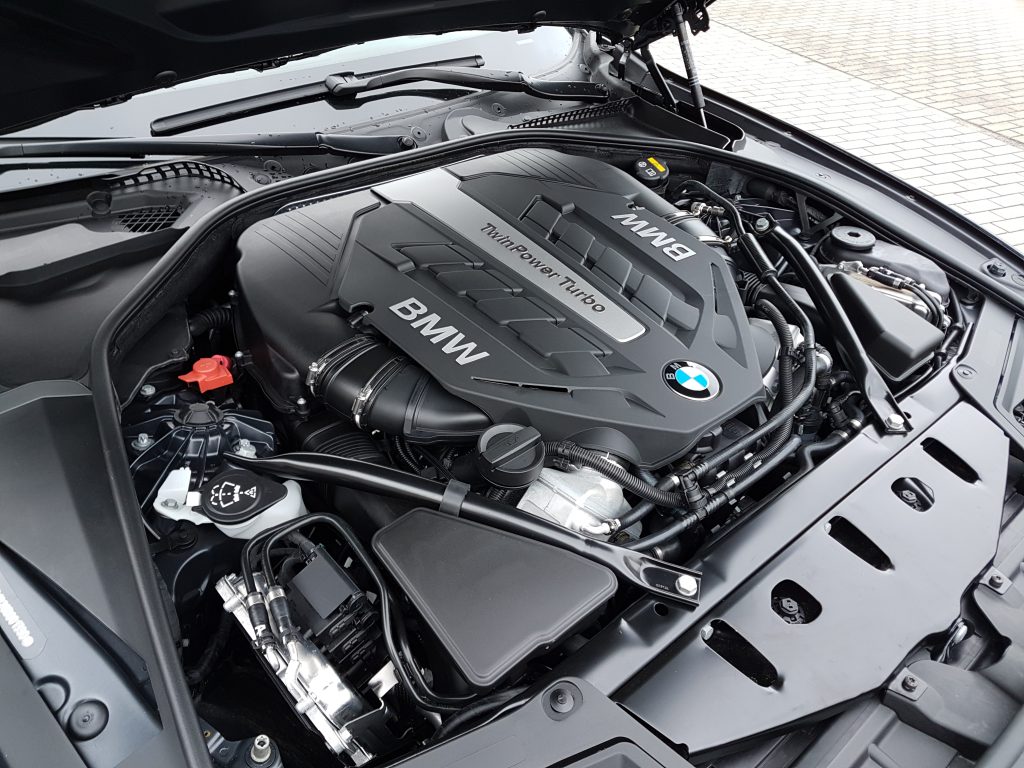
The BMW N63 V8 is often described as an engineering marvel that went too far in the wrong direction. Instead of placing the turbochargers outside the engine, BMW positioned them inside the “V” of the V8.
While this design improves throttle response and reduces turbo lag, it also creates intense heat buildup in an already cramped space. Mechanics quickly realised that this heat affects nearly every surrounding component, from wiring to seals.
Working on this engine is not just difficult; it is exhausting. Accessing basic parts requires removing multiple layers of components, and in some cases, the entire engine has to be partially dismantled for what would normally be a simple repair.
Oil leaks, valve stem seal failures, and cooling system issues are common, and each problem demands significant labour time. This makes even minor fixes incredibly expensive and time-consuming.
Another issue lies in the engine’s long-term durability. The constant exposure to high temperatures accelerates wear and tear, leading to recurring failures.
Mechanics often find themselves fixing the same issues repeatedly, which creates frustration and reluctance to take on such jobs. The engine also requires precise maintenance, and any neglect can quickly escalate into major problems.
From a mechanic’s perspective, the N63 represents a perfect storm of poor accessibility, high failure rates, and complicated repair procedures. It is not that the engine lacks performance or innovation, but the cost of keeping it running often outweighs its benefits.
This is why many professionals simply refuse to work on it, regardless of how much they are offered.
2. Audi 4.2L V8 (Timing Chain at Rear)
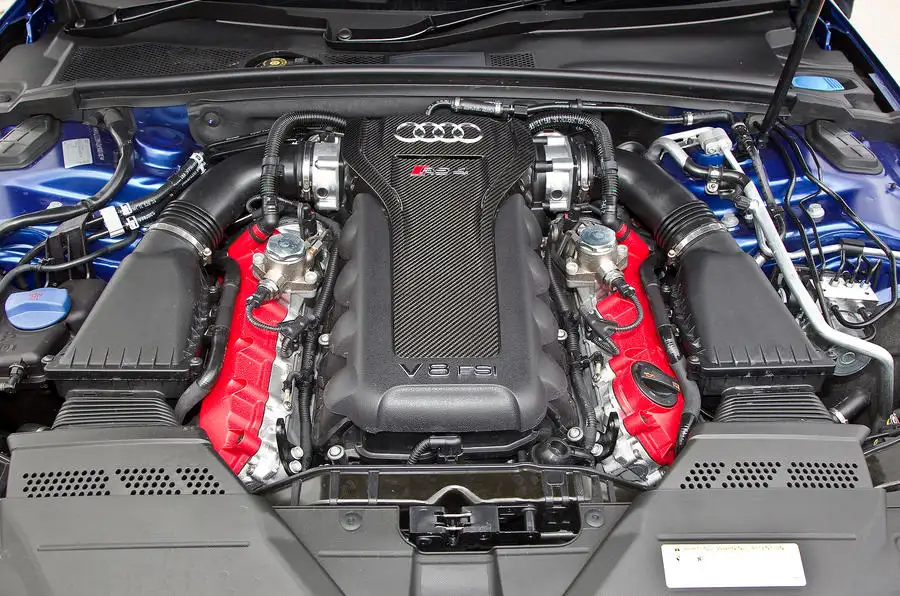
Audi’s 4.2-litre V8, particularly the version with the timing chain located at the rear of the engine, is infamous in repair shops. On paper, relocating the timing chain to the back helps with engine balance and packaging. In reality, it turns routine maintenance into a massive undertaking that few mechanics are eager to accept.
The biggest challenge comes when the timing chain system begins to fail, which it inevitably does over time. Replacing it is not a straightforward process.
Instead of accessing the chain from the front, mechanics must remove the engine or transmission to reach the rear. This transforms what should be a manageable repair into a labour-intensive job that can take days.
Beyond the timing chain, this engine also suffers from carbon buildup, oil consumption issues, and various sensor failures. Each of these problems requires careful diagnosis and often involves dismantling multiple components.
The complexity of the engine layout means that even experienced mechanics can find themselves spending hours just to reach the faulty part.
There is also a psychological factor at play. Once a mechanic has dealt with this engine and experienced the amount of effort required for a single repair, they are unlikely to volunteer for another job involving it. The risk of unexpected complications is high, and the time investment rarely matches the compensation.
For these reasons, the Audi 4.2L V8 with a rear-mounted timing chain has become a symbol of avoidable complexity. It serves as a reminder that engineering decisions aimed at performance or packaging can sometimes create long-term maintenance challenges that mechanics would rather avoid entirely.
3. Subaru EZ30 Flat-Six
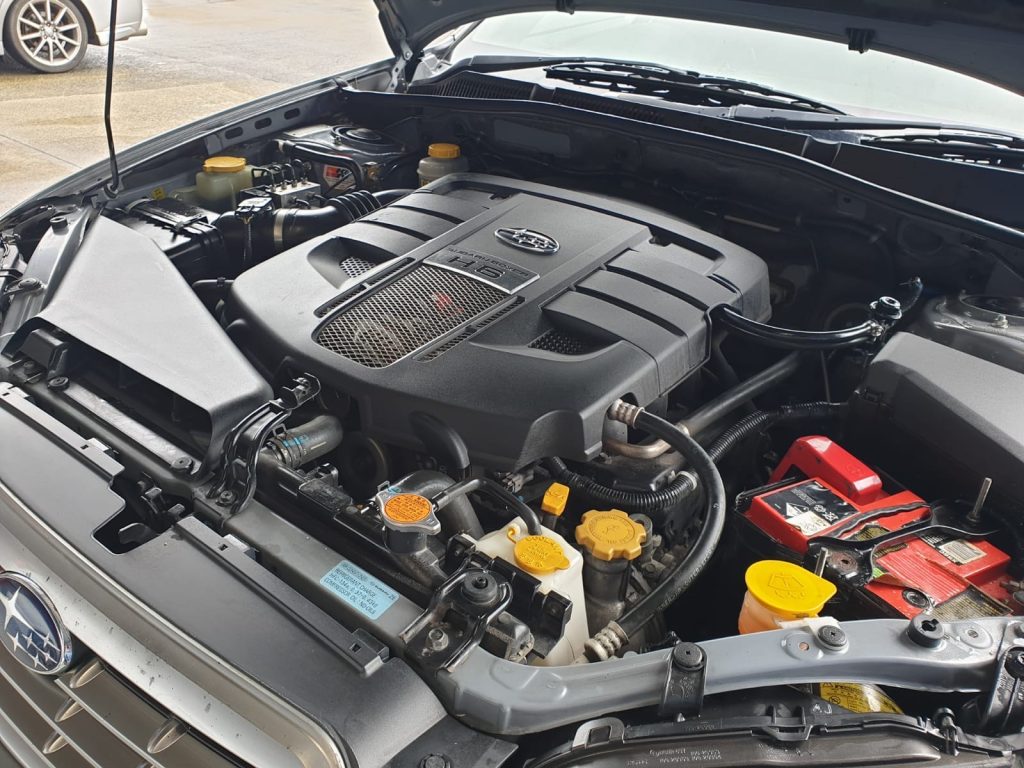
The Subaru EZ30 flat-six engine stands out for its smoothness and unique boxer layout, but beneath that refined character lies a mechanical puzzle that many technicians dread.
Unlike more common inline or V-shaped engines, the flat configuration spreads components horizontally, which sounds beneficial until you try to access anything buried deep within the engine bay. The tight packaging in vehicles using this engine makes even simple repairs feel unnecessarily complicated.
One of the biggest challenges is accessibility. Spark plug replacement, for example, is far from a quick task. Mechanics often need to manoeuvre tools into extremely tight spaces or remove surrounding components just to gain proper access.
This not only increases labour time but also raises the likelihood of damaging adjacent parts during the process. The same issue applies to other routine maintenance jobs, turning basic service into a lengthy procedure.
Cooling system concerns also contribute to the engine’s reputation. The layout makes it harder to identify and address leaks or overheating issues quickly.
When something goes wrong, diagnosing the root cause can take significant time, especially since many components are not easily visible. This complexity can frustrate even experienced professionals who prefer engines with straightforward layouts.
There is also the matter of parts and expertise. Not every workshop is familiar with flat-six engines, and those that are often charge a premium due to the additional effort involved.
Mechanics who have struggled with this engine in the past tend to avoid it altogether, knowing that it demands patience and precision far beyond what most customers expect for routine repairs.
The EZ30 is not inherently unreliable, but the effort required to maintain and repair it places it firmly on the list of engines mechanics hesitate to work on. It is a clear example of how an unconventional design can complicate otherwise simple tasks.
4. Ford 6.0L Power Stroke Diesel
The Ford 6.0L Power Stroke diesel engine has earned a reputation that precedes it, and not in a good way.
Introduced with the promise of improved performance and emissions compliance, it quickly became known for a range of persistent issues that made it a frequent visitor to repair shops. Mechanics often approach this engine with caution, fully aware of the challenges it presents.
A major source of frustration is the engine’s tendency to suffer from head gasket failures. Fixing this problem is not a quick or inexpensive task. It requires extensive disassembly, and in many cases, the cab of the truck must be lifted off the frame to gain proper access.
This alone is enough to discourage many mechanics from taking on the job, as it demands specialised equipment and significant labour time.
The engine is also affected by issues with its EGR cooler and oil cooler, both of which can fail and cause overheating or internal damage. These components are difficult to access, and replacing them often requires working through a complex network of interconnected systems.
The complexity of the design means that addressing one issue can uncover several others, turning a single repair into a chain reaction of fixes.
Another factor that makes this engine unpopular is its sensitivity to maintenance. It requires strict adherence to service intervals and high-quality fluids to remain reliable.
Unfortunately, many owners fail to meet these requirements, leading to accelerated wear and frequent breakdowns. Mechanics are then left to deal with the consequences, often facing difficult conversations with customers about the cost and scope of repairs.
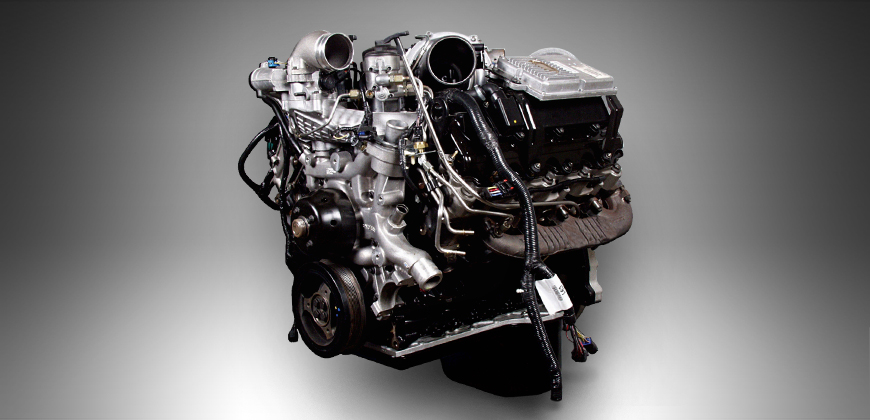
Despite its potential when properly maintained, the 6.0L Power Stroke has developed a reputation that is hard to ignore. For many mechanics, the combination of frequent failures, complex repairs, and high labour demands makes it an engine they would rather not deal with, no matter the price.
5. Volkswagen 2.0T FSI
The Volkswagen 2.0T FSI engine arrived with a promise of efficiency and turbocharged performance, but it quickly developed a reputation that makes many mechanics hesitant to accept work involving it.
At first glance, it appears like a typical modern four-cylinder, yet once you begin working on it, the complications reveal themselves layer by layer.
A key frustration comes from its direct injection system. While this technology improves fuel efficiency and power delivery, it also leads to heavy carbon buildup on the intake valves.
Unlike older engines,s where fuel would help clean these surfaces, the FSI design allows deposits to accumulate over time. Removing this buildup requires specialised cleaning procedures that are time-consuming and often need to be repeated periodically.
The engine is also known for issues with its high-pressure fuel pump and cam follower. The cam follower can wear down unexpectedly, sometimes causing severe engine damage if not caught early.
Inspecting and replacing it is not always straightforward, and neglect can lead to costly consequences. Mechanics often find themselves explaining these risks to owners who were unaware of the engine’s maintenance demands.
Then there is the matter of packaging. Components are tightly arranged, which complicates access to critical parts.
Even relatively simple tasks like replacing sensors or addressing oil leaks can require removing multiple surrounding components. This increases both labour time and the chances of something else going wrong during the repair process.
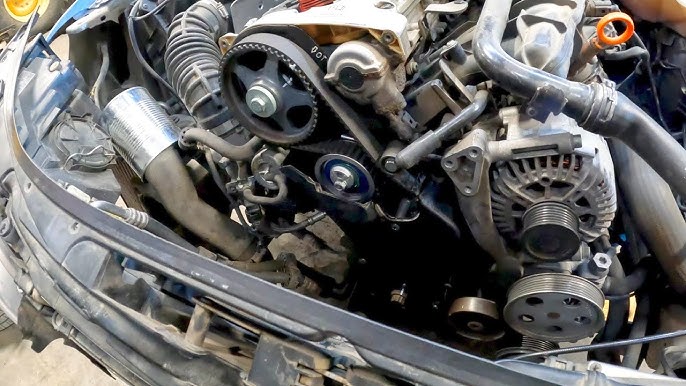
What makes the 2.0T FSI particularly frustrating is that its issues are not isolated incidents. They tend to repeat over the engine’s lifespan, meaning mechanics may see the same vehicle return with similar problems.
This cycle of recurring repairs, combined with the engine’s intricate design, is enough to make many professionals avoid it entirely.
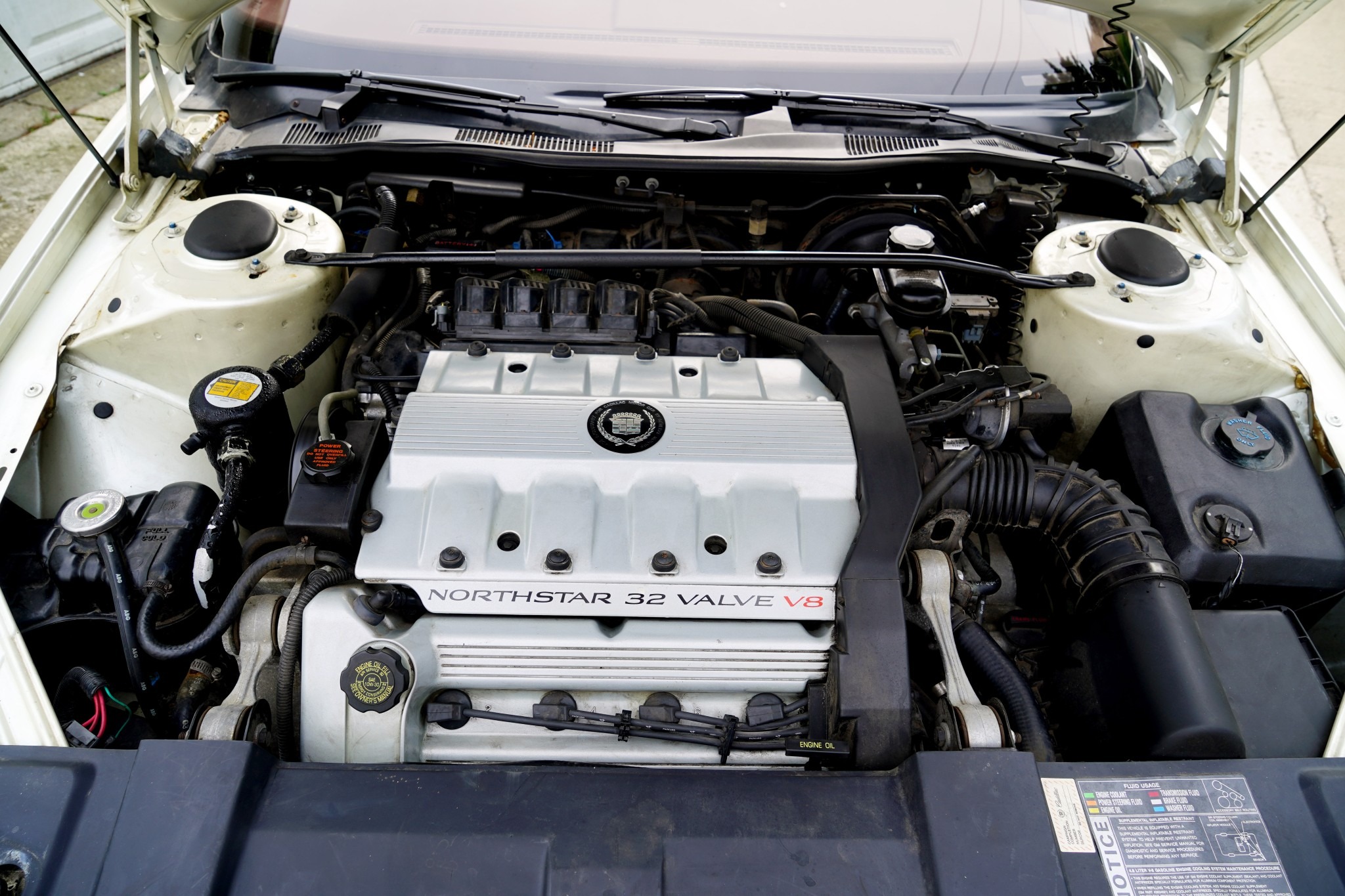
6. Cadillac Northstar V8
The Cadillac Northstar V8 was once celebrated as a technological achievement, representing a leap forward for American luxury performance. However, over time, it became infamous for problems that turned routine ownership into a costly endeavour. Mechanics who have worked on this engine often remember it for all the wrong reasons.
One of the most well-known issues is head bolt failure. The aluminium block used in the engine can lose its ability to hold the head bolts securely, leading to head gasket problems. Repairing this is not as simple as replacing the gasket.
It often requires specialised thread repair inserts and extensive labour to restore the engine’s integrity. This process demands precision and patience, making it far from a standard repair job.
Access is another major concern. The Northstar’s design makes it difficult to reach many of its components without significant disassembly. In some cases, mechanics need to remove the engine from the vehicle just to perform major repairs.
This dramatically increases the time and cost involved, which can lead to disagreements with customers who were not expecting such extensive work.
The cooling system also plays a role in the engine’s troubled reputation. Overheating can exacerbate existing issues, and diagnosing the exact cause is not always straightforward. Mechanics must carefully inspect multiple systems to identify the root problem, which can be both time-consuming and mentally taxing.
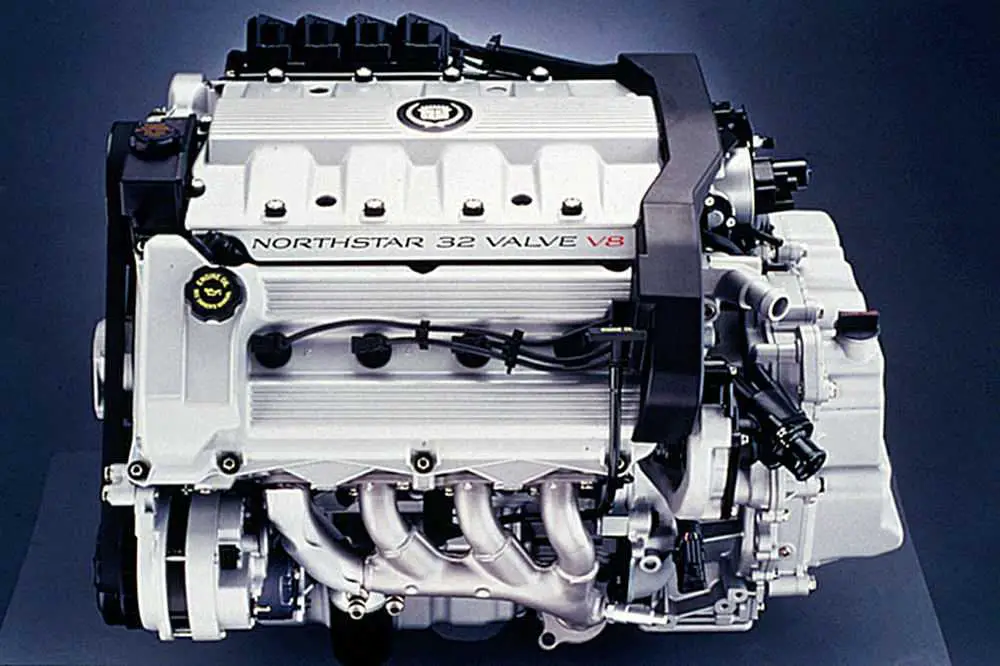
Perhaps the most discouraging aspect is the engine’s long-term reliability. Even after major repairs, there is no guarantee that new issues will not arise.
This uncertainty makes many mechanics reluctant to take on Northstar-related jobs, as the effort required often outweighs the potential reward. It serves as a reminder that ambitious engineering must be matched with durability to truly succeed.
7. Mini Cooper N14 Turbo Engine
The Mini Cooper N14 turbo engine is one of those powerplants that looks fun on paper but quickly loses its charm once the hood is opened. Designed for spirited driving and compact packaging, it ends up cramming too many critical components into a very limited space.
Mechanics often describe it as an engine where nothing is where you want it to be, and everything takes longer than expected.
Timing chain issues are one of the most common complaints. The chain and its associated components tend to wear prematurely, leading to a distinctive rattling noise that signals trouble.
Addressing this is not a quick fix, as accessing the timing system requires careful disassembly and precise reassembly. Any mistake can result in serious engine damage, which adds pressure to an already tedious job.
Another recurring problem is carbon buildup, similar to many direct-injection engines. However, in the N14, the issue feels more frequent and more severe.
Cleaning the intake valves becomes a routine necessity rather than an occasional service, and it requires tools and procedures that not every workshop is equipped to handle. This adds another layer of inconvenience for both mechanics and owners.
Heat management is also a weak point. The turbocharger generates significant heat in a tightly packed engine bay, which affects nearby components over time.
Hoses, seals, and plastic parts can degrade faster than expected, leading to leaks and additional repairs. Mechanics often find themselves addressing multiple heat-related issues in a single visit, turning what seemed like a simple job into a lengthy process.
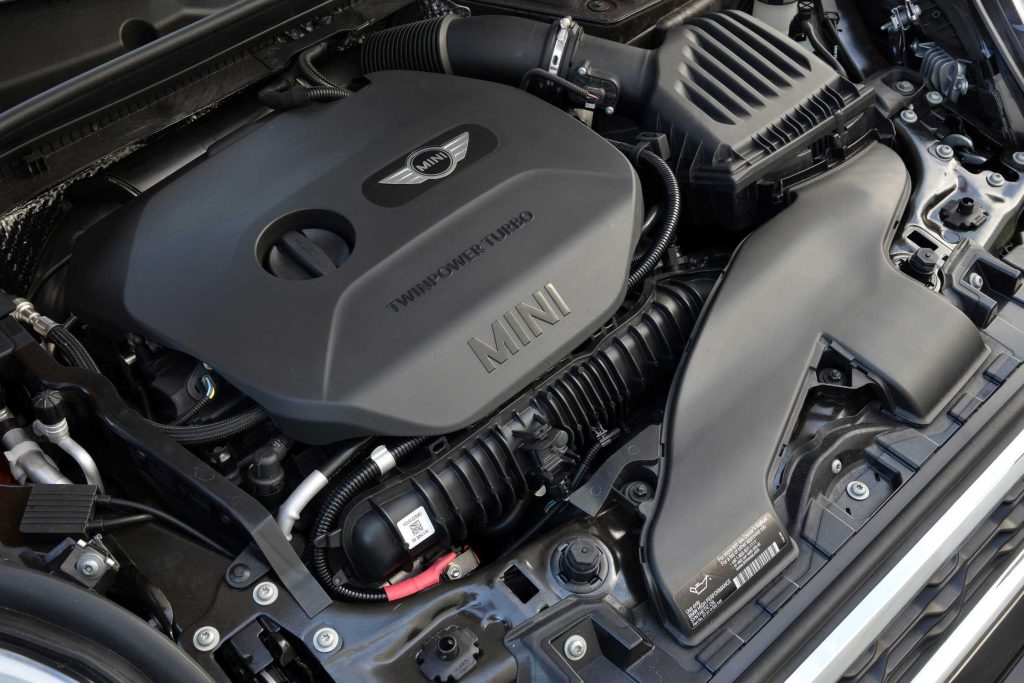
Working on the N14 demands patience and a willingness to deal with constant obstacles. The combination of poor accessibility, recurring faults, and delicate components makes it an engine that many professionals would rather avoid.
It is not just about fixing one problem; it involves dealing with a chain of interconnected issues that rarely come alone.
8. Jaguar AJ-V8 (Early Versions)
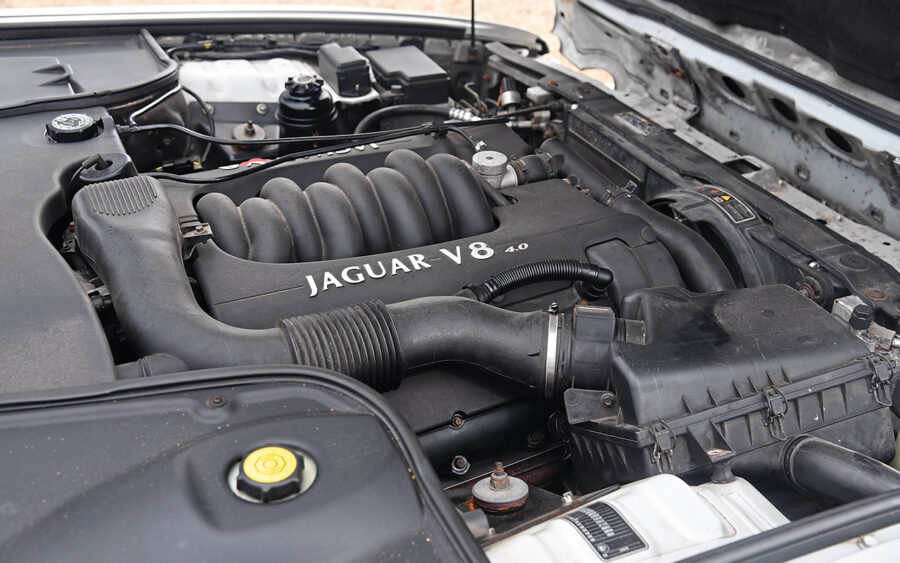
The early versions of the Jaguar AJ-V8 engine carry a reputation that still lingers years after their introduction. While the engine delivers smooth performance and a refined driving experience, its underlying design flaws have made it a source of frustration for mechanics.
The issues are not always obvious at first, but they tend to surface in ways that require significant effort to resolve.
One of the most notorious problems involves the timing chain tensioners. Early designs used plastic components that were prone to failure over time.
When these tensioners wear out or break, the timing chain can lose proper alignment, potentially causing severe engine damage. Replacing them is essential, yet the process is far from simple and requires careful attention to detail.
Another challenge lies in the engine’s cooling system. Water pumps and associated components can fail unexpectedly, leading to overheating.
Diagnosing and fixing these issues is not always straightforward, as the symptoms can overlap with other problems. Mechanics must often spend extra time tracing the root cause, which can delay repairs and increase labour costs.
The engine’s layout does not make things easier. Accessing key components often involves removing surrounding parts, which adds complexity to even routine maintenance tasks. This design approach can turn a straightforward repair into a multi-step procedure that demands both time and precision.
What makes the AJ-V8 particularly frustrating is the unpredictability of its issues. A vehicle may run smoothly for a period, only to develop significant problems without much warning.
Mechanics who have experienced these sudden failures tend to approach the engine with caution, knowing that one job can quickly escalate into something far more demanding.
9. Chrysler 2.7L V6
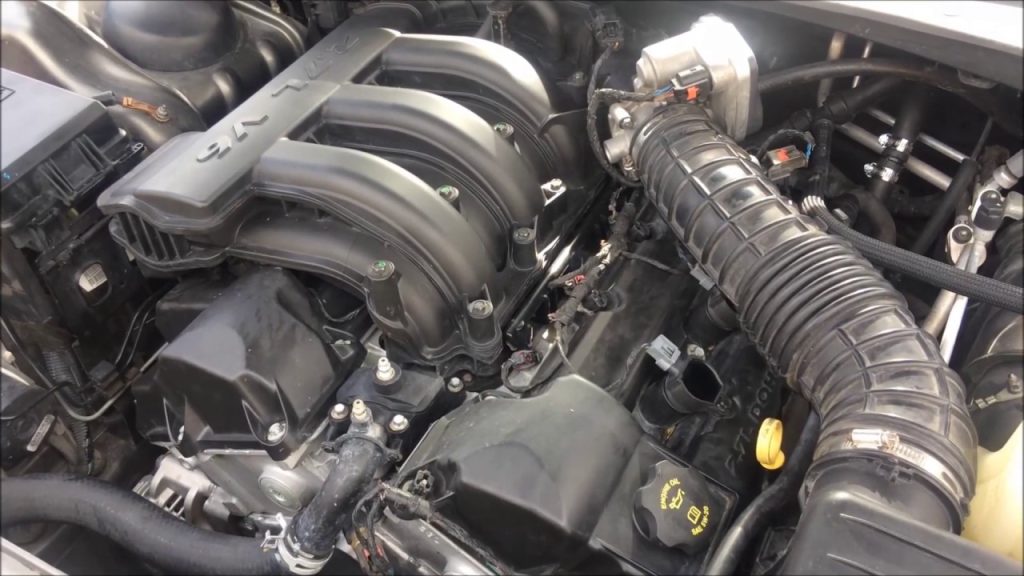
The Chrysler 2.7L V6 is one of those engines that mechanics often associate with constant headaches rather than routine service work. It was widely used across several Chrysler and Dodge models, which means many technicians have encountered it at some point.
Unfortunately, repeated exposure has only reinforced its reputation as an engine that brings more trouble than satisfaction.
A major concern with this engine is its tendency to develop sludge buildup. The internal oil passages are relatively narrow, and when maintenance is not perfectly consistent, sludge can accumulate quickly.
Once that happens, oil flow becomes restricted, leading to overheating, increased wear, and eventually severe engine damage. Cleaning out this buildup is not a simple task, and in many cases, a full rebuild or replacement becomes the only realistic option.
The water pump design adds another layer of frustration. It is located internally and driven by the timing chain, which means a failure can allow coolant to mix with engine oil.
This kind of contamination can rapidly destroy internal components, turning what might have been a manageable repair into a catastrophic failure. Accessing and replacing the water pump is also labour-intensive, requiring significant disassembly.
There is also the issue of timing chain wear. Over time, the chain and its components can degrade, leading to noise, poor performance, or even engine failure. Addressing this requires precision and time, and given the engine’s other known problems, many mechanics question whether the effort is worthwhile.
What truly discourages professionals is the pattern of recurring issues. Even after one major repair, another problem often follows.
This cycle creates a sense of unpredictability and risk, making mechanics hesitant to take on jobs involving this engine. It is not just about fixing a single fault, but about dealing with a design that seems to invite multiple failures.
10. Land Rover 5.0L Supercharged V8
The Land Rover 5.0L supercharged V8 is a powerful and impressive engine, but it comes with a level of complexity that can overwhelm even experienced mechanics.
Designed to deliver strong performance in luxury SUVs, it packs advanced technology and high-output components into a tightly confined space. This combination makes repairs both challenging and time-consuming.
One of the most common issues involves the timing chain system. Over time, the chain and its guides can wear, leading to rattling noises and potential engine damage if not addressed.
Replacing these components is far from straightforward, as it requires extensive disassembly and precise alignment. The amount of labour involved can be daunting, especially when compared to more conventional engines.
Cooling system problems are another frequent concern. Components such as water pumps and coolant pipes are known to fail, sometimes in hard-to-reach areas.
Diagnosing leaks or overheating issues can take considerable effort, as mechanics must navigate a dense arrangement of parts to locate the source. This process often involves removing multiple components, adding to the full complexity.
The supercharger itself introduces additional challenges. While it enhances performance, it also increases heat and stress within the engine bay. This can accelerate wear on surrounding parts, leading to a chain reaction of repairs.
Mechanics often find themselves addressing several interconnected issues during a single service visit, which can be both time-consuming and mentally exhausting.
Another factor that makes this engine difficult to work on is the cost of parts and the precision required during repairs. Mistakes are not easily forgiven, and even small errors can lead to significant problems. This raises the stakes for anyone taking on the job, making it less appealing despite the potential financial reward.
For many mechanics, the Land Rover 5.0L supercharged V8 represents a combination of high effort, high risk, and frequent complications. It is not a lack of skill that drives them away, but a practical understanding of how demanding and unpredictable the work can be.
Some engines earn their reputations through years of consistent performance, while others become known for the challenges they create. The engines listed here fall firmly into the latter category, each presenting its own set of obstacles that push mechanics to their limits.
From poor accessibility and fragile components to recurring failures and complex repair procedures, these powertrains highlight what can go wrong when design priorities overlook long-term serviceability.
For mechanics, time, effort, and predictability matter just as much as technical skill. When an engine demands excessive labour, carries a high risk of repeat issues, or requires specialised tools and procedures, it becomes less appealing regardless of the financial incentive.
These factors explain why certain engines are often refused outright, even by experienced professionals.
For owners and buyers, understanding these challenges can be just as valuable. Choosing a vehicle is not only about performance or features, but also about the practicality of maintaining it over time.
Engines that are difficult to service can lead to higher costs, longer repair times, and ongoing frustration. Awareness of these factors can help avoid unpleasant surprises down the road.
These engines serve as important lessons in automotive engineering. Innovation and performance are essential, but they must be balanced with reliability and ease of maintenance.
When that balance is lost, even the most advanced engine can become something mechanics would rather not touch, no matter the price offered.
