
Buying or owning a car without a complete service history is usually seen as a risk. Maintenance records tell a story about how a vehicle has been treated, whether oil changes were done on time, and if critical components were replaced before failure.
Without that information, uncertainty becomes part of the ownership experience. Yet, there are certain engines that seem to defy this concern. They continue to run reliably even when their past is unclear, earning a reputation for resilience that goes beyond standard expectations.
These engines are not invincible, but they share characteristics that make them more tolerant of imperfect maintenance. Many are designed with conservative tuning, meaning they operate well within their limits rather than pushing for maximum performance.
Others rely on simple construction, reducing the number of parts that can fail. In some cases, robust materials and overbuilt components allow them to endure wear that would damage more delicate designs.
Another factor that plays a role is how these engines handle neglect. While regular servicing is always important, some engines can survive missed oil changes or delayed maintenance without immediate catastrophic failure.
They may develop minor issues, but they continue to function, giving owners time to address problems rather than facing sudden breakdowns.
This kind of durability often comes from engineering choices made long before the vehicle reaches the second or third owner.
Manufacturers that prioritise reliability tend to design engines that can handle real-world conditions, where maintenance is not always perfect. These engines become known for their ability to keep running even when their history is incomplete.
The list that follows highlights ten such engines. Each one has built a reputation for continuing to perform despite uncertain maintenance backgrounds. They are found in a variety of vehicles, from compact sedans to larger trucks, yet they share a common trait: the ability to endure.
Understanding what makes these engines resilient provides valuable insight for buyers and enthusiasts. It shows that while service history is important, certain designs offer a margin of safety that can make a significant difference in long-term ownership.
Also Read: 9 Cars That Hit One Million Miles on the Original Engine
1. Toyota 2UZ-FE V8
The Toyota 2UZ-FE V8 is a prime example of an engine that continues to run reliably even when its maintenance history is less than perfect. Originally designed for trucks and large SUVs, it was built with durability as a central priority rather than outright performance.
One of the defining features of this engine is its construction. It uses a cast iron block, which provides a level of strength and resistance to wear that is not always found in lighter, more performance-focused designs. This heavy-duty foundation allows the engine to handle stress without developing internal damage quickly.
The tuning of the 2UZ-FE also plays a significant role in its resilience. It is not pushed to deliver maximum output, which means it operates within a comfortable range. This reduces strain on components such as pistons, bearings, and valves, allowing them to last longer even if maintenance has not been consistent.
What makes this engine particularly notable is how it responds to neglect. While missed oil changes can affect any engine, the 2UZ-FE tends to tolerate such lapses better than most. It may develop sludge over time, but it often continues to run without immediate failure, allowing owners to address the issue.
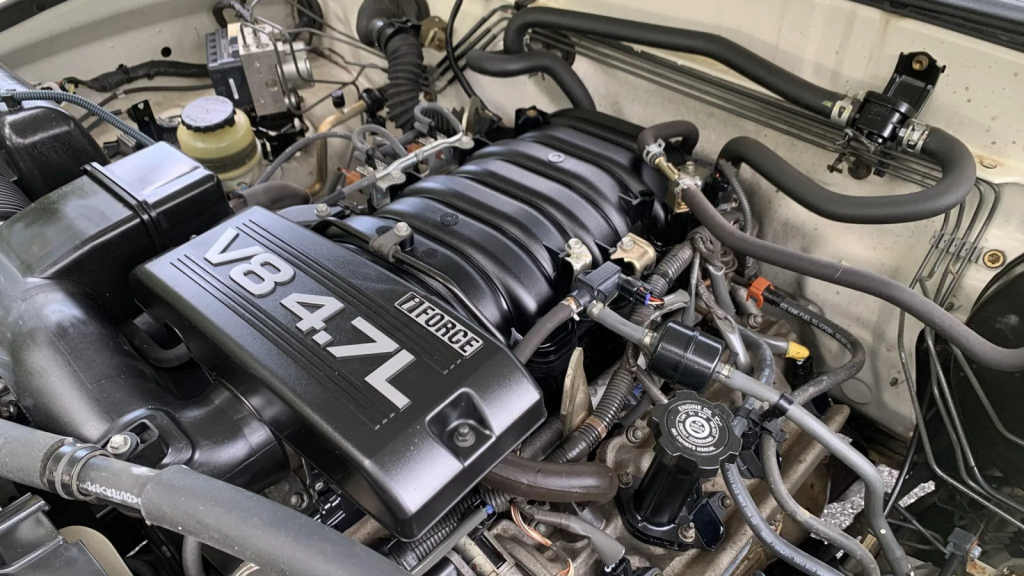
There is also a simplicity in its design that works in its favour. It avoids unnecessary complexity, which reduces the number of potential failure points. This straightforward approach makes it easier to maintain and repair, even when its history is unclear.
Driving a vehicle equipped with this engine often reveals its steady nature. It delivers power smoothly, without hesitation, and maintains a consistent performance that inspires confidence. Even at high mileage, it tends to feel dependable rather than worn out.
This combination of robust construction, conservative tuning, and simple design allows the 2UZ-FE to stand out as an engine that can endure uncertain maintenance conditions while continuing to perform reliably.
2. Honda K24 Inline-Four
The Honda K24 inline-four represents a different approach to durability, one that balances efficiency with long-term reliability. Despite being more modern and refined than some older engines, it has developed a reputation for continuing to run strong even when its service history is incomplete.
At the core of the K24’s resilience is its efficient design. It uses high-quality materials and precise engineering to reduce friction and wear. This allows the engine to maintain its performance over time, even if maintenance has not always been ideal.
One of the key strengths of the K24 is how it handles oil-related issues. While it benefits from regular servicing, it is known to tolerate less-than-perfect oil change intervals without immediate damage. This tolerance provides a margin of safety for owners who may not have full records of previous maintenance.
The engine’s balance between power and efficiency also contributes to its longevity. It delivers strong performance without being overly stressed, which helps preserve internal components. This balance ensures that the engine does not wear out prematurely under normal driving conditions.
Another factor that supports its durability is the reliability of its timing system. Unlike engines that rely on components prone to early failure, the K24’s setup is designed to last, reducing the risk of catastrophic issues.
Owners often find that even high-mileage examples continue to perform well. The engine starts reliably, runs smoothly, and delivers consistent power, which reinforces its reputation for dependability.
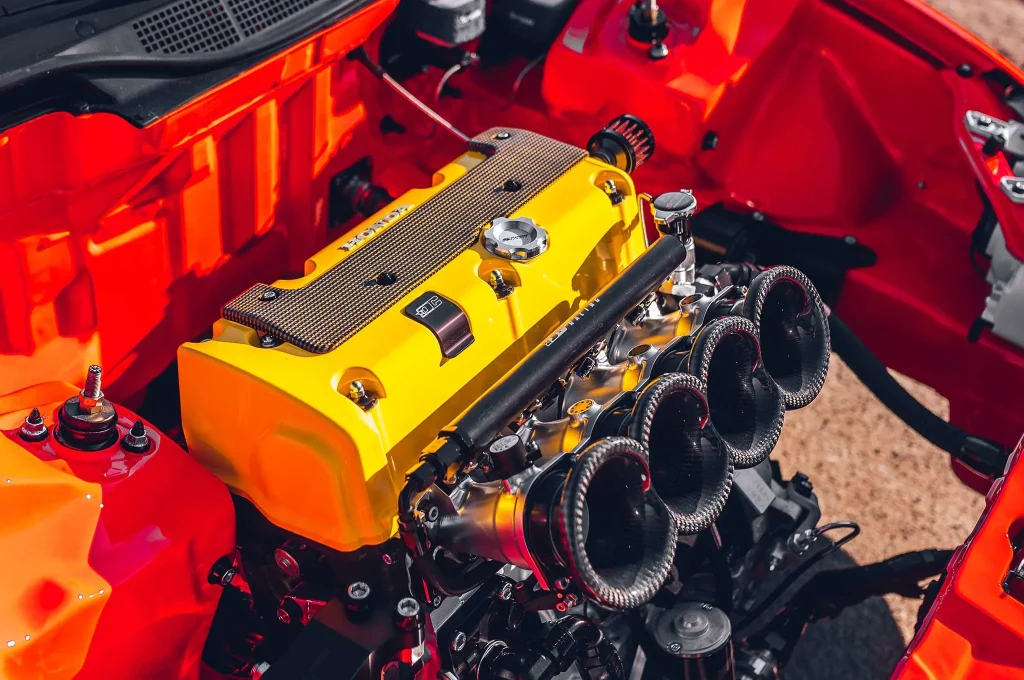
The K24 demonstrates that modern engines can still achieve long-term resilience when designed with care. Its ability to handle uncertain maintenance backgrounds makes it a strong contender in this category.
3. Chevrolet 5.3L Vortec V8 (LM7)
There is a certain practicality baked into the Chevrolet 5.3L Vortec V8 that explains why it continues to run in vehicles with questionable maintenance backgrounds. It is not an engine that depends on precision tuning or delicate systems. Instead, it thrives on a straightforward design that allows it to function even when conditions are less than ideal.
The LM7 variant, in particular, benefits from a cast iron block that provides strength and durability. This construction allows the engine to handle wear over time without developing critical issues quickly. Even when oil changes are delayed or maintenance is inconsistent, the internal components tend to hold up better than expected.
What makes this engine stand out is its tolerance for real-world use. Many examples spend their lives in trucks and SUVs that are used for towing, hauling, and daily commuting.
These demanding conditions would expose weaknesses in less robust engines, yet the Vortec continues to perform with a level of reliability that builds confidence among owners.
Another aspect that contributes to its resilience is how it manages heat and stress. The engine is not pushed to extreme limits, which helps preserve its internal parts. This conservative approach allows it to accumulate high mileage without suffering from the kind of failures that often affect more aggressively tuned engines.
The simplicity of its design also plays a key role. With fewer complex systems to maintain, there are fewer opportunities for something to go wrong. This makes it easier for the engine to keep running even when its service history is incomplete.
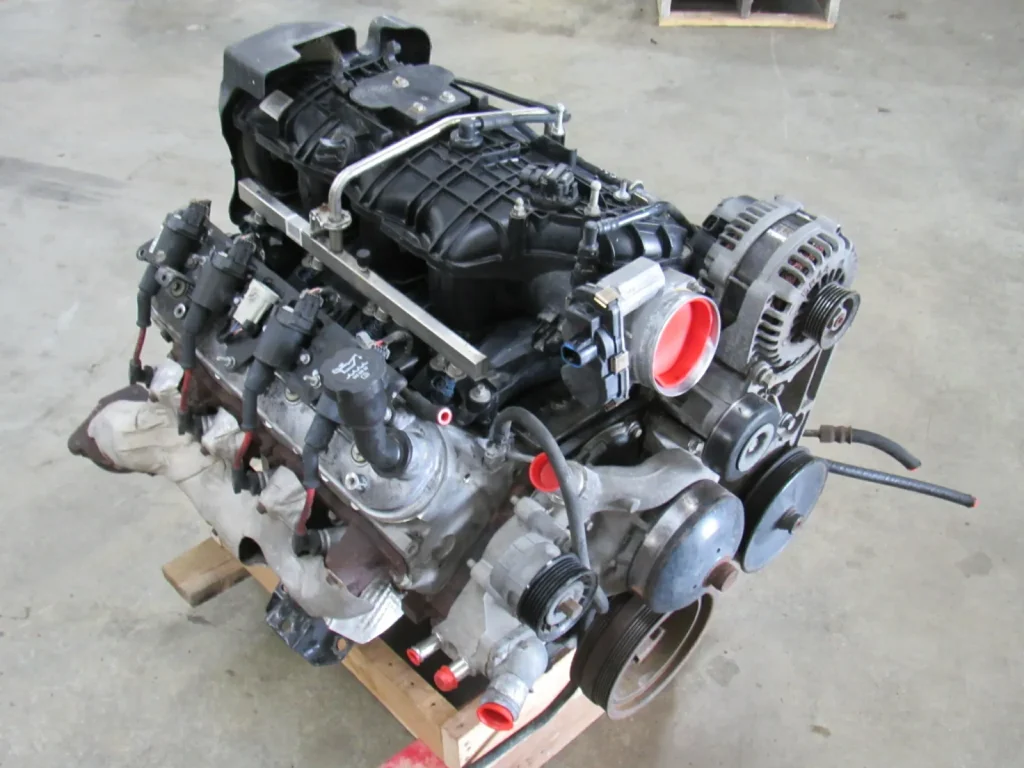
Driving a vehicle equipped with this engine often reveals a sense of steadiness. It delivers consistent power and responds predictably, which reinforces its reputation as a dependable workhorse. Even at high mileage, it tends to feel capable rather than fragile.
This combination of strength, simplicity, and tolerance for imperfect maintenance makes the 5.3L Vortec V8 a clear example of an engine that can endure without a detailed service record.
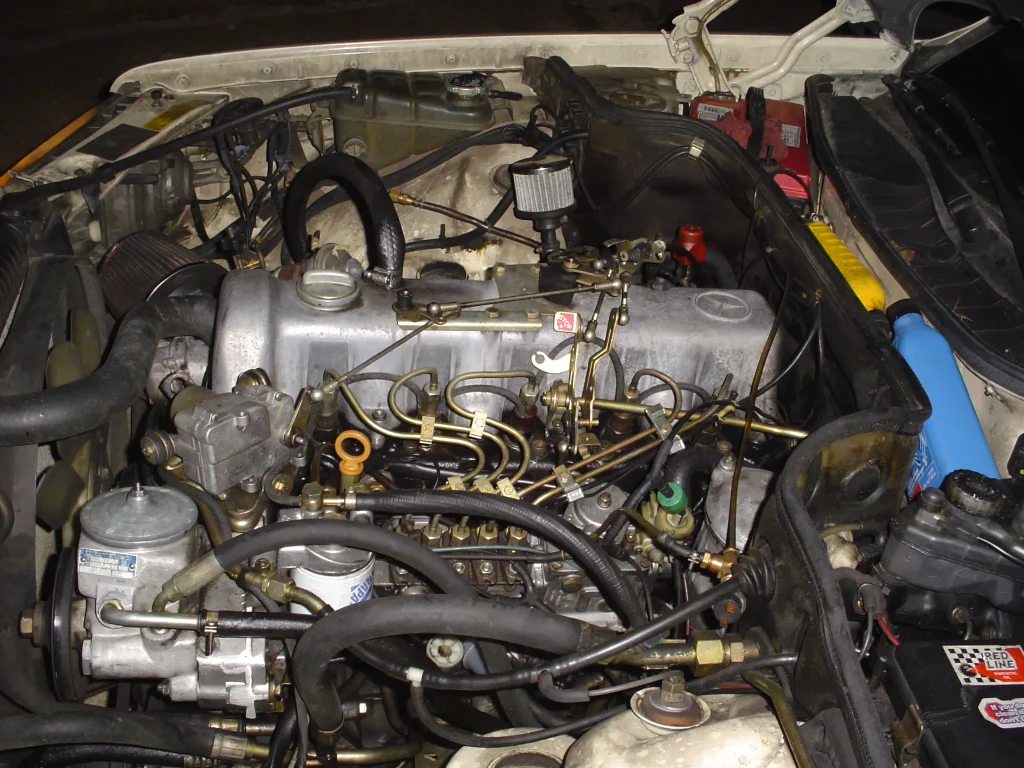
4. Mercedes-Benz OM617 Diesel
The Mercedes-Benz OM617 diesel engine is often regarded as one of the most durable engines ever produced, and its ability to run without a complete service history is a major part of that reputation. Built during a time when longevity was a primary focus, this engine is designed to operate under conditions that would challenge many modern designs.
One of the defining characteristics of the OM617 is its construction. It uses heavy-duty materials and a design that prioritises strength over weight savings. This allows it to withstand prolonged use without developing internal damage, even when maintenance is not consistent.
The engine’s diesel configuration also contributes to its resilience. It operates at lower speeds compared to many gasoline engines, which reduces wear on internal components. This slower, more deliberate operation helps extend its lifespan significantly.
What makes the OM617 particularly remarkable is how it handles neglect. While regular servicing is important, this engine has been known to continue running even after extended periods without proper maintenance. It may lose some efficiency or develop minor issues, but it rarely fails suddenly.
There is also a mechanical simplicity to the OM617 that works in its favour. It avoids complex electronics and relies on straightforward systems that are less prone to failure. This makes it easier to keep running, even when its history is uncertain.
Owners often describe the experience of driving a vehicle with this engine as reassuring. It may not be fast or refined, but it delivers a steady, reliable performance that inspires confidence. Even at extremely high mileage, it tends to remain functional.
The OM617 stands as a testament to what can be achieved when durability is placed above all else. Its ability to continue running without a complete service history makes it one of the most respected engines in this category.
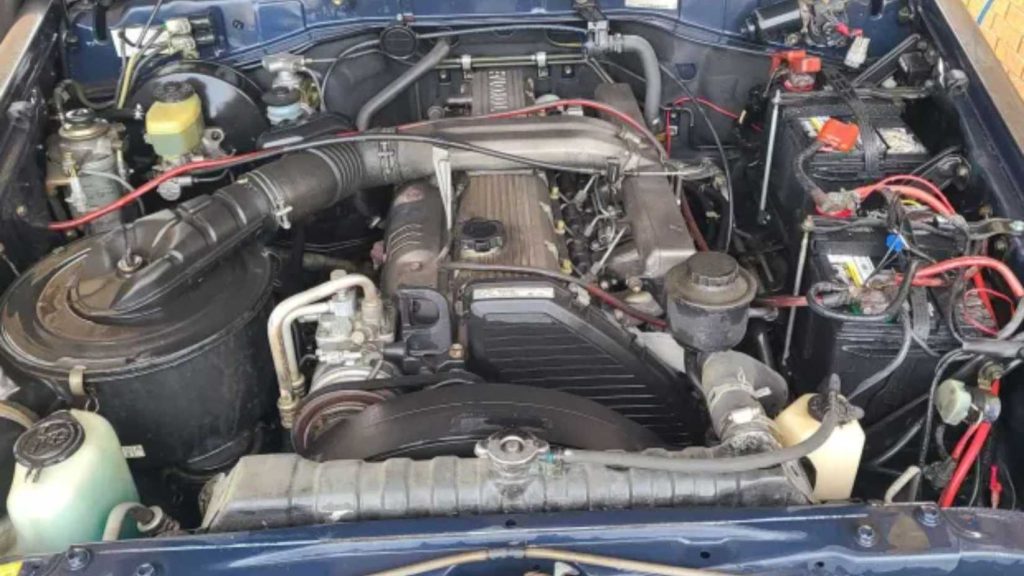
5. Toyota 1HZ Diesel Inline-Six
Some engines earn respect through numbers, and then there are engines like the Toyota 1HZ that earn it through reputation. Found in utility vehicles built for harsh environments, this naturally aspirated diesel has a reputation for continuing to run even when its past is unclear.
What defines the 1HZ is not speed or refinement but durability in its purest form. The engine is intentionally underpowered for its size, which means it operates far below its mechanical limits. That lack of stress becomes its greatest advantage. Internal components are not pushed to extremes, allowing them to last far longer than expected.
Another reason this engine survives uncertain maintenance is its tolerance for fuel and oil variations. In many parts of the world where service quality can be inconsistent, the 1HZ continues to function without immediate damage. It does not rely on delicate systems that require perfect conditions, which makes it more forgiving than most modern diesels.
The absence of turbocharging also plays a role. Without the added pressure and heat of forced induction, the engine experiences less strain over time. This simplicity reduces the number of components that could fail and allows the engine to keep running even when servicing has been irregular.
Owners often describe the 1HZ as an engine that simply refuses to stop. It may lose some efficiency or produce more noise as it ages, yet it continues to deliver steady performance. That consistency builds trust, especially in situations where reliability is essential.
Driving a vehicle equipped with this engine feels different from modern alternatives. It does not rush or respond aggressively. Instead, it moves with a calm, deliberate rhythm that reflects its design philosophy. This steady behaviour is a key part of why it can endure uncertain maintenance histories.
The 1HZ stands as a reminder that simplicity and conservative engineering can create an engine that remains dependable even when its past is unknown.
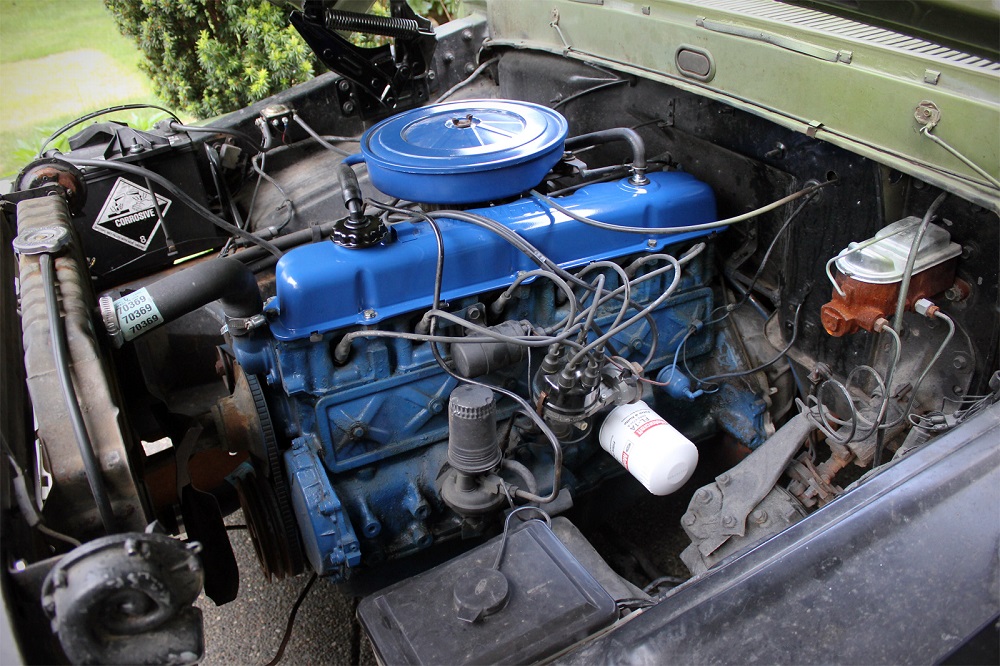
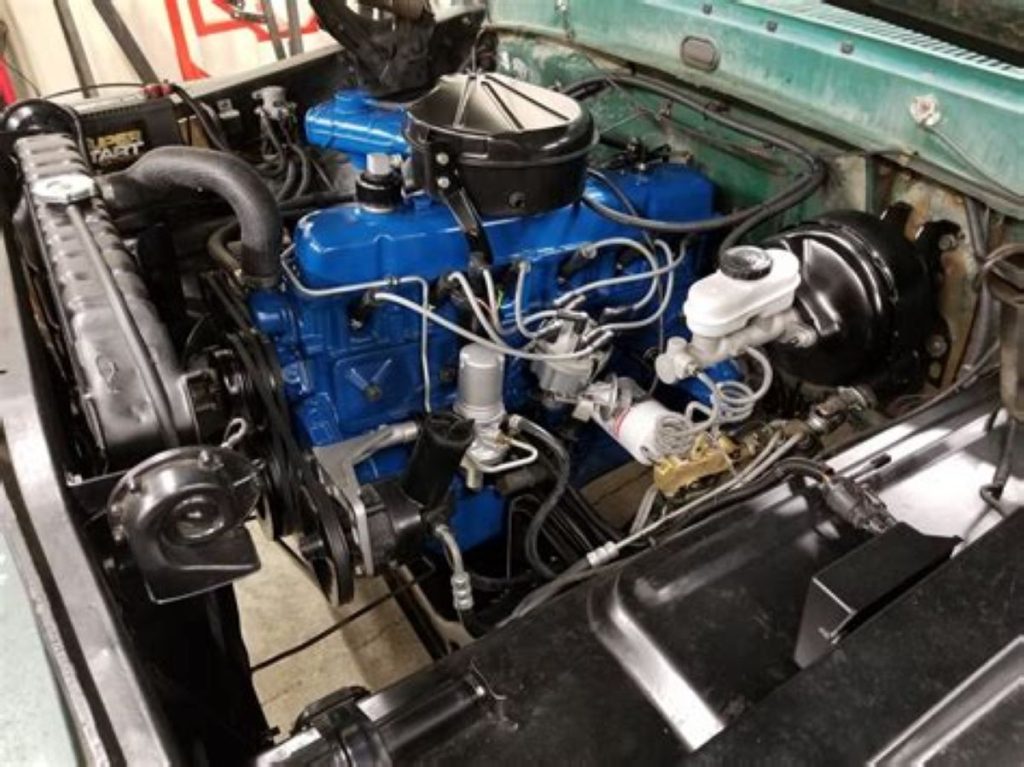
6. Ford 300 Inline-Six
The Ford 300 inline-six approaches durability from a completely different angle. It is not refined, and it does not aim to impress with advanced technology. Instead, it relies on a straightforward design that has proven itself over decades of use.
This engine is built with a focus on strength and reliability. Its long-stroke design produces strong low-end torque, which allows it to perform its tasks without needing to operate at high speeds. This reduces wear on internal components and helps extend its lifespan.
One of the most notable qualities of the Ford 300 is its ability to tolerate neglect. It can continue running even when maintenance has been less than ideal. While this does not mean it should be ignored, it does provide a margin of safety that many engines do not offer.
The simplicity of its construction is a major advantage. With fewer complex systems to manage, there are fewer points of failure. This makes it easier to keep the engine running, even when its service history is incomplete.
Another factor that contributes to its longevity is the robustness of its materials. The engine is built to handle heavy use, often in trucks that are subjected to demanding conditions. This durability allows it to endure wear that would affect more delicate engines.
Owners who have kept vehicles with this engine for many years often describe it as dependable in a way that feels almost mechanical. It starts reliably, delivers consistent power, and continues to function even at high mileage.
The driving experience reflects this character. It is not about speed or refinement but about steady performance that does not change dramatically over time. This consistency is what allows the engine to remain reliable despite uncertain maintenance.
The Ford 300 inline-six proves that an engine does not need complexity to achieve longevity. Sometimes, a simple and robust design is enough to keep it running strong for decades.
7. BMW M54 Inline-Six
The BMW M54 inline-six represents a case where refinement and durability meet unexpectedly. It is smoother and more performance-oriented than many engines in this list, yet it has proven capable of surviving uncertain maintenance histories better than most engines in its class.
At its core, the M54 benefits from balanced engineering. It is not pushed to extreme limits despite offering strong performance. This allows internal components to operate within a manageable range, reducing long-term stress. The result is an engine that can handle high mileage without immediate failure.
One of the reasons the M54 continues to run even without complete service records is its tolerance for gradual wear. It may develop issues such as oil leaks or cooling system weaknesses, but these tend to appear progressively rather than suddenly. This gives owners time to address problems before they become critical.
Another important factor is how well the engine maintains its internal structure. Even when maintenance has been inconsistent, the core components often remain intact. This resilience allows the engine to keep functioning, even if it is not operating at peak efficiency.
The driving experience subtly highlights this durability. The engine continues to deliver smooth power and consistent response, which reinforces confidence in its reliability. It does not feel fragile, even at higher mileage.
There is also a mechanical balance that works in its favour. The inline-six layout reduces vibration and distributes stress evenly, which helps preserve internal parts over time. This design advantage contributes to its ability to endure.

Owners often find that while peripheral components may require attention, the engine itself continues to run. This separation between minor issues and core functionality is what allows the M54 to stand out.
It is an example of how thoughtful engineering can create an engine that remains dependable even when its maintenance history is incomplete.
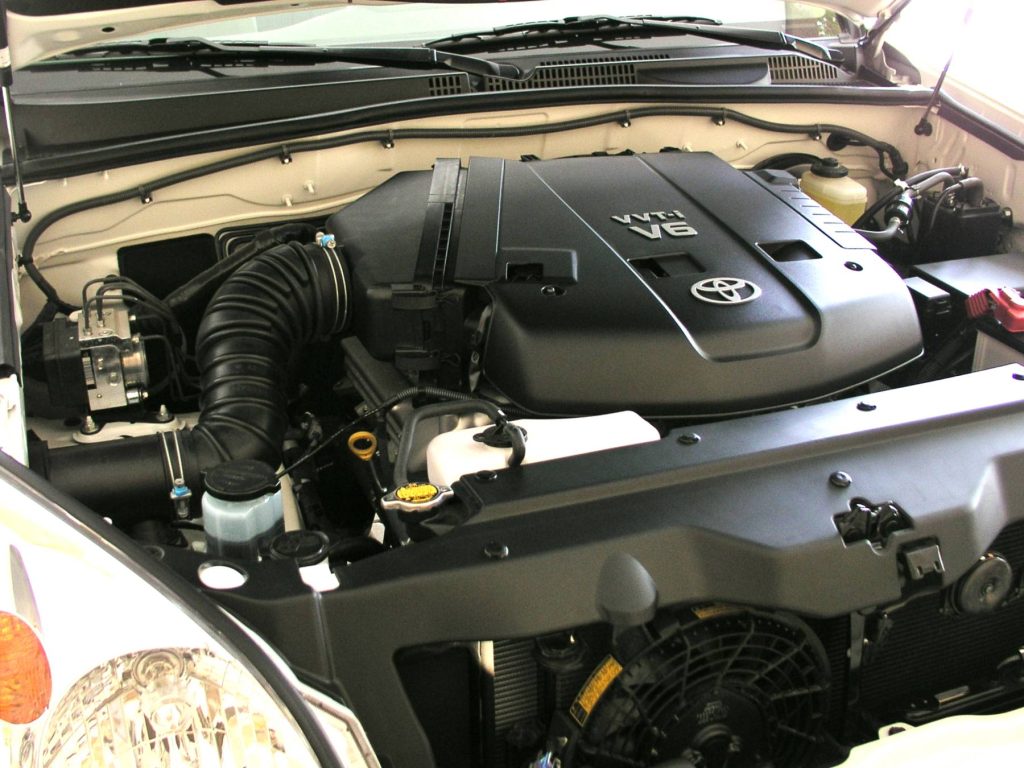
8. Toyota 1GR-FE V6
The Toyota 1GR-FE V6 brings a more modern perspective to durability, yet it still manages to deliver the kind of resilience typically associated with older engines. Found in trucks and SUVs, it is designed to handle demanding conditions while maintaining long-term reliability.
One of the key strengths of the 1GR-FE is its ability to operate consistently under load. It is often used in vehicles that tow, carry heavy weights, or travel long distances. Despite this, it maintains a steady performance that does not degrade quickly.
The engine’s design emphasises durability. It uses materials and construction methods that allow it to withstand wear over time. This helps it remain functional even when maintenance has not been perfectly documented.
Another factor that supports its resilience is how it manages heat and stress. The engine is tuned to deliver reliable power without pushing its components to their limits. This reduces the likelihood of internal damage, allowing it to continue running even in less-than-ideal conditions.
What makes the 1GR-FE particularly notable is its consistency. It does not develop unpredictable behaviour as it ages. Instead, it continues to operate in a familiar way, which encourages owners to trust it even without a full service history.
The simplicity of its core design also plays a role. While it includes modern features, it avoids unnecessary complexity that could lead to failure. This balance allows it to combine efficiency with durability.
Driving a vehicle with this engine often reveals a sense of confidence. It responds predictably, delivers steady power, and maintains its character over time. Even at higher mileage, it tends to feel reliable rather than worn out.
The 1GR-FE demonstrates that modern engines can still achieve long-term resilience when designed with durability in mind, making it a strong example of an engine that can run reliably despite uncertain maintenance records.
9. Volvo B230 Inline-Four
Some engines build their reputation quietly, without dramatic claims or standout performance figures. The Volvo B230 inline-four fits that description perfectly. It is not designed to impress with speed or refinement, yet it has earned a place among engines that continue to run reliably even when their service history is unclear.
The strength of the B230 lies in its construction. It uses a sturdy block and components that are built to handle long-term use without significant wear. This durability allows the engine to tolerate conditions that would cause problems in more delicate designs.
What makes this engine particularly resilient is how it manages stress. It operates within a comfortable range, avoiding the extremes that can shorten the lifespan of internal parts. This conservative approach helps it maintain functionality over time, even when maintenance has been inconsistent.
Another factor that contributes to its longevity is its simplicity. The B230 does not rely on complex systems that require precise calibration. Instead, it uses straightforward mechanical solutions that are less likely to fail. This simplicity makes it easier for the engine to keep running, even when its past is uncertain.
Owners often notice that the engine continues to perform steadily despite signs of age. It may not deliver the same level of efficiency or smoothness as when it was new, but it remains dependable. This consistency is what allows it to survive in vehicles where maintenance records are incomplete.
Driving a car equipped with the B230 reveals a sense of reliability that does not depend on perfection. The engine responds predictably, providing steady power without unexpected issues. This behaviour builds confidence, especially for those who are unsure of the vehicle’s history.
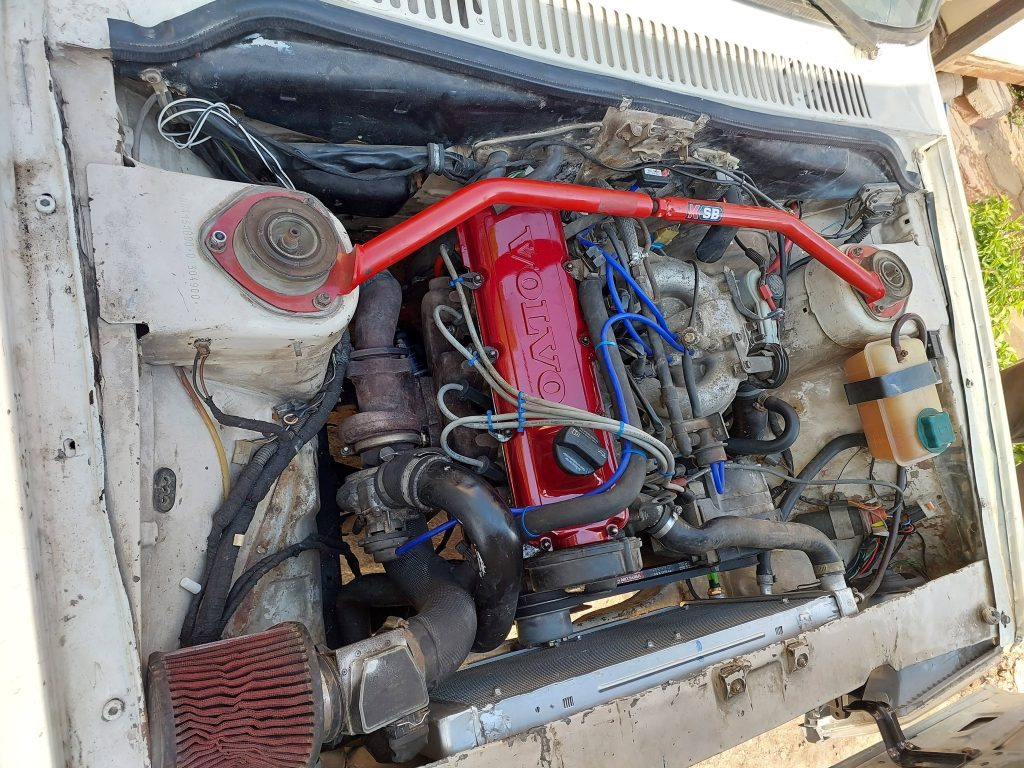
The B230 demonstrates that an engine does not need advanced technology to achieve long-term durability. Sometimes, a strong foundation and simple design are enough to keep it running for decades.
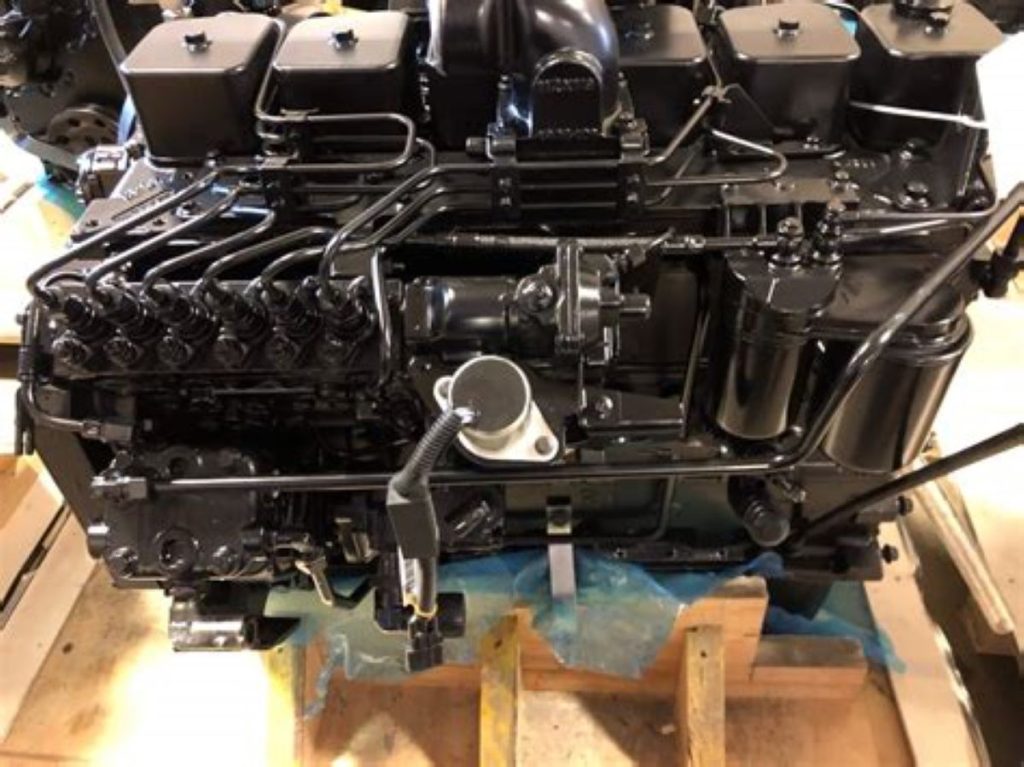
10. Cummins 6BT Diesel
The Cummins 6BT diesel stands as one of the most respected engines when it comes to durability, and its ability to run without a complete service history is a major part of that reputation. Built for heavy-duty applications, it is designed to handle conditions that would challenge most engines.
One of the defining features of the 6BT is its robust construction. It uses heavy-duty materials that allow it to withstand prolonged stress without significant wear. This strength enables the engine to continue operating even when maintenance has not been perfectly documented.
The diesel configuration also contributes to its resilience. It operates at lower speeds compared to many gasoline engines, which reduces wear on internal components. This slower operation helps extend its lifespan and allows it to maintain functionality over time.
What sets the 6BT apart is its tolerance for imperfect conditions. It can handle variations in fuel quality and maintenance intervals better than many engines. While proper care is always important, this engine provides a margin of safety that is rare.
Another aspect that supports its longevity is its straightforward design. It avoids unnecessary complexity, relying on proven mechanical systems that are less prone to failure. This simplicity makes it easier to keep the engine running, even when its history is incomplete.
Owners often describe the 6BT as an engine that feels almost indestructible. It continues to start, run, and deliver power even at extremely high mileage. This reliability builds a strong sense of trust, encouraging long-term ownership.
Driving a vehicle with this engine highlights its steady character. It does not feel strained or fragile. Instead, it delivers consistent performance that reflects its heavy-duty design.
The Cummins 6BT represents the pinnacle of durability in this category, proving that an engine built with strength and simplicity can remain reliable even without a detailed service history.
Engines that continue to run without a clear service history represent a unique kind of durability. They are not immune to wear or damage, but they possess qualities that allow them to endure conditions that would stop other engines.
Each example in this list achieves this resilience differently. Some rely on heavy-duty construction, others on simple design, and a few on balanced engineering that reduces stress over time. Despite these differences, they all share a common trait: the ability to keep running when their past is uncertain.
For owners and buyers, this provides a level of reassurance. While a complete service history is always valuable, these engines offer a margin of safety that can make a significant difference. They demonstrate that reliability is not just about maintenance records but also about how an engine is designed.
These engines remind us that true durability comes from thoughtful engineering and a focus on long-term performance. They continue to function not because conditions were perfect, but because they were built to handle imperfection.
Also Read: 8 SUVs Where the Frame Outlasts Three Owners
