
Air conditioning is one of those features drivers often take for granted until it stops working. In regions with long summers or extreme heat, a properly functioning AC system is not just a comfort feature; it becomes essential for daily driving.
While most vehicles deliver consistent cooling during their early years, many begin to lose efficiency or fail as mileage climbs.
Seals wear out, compressors weaken, and refrigerant leaks slowly reduce performance. By the time a vehicle crosses high mileage thresholds, functioning AC systems are often the exception rather than the rule.
Yet, there are certain SUVs that defy this pattern. These vehicles continue to deliver cold air even after crossing 250,000 miles, a milestone that tests not just the engine and transmission but also auxiliary systems like climate control.
What makes these SUVs stand out is not a single factor, but a combination of durable components, thoughtful system design, and a level of build quality that allows critical parts to age gracefully.
In many cases, these SUVs come from manufacturers known for prioritising reliability over unnecessary complexity. Their AC systems are often simpler, with fewer electronic dependencies and more robust mechanical components.
This reduces the chances of failure and makes it easier to maintain performance over time. Even when repairs are needed, they tend to be straightforward, allowing the system to be restored without high cost or effort.
Another important aspect is consistency. These SUVs are not just capable of delivering cold air when new, they maintain that performance across years of use. Owners frequently report that the cooling remains strong even in demanding conditions, which is a testament to both the system design and the vehicle’s ability to handle long-term wear.
This article highlights ten used SUVs known for maintaining effective air conditioning well beyond 250,000 miles.
Each one offers a different perspective on durability, showing how the right combination of engineering and practicality can keep even secondary systems like AC functioning reliably for years.
These vehicles prove that longevity is not limited to engines and drivetrains, but extends to the features that make driving comfortable every day.
Also Read: 8 Pickup Trucks With Frames That Refuse to Crack Under Heavy Towing
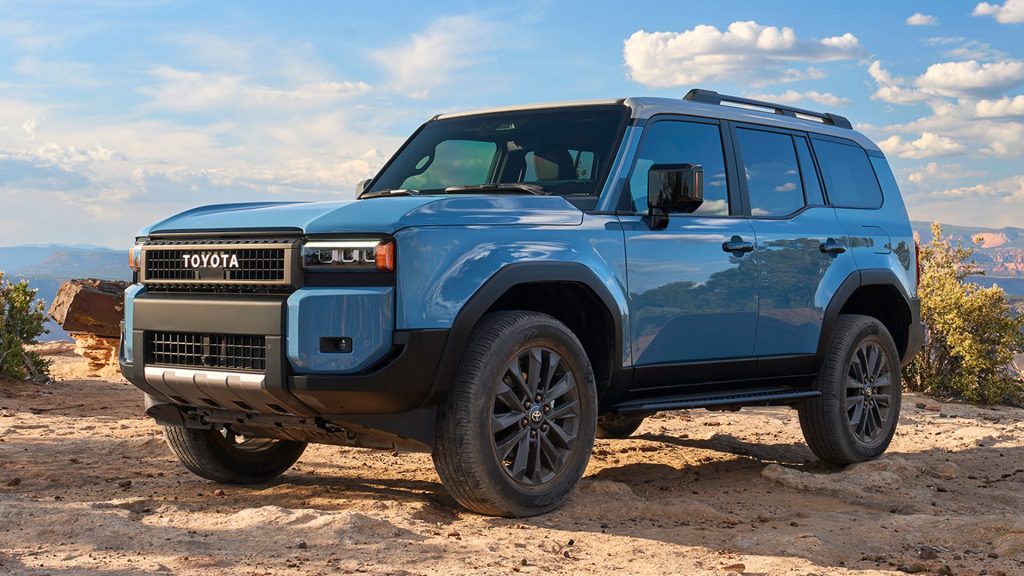
1. Toyota Land Cruiser
The Toyota Land Cruiser has built its reputation on durability, but what often goes unnoticed is how well its supporting systems hold up over time. Among these, the air conditioning system stands out as one of the most consistently reliable.
Even after years of use and extreme mileage, many Land Cruisers continue to deliver strong, cold airflow without requiring major overhauls.
One reason for this longevity lies in the way the system is engineered. The components are designed to handle harsh environments, from desert heat to humid climates.
Compressors, condensers, and hoses are built with durability in mind, allowing them to resist wear that would typically degrade performance in other vehicles. This resilience ensures that the AC system remains functional even when the vehicle is subjected to demanding conditions.
Another factor is the balance between mechanical simplicity and effectiveness. While the Land Cruiser includes modern comforts, its climate control system avoids unnecessary complexity.
This reduces the number of potential failure points and makes it easier to maintain consistent performance over time. Mechanics often note that when issues do arise, they are usually straightforward to diagnose and repair.
The cabin design also contributes to the effectiveness of the AC system. Insulation and airflow distribution are carefully managed, allowing the cooled air to circulate efficiently. This means the system does not have to work as hard to maintain a comfortable temperature, which in turn reduces long-term strain on its components.
Owners who have driven their Land Cruisers past 250,000 miles often highlight how little attention the AC system requires compared to other vehicles.
It continues to perform reliably, providing comfort in conditions where it is needed most. This consistency reinforces the Land Cruiser’s reputation as a vehicle built to endure in every aspect, not just its drivetrain.
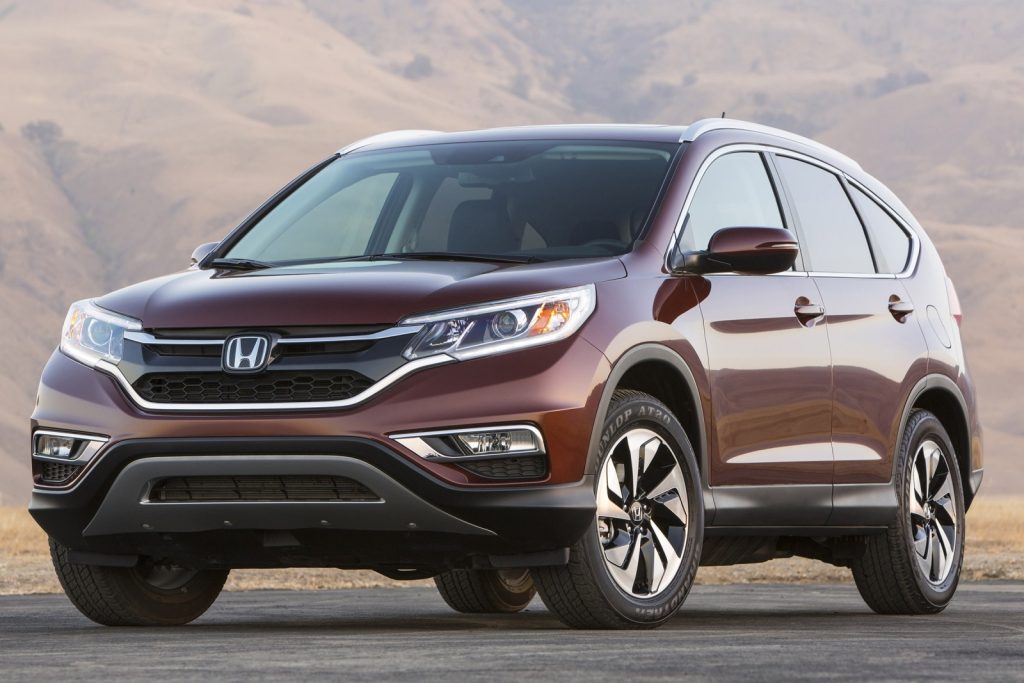
2. Honda CR-V (Second Generation)
The second-generation Honda CR-V presents a different kind of durability story, one rooted in everyday usability rather than extreme conditions. It is a compact SUV designed for daily life, yet its air conditioning system has proven to be remarkably resilient over time.
Many high-mileage examples still deliver dependable cooling, which is a significant achievement for a vehicle in this segment.
A closer look at the system reveals a design that prioritises reliability. The components are not overly complicated, and they are arranged in a way that allows for efficient operation.
This simplicity plays a key role in extending the life of the system, as fewer parts can fail or require replacement. It also makes routine servicing more accessible, which helps maintain performance over the years.
The CR-V’s AC system benefits from the vehicle’s full efficiency. Because the engine and electrical systems are designed to operate smoothly, they place less strain on auxiliary components like the compressor.
This balanced approach ensures that the AC system can continue functioning without being pushed beyond its limits. Over time, this reduces wear and helps preserve its effectiveness.
Another important element is consistency in performance. The CR-V does not rely on aggressive cooling output that could accelerate component fatigue.
Instead, it delivers steady and reliable airflow, which is more sustainable over long periods. Owners often appreciate this predictable behaviour, as it provides comfort without sudden fluctuations or failures.
High-mileage CR-Vs frequently demonstrate how well the AC system holds up with basic maintenance. Even after years of daily use, the cooling remains effective, making it a practical choice for those seeking a used SUV with dependable climate control.
This combination of simplicity, efficiency, and durability allows it to stand out as a vehicle where the AC continues to perform long after many others have faded.
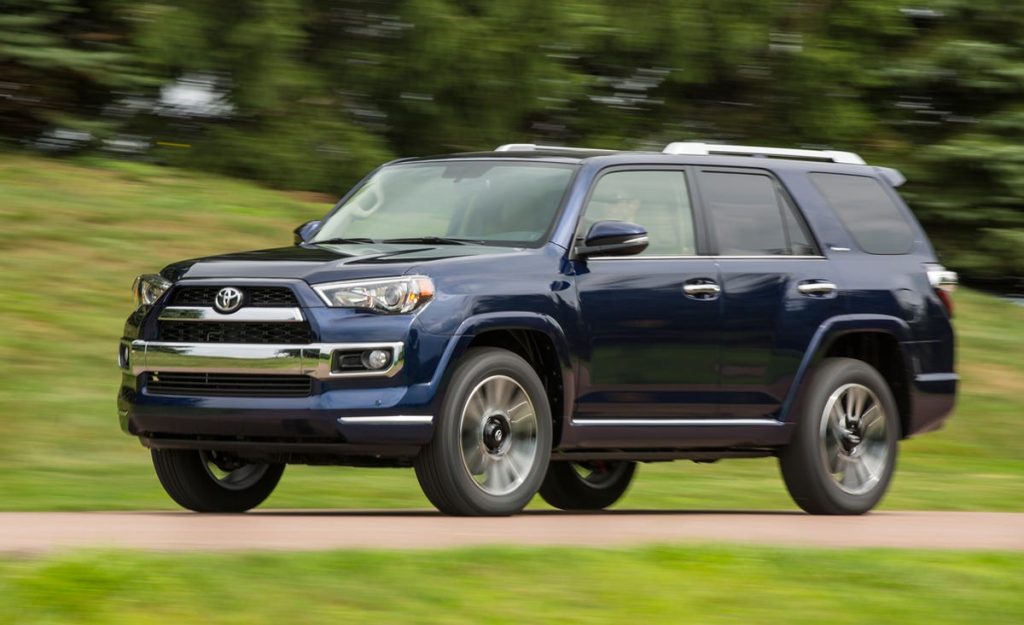
3. Toyota 4Runner
The Toyota 4Runner approaches longevity from a rugged perspective, and that mindset extends to its air conditioning system as well. Built to handle off-road use and long-distance travel, it carries a level of durability that shows up in places many drivers do not immediately notice.
Among those hidden strengths is an AC system that continues to perform reliably even when the odometer climbs well beyond typical expectations.
In many high-mileage examples, the cooling performance remains surprisingly strong. This is partly due to how the system is constructed. Components are not pushed to their limits during normal operation, which allows them to age at a slower pace.
The compressor, in particular, benefits from this conservative approach, maintaining efficiency long after similar systems in other vehicles begin to weaken.
Another point worth noting is how the 4Runner manages airflow. The cabin layout allows cool air to circulate evenly, reducing the need for constant high output.
This balanced distribution helps preserve the system over time. Instead of working at maximum capacity, it operates in a steady and controlled manner, which contributes to its long-term reliability.
Maintenance also plays a role, but the 4Runner makes it easier than many of its competitors. Access to key components is relatively straightforward, and the system does not rely heavily on fragile electronics.
When repairs are needed, they tend to be manageable, which encourages owners to keep the system in good condition rather than neglect it.
Drivers who have taken their 4Runners past 250,000 miles often mention how little the AC system has changed in performance. It still provides steady, reliable cooling, reinforcing the idea that durability in this vehicle goes beyond its engine and drivetrain. It is a complete package designed to last.
4. Lexus RX 330
The Lexus RX 330 offers a more refined take on long-term reliability, blending comfort with durability in a way that stands out in the used SUV market.
While it is known for its smooth ride and quiet cabin, its air conditioning system quietly proves its strength over time. Even after years of use, many RX 330 models maintain effective cooling that feels just as dependable as when the vehicle was newer.
This consistency comes from careful engineering rather than overcomplication. The AC system is designed to deliver strong performance without placing unnecessary stress on its components.
The compressor operates efficiently, and the supporting parts are built to maintain their integrity over long periods. This balance helps prevent the gradual decline in performance that affects many ageing vehicles.
The interior design also enhances the system’s effectiveness. The cabin is well-insulated, which allows the cooled air to remain inside rather than escaping quickly.
This reduces the workload on the AC system, helping it maintain a comfortable temperature without constant strain. Over time, this contributes to the system’s ability to keep functioning at a high level.
Another aspect that sets the RX 330 apart is how quietly the system operates. Even at high mileage, it rarely produces the kind of noise or vibration that signals wear in other vehicles.
This smooth operation reflects the quality of the components and the precision with which they were assembled. It is a subtle detail, but one that becomes more noticeable as the vehicle ages.
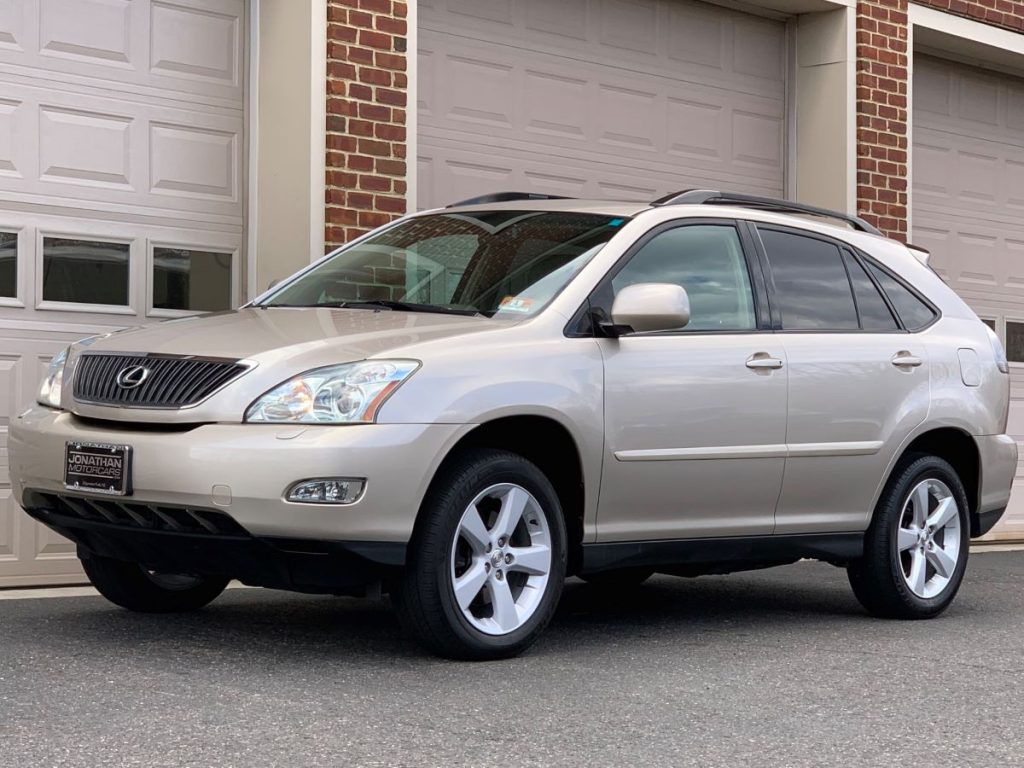
Owners who continue to drive their RX 330 well past 250,000 miles often appreciate how little attention the AC system demands. It remains reliable, efficient, and unobtrusive, providing comfort without becoming a source of concern.
This quiet durability is a defining characteristic of the vehicle, showing that luxury and longevity can exist together without compromise.
5. Chevrolet Tahoe (Early 2000s Models)
The early 2000s Chevrolet Tahoe tells a story of durability that comes from doing things in a straightforward and dependable way.
It is a large SUV built for families, towing, and long road trips, and its air conditioning system reflects that purpose. In many high-mileage examples, the AC continues to function with surprising consistency, even after years of heavy use and exposure to varying climates.
One reason behind this endurance is the system’s robust construction. The components are designed to handle extended operation without becoming overly sensitive to wear.
The compressor, lines, and condenser are all built with a level of strength that allows them to cope with continuous use, especially in hot environments where the system is frequently pushed to perform.
Another contributing factor is how the Tahoe manages cabin cooling. With a larger interior space, the system is engineered to distribute air efficiently across multiple rows.
This means it does not rely on excessive force in one area, but instead maintains a balanced flow throughout the cabin. Over time, this even distribution helps prevent strain on specific components, allowing the system to age more gracefully.
There is also a practical advantage in how the system is laid out. Mechanics often find it easier to access key components compared to more compact or tightly packed vehicles. This accessibility makes repairs less intimidating and encourages proper maintenance, which plays a role in extending the life of the AC system.
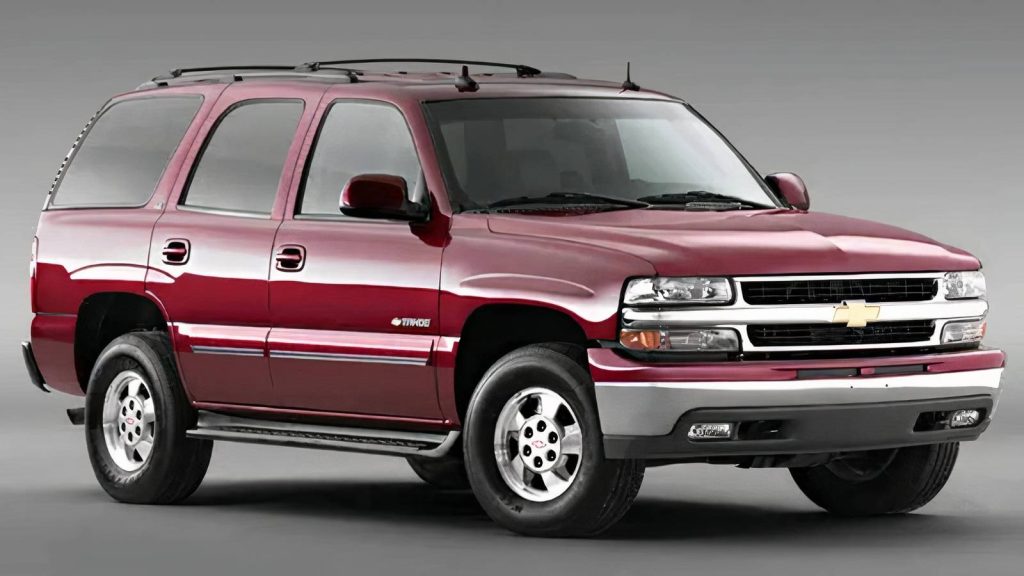
Owners who have kept their Tahoes for hundreds of thousands of miles often point out that the AC remains one of the most dependable features.
It continues to deliver reliable cooling during long drives and demanding conditions, reinforcing the vehicle’s reputation as a dependable workhorse that does not lose its comfort features with age.
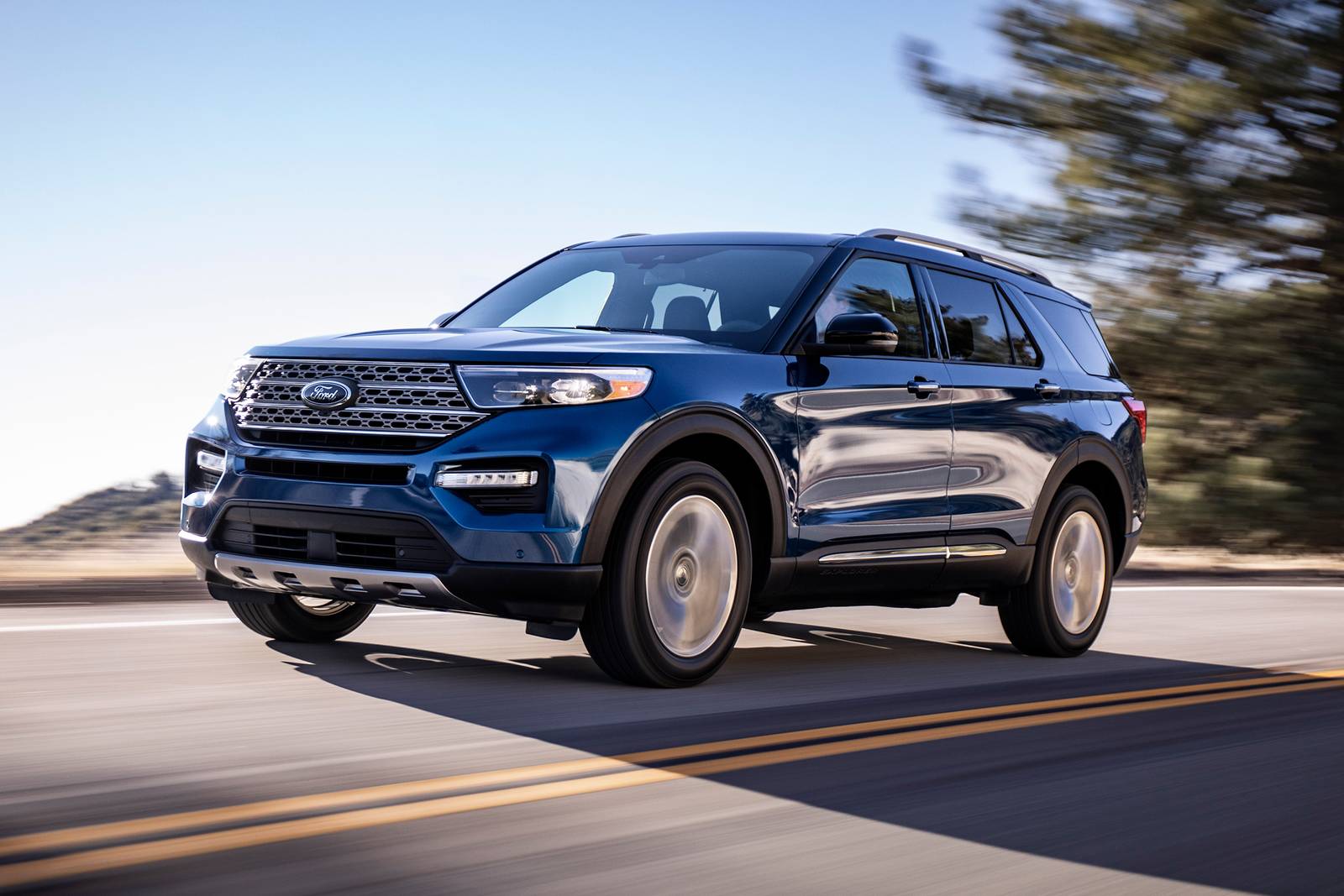
6. Ford Explorer (Early 2000s Models)
The early 2000s Ford Explorer approaches long-term durability with a focus on practicality. It was designed to serve as a versatile SUV for everyday use, and its air conditioning system reflects that same philosophy. While not flashy, it proves to be resilient in a way that becomes evident only after years of consistent operation.
Instead of relying on complex electronic controls, the system leans toward a more traditional setup. This reduces the chances of electronic failures that can affect climate control in newer vehicles.
As a result, the AC system tends to maintain its functionality even as other parts of the vehicle age. It becomes a dependable feature that owners can rely on without constant adjustments or troubleshooting.
The Explorer’s cooling system also benefits from its balanced design. The compressor and related components are not pushed beyond their limits during normal operation.
This steady workload helps preserve their efficiency over time, allowing the system to continue delivering cold air even after significant mileage has accumulated. It is a subtle advantage that becomes more noticeable as the vehicle ages.
Another element that contributes to its longevity is the vehicle’s widespread use. Because so many Explorers were produced, parts are readily available, le and mechanics are familiar with the system. This familiarity makes it easier to address minor issues before they become major problems, helping the AC system remain functional for longer periods.
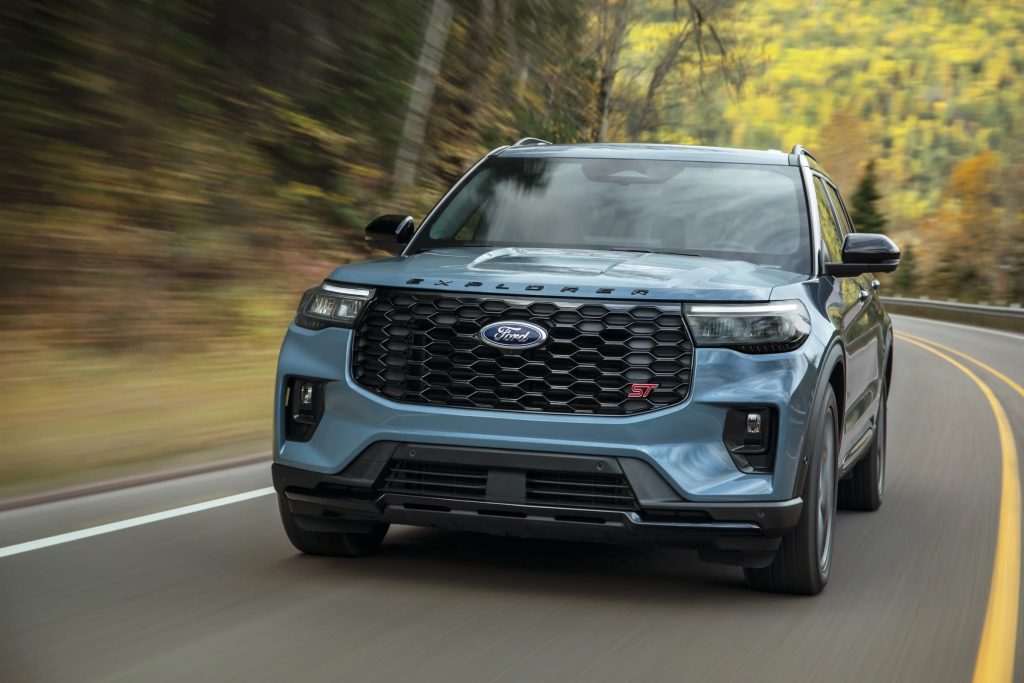
Drivers who have taken their Explorers past 250,000 miles often find that the AC system continues to perform with minimal intervention.
It may not be the most powerful system in its class, but its consistency and durability make it a reliable companion over the long term. This quiet dependability is what allows it to stand out among used SUVs.
7. Nissan Xterra
The Nissan Xterra brings a more rugged personality into the conversation, and its durability extends beyond suspension and drivetrain components into areas like climate control.
Built with outdoor use in mind, this SUV often operates in dusty, hot, and uneven environments. Despite that, its air conditioning system tends to remain dependable even after extensive mileage.
What makes the Xterra interesting is how its AC system handles harsh conditions. Instead of being overly sensitive, it is built to function consistently even when exposed to dust and heat.
The components are not overly delicate, which allows them to continue working even when the vehicle is pushed beyond typical daily driving scenarios. This resilience becomes clear as the miles accumulate.
Another aspect worth highlighting is how the system responds to long-term wear. It does not usually fail abruptly. Instead, it maintains a steady level of performance, which gives owners time to address minor issues if they arise. This gradient behaviour reduces the chances of sudden breakdowns and contributes to the system’s extended lifespan.
The Xterra’s interior design also plays a part. Air vents are positioned in a way that promotes effective circulation, helping the cabin cool down quickly without requiring constant high output.
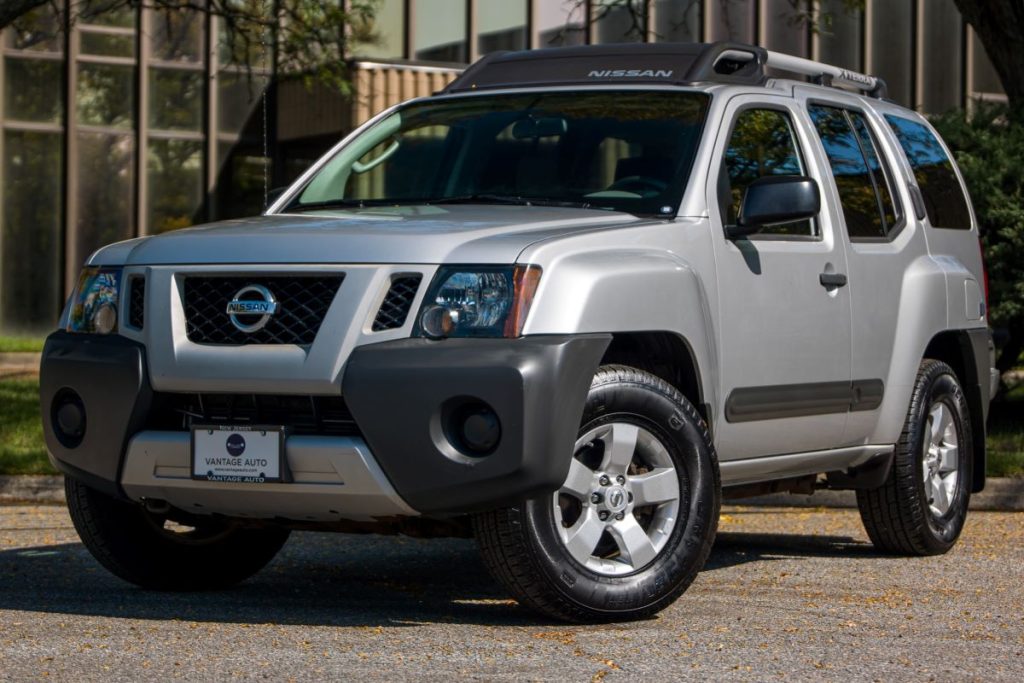
This reduces strain on the compressor and other components, allowing them to last longer. It is a simple but effective approach that supports long-term reliability.
For drivers who keep their Xterra well past 250,000 miles, the AC system often remains one of the least troublesome features. It keeps providing steady, reliable cooling even in demanding environments, reinforcing the vehicle’s reputation as a durable and practical choice for long-term ownership.
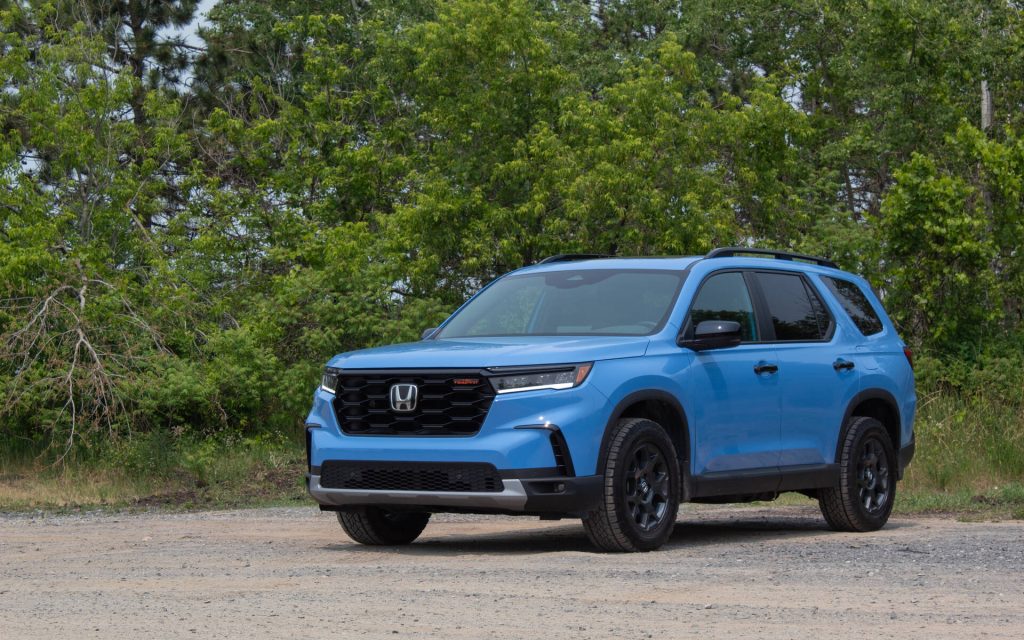
8. Honda Pilot (First Generation)
The first-generation Honda Pilot offers a family-oriented approach to durability, and its air conditioning system reflects that same focus on everyday usability.
Designed to handle daily commutes, school runs, and long trips, it provides a level of consistency that becomes more impressive as the vehicle ages. Many high-mileage Pilots still maintain effective cooling, which speaks to the strength of their design.
Unlike some systems that rely heavily on advanced electronics, the Pilot’s AC setup is relatively straightforward. This simplicity reduces the chances of failure and makes it easier to maintain.
Mechanics often find that when issues do occur, they are manageable and do not require extensive troubleshooting. This accessibility encourages timely repairs, which helps extend the system’s lifespan.
The Pilot also benefits from a well-designed cabin layout. With multiple rows of seating, the system is engineered to distribute air evenly throughout the interior.
This balanced airflow ensures that no single component is overworked, allowing the system to operate efficiently over long periods. It is a practical solution that supports both comfort and durability.
Another point to consider is how the vehicle’s full reliability contributes to the AC system’s performance. Because the engine and electrical systems remain stable over time, they provide a consistent foundation for the climate control system to function properly. This stability reduces the risk of indirect issues that could affect cooling performance.
Owners who continue to rely on their Pilots after crossing 250,000 miles often note that the AC system remains dependable with minimal intervention. It continues to provide comfort during daily use, proving that a well-balanced design can maintain its effectiveness long after many others have begun to decline.
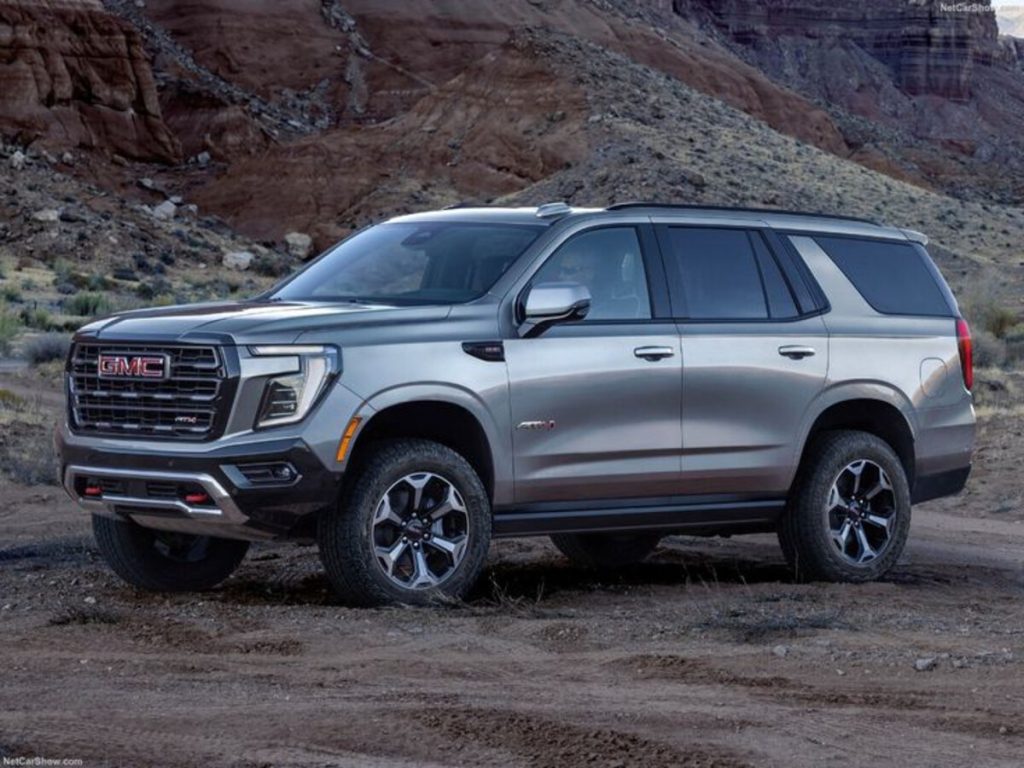
9. GMC Yukon (Early 2000s Models)
There is a certain quiet confidence in how the early 2000s GMC Yukon handles long-term ownership, and that confidence extends into its air conditioning system.
Built with a focus on utility and passenger comfort, it delivers cooling performance that remains consistent even after years of demanding use. High-mileage examples often surprise owners by how little the AC system has changed in effectiveness.
A big part of this durability comes from the system’s heavy-duty approach. The Yukon shares much of its engineering philosophy with trucks, which means components are designed to withstand prolonged operation.
The compressor is not easily overwhelmed, and the supporting hardware is built to handle extended use in hot climates. This gives the system a level of resilience that becomes evident only after significant mileage has accumulated.
The vehicle’s size introduces another interesting advantage. With a large cabin to cool, the system is engineered for steady airflow rather than short bursts of intense cooling.
This steady operation reduces strain on individual components and allows the system to function in a more controlled manner. Over time, this approach helps preserve performance instead of accelerating wear.
From a maintenance perspective, the Yukon offers a level of accessibility that mechanics appreciate. Components are easier to reach compared to those of more compact SUVs, which makes servicing less complicated. This encourages timely repairs and proper upkeep, both of which contribute to the system’s ability to last.
Drivers who keep their Yukon well past 250,000 miles often describe the AC as one of the most reliable features.
It delivers steady cooling during long drives and high temperatures, reinforcing the idea that durability in this SUV is not limited to its engine or structure, but also extends to the systems that ensure comfort.
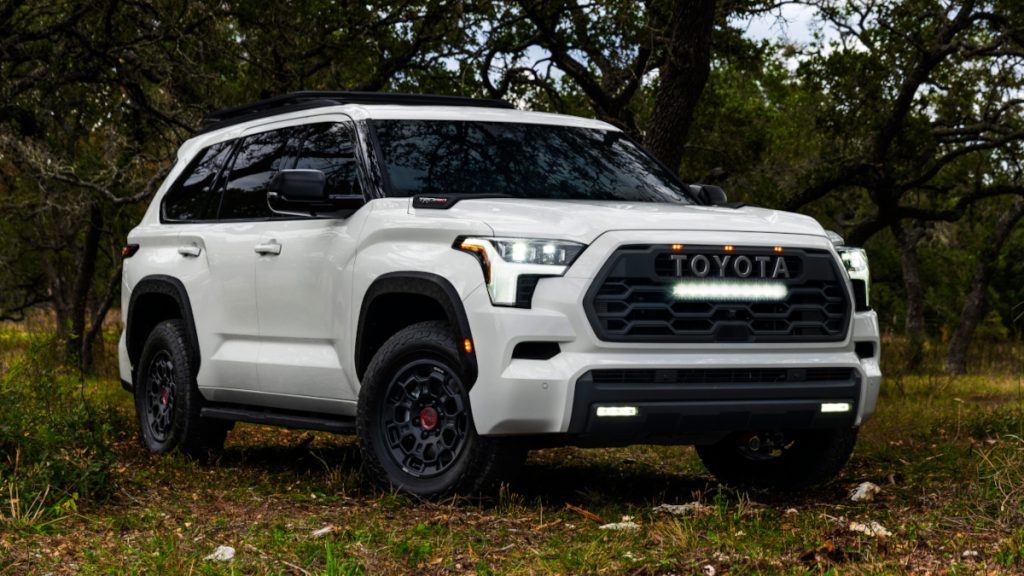
10. Toyota Sequoia (First Generation)
The first-generation Toyota Sequoia rounds out this list with a blend of strength and refinement that holds up remarkably well over time. Designed as a full-size SUV with family comfort in mind, it carries the same durability principles found in other Toyota trucks.
This consistency is clearly visible in its air conditioning system, which often remains effective even after extensive mileage.
Unlike systems that begin to fade gradually, the Sequoia’s AC tends to retain its performance for long periods. The components are built with a focus on longevity, and they operate within limits that prevent premature wear.
This allows the system to maintain strong cooling output without requiring frequent intervention. Owners often find that it continues to perform reliably even as the vehicle ages.
The cabin environment also supports the system’s efficiency. Insulation and airflow design work together to keep cooled air circulating effectively. This reduces the workload on the compressor and helps maintain a stable temperature without constant adjustments. Over time, this balance contributes to the system’s ability to remain dependable.
Another strength lies in the predictability of the system. It does not exhibit sudden changes in performance, which makes it easier to maintain. When minor issues arise, they tend to be manageable and do not escalate quickly. This stability encourages owners to address concerns early, preserving the system’s functionality over the long term.
For those who continue to drive their Sequoia beyond 250,000 miles, the AC system often stands out as a reliable feature that has not lost its effectiveness. It reflects the broader design philosophy of the vehicle, where durability and practicality come together to create an SUV that remains comfortable and dependable for years.
Air conditioning systems are often overlooked when discussing long-term vehicle reliability, yet they play a crucial role in everyday comfort.
The SUVs in this list demonstrate that with the right engineering approach, these systems can remain effective far beyond typical expectations. They show that durability is not limited to engines or transmissions, but extends to the features that make driving enjoyable.
Each of these vehicles approaches longevity in its own way. Some rely on rugged construction, others on simplicity or balanced design, but they all achieve the same result. Their AC systems continue to function reliably even after crossing significant mileage milestones, providing consistent cooling when it matters most.
For buyers considering a used SUV, these examples offer valuable insight. A vehicle that maintains its comfort features over time is more than just reliable; it is practical for long-term ownership. It reduces the need for costly repairs and ensures that the driving experience remains pleasant even as the years pass.
These SUVs prove that thoughtful design and durable components can keep even secondary systems performing at a high level. Their ability to maintain effective air conditioning after 250,000 miles highlights a level of quality that goes beyond expectations, making them strong choices for those seeking both reliability and comfort.
