
Water entering an SUV’s trunk during heavy rain is one of the most frustrating issues owners report. A cargo area is expected to stay dry under all normal driving conditions, including storms, car washes, and highway spray.
However, modern SUVs are complex vehicles with multiple sealing points, drainage systems, and structural joints that must work together perfectly to prevent moisture intrusion. Even a small defect in one of these systems can allow water to enter the cargo area.
In most cases, trunk leaks are not caused by the SUV being inherently “bad” or “good.” Instead, they are the result of wear and tear, manufacturing inconsistencies, or design sensitivity in certain components.
The most common entry points include degraded weatherstripping around the tailgate, poorly sealed rear lights, clogged sunroof drainage tubes, or misaligned body panels. Over time, exposure to heat, UV rays, and temperature fluctuations can cause rubber seals to harden or shrink, creating microscopic gaps that allow water to pass through during heavy rainfall.
It is also important to understand that SUVs are designed with drainage systems that intentionally channel water away from certain areas. For example, many tailgates are not fully sealed in every internal cavity because they rely on drain paths.
This means some water presence in hidden channels is normal, but it should never enter the cargo floor or spare tire well. When leaks do occur, they often go unnoticed until water pools under mats or produces a musty smell, signaling long-term moisture exposure.
Owner reports and service data show that trunk leaks are most often associated with panoramic sunroof drainage issues, rear hatch seal degradation, or improperly installed aftermarket accessories like spoilers or roof racks. In rare cases, structural weld defects or factory sealant gaps may also be responsible, but these are uncommon and typically covered under warranty.
This article compares SUVs that are generally known for strong sealing performance and consistent cargo dryness with SUVs that have higher reported rates of water intrusion issues. The goal is not to label any vehicle as permanently faulty, but to highlight engineering tendencies and common ownership experiences so buyers can make informed decisions and current owners can better diagnose issues if they arise.
ALSO READ: 8 Smells in a Used Car That Cost Thousands to Fix Later
5 SUVs Where the Trunk Stays Dry
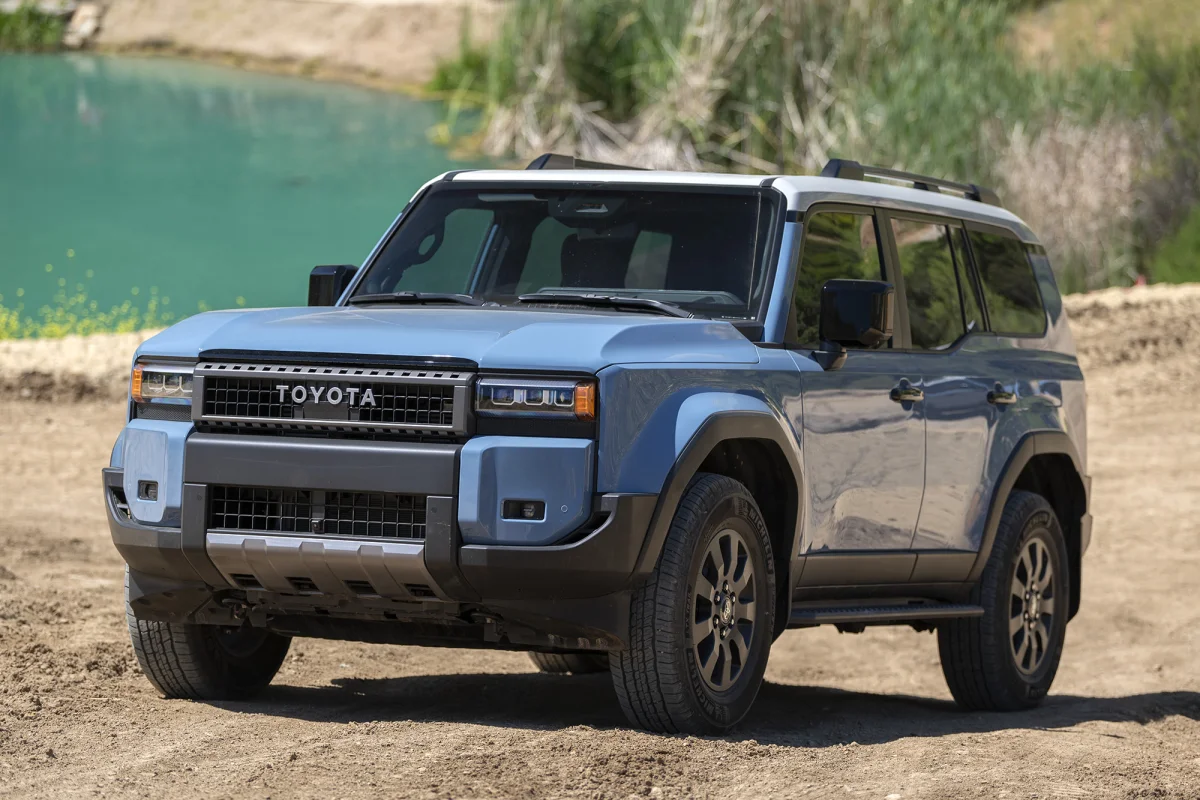
1. Toyota Land Cruiser
The Toyota Land Cruiser has built its global reputation on durability in extreme environments, and its water sealing performance is a direct extension of that engineering philosophy. Unlike many modern SUVs that prioritize styling or weight reduction, the Land Cruiser is designed with long-term structural robustness in mind.
This includes thick, multi-layered rubber weatherstripping around all major entry points, especially the tailgate and rear quarter panels. These seals are engineered to maintain compression even after years of repeated opening and closing, which is one of the most common causes of trunk leaks in lesser vehicles.
A major strength of the Land Cruiser is the way its rear hatch is integrated into the body frame. The alignment tolerances are deliberately conservative, meaning the hatch closes with consistent pressure across the entire seal surface.
This reduces the likelihood of micro gaps forming during heavy rainfall or high-pressure water exposure. In many SUVs, slight misalignment over time leads to uneven seal wear, but the Land Cruiser’s robust hinge and latch design minimizes that drift.
Another important factor is the vehicle’s drainage architecture. The rear cargo area is not designed to trap water in hidden cavities. Instead, any incidental moisture that enters non-critical zones is routed through clearly defined drainage channels that exit away from the cabin.
This prevents accumulation in areas like the spare tire well or underfloor insulation layers. Even in situations where the vehicle is exposed to torrential rain or deep water crossings, the system is designed to prevent interior seepage under normal conditions.
Long-term owners frequently report that even older Land Cruiser models maintain dry cargo areas after a decade or more of use. When issues do occur, they are typically linked to aging seals that have not been replaced, or damage from off-road impacts rather than design flaws. The absence of overly complex components like large panoramic roofs in many trims also reduces potential leak sources, since fewer mechanical systems mean fewer failure points.
The Land Cruiser’s reputation for dryness is not based on a single feature but on a cumulative design philosophy that prioritizes simplicity, heavy-duty sealing materials, and long service life under harsh environmental conditions.
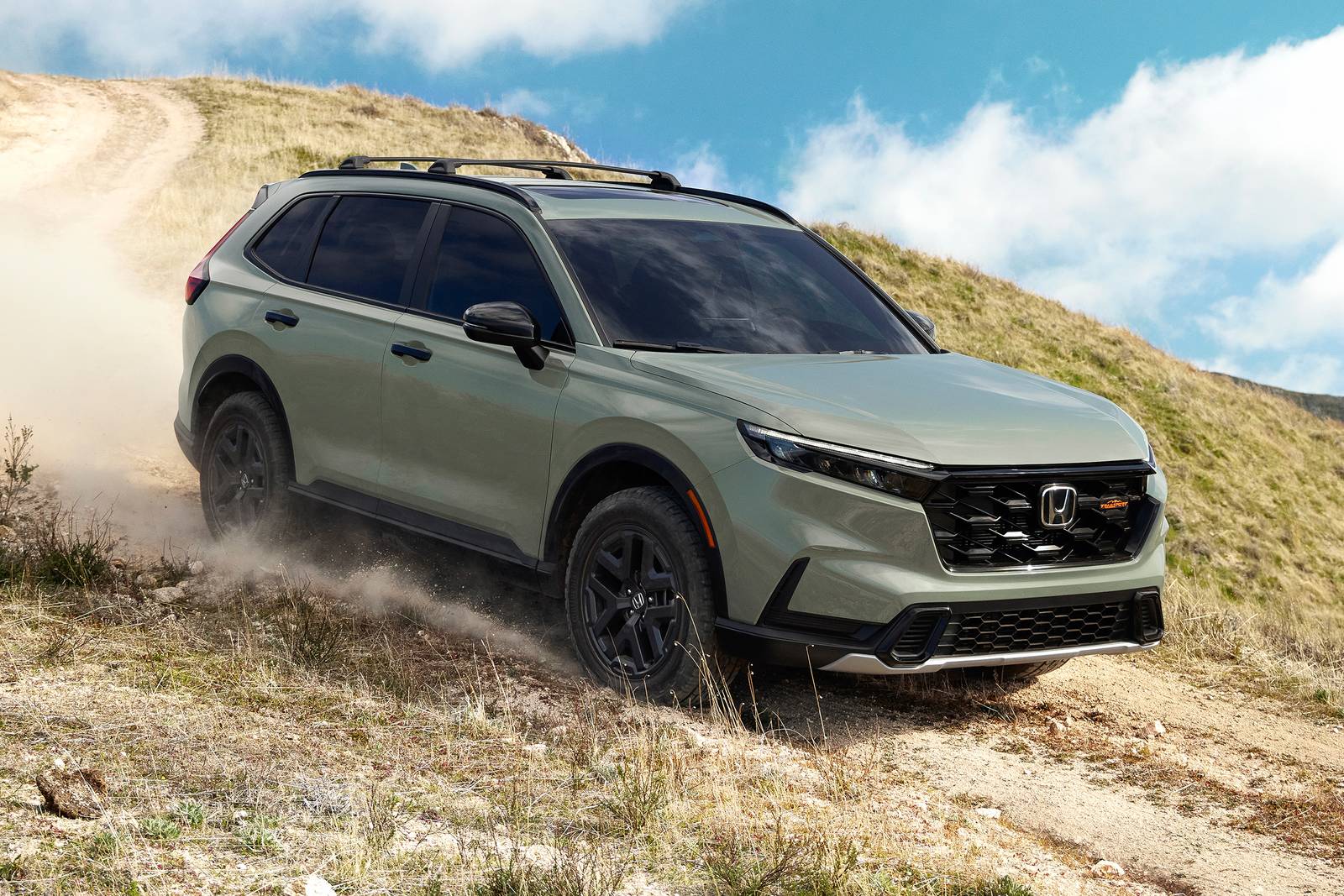
2. Honda CR-V
The Honda CR-V is widely regarded as one of the most practical compact SUVs, and its trunk sealing performance reflects Honda’s focus on functional engineering rather than overly complex systems. One of its key advantages is the simplicity of the rear hatch structure. A simpler design means fewer seams, fewer overlapping panels, and fewer potential entry points for water intrusion.
The CR-V uses a dual-layer weatherstripping system around the tailgate opening. The primary seal handles direct contact pressure when the hatch is closed, while the secondary seal acts as a backup barrier against wind-driven rain and splashback. This redundancy significantly reduces the chances of water reaching the cargo floor, even during prolonged exposure to heavy rainfall.
Another strength lies in its drainage channel placement. Honda designs its rear body panels with predictable water flow paths, ensuring that any water that does reach non-sealed areas is guided downward and outward rather than inward toward the cabin. This is particularly important during car washes or monsoon conditions, where water pressure can force moisture into small gaps.
However, like many modern SUVs, the CR-V’s most common vulnerability is not the trunk seal itself but the sunroof drainage system in equipped models. Over time, debris such as dust, leaves, or pollen can partially block these drains. When that happens, water may overflow into the headliner and eventually migrate toward the rear interior areas. This is not a structural defect but a maintenance-related issue that can mimic trunk leakage symptoms if not diagnosed correctly.
Owners who regularly maintain their CR-V, especially by keeping drainage outlets clear, typically experience very stable and dry cargo conditions. Even older generations continue to perform well in wet climates, which is why the CR-V is often recommended for regions with heavy seasonal rainfall.
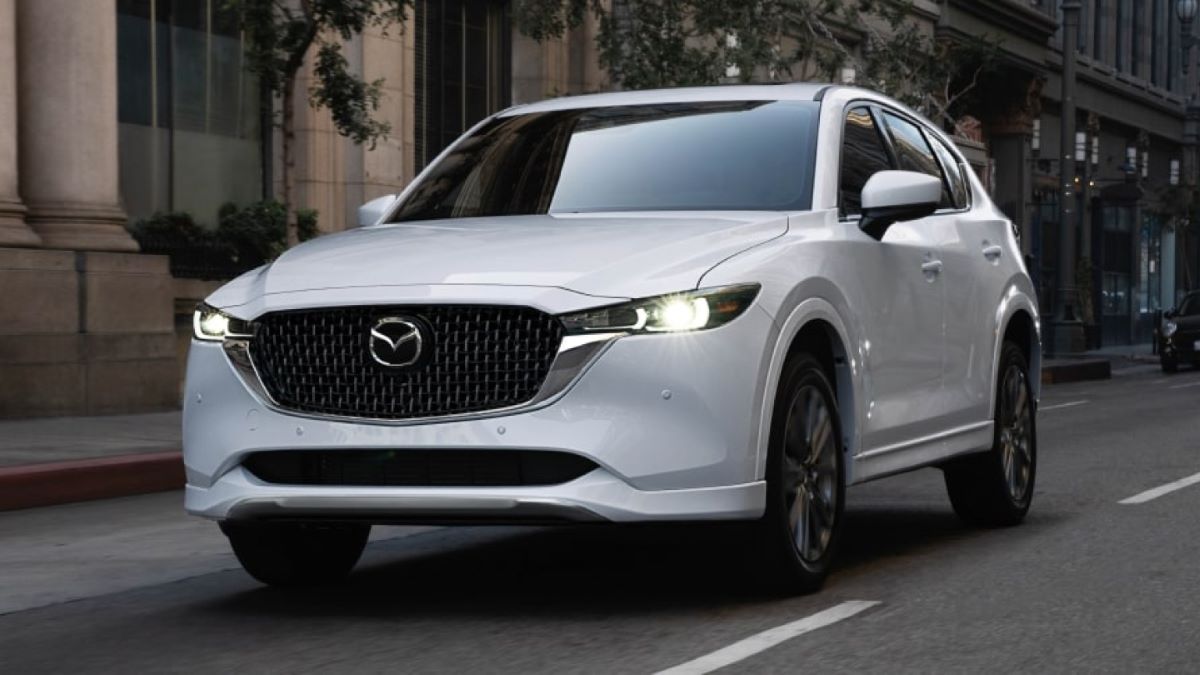
3. Mazda CX 5
The Mazda CX 5 stands out in its segment due to its emphasis on precision manufacturing and tight body tolerances. Mazda’s engineering philosophy, often described as “human-centered design,” extends to how body panels and seals interact under stress. In practical terms, this means the tailgate, frame, and rubber seals are designed to fit together with minimal variation between units.
The rear hatch of the CX 5 is engineered to close with uniform pressure across the sealing surface. This is important because uneven pressure is one of the most common causes of slow water seepage in SUVs. By ensuring consistent compression, Mazda reduces the likelihood of weak points forming along the edges of the trunk opening.
The rubber sealing materials used in the CX 5 are also known for their density and elasticity balance. Softer seals can deform too easily over time, while overly rigid seals may fail to compress properly in cold or hot conditions. Mazda’s choice of material aims to maintain flexibility across a wide temperature range, which is particularly useful in climates that experience both intense heat and heavy rain.
Another contributing factor is the relatively clean rear design of the CX 5. The vehicle avoids unnecessary complex creases and hidden channels in the tailgate area, which reduces the number of locations where water can accumulate or stagnate. This simplicity improves long-term reliability because there are fewer internal pathways that could degrade or clog.
While the CX 5 is generally resistant to trunk leaks, issues can still arise if the vehicle has been involved in rear-end repairs or aftermarket modifications. Improper resealing after bodywork is one of the most common causes of water intrusion in otherwise well-designed vehicles. When factory conditions are maintained, however, the CX 5 tends to perform very consistently in heavy rain conditions.
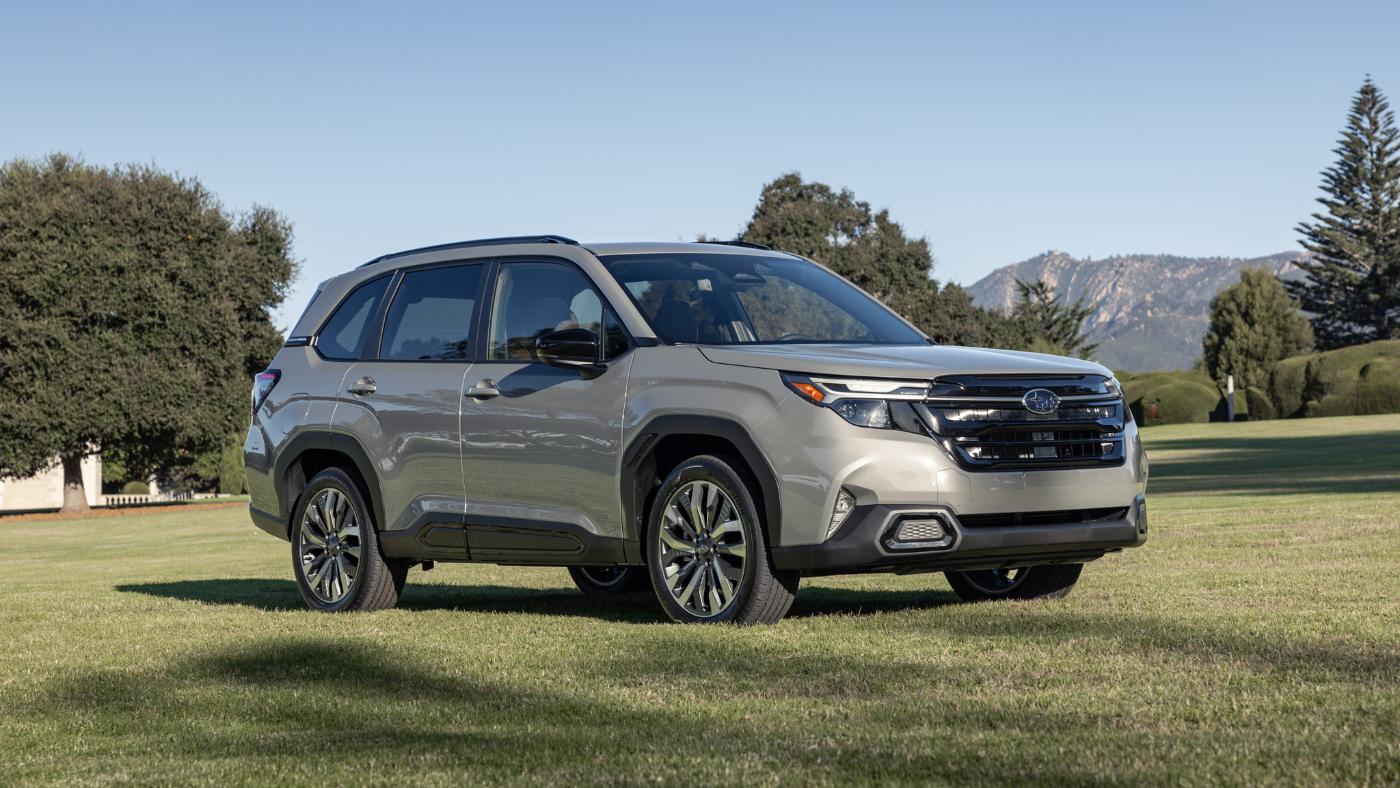
4. Subaru Forester
The Subaru Forester is engineered with a clear focus on all-weather usability, which includes heavy rain, snow, and muddy environments. This design intent is reflected in its robust sealing systems and emphasis on redundancy in key water protection areas. Subaru vehicles are commonly used in regions with frequent rainfall, and the Forester is often considered one of the more weather-resilient SUVs in its category.
One of its primary strengths is the multi-layer sealing approach around the rear hatch. Instead of relying on a single point of compression, the Forester uses overlapping seal zones that provide backup protection if one layer becomes slightly degraded. This is particularly useful in long-term ownership scenarios where rubber components naturally age and lose elasticity.
The rear cargo structure is also designed with practical water management in mind. Subaru engineers incorporate drainage pathways that allow incidental moisture to exit without entering the interior floor pan. This is especially important in outdoor use cases where the vehicle may be exposed to rain, snow melt, or wet gear being loaded into the trunk.
However, like many SUVs with panoramic sunroof options, the Forester can experience water-related issues if drainage tubes become blocked. This is not a failure of the trunk sealing system itself but a secondary system issue that can redirect water into unintended areas. Regular maintenance of these drainage channels is therefore important to maintain full water resistance performance.
In real-world conditions, properly maintained Forester models demonstrate strong resistance to trunk water intrusion. Owners in high rainfall regions frequently report stable cargo dryness even after years of use, which aligns with Subaru’s design intent of building vehicles suited for challenging climates.
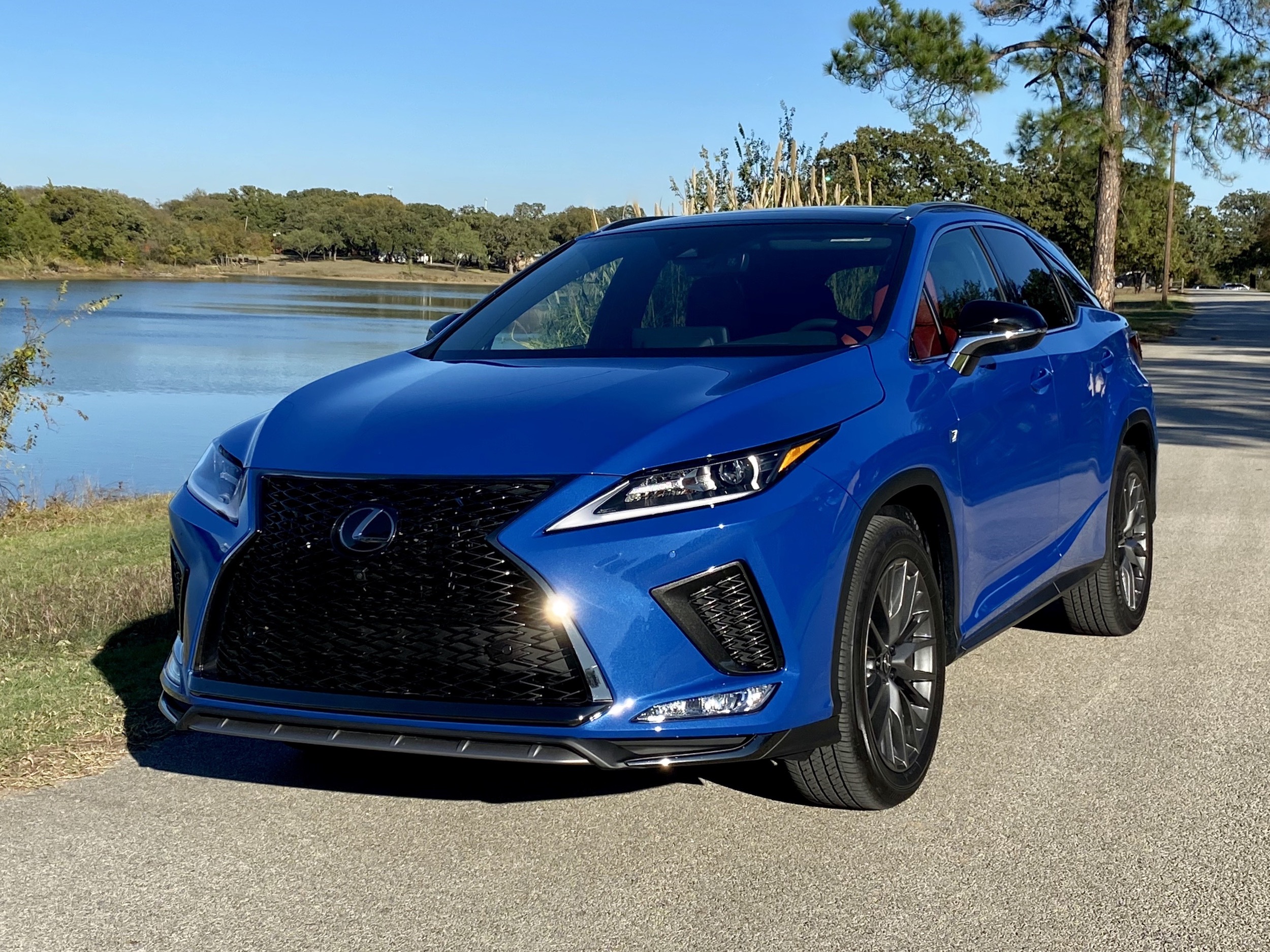
5. Lexus RX
The Lexus RX benefits from Toyota’s luxury engineering division, which places a strong emphasis on refinement, consistency, and long-term durability. In terms of trunk sealing, this translates into highly precise manufacturing tolerances and premium-grade materials used throughout the rear body structure.
The tailgate of the RX is engineered with extremely tight alignment controls, ensuring that the hatch closes evenly against the seal surface. This reduces stress points and prevents uneven compression that can lead to gradual water seepage over time. The seals themselves are made from high-quality rubber compounds designed to resist hardening and cracking, even after prolonged exposure to heat and UV radiation.
Another important factor is the controlled complexity of the rear design. While the RX includes luxury features such as power tailgates and optional panoramic roofs, Lexus integrates these systems with careful attention to sealing integrity. Drainage routing is designed to isolate water away from sensitive interior areas, minimizing the risk of moisture reaching the cargo floor.
In addition, Lexus performs extensive quality control testing on water intrusion during manufacturing. Vehicles are subjected to simulated rainfall conditions that test multiple pressure angles and durations. This helps identify sealing weaknesses before the vehicle reaches customers, contributing to its strong reputation for cabin and cargo area dryness.
While no vehicle is completely immune to leaks, especially as seals age over time, the RX tends to maintain strong water resistance well into higher mileage ownership. When issues do occur, they are typically minor and related to aging components rather than structural design flaws.
ALSO READ: 9 Cars That Survive New Drivers Without a Single Major Repair
5 SUVs That Always Leak
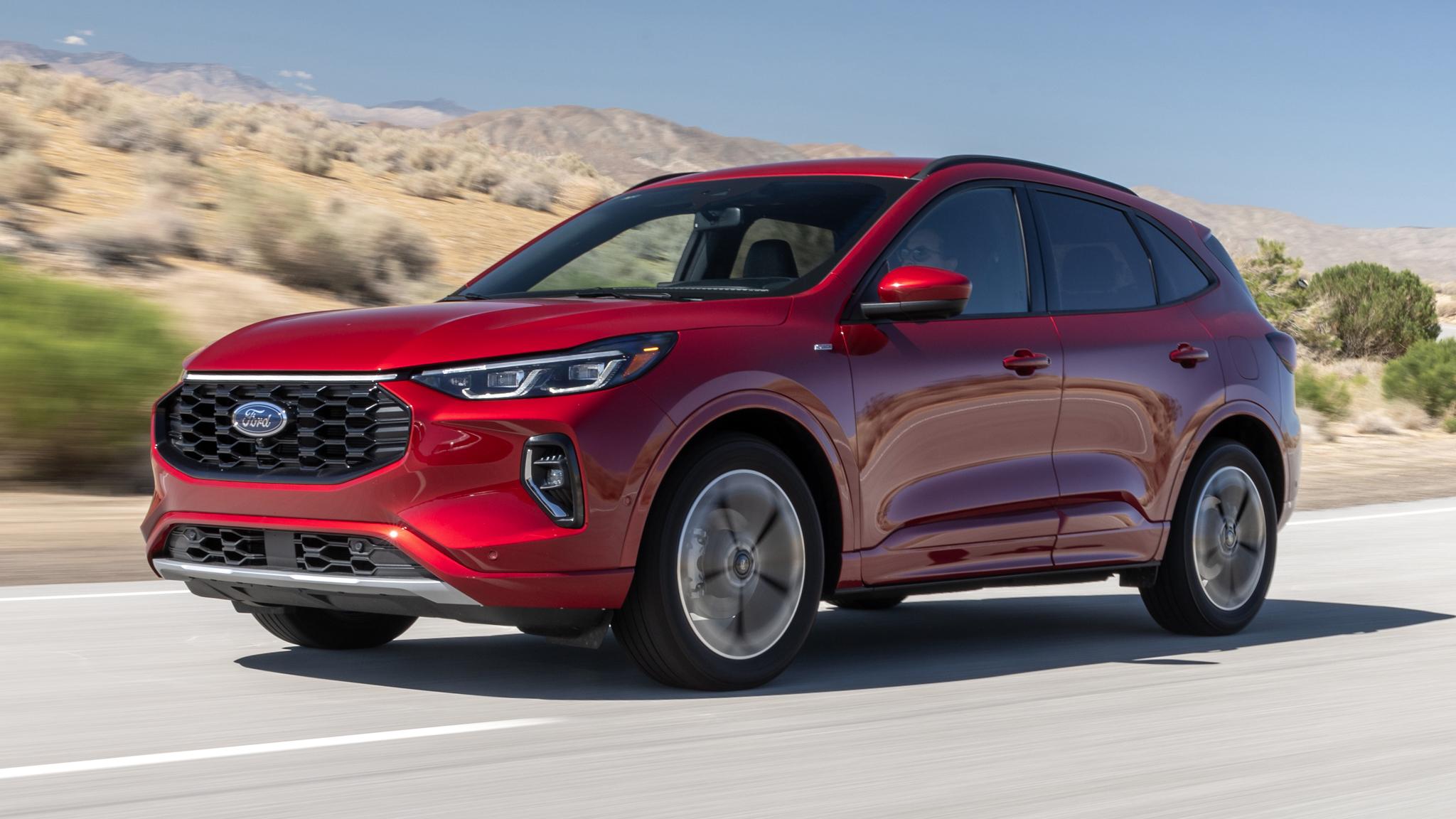
1. Ford Escape
The Ford Escape has been a popular compact SUV for many years, but it has also developed a reputation among owners for occasional water intrusion complaints, particularly in certain model years equipped with panoramic sunroofs. It is important to understand that the Escape is not inherently prone to leaks, but rather has a design that is more sensitive to drainage and seal maintenance compared to some competitors.
One of the main contributing factors is the complexity of its water management system in higher trims. Vehicles with panoramic sunroofs rely on narrow drainage channels that route water away from the roof structure. These drains are effective when clean, but they can become partially blocked by dust, pollen, or debris over time. When this happens, water may not exit efficiently and can overflow into interior channels, sometimes appearing in rear cargo or side panel areas.
Another factor is seal aging around the rear hatch. Like all SUVs, the Escape uses rubber weatherstripping to prevent water intrusion, but some owners report that these seals can lose elasticity earlier in harsh climates with strong heat cycles. When rubber hardens or compresses unevenly, small gaps may form that allow water ingress during heavy rainfall or high-pressure washing.
In addition, some reports of trunk moisture are not actually direct leaks from the tailgate itself but secondary effects of water traveling through interior trim channels. This can make diagnosis confusing, as the visible moisture may appear in the cargo area even though the entry point is higher up in the vehicle structure.
Despite these concerns, many Ford Escape vehicles operate without any water intrusion issues when properly maintained. Regular inspection of sunroof drains and timely replacement of aging seals significantly reduces the likelihood of trunk-related moisture problems.
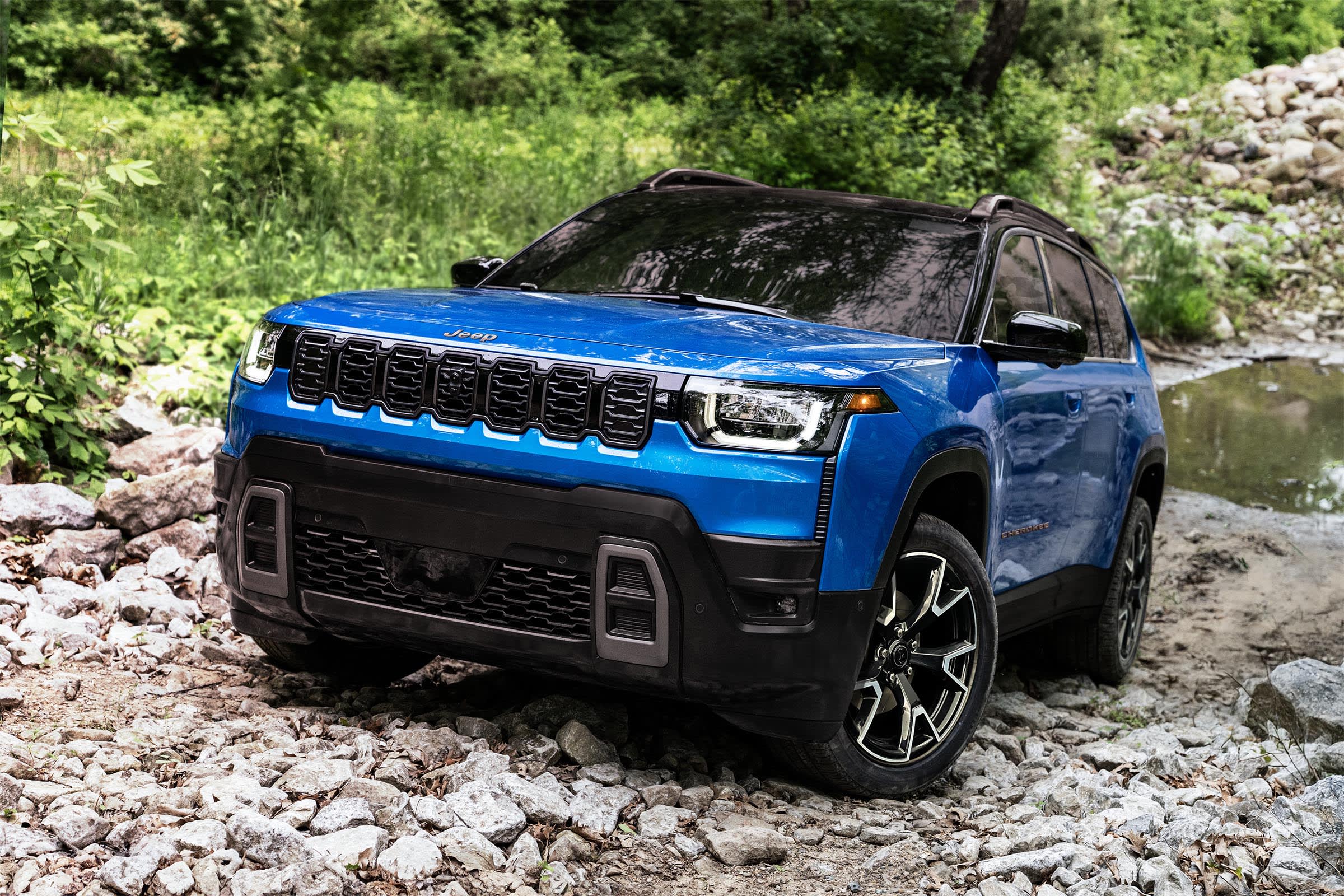
2. Jeep Cherokee
The Jeep Cherokee is designed with off-road capability in mind, which introduces a different set of structural considerations compared to urban-focused SUVs. One of these is chassis flex, which refers to the natural twisting and movement of the vehicle frame when driving over uneven terrain. While this flexibility improves off-road traction and durability, it can place additional stress on body seals over time.
The rear hatch seals of the Cherokee are designed to accommodate a certain amount of movement, but repeated exposure to rough terrain can gradually wear down specific contact points. When seals are repeatedly compressed and released under uneven pressure, small sections may lose their original shape, which can eventually create weak points for water intrusion.
Another factor is the complexity of the rear body structure in some Cherokee trims. Vehicles equipped with panoramic sunroofs and additional roof hardware have more potential water entry points, particularly if drainage systems are not regularly cleaned. In some reported cases, water entering from the roof area can migrate downward and appear in the cargo space, even though the trunk seal itself is not the original entry point.
It is also worth noting that aftermarket modifications, such as roof racks, cargo systems, or off-road accessories, can sometimes interfere with factory sealing integrity if not installed correctly. Improper drilling or seal replacement during accessory installation is a known contributor to water leaks in many off-road-oriented vehicles.
When maintained properly and used within its design limits, the Cherokee does not inherently suffer from trunk leakage. However, its off-road focus means it operates in conditions that are more likely to accelerate seal wear compared to purely urban SUVs.
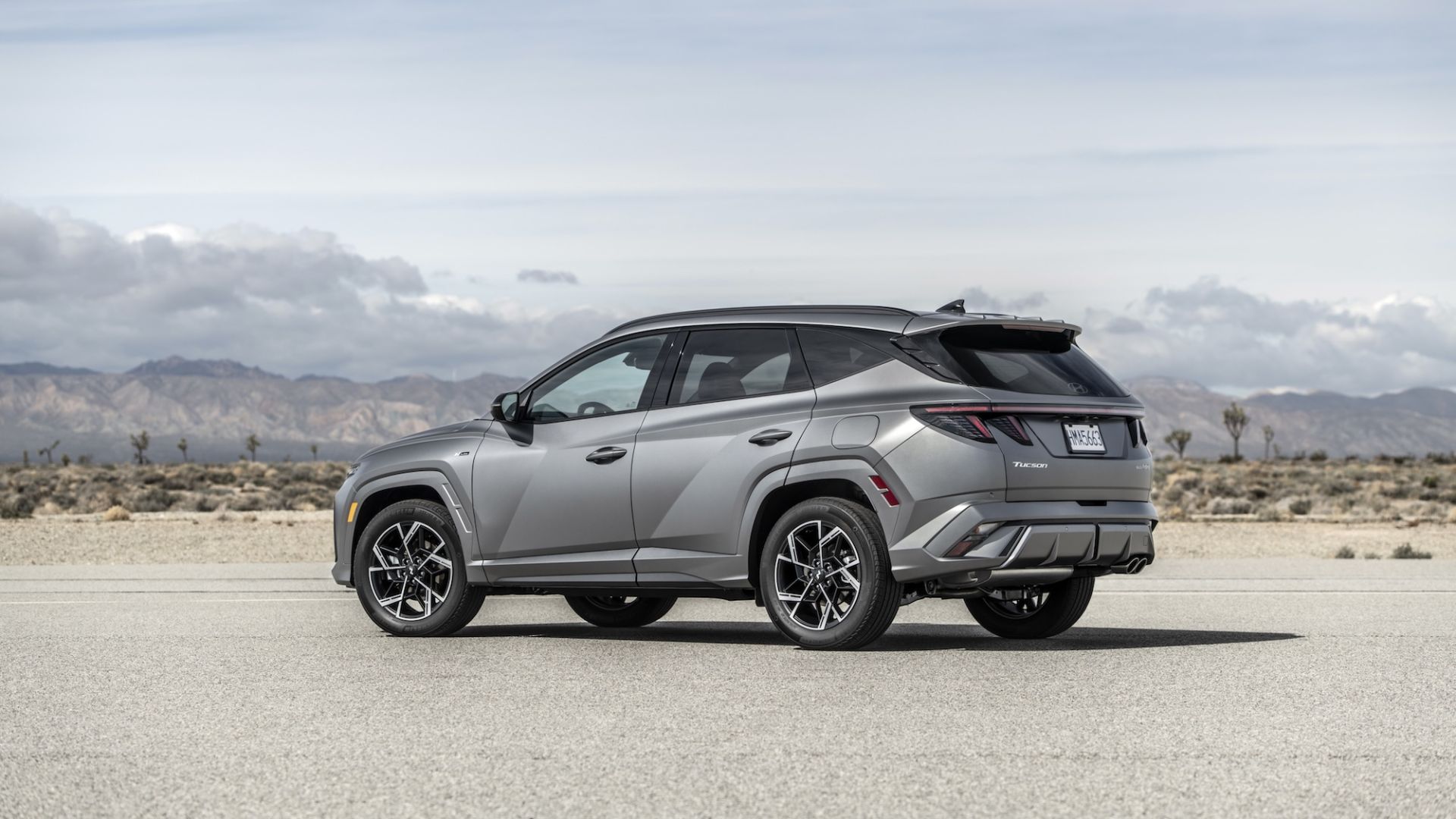
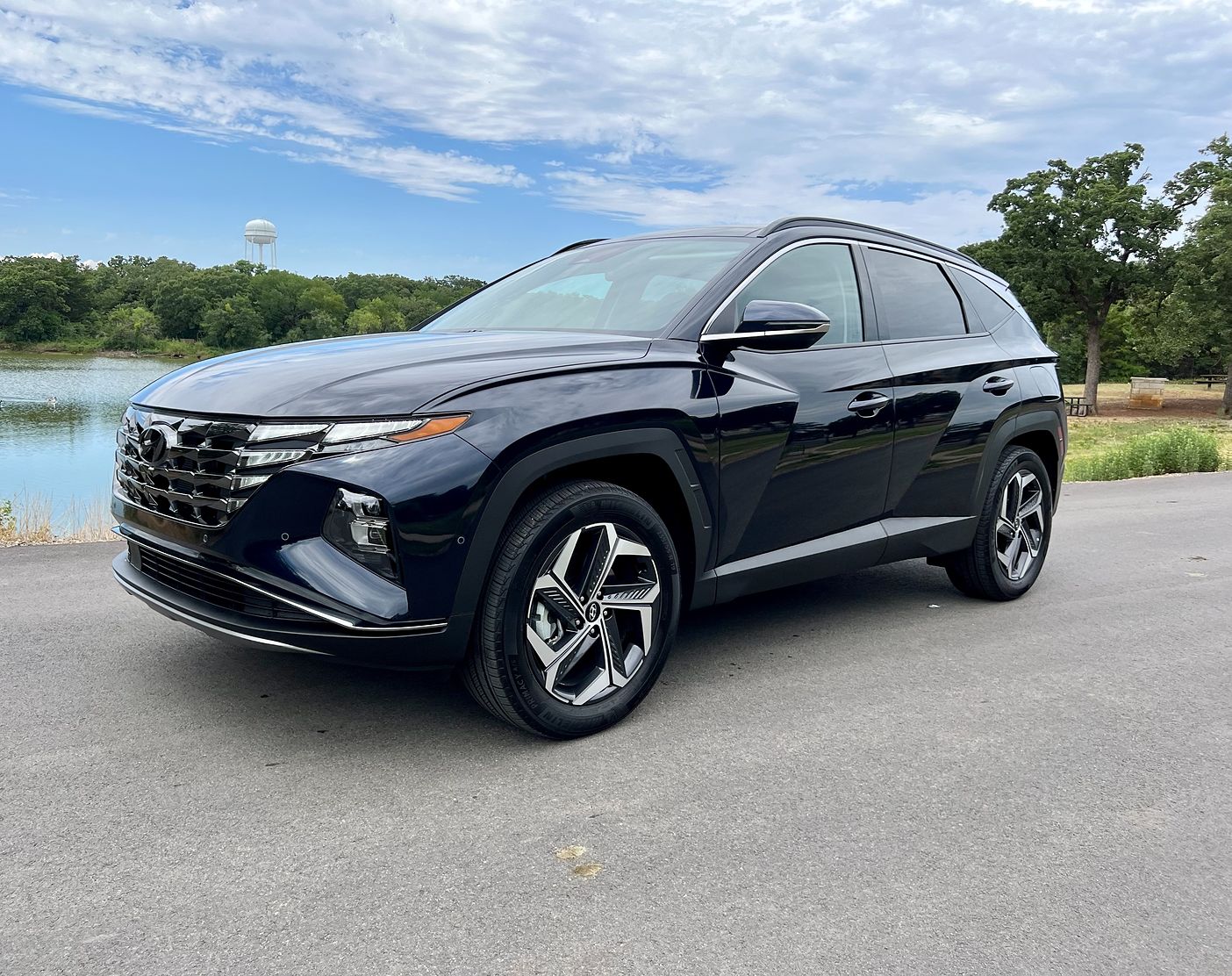
3. Hyundai Tucson
The Hyundai Tucson is a widely used compact SUV that offers strong value and modern features, but like many vehicles in its class, it relies heavily on efficient drainage systems to manage water exposure. One of the most commonly discussed areas related to moisture issues in Tucson is the sunroof drainage network in equipped models.
The sunroof system channels rainwater through narrow tubes that run through the A pillars and down toward the lower body of the vehicle. These drains are effective under normal conditions, but they can become partially blocked by dust, tree debris, or environmental buildup. When this occurs, water may not exit at the intended drainage points and can instead overflow into interior cavities.
In some cases, this water may travel along headliner channels or side pillars before eventually reaching the lower cabin or cargo area. This can create the impression of a trunk leak, even though the actual entry point is located much higher in the vehicle structure.
Another contributing factor is long-term seal aging around the tailgate. The Tucson uses standard rubber weatherstripping that performs well under normal conditions, but in hot climates, prolonged exposure to UV radiation can gradually reduce its flexibility. When this happens, compression effectiveness may decrease slightly, allowing small amounts of moisture to enter during heavy rainfall.
It is also important to recognize that many reported “leaks” in Tucson are not continuous or severe, but intermittent moisture intrusion events that only occur under specific conditions, such as prolonged storms or high-pressure washing.
The Tucson performs adequately in wet environments when maintained properly, but it benefits significantly from regular inspection of drainage systems to ensure long-term water resistance.
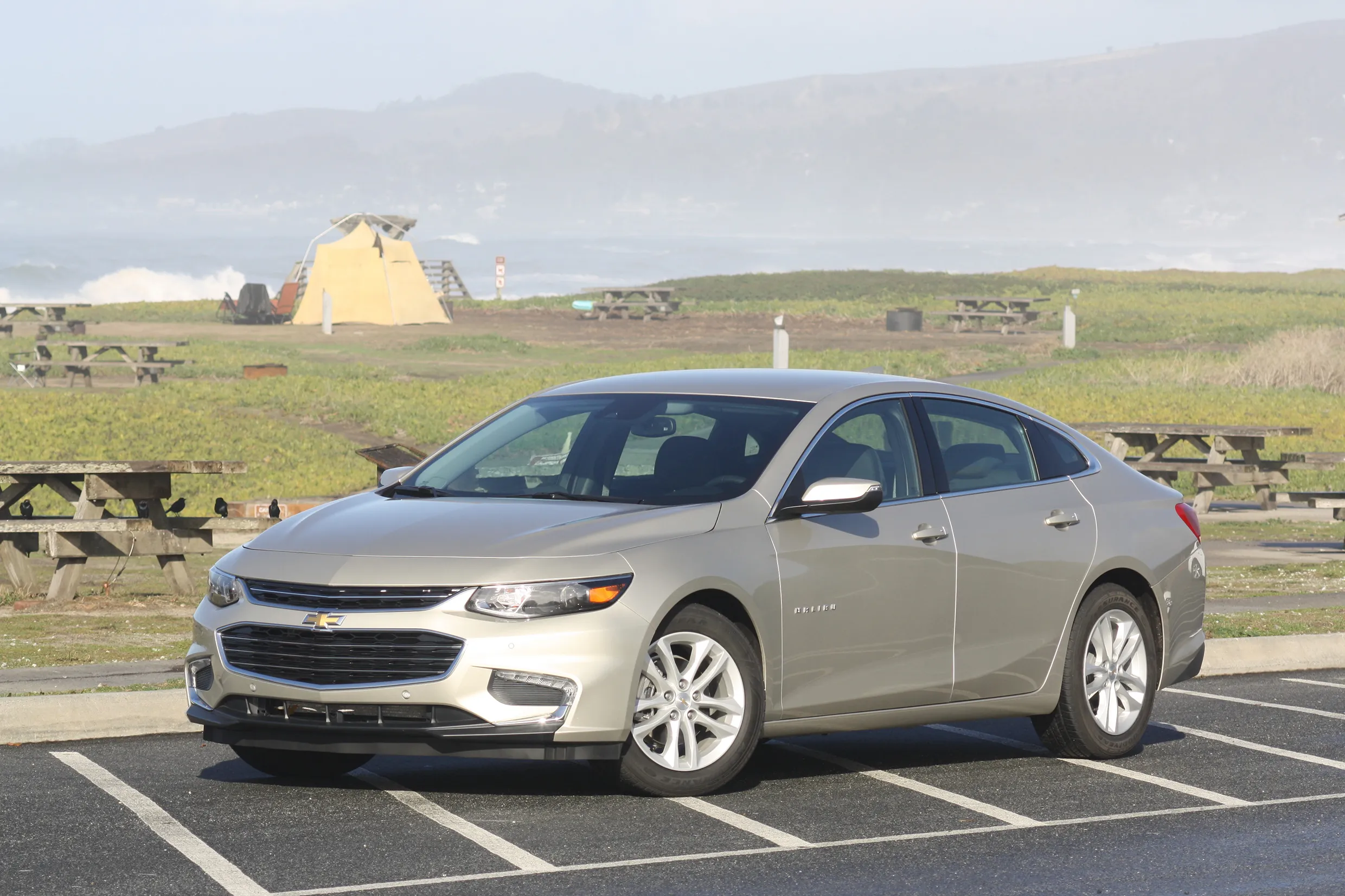
4. Chevrolet Malibu
The Chevrolet Malibu, while technically a sedan rather than an SUV, is often included in discussions about trunk water intrusion due to its similar rear sealing architecture. The trunk design relies heavily on a combination of tailgate seals, rear lamp gaskets, and upper body seam sealant to maintain water resistance.
One of the most commonly reported sources of moisture intrusion in the Malibu is the area around the third brake light or rear tail lamp assemblies. These components are mounted into the trunk lid or rear body panel and rely on rubber gaskets to prevent water entry. Over time, these gaskets can degrade or shift slightly, creating small gaps where water can seep in during heavy rainfall.
Another potential entry point is the trunk lid weatherstrip itself. If the seal becomes compressed unevenly or develops flat spots due to age, water can slowly enter the trunk compartment. This is especially noticeable after car washes or prolonged exposure to continuous rain.
In some cases, water may accumulate in the spare tire well before becoming visible, which makes detection more difficult. Owners may only notice the issue after developing a damp smell or discovering moisture under the trunk liners.
While these issues are not universal, they have been documented frequently enough to be recognized as known maintenance concerns. Fortunately, they are typically straightforward to repair by replacing gaskets or resealing affected areas.
When properly maintained, the Malibu can remain dry in normal conditions, but it does require periodic inspection of rear sealing components to ensure long-term water resistance.
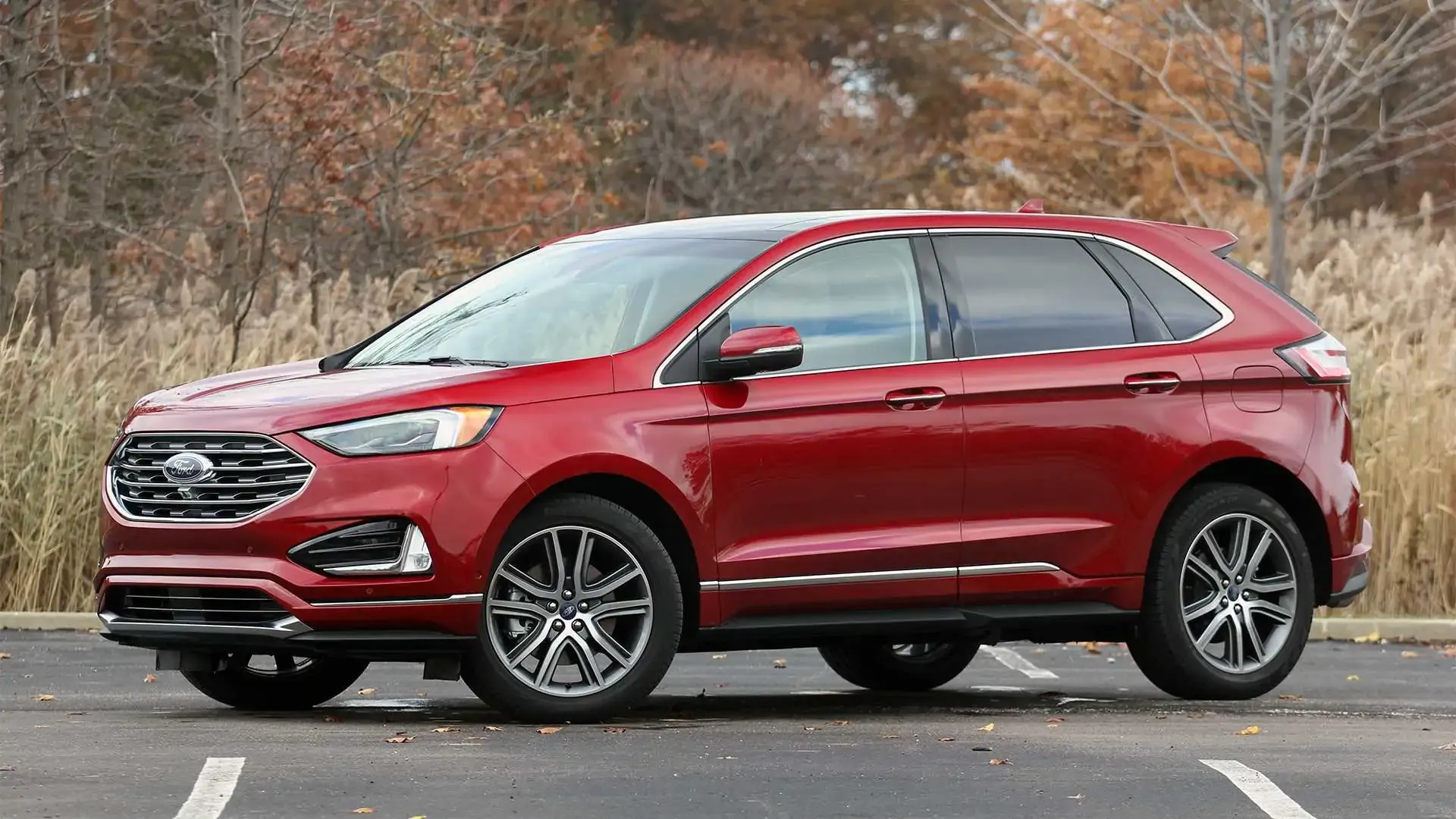
5. Ford Edge
The Ford Edge is a midsize SUV that offers comfort and technology features, including available panoramic sunroofs in many trims. While these features enhance cabin experience, they also introduce additional water management complexity that can influence long-term moisture behavior.
The most common source of reported water intrusion in the Edge is related to sunroof drainage systems. These systems rely on narrow tubes that direct rainwater from the roof assembly to exit points located in the lower body of the vehicle. When functioning properly, they are highly effective. However, if these drains become partially blocked, water can accumulate and overflow into interior trim areas.
Once water enters interior channels, it may travel unpredictably along pillars or roof liners before appearing in lower sections such as the rear cargo area. This can make it difficult for owners to immediately identify the original source of the moisture.
Another contributing factor is seal aging around the tailgate and rear body seams. Over time, rubber materials can lose elasticity, especially in regions with high heat or strong seasonal temperature variation. When this happens, the compression seal may not maintain uniform pressure, allowing small amounts of water intrusion during extreme rainfall.
It is also worth noting that many Edge vehicles operate without any water-related issues throughout their lifespan. Problems tend to appear in cases where drainage maintenance has been neglected or where environmental conditions accelerate wear on sealing materials.
The Edge demonstrates how modern SUV convenience features, while beneficial, require ongoing maintenance to preserve full water resistance performance.
