
Heavy towing places a unique kind of stress on a pickup truck. While engines and transmissions often take the spotlight, the frame is the component that quietly becomes the real burden.
It supports the weight of the trailer, absorbs constant pulling force, and resists twisting over long distances. When a frame is not built to handle this pressure, cracks, flexing, and long-term structural damage can begin to appear.
A strong frame is not just about using thick steel. It is about how that steel is shaped, reinforced, and supported. Fully boxed frames, reinforced crossmembers, and carefully designed mounting points all play a role in ensuring durability.
Trucks that excel in towing conditions are built with these factors in mind, allowing them to maintain structural integrity even after years of demanding use.
Another important aspect is how the frame distributes stress. Towing introduces forces that pull and twist the structure in different directions. A well-designed frame spreads these forces evenly, preventing weak points from forming. This balance is what allows certain trucks to handle heavy loads without developing cracks or long-term fatigue.
Suspension and drivetrain components also contribute to frame longevity. When these systems work in harmony with the frame, they reduce the amount of strain transferred directly to it. This coordination helps preserve the structure, ensuring that it remains strong over time.
Maintenance and usage habits matter as well. Even the strongest frame benefits from proper care, especially when it comes to preventing corrosion and avoiding excessive overload. However, the trucks in this list stand out because their frames are built to handle real-world conditions, not just ideal scenarios.
These pickups are known for their ability to tow heavy loads without compromising structural integrity. They are designed to endure repeated stress, making them reliable choices for those who need a truck that can handle serious work over the long term.
Below are eight pickup trucks with frames that continue to perform under pressure, refusing to crack even after years of heavy towing.
Also Read: 8 SUVs With Front Seats That Slide Far Enough Back For Tall Drivers
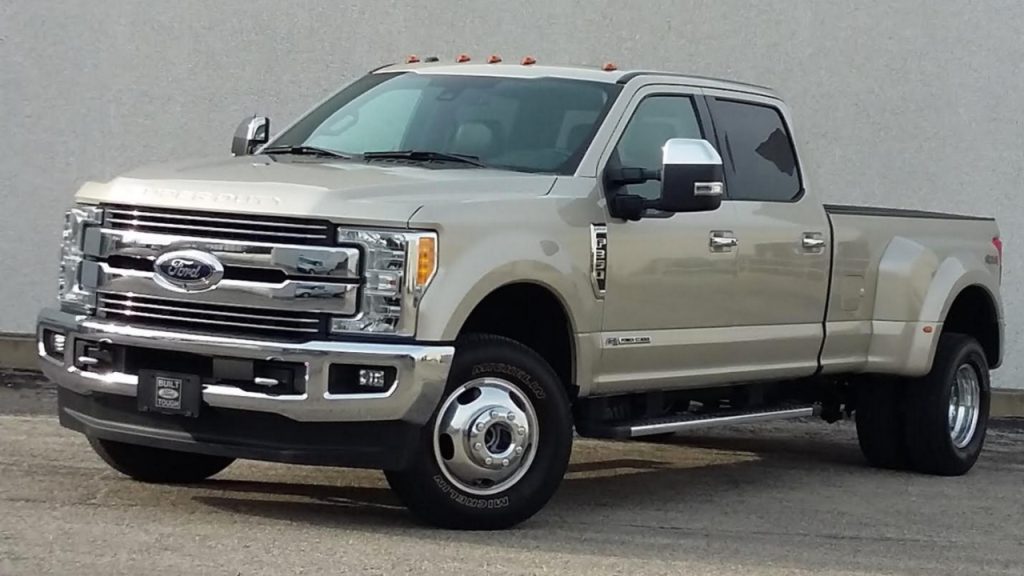
1. Ford F-350 Super Duty (2011–2016)
The Ford F-350 Super Duty from this generation approaches frame strength with a clear focus on heavy-duty performance. Built for demanding tasks, its fully boxed high-strength steel frame provides the rigidity needed to handle substantial towing loads without developing structural weaknesses.
At the core of this durability is the frame’s boxed design. Unlike open-channel frames, a fully boxed structure resists twisting forces more effectively.
This becomes especially important during towing, where uneven forces can place significant stress on the rear section of the truck. The F-350 manages these forces with confidence, maintaining alignment even under load.
The crossmembers play a critical role in reinforcing the structure. Positioned strategically along the frame, they help distribute weight evenly and prevent localised stress. This ensures that no single section becomes a weak point over time, which is a common cause of cracks in less robust designs.
Another aspect that contributes to the frame’s longevity is how it interacts with the suspension system. The mounting points are reinforced to handle repeated stress, reducing the impact of heavy loads on the structure itself. This coordination allows the truck to absorb shocks without transferring excessive strain to the frame.
Drivers often notice a sense of stability when towing with the F-350. The truck does not feel unsettled or prone to flex, even when pulling large trailers. These consistent behaviours are a direct result of the frame maintaining its integrity under pressure.
The material quality also plays a role. High-strength steel provides the necessary durability without adding excessive weight. This balance allows the truck to handle heavy loads while maintaining structural resilience over time.
Corrosion resistance is another factor that supports long-term durability. Protective coatings and design choices help minimise exposure to moisture, which can weaken the frame if left unchecked. With proper care, the structure remains strong for years.
There is also a practical side to this durability. A frame that resists cracking allows owners to continue using the truck for demanding tasks without worrying about structural failure. This reliability makes it a popular choice for those who rely on their vehicles for work.
Many F-350 trucks have accumulated high mileage while towing regularly. Despite this, the frame continues to perform, proving its ability to handle sustained stress without degradation.
The Ford F-350 Super Duty demonstrates what a well-engineered frame can achieve. Its ability to resist cracking under heavy towing conditions makes it a standout in the heavy-duty truck segment.
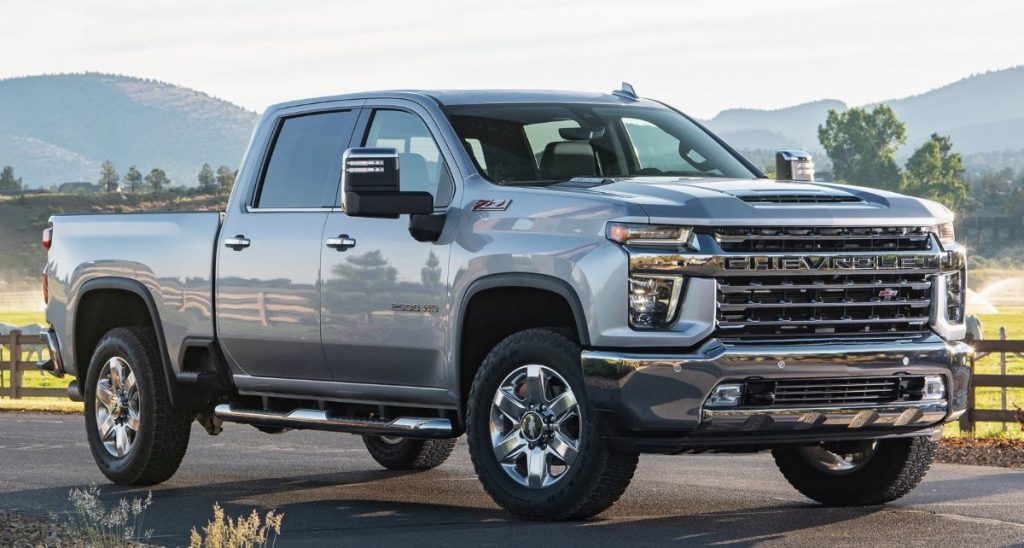
2. Chevrolet Silverado 2500HD (2015–2019)
The Chevrolet Silverado 2500HD brings a different approach to frame durability, focusing on a combination of strength and refined engineering. Its fully boxed frame is designed to handle heavy towing demands while maintaining stability and long-term reliability.
One of the key features of this frame is its hydroformed construction. This process allows for precise shaping of the steel, resulting in a structure that is both strong and consistent. By eliminating weak points that can occur in traditional manufacturing methods, the frame gains additional resilience.
The Silverado’s frame is built to handle the dynamic forces associated with towing. These forces are not constant but change depending on speed, terrain, and load distribution. The frame’s design accounts for these variations, ensuring that it can adapt without developing stress fractures.
Crossmembers and reinforcements are placed strategically to support high-stress areas. This includes the rear section, where towing loads are concentrated. By strengthening these areas, the frame reduces the likelihood of long-term damage.
Another factor that contributes to its durability is how the frame integrates with the truck’s design. The suspension and drivetrain systems are engineered to work in harmony with the structure, reducing the amount of strain transferred directly to the frame. This coordination helps extend its lifespan.
Drivers often describe a sense of control when towing with the Silverado 2500HD. The truck remains stable, with minimal flex or movement. This stability is a sign that the frame is handling the load effectively.
Material quality is also a significant factor. High-strength steel provides the necessary toughness to resist cracking while maintaining a manageable weight. This balance allows the truck to perform well under heavy loads without compromising durability.
Corrosion protection is built into the design, helping to preserve the frame over time. With proper maintenance, it can remain in excellent condition even after years of use.
There is also a level of consistency in how the frame performs. It does not show signs of weakening quickly, even when exposed to repeated towing. This reliability builds confidence for owners who depend on their trucks for demanding tasks.
Many Silverado 2500HD trucks are used in work environments where towing is a regular requirement. Despite this, the frame continues to hold up, demonstrating its ability to handle sustained stress.
The Chevrolet Silverado 2500HD highlights how advanced engineering can enhance durability. Its frame is designed to withstand heavy towing conditions while maintaining structural integrity, making it a dependable choice for long-term use.
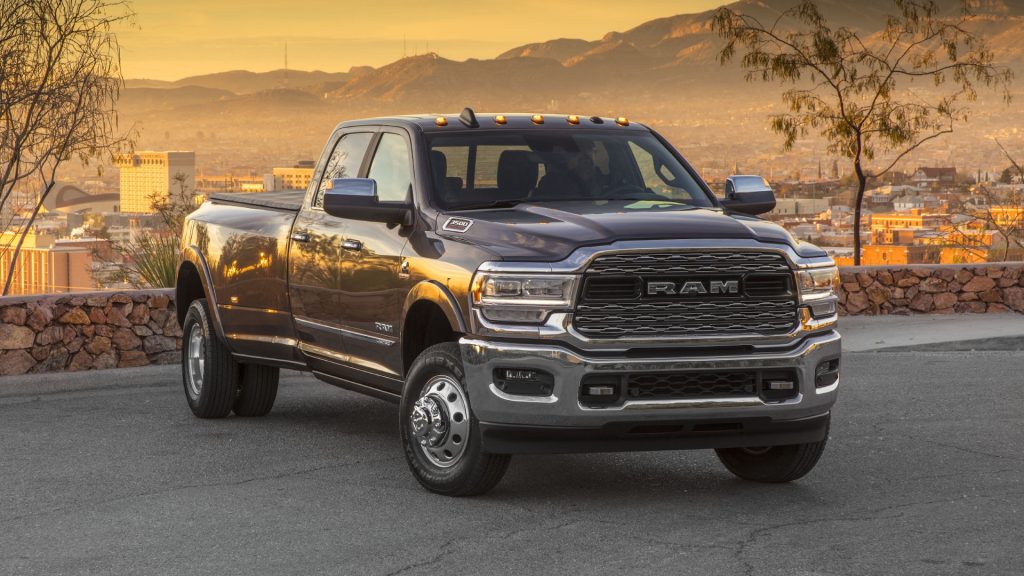
3. Ram 3500 (2013–2018)
The Ram 3500 approaches frame durability with a mindset that leans heavily toward controlled strength rather than brute rigidity alone. Its fully boxed high-strength steel frame is engineered to handle immense towing forces, yet what sets it apart is how it manages stress instead of simply resisting it.
When a heavy trailer is attached, the rear section of a truck becomes the focal point of a continuous pulling force. The Ram 3500 addresses this by reinforcing the rear frame rails and integrating strong crossmembers that act as stabilising anchors.
These reinforcements prevent the kind of localised fatigue that often leads to cracks in lesser designs.
A different way to understand its durability is by looking at how it behaves over time. Trucks that struggle with towing tend to develop subtle signs first, such as malalignment, increased vibration, or a feeling of looseness.
The Ram 3500 avoids this pattern. Even after years of towing, it retains a composed and stable character, which reflects a frame that continues to hold its structural integrity.
The suspension system contributes heavily to this outcome. Instead of transferring every shock directly into the frame, it absorbs and distributes forces in a controlled manner. This reduces the long-term strain placed on the structure, allowing it to endure repeated use without weakening.
Material choice is another key element. The high-strength steel used in the frame provides both rigidity and resilience. It is capable of handling stress without becoming brittle, which is important in preventing cracks from forming under repeated load cycles.
There is also a noticeable consistency in how the truck performs under different towing conditions. Whether pulling on highways or moving through uneven terrain, the frame adapts without showing signs of stress concentration. This adaptability is crucial for long-term durability.
Corrosion protection plays a supporting role as well. A frame that resists environmental damage is less likely to develop weak points over time. With regular maintenance, the Ram 3500’s structure remains strong even after years of exposure.
Drivers often describe a sense of confidence when towing with this truck. It does not feel strained or unstable, which is a direct result of the frame doing its job effectively. That confidence grows with experience, as the truck continues to perform reliably.
Many of these trucks are used in demanding environments where towing is a daily requirement. Despite this, the frame continues to hold up, proving its ability to handle sustained stress without failure.
The Ram 3500 demonstrates that durability is not just about strength but about how that strength is applied. Its frame is built to manage heavy towing loads in a way that prevents long-term damage, allowing it to remain dependable through years of hard use.
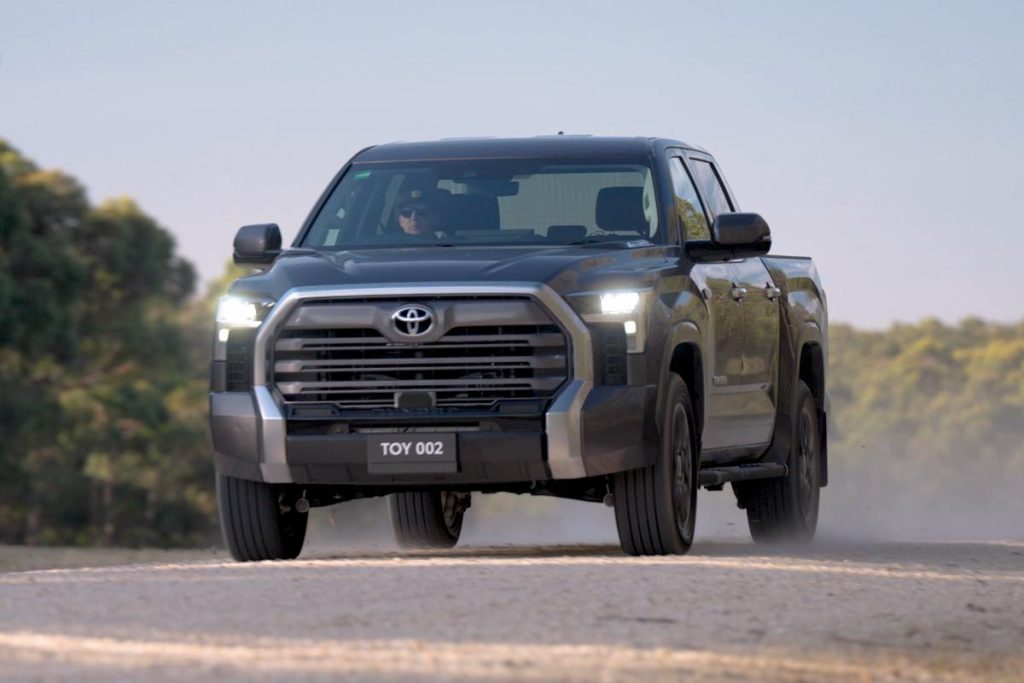
4. Toyota Tundra (2007–2013)
The Toyota Tundra from this generation offers a different perspective on frame durability, focusing on overengineering and long-term reliability. Its fully boxed frame is designed with a level of strength that exceeds typical usage, creating a margin of safety that becomes increasingly valuable over time.
Rather than pushing the limits of its materials, the Tundra’s frame operates well within them. This approach reduces the likelihood of stress-related damage, as the structure is not constantly being pushed to its maximum capacity. When towing heavy loads, this built-in reserve strength helps prevent fatigue from developing.
The frame’s construction emphasises uniformity. The boxed design provides consistent rigidity along its length, which helps distribute towing forces evenly. This prevents certain areas from becoming overstressed, a common cause of cracks in less balanced structures.
Another way to understand its durability is through its behaviour under load. The Tundra maintains a steady and predictable feel, even when towing substantial weight. There is no sense of excessive flex or instability, which indicates that the frame is handling the stress effectively.
The integration between the frame and suspension system is also carefully considered. The mounting points are reinforced to handle repeated stress, ensuring that the forces generated during towing do not compromise the structure. This coordination helps extend the life of the entire vehicle.
Material quality plays a significant role as well. The steel used in the frame is chosen for its ability to resist both deformation and fatigue. This combination allows the frame to endure long-term use without developing weaknesses.
Corrosion resistance adds another layer of protection. With proper care, the frame can remain in strong condition for many years, even in challenging environments. This helps preserve its structural integrity over time.
There is also a sense of reliability that comes from using a truck built with this philosophy. The Tundra does not rely on complex solutions to achieve durability. Instead, it focuses on doing the basics exceptionally well, which results in a frame that lasts.
Owners who use these trucks for towing often find that the frame continues to perform without issue, even after significant mileage. This consistency builds trust, making it a dependable choice for long-term use.
The Toyota Tundra shows that durability can come from thoughtful engineering and conservative design. Its frame is built to handle heavy towing without approaching its limits, allowing it to resist cracking and maintain strength over time.
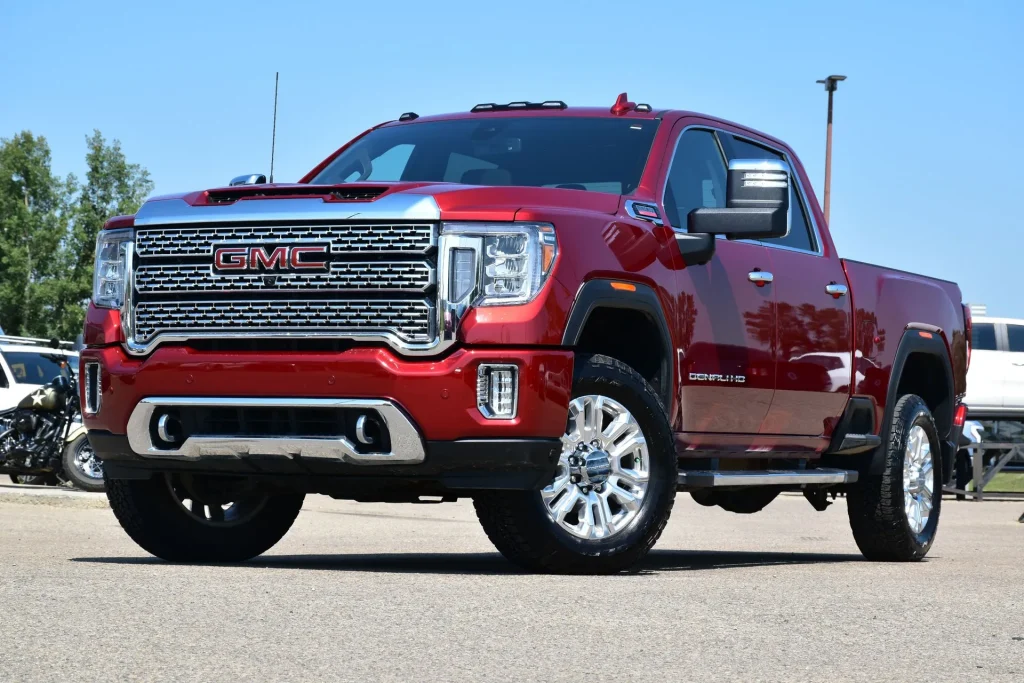
5. GMC Sierra 3500HD (2015–2019)
Strength in the GMC Sierra 3500HD begins with how the frame is formed before it is even assembled. Hydroforming shapes the front sections into continuous rails with fewer seams, which reduces stress risers that can become crack initiation points under repeated towing. The result is a structure that behaves as one piece rather than a collection of joined sections.
Think about what happens during a long uphill pull with a heavy trailer. The rear of the truck is constantly loaded, while the front is managing steering and stability.
This Sierra counters that imbalance with a ladder frame that uses thick, boxed rails and closely spaced crossmembers. The crossmembers act like braces, limiting torsional movement and keeping the rails from flexing out of alignment.
There is also attention to the hitch area that many trucks overlook. Reinforcement plates and stronger mounting points spread the pulling force across a wider section of the frame. Instead of concentrating stress at a single attachment point, the design distributes it along the rails. This lowers the chance of fatigue cracks forming over time.
Another layer of durability comes from how the frame works with the suspension. Leaf springs at the rear are tuned to carry heavy loads without transmitting sharp impacts directly into the structure. When the road surface changes, the suspension absorbs a portion of that force, protecting the frame from sudden stress spikes.
Material choice is deliberate. High-strength steel allows the frame to remain rigid without becoming brittle. A frame that is too rigid can crack under repeated cycles, while one that flexes too much can deform. The Sierra finds a balance, resisting deformation while still tolerating long-term stress.
Corrosion protection is built into the design through coatings and drainage paths that reduce moisture retention. This matters because even a strong frame can weaken if corrosion is allowed to develop unchecked. With basic care, the structure stays intact for years.
Drivers often notice that the truck remains composed even when towing near its capacity. There is no wandering sensation or delayed response, which suggests the frame is maintaining its geometry under load.
Many Sierra 3500HD trucks spend their lives towing equipment or trailers daily. Despite this constant demand, the frame continues to perform without signs of cracking. That consistency is what defines its durability.
The GMC Sierra 3500HD shows that careful engineering, not just raw strength, is what allows a frame to endure heavy towing without failure.
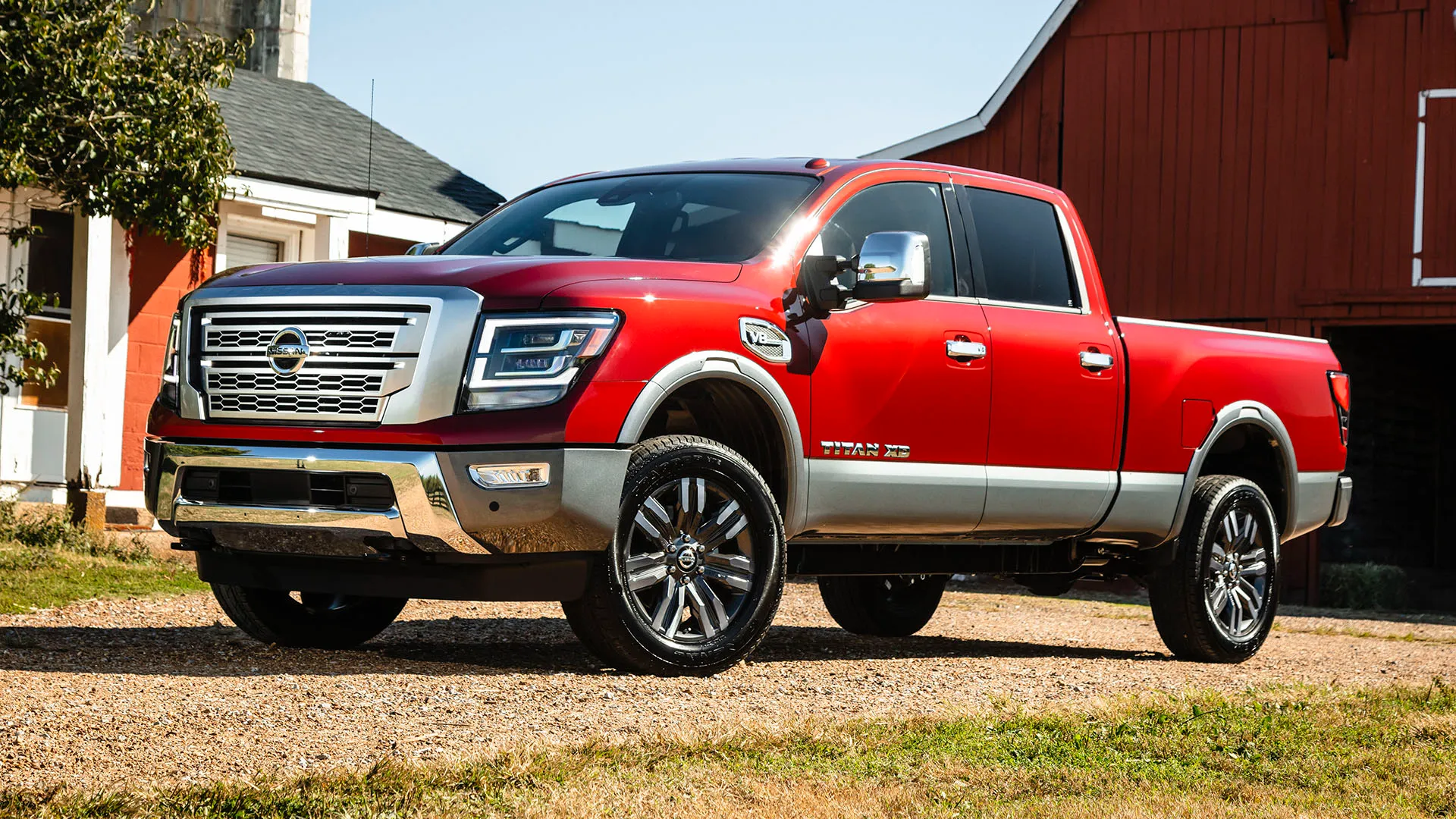
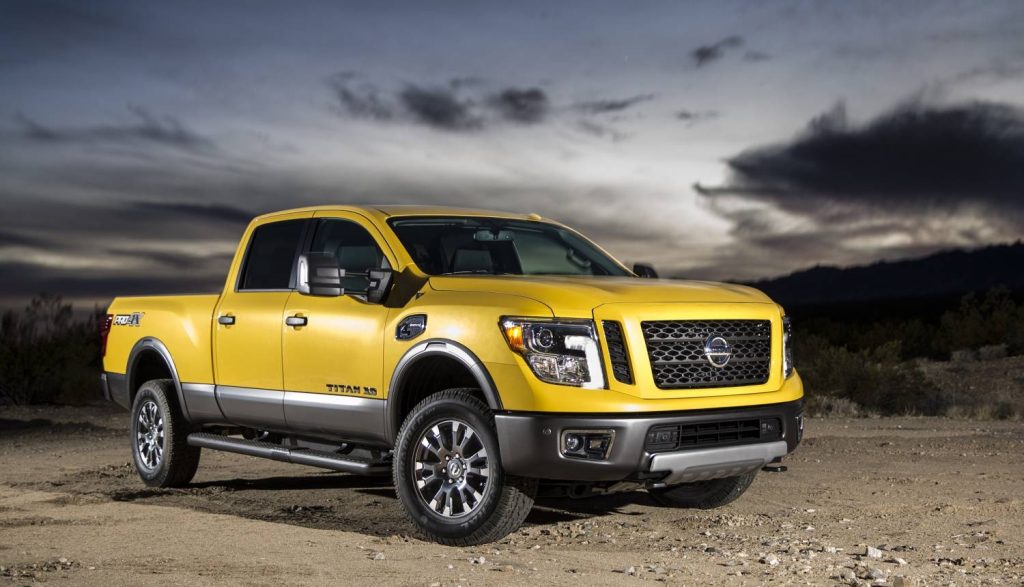
6. Nissan Titan XD (2016–2019)
The Nissan Titan XD occupies a unique position between light-duty and heavy-duty trucks, and its frame reflects that middle ground. It is built stronger than a typical half-ton truck and avoids the excessive weight of larger trucks. This balance allows it to handle towing stress without pushing the structure to its limits.
A closer look reveals a fully boxed ladder frame with reinforced sections where towing loads are most intense. The rear rails are designed to carry sustained pulling force while maintaining alignment. Instead of allowing gradual flex, the structure holds its shape, which helps prevent long-term fatigue.
Another way to understand its durability is by observing how it reacts to changing conditions. Towing rarely involves constant forces. There are shifts caused by braking, acceleration, and road irregularities. The Titan XD frame manages these variations by distributing stress across multiple points rather than letting it accumulate in one area.
The crossmember layout supports this approach. By placing reinforcements at key intervals, the frame reduces the likelihood of weak spots forming. Each section works with the next, creating a continuous structure that resists both bending and twisting.
Suspension tuning also plays a role. The Titan XD is designed to handle heavier loads than standard pickups, and its suspension absorbs much of the dynamic stress. This reduces the direct impact on the frame, allowing it to maintain integrity over time.
Material selection is aimed at durability without unnecessary weight. The steel used in the frame provides enough strength to resist cracking while allowing a degree of controlled flex. This flexibility is important because it prevents stress from concentrating in one place.
Corrosion resistance is addressed through coatings and design features that limit exposure to moisture. With routine care, the frame remains solid even after years of use in different environments.
On the road, the truck feels stable and predictable when towing. There is no sense of strain or instability, which indicates that the frame is handling the load effectively. That steady behaviour is a sign of a well-balanced structure.
Many Titan XD trucks are used for moderate to heavy towing regularly. Despite this, the frame continues to perform without showing signs of cracking or structural fatigue.
The Nissan Titan XD proves that a thoughtfully engineered middle ground can deliver strong towing durability. Its frame is built to handle stress consistently, allowing it to remain reliable through years of demanding use.
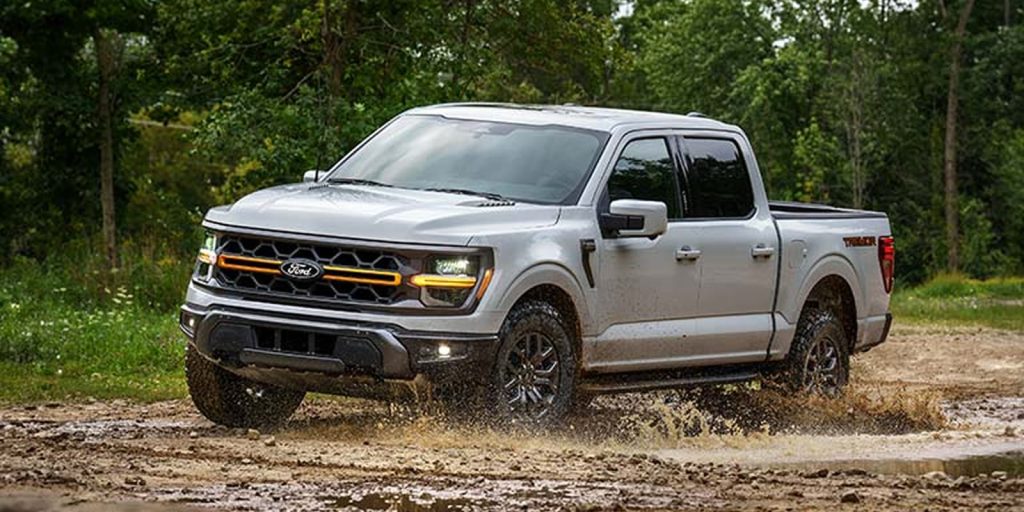
7. Ford F-150 (2015–2020)
The Ford F-150 from this generation takes a different route to frame durability by combining a high-strength steel frame with a lighter aluminium body. While much attention goes to the body material, the frame underneath is where the real towing strength lies.
It is engineered to handle repeated stress cycles without developing cracks, even when used consistently for towing.
The frame uses a boxed design that increases rigidity while maintaining controlled flexibility. This balance is important. A frame that is too stiff can become brittle under repeated stress, while one that flexes too much can lose alignment. The F-150 manages to sit between these extremes, allowing it to absorb forces without long-term damage.
Another important factor is how the frame distributes towing loads. The hitch area is reinforced to spread stress across a wider section of the structure. Instead of concentrating force in a single point, the design ensures that multiple sections share the load. This reduces the likelihood of fatigue forming in any one area.
The crossmember layout also plays a role in maintaining structural integrity. These reinforcements prevent excessive twisting when the truck is under load, especially during uneven driving conditions. By limiting torsional movement, the frame maintains its shape over time.
The suspension system complements this design by absorbing shocks before they reach the frame. This reduces the intensity of stress cycles, which is a key factor in preventing cracks. Over time, this cooperation between systems helps preserve the structure.
Material quality is another strength. High-strength steel provides durability without excessive weight, allowing the truck to handle towing demands efficiently. This material choice also contributes to long-term resistance against deformation.
Corrosion protection is integrated into the frame, helping it maintain its strength in different environments. With regular care, the structure can remain in good condition for many years, supporting long-term use.
Driving with a trailer reveals how stable the truck feels. There is no excessive flex or instability, which indicates that the frame is handling the load effectively. This consistency builds confidence for drivers who rely on their trucks regularly.
Many F-150 trucks are used for both personal and work-related towing. Despite this varied usage, the frame continues to perform reliably, showing no signs of structural weakness.
The Ford F-150 demonstrates that durability can be achieved through balance and smart engineering. Its frame is built to handle towing stress without cracking, making it a dependable choice for long-term use.
8. Toyota Hilux (2016–Present)
The Toyota Hilux continues its legacy of durability with a frame designed to handle extreme conditions and heavy towing. This latest generation builds on decades of experience, refining the structure to improve strength while maintaining the toughness the model is known for.
At the core of this durability is a reinforced ladder frame made from high-strength steel. The design increases rigidity while still allowing controlled flex, which is essential for handling repeated towing stress. This combination prevents the formation of cracks that can occur when a frame is either too rigid or too weak.
The frame’s layout focuses on even stress distribution. When towing, forces are spread across multiple sections rather than concentrated in one area. This reduces the likelihood of fatigue over time, allowing the structure to maintain its integrity.
Crossmembers are positioned to support key load-bearing areas, particularly near the rear wheel, where towing forces are highest. These reinforcements help the frame resist bending and twisting, ensuring that it remains aligned even under heavy loads.
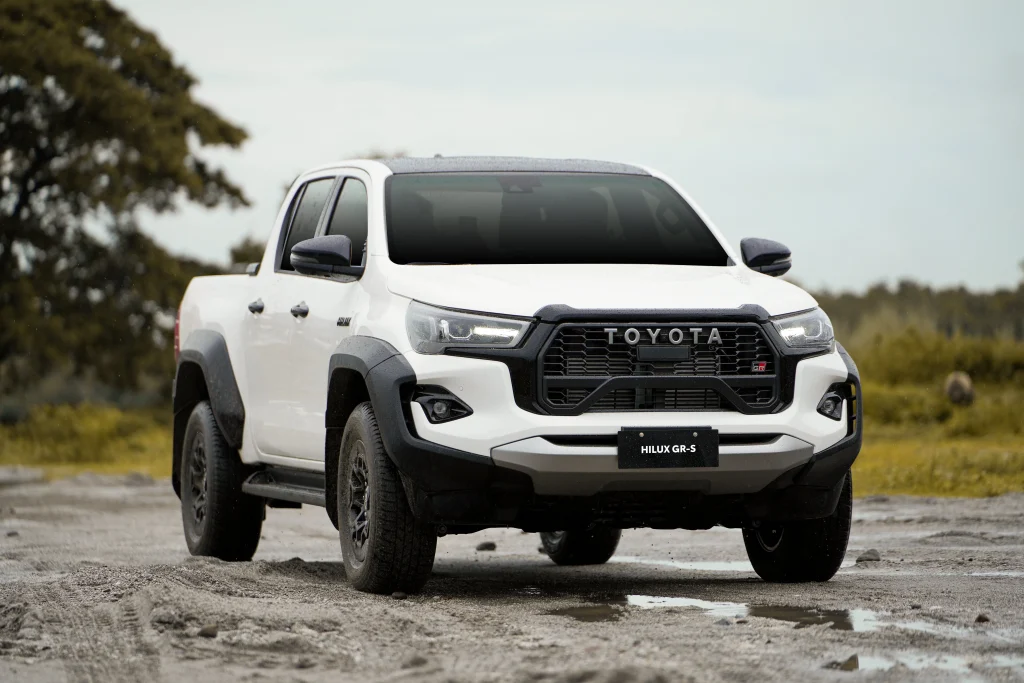
Another aspect that contributes to its strength is how it handles real-world conditions. The Hilux is often used in environments where roads are uneven and loads are unpredictable. The frame is designed to adapt to these conditions without developing structural issues.
The suspension system works in harmony with the frame, absorbing shocks and reducing the impact of sudden forces. This cooperation helps extend the life of the structure, allowing it to endure repeated use without weakening.
Corrosion resistance is also improved in this generation, with coatings and design features that protect the frame from environmental damage. With proper maintenance, it can remain strong for many years.
Drivers often notice how composed the truck feels when towing. There is a sense of control and stability that reflects a frame built to handle stress effectively. This consistency remains even as the vehicle accumulates mileage.
Many Hilux trucks are used in demanding roles, from commercial work to off-road applications. Despite this, the frame continues to perform without signs of cracking, reinforcing its reputation for durability.
The Toyota Hilux shows how continuous improvement can enhance an already strong design. Its frame is built to withstand heavy towing and challenging conditions, making it one of the most reliable options for long-term use.
Also Read: 8 Used Cars Under $15K With Genuinely Comfortable Highway Seats
