
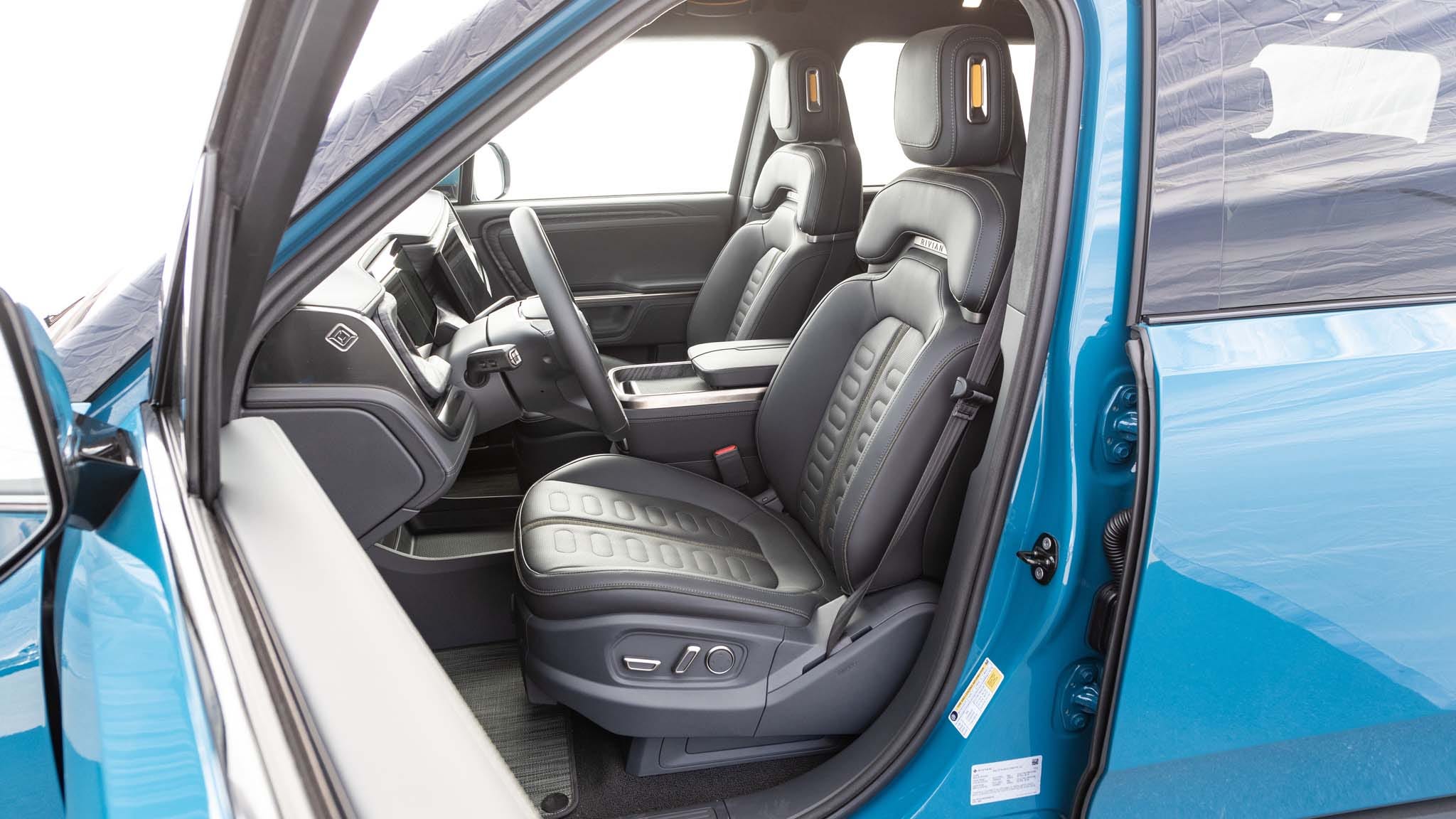
Height should never feel like a disadvantage once you sit behind the wheel. Yet for tall drivers, that frustration is familiar. Knees press against dashboards, steering wheels sit too close to the chest, and seat tracks stop sliding just short of true comfort. Long legs demand space, and without it, even short drives can feel tiring.
Automakers now understand that driver accommodation extends far beyond padding or leather quality. Legroom, seat travel distance, steering wheel adjustment range, and pedal placement all matter. A front seat that slides far enough back changes everything.
It allows a natural driving posture, reduces fatigue, and restores confidence during long trips. Tall drivers stop adjusting themselves to the vehicle and instead enjoy a vehicle designed to meet their proportions. SUVs have become the best answer to this problem.
Their larger cabins and higher rooflines create opportunities for better seat engineering. Still, not every SUV gets it right. Some prioritize rear legroom or cargo space, leaving front seat travel compromised. Others quietly excel, offering seat tracks that extend far enough back to suit drivers well over six feet tall.
This page focuses on eight SUVs that deliver real front seat travel without awkward compromises. Each model listed here allows tall drivers to stretch out, sit upright, and drive without feeling boxed in. Comfort, control, and practicality all work together. Part One begins with four SUVs that consistently earn praise from taller owners who want space where it matters most.
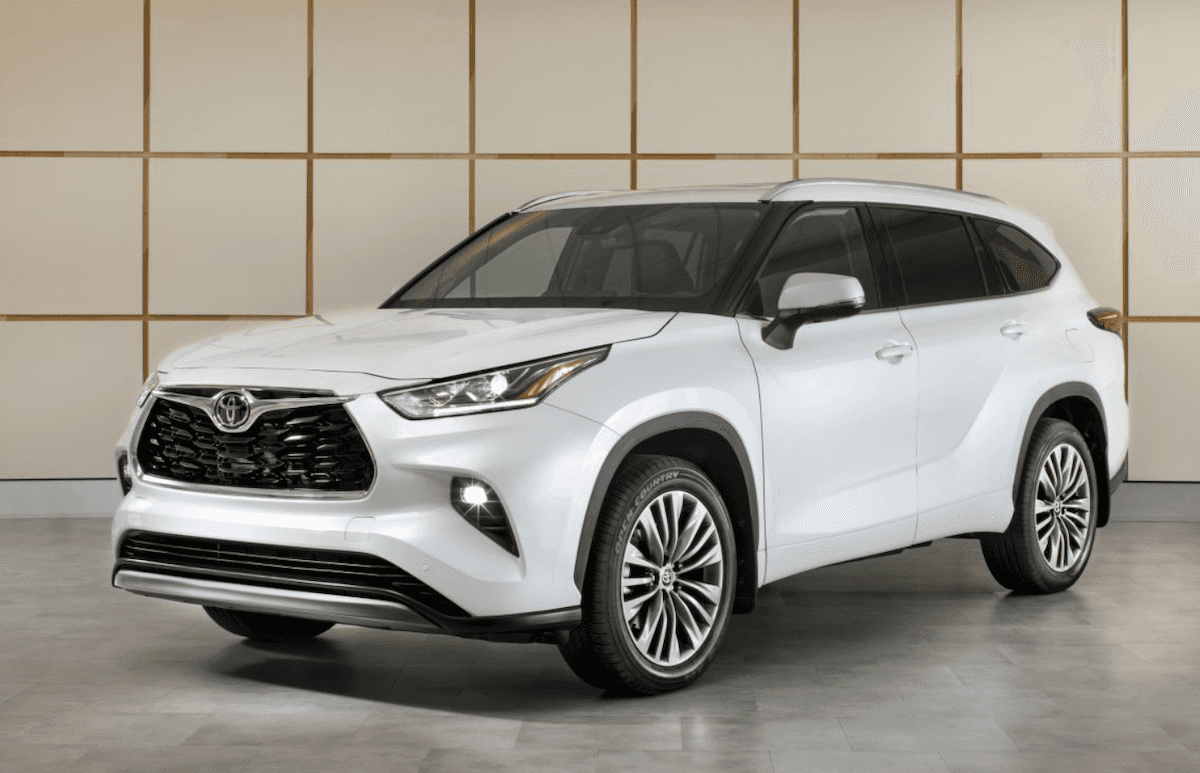
1. Toyota Highlander
Driver comfort inside the Toyota Highlander begins with thoughtful seat engineering rather than surface-level luxury. Front seats slide back farther than expected for a mid-size SUV, creating genuine legroom for taller drivers. This extended travel allows long legs to rest naturally, avoiding the bent-knee posture that leads to discomfort after a long time.
Seat rails feel solid and deliberate in their movement. Each adjustment locks firmly into place, preventing unwanted movement during acceleration or braking. Power seat controls respond smoothly, making fine adjustments easy. Taller drivers appreciate the ability to sit farther from the pedals while still maintaining confident reach. Steering wheel tilt and telescoping range complement this setup, allowing arms to rest comfortably without hunching forward.
Cushion length supports long thighs properly. Many vehicles overlook this detail, leaving taller drivers with unsupported legs. Highlander seats distribute weight evenly, reducing pressure points during extended drives. Lower back support remains adjustable, helping drivers maintain healthy posture on highways and city roads alike.
Cabin layout reinforces this comfort. Dashboard placement avoids intrusion into knee space, even when seats slide fully back. Center console width feels balanced, providing arm support without crowding. Door panels sit far enough away to avoid pinching long legs, even during relaxed driving positions.
Visibility benefits from this seating flexibility. Sitting farther back does not compromise outward sightlines. Windshield height and mirror placement remain effective, allowing tall drivers to maintain full awareness of their surroundings. Headroom stays generous, preventing contact with headliners even for drivers with longer torsos.
Passenger considerations remain intact. Despite the extended seat travel, rear legroom stays usable, proving Toyota managed space efficiently. This balance suits families where drivers and passengers share the cabin comfortably. Highlander delivers a seating position that feels natural rather than forced. For tall drivers seeking relaxed posture and dependable comfort, this SUV provides space without demanding adjustment sacrifices.
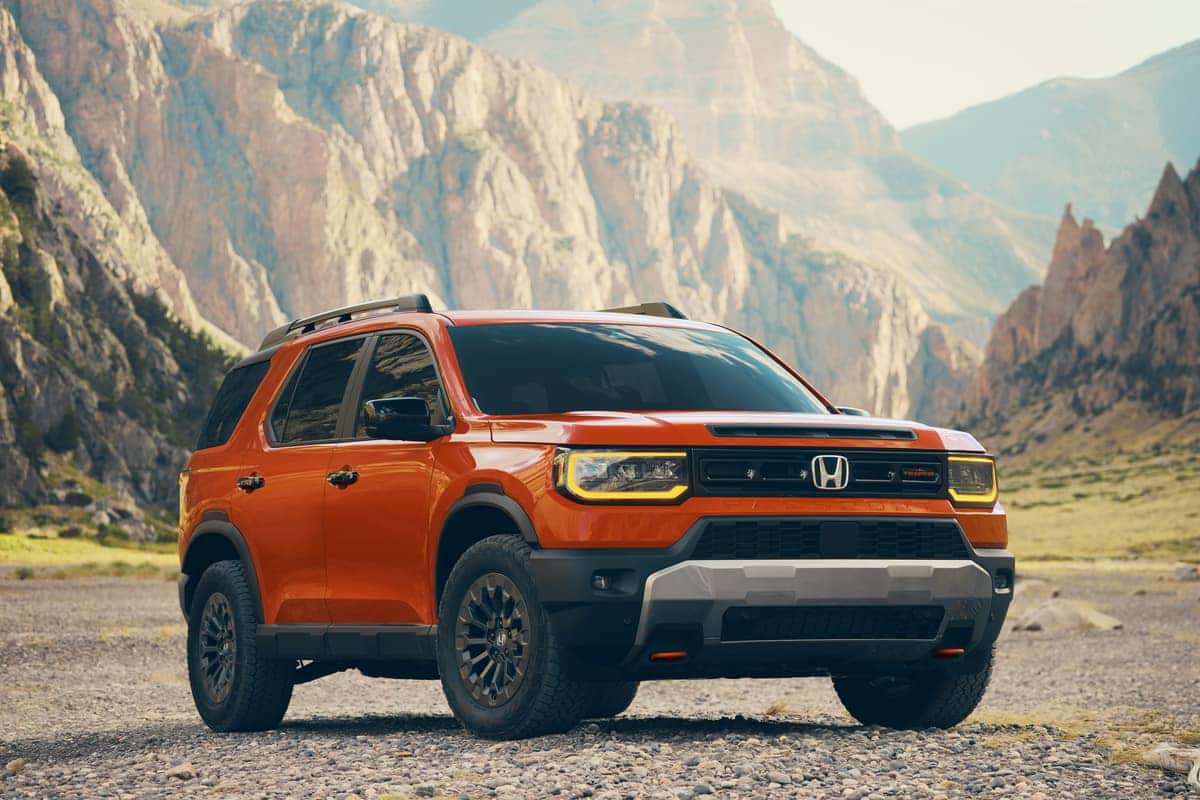
2. Honda Passport
Confidence defines the seating experience inside the Honda Passport, especially for taller drivers who struggle with limited legroom. Front seats slide back impressively far, offering space that immediately feels intentional. Long legs settle comfortably without pressing against pedals or dashboard surfaces. This extra distance allows drivers to maintain a balanced posture, reducing tension across the hips, knees, and lower back.
For people whose height creates daily discomfort in poorly planned cabins, this seating layout provides relief through thoughtful measurement and deliberate driver accommodation during routine commutes and extended journeys. It supports calm control and confidence during every driving situation without forced compromise.
Seat controls allow precise adjustment for individual comfort. Power-operated movement responds smoothly, allowing drivers to fine-tune distance and height without repeated effort. This broad range suits varied body proportions, whether height comes from longer legs or a taller torso. Steering wheel reach and tilt align well with this setup, keeping shoulders relaxed and elbows slightly bent.
Such alignment helps maintain a steady posture while reducing strain during city traffic and motorway travel. These adjustments support natural arm placement and consistent pedal access throughout extended periods of seated driving activity each day. Comfort remains stable without awkward stretching or compression.
Seat base length supports thighs fully, an element often missing in vehicles that ignore taller physiques. Proper leg support reduces pressure buildup during longer trips, helping muscles remain relaxed. The Passport seat structure balances firmness with comfort, preventing sinking while avoiding harsh rigidity.
Posture stays steady across uneven road surfaces and variable speeds. Adjustable lumbar support encourages upright spinal alignment, which assists blood circulation and lowers fatigue during extended driving. This careful seating design allows taller drivers to remain comfortable without frequent repositioning or discomfort during work travel, leisure trips, or family journeys that demand sustained attention behind the wheel.
Interior layout around the driver reflects restraint and order. The centre console sits at a sensible height, providing arm support without crowding leg movement. Knee space remains generous even when the seat reaches its rearward limit. Door panels curve outward, preventing contact during steering input. Storage placement avoids intrusion into foot space, supporting relaxed positioning.
This open arrangement promotes ease of movement and reduces stiffness during prolonged use. Drivers can enter and exit the cabin smoothly, benefiting their joints and posture. Such thoughtful spacing contributes to sustained comfort across daily routines and longer distance travel without distraction or physical irritation developing.
Visibility remains dependable from the extended seating position. The windshield offers ample vertical clearance, allowing taller drivers to observe traffic signals without leaning forward. Bonnet placement supports accurate vehicle positioning during parking and manoeuvring. Sitting farther back does not reduce road awareness.
Side mirrors align naturally with sightlines, limiting head movement. Headroom stays generous, preventing contact with roof trim or sunroof structures. This clearance preserves comfort across varied seating heights and adjustment settings. Strong outward vision supports confident driving in traffic, poor weather, and low-light conditions without posture changes or visual strain during sustained use. This stability enhances the driver.
Also Read: 10 SUVs You Can Wash At A Drive-Through Car Wash Without Folding The Mirrors
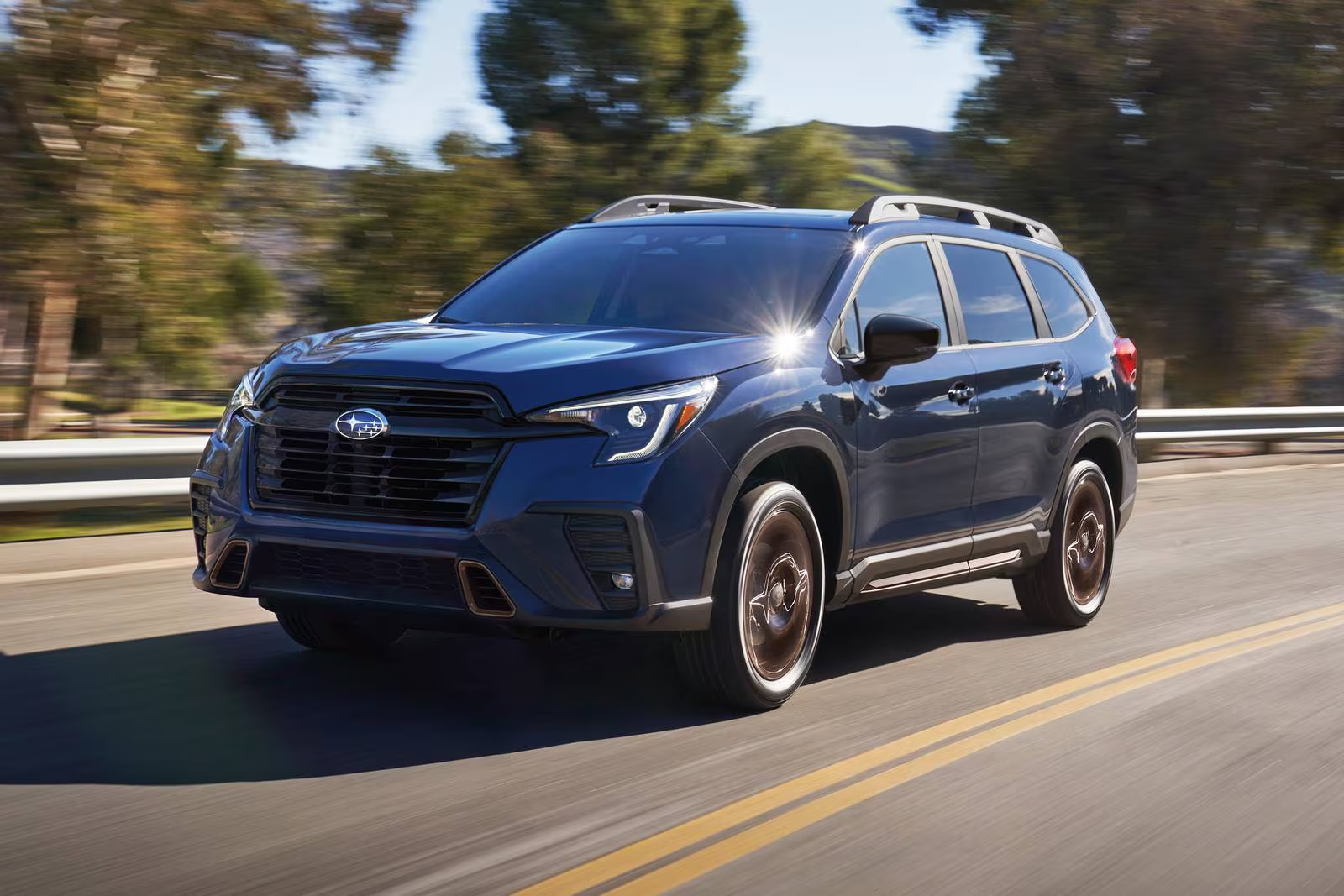
3. Subaru Ascent
Space utilisation defines the Subaru Ascent, especially within the front seating area, where taller drivers often face restrictions. Front seats move rearward with a generous range, allowing full leg extension while preserving steady control. Knees remain clear of the dashboard and steering column. This spacing supports relaxed posture during extended travel. Drivers can maintain upright alignment without compressing joints.
Such accommodation suits long commutes and cross-city journeys. The seating position encourages balance rather than adjustment driven by discomfort. This planning helps taller individuals remain settled and attentive during varied driving demands each day. Comfort builds through space and thoughtful proportion.
Seat adjustment feels deliberate and controlled. Power controls respond promptly, allowing drivers to settle into position without constant correction. Height selection adds flexibility, supporting drivers with long legs or taller torsos. Steering wheel reach and tilt integrate smoothly with seat movement. Arms fall naturally into place, reducing shoulder tension. This arrangement promotes consistent posture during traffic delays and open road driving.
Memory settings assist shared vehicle use without repeated setup. Pedal alignment remains comfortable across seating heights. Such coordination allows taller drivers to focus on driving rather than on physical adjustment. Ease of control supports confidence and reduces fatigue during daily travel.
Seat cushions support thighs evenly, addressing a common issue in large vehicles. Subaru avoids short bases, providing contact along the upper leg. This support limits pressure buildup during long drives. Cushion density balances support and comfort, preventing soreness across extended periods. Adjustable lumbar support encourages healthy spinal posture. This alignment assists circulation and reduces stiffness.
Taller drivers benefit from seating that maintains form across varied road conditions. The structure holds position without forcing frequent movement. Such stability supports focus during work travel, family journeys, and longer trips. Comfort remains steady without distraction from lower back or leg discomfort developing gradually.
Headroom remains generous due to the upright roof design. Taller drivers sit without contacting the headliner. Seats can rise for improved sightlines without restriction. Large windows support clear outward vision. Mirror placement aligns with natural viewing angles. Sitting farther back does not limit awareness. Visibility remains dependable in traffic, rain, and low-light conditions. This clarity supports composed driving.
Windshield proportions allow easy observation of road information. Such openness assists judgment during parking and turning. Consistent visibility reduces mental strain. Drivers remain comfortable without posture adjustment. These qualities support focus during daily routines and extended travel. Confidence builds through clear sight.
Passenger accommodation remains practical despite extended front seat travel. Second row space stays usable, supporting shared journeys. This balance suits households with tall drivers. Ride comfort complements seating through composed suspension behaviour.
Surface imperfections receive controlled absorption. Steering effort remains steady during long distances. Noise reduction supports concentration. Climate flow reaches front occupants evenly. Controls sit within easy reach. This placement avoids posture change. Pedal spacing feels natural.
The Ascent provides a seating position that respects height and body alignment. Such accommodation allows taller drivers to remain relaxed during repeated use. Driver comfort receives priority through proportion, space, and thoughtful design.
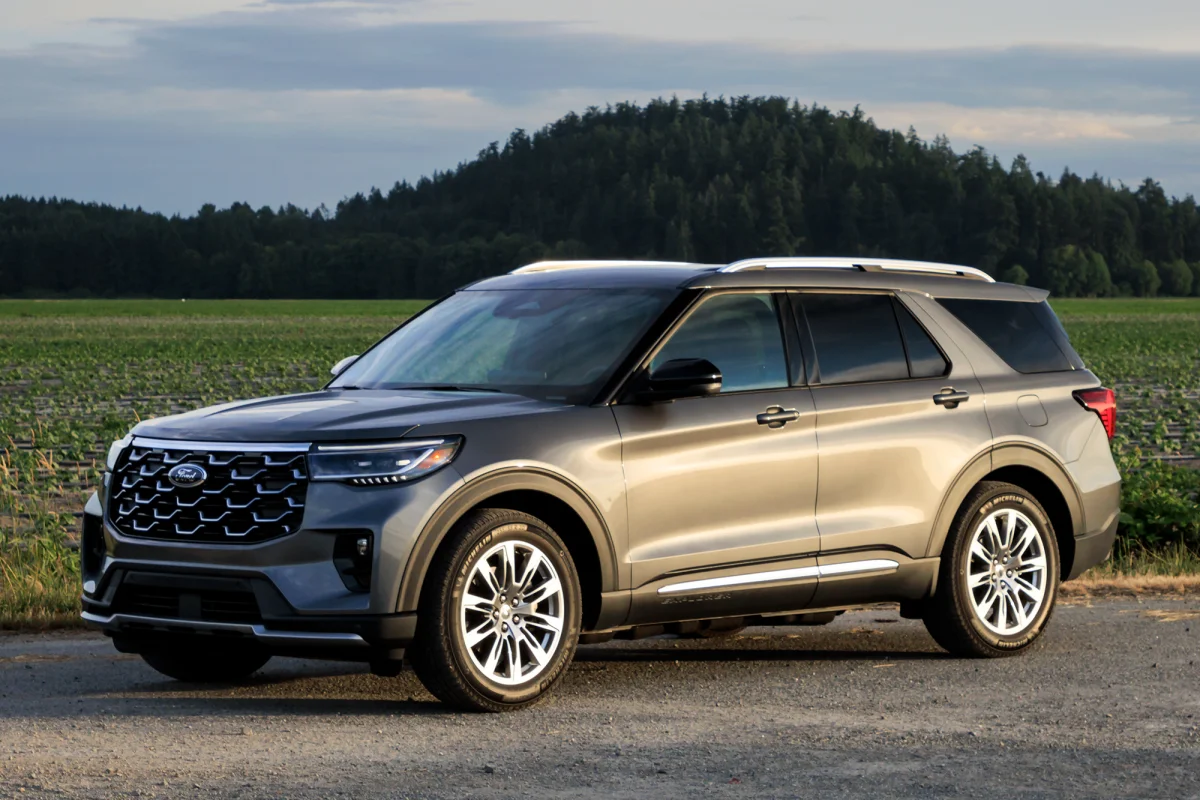
4. Ford Explorer
Authority defines the driving position inside the Ford Explorer, especially for taller individuals. Front seats slide back with confidence, delivering space that allows long legs to stretch naturally. This generous seat travel creates a commanding posture without crowding pedals or steering controls.
Seat adjustment options feel comprehensive. Power controls move smoothly, allowing drivers to fine-tune distance, height, and tilt. Taller drivers appreciate the ability to sit farther from the dashboard while maintaining precise pedal reach. Steering wheel telescoping extends far enough to meet this position comfortably.
Seat base length supports thighs fully. Explorer avoids short cushions that leave legs unsupported. Firm padding maintains posture during long drives, reducing fatigue. Adjustable lumbar support helps maintain alignment through varied driving conditions.
Interior design supports this comfort. Center console placement avoids pressing against knees, even when seats slide fully back. Door panels allow relaxed leg angles, adding to the open feel. Dashboard contours stay clear of driver space, preventing cramped sensations.
Visibility remains strong. Elevated seating height pairs well with the extended seat position, giving drivers clear sightlines. Windshield proportions and mirror placement remain effective from various seating distances. Headroom stays generous, accommodating taller torsos easily.
Driving behavior reinforces comfort. Suspension tuning balances stability and compliance, keeping the cabin settled. Steering feel remains predictable, supporting relaxed control during extended trips. Ford Explorer delivers a front-seat experience that accommodates height. Long seat travel, thoughtful interior spacing, and supportive design combine to create a comfortable driving environment for taller drivers. This SUV proves that spaciousness can feel deliberate rather than accidental.
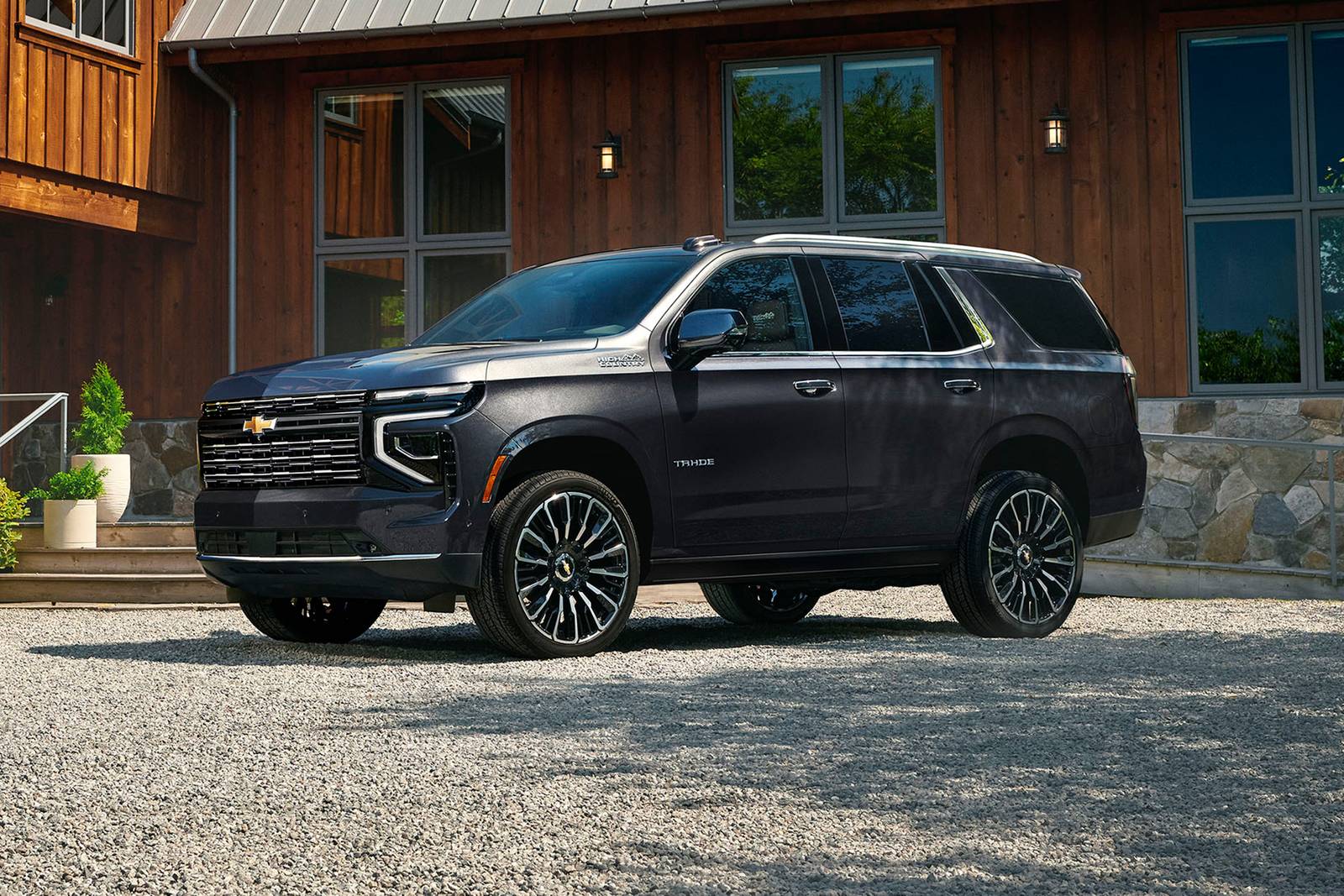
5. Chevrolet Tahoe
A sense of ease greets tall drivers once seated inside the Chevrolet Tahoe, largely because front seat travel extends far beyond what mid-size SUVs can offer. Built on a full-size platform, this SUV uses its generous footprint to prioritize driver accommodation without hesitation. Long legs finally have room to extend naturally, eliminating the cramped posture that often defines driving for taller individuals.
Seat tracks glide rearward with authority, creating space that feels deliberate rather than leftover. Power adjustments respond with precision, allowing drivers to fine-tune distance, height, tilt, and lumbar support. Taller drivers benefit from the ability to sit farther back while still maintaining relaxed pedal reach. Steering wheel adjustment matches this flexibility, extending outward enough to meet hands comfortably without forcing shoulders forward.
Seat cushioning supports the full length of the thighs. This detail reduces pressure buildup during long highway stretches. Padding remains firm enough to maintain posture yet forgiving enough to prevent stiffness. Adjustable lumbar support helps sustain spinal alignment, especially during extended road trips or daily commutes.
Cabin layout reinforces this comfort. Dashboard placement avoids intrusion into knee space, even at maximum seat travel. Center console width feels balanced, offering arm support without restricting leg movement. Door panels sit at a distance that allows knees to rest naturally without contact.
Headroom remains generous. Tall drivers sit upright without brushing overhead trim. Windshield height supports clear forward visibility, even from a farther back seating position. Side mirrors remain easy to adjust for full rear awareness. Passenger comfort remains strong despite the extended driver seat travel. Second row space stays usable, reflecting thoughtful cabin proportions. This balance suits families where a tall driver shares the vehicle with multiple passengers.
Tahoe delivers a driving position that finally feels proportional to taller frames. Space, adjustability, and support work together to create a relaxed, confident experience behind the wheel.
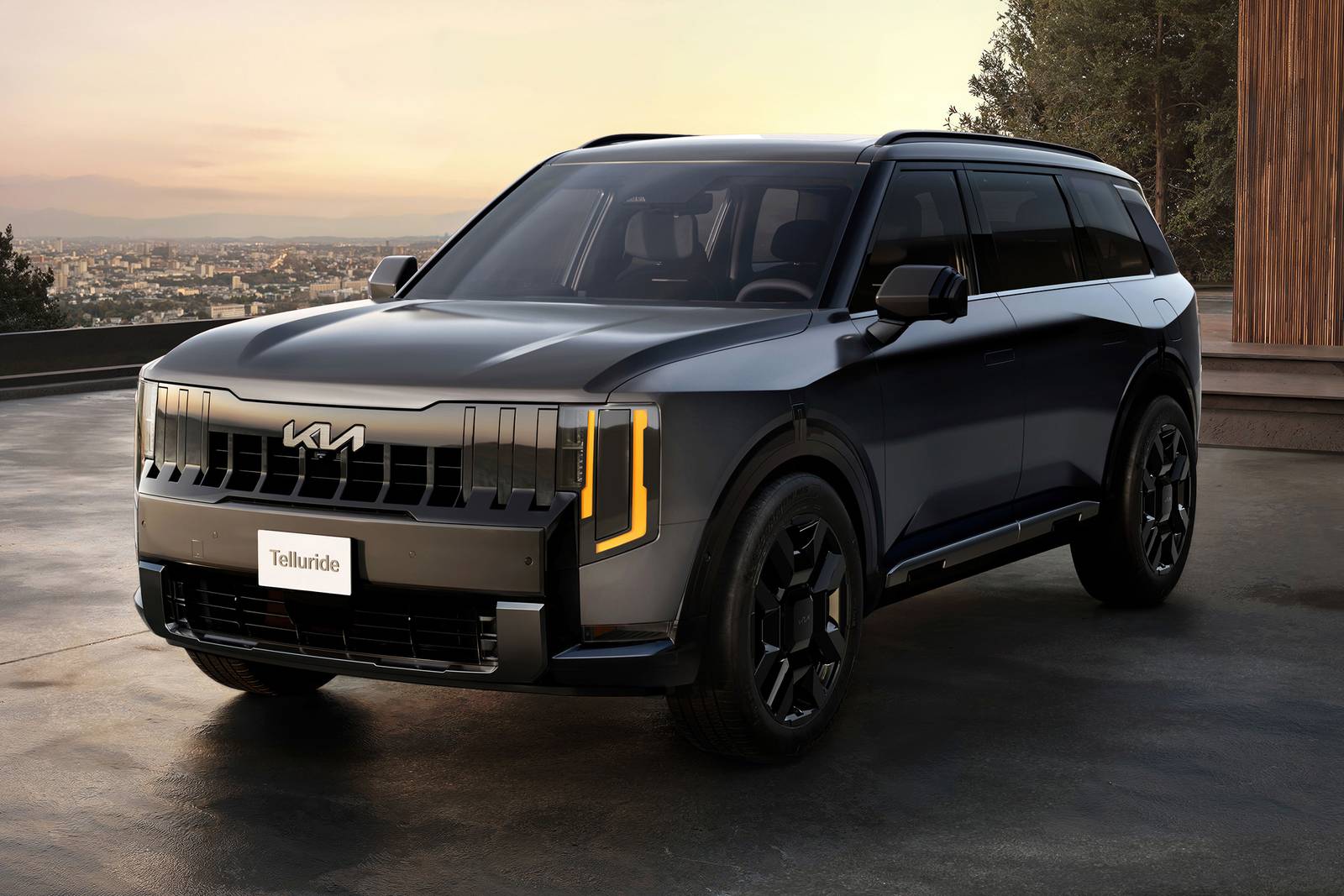
6. Kia Telluride
Generous cabin design becomes immediately apparent in the Kia Telluride, particularly for drivers who often struggle to find a comfortable seating position in mid-size sport utility vehicles. This model demonstrates that thoughtful engineering can accommodate taller individuals without requiring a transition to a full-size platform.
From the moment the seat is adjusted rearward, the difference in available legroom becomes clear, allowing a more natural posture where knees are not forced into an elevated or compressed position. Seat travel range plays a central role in this experience. The power-adjustable front seats move smoothly across a wide track, providing flexibility for drivers with varying proportions.
Whether height is concentrated in the legs or distributed through the torso, the seat can be positioned to create proper alignment between the pedals, steering wheel, and seatback. This level of adjustment reduces the need for compromise, which is often a concern in vehicles within this category.
Steering wheel adjustment works in harmony with the seating system. A telescoping function allows the wheel to extend outward sufficiently, ensuring that drivers do not have to lean forward to maintain control. Arms can remain slightly bent in a relaxed position, which supports comfort during extended driving periods.
This coordination between seat and steering wheel positioning contributes to a balanced driving posture that reduces strain on the shoulders and upper back. Attention to seat design is equally important. The seat base provides substantial thigh support, which is essential for taller drivers whose legs extend further forward.
Adequate support along the length of the thighs helps distribute body weight evenly, reducing pressure points that can lead to discomfort during long journeys. Cushioning is firm enough to maintain structure while still offering comfort, allowing the seat to retain its supportive qualities across different road conditions.
Lumbar support adjustment adds another layer of refinement. Drivers can fine-tune lower back support to maintain proper spinal alignment, which is especially valuable during daily commutes and extended highway travel. This feature encourages a healthier seating position, reducing fatigue and improving long-term comfort.
Interior layout enhances the sense of space. Dashboard positioning leaves sufficient clearance for knees, even when the seat is moved fully rearward. The center console is placed at an appropriate height, offering arm support without encroaching on legroom. Door panels are shaped to avoid restricting movement, allowing the driver’s legs to rest naturally without interference.
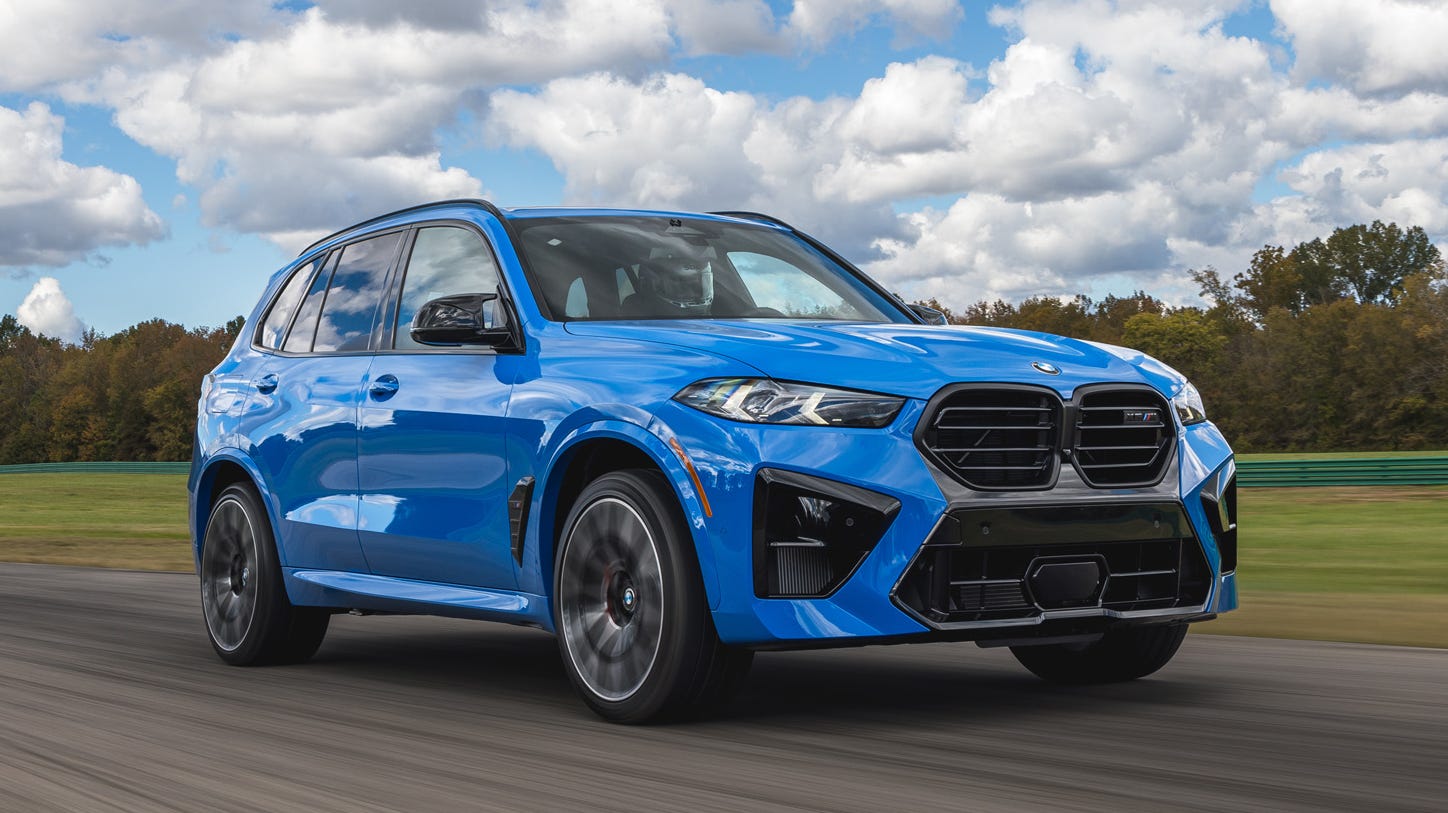
7. BMW X5
Precision engineering defines the seating experience within the BMW X5, a vehicle that demonstrates its manufacturer’s enduring commitment to creating a genuinely driver-centred environment without compromising the expectations of occupants whose physical stature exceeds the average.
Front seat travel in this model has been calibrated to accommodate an extended adjustment range that enables tall drivers to position their legs at a comfortable distance from the pedal cluster, thereby preserving the relaxed yet controlled posture that characterises effective long-distance driving.
Seat movement is executed with the refinement that distinguishes premium German automotive engineering from more modest alternatives. Power adjustment mechanisms respond with commendable precision, offering meaningful control across distance, height, tilt, and lumbar support settings.
Memory function availability allows drivers of considerable height to retain preferred configurations permanently, eliminating the inconvenience of repeated recalibration following shared vehicle use. Steering wheel reach and tilt adjustment ranges are sufficiently generous to permit natural hand placement without compelling the driver to adopt a forward-leaning posture.
Seat base dimensions provide adequate support across extended thigh lengths, reflecting BMW’s awareness that insufficient cushion depth creates pressure discomfort during prolonged highway journeys. Padding construction maintains structural integrity, sustaining effective support without premature compression under sustained use. Adjustable lateral bolsters accommodate varied body proportions without imposing restrictive confinement.
Interior architecture reinforces occupant comfort through considered spatial planning. Dashboard contours do not encroach upon knee clearance, even when seating reaches its furthest rearward position. Centre console proportions remain appropriately restrained, and door panel geometry permits relaxed lateral limb positioning throughout extended driving periods.
Outward visibility is not compromised by the extended seat position. Windshield dimensions and mirror placement retain their effectiveness regardless of driver distance from the instrument panel, supporting confident situational awareness in diverse driving conditions. Rear passenger accommodation remains practically viable despite front seat extension, reflecting disciplined interior packaging that serves both driver comfort and passenger utility with admirable consistency.
Also Read: 10 SUVs With Cup Holders That Actually Fit Big Drinks
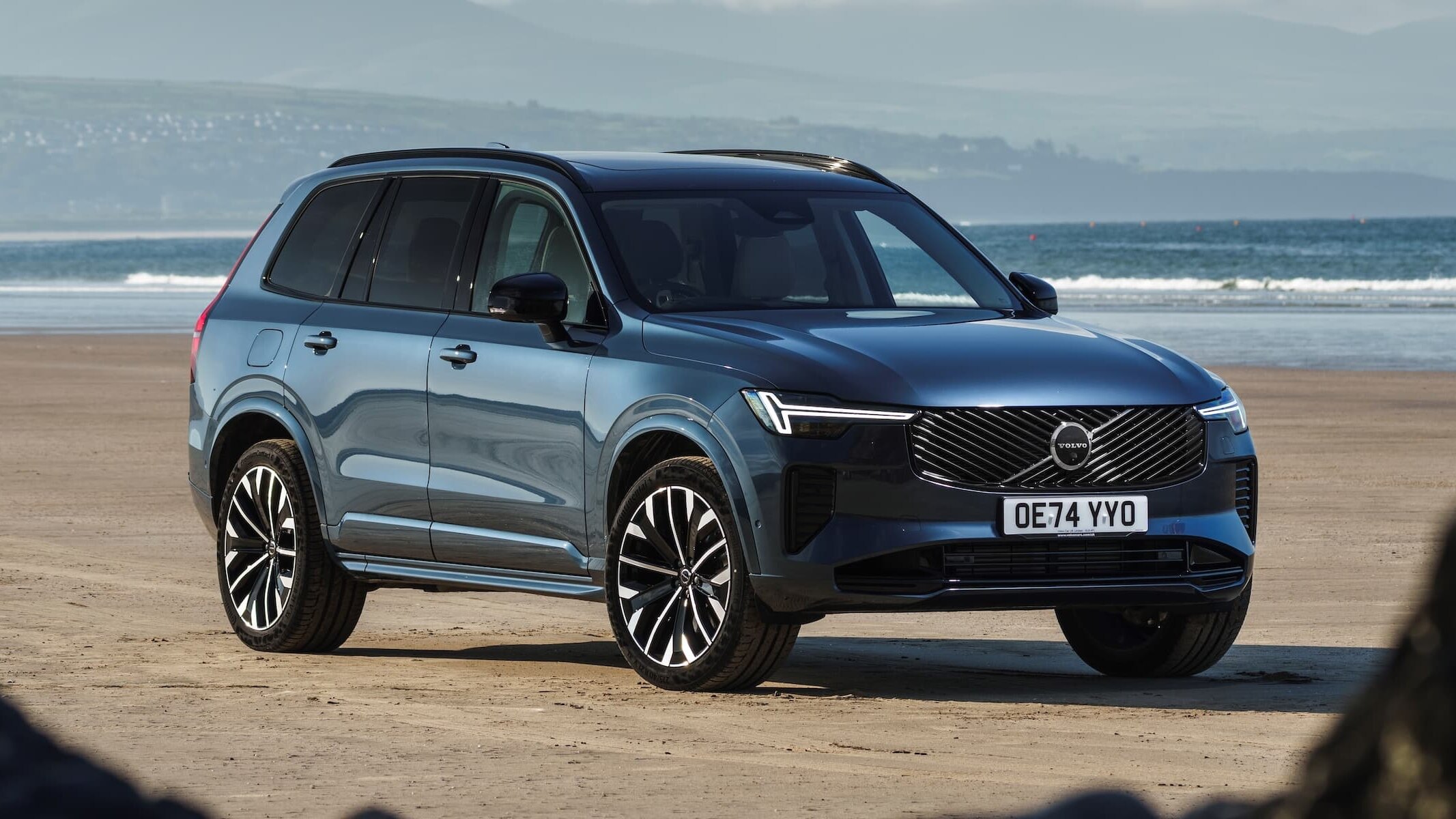
8. Volvo XC90
Composed restraint characterises the seating environment within the Volvo XC90, a vehicle whose Scandinavian design philosophy translates into genuinely practical comfort for drivers of above-average stature. Front seat travel extends sufficiently rearward to permit a relaxed driving posture that reduces the physical fatigue commonly associated with inadequate leg clearance, confirming that the manufacturer’s commitment to occupant wellbeing extends meaningfully beyond decorative marketing declarations.
Seat adjustment controls respond with the smooth precision that discerning drivers rightfully expect from a vehicle at this market position. Power mechanisms permit progressive movement across a comprehensive adjustment range, accommodating both leg length and torso height without requiring compromise between these two frequently competing requirements.
Lumbar support settings are independently adjustable, encouraging healthy spinal alignment during extended journeys. Steering wheel reach adjustment extends adequately to position the rim appropriately for drivers seated at a considerable distance from the instrument cluster.
Seat cushion construction prioritises structural support over superficial softness, an approach that delivers sustained comfort across driving periods of meaningful duration. Extended cushion bases distribute thigh support evenly, preventing the localised pressure accumulation that shorter seat pads impose upon taller occupants. Lumbar adjustment promotes physiologically sound posture that reduces muscular fatigue over long distances.
Interior spatial planning reinforces the comfort that seat adjustment initiates. Dashboard positioning maintains adequate knee clearance even when front seating reaches its maximum rearward travel. Centre console width is appropriately measured, permitting natural lateral limb positioning without restriction. Door panel geometry provides sufficient lateral clearance for relaxed leg placement throughout the journey.
Headroom remains generous by virtue of the XC90’s upright roofline, enabling taller drivers to sit without contact with overhead trim materials. Outward visibility is sustained from the extended seating position, supported by generously dimensioned glazing and well-positioned exterior mirrors.
Rear passenger accommodation retains practical utility despite extended front seat adjustment, reflecting efficient interior packaging that serves the requirements of families in which a tall driver regularly transports passengers of varying stature.
