
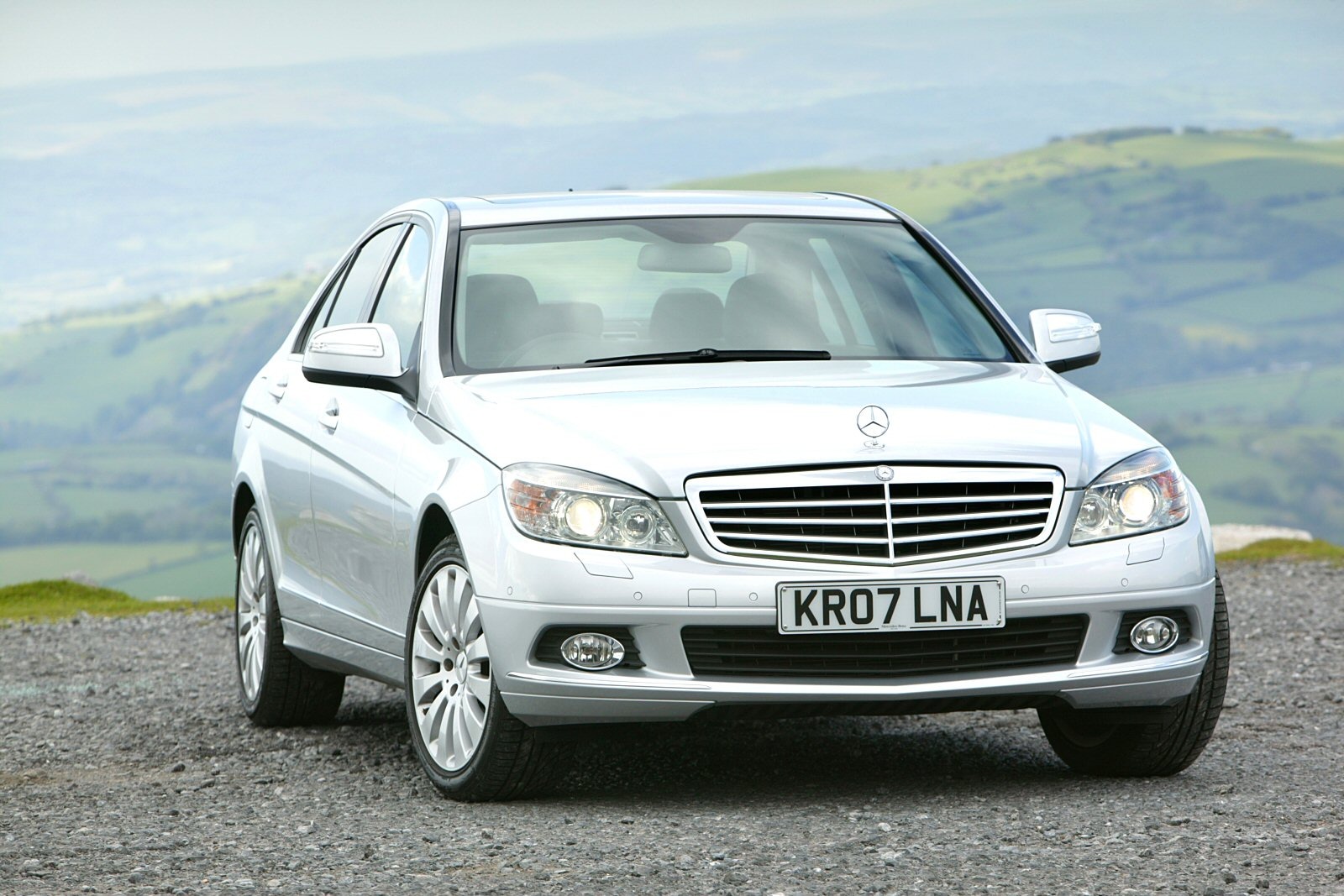
When people talk about long-lasting cars, the conversation usually leans toward engines, transmissions, and mechanical durability. Yet there is another, often overlooked aspect of longevity that shapes how a vehicle ages in the real world: paint quality.
A car might still be mechanically alive at 200,000 miles, but if its paint has faded, peeled, or oxidised beyond recognition, it feels far older than it truly is. On the flip side, some vehicles manage to retain a deep, glossy finish for decades, even while their engines begin to show fatigue far earlier than expected.
This contrast reveals something interesting about automotive engineering priorities. Paint durability is influenced by factors such as clear coat thickness, factory application techniques, environmental resistance, and even colour chemistry.
Engine longevity, however, depends on design complexity, material quality, maintenance tolerance, and heat management. When these two elements fall out of balance, you get cars that still look showroom-fresh while hiding costly mechanical wear underneath.
In many cases, manufacturers invest heavily in exterior finishes because it directly impacts first impressions and resale value. A car that looks good sells better, even if long-term reliability is less impressive.
Some brands have mastered paint resilience through advanced coatings and meticulous production processes, resulting in finishes that resist UV damage, scratches, and corrosion for years. Ironically, a few of those same vehicles struggle with engine components that wear prematurely or require expensive upkeep.
This list focuses on ten such cars where the paint tends to outlast the engine internals. These are not necessarily bad vehicles, but they present a mismatch between cosmetic endurance and mechanical staying power.
Owners often find themselves driving cars that still shine brilliantly under sunlight, even as engine repairs begin to stack up.
Each example highlights a different reason behind this imbalance. Some suffer from over-engineered powertrains, while others face known reliability concerns tied to specific components. Meanwhile, their exterior finishes remain impressively resilient, holding colour depth and gloss far beyond what many competitors achieve.
Understanding this contrast helps buyers make more informed decisions. A car that looks pristine years down the line can be satisfying, but it is equally important to know what lies beneath the surface.
Also Read: 8 Smells in a Used Car That Cost Thousands to Fix Later
1. BMW 5 Series (F10)
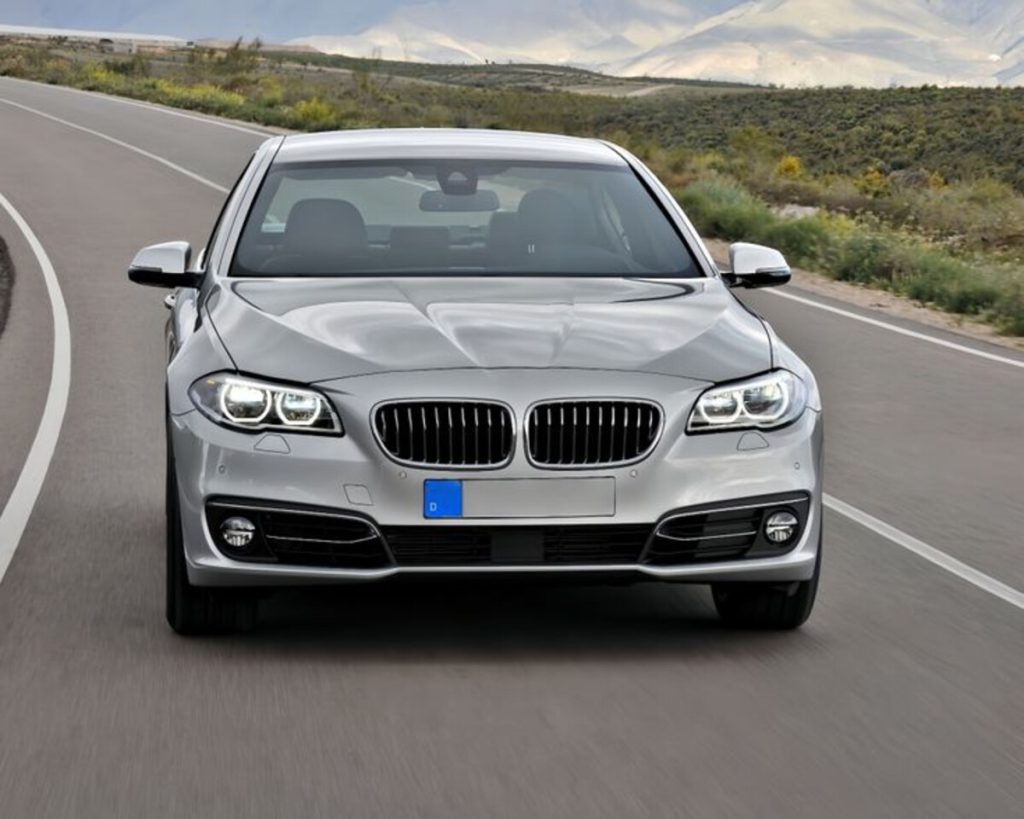
The BMW 5 Series from the F10 generation is a perfect example of a car that ages beautifully on the outside. Even after a decade of exposure to harsh sunlight, pollution, and road grime, many of these cars still carry a deep, reflective shine.
The paint quality is undeniably impressive, with a thick, clear coat that resists fading and minor scratches better than most rivals in its class.
Owners frequently note how well metallic colours hold their richness. Shades like carbon black and imperial blue continue to look vibrant long after typical vehicles would begin showing dullness or oxidation.
The factory paint process used by BMW during this era emphasised consistency and durability, and it shows in how these cars present themselves years later.
However, the story changes when attention shifts to what lies under the hood. The engines, particularly turbocharged variants like the N20 four-cylinder and even some six-cylinder units, have developed a reputation for reliability concerns.
Timing chain issues, oil consumption, and cooling system vulnerabilities can surface earlier than expected, especially if maintenance is not meticulous.
What makes this contrast striking is how deceptive the car can be. A well-kept F10 often looks nearly new from a distance, giving the impression of a vehicle that has aged gracefully in every respect. Yet beneath that polished exterior, owners may be dealing with expensive repairs that do not align with the car’s outward condition.
Driving experience also plays a role in this imbalance. BMW prioritised performance and efficiency, pushing engines to deliver strong output from smaller displacements. This engineering direction brought complexity, which in turn introduced more potential failure points over time.
In practical terms, this means an F10 can sit in a parking lot looking like a luxury sedan fresh off the showroom floor, while quietly requiring significant mechanical attention. The paint continues to reflect light with clarity, panels remain resistant to corrosion, and the finish holds up against environmental wear.
This dual personality defines the car’s long-term ownership experience. It rewards you visually every single day, yet demands vigilance and investment when it comes to engine health. For many buyers, that trade-off becomes apparent only after years of ownership.
2. Audi A4 (B8)
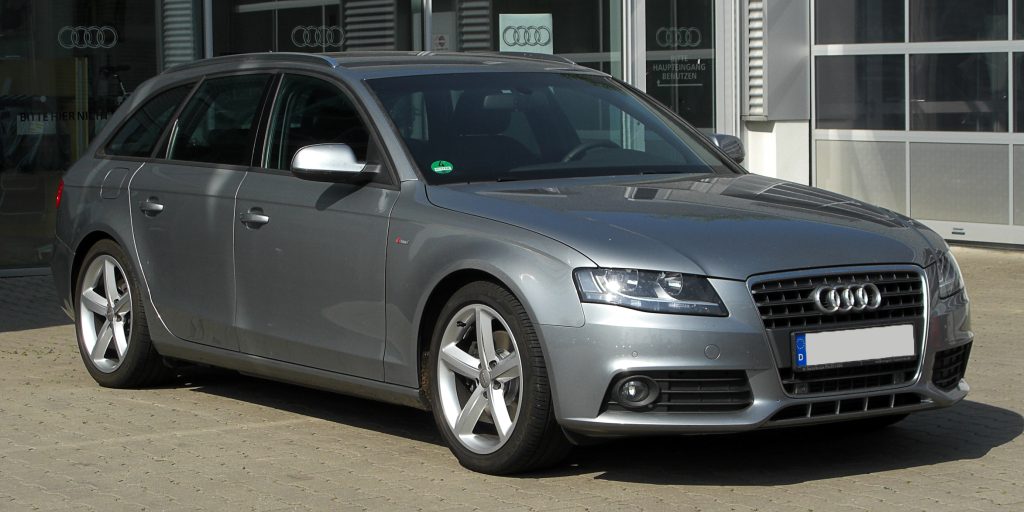
Audi has long been recognised for producing some of the most visually refined cars on the road, and the B8-generation A4 is no exception. One of its standout qualities is the durability of its paint finish. Even after extended use, the exterior maintains a smooth, glossy appearance that resists fading remarkably well.
The consistency of the paint application is a major factor here. Audi’s manufacturing process ensures even coating across panels, reducing the chances of uneven wear or premature peeling. Colours like glacier white and phantom black tend to retain their depth, making older models appear far newer than their actual age.
Yet beneath this polished exterior lies a different narrative. The B8 A4 is widely known for engine-related concerns, particularly with its 2.0-litre TFSI engine. Oil consumption issues became a defining problem for many owners, often requiring costly fixes or engine rebuilds. In some cases, these issues emerged relatively early in the car’s life cycle.
This creates a noticeable disconnect between appearance and performance. While the car’s exterior continues to impress with its resilience, the engine may already be showing signs of stress. It is not uncommon to see a B8 A4 with flawless paint parked alongside reports of mechanical work that contradict its pristine look.
Interestingly, the interior and exterior ageing patterns further amplify this contrast. The body panels resist environmental damage effectively, while the engine’s internal components face wear that feels disproportionate to the car’s visual condition.
Another angle worth considering is owner perception. A car that looks this good tends to set high expectations. When mechanical issues arise, they feel more surprising and frustrating because the exterior suggests a level of durability that the engine does not always match.
Despite these challenges, the A4 remains visually appealing years down the line. The paint retains its smoothness, reflections stay crisp, and the full aesthetic holds strong against time. This makes it one of those cars that can still turn heads even when its mechanical reliability becomes a talking point among owners.
The B8 A4 ultimately stands as a reminder that a car’s outward beauty does not always mirror its internal resilience.
3. Mercedes-Benz C-Class (W204)
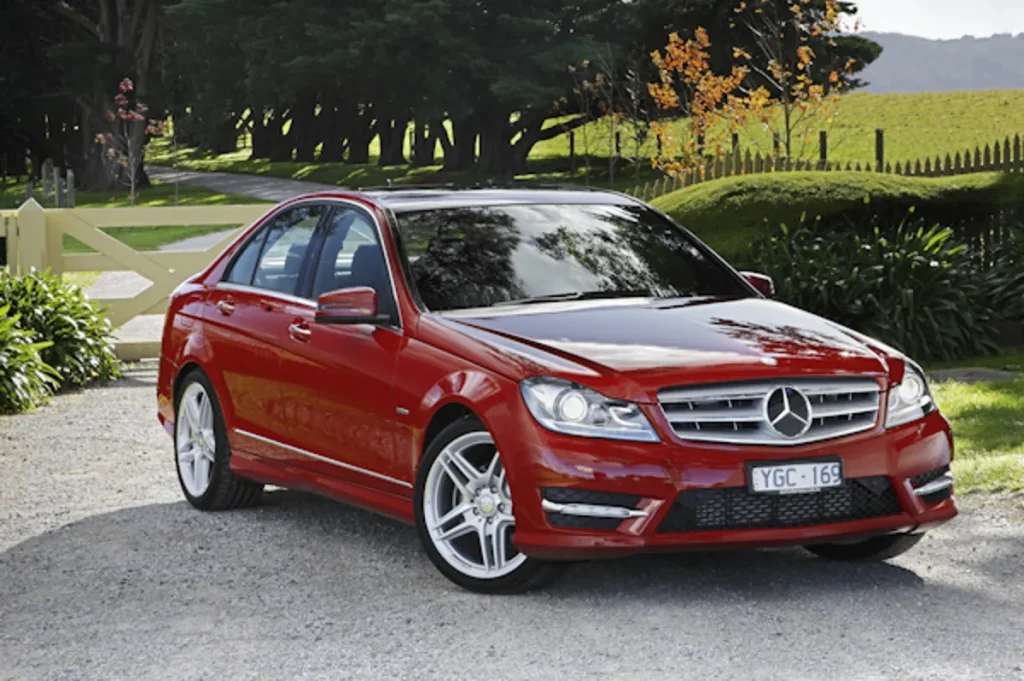
The W204-generation Mercedes-Benz C-Class carries a reputation for ageing with elegance, and much of that comes down to how well its paint survives years of use. Even examples that have lived outdoors in hot climates tend to retain a rich, glossy finish.
The clear coat applied during production is notably resilient, helping the car resist oxidation and maintain a uniform shine across panels.
Walk around a well-kept W204, and you will notice how consistent the colour remains from bumper to roof.
There is very little of the patchy fading that affects many cars in this segment. Lighter shades hold their brightness, while darker tones continue to reflect surroundings with a mirror-like quality. This durability gives the car a timeless appearance that hides its age effectively.
Shift the focus to the mechanical side, and the picture becomes more complicated. Some engines in this generation, especially certain four-cylinder and V6 units, are known for issues related to balance shafts, timing components, and oil leaks. While not every car is affected, enough cases exist to make engine reliability a concern for long-term ownership.
The contrast becomes clear when you see a decade-old W204 that still looks freshly detailed. The paintwork suggests a vehicle that has been preserved carefully, yet the engine bay might tell a different story through maintenance records and repair bills. This mismatch can catch owners off guard, particularly those who equate visual condition with mechanical health.
Another interesting aspect is how the car’s exterior encourages continued care. Owners are more likely to wash, polish, and protect a vehicle that already looks good, which further enhances the paint’s longevity. Meanwhile, engine issues tend to appear gradually, often unnoticed until they become more serious.
Driving one of these cars reinforces the dual nature of its design. It feels solid and refined, with an exterior that continues to impress, but there is always an underlying awareness that the engine may require attention sooner than expected.
The result is a car that ages beautifully on the surface while demanding a more cautious approach beneath it.
4. Mini Cooper (R56)
The Mini Cooper R56 stands out for its personality, and that character extends to its paint quality. These cars often feature vibrant, eye-catching colours that manage to stay bold and glossy long after other vehicles begin to lose their visual appeal. The paint resists fading impressively, even when exposed to harsh sunlight for extended periods.
One of the reasons behind this durability is the way Mini applied its finishes during this era. The coatings are thick enough to withstand minor wear while maintaining a smooth texture. Brigcolours like chilli red or electric blue continue to pop years down the line, giving the car a lively presence that feels almost untouched by time.
However, the charm of the exterior is not matched by the reliability of the engine. The R56 generation is known for a range of engine-related problems, particularly in turbocharged models.
Timing chain tensioner failures, carbon buildup, and oil leaks are common topics among owners. These issues can arise relatively early, sometimes before the car has reached what many would consider high mileage.
This creates a peculiar ownership experience. From the outside, the car looks youthful and energetic, often appearing far newer than it actually is.
The paint remains one of its strongest assets, holding onto its shine and resisting environmental damage with ease. Yet under the hood, the engine may already be showing signs of wear that demand attention.
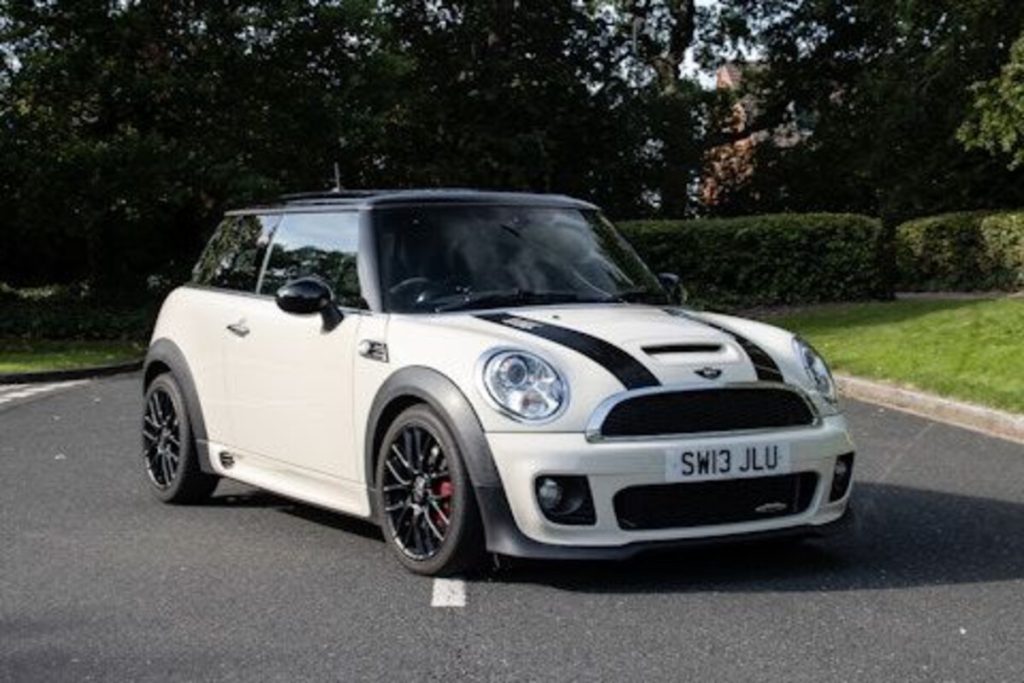
The contrast becomes even more noticeable in daily use. A freshly washed R56 can easily draw compliments, its glossy finish reflecting light in a way that highlights its unique design. At the same time, owners may be dealing with mechanical concerns that require regular monitoring and maintenance.
There is also a psychological element at play. Because the car looks so good, it sets expectations for reliability that are not always met. This gap between appearance and performance can be frustrating, especially for those who value both equally.
In the end, the Mini Cooper R56 embodies a clear imbalance. It excels at retaining its visual appeal, with paint that continues to impress year after year. Yet its engine reliability often falls short of that same standard, making it a car that shines brightly on the outside while asking for more care internally.
5. Volkswagen Passat (B7)
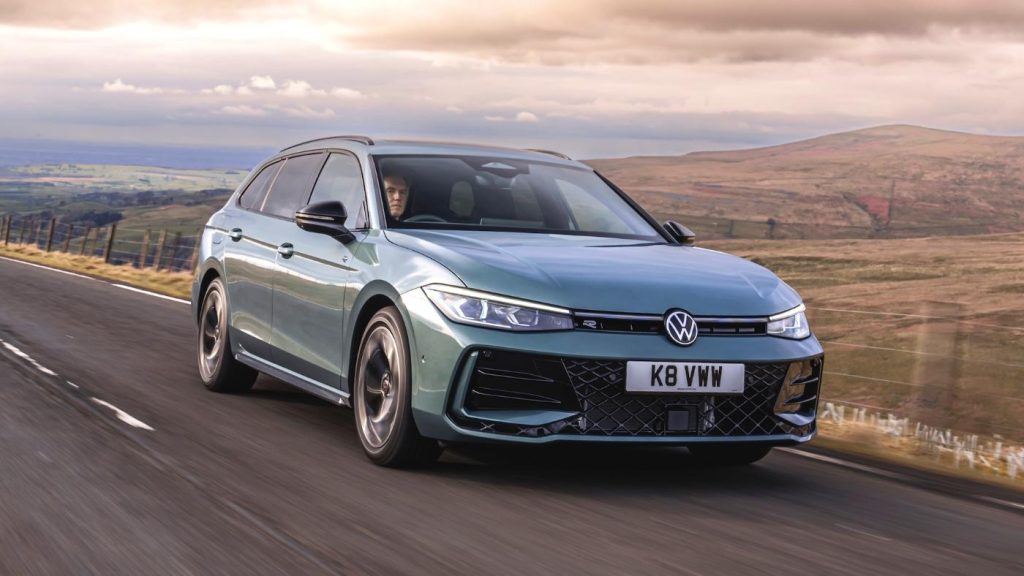
The Volkswagen Passat B7 presents itself as a mature, understated sedan, and part of that impression comes from how well its exterior finish survives the years.
Owners often notice that even after prolonged exposure to dust, heat, and daily commuting, the paint retains a clean, uniform look. It does not easily lose its gloss, and it resists the chalky fade that affects many mid-size sedans over time.
A closer look reveals how consistent the finish remains across different panels. There is a sense of cohesion in the way light reflects off the body, suggesting careful application at the factory.
Neutral colours like silver and grey tend to age particularly well, maintaining their brightness without requiring constant polishing. This gives the Passat a composed appearance that feels newer than its mileage might suggest.
Underneath that calm exterior, the mechanical story can become less reassuring. Certain engine options in the B7, especially turbocharged variants, have been associated with issues such as timing chain wear, injector problems, and oil-related concerns. While not universal, these problems appear frequently enough to shape the car’s long-term reputation.
This leads to an interesting contradiction. A Passat that looks well preserved from the outside may still be carrying underlying engine wear that is not immediately visible. Buyers who judge condition purely by appearance might assume the car has aged gently, only to discover that its mechanical needs tell a different story.
There is also a practical dimension to this mismatch. Because the car continues to look respectable, owners are often motivated to keep it on the road longer. The strong paint quality supports this decision visually, even as maintenance demands increase with time.
The driving experience remains comfortable and composed, reinforcing the impression of a well-built sedan. Yet the engine’s long-term durability does not always align with that sense of solidity. Repairs can appear earlier than expected, particularly if servicing has not been consistent.
In essence, the Passat B7 demonstrates how a durable exterior can mask mechanical vulnerabilities. It stands as a car that holds onto its visual dignity with ease, while quietly requiring more attention beneath the surface.
6. Jaguar XF (X250)
The Jaguar XF from the X250 generation is a car that knows how to make an impression, and much of that comes from its striking exterior finish.
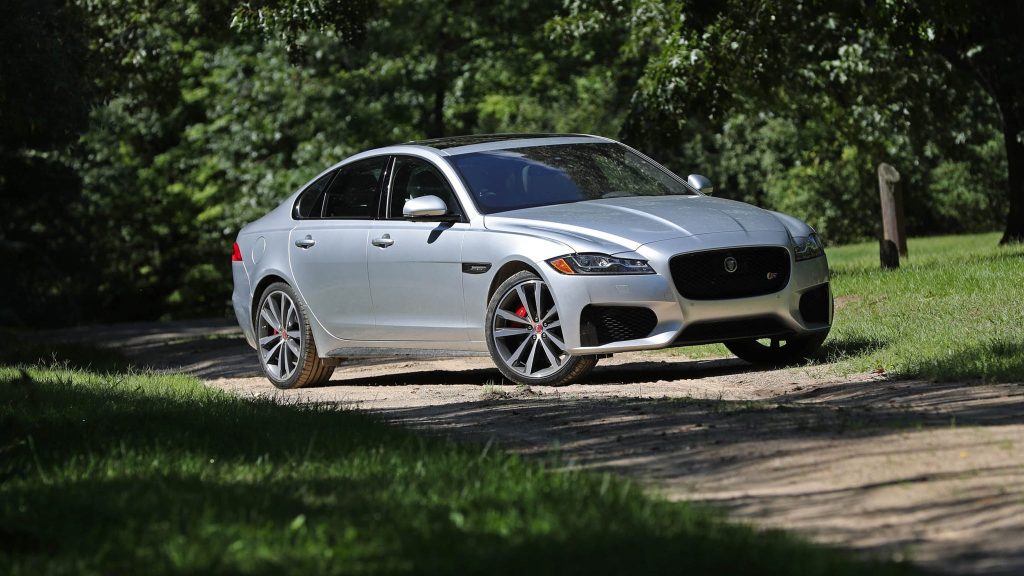
Even years after leaving the showroom, many examples continue to display a deep, lustrous paint quality that highlights the car’s sculpted lines. The finish tends to resist fading effectively, preserving the richness of its colour in a way that feels distinctly premium.
There is something almost theatrical about how the XF reflects light. The curves of the bodywork catch reflections in a smooth, uninterrupted manner, emphasising the care taken in its paint application. Darker shades in particular maintain a strong visual presence, often looking freshly detailed even when the car has seen extensive use.
Beneath this elegant exterior, however, the mechanical narrative can be more complicated. Some engines in the XF lineup, including certain diesel and petrol variants, have been known to develop reliability concerns over time.
Issues related to timing components, fuel systems, and general wear can emerge, sometimes earlier than expected for a luxury sedan.
This creates a clear divide between what the car shows and what it experiences internally. The exterior continues to communicate refinement and durability, while the engine may require increasing levels of attention as the years pass. Owners often find themselves maintaining a car that still looks exceptional, even as mechanical upkeep becomes more demanding.
Another factor that adds to this contrast is the emotional appeal of the XF. Its design encourages owners to keep it looking pristine, which in turn preserves the paint even further. Regular washing and detailing enhance an already durable finish, allowing the car to age gracefully in terms of appearance.
At the same time, the engine’s complexity means that long-term reliability depends heavily on maintenance and driving conditions. Without careful upkeep, problems can surface that feel out of step with the car’s outward condition.
The Jaguar XF ultimately represents a blend of beauty and fragility. It excels in maintaining a strong visual identity through its resilient paint, yet it requires a more attentive approach when it comes to mechanical longevity. This imbalance defines its character as a car that continues to shine externally while asking for commitment internally.
7. Chevrolet Cruze (First Generation)
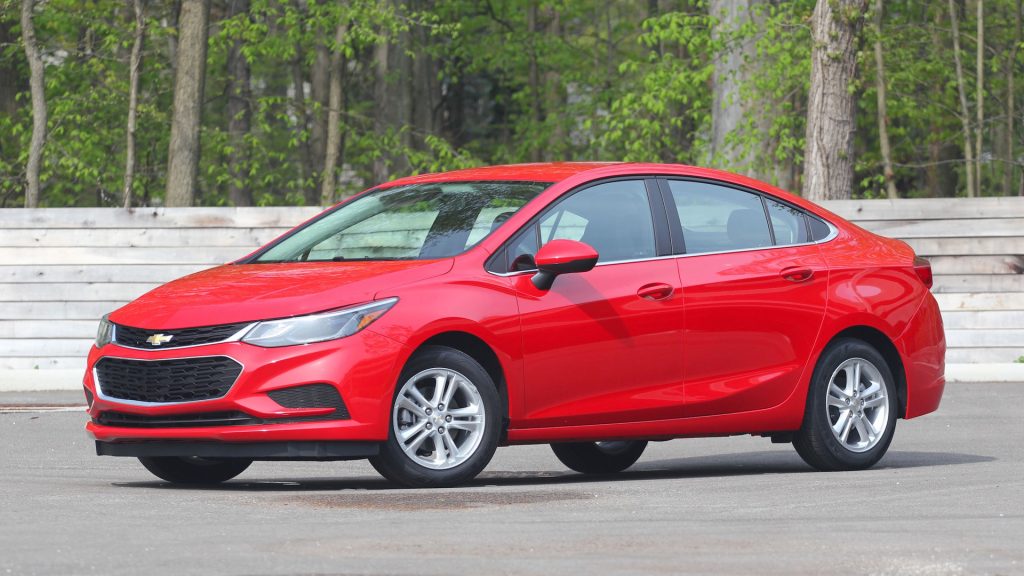
The first-generation Chevrolet Cruze manages to hold onto its exterior finish far better than many people expect from a compact sedan. Even after years of daily use, the paint often retains a smooth, consistent sheen that resists fading and dullness.
It is not uncommon to see older Cruze models with body panels that still reflect light cleanly, giving the impression of a car that has been carefully preserved.
Part of this resilience comes from how the paint handles environmental exposure. Dust, heat, and UV rays do not seem to degrade the finish as quickly as they do on some rivals.
Lighter shades maintain their brightness, while darker colours continue to show depth without turning patchy. This gives the Cruze a visual advantage in the used car market, where appearance can strongly influence perception.
However, the mechanical reality tells a different story. The engines in this generation, particularly the small turbocharged units, have developed a reputation for issues involving cooling systems, water pumps, and oil leaks. These problems can surface earlier than expected, especially in cars that have not received consistent maintenance.
The contrast becomes obvious when a Cruze that looks nearly new on the outside starts showing signs of mechanical fatigue.
Owners may find themselves dealing with overheating concerns or component failures while the paint continues to look fresh and intact. This disconnect can be surprising, particularly for those who equate a clean exterior with reliability.
Another layer to this imbalance is how the car encourages long-term use. Because it continues to look presentable, many owners choose to keep it longer rather than replace it. The durable paint supports that decision visually, even as repair needs begin to accumulate under the hood.
Driving the Cruze reinforces this mixed experience. The cabin feels solid, the exterior looks well-maintained, yet there is often an awareness that the engine requires closer attention than the bodywork suggests. It is a car that rewards you with a lasting visual appeal while quietly demanding more care mechanically.
8. Land Rover Range Rover Evoque (First Generation)
The first-generation Range Rover Evoque stands out immediately for its bold design, and its paint quality plays a major role in sustaining that visual impact over time. Even after years on the road, many examples continue to display a rich, glossy finish that highlights the vehicle’s sharp lines and modern styling.
The durability of the paint is particularly noticeable in how it handles exposure to harsh conditions. Sunlight, rain, and urban pollutants do little to diminish its shine. Colours remain vibrant, and the clear coat retains a smooth texture that resists visible ageing. This allows the Evoque to maintain a premium appearance long after its initial purchase.
Yet beneath this polished exterior lies a more complex mechanical reality. The Evoque has been associated with various engine-related issues, including problems with turbochargers, timing chains, and cooling systems. These concerns can arise at relatively moderate mileage, leading to repair costs that catch owners off guard.
What makes this situation striking is the contrast between expectation and experience. A vehicle that looks this refined and well-kept suggests durability in every aspect, but the engine does not always live up to that impression. Owners often find themselves driving a car that still turns heads, even as it requires increasing mechanical attention.
The emotional appeal of the Evoque further amplifies this dynamic. Its design encourages pride of ownership, prompting regular cleaning and care that preserve the paint even more. As a result, the exterior continues to look exceptional, reinforcing the perception of quality.
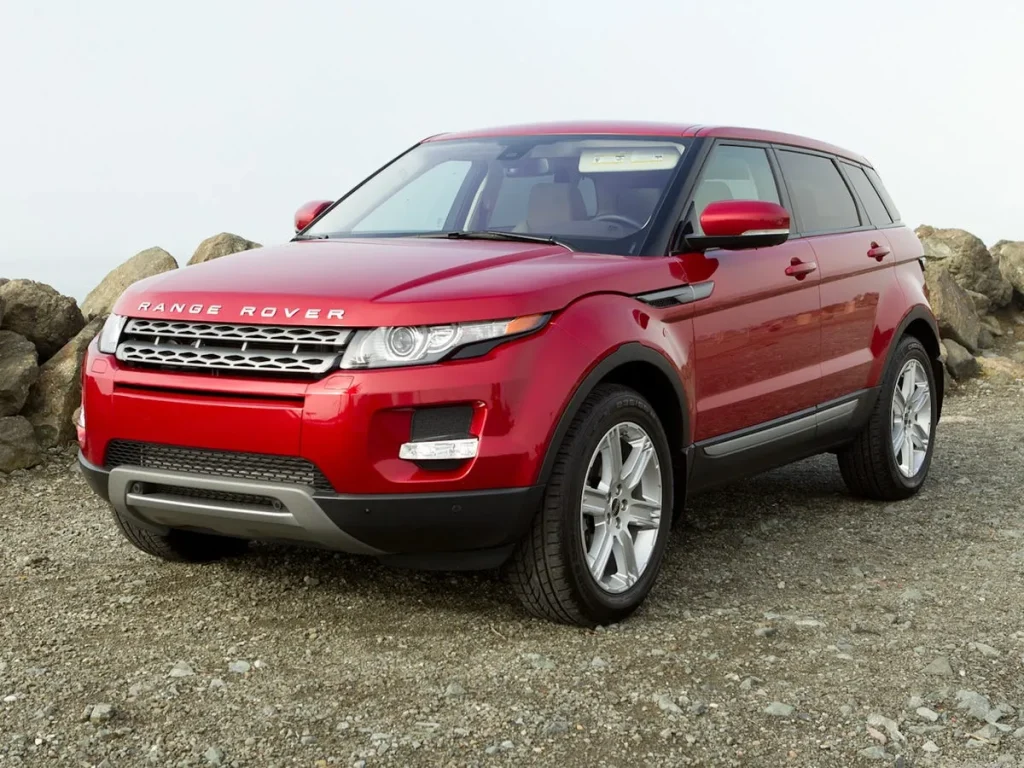
Meanwhile, the engine’s complexity means that long-term reliability depends heavily on maintenance and usage patterns. Without careful attention, issues can develop that feel inconsistent with the vehicle’s outward condition.
In the end, the Evoque represents a clear example of style outlasting substance in a specific area. Its paint remains one of its strongest attributes, keeping the vehicle visually impressive for years. At the same time, the engine may require a level of care that does not match the confidence inspired by its appearance.
9. Ford Focus (Third Generation)
The third-generation Ford Focus is a car that often surprises people with how well its exterior finish holds up over time. Despite being positioned as an affordable compact, its paint quality proves to be more durable than expected. Many examples retain a clean, glossy appearance even after years of regular use.
There is a noticeable consistency in how the paint ages. Panels tend to fade evenly, if at all, and the clear coat resists peeling or discolouration. This gives the Focus a well-kept look that can make it seem newer than it actually is. Owners frequently comment on how little effort is needed to maintain its shine compared to other cars in the same segment.
The mechanical side, however, introduces a different set of challenges. Certain engine variants, along with related components, have been known to develop reliability concerns over time. Issues involving cooling systems, transmission pairing, and general wear can affect the driving experience, sometimes earlier than expected.
This creates a familiar contrast. A Focus that appears visually strong may still be dealing with underlying mechanical problems that are not immediately obvious. The paint continues to reflect light smoothly, while the engine may require repairs that do not align with the car’s outward condition.
Another point worth noting is how this affects resale perception. Buyers are often drawn to a car that looks clean and well-maintained, and the Focus benefits from this. Its durable paint helps it stand out in listings, even when its mechanical history might tell a more complicated story.
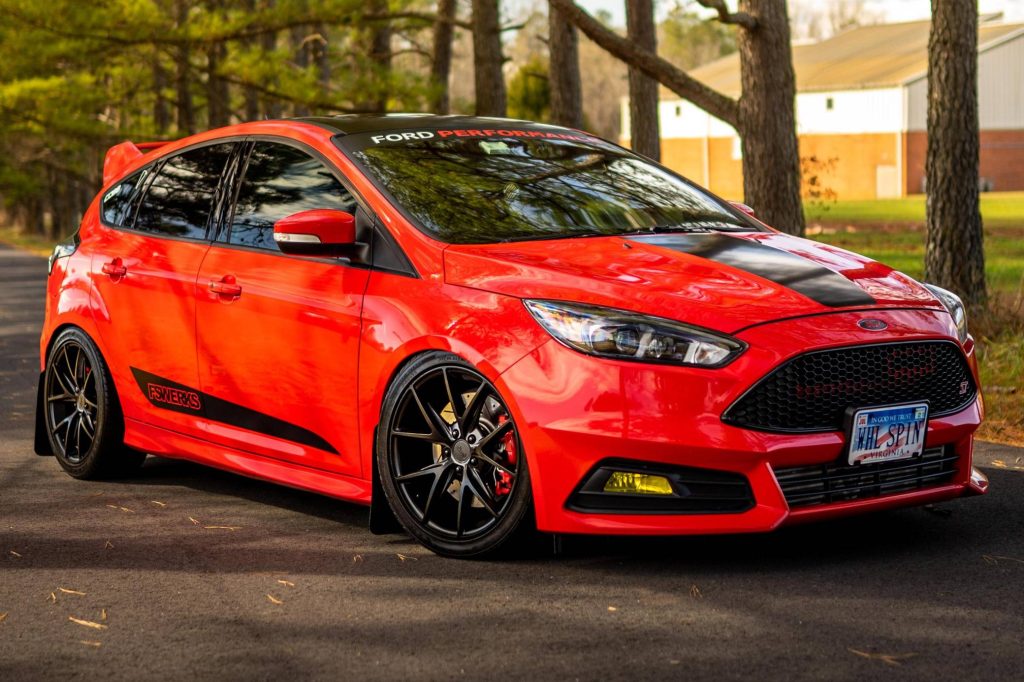
Daily driving further highlights this imbalance. The car feels practical and approachable, with an exterior that holds up impressively. At the same time, there can be an ongoing need to monitor and address engine-related concerns.
This dual nature defines the ownership experience. The Focus continues to look dependable and fresh, while its mechanical side requires a more attentive approach than the exterior might suggest.
10. Alfa Romeo Giulietta
The Alfa Romeo Giulietta is a car that blends style and emotion, and its paint quality plays a significant role in maintaining that appeal over time. Even as the years pass, the exterior often retains a deep, glossy finish that emphasises the car’s distinctive design. The paint resists fading effectively, allowing the Giulietta to keep its visual charm intact.
One of the standout aspects of its finish is how it enhances the car’s curves and proportions. Light moves smoothly across the bodywork, highlighting details that might otherwise be lost. This gives older examples a sense of freshness that keeps them visually engaging long after their release.
The mechanical side, however, introduces a more cautious perspective. Some engine variants in the Giulietta have been associated with reliability concerns, including issues related to turbocharging systems and general component wear. These problems can appear earlier than expected, particularly if maintenance has not been thorough.
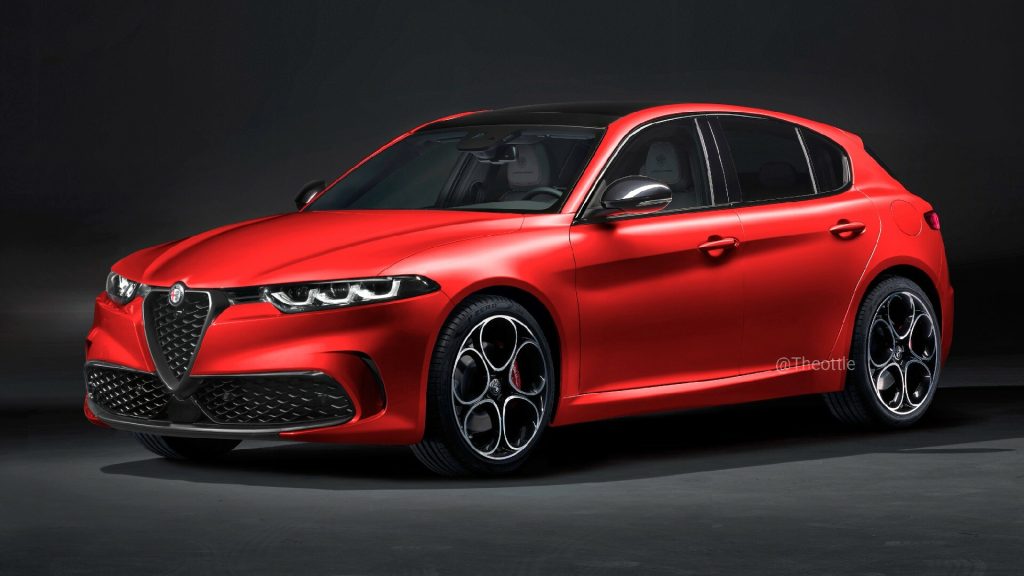
The contrast between appearance and performance becomes clear in ownership. A Giulietta that looks stunning on the outside may still require attention under the hood. The paint continues to impress, maintaining its richness and clarity, while the engine may not always deliver the same level of long-term confidence.
There is also an emotional dimension to consider. The car’s design encourages attachment, and its enduring visual appeal reinforces that connection. Owners are often willing to invest in upkeep because the vehicle continues to look so good.
At the same time, the mechanical realities demand awareness and care. Regular servicing becomes essential to keep the engine running smoothly, especially as mileage increases.
The Giulietta ultimately captures the essence of this list. It is a car that excels in maintaining its exterior beauty, with paint that holds up impressively over time. Yet it also serves as a reminder that visual longevity does not always guarantee mechanical durability, creating a balance that owners must navigate carefully.
Also Read: 8 Trucks Where the Annual Property Tax Is Surprisingly Low
