

Your nose is one of the most underused tools in used car shopping. Buyers walk through dealerships and private lots checking paint condition, test driving for handling feel, and scanning the CarFax report for accident history, but very few people do the one thing that would immediately flag some of the most expensive problems hiding inside a vehicle: get in, close the door, and actually smell what is going on.
Used car smells tell stories that sellers do not volunteer and that diagnostic reports do not always capture. A vehicle can pass an OBD-II scan, show no visible fluid leaks, and have a CarFax report with zero accidents while carrying an interior smell that a trained nose would immediately identify as evidence of a problem that will cost thousands of dollars to address properly once ownership has transferred. Some smells indicate problems that are genuinely expensive to fix because they point to major system failures.
Others indicate damage that has been masked rather than repaired, which means the underlying problem not only exists but has been given additional time to worsen while the masking agent disguised its presence from previous buyers. A strong air freshener in a used car is not necessarily suspicious on its own. An unusually strong air freshener combined with a slightly musty undertone when the air conditioning runs is a very different situation.
Learning to identify what specific smells indicate about a vehicle’s mechanical and structural condition takes some practice, but the basic categories covered in this article are recognizable to anyone who has been around old cars, spent time in repair shops, or has owned a vehicle through a mechanical problem.
These are smells that experienced mechanics immediately associate with expensive diagnoses, and they are smells that buyers should be able to recognize well enough to walk away or negotiate aggressively before signing any paperwork.
Eight smells follow. Each one has a documented repair cost range associated with it. Take notes before your next used car shopping trip.

1. Sweet Syrup or Antifreeze Odor Inside the Cabin
Few smells in a used car carry a more specific and more expensive warning than the sweet, slightly chemical odor of engine coolant inside the passenger cabin. Most people recognize this smell without knowing what it is, because it has a distinctive sweetness that has nothing in common with food or air freshener, and that lingers in the fabric and carpet of vehicles whose heating system has been contaminated by coolant.
A coolant smell inside the cabin almost always points to a heater core failure. Heater cores are small radiator-like heat exchangers mounted inside the dashboard structure that route engine coolant through fins to provide cabin heat. When a heater core develops a leak, coolant sprays or seeps into the cabin ventilation path, contaminating the air that blows through the defroster and heater vents. In mild cases, you smell the coolant before you see it.
In more advanced cases, a faint mist fogs the windshield when the defroster runs, and the carpet under the dashboard is damp. Heater core replacement is one of the most expensive cabin repairs in automotive service, not because the part itself is costly, but because labor charges for accessing the heater core are substantial.
Most vehicles require dashboard disassembly to reach the heater core housing, with labor time ranging from 6 to 12 hours, depending on the specific vehicle. Total repair cost, including parts and labor, typically falls between $600 and $1,500, with luxury vehicles whose dashboards require more complete disassembly reaching $2,000 or more.
Buyers evaluating the 2009 BMW 3 Series 328i Sedan and the 2011 Chevrolet Silverado 1500 LT Crew Cab 5.3L V8 should specifically check for this smell because both platforms have documented heater core service histories in owner forums, and both require substantial dashboard work for heater core access that produces labor charges at the higher end of the repair cost range.
Sellers who are aware of a heater core problem sometimes stop using the heating system to prevent the smell from worsening before sale, which means the vehicle smells clean during a warm-weather test drive, but the problem reveals itself in cooler weather.
Running the heat on maximum during any used car evaluation, regardless of outside temperature, specifically tests for this problem and gives you the information you need before committing to purchase.
2. Burning Oil or Hot Metal When the Engine Is Running
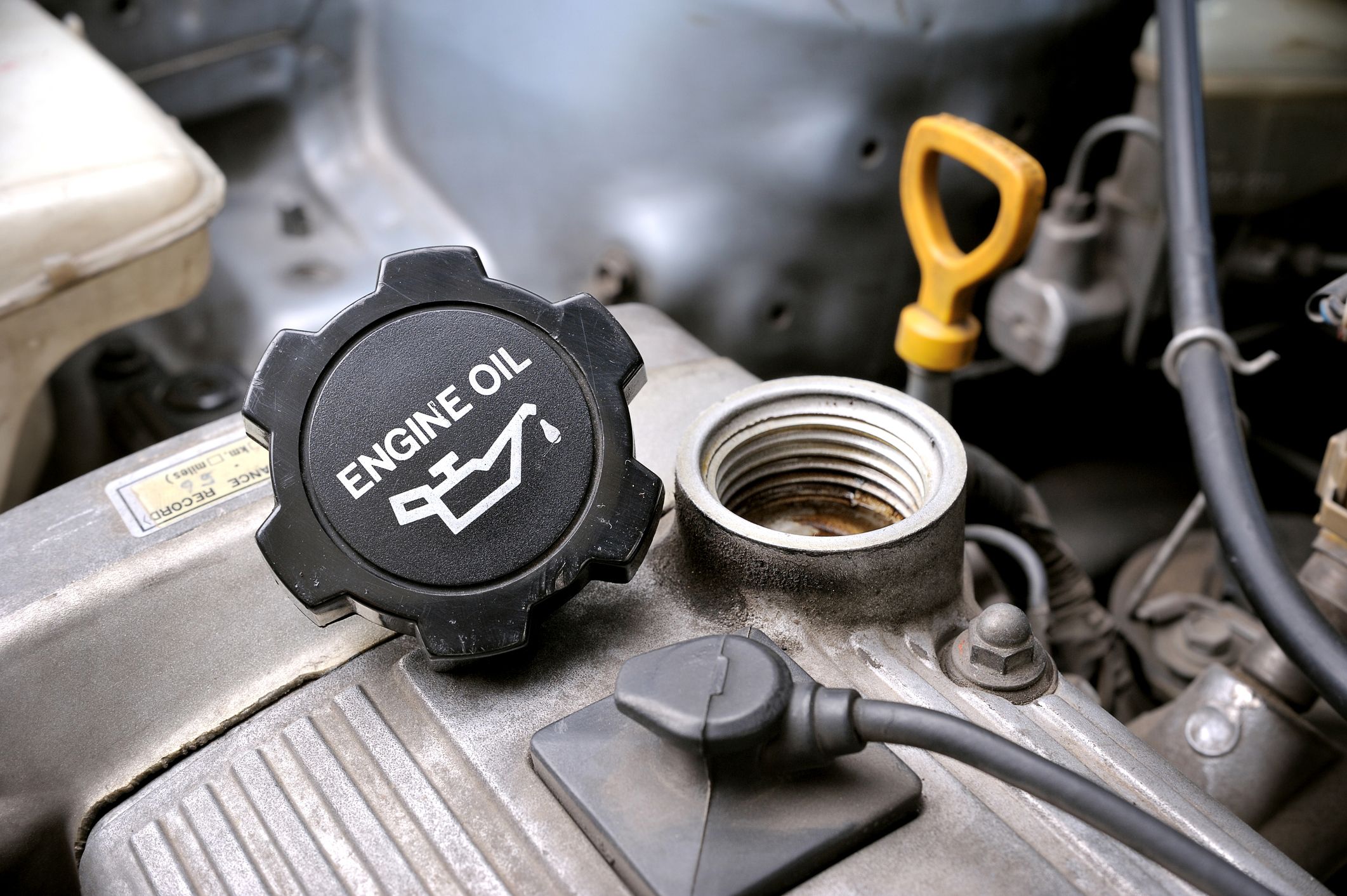
Engine oil burning produces one of the most recognizable smells in automotive diagnostics, and finding this smell during a used car evaluation tells you something specific about the engine’s internal or external condition that a visual inspection of a clean engine bay sometimes cannot confirm.
Burning oil has a sharp, acrid quality that differs from exhaust smell and from coolant smell, and experienced mechanics can often estimate the severity of an oil consumption problem simply from the intensity and character of what they smell during and after a test drive.
External oil leaks that land on hot exhaust components are a more benign source of burning oil smell, as they indicate seal or gasket failures that are typically repairable at known cost without internal engine work. Valve cover gaskets, front and rear crankshaft seals, oil pan gaskets, and timing cover seals are all external sealing surfaces that develop leaks with age and heat cycling, and repair costs for these items range from $150 to $600, depending on the specific seal and the labor involved in accessing it.
Internal oil consumption, where the engine is burning oil through worn piston rings or valve guide seals, is a fundamentally different and more serious diagnosis. An engine consuming oil internally will typically show blue-gray smoke from the exhaust during acceleration after deceleration events when the throttle closes and reopens, and the burning oil smell that accompanies this consumption is detectable inside the cabin through the ventilation system that routes outside air into the vehicle during driving.
Checking the dipstick on any used car evaluation and comparing oil level against the expected full mark provides immediate evidence of oil consumption history, and examining the inside of the oil filler cap for mayonnaise-like emulsification tests for the coolant contamination that points to a head gasket problem as a companion diagnosis.
Buyers evaluating the 2013 Subaru Outback 2.5i Premium AWD and the 2007 Audi A4 2.0T Quattro Sedan should be particularly attentive to burning oil smell, as both platforms have documented oil consumption histories in owner communities that can involve internal engine issues requiring repair costs ranging from $1,500 for valve guide seal replacement to $4,000 or more for ring or piston service.
Also Read: 8 Tips for Negotiating the Lowest Interest Rate on a Car Loan in 2026
3. Mold and Mildew That Resist Simple Odour Treatments
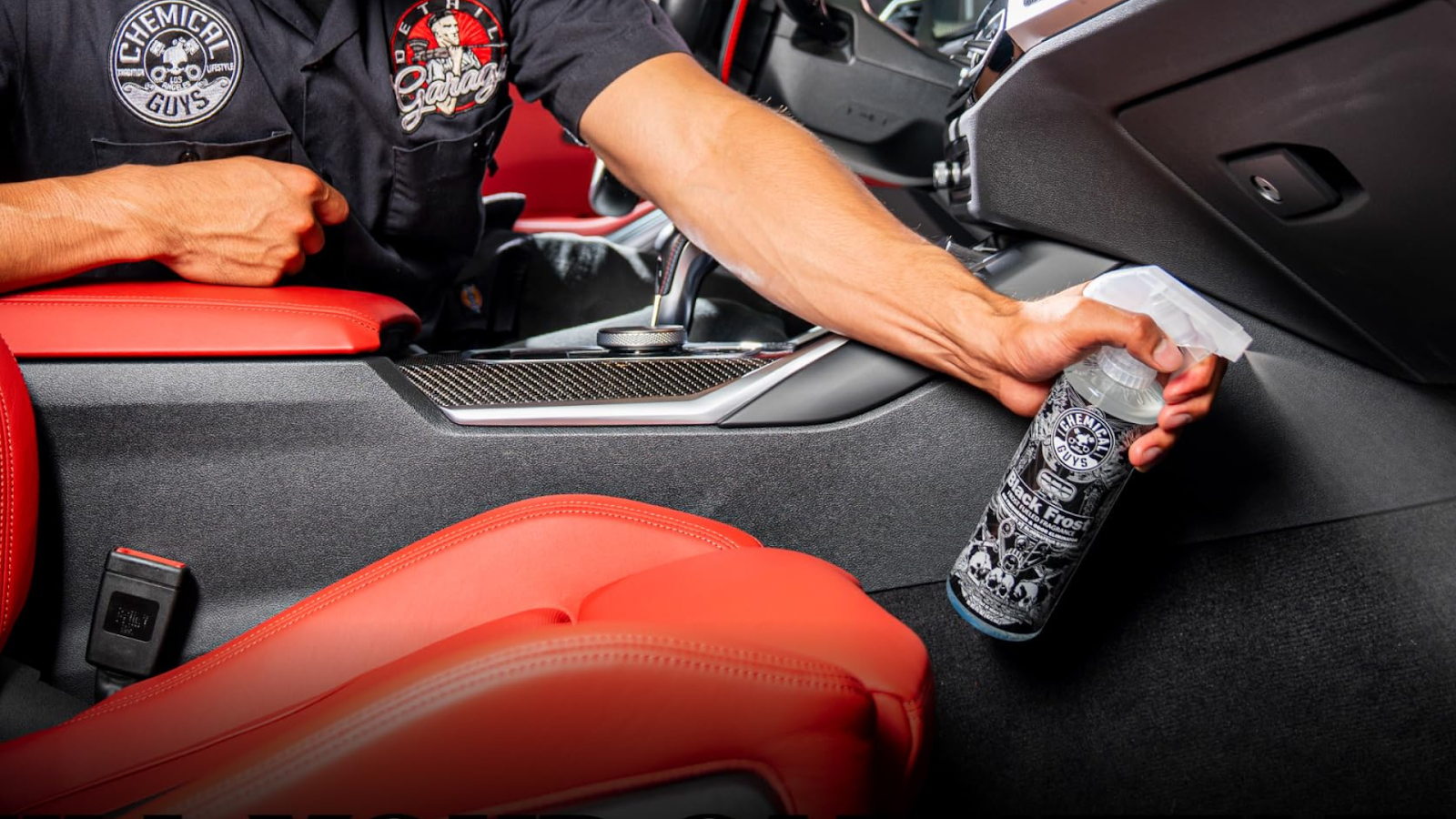
Persistent mould or mildew odour in a used vehicle represents a serious concern that extends beyond mere discomfort. Unlike many other cabin smells that remain stable or gradually diminish, this type of odour often becomes stronger after purchase. The reason lies in the biological nature of mould growth, which continues as long as moisture and suitable conditions remain present within the vehicle’s interior materials.
Mould typically develops in hidden sections where water has accumulated and failed to dry properly. These areas include carpets, seat foam, insulation layers beneath the flooring, and even the headliner. When a vehicle has been exposed to moisture for extended periods, whether due to leakage or environmental conditions, it creates an environment that supports continuous microbial growth. By the time such a vehicle is presented for sale, mould may already be deeply established within its internal structure.
Water intrusion may arise from several sources. Minor issues such as worn door seals, damaged window linings, or poorly maintained sunroof drainage systems can allow gradual entry of water. In more severe cases, vehicles that have experienced flooding may be superficially cleaned and presented as roadworthy, even though moisture remains trapped beneath visible surfaces. Such vehicles may appear acceptable during a routine inspection while still containing internal dampness that sustains mould growth.
Addressing this condition requires more than surface cleaning or the use of air fresheners. Effective remediation involves a comprehensive process that targets both the symptoms and the underlying cause. Carpets and seat coverings must be removed to expose the underlying foam and structural flooring.
Antimicrobial treatment is then applied to eliminate biological contaminants. Materials that have absorbed moisture beyond recovery must be replaced entirely, as residual contamination will continue to produce odour and may pose health concerns.
Financial implications are considerable. Remediation costs vary depending on the extent of the contamination and the labour required to access affected areas. In moderate cases, expenses may fall within a manageable range. However, where moisture has penetrated structural components or caused corrosion beneath the flooring, repair costs can rise substantially. Such situations may render the vehicle economically impractical to restore.
Buyers should approach any persistent damp or musty smell with caution during evaluation. Vehicles such as the Jeep Grand Cherokee Laredo and Honda CR-V have documented cases of water entry through seals and drainage systems when maintenance is neglected.
Detecting even a mild odour during inspection should prompt further investigation, including checking under carpets and within storage compartments for signs of dampness.

4. Cigarette Smoke Embedded in Interior Materials
Cigarette smoke odour within a vehicle interior presents a different type of challenge, one that is often underestimated by prospective buyers. While it does not indicate mechanical failure, it reflects a condition that is difficult to reverse and can influence both comfort and long-term ownership satisfaction.
The persistence of this odour arises from the chemical behaviour of smoke particles and their interaction with interior materials. When a vehicle is used regularly by a smoker, airborne particles from cigarettes settle into porous surfaces throughout the cabin.
These include seat fabric, foam padding, carpets, and the headliner. As time goes on, the accumulation becomes deeply embedded at a molecular level, making removal far more difficult than simple cleaning might suggest. Unlike surface dirt, smoke residue bonds with materials and continues to release odour gradually.
Many sellers attempt to address this issue through short-term measures such as ozone treatment or intensive detailing. While these methods can temporarily reduce the smell, they do not eliminate the underlying residue. As the effect of such treatments diminishes, the odour often returns, sometimes within a matter of days.
This pattern can mislead buyers into believing the issue has been resolved when, in reality, it has only been masked. Permanent removal requires a more extensive approach. The only reliable method involves replacing the affected soft materials entirely. This includes removing and installing new seat foam, carpets, and headliner components.
Even in vehicles with leather upholstery, where the surface may resist absorption to some degree, the foam beneath often retains the odour and must be addressed. Without this level of intervention, complete elimination is unlikely. The financial burden associated with this process can be considerable.
Costs vary depending on vehicle size, material quality, and labour rates, but they frequently exceed what buyers anticipate for what initially appears to be a minor issue. In many cases, the expense of full interior restoration may influence the decision to proceed with the purchase at all.
During evaluation, buyers should rely on their sense of smell as a primary indicator. Vehicles such as the Ford Fusion SE and Toyota Camry XSE are common in the used market, and examples with smoke exposure are not uncommon. Any detectable odour should be treated as a factor in price negotiation rather than an issue that will be resolved by routine dealer preparation.
Informed decision-making requires recognising the difference between temporary improvement and permanent correction. Smoke odour embedded within a vehicle interior is not easily erased. It demands deliberate action, financial investment, and realistic expectations from any buyer considering such a vehicle.

5. Sulfur or Rotten Egg From the Exhaust or Battery Area
Sulfur smell in a vehicle evaluation is not a subtle warning. It is specific, immediately recognizable to anyone who has smelled it before, and associated with two expensive diagnoses depending on where the smell originates and when it appears during evaluation.
Learning to distinguish between the exhaust-origin version and the battery-origin version of sulfur smell gives buyers information that points to different systems requiring attention and different repair cost ranges. Sulfur smell from the exhaust system during driving, particularly during acceleration events after the vehicle has warmed to operating temperature, indicates catalytic converter problems that represent one of the most expensive single-component repairs in the modern vehicle exhaust system.
Catalytic converters contain precious metal catalyst materials that convert harmful combustion byproducts into less harmful compounds before they exit the exhaust, and when the catalyst substrate is failing due to heat damage, contamination from oil or coolant burning, or simple age-related degradation, the conversion process fails and hydrogen sulfide passes through the exhaust in detectable concentrations.
Catalytic converter replacement cost varies substantially based on vehicle platform, catalyst specification, and whether original equipment or high-quality aftermarket replacements are used. Front catalytic converters on turbocharged engines and direct-fit converters for higher-end platforms can cost $800 to $2,500 per converter, including installation labor, and vehicles with multiple catalytic converters in the exhaust system multiply this cost by the number of failing units.
Battery area sulfur smell, which is most detectable with the hood open and strongest near the battery tray, indicates an overcharging condition where the alternator is sending excess voltage to the battery and causing electrolyte gassing that produces the hydrogen sulfide smell.
This diagnosis points to alternator failure as the primary issue, with total repair cost typically ranging from $300 to $700, including alternator replacement and battery testing or replacement if the overcharging has damaged the battery.

6. Burnt Rubber or Electrical Insulation Smell During Driving
Electrical burning smell and burning rubber smell are distinct from each other in character but share the characteristic of being smells that require immediate investigative attention rather than the monitored concern that slower-developing problems might justify.
Both indicate that something is overheating in ways that can progress from expensive inconvenience to fire hazard if the underlying condition is not identified and corrected. Electrical burning smell has a specific sharp, acrid quality that differs from oil burning and that is associated with insulation on wiring or plastic components melting under heat from electrical resistance that is higher than the circuit design intended.
Causes include wiring that has been damaged or improperly routed against exhaust or engine components, electrical connections that have developed corrosion that increases resistance and generates heat, and failing electrical components, including alternators, starter motors, and power window or seat motors that are drawing excess current during failure.
Burning rubber smell without visible tire smoke or obvious brake dragging indicates either an accessory drive belt that is slipping against a seized pulley or a brake caliper that is dragging against the rotor without fully releasing after braking. Both produce heat at the friction surface that burns the rubber material and creates the distinctive smell that is detectable inside the cabin through the ventilation system during driving.
Buyers evaluating the 2014 Dodge Journey SXT AWD 3.6L V6 and the 2019 Hyundai Santa Fe SE AWD 2.4L should specifically test for burning rubber smell by driving through a series of low-speed stops and then accelerating to highway speed, after which checking each wheel area for heat with an approach of the hand near the wheel face tests for brake caliper dragging that produces the smell during normal driving conditions.
7. Raw Gasoline Inside the Cabin or From Underneath the Vehicle
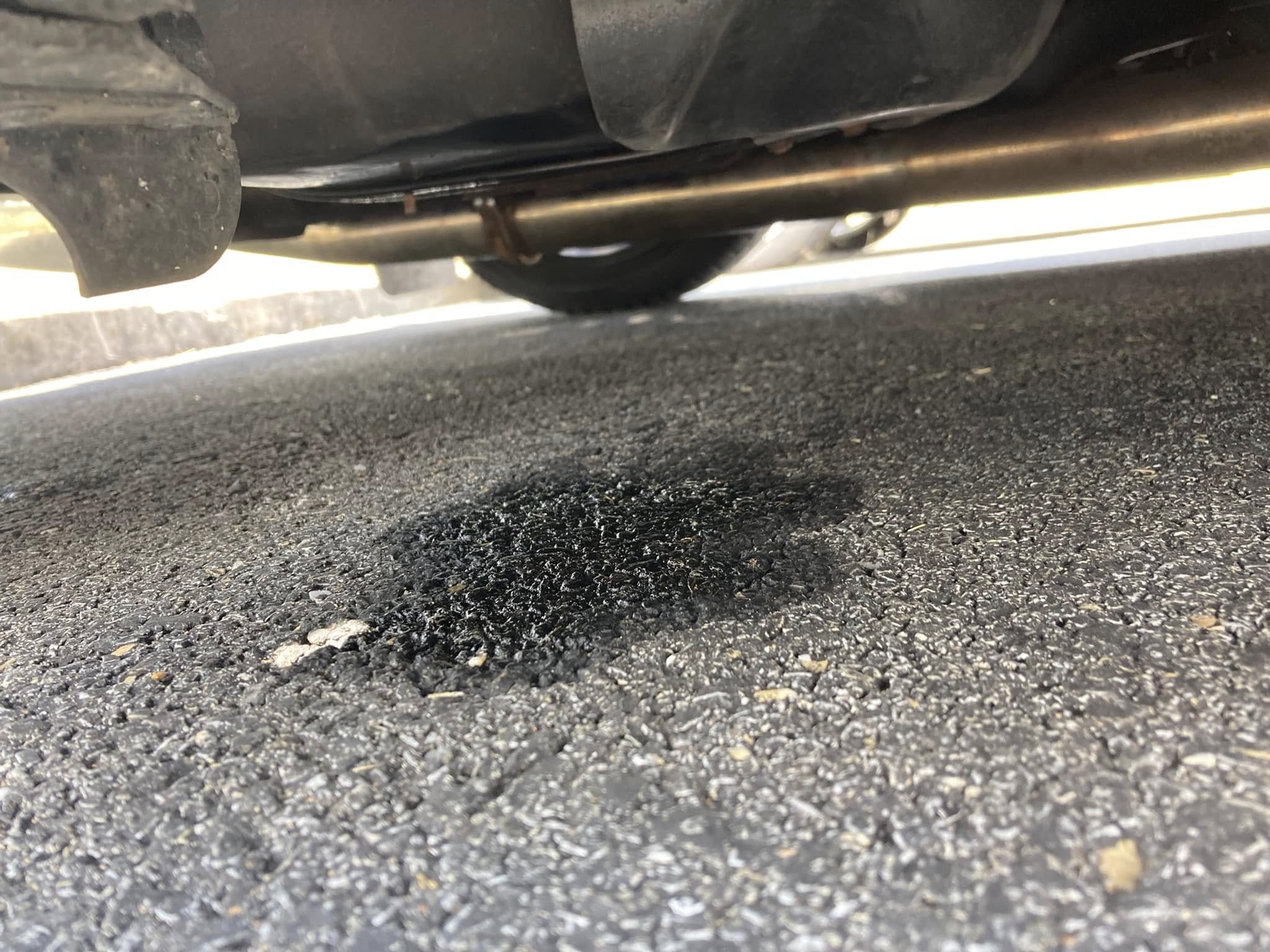
The presence of a raw petrol smell during the inspection of a used vehicle requires immediate attention and careful evaluation before any further testing is carried out. Fuel odour is a direct indication of leakage within the fuel delivery system, and this condition presents both a financial burden and a safety hazard.
A vehicle with such a defect should not be driven until the source has been identified and corrected, as fuel vapour is highly flammable and can ignite under certain operating conditions. When petrol smell is detected within the cabin, it often suggests that vapour is entering through the ventilation system or passing through openings in the firewall that separates the engine bay from the passenger compartment.
This can arise from leaking fuel injectors, worn injector seals, or deteriorated fuel lines. In some cases, faults within the fuel tank assembly or pump module may allow vapour to accumulate beneath the vehicle and migrate into the cabin area through floor openings or ventilation channels.
Repair expenses vary depending on the location and severity of the leakage. Replacement of injector seals on a standard four-cylinder engine may require a relatively modest financial commitment, usually within the lower range of service costs.
However, faults located along the fuel lines or within the fuel tank often demand more extensive labour. Access to these components may require removal of protective underbody panels or complete fuel tank detachment, increasing both time and cost of repair.
Certain vehicle models have recorded recurring issues within their fuel systems. Buyers assessing the 2005 Chevrolet TrailBlazer LT 4WD 4.2L Inline-Six should pay attention to fuel pressure regulator faults, which may allow fuel to enter vacuum lines and produce a strong petrol smell.
Similarly, those considering the 2010 Ford Explorer XLT 4.0L V6 should examine injector seals and fuel rail connections, as deterioration in these areas has been observed in long-term usage. A proper inspection method involves starting the engine when it is cold.
At this stage, fuel delivery is richer, and system pressure is higher, making minor leaks easier to detect. Inspection should include checking around the fuel filler cap, examining visible fuel lines beneath the vehicle, and observing injector areas within the engine compartment. Any trace of wetness, staining, or persistent odour should be treated as confirmation of a fault requiring repair.
Also Read: 8 Tips for Organizing Your Truck Bed to Maximize Daily Utility and Storage
8. Musty Air Conditioning That Signals Evaporator Mold and System Problems
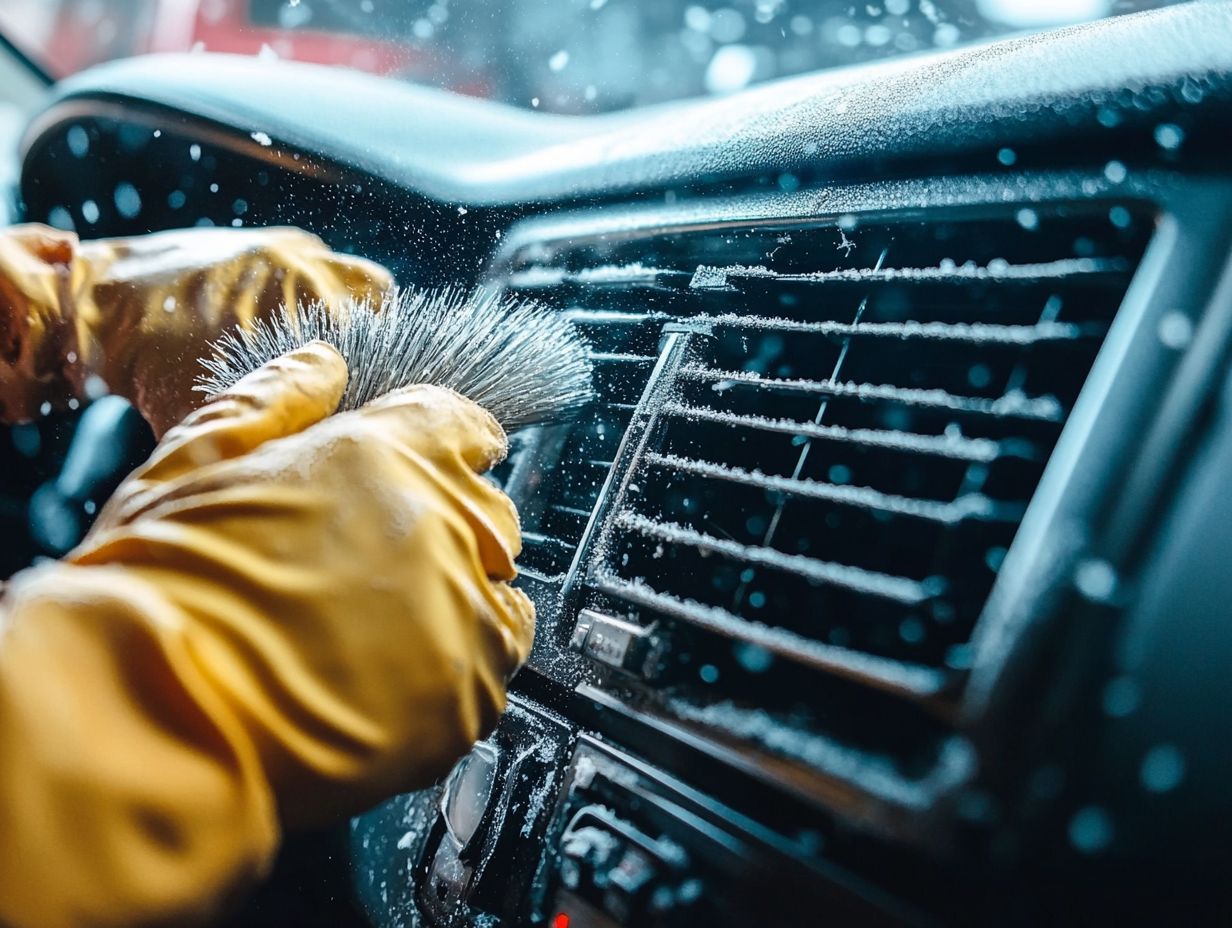
An unpleasant odour from a vehicle’s air conditioning system, particularly one described as damp or stale, often indicates microbial growth within the evaporator assembly. This condition develops gradually and may not be immediately apparent during a brief inspection, which leads many buyers to underestimate its seriousness.
The smell commonly appears when the air conditioning system is first activated after the vehicle has been parked for some time, then reduces as airflow continues, creating the false impression that the issue is minor. The root cause lies in moisture accumulation on the evaporator core. During normal operation, the cooling process extracts humidity from cabin air, forming condensation on the evaporator surface.
This moisture is intended to drain out through a dedicated outlet beneath the vehicle. When the drainage pathway becomes obstructed or inefficient, water remains within the system, creating conditions suitable for bacterial and fungal growth. These microorganisms produce the odour that enters the cabin through the ventilation system.
Early-stage contamination may be addressed through professional cleaning procedures. Technicians can apply antimicrobial treatments through the cabin air filter housing or directly into the ventilation ducts. This approach may reduce odour temporarily when the growth has not spread extensively. However, such treatment does not always provide a permanent solution, particularly when moisture retention continues due to unresolved drainage issues.
More advanced cases require mechanical intervention. Cleaning or replacing the evaporator core often involves dismantling sections of the dashboard to gain access. This process is labour-intensive and contributes to higher service costs. Replacement of associated components, such as drainage hoses or seals, may also be necessary to prevent recurrence. Vehicles with intricate interior layouts or premium features may incur higher labour charges due to the extent of disassembly required.
Addressing evaporator-related odour is essential not only for comfort but also for maintaining acceptable air quality within the cabin. Buyers should approach this issue with the same seriousness as mechanical faults, ensuring that any required repairs are clearly identified and accounted for before completing a vehicle purchase.
