
Buying a used car under $8,000 is often seen as a compromise. Many buyers assume they will have to sacrifice reliability, comfort, or long-term durability just to stay within budget.
Mechanics, however, tend to see things differently. Their experience working on thousands of vehicles gives them a practical understanding of which cars truly hold up over time and which ones become expensive problems.
When mechanics choose a car for themselves, their priorities shift away from brand image or flashy features. They focus on what matters beneath the surface.
Engines that can tolerate wear, transmissions that do not fail unexpectedly, and designs that make repairs simple and affordable all become more important than anything else. These are vehicles that can take real-world use without constant breakdowns.
Another factor that influences these choices is predictability. A car does not need to be perfect, but it should behave in a consistent way. Mechanics prefer vehicles that show gradual wear rather than sudden failures. This allows problems to be addressed early, keeping costs manageable and avoiding major disruptions.
Parts availability also plays a key role. Cars that share components across multiple models or have been produced in large numbers are easier to maintain. Replacement parts are cheaper, and repairs can be completed quickly without waiting for specialised components. This practicality makes a significant difference when owning a budget vehicle.
There is also an appreciation for simplicity. Vehicles with fewer complicated systems tend to age better, especially when maintenance history is not perfect. A straightforward design reduces the number of potential failure points, making the car easier to keep running over the long term.
This list highlights ten used cars that mechanics themselves would consider buying within an $8,000 budget. These are not necessarily the newest or most exciting options, but they have proven their value through reliability, ease of maintenance, and consistent performance.
Each car represents a different approach to durability, yet they all share one common trait. They make ownership easier rather than more complicated, which is exactly what matters most in this price range.
Also Read: 9 Cars That Survive New Drivers Without a Single Major Repair
1. Toyota Corolla (2005 to 2008)
There is a reason the Toyota Corolla from the mid-2000s continues to appear in conversations about reliable used cars. Mechanics often gravitate toward it not because it is exciting, but because it delivers exactly what is expected without introducing unnecessary complications.
The engine in this generation is known for its durability. It operates within a comfortable range, avoiding the kind of stress that leads to premature wear. Even when maintenance has not been perfect, it tends to continue running without major issues. This tolerance makes it a safe choice for buyers who may not have complete service records.
What stands out is how predictable the Corolla remains over time. Problems do not usually appear suddenly. Instead, they develop gradually, giving owners the chance to address them before they become serious. This behaviour is highly valued by mechanics, who prefer vehicles that allow for planned maintenance rather than emergency repairs.
Another advantage is the simplicity of its design. The car does not rely on complex systems that are expensive to fix. Most repairs are straightforward, and parts are widely available. This reduces both the cost and effort required to keep the car in good condition.
Fuel efficiency is another benefit, but it is not the main reason mechanics choose this car. The real appeal lies in its consistency. It starts reliably, runs smoothly, and continues to perform its basic functions without drawing attention to itself.
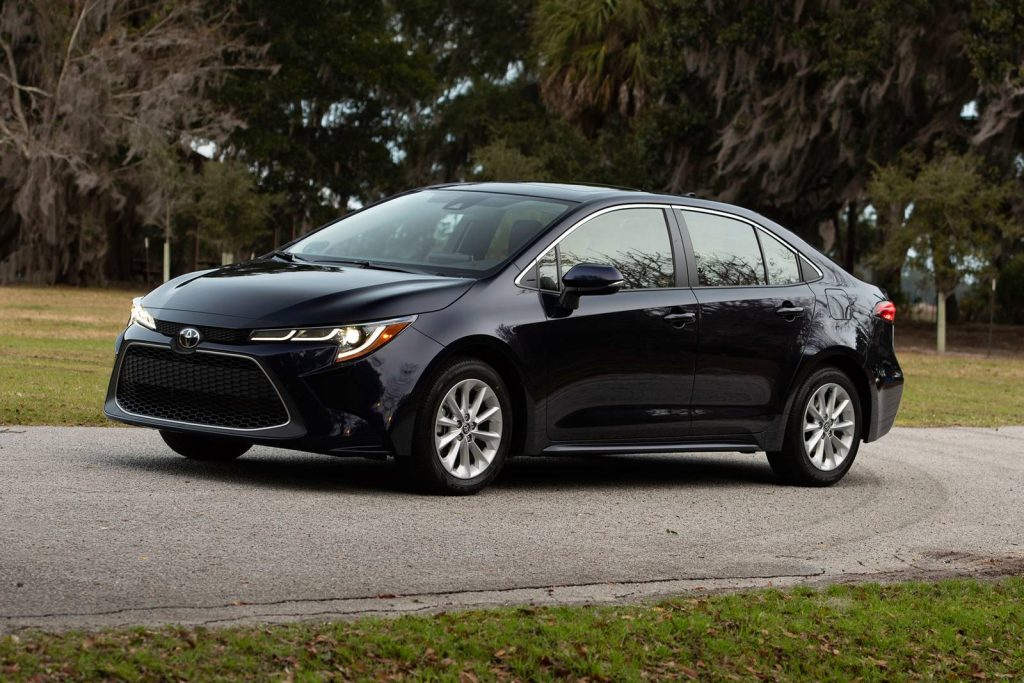
Driving a Corolla from this era feels uncomplicated. It does not try to impress, yet it provides a level of dependability that builds confidence over time. This reliability is what allows it to remain a popular choice among those who understand cars best.
2. Honda Civic (2006 to 2011)
The Honda Civic from this period takes a slightly different approach compared to the Corolla, offering a more engaging driving experience while still maintaining strong reliability. Mechanics often appreciate this balance, as it combines practicality with a bit of character.
One of the key strengths of the Civic is its engine design. It delivers efficient performance without placing excessive strain on internal components. This allows it to maintain reliability over time, even when it has been driven regularly.
The Civic also benefits from a well-thought-out structure. Components are arranged in a way that makes maintenance manageable. Mechanics value this accessibility because it reduces the time and effort required for repairs. When a car is easier to work on, it becomes more practical to own in the long run.
Another factor that makes the Civic appealing is how it handles wear. Like the Corolla, it tends to develop issues gradually rather than suddenly. This predictability allows owners to plan maintenance and avoid unexpected expenses.
There is also a sense of durability in how the car holds together. Even after years of use, it often retains a solid feel that reflects the quality of its construction. This contributes to its reputation as a dependable choice in the used market.
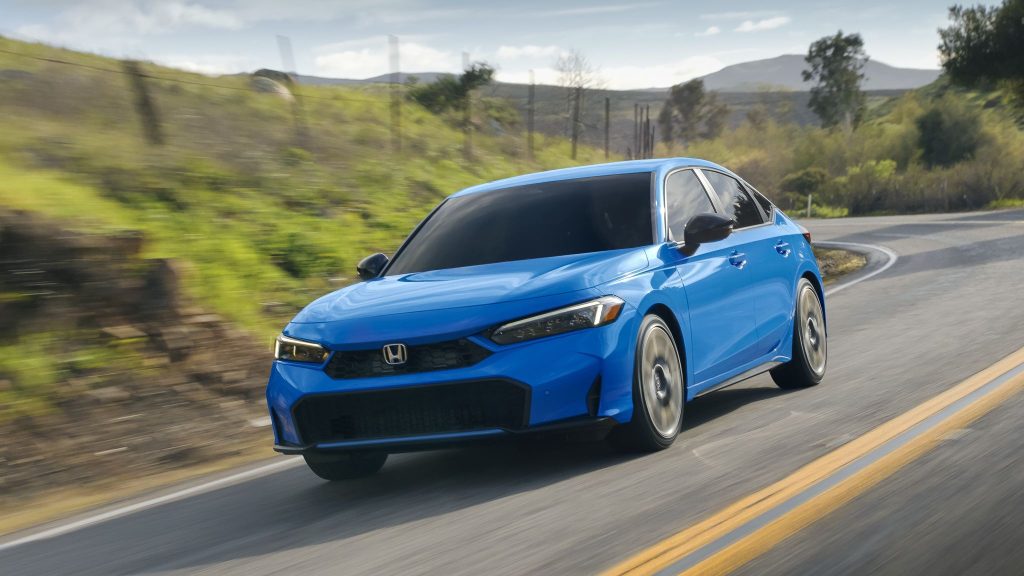
Driving the Civic offers a slightly more responsive experience, which adds to its appeal. It feels more connected to the road while still maintaining the reliability that mechanics prioritise.
For those looking for a used car under $8,000, the Civic represents a balance between practicality and enjoyment. It is a vehicle that continues to perform consistently, making it a choice that mechanics often trust for their own use.
3. Toyota Camry (2007 to 2011)
The Toyota Camry from this era represents a different kind of value, one that focuses on comfort and long-term stability rather than compact efficiency. Mechanics often choose it because it delivers a relaxed driving experience without introducing complicated problems that are difficult to manage over time.
Unlike smaller cars, the Camry feels more substantial on the road. That sense of solidity is not just about size. It comes from a suspension and chassis setup that holds together well even after years of use. Many examples continue to drive smoothly despite high mileage, which is a strong indicator of durable underlying components.
The engine options available during these years are known for their ability to keep running with minimal fuss. They are not highly stressed, which allows them to age gradually rather than fail suddenly. Mechanics appreciate this kind of behaviour because it makes ownership more predictable.
Another aspect that stands out is how well the car handles daily use. Whether it is long highway drives or repeated short trips, the Camry adapts without showing signs of strain. This versatility makes it a practical choice for a wide range of drivers.
From a maintenance perspective, the car remains straightforward. Parts are easy to find, and repairs do not require excessive labour. This accessibility keeps ownership costs reasonable, which is an important consideration in this price range.
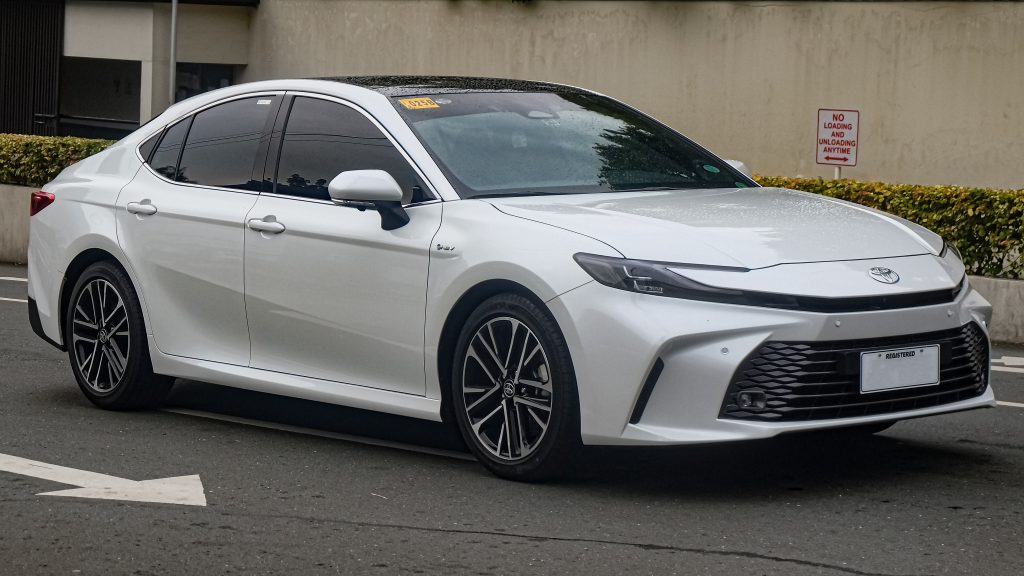
There is also a quiet confidence in how the Camry operates. It does not demand attention or constant adjustments. Instead, it continues to perform in a calm and consistent manner.
For mechanics, this combination of durability, comfort, and ease of maintenance makes the Camry a dependable option that can serve reliably for years without becoming a burden.
4. Honda Accord (2008 to 2012)
The Honda Accord from these model years takes a broader approach to reliability. It is larger and more refined than the Civic, yet it retains the practical qualities that mechanics look for in a used car.
One of the first things that becomes noticeable is how balanced the Accord feels. It does not lean too heavily toward comfort or performance. Instead, it offers a mix of both, which helps it handle a variety of driving conditions without stressing its components excessively.
The engines in this generation are designed to deliver steady performance. They provide enough power for everyday use without pushing the limits of their design. This approach helps extend their lifespan and reduces the likelihood of major issues.
Another strength of the Accord is its build quality. The car holds together well over time, maintaining a sense of cohesion that is often lost in older vehicles. This durability contributes to its long-term appeal.
Mechanics also appreciate how manageable it is to maintain. The layout of components allows for easier access during repairs, which reduces labour time and costs. This practicality makes it a sensible choice for those who want to avoid complicated maintenance.
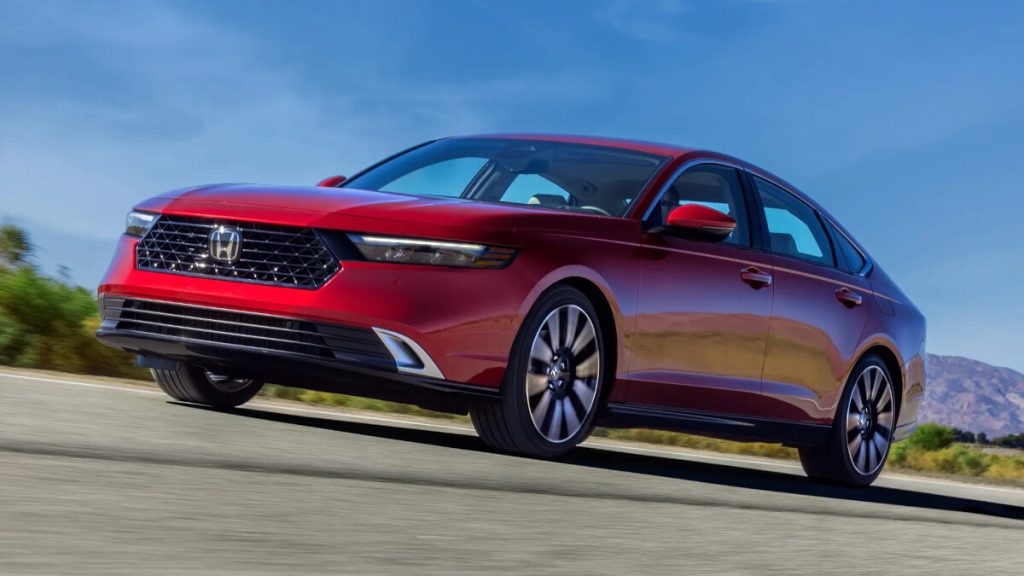
There is a certain refinement in how the Accord drives. It feels composed and stable, even after years of use. This consistency is a key reason why it remains a popular option in the used market.
For buyers working within an $8,000 budget, the Accord offers a level of reliability and usability that makes it stand out. It is a car that continues to perform without creating unnecessary challenges, which is exactly what mechanics value.
5. Ford Crown Victoria (2008 to 2011)
If a mechanic wants something that feels almost indestructible for everyday use, the Ford Crown Victoria often enters the conversation. This is not a modern car in design or philosophy, yet that is exactly what makes it appealing in the used market.
It relies on proven components that have been tested under extreme conditions, particularly in fleet and law enforcement use.
The first thing that defines this car is its body-on-frame construction. Unlike most sedans, it uses a structure more commonly associated with trucks. This gives it a level of durability that allows it to absorb years of use without falling apart. Even when the exterior shows age, the underlying structure often remains solid.
Its engine is another reason mechanics trust it. The V8 is not highly stressed, and it delivers power in a steady, predictable manner. It is the kind of engine that can accumulate high mileage without developing serious internal issues if basic maintenance is followed.
Where the Crown Victoria truly stands out is in how easy it is to work on. Components are accessible, and repairs do not require complicated procedures. For someone who understands cars, this simplicity translates into lower ownership costs and less frustration.
Driving it feels different from modern sedans. It is larger, softer, and less focused on sharp handling. Yet it provides a sense of stability that many drivers appreciate. It does not feel fragile, even at higher mileage.
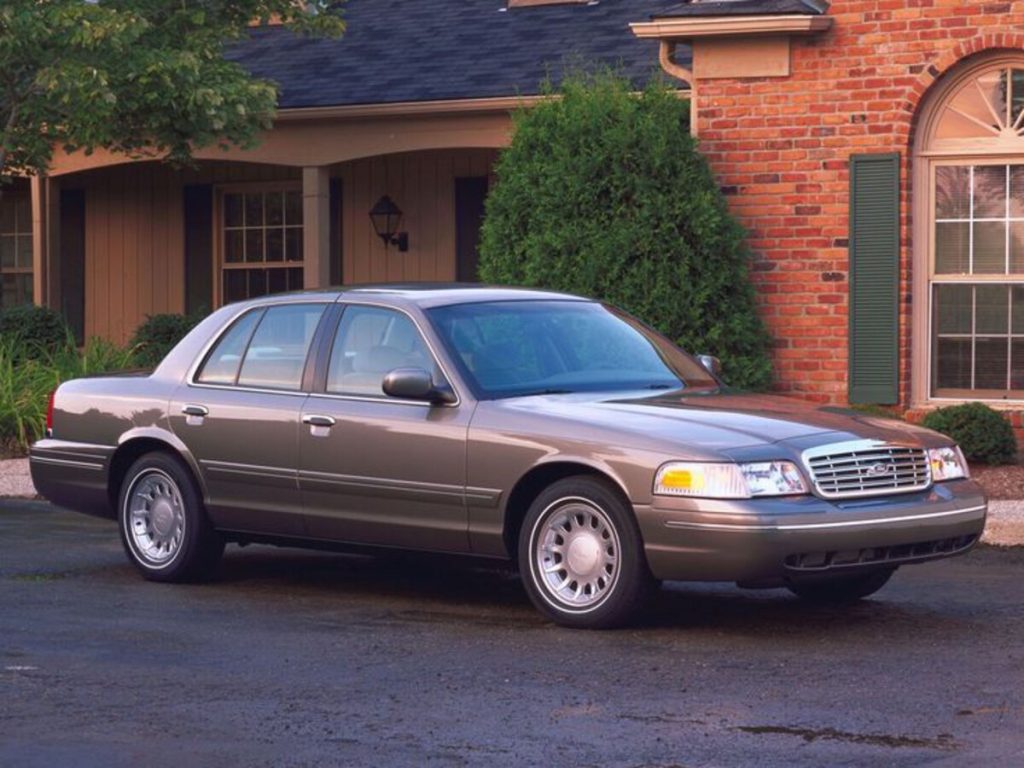
Another advantage is parts availability. Because these cars were produced in large numbers, replacement components are easy to find and relatively affordable. This makes it practical to keep the car running for years.
Mechanics often see the Crown Victoria as a tool rather than just transportation. It is dependable, straightforward, and capable of handling daily use without becoming a constant project.
6. Mazda3 (2010 to 2013)
The Mazda3 offers a completely different personality compared to the Crown Victoria. It is smaller, more responsive, and designed with a focus on driving feel. Yet it still manages to meet the reliability expectations that mechanics look for in a used car.
What sets the Mazda3 apart is how it combines durability with engagement. The engine is efficient and well-balanced, providing enough power without placing excessive strain on its components. This helps it maintain reliability over time.
Another strength lies in how the car is assembled. The structure feels tight and cohesive, even after years of use. This sense of solidity contributes to its long-term appeal and reduces the likelihood of developing rattles or structural issues.
Maintenance is also manageable. While it may not be as simple as older designs, it avoids unnecessary complexity. Most repairs can be handled without excessive effort, which keeps ownership practical.
One of the most noticeable qualities of the Mazda3 is how it drives. It feels more connected to the road than many cars in this price range. This adds an element of enjoyment that is often missing from purely utilitarian vehicles.
Despite this focus on driving experience, the car remains reliable. It does not sacrifice durability for performance, which is a balance that mechanics appreciate.
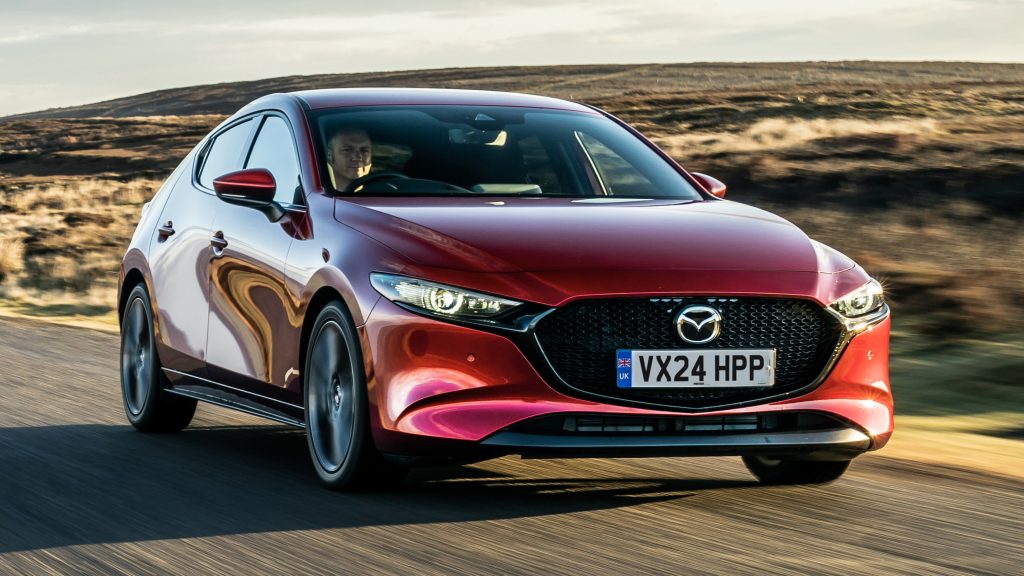
Another advantage is how it handles daily use. Whether commuting in traffic or taking longer trips, it performs consistently without showing signs of strain.
For those who want a used car that is both dependable and enjoyable to drive, the Mazda3 represents a strong choice. It proves that reliability does not have to come at the expense of personality.
7. Hyundai Elantra (2011 to 2014)
The Hyundai Elantra from this period reflects how far mainstream cars have evolved in terms of value and durability. Mechanics who once avoided older Hyundai models now often recommend this generation because it delivers a combination of efficiency, simplicity, and predictable maintenance.
What makes this Elantra appealing is how it handles daily driving without feeling strained. The engine is tuned for efficiency rather than aggressive performance, which helps reduce wear over time. It operates within a comfortable range, allowing it to maintain reliability even when used regularly.
Another aspect that stands out is how the car ages. It does not develop problems in a sudden or chaotic way. Instead, wear tends to appear gradually, giving owners time to address issues before they become serious. This pattern is something mechanics value because it keeps repair costs manageable.
The interior and structure also hold together better than many expect at this price point. While it may not feel premium, it avoids the kind of rapid deterioration that can make older cars feel worn out too quickly. This contributes to a more consistent ownership experience.
Maintenance is straightforward, which is critical for a budget car. Parts are widely available, and repairs do not require specialised knowledge or excessive labour. This practicality makes it easier to keep the car running without significant expense.
Driving the Elantra feels light and efficient. It does not aim to deliver excitement, yet it performs its role reliably. This simplicity becomes an advantage over time, as fewer systems can fail.
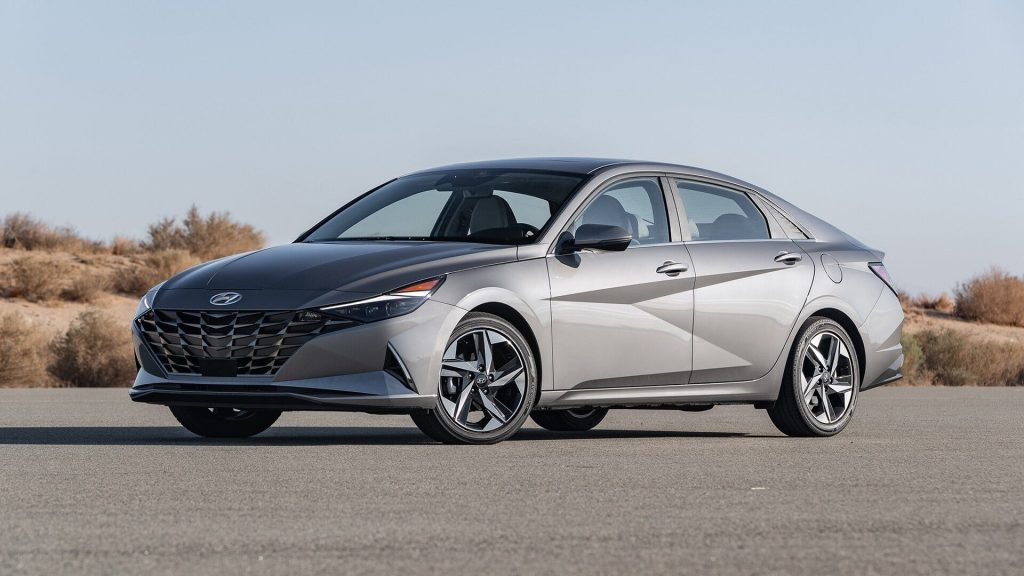
Mechanics often view this car as a sensible choice for someone who wants dependable transportation without unnecessary complexity. It is a vehicle that focuses on doing its job well rather than trying to impress.
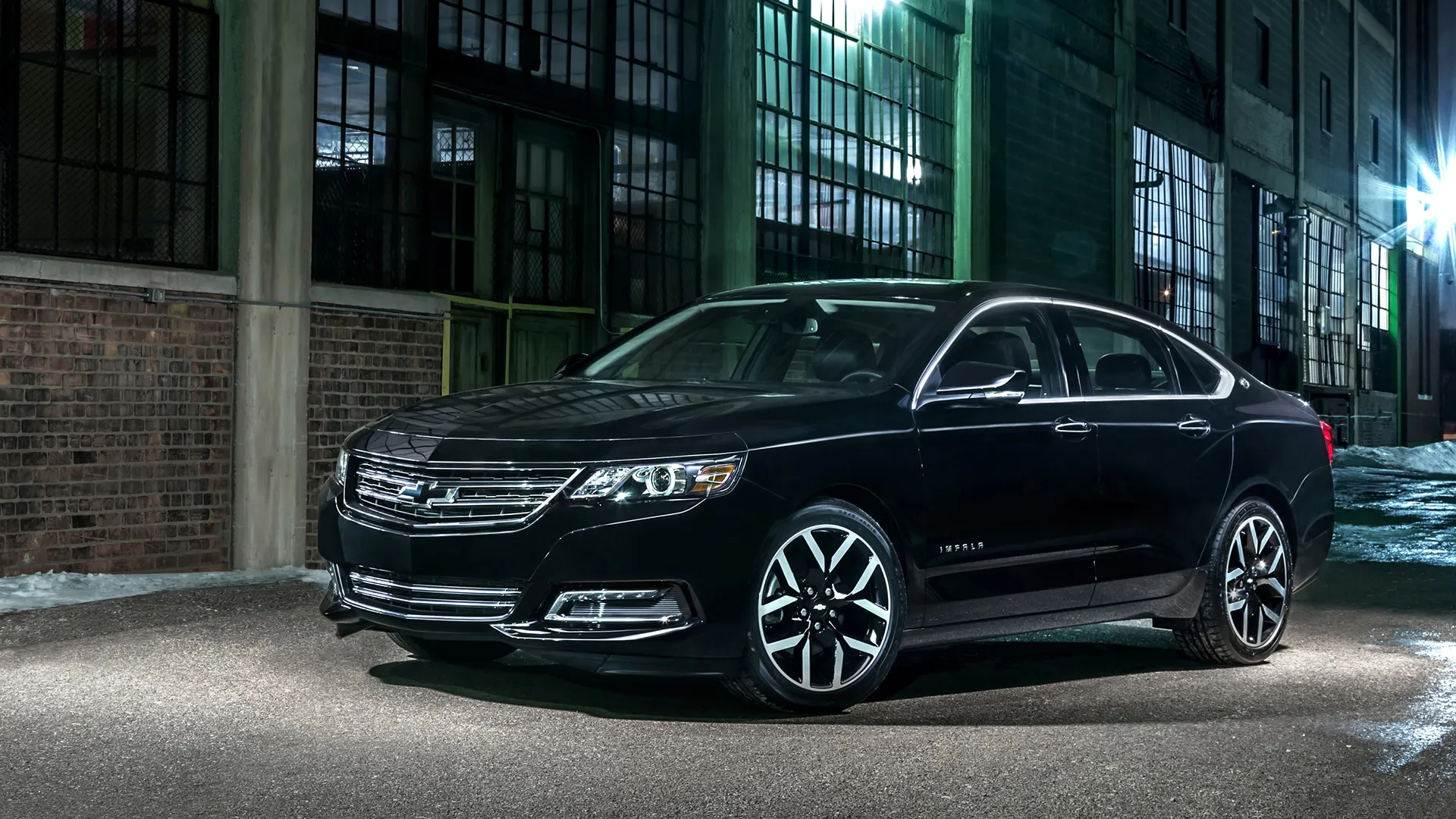
8. Chevrolet Impala (2006 to 2013)
The Chevrolet Impala from these years offers a different kind of value, one that leans toward comfort and space while still maintaining a reputation for durability. Mechanics often appreciate it because it provides a straightforward ownership experience without introducing complicated systems.
One of the key strengths of the Impala is its engine lineup, particularly the V6 options. These engines are known for delivering steady performance without placing excessive stress on internal components. This allows them to handle high mileage without becoming unreliable.
The car’s design also contributes to its appeal. It is built with a focus on practicality, which makes it easier to maintain. Components are accessible, and repairs can often be completed without excessive effort. This reduces both time and cost, which is important for a used vehicle.
Another advantage is how the Impala handles long-term use. It remains comfortable and stable even after years of driving. This consistency makes it a good choice for those who need a reliable daily driver that can also handle longer trips.
The driving experience is relaxed rather than engaging. It prioritises smoothness and ease of use, which aligns with its role as a practical sedan. This approach also reduces strain on mechanical components, helping them last longer.
There is also a benefit in how widely available parts are for this car. Because it was produced in large numbers, replacement components are easy to find and affordable. This makes it practical to keep the car running without significant expense.
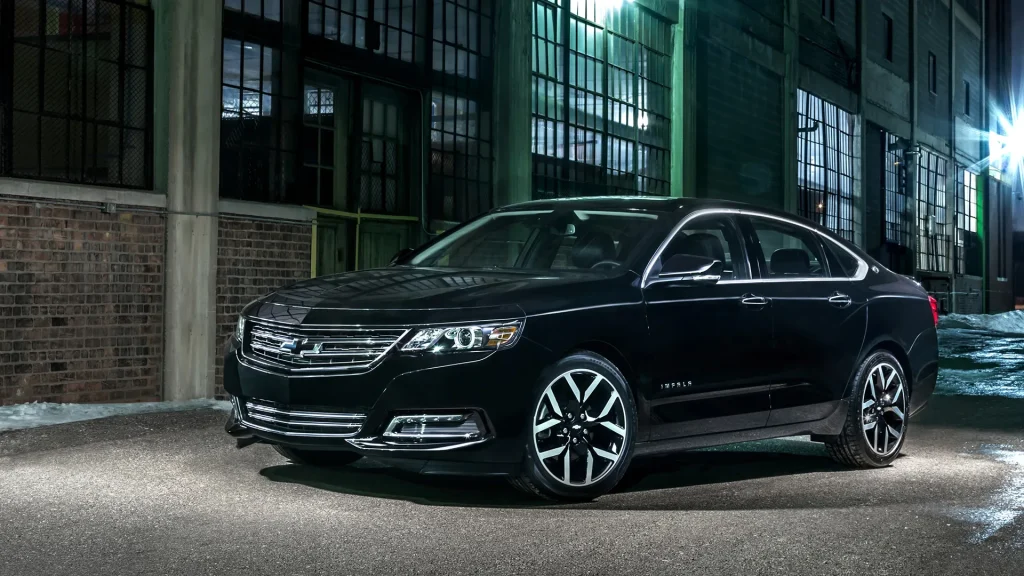
Mechanics often see the Impala as a dependable option that does not demand attention. It continues to perform its role without creating unnecessary complications, which is exactly what many buyers need in this price range.
9. Subaru Legacy (2008 to 2012)
Choosing a Subaru Legacy in this price range is not always the obvious move, yet many mechanics respect it for a very specific reason.
When maintained even moderately well, it delivers a kind of all-weather dependability that few sedans can match at this budget. That capability becomes especially valuable in regions with challenging road conditions.
The defining feature here is the all-wheel-drive system. Unlike part-time setups, it operates continuously, providing consistent traction.
What makes it appealing from a mechanical standpoint is how well it holds up when not abused. It is not a fragile system, and when paired with a naturally aspirated engine, it can remain reliable for years.
The driving experience is different from front-wheel-drive rivals. There is a planted feel, particularly in poor weather, that adds confidence. This stability is not just about safety but also about how evenly the vehicle distributes stress across its components, which can contribute to longevity.
Engines in this generation are known for being durable when basic maintenance is followed. They are not immune to issues, but they do not typically fail without warning. Problems tend to develop gradually, giving owners time to respond. This predictability is something mechanics consistently value.
Another point worth noting is how the Legacy handles mileage. It does not fall apart quickly as numbers climb. Instead, it continues to function in a composed manner, retaining its usability even as it ages.
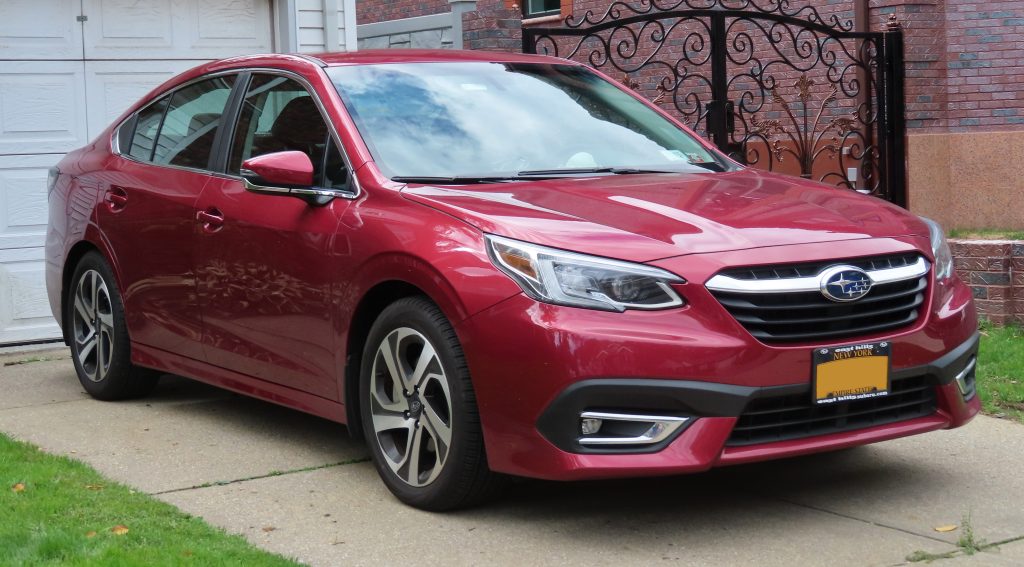
Maintenance can be slightly more involved compared to simpler sedans, but it remains manageable. For those willing to stay on top of routine care, the car rewards with consistent performance.
The Legacy appeals to mechanics who want something practical yet capable. It offers reliability with an added layer of versatility that makes it stand out in this price bracket.
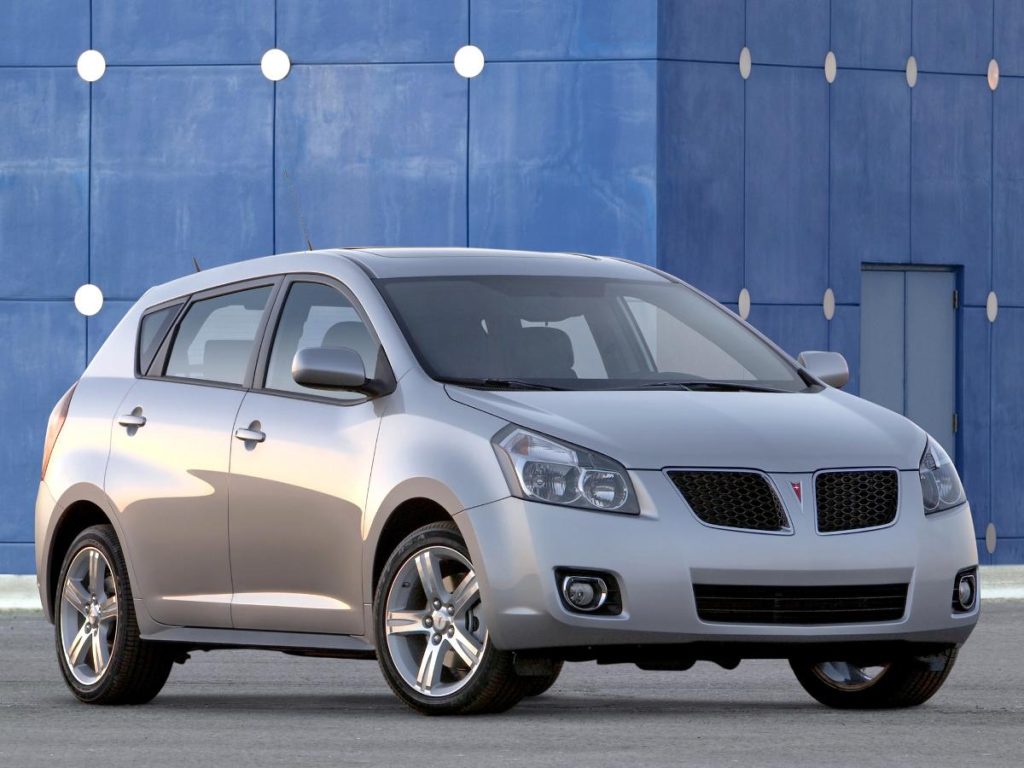
10. Pontiac Vibe (2005 to 2008)
Ending this list with the Pontiac Vibe might seem unexpected, but mechanics often see it as one of the smartest used car choices under $8,000. What makes it special is not the badge but what lies beneath it.
The Vibe shares its mechanical foundation with the Toyota Matrix, which means it benefits from proven engineering. This connection brings with it an engine and drivetrain known for reliability and long-term durability. It is the kind of setup that continues to perform even when maintenance has not been perfect.
One of the biggest advantages of the Vibe is its practicality. It combines the footprint of a compact car with the versatility of a hatchback. This makes it useful for a wide range of needs, from daily commuting to carrying larger items.
From a mechanical perspective, the simplicity of the design is a major strength. There are no unnecessary systems to complicate ownership. Repairs are straightforward, and parts are easy to source, which keeps costs low.
Another factor that makes the Vibe appealing is how well it handles ageing. It does not develop a long list of problems as mileage increases. Instead, it tends to remain consistent, which is exactly what mechanics look for in a budget vehicle.
Driving the Vibe feels uncomplicated in the best possible way. It is easy to manage, predictable in its behaviour, and does not introduce surprises. This reliability builds trust over time.
There is also a sense of value that is hard to ignore. Because it is often overlooked compared to its Toyota counterpart, it can be found at a lower price while offering the same mechanical benefits.
For mechanics, the Vibe represents a practical decision. It delivers dependable performance, low maintenance costs, and versatility, making it a strong choice for anyone working within a tight budget.
Finding a reliable used car under $8,000 does not have to feel like a gamble. The vehicles in this list show that with the right choices, it is possible to get dependable transportation without constant repairs or unexpected expenses.
Each of these cars earns its place through a combination of durability, simplicity, and predictable behaviour. Some focus on comfort, others on efficiency, and a few add an element of driving enjoyment. Despite these differences, they all share one essential quality. They make ownership easier rather than more complicated.
Mechanics tend to trust vehicles that do not surprise them. Cars that wear gradually, use proven components, and remain easy to repair are always preferred over those that rely on complexity. This practical mindset is what guides their choices.
For buyers, following this approach can make a significant difference. Instead of chasing features or appearance, focusing on long-term reliability leads to better outcomes. A car that starts every day, runs consistently, and stays affordable to maintain will always be the smarter investment.
These ten options demonstrate that even within a limited budget, it is possible to find vehicles that deliver real value. They may not be the newest or most exciting, but they are the kind of cars that keep going without turning ownership into a constant challenge.
Also Read: 10 Used Cars Under $12,000 Where Nothing Has Gone Wrong Yet
