
Modern vehicles are no longer just machines that take you from point A to point B. They have transformed into rolling computers, packed with sensors, screens, and systems that would have seemed like science fiction just two decades ago.
As technology advances, so does the complexity of understanding and operating these mechanical marvels. The owner’s manual, once a slim booklet tucked into the glove compartment, has now grown into something resembling a small encyclopedia.
Some of today’s vehicles come with manuals that run well over 600, 700, or even 900 pages. These thick documents cover everything from basic seat adjustments to advanced driver-assistance systems, over-the-air software updates, and augmented reality navigation. Owning one of these vehicles is almost like enrolling in a course. You need to study just to unlock every feature your car has to offer.
This phenomenon is not limited to luxury brands alone. Electric vehicles, high-performance sports cars, and even family SUVs now ship with manuals that demand serious reading time.
These nine vehicles stand out as the most notorious examples of automotive complexity. Buckle up, understanding these machines is almost as impressive as driving them.
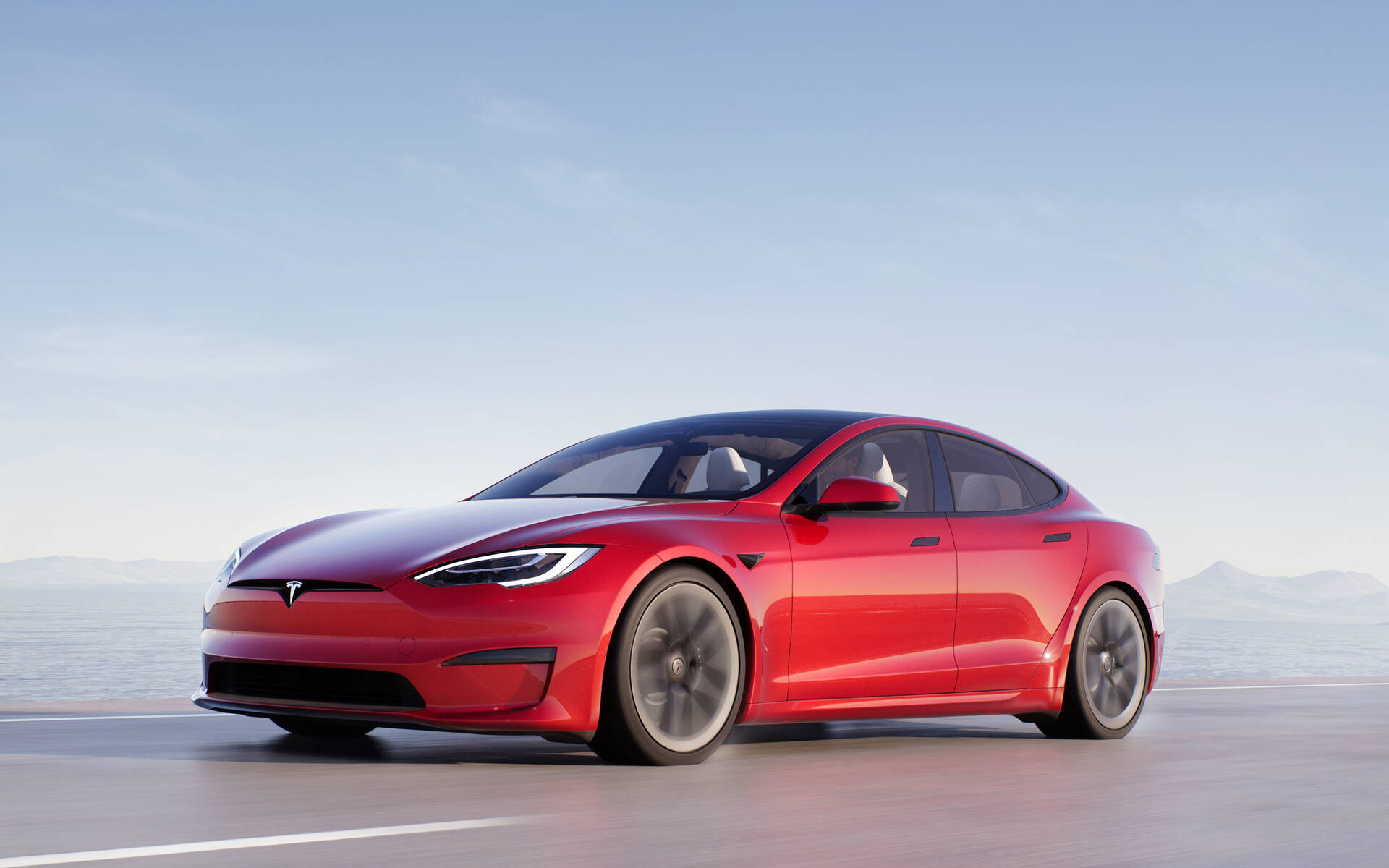
1. Tesla Model S
The Tesla Model S is arguably the most technologically complex consumer vehicle ever built. It operates more like a smartphone on wheels than a traditional automobile. The owner’s manual for the Model S runs well over 300 pages, and that is just the printed version. Tesla constantly pushes over-the-air software updates that introduce new features, change existing ones, and sometimes completely overhaul how the car behaves. This means the manual is essentially never truly finished.
What makes the Model S manual so overwhelming is the sheer range of systems it must explain. The Autopilot system alone requires dozens of pages of careful instruction. Drivers must understand what the system can do, what it cannot do, and the precise conditions under which it should be engaged. Getting this wrong is not just inconvenient; it can be genuinely dangerous.
The infotainment system in the Model S runs on a massive touchscreen that controls nearly every function of the vehicle. There are no physical buttons for most operations. Adjusting the mirrors, setting the air suspension, customizing regenerative braking, everything lives inside menus and submenus. Learning to go through this system fluently takes real time and effort.
Tesla’s Autopilot and Full Self-Driving package add another enormous layer of complexity. Features like Go Through on Autopilot, Auto Lane Change, Autopark, and Summon each require their own section of explanation. The manual must detail how the cameras and radar sensors work together, and under what weather or road conditions they may be limited.
Energy management is another major chapter in the Model S manual. Owners must learn how to maximize range through various driving modes. They need to understand scheduled charging, charge limits, and how temperature affects battery performance. In cold climates, battery preconditioning becomes an essential skill.
The Model S also features a sophisticated app ecosystem that links the car to a smartphone. Remote climate control, trip planning, valet mode, and keyless entry all require setup and explanation. Then there are the safety systems, automatic emergency braking, blind-spot monitoring, and collision avoidance, all of which need their own dedicated sections.
For a vehicle that promises to simplify driving, the Tesla Model S demands a surprisingly studious owner. The manual is not optional reading. It is practically a prerequisite for ownership.
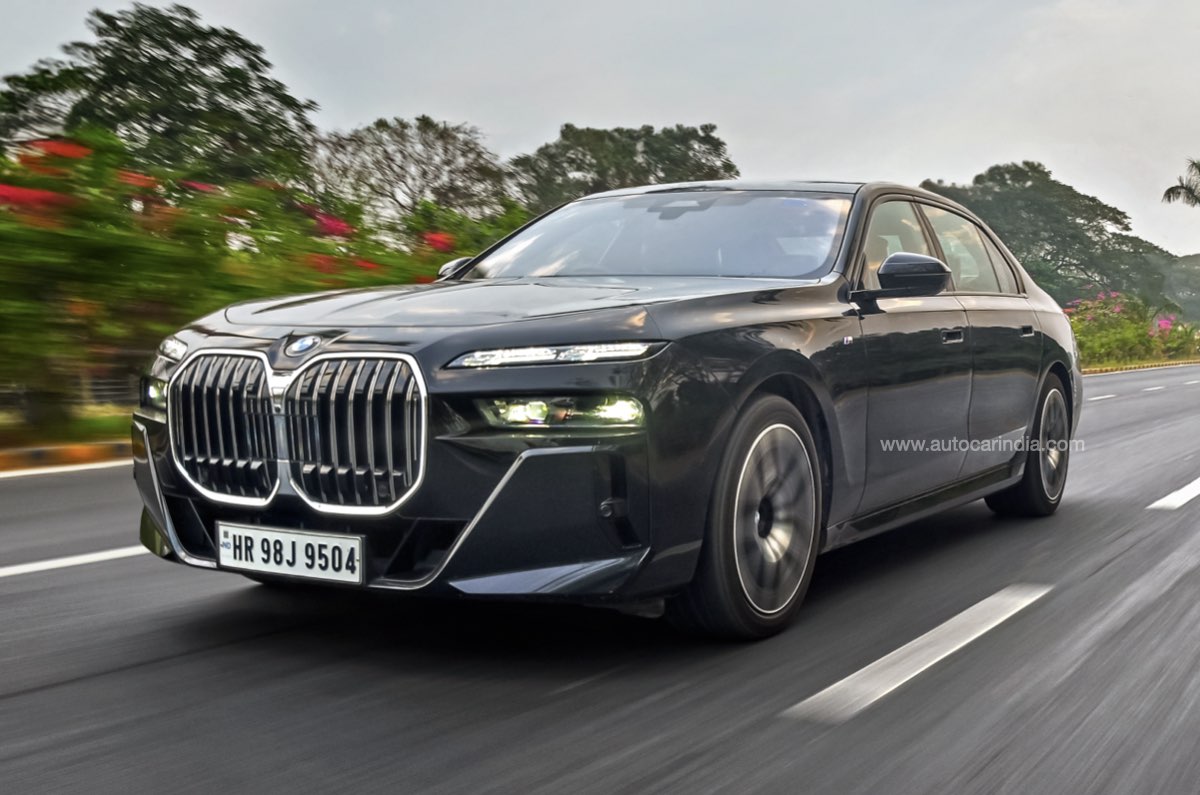
2. BMW 7 Series
The BMW 7 Series has long represented the pinnacle of German automotive engineering. It is a vehicle that has always prioritized precision and technology above all else. The current generation’s owner’s manual comfortably exceeds 700 pages, making it one of the longest in the automotive world. Reading it cover to cover would take the better part of a full day.
The 7 Series is loaded with features that each demand their own explanation. The iDrive infotainment system, now in its eighth generation, is a complex ecosystem of menus, gesture controls, and voice commands. Drivers can control navigation, climate, entertainment, and vehicle settings through multiple input methods. Mastering all of them requires genuine practice.
BMW’s driving assistance systems are among the most advanced on the market. The 7 Series offers Active Cruise Control with Stop & Go, Lane Keeping Assistant, Steering and Lane Control Assistant, and Emergency Stop Assistant. Each of these systems has its own operating logic, limitations, and activation conditions that must be clearly explained. The manual dedicates a substantial portion of its pages just to these features.
The air suspension system in the 7 Series is another source of manual complexity. Drivers can select from multiple ride height settings depending on speed and road conditions. The system interacts with the vehicle’s onboard cameras and navigation data to automatically adjust ahead of corners and road changes. Understanding how and when to use each setting is far from intuitive.
Interior customization options in the 7 Series add further pages to the manual. The Bowers & Wilkins Diamond Surround Sound system has its own setup and equalization section. The Executive Lounge rear seats, with their massage functions, footrests, and individual climate controls, require pages of their own. Even the ambient lighting system, with its dozens of color combinations, gets a dedicated explanation.
The 7 Series also features a theater screen option for rear passengers. This system requires its own instruction set covering streaming, connectivity, and remote control use. Add to this the ConnectedDrive services, over-the-air updates, and BMW’s Digital Key system, and the page count becomes almost inevitable. This is a car for people who enjoy reading before they drive.
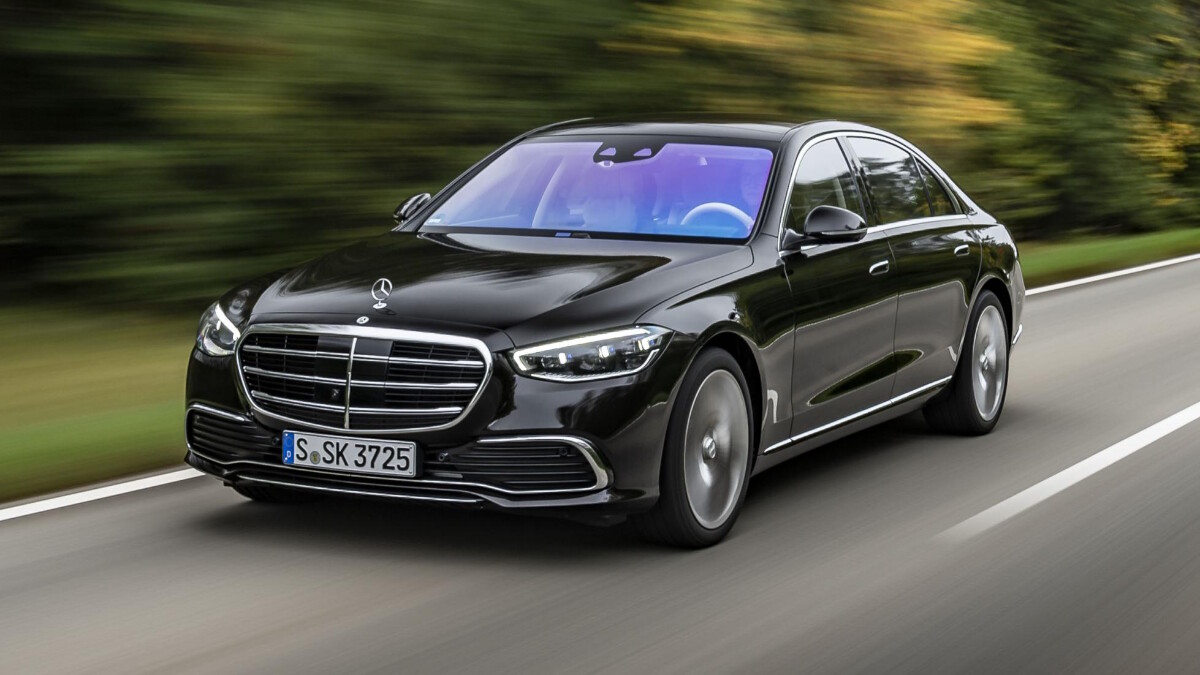
3. Mercedes-Benz S-Class
The Mercedes-Benz S-Class is the standard-bearer of luxury motoring. It has introduced more automotive innovations to the public than perhaps any other single vehicle line. The current W223 generation S-Class comes with a manual that rivals a university textbook in both size and complexity. Owners frequently report that they discover new features months after purchase simply by flipping through pages they had previously skipped.
The MBUX infotainment system in the S-Class is breathtaking in scope. It features multiple high-resolution screens, augmented reality navigation, and a voice assistant so advanced it can understand natural speech in context. Setting up and personalizing this system takes considerable time. The manual must walk owners through every layer of the interface, from basic navigation entry to deep personalization of driver profiles.
Mercedes-Benz’s driving assistance systems are collectively called the Driving Assistance Package Plus. This suite includes Active Distance Assist, Active Steering Assist, Active Lane Keeping Assist, and Active Emergency Stop Assist. Each system requires a careful explanation of its operating boundaries. The manual is extremely detailed about the conditions under which these systems will and will not intervene.
The suspension system in the S-Class is a masterpiece of engineering and a nightmare to explain simply. E-Active Body Control uses cameras to read the road surface and individually adjust each wheel’s suspension before it reaches bumps or dips. The manual must explain how this system interacts with different driving modes. It also covers when the system is automatically deactivated for maintenance or safety reasons.
The S-Class also features a rear-axle steering system, which significantly alters the vehicle’s handling at both low and high speeds. Most drivers have never experienced rear-wheel steering before. The manual devotes considerable space to explaining how this affects parking, low-speed maneuvering, and highway stability.
Personalization in the S-Class goes extremely deep. The system can store preferences for multiple drivers, adjusting seat position, mirrors, climate, sound, and ambient lighting automatically upon recognition.
The Burmester 4D surround sound system and its haptic seat bass actuators require their own section. There is truly no end to what this vehicle can do or what its manual must explain.
4. Porsche Taycan
The Porsche Taycan entered the world as the brand’s first fully electric vehicle, and it arrived with all the engineering intensity one would expect from Stuttgart.
The Taycan’s owner’s manual is a substantial document that reflects just how different this vehicle is from anything Porsche has made before. It covers not only the traditional performance elements but an entirely new electric powertrain ecosystem.
The dual-motor all-wheel-drive system in the Taycan is deceptively complex. Power distribution between the front and rear axles is managed electronically and changes dynamically based on driving conditions.
The manual explains how the Porsche Traction Management system reads inputs from dozens of sensors simultaneously. Drivers are encouraged to understand how different modes, Sport, Sport Plus, Range, alter this behavior fundamentally.

Charging is one of the biggest new learning curves for Taycan owners. The vehicle supports an 800-volt charging architecture, which is significantly more powerful than most competitors. The manual explains the difference between AC and DC charging, ideal charge levels for daily use versus long trips, and how to set up scheduled charging. Battery temperature management during charging also gets significant page space.
The Porsche Communication Management system in the Taycan is a sophisticated infotainment platform. It includes a large central touchscreen supplemented by a passenger display and a curved instrument cluster. Configuring navigation, performance readouts, and driving data requires working through multiple menu layers. The manual guides owners through each screen individually.
The Taycan also features an optional rear-axle steering system and active aerodynamic elements that adjust automatically. The air suspension system provides multiple ride height modes that affect both comfort and performance. Each of these systems has calibrated interactions with the others that the manual carefully documents.
Performance-oriented features like Launch Control, Sport Chrono timing, and Track Precision App compatibility add further chapters. The Track Precision App alone requires separate setup instructions for recording and analyzing lap data. This is a vehicle where the manual doubles as both an instruction guide and a performance handbook.
Also Read: 10 Vehicles With Spare Keys That Cost Under $100 To Replace
5. Land Rover Defender
The modern Land Rover Defender is a fascinating paradox. It looks rugged and uncomplicated from the outside, but underneath its boxy body lies a staggering array of electronic systems.
The Defender’s owner’s manual reflects this hidden complexity completely. It runs to well over 600 pages and addresses everything from basic off-road driving techniques to complex terrain management systems.
The Terrain Response 2 system is the Defender’s crown jewel and its most manual-intensive feature. This system allows drivers to select from multiple terrain programs, including Mud, Sand, Rock Crawl, Grass/Gravel/Snow, and Wade.
Each mode reconfigures the engine response, transmission behavior, traction control, and suspension to suit specific conditions. Understanding when and how to use each mode requires careful reading.

Wading through water is a capability unique to the Defender among mainstream vehicles. The manual devotes an entire section to water wading procedures. Drivers must understand the vehicle’s maximum wading depth, how to engage the wade program, and why approaching too quickly or too slowly can cause damage. There is also a warning system that monitors water depth in real time.
The Defender’s air suspension system has multiple height settings for different scenarios. It can be raised to provide maximum ground clearance or lowered to ease loading and entry. The manual explains the speed limitations for each height setting and how the vehicle automatically adjusts height at highway speeds. Getting this wrong could result in handling instability.
The Pivi Pro infotainment system adds another layer of complexity entirely. It supports over-the-air updates, smartphone integration, and a complex off-road performance display. Drivers can monitor wheel articulation, compass bearing, and pitch and roll angles on the central screen. Setting up these displays and understanding their readings requires dedicated manual sections.
Towing with the Defender, which is rated for serious loads, involves its own chapter of the manual. The trailer stability system, hitch assist camera, and trailer light monitoring all need explanation. Add to this the optional air compressor for tire inflation and the electrical system’s multiple power outlets, and the Defender’s manual length becomes entirely justified.
6. Rivian R1T
The Rivian R1T arrived as America’s first serious electric adventure truck, and it brought with it a level of technological complexity that surprised many early owners.
Its owner’s manual is a dense, comprehensive document that reflects the vehicle’s ambition to be all things to all people. It combines the complexity of an electric vehicle with the utility demands of a full-size pickup truck.
The quad-motor setup in the R1T is one of the most sophisticated drivetrain configurations in any consumer vehicle. Each wheel has its own independently controlled electric motor.
The torque vectoring system can redirect power to individual wheels with extreme precision. The manual must explain how this works in normal driving, off-road conditions, and emergency handling situations.
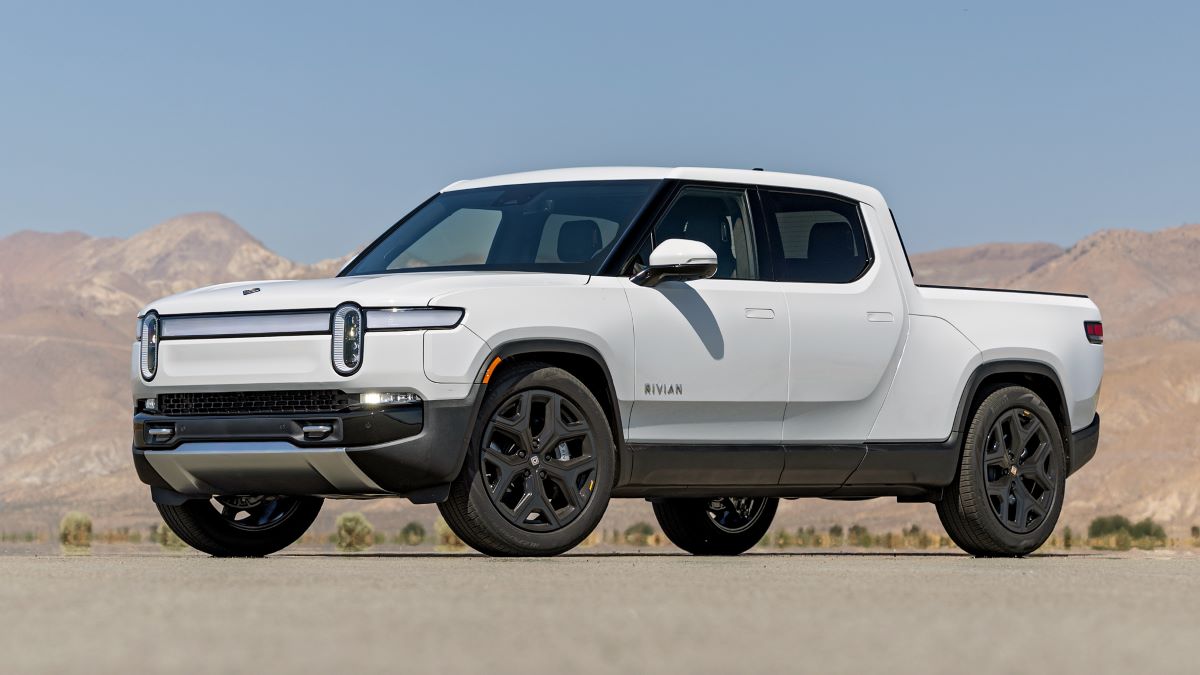
Rivian’s Adventure Network and charging infrastructure integration requires its own section of the manual. Owners must understand how to plan routes with charging stops, how to precondition the battery before charging in cold weather, and how to interpret the range estimate under different driving conditions. These concepts are entirely new to truck buyers coming from the internal combustion world.
The R1T’s gear tunnel, a lockable storage compartment that runs through the middle of the truck, is a genuinely novel feature. The manual explains its load capacity, how to access it from both sides, and how the locking mechanism integrates with the vehicle’s security system. The camp kitchen accessory, which slides out of the gear tunnel, gets its own detailed installation and use instructions.
The Driver+ assistance system in the Rivian includes Highway Assist, Lane Keeping Assist, and Adaptive Cruise Control. Like all modern driver-assistance features, these systems have specific operating conditions and limitations. The manual is careful to explain the sensor locations, the conditions that may impair them, and how the system communicates its status to the driver.
Off-road capability is a major selling point of the R1T, and the manual reflects this thoroughly. Multiple terrain modes, air suspension height adjustments, and a dedicated off-road display mode all require explanation.
The tank turn feature, which allows the truck to spin nearly in place by running opposite-side wheels in opposite directions, is a capability so unusual it requires its own tutorial section.
7. Cadillac Escalade
The Cadillac Escalade has always been America’s answer to the European luxury SUV. In its fifth generation, the Escalade took a massive technological leap that significantly increased its owner’s manual page count.
The current model features a curved OLED display that stretches across the dashboard in a continuous arc, a technology borrowed directly from the consumer electronics world.
The infotainment system in the Escalade uses a 38-inch curved OLED display divided into three zones. The driver gets a configurable instrument cluster, the center section handles navigation and media, and the passenger gets their own independent screen. Setting up and going through this triple-display ecosystem requires genuine study. The manual dedicates dozens of pages to displaying customization alone.
Super Cruise is Cadillac’s hands-free driver assistance technology, and it is one of the most sophisticated systems of its kind. It uses a combination of GPS map data, cameras, radar, and a driver attention camera to enable true hands-free driving on compatible highways. The manual must explain exactly which roads are compatible, how the system is activated, and what happens when drivers fail to pay attention to warnings.
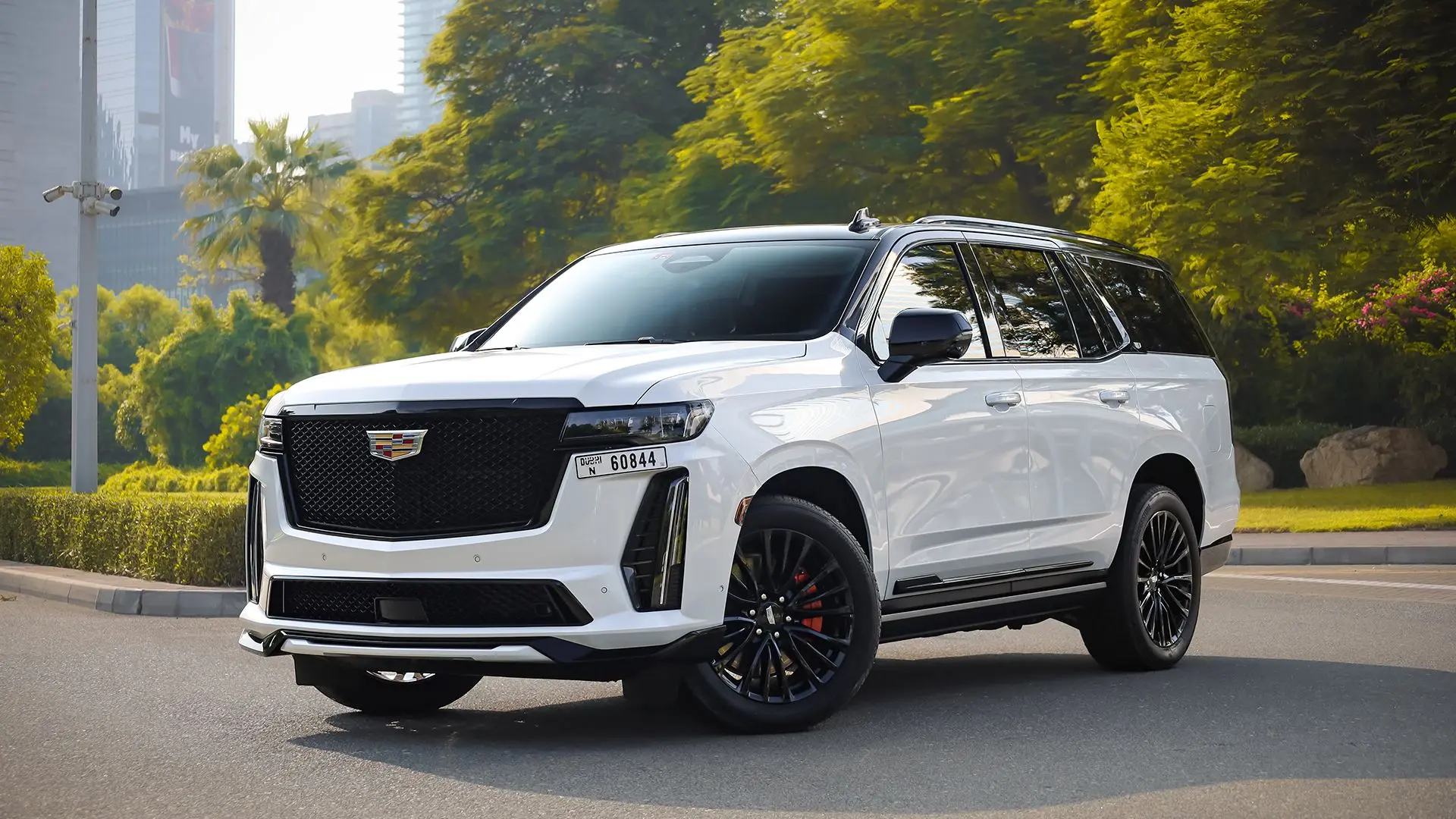
The Escalade’s magnetic ride control suspension reacts to road conditions in real time. The system uses sensors that detect body motion 1,000 times per second and adjust the damping force accordingly. While this happens automatically, the manual explains how selecting different driving modes alters the suspension’s sensitivity threshold. Sport mode, for instance, firms the suspension dramatically.
The Bose Performance Series sound system in the Escalade features 36 speakers and an audio processing system that adjusts output based on vehicle speed and road noise.
Setting up this system to personal preferences requires working through a detailed equalization and speaker configuration menu. The manual walks owners through each step of the process.
The Escalade also features a comprehensive rear entertainment system with separate screens for rear passengers. These screens support streaming, gaming, and HDMI input from external devices.
Setting up user accounts, parental controls, and connectivity preferences adds more pages to an already extensive manual. This is an SUV designed for people who want everything and are willing to read about all of it.
8. Audi e-tron GT
The Audi e-tron GT represents the culmination of decades of quattro all-wheel-drive expertise applied to an entirely electric platform. Developed on the same platform as the Porsche Taycan, the e-tron GT approaches electrification from Audi’s uniquely thorough engineering perspective. Its owner’s manual is a testament to just how many systems needed to be explained from scratch for this groundbreaking vehicle.
The e-tron GT uses a two-speed transmission on the rear axle, a feature almost unique among electric vehicles. This allows for efficient cruising at low speeds and strong acceleration at high speeds.
The manual explains how this transmission operates automatically and what drivers might notice during its almost imperceptible gear changes. This is a concept most electric car drivers have never encountered before.
The predictive efficiency assist system in the e-tron GT is an intelligent energy management tool. It reads navigation data, topographical maps, and traffic conditions to optimize energy recuperation and power delivery ahead of time.
The manual explains how to activate this system, how to read its energy flow display, and how it interacts with driver inputs. Understanding it can meaningfully extend the vehicle’s real-world range.

Audi’s virtual cockpit in the e-tron GT presents driving and energy data in highly configurable ways. The driver can toggle between classic, sport, and e-tron display modes, each prioritizing different types of information.
Setting up these displays to match personal preferences requires going through the multiple layers of menus. The manual provides step-by-step guidance through each configuration option.
The e-tron GT’s adaptive air suspension with controlled damping is another system requiring explanation. It works in concert with the torque vectoring system to minimize body roll and optimize grip.
Different driving modes alter how aggressively these systems respond to driver inputs. The manual carefully documents the behavior of each mode and the conditions under which automatic overrides can occur.
Charging the e-tron GT efficiently involves understanding its 800-volt architecture and bidirectional charging potential. The manual covers home charging setup, public fast-charging procedures, and how to interpret the charging curve displayed on the instrument cluster.
Battery conditioning for maximum charging speed in cold weather also gets a dedicated chapter, as it can make a significant difference in real-world usability.
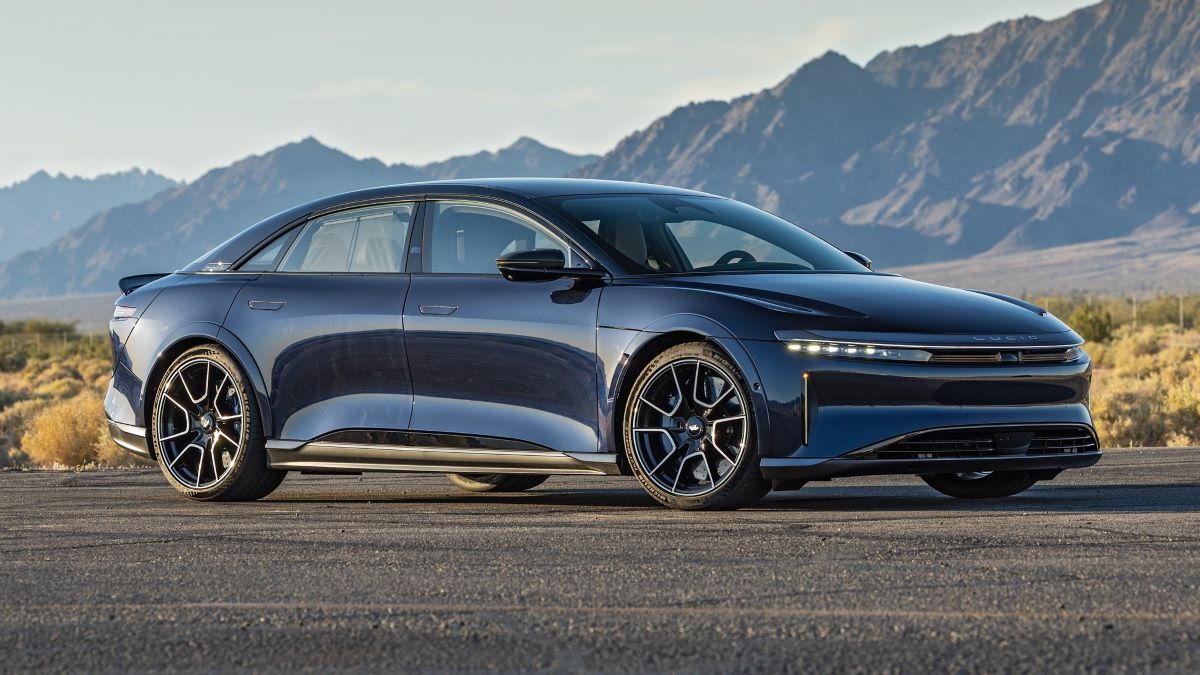
9. Lucid Air
The Lucid Air arrived as perhaps the most technologically ambitious electric sedan ever produced for the consumer market. With a range figure that embarrassed even Tesla’s best offerings, the Lucid Air was engineered to unprecedented standards. That engineering ambition carries directly into its owner’s manual, which is one of the most comprehensive documents any new car buyer will ever encounter.
The powertrain technology in the Lucid Air is genuinely revolutionary. The motors are so compact and efficient that Lucid could package a massive battery and sophisticated drivetrain into a relatively conventional sedan footprint. The manual devotes considerable space to explaining how this efficiency is achieved and how owners can maximize it through careful driving and charging habits.
The DreamDrive Pro driver assistance system in the Lucid Air represents the brand’s most ambitious technology offering. It uses 32 sensors, including cameras, radar, and ultrasonic sensors, to create a comprehensive picture of the vehicle’s surroundings. The manual must explain the function of each sensor type, the conditions that affect their performance, and how the system integrates their inputs into driving decisions.
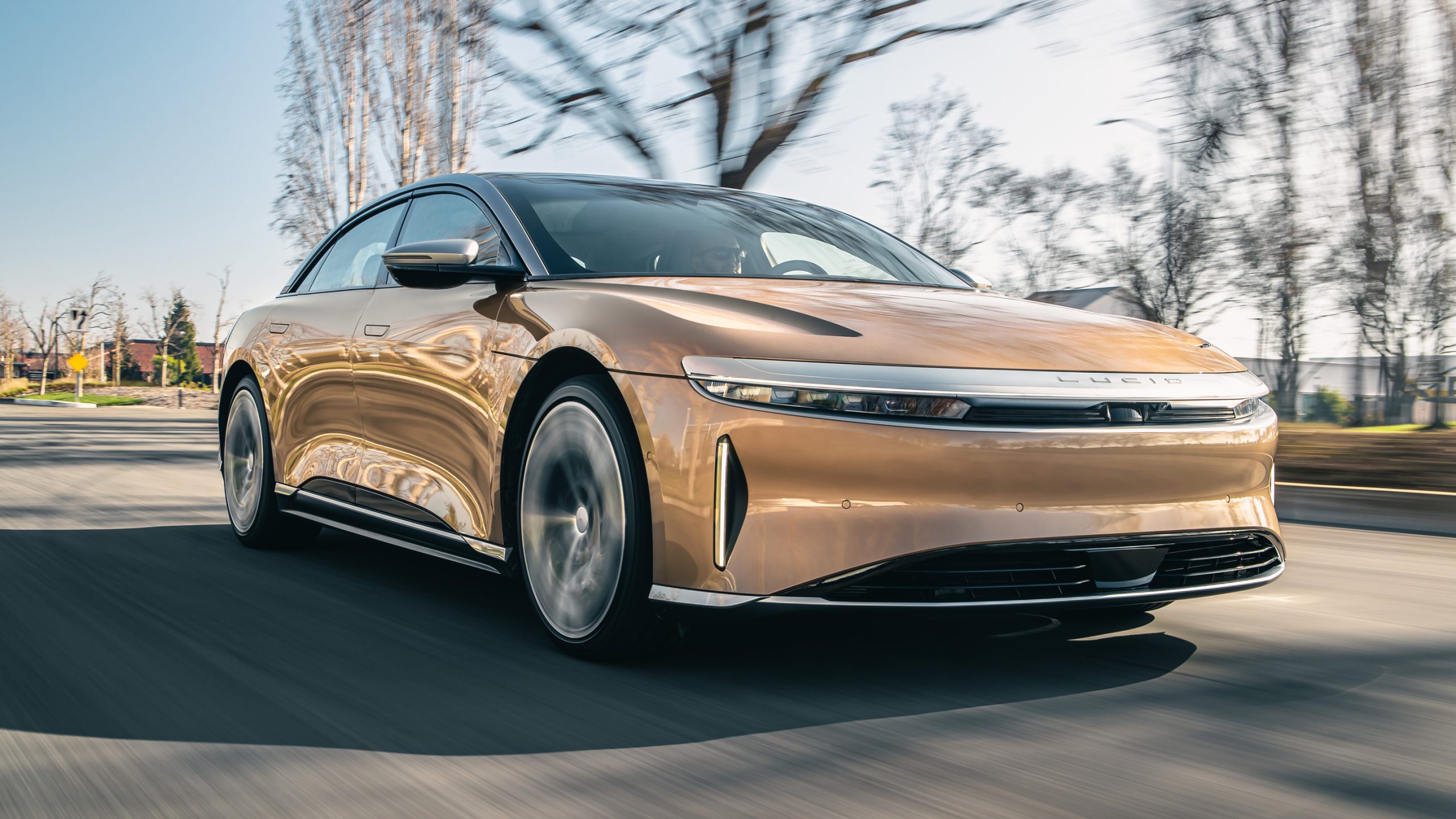
The Glass Cockpit interface in the Lucid Air features a 34-inch curved display that flows across the dashboard. Unlike systems from established brands, the Lucid interface was designed entirely in-house from the ground up. There are no familiar menus borrowed from previous models. Every function, from climate control to navigation to vehicle settings, must be learned fresh from the manual.
Charging capability in the Lucid Air extends to a 924-volt architecture, setting a new benchmark for the industry. The manual explains how this translates to extremely fast charging speeds at compatible stations, and why finding the right charging equipment matters. It also covers the vehicle’s thermal management system, which keeps the battery at optimal temperature during both driving and charging.
The Lucid Air also features a sophisticated air filtration and climate system that the brand calls the “Glass Canopy” experience. The panoramic roof and carefully designed airflow systems create an interior environment that Lucid claims rivals commercial aviation. Setting up personalized climate preferences, airflow patterns, and air quality monitoring requires working through a detailed section of the manual.
Over-the-air updates in the Lucid Air are frequent and significant, often adding major new features between purchase and delivery. The manual explains how to manage these updates, schedule them for convenient times, and review the changelog after each installation. For a vehicle this complex, staying current with software is not optional; it is essential to getting the most out of every system the Lucid Air has to offer.
Also Read: 7 Cars With Seats That Cool Down Fast On Hot Days
