
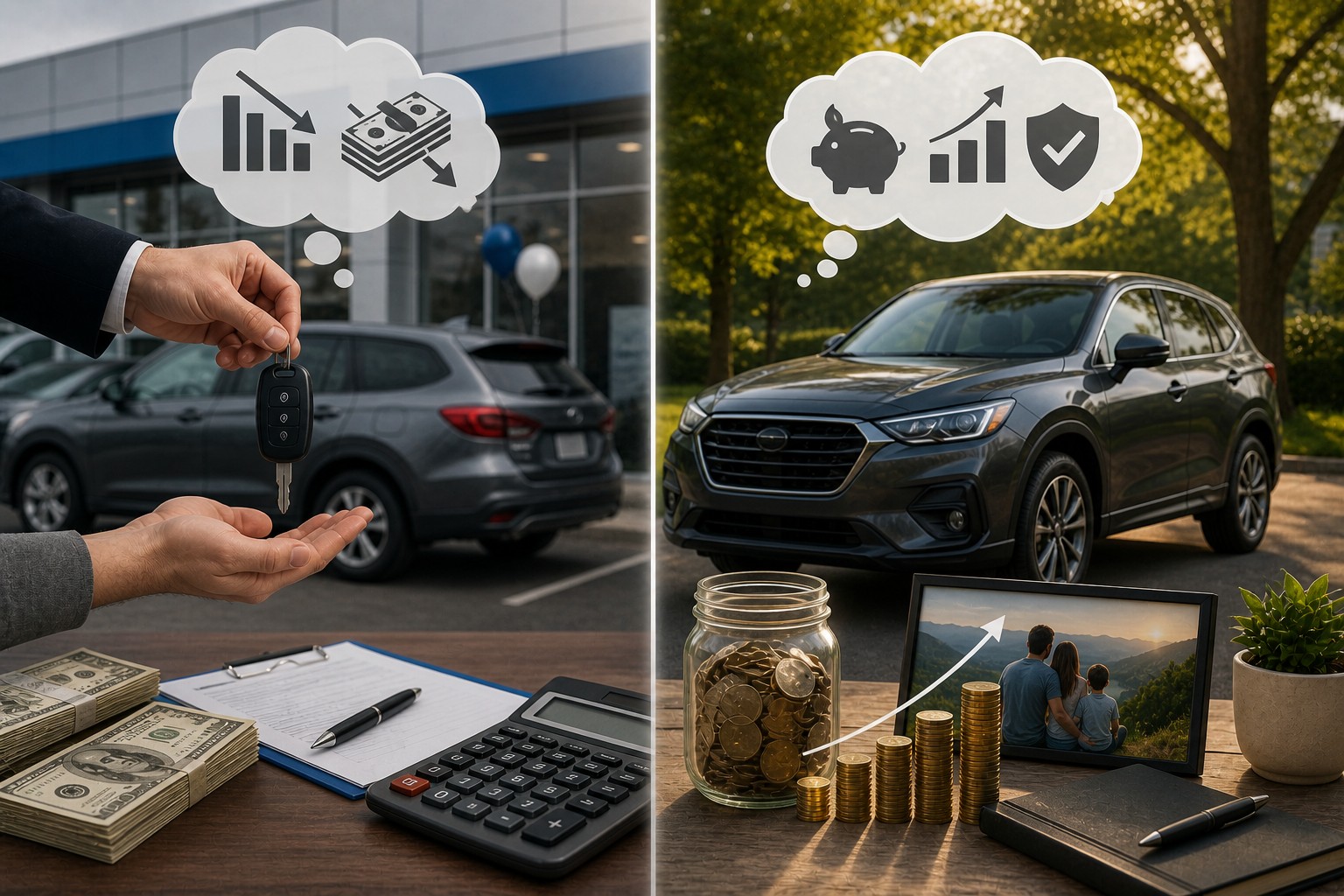
Many people follow the habit of trading in their car every three years. They believe it keeps them in a newer, safer, and more reliable vehicle. But this habit is quietly draining their finances in ways they do not fully realize. The truth is, frequent car trading is one of the most expensive financial mistakes a person can make.
Cars lose value fast the moment they leave the dealership. This rapid depreciation hits hardest in the first three years of ownership. When you trade in too soon, you absorb all that loss and hand the profit to the dealer. You never get to enjoy the years when a car becomes truly affordable.
A vehicle that is fully paid off is a powerful financial tool. It frees up hundreds of dollars every month that would otherwise go toward loan payments. That money could build savings, pay off debt, or grow through investments. Most people never experience this freedom because they trade before reaching it.
This article will break down the real reasons why trading every three years costs you more than you think. It will help you make smarter, more confident decisions about your vehicle.
You Are Always Stuck in the Depreciation Trap
Depreciation is the single biggest cost of car ownership. A new car loses nearly 20% of its value in the first year alone. By the time three years pass, your car has lost almost 40% to 50% of its original price. You have paid for that loss entirely through your loan payments and down payment.
When you trade in, the dealer offers you the current market value of your car. That value is far lower than what you have paid into it so far. You then use that trade-in amount as a down payment on a new car. And the cycle of depreciation starts all over again.
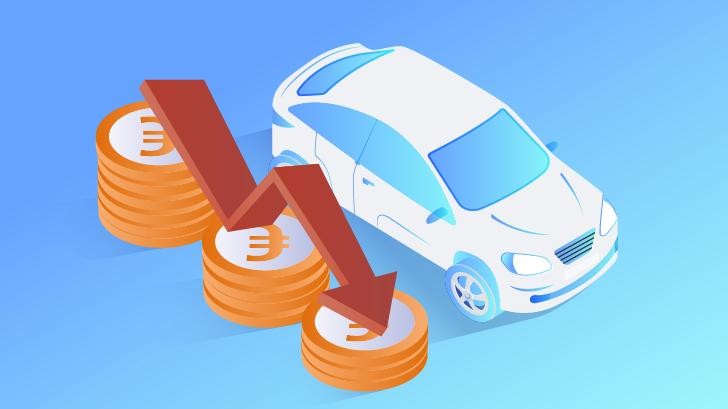
Every three years, you reset this painful financial clock. You never move past the most expensive phase of owning a car. The smartest move is to keep your car past the five or six-year mark. By then, the steepest depreciation has already happened, and you start getting real value.
Keeping your car longer means you absorb less loss per year. The cost per mile of ownership drops significantly the longer you hold onto a vehicle.
Monthly Payments Never Stop Eating Your Income
When you trade in every three years, you are almost always taking on a new loan. That means monthly car payments become a permanent part of your budget.
Most car loans today run between 48 and 72 months. If you trade at 36 months, you never finish paying off the car before starting a new debt cycle.
Some dealers even roll your remaining loan balance into the new loan. This is called being “upside down,” and it means you owe more than your car is worth from day one.
Your new loan starts with negative equity built right into it. You are already behind before you drive off the lot. A person who keeps their car for eight to ten years experiences something rare. They enjoy years of zero car payments while still having reliable transportation.
Those payment-free years can mean saving $400 to $700 every single month. Over two or three years, that adds up to tens of thousands of dollars. Frequent traders never reach this stage. They stay locked in a payment cycle their entire driving life.
Insurance and Registration Costs Are Always Higher on New Cars
Every time you upgrade to a newer car, your insurance premium goes up. Newer and more expensive vehicles cost significantly more to insure. Comprehensive and collision coverage on a new car can cost hundreds more per year. Over a three-year trade-in cycle, this adds thousands to your total cost of ownership.
Registration fees and road taxes are also often based on the car’s value or its model year. A newer vehicle means higher annual fees in most regions. Older cars that are fully paid off can sometimes drop to liability-only insurance. This can cut your insurance bill in half or even more.
People who hold onto their cars longer naturally move into lower insurance brackets over time. The savings are automatic and require no special effort. Frequent traders never benefit from these lower costs. They always stay in the high-cost zone of new vehicle ownership.
Also Read: Why Leasing a Car Makes More Sense Than Buying for Some Drivers
Modern Cars Are Built to Last Much Longer Than Three Years
Car manufacturing quality has improved dramatically over the past two decades. A well-maintained vehicle today can easily run for 200,000 miles or more.
Three years of ownership is barely the beginning of a modern car’s lifespan. Most mechanical problems do not even begin to appear until well after 100,000 miles.
Many drivers fear that older cars will break down constantly and cost a fortune in repairs. But studies consistently show that repair costs are still far lower than new car payments.
Even if you spend $1,500 on a repair, that is less than three months of new car payments for most people. The math almost always favors keeping the car.
Routine maintenance like oil changes, tire rotations, and brake replacements is affordable. Staying on top of these keeps a car running reliably for many years.
Trading in a car at three years means giving up a vehicle that still has enormous life left in it. You are essentially discarding something that has only just begun its useful journey.
Foreign buyers in markets like South Asia, Southeast Asia, and Africa know this well. They drive imported used cars well past 150,000 miles without major issues.
The Financial Opportunity Cost Is Enormous
Every rupee, dollar, or peso spent on unnecessary car upgrades is money not working for you elsewhere. Opportunity cost is real, even if it is invisible.
If you took the difference between a new car payment and a zero-payment situation and invested it monthly, the results would be dramatic. Even modest returns in a savings account or mutual fund would build serious wealth over a decade.
People who trade frequently are not just spending more on cars. They are giving up the future growth of that money as well. A car is a depreciating asset. Unlike property or investments, it loses value every single day you own it.
Putting more money into a depreciating asset more frequently is the opposite of good financial planning. It is one of the quietest ways people stay stuck in financial stress.
Keeping your car longer gives you breathing room to redirect money toward things that grow. Savings, education, property, and retirement all benefit when your car stops demanding constant cash. Smart financial decisions are rarely dramatic. Sometimes they are as simple as deciding not to visit a car showroom every three years.
Also Read: 5 Best SUVs That Age Gracefully vs 5 SUVs That Fall Apart After 5 Years
