
Car insurance is one of the highest ongoing costs of vehicle ownership. Many drivers overlook it when budgeting for a new car. Most people assume that buying a smaller, cheaper car automatically means lower insurance premiums. But that is not always the case; compact sedans can actually be surprisingly expensive to insure.
Insurance companies calculate premiums based on many factors. These include repair costs, theft rates, safety ratings, engine size, and the typical driver profile for each vehicle. A compact sedan might seem affordable on the surface. However, its parts, repair frequency, and accident statistics can push premiums higher than expected.
The good news is that several vehicles across different categories consistently attract lower insurance costs than the average compact sedan. These cars tend to have strong safety records, lower theft rates, affordable repair costs, and drivers who statistically make fewer claims. From minivans to SUVs and family hatchbacks, the options are broader than most people think.
In this article, we explore ten cars that regularly come with insurance premiums lower than those of a typical compact sedan. Each vehicle offers a compelling mix of value, safety, and long-term affordability. Choosing the right car can save you hundreds of dollars every year on insurance alone.
1. Honda Odyssey (Minivan)
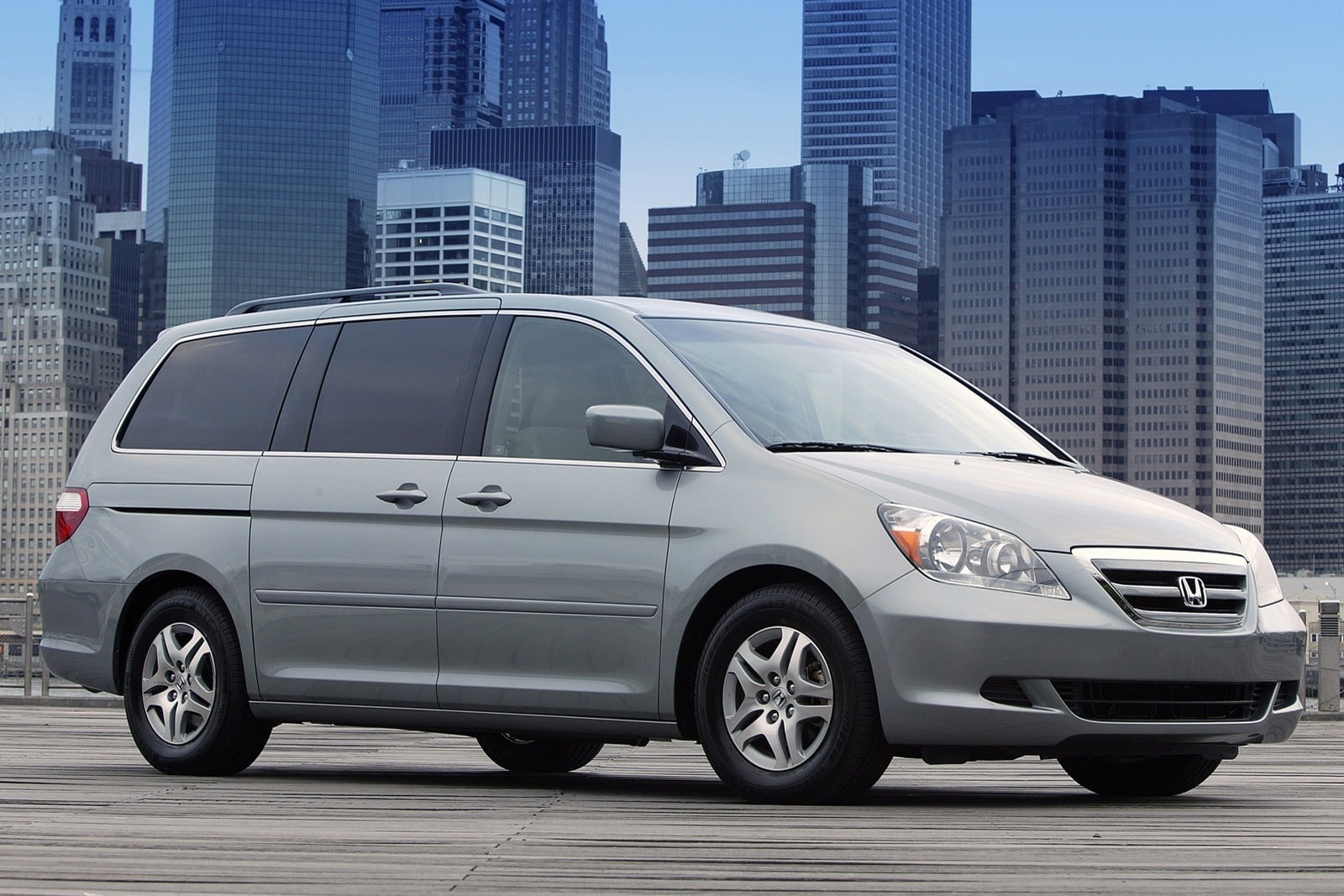
The Honda Odyssey is one of the most consistently affordable vehicles to insure in the entire market. It might surprise many buyers who assume a larger vehicle always costs more to cover. In reality, minivans like the Odyssey sit in one of the lowest insurance risk categories of any vehicle type. Insurance companies love minivans because of the people who typically drive them.
The average Odyssey driver is a parent hauling kids to school or sports practice. These drivers tend to be older, more experienced, and statistically far less likely to be involved in a serious accident. Insurance companies track driver behavior by vehicle type very carefully. When a vehicle is associated with low-risk drivers, the premiums reflect that profile directly.
The Honda Odyssey also earns top safety ratings from both the NHTSA and IIHS year after year. It is loaded with advanced driver assistance systems as standard equipment on most trims. Features like automatic emergency braking, lane-keeping assist, and adaptive cruise control reduce the likelihood of a collision. Fewer collisions mean fewer claims, and fewer claims mean lower premiums for everyone who drives one.
Repair costs for the Odyssey are another reason insurers keep premiums reasonable. Honda has one of the most widespread dealer and independent mechanic networks. Parts are widely available and relatively affordable compared to European or luxury brands. Labor costs are predictable, which allows insurance companies to calculate risk more accurately and keep rates competitive.
Theft rates for the Honda Odyssey are also notably low. Minivans are simply not a popular target for car thieves. They are large, difficult to resell discreetly, and not especially desirable in the used vehicle black market. A low theft rate directly reduces the comprehensive portion of your insurance premium. This saving alone can amount to a meaningful difference over a full policy year.
The Odyssey’s resale value is strong, which means the vehicle holds its worth well over time. A well-maintained Odyssey loses value more slowly than many compact sedans. This works in the owner’s favor when it comes to agreed value or replacement cost coverage. The Honda Odyssey is a masterclass in total ownership value and its low insurance premium is a central part of that story.
2. Subaru Outback (Crossover Wagon)
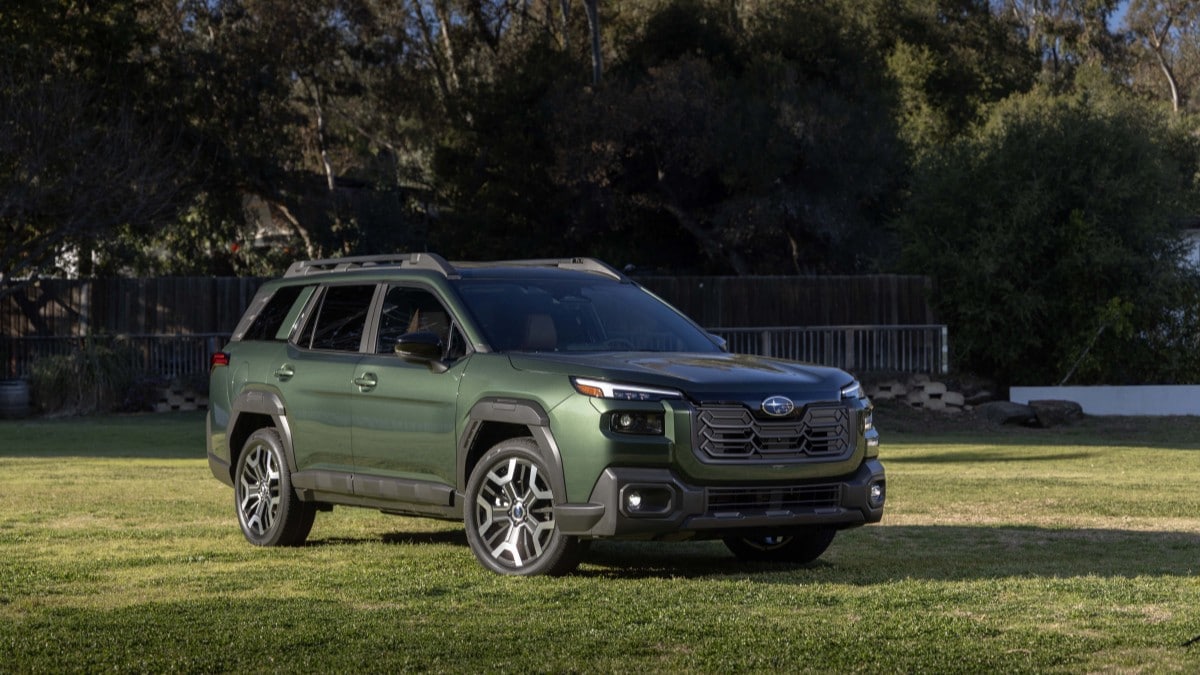
The Subaru Outback occupies a unique position in the automotive market. It blends the practicality of a wagon with the ruggedness of a light SUV. What many buyers do not immediately realize is that it also comes with a very attractive insurance profile. Year after year, the Outback ranks among the least expensive vehicles to insure in its segment.
Subaru has built an exceptional reputation for safety engineering. The Outback consistently earns IIHS Top Safety Pick Plus awards, which is the highest designation available. Its strong crash test performance gives insurers confidence that occupants are well protected in an accident. Vehicles with better occupant protection tend to generate lower injury-related claims, which keeps medical payment costs down.
All Subaru Outbacks come standard with EyeSight Driver Assist Technology. This system includes automatic pre-collision braking, adaptive cruise control, and lane departure warning. EyeSight has been shown to significantly reduce the rate of rear-end collisions. Insurance companies have taken notice and reward Outback owners with meaningfully lower premiums as a result.
The Outback is powered by naturally aspirated four-cylinder engines on most trims. Smaller, less powerful engines are associated with lower collision risk in actuarial data. Drivers with less horsepower on tap tend to drive more conservatively. This behavioral pattern reduces the risk profile of the vehicle and brings premiums down accordingly.
Subaru’s all-wheel-drive system, called Symmetrical AWD, is standard across the entire Outback lineup. AWD improves traction and vehicle stability in poor weather conditions. Fewer weather-related accidents mean fewer claims filed during the winter months. This reliability in all conditions makes the Outback a lower-risk vehicle to insure throughout the entire year.
Repair costs for the Outback are moderate and well-understood by the insurance industry. Subaru parts are readily available across North America and many other markets. Independent mechanics are very familiar with Outback servicing, which keeps labor costs competitive. The combination of strong safety ratings, low theft rates, conservative drivers, and manageable repair costs makes the Subaru Outback a genuinely smart insurance choice.
3. Toyota Sienna (Minivan)
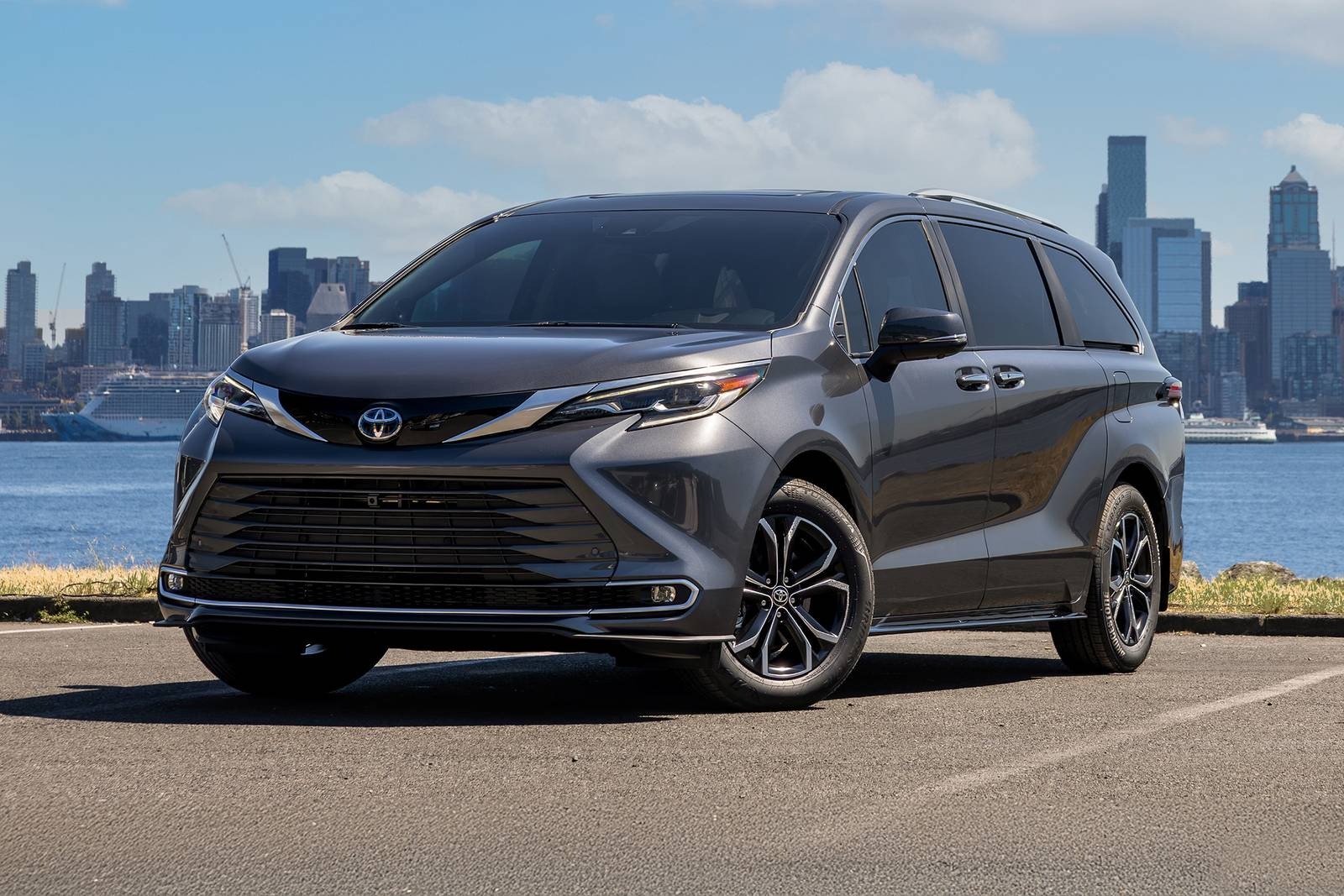
The Toyota Sienna is the only minivan in North America sold exclusively as a hybrid. This unique distinction gives it a very compelling total cost of ownership story. Beyond fuel savings, the Sienna also delivers impressively low insurance premiums compared to compact sedans. It is a vehicle that saves money at the pump and at the insurance renewal office.
Like all minivans, the Sienna benefits from an extremely favorable driver demographic. Families with children are the core buyers of this vehicle. These drivers are statistically among the most cautious and claim-averse groups on the road. Insurance actuaries factor in driver demographics heavily when setting premiums, and the Sienna’s buyer profile works strongly in its favor.
Toyota’s reputation for reliability is unmatched in the global automotive industry. The Sienna’s hybrid powertrain has been refined over many generations and is known for exceptional durability. Fewer mechanical failures mean fewer roadside incidents and related claims. Insurers favor vehicles with proven reliability records because they present fewer unpredictable risk events.
The Toyota Sienna scores excellently in government and independent crash testing. Toyota Safety Sense, which includes pre-collision warning, automatic emergency braking, and radar cruise control, comes standard on all trims. These active safety features reduce the severity and frequency of accidents. Every avoided accident is a claim that never gets filed, which keeps actuarial risk data favorable for future premium calculations.
The Sienna is built on Toyota’s highly rigid TNGA-K platform. This architecture is engineered to absorb and distribute crash energy efficiently. Better structural performance in a crash reduces injury severity for all occupants.
Lower injury severity leads to lower personal injury protection and medical payment claims, which directly benefits premium pricing. Toyota’s parts and service network is one of the largest and most efficient.
Repair estimates for the Sienna are predictable and rarely surprise insurance adjusters. Predictability in repair costs is something insurers value enormously when pricing a policy. Combine this with low theft rates and strong safety scores, and the Toyota Sienna earns its place as one of the most insurance-friendly vehicles you can buy today.
4. Ford F-150 (Full-Size Pickup Truck)
The Ford F-150 might seem like an unlikely candidate for a low-insurance-premium list. It is large, powerful, and enormously popular — a combination that might suggest high risk. But the reality is that full-size pickup trucks like the F-150 often cost less to insure than compact sedans. This surprises many first-time truck buyers who expect the opposite.
One key reason is the F-150’s extraordinary market presence. It has been the best-selling vehicle in the United States for over four decades. Because so many F-150s are on the road, insurance companies have access to an enormous pool of actuarial data. This data allows them to price premiums very precisely and competitively, rather than applying a conservative risk margin.
The F-150’s driver demographic also plays a significant role in its favorable premiums. Many F-150 owners are tradespeople, farmers, and rural drivers. These groups tend to drive deliberately and purposefully rather than aggressively. Lower average speeds and less urban driving reduce exposure to the high-frequency collision risks that plague compact sedan drivers in dense city environments.
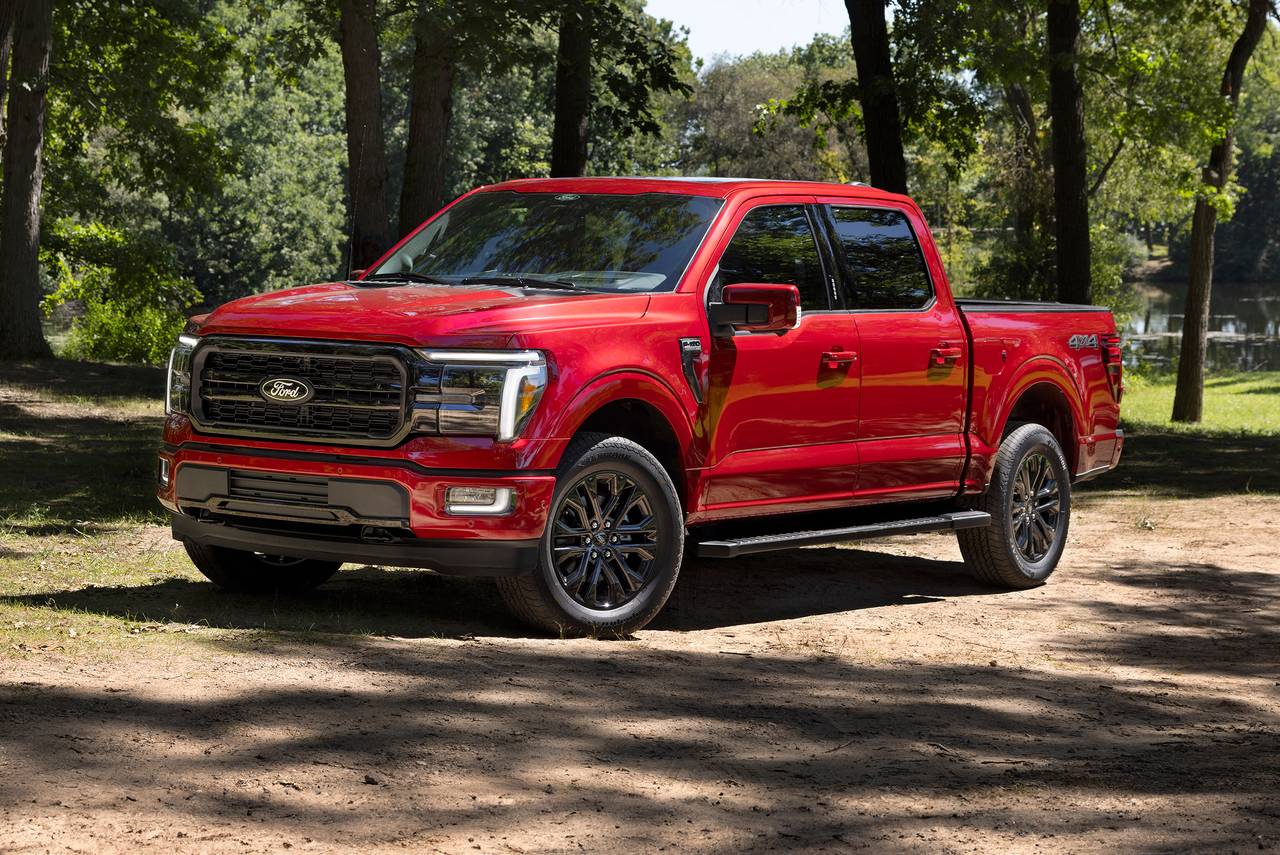
Ford has invested heavily in safety technology on the F-150. The latest generation offers a wide suite of driver assistance features, including blind-spot monitoring, automatic emergency braking, and a 360-degree camera system. These features reduce accident rates meaningfully. Improved accident avoidance translates directly into fewer insurance claims and lower long-term premium costs for owners.
The F-150’s aluminum-intensive body construction was initially a concern for insurers. Aluminum repairs can be more specialized and expensive than traditional steel repairs. However, as the insurance industry has accumulated years of real-world repair data, premiums have stabilized. Insurers now have accurate models for F-150 repair costs and price policies accordingly.
Theft of the F-150 is a concern in some markets, which can raise the comprehensive portion of the premium. However, for most standard trims in low-theft areas, the premium still comes in below a typical compact sedan. The F-150’s powerful insurance position is built on volume, demographic data, and advancing safety technology. It is a genuine bargain from an insurance perspective for most buyers.
Also Read: 9 SUVs With Floor Mats That Trap Snow And Mud Well
5. Jeep Wrangler (Off-Road SUV)
The Jeep Wrangler has one of the most devoted and passionate owner communities of any vehicle. It is rugged, iconic, and instantly recognizable. What is less well known is that the Wrangler often comes with lower insurance premiums than many compact sedans. This is a pleasant surprise for buyers who expected to pay more for such a distinctive vehicle.
The Wrangler’s insurance advantage is partially rooted in how it is used. Most Wrangler owners drive their vehicles recreationally and on weekends rather than for daily high-mileage commuting. Lower annual mileage directly reduces exposure to accidents and claims. Insurance companies reward lower-mileage drivers with reduced premiums, and Wrangler owners often qualify for these discounts.
The Wrangler’s body-on-frame construction makes it extremely durable in low-speed impacts. Its solid axles and robust underpinnings mean that minor off-road scrapes rarely result in significant damage. This durability profile translates into a lower frequency of minor collision claims. Fewer minor claims keep the actuarial risk score for the Wrangler model competitive with lighter vehicles.
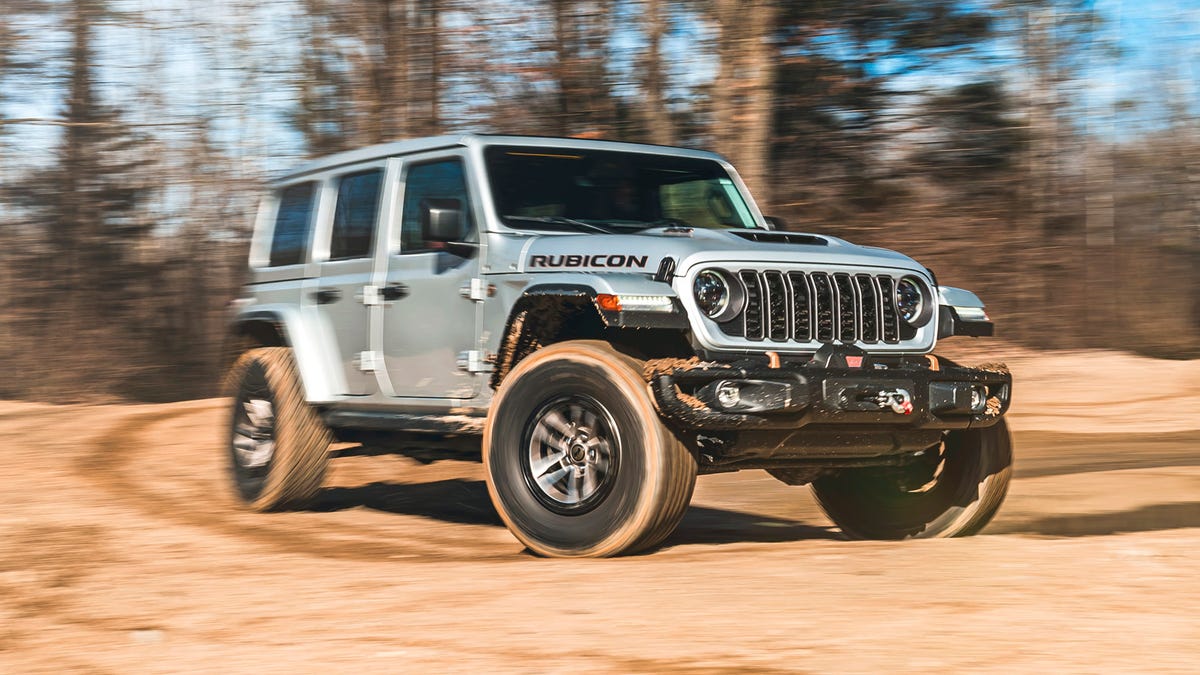
Jeep Wrangler parts are widely available and competitively priced due to the vehicle’s enormous popularity. The aftermarket parts industry for the Wrangler is one of the largest and most developed in the automotive world. This abundance of parts options keeps repair costs from escalating dramatically after an incident. Insurance companies factor parts availability into their repair cost models when setting premiums.
The Wrangler’s resale value is legendary. It holds its value better than almost any other non-luxury vehicle in the market. From an insurance perspective, strong resale value means that total loss settlements are higher. However, because the Wrangler depreciates slowly, owners are less likely to be “upside down” on their policy, which reduces certain risk categories for insurers.
Theft of the Wrangler is actually a nuanced topic. Soft-top models can be vulnerable to break-ins in certain areas. However, outright theft of the entire vehicle is less common because Wranglers are highly identifiable and difficult to disguise. The combination of recreational use patterns, durable construction, parts availability, and strong resale value gives the Wrangler a surprisingly favorable insurance profile across most markets.
6. Mazda CX-5 (Compact Crossover SUV)
The Mazda CX-5 is widely regarded as one of the most refined and well-engineered compact crossovers available. It combines premium-feel interiors with sharp driving dynamics and excellent build quality. It also happens to be one of the most affordable vehicles to insure in the entire compact crossover segment. This financial advantage makes the CX-5 an even more compelling buy for savvy consumers.
Mazda has consistently prioritized safety engineering across its entire lineup. The CX-5 earns IIHS Top Safety Pick Plus recognition in most of its model years. Its strong structural performance in frontal, side, and roof-crush tests means that accidents result in fewer severe injuries. Lower injury severity reduces medical payments and personal injury protection claims significantly.
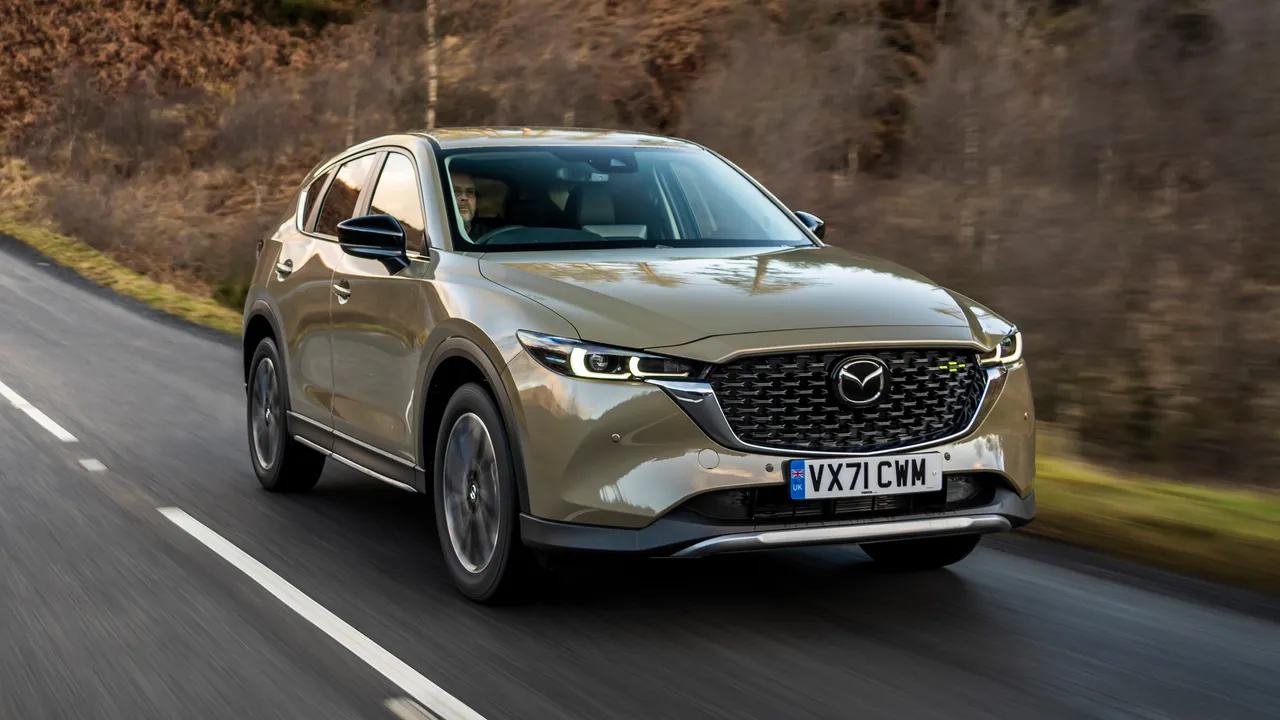
Mazda’s i-ACTIVSENSE safety suite comes standard on most CX-5 trims. This package includes automatic emergency braking, lane departure warning, blind-spot monitoring, and rear cross-traffic alert. Active safety technology reduces the frequency of accidents at the source. Prevention is always cheaper than repair for both the driver and the insurance company.
The CX-5 is powered by refined four-cylinder engines with modest horsepower outputs. Moderate power levels are consistently associated with lower-risk driving behavior in insurance actuarial models. Drivers of high-powered vehicles tend to drive more aggressively, which correlates with higher accident rates. The CX-5’s power-to-weight ratio keeps it in a safe and insurance-friendly zone.
Mazda’s parts and repair ecosystem is efficient and well-established globally. CX-5 repairs are straightforward for most certified body shops and mechanics. Labor times are predictable, and parts pricing is competitive with other mainstream Japanese brands. Predictable repair economics allow insurance companies to price coverage accurately and without excessive risk margins.
The CX-5 also benefits from a very favorable driver demographic. Buyers tend to be educated, middle-income adults who prioritize practicality and value. This group is statistically less likely to make frivolous claims or engage in high-risk driving behavior. When you combine outstanding safety ratings, moderate power, efficient repairs, and low-risk drivers, the Mazda CX-5 delivers some of the lowest insurance premiums in its class.
7. Volvo XC60 (Luxury Midsize SUV)
Volvo has built its entire brand identity around safety. The XC60 is the clearest expression of that philosophy in the company’s current lineup. Despite being a premium luxury SUV, the XC60 often comes with insurance premiums surprisingly close to — and sometimes lower than — a standard compact sedan. Its safety credentials are the primary driver of this counterintuitive pricing.
Volvo pioneered many of the safety technologies now considered standard across the industry. The XC60 benefits from this heritage with one of the most comprehensive active safety suites available. Pilot Assist, City Safety with automatic braking, and Run-off Road Mitigation all come standard. These systems proactively intervene before accidents happen, reducing both the frequency and the severity of collisions dramatically.
The XC60 earns perfect or near-perfect scores in Euro NCAP and NHTSA crash testing. Insurance actuaries weigh crash test performance heavily when calculating expected injury claim costs. A vehicle that protects its occupants exceptionally well generates significantly lower medical payment and bodily injury liability claims. Volvo’s structural engineering excellence pays dividends that show up directly in premium pricing.
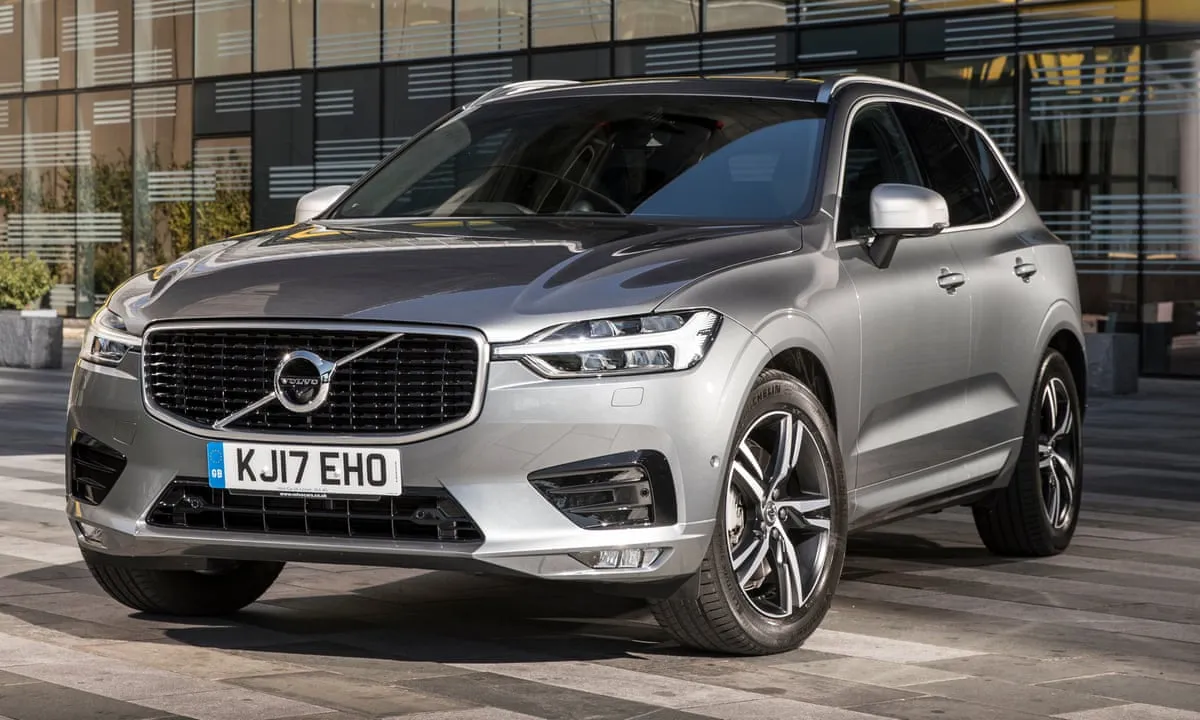
One factor that might be expected to raise XC60 premiums is its luxury status and associated repair costs. Volvo parts are more expensive than mainstream brands, and certified repairs require specialized training. However, the very low frequency of accidents in XC60 actuarial data offsets these higher per-incident costs. If accidents happen rarely enough, even expensive repairs result in a favorable risk calculation.
The XC60’s driver demographic is strongly favorable from an insurance perspective. Buyers tend to be affluent, experienced, and mature drivers. Older, wealthier drivers file fewer claims on average and maintain their vehicles better. Both factors contribute to a lower risk profile that insurance companies translate into competitive premium pricing even for a premium-segment vehicle.
Theft rates for the Volvo XC60 are low relative to other luxury SUVs. Volvo’s advanced immobilizer and tracking systems make successful theft difficult. Insurance companies apply lower comprehensive premiums to vehicles that are hard to steal and easier to recover. The XC60’s combination of legendary safety engineering, favorable demographics, and theft resistance makes it a genuinely surprising winner in the insurance value category.
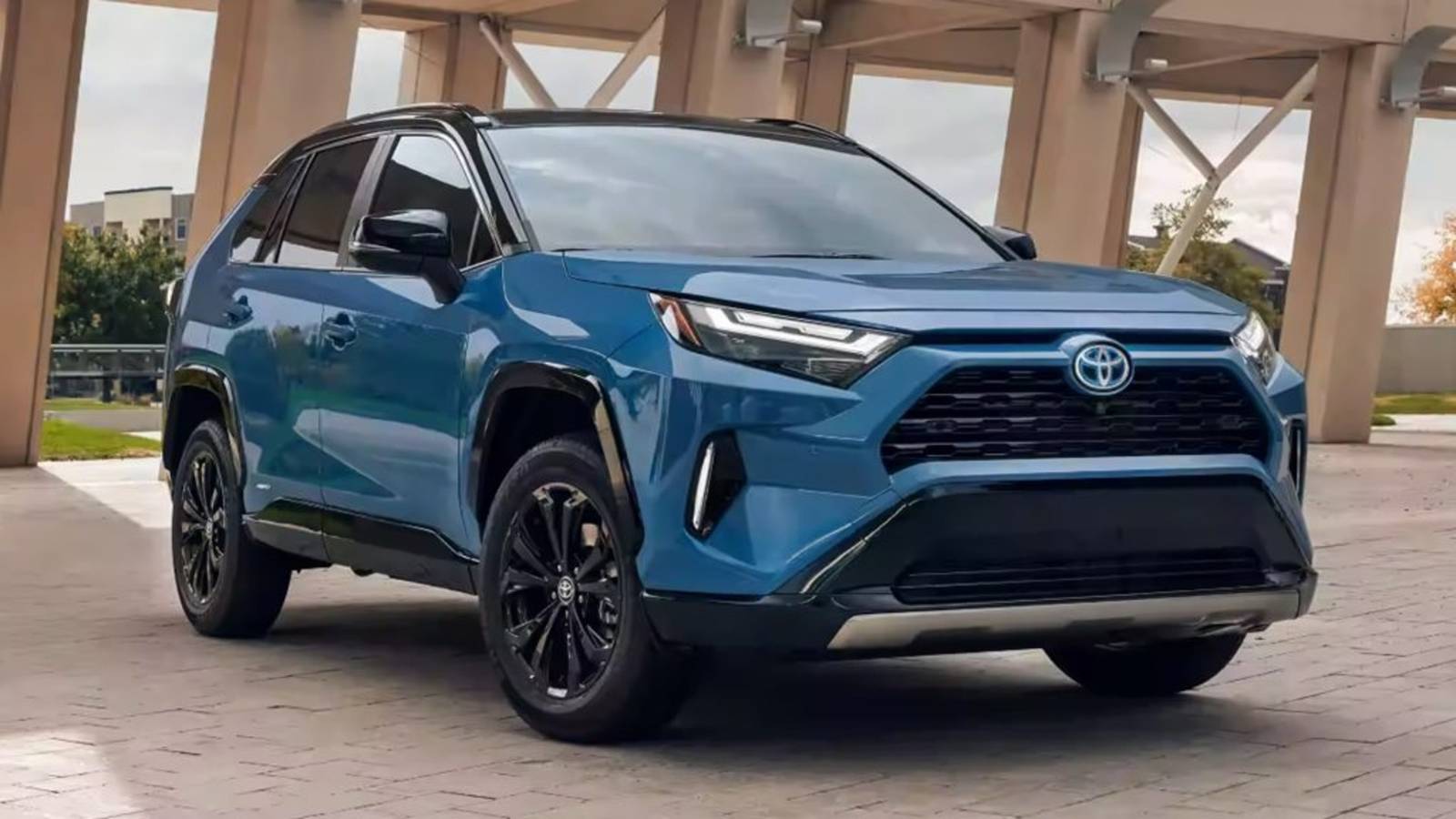
8. Toyota RAV4 (Compact SUV)
The Toyota RAV4 is the best-selling SUV in many global markets. Its popularity is no accident — it offers a superb blend of reliability, practicality, and resale value. It also comes with consistently competitive insurance premiums that frequently undercut compact sedans in the same price bracket. The RAV4 is arguably the gold standard for total ownership cost in the compact SUV segment.
Toyota’s legendary reliability record has a direct impact on the RAV4’s insurance costs. Mechanical failures and associated incidents are rare with the RAV4. Fewer breakdowns mean fewer roadside emergencies and related claims. Insurance companies that have decades of RAV4 data to analyze can price policies accurately and confidently, without building in large uncertainty margins.
The RAV4 earns top safety marks from both the IIHS and NHTSA consistently. Toyota Safety Sense comes standard across the lineup, providing a comprehensive suite of active safety technologies. Automatic emergency braking, lane centering, and traffic sign recognition are all included. These features have measurably reduced the accident rate among RAV4 drivers, and premium pricing reflects this positive trend.
RAV4 repair costs are among the most predictable and manageable in the industry. Toyota parts are manufactured in enormous volumes and distributed through a global supply chain. This keeps parts costs low and ensures fast repair turnaround times. Faster repairs mean shorter rental car reimbursement periods, which reduces the total cost of a claim for the insurance company.
The RAV4’s driver demographic spans a broad age range but skews toward responsible, family-oriented buyers. This group makes fewer claims, maintains their vehicles consistently, and drives conservatively. A diverse but low-risk driver pool allows insurance actuaries to calculate favorable premium rates with confidence. The RAV4 benefits from being associated with reliable, predictable driving behavior across millions of policyholders.
Theft of the RAV4 is relatively low for such a high-volume vehicle. While it is a popular target in some markets due to its prevalence, Toyota’s keyless entry systems and immobilizers provide meaningful protection. Theft claim rates remain manageable for insurers. The RAV4’s combination of reliability, safety performance, cost-effective repairs, and responsible drivers makes it one of the smartest insurance purchases available in any vehicle category.
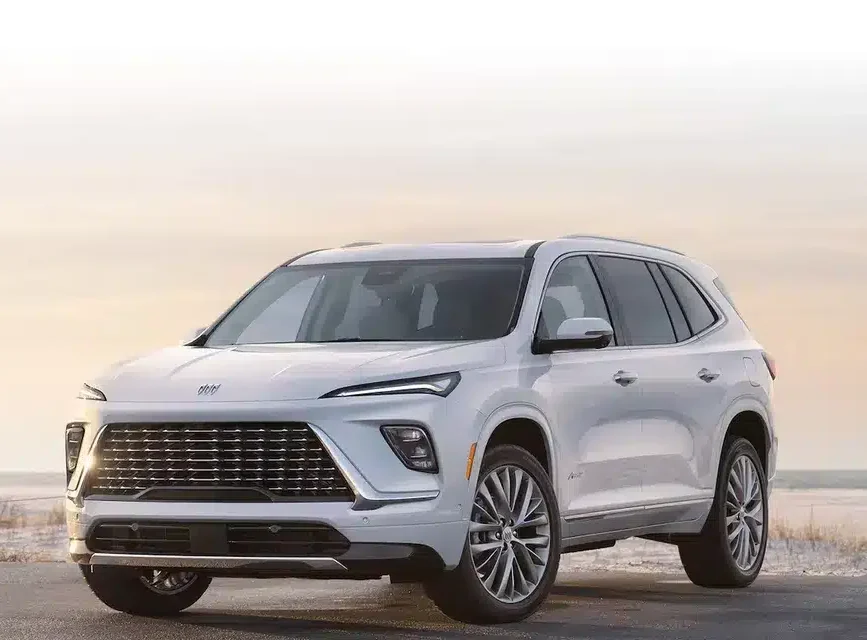
9. Buick Enclave (Midsize Luxury SUV)
The Buick Enclave sits in an interesting market position. It offers a genuine luxury experience with premium materials and a quiet, comfortable ride. Yet it carries insurance premiums that are often lower than those of far less expensive compact sedans. This makes the Enclave one of the most underrated value propositions in the insurance world today.
The Enclave’s low insurance costs begin with its driver demographic. Buick buyers tend to be older, more experienced, and more financially established than average. Mature drivers statistically have lower accident rates and file claims far less frequently. When an entire model’s driver base skews toward low-risk behavior, the actuarial data quickly reflects this in premium pricing.
The Enclave is built on GM’s strong C1XX platform and benefits from extensive passive safety engineering. It earns solid scores in government crash testing across all major categories. Strong structural performance means that when accidents do occur, occupants are better protected. Lower injury severity generates smaller personal injury protection and bodily injury liability claims.
General Motors equips the Enclave with a suite of driver assistance technologies under the Safety Alert Seat and IntelliBeam umbrella. Automatic emergency braking, forward collision alert, and lane change alert are available across trims. These active systems help drivers avoid accidents before they occur. Accident prevention is always more valuable to an insurer than efficient post-accident claims handling.
The Enclave’s three-row configuration makes it a natural choice for family road trips and school runs. Family-oriented usage patterns are inherently lower risk than urban commuting in compact vehicles.
Families tend to drive purposefully and cautiously, avoiding the aggressive lane changes and distracted driving common in denser urban environments. This usage pattern consistently produces favorable claims histories for the Enclave.
Repair costs for the Enclave are moderate relative to its luxury positioning. GM’s parts network is vast and well-stocked, keeping costs and turnaround times manageable.
Independent shops are generally equipped to handle Enclave repairs without requiring expensive dealer-only facilities. This accessibility in the repair ecosystem gives insurers confidence to offer competitive premiums to Enclave owners, making it a genuinely surprising insurance bargain in the luxury segment.
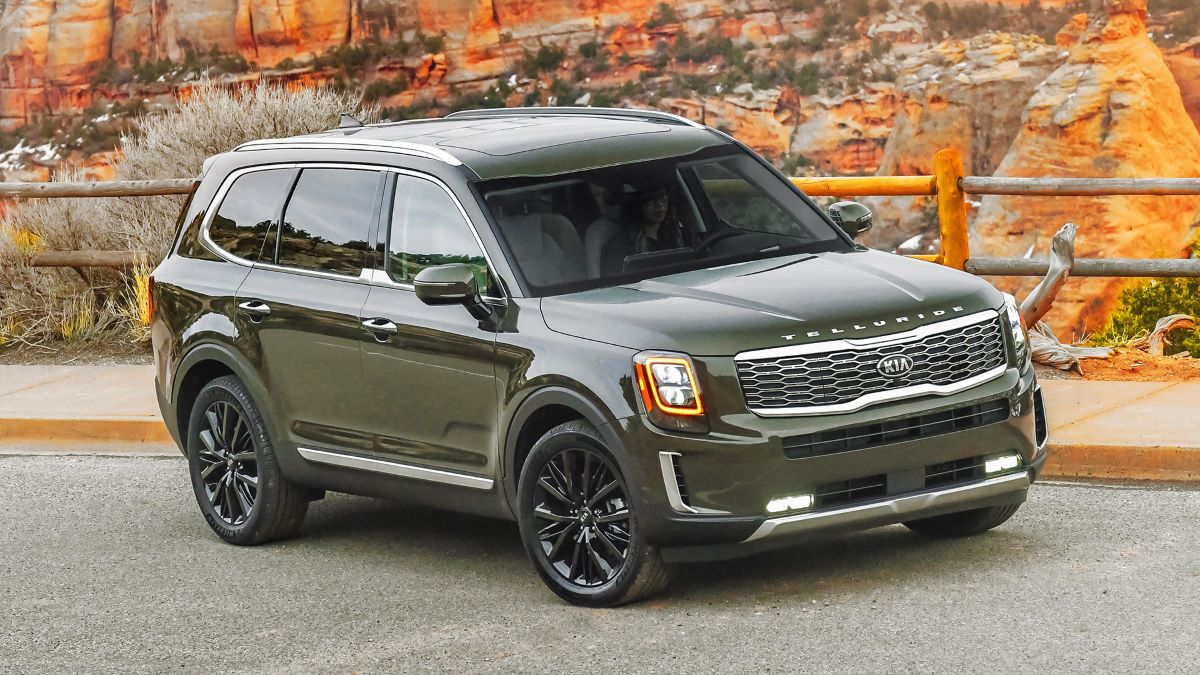
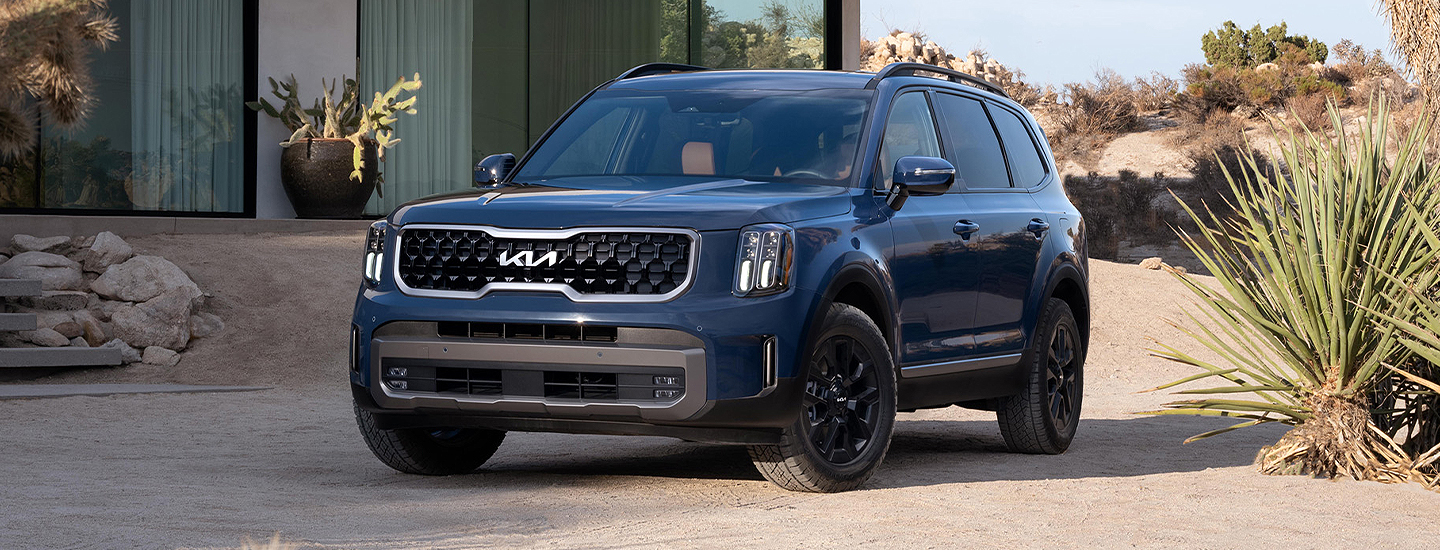
10. Kia Telluride (Midsize Family SUV)
The Kia Telluride has transformed Kia’s brand perception entirely. It is a genuinely premium three-row family SUV that competes with and often outperforms vehicles from more established luxury brands. It has won multiple Car of the Year awards and maintains extraordinary demand in the market. It also delivers very favorable insurance premiums compared to many compact sedans, adding yet another reason to consider it seriously.
The Telluride’s safety engineering is best-in-class for its segment. It earns IIHS Top Safety Pick Plus recognition and performs excellently in NHTSA testing. Kia has invested significantly in structural rigidity and crumple zone design with the Telluride’s development. Better structural performance in crashes results in fewer severe injuries and smaller liability claims from accidents.
Kia includes its suite of driver assistance technologies called Drive Wise as standard equipment on most Telluride trims. This includes forward collision avoidance assist, lane keeping assist, blind-spot collision warning, and rear cross-traffic collision avoidance. Active safety technology that actually prevents accidents is the single most powerful factor in reducing insurance premiums over time. The Telluride’s generous standard safety equipment gives it a meaningful actuarial advantage.
The Telluride’s buyer profile is remarkably favorable from an insurance perspective. Most buyers are families replacing aging minivans or older SUVs. They prioritize safety, space, and reliability over performance. This demographic profile is associated with lower accident rates, fewer frivolous claims, and more consistent vehicle maintenance, all of which result in favorable loss ratios for insurers.
Kia has dramatically improved its parts and service network over the past decade. Telluride parts are widely available, and dealer service is increasingly competitive in both quality and pricing. Independent mechanics are becoming more comfortable servicing Kia vehicles as the brand grows. Lower and more predictable repair costs allow insurance companies to offer competitive premiums without absorbing excessive risk.
The Telluride’s resale value is exceptional for a non-luxury brand vehicle. Strong resale values mean that agreed value and replacement cost calculations are more straightforward for insurers.
Vehicles that hold their value well are easier to price accurately for comprehensive coverage. Combined with outstanding safety scores, favorable driver demographics, and improving repair economics, the Kia Telluride rounds out this list as a genuinely impressive insurance value in the modern family SUV market.
Also Read: 8 Cars With Backup Cameras That Stay Clear In The Rain
