
Car ownership comes with small surprises that nobody plans for, and wheel damage ranks high on that list. A bent rim from a pothole, curb rash from a tight parking spot, or corrosion from winter driving can turn a simple commute into an unexpected expense.
New wheels from a dealership often carry prices that feel out of proportion to the problem. That reality pushes smart owners toward salvage yards, where perfectly usable factory wheels sit quietly, waiting for a second life. Pick-N-Pull locations attract drivers who value practicality.
Rows of familiar vehicles mean replacement parts that match factory specifications without the premium price. Wheels remain one of the most commonly available items because many vehicles end up scrapped for reasons unrelated to wheel damage. A car with a failed engine often still wears four solid rims, untouched and ready to roll again.
Ease of finding replacement wheels depends on production volume, shared bolt patterns, and long model runs. Vehicles sold in high numbers across many years tend to flood salvage yards nationwide. Common wheel sizes also help, since manufacturers often reuse designs across trims and model updates.
This page focuses on ten vehicles whose wheels show up frequently at Pick-N-Pull yards. Each model benefits from widespread production, consistent fitment, and designs that stayed unchanged for multiple years. Drivers searching for affordable replacements will find these vehicles especially friendly when time, budget, and convenience matter.

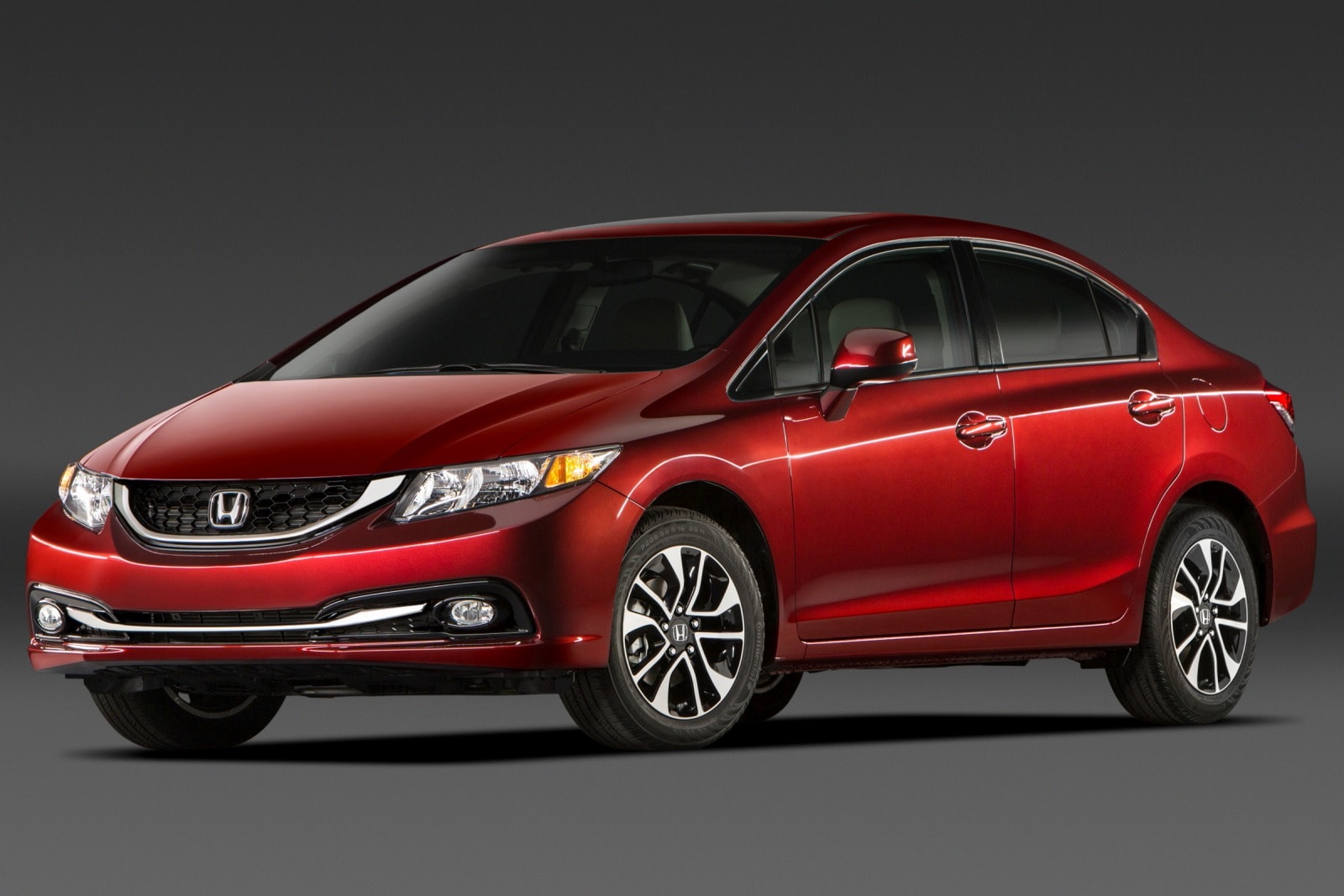
1. Honda Civic (2013 to 2018)
Honda Civic ownership comes with an unspoken advantage that shows up clearly in salvage yards. Production numbers stayed high year after year, creating a steady supply of parts across the country. Wheels from this generation appear regularly at Pick-N-Pull locations, often stacked neatly with matching sets available on the same row.
Wheel designs during these years stayed refreshingly simple. Steel wheels dominated base trims, while alloy options followed clean, conservative styling. Bolt patterns remained consistent, allowing easy swaps without adapters or modifications. A driver searching for a single replacement rim can usually find one that bolts on without second-guessing fitment.
Another benefit lies in tire size consistency. Civics from these years commonly used 15-inch or 16-inch wheels. That uniformity increases availability because multiple trims share identical specifications. Salvage yards rarely struggle to stock these sizes due to how many Civics reached the end of life from accidents rather than mechanical failure.
Condition also plays in the Civic’s favor. Many vehicles arrive at yards with intact suspension and undamaged wheels. City driving leads to body damage long before wheel destruction, leaving rims in usable shape. Light cosmetic scuffs remain common, yet structural integrity usually stays intact.
Pricing tends to stay friendly. Civic wheels rarely command premium rates because supply stays abundant. Buyers can inspect several options side by side, choosing the cleanest example rather than settling for the first one found. That freedom reduces pressure during the search.
Drivers who prioritize quick fixes appreciate how little planning this vehicle requires. A morning trip to Pick-N-Pull often ends with a same-day solution. Civic wheels deliver a blend of availability, affordability, and compatibility that few compact cars can match.

2. Toyota Corolla (2012 to 2019)
Toyota Corolla wheels reflect the same reliability philosophy that defines the car itself. Long production runs created a massive parts ecosystem, and salvage yards benefit directly from that scale. Walk through any Pick-N-Pull lot and Corollas appear frequently, lined up in multiple rows with wheels still mounted.
Design choices stayed conservative across these years. Steel wheels dominated entry trims, while alloys appeared on higher packages without drastic style moves. Bolt patterns remained unchanged, simplifying replacement without compatibility concerns. That consistency saves time for buyers who want certainty before committing.
Corolla wheels often survive accidents unscathed. Front-end or rear damage sends cars to salvage while leaving wheels untouched. That pattern keeps inventory healthy and varied. Shoppers often find multiple matching rims available at once, making full set replacements possible rather than hunting one piece at a time.
Corrosion resistance also works in the Corolla’s favor. Factory finishes tend to age well, especially in regions without heavy road salt use. Many wheels show minimal wear even after years of service. Light cleaning restores appearance quickly. Cost remains predictable.
Corolla wheels rarely carry inflated pricing because demand stays balanced by supply. Yard staff recognize their abundance, keeping prices accessible for budget-focused owners. Drivers seeking hassle-free replacements benefit from this vehicle’s popularity.
Corolla wheels deliver reliability not just on the road, but also during the repair process itself. Availability remains steady, making this model a safe bet for salvage yard sourcing.
Also Read: 5 Vehicles With Working Map Lights vs 5 With Dim Useless Bulbs
3. Ford F-150 (2009 to 2014)
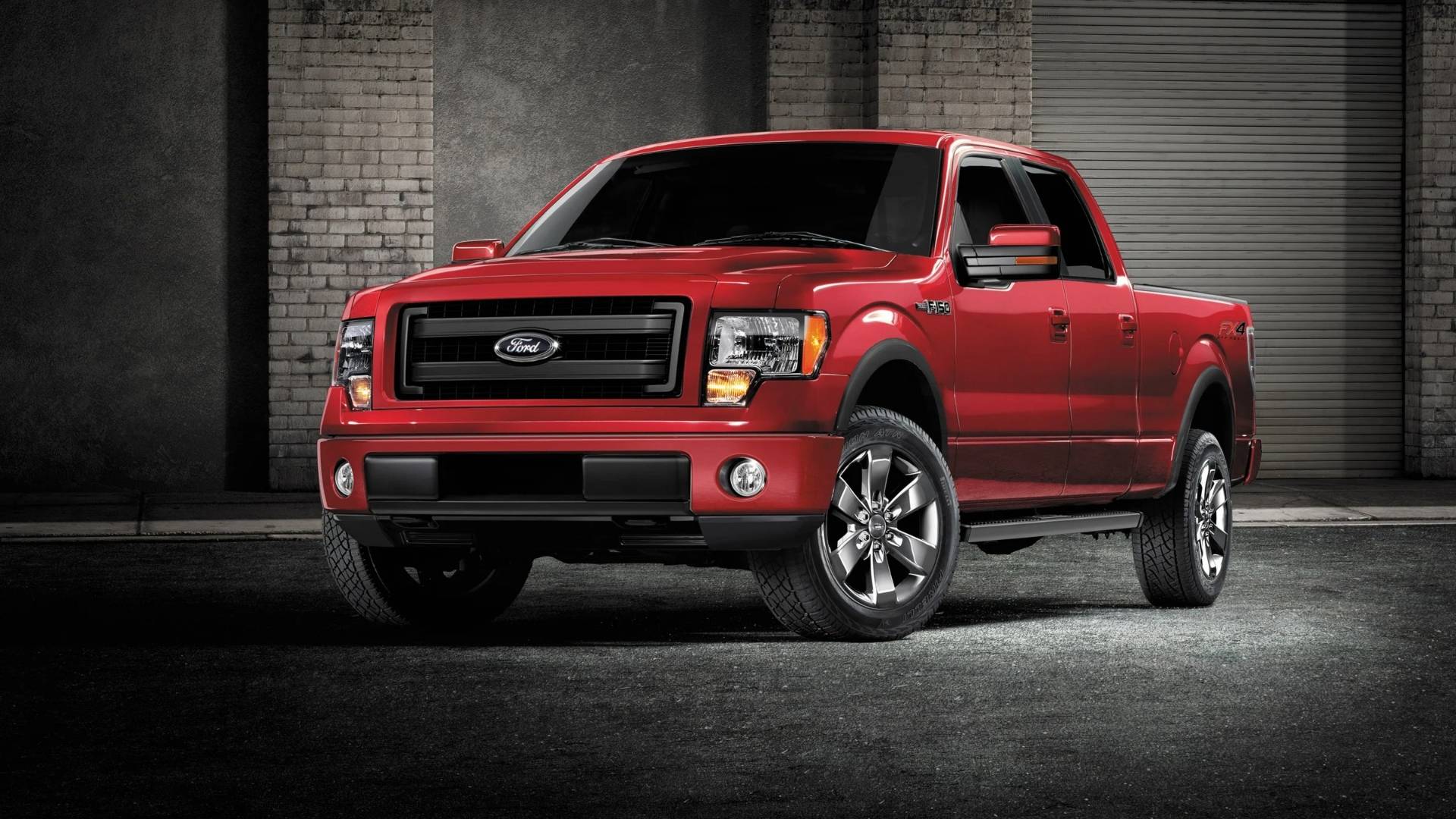
Pickup trucks occupy a special position within vehicle dismantling facilities, and the Ford F-150 from the 2009 to 2014 production period represents one of the most visible examples of that presence. During these years, Ford recorded exceptionally high sales figures, supplying private owners, contractors, fleets, and rural users across a wide geographic range.
That level of distribution ensured that large numbers of these trucks eventually entered salvage circulation, often appearing in clusters that span several trims and configurations. For buyers searching for replacement wheels, this abundance translates into dependable access rather than chance discovery.
Wheel construction on the F-150 reflects its work-oriented purpose. Both steel and alloy wheels were designed to withstand higher load ratings than passenger cars, which has a direct effect on their survival rate. Many trucks arrive at salvage yards after powertrain failure, frame corrosion, or accident damage that spares the wheels entirely.
As a result, usable rims remain mounted even when the rest of the vehicle no longer supports repair. This pattern ensures a steady supply of structurally sound options. Consistency in wheel specifications adds another layer of convenience. Bolt patterns remained unchanged across trims throughout these model years, allowing straightforward interchangeability between base work trucks and higher trim variants.
Owners replacing damaged wheels can also move from steel to factory alloy designs without adjustment or modification. Although tire size variation exists, wheel compatibility remains broad enough to support flexible sourcing without technical difficulty. Visual condition tells a familiar story tied to work use.
Many wheels display surface scratches, paint wear, or curb marks accumulated during job site activity. Structural integrity, however, usually remains intact. Aluminum wheels rarely show cracking or deformation, while steel wheels often remain straight despite cosmetic wear. Simple refinishing techniques, such as sanding and repainting, restore an acceptable appearance for daily driving or secondary vehicles.
Pricing patterns mirror supply volume. Due to frequent availability, these wheels rarely attract inflated salvage pricing. Buyers often encounter multiple options during a single visit, reducing both search time and travel expense. Selection allows choice based on condition, style, or price rather than urgency.
Owners who prioritize function appreciate this reliability. The Ford F-150 from this period continues to deliver practicality even after leaving active service. Replacement wheels remain easy to locate, compatible across trims, and financially accessible, reinforcing the model’s reputation for long-term usability.
4. Chevrolet Silverado 1500 (2008 to 2013)
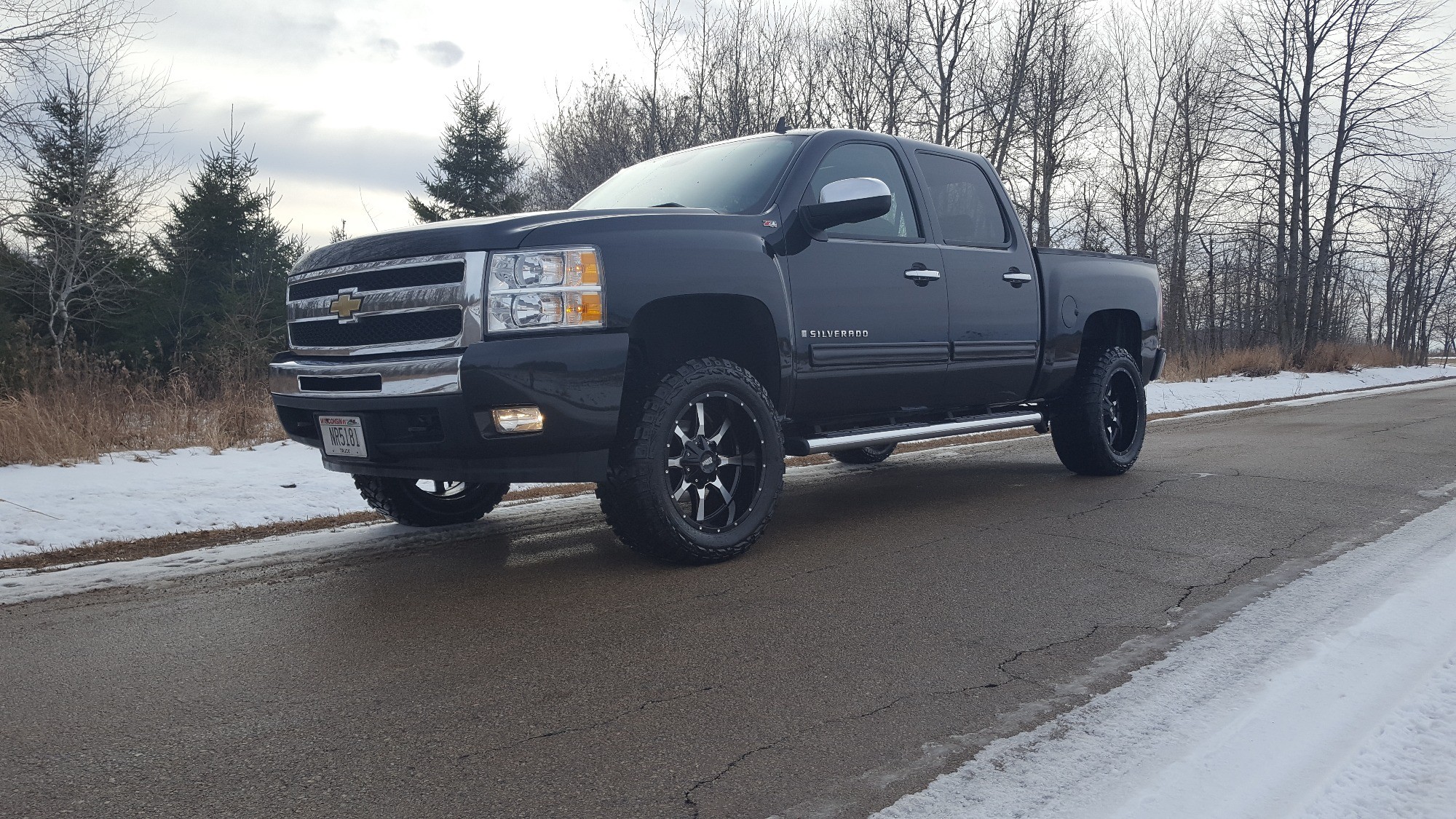
The Chevrolet Silverado 1500, produced between 2008 and 2013, shares many characteristics that make high-volume trucks appealing within salvage environments. Extensive use across commercial fleets, construction sites, agricultural operations, and private ownership resulted in widespread circulation.
When these trucks reach the end of their service life, dismantling facilities receive them in steady numbers. For wheel buyers, this translates into regular availability rather than isolated finds. Design continuity plays a central role in this accessibility. Chevrolet maintained consistent bolt patterns and offsets across trims during these years.
Wheel styles varied modestly, yet underlying specifications remained aligned. This uniformity allows owners to replace damaged rims without concern about fitment accuracy. Factory compatibility simplifies purchasing decisions and reduces reliance on aftermarket alternatives.
Strength defines these wheels. Built to support payload demands and towing responsibilities, Silverado rims often retain structural soundness even after years of demanding use. Accident damage tends to affect body panels, suspension arms, or driveline components before wheel failure occurs. As a result, salvage yards frequently retain wheels that remain straight and balanced.
Condition varies widely, which benefits buyers seeking choice. Some wheels show surface corrosion, paint loss, or scuffing from work environments. Others, especially those from personal use trucks, appear clean and well preserved. This range allows buyers to select based on budget, appearance goals, or immediate need rather than scarcity.
Cost stability remains another advantage. Although Silverado wheels move quickly through salvage inventory, replenishment happens just as fast. That balance keeps pricing within predictable limits. Buyers seldom encounter bidding pressure or inflated tags, even for alloy designs.
Drivers who depend on their trucks for daily tasks value this reliability. Wheel replacement becomes a straightforward process rather than a prolonged search. The Silverado 1500 continues to support owners beyond initial purchase, extending convenience into repair and upkeep stages.

5. Nissan Altima (2013 to 2018)
The Nissan Altima from the 2013 to 2018 production period stands as one of the most common mid-size sedans found across vehicle recycling facilities. Strong consumer demand during these years resulted in widespread ownership across urban and suburban areas.
As these vehicles age or sustain collision damage, salvage yards receive them in consistent numbers. That steady flow ensures reliable access to replacement wheels for owners seeking cost-conscious solutions. Wheel design during this generation favored simplicity and standardization.
Bolt patterns remained unchanged, allowing direct replacement without measurement uncertainty. Alloy wheels fitted to higher trims often appear alongside steel wheels from entry-level models, offering buyers the opportunity to upgrade appearance using factory components rather than aftermarket options.
Usage patterns support wheel preservation. Altimas typically serve as commuter vehicles rather than heavy-duty platforms. Many reach salvage yards due to drivetrain wear, electrical faults, or collision impact affecting body structures rather than suspension assemblies. Wheels frequently escape damage, remaining structurally intact even after years of service.
Visual wear appears manageable. Clear coat degradation, brake dust staining, and light curb marks occur with age, yet aluminum strength remains unaffected. Refinishing restores appearance effectively, making these wheels suitable for continued use without extensive investment.
Pricing reflects abundance rather than rarity. Due to high supply and moderate demand, salvage yards maintain reasonable pricing structures. Buyers rarely face competition for single wheels or full sets. Availability across multiple locations further reduces search effort.
Altima owners focused on practicality benefit from this predictability. Replacement wheels remain accessible, affordable, and easy to install. This consistency reinforces the model’s reputation as a sensible choice for drivers seeking low-stress ownership supported by dependable parts availability.
6. Toyota Camry (2012 to 2017)
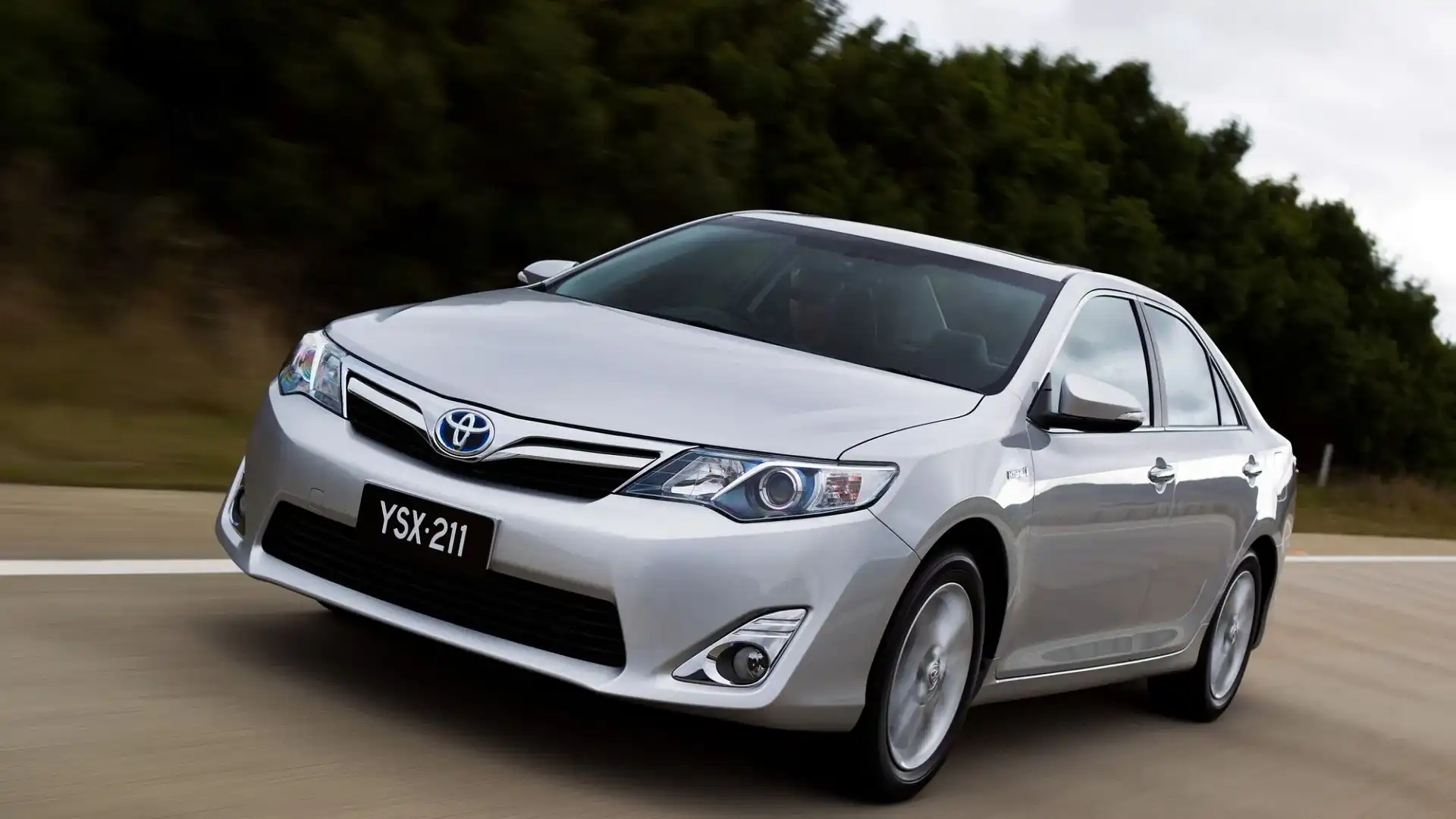
Toyota Camry ownership carries a quiet advantage that becomes obvious inside salvage yards. Production numbers during these years remained extremely high, which translated into a steady flow of vehicles reaching Pick-N-Pull locations for non-wheel-related reasons. Engines, transmissions, or collision damage often ended a Camry’s road life while leaving wheels untouched and perfectly usable.
Wheel design choices during this generation leaned toward continuity rather than experimentation. Steel wheels appeared on entry trims, while alloy versions followed simple patterns that Toyota reused across multiple years. Bolt patterns and offsets stayed consistent, allowing direct replacement without measurement anxiety. Buyers rarely need adapters or special hardware.
Tire size standardization plays a major role here. Common 16-inch and 17-inch wheels appear across several trims, which boosts availability. Salvage yards often stock several matching Camry wheels at once, making full set replacement possible in a single visit rather than weeks of searching.
Condition tends to surprise first-time buyers. Many Camry wheels arrive with only minor cosmetic wear. Suburban commuting and highway use reduce curb damage, preserving structural integrity. Light scratches or brake dust buildup usually clean up easily with basic detailing.
Pricing remains stable due to supply volume. Yard staff sees Camry wheels frequently, which prevents inflated pricing. Shoppers can inspect multiple options side by side and select the cleanest example without urgency. Drivers who value predictability appreciate how straightforward this process feels. Camry wheels offer compatibility, availability, and affordability, making this model one of the easiest sedan choices for salvage-sourced replacements.
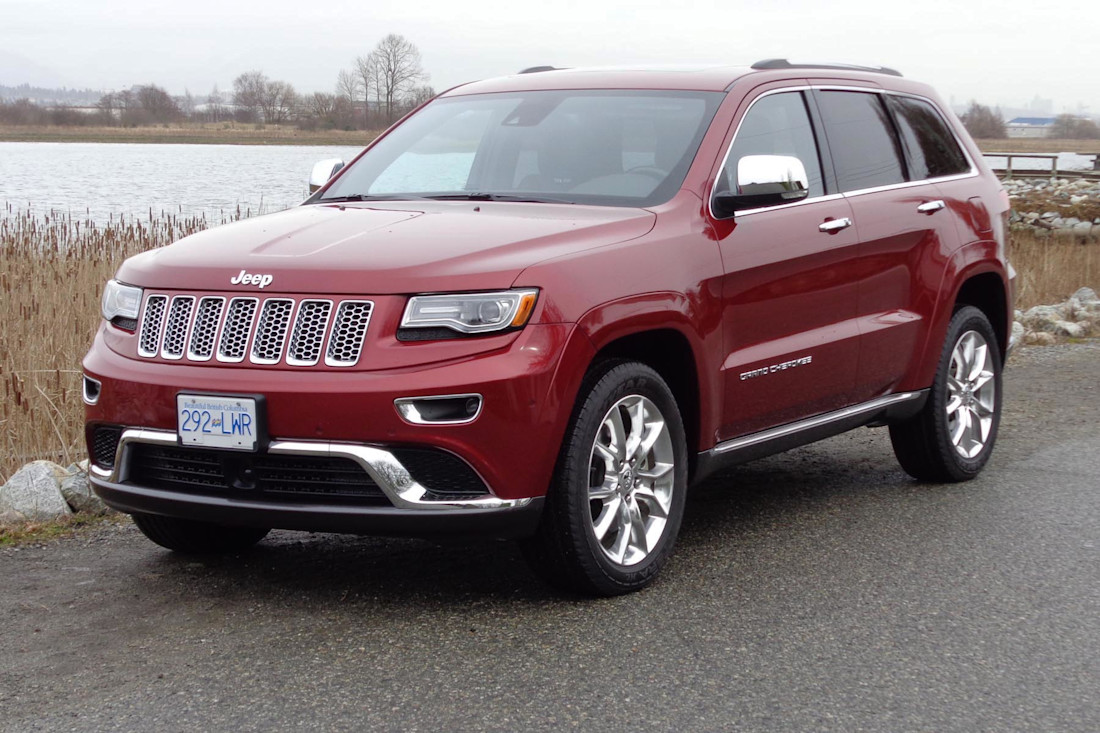
7. Jeep Grand Cherokee (2011 to 2016)
Wheels from the Jeep Grand Cherokee add a layer of SUV-grade durability to salvage yard shopping. Strong sales across multiple model years placed this vehicle in driveways nationwide, which later translated into steady representation at dismantling facilities. At many Pick-N-Pull locations, several Grand Cherokees appear at the same time, often retired for reasons unrelated to wheel damage.
Factory rims frequently remain mounted and fully usable, giving buyers immediate options without extended searching. Construction quality plays a major role in this availability. These wheels were engineered to carry a heavier vehicle and handle varied road conditions, including uneven pavement and light trail use.
That structural margin allows them to survive situations that sideline the rest of the vehicle. Mechanical failures, electrical issues, or collision damage often end a Grand Cherokee’s service life while leaving the wheels straight and serviceable. Compatibility adds another advantage. Jeep maintained consistent bolt patterns across trims, simplifying replacement decisions.
Alloy wheel styles changed modestly in appearance, yet dimensions and mounting specifications stayed aligned. Owners can swap between trims or replace a single damaged wheel without concerns about offset or clearance. This consistency also allows subtle factory upgrades using original equipment rather than aftermarket parts.
Surface protection stands out as well. Factory finishes show strong resistance to corrosion, even in regions with winter road treatments. Wheels exposed to harsh conditions often display limited oxidation. In many cases, basic cleaning restores an acceptable appearance without sanding or repainting.
Pricing remains balanced due to regular supply. Although these wheels attract steady demand, salvage yards receive replacements often enough to prevent inflated costs. Buyers who check inventory regularly tend to secure matching sets without paying premium prices.
For SUV owners who value strength without inconvenience, this model delivers. Grand Cherokee wheels remain easy to source, built to last, and straightforward to install, making salvage yard replacement a practical solution.
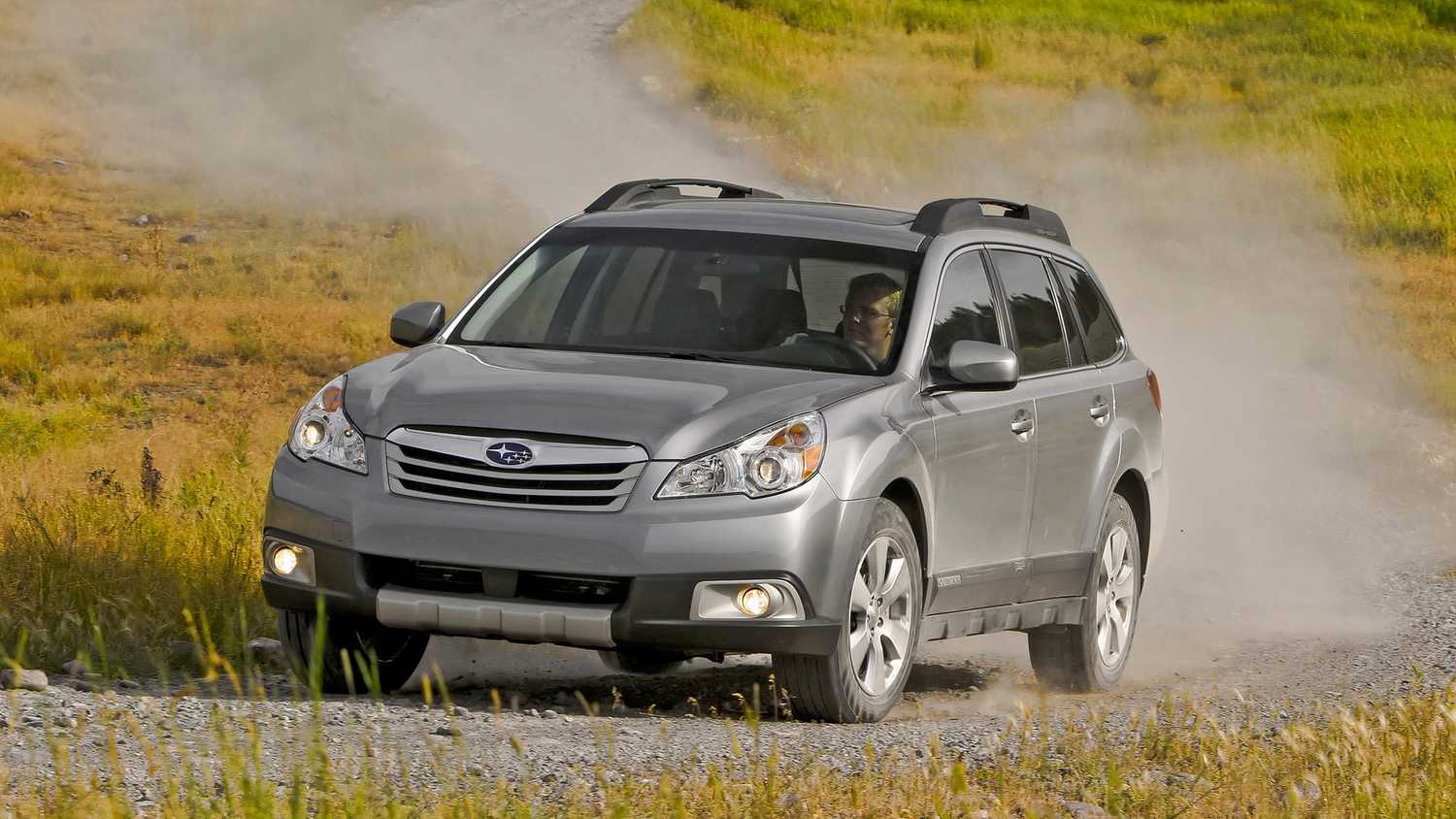
8. Subaru Outback (2010 to 2017)
The Subaru Outback from the 2010 to 2017 production years occupies a strong and dependable position within vehicle recycling environments, especially when attention is placed on wheel availability. This model recorded strong sales figures across North America during its production run, supported by demand from drivers in urban centers, rural regions, and snow-prone areas.
That wide distribution has ensured a steady presence of the Outback in salvage facilities, where many examples arrive due to age-related mechanical concerns or drivetrain wear rather than damage to wheels or suspension components. All Wheel Drive architecture plays a practical role in this pattern. Owners of All Wheel Drive vehicles are commonly advised to replace tires as a full set in order to maintain drivetrain balance.
As a result, wheels are frequently changed in complete groups rather than individually. When Outback’s are retired from active use, salvage yards often receive vehicles with four matching wheels still mounted. This increases the likelihood of sourcing a complete and uniform set in a single visit, which reduces both time spent searching and compatibility concerns.
Wheel specifications for this generation remained stable across multiple years. Bolt patterns did not change, and offsets stayed within a narrow range. Alloy wheels appeared on the majority of trims, offering a balance between strength and weight efficiency.
These wheels were designed to support light off-road use, uneven surfaces, and long-distance travel without structural compromise. That design approach has proven effective, as bent or cracked wheels appear infrequently in salvage inventory. Surface condition usually reflects outdoor exposure rather than misuse.
Minor abrasions, brake dust staining, or light curb marks are common, yet these do not affect performance or safety. Aluminum construction resists deformation, even after extended use on imperfect road surfaces. This allows buyers to prioritize structural soundness over cosmetic perfection, especially when cost savings are a primary objective.
Pricing patterns remain favourable. Supply remains steady, and demand does not exceed availability. Salvage operators tend to price Outback wheels within a predictable range, avoiding speculative inflation. Buyers seeking dependable replacement wheels often find this model meets both budget and fitment expectations with minimal effort.
Drivers who value reliability and functional design appreciate this consistency. Subaru Outback wheels from these years offer dependable compatibility, accessible sourcing, and practical durability across salvage yard locations nationwide.
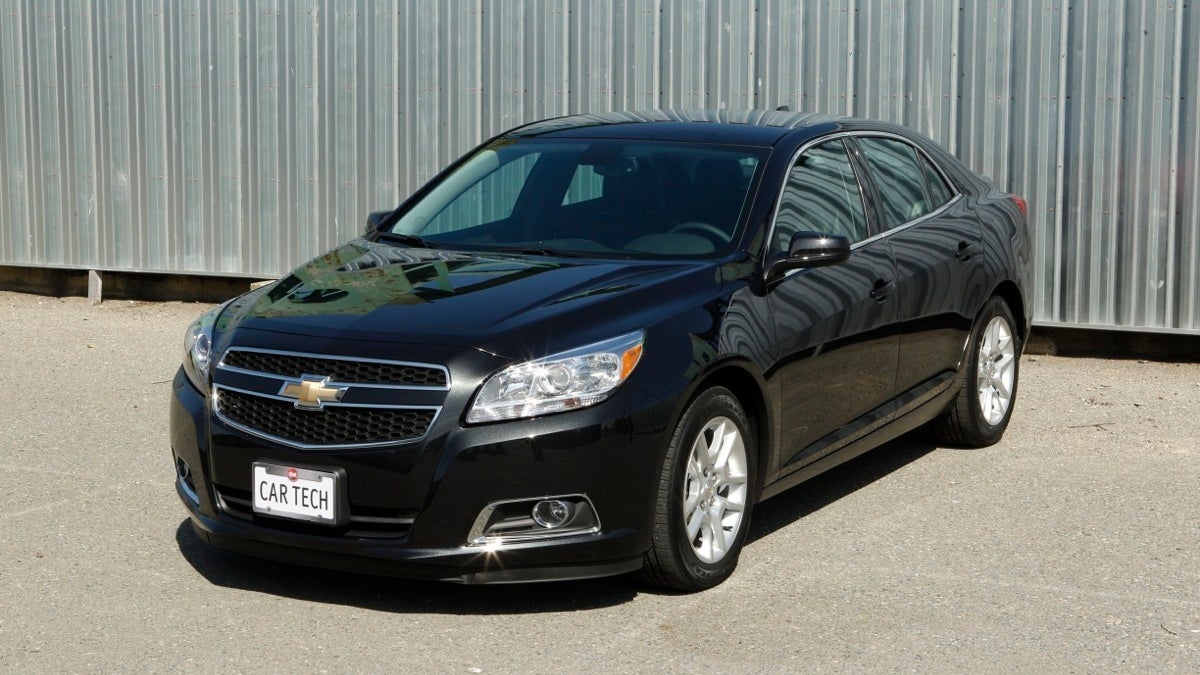
9. Chevrolet Malibu (2013 to 2018)
The Chevrolet Malibu, produced between 2013 and 2018, benefits from widespread adoption across personal ownership, rental fleets, and corporate use. That broad circulation has translated into frequent appearances at vehicle dismantling facilities. Many Malibu’s enter salvage streams due to powertrain aging, electrical faults, or accident damage that does not extend to wheels.
This pattern creates a steady supply of usable rims available for secondary buyers. Wheel design during this generation reflected restraint and practicality. Entry-level trims used steel wheels paired with protective covers, while higher trims received alloy wheels with uncomplicated spoke layouts.
These designs prioritised balance and durability rather than decorative flair. Bolt patterns remained unchanged across trims and production years, simplifying replacement without the need for specialised measurements or adapters. Uniformity in tire sizing further enhances availability.
Multiple trims shared identical wheel dimensions, allowing interchangeability across a wide range of donor vehicles. Buyers searching for a single replacement wheel often find several compatible options within the same yard, reducing reliance on extended searches or cross-yard sourcing.
Condition assessment tends to be positive. Daily commuter use exposes vehicles to mileage accumulation long before wheels suffer serious damage. Cosmetic imperfections remain the most common issue. Light scratches or surface dulling respond well to cleaning or basic refinishing. Structural damage appears infrequently, reflecting conservative wheel engineering suited to routine driving conditions.
Pricing remains accessible due to limited collector interest. Malibu wheels are viewed as functional replacements rather than stylistic upgrades, which keeps demand practical rather than speculative. Salvage yards price these wheels with consistency, allowing cost-conscious buyers to plan purchases confidently.
Owners seeking predictable ownership costs often value this reliability. Malibu wheels provide an effective solution for maintaining roadworthiness without excessive expenditure, reinforcing the model’s reputation for straightforward long-term use.
Also Read: 10 Vehicles With Drivetrain Components That Outlast the Body Shell

10. Honda Accord (2013 to 2017)
Honda Accord wheels from the 2013 to 2017 production period represent one of the most consistently available options within salvage environments. Strong annual sales volumes during these years ensured widespread circulation across regions. As vehicles age or sustain non-wheel-related damage, salvage facilities receive Accords in regular numbers, many still equipped with intact factory wheels.
Design philosophy during this generation emphasized continuity. Honda maintained consistent bolt patterns, offsets, and wheel diameters across trims and production years. Steel wheels served base models, while alloy versions appeared on higher trims. This standardisation allows direct replacement without modification, reducing uncertainty for buyers seeking compatibility assurance.
Many Accords reach salvage yards following collision events that affect body panels rather than suspension components. Wheels frequently escape impact forces, preserving structural integrity. Even vehicles with extensive exterior damage often retain wheels suitable for reuse. This pattern supports a high proportion of serviceable inventory within dismantling operations.
Finish quality supports extended usability. Factory coatings resist corrosion effectively, especially in regions without heavy winter salting. Minor blemishes such as curb marks or surface oxidation appear with age, yet these do not compromise function. Buyers focused on performance rather than appearance often accept such imperfections without hesitation.
Pricing trends reflect abundance rather than scarcity. Salvage operators encounter Accord wheels regularly, which limits price escalation. Buyers commonly secure matching sets within a single visit, avoiding piecemeal sourcing or prolonged searches. Drivers prioritizing dependable transportation benefit from this accessibility.
Honda Accord wheels combine availability, straightforward fitment, and cost control, making salvage sourcing efficient and stress-free for owners seeking reliable replacements.
