
Reaching half a million miles in any vehicle is a rare achievement, but doing so with the original owner still behind the wheel adds another layer of significance. It speaks not only to the engineering of the machine but also to the relationship between driver and truck.
Pickup trucks, in particular, have a long history of being pushed far beyond ordinary limits. They are used for hauling, towing, commuting, and sometimes even serving as mobile workplaces for years on end.
What separates trucks that reach 500,000 miles from those that fall short is not just luck. It comes down to a combination of durability, serviceability, and consistency in performance. Engines that can handle sustained stress, transmissions that tolerate heavy loads, and frames that resist fatigue all contribute to this level of longevity.
Yet just as important is how predictable these trucks remain over time. Owners tend to keep vehicles that do not surprise them with sudden failures.
Another factor that cannot be ignored is maintenance discipline. Trucks that cross this milestone are rarely neglected. Oil changes, fluid checks, and timely repairs play a crucial role in extending their lifespan.
However, even with perfect maintenance, not every truck is capable of reaching such distances. The models that tend to share a reputation for mechanical simplicity and proven reliability.
There is also a cultural element tied to these machines. Many long-term owners develop a sense of trust in their trucks, relying on them for decades without feeling the need to upgrade. These vehicles become part of daily life, adapting to changing needs while continuing to perform their core functions without complaint.
This list focuses on ten pickup trucks known for reaching or surpassing 500,000 miles with their original owners. Each one represents a different approach to durability, from rugged workhorses to more refined daily drivers that quietly accumulate miles year after year.
What makes these trucks special is not just their ability to last, but how they manage to remain dependable throughout that journey. They do not simply survive; they continue to function in a way that keeps owners confident enough to hold on to them for the long haul.
Also Read: 10 Used Cars Under $12,000 Where Nothing Has Gone Wrong Yet
1. Toyota Tacoma (First Generation)
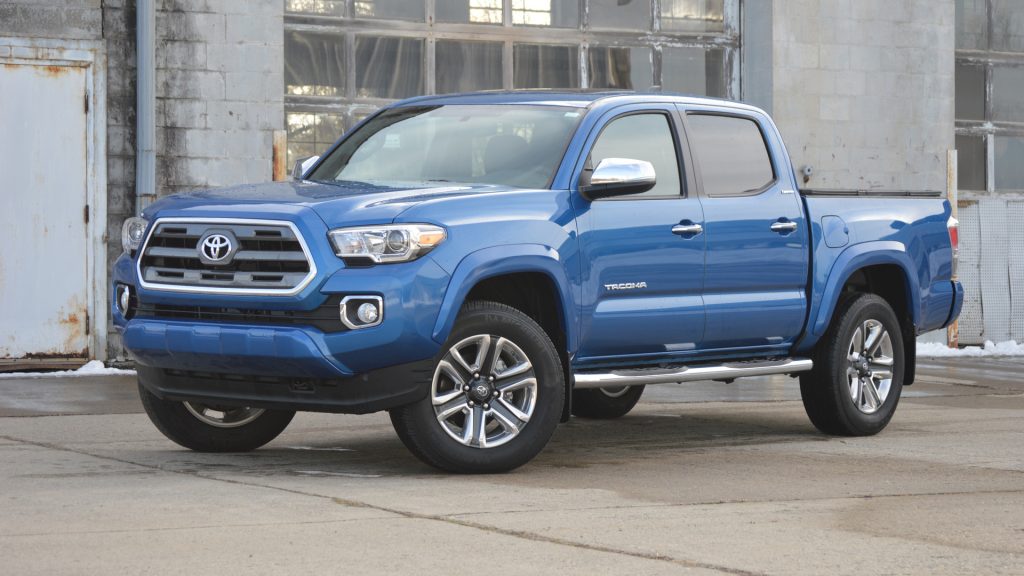
There is a certain honesty to the first-generation Toyota Tacoma that becomes more apparent as the miles accumulate. It was not built to impress with luxury or cutting-edge technology. Instead, it focused on durability in a way that feels almost understated, and that approach has allowed many original owners to push these trucks well beyond the 500,000-mile mark.
The foundation of this longevity lies in its mechanical simplicity. The engines, particularly the four-cylinder and V6 options from this era, are known for their ability to run consistently without demanding constant intervention. They are not highly stressed units, which means they can endure years of use without developing major internal issues.
What stands out is how predictable the Tacoma remains over time. Owners often describe a sense of familiarity that never fades. The truck behaves the same way year after year, which builds confidence and encourages long-term ownership. This consistency is a key reason why people choose to keep these trucks rather than replace them.
The chassis and suspension also contribute to its endurance. Built to handle rough conditions, the Tacoma does not easily succumb to structural fatigue. Even after extensive use, it maintains a solid feel that reinforces its reputation for toughness.
Maintenance plays a role, but the truck does not demand perfection. It tolerates minor delays in servicing better than many modern vehicles, which helps it survive in real-world conditions where schedules are not always ideal. This forgiving nature is part of what allows it to reach such high mileage.
Driving a high-mileage Tacoma reveals a machine that has aged without losing its identity. It may show signs of wear, but it continues to function with a level of reliability that feels almost mechanical in its certainty. This is not a truck that surprises its owner. It simply keeps going.
2. Ford F-150 (Ninth and Tenth Generation)
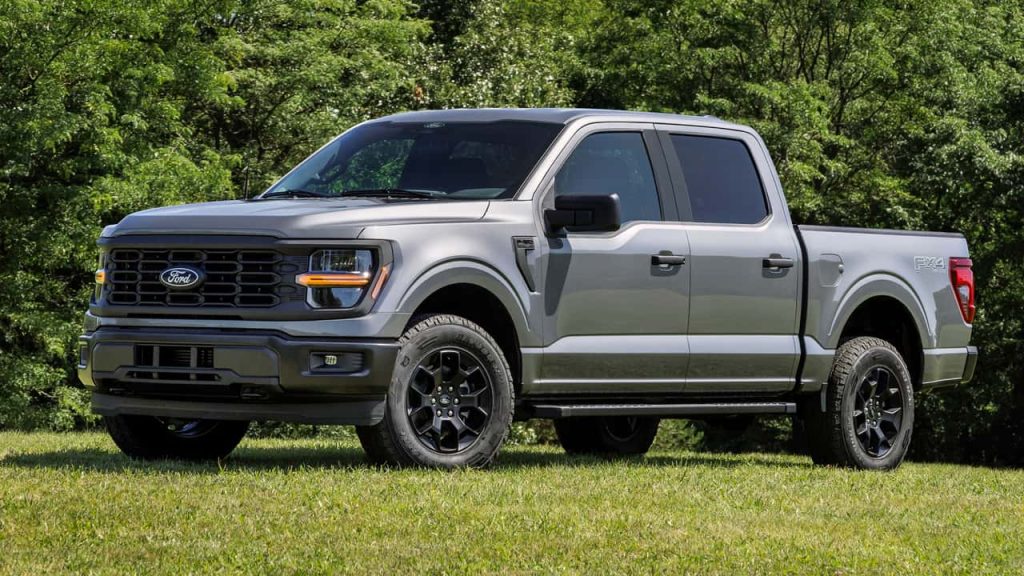
The Ford F-150 from the early to mid-1990s represents a period when trucks were designed with durability as a primary goal. These generations may not have the refinement of newer models, but they possess a kind of rugged dependability that has allowed many to surpass 500,000 miles in the hands of their original owners.
One of the defining traits of these trucks is the strength of their powertrains. Engines like the inline-six and V8 options were built with longevity in mind. They are not overly complex, which reduces the number of potential failure points and makes them easier to maintain over time.
There is also a sense of resilience in how these trucks handle heavy use. Whether towing, hauling, or simply enduring long commutes, they are capable of absorbing stress without significant degradation. This ability to perform under pressure is a major factor in their long lifespan.
Owners often highlight how straightforward these trucks are to work on. Repairs are accessible, parts are widely available, and the design does not require specialised tools or knowledge. This ease of maintenance encourages owners to keep the truck running rather than replace it.
The driving experience evolves, but it does not deteriorate in a way that makes the truck unusable. It remains functional and dependable, which is exactly what long-term owners value. The truck continues to serve its purpose without introducing unnecessary complications.
Another aspect that contributes to its longevity is the durability of the frame and body. These trucks were built to withstand demanding conditions, and that strength carries them through decades of use.
A high-mileage F-150 from this era tells a story of persistence. It reflects a design philosophy that prioritised endurance above all else, resulting in a truck that can remain in service long after many others have been retired.
3. Chevrolet Silverado 1500 (First Generation)
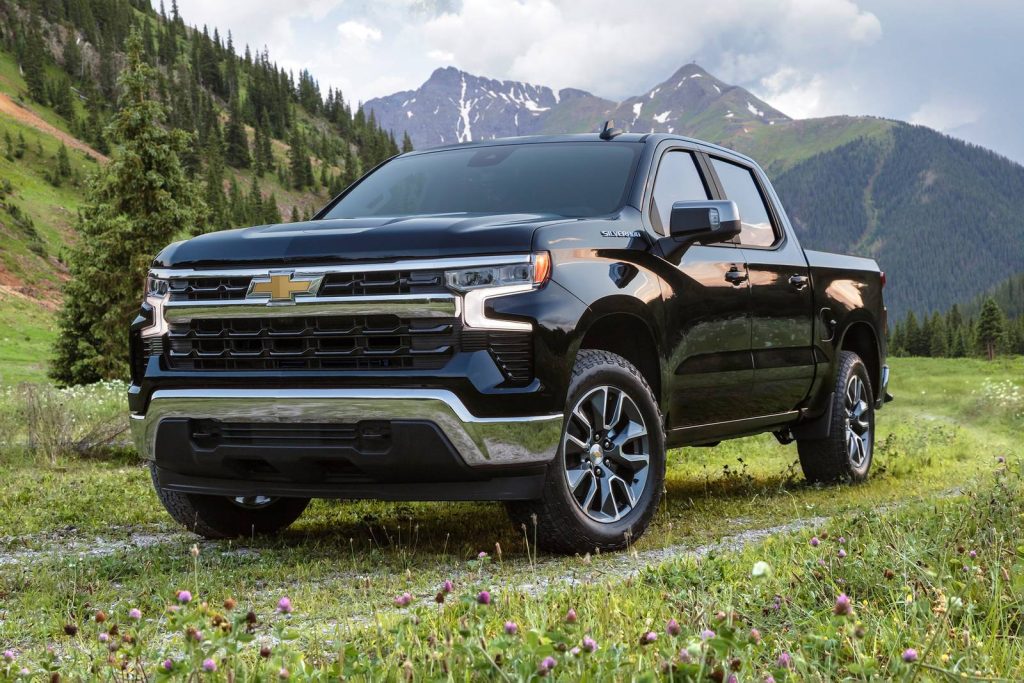
The first-generation Chevrolet Silverado 1500 carries a kind of quiet toughness that becomes more impressive the longer it stays on the road. It does not rely on flashy engineering or complicated systems to achieve longevity. Instead, it leans on proven mechanical layouts that continue to function long after expectations would suggest otherwise.
A large part of this reputation comes from its Vortec engines. These power plants are known for their ability to handle sustained use without developing serious internal issues when maintained properly. They deliver steady performance rather than pushing limits, which helps them avoid the kind of stress that shortens engine life in more aggressive designs.
What makes the Silverado particularly interesting is how it handles real-world usage. Many of these trucks are not treated gently. They spend years hauling equipment, towing trailers, and covering long distances in demanding conditions. Despite that, they often continue to run with a level of consistency that keeps owners confident in their reliability.
There is also a sense of familiarity that builds over time. The truck does not change its behaviour dramatically as it ages. It continues to respond in predictable ways, which is exactly what long-term owners value. That predictability encourages them to keep the vehicle rather than look for a replacement.
Maintenance remains straightforward, which plays a crucial role in reaching high mileage. Parts are widely available, and repairs can often be handled without excessive complexity. This accessibility allows owners to address issues early, preventing them from turning into larger problems.
Another factor worth noting is the durability of the truck’s structure. The frame and body are built to withstand years of use, and they hold up well under repeated stress. This structural integrity supports the mechanical components, allowing the entire vehicle to age more gracefully.
A Silverado that has crossed the 500,000-mile mark does not feel like a machine that has been pushed beyond its limits. Instead, it feels like one that was designed to endure, continuing to perform with steady confidence.
4. Dodge Ram 2500 (Second Generation)
The second-generation Dodge Ram 2500 takes a different approach to longevity, one that is rooted in heavy-duty capability. This is a truck built to handle serious work, and its ability to reach extreme mileage is closely tied to that purpose.
At the heart of many long-lasting examples is the Cummins diesel engine. Known for its durability, this engine is capable of running for hundreds of thousands of miles with proper care. It is designed to operate under heavy loads without compromising its internal components, which makes it a natural fit for long-term ownership.
What sets the Ram 2500 apart is how it embraces its role as a workhorse. It is not trying to be refined or overly comfortable. Instead, it focuses on delivering consistent performance under demanding conditions. This straightforward approach reduces the likelihood of unexpected failures, allowing the truck to remain dependable over time.
Owners who keep these trucks for decades often develop a routine that revolves around maintenance and improvement. Regular servicing ensures that the engine continues to operate smoothly, while the truck’s robust design minimises the need for frequent repairs.
The driving experience reflects this durability. It may not be as smooth as lighter-duty trucks, but it feels solid and capable. There is a sense that the truck is built to handle more than what is being asked of it, which contributes to its long lifespan.
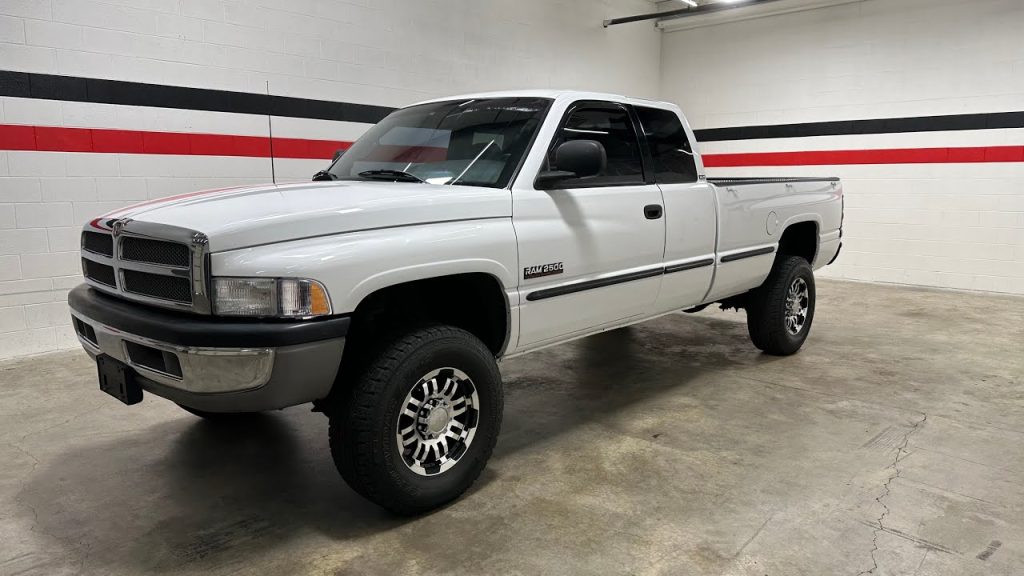
Another element that supports its longevity is the strength of its components. From the drivetrain to the suspension, everything is designed to less significant stress. This overbuilt nature allows the truck to endure years of heavy use without breaking down.
A Ram 2500 that has surpassed 500,000 miles stands as a testament to what happens when engineering prioritises strength and simplicity. It continues to function not because it was treated lightly, but because it was built to withstand the kind of work that would wear out lesser vehicles.
5. Toyota Tundra (First Generation)
The first-generation Toyota Tundra occupies a unique position among long-lasting trucks. It blends the reliability philosophy of smaller Toyota pickups with the capability expected from a full-size platform. That combination has allowed many original owners to push these trucks well beyond 500,000 miles without losing confidence in their performance.
What defines the Tundra’s endurance is not just its engine, but the consistency with which it delivers power. The V8 options, particularly from this era, are tuned to operate comfortably within their limits.
They do not chase extreme output figures, which helps reduce internal stress and prolongs engine life. This measured approach results in a powertrain that feels stable rather than strained, even after years of use.
There is also a noticeable smoothness in how the truck behaves over time. Unlike some vehicles that develop roughness or unpredictability as mileage increases, the Tundra tends to retain a steady character. Owners often describe it as dependable in a way that does not require constant attention or second-guessing.
Another aspect that contributes to its longevity is the quality of its assembly. Components fit together in a way that minimises unnecessary wear. The truck does not rattle itself apart under heavy use, which helps preserve both mechanical and structural integrity over the long term.
Maintenance remains straightforward and manageable. The truck does not demand specialised care, and its systems are designed to be accessible. This practicality encourages owners to keep up with servicing, which in turn supports the truck’s ability to reach extreme mileage.
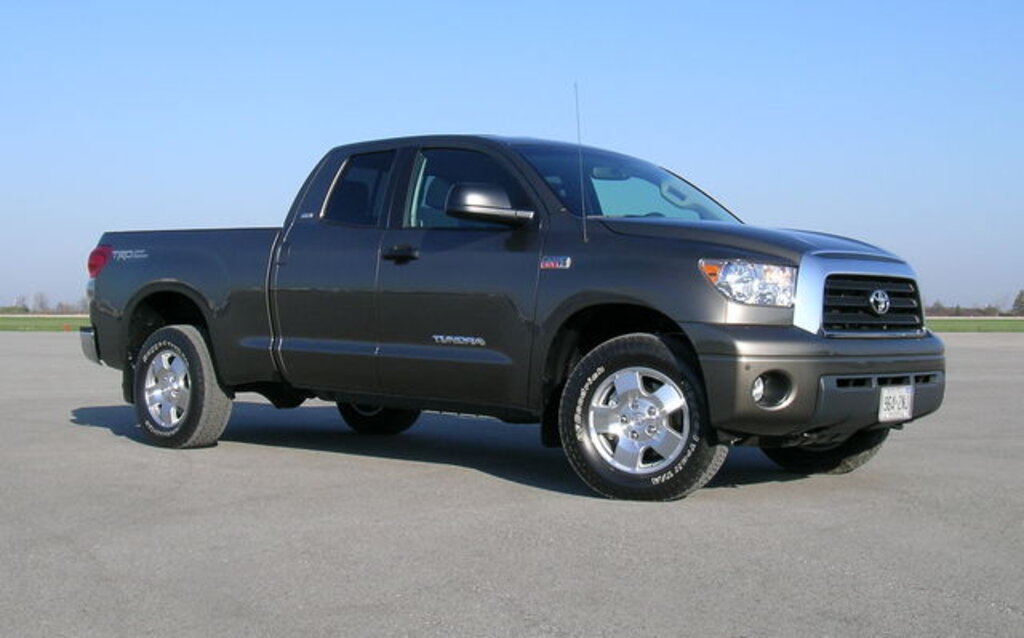
Driving a high-mileage Tundra reveals a vehicle that has aged with composure. It may carry the marks of years of work, but it continues to perform its role without hesitation. That sense of reliability builds a strong bond between owner and machine, making it easier to justify keeping the truck for decades.
The Tundra does not rely on one standout feature to achieve its longevity. Instead, it succeeds through a combination of balanced engineering, durable components, and a design philosophy that values consistency over complexity.
6. Nissan Frontier (First Generation)
The first-generation Nissan Frontier is often overlooked in conversations about long-lasting trucks, yet it has quietly proven itself capable of reaching remarkable mileage. Its strength lies in a straightforward design that avoids unnecessary complications while delivering dependable performance year after year.
At its core, the Frontier is built around engines that favour durability over aggressive tuning. These power plants are not pushed to their limits, which allows them to operate reliably for extended periods. They deliver consistent output without introducing the kind of stress that leads to premature wear.
One of the most notable qualities of the Frontier is how it adapts to daily use. It functions equally well as a work vehicle and a commuter, handling a variety of tasks without showing signs of strain. This versatility contributes to its long lifespan, as it is not confined to a single type of use that might accelerate wear.
There is also a certain simplicity in how the truck is constructed. Systems are easy to understand, and repairs do not require excessive effort. This accessibility makes it easier for owners to maintain the vehicle properly, which is essential for reaching high mileage.
Over time, many trucks begin to feel tired or inconsistent. The Frontier, however, tends to maintain a steady driving character. It does not develop sudden quirks or unpredictable behaviour, which helps owners trust it enough to keep driving it year after year.
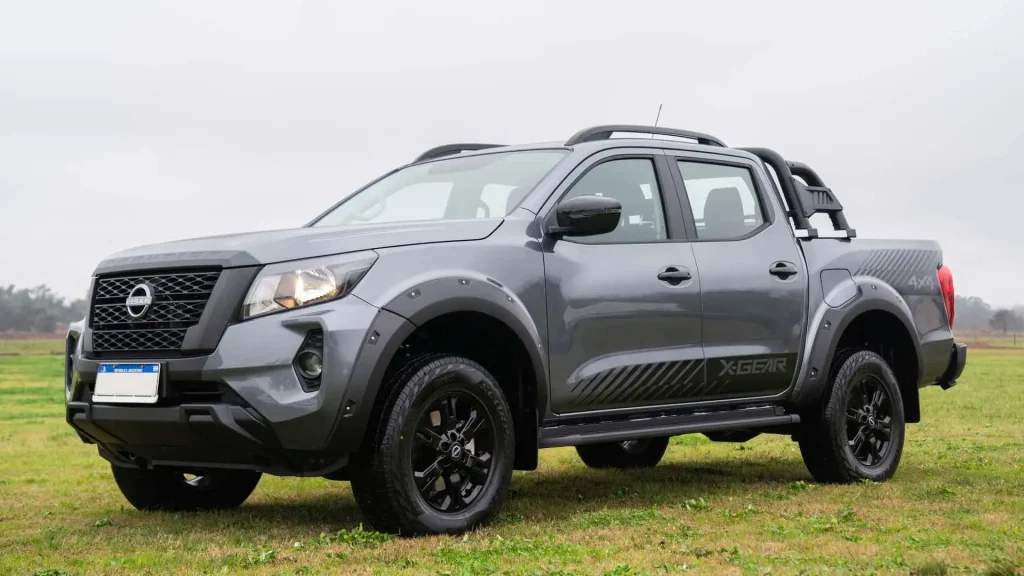
Another factor that supports its longevity is the durability of its frame and suspension. These components are designed to handle regular use without degrading quickly. They provide a stable foundation that allows the rest of the truck to perform reliably.
Owners who have kept their Frontier for hundreds of thousands of miles often describe it as a vehicle that simply refuses to quit. It continues to start, run, and complete its tasks without demanding attention beyond routine maintenance.
This quiet reliability is what allows the Frontier to stand alongside more recognised names in the high-mileage trucks.
7. GMC Sierra 1500 (First Generation)
The first-generation GMC Sierra 1500 shares much of its foundation with its Chevrolet counterpart, yet it carries its own identity when it comes to long-term ownership.
What becomes clear with trucks that cross extreme mileage is not just their ability to run, but how comfortably they settle into years of repeated use. The Sierra achieves this through a combination of mechanical consistency and a structure that resists fatigue.
Instead of focusing purely on engine durability, this truck benefits from how well its systems work together. The drivetrain operates with a kind of calm predictability, rarely introducing sudden changes in behaviour.
Owners who keep these trucks for decades often mention how little adjustment is required in their driving habits. The truck continues to respond in familiar ways, which builds a sense of trust that encourages long-term ownership.
Another detail that supports its longevity is how it handles stress over time. Rather than concentrating the load in specific areas, the Sierra distributes it evenly across its components. This reduces the likelihood of individual parts wearing out prematurely, allowing the entire vehicle to age at a slower pace.
The experience of driving a high-mileage Sierra is less about refinement and more about dependability. It may not feel modern, yet it retains a solid, grounded character that reassures the driver. There is no sense of fragility, even after years of heavy use.
Maintenance habits play a role, but the truck’s design makes that process manageable. Routine servicing keeps it in good condition, and the simplicity of its systems allows owners to address issues without excessive complexity. This accessibility is a key factor in why so many of these trucks remain on the road.
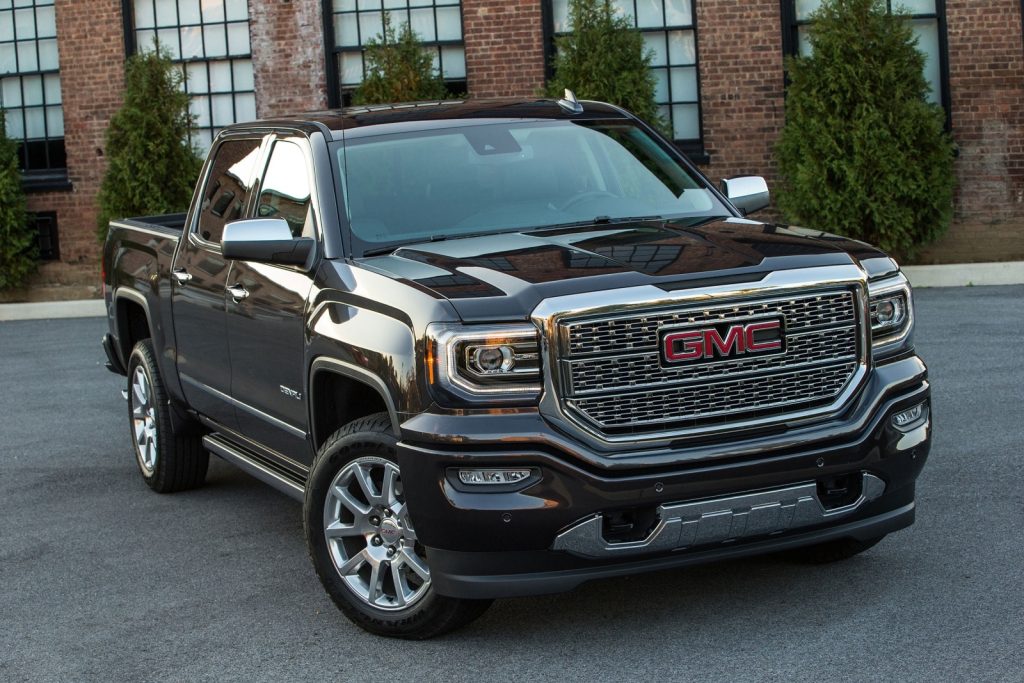
There is also a durability in the way the body and frame hold together. The truck does not develop the kind of structural looseness that often signals the end of a vehicle’s usable life. Instead, it continues to feel cohesive, even as mileage climbs far beyond typical expectations.
A Sierra that has passed 500,000 miles does not feel like a machine that has been stretched too far. It feels like one that was designed to handle exactly this kind of journey.
8. Toyota Hilux (Sixth and Seventh Generation)
Few trucks carry a reputation for endurance as strong as the Toyota Hilux. For decades, it has been associated with reliability in some of the harshest environments imaginable. What makes it particularly notable in this context is how many original owners have managed to keep their trucks running well past 500,000 miles.
The Hilux achieves this through a design that prioritises resilience above all else. Every component is built with the expectation that it will face demanding conditions. Whether it is rough terrain, heavy loads, or extreme climates, the truck is engineered to handle it without compromising its core functionality.
Its engines are a central part of this durability. They are not overly complex, and they are tuned to deliver steady performance rather than peak output. This approach reduces internal stress, allowing the engine to operate reliably for extended periods.
What sets the Hilux apart is how it continues to function even when conditions are far from ideal. It does not require perfect maintenance schedules or controlled environments to survive. Instead, it adapts to the reality of long-term use, continuing to perform its وظیفه without hesitation.
The driving experience reflects this rugged nature. It is not focused on comfort or refinement, but on delivering a sense of capability that remains consistent over time. Even after hundreds of thousands of miles, the truck retains a level of confidence that encourages owners to keep relying on it.
Another aspect worth highlighting is the durability of its construction. The frame, suspension, and body are all designed to withstand repeated stress. This structural strength supports the mechanical components, allowing the entire vehicle to endure years of use.
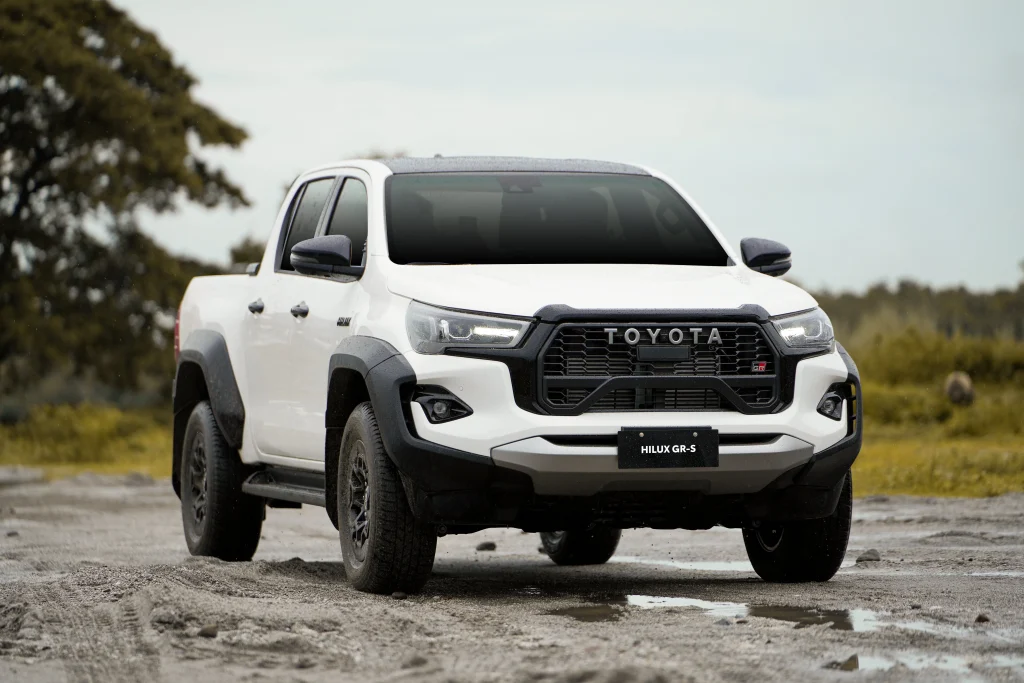
Owners often describe their Hilux as a tool rather than just a vehicle. It becomes something they depend on daily, and that dependence grows stronger as the truck continues to prove its reliability.
Reaching 500,000 miles in a Hilux is not seen as an exception but as a reflection of what the truck was built to do.
9. Chevrolet Colorado (First Generation)
The first-generation Chevrolet Colorado does not always get immediate recognition in high-mileage discussions, yet it has steadily built a reputation among long-term owners who value consistency more than headlines.
What allows this truck to cross the 500,000-mile mark is not a single standout feature, but a collection of well-matched components that age at a similar pace.
One of the most important traits here is balance. Colorado does not rely on extreme power or overly complex systems. Its engines deliver usable performance without placing unnecessary strain on internal parts. This measured approach reduces wear over time, allowing the truck to remain dependable through years of regular use.
There is also a sense of stability in how the truck behaves as mileage increases. It does not develop sudden changes in character. The steering, braking, and general drivability remain predictable, which is exactly what encourages owners to keep driving it rather than replacing it.
Another factor contributing to its longevity is how it handles routine work. Whether used for light hauling or daily commuting, the Colorado performs without feeling overburdened. This versatility means it is not constantly pushed beyond its limits, which helps preserve its mechanical integrity.
Maintenance is approachable, and accessibility plays a crucial role in long-term ownership. Owners can keep up with servicing without facing excessive complexity, ensuring that small issues are addressed before they escalate. This steady care supports the truck’s ability to reach extreme mileage.
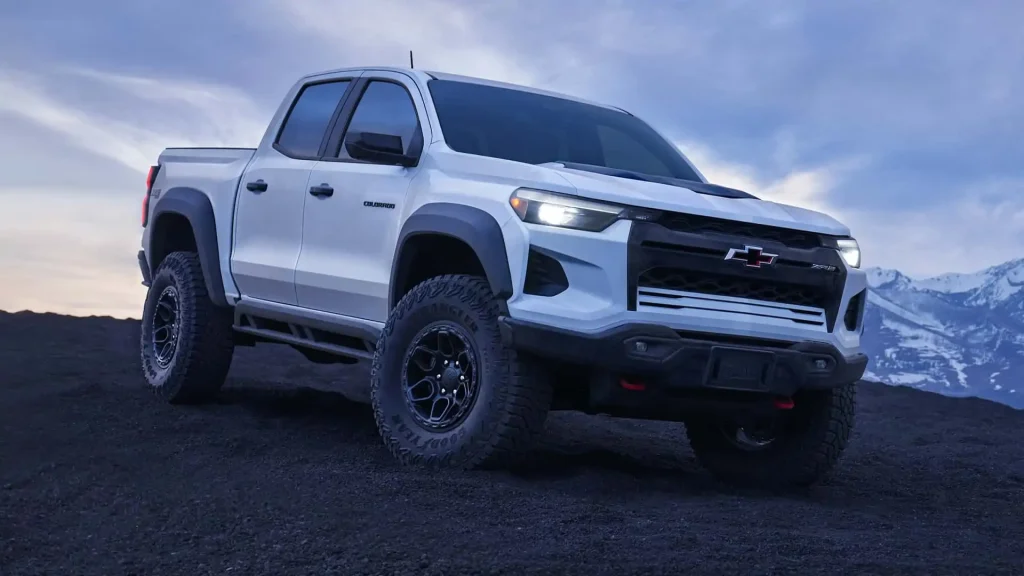
There is also durability in the way the truck holds itself together. The structure remains intact, and the components continue to function in harmony rather than wearing out unevenly. This cohesion is often what separates vehicles that last from those that gradually fall apart.
A Colorado that has surpassed half a million miles reflects a kind of quiet persistence. It does not demand attention, yet it continues to perform reliably, reinforcing the idea that longevity often comes from consistency rather than extremes.
10. Ford Ranger (Third Generation)
The third-generation Ford Ranger represents a philosophy of durability that is rooted in practicality. It is not designed to impress with size or luxury, but to deliver dependable performance in a straightforward package. That simplicity has allowed many original owners to keep their Rangers on the road well beyond 500,000 miles.
At the centre of this achievement is the truck’s ability to remain usable without becoming complicated. The engines are known for their steady performance, providing enough power for daily tasks without introducing unnecessary stress. They operate within a comfortable range, which helps extend their lifespan.
What becomes clear over time is how little the Ranger demands from its owner. It does not require constant attention or specialised care to keep running. This low-maintenance nature makes it easier for owners to stay consistent with servicing, which is essential for reaching such high mileage.
The driving experience evolves gradually rather than dramatically. The truck may show signs of age, but it continues to function in a way that feels familiar. This continuity builds trust, and that trust is a key reason why owners choose to keep it for decades.
Another element that supports its longevity is the durability of its construction. The frame and body are designed to handle regular use without developing significant structural issues. This strength allows the truck to remain stable even as mileage climbs.
There is also an efficiency in how the Ranger uses its components. Nothing feels overworked, and the truck does not rely on pushing its limits to perform its tasks. This restraint helps preserve its mechanical systems over the long term.
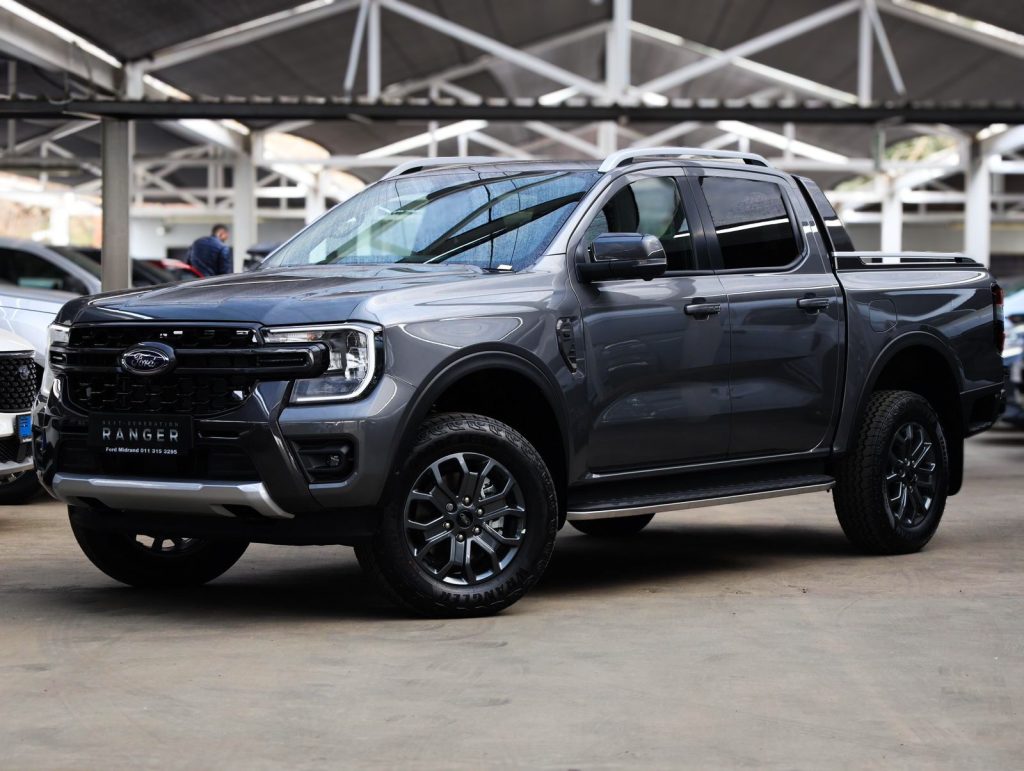
Owners who have driven their Rangers past the 500,000-mile mark often describe them as dependable companions rather than just vehicles. They continue to start, run, and complete their tasks with a level of reliability that feels almost routine.
The Ranger’s story is not about extraordinary moments but about consistent performance over time. That steady approach is what allows it to reach distances that many vehicles never achieve.
