

Modern SUVs are expected to deliver comfort that goes far beyond simple transportation, and heated steering wheels have quietly become one of the most appreciated cold-weather features.
For drivers in northern U.S. states, Canada, and other colder global regions, that warm steering wheel on a freezing morning can make the difference between a pleasant commute and an uncomfortable one.
Yet, like many convenience features, not all heated steering wheels are created equal. Some remain reliable and effective for years, while others begin to fail prematurely, leaving owners frustrated and facing unexpected repair costs.
This contrast often comes down to engineering choices, material quality, and how well manufacturers integrate heating elements into the steering wheel design. In certain SUVs, the heating system is robust, evenly distributed, and capable of maintaining consistent temperatures even after years of use.
These vehicles tend to come from brands that prioritise long-term durability and invest in high-quality wiring, insulation, and control modules. On the other hand, some SUVs suffer from weak heating elements, uneven heat distribution, or systems that degrade quickly due to poor design or cost-cutting measures.
Another factor influencing reliability is how frequently the feature is used and how it interacts with other vehicle systems. Heated steering wheels that are tied into complex electronic modules may fail if even a minor electrical issue arises.
In contrast, simpler and well-insulated systems tend to last longer because they are less prone to cascading failures. Climate also plays a role, as repeated exposure to extreme cold can accelerate wear in poorly designed systems.
This article compares two distinct groups of SUVs. The first includes five models where heated steering wheels continue to function reliably even after years of ownership.
These are vehicles known for durability, thoughtful engineering, and consistent performance. The second group highlights five SUVs where heated steering wheels are more likely to burn out or lose effectiveness over time, often due to design compromises or component weaknesses.
By understanding which SUVs excel and which struggle in this area, buyers can make more informed decisions, especially if cold-weather comfort is a priority.
Also Read: 8 Trucks Where the Frame Doesn’t Rust in New England Winters
5 SUVs Where Heated Steering Wheels Still Work
Heated steering wheels may seem like a small feature, but their reliability reflects a deeper commitment to quality. SUVs that maintain this function over many years tend to share certain characteristics.
They use better insulation around heating elements, higher-grade wiring, and smarter temperature regulation systems that prevent overheating and premature wear. These vehicles are often engineered with longevity in mind, meaning their comfort features age just as well as their mechanical components.
Another important aspect is consistency. A good heated steering wheel does not just work when the vehicle is new. It delivers even warmth across the entire rim, avoids hot spots, and continues functioning after thousands of heating cycles.
Owners of these SUVs rarely report failures, even after years of exposure to harsh winters. This reliability adds to the full ownership experience, especially in regions where winter driving is unavoidable.
Manufacturers that excel in this area typically integrate the heating system into the steering wheel in a way that protects it from physical wear.
The materials used in the wheel covering also play a role, as higher-quality leather or synthetic materials help retain heat while protecting the internal components. In contrast, cheaper materials can degrade and expose the heating elements to stress.
The following five SUVs stand out because their heated steering wheels are known to last. These models have built reputations for durability, and their performance in cold-weather comfort features is no exception.
Each one demonstrates a different approach to achieving long-term reliability, whether through overengineering, simplicity, or premium materials.
1. Toyota Highlander
The Toyota Highlander earns its place here through a philosophy that prioritises long-term dependability over flashy features. Toyota has a history of building systems that continue working long after competitors begin to show wear, and the heated steering wheel is no exception.
In the Highlander, the heating element is evenly distributed across the wheel, avoiding the common issue of partial heating. Many SUVs only heat the sides of the wheel, leaving cold spots at the top and bottom. Toyota’s approach ensures a uniform experience, which reduces strain on specific sections of the heating element and helps extend its lifespan.
Another reason for its durability lies in Toyota’s conservative engineering. Instead of pushing the system to deliver extremely high temperatures, the Highlander maintains a moderate and consistent warmth.
This prevents overheating, which is a common cause of premature failure in heating elements. The system cycles intelligently, maintaining comfort without putting unnecessary stress on the components.
Owners frequently report that the heated steering wheel continues to function flawlessly even after years of daily use. This reliability is especially valued in colder regions where the feature is used frequently throughout the winter months.
The Highlander’s reputation for long-term ownership satisfaction extends beyond its engine and transmission to include these smaller but important details.
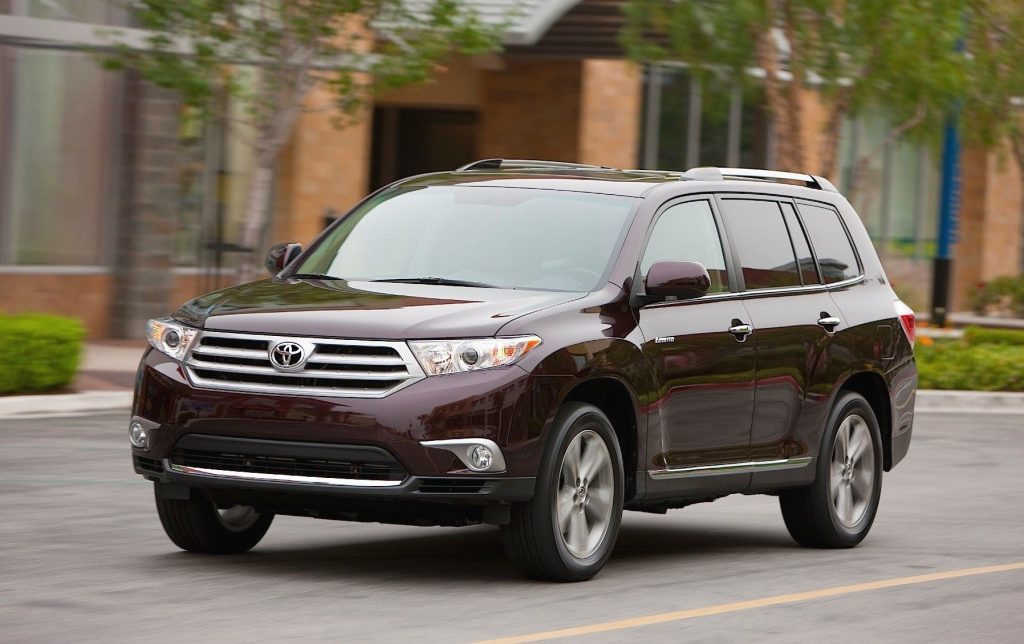
The materials used in the steering wheel also contribute to its longevity. The leather wrapping is thick and durable, providing both insulation and protection for the heating element beneath. This reduces wear caused by constant handling and temperature fluctuations.
This SUV is included because it represents a benchmark for reliability. It shows that when a manufacturer focuses on durability and avoids unnecessary complexity, even comfort features can stand the test of time.
2. Volvo XC90
The Volvo XC90 takes a different path, combining luxury with careful engineering to ensure that its heated steering wheel remains dependable over time. Volvo has long been associated with cold-weather performance, and this experience is evident in how the XC90 handles its heating systems.
Unlike many competitors, Volvo integrates advanced temperature regulation into the steering wheel system. Sensors monitor heat levels and adjust output dynamically, preventing overheating while maintaining a comfortable warmth. This intelligent control reduces wear on the heating elements, which is a key factor in long-term reliability.
The XC90 also benefits from high-quality materials. The steering wheel is wrapped in premium leather that retains heat effectively while protecting the internal components. This not only enhances comfort but also shields the heating elements from external stress, such as repeated gripping and environmental exposure.
Another strength of the XC90 is its attention to detail in wiring and insulation. Volvo uses robust wiring harnesses that are less prone to degradation, even after years of use. This reduces the likelihood of electrical failures, which are a common cause of heated steering wheel issues in other SUVs.
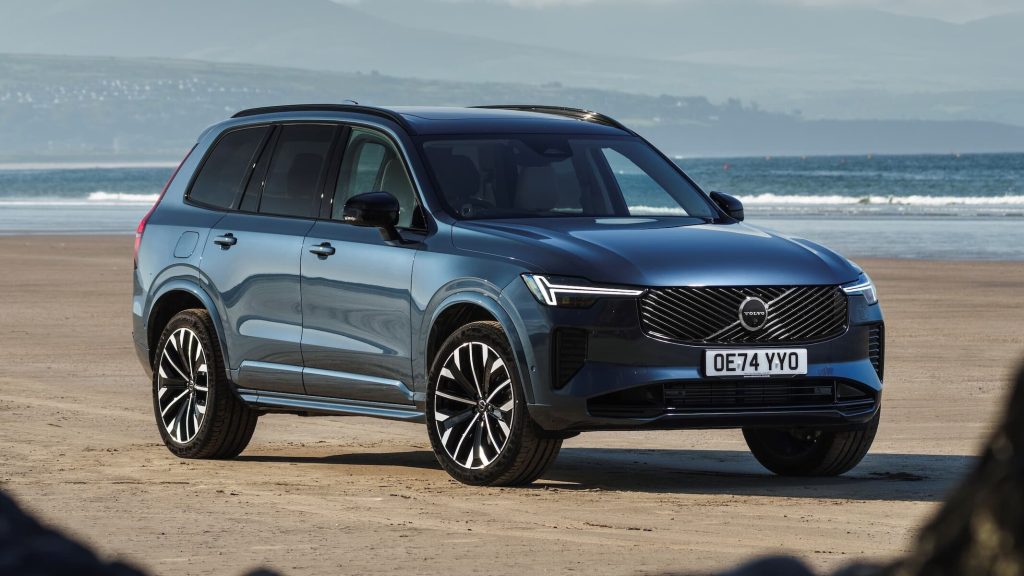
Drivers often note that the heated steering wheel in the XC90 feels just as effective after several winters as it did when new. The heat distribution remains even, and the system activates quickly, which is crucial during extremely cold mornings.
This SUV is included because it demonstrates how luxury and durability can coexist. Volvo does not treat the heated steering wheel as a simple add-on feature. Instead, it is engineered as an integral part of the vehicle’s cold-weather capability.
3. Subaru Outback
There is a practical, almost understated strength in how the Subaru Outback approaches cold-weather features. Unlike luxury-focused rivals that rely on complex electronics, Subaru leans into durability through simplicity, and that philosophy directly benefits the heated steering wheel system.
The Outback is designed for harsh environments from the beginning. It is frequently used in snowy U.S. regions like Colorado, Vermont, and the Pacific Northwest, as well as in colder global markets.
Because of this, Subaru engineers its heating systems to handle repeated use in low temperatures without degradation. The steering wheel heater is not overly aggressive in output, but it is consistent and dependable, which is exactly what matters in long-term ownership.
One notable aspect is how quickly the system activates. Instead of ramping up slowly, the Outback delivers warmth within seconds, making it particularly useful during early morning starts in freezing conditions. This responsiveness is achieved without pushing the heating element to extremes, which helps preserve its lifespan.
The structure of the steering wheel itself plays a role. Subaru uses a firm, well-padded rim that protects internal wiring from stress caused by constant gripping and turning. This reduces micro-damage over time, a subtle but important factor in why the system continues to function reliably even after years of use.
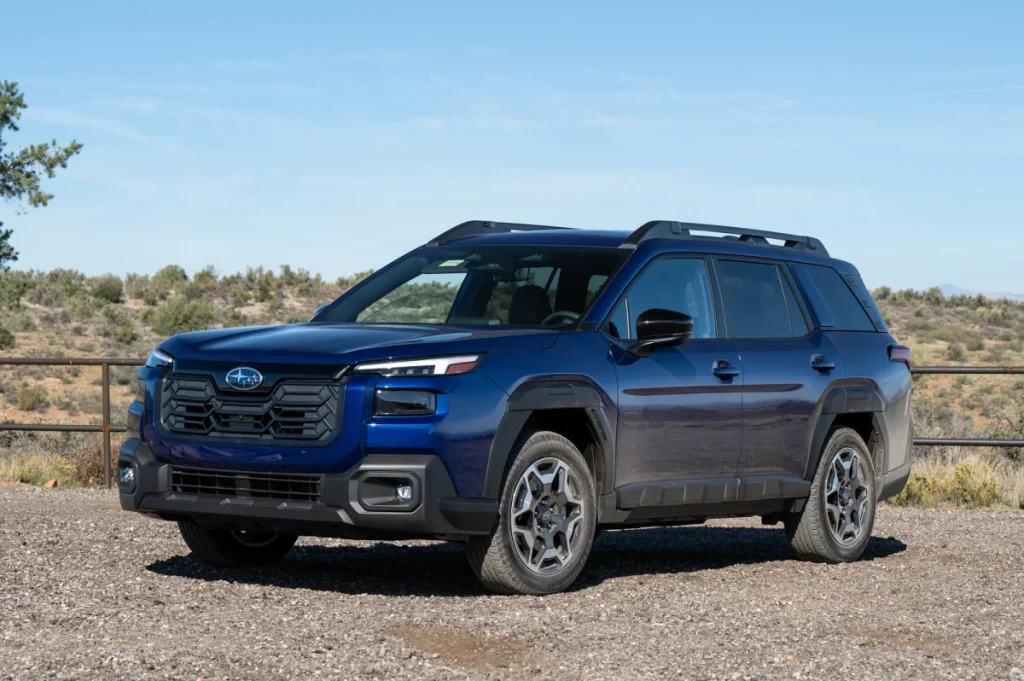
Owners rarely complain about failures in this area, and when they do, it is usually tied to external electrical issues rather than the heating element itself. That distinction matters because it highlights the robustness of the core system.
The Outback earns its place here because it proves that reliability does not require complexity. By focusing on real-world usage conditions and avoiding unnecessary strain on components, Subaru delivers a heated steering wheel that continues to perform season after season without drama.
4. Ford Explorer
The Ford Explorer takes a more balanced approach, blending modern technology with durability in a way that suits a wide range of drivers. As one of the most popular SUVs in the United States, it is expected to perform reliably across diverse climates, from icy northern states to milder regions where the feature is used less frequently.
What sets the Explorer apart is its well-calibrated heating system. The steering wheel does not just heat up quickly; it maintains a stable temperature without noticeable fluctuations. This stability reduces thermal cycling stress, which is a common cause of wear in heating elements over time.
Ford has also refined the integration between the heated steering wheel and the vehicle’s broader climate control system. In many trims, the feature can activate automatically in cold conditions, ensuring consistent usage patterns. This controlled activation helps prevent overheating and extends the life of the system.
Material quality is another strong point. The Explorer’s steering wheel covering is designed to withstand frequent use while maintaining insulation. This ensures that heat is retained efficiently, allowing the system to operate at lower power levels while still delivering comfort.
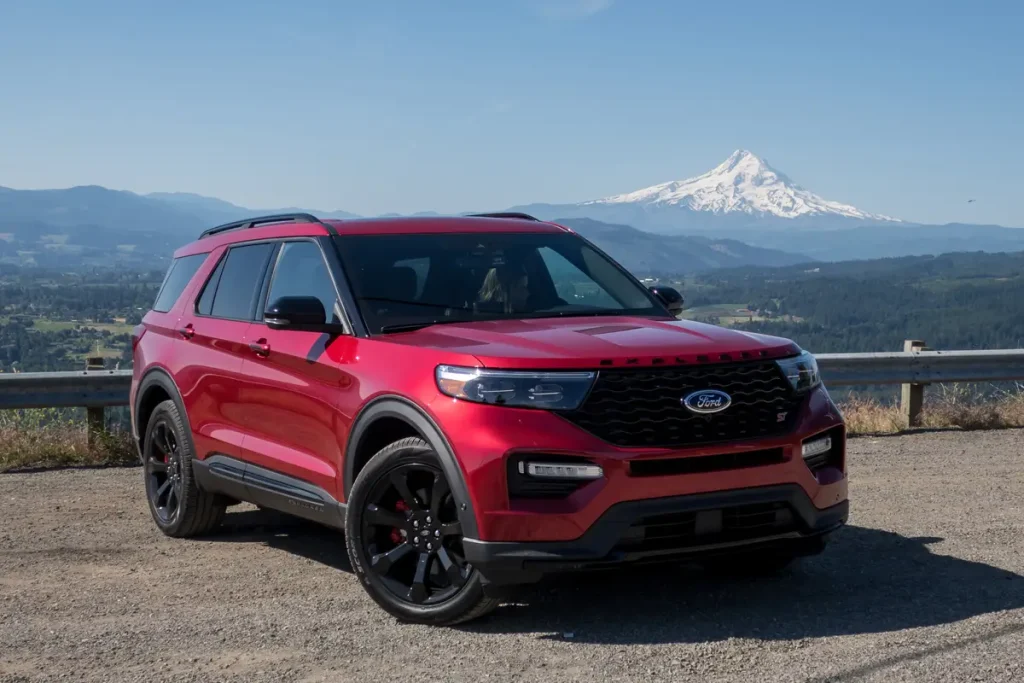
There is also a noticeable improvement in wiring durability compared to older Ford models. The company has addressed past issues by using more resilient connectors and better insulation, reducing the likelihood of electrical faults that could disable the heating function.
Drivers often report that even after several winters, the heated steering wheel continues to perform without loss of effectiveness. This consistency is crucial for a vehicle that is often used as a family SUV, where reliability across all features matters.
The Explorer is included because it represents how a high-volume, mainstream SUV can still deliver dependable comfort features. It shows that reliability is not limited to niche or premium brands but can be achieved at scale with thoughtful engineering.
5. Lexus RX
The Lexus RX approaches heated steering wheel durability with a level of refinement that reflects the brand’s reputation for long-term quality. While many manufacturers treat this feature as a secondary comfort add-on, Lexus integrates it as part of a broader philosophy centred on consistency, longevity, and user satisfaction over time.
What stands out immediately is the smoothness of the heat delivery. The RX does not produce sharp bursts of warmth or uneven patches across the wheel.
Instead, the heat builds gradually and spreads uniformly, creating a balanced feel that avoids stressing specific sections of the internal heating element. This controlled behaviour is a major reason the system tends to last longer than average.
Lexus also invests heavily in component quality. The wiring, connectors, and insulation used within the steering wheel assembly are designed to withstand repeated heating cycles without degradation.
These parts are not visible to the driver, yet they play a critical role in preventing failures that commonly affect less robust systems. Over time, this attention to detail becomes evident as the feature continues to function just as intended.
Another factor is how the RX manages temperature limits. The system is programmed to stay within a safe thermal range, ensuring that it never overheats even during extended use in extremely cold conditions. This protective strategy minimises wear and helps maintain performance year after year.
The tactile experience contributes as well. The steering wheel is wrapped in high-grade leather that retains warmth effectively while shielding the internal components from external stress. This combination of comfort and protection adds another layer of durability.
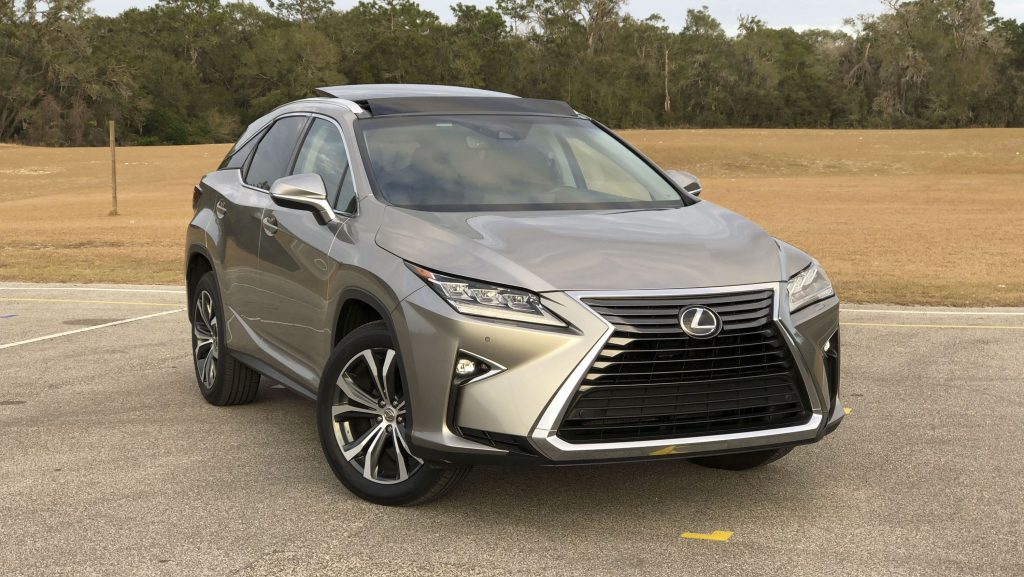
Owners frequently highlight that even after many winters, the heated steering wheel feels unchanged in performance. It activates reliably, maintains consistent warmth, and does not develop cold spots or weak areas.
This SUV is included because it represents a near-ideal execution of the feature. It demonstrates how careful engineering, premium materials, and conservative thermal management can come together to create a system that remains dependable long after the novelty of the feature has worn off.
5 That Burn Out Fast
Not every heated steering wheel is built with longevity in mind. In some SUVs, the feature works well initially but begins to degrade far sooner than expected. The reasons vary, but they often point back to design compromises, cost-cutting decisions, or overly aggressive heating strategies that place unnecessary strain on internal components.
One common issue is uneven heat distribution. When certain sections of the steering wheel generate more heat than others, those areas experience greater stress, leading to premature wear.
Over time, this imbalance can cause partial failures, where only parts of the wheel heat up while others remain cold. This is often one of the earliest signs that the system is deteriorating.
Electrical reliability is another weak point in many cases. Heated steering wheels rely on wiring that must endure constant movement and temperature changes.
If the materials or insulation are not up to standard, the system becomes vulnerable to shorts or breaks. In some SUVs, even minor electrical issues elsewhere in the vehicle can disrupt the heating function.
There is also the problem of excessive heat output. While a hotter steering wheel may feel impressive at first, it can accelerate the ageing of the heating elements. Systems that lack proper temperature regulation are particularly prone to this issue, as they expose components to repeated thermal stress without adequate protection.
Usage patterns amplify these weaknesses. In colder regions, where drivers rely on the feature daily, poorly designed systems tend to fail much sooner. This makes reliability especially important for buyers who live in climates where winter conditions are severe.
The following five SUVs are included because they have shown a tendency for heated steering wheel issues over time. Each one highlights a different kind of problem, from inconsistent heating to electrical fragility. Understanding these shortcomings can help buyers avoid unexpected frustrations and make more informed decisions.
1. Jeep Grand Cherokee
The Jeep Grand Cherokee delivers strong off-road capability and a premium interior in higher trims, but its heated steering wheel has been a point of inconsistency for some owners. While the feature performs well initially, long-term reliability has not always matched expectations.
A recurring issue lies in uneven heat distribution. Certain sections of the steering wheel tend to heat more than others, creating localised stress points. Over time, these areas are more likely to experience degradation, leading to partial heating or complete failure.
Another concern is the electrical integration. The Grand Cherokee relies on a network of electronic modules, and the heated steering wheel is tied into this system. When even a minor electrical fault occurs, it can disrupt the feature entirely. This interconnected design increases the chances of failure compared to more isolated systems.
The heating output itself can also be relatively aggressive. While this provides quick warmth, it places additional strain on the internal components. Repeated exposure to higher temperatures accelerates wear, especially in regions where the feature is used frequently.
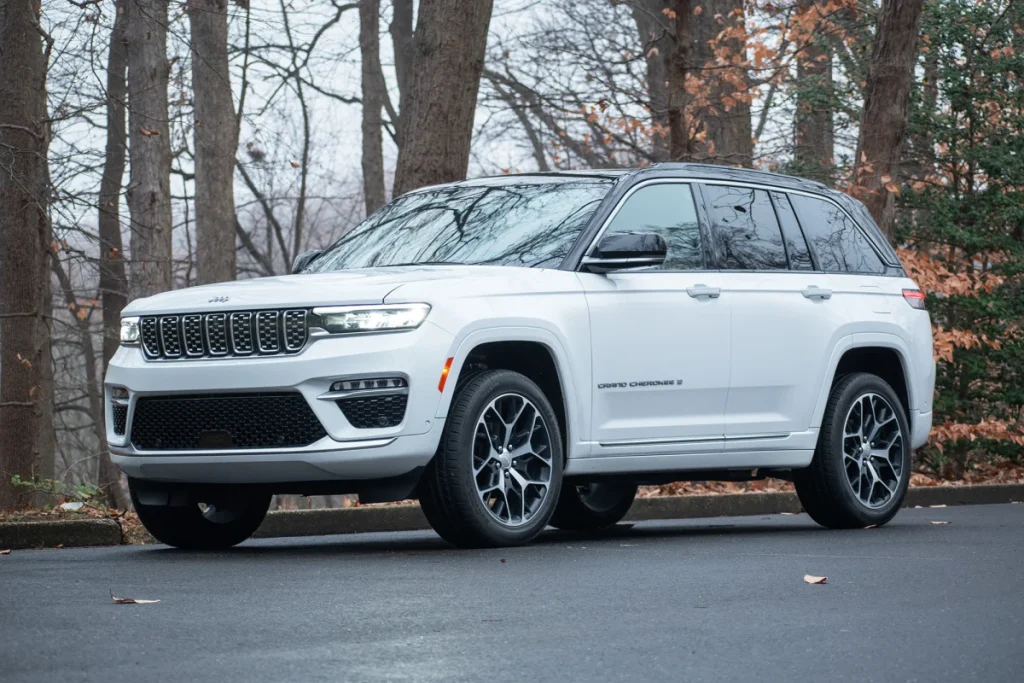
Material durability plays a role as well. In some cases, the steering wheel covering shows signs of wear that can indirectly affect the heating system beneath. As the outer layer degrades, it exposes the internal elements to more stress from daily use.
Owners have reported that after a few winters, the system may begin to lose effectiveness or stop working altogether. These issues do not affect every vehicle, but they occur often enough to raise concerns about long-term durability.
The Grand Cherokee is included because it highlights how complexity and aggressive performance can sometimes work against reliability. Despite its strengths in other areas, the heated steering wheel does not always deliver the same level of dependability over time.
2. Chevrolet Traverse
The Chevrolet Traverse focuses on space, comfort, and practicality, making it a popular choice for families. However, its heated steering wheel has shown signs of inconsistency in long-term use, particularly in colder climates where the feature is relied upon heavily.
One of the primary concerns is the gradual loss of heating efficiency. The system may start out performing well, but over time, drivers notice that it takes longer to warm up or does not reach the same temperature as before. This decline suggests wear within the heating elements themselves.
Unlike some competitors that emphasise even heat distribution, the Traverse can develop subtle inconsistencies across the wheel. These variations may not be obvious at first but become more noticeable as the system ages. Eventually, certain sections may stop heating altogether.
The underlying cause often points to material quality and design choices. The heating elements and wiring do not appear to be as robust as those found in more durable systems. Repeated cycles of heating and cooling can lead to fatigue, which gradually reduces performance.
Another factor is how the system interacts with the vehicle’s electrical components. While not overly complex, it is still sensitive to voltage fluctuations and minor electrical issues. These can interfere with the operation of the heated steering wheel, sometimes causing intermittent functionality.
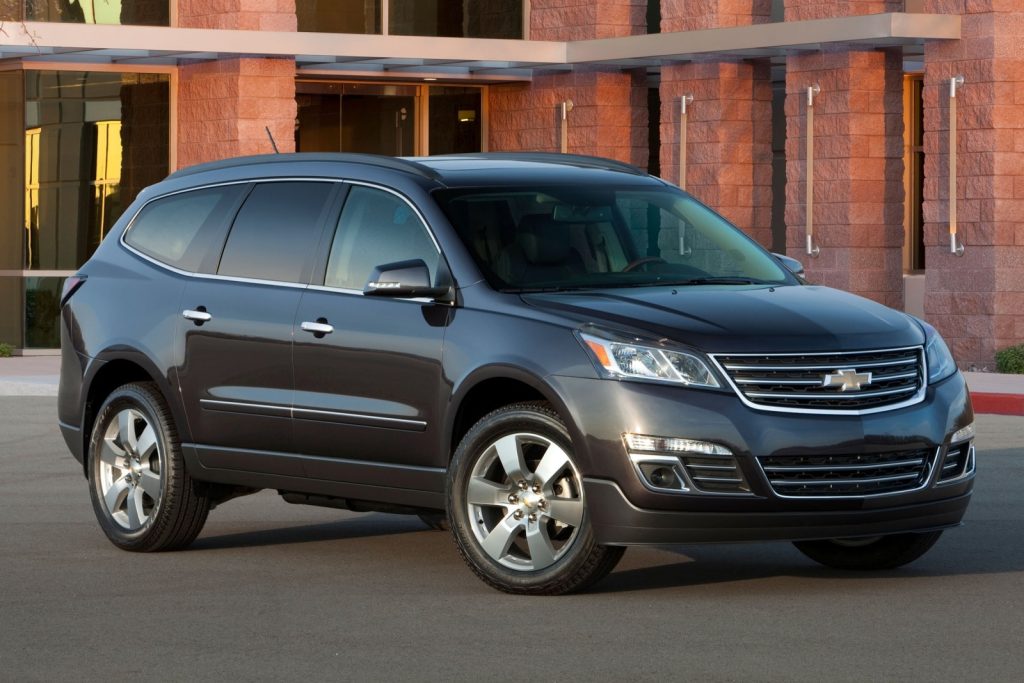
Owners in colder regions have reported that the feature may fail within a few years of regular use. For a vehicle designed to provide comfort and convenience, this can be a frustrating drawback.
The Traverse is included because it demonstrates how a feature can meet expectations initially but fall short in the long run. It serves as a reminder that durability is just as important as comfort when evaluating cold-weather features.
3. Nissan Rogue
Early impressions of the Nissan Rogue’s heated steering wheel are usually positive. It warms up quickly, feels comfortable to the touch, and adds a welcome layer of convenience during cold mornings. The problem tends to surface later, once the vehicle has gone through multiple winter seasons and repeated heating cycles.
A pattern seen among owners is gradual inconsistency. The wheel may begin heating unevenly, with certain sections lagging or remaining noticeably cooler. This is often the first indication that the internal heating grid is weakening.
Unlike more robust systems that maintain uniform performance, the Rogue’s setup appears more sensitive to long-term stress.
Part of the issue comes from how the heating elements are embedded. The design prioritises quick response, but that responsiveness can come at the cost of durability. Frequent expansion and contraction of the materials during heating cycles slowly affect the integrity of the system. Over time, this leads to reduced efficiency or partial failure.
Another contributing factor is the steering wheel’s outer material. While comfortable when new, it does not always provide the same level of insulation and protection as higher-end alternatives. This exposes the heating components to additional wear from daily use, especially in regions where gloves are not commonly worn while driving.
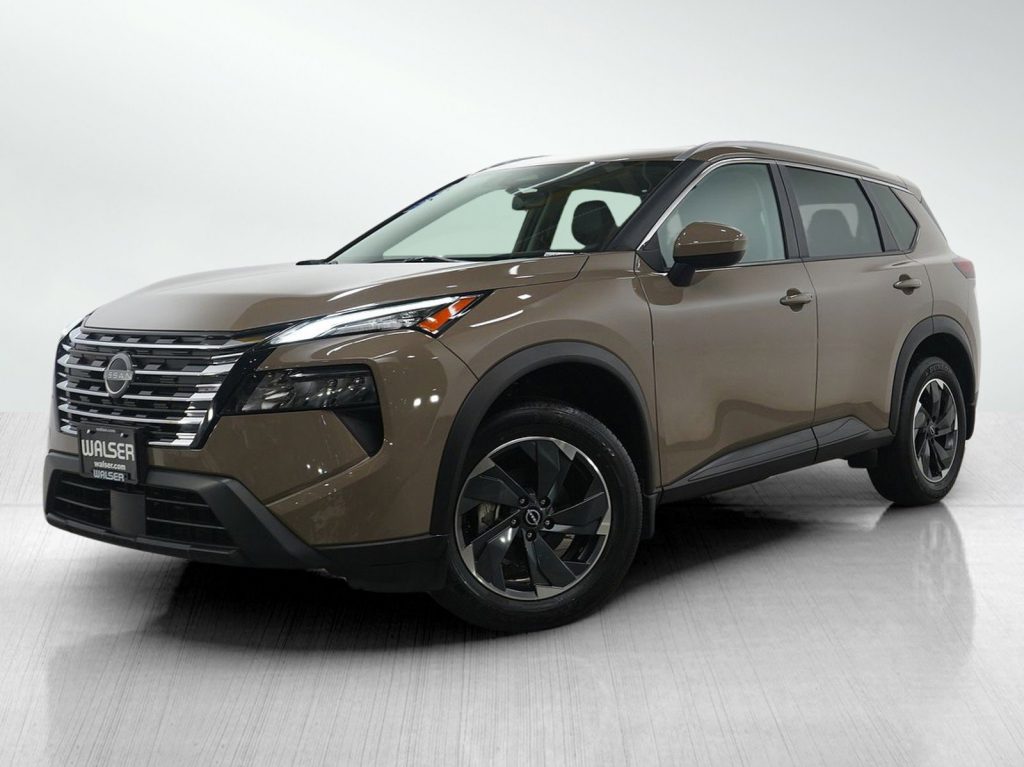
Electrical sensitivity adds another layer of concern. Minor voltage fluctuations or small wiring issues elsewhere in the vehicle can interfere with the system, causing intermittent operation. This makes the feature feel less dependable as the vehicle ages.
The Rogue is included because it highlights a case where initial comfort does not translate into long-term reliability. It works well early on, but repeated use reveals limitations in durability that become harder to ignore.
4. Hyundai Santa Fe
The Hyundai Santa Fe positions itself as a value-rich SUV packed with features, and its heated steering wheel fits that description perfectly at first. It delivers strong warmth, quick activation, and a premium feel that rivals more expensive vehicles. However, this impressive start does not always hold up over extended ownership.
One noticeable trait is the relatively high heat output. While this creates a satisfying initial experience, it also places more strain on the heating elements. Systems that operate at higher temperatures tend to age faster, especially when used frequently in colder climates. Over time, this can lead to a drop in performance or uneven heating.
The distribution of heat can also shift as the system ages. What begins as a consistent, evenly warmed surface may develop subtle variations, eventually progressing to more obvious cold spots. This gradual change often goes unnoticed until it reaches a point where the difference becomes difficult to ignore.
The Santa Fe’s reliance on integrated electronics adds another dimension. The heated steering wheel is tied into broader comfort systems, and while this allows for convenient automation, it also increases the chances of malfunction if any related component experiences issues. Even minor glitches can disrupt the feature’s operation.
Material wear contributes as well. The steering wheel covering, although initially soft and appealing, may not provide long-term resilience against repeated heating and handling. As it ages, it offers less protection to the internal components.
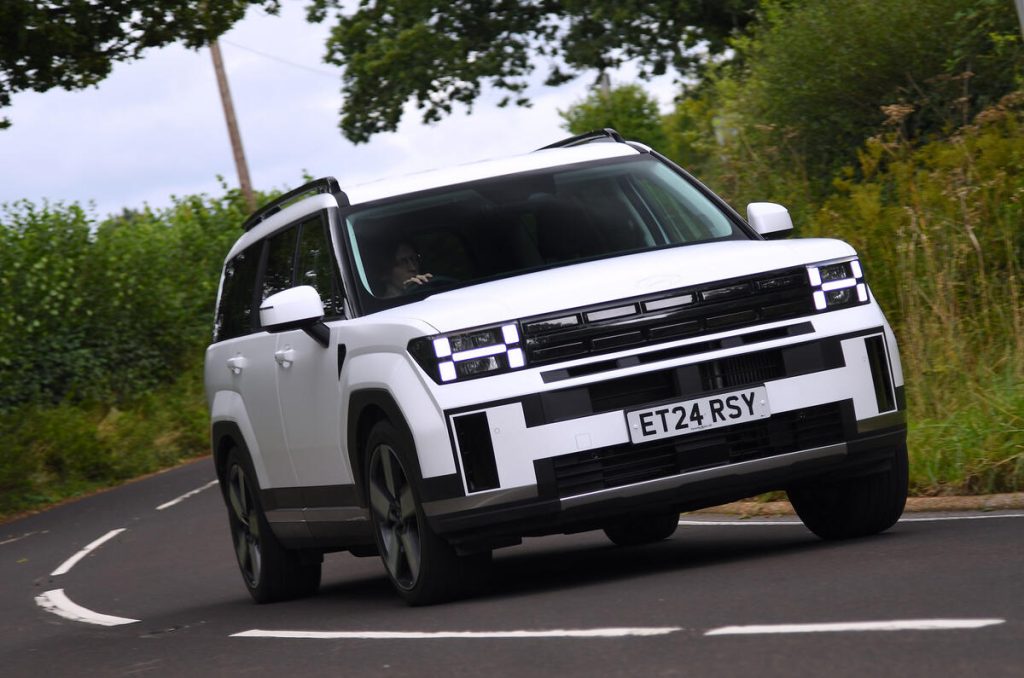
This SUV appears here because it represents a feature that impresses early but struggles to maintain that level of performance over time. It reflects how pushing for strong immediate comfort can sometimes compromise durability.
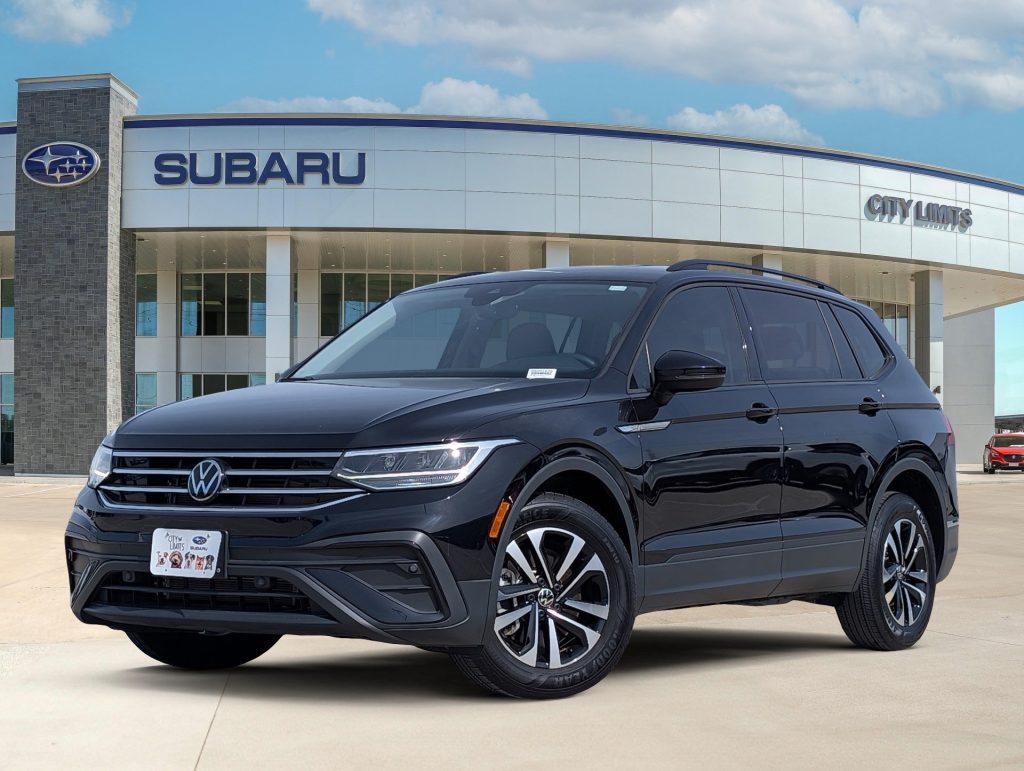
5. Volkswagen Tiguan
The Volkswagen Tiguan takes a more refined and understated approach to interior features, and its heated steering wheel follows that pattern. It does not aim for aggressive heat output, instead focusing on a controlled and subtle warmth. While this might suggest longevity, real-world ownership tells a more complicated story.
One of the main concerns is inconsistency over time. The system may continue to function, but the level of warmth often becomes less predictable. Some days it performs as expected, while on others it feels weaker or slower to respond. This variability can make the feature feel unreliable, even if it has not completely failed.
The underlying issue often relates to electrical connections. The Tiguan’s system depends on precise communication between modules, and small disruptions can affect performance. These disruptions are not always severe enough to trigger warning lights, which makes diagnosis more difficult for owners.
There is also the matter of gradual efficiency loss. The heating element may not burn out entirely but instead lose its ability to generate consistent warmth. This kind of degradation is subtle but frustrating, as it diminishes the usefulness of the feature without a clear point of failure.
The steering wheel’s construction plays a part as well. While comfortable and well-finished, it does not always provide the same level of long-term protection for the heating components as more durability-focused designs. Repeated use and temperature changes slowly take their toll.
The Tiguan is included because it illustrates a quieter form of failure. Rather than stopping abruptly, the system fades in effectiveness, leaving drivers with a feature that no longer delivers the comfort it once promised.
Also Read: 7 Trucks With Doors That Close With A Solid Sound And 7 That Sound Cheap
