
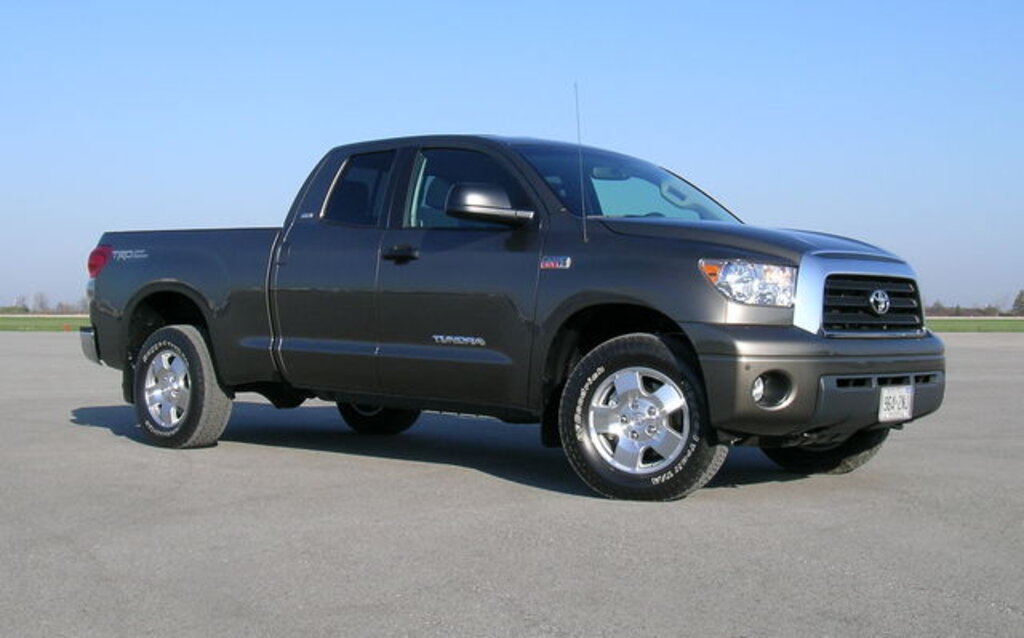
Side mirrors on trucks are often underestimated until something goes wrong. Unlike smaller vehicles, trucks rely heavily on mirror stability for lane awareness, towing visibility, and safe manoeuvring in tight or high-speed environments.
A properly adjusted mirror that stays in place can make long-distance driving predictable and controlled. On the other hand, mirrors that vibrate, drift, or require constant readjustment introduce unnecessary stress and reduce driver confidence.
This difference becomes even more critical when towing heavy loads or driving on uneven highways, where stability is not optional but essential.
Across both the USA and global markets, truck manufacturers approach mirror design with varying priorities. Some focus on durability and mechanical strength, ensuring that mirrors remain steady even under vibration from rough terrain or strong crosswinds.
Others prioritise design flexibility, folding mechanisms, or lightweight construction, which can sometimes compromise long-term stability. As a result, two trucks that appear similar on paper can deliver very different real-world experiences when it comes to mirror performance.
Another factor that influences mirror behaviour is mounting design. Mirrors attached to reinforced brackets with minimal flex tend to hold their position far better than those mounted with lighter materials or more complex joints.
Aerodynamics also plays a role. Poorly shaped mirror housings can catch wind at highway speeds, leading to subtle but constant vibration that affects visibility. Over time, even small movements can become frustrating, especially for drivers who rely on precise alignment for towing or highway cruising.
This article takes a closer look at both sides of the equation. First, it highlights trucks where mirrors remain stable and dependable, contributing to a more controlled driving experience. Then it shifts focus to trucks,s where mirror vibration or loosening can become an issue.
The aim is to show how a seemingly small component can have a significant impact on everyday usability and long-distance comfort.
Also Read: 5 Vehicles Where the Heater Still Works at 250K vs 5 Where It Quits at 80K
5 Trucks With Mirrors That Stay Adjusted
Mirror stability is not accidental. It comes from a combination of strong mounting points, well-designed housings, and careful engineering that accounts for real-world driving conditions. Trucks that perform well in this area tend to feel more composed, especially at highway speeds or while towing.
These models often feature reinforced brackets and tightly calibrated adjustment mechanisms that resist movement over time.
The mirrors do not just stay in place when parked; they remain steady during long drives, rough roads, and varying weather conditions. This consistency reduces the need for constant corrections and allows drivers to focus fully on the road.
The following trucks represent different approaches to achieving this stability. Some prioritise heavy-duty construction, while others refine aerodynamics or integrate advanced mirror systems. Each example highlights a distinct method of delivering reliable mirror performance without repeating the same design philosophy.
1. Ford F-150
The Ford F-150 approaches mirror stability with a balance of strength and refinement, making it one of the most consistent performers in this area. Designed for both daily driving and demanding workloads, its mirror system reflects a careful blend of durability and precision.
One of the defining characteristics is the rigidity of the mounting structure. The mirrors are anchored to the door with minimal flex, which helps maintain alignment even when driving over uneven surfaces. At sustained highway speeds, this stability helps prevent minor vibrations from becoming more pronounced in less secure designs.
Aerodynamic shaping also contributes to the F-150’s performance. The mirror housings are designed to reduce wind resistance, limiting the amount of air turbulence that can cause shaking. As a result, the mirrors remain visually steady, allowing drivers to maintain a clear view of surrounding traffic without distraction.
The adjustment mechanism itself is another area of strength. Once set, the mirrors hold their position firmly, resisting gradual drift that can occur over time in weaker systems. This reliability is especially valuable for drivers who frequently tow trailers, where precise mirror alignment is critical for maintaining awareness.
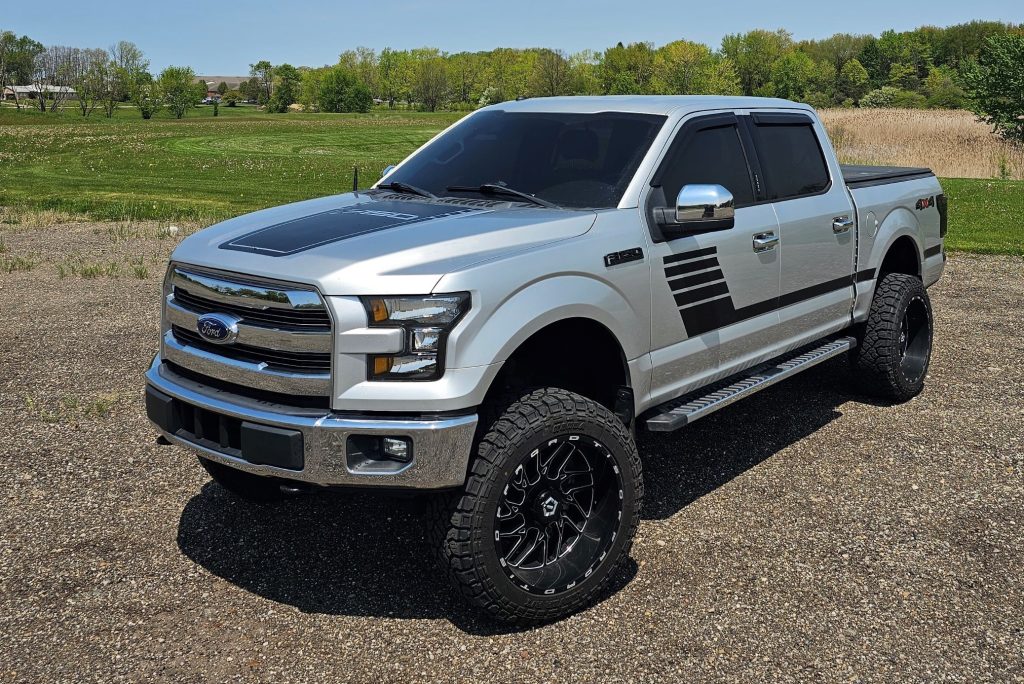
In practical use, the F-150 delivers a sense of predictability. The mirrors do not require constant attention or correction, even during long-distance travel. This consistency enhances driver confidence and reduces fatigue, particularly in situations where visibility plays a key role in safety.
The engineering approach here focuses on stability through structural integrity and aerodynamic efficiency, resulting in a mirror system that performs reliably across a wide range of conditions.
2. Ram 2500
The Ram 2500 takes a more heavy-duty approach, emphasising robustness over subtle refinement. Built for demanding tasks such as towing and hauling, its mirror design reflects the need for unwavering stability under load.
Unlike lighter-duty trucks, the Ram 2500 uses larger towing mirrors with reinforced support arms. These mirrors are engineered to handle additional weight and extended positions without introducing noticeable vibration. Even when extended for towing, the structure remains firm, maintaining a stable field of view.
The mirror housing itself is designed with durability in mind. Thick materials and solid construction reduce the likelihood of flex, ensuring that the mirrors do not shift unexpectedly. This becomes particularly important when driving on rough terrain or carrying heavy loads that can introduce additional movement.
Another advantage lies in how the mirrors respond to external forces. Strong crosswinds, which can affect less rigid designs, have minimal impact here. The mirrors hold their position consistently, allowing drivers to rely on them without needing frequent adjustments.
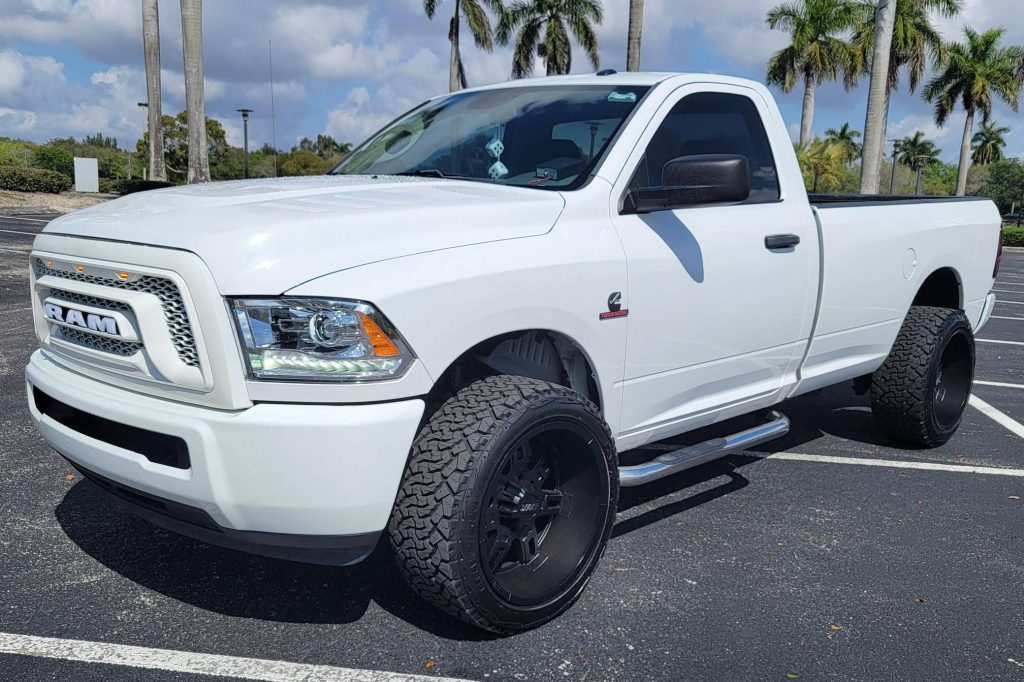
From a usability perspective, the Ram 2500’s mirrors provide a sense of control that aligns with the truck’s full character. They are built to perform under pressure, delivering steady visibility in situations where instability could become a safety concern.
This design prioritises strength and reliability, ensuring that the mirrors remain fixed and dependable regardless of driving conditions or workload.
3. Toyota Tundra
The Toyota Tundra approaches mirror stability through long-term durability and consistent engineering rather than relying solely on heavy-duty components. Known for its reliability across global markets, the Tundra reflects a design philosophy that prioritises sustained performance over time.
A key aspect of its mirror system is the firmness of the adjustment mechanism. Once positioned, the mirrors hold their alignment without gradual drift, even after extended use.
This stability becomes particularly valuable during long highway drives where even minor movement can become distracting. The resistance within the adjustment joints feels deliberate, ensuring that the mirrors do not shift due to vibration or repeated door use.
The mounting structure also contributes to this consistency. The mirrors are secured in a way that minimises flex, even when the vehicle encounters uneven surfaces. This reduces oscillation and keeps the reflected image steady, which is critical for maintaining awareness of surrounding traffic.
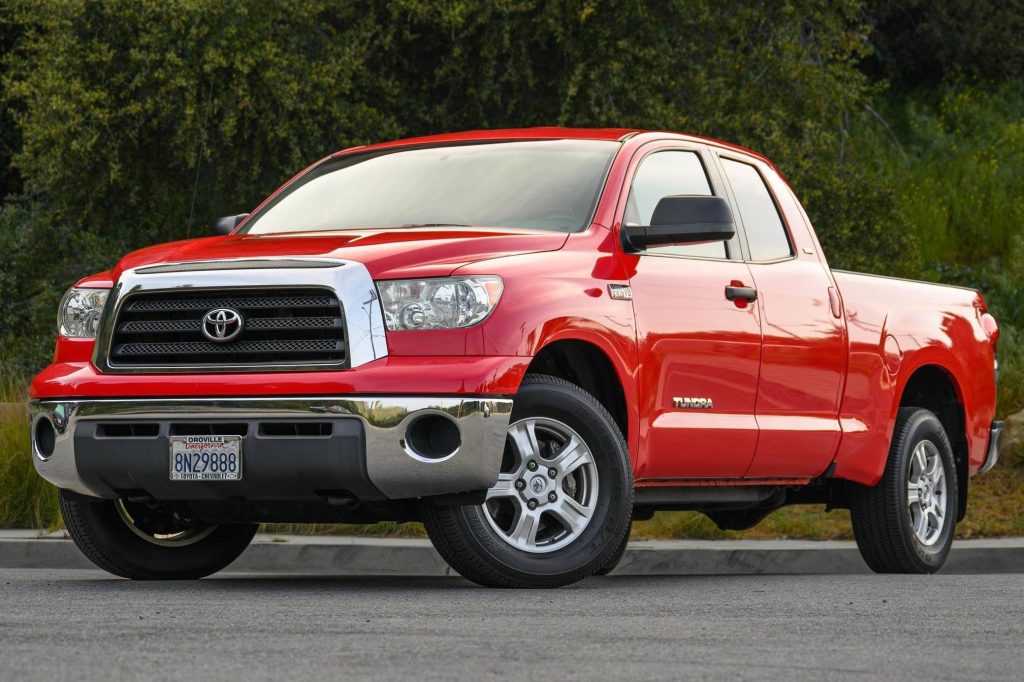
Another factor worth noting is how the mirror housing interacts with airflow. The design does not aggressively chase aerodynamic styling, yet it manages to avoid excessive wind disturbance. At higher speeds, the mirrors remain composed, with minimal visible shake.
The Tundra’s approach highlights a balance between everyday usability and dependable construction. It does not rely on oversized components or overly complex mechanisms, yet it achieves a level of stability that supports both urban driving and long-distance travel.
This consistency reinforces its reputation as a practical and reliable option for drivers who value predictability in every aspect of vehicle behaviour.
4. Chevrolet Silverado 1500
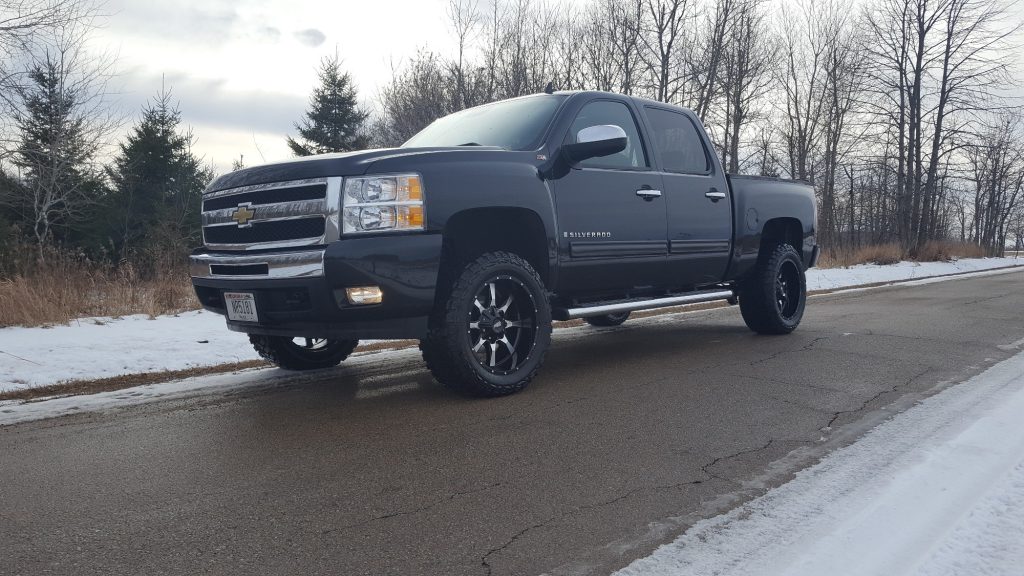
The Chevrolet Silverado 1500 delivers mirror stability through a combination of structural reinforcement and thoughtful design integration. Built to serve a wide range of users, from daily commuters to work-focused drivers, its mirror system reflects versatility without compromising steadiness.
One of the defining strengths lies in the structural integrity of the mirror arms. The connection between the mirror housing and the door panel is engineered to resist vibration, ensuring that the mirrors remain stable even when driving on rough or uneven roads.
This stability is noticeable in real-world conditions, where inconsistent surfaces often reveal weaknesses in less robust designs.
The mirror size also plays a role in its effectiveness. Larger reflective surfaces provide a broader field of view, and the Silverado manages to support this without introducing excessive movement. The housing remains firm, preventing the kind of subtle shaking that can distort visibility at higher speeds.
Another element contributing to stability is the damping effect built into the system. Instead of allowing vibrations to transfer directly to the mirror glass, the design absorbs minor disturbances. This results in a clearer and more consistent reflection, particularly on highways where sustained speeds can amplify small imperfections.
The Silverado’s mirrors are designed to perform across different use cases, whether it is daily driving or towing. Their ability to maintain alignment without frequent adjustments enhances usability and reduces driver fatigue.
This approach reflects a practical engineering mindset, where stability is achieved through a combination of strength, size management, and vibration control, ensuring reliable performance in varied conditions.
5. GMC Sierra 2500HD
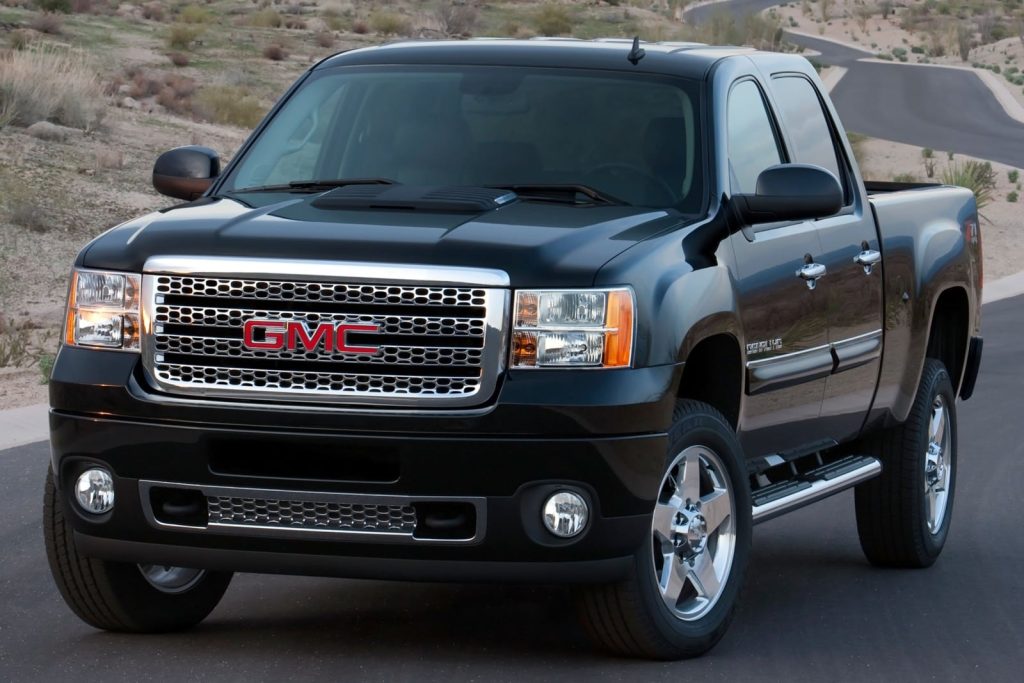
The GMC Sierra 2500HD takes mirror stability to a more specialised level, particularly in the context of heavy-duty usage. Designed for demanding workloads, its mirror system is built to maintain clarity and alignment under conditions that would challenge lighter setups.
A defining feature is the reinforced towing mirror design. These mirrors extend outward to improve visibility when hauling trailers, yet they remain firmly positioned without noticeable sag or vibration. The support structure is engineered to handle both the weight and the extended leverage, ensuring that stability is not compromised.
The materials used in the mirror assembly further enhance durability. Solid construction reduces flex, allowing the mirrors to maintain their position even when exposed to constant road vibration or external forces such as wind. This reliability becomes essential for drivers who depend on consistent visibility during long hauls.
Another important characteristic is how the mirrors behave under load. When towing heavy equipment, additional stress is placed on the vehicle, which can amplify movement in weaker systems. The Sierra 2500HD manages this effectively, keeping the mirrors steady and predictable.
From a functional standpoint, the mirrors contribute directly to driver confidence. The ability to rely on a stable view without frequent corrections allows for smoother and more controlled driving, particularly in high-demand scenarios.
The Sierra 2500HD represents a purpose-built approach, where mirror stability is treated as a critical component of the vehicle’s capability rather than a secondary consideration.
5 Trucks With Mirrors That Vibrate Loose
Mirror instability does not always appear immediately. In many cases, it develops gradually through exposure to vibration, wind resistance, and repeated adjustments.
Trucks in this category tend to show weaknesses in mounting rigidity, joint strength, or aerodynamic shaping. The result is a mirror that may look solid at rest but struggles to remain steady in motion.
This issue becomes more noticeable at highway speeds, where airflow and road conditions amplify even minor design compromises.
A vibrating mirror does more than create a visual disturbance. It reduces clarity, making it harder to judge distance and movement accurately. For drivers who tow or travel long distances, this can lead to fatigue and reduced confidence.
The following trucks highlight different reasons why mirror stability can fall short. Some prioritise design flexibility over rigidity, while others use lighter components that do not hold up under sustained stress.
Each example presents a distinct case, ensuring that the discussion remains varied and focused on real-world behaviour rather than repeating the same explanation.
1. Nissan Titan
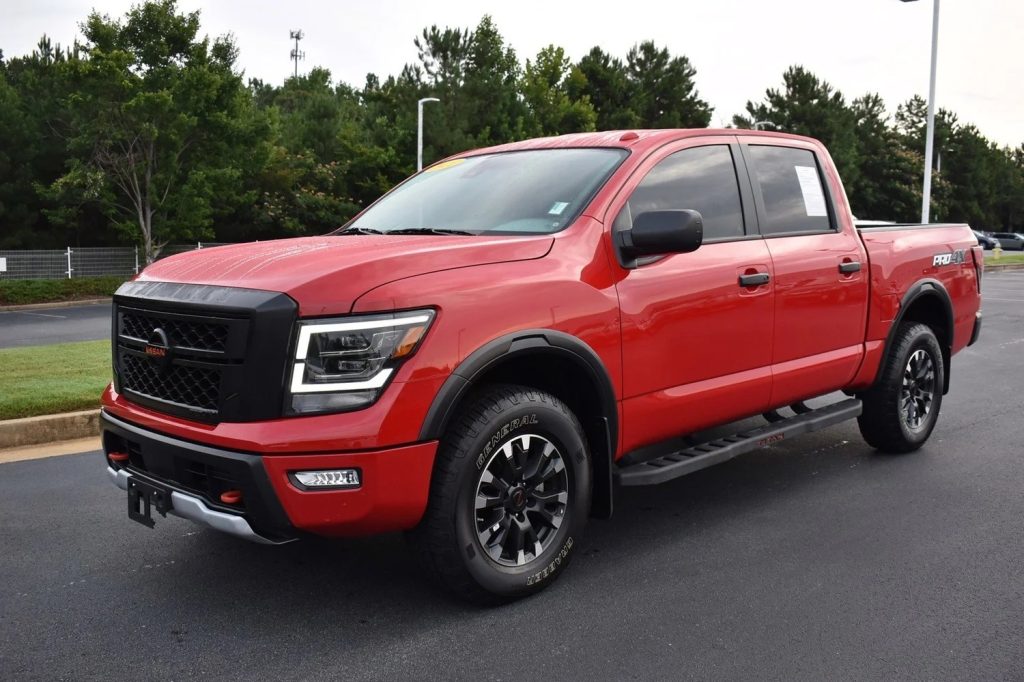
The Nissan Titan offers a strong presence in terms of performance and design, yet its mirror stability has been a point of concern in certain driving conditions. The issue is not constant but becomes noticeable when speed and external forces increase.
At highway speeds, the mirrors can exhibit subtle vibration that affects the clarity of the reflected image. This is often linked to the interaction between the mirror housing and airflow.
The design does not fully minimise wind resistance, allowing small oscillations to develop over time. While these movements may seem minor, they can reduce the sharpness of what the driver sees.
The mounting structure contributes to this behaviour as well. Compared to more rigid setups, the Titan’s mirror supports allow a slight degree of flex. Under normal driving, this may not be obvious, but on uneven roads or during strong crosswinds, the movement becomes more pronounced.
Another factor is the adjustment mechanism. Over time, repeated use can reduce the firmness of the joints, making it easier for the mirrors to shift slightly from their set position. This gradual change can require occasional readjustment, particularly for drivers who rely on precise alignment.
The Titan demonstrates how a combination of aerodynamic and structural factors can influence mirror performance. While functional in most situations, the system does not maintain the same level of stability found in more rigidly engineered alternatives.
2. Ford Ranger
The Ford Ranger is designed to balance everyday usability with light-duty capability, but its mirror system reflects compromises associated with this dual-purpose approach. The result is a setup that performs adequately in calm conditions but reveals limitations under stress.
One of the noticeable characteristics is how the mirrors respond to road vibration. On rough surfaces, the reflected image can appear slightly unsettled, indicating that the mounting system does not fully isolate movement. This effect becomes more apparent during longer drives, where continuous vibration can amplify the issue.
Wind interaction also plays a role. The mirror housings, while modern in design, do not eliminate turbulence at higher speeds. This leads to a mild but persistent shake that affects visual clarity, especially on open highways where crosswinds are more common.
The adjustment system, while easy to use, does not always retain its firmness over extended periods. Drivers may find that the mirrors require occasional correction to maintain the desired angle. This can interrupt the driving experience, particularly when consistency is expected.

In urban environments, these limitations are less noticeable due to lower speeds and smoother roads. However, in conditions that demand stability, such as highway travel or towing, the shortcomings become more evident.
The Ranger illustrates how design compromises can influence mirror behaviour, resulting in a system that meets basic expectations but does not deliver the level of steadiness required for more demanding use cases.
3. Chevrolet Colorado
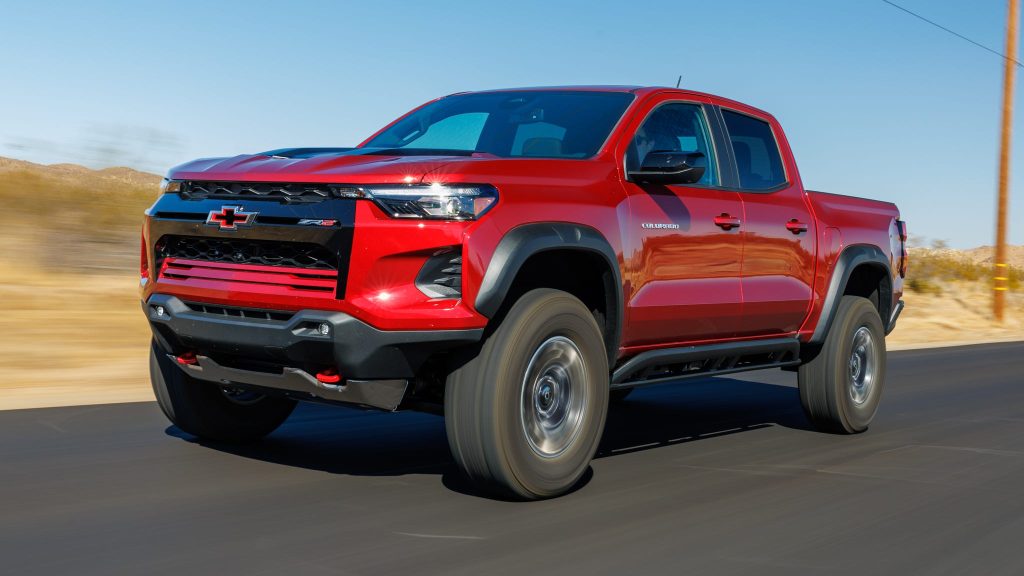
The Chevrolet Colorado positions itself as a versatile midsize truck, yet its mirror stability reflects the challenges of balancing weight, cost, and functionality. While the mirrors are sufficient for daily driving, their performance can vary under more demanding conditions.
A closer examination reveals that vibration tends to originate from the connection point between the mirror and the door.
The structure does not feel loose in a traditional sense, but it allows just enough movement to affect clarity when the vehicle is in motion. This becomes particularly noticeable on highways, where consistent speed highlights even minor instability.
The mirror housing design also contributes to the issue. Instead of minimising airflow disruption, the shape allows some turbulence to develop around the edges. This interaction with wind can create a slight but continuous shake, which becomes more apparent during long-distance driving.
Another aspect is the gradual change in adjustment firmness. Over time, the mechanism may lose some resistance, making it easier for the mirrors to shift slightly. This does not happen abruptly but develops with regular use, leading to periodic readjustment.
Despite these limitations, the Colorado remains functional in controlled environments. However, when exposed to sustained vibration or higher speeds, the mirrors do not maintain the same level of stability expected from more robust systems.
The Colorado highlights how subtle design choices can influence long-term performance, particularly in components that rely on precision and consistency.
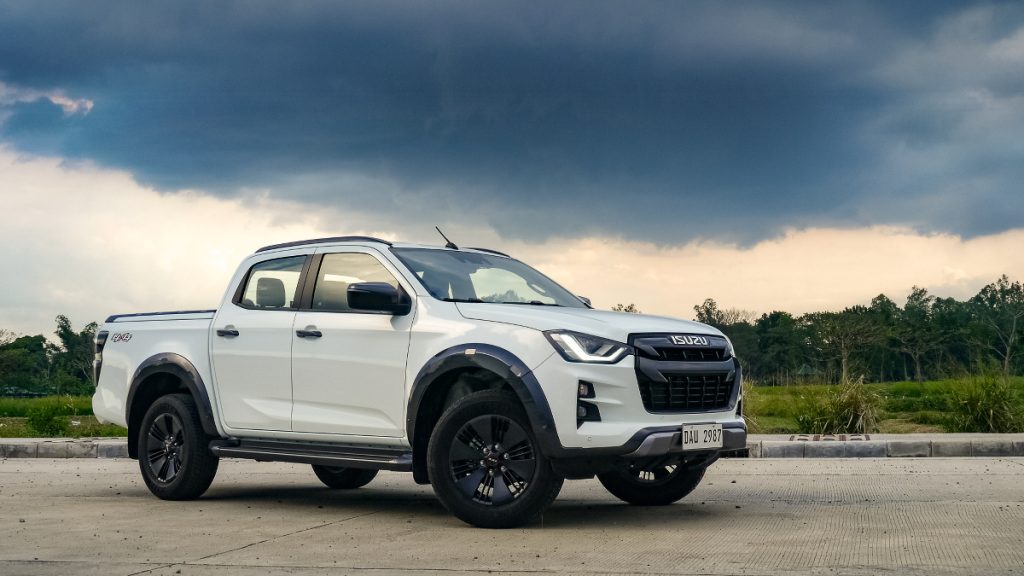
4. Isuzu D-Max
The Isuzu D-Max is known globally for its durability and work-focused design, yet its mirror system does not match the same level of robustness. While reliable in many aspects, mirror stability can become a concern in specific conditions.
The primary issue lies in how vibration is transferred through the vehicle’s structure. On rough terrain, which is where the D-Max is often used, the mirrors can reflect a noticeable amount of movement. This reduces the clarity of the image and requires the driver to focus more carefully to interpret what is being seen.
Unlike heavier-duty setups, the mirror supports do not eliminate flex. This allows small oscillations to occur, particularly when the vehicle is subjected to continuous bumps or uneven surfaces. Over time, this can affect how firmly the mirrors hold their position.
Wind resistance also plays a role during highway driving. The mirror design does not fully counteract airflow, leading to minor but persistent shaking at higher speeds. This becomes more evident when driving in open areas where wind conditions are less predictable.
The adjustment mechanism remains functional but may not retain its tightness indefinitely. Repeated use can lead to slight loosening, which adds to the full sense of instability.
The D-Max presents a case where a vehicle excels in core durability but shows limitations in finer details such as mirror steadiness, particularly when subjected to prolonged or demanding conditions.
5. Volkswagen Amarok
The Volkswagen Amarok brings a more refined and car-like approach to the pickup segment, but this emphasis on comfort and design introduces certain trade-offs in mirror stability.
The mirrors are styled to integrate smoothly with the vehicle’s exterior, yet this design focus affects their structural rigidity. At higher speeds, the mirrors can exhibit slight vibration, which impacts the sharpness of the reflected image. This behaviour is subtle but becomes noticeable during extended highway driving.
Aerodynamic influence is a contributing factor. While the full vehicle design is streamlined, the mirror housings do not fully eliminate airflow disturbance. This results in a mild oscillation that persists under certain conditions, particularly when driving against strong winds.
Another consideration is the balance between adjustability and firmness. The mirrors are easy to reposition, but this convenience can come at the cost of long-term rigidity. Over time, the mechanism may not hold as tightly as more heavy-duty systems, leading to occasional shifts in alignment.
In urban settings, where speeds are lower and conditions are more controlled, these issues remain less apparent. However, in scenarios that demand consistent visibility, such as highway travel or towing, the limitations become more evident.
The Amarok demonstrates how a focus on refinement can influence functional components, resulting in a mirror system that prioritises comfort and design but does not fully achieve the level of stability expected in more utility-focused trucks.
Mirror stability in trucks is often overlooked, yet it plays a critical role in everyday driving, especially across the USA and global markets where trucks are used for towing, hauling, and long-distance travel.
This comparison highlights a clear divide between trucks that maintain mirror alignment consistently and those where vibration or loosening affects usability over time.
Among the trucks that perform well, models like the Ford F-150 and Ram 2500 demonstrate how structural rigidity and thoughtful engineering can deliver reliable results.
These trucks use strong mounting points, well-balanced mirror housings, and firm adjustment mechanisms that resist movement even under challenging conditions. Whether driving at highway speeds or towing heavy loads, their mirrors remain steady, allowing drivers to maintain a clear and undistorted view of surrounding traffic.
The Toyota Tundra takes a slightly different approach by focusing on long-term consistency rather than heavy-duty components alone. Its mirrors maintain alignment over extended use, showing how durability and precise engineering can work together effectively.
Similarly, the Chevrolet Silverado 1500 combines structural strength with vibration control, ensuring that even larger mirror surfaces remain stable. The GMC Sierra 2500HD further reinforces this category with a purpose-built design that supports extended towing mirrors without introducing noticeable movement.
On the other side, trucks such as the Nissan Titan and Ford Ranger reveal how smaller compromises can affect mirror performance.

Factors such as aerodynamic inefficiencies, slight flexibility in mounting structures, or less durable adjustment mechanisms contribute to vibration at higher speeds or on rough roads.
These issues may not always be severe, but they reduce clarity and require occasional correction, which can interrupt the driving experience.
The Chevrolet Colorado and Isuzu D-Max highlight how sustained vibration and long-term wear can gradually affect mirror stability. Even when initially firm, their systems may allow minor movement that becomes more noticeable over time.
The Volkswagen Amarok presents a different case, where a focus on refinement and design integration leads to a slight compromise in rigidity, particularly at highway speeds.
The key takeaway is that mirror stability depends on a combination of factors, including mounting strength, aerodynamic design, and the durability of adjustment mechanisms.
Trucks that perform well treat mirrors as essential safety components, ensuring they remain fixed and reliable under all conditions. Those that fall short often prioritise other aspects, leading to subtle but impactful issues in real-world use.
In practical terms, a stable mirror system contributes directly to driver confidence, reducing fatigue and improving awareness. While it may seem like a small detail, its importance becomes clear during long drives, towing situations, or challenging weather conditions.
Also Read: 6 Sedans Where the Stereo Still Sounds Good After 15 Years vs 6 With Crackling Speakers
