
The center console in a pickup truck is more than just a place to rest your arm. It sits right between the driver and passenger, making it one of the most used and most criticized parts of the entire cabin.
Over the years, truck manufacturers have gone back and forth on what a center console should actually do. Some brands treated it like a genuine workspace, packing it with smart storage, power outlets, and flat surfaces that working people could actually use. Others seemed to design it purely for appearance, creating bulky plastic structures that looked impressive in a showroom but delivered almost nothing in daily life.
The stakes are high. Truck buyers spend thousands of dollars expecting a vehicle that works as hard as they do. A poorly designed center console can ruin an otherwise excellent truck. It blocks leg room, wastes storage potential, and makes the cabin feel cramped and cluttered.
A great center console, on the other hand, can transform the truck’s interior into a rolling office or job site headquarters. It gives you places to charge devices, store tools, organize paperwork, and keep drinks within reach.
6 Trucks With Genuinely Useful Center Consoles
These trucks feature well-designed center consoles with real usability, offering deep storage, smart layouts, and practical features for daily work and travel. Models like the Ford F-150, Ram 1500, and Chevrolet Silverado stand out with large compartments, configurable storage, and multiple charging options.
Some even include work surfaces, laptop-friendly layouts, sliding trays, and hidden compartments, making them useful for both job sites and long drives. These consoles are designed with purpose, helping drivers stay organized and efficient.
1. Ram 1500
The Ram 1500 has long been celebrated for its interior quality. But it’s the center console that truly sets it apart from every other truck on the market.
Ram engineers clearly asked themselves a simple question before designing it. What does a working person actually need within arm’s reach while driving?
The answer they came up with was comprehensive. The Ram 1500’s center console features a massive storage bin beneath the armrest. That bin is deep enough to hold a laptop, a tablet, or a small bag without any struggle.
The lid itself is flat and wide. It creates a usable surface when the truck is parked. Contractors and field workers have used it as a signing surface for documents, a temporary laptop stand, and even a meal tray.
Inside the bin, Ram included a removable tray. The tray organizes smaller items like pens, cables, and cards. Without it, the full bin depth opens up for larger gear.
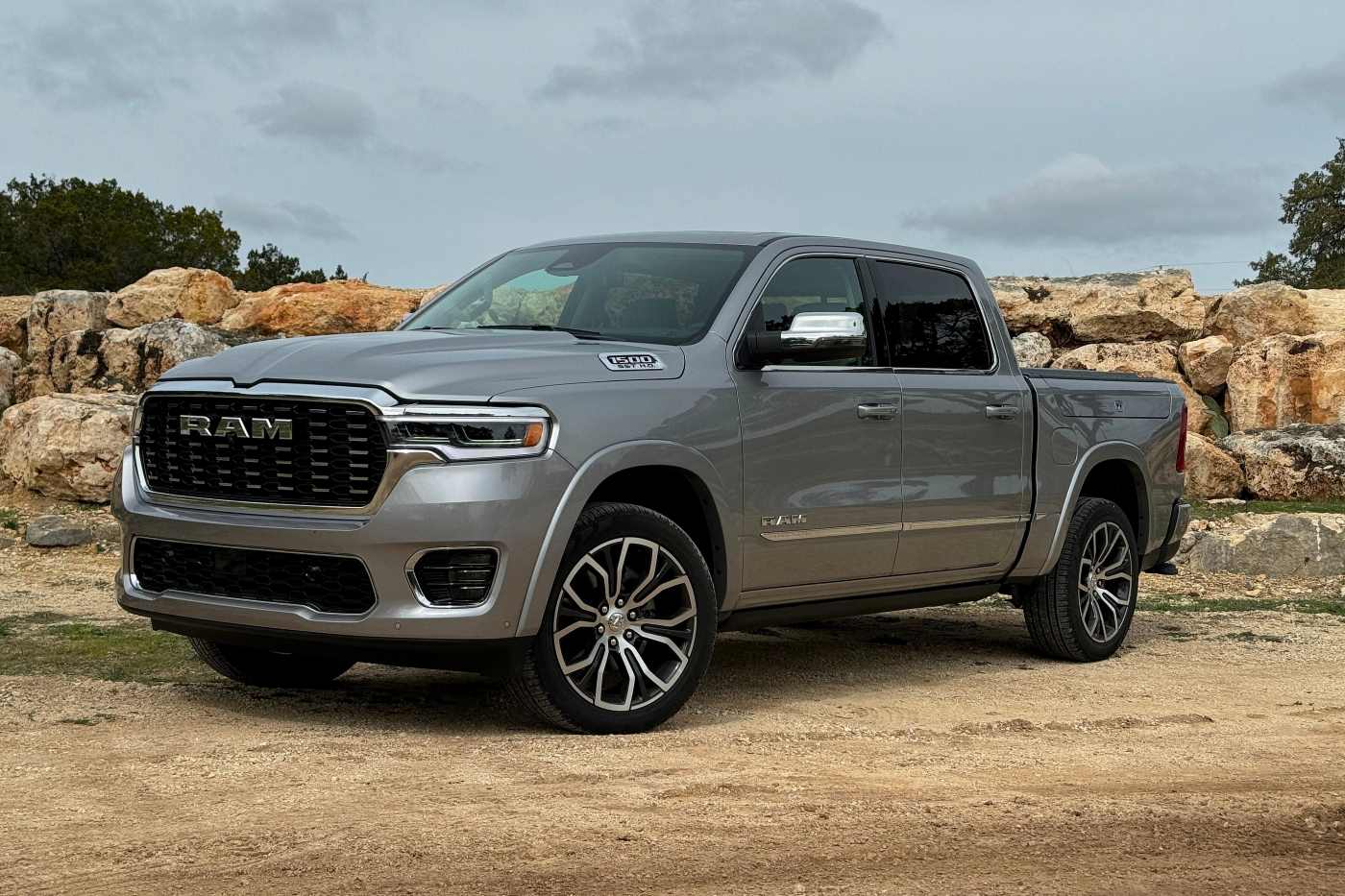
There are also multiple USB ports and a 12-volt outlet built right into the console face. You never have to dig through a bag to find a charger. Everything is positioned at a natural, easy-to-reach angle.
The cupholders are deep and rubberized. They hold bottles, cans, and large travel mugs without rattling. Small details like that show the level of thought Ram put into this design.
Ram also gave the console a pass-through option in certain trims. When the front bench seat is selected, the console can fold up completely. The floor becomes flat and usable, giving passengers or workers full access across the front of the cab.
The materials used throughout feel durable. There’s no thin plastic that flexes under pressure. The surfaces resist scuffs and scratches better than most competitors in the segment.
Even the positioning of the gear selector complements the console. Ram moved the shifter to the steering column in many configurations. That freed up even more flat console space for the driver and passenger.
The Ram 1500 center console feels like it was designed by someone who actually uses a truck every single day. It doesn’t just store things. It actively makes your work life easier and your drive more comfortable.
2. Ford F-150 with Max Recline Seats
Ford took a bold approach with certain F-150 configurations. Rather than simply improving storage, they reimagined the entire front seating area and what the console could mean for truck occupants.
The Max Recline Seat package flips the conventional center console concept on its head. When the seats recline fully, the passenger area turns into something almost resembling a recliner chair setup. The console adapts to this by folding and adjusting with the seat.
For people who work long shifts and need to rest in their truck, this is genuinely revolutionary. You no longer have to crawl into the back seat for a proper rest. The front of the cab becomes a resting zone.
The console itself also carries serious everyday utility. It includes a large storage bin with room for real-world items. The lid is padded and flat enough to serve as a work surface when stationary.
Ford integrated power delivery right into the console layout. There are USB-A and USB-C ports available at convenient heights. A 400-watt or available 2,000-watt inverter means you can run actual power tools or charge laptops directly from the truck.
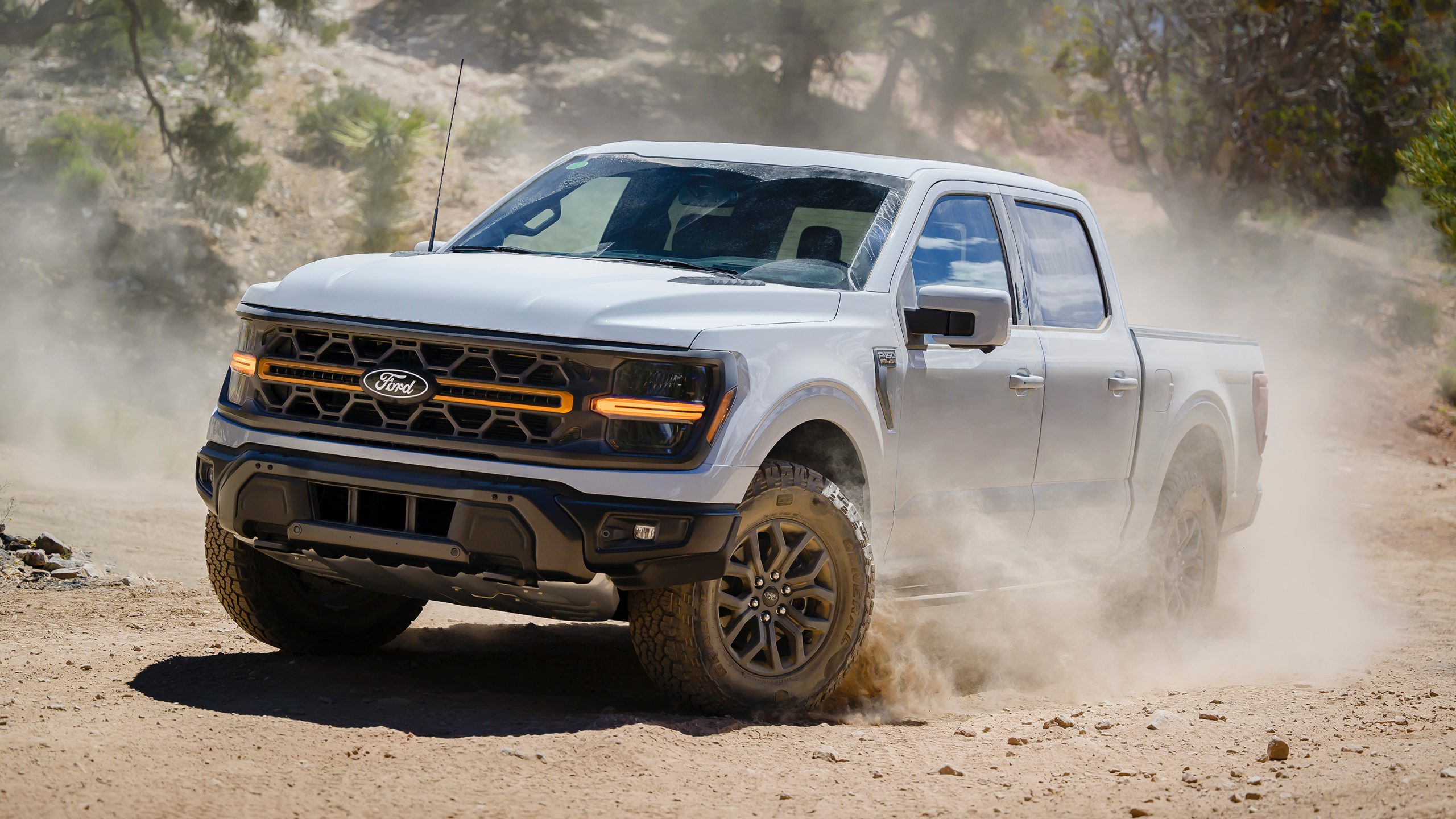
The gear selector on many F-150 trims moved to the steering column or was replaced with a dial. That opened up the console floor area significantly. Drivers get more foot room, and the console feels less obstructive as a result.
Ford also thought carefully about the cup holder placement and design. The holders are separated by a divider that can be adjusted. Large bottles, slim cans, and wide mugs all fit without feeling insecure.
The center console also houses the SYNC infotainment controls in a way that feels natural. Buttons and knobs are placed so your hand doesn’t have to travel far from the wheel. Everything stays within a comfortable reach zone.
Wireless charging is built into many F-150 console configurations. Your phone charges without needing a cable plugged in. That’s one less wire to manage during a busy workday.
The F-150’s console approach shows that Ford was thinking about the whole user experience. They didn’t just add features. They connected each element to how real people actually live and work inside their trucks.
3. GMC Sierra 1500 Denali
The GMC Sierra Denali targets buyers who want luxury without sacrificing utility. The center console in Denali trim strikes that balance better than almost any other truck in its class.
The first thing you notice is the quality of the materials. Soft-touch surfaces line the armrest and the interior edges of the storage bin. Nothing feels cheap or hollow when you press on it.
The storage bin is large and practically shaped. It’s not just deep, it’s also wide enough to hold items that would topple over in narrower consoles. A small bag, a camera, or a set of documents all fit without being crammed in.
GMC added a thoughtful organizational shelf within the bin. The shelf can be removed when not needed. But when it’s in place, it creates two separate zones for small and large items.
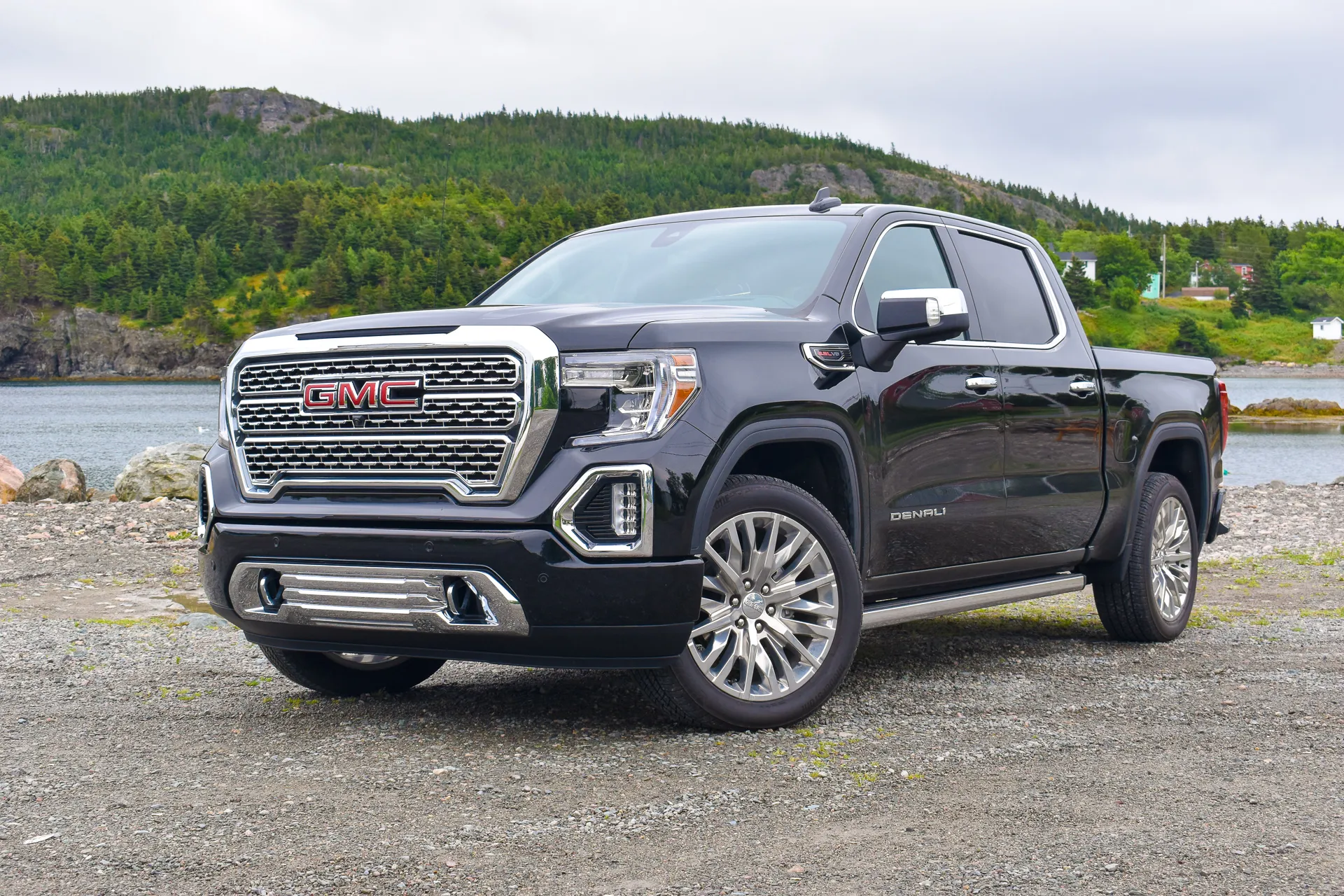
The Denali console also includes a wireless charging pad that’s positioned perfectly. It’s flat, not recessed at an odd angle. Your phone lies naturally on it without sliding around during cornering.
Heating and cooling controls are integrated into the console in a way that doesn’t feel cluttered. The buttons are logically grouped. You don’t have to look down for long to find what you need.
The cupholders on the Denali console are worth mentioning separately. They’re large, rubberized, and positioned at a height that feels ergonomically correct. Your hand drops naturally to grab your drink without reaching up or down awkwardly.
GMC also gave the console a dedicated space for sunglasses storage. It’s a small detail that other manufacturers frequently overlook. But when you’re driving into the sun and need to swap glasses quickly, you appreciate having a spot for them.
The armrest lid opens with a smooth, damped action. It doesn’t slam or flop. That kind of refinement signals that engineers paid attention to every interaction a driver has with the console.
The power outlet placement in the Denali console is also excellent. Ports are positioned on the rear face of the console so back seat passengers can access them too. It’s a sharing-friendly layout that many families and work crews will appreciate.
The Sierra Denali console doesn’t try to be the most feature-packed option available. It focuses instead on executing every feature it does include at a very high level. That discipline is exactly what makes it feel genuinely premium.
4. Toyota Tundra
Toyota redesigned the Tundra significantly for the latest generation. The center console received serious attention during that redesign process. The new Tundra console is wider than before. That width translates directly into more usable storage volume. You feel the difference immediately when you open the lid and look inside.
Toyota built a removable inner tray into the bin. The tray has dedicated slots for a phone, stylus, and cables. Below it, there’s a full open space for larger items.
The armrest surface is generously padded. Long drives feel more comfortable because your elbow has a soft, wide resting point. Fatigue sets in more slowly when your body is properly supported.
There are multiple charging ports facing different directions inside the console. Front-facing ports serve the driver easily. Rear-facing ports mean rear passengers aren’t left out of the charging rotation.
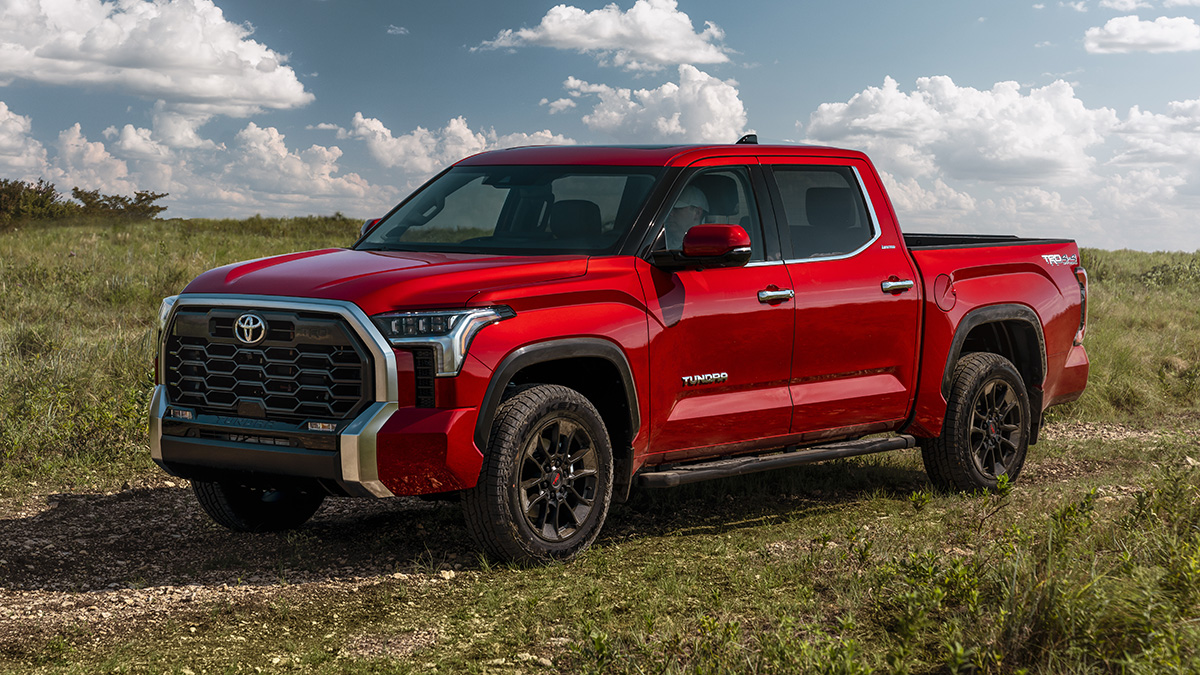
Toyota also incorporated a 120-volt household outlet into many Tundra console configurations. That’s not a truck-specific outlet it’s a real, standard household plug. You can power a monitor, a fan, or a small refrigerator with it.
The cupholders are positioned in a way that doesn’t interfere with the center console lid. You can open and close the storage bin without having to move your drinks first. That’s a surprisingly thoughtful detail that many competitors miss.
The gear selector in the new Tundra is column-mounted. This decision directly benefited the console by removing the need for a bulky floor shifter. The console feels open and accessible rather than blocked off.
Visibility into the console is also better than average. The bin opening is wide enough that you can see what’s inside without reaching around blindly. That saves time when you’re grabbing something quickly between job sites.
Toyota backed up the console design with durable materials. The surfaces are scratch-resistant and easy to wipe clean. Mud, coffee spills, and general job site grime clean up without leaving stains or marks.
The Tundra console won’t win any awards for luxury. But it will earn respect from people who measure a truck’s worth by how much easier it makes their working day. That’s exactly the audience Toyota built it for.
Also Read: The Honest Reason Toyotas Cost More Than Hondas at the Same Mileage
5. Chevy Silverado 1500 High Country
The Silverado High Country trim represents Chevrolet’s best effort at a premium truck interior. The center console in this configuration shows what Chevy can do when they focus on user experience.
The High Country console is one of the widest in its class. The extra width isn’t wasted on appearance alone. It creates genuine storage depth and surface area that functional truck buyers will put to immediate use.
A large, felt-lined bin sits beneath the padded armrest. The felt lining matters more than most buyers realize. It prevents items from sliding around and scratching against each other during travel.
There’s a two-level storage system inside the bin. The upper level holds everyday essentials like a wallet, sunglasses, and a phone. The lower level handles larger items that would otherwise rattle around the cabin.
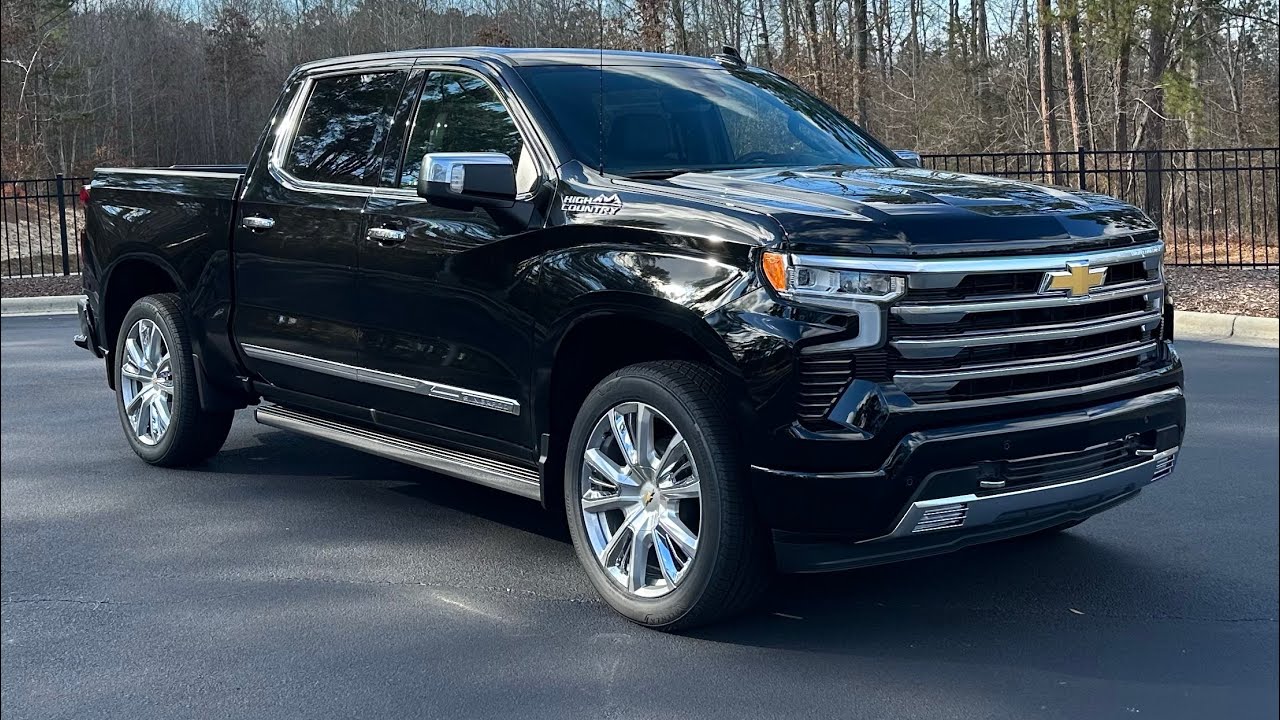
Chevrolet included rear-facing USB ports in the High Country console. Passengers in the back seat can charge devices without running cables to the front. That thoughtful addition makes the console functional for everyone in the cab, not just the driver.
The wireless charging pad is positioned at a slight angle. That angle makes it easier to drop your phone onto it without looking down. Small ergonomic decisions like this accumulate into a genuinely better daily experience.
The cupholders are deep and have rubberized inserts. Cold drinks don’t sweat through to the console floor. Hot drinks stay upright even on rough roads or during sharp turns.
High Country console also has a dedicated spot for the key fob. You don’t have to dig through the storage bin to find it. When you’re getting back into the truck with muddy hands, that dedicated spot saves real frustration.
The armrest also has an adjustable feature in some configurations. You can slide it slightly forward or backward to match your preferred sitting position. That level of personalization is rare in a truck center console.
Build quality throughout the High Country console feels solid. Panel gaps are tight. Surfaces don’t flex or creak. The entire structure feels like it was built to survive years of heavy daily use.
The Silverado High Country console doesn’t try to reinvent the truck interior. It simply does everything right. That consistent execution is what earns it a spot on this list of genuinely useful truck consoles.
6. Ford Maverick
The Ford Maverick surprised everyone when it launched. A compact hybrid truck at an affordable price point was one thing. But the cabin design, particularly the center console approach, showed a level of creativity that larger trucks couldn’t match.
The Maverick uses a different console philosophy. Instead of one massive bin, Ford spread storage across multiple smaller, purpose-built areas. Each space has a specific function.
There’s a small upper shelf for quick-access items. Your phone, a pen, and a folded receipt can all sit there without being buried. You can grab them without pulling over or digging around.
Below the shelf sits a covered storage area. It’s not as deep as a full-size truck bin, but it’s more than enough for the Maverick’s target audience. Compact truck buyers tend to carry smaller loads and appreciate smarter organization over raw volume.
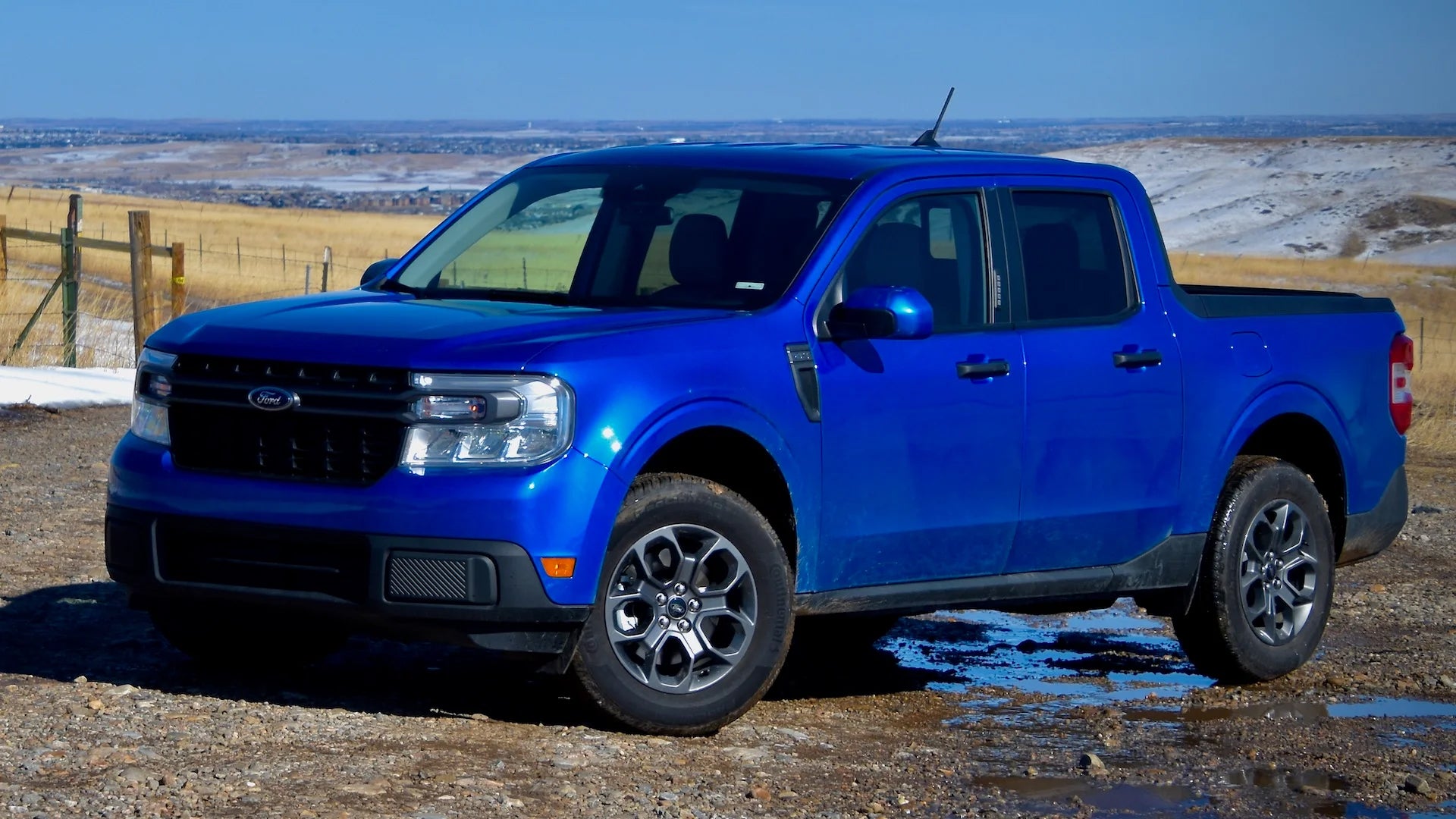
The FITS system is where the Maverick console really gets creative. The Ford Integrated Tether System allows accessories to snap into the dashboard and console areas. Third-party companies made custom inserts for trash bins, cup holder organizers, and phone mounts that clip directly in.
That system turned the Maverick’s console into something almost modular. You could configure it to match exactly what you needed on any given day. No other truck in its class offered anything close to that level of adaptability.
Charging options are well-distributed in the Maverick console. USB ports are available on multiple faces of the console structure. You don’t have to fight your passenger for the only available port.
The cupholders are appropriately sized for a compact truck. They work well with standard bottles and cans. A large travel mug fits, though it’s a snugger fit than in a full-size truck.
The Maverick’s gear selector integrates into the dashboard rather than the console. That decision freed up the entire console floor. The space below becomes usable rather than being blocked by a shifter housing.
Materials in the Maverick console are budget-friendly but durable. This is not a luxury truck, and nobody pretends it is. But the surfaces are easy to clean, resistant to scratching, and hold up to regular use without looking worn.
The Maverick proves that center console greatness isn’t about size or price. It’s about designing for real human behavior. Ford’s team clearly spent time watching how people actually use the space around the gear shift, and the result is one of the most cleverly thought-out consoles available at any price.
6 That Just Took Up Space
These trucks come with poorly designed center consoles that offer limited storage and awkward layouts, making them more frustrating than useful. Shallow compartments, wasted space, and lack of organization reduce their practicality.
In some models, bulky designs take up cabin space without adding functionality, leaving drivers with fewer usable storage options. Instead of enhancing convenience, these consoles often feel like an afterthought, offering minimal real-world benefit.
1. Nissan Titan (Previous Generation)
The Nissan Titan looked like it had a serious center console from a distance. The structure was large and prominent. But closer inspection revealed a design that prioritized bulk over function.
The storage bin was deep but awkwardly shaped. Items tended to fall into the corners and became difficult to retrieve. You’d find yourself fishing around with your hand just to grab a simple item.
The lid of the console was wide but not flat. It had a slight dome shape that prevented it from being used as a work surface. Nothing rested securely on it when the truck was parked.
Cupholder placement was one of the console’s most frustrating failures. They sat at an odd height that was too low for easy access but too high to feel natural. Drivers frequently knocked over drinks when reaching for other controls.
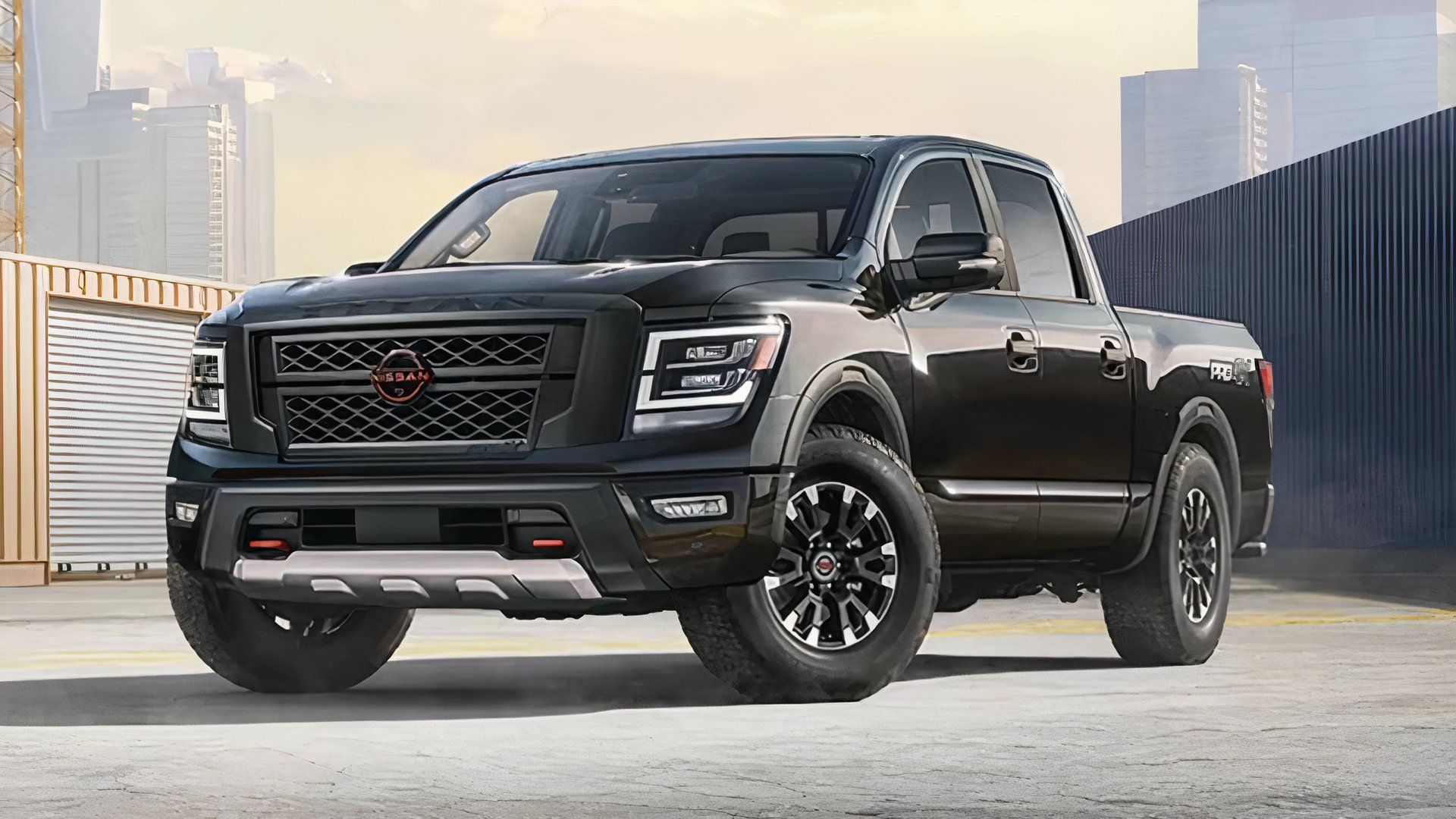
The single USB port included in earlier Titan consoles was woefully inadequate. In an era where most families travel with multiple devices, one charging point is almost insulting. Buyers were forced to add third-party adapters immediately after purchase.
The console also had a fixed gear selector housing that consumed a large portion of the console footprint. Unlike competitors that moved the shifter to the column, Nissan kept a chunky floor-mounted unit. The console felt narrower and less useful because of it.
Storage within the bin had no organizational system. There were no shelves, dividers, or removable trays. Everything went into one large open space and was mixed together.
The materials used in the console were below average for the truck’s price point. Hard plastics scratched easily. The armrest padding compressed quickly and didn’t spring back. After a year of use, the console looked noticeably older than the rest of the cabin.
Charging cables had nowhere to route neatly. The port placement forced cables to drape across the console surface. The cabin always looked messy, regardless of how organized the driver tried to be.
Nissan has since updated the Titan’s interior significantly. But the previous generation console remained a weak point for years. It was the kind of design that made buyers feel like it was engineered by people who had never actually spent a full workday inside a truck.
2. Toyota Tacoma (Third Generation Base Trim)
The Toyota Tacoma has a devoted following for its reliability and off-road capability. But in base trim configurations, the center console was shockingly minimal.
The storage bin was small. Not compact-smart small, just small. There was barely enough room for a phone and a pair of sunglasses at the same time.
The lid barely counted as an armrest. It was narrow and hard, offering little comfort during long drives. Drivers with average-sized arms found themselves resting uncomfortably for extended periods.
There was essentially no charging infrastructure built into the base console. A single 12-volt socket existed somewhere in the cabin, but it wasn’t conveniently located on the console itself. Modern buyers expect USB ports. The base Tacoma console ignored that expectation entirely.
The cupholders were usable but basic. They held standard cans and bottles without any rubberized lining or adjustable inserts. Large travel mugs were a poor fit and would lean noticeably during cornering.
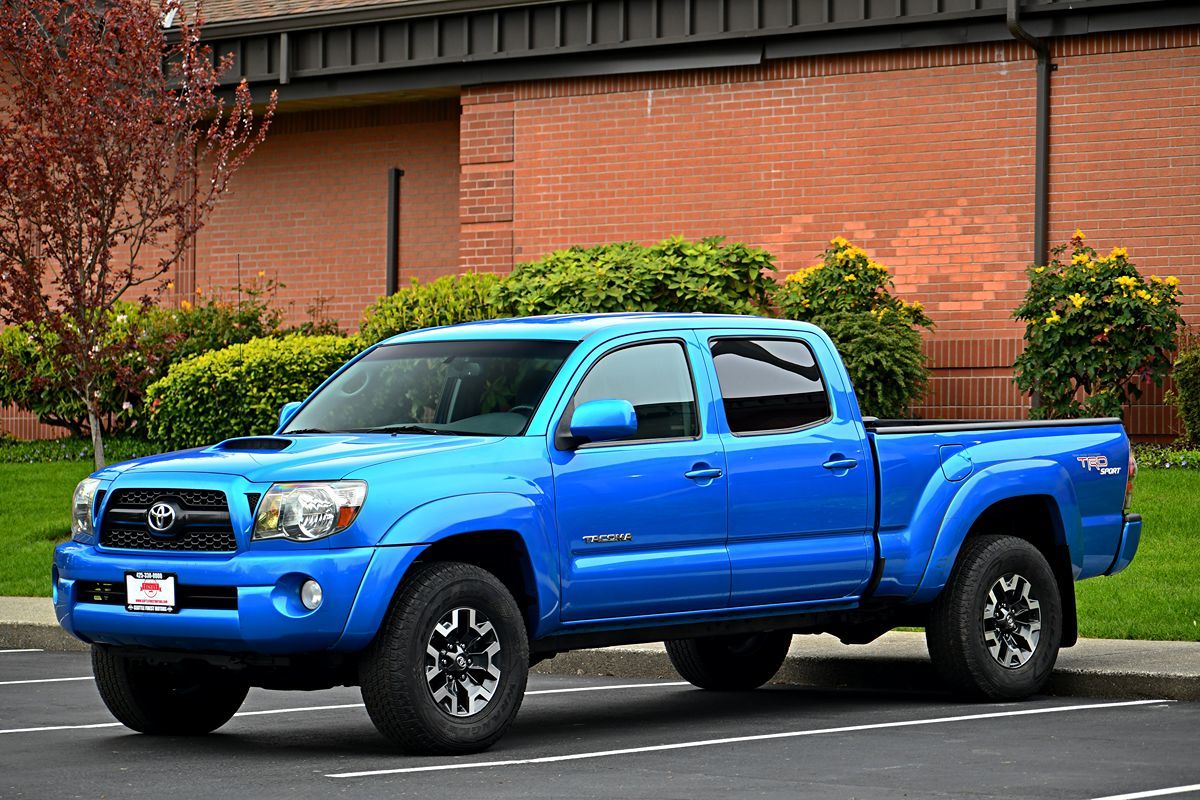
The gear shifter in the Tacoma sits on the console floor, taking up significant real estate. In a truck with an already small console, that shifter housing further reduces what little usable space exists.
There was no organizational system inside the bin whatsoever. The empty, unlined bin felt unfinished. Competitors at similar price points offered far more thoughtful internal organization.
Buyers moving up from base trim quickly learned to upgrade. The higher trims offered improved consoles with better storage and charging options. But buyers who stretched to afford the base Tacoma expected more than they received.
The feeling from the base Tacoma console was that it was an afterthought. Toyota’s engineers clearly focused their budget and effort on the drivetrain and chassis. The console suffered as a result.
This was especially disappointing given Toyota’s reputation for thoughtful design in other areas. Tacoma owners love their trucks deeply. Many simply learned to work around a console that never quite worked for them.
3. Ram 2500/3500 Base Trim
The Ram 1500 earned praise for its console earlier in this article. But the heavy-duty Ram 2500 and 3500 in base trim configurations told a very different story.
These trucks are built for serious work. They tow massive loads. They carry heavy payloads. Their buyers are contractors, ranchers, and fleet operators who spend entire days inside the cab.
The base trim console in these trucks did not match that demanding use case. It was Spartan to a degree that felt almost disrespectful to the buyer’s needs.
Storage was minimal. There was a shallow bin beneath the armrest that couldn’t hold much more than a few documents and a phone. For people carrying job site supplies, spare parts, or electronic equipment, the bin was functionally useless.
The armrest itself was narrow. Big trucks tend to attract buyers with physically demanding jobs. Those buyers often have larger frames and appreciate a wide, supportive armrest. The base Ram HD console didn’t deliver that.
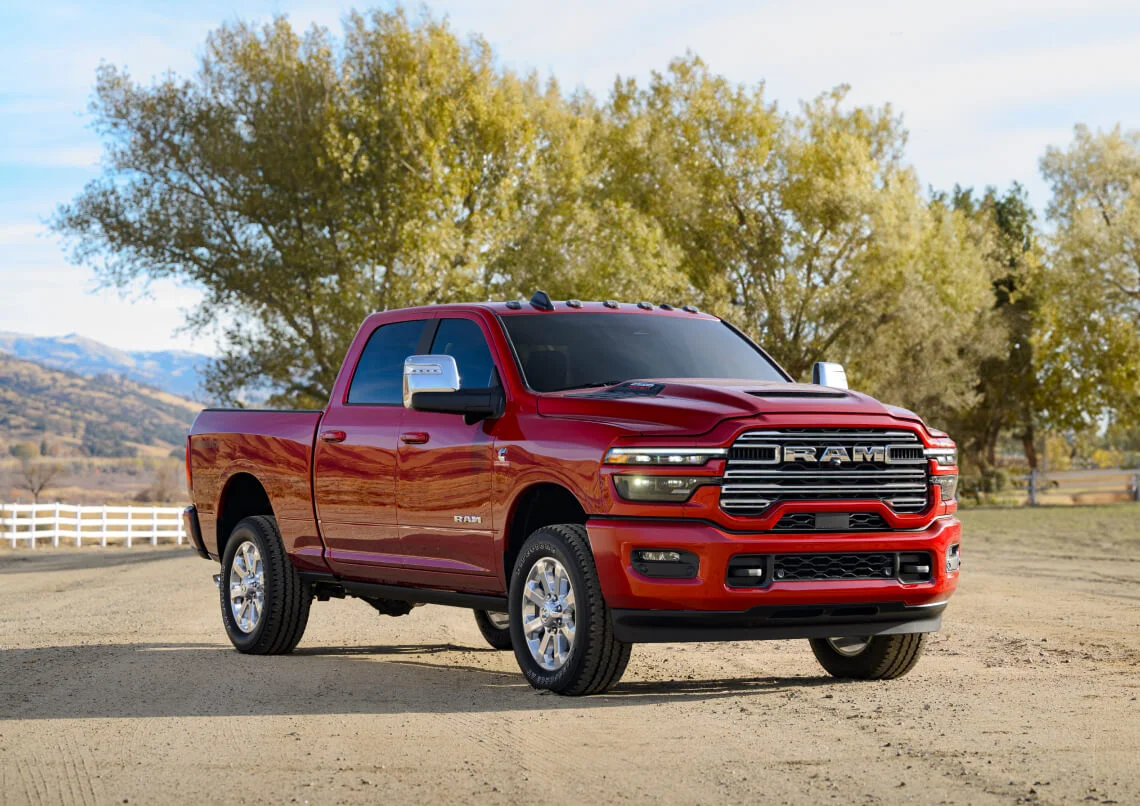
Charging options were severely limited. A single 12-volt outlet was the only power source in many base configurations. In a truck that can cost well over $50,000, one power outlet was a serious oversight.
The cupholders were acceptable but unremarkable. They held standard drinks without issue. But there was nothing special about them, and they showed no creative thinking about how heavy-duty truck users carry beverages differently.
The gear selector in HD Ram trucks is appropriately sized for the heavy-duty transmission. But that means the shifter housing is larger than in a 1500. It takes up more console space, making an already tight storage situation worse.
No pass-through option was available in base heavy-duty trims. The 1500’s clever folding console trick simply didn’t translate to the HD lineup at the lower price points.
The base Ram HD console felt like it was designed by a committee that never asked field workers what they actually needed. It checked the minimum required boxes without showing any empathy for the demanding work lives of its buyers.
4. Ford F-250 Base Trim
Ford’s F-250 Super Duty is a legendary work truck. It’s trusted by contractors, utility companies, and heavy haulers across the country. But the base trim center console let down an otherwise exceptional vehicle.
The storage bin was small relative to the size of the truck. Opening the console lid revealed a space that felt barely larger than a glove box. For a truck designed for heavy work, that was a fundamental disconnect.
There were no USB ports in the lowest base configurations. Some buyers discovered this only after purchase. In a professional work truck, the absence of modern charging options felt like a significant omission.
The armrest surface was hard and unpadded in base trim. Spending eight or ten hours behind the wheel of a Super Duty means a lot of time with your elbow on that armrest. Hard plastic is not a comfortable choice for long workdays.
The interior of the storage bin had no lining. Tools, hardware, and documents all shared the same unlined plastic space. Items scratched against each other and the bin walls constantly.
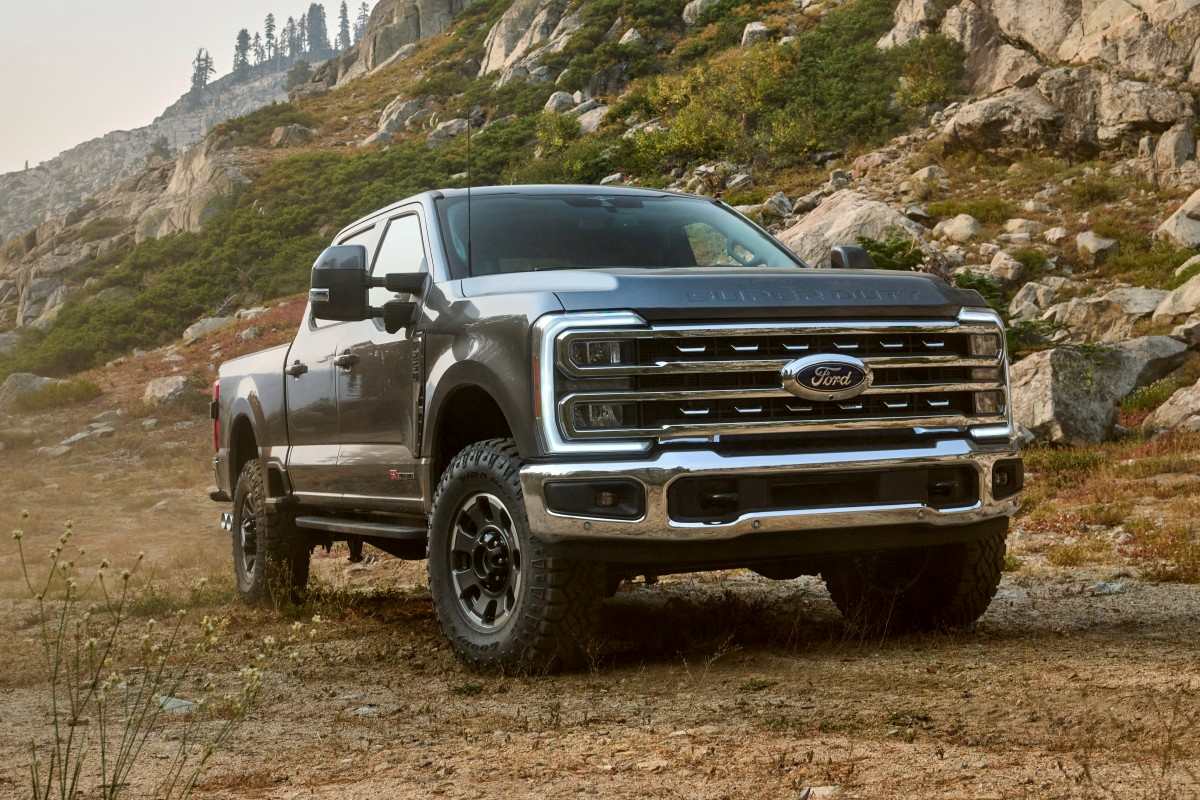
The cupholder design was basic and showed its age compared to competitors. The holders were round but lacked any depth adjustment or rubber lining. Large bottles sat loosely and rattled during driving.
The floor-mounted gear selector in the F-250 is large and positioned prominently. It creates a physical barrier between driver and passenger. In a truck without a wide, well-organized console, that barrier just made the cabin feel divided without delivering any storage benefit.
Higher Super Duty trims corrected most of these issues generously. The Lariat, King Ranch, and Platinum F-250 trims offered dramatically better consoles. But base trim buyers who needed the towing capacity without the price premium ended up with a console that didn’t serve them.
Ford clearly knew how to build a better console. The evidence existed in the higher trims. The decision to leave base buyers with such a basic setup felt like a missed opportunity for a brand that so clearly understood what truck buyers needed.
5. Chevrolet Colorado (Previous Generation)
The previous generation Chevrolet Colorado occupied a competitive midsize truck market. It competed directly with the Tacoma and the Ranger. Unfortunately, its center console was one of its weakest elements.
The console was physically smaller than comparable trucks in the segment. Looking at it next to a Ranger or a Ridgeline made the difference obvious. The Colorado’s console simply offered less in every measurable way.
The storage bin beneath the armrest was shallow. A large phone, placed flat, barely had room above it before the lid closed. There was no depth for real storage of job-related items.
Charging options were sparse. Older Colorado models offered minimal USB presence in the console area. Buyers adding this as a daily driver found themselves constantly looking for power outlets they didn’t have.
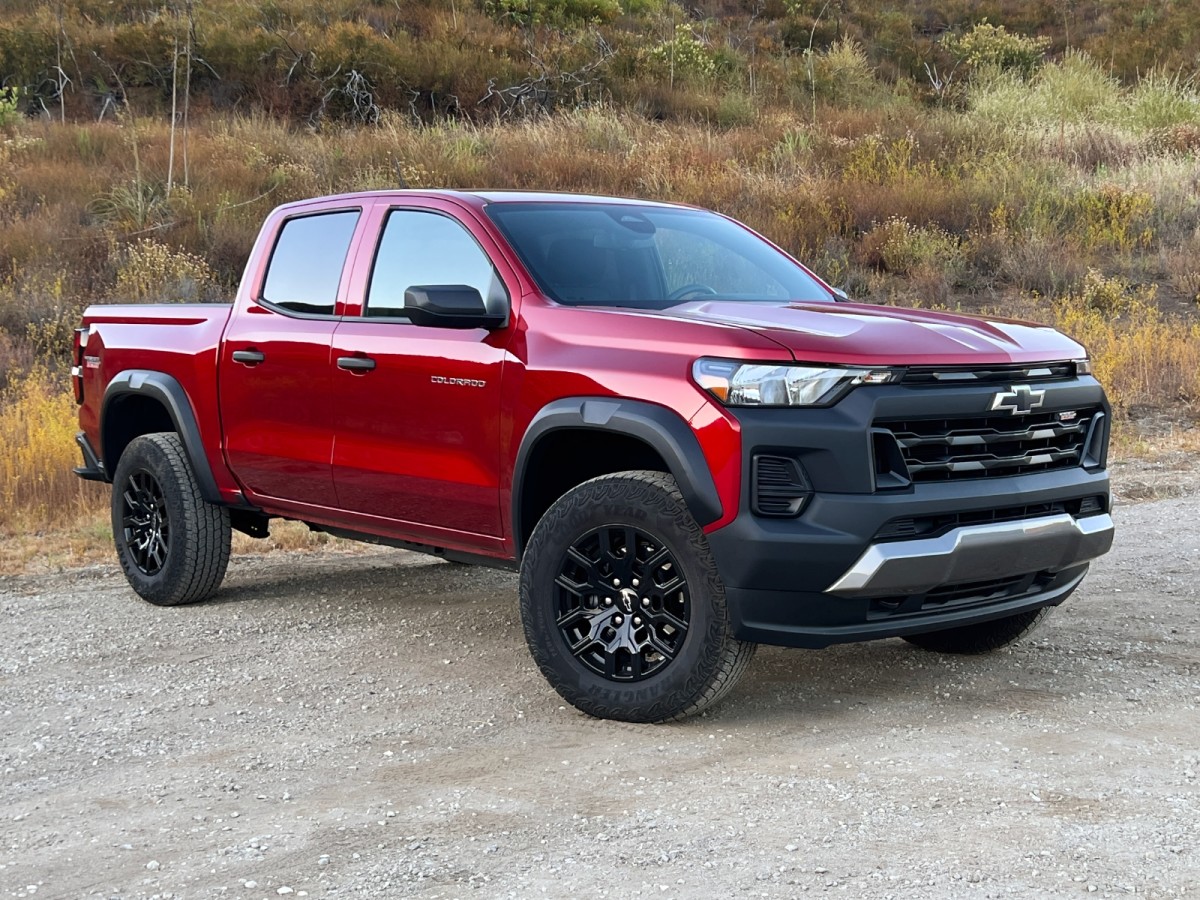
The armrest padding wore out quickly. After a year of regular use, the padding had compressed noticeably in the center. The surface no longer provided comfort, just a flattened reminder of what it used to feel like.
No organizational system existed inside the bin. The shallow space was also completely open. Small items, receipts, cards, and coins fell into corners and mixed together in an unusable pile.
The cupholders sat too close together for practical use. Putting a large travel mug in one holder meant the other holder became inaccessible. Two normal-sized drinks simply couldn’t coexist comfortably.
The gear shifter in the Colorado added to the console’s problems. The shifter housing was wide relative to the compact console design. It reduced the usable width of the storage surface and made the cabin feel narrow.
Higher Colorado trims did improve matters somewhat. But the improvements felt incremental rather than comprehensive. The console never became a strength of the vehicle, regardless of trim level.
Chevrolet addressed many of these issues in the fully redesigned Colorado that followed. But for buyers of the previous generation, the center console remained a persistent source of frustration throughout ownership. It was the kind of daily irritant that colors your entire experience of an otherwise decent truck.
6. GMC Canyon (Previous Generation)
The GMC Canyon shared its platform with the Chevrolet Colorado. That meant it also inherited Colorado’s center console problems with only cosmetic differences.
The bins were the same shallow, unlined spaces found in Colorado. The charging options were equally sparse. The armrest padding showed the same tendency to compress and lose its shape over time.
GMC did add slightly different trim materials in upper Canyon configurations. But the underlying structure was identical to Colorado’s. Changing the appearance of a poorly designed console doesn’t change how it functions.
The Canyon positioned itself as a slightly more premium alternative to the Colorado. Buyers paid a little more, expecting a more refined experience. The console, in most trims, did not deliver on that premium promise.
Cupholder placement suffered from the same problems as the Colorado. The close spacing made dual-drink situations awkward. Canyon drivers quickly learned which cupholder worked and which one was a decoration.
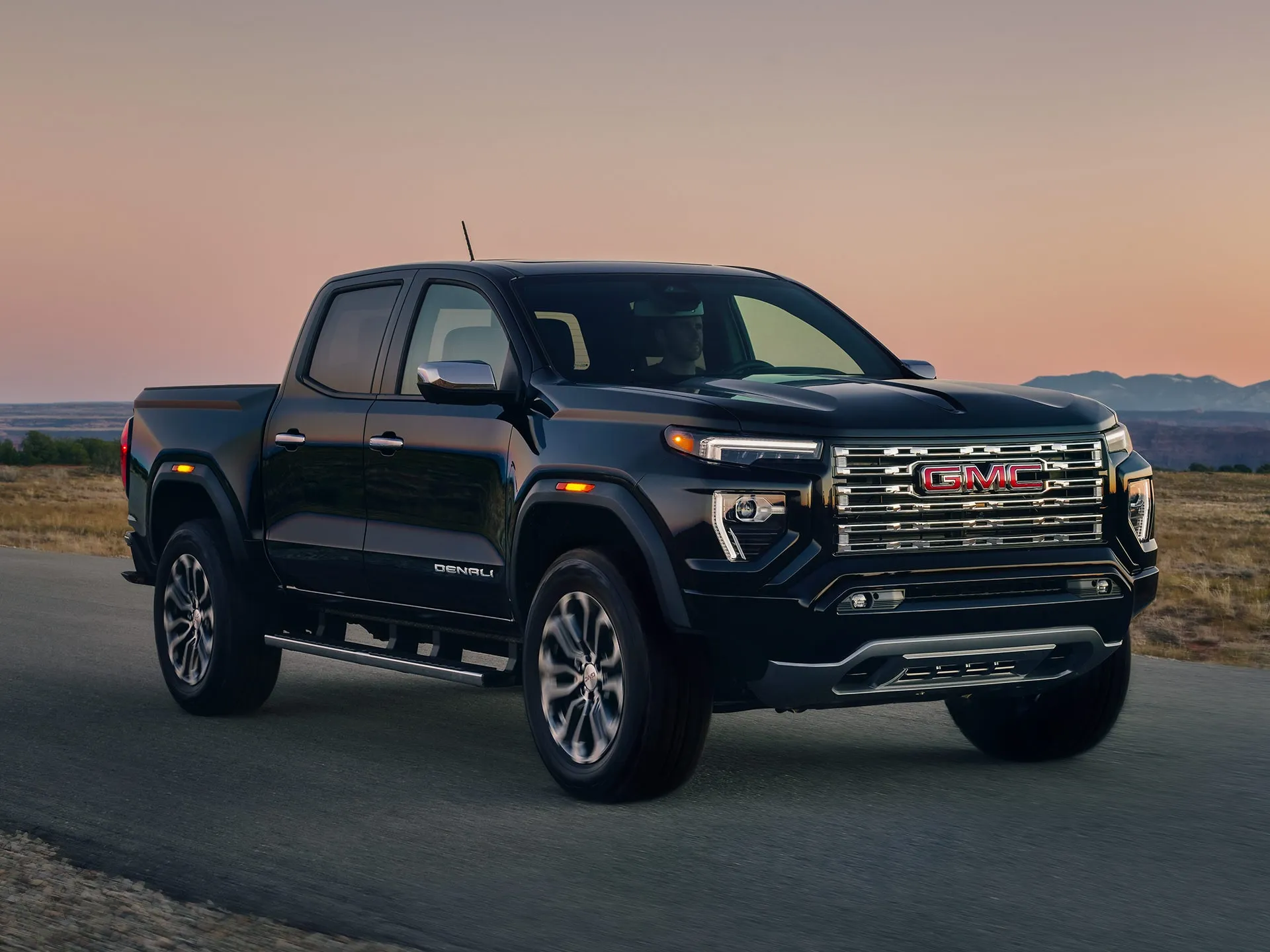
There was a brief period when GMC offered special edition Canyon models with improved interior treatments. But the core console layout remained unchanged. Improvements were surface-level rather than structural.
Buyers who cross-shopped the Canyon against a Ford Ranger or a Honda Ridgeline frequently came away feeling the competition offered better everyday usability. The console played a significant role in that impression.
The Canyon has since been redesigned along with the Colorado. The new generation improved the console situation considerably. But the previous generation left too many buyers feeling that GMC wasn’t listening closely enough to how midsize truck buyers actually used their vehicles.
The shared platform strategy made financial sense for General Motors. But it also meant that Canyon buyers, who often paid more than Colorado buyers, received the same functional limitations without any real compensation in daily usability. That tradeoff didn’t go unnoticed.
Also Read: Why CVT Transmissions Get a Worse Reputation Than They Deserve
