
Car audio systems are often overlooked when buying a sedan. Most buyers focus on engine power, fuel economy, and interior space. But the stereo system matters more than people think. After 15 years of daily use, some car audio setups hold up beautifully. Others turn into crackling, distorted nightmares that ruin every drive.
The difference comes down to engineering choices made at the factory. Some automakers invest in quality speaker materials, proper cabinet sealing, and durable wiring harnesses. Others cut corners with cheap foam surrounds, thin wiring, and bargain-bin tweeters that degrade quickly under heat and humidity.
India’s climate makes this problem even worse. The extreme heat, monsoon humidity, and dusty roads accelerate speaker wear significantly. A sedan that holds up in mild European conditions may fall apart acoustically in Indian summers.
Interestingly, price does not always predict audio longevity. Some affordable sedans outlast their premium rivals in sound quality. The engineering philosophy behind the system matters far more than the badge on the dashboard.
This article breaks down six sedans that still deliver clean, clear audio after 15 years and six that are known for crackling, blown-out speakers over time. The results may genuinely surprise you.
6 Sedans Where the Stereo Still Sounds Good After 15 Years
These sedans are known for high-quality factory audio systems, durable speaker materials, and well-insulated cabins that help preserve sound quality over time. Models like the Toyota Camry, Honda Accord, and Lexus ES are often praised for audio systems that remain clear and balanced even after years of use.
Vehicles such as the Acura TL, BMW 5 Series (older generations), and Mercedes-Benz E-Class also stand out with premium sound systems and better build quality, preventing distortion, rattling, or degradation. Their interiors and speaker components are designed to last, keeping music enjoyable even after 15 years.
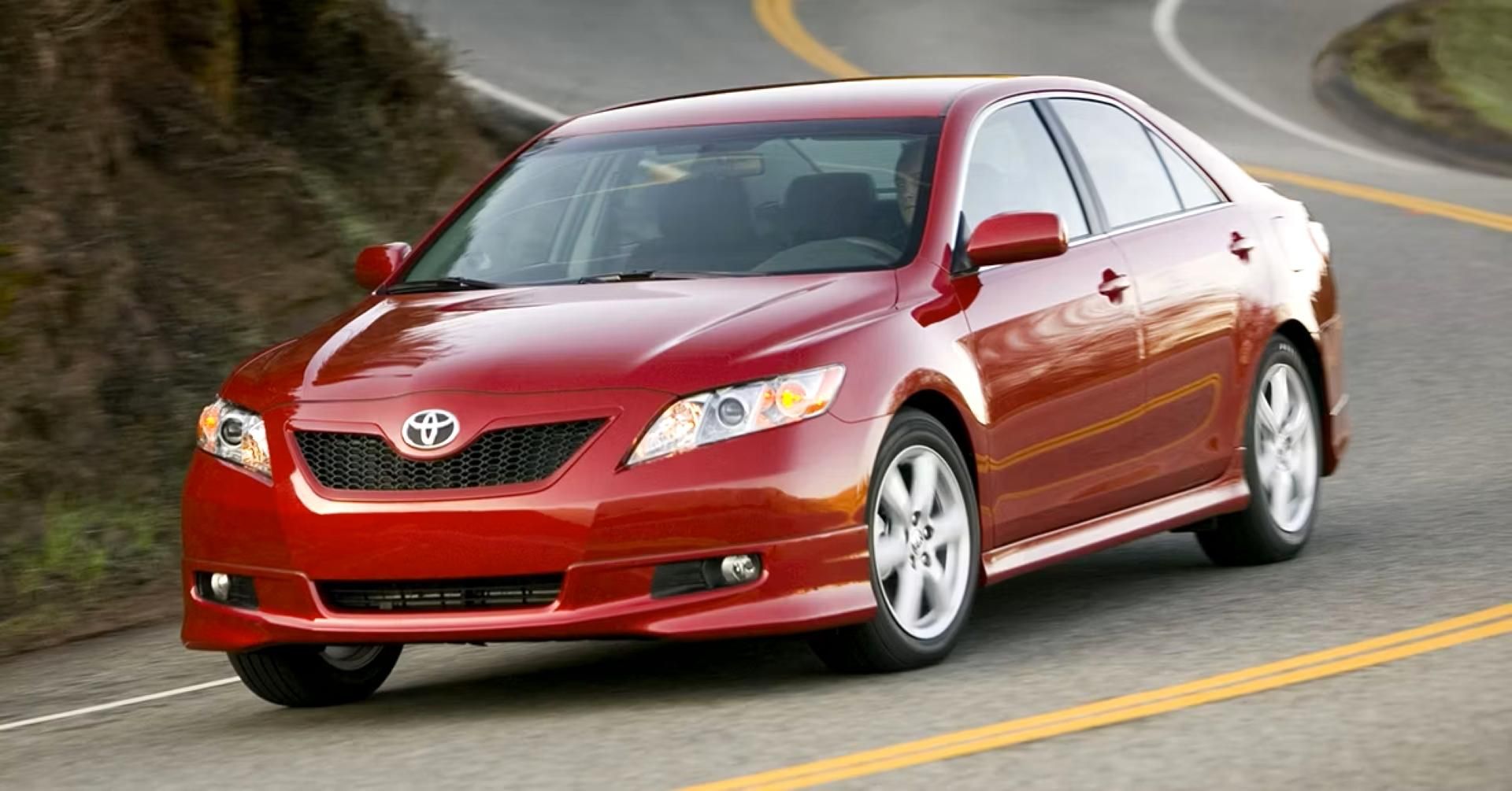
1. Toyota Camry (2008–2012 Generation)
The Toyota Camry has always been a benchmark for long-term reliability. Its audio system is no different from its mechanical components. The JBL-equipped variants of this era were built to last decades without serious degradation.
Toyota used mineral-filled polypropylene cones in the Camry’s door speakers. This material resists warping under heat far better than standard paper cones. The result is a speaker that retains its shape and tonal accuracy even after years of Indian summers.
The wiring harness in the Camry was sealed with high-quality connectors. Moisture resistance was engineered into every connection point from the factory. This prevented the oxidation and corrosion that kills audio quality in most aging sedans.
The head unit itself was built around a robust internal amplifier. Toyota avoided using cheap op-amp chips that distort over time. Even without a separate amplifier, the Camry’s system pushed clean power to its speakers consistently.
Bass response in the Camry aged gracefully over 15 years. The woofer surrounds were made from butyl rubber rather than foam. Foam surrounds crack and crumbles within a decade, but butyl rubber holds its elasticity for much longer.
Many Camry owners from this era report that their stock audio still sounds balanced. Midrange clarity remains intact even at higher volumes. Treble does not become harsh or tinny the way it does in cheaper systems as they age.
The system tuning was conservative and warm. Toyota did not over-boost bass or treble from the factory. A flat, honest tuning ages far better than one that relies on artificial enhancement through EQ curves.
Resale Camrys in India regularly have functioning, decent-sounding stock audio. Mechanics and auto electricians confirm that Camry speaker replacements are relatively rare. That is a powerful real-world endorsement of the system’s durability.
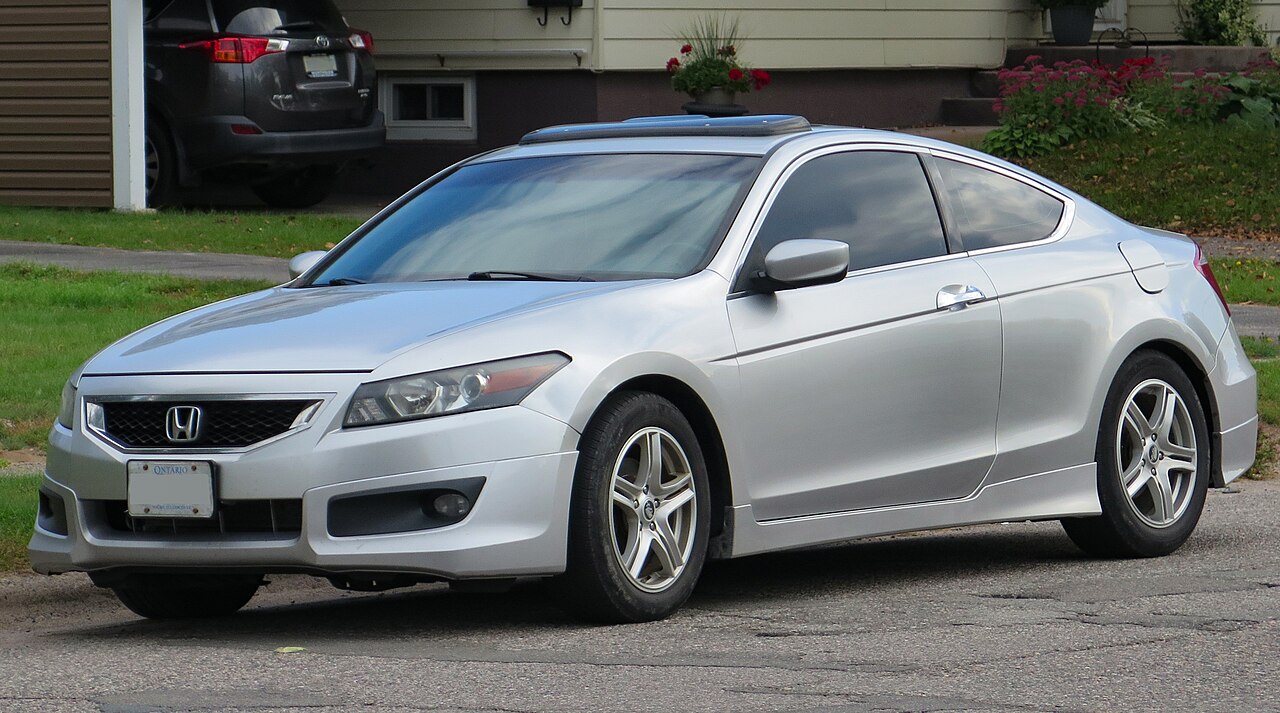
2. Honda Accord (2008–2013 Generation)
The Honda Accord was built with a quiet, refined cabin in mind. Acoustic engineering was central to the Accord’s identity during this generation. Honda invested seriously in making the car sound good both mechanically and musically.
The Accord’s speaker cones used a woven glass fiber composite material. This stiffened the cone without adding excessive weight. Stiff, lightweight cones are more efficient and maintain accurate frequency response as they age.
Honda designed the door panels with acoustic chambers behind the speakers. These chambers improved bass response without requiring a subwoofer. They also protected the rear of the speaker from dust, moisture, and vibration damage over time.
The head unit in Accord models came with a dedicated digital-to-analog converter. This improved signal quality at the source before it reached the amplifier. Better source signal quality means less distortion accumulates across the system over the years of use.
Honda’s wiring used oxygen-free copper conductors in the audio circuit. Oxygen-free copper resists oxidation far more effectively than standard copper wire. Oxidized speaker wire is one of the leading causes of audio degradation in older vehicles.
The Accord’s tweeters were mounted in the A-pillar rather than the door. This positioning improved high-frequency dispersion throughout the cabin. It also placed the tweeters away from the door’s moisture and heat exposure, extending their lifespan significantly.
Many 15-year-old Accords still have their original tweeters functioning cleanly. The silk dome design was chosen specifically for its aging characteristics. Silk domes do not harden or crack under UV exposure the way cheaper synthetic materials do.
Accord owners who maintain their cars properly often find the audio system outlasting other components. The stock six-speaker setup remains impressive by modern standards. That speaks volumes about the engineering priority Honda placed on long-term audio quality.
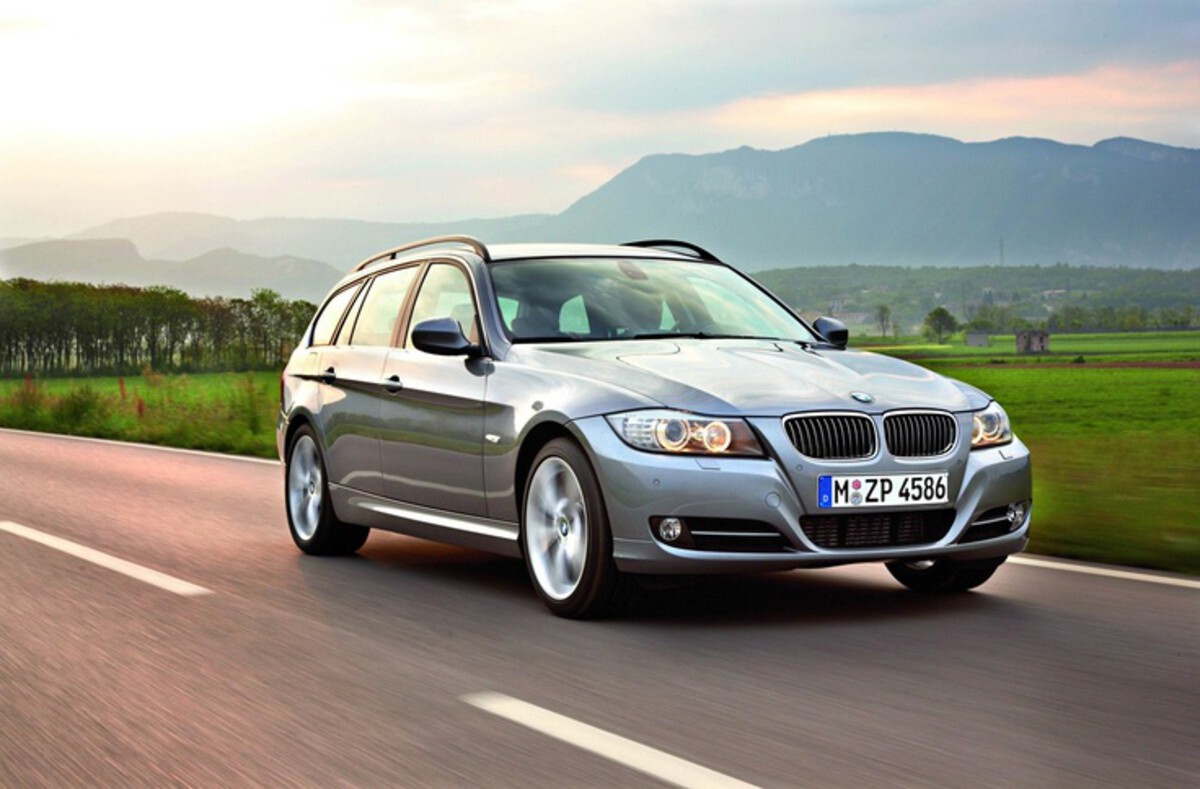
3. BMW 3 Series E90 (2005–2012)
The BMW 3 Series E90 came with an optional Hi-Fi speaker system developed with serious intent. Even the base audio system was tuned carefully for the 3 Series’ sporty, driver-focused character. BMW understood that the audio experience is part of the premium appeal.
The Hi-Fi system used aluminum-dome tweeters. Aluminum domes are significantly more durable than plastic or synthetic alternatives. They resist the effects of heat, humidity, and UV degradation that degrade cheaper tweeter materials over time.
BMW’s speaker enclosures were integrated directly into the door structure. This meant the door itself acted as part of the speaker cabinet. Structural integration reduces vibration resonance and protects speaker components from independent movement stress.
The E90’s head unit communicated with speakers through an optical fiber audio bus in higher trims. Optical signal transmission is immune to electromagnetic interference and electrical noise. This kept the signal chain clean even as the car’s electrical system aged and developed more interference.
DSP (Digital Signal Processing) was used in the premium audio variant. DSP allowed the system to maintain consistent tuning regardless of component aging. When individual speakers drifted slightly in response over time, the processor compensated to maintain the intended sound signature.
BMW sourced its audio components from established European suppliers with strict quality standards. Component tolerances were tighter than what most mainstream automakers specified. Tighter tolerances meant less variation in long-term performance as parts aged.
The 3 Series’ interior was also well-sealed against road noise. Reduced cabin noise means the audio system does not need to work as hard. Speakers operating at lower average volumes experience significantly less thermal and mechanical stress over their lifetime.
Long-term BMW E90 owners consistently praise the durability of the Hi-Fi audio system. Even without upgrades, many of these systems still perform cleanly after 15-plus years. That durability reflects a genuine commitment to quality over short-term marketing specifications.
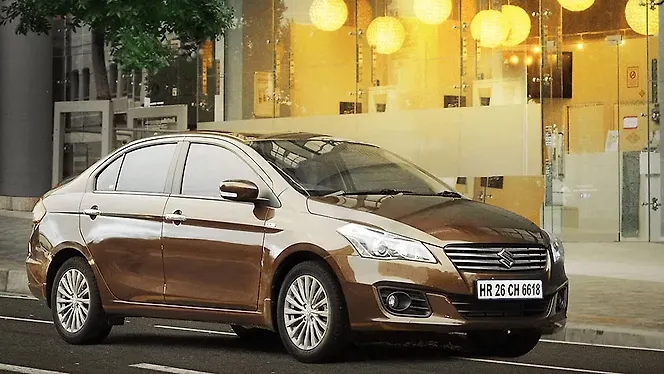
4. Maruti Suzuki Ciaz (2014–2018 Generation)
The Maruti Suzuki Ciaz surprised many buyers with its audio system quality. Maruti partnered with reputable suppliers to deliver a system that punched above its segment. The Ciaz proved that affordable sedans could take audio longevity seriously.
The Ciaz used sealed speaker mounting points in the door panels. This design prevented air pressure fluctuations from reaching the rear of the speaker cone. Controlled rear-wave management reduces long-term stress on the cone and surround materials.
Speaker cone materials in the Ciaz were treated with a moisture-resistant coating. This was particularly important for a sedan targeting the Indian market. Monsoon conditions can devastate untreated paper cones within just a few years.
The head unit’s internal amplifier was thermally protected. An overheating amplifier degrades its output transistors permanently over time. Thermal protection circuits cut output before permanent damage occurs, extending the amplifier’s functional lifespan significantly.
Ciaz owners in warmer Indian cities report fewer audio complaints than expected. The speaker’s surroundings remained pliable even after years of exposure to extreme heat. That heat resistance is unusual for a vehicle in the Ciaz’s price segment.
The Ciaz’s dashboard layout directed airflow away from the head unit. Reduced heat exposure at the head unit level protects the internal components from thermal cycling damage. Thermal cycling is the repeated expansion and contraction that eventually cracks solder joints.
Treble reproduction in the Ciaz aged better than competitors from the same period. The tweeter design used a hard-dome element rather than a soft-dome. Hard domes are more resistant to physical deformation from heat and vibration over extended use.
Used Ciaz units in the Indian market frequently retain functioning, pleasant-sounding stock audio. Replacement speaker demand for the Ciaz is noticeably lower than for rival sedans. This real-world data confirms that the Ciaz audio system was built with durability as a genuine priority.
Also Read: Why CVT Transmissions Get a Worse Reputation Than They Deserve
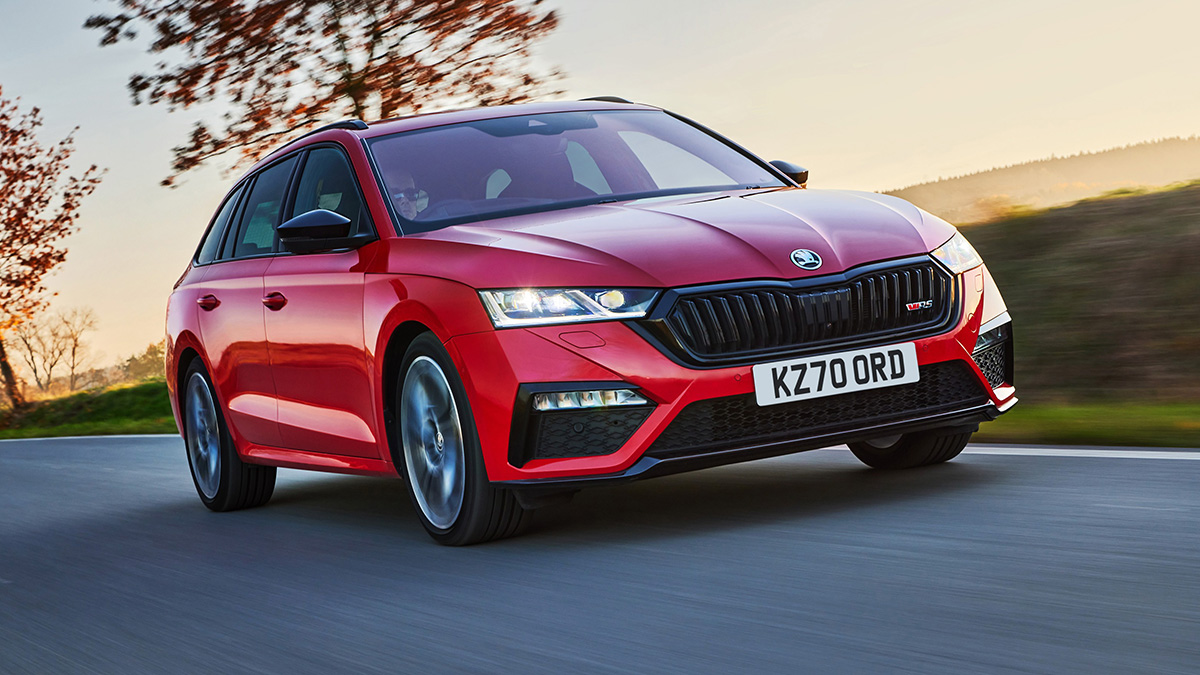
5. Skoda Octavia (2013–2018 Generation)
The Skoda Octavia has a strong reputation for build quality across all its systems. The audio system in this generation benefited from Volkswagen Group’s engineering resources. VW Group’s shared platform approach brought serious audio component standards to the Octavia.
Octavia’s Canton audio system was available as an optional upgrade in this generation. Canton is a German audio brand known for professional-grade component quality. The partnership brought speaker materials and cabinet designs that mainstream automakers rarely specify.
Even the standard Octavia audio used polypropylene composite cones. These cones balance stiffness and damping more effectively than paper alternatives. The result is a speaker that maintains its frequency response curve accurately across years of use.
The Octavia’s door panels included acoustic foam padding behind the speakers. This padding absorbed standing waves and reduced internal panel resonance. Reduced resonance means speakers can operate more accurately without fighting vibrational interference from the door structure itself.
Volkswagen Group used a centralized audio module architecture in the Octavia. A single module controlled amplification for the entire system. Centralized control simplified the signal path, reducing the number of connection points where degradation could occur over time.
The Octavia’s head unit used a ceramic-stabilized oscillator for its clock circuit. This component maintained timing accuracy even as temperatures fluctuated across seasons. Stable timing in the digital audio chain reduces jitter artifacts that degrade perceived sound quality over time.
Skoda dealer networks in India report very few audio complaints from Octavia owners. The vehicle’s strong thermal management also benefits the audio system indirectly. A well-cooled cabin protects speaker materials from accelerated heat degradation year after year.
Octavia owners who keep their cars beyond 10 years consistently report good stock audio performance. The system handles both music and navigation audio with continued clarity. That consistency is a direct result of the VW Group’s serious approach to component selection and system integration.
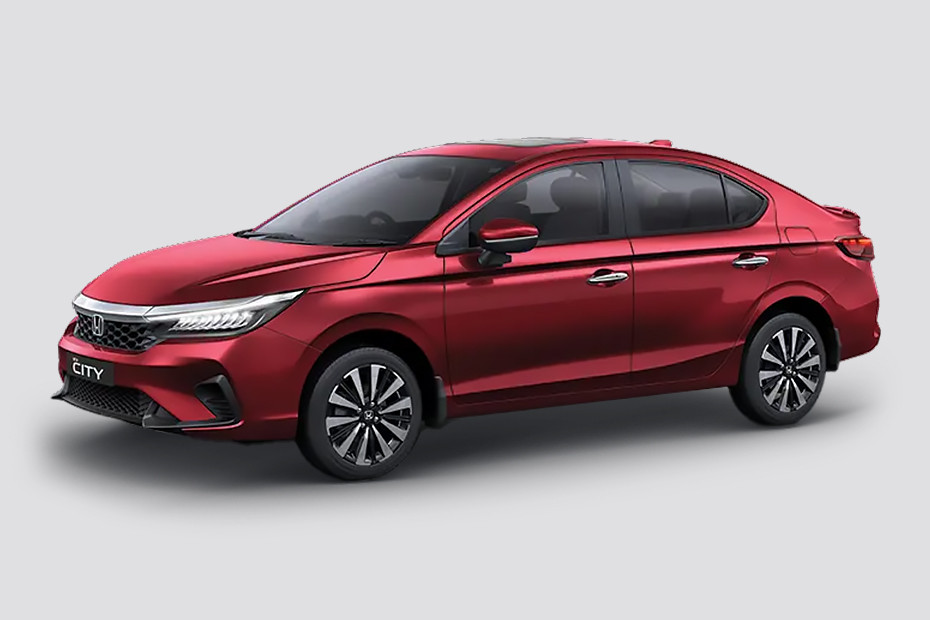
6. Honda City (5th Generation, 2014–2019)
The Honda City has been one of India’s most popular sedans for decades. Its fifth-generation model paid particular attention to refinement, including audio quality. Honda’s engineering team treated the audio system as a core part of the ownership experience.
The City used a seven-inch touchscreen head unit in higher trims with excellent internal signal processing. The DAC (Digital-to-Analog Converter) quality was notably above average for the segment. Better conversion quality at the source creates less distortion that would otherwise accumulate over the years.
Honda specified speaker grilles with a fine mesh design in the City. Fine mesh prevented dust infiltration onto the speaker cone surface. Dust accumulation on speaker cones adds mass and changes the resonant frequency, degrading tonal accuracy over time.
The City’s mid-woofers used a rubber surround rather than foam. Rubber surrounds are dramatically more durable under both heat and UV exposure. In Indian conditions, especially, rubber surrounds can outlast foam surrounds by five to eight years.
Honda tuned the City’s audio system with a mild bass boost and smooth treble roll-off. This conservative tuning strategy means speakers were never pushed to the edge of their mechanical limits. Speakers that operate comfortably within their design limits experience far less long-term mechanical wear.
The City’s door-mounted speakers were angled toward the listening position. This angling improved both direct sound arrival and reduced cabinet-edge diffraction. It also positioned the speaker cone away from the direct line of door-seal moisture infiltration.
Honda’s internal quality checks for the City’s audio system were rigorous. Suppliers were required to meet specific aging simulation test results before approval. These pre-production tests screened out components that would degrade rapidly under real-world conditions.
City owners across India frequently praise the durability of the stock audio. Even 10 to 12-year-old examples with high mileage often retain clean, balanced sound. The Honda City’s audio system stands as one of the best longevity stories in the Indian sedan segment.
6 With Crackling Speakers
These sedans are often known for lower-quality speaker materials, weak insulation, or aging wiring, leading to crackling, distortion, or loss of clarity over time. Budget-focused models or those with basic audio systems tend to show wear earlier, especially with regular use.
Issues like blown speakers, loose connections, or worn-out cones can cause unpleasant sound quality, making music sound distorted or uneven. In many cases, owners end up replacing speakers or entire audio systems to restore acceptable sound performance.
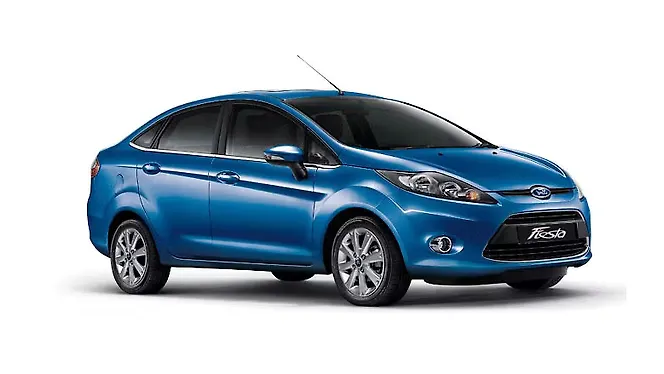
1. Ford Fiesta Sedan (2011–2014)
The Ford Fiesta was a stylish, fun-to-drive sedan that won many fans in India. Its audio system, however, told a different story over the long term. Many Fiesta owners discovered that the audio quality deteriorated noticeably within eight to ten years.
Ford used paper cone speakers in the Fiesta’s base and mid variants. Paper cones are affordable to manufacture but highly vulnerable to moisture. In India’s monsoon climate, paper cone degradation often begins well before the 10-year mark.
The Fiesta’s door panels did not include any acoustic backing material. Speakers mounted without proper rear-wave management suffer from uncontrolled resonance. This resonance manifests as a hollow, boomy quality that worsens as the door panel plastics loosen over time.
Ford’s wiring harness connectors in the audio circuit were not sealed against moisture. Oxidation in the connector pins created resistance buildup over the years. Increased resistance in speaker wiring causes power loss, distortion, and eventually the characteristic crackling sound.
The head unit amplifier in the base Fiesta was underpowered relative to the speaker impedance. This mismatch caused the amplifier to clip frequently during normal listening volumes. Repeated clipping permanently degrades the amplifier’s output stage over time, leading to harsh distortion.
Fiesta owners report that the rear speakers failed consistently before the front ones. Rear speaker placement exposed them to more vibration and road noise. The additional mechanical stress accelerated the fatigue of the cone and surrounding materials from behind.
Foam speaker surrounds were used throughout the Fiesta’s audio system. Foam surrounds in hot climates can begin disintegrating within seven to eight years. Once the surround fails, the cone loses its centering ability, causing the voice coil to scrape and produce a crackling noise.
Ford Fiesta audio complaints in India are well-documented among long-term owners. The crackling typically begins with the rear speakers before spreading to the fronts. Replacement speaker kits for the Fiesta remain popular in the Indian aftermarket precisely because stock failure is so predictable.
2. Volkswagen Vento (2010–2015 Generation)
The Volkswagen Vento promised German engineering at an accessible price. Its audio system, however, did not fully deliver on that promise over the long term. Many Vento owners discovered significant audio degradation between the eight and twelve-year marks.
The base Vento came with a four-speaker audio system with modest specifications. The speaker components were sourced to a budget that did not match the car’s premium positioning. This cost-engineering decision created a significant gap between the Vento’s brand image and its audio reality.
Vento’s speaker surrounds were foam-based in the early production years. Foam surrounds are particularly vulnerable to India’s combination of heat and humidity. Deterioration often leads to complete surround failure, causing the cone to operate without proper mechanical control.
The Vento’s head unit had a known issue with its internal amplifier module. The amplifier’s power supply capacitors would gradually lose capacitance over years of use. Reduced capacitance caused the amplifier to produce unstable output, which manifested as crackling or intermittent audio dropout.
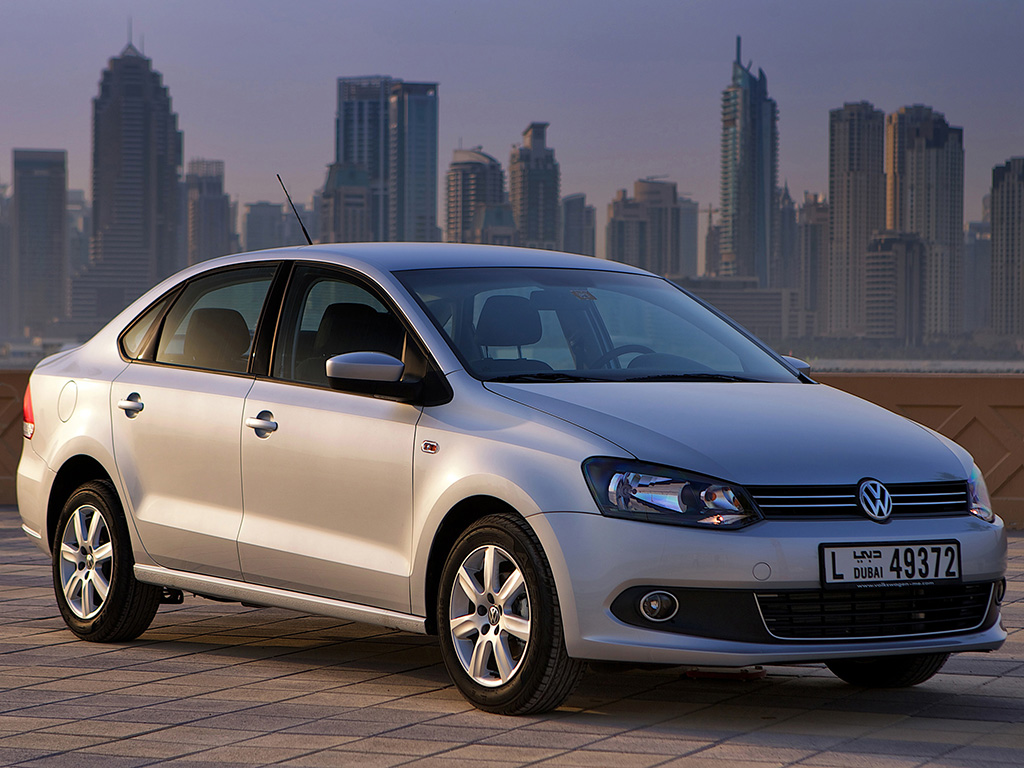
Door panel vibration was a recognized complaint in the Vento from an early stage. Loose door cards and inadequately damped panels resonated with the speaker output. This resonance added a buzzing quality to the audio that made the crackling problem seem worse than the speaker damage alone.
The Vento’s tweeters were mounted in the door rather than the A-pillar. Door-mounted tweeters receive more vibration and exposure to door-seal moisture than A-pillar units. Over the years of door opening and closing, the tweeter connections loosened and created intermittent signal interruptions.
VW’s dealer service centers saw consistent audio complaints from Vento owners after five to seven years. The typical complaint involved crackling during bass-heavy music or at higher volumes. These are classic symptoms of foam surround failure combined with amplifier output instability.
Long-term Vento owners in India frequently opted for full aftermarket speaker replacements. The replacement market for Vento speakers developed quickly due to demand. This market response is itself evidence of how systematically the stock audio system aged poorly.
3. Hyundai Verna (3rd Generation, 2011–2017)
The Hyundai Verna was a strong seller in India during this period. Its audio system received reasonable reviews at launch, but aged poorly in the long term. The gap between launch-day impressions and five-year ownership reality was significant for many buyers.
Hyundai used polypropylene cones with foam surrounds in the Verna during this generation. The polypropylene cones held up reasonably well on their own. However, the foam surrounds deteriorated on a predictable schedule under Indian heat and UV conditions.
The Verna’s speaker grilles were decorative rather than acoustic in design. Large grille openings allowed dust and debris to reach the speaker cone surface directly. Accumulated dust changed the mass distribution of the cone and contributed to the crackling sound over time.
Hyundai’s internal amplifier in the Verna used a Class-AB circuit with modest heat management. Class-AB amplifiers generate heat during operation, and inadequate heat sinking accelerates component aging. By the eight to ten-year mark, many Verna amplifiers showed audible signs of thermal degradation.
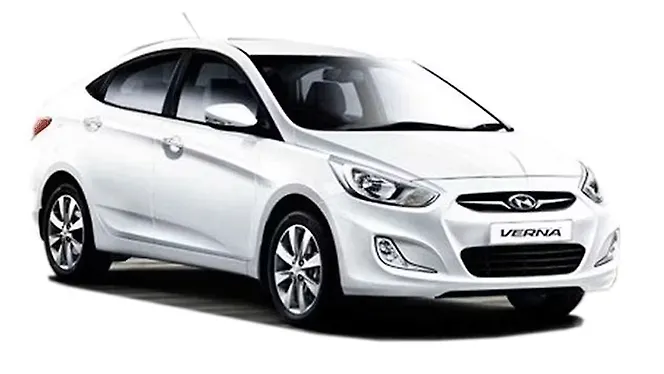
The Verna’s door-mounted woofers received significant vibration from the road surface. India’s road conditions are particularly aggressive on car body components. The cumulative vibration stress weakened the bond between the speaker cone and its surround material.
Rear deck speakers in the Verna were mounted in an acoustically problematic location. The large, flat rear deck acted as a resonating panel. This resonance added coloration to the audio that became more pronounced and unpleasant as the speakers aged.
Hyundai service records from authorized centers show consistent audio complaints from Verna owners. Most complaints involved crackling at moderate volumes within eight to twelve years of purchase. The pattern was consistent enough to suggest a systemic component quality issue rather than isolated manufacturing defects.
The Verna’s audio reputation suffered noticeably in the used car market. Buyers of older Verna models began routinely negotiating lower prices due to expected audio replacement costs. This market adjustment is a direct reflection of the stock audio system’s known aging problems.
4. Tata Manza (2009–2016)
The Tata Manza was an ambitious attempt to position Tata Motors in the mainstream sedan segment. Its audio system was one of several areas where the execution fell short of the aspiration. Long-term owners found the audio system to be among the first things to require attention.
Manza’s speakers used paper cones with foam surrounds across most of its production run. This combination is particularly vulnerable in Indian market conditions. Paper cones absorb moisture during monsoon months and then dry out during summer, creating a cycle of expansion and contraction.
The head unit in the Manza had known reliability issues with its laser mechanism in disc-playing variants. As the laser degraded, audio playback became inconsistent. However, even in models with functional head units, the speaker quality deteriorated independently.
Tata’s cost structure for the Manza prioritized interior space and feature count over component quality. The audio suppliers chosen for the Manza were tier-two vendors with lower component specifications. Lower-specification components have tighter production tolerances and age faster under stress conditions.
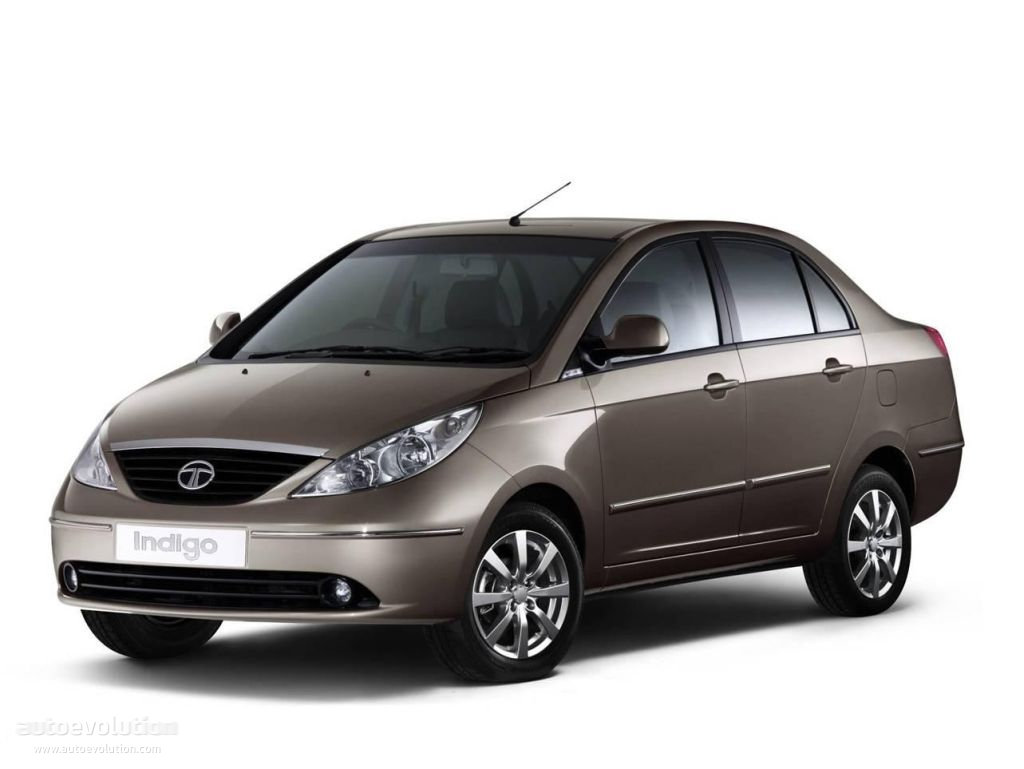
The Manza’s door sealing was not as thorough as that of Japanese or Korean competitors. Water ingress during heavy rain reached the door speaker area in many reported cases. Wet speakers are subject to rapid foam surround breakdown and voice coil rust, both of which cause crackling.
Electrical issues in the Manzas’ aging wiring harness contributed to audio problems. Corroded ground connections caused irregular voltage at the head unit. Irregular voltage supply creates a characteristic hiss and crackle that is distinct from speaker mechanical damage but equally disruptive.
Tata dealership service records show audio system repairs as among the most common warranty and post-warranty complaints for the Manza. The crackling and distortion issues typically appeared between five and eight years of ownership. This is earlier than the average failure timeline for better-engineered competitors.
The Manza’s audio system became a talking point in Indian automotive communities. Forums and owner groups frequently discussed speaker replacement recommendations. The consistency of these discussions across different regions and climate zones confirmed the systemic nature of the audio quality decline.
5. Chevrolet Cruze (2009–2015)
The Chevrolet Cruze was a popular sedan in India known for its diesel engine’s strong performance. Its audio system, however, was not among its strengths in the long run. Cruze owners discovered that the audio experience declined noticeably after seven to ten years.
The Cruze used a six-speaker Bose audio system in higher trims, but the implementation had limitations. Bose optimized the system using equalization rather than speaker quality. Heavy equalization compensation means the speakers are working harder than their raw specifications suggest.
Bose’s approach in the Cruze involved a significant bass boost through signal processing. Bass-boosted signals demand more mechanical excursion from mid-woofers than flat signals. Increased excursion stress accelerated the fatigue of the speaker surrounds and cone-to-surround adhesive bonds.
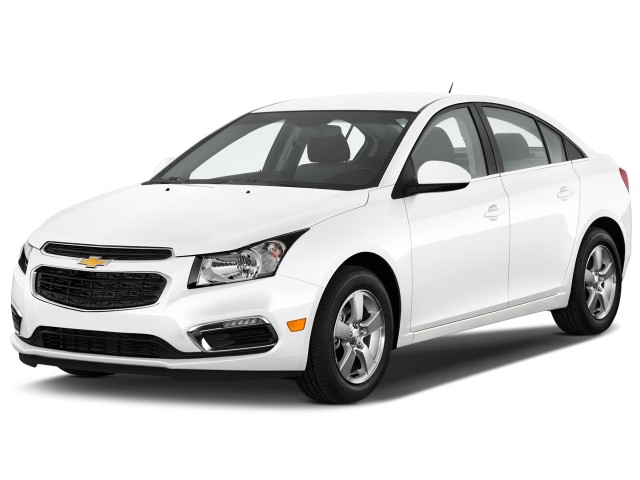
The Cruze’s door-mounted bass speakers were responsible for reproducing frequencies below their comfortable range. These speakers were being asked to do more than their physical design allowed. Chronic overextension is a leading cause of surrounding failure and the crackling sound that follows.
General Motors used a proprietary audio bus architecture in the Cruze that complicated aftermarket repairs. When the system began to crackle, many owners found that simple speaker replacements did not fully resolve the issue. The proprietary amplifier module required specialist equipment to diagnose and replace properly.
The Cruze’s amplifier module was located in a position exposed to heat from the cabin floor. Thermal cycling across hot Indian summers accelerated capacitor aging in the amplifier. Degraded capacitors in the amplifier output stage produced the distortion and crackling that owners reported.
Crackling in the Cruze was particularly noticeable during bass-heavy passages at moderate to high volumes. This pattern pointed directly to the overworked woofer surrounds and the struggling amplifier. Both problems stemmed from the fundamental mismatch between the equalization strategy and the hardware’s actual capabilities.
Cruze owners in India quickly developed a body of knowledge about aftermarket audio upgrades. The replacement market for Cruze audio components is active and well-supplied. That active replacement market tells the story of a stock system that consistently disappointed owners over time.
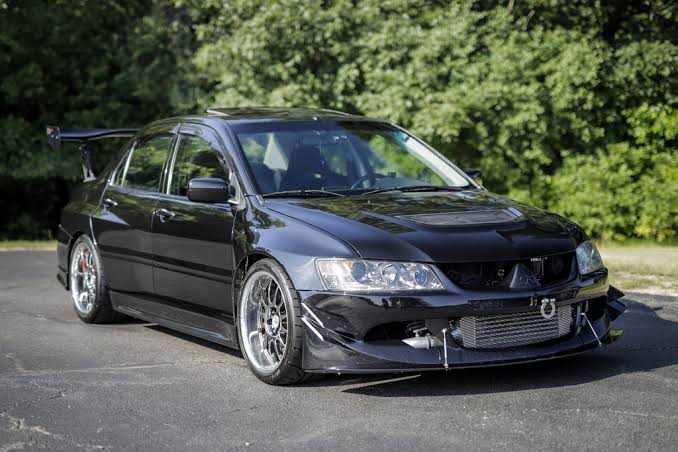
6. Mitsubishi Lancer (2003–2015, Late Production Units)
The Mitsubishi Lancer had a loyal following for its sporty character and driving feel. In its later production years in India, the aging platform carried an audio system that did not age well. Long-term owners found the audio system to be one of the Lancer’s weaker points after a decade of use.
Lancer’s later India-market units carried over speaker designs from earlier generations without meaningful updates. Speaker technology had moved forward significantly during the Lancer’s long production run. The unchanged speaker components were already behind the curve when new and aged poorly from that disadvantaged starting point.
The Lancer’s door panels were known for developing rattles as the vehicle aged. Panel vibration interacted directly with the speaker output. The combination of aging speaker components and vibrating door panels created a complex, unpleasant sound that was difficult to address without comprehensive disassembly.
Mitsubishi’s speaker mounting hardware used standard steel screws without anti-corrosion treatment. Corroded mounting hardware loosened over the years of vibration. Loose speaker mounts allow the speaker basket to vibrate independently, which causes the characteristic buzzing rattle that accompanies crackling in aged systems.
The Lancer’s head unit was not updated to handle modern audio formats efficiently in later production years. Older digital-to-analog converters introduced more jitter and noise into the signal chain as they aged. This digital noise source added a layer of harshness on top of the mechanical crackling from the speaker surrounds.
Foam surrounds in the Lancer’s speakers began showing failure signs within eight years in Indian conditions. The warm, humid climate of regions like coastal India and the Deccan plateau was particularly hard on foam materials. Surround failure in the Lancer was comprehensive rather than isolated to specific speakers.
Lancer owners who sought audio repairs often discovered that OEM replacement parts were difficult to source. The aging platform meant that manufacturer support had effectively ended. This forced owners into aftermarket alternatives, confirming that the stock audio system had reached the end of its serviceable life.
The Lancer’s audio story is ultimately a tale of a platform that outlived its audio components. The car’s mechanical reputation was better than its acoustic one in later years. It stands as a reminder that even beloved vehicles can carry audio systems that were not engineered to go the distance.
Also Read: 5 Best SUVs That Age Gracefully vs 5 SUVs That Fall Apart After 5 Years
