
When people think about long-term durability in cars, attention usually goes straight to engines, transmissions, or even electronics. Yet there is a quieter, less celebrated component that plays a crucial role in how a car ages and feels over time: suspension bushings.
These small rubber or polyurethane pieces sit between metal components, absorbing vibrations, reducing noise, and allowing controlled movement in the suspension system.
What makes bushings particularly interesting is how dramatically they influence ride quality. Fresh bushings provide a smooth, composed driving experience, keeping the car stable over bumps and maintaining precise alignment.
As they wear out, the transformation is gradual but noticeable. Steering becomes less sharp, noises begin to creep in, and the ride loses its refined character. In many cars, this deterioration can happen within a decade, especially in regions with rough roads or extreme climates.
However, not all sedans follow this pattern. Some models are engineered with exceptionally durable suspension components, including bushings that can last far longer than expected. In rare cases, these bushings remain functional for nearly two decades without requiring replacement.
This level of longevity is not accidental. It comes from a combination of thoughtful engineering, high-quality materials, and suspension designs that minimise unnecessary stress.
Manufacturers that prioritise long-term comfort and reliability often invest more in these unseen components. They use denser rubber compounds, better sealing techniques, and geometries that distribute forces evenly.
The result is a suspension system that retains its integrity long after other parts of the car begin to show age.
This list focuses on ten sedans known for having suspension bushings that stand the test of time. These cars are not just durable in a mechanical sense but also maintain their driving feel year after year.
Owners frequently report minimal changes in ride quality even after extensive mileage, which is a testament to how well these components hold up.
Each sedan here represents a different approach to durability. Some are built for comfort, others for balanced performance, but all share one common trait: suspension bushings that refuse to wear out quickly.
Understanding which cars achieve this can help buyers choose vehicles that remain smooth, quiet, and stable for decades rather than just years.
Also Read: 10 Best Cars for Seniors Who Have Trouble Reaching the Pedals
1. Toyota Camry (XV30 and XV40)
There is a reason the Toyota Camry from the early to mid-2000s continues to dominate discussions around long-term reliability, and its suspension bushings play a bigger role in that reputation than most people realise. These models were engineered with a focus on comfort and predictability, and that philosophy extended deep into the suspension design.
The bushings used in the Camry during this period are known for their durability. Instead of prioritising sporty responsiveness, Toyota chose materials that could absorb stress gradually without breaking down quickly. This decision results in bushings that age slowly, maintaining their elasticity even after years of daily driving.
Owners often notice that even after 15 to 20 years, the car still feels composed over uneven surfaces. There is no excessive clunking, no unsettling vibrations, and no sudden loss of control when hitting potholes.
The suspension continues to behave in a controlled and predictable manner, which speaks volumes about how well these bushings hold up.
Another factor contributing to this longevity is the simplicity of the suspension layout. The Camry avoids overly complex designs that might introduce additional stress points. Fewer complications mean fewer opportunities for premature wear, allowing the bushings to function within their intended limits for longer periods.
Maintenance patterns also reveal an interesting trend. Many owners replace shocks and struts over time, yet the original bushings often remain untouched. Even when inspected during servicing, they show minimal cracking or hardening compared to what is typically expected at such mileage.
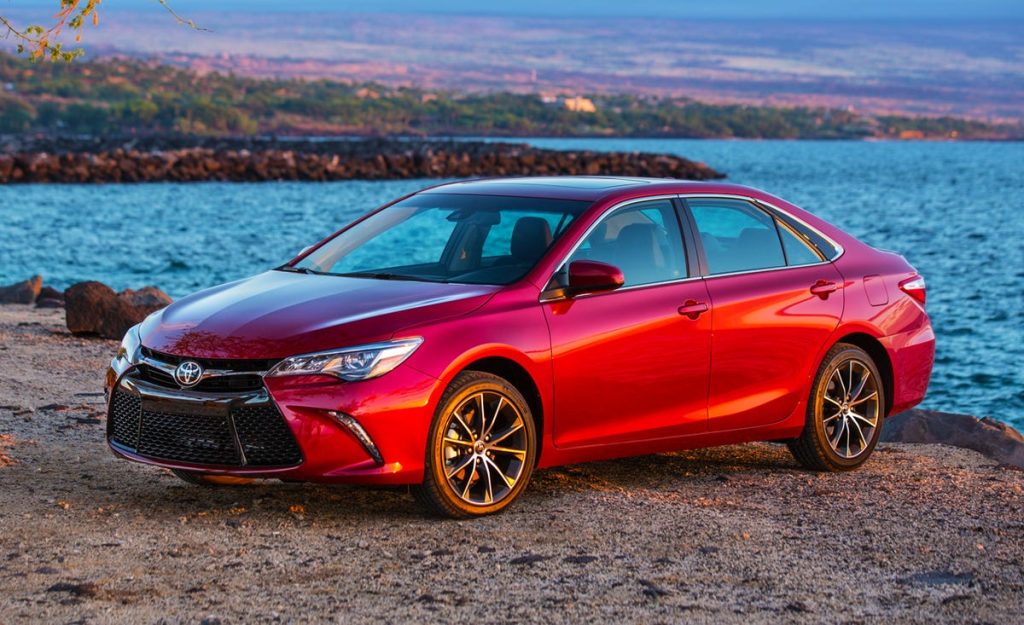
Driving one of these older Camrys today highlights this advantage clearly. The car may not feel modern or sporty, but it retains a level of smoothness that is rare for its age. That consistency is not just about good engineering at launch but about components that were built to last without constant attention.
This makes the Camry a standout example of how thoughtful design can extend the life of even the smallest parts, ensuring that the car continues to deliver comfort long after many competitors begin to feel worn out.
2. Honda Accord (Seventh and Eighth Generation)
The Honda Accord from the mid-2000s to early 2010s approaches durability with a slightly different philosophy compared to the Camry. While it offers a more engaging driving experience, it still manages to deliver impressive longevity in its suspension components, particularly the bushings.
One of the defining characteristics of these Accords is how well they balance firmness and comfort. The bushings are designed to provide a degree of responsiveness without sacrificing long-term durability. This balance ensures that they do not degrade quickly under normal driving conditions.
Over time, many cars begin to exhibit subtle signs of bushing wear. Steering precision fades, and the suspension starts to feel less cohesive. In the Accord, this process happens much more slowly. Even after a decade or more, the car often retains a tight, controlled feel that suggests the underlying components are still in good condition.
The materials used in these bushings are a key part of the story. Honda opted for compounds that resist cracking and hardening, even when exposed to temperature fluctuations and road contaminants. This resilience allows the bushings to maintain their performance characteristics for an extended period.
There is also an element of engineering efficiency at play. The suspension geometry distributes loads in a way that avoids placing excessive strain on any single component. This balanced approach reduces the likelihood of premature wear, helping the bushings last longer than expected.
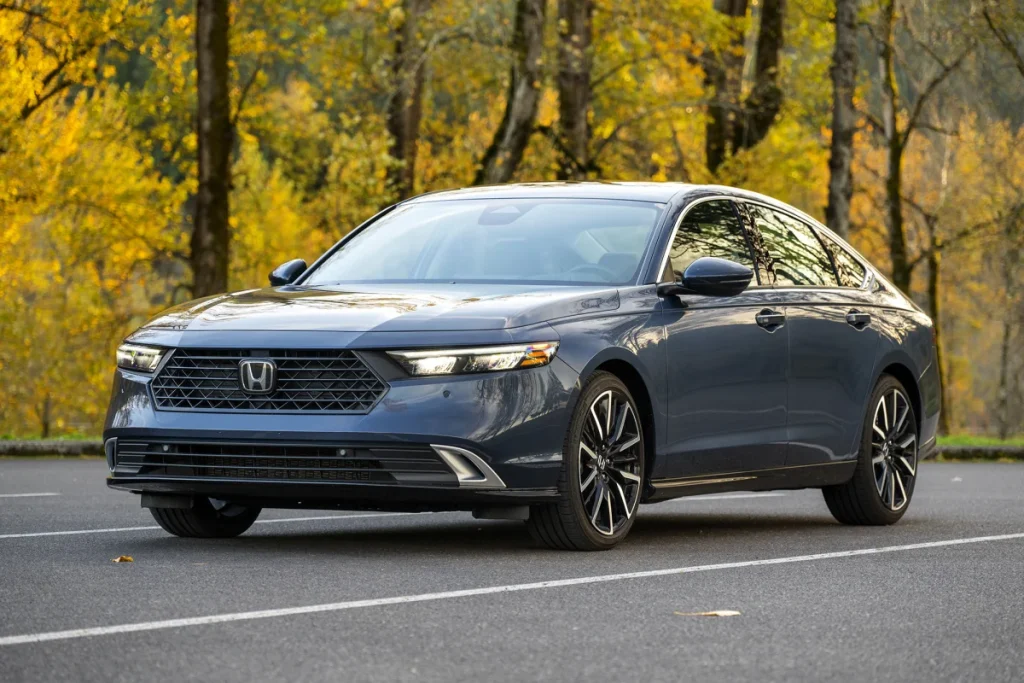
Owners frequently report that their Accords continue to feel stable and predictable well into high mileage. Routine maintenance may involve other parts of the suspension, but the bushings rarely demand immediate attention. This consistency contributes to the car’s reputation as a dependable daily driver.
Experiencing an older Accord on the road reveals how well these components have aged. The car responds confidently to steering inputs, absorbs imperfections without drama, and maintains a sense of cohesion that many newer vehicles struggle to replicate after years of use.
This combination of durability and driving engagement makes the Accord a strong contender in this category, proving that long-lasting bushings do not have to come at the expense of a satisfying driving experience.
3. Lexus ES (XV30 and XV40)
If the Camry represents durability in a straightforward form, the Lexus ES from the same era refines that idea into something quieter and more polished. Beneath its soft ride lies a suspension system that is deliberately engineered to isolate passengers from imperfections, and the bushings are central to achieving that goal.
Unlike many sedans that chase sharper handling, the ES prioritises isolation. The bushings are thicker, softer in their initial response, yet built from compounds that resist breakdown over time.
This combination allows them to absorb vibrations effectively without degrading quickly. It is not unusual to find examples that have covered enormous distances while still riding with a composed, almost floating character.
Step into an older ES and drive it over rough roads, and the experience speaks for itself. The suspension still filters out harshness with remarkable consistency. There is no harsh rebound, no sudden noise from worn mounts, and no sense that the structure has loosened with age.
This is where the longevity of the bushings becomes obvious, because they continue to do their job quietly without drawing attention.
The way Lexus tuned the suspension also reduces stress on these components. Movements are controlled and progressive rather than abrupt. That gentle behaviour means the bushings are not constantly subjected to sharp impacts, allowing them to last significantly longer than those in more aggressively tuned cars.
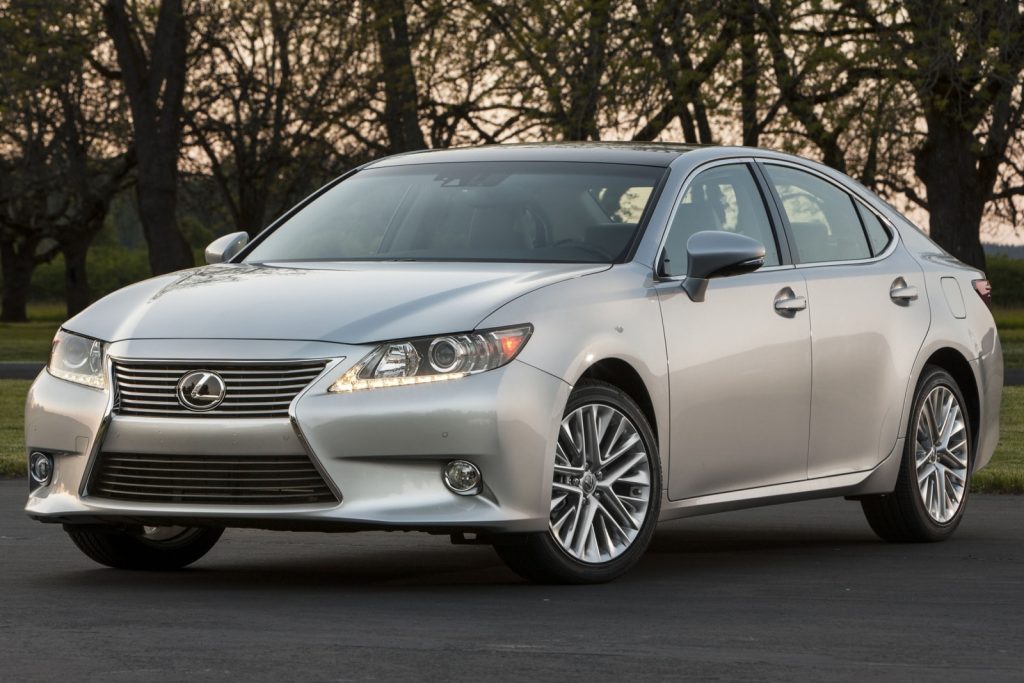
Another detail worth noting is how well these bushings resist environmental ageing. Heat, moisture, and road grime tend to accelerate wear in many vehicles, yet the ES manages to hold its composure even in challenging conditions.
Owners often discover that while other rubber parts may age, the suspension bushings remain surprisingly intact.
What makes this sedan stand out is not just durability but consistency. The car feels much the same year after year, preserving the character it had when new. That kind of stability is rare, and it comes from components that were designed to last without constant intervention.
4. Toyota Avalon (Second and Third Generation)
The Toyota Avalon does not try to impress with aggressive styling or sporty credentials. Instead, it focuses on delivering a relaxed, effortless driving experience, and its suspension reflects that philosophy. The bushings used in these generations are among the most durable in any full-size sedan from the same period.
There is a certain calmness to how the Avalon handles the road. It glides rather than reacts, absorbing imperfections with minimal disturbance. The behaviour is not just about soft springs or dampers. It comes from bushings that remain compliant without losing their structural integrity over time.
Many Avalons from this era continue to drive smoothly well past the point where other cars begin to feel loose or unsettled. The bushings retain their ability to cushion movement, preventing the kind of harsh feedback that typically develops as rubber components age. This gives the car a sense of longevity that is immediately noticeable from behind the wheel.
From a construction standpoint, Toyota made deliberate choices to ensure these parts would endure. The materials are dense enough to resist cracking, yet flexible enough to maintain comfort. It is a careful balance that allows the bushings to perform consistently across a wide range of conditions.
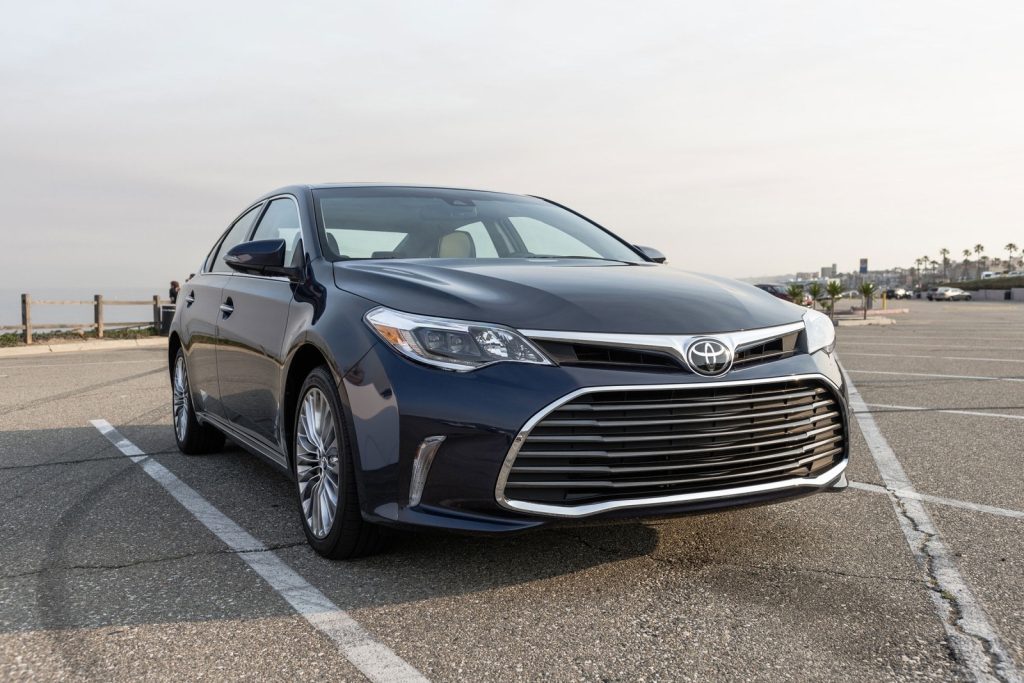
There is also an advantage in how the Avalon distributes weight and load. As a larger sedan, it benefits from a suspension setup that spreads forces more evenly. This reduced stress on individual bushings, helping them avoid the kind of accelerated wear seen in smaller, more tightly packaged vehicles.
Owners often remark that even after many years, the car retains a quiet and composed ride. There is very little of the rattling or instability that signals worn suspension components. In many cases, attention is given to shocks or tyres long before the bushings require any consideration.
Driving an older Avalon reinforces the idea that durability can be subtle. It does not shout about its strengths, yet it continues to deliver a refined experience long after others have lost their edge.
5. Mercedes-Benz E-Class (W211)
The W211-generation E-Class approaches suspension durability with a philosophy rooted in engineering depth rather than simplicity. This is a car designed to feel solid at highway speeds and composed over broken surfaces, and its bushings are built to support that mission for years without losing their character.
Unlike softer setups found in purely comfort-focused sedans, the E-Class uses bushings that strike a careful balance between isolation and structural firmness. They are not overly soft, which helps them resist deformation over time. At the same time, they are refined enough to absorb vibrations without transmitting harshness into the cabin.
What stands out with the W211 is how little the suspension feels changes as the car ages. Even after extensive use, the steering retains a planted quality, and the chassis continues to move as a unified structure. This consistency suggests that the bushings are holding their shape and elasticity far longer than what is typically expected.
There is also an underlying robustness in how the suspension is assembled. Components are overbuilt compared to many competitors, and the bushings benefit from this approach. They are not constantly pushed to their limits, which reduces fatigue and extends their usable life significantly.
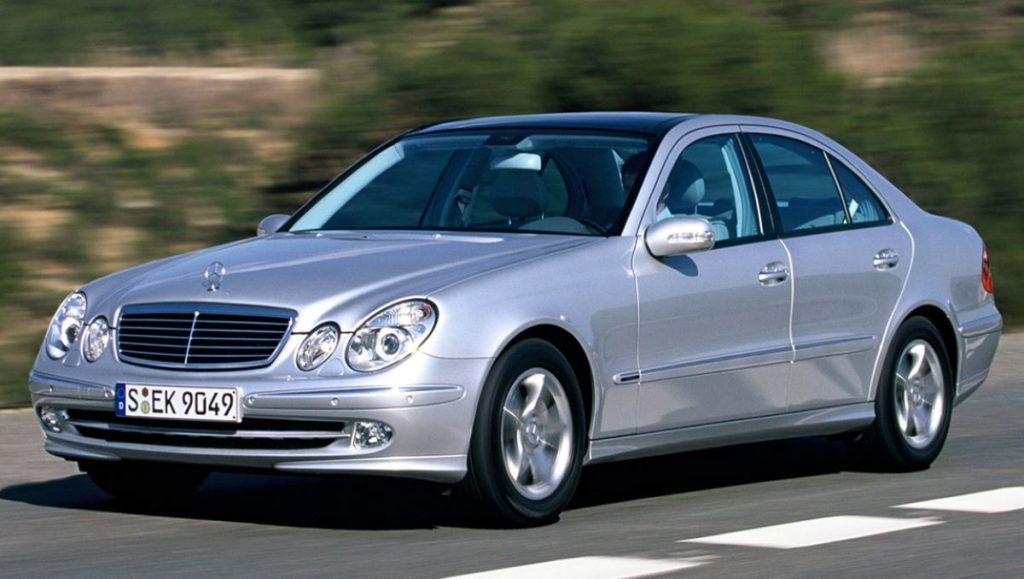
Take one of these cars over uneven pavement after many years on the road, and the response remains controlled. There is no sense of looseness or wandering, and the body settles quickly after disturbances. This behaviour points directly to bushings that are still performing their role effectively.
Another aspect worth mentioning is how well these parts handle sustained high-speed driving. Long highway runs can place continuous stress on suspension components, yet the E-Class maintains composure without introducing noise or instability. That endurance reflects the quality of materials used in its construction.
The result is a sedan that continues to feel engineered rather than worn, even as time passes. It does not rely on constant replacement of minor components to maintain its ride quality, which is a clear sign of how durable its bushings truly are.
6. Volvo S80 (Second Generation)
The second-generation Volvo S80 takes a different route to long-lasting suspension performance. Instead of focusing on sporty engagement or luxury softness alone, it builds its character around stability and resilience. This approach extends to the bushings, which are designed to endure without compromising the car’s composed nature.
There is a certain heaviness to how the S80 interacts with the road, and that is not a negative trait. It feels grounded, almost anchored, which reduces sudden movements that can accelerate wear in suspension components. The bushings benefit from this behaviour, as they are not subjected to constant sharp inputs.
Over time, many sedans begin to lose their sense of cohesion. The S80, however, tends to retain a unified feel even after years of driving. The suspension continues to absorb irregularities smoothly, and there is little evidence of the deterioration that typically affects rubber components.
Material choice plays a crucial role here. Volvo uses compounds that are resistant to both environmental damage and mechanical fatigue. These bushings do not harden quickly, nor do they crack easily, allowing them to maintain their flexibility over extended periods.
Another contributing factor is the way the car handles weight transfer. Movements are gradual and predictable, which reduces the strain placed on individual parts. This controlled behaviour ensures that the bushings are not constantly stretched or compressed beyond their optimal range.
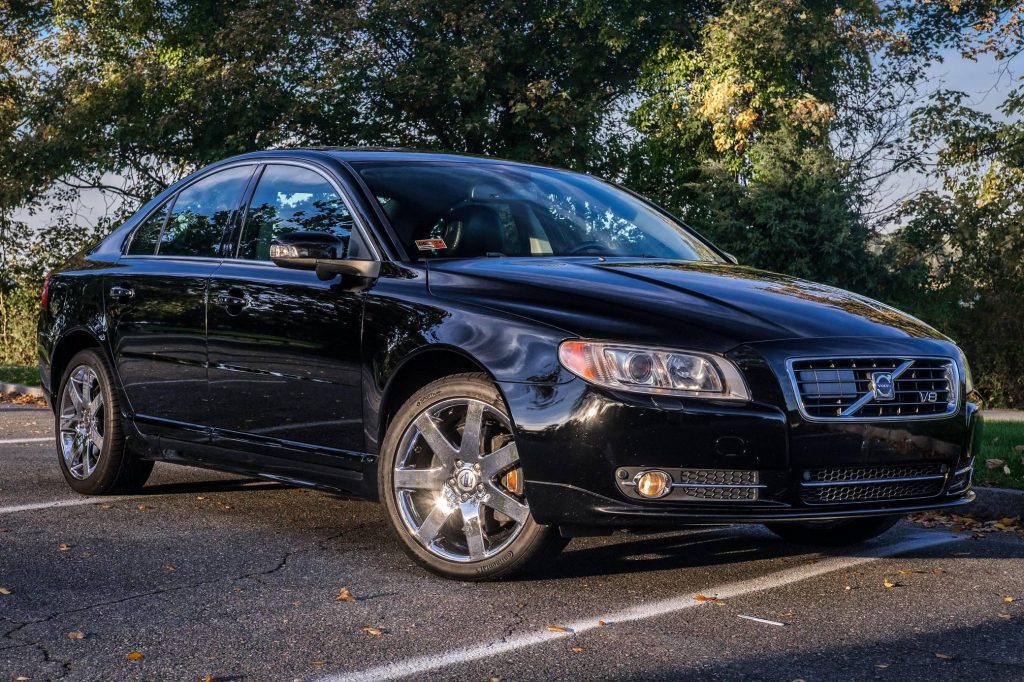
Owners often notice that even at high mileage, the S80 remains quiet and composed. There are no persistent knocks or vibrations that would indicate worn suspension elements. Instead, the car continues to deliver a stable and reassuring driving experience.
Driving one today highlights how well it has aged. The ride remains steady, the structure feels intact, and the suspension responds with the same calm authority it had when new. This level of consistency is a direct result of components that were built with longevity in mind.
The S80 may not attract attention in the same way as more dynamic sedans, but its ability to maintain ride quality over decades makes it a compelling example of engineering focused on endurance.
7. Honda Civic (Eighth Generation)
At first glance, placing a compact sedan like the eighth-generation Honda Civic in this list might seem unexpected. It does not project the same luxury-focused engineering as larger sedans, yet its suspension bushings tell a story of quiet durability that often goes unnoticed.
The Civic’s approach is rooted in efficiency and balance. Instead of overcomplicating the suspension, Honda kept the design straightforward and well-optimised. This simplicity works in favour of the bushings, allowing them to operate within predictable limits without being overstressed by excessive weight or aggressive tuning.
What makes this generation stand out is how slowly its suspension begins to feel worn. Even after years of urban driving, where potholes and uneven roads are common, the car maintains a level of tightness that feels reassuring.
There is no immediate sense of looseness creeping into the chassis, which suggests that the bushings are holding up better than expected.
The materials used here are not exotic, yet they are carefully chosen. They resist drying and cracking, which is often the first sign of ageing in rubber components. Instead of becoming brittle, they tend to retain a degree of flexibility that keeps the suspension functioning as intended.
Driving an older Civic reveals this strength in subtle ways. The steering remains predictable, the body does not exhibit excessive movement over bumps, and the car continues to feel cohesive. These are not dramatic traits, but they add up to a driving experience that does not degrade quickly.
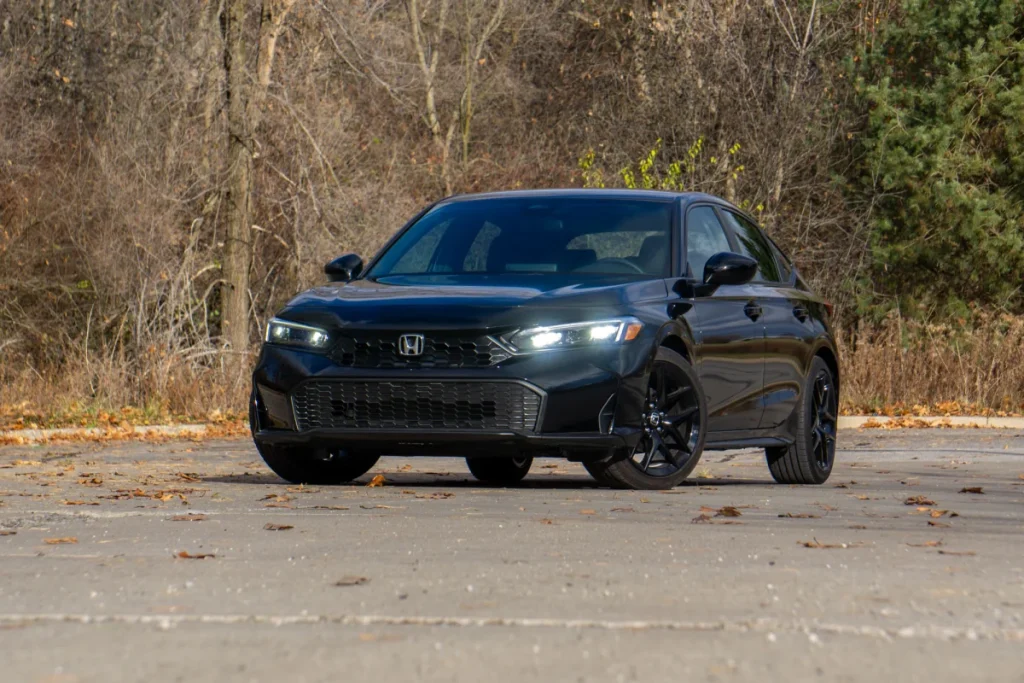
There is also an advantage in how lightweight the Civic is compared to larger sedans. Less mass means less strain on each suspension component, including the bushings. This reduced stress contributes significantly to their long lifespan.
Owners who have kept these cars for many years often report that while other parts require attention, the bushings rarely become a priority. They simply continue to perform in the background, doing their job without demanding replacement.
This makes the Civic a strong example of how smart engineering and balanced design can achieve longevity without relying on size or luxury.
8. Nissan Altima (Third Generation L31)
The third-generation Nissan Altima takes a slightly different path when it comes to suspension durability. It blends comfort with a hint of responsiveness, and its bushings are designed to support both without wearing out prematurely.
One of the defining traits of this Altima is how it manages road imperfections. The suspension absorbs bumps with a controlled motion that avoids sharp impacts. This behaviour reduces the stress placed on the bushings, allowing them to last longer than those in cars with harsher setups.
Over time, many sedans begin to develop subtle noises or vibrations as their bushings degrade. In the Altima, this process is noticeably delayed. Even after extended use, the car often remains quiet over rough surfaces, indicating that the suspension components are still in good condition.
The durability of these bushings also comes from how they are integrated into the suspension system. They are not isolated weak points but part of a design that distributes forces evenly. This prevents any single component from bearing excessive load, which is a common cause of early wear.
Another interesting aspect is how the Altima maintains its ride comfort as it ages. The car does not suddenly feel harsh or unsettled, which would typically signal deteriorating bushings. Instead, it retains a smooth and controlled character that feels consistent over time.
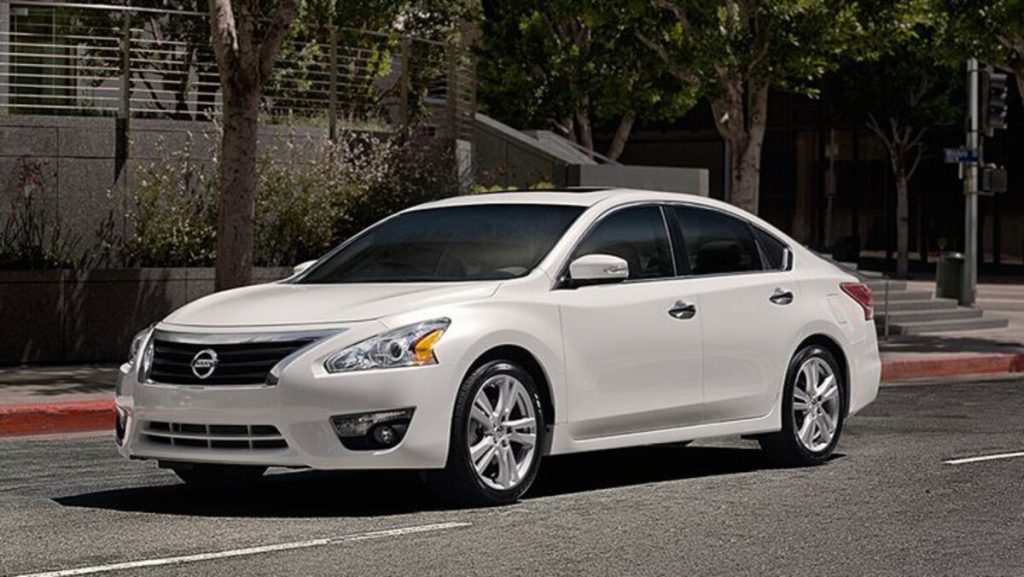
There is a practical benefit to this longevity. Owners can focus on maintaining other parts of the vehicle without worrying about frequent suspension overhauls. The bushings quietly continue to do their job, contributing to a stable and comfortable driving experience.
Driving one of these cars after many years highlights how well it has held together. The suspension still responds with confidence, and the car remains easy to manage in daily use. This consistency is not accidental but the result of components that were designed with endurance in mind.
The Altima may not be the first name that comes to mind when discussing long-lasting suspension parts, yet it proves that durability can exist in unexpected places.
9. Ford Crown Victoria
The Ford Crown Victoria does not follow modern trends, and that is precisely why its suspension components, including bushings, last as long as they do.
Built on a body-on-frame platform, this sedan was designed for durability in demanding environments such as taxi fleets and law enforcement use. That purpose shaped every aspect of its suspension.
The bushings in the Crown Victoria are not delicate pieces meant for occasional use. They are large, robust, and engineered to tolerate constant stress without degrading quickly. This car was expected to handle rough roads, extended idling, and heavy loads, so its components were built with a wide margin of tolerance.
Drive a high-mileage example, and the first thing that stands out is how intact the structure still feels. The suspension does not exhibit the looseness or inconsistency that often develops in older vehicles. Instead, there is a sense of solidity that suggests the bushings are still functioning effectively.
Another reason for this longevity is the nature of the suspension design. It favours durability over complexity, which reduces the number of wear points. The bushings operate within a system that does not constantly push them to extremes, allowing them to maintain their properties for decades.
There is also a resilience to environmental factors. These cars were used in all kinds of conditions, from extreme heat to heavy rain, yet the bushings tend to hold up without significant deterioration. They do not crack or harden as quickly as those in more refined but less rugged setups.
Owners who maintain these vehicles often find that major suspension work is rarely needed, even after long service lives. The bushings continue to absorb movement and maintain alignment without demanding frequent replacement.
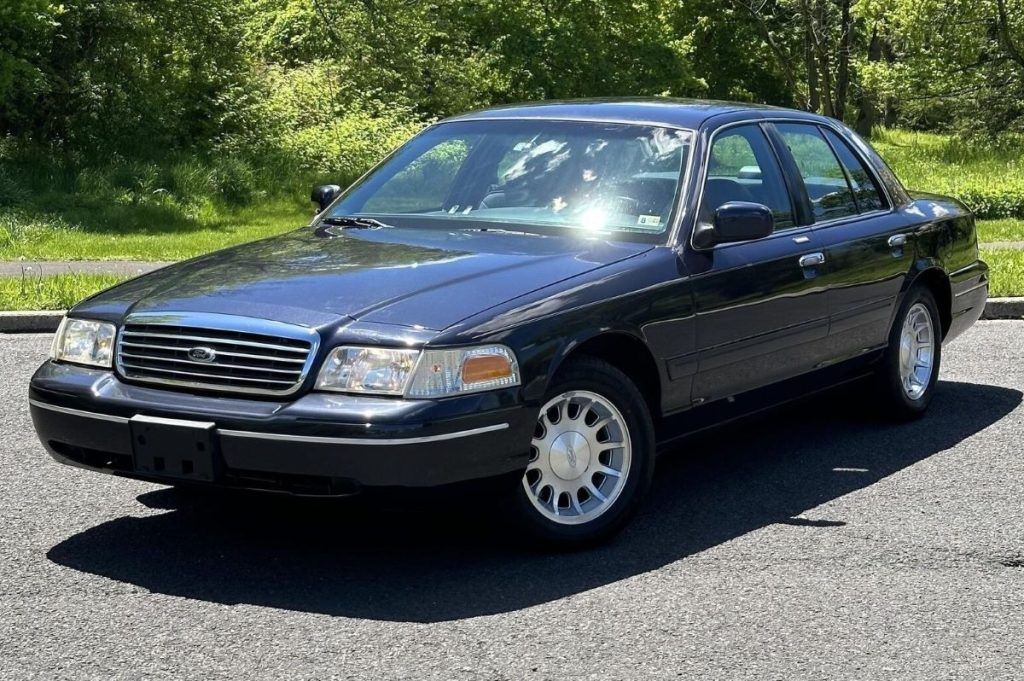
Driving the Crown Victoria today feels like stepping into a different era of engineering. The ride is not sophisticated in a modern sense, but it is stable, predictable, and remarkably consistent for its age. That consistency is a direct result of components that were built to endure rather than simply perform.
10. Mazda 6 (First Generation GG)
The first-generation Mazda 6 approaches suspension durability from a more dynamic angle. Unlike many cars in this list, it was designed to deliver engaging handling while still maintaining long-term reliability. Achieving both goals requires careful engineering, especially when it comes to bushings.
Mazda managed to strike this balance by using bushings that provide responsiveness without sacrificing lifespan. They are firm enough to support precise handling, yet resilient enough to avoid premature wear. This combination allows the car to retain its driving character even after many years on the road.
What becomes apparent over time is how well the suspension holds together. The car continues to feel connected and stable, with minimal signs of degradation. There is no excessive play in the steering, and the chassis responds in a way that feels controlled rather than loose.
The durability of these bushings is also linked to how the suspension distributes forces. Movements are managed efficiently, preventing unnecessary strain on individual components. This reduces fatigue and helps the bushings maintain their integrity over extended periods.
Another point worth noting is how the Mazda 6 handles varied driving conditions. Whether on smooth highways or uneven city streets, the suspension adapts without showing signs of stress. This versatility contributes to the long life of its components.
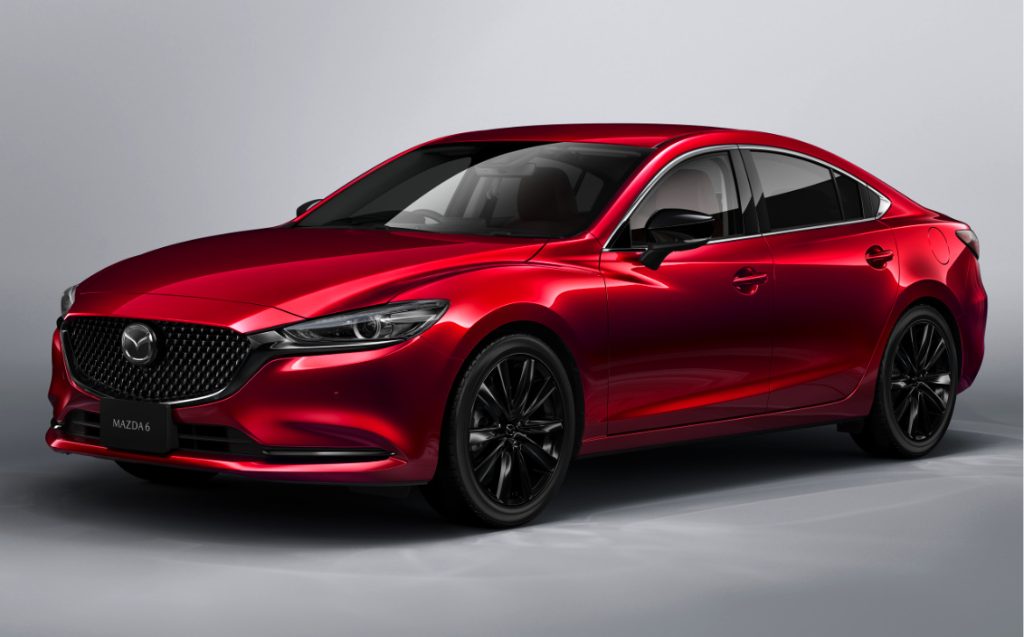
Owners often appreciate that the car retains its original feel longer than expected. While other parts may require attention, the bushings tend to remain reliable, supporting the car’s handling and comfort without interruption.
Driving an older Mazda 6 highlights this strength clearly. The car still feels engaging, with a suspension that responds predictably and maintains its composure. That sense of continuity is not easy to achieve, especially in a vehicle designed with a sporty edge.
The Mazda 6 proves that durability does not have to come at the expense of driving enjoyment. With the right approach, it is possible to create a suspension system that delivers both, allowing the car to remain satisfying and dependable for decades.
Also Read: 9 Cars That Survive New Drivers Without a Single Major Repair
