
Four-wheel drive systems have come a long way over the decades. Modern trucks offer a wide range of 4WD engagement technologies, and not all of them perform equally. Some trucks lock into four-wheel drive the moment you twist a knob or press a button. Others make you wait, sometimes uncomfortably, before the system fully engages.
This difference matters more than most buyers realize. When you’re sliding on a snowy highway or crawling over a muddy trail, every second of hesitation counts. A truck that engages instantly gives you confidence. A truck that hesitates can leave you stranded or worse.
The gap between instant and delayed engagement comes down to engineering choices. Manufacturers use different transfer cases, clutch packs, electronic actuators, and locking mechanisms. Some prioritize seamless on-the-fly switching. Others were built with older mechanical systems that simply need more time to sync.
In this article, we break down five trucks known for lightning-fast 4WD engagement. We also highlight five trucks where drivers commonly report a noticeable delay before the system locks in. Whether you’re shopping for your next truck or just curious about how your current rig performs, this guide will give you a clear picture of what to expect on and off the road.
5 Trucks Where the 4WD Engages Instantly
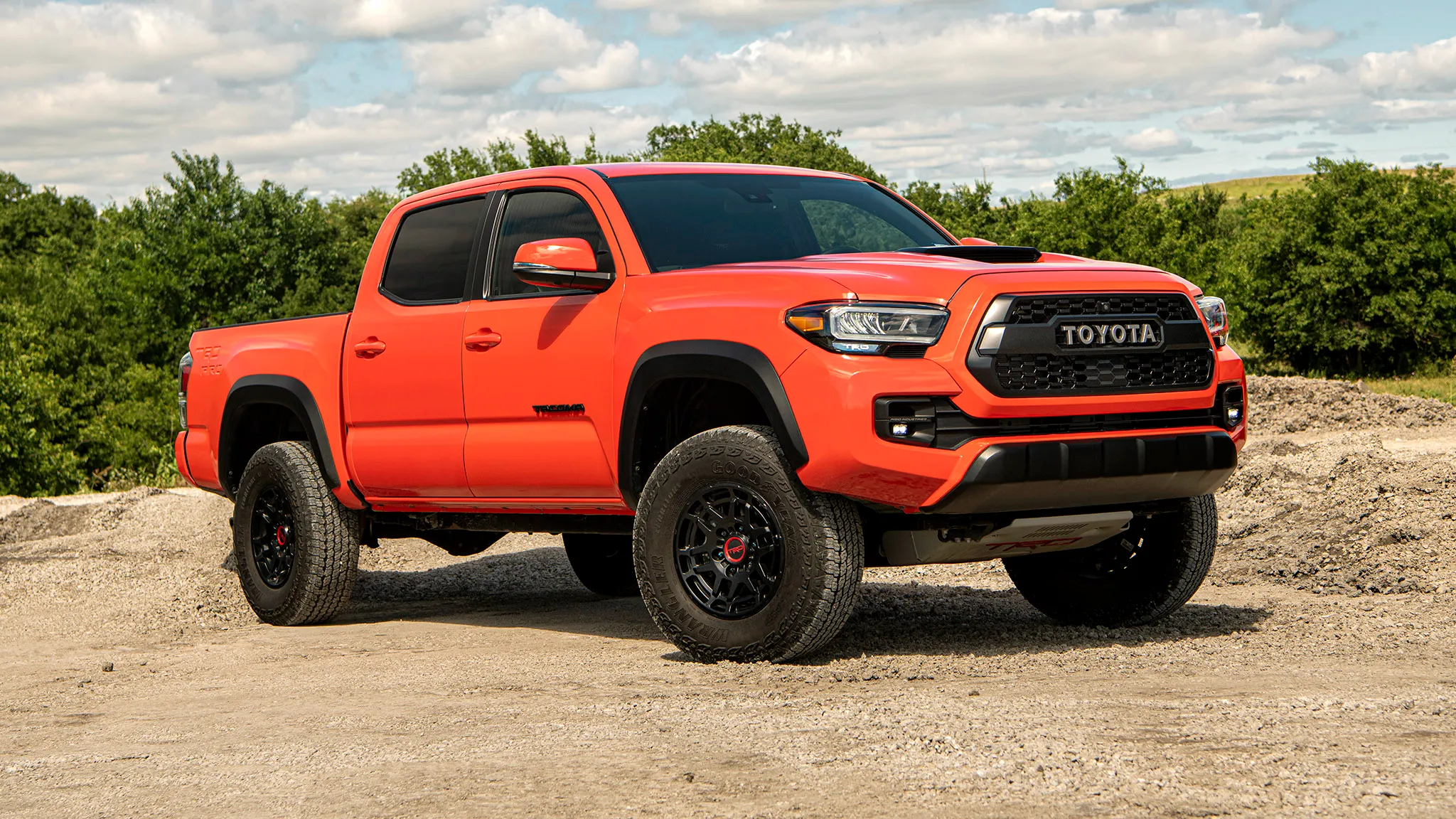
These trucks are known for quick, reliable 4WD engagement, giving drivers immediate traction when conditions change. Models like the Toyota Tacoma, Ford F-150, and Chevrolet Silverado use well-tuned transfer cases and electronic systems that switch into 4WD with minimal delay.
Others like the Ram 1500 and Jeep Gladiator also offer responsive engagement systems, allowing seamless transitions on snow, mud, or loose terrain. This instant response improves control and confidence, especially in situations where traction is suddenly lost.
1. Ford F-150 with Electronic Shift-On-The-Fly (ESOF)
The Ford F-150 has long been America’s best-selling truck. Its Electronic Shift-On-The-Fly system is one of the most responsive 4WD setups on the market today.
When you turn the dial from 2H to 4A or 4H, the transfer case responds almost immediately. There is no need to stop the truck or even slow down significantly. The system reads road conditions and driver input at the same time.
Ford uses an electronically controlled transfer case with a robust chain-driven design. The actuators are fast, and the software calibration has been refined over multiple generations. You feel the engagement happen within one to two seconds of turning the dial.
The F-150’s 4A (four-wheel drive automatic) mode is particularly impressive. It monitors wheel slip continuously and pre-stages the system for engagement. By the time traction is lost, the 4WD is already halfway engaged.
Drivers who use their trucks in mixed winter conditions absolutely love this feature. You can be cruising at highway speed and switch into 4A without any drama. The transition is smooth, quiet, and nearly invisible.
The ESOF system also works well with Ford’s AdvanceTrac stability control. Both systems communicate in real time. This coordination makes the engagement feel even faster because the truck is already managing torque distribution before you touch the dial.
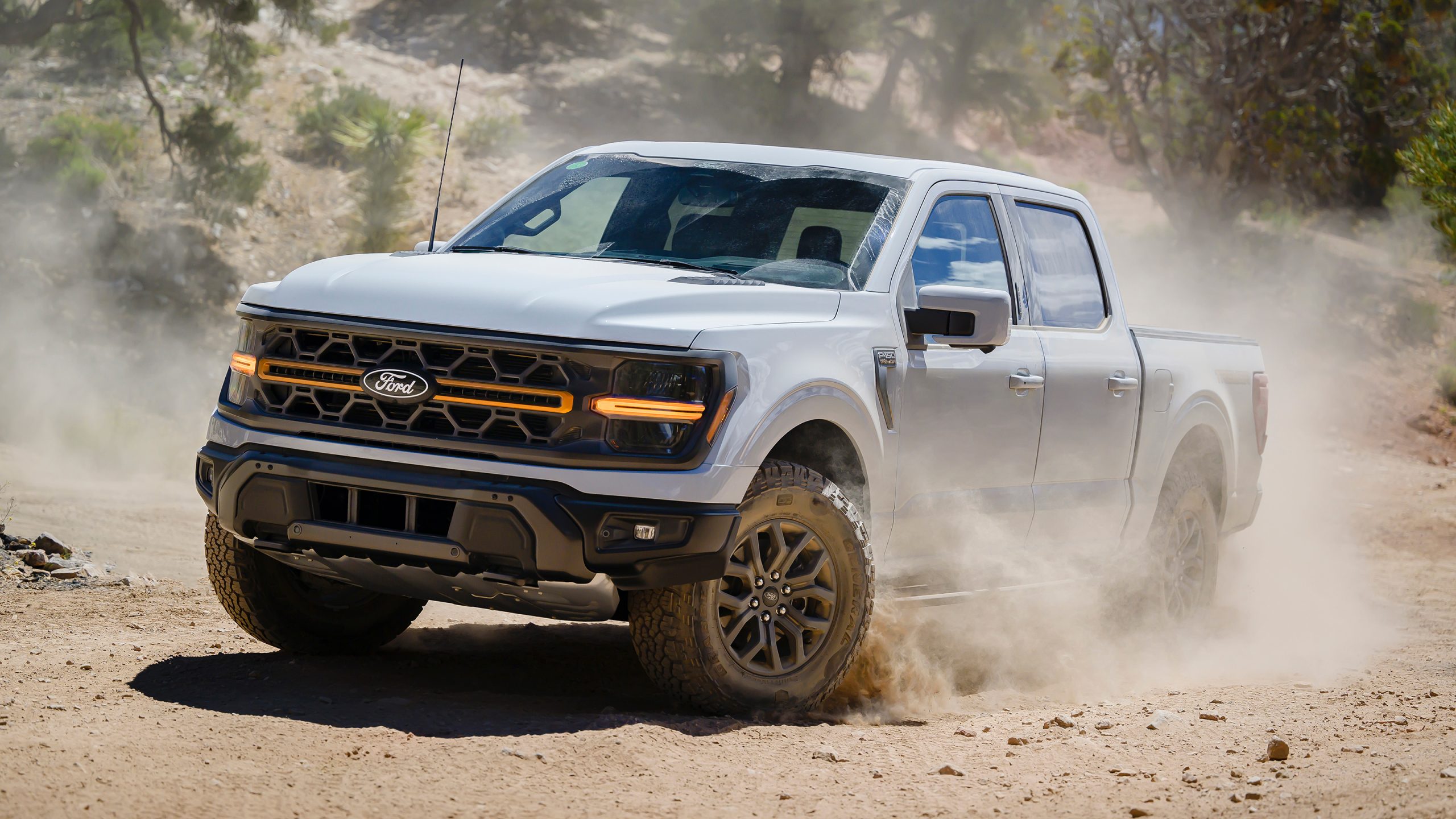
Ford has continued improving this system with each new F-150 generation. The current fourteenth-generation model has some of the fastest engagement times ever recorded for a production pickup. Independent off-road testers consistently praise how responsive the system feels.
The F-150 also offers a dedicated 4L (four-low) range for serious off-road work. Even this low-range engagement is quicker than that of many competitors. You do need to be stopped and in neutral, but the actual lock-in is fast and decisive once conditions are met.
The F-150’s ESOF system sets a high benchmark in the truck segment. If instant 4WD response is a priority for you, this truck delivers. It combines speed, smoothness, and reliability in one well-engineered package.
2. Ram 1500 with Quadra-Trac II / Quadra-Drive II
The Ram 1500 is known for its smooth ride and upscale interior. But underneath that comfort lies a very capable and fast-engaging 4WD system. Ram’s Quadra-Trac II and Quadra-Drive II setups are engineered for speed and confidence.
Quadra-Trac II is a full-time 4WD system that is always active. Because it never fully disengages, there is essentially no delay when conditions change. The system is constantly managing torque between the front and rear axles.
This design philosophy eliminates the wait entirely. You are not switching into four-wheel drive because you never left it. The transfer case simply adjusts how much power goes where based on wheel slip detection.
When paired with the available rear limited-slip differential in Quadra-Drive II, the system becomes even more capable. The electronic limited-slip differentials front and rear respond in milliseconds. That’s faster than a human can even perceive a change in traction.
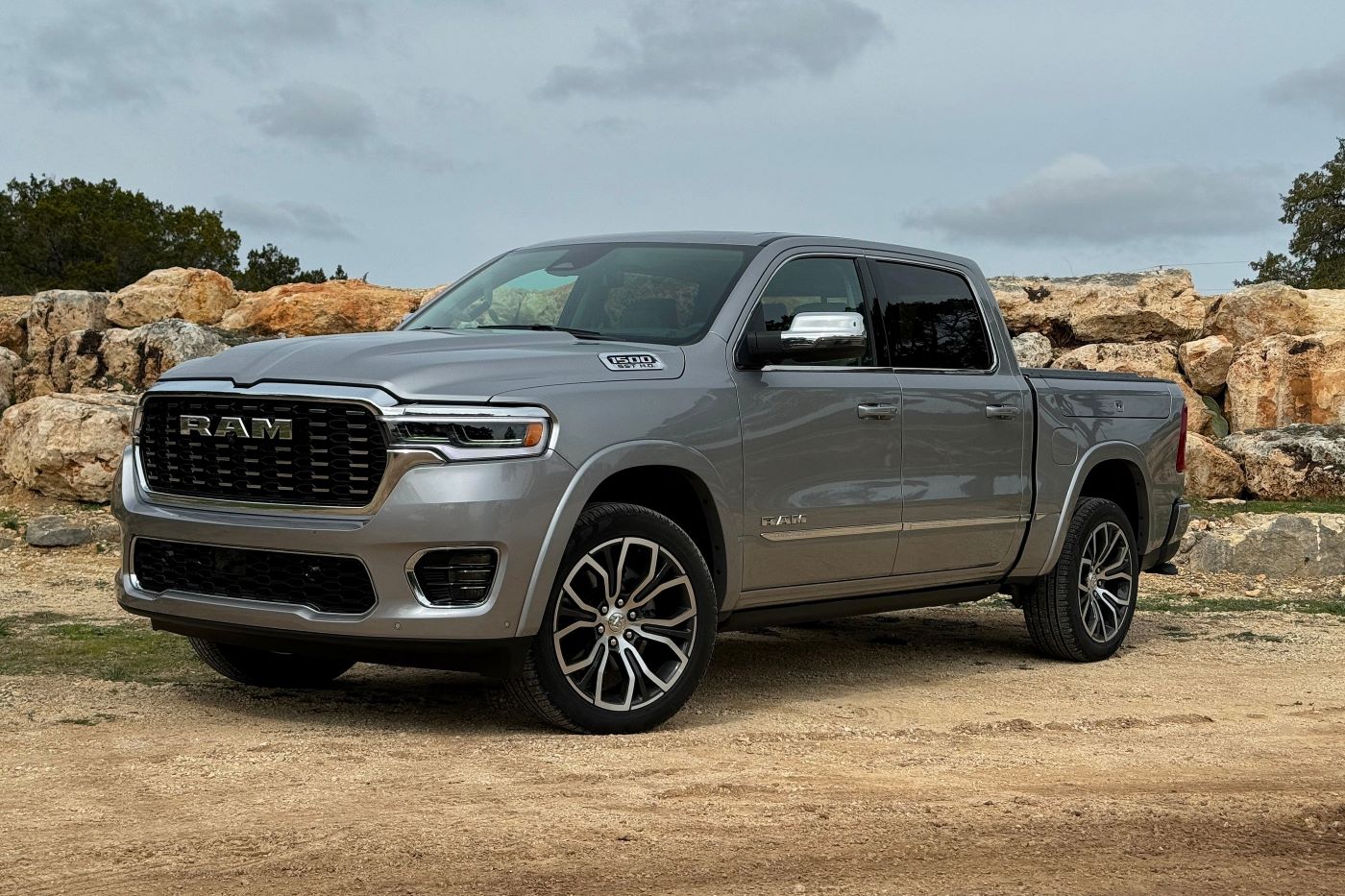
Ram uses a sophisticated electronically controlled center differential. It can bias torque heavily toward either axle almost instantly. This makes the Ram feel planted and secure in slippery conditions without any engagement lag.
The system also integrates tightly with Ram’s stability control and terrain management features. All these systems share data constantly. When one detects a problem, the others are already responding before you feel anything in the steering wheel.
Ram 1500 owners who live in areas with unpredictable winter weather often praise this system specifically. There is no moment of vulnerability where you feel the truck searching for grip. The 4WD is simply always there, working quietly in the background.
The Quadra-Drive II system with rear electronic limited-slip differential is available on higher trim levels. It adds meaningful capability without adding complexity from the driver’s perspective. You get maximum traction with minimum effort.
For everyday drivers who don’t want to think about engaging 4WD manually, the Ram 1500 is an excellent choice. The always-on nature of the system removes human error from the equation entirely. It is one of the most effortless 4WD experiences available in any truck today.
3. GMC Sierra 1500 AT4 with Automatic 4WD
The GMC Sierra AT4 is built for people who take off-roading seriously. It comes standard with features that most trucks offer only as options. The 4WD engagement on this truck is fast, reliable, and intelligently managed.
The Sierra AT4 uses an Autotrac transfer case with electronic shift control. Switching between 2WD, Auto 4WD, 4WD High, and 4WD Low is done with a rotary dial on the center console. The system responds within about one to two seconds of your input.
The Auto 4WD mode is where this truck really shines. It monitors wheel spin and surface conditions continuously. When it detects a slip, it engages four-wheel drive before the driver even realizes traction is being lost.
GM’s engineers have put significant work into the predictive logic behind this system. It uses multiple sensors, including wheel speed, throttle position, and steering angle. All of these inputs help the system anticipate traction needs rather than just react to them.
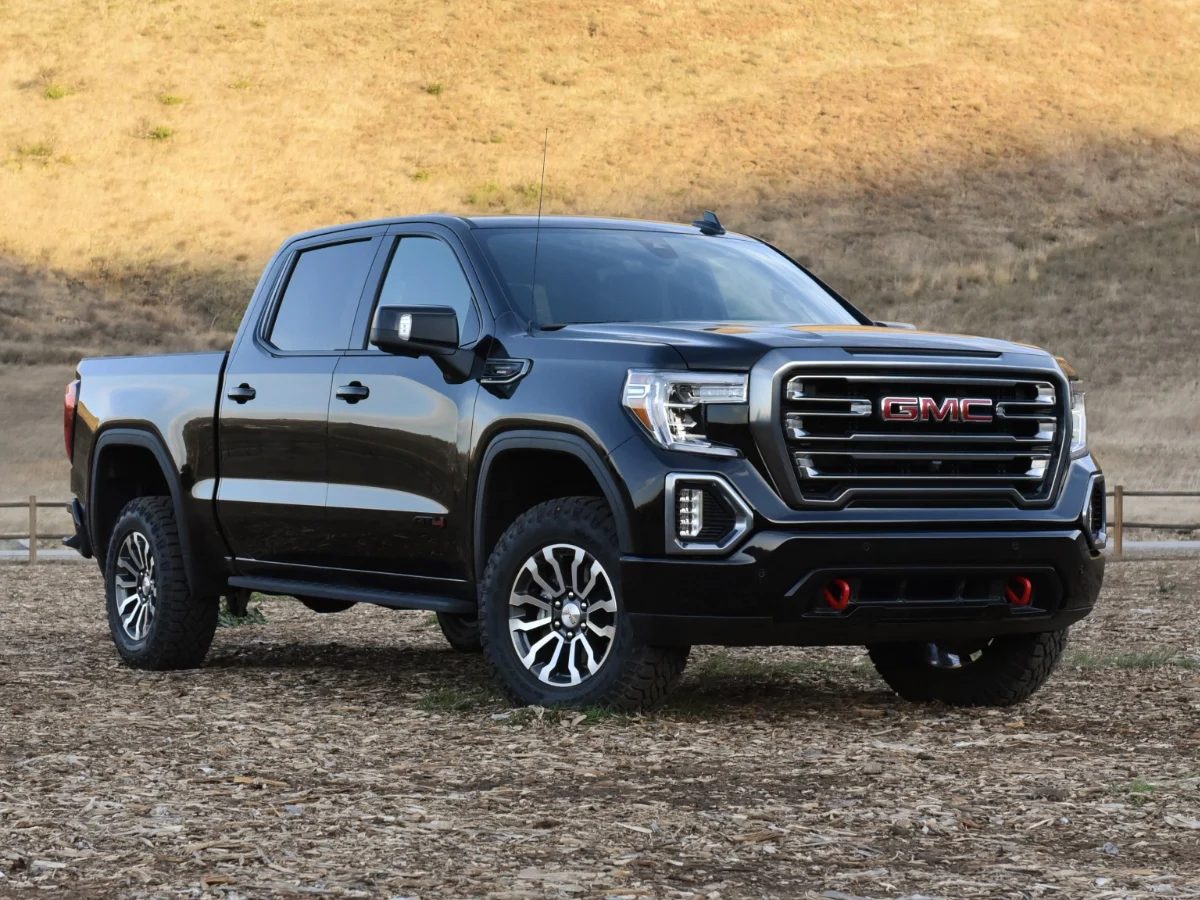
The Sierra AT4 also comes with a two-speed transfer case for serious off-road use. Even the transition into 4L is handled smoothly. The system guides you through the process with clear dashboard indicators and minimal waiting.
GMC pairs this transfer case with a rear limited-slip differential on the AT4. This combination ensures that when 4WD does engage, all four corners are working together immediately. There is no secondary delay waiting for the differential to catch up.
Off-road enthusiasts who have tested the AT4 on trails consistently report that it feels ready before they are. The truck seems to anticipate challenges rather than react to them. That proactive behavior comes directly from the fast-responding transfer case software.
The Sierra AT4 also benefits from GMC’s MultiPro tailgate and available air ride suspension. While not directly related to 4WD, these features reflect GM’s attention to detail across the entire truck. The same engineering discipline shows up in how quickly the 4WD engages.
For buyers who want a capable off-road truck with instant traction response, the Sierra AT4 is worth serious consideration. It blends luxury and performance without sacrificing the quick-response 4WD that demanding conditions require.
4. Toyota Tacoma TRD Pro with Electronic Locking Rear Differential
The Toyota Tacoma TRD Pro is a legend in the midsize truck world. It has earned a reputation for toughness, reliability, and genuine off-road capability. Its 4WD engagement is among the fastest in the midsize segment.
The Tacoma uses a part-time 4WD system with a two-speed transfer case. Switching from 2H to 4H is done with a simple lever or button depending on the model year. The engagement happens quickly and decisively, typically within one to two seconds.
Toyota uses an electrically controlled actuator to engage the front axle. This actuator responds faster than older mechanical systems. There is no need to slow down or stop to make the switch from 2H to 4H.
The TRD Pro adds a Multi-Terrain Select system that further enhances traction control. This system works with the 4WD to optimize engine braking and wheel slip limits for different surfaces. The combined effect makes the truck feel incredibly sure-footed almost immediately after switching into 4WD.
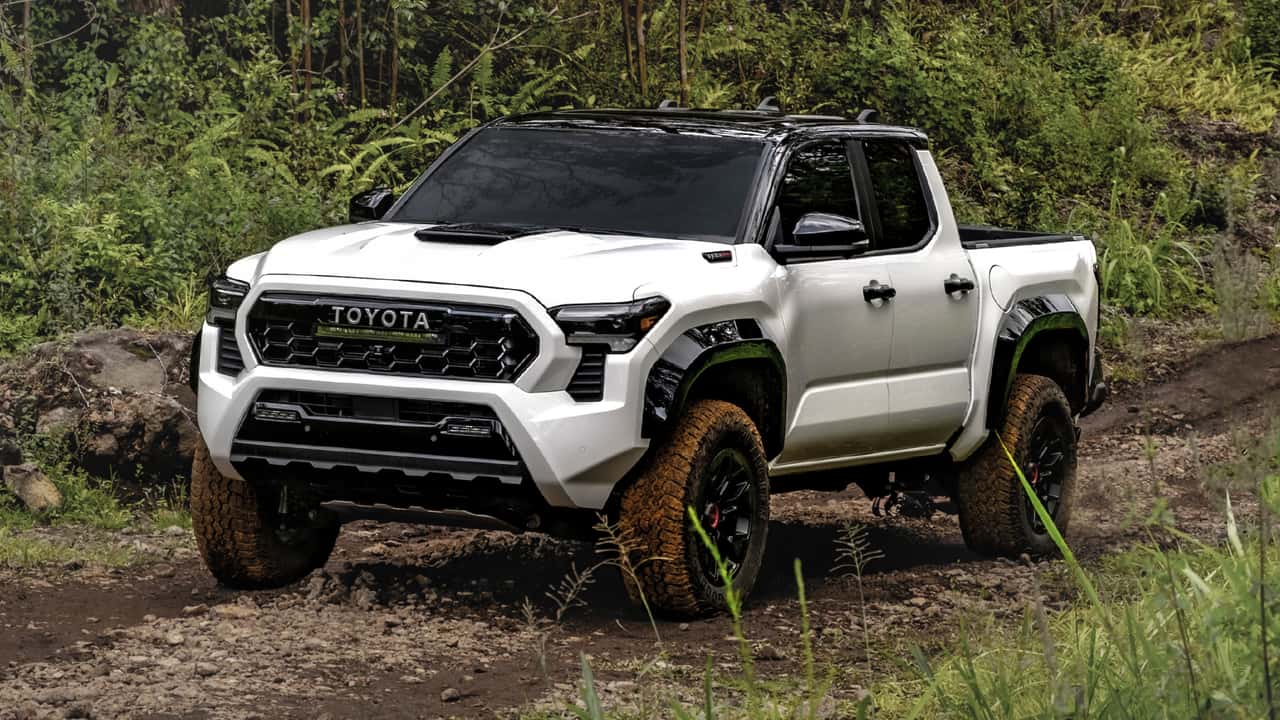
The available Crawl Control system on the Tacoma also works in harmony with the 4WD engagement. Once you’re in 4L, Crawl Control manages throttle and braking on difficult terrain. The transition into this mode is smooth and fast.
Toyota’s locking rear differential on the TRD Pro is another highlight. When engaged, it locks both rear wheels together instantly. This feature is invaluable on highly uneven terrain where individual wheel spin would otherwise bog the truck down.
Tacoma owners who wheel regularly praise the predictability of the system. You always know exactly what the truck is going to do when you switch modes. That confidence comes from Toyota’s consistent engineering and thorough testing.
The TRD Pro also uses Fox internal bypass shocks. These shocks improve body control at speed. Better body control means less wheel hop, which means the 4WD system has an easier time doing its job consistently.
For those who want a midsize truck with honest off-road credentials and fast 4WD engagement, the Tacoma TRD Pro remains one of the best choices on the market. Toyota has refined this system over many years, and it shows every time you engage four-wheel drive.
5. Jeep Gladiator Rubicon with Rock-Trac 4WD
The Jeep Gladiator Rubicon is the only truck on this list built with Jeep’s legendary off-road DNA. It combines pickup truck utility with Wrangler-level capability. Its Rock-Trac 4WD system is purpose-built for demanding terrain, and it engages with impressive speed.
The Rock-Trac system uses a two-speed transfer case with a 4:1 low-range ratio. This is one of the most capable low-range setups available in any production vehicle. The engagement process is straightforward and fast.
Switching into 4H on the Gladiator Rubicon takes only a moment. The transfer case actuator responds quickly to the shift lever or selector. You feel the engagement as a subtle but immediate change in how the truck handles.
The Rubicon also comes standard with front and rear locking differentials. These engage electronically and lock in quickly when activated. Having both front and rear lockers available makes this truck extraordinarily capable in extreme conditions.
Jeep pairs the Rock-Trac system with sway bar disconnect technology. When you disconnect the front sway bar in 4WD, the suspension articulation increases dramatically. This combination of fast 4WD engagement and improved flex makes the Gladiator Rubicon a serious rock-crawling machine.
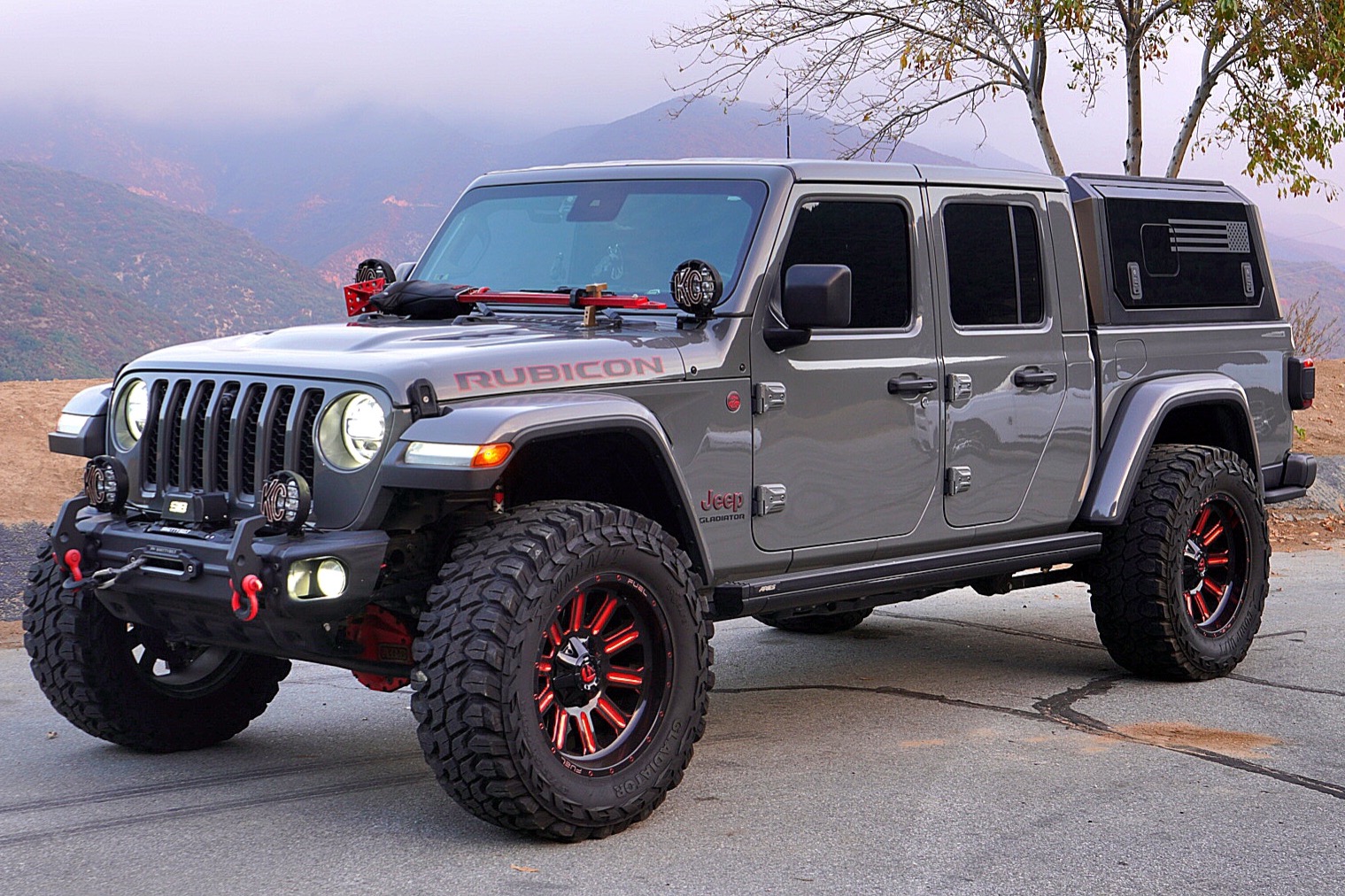
The Gladiator also benefits from decades of Jeep 4WD development. The hardware and software behind the Rock-Trac system have been proven in some of the world’s most challenging terrain. That heritage translates directly into reliability and responsiveness.
Drivers who compare the Gladiator Rubicon to other trucks often note how confident and immediate the 4WD feels. There is no ambiguity about whether the system has engaged. The truck tells you clearly through both dashboard indicators and physical feedback.
The Gladiator’s approach angle, departure angle, and ground clearance are all class-leading. But these hardware advantages mean nothing without a 4WD system that can keep up. The Rock-Trac delivers exactly the kind of instant, reliable engagement that serious off-roaders demand.
For buyers who want a truck that can genuinely go anywhere and engage 4WD without hesitation, the Gladiator Rubicon stands alone in its class. It is the most purpose-built off-road truck on this list, and its 4WD system reflects that commitment entirely.
5 That Hesitate Before Locking In
These trucks are often associated with slower or less responsive 4WD engagement, where drivers may notice a delay before the system fully activates. This hesitation can come from electronic controls, worn components, or less refined transfer case systems.
In some cases, the delay can reduce confidence in slippery or off-road conditions, as traction isn’t delivered immediately when needed. While still functional, these systems can feel less dependable compared to trucks with faster, more precise 4WD engagement.
1. Nissan Frontier with Part-Time 4WD (Pre-2022 Models)
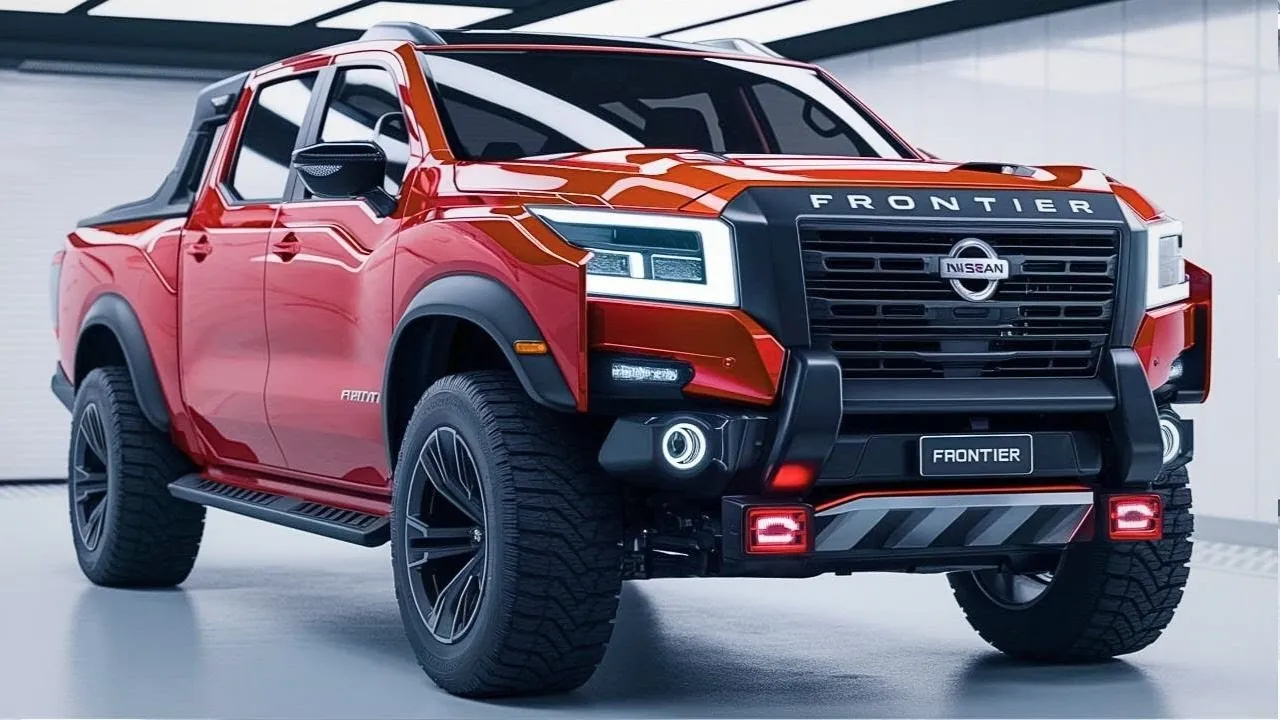
The Nissan Frontier was a solid and dependable midsize truck for many years. However, its older part-time 4WD system was not known for speed or seamless engagement. Drivers of pre-2022 models often reported a noticeable delay when switching into four-wheel drive.
The older Frontier used a mechanical shift lever to engage 4WD. This system required the driver to slow down significantly or come to a complete stop. Attempting to shift at speed could result in grinding or a failed engagement.
Once you initiated the shift, the front axle actuator took several seconds to fully engage. Some drivers described waiting three to five seconds before feeling confident the system had locked in. In emergency traction situations, that delay felt like an eternity.
The transfer case design in these older models was functional but dated. It relied on mechanical engagement rather than the faster electronic actuators used by competitors. This made the process feel clunky compared to modern dial-operated systems.
Nissan also did not offer an automatic 4WD mode on the older Frontier. You had to manually decide when to engage and then wait for the system to respond. This placed more burden on the driver in rapidly changing conditions.
Cold weather made the situation worse. In freezing temperatures, the mechanical components took even longer to engage properly. Drivers in northern climates frequently complained about sluggish 4WD response during winter storms.
The lack of a locking rear differential on most trim levels also contributed to the issue. Even after 4WD was engaged, traction distribution was not as immediate or complete as competitors’. The truck could still spin individual wheels before the system fully stabilized.
To be fair, the older Frontier was a capable and affordable truck. Its 4WD system worked reliably once engaged. The issue was purely the time it took to get there.
The redesigned 2022 Frontier improved significantly in many areas, including the 4WD system. But owners of older models still live with this limitation daily. If you own a pre-2022 Frontier and drive in winter conditions, planning ahead before you need 4WD is highly recommended.
2. Toyota Tundra (First and Second Generation) with ADD System
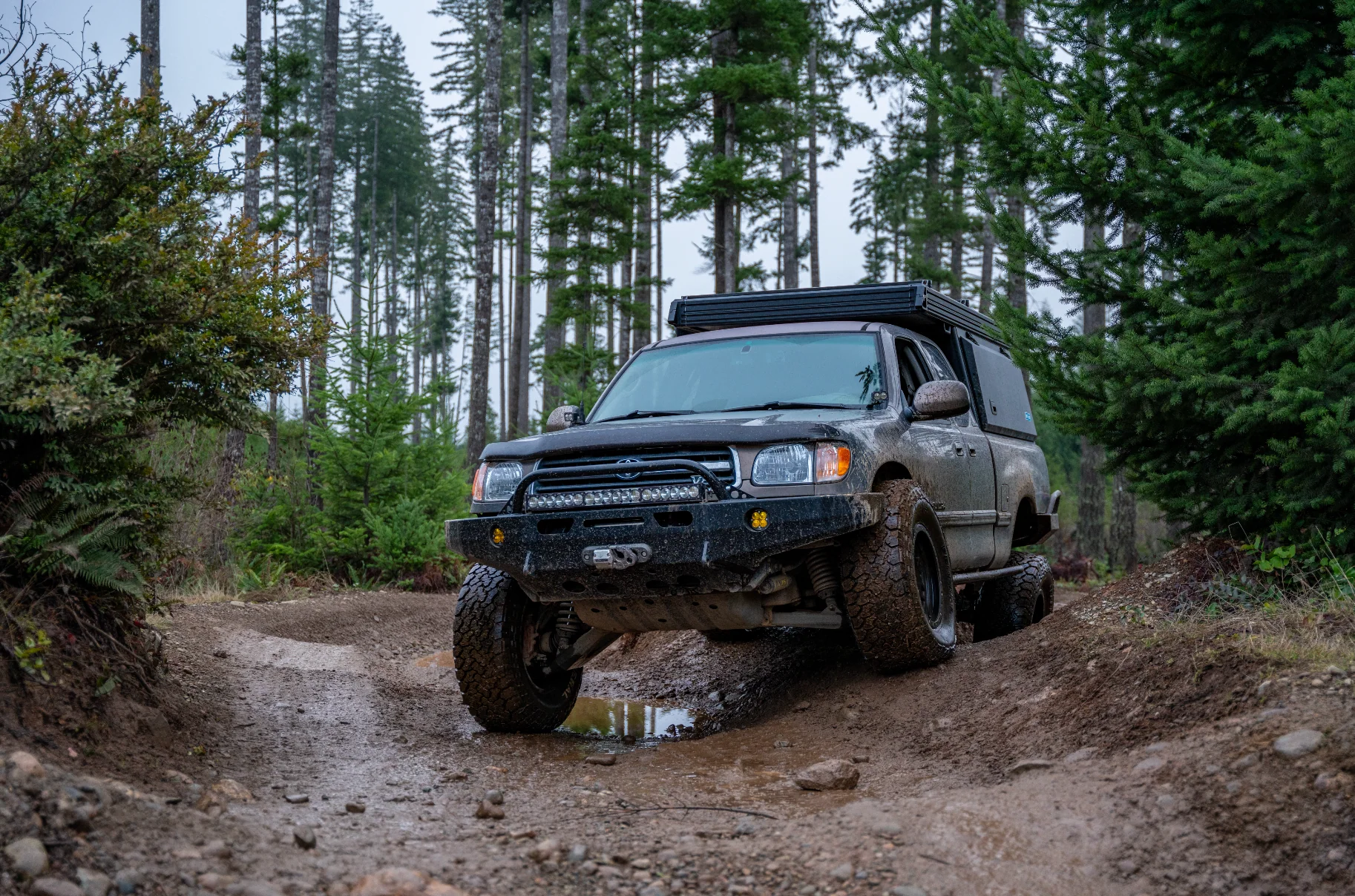
The Toyota Tundra has a well-deserved reputation for reliability and durability. However, the first and second-generation Tundras used an Automatic Disconnecting Differential (ADD) system that frustrated many drivers. The engagement delay was a known and commonly discussed issue.
The ADD system was designed to automatically connect the front axle when 4WD was selected. In theory, this sounded convenient. In practice, the mechanical process of engaging the front differential added noticeable lag to the system.
When a driver selected 4H, the transfer case would shift first. Then the ADD system would begin connecting the front axle. This two-step process introduced a delay of anywhere from two to five seconds before full 4WD engagement was confirmed.
Cold temperatures made the ADD system even slower. The grease and lubricants in the differential housing thickened in cold weather. This caused the engagement mechanism to move more slowly than the engineers had intended.
Some Tundra owners reported that the 4WD indicator light would come on before the front axle was actually fully engaged. This created a false sense of security. Drivers thought they had full 4WD when they actually had only partial engagement.
The issue was also apparent when disengaging 4WD. The ADD system sometimes held the front axle connected longer than expected. This caused mild drivetrain binding during the transition back to 2WD on dry pavement.
Toyota acknowledged some of these concerns over the years. Several technical service bulletins addressed ADD-related engagement issues on first and second-generation Tundras. The fixes helped, but they did not fully eliminate the fundamental delay in the system.
Third-generation Tundra owners report a meaningfully improved experience. The newer i-FORCE MAX powertrain and updated transfer case address many of the previous generation’s shortcomings. However, the older Tundras remain common on used truck lots, and buyers should be aware of this limitation.
The Tundra’s reliability makes it a great long-term truck. But if fast 4WD engagement is a top priority, the older generations fall short compared to rivals like the F-150 or Ram 1500.
3. Chevrolet Colorado (First Generation) with Automatic Locking Hubs
The first-generation Chevrolet Colorado offered an affordable entry into the midsize truck segment. Its 4WD system, however, was one of the slower-engaging setups in its class. Drivers who needed quick traction in slippery conditions frequently found themselves waiting longer than comfortable.
The first-generation Colorado used automatic locking hubs to engage the front axle. These hubs were reliable under normal conditions but responded slowly compared to electronically actuated systems. The engagement process could take three to five seconds in the best conditions.
The process required the hub to physically rotate and lock before torque could be applied to the front wheels. This mechanical delay was unavoidable given the design. There was no electronic shortcut to speed up the process.
In wet or muddy conditions, the hubs sometimes struggled to engage cleanly on the first attempt. Drivers occasionally had to stop the truck completely, reverse slightly, and then try again. This trial-and-error engagement was frustrating and time-consuming.
Chevrolet also did not offer an automatic 4WD mode on the first-generation Colorado. Drivers had to manually shift between 2H, 4H, and 4L using a floor-mounted lever. This manual involvement added more time to the engagement process.
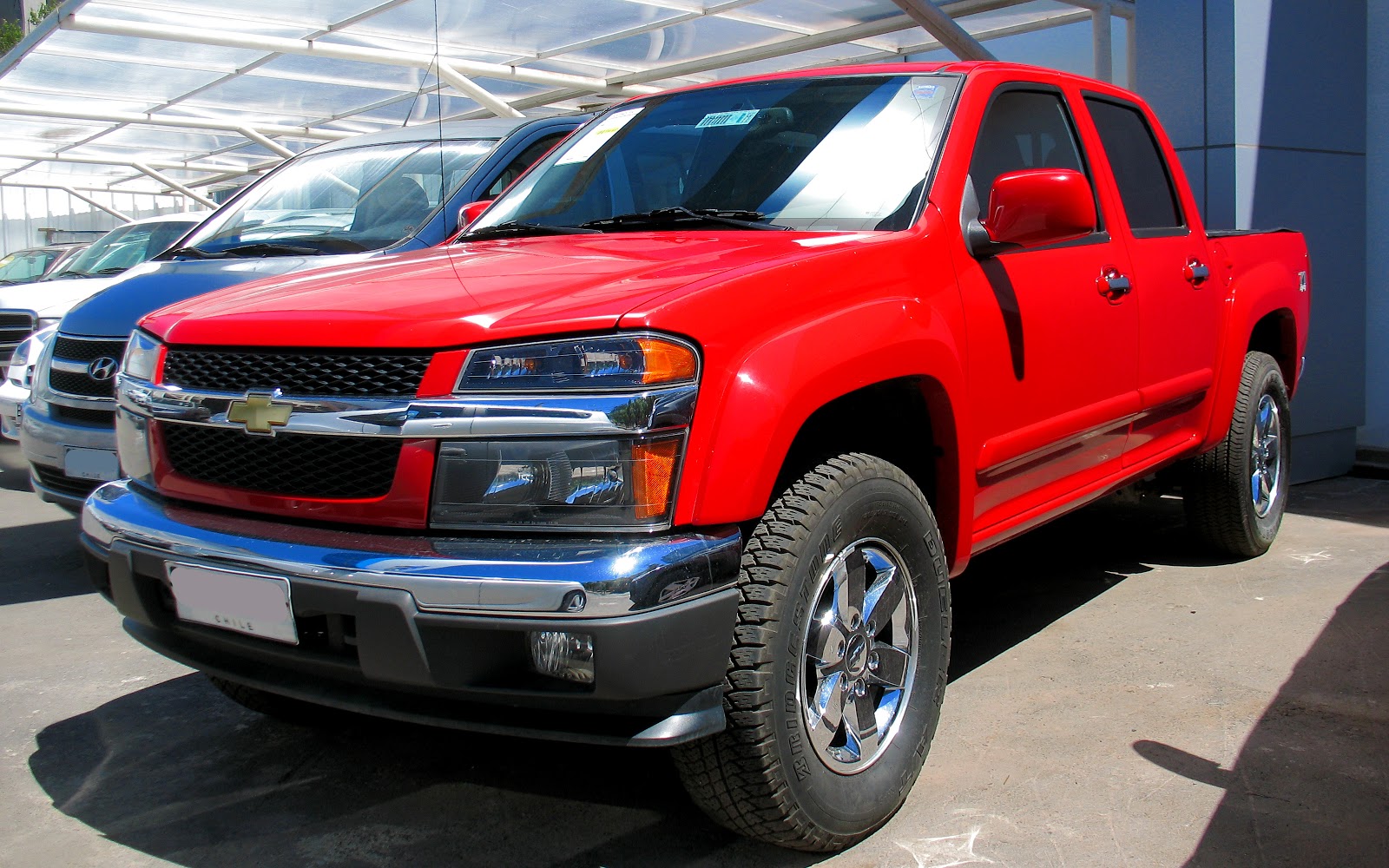
Cold weather was particularly problematic for the automatic locking hubs. Moisture could freeze inside the hub mechanism overnight. When a driver attempted to engage 4WD the next morning, the frozen hubs either engaged very slowly or failed to engage at all.
Many first-generation Colorado owners developed workarounds over time. Some would engage 4WD before they actually needed it when snow or rain was expected. Others learned the specific technique of slowing to a crawl before switching modes.
The truck itself was mechanically sound and offered good value for the price. The 4WD system was functional, just not fast. For drivers in areas with mild winters or infrequent off-road use, the delay was a minor inconvenience.
The second-generation Colorado improved the 4WD system considerably with an electronic push-button setup. But the first-generation trucks are still common on the road today. If you’re considering a used first-gen Colorado for winter use, budget extra time for 4WD engagement every time you need it.
4. Ford Ranger (Pre-2019 Body-on-Frame, Older Generation)
The older body-on-frame Ford Ranger was a tough, capable compact truck that served generations of buyers well. Its 4WD system, however, was a product of its era. Drivers who used the truck in demanding conditions often noted a meaningful delay before the system fully locked in.
The older Ranger used a shift-on-the-fly system with manual locking hubs on some trim levels. Trucks with free-running front hubs required the driver to stop, get out, and manually lock each hub before engaging 4WD. This process added significant time and inconvenience.
Even on models with automatic locking hubs, the engagement was not instantaneous. The hubs needed time to rotate and catch before torque was transferred to the front wheels. Drivers reported delays of three to six seconds depending on conditions.
The transfer case lever in the older Ranger also required deliberate force to operate correctly. If you rushed the shift, it sometimes ended up between positions. An incomplete shift meant the truck was in neither 2WD nor full 4WD, which was a dangerous and confusing situation.
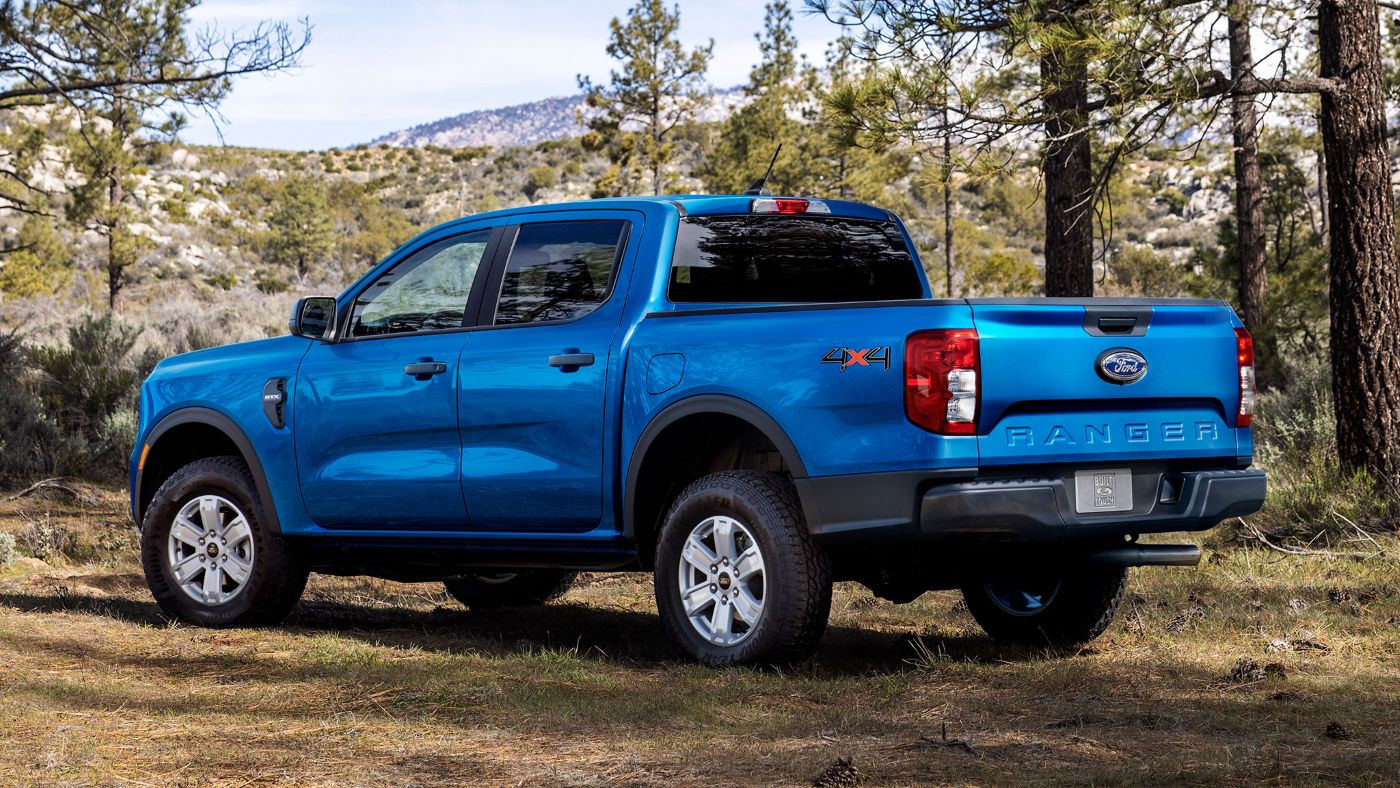
Cold weather compounded these issues significantly. The automatic hubs in the older Ranger were known to ice up or stiffen in sub-zero temperatures. Some drivers resorted to pouring warm water on the hub assemblies to get them to engage in extreme cold.
The older Ranger also lacked any stability control or traction management integration. Once 4WD engaged, you had basic four-wheel traction without any electronic assistance. This meant the driver had to compensate for any remaining wheel spin manually.
Ford discontinued the Ranger nameplate in North America after 2011 before reviving it in 2019 with a completely redesigned platform. The new Ranger uses a modern electronic shift system that engages much faster. But many old Rangers remain on the road and are still purchased as used trucks.
Buyers considering an older Ranger for off-road or winter use should understand this limitation clearly. The truck can handle demanding conditions well once 4WD is engaged. The challenge is getting it engaged quickly when you need it most.
5. GMC Canyon (First Generation) with Manual Transfer Case
The first-generation GMC Canyon shared its platform with the Chevrolet Colorado, and it shared the same 4WD limitations. Its manual transfer case and automatic locking hub design resulted in engagement delays that frustrated drivers who needed quick traction response.
Like the Colorado, the first-gen Canyon required the driver to use a floor-mounted transfer case lever to switch between drive modes. Moving this lever deliberately and precisely was necessary to achieve a proper shift. Rushing the process often resulted in an incomplete engagement.
The automatic locking hubs on the Canyon were functional but slow. Once the transfer case shifted, the hubs still needed several seconds to mechanically engage the front axle. Drivers who were not familiar with the system often mistook a partial engagement for a full one.
In snowy or icy conditions, this delay was particularly problematic. Traction could be lost before the 4WD system finished engaging. Drivers sometimes found themselves sliding or spinning before the front wheels were receiving any torque at all.
The Canyon’s 4WD system also showed its age in terms of maintenance requirements. The automatic locking hubs needed regular service to prevent sticking and slow engagement. Owners who neglected this service often found their engagement times getting worse over time.
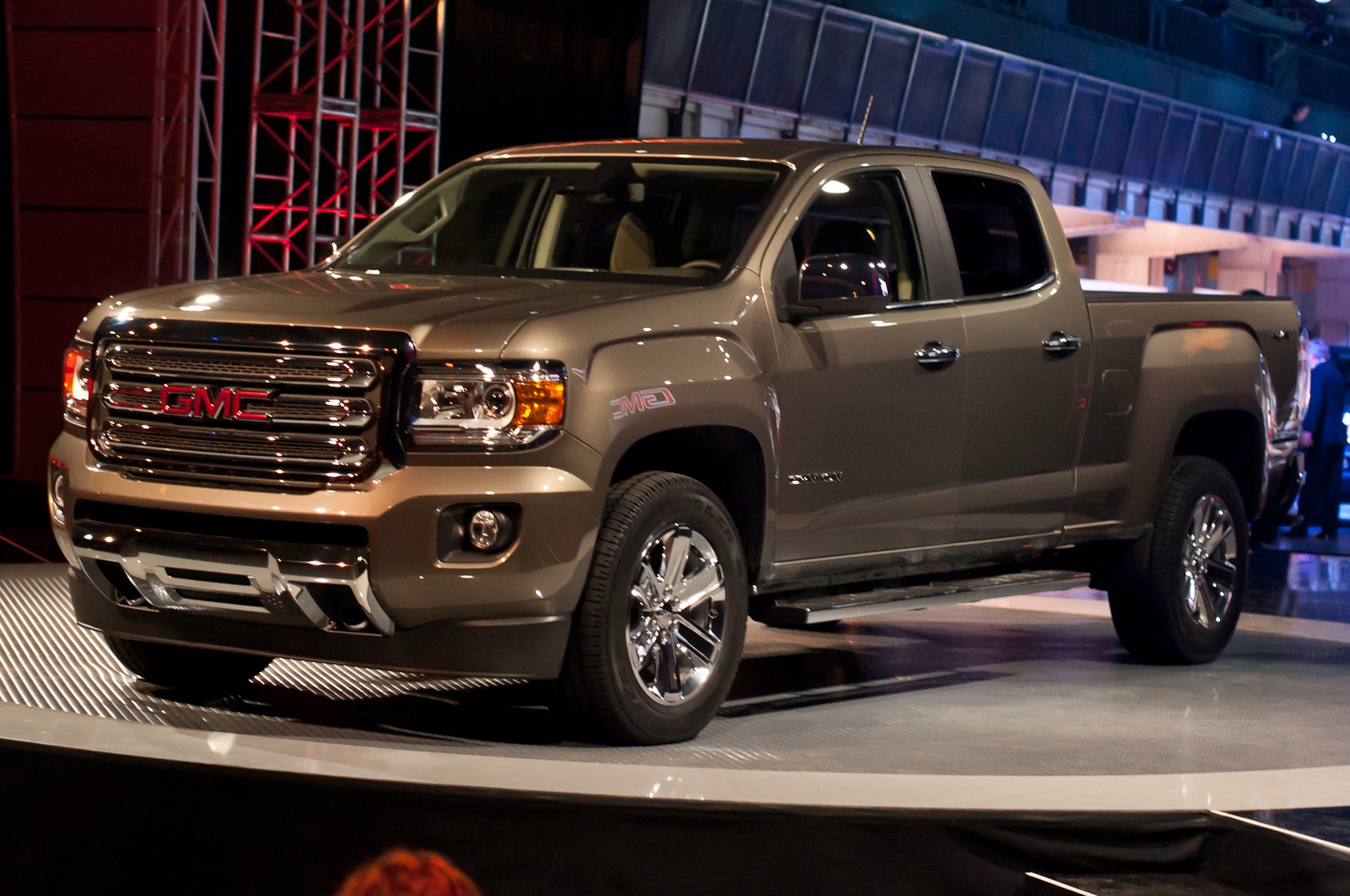
GMC did not offer any terrain management software or electronic driver aids tied to the 4WD system on first-generation Canyons. The system was purely mechanical with no software assistance. This meant slower response times and no predictive engagement capability.
Some Canyon owners chose to upgrade their hubs to manual locking units for better reliability. Manual hubs lock more positively than automatic ones, but they require the driver to stop and get out of the truck. Either way, the engagement was slower than what modern buyers expect.
The first-generation Canyon served its owners well in many respects. It was reliable, affordable, and reasonably capable in light off-road use. But the 4WD engagement time was a clear weakness compared to truck competitors of similar vintage and price.
The second-generation Canyon, introduced for the 2015 model year, addressed many of these concerns with a push-button electronic system. If you are shopping used, the difference between these two generations in terms of 4WD response is dramatic and immediately noticeable. Always test the 4WD system thoroughly before purchasing any older truck.
Also Read: 6 Trucks With Genuinely Useful Center Consoles vs 6 That Just Took Up Space
