
Brake lines are one of the most overlooked components in any vehicle. They quietly do the job of carrying hydraulic pressure from your foot all the way to the calipers, making every stop possible. Most drivers never think about them until something goes wrong. By then, it can already be too late.
Rust is the silent killer of brake lines. It eats through metal over years of exposure to road salt, moisture, and heat cycles. Some manufacturers have invested heavily in corrosion-resistant materials and coatings. Others still use bare steel tubing that starts degrading the moment it sees its first winter road.
The difference between these two groups of cars is enormous in terms of long-term safety and ownership cost. A car with corrosion-resistant brake lines can last decades without needing line replacement. A car with unprotected steel lines might need full replacement before hitting 100,000 miles.
In this guide, we look at six vehicles known for their durable, rust-resistant brake line systems. We also examine six vehicles where brake line replacement before 100K is practically considered routine maintenance. Whether you are buying used, planning preventive repairs, or simply curious about your own car’s risk level, this breakdown will give you the clear picture you need.
6 Cars Where the Brake Lines Don’t Rust Through
These cars are known for high-quality brake line materials and strong corrosion protection, allowing them to last well beyond 100,000 miles without issues. Models like the Toyota Camry, Honda Accord, and Lexus ES are often praised for durable components that resist rust, even in harsher climates.
Vehicles such as the Subaru Outback, Mazda3, and Hyundai Sonata also benefit from better coatings, routing, and build quality, helping prevent premature corrosion. Their brake systems are designed for longevity, reducing the need for costly replacements over time.
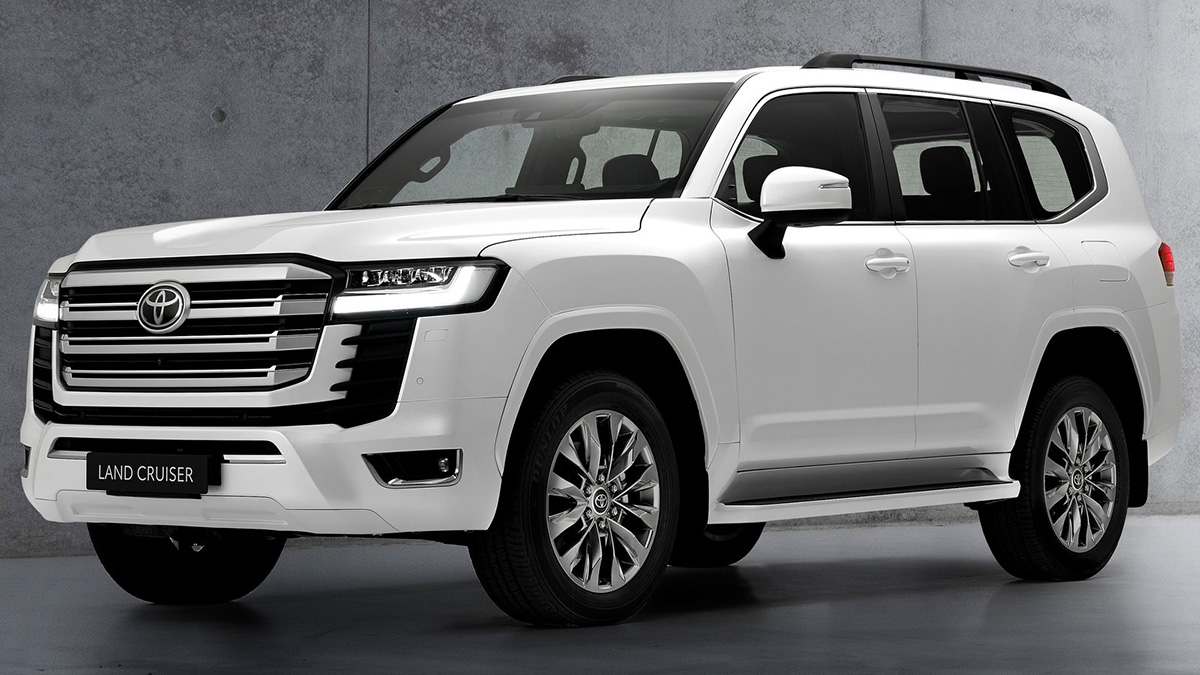
1. Toyota Land Cruiser
The Toyota Land Cruiser is one of the most mechanically durable vehicles ever built. It has earned a global reputation for surviving extreme conditions without falling apart. Brake line corrosion is one area where the Land Cruiser genuinely stands apart from the competition.
Toyota uses a combination of copper-nickel alloy tubing and protective coatings on the Land Cruiser’s brake lines. Copper-nickel, also known by the brand name Cunifer, is naturally resistant to rust and corrosion. It does not react with road salt the way steel does, making it an ideal choice for a vehicle built to last.
The underbody of the Land Cruiser also receives extensive corrosion protection during manufacturing. The frame and undercarriage are treated with thick anti-corrosion coatings that slow moisture penetration. These treatments extend to the areas where brake lines are routed and clipped into place.
Land Cruiser owners in harsh northern climates routinely report driving well past 200,000 miles without needing to touch their brake lines. This is not accidental. It reflects Toyota’s deliberate engineering philosophy of building vehicles that survive long-term ownership. The Land Cruiser is more expensive than most, but its brake line durability is one of many reasons the total cost of ownership stays reasonable over decades.
In regions where roads are salted heavily every winter, the Land Cruiser’s corrosion-resistant brake system stands as a benchmark. Few vehicles at any price point can match its long-term record in this specific area. The Land Cruiser proves that with the right materials and protective coatings, brake lines can simply be a non-issue for the life of the vehicle.
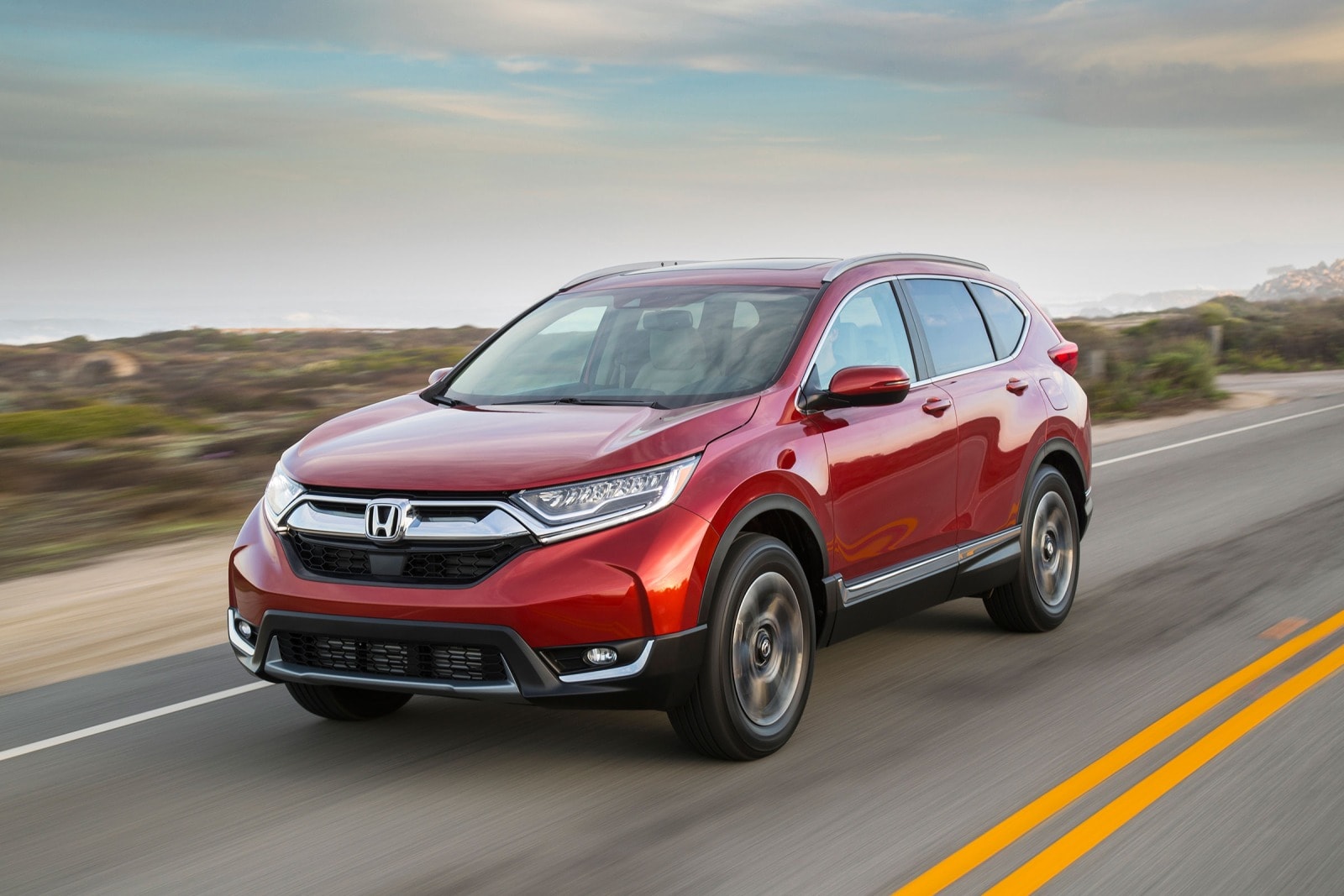
2. Honda CR-V (2017–Present)
The modern Honda CR-V represents a significant step forward in brake line durability compared to earlier Honda models. Honda made changes to its underbody protection strategy in the mid-2010s that directly improved how brake lines hold up over time. The results have been clearly visible in long-term ownership reports.
Honda switched to coated steel brake lines with improved polymer jackets on the CR-V starting around 2017. The protective coating acts as a barrier between the steel tubing and the road environment. Salt, moisture, and road debris are far less able to reach the metal surface underneath.
The CR-V’s underbody design also routes brake lines in areas that receive better splash protection. This reduces the direct exposure these lines face during wet, salty winter driving. Less exposure naturally translates to slower corrosion rates over years of use.
Owners in the northeastern United States and in Canadian provinces report notably fewer brake line issues with post-2017 CR-Vs compared to older models. This represents a genuine improvement that Honda made in response to corrosion complaints from the previous generation. The company listened, made engineering changes, and the results are measurable.
The CR-V is also a mainstream, affordable vehicle. Its improved brake line durability makes it not just a convenient choice but also a smart long-term investment. You are not paying a premium for the protection you get. Honda built this durability into a family-priced crossover, which makes the CR-V an excellent value proposition for buyers in rust-prone regions.
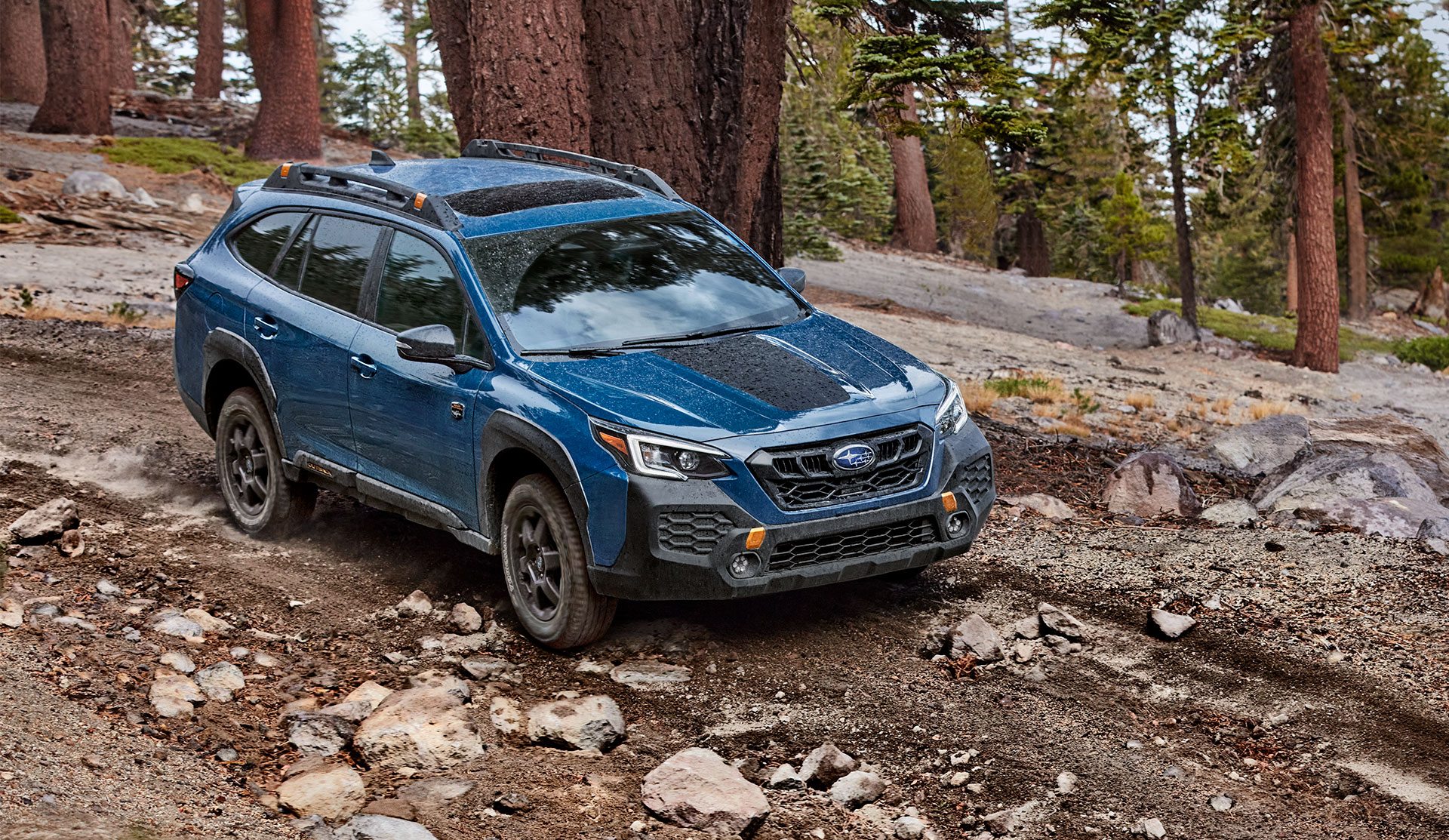
3. Subaru Outback (2015–Present)
Subaru has a complex history with corrosion. Earlier Subaru models developed a poor reputation for rust in certain markets. However, Subaru made substantial engineering changes in the mid-2010s that specifically addressed brake line durability. The modern Outback reflects those improvements clearly.
From 2015 onward, Subaru equipped the Outback with aluminum-coated steel brake lines in most markets. The aluminum coating creates a galvanic barrier that resists rust aggressively. It sacrifices itself electrochemically before the underlying steel is affected, a process similar to how sacrificial anodes protect boat hulls.
The Outback also features improved underbody plastic cladding that shields brake lines from direct road spray. This physical protection reduces the amount of salty water that actually reaches the brake lines during winter driving. The combination of a better coating and better shielding has made a measurable difference.
Subaru also extended corrosion warranties on underbody components in response to earlier model complaints. This reflects corporate-level acknowledgment of past problems and a genuine commitment to improvement. The modern Outback is a fundamentally different vehicle in terms of corrosion resistance compared to what Subaru offered a decade earlier.
Owners who drive Outbacks in Vermont, Michigan, and other high-salt states report far fewer corrosion issues than owners of the previous generation. The 2015-and-newer Outback has largely shed the rusting reputation of its predecessors. For an all-wheel-drive family wagon built for four-season utility, these brake line improvements make a significant difference to long-term safety and reliability.
4. Volvo XC90
Volvo has built its entire brand identity around safety. That commitment extends well beyond airbags and crash structures. The XC90’s brake system, including its brake lines, reflects Volvo’s detailed approach to long-term functional safety.
The XC90 uses stainless-steel or copper-nickel alloy brake lines depending on the market and model year. Both materials are dramatically more resistant to corrosion than plain steel tubing. Stainless steel contains chromium that forms a self-healing oxide layer on the surface, preventing rust from taking hold.
Volvo also applies heavy underbody sealant coatings from the factory. The XC90’s undercarriage receives multiple layers of protection that physically block moisture from contacting metal components. Brake line routing on the XC90 is thoughtfully designed to minimize exposure to road splash.
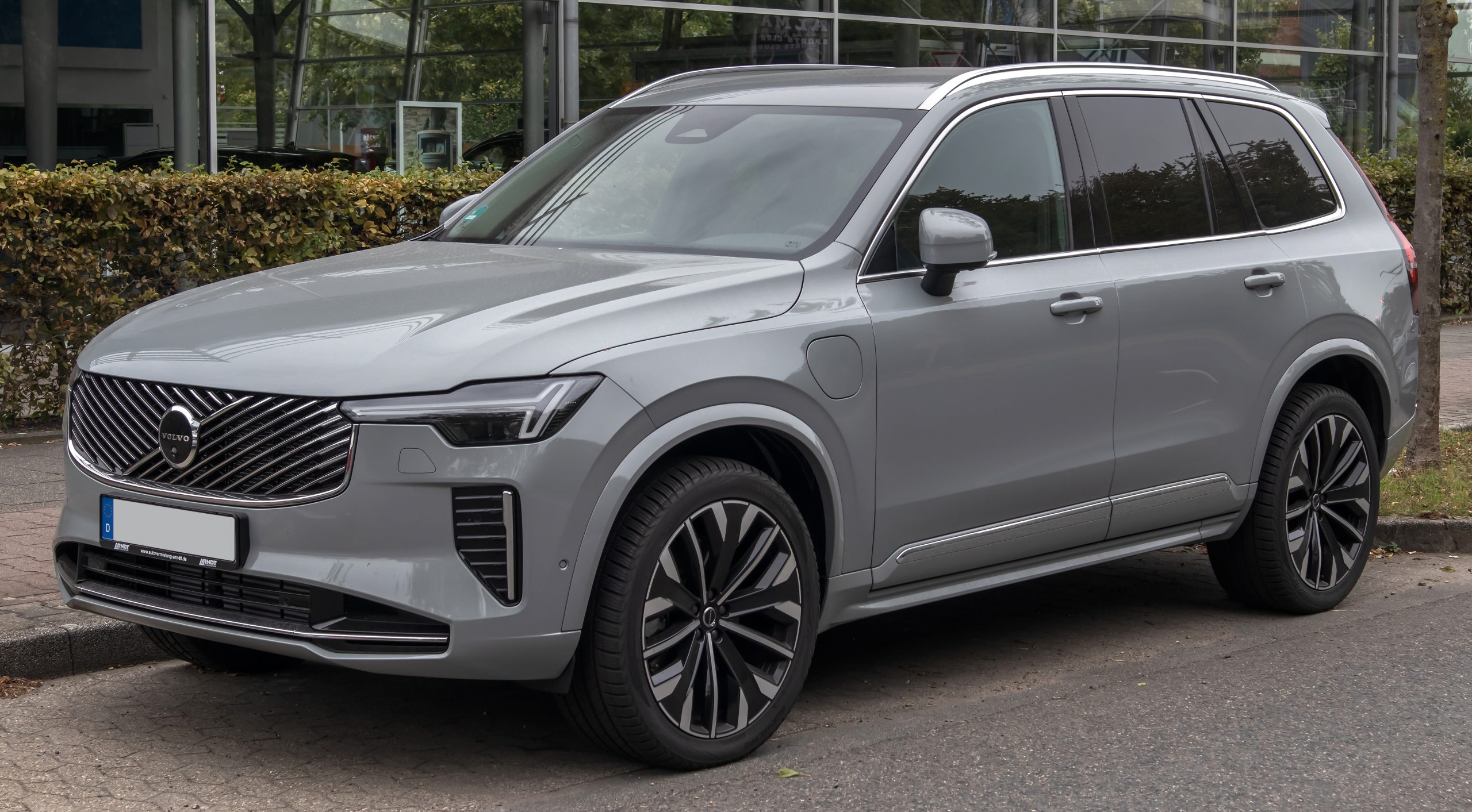
Long-term XC90 owners rarely report brake line issues even in Scandinavian countries where roads are heavily treated with salt throughout winter. This is the real-world proof point.
Volvo builds these vehicles for exactly the kind of harsh winter environments where other cars’ brake lines fail. The XC90 has to perform well under those conditions, and it consistently does.
The XC90 is a premium vehicle, and its brake line engineering reflects that premium positioning. You are paying for engineering choices that will keep the vehicle safe for many more years than cheaper alternatives.
For buyers who plan to keep their vehicle for 10 or more years, the Volvo’s superior brake line corrosion resistance directly reduces long-term maintenance costs and safety risks.
Also Read: 4 Trucks With Clutches That Last 200,000 Miles vs 4 That Need Replacing at 60,000
5. Ford F-150 (2015–Present, Aluminum Body Models)
The shift to an aluminum body on the 2015 F-150 received enormous media attention. Less discussed was Ford’s simultaneous update to the underbody protection strategy, which included improvements to brake line materials. These changes have resulted in meaningfully better long-term corrosion performance compared to previous F-150 generations.
Ford moved to a combination of wrapped and coated brake lines on the aluminum-body F-150. The lines feature a nylon overjacket that physically isolates the metal tubing from the external environment. This nylon layer resists salt, moisture, and road chemicals effectively over long periods.
Ford also reworked the underbody routing of brake lines on the 2015-and-newer F-150. Lines are positioned higher and more protected relative to road splash than they were on earlier models. This systematic approach to routing reduces the total environmental exposure the lines experience over the years of operation.
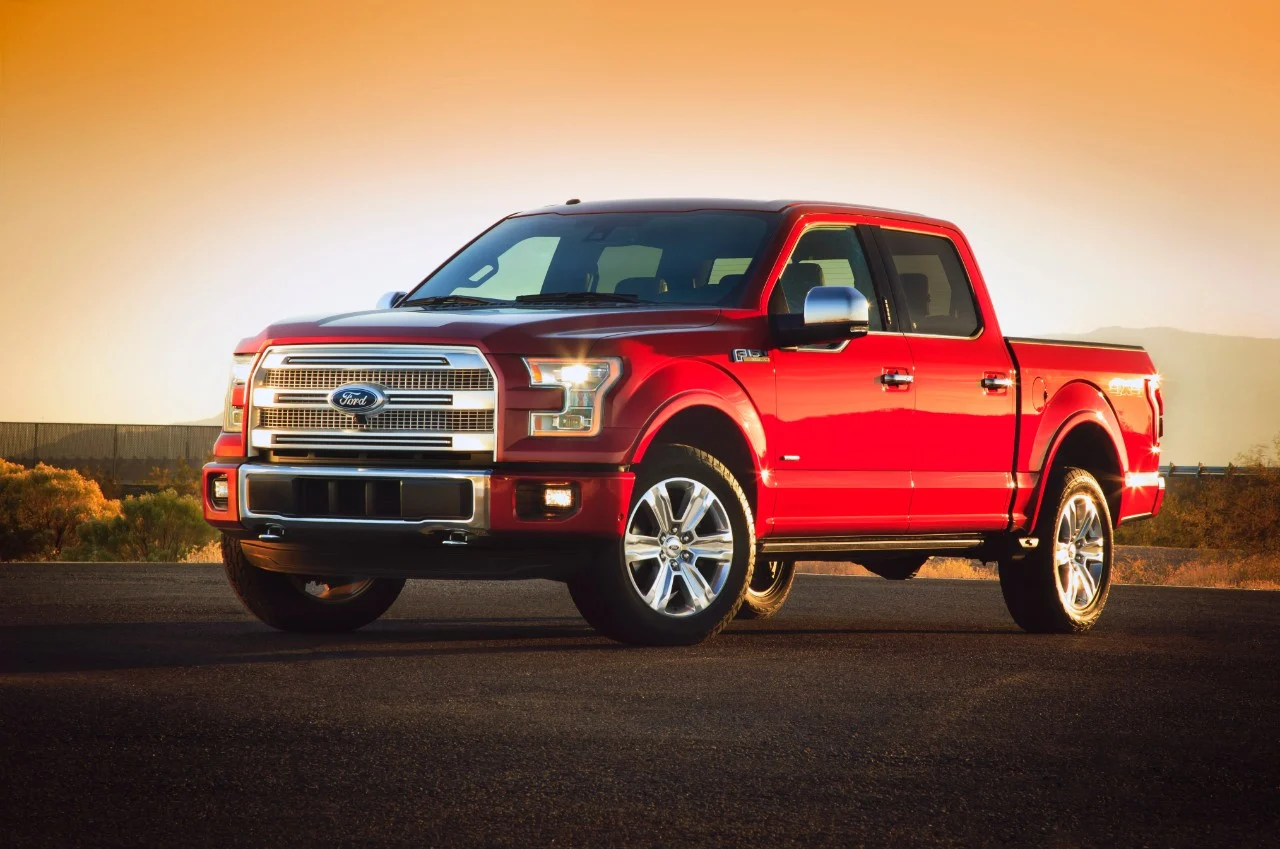
Truck owners put enormous mileage on their F-150s and often use them in demanding environments. The fact that Ford significantly improved brake line durability on its best-selling vehicle was a practical engineering decision driven by real-world owner feedback. High-mileage F-150 owners have noticed the difference compared to previous generations.
The 2015-and-newer F-150 is not perfect in every way, but its brake line durability improvement is genuine and verifiable. For owners who plan to run their trucks past 150,000 miles, this is a meaningful advantage.
The aluminum body that caused so much controversy ended up being paired with improved underbody corrosion protection that benefits brake line longevity significantly.
6. Lexus GX 460
The Lexus GX 460 shares its platform with the Toyota 4Runner and inherits much of the Land Cruiser’s engineering philosophy applied at a different price point. Lexus takes underbody corrosion protection seriously, and the GX 460’s brake lines reflect that commitment clearly.
The GX 460 uses copper-nickel alloy brake lines as standard equipment. This is the same Cunifer tubing that Toyota uses in its top-tier vehicles. The material choice alone sets the GX 460 apart from many competitors in its class. Copper-nickel does not rust, full stop.
Lexus also applies factory underbody coatings to the GX 460 that are more thorough than what most mainstream brands apply. The coating process seals the undercarriage against moisture intrusion in a way that protects not just brake lines but the entire underbody structure. Dealers in corrosion-prone markets rarely see GX 460s with significant underbody rust problems.
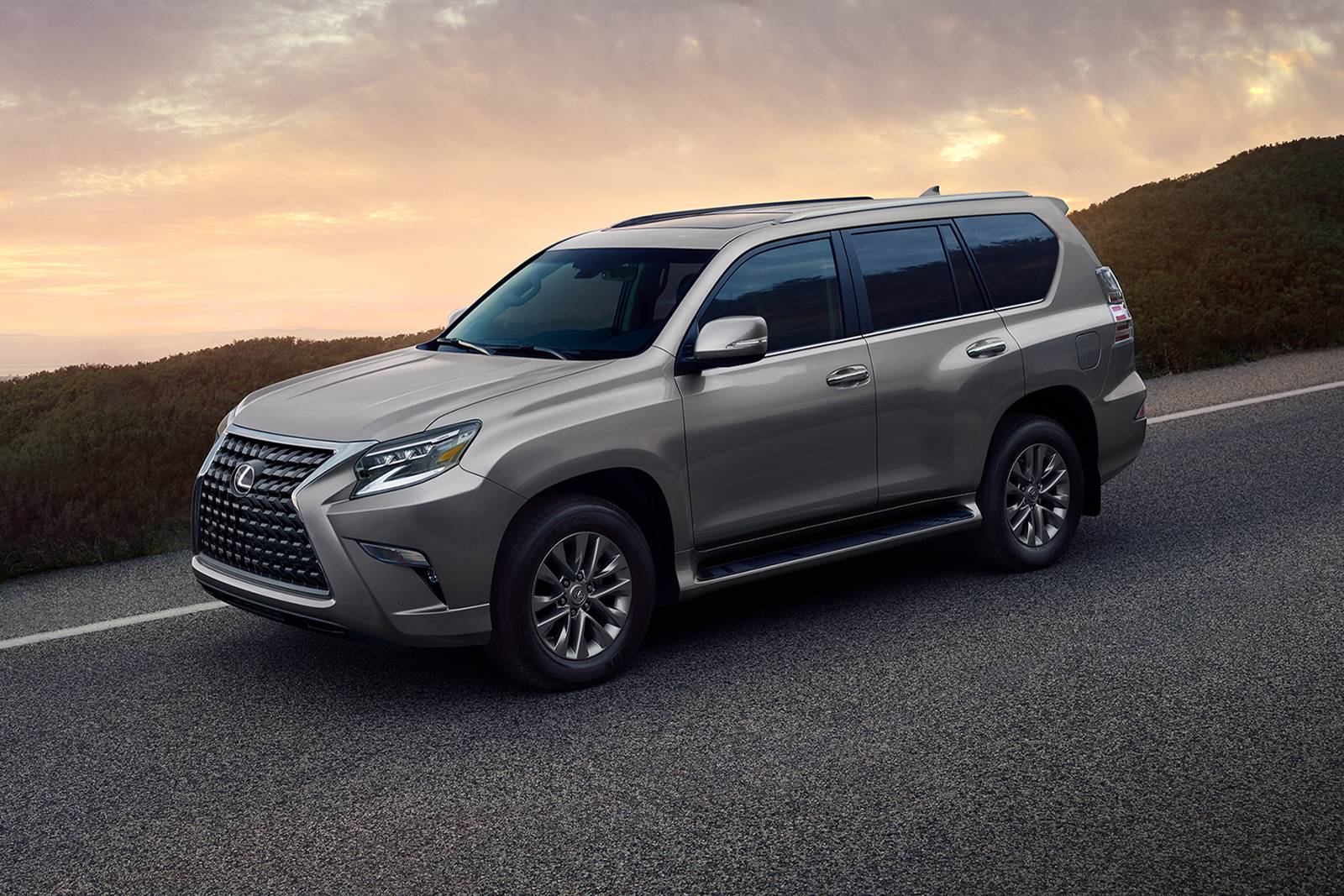
The GX 460 is popular among buyers in mountainous regions where vehicles face both road salt in winter and dust and gravel in summer. This multi-environment durability requirement pushes Lexus to engineer brake lines that can handle varied stresses over long periods.
The result is a vehicle where brake line replacement is genuinely not expected at normal service intervals. High-mileage GX 460 ownership reports consistently show intact brake lines well past 150,000 miles. This record speaks for itself.
The vehicle costs more than most SUVs, but its engineering quality translates directly into lower long-term maintenance costs. For buyers who keep vehicles for ten years or more, the GX 460’s brake line durability is a genuine financial advantage.
6 That Need Replacement at 100K
These cars are often associated with early brake line corrosion, especially in regions with road salt and harsh winters. Lower-quality materials, poor protective coatings, or exposed routing can cause lines to rust faster than expected.
Over time, this can lead to leaks, reduced braking performance, and safety concerns, often requiring full replacement around or before 100,000 miles. For owners, this means higher maintenance costs and added inconvenience, particularly in rust-prone environments.
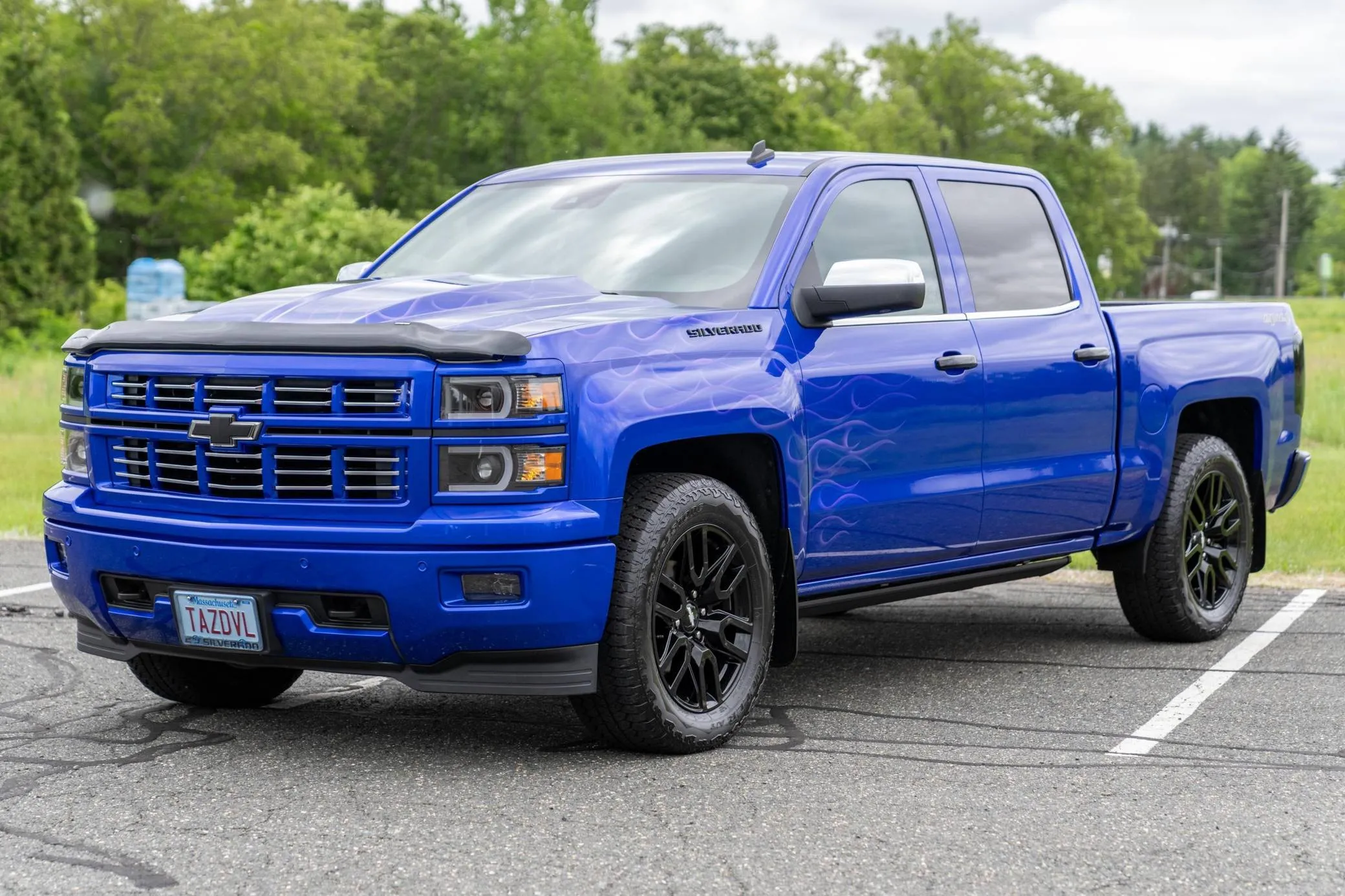
1. Chevrolet Silverado 1500 (Pre-2014)
The pre-2014 Chevrolet Silverado 1500 developed a widespread reputation for brake line failures in rust-prone markets. This was not an isolated issue affecting a few unlucky owners. It became a systematic problem acknowledged by mechanics, dealerships, and eventually by General Motors itself.
The primary culprit was the use of uncoated or minimally coated steel brake lines. Steel is cheap and easy to form into the complex shapes required for brake line routing. However, it corrodes aggressively when exposed to road salt over multiple winters. The Silverado’s brake lines were often routed along the frame in areas with significant road splash exposure.
The problem was compounded by the Silverado’s underbody design. Earlier models had less plastic shielding and fewer protective measures than modern trucks. This left brake lines more directly exposed to the salt and moisture thrown up by all four tires during winter driving.
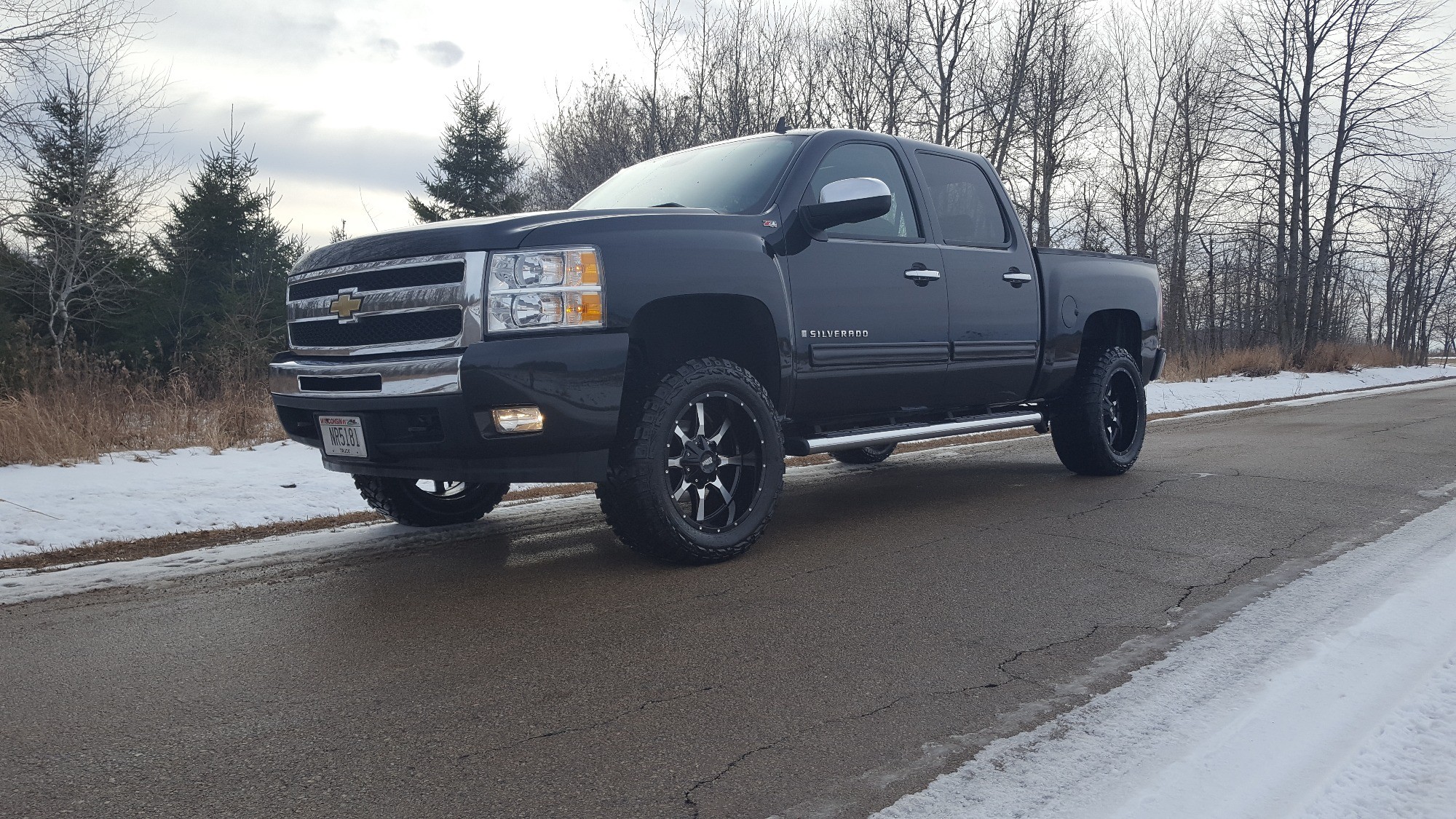
Mechanics in northern states began treating pre-2014 Silverado brake line replacement as routine maintenance rather than as an emergency repair. Lines were replaced proactively during brake jobs on high-mileage trucks because failure was considered a matter of when rather than if. This is an expensive reality for owners who planned for a long-term relationship with their truck.
The situation was serious enough that General Motors faced class action lawsuits related to brake line corrosion on certain model years. This legal pressure contributed to significant engineering changes in later model years.
If you own a pre-2014 Silverado in a salt state, having your brake lines inspected and replaced before 100,000 miles is not paranoia. It is simply responsible maintenance based on documented real-world failure patterns.
2. Dodge Ram 1500 (Pre-2009)
The pre-2009 Dodge Ram 1500 shares many of the same corrosion vulnerabilities as other domestic trucks of its era. Chrysler used basic steel brake lines with minimal protective treatment across its truck lineup in the 2000s. The results in rust-prone markets have been consistently problematic for owners.
Ram 1500 brake lines from this era run along exposed sections of the frame where road salt accumulates during winter. The combination of exposed steel tubing and a high-splash routing environment creates conditions where corrosion accelerates significantly. Owners in Michigan, Ohio, Pennsylvania, and similar states report brake line failures with regularity on these trucks.
The failure mode on pre-2009 Rams is often sudden rather than gradual. Heavily corroded lines can hold pressure until they don’t, and when they fail they can fail completely. This makes pre-inspection especially important on these trucks because there is limited visible warning before a catastrophic hydraulic failure occurs.
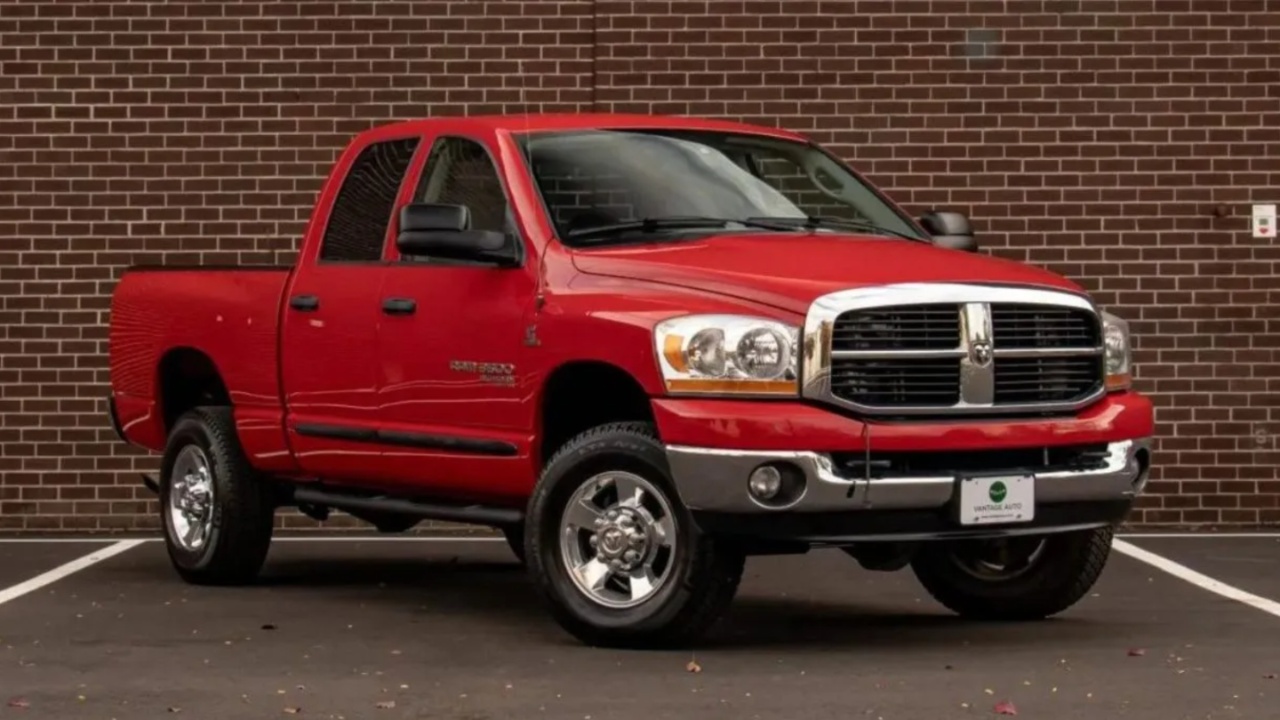
Independent repair shops that specialize in trucks often stock pre-bent brake line sets specifically for pre-2009 Ram 1500s. The fact that aftermarket companies produce ready-made replacement kits for a specific vehicle tells you something important about how common the failure pattern is. Demand creates supply, and the demand for Ram brake line replacement kits in rust states is very real.
Owners who purchase pre-2009 Ram 1500s in rust-prone markets should budget for brake line replacement as part of their initial ownership costs. Waiting for a failure to occur creates a safety risk that is simply not worth accepting.
At 75,000 to 100,000 miles in a salt-heavy environment, these lines need to come off and be replaced with stainless steel or copper-nickel alternatives.
3. Ford F-250 Super Duty (Pre-2011)
The heavy-duty Ford F-250 Super Duty from before 2011 has a documented brake line corrosion problem that becomes particularly serious given the loads these trucks are expected to carry and tow. Brake line failure on a truck hauling a heavy trailer is a significantly more dangerous event than on a passenger car. The stakes are higher, and the problem is well-established.
Ford used conventional steel brake lines on pre-2011 Super Duty trucks that corrode predictably in northern climates. The heavy-duty nature of these trucks means they are often used in work environments where they see more exposure to harsh conditions, more mileage, and more thermal stress than a typical passenger vehicle. This accelerates the corrosion timeline.
The Super Duty’s brake system operates at higher pressures than lighter trucks due to its towing and payload capacity. When corroded lines fail under these pressures, the hydraulic loss is immediate and complete. A truck towing 15,000 pounds with failed brake lines is an extreme hazard, making this a safety issue with real-world consequences beyond just inconvenience.
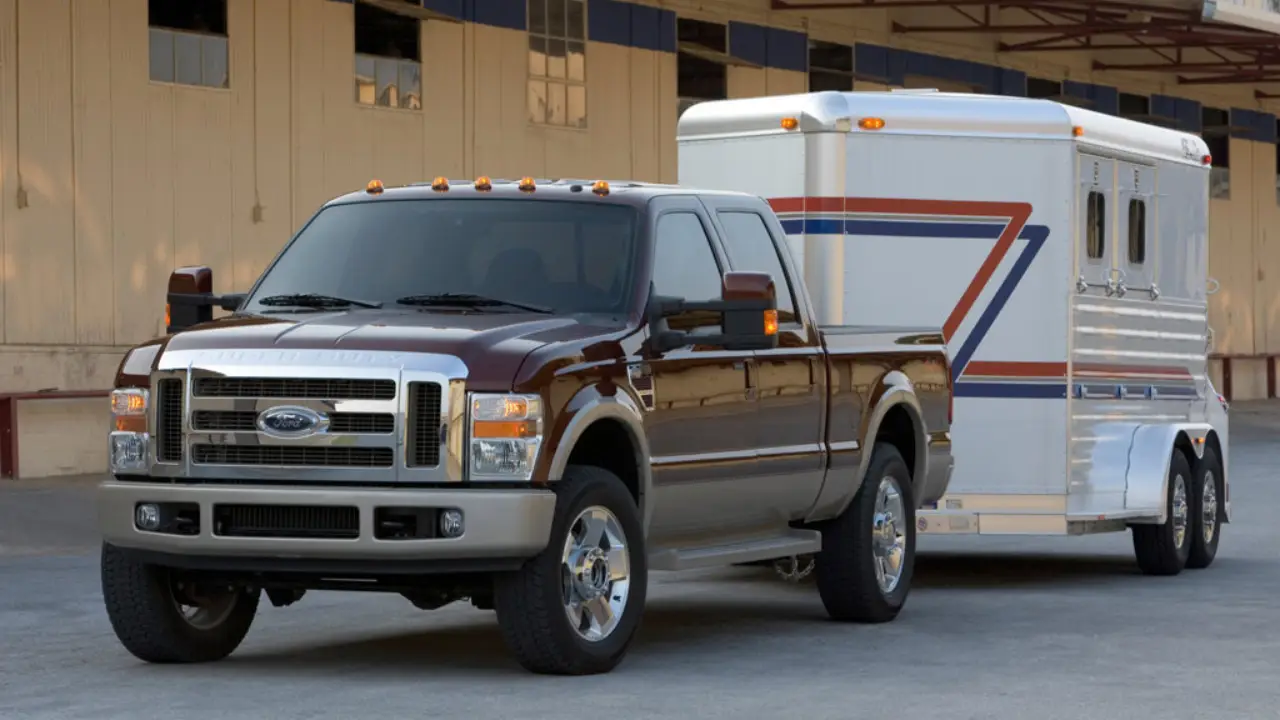
Ford acknowledged brake line corrosion issues on Super Duty trucks through service bulletins and eventually through an extended warranty program in some markets.
The existence of a formal extended warranty for this specific issue is clear corporate acknowledgment of a systemic problem. Owners who missed the warranty window are left managing the issue on their own.
Pre-2011 F-250 owners in the Rust Belt should consider proactive brake line replacement a non-negotiable maintenance item. Stainless steel replacement line kits are widely available and relatively affordable compared to the cost of a hydraulic brake failure. Given what these trucks are asked to do, keeping their brake systems in perfect condition is simply essential.
4. Jeep Wrangler TJ (1997–2006)
The Jeep Wrangler TJ is beloved for off-road capability and open-air freedom. Its brake system, however, reflects the cost-cutting realities of its era. Steel brake lines with basic coatings were used throughout the TJ generation, and these lines have proven themselves vulnerable to corrosion in northern markets over the decades since production ended.
The TJ’s design actually creates some unique brake line challenges. The vehicle’s body-on-frame construction with high ground clearance means brake lines are routed along a frame that sees heavy mud, water, and road salt exposure. Wranglers are often driven off-road, where they wade through streams and mud holes that can accelerate corrosion in ways that pure road driving does not.
The combination of off-road use and salty winter road driving creates a particularly aggressive environment for TJ brake lines. Owners who use their Wranglers year-round in northern climates face accelerated deterioration timelines. It is not unusual to see significant brake line corrosion on TJ Wranglers with fewer than 80,000 miles when the vehicle has spent its life in a salt state.
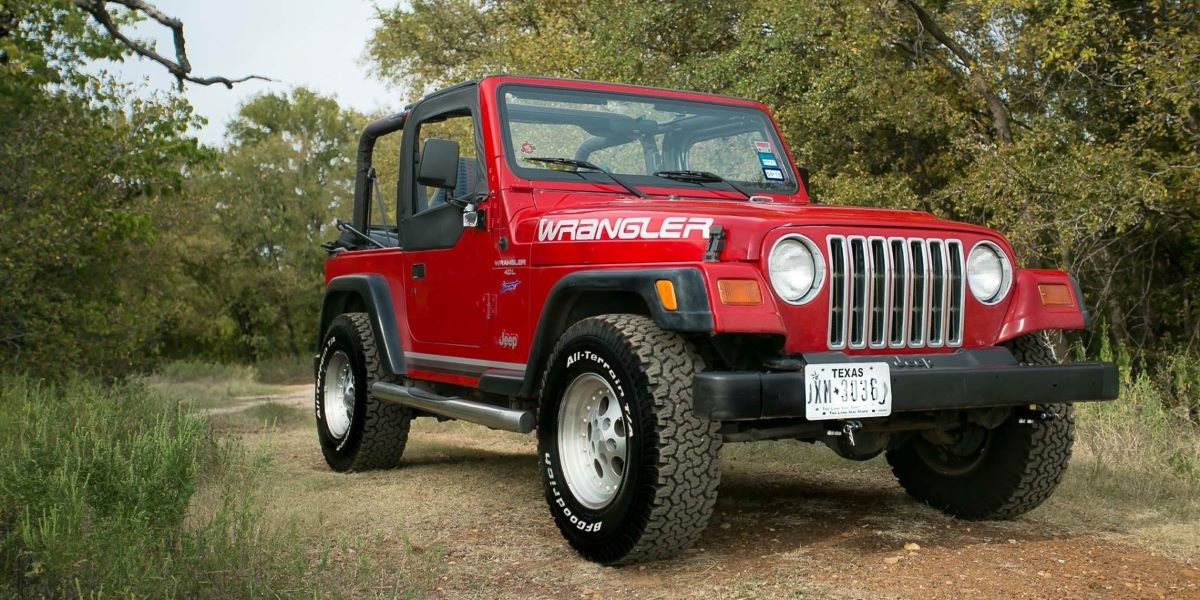
The TJ Wrangler aftermarket is enormous, and stainless steel brake line replacement kits are readily available from multiple suppliers. This is a practical blessing for owners who need to address the corrosion problem.
The widespread availability of quality replacement parts makes doing the job right relatively straightforward for mechanically inclined owners or experienced shops.
Any TJ Wrangler being purchased used in a rust-prone state should have its brake lines carefully inspected before the transaction is finalized. This is not excessive caution.
It is simply acknowledging a known weakness in an otherwise wonderful vehicle. Budget for brake line replacement and do it with stainless steel so you never have to think about it again.
5. Honda Accord (Pre-2013)
The pre-2013 Honda Accord developed a corrosion reputation that surprised many owners who associated the Honda name with reliability and longevity. In most mechanical respects, the Accord is an excellent vehicle. Its pre-2013 brake lines, however, are a significant weak point that has affected owners across the northern United States in particular.
Honda used steel brake lines with a standard protective coating on Accords from this era. The coating proved insufficient in high-salt environments, especially under the wheel wells and along the rear subframe area where road spray is most intense. Corrosion often initiates in these highest-exposure areas and spreads from there.
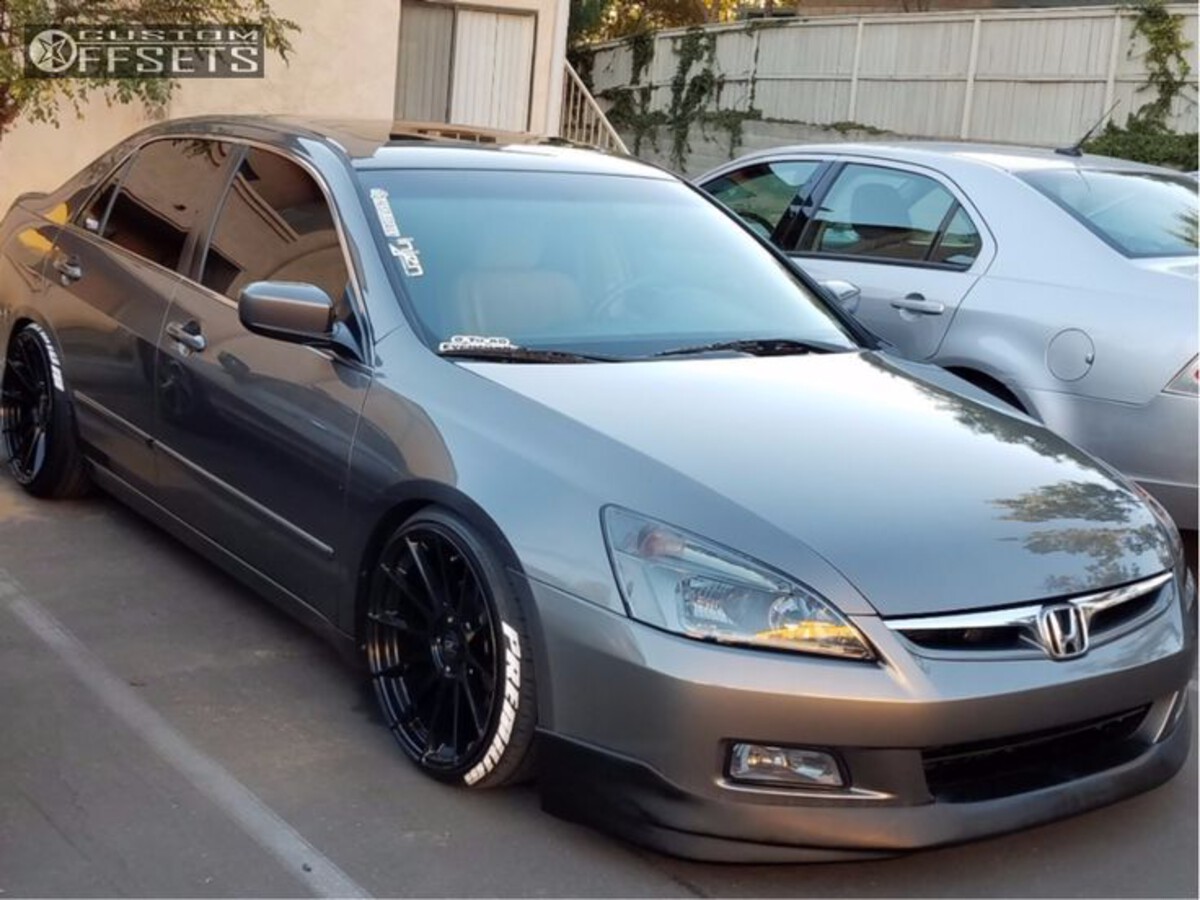
The rear brake lines on pre-2013 Accords are particularly vulnerable. The routing near the rear subframe places them in a zone that traps salt and moisture effectively. Once corrosion begins in these zones, it progresses more rapidly than on lines in more protected positions. Mechanics who inspect high-mileage Accords in salt states frequently find rear brake line corrosion as a consistent finding.
Honda addressed this in subsequent generations with improved coatings and routing changes. The pre-2013 Accord’s corrosion issue is a specific generation problem rather than a reflection of what Honda builds today. This context matters when evaluating older Accords in the used market.
Pre-2013 Accord owners in the Rust Belt should have brake lines inspected at every major service interval. Catching corrosion early allows for replacement before a failure occurs. Waiting for a brake pedal to go soft before taking action is an unacceptable risk management strategy on a vehicle with a known corrosion vulnerability in this specific area.
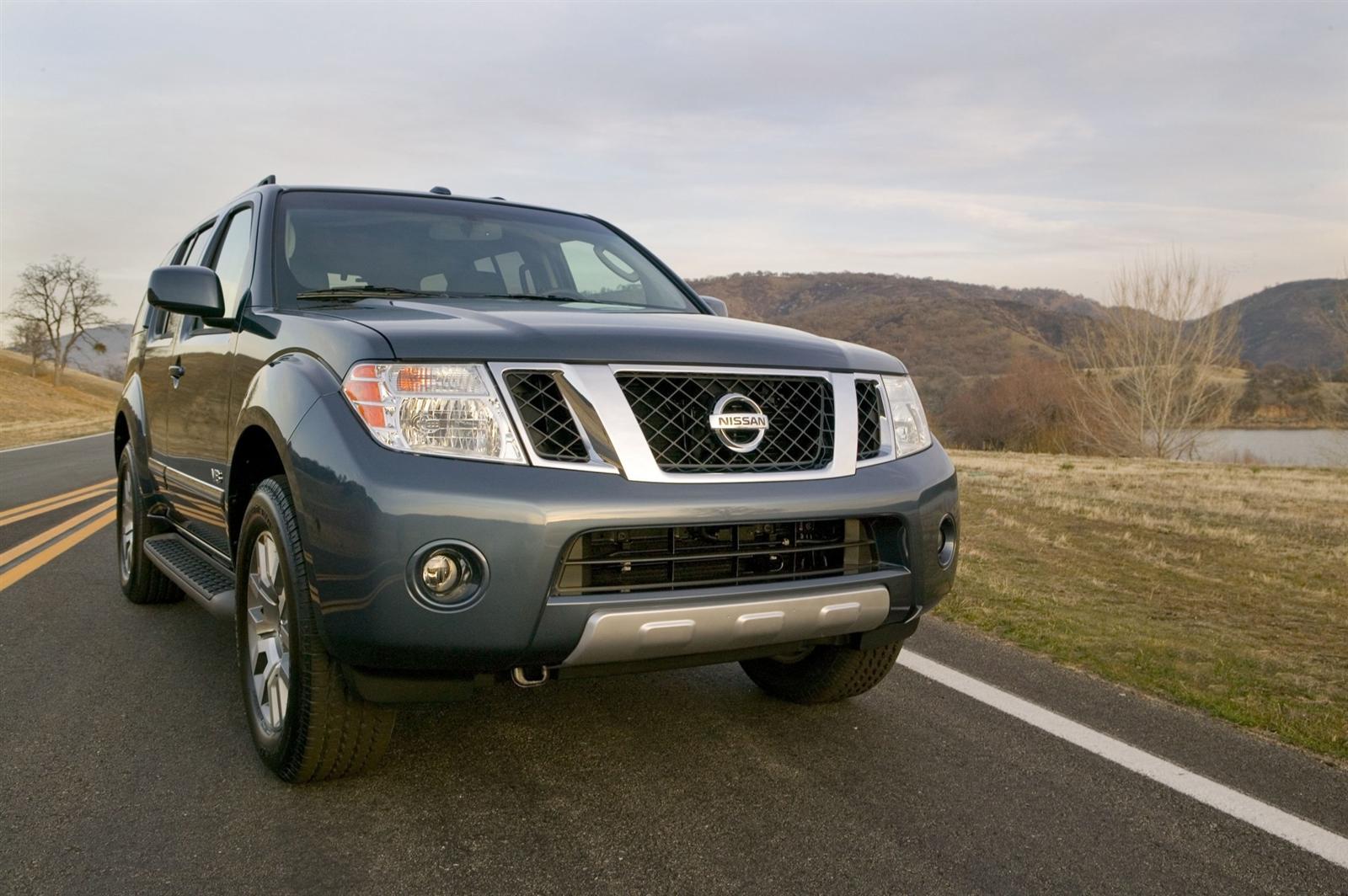
6. Nissan Pathfinder (Pre-2013)
The pre-2013 Nissan Pathfinder, particularly the body-on-frame R51 generation built from 2005 to 2012, developed a notable brake line corrosion problem in markets with harsh winter road treatment. Nissan’s choice of brake line materials and routing on this generation created a vulnerability that has resulted in widespread replacement needs across the Rust Belt.
The R51 Pathfinder’s brake lines run along the underside of the frame in positions that receive significant road spray. The steel lines used by Nissan had protective coatings that degraded under sustained salt exposure over multiple winters. Once the coating fails, the bare steel corrodes quickly, given the level of environmental exposure these lines receive.
The Pathfinder is often used as a family vehicle and tow vehicle simultaneously. Owners who use them for both family duties and light towing create additional thermal stress on the brake system. Thermal cycling between hot and cold accelerates the degradation of protective coatings and can introduce micro-cracks that allow moisture penetration.
Nissan issued technical service bulletins acknowledging brake line concerns on certain Pathfinder model years. These bulletins directed dealers to inspect and proactively replace lines showing corrosion.
The existence of formal TSBs on this topic confirms that the issue was widespread enough to warrant an official manufacturer response. Pre-2013 Pathfinder owners in northern climates face a choice between reactive replacement after a failure and proactive replacement before one occurs.
The proactive approach is clearly preferable given what brake line failures mean for vehicle control. Replacing with copper-nickel or stainless steel lines eliminates the recurring risk and transforms this known weakness into a permanently resolved maintenance item.
Also Read: 4 SUVs With Real Skid Plates vs 4 With Plastic Ones That Crack Off
