
Buying a truck is one of the biggest financial decisions you can make. You need something that works hard every day without constantly sending you back to the repair shop.
The clutch is the heart of any manual transmission truck. It takes punishment from every gear change, every hill start, and every loaded tow job you put it through.
Some manufacturers build clutch systems that are genuinely engineered to survive extreme conditions. These companies invest in better friction materials, stronger pressure plates, and smarter drivetrain geometry from the factory floor.
Other manufacturers cut corners during the design and production phases. Their trucks look capable from the outside, but hide dangerously weak clutch assemblies beneath that tough exterior.
The financial difference between a clutch lasting 60,000 miles and one lasting 200,000 miles is enormous. Clutch replacement jobs on trucks can easily run between $800 and $2,500, depending on the model and labor costs involved.
That gap represents money that could stay in your pocket instead of going to a transmission shop. It also represents lost work days, towing bills, and the stress of unexpected mechanical failure.
In this article, we identify four trucks whose clutch systems are built to genuinely go the distance. Then we expose four trucks that consistently disappoint owners with early and expensive clutch failures.
Whether you haul heavy equipment, tow trailers regularly, or simply use your truck as a dependable daily driver, this guide gives you the real information you need. Let us get into the full breakdown right now.
4 Trucks With Clutches That Last 200,000 Miles
These trucks are known for durable clutch assemblies, strong transmissions, and balanced power delivery that allow the clutch to last well beyond its typical lifespan. Models like the Toyota Tacoma, Ford F-250 (manual), and Chevrolet Silverado (manual variants) are often praised for long-lasting clutch performance.
Their setups are designed to handle heavy loads and daily driving without excessive wear, especially when driven properly. With good maintenance and driving habits, these trucks can see clutch life extending toward 200,000 miles, making them reliable choices for long-term ownership.
1. Toyota Tacoma
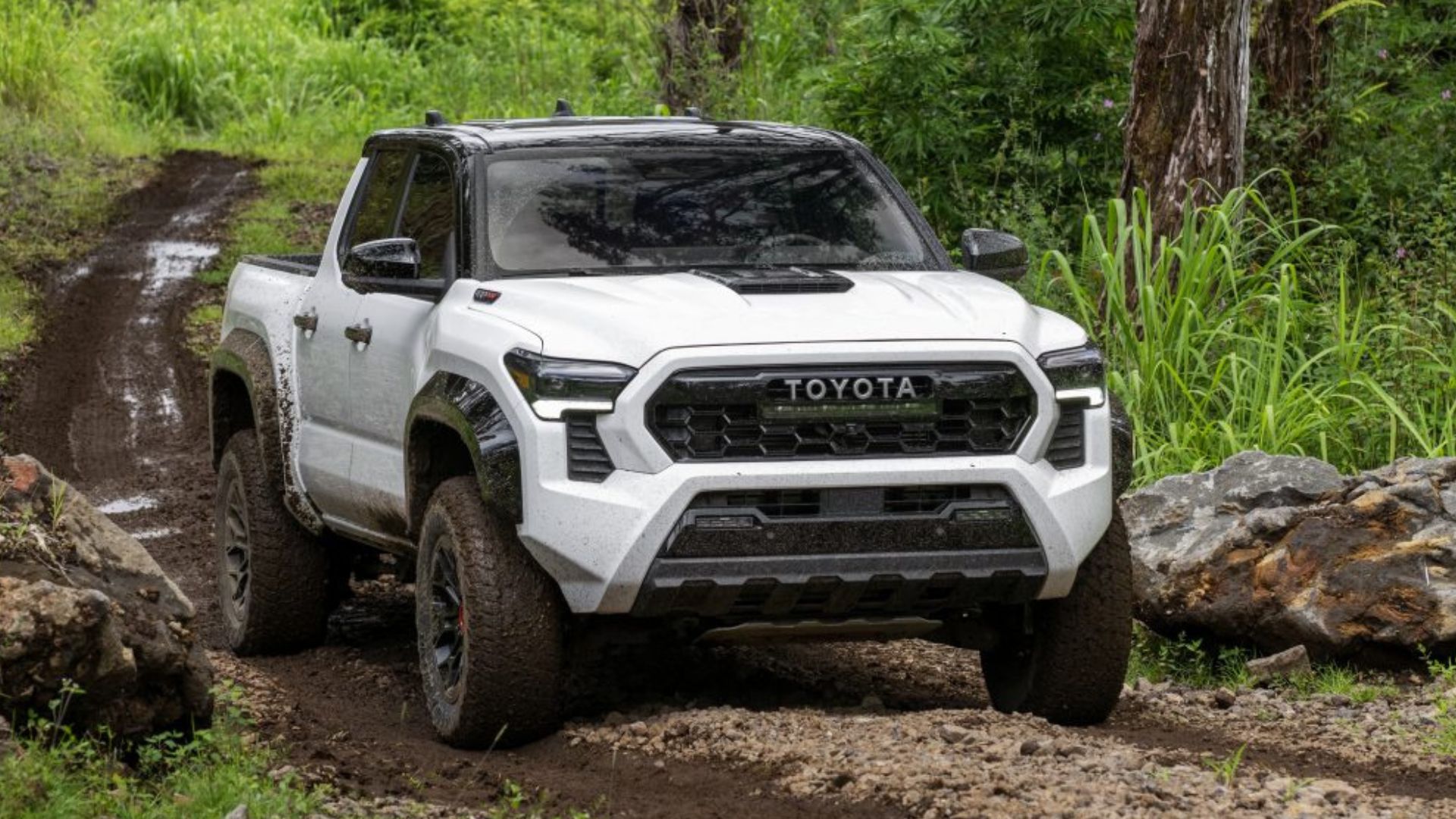
The Toyota Tacoma has built one of the strongest reliability reputations in the entire truck segment. Owners across North America consistently report clutch systems surviving well beyond 150,000 miles with nothing more than basic maintenance.
This is not a coincidence or a lucky streak of good ownership habits. Toyota engineers made deliberate, specific decisions about clutch component quality during the Tacoma’s development process.
The friction disc material used in the Tacoma is sourced from high-grade suppliers. This material resists heat buildup far more effectively than the budget compounds used in competing mid-size trucks on the market.
Heat is the number one enemy of any clutch system. When friction material cannot dissipate heat efficiently, it glazes over, wears unevenly, and eventually loses its ability to transmit engine power without slipping.
Toyota’s engineers understood this problem deeply and addressed it at the component sourcing level. The result is a friction disc that stays cooler under load and maintains consistent grip across a much wider range of operating conditions.
The pressure plate design in the Tacoma is another area where Toyota refused to compromise. It maintains a strong, consistent clamping force even after many years of hard daily use in demanding environments.
A pressure plate that loses clamping force gradually becomes the primary cause of clutch slippage. Toyota’s pressure plate resists this degradation through better spring steel quality and more precise manufacturing tolerances throughout the assembly.
The flywheel used across Tacoma models is manufactured from dense, heat-resistant cast iron. This allows it to absorb enormous amounts of friction heat during engagement without warping, cracking, or developing the hot spots that accelerate disc wear.
Toyota also calibrated the Tacoma’s clutch engagement point with extraordinary precision. The engagement zone is positioned to minimize unintentional slipping during normal everyday driving patterns that most truck owners follow.
The hydraulic clutch actuation system in modern Tacoma models adds yet another layer of long-term reliability. Hydraulic systems self-adjust as components wear slightly, keeping the engagement point consistent across tens of thousands of miles.
Tacoma owners who work in construction, agriculture, and off-road recreation frequently praise the clutch’s staying power. Even regular use on steep terrain, which places maximum stress on clutch systems, rarely causes premature failure in these trucks.
Mechanics who specialize in Japanese trucks confirm that early Tacoma clutch replacements are genuinely rare events in their shops. Most clutch jobs they see on Tacomas come from obvious abuse, driver error, or trucks with exceptional mileage well past the 180,000 mark.
The 2.7-liter four-cylinder and 3.5-liter V6 engines available in the Tacoma also contribute to clutch longevity in a meaningful way. Both engines deliver their torque smoothly and progressively rather than in sharp, violent spikes that shock the clutch assembly.
Smooth torque delivery is one of the most underrated factors in extending clutch life. A smooth engine is a kind engine, and that kindness filters directly down through the transmission and into the clutch components below.
Even Tacoma models from the early 2000s show impressive and consistent clutch durability across hundreds of thousands of real-world owner reports. This cross-generational consistency proves that Toyota’s engineering philosophy is deliberate, refined, and genuinely committed to long-term reliability.
If there is one mid-size truck you can buy knowing the clutch will not let you down prematurely, the Tacoma is it. Decades of real-world evidence back that claim completely and without reservation.
2. Ford F-250 Super Duty 7.3L Power Stroke
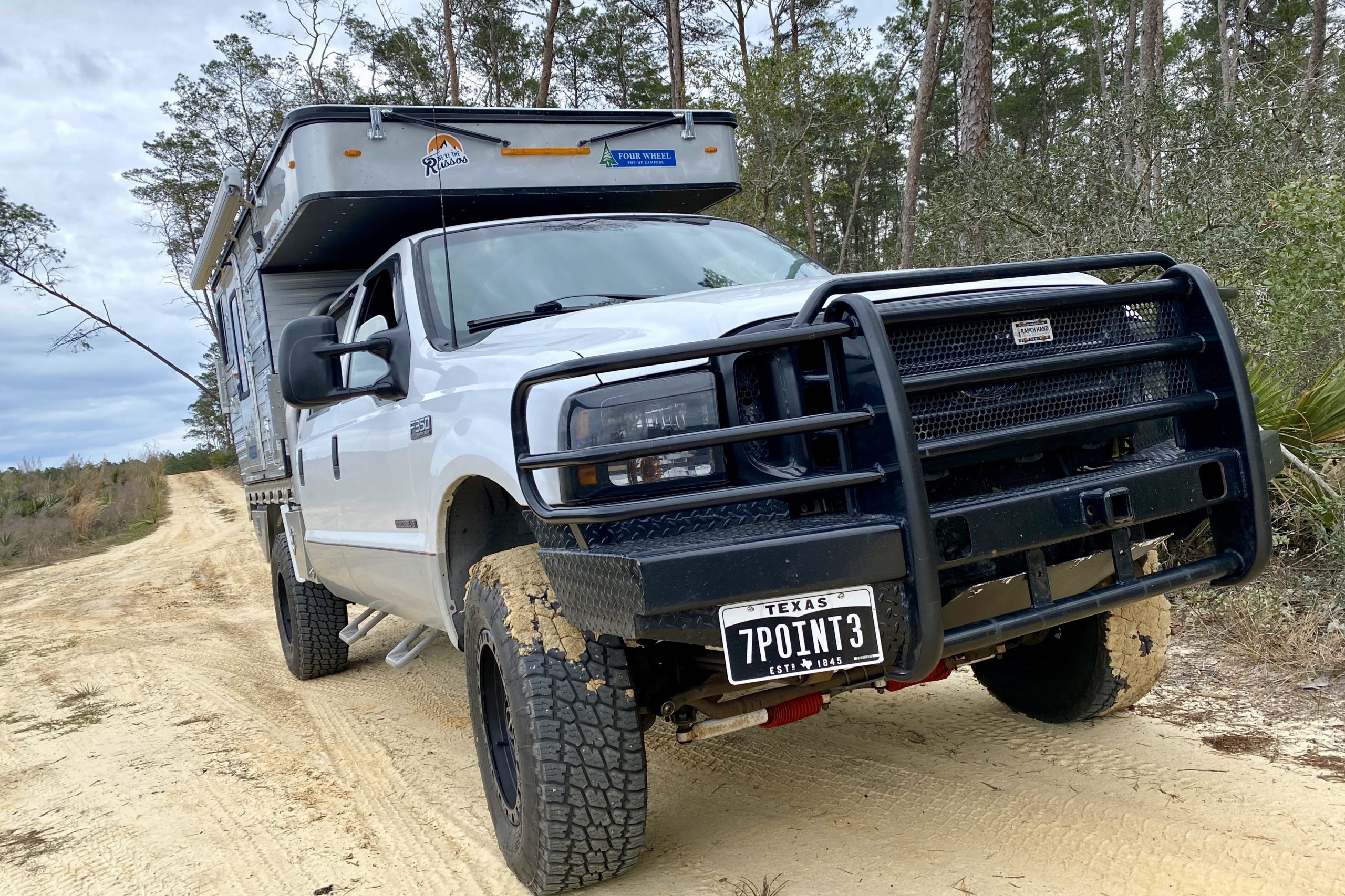
The Ford F-250 fitted with the legendary 7.3-liter Power Stroke diesel engine stands as one of the greatest heavy-duty trucks ever assembled. Its clutch system is every bit as impressive as the bulletproof engine it serves.
The 7.3 Power Stroke produces torque figures that would stress even a well-designed clutch system significantly. Despite this, Ford’s engineers created a clutch assembly that handles those massive forces without generating excessive wear over time.
Ford specified a heavy-duty ceramic-faced clutch disc for this application rather than a standard organic compound. Ceramic friction materials manage heat far more effectively than conventional alternatives, which translates directly into longer service life under real working conditions.
The difference between ceramic and organic clutch materials becomes most apparent during sustained heavy towing situations. Organic discs can overheat and glaze within a single demanding towing session, while ceramic discs continue performing reliably for tens of thousands of additional miles.
The flywheel on the 7.3-liter Super Duty is thick, heavy, and made from high-quality iron. A heavier flywheel stores more rotational energy, smooths out the engine’s power pulses, and dramatically reduces the violent engagement spikes that wear clutches down prematurely.
This flywheel mass also acts as a thermal buffer during repeated clutch engagement cycles. It absorbs and stores heat energy that would otherwise concentrate directly in the friction disc and pressure plate components.
The pressure plate assembly in these trucks was designed to maintain a consistent clamping force under the extreme thermal cycling that diesel truck operation creates. Consistent clamping force means consistent wear patterns, which extend the life of every friction surface in the system.
Farm and ranch owners who use these trucks for daily heavy work report clutch life routinely exceeding 180,000 miles. These are trucks pulling loaded equipment trailers, hauling heavy hay loads, and climbing steep terrain every single working day.
The clutch pedal feel in the 7.3-liter F-250 is notably firm and communicative throughout its engagement range. This communication between pedal and driver encourages better clutch operation habits and naturally reduces the unintentional slipping that destroys friction material rapidly.
Ford also designed the clutch linkage system in these trucks to be easily adjustable as components wear. Proper ongoing adjustment keeps the engagement zone consistent and prevents the partial-engagement slipping that accelerates disc wear dramatically over time.
The ZF S6-650 six-speed transmission paired with these trucks is another critical factor in drivetrain durability. This German-engineered gearbox is renowned throughout the diesel truck community for its exceptional strength and precise shift quality.
A strong transmission working in harmony with a strong clutch creates a drivetrain combination that simply refuses to be defeated by hard work. The whole system was clearly designed with demanding real-world use in mind from the very beginning.
Diesel mechanics with decades of experience frequently call the 7.3 Power Stroke era F-250 the gold standard for heavy-duty clutch durability. Finding examples with 200,000 miles still running the original clutch assembly is not a rare occurrence among experienced diesel truck owners.
The combination of ceramic friction materials, massive flywheel, robust pressure plate, and communicative pedal feel creates a clutch system that genuinely matches the legendary reputation of the engine it works with. This is heavy-duty truck engineering done right at every level.
3. Nissan Frontier
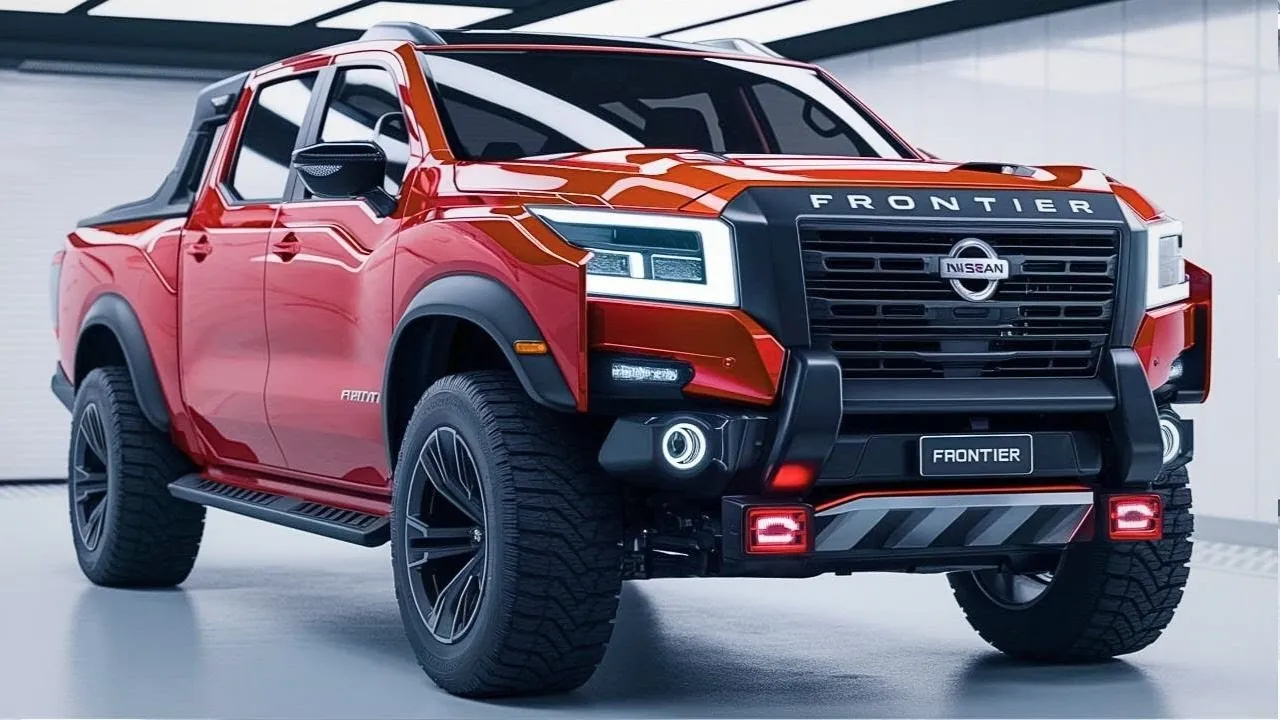
The Nissan Frontier rarely tops the conversation when enthusiasts discuss clutch durability in mid-size trucks. That oversight is a significant mistake because the Frontier’s clutch system quietly delivers outstanding longevity year after year.
Nissan engineers developed a carefully tuned hydraulic clutch actuation system specifically for the Frontier’s application. This system maintains consistent pressure and a predictable engagement feel across a wide range of operating temperatures and driving conditions.
Consistent hydraulic pressure throughout the clutch system’s life cycle is critically important for even wear distribution. When pressure fluctuates, the friction disc wears unevenly and develops thin spots that lead to early failure before the material is actually exhausted.
The friction disc in the Frontier is manufactured to tighter tolerances than most competitors in the mid-size truck segment. Tight manufacturing tolerances eliminate the microscopic imperfections that cause uneven contact patterns and accelerated wear on friction surfaces.
Nissan also selected a friction compound that balances initial grip with long-term wear resistance effectively. Many truck manufacturers optimize for initial grab feel at the expense of durability, but Nissan struck a better balance with the Frontier’s specification.
The 4.0-liter V6 engine available in the Frontier produces its torque in a smooth, progressive delivery curve. This smooth power delivery is kinder to the clutch than peaky or aggressive torque curves that create sudden shock loads during engagement.
Frontier owners who regularly go through the hilly or mountainous terrain consistently report excellent clutch performance over long ownership periods. These are exactly the conditions that destroy clutch systems in lesser trucks within 40,000 to 50,000 demanding miles.
The truck’s clutch geometry was engineered with close attention to the relationship between pedal travel, fork movement, and pressure plate loading. Correct geometry ensures the pressure plate loads evenly across the entire friction surface during every single engagement cycle.
Even loading across the full friction surface means every part of the disc wears at the same rate. This uniform wear pattern dramatically extends total clutch life compared to systems that load unevenly and create localized hot spots.
The Frontier also carries a meaningful weight advantage over full-size trucks that share similar clutch component specifications. Less vehicle weight means less load on the clutch during every start, every hill climb, and every towing maneuver the driver performs.
Multiple independent owner surveys and long-term reliability studies confirm that Frontier clutch life regularly reaches 150,000 to 200,000 miles. These figures come from real owners doing real work, not from controlled laboratory testing environments that don’t reflect actual driving conditions.
Nissan dealerships and experienced independent mechanics consistently praise the Frontier’s clutch for its predictability and clear feedback. A clutch that communicates clearly with the driver naturally encourages better engagement habits that further extend its operational lifespan.
The Frontier’s reputation for mechanical simplicity also contributes to clutch system longevity in a practical way. Simple mechanical systems are easier to maintain correctly, and correct maintenance is one of the most powerful factors in extending clutch life significantly beyond average expectations.
This combination of quality components, thoughtful engineering, smooth power delivery, and genuine mechanical simplicity makes the Frontier’s clutch system one of the best values in the mid-size truck segment today.
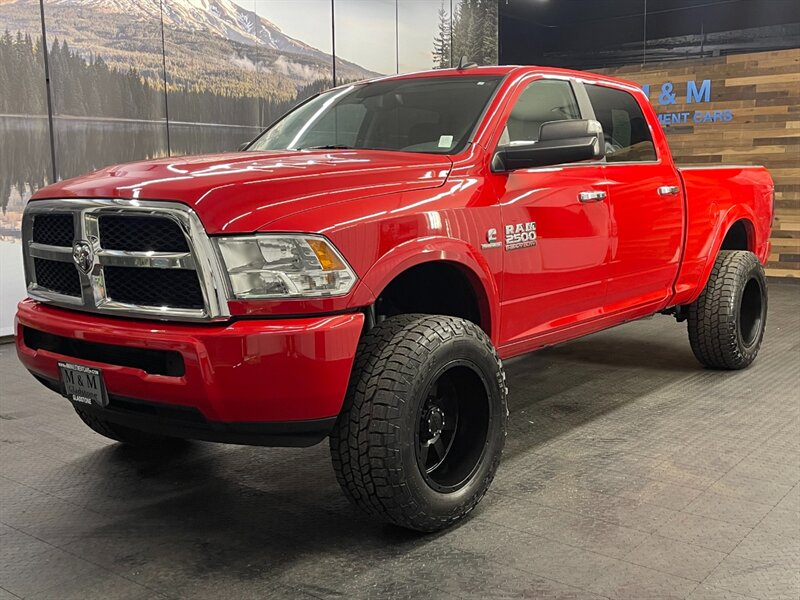
4. Ram 2500 Cummins 6-Speed Manual
The Ram 2500 equipped with the Cummins diesel engine and six-speed manual transmission is not a truck for casual driving. It is a serious working machine built for people who demand maximum capability and maximum durability in equal measure.
Ram and Cummins collaborated closely on clutch specification for this drivetrain combination. The result of that collaboration is a dual-disc clutch setup that distributes friction loads across a significantly larger total surface area than single-disc alternatives.
Dual-disc clutch designs last considerably longer than single-disc setups when subjected to the same level of heavy use. The increased friction surface area means each individual disc experiences less heat, less pressure, and less wear per mile driven under load.
The Cummins turbodiesel produces torque figures that would destroy a standard single-disc clutch within a very short period of serious work. Ram’s engineers specifically designed and tested this clutch assembly to handle peak torque loads repeatedly without slipping, overheating, or accelerated degradation.
The flywheel used in the Ram 2500 Cummins application is massive and precision-machined from high-grade iron. This flywheel stores enormous rotational energy and acts as a critical thermal buffer during the demanding repeated clutch engagement cycles that heavy work demands.
The pressure plates in the dual-disc setup maintain aggressive clamping force even after extended periods of maximum-load operation. This consistent clamping force is what prevents slippage under heavy towing conditions that would overwhelm most other clutch systems in this vehicle class.
Farmers, ranchers, construction contractors, and commercial haulers who rely on the Ram 2500 Cummins as their primary work truck report clutch life routinely hitting the 200,000-mile mark. These are trucks doing genuine maximum-effort work every single day, not just occasional weekend hauling.
The clutch pedal effort in these trucks is noticeably heavier than what you feel in lighter-duty alternatives. Many drivers initially mistake this heavy pedal for a design flaw, but it actually indicates a more robust and capable clutch assembly operating correctly.
Ram offers factory-upgraded clutch specifications through their heavy-duty towing packages and performance-oriented configurations. These factory upgrades push clutch longevity even further for operators working in the most extreme and demanding applications imaginable.
The G56 six-speed manual transmission paired with this drivetrain combination is itself renowned for extraordinary durability throughout the diesel truck community. A strong, well-designed transmission and a strong, properly specified clutch working together create a drivetrain that handles whatever punishment working life throws at it.
Real-world ownership data from high-mileage Ram 2500 Cummins operators confirms what the engineering specifications promise on paper. This truck’s clutch system is not just durable in theory, it is proven durable across hundreds of thousands of documented real-world miles.
Diesel truck enthusiasts and professional mechanics consistently cite the Ram 2500 Cummins six-speed as the definitive benchmark for clutch durability in the heavy-duty truck segment. That reputation was earned through years of proven performance in the harshest working conditions imaginable.
4 That Need Replacing at 60,000
These trucks are more likely to experience early clutch wear due to weaker components, higher torque stress, or a less durable design. Some models may feel fine initially but develop slipping, hard engagement, or premature wear under regular use.
Frequent towing, stop-and-go driving, or aggressive use can accelerate the problem, leading to clutch replacements as early as 60,000 miles. For owners, this means higher maintenance costs and more frequent repairs, making these trucks less ideal for long-term durability.
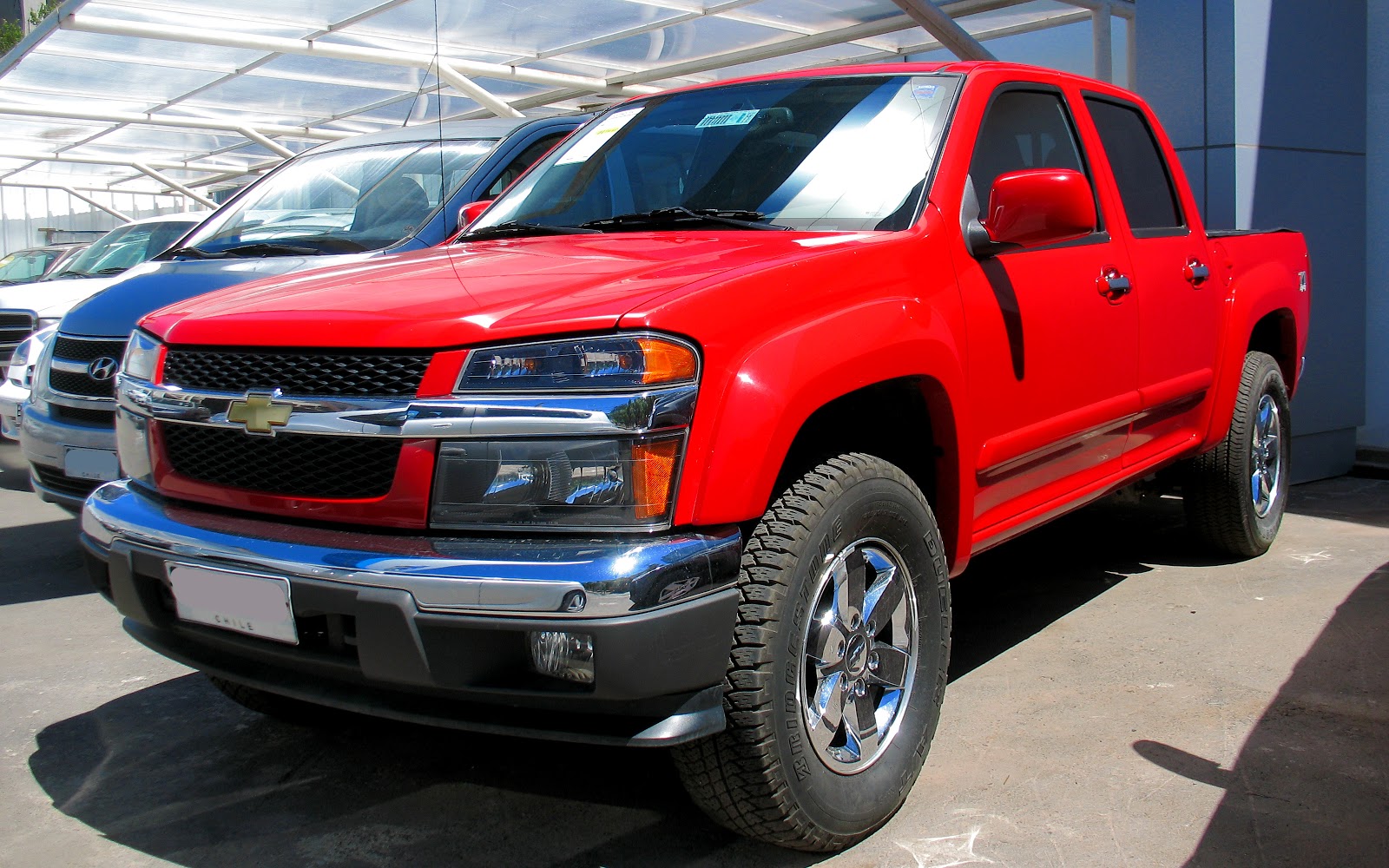
1. Chevrolet Colorado First Generation (2004–2012)
The first-generation Chevrolet Colorado arrived with promising specifications and an attractive price point that appealed to budget-conscious truck buyers. Unfortunately, its clutch system quickly became one of the most documented and discussed failure points during this entire production era.
GM made a cost-driven decision to equip the early Colorado with a clutch assembly using relatively thin friction disc materials. Thinner friction material has a shorter total lifespan by definition, regardless of how carefully or conservatively the driver operates the truck.
The friction disc thickness directly determines how many total miles of wear are available before the material is exhausted. Choosing a thinner material to save manufacturing cost is a decision that transfers that cost directly to the truck owner through earlier replacement expenses.
The pressure plate design used in these Colorados was adequate for light passenger-vehicle duty but was not properly specified for a truck application. Anything beyond regular daily commuting or very light cargo loads pushed this pressure plate beyond its effective operating range quickly.
Owners who purchased these trucks specifically for towing small trailers reported clutch slipping beginning as early as 40,000 miles in many documented cases. This timeline is completely unacceptable for a truck that was actively marketed and sold with specific towing capability ratings.
The hydraulic clutch system used in these Colorado models was also prone to fluid contamination issues that further degraded performance. Contaminated hydraulic fluid changes engagement characteristics, causes inconsistent pedal feel, and accelerates friction disc wear at an increased rate.
Contamination of the hydraulic system typically comes from deteriorating internal seals within the master or slave cylinder. Once contamination begins, the entire hydraulic system needs flushing and often component replacement to restore proper function.
The vague clutch engagement zone was another serious problem that many Colorado owners described in their complaints. An imprecise or unclear engagement zone encourages unintentional clutch slipping because drivers cannot feel exactly when full engagement has been achieved.
Every moment spent in partial engagement with the clutch slipping destroys the friction material rapidly. A truck with a clear, communicative engagement zone naturally encourages better driver habits that preserve clutch life significantly longer.
The flywheel specification in these trucks was undersized relative to the torque output of the available engines. An undersized flywheel runs hotter during engagement cycles and cannot buffer heat effectively, which accelerates wear on both the friction disc and the pressure plate simultaneously.
GM issued multiple technical service bulletins related to clutch performance complaints in first-generation Colorado trucks. The existence of official manufacturer bulletins is a formal acknowledgment that the factory clutch system was not performing to an acceptable standard in real-world conditions.
Aftermarket clutch kit suppliers quickly recognized the opportunity created by this widespread problem. High-quality replacement clutch kits for the early Colorado became common and widely available products, with strong demand confirming just how frequently original clutches were failing prematurely.
Mechanics who regularly serviced these trucks during this era began treating clutch replacement as expected maintenance rather than an unusual repair event. When a clutch replacement becomes routine at 60,000 miles, it tells a complete story about the inadequacy of the original component specification decisions.
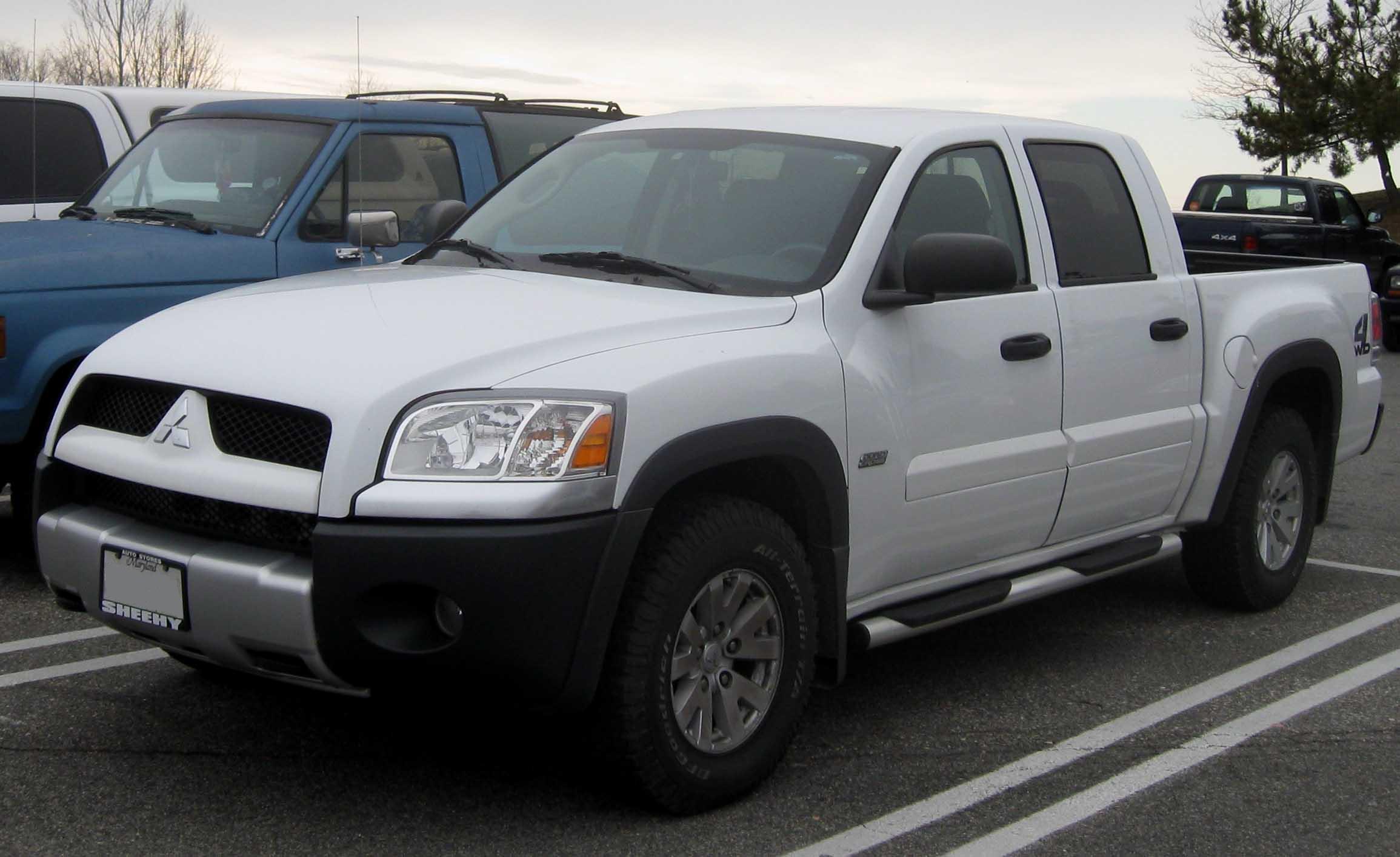
2. Mitsubishi Raider
The Mitsubishi Raider was a rebadged Dodge Dakota produced for a brief window in the mid-2000s as part of a corporate partnership arrangement. Its clutch system, unfortunately, inherited several significant weaknesses from the Dakota platform without any meaningful engineering improvements.
The clutch disc used in the Raider was a standard organic compound design that was appropriate for light car use. Organic clutch materials perform adequately in passenger cars but struggle considerably when subjected to regular truck-duty load-carrying and towing applications.
Raider owners who used their trucks for regular cargo hauling began noticing clutch slippage developing consistently around the 50,000-mile mark. This failure timeline appeared with enough regularity across independent owner reports to clearly indicate a systemic design problem rather than isolated incidents of driver abuse.
The pressure plate clamping force specification in the Raider was set too lightly for genuine truck-duty performance. Insufficient clamping force allows the clutch disc to slip under moderate torque loads even before significant friction material wear has actually occurred.
This means owners were experiencing clutch slippage while the disc still had material remaining. The problem was not worn friction material but rather inadequate plate pressure that made the existing material incapable of handling normal truck loads without slipping.
The V8 engine option available in the Raider made this clutch specification problem dramatically more severe. Pairing a powerful engine against an inadequately specified clutch is a fundamental engineering mismatch that accelerates failure rates significantly beyond what the four-cylinder version experienced.
Heat management around the Raider’s clutch assembly was identified as particularly poor compared to industry standards at the time. Inadequate heat dissipation causes friction material to glaze over prematurely, which dramatically reduces the clutch’s torque-transmitting capacity even when disc thickness still appears acceptable during inspection.
Glazed friction material does not wear away quickly in the traditional sense. Instead, it loses its ability to grip effectively, causing increasing slip and heat generation that eventually leads to complete and rapid clutch failure under load.
Parts availability for the Raider declined sharply after Mitsubishi discontinued the model after just two model years. Finding quality replacement clutch components became increasingly difficult and expensive as inventory dried up and aftermarket interest remained low due to the truck’s limited production numbers.
The Raider’s extremely short production run meant that real-world engineering feedback from actual owners never had the opportunity to translate into corrective design changes. Problems that were identified early in the ownership cycle were simply never addressed before the model was cancelled entirely.
Mechanics familiar with the Raider consistently recommended proactive clutch inspection beginning at 45,000 miles. Recommending clutch inspection that early in a truck’s service life is a clear and unambiguous acknowledgment that the factory component specification was fundamentally inadequate for the application.
The Raider serves as a cautionary example of what happens when a manufacturer rebadges a vehicle without thoroughly re-engineering its components for the specific demands of the new application. Changing the badge on a truck does not change the mechanical limitations hidden beneath the exterior.
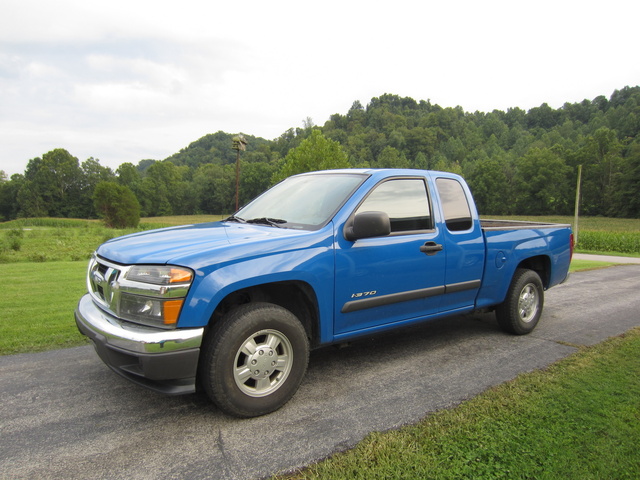
3. Isuzu i-Series Trucks (i-280 and i-370)
The Isuzu i-Series trucks sold in North American markets during the mid-2000s were mechanically identical to the first-generation Chevrolet Colorado in nearly every important way. They carried over not just the basic platform and powertrain but also the Colorado’s well-documented and problematic clutch system.
The friction disc specification was completely shared between the Colorado and the Isuzu i-Series trucks. Buyers who chose the Isuzu badge over the Chevrolet badge were unknowingly purchasing the exact same clutch durability problems packaged in slightly different exterior sheetmetal.
Isuzu marketed the i-Series aggressively as a capable and reliable light-duty work truck suitable for commercial and personal applications. The real-world clutch performance did not support those marketing claims for owners who actually subjected these trucks to regular working conditions.
The i-370 model with the larger 3.7-liter five-cylinder engine experienced the most severe clutch longevity problems within the entire i-Series lineup. More engine displacement, producing more torque flowing through an already marginal clutch system, pushed the failure timeline to an even earlier point in the ownership cycle.
Reports of clutch shudder during low-speed engagement from a stop became extremely common in Isuzu i-Series owner forums and discussion communities. Clutch shudder indicates uneven friction material contact, partial glazing, or inconsistent pressure plate loading, all signs of accelerated and premature clutch system degradation.
The hydraulic clutch master cylinder in these trucks developed a reputation for premature failure that compounded the friction disc problems significantly. A failing master cylinder produces unpredictable and inconsistent pedal feel, which leads directly to the kind of partial-engagement operation that destroys friction discs rapidly.
Parts availability for the Isuzu i-Series declined even more rapidly than it did for the Colorado after Isuzu exited the North American light truck market. Finding quality clutch replacement components at reasonable prices became genuinely difficult for owners who needed repairs completed.
Many owners discovered the extent of their clutch problems only after the friction disc had worn completely through to the metal backing plate. Damage at this advanced stage typically requires flywheel resurfacing or replacement in addition to the clutch assembly itself, adding several hundred dollars to an already expensive repair bill.
Isuzu’s warranty department reportedly handled clutch failure claims inconsistently during the model’s production years. Some owners received warranty coverage for early failures, while others with identical complaints and similar mileage were denied coverage, creating widespread frustration across the ownership community.
The quality control issues in the hydraulic system, combined with the inadequate friction disc specification, created a situation where two separate failure modes could both bring the truck to the same premature end. Either problem alone was serious enough, but together they made early clutch failure nearly inevitable for owners who used these trucks for actual work.
The Isuzu i-Series trucks stand as a textbook example of how a fundamental platform weakness becomes multiplied when the same mechanical design is sold under multiple manufacturer names. Rebadging a vehicle with clutch problems does not solve those problems it simply spreads them across a broader customer base.
4. Ford Ranger 1998–2006 Four-Cylinder
The Ford Ranger was one of the most popular small trucks ever sold in the American market for good reason. It was affordable, practical, fuel-efficient, and sized perfectly for buyers who did not need a full-size truck for their everyday needs.
However, the clutch system used in four-cylinder Ranger models from this generation was one of the truck’s most significant and consistent weak points throughout its production run. Ford made deliberate cost-reduction decisions in this area that ultimately transferred cost and inconvenience directly to the buyer.
Ford specified a budget-tier clutch assembly for the four-cylinder Ranger specifically to maintain the truck’s competitive and attractive price point in the market. Cost savings made during manufacturing always have consequences that appear later during the ownership experience of real customers.
The friction disc in these Rangers used a standard organic compound material without any meaningful performance enhancements. This material wears at an acceptable rate under light conditions, but degrades noticeably faster in the stop-and-go traffic environments where many Ranger owners actually drive their trucks every day.
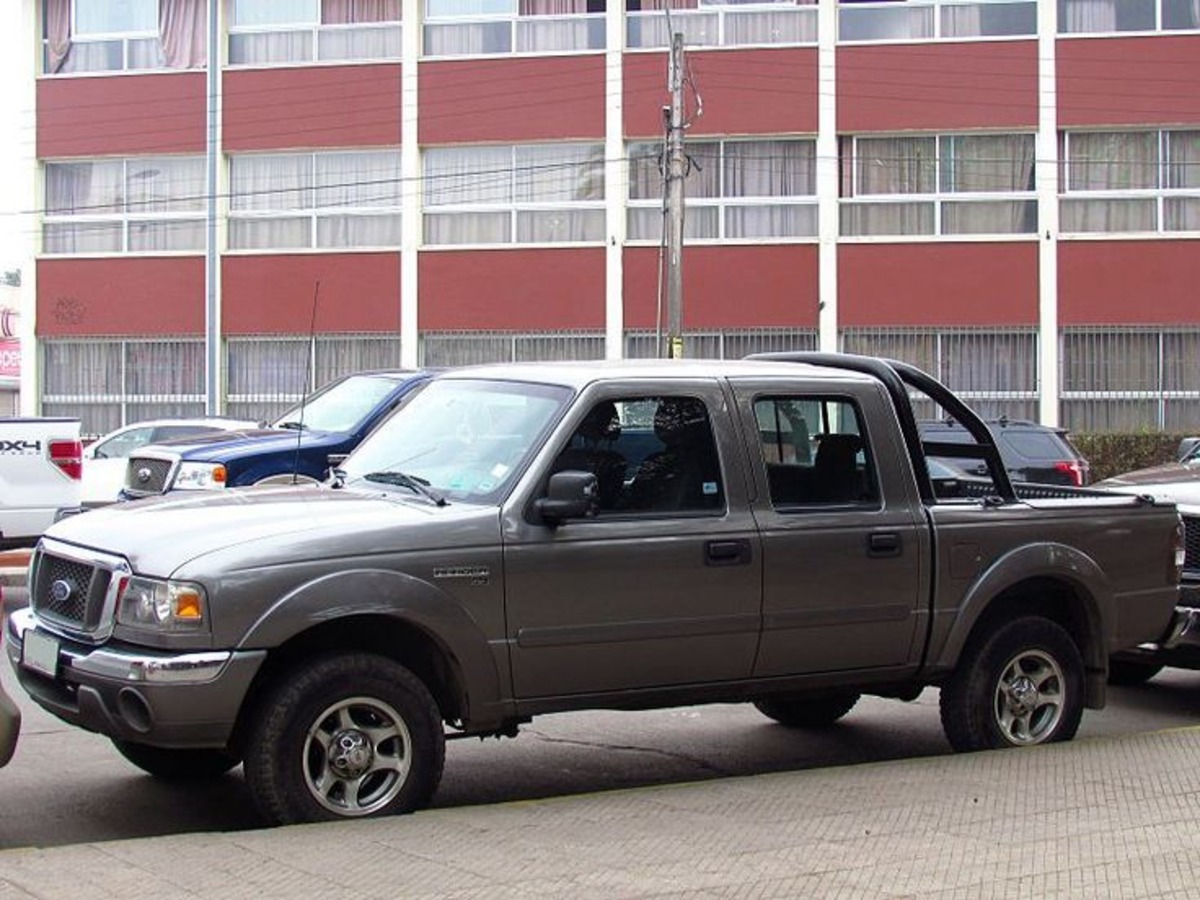
Rangers used by delivery drivers, small business owners, and urban commuters reported clutch problems consistently beginning around 50,000 to 60,000 miles. These driving patterns involve constant low-speed clutch engagement and disengagement, which is among the most demanding possible uses for any clutch system, regardless of its quality level.
The pressure plate in the 2.3-liter four-cylinder Ranger was designed with minimal clamping force to achieve a light, easy clutch pedal feel. While a light pedal is pleasant during daily driving, it also allows clutch slippage under loads that any truck sold with cargo and towing ratings should handle without any difficulty.
This contradiction between light pedal feel and adequate working capacity represents a fundamental specification compromise. Ford chose driver comfort over working capability in the clutch specification, which is a questionable decision for a vehicle marketed specifically as a practical working truck.
The flywheel specification used with the 2.3-liter engine was also lighter than ideal for truck applications involving regular load-carrying. A lighter flywheel heats up more rapidly during repeated engagement cycles and cannot absorb or dissipate that heat as effectively as a heavier, properly sized unit would.
Ford used a cable-operated clutch linkage in earlier Ranger models rather than a more modern hydraulic actuation system. Cables stretch progressively over thousands of miles of use, which gradually shifts the clutch engagement point and eventually encourages the partial-engagement slipping that destroys friction material at an accelerated rate.
Stretched cables also reduce pedal feedback and clarity, making it harder for drivers to feel exactly when full engagement has been achieved. This reduced feedback problem compounds the already marginal clamping force issue by making careful clutch operation more difficult than it should be.
The aftermarket quickly responded to the Ranger’s clutch weakness with a wide selection of upgraded replacement kits from reputable suppliers, including Centerforce, Exedy, and LuK. The strong market demand for these upgrade kits provided clear commercial evidence that the factory specification was consistently falling short of owner expectations and working requirements.
Many Ranger owners who installed upgraded aftermarket clutch systems reported dramatically improved durability and a much more satisfying engagement feel. The fact that a relatively simple component upgrade solved the problem so effectively confirms that the issue was entirely one of specification choice rather than any fundamental limitation of the platform itself.
The four-cylinder Ranger’s engine, body, frame, and suspension were genuinely well-engineered for the truck’s intended application and price point. The clutch was one of the few areas where Ford’s cost reduction decisions crossed the line from smart economy into problematic inadequacy.
Buyers considering a used four-cylinder Ranger from this era should budget specifically for clutch inspection and likely replacement as part of their purchase planning. Factor this expense into your offer price, and consider specifying an upgraded aftermarket unit rather than a factory equivalent replacement when the time for replacement arrives.
Also Read: Why You Should Stop Trading In Your Car Every Three Years
