
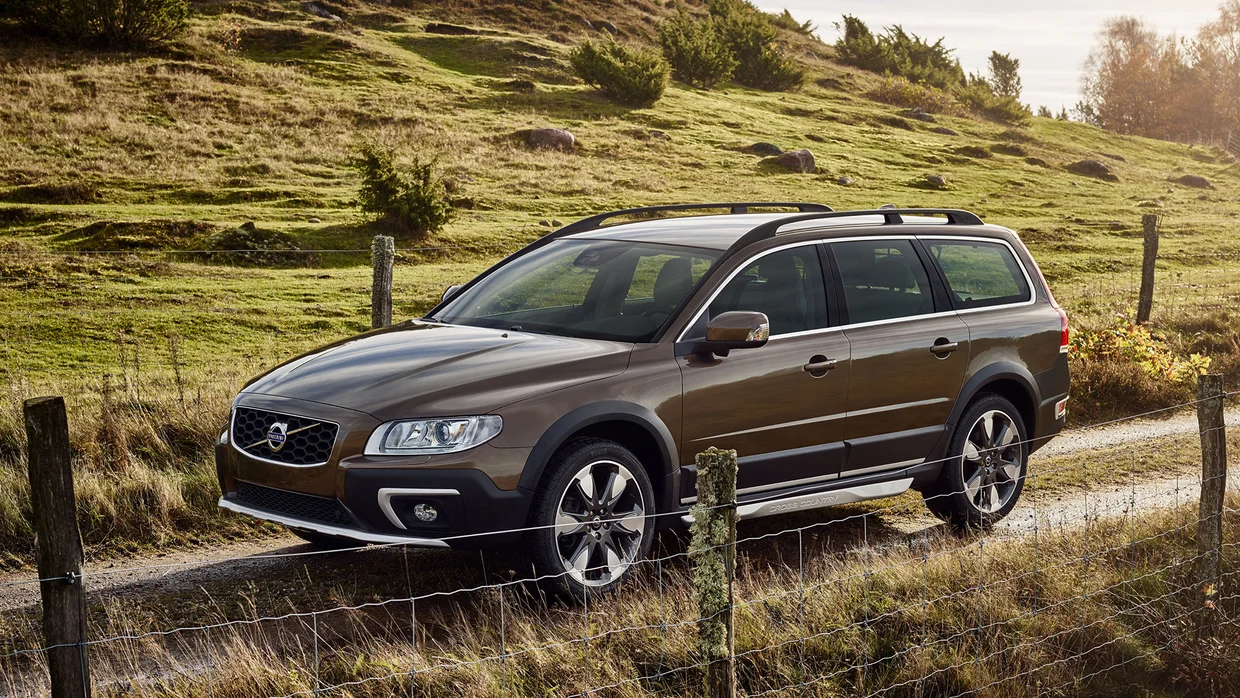
Modern cars are filled with comfort features that drivers barely think about until they suddenly become useful. One of the most overlooked examples is the glove box. Most people treat it as nothing more than a storage compartment for registration papers, sunglasses, charging cables, and random receipts.
Yet in some vehicles, the glove box becomes surprisingly practical because it stays cool enough to protect snacks, drinks, medicine, or heat-sensitive items during long drives. In other cars, that same compartment becomes a miniature oven that can warm everything inside after only a short time parked in the sun.
The difference usually comes down to engineering choices inside the dashboard. Some automakers route air conditioning airflow near the glove box or insulate the compartment well enough to keep temperatures controlled.
Certain vehicles even include dedicated cooled glove boxes designed specifically for beverages and snacks. Drivers living in hot climates quickly learn to appreciate these thoughtful details during summer traffic or road trips.
Other cars handle heat very poorly inside the dashboard area. Large windshields, dark interior materials, weak insulation, and tightly packed electronics can cause glove box temperatures to rise dramatically.
Instead of protecting what is stored inside, the compartment traps heat and turns simple items like chocolate bars, gum, or bottled drinks into disasters waiting to happen. Owners sometimes discover melted snacks, overheated electronics, or ruined medication after only a few hours in direct sunlight.
This topic may sound minor compared to engine reliability or fuel economy, but small comfort details shape the daily ownership experience more than many buyers realise. A well-designed interior feels thoughtful and practical during real-world use, while poor temperature management constantly creates little annoyances that drivers remember.
The cars in this comparison represent both sides of the experience. Some maintain glove boxes cool enough to remain genuinely useful during hot weather, while others practically cook anything left inside.
These differences reveal how carefully certain manufacturers think about interior comfort and usability beyond just flashy technology or horsepower figures.
Also Read: 5 Vehicles With Center Consoles That Still Latch After 10 Years vs 5 That Don’t
4 Cars With Glove Boxes That Stay Cool
Most drivers never expect the glove box to become one of the most practical parts of a car interior, yet certain vehicles quietly turn this small storage area into a surprisingly useful feature.
During long summer drives or heavy traffic in extreme heat, a cooler glove box can protect snacks, bottled drinks, medicine, sunglasses, and electronics from dangerous temperatures. Once drivers experience a well-designed cooled compartment, they quickly realise how convenient it can be.
Some automakers intentionally engineered cooling airflow into the glove box area. In a few cases, the compartment even includes a dedicated vent connected to the air conditioning system.
Other vehicles achieve similar results through smart dashboard insulation and careful airflow management that prevents heat buildup inside the compartment. Either way, the result is a glove box that remains comfortable rather than becoming a heat trap.
This matters more than people assume. Modern dashboards absorb enormous amounts of sunlight, especially in cars with large windshields and dark interiors. Interior temperatures can climb rapidly within minutes under direct sun exposure.
A glove box capable of staying cool becomes genuinely useful for preserving small items that would otherwise overheat or melt.
The following cars earned recognition because their glove boxes stay impressively cool compared to most vehicles on the road. Some include intentional cooling systems, while others simply benefit from smart interior engineering that limits heat buildup.
Drivers in warm climates often appreciate these thoughtful details far more than flashy gadgets that lose their novelty after a few weeks.
These cars prove that practical comfort features can make daily driving noticeably better. A cool glove box may seem small on paper, but during hot weather, it becomes one of those details owners quietly appreciate every single day.
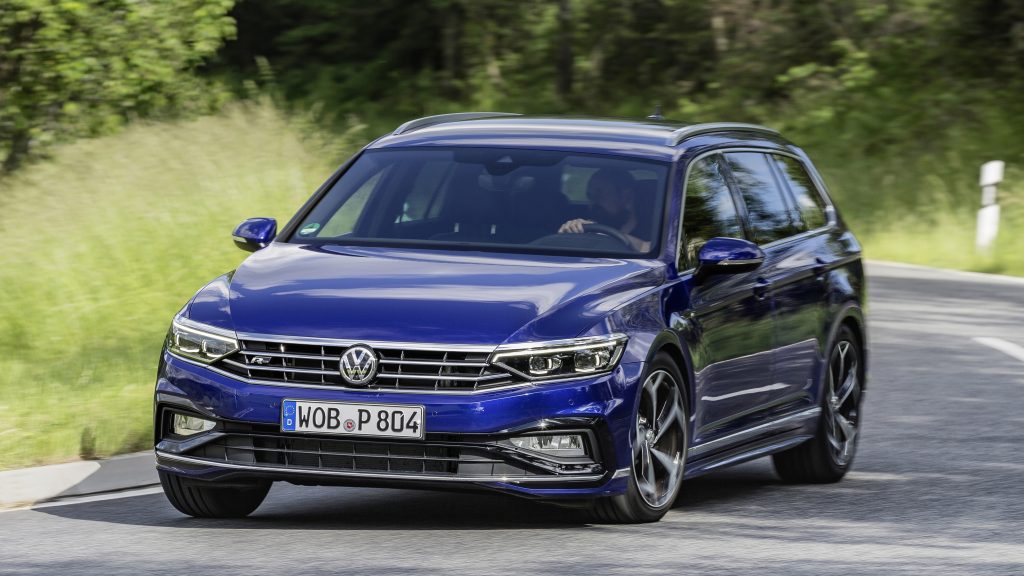
1. Volkswagen Passat
The Volkswagen Passat became known for offering subtle European practicality, and one of its underrated interior features was the cooled glove box available in several generations.
While many sedans treated the glove compartment as basic storage space, Volkswagen added a clever touch by routing air conditioning airflow directly into the compartment. This turned the glove box into a genuinely useful cooling area during warm weather.
Drivers quickly discovered the benefit during long highway drives. Bottled water, snacks, chocolate bars, and even certain medications stayed noticeably cooler compared to items left elsewhere in the cabin. In hot climates where interior temperatures rise rapidly, this small feature added surprising daily convenience.
Volkswagen designed the system with simplicity in mind. A small adjustable vent inside the glove box allowed cooled air from the AC system to circulate through the compartment. Owners could close the vent if cooling was unnecessary or keep it open during the summer months for continuous airflow.
The feature worked best while the air conditioning was actively running, giving the glove box refrigerator-like functionality without requiring complicated electronics.
Another reason the Passat handled glove box temperatures well involved dashboard insulation. European manufacturers often pay close attention to cabin heat management, and the Passat benefited from solid material quality that reduced excessive heat buildup around the dashboard area.
The feature became especially appreciated by commuters and road trip drivers. Keeping drinks cool without relying entirely on cup holders or portable coolers made the cabin feel more thoughtfully designed. Families travelling with children also found the extra storage convenience surprisingly useful during long drives.
Unlike flashy technology that quickly feels outdated, the cooled glove box remained practical every day. Years later, many Passat owners still mention it as one of those small features they genuinely miss after switching vehicles.
Volkswagen may not have advertised the feature heavily, but the Passat quietly delivered one of the most functional glove box designs available in a mainstream sedan.
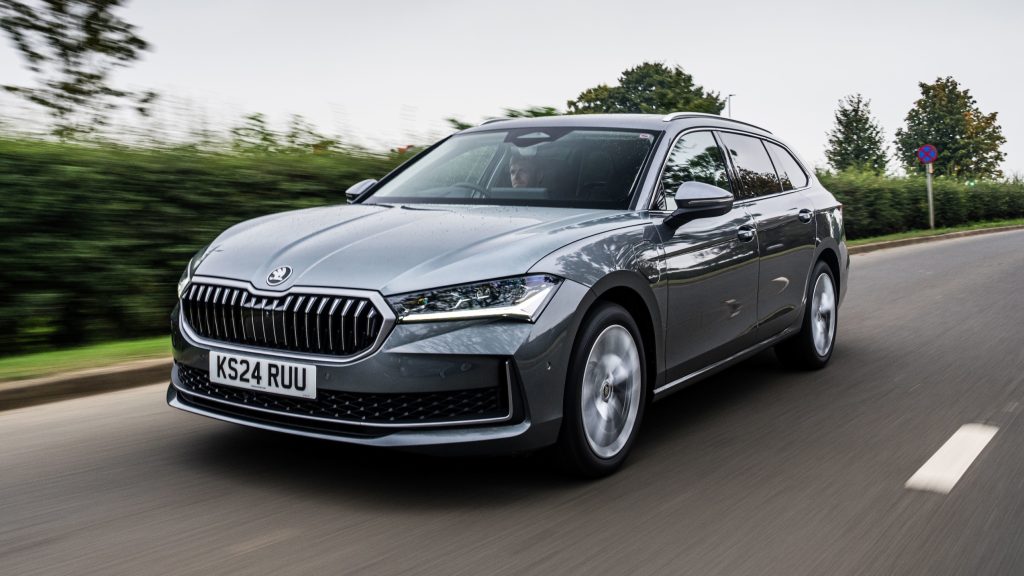
2. Skoda Superb
The Skoda Superb built its reputation around intelligent practicality, and its glove box design reflected that philosophy perfectly. In several versions of the Superb, Skoda included a cooled glove compartment connected directly to the vehicle’s air conditioning system.
This simple feature transformed ordinary storage space into something genuinely useful during hot weather.
What made the Superb stand out was how effectively the system worked during real-world driving. Drivers could store bottled drinks, snacks, fruit, or heat-sensitive items inside the compartment and notice a clear difference compared to the rest of the cabin.
During long summer road trips, the glove box remained significantly cooler than typical dashboard storage areas that usually trap heat.
The cooling system itself was straightforward and reliable. Air from the climate control system flowed into the glove compartment through a dedicated vent, helping maintain lower temperatures whenever the air conditioning operated. Skoda avoided unnecessary complexity and focused instead on making the feature easy to use every day.
Another advantage came from the Superb’s interior packaging. The car was designed with strong insulation and thoughtful airflow management throughout the cabin. This helped prevent excessive dashboard heat buildup even under direct sunlight, allowing the glove box to stay comfortable for longer periods.
Drivers appreciated the feature because it solved small but annoying problems. Chocolate no longer melted during commutes, bottled water stayed refreshing, and sunglasses avoided becoming painfully hot after sitting inside the car. These details made the cabin feel genuinely practical rather than focused only on flashy technology.
The Superb succeeded because Skoda understood that useful features improve ownership satisfaction more than gimmicks. A cool glove box may sound minor at first, but drivers living in warm climates quickly realise how valuable that convenience becomes during everyday use and extended travel.
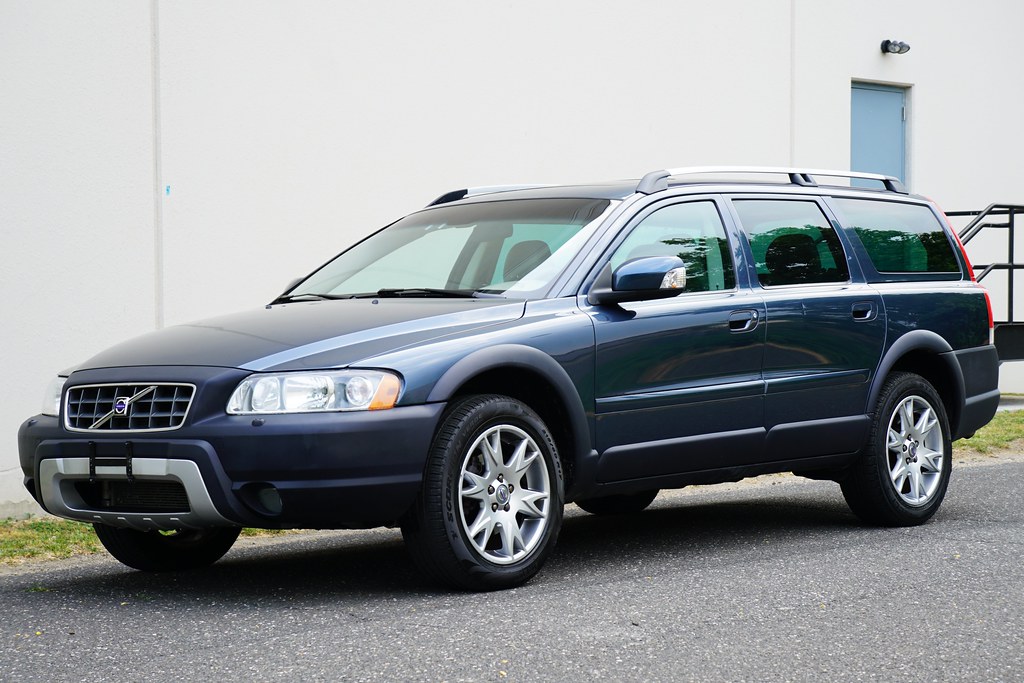
3. Volvo XC70
The Volvo XC70 approached interior comfort with a practical Scandinavian mindset, and that attention to usability extended even to the glove box area. While the vehicle was better known for safety and long-distance comfort, many owners appreciated how well the cabin handled temperature management, especially during hot weather.
The glove box in the XC70 benefited from excellent dashboard insulation and carefully controlled climate airflow. Volvo designed the interior to remain stable and comfortable in extreme weather conditions, whether dealing with freezing winters or warm summer temperatures.
As a result, the glove compartment stayed noticeably cooler than those found in many competing wagons and crossovers.
Another reason the XC70 performed well was the quality of the climate control system itself. Volvo air conditioning systems were engineered for steady, balanced airflow across the cabin rather than aggressive bursts of cold air in only one area. This helped reduce excessive heat buildup around the dashboard and passenger side storage areas.
Owners often used the glove box for storing snacks, medicine, electronics, and bottled drinks during long trips. Families especially appreciated being able to keep smaller items from overheating while travelling for hours in direct sunlight.
The XC70 was designed as a practical road trip vehicle, and these thoughtful interior details reinforced that purpose.
The dashboard materials also resisted heat absorption effectively. Volvo avoided some of the cheap plastics that become scorching hot in direct sunlight, helping maintain more stable temperatures throughout the front cabin area.
Unlike vehicles obsessed with flashy cabin gimmicks, the XC70 focused on making daily life easier and more comfortable. The cooler glove box was not heavily advertised, but owners noticed its usefulness over the years of ownership.
The XC70 proved that smart climate management inside a vehicle can improve comfort in subtle but meaningful ways, especially for drivers spending long hours behind the wheel in changing weather conditions.
4. Mercedes-Benz E-Class
The Mercedes-Benz E-Class combined luxury and practicality in ways many drivers did not fully appreciate until living with the car every day. One small but surprisingly useful detail in several E-Class generations was the well-insulated and air-conditioned glove compartment that stayed far cooler than typical dashboard storage spaces.
Mercedes engineered the cabin with exceptional climate control precision. Airflow throughout the dashboard area remained balanced and controlled, preventing extreme heat buildup near the passenger side compartment.
In some models, cooled airflow reached the glove box directly, helping maintain lower temperatures during summer driving.
Drivers quickly noticed the benefit on long trips. Drinks remained refreshing, snacks survived hot afternoons, and smaller electronics avoided overheating while stored inside the compartment. In luxury cars where comfort matters deeply, these practical touches made the E-Class feel thoughtfully engineered rather than simply expensive.
The E-Class also benefited from strong material quality throughout the dashboard. High-quality insulation and premium interior surfaces reduced heat absorption far better than many mainstream vehicles with hard plastic interiors.
Even after sitting under direct sunlight, the glove box avoided becoming excessively hot compared to ordinary sedans.
Another advantage came from the sedan’s advanced climate control systems. Mercedes invested heavily in cabin temperature stability, meaning cooled air circulated effectively throughout the front interior without dramatic hot spots developing near the dashboard.
Owners often remembered these details long after purchase because they improved real-world comfort every single day. A glove box that protects small items from heat may sound minor, but during summer traffic or long highway journeys, the difference becomes obvious.

The E Class succeeded because Mercedes understood that luxury is not only about speed or technology. Small conveniences like a cooler glove compartment helped create a calmer and more comfortable ownership experience for drivers and passengers alike.
4 That Bake Your Snacks
Not every glove box is designed with temperature control in mind. In some cars, the compartment becomes one of the hottest places inside the cabin, especially during summer afternoons or long periods parked under direct sunlight.
Drivers often assume the glove box will protect items from heat, only to discover melted chocolate, overheated electronics, warm bottled drinks, or sticky candy wrappers after a short drive.
The problem usually starts with dashboard design. Large windshields allow intense sunlight to pour directly onto the front cabin area, heating the dashboard like a giant radiator.
If the glove compartment lacks insulation or proper airflow nearby, trapped heat builds quickly inside the enclosed space. Dark interior materials make the issue even worse because they absorb and retain high temperatures for extended periods.
Some manufacturers prioritise styling or dashboard packaging over practical heat management.
Tightly packed electronics, poor ventilation routing, and thin glove box materials all contribute to compartments that feel more like miniature ovens than useful storage spaces. Drivers living in warmer climates notice these flaws immediately during everyday use.
The following cars developed reputations for glove boxes that become surprisingly hot during summer driving or while parked outdoors.
These are the vehicles where snacks melt quickly, sunglasses become uncomfortably warm, and heat-sensitive items require extra caution. While some of these cars still perform well in other areas, their dashboard temperature management leaves much to be desired.
These examples show how small engineering decisions affect real-world ownership comfort. A poorly insulated glove box may sound trivial at first, but repeated daily annoyances eventually shape how drivers feel about a car long after the excitement of buying it disappears.
1. Chevrolet Camaro
The Chevrolet Camaro delivers strong performance and aggressive styling, but its interior heat management creates real problems for the glove box area. The car’s low roofline, sharply angled windshield, and dark dashboard materials allow heat to build rapidly inside the cabin, especially during hot weather.
One major issue is the Camaro’s compact interior design. The dashboard sits close to the windshield, meaning sunlight directly heats the front cabin surfaces for long periods. Because the glove box lacks significant insulation or cooling airflow, temperatures inside the compartment rise quickly after the car sits outside.
Owners frequently notice that snacks, gum, and bottled drinks become warm much faster than expected. Electronics stored inside can also overheat during summer conditions. The problem becomes especially noticeable in regions with intense sunlight, where cabin temperatures climb aggressively within minutes.
Another contributing factor is limited interior airflow distribution. While the Camaro’s air conditioning system cools passengers effectively once driving begins, the glove compartment receives little benefit from that airflow. Heat trapped behind the dashboard tends to linger longer than in more practical sedans designed with better cabin ventilation.
Performance-oriented cars often sacrifice interior practicality for styling and driving dynamics, and the Camaro reflects that tradeoff clearly. Drivers may love the engine sound and sharp handling, but the cabin storage spaces are not particularly friendly to heat-sensitive items.
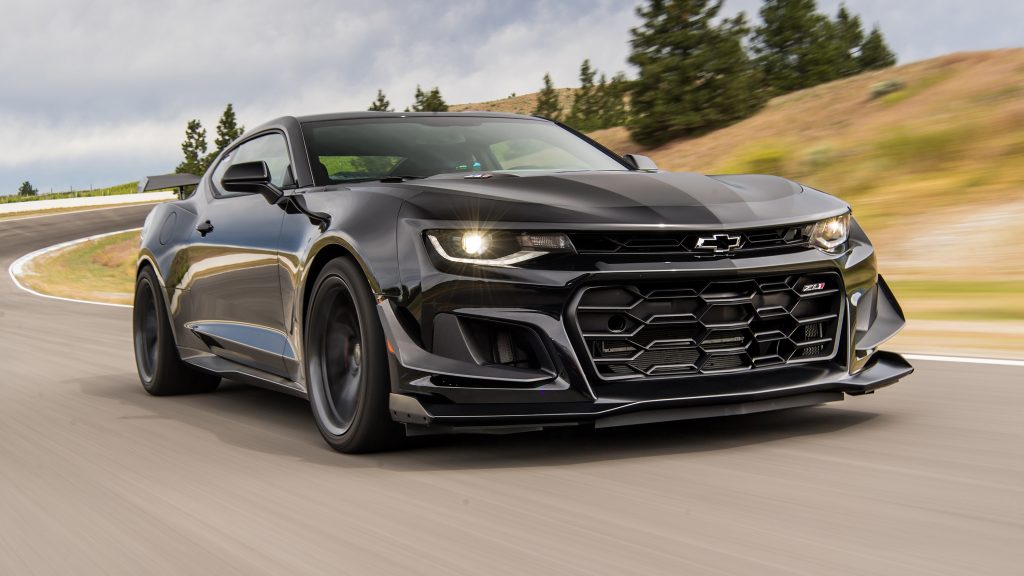
Dark trim materials also intensify the issue because they absorb more sunlight throughout the day. Combined with the relatively small cabin dimensions, the result is a glove box that feels extremely warm during hot weather.
The Camaro succeeds as a muscle car, but drivers expecting practical temperature-controlled storage will likely be disappointed once summer heat arrives.
2. Dodge Charger
The Dodge Charger built its reputation around muscular styling, strong engines, and a spacious cabin, but its glove box temperature management leaves plenty to be desired during hot weather.
Despite the sedan’s comfortable interior size, the dashboard area absorbs and traps heat aggressively, turning the glove compartment into an unexpectedly warm storage space.
One reason the problem becomes noticeable is the Charger’s broad dashboard design. The large windshield allows sunlight to spread across a wide surface area, heating the dashboard for hours during sunny conditions. Once parked outside, interior temperatures rise rapidly, and the glove box absorbs much of that trapped heat.
Unlike cars with cooled or insulated compartments, the Charger provides very little airflow near the glove box itself. Even when the air conditioning works effectively for passengers, the compartment remains isolated from meaningful cooling circulation.
Owners often discover melted candy, overheated drinks, or warm electronics after leaving items stored there during summer drives.
The issue becomes worse in darker interior trims. Black dashboard materials absorb sunlight intensely, especially in regions with extreme heat. Drivers living in southern climates frequently notice just how hot the glove box becomes after only a short period parked under direct sunlight.
Another factor involves the Charger’s focus on performance styling rather than storage practicality. Dodge designed the sedan around visual impact and driving presence, not subtle comfort features like temperature-controlled storage spaces.
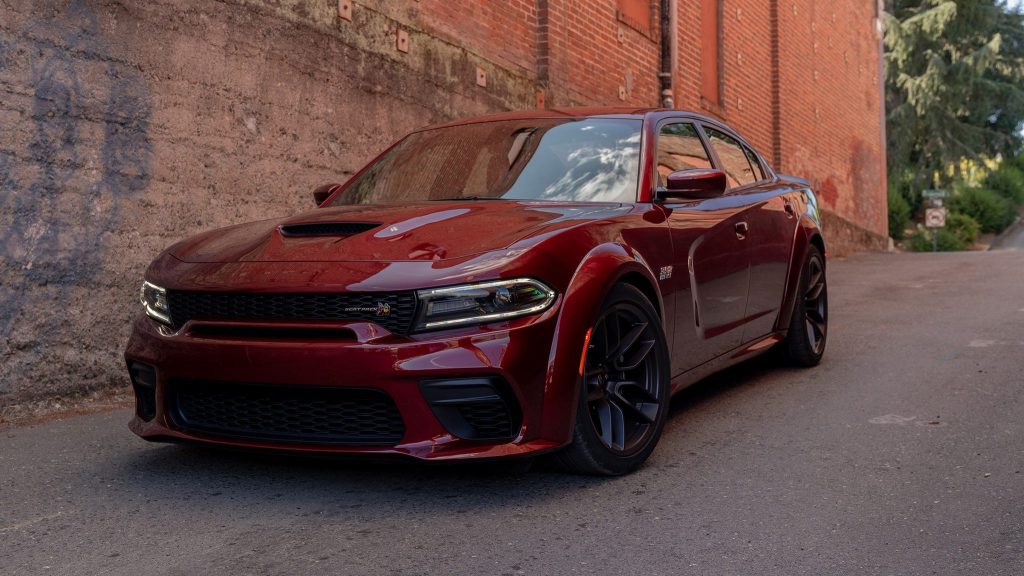
As a result, small usability details received less attention compared to engine performance and aggressive exterior design.
The Charger still succeeds as a comfortable highway cruiser with impressive power, but drivers expecting a cooler glove compartment quickly learn otherwise. During summer months, the storage area behaves more like a heated box than a safe place for snacks or heat-sensitive items.
3. Ford Mustang
The Ford Mustang remains one of the most recognisable performance cars in America, but practical interior temperature management has never been one of its strongest qualities. While drivers enjoy the styling and engine performance, the glove box area often becomes extremely warm during hot weather conditions.
The Mustang’s cabin design contributes heavily to the problem. A steep windshield and broad dashboard create large surfaces exposed directly to sunlight throughout the day. Heat builds rapidly inside the front cabin, and the glove compartment traps much of that warmth instead of protecting stored items from it.
Owners commonly notice the issue after leaving snacks, bottled drinks, or electronics inside the glove box during summer afternoons.
Chocolate melts quickly, plastic items become hot to the touch, and small electronic devices may overheat if left there too long. The compartment simply lacks the insulation or airflow necessary to maintain stable temperatures.
Another reason the glove box gets so warm is the Mustang’s performance-oriented interior layout. Ford prioritised driver focus and sporty styling over practical storage features. Air conditioning vents concentrate mainly on passenger comfort rather than cooling surrounding storage compartments.
Dark interior colours make matters even worse. Many Mustangs feature black dashboards and trim materials that absorb sunlight aggressively, especially when parked outdoors. Combined with the car’s compact cabin dimensions, heat becomes trapped quickly inside the dashboard structure.
The Mustang excels at delivering excitement and strong road presence, but everyday practicality takes a back seat in several areas. Drivers who live in hotter climates often learn to avoid storing anything temperature-sensitive inside the glove box for long periods.

The car remains enjoyable to drive, yet its glove compartment behaves more like a warming drawer than a cool storage space during summer conditions.
4. Nissan 370Z
The Nissan 370Z focused heavily on sporty driving dynamics and compact performance, but interior practicality was never one of its priorities. That becomes obvious when looking at the glove box area, which tends to trap heat quickly during warm weather and offers little protection for snacks or temperature-sensitive items.
One major reason is the car’s tight cabin layout. The dashboard sits close to the windshield, allowing direct sunlight to heat interior surfaces intensely throughout the day. Because the cabin is relatively small, trapped heat spreads rapidly across the entire front section of the car, including the glove compartment.
The 370Z also lacks meaningful airflow near the glove box. Even when the air conditioning cools the driver and passenger effectively, very little of that airflow reaches the storage compartment itself. Once the dashboard absorbs heat, the glove box retains it for long periods.
Owners often notice melted candy, overheated sunglasses, or warm bottled drinks after leaving items inside during summer drives. Electronics stored there can also become uncomfortably hot, especially after the car sits parked under direct sunlight.
Another contributing factor is the use of dark interior materials. Black dashboards and trim pieces absorb heat aggressively, increasing cabin temperatures quickly. Sports cars like the 370Z prioritise appearance and driver focus over comfort-oriented details such as insulated storage areas.
The 370Z succeeds in delivering responsive handling and a connected driving feel, but it sacrifices several practical conveniences along the way. Drivers expecting cooler storage compartments quickly realise the glove box is one of the hottest places inside the cabin during summer conditions.
For enthusiasts, the performance tradeoff may be worth it, but anyone storing snacks or heat-sensitive items inside the glove compartment will probably learn that lesson the hard way after a few sunny afternoons.

Cars reveal their quality through small daily details, and glove box temperature management is one of those overlooked features that owners notice more over time. Vehicles like the Volkswagen Passat, Skoda Superb, Volvo XC70, and Mercedes-Benz E Class showed how thoughtful engineering can keep storage areas cooler and more practical during hot weather.
Better insulation, smart airflow routing, and climate control integration helped these cars protect snacks, drinks, electronics, and other heat-sensitive items far better than average vehicles.
On the other side, performance-focused models such as the Chevrolet Camaro, Dodge Charger, Ford Mustang, and Nissan 370Z struggled with excessive dashboard heat buildup.
Their glove boxes often became extremely warm after sitting in the sun, turning ordinary storage spaces into heat traps. Large windshields, dark interiors, and limited cooling airflow made the problem worse.
This comparison highlights how seemingly minor interior design choices can shape everyday ownership comfort. A cooler glove box may sound insignificant, but practical details like this often leave lasting impressions on drivers over years of real-world use.
Also Read: 5 SUVs Where Heated Steering Wheels Still Work vs 5 That Burn Out Fast
