
Car ownership today is not just about engine performance, comfort, mileage, or technology. One often overlooked but very practical aspect is how a vehicle handles tire emergencies. A flat tire can happen at any time due to sharp objects on the road, poor road conditions, or sudden punctures at high speed.
What matters in such situations is whether the vehicle gives you a full sized spare wheel or only a tire repair kit. This difference can completely change how quickly and safely you get back on the road.
In earlier decades, most cars came with a full spare wheel as standard equipment. Drivers expected to replace a damaged tire on the roadside and continue their journey without needing external assistance. However, modern automotive design has shifted toward weight reduction, fuel efficiency, and increased storage space.
As a result, many manufacturers now replace the spare wheel with a tire repair kit or inflator system. These kits are lighter and save boot space, but they do not always work for large cuts or sidewall damage.
On the other hand, many SUVs, off road vehicles, and heavy duty pickups still retain full sized spare wheels. These vehicles are designed for long distance travel, rural terrain, and adventure driving where roadside assistance may not be easily available. In such conditions, a full spare wheel becomes a critical safety feature rather than a convenience.
Understanding which cars offer a full sized spare and which rely on repair kits is important for buyers who travel frequently on highways or rough roads. It also helps families, long distance commuters, and touring enthusiasts make better decisions before purchasing a vehicle.
This article presents five modern cars that still come with full sized spare wheels and five popular models that rely mainly on tire repair kits instead. Each model is discussed in detail with focus on practicality, design philosophy, and real world usage patterns.
5 Modern Cars That Only Give You a Kit
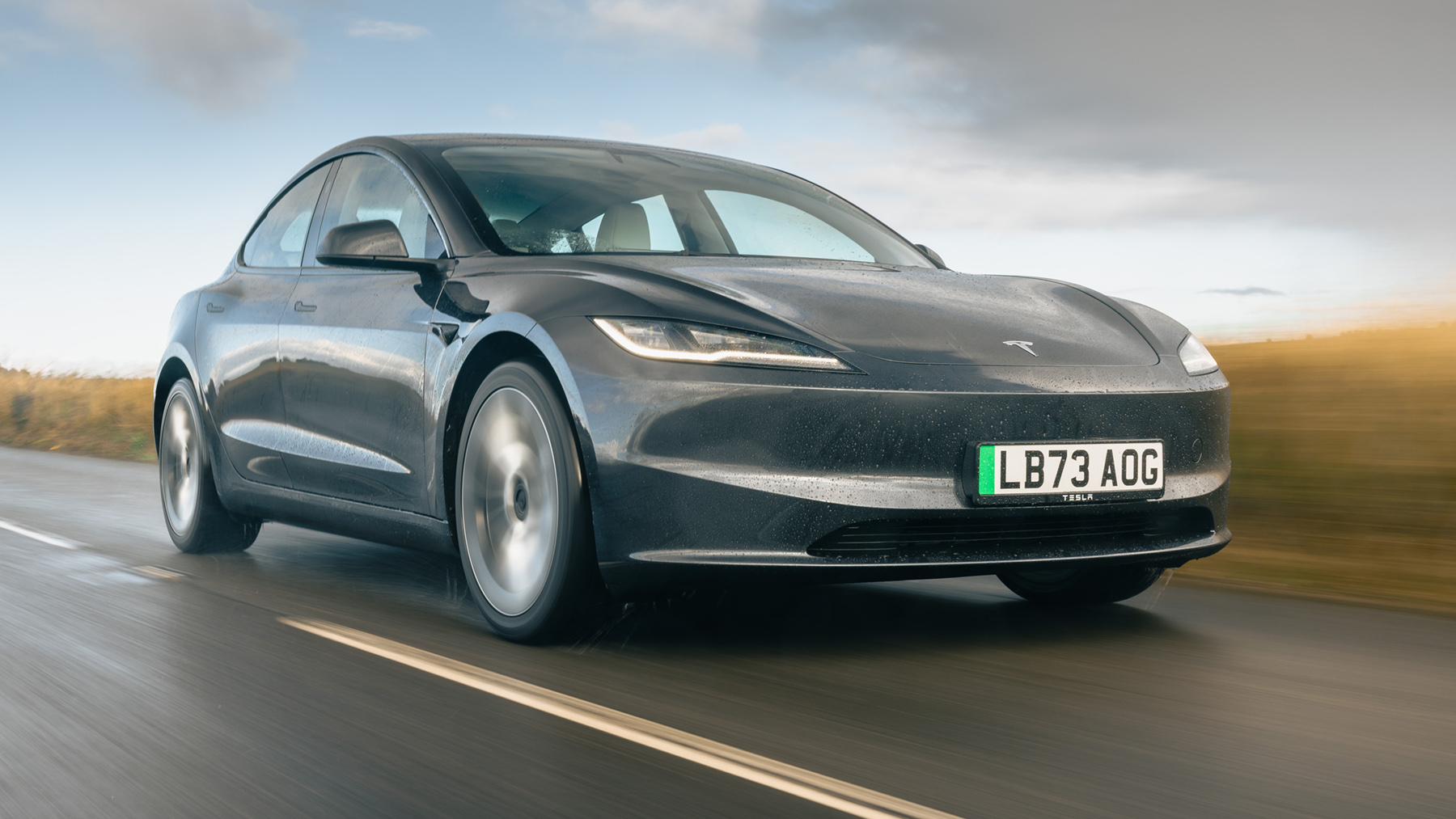
Tesla Model 3
The Tesla Model 3 is a fully electric sedan designed with a strong focus on efficiency, digital systems, and battery optimization. One of the most important design choices in this vehicle is the complete absence of a full sized spare wheel in all major market configurations.
Instead of a traditional spare, the Model 3 comes equipped with a tire repair kit or inflation sealant system that is meant for temporary emergency use only. This decision is not accidental but directly linked to how electric vehicles are engineered from the ground up.
The main reason for excluding a spare wheel is space allocation for the battery pack, which runs along the floor of the car. This layout improves stability and lowers the center of gravity, but it leaves very limited room for additional storage components like a full spare wheel.
By removing it, Tesla is able to optimize cabin space, increase storage compartments, and reduce vehicle weight, which directly contributes to improved driving range. In electric vehicles, every kilogram matters because it affects how far the car can travel on a single charge.
The tire repair kit included with the Model 3 is intended for small punctures where the tire structure is still intact. It works by sealing the damaged area and inflating the tire temporarily so the driver can reach a service station.
However, it is important to note that this system is not effective in cases of sidewall damage, large cuts, or complete tire blowouts. In such situations, the driver must depend on roadside assistance or towing services.
Tesla’s approach also relies heavily on its service infrastructure. In many regions, mobile service units can be dispatched to assist drivers directly, reducing the need for mechanical backup tools inside the vehicle.
This reflects a shift in how modern electric cars are supported, where digital and service networks replace traditional mechanical redundancy. While this setup works well in urban environments and planned travel routes, it requires users to be more aware when driving long distances or through remote highways.

Tesla Model Y
The Tesla Model Y, an electric SUV based on the same platform as the Model 3, also does not include a full sized spare wheel. Instead, it follows a similar strategy by offering a tire repair kit or sealant system as the primary emergency solution. This design choice is consistent across most global variants and reflects Tesla’s unified engineering approach for its electric vehicle lineup.
As an SUV, the Model Y is often expected to provide more rugged capability and long distance flexibility. However, its design is still centered around urban driving efficiency and highway comfort rather than off road durability.
The absence of a spare wheel is tied to the same structural constraints as the Model 3, where the battery pack occupies a large portion of the vehicle’s base. Adding a spare wheel would reduce cargo space in both the front trunk and rear storage area, which are key selling points for buyers who prioritize practicality.
The tire repair kit in the Model Y functions as a temporary mobility solution, allowing drivers to continue their journey after minor punctures. It injects a sealing compound into the tire and uses compressed air to restore pressure. While this can be effective for small road hazards such as nails or screws, it cannot handle more severe tire damage or structural failure. Drivers in such cases will need professional assistance to replace the tire entirely.
Another important factor is Tesla’s reliance on software-based support systems. The vehicle is connected to Tesla’s network, allowing drivers to request roadside assistance through the infotainment system or mobile application.
This reduces the dependency on carrying physical spare parts but also means that drivers must be within service coverage for faster assistance. In regions where service infrastructure is limited, this can create delays compared to vehicles that carry a full spare wheel.
The Model Y’s design reflects a modern automotive trend where convenience, digital integration, and efficiency are prioritized over traditional mechanical backup systems. While this works well for most city and suburban users, it places greater responsibility on drivers when traveling in remote or less serviced regions.

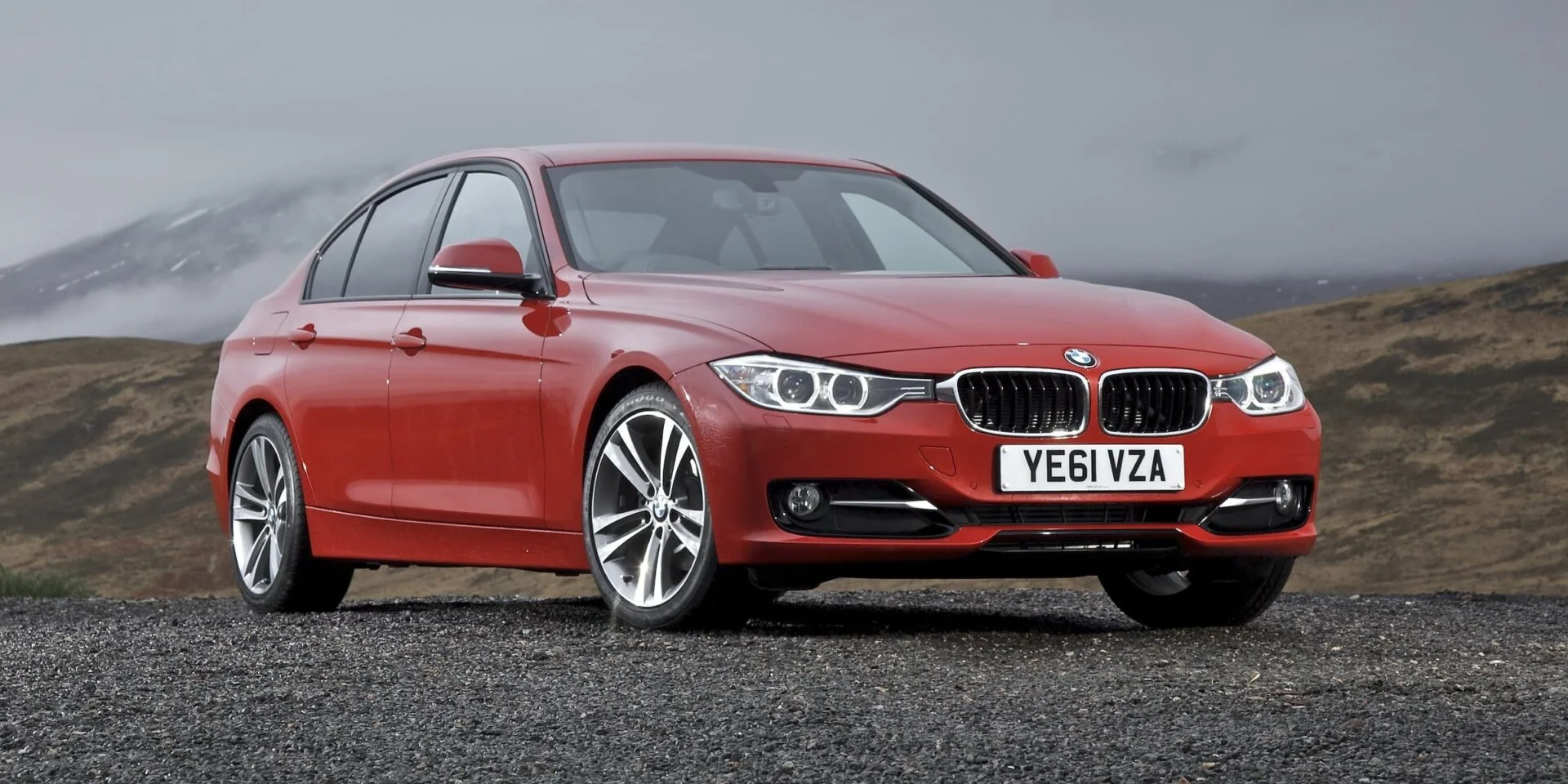
BMW 3 Series
The BMW 3 Series is a premium sedan known for its performance oriented engineering, precise handling, and refined driving dynamics. In most modern versions, the vehicle does not include a full sized spare wheel. Instead, BMW uses a combination of run flat tire technology and compact repair kits depending on regional specifications and trim levels.
Run flat tires are designed with reinforced sidewalls that allow the car to continue driving for a limited distance even after losing air pressure. This eliminates the immediate need for a spare wheel and allows drivers to reach a safe location or service center without stopping on the roadside. This system is especially useful in urban and highway environments where tire service facilities are relatively accessible.
The absence of a spare wheel in the BMW 3 Series is also a result of design priorities focused on performance and interior space optimization. Removing the spare wheel reduces vehicle weight, which contributes to improved acceleration, braking efficiency, and fuel economy.
It also allows engineers to maximize trunk space, which is important for a luxury sedan where comfort and practicality are both key expectations.
However, run flat tires come with certain trade offs. They are generally more expensive to replace compared to standard tires, and they can produce a slightly firmer ride due to their reinforced construction. In addition, once a run flat tire is punctured, it typically needs replacement rather than repair. The repair kit included in some variants serves as an additional backup for minor punctures that do not compromise the tire structure.
This system reflects BMW’s focus on reducing mechanical dependency while maintaining safety and driving performance. For most drivers who operate in well connected areas, the combination of run flat technology and repair kits provides a practical solution without the need for a traditional spare wheel.
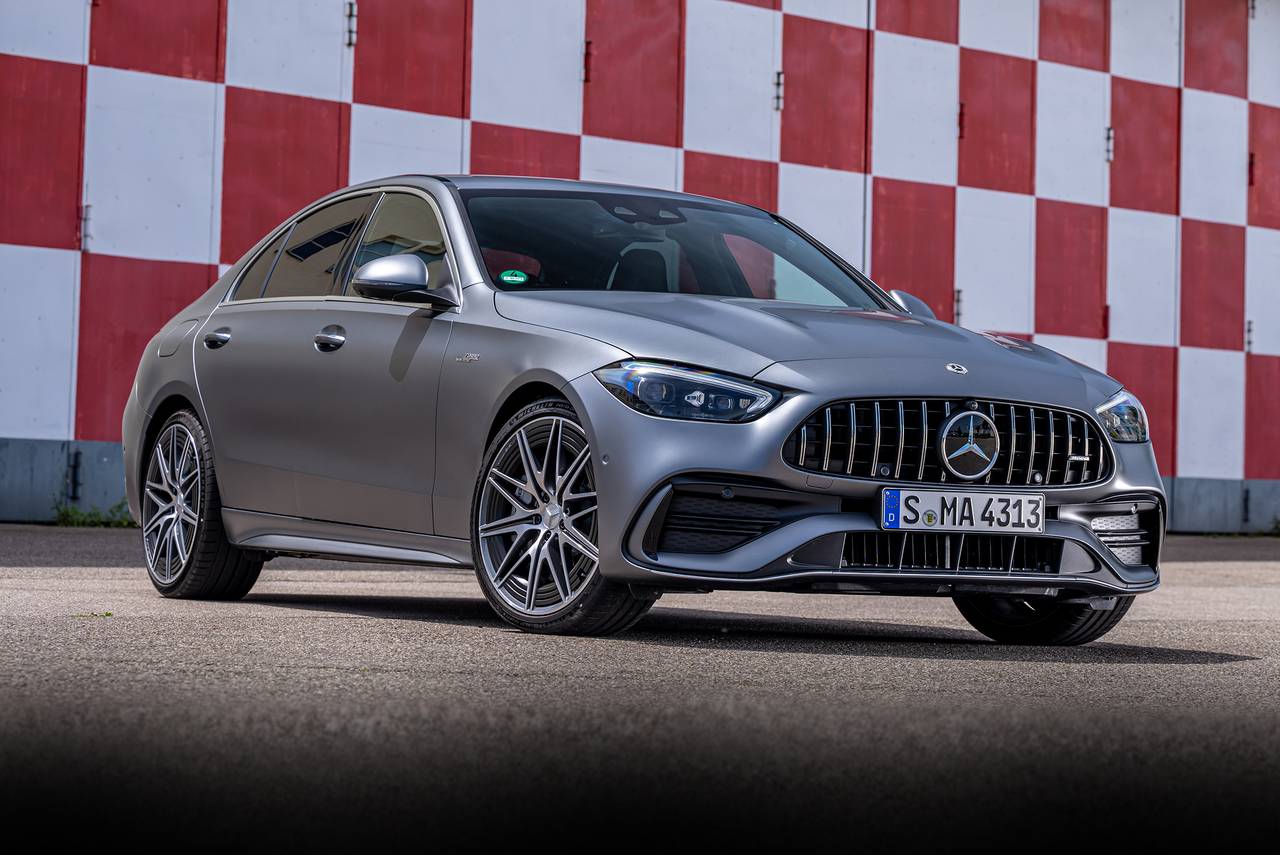
Mercedes C Class
The Mercedes C Class is a luxury sedan that prioritizes comfort, interior refinement, and advanced technology systems. In most of its modern configurations, the vehicle does not come with a full sized spare wheel. Instead, it is equipped with a tire repair kit or sealant system designed for temporary use in emergency situations.
This decision is largely influenced by the need to maximize interior space and maintain a clean, efficient vehicle layout. Luxury sedans place a strong emphasis on trunk capacity, sound insulation, and weight distribution. Removing the spare wheel allows engineers to optimize these areas while also improving fuel efficiency and driving smoothness.
In addition to repair kits, some variants of the C Class may also use reinforced or run flat tires depending on the market. These tires allow limited driving after a puncture, giving the driver enough time to reach a service center without immediate roadside intervention. This reduces the need for carrying heavy mechanical backup equipment inside the vehicle.
The tire repair kit itself is designed for simple punctures caused by small road debris such as nails or screws. It works by sealing the damaged area and inflating the tire temporarily. However, it is not effective in cases of major tire damage, sidewall cuts, or blowouts, which require full tire replacement. In such situations, drivers are expected to rely on Mercedes roadside assistance services, which are widely available in many regions.
This approach reflects how modern luxury car manufacturers design vehicles around support ecosystems rather than physical redundancy. The idea is that professional assistance is always accessible, reducing the need for carrying spare mechanical components.
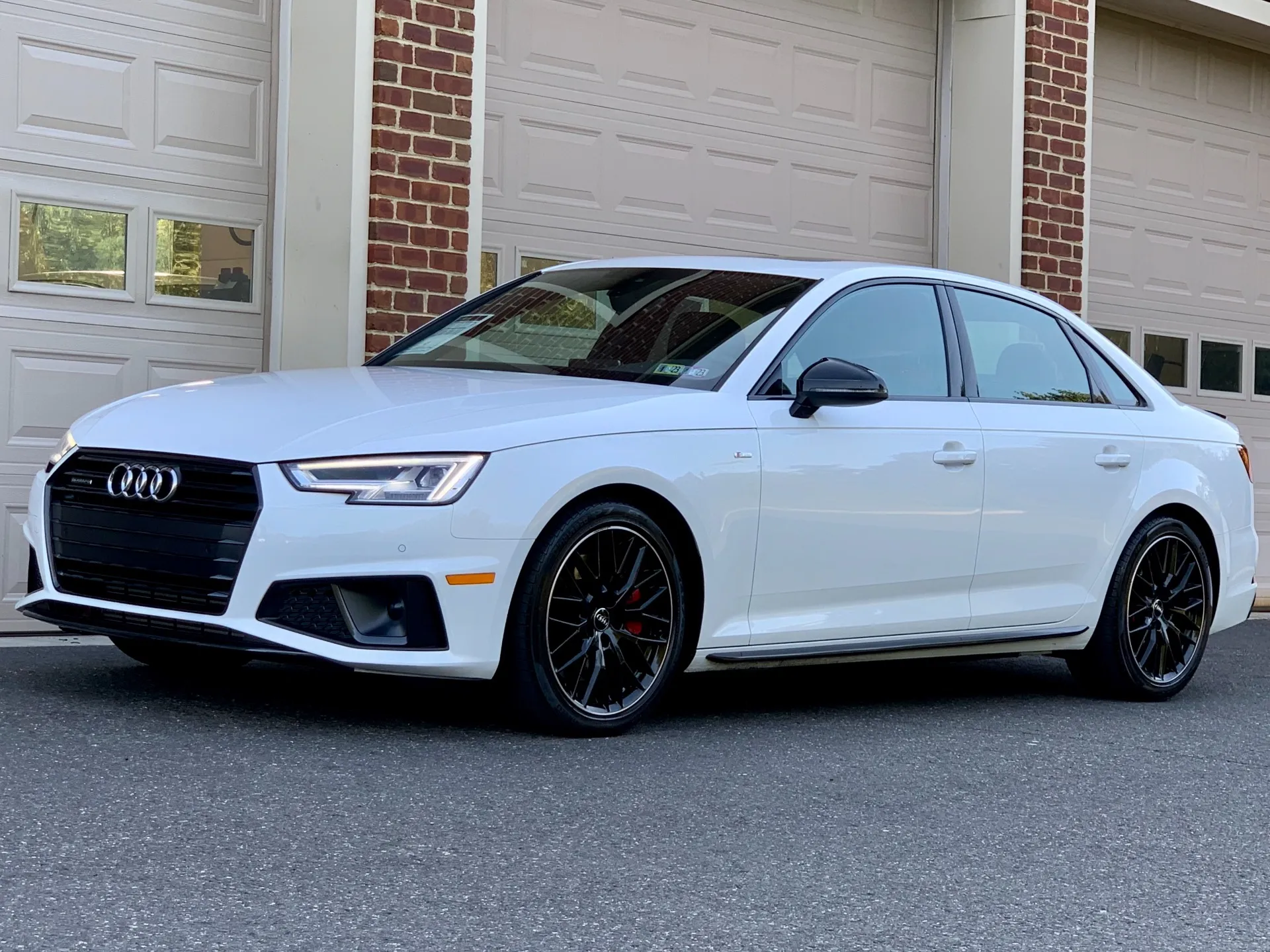
Audi A4
The Audi A4 is a premium executive sedan that emphasizes a balance of technology, refinement, and efficient performance. In most modern versions, it does not include a full sized spare wheel. Instead, it comes with a tire repair kit that is designed to handle basic puncture situations and allow temporary mobility until proper repairs can be made.
The removal of the spare wheel is part of Audi’s broader strategy to reduce vehicle weight and improve efficiency. A lighter vehicle contributes to better fuel economy, smoother handling, and improved braking performance. It also allows engineers to maximize interior packaging, particularly in the trunk area where additional storage space is highly valued by users in the executive sedan segment.
Depending on the market and specific trim level, some versions of the A4 may also feature run flat tire technology. This allows the vehicle to continue driving for a limited distance even after a loss of tire pressure. While this improves convenience, it also comes with limitations, including higher replacement costs and a firmer ride quality compared to conventional tires.
The tire repair kit included in the Audi A4 is intended only for minor punctures and is not suitable for major tire damage or structural failure. It works by injecting a sealing compound into the tire and restoring air pressure temporarily. This enables the driver to reach the nearest repair facility safely, provided the damage is not severe.
Audi’s approach reflects a modern luxury automotive trend where reliance on roadside assistance and service networks replaces traditional spare wheel systems. For most drivers in urban and highway environments, this system is efficient and practical, though it requires awareness of its limitations during long distance or remote travel.
5 Modern Cars That Only Give You a Kit
Tesla Model 3
The Tesla Model 3 is a fully electric sedan built around efficiency, software integration, and battery-first engineering. One of the design decisions in this vehicle is the complete absence of a full sized spare wheel in all mainstream configurations across global markets.
Instead, Tesla provides a tire repair kit or sealant and inflator system that is intended only for temporary emergency situations. This choice reflects a broader shift in electric vehicle design philosophy where mechanical redundancy is reduced in favor of weight savings, space optimization, and energy efficiency.
The main reason for removing a spare wheel in the Model 3 is the structure of the vehicle’s skateboard platform, where the battery pack is installed across the entire floor of the car. This design improves stability by lowering the center of gravity and also increases cabin space efficiency, but it significantly limits the possibility of storing a full sized wheel anywhere in the chassis.
Adding a spare wheel would require sacrificing either passenger comfort, trunk space, or battery packaging efficiency, all of which are critical to the vehicle’s performance and range capabilities. Since electric vehicles are highly sensitive to weight changes, even a single additional wheel can reduce driving range and efficiency in measurable ways.
The tire repair kit included with the Model 3 is designed for minor punctures such as nails, screws, or small debris that does not cause structural tire failure. The system works by injecting a sealing compound into the tire while simultaneously inflating it to restore temporary pressure.
This allows the driver to continue driving for a limited distance until they reach a tire repair facility. However, this solution is not effective for more serious damage such as sidewall cuts, blowouts, or large punctures where the tire integrity is compromised. In such cases, the tire must be replaced entirely, and roadside assistance becomes necessary.
Tesla’s broader ecosystem also plays a role in this design decision. The company relies heavily on its mobile service network and app based roadside assistance system, which allows drivers to request help directly from the vehicle interface or smartphone.
In urban and well connected regions, this system reduces the need for carrying physical spare components. However, it also means that drivers in remote areas or long distance highway routes must plan ahead and understand the limitations of relying solely on a repair kit system.
Tesla Model Y
The Tesla Model Y is an electric SUV built on the same structural platform as the Model 3, and it follows a similar design philosophy when it comes to emergency tire support. Like its sedan counterpart, the Model Y does not include a full sized spare wheel in any major configuration.
Instead, it is equipped with a tire repair kit or inflation sealant system that is intended for temporary use in case of minor punctures. This decision is consistent across most global markets and is part of Tesla’s standardized approach to vehicle design.
Although the Model Y is classified as an SUV and offers higher seating position and increased cargo capacity, its internal architecture is still heavily influenced by the battery pack layout.
The flat floor design, which houses the battery modules, leaves very little unused space where a spare wheel could be placed without compromising either passenger comfort or luggage capacity. Tesla prioritizes maximizing usable interior space and range efficiency over carrying traditional mechanical backup systems, which is why the spare wheel has been omitted.
The tire repair kit in the Model Y functions in a similar way to that in the Model 3, using a combination of sealant and compressed air to temporarily restore tire pressure. This allows the vehicle to continue driving after small punctures caused by road debris.
However, this system has clear limitations. It cannot repair major tire damage, structural sidewall failures, or complete blowouts. In those situations, the driver must rely on towing services or mobile repair units to replace the damaged tire.
Another important factor in the Model Y’s design is Tesla’s reliance on connected vehicle services. Through the onboard software system, drivers can request roadside assistance, receive navigation to nearby service centers, or schedule mobile repairs.
This reduces the need for carrying a physical spare wheel but also assumes that the driver is within a supported service network. In areas with limited infrastructure or remote road conditions, this reliance on external support can create delays compared to vehicles that carry a full spare wheel onboard.
BMW 3 Series
The BMW 3 Series is a premium executive sedan that focuses heavily on driving dynamics, performance engineering, and refined handling characteristics. In its modern configurations, the vehicle does not include a full sized spare wheel.
Instead, BMW relies primarily on run flat tire technology and, in some cases, a compact tire repair kit depending on the market and trim level. This approach reflects a long standing engineering strategy that prioritizes driving performance and space efficiency over traditional spare wheel storage.
Run flat tires used in the BMW 3 Series are constructed with reinforced sidewalls that allow the vehicle to continue driving for a limited distance even after a complete loss of air pressure. This feature enables drivers to safely reach a repair facility without needing to change a tire immediately on the roadside. The system is particularly useful in urban and highway environments where service stations are relatively accessible and emergency response times are shorter.
The removal of a full sized spare wheel also contributes to performance improvements in the vehicle. By reducing weight, the BMW 3 Series achieves better acceleration response, improved braking performance, and enhanced fuel efficiency.
Additionally, eliminating the spare wheel frees up trunk space, which is valuable for users in the executive sedan segment who expect a balance between performance and practicality.
However, this system also comes with certain limitations that drivers must consider. Run flat tires are generally more expensive to replace than standard tires, and once damaged, they often cannot be repaired and must be fully replaced.
They also tend to provide a slightly firmer ride due to their reinforced construction. The inclusion of a repair kit in some versions offers a secondary backup option for minor punctures that do not affect the tire’s structural integrity, but it does not replace the need for professional servicing.
Mercedes C Class
The Mercedes C Class is a luxury sedan designed to offer comfort, advanced technology, and refined driving experience. In most modern variants, it does not include a full sized spare wheel. Instead, it is equipped with a tire repair kit or sealant system that serves as a temporary solution for minor punctures.
This design choice aligns with the broader luxury automotive trend of reducing mechanical redundancy in favor of space optimization and service based support systems.
The absence of a spare wheel allows Mercedes engineers to maximize interior and trunk space while also improving vehicle weight distribution.
In luxury sedans, these factors are important because they directly influence ride comfort, cabin quietness, and driving smoothness. By reducing unnecessary weight, the vehicle also achieves better fuel efficiency and more balanced handling characteristics.
Some variants of the C Class also incorporate run flat or reinforced tire technology, depending on regional specifications. These tires allow the vehicle to continue driving for a limited distance after losing air pressure, giving the driver enough time to reach a service center without stopping in unsafe conditions. This system is particularly useful in urban environments where assistance services are widely available.
The tire repair kit provided in the vehicle is intended for very specific use cases, mainly small punctures caused by road debris such as nails or screws. It temporarily seals the tire and restores air pressure so the vehicle can continue moving.
However, it is not suitable for severe tire damage, sidewall failure, or high impact blowouts. In such cases, the driver must rely on roadside assistance services, which are a standard part of the Mercedes ownership experience in many regions.
Audi A4
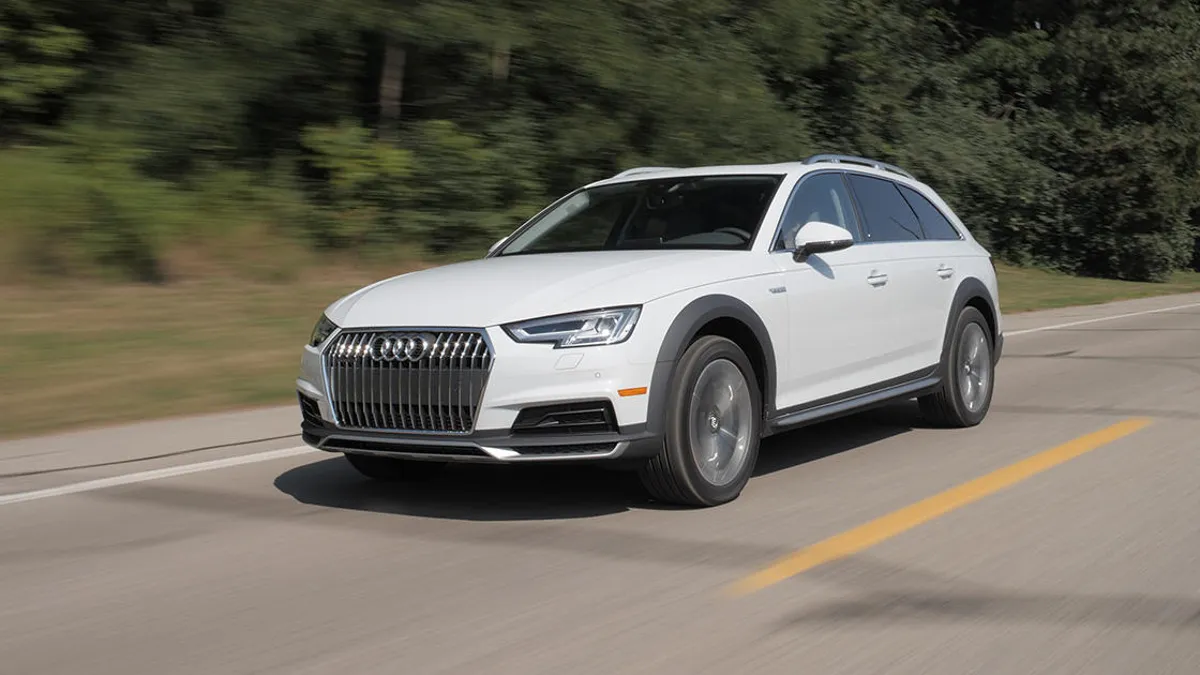
The Audi A4 is an executive sedan that combines technology, comfort, and efficient performance in a refined package. In most modern versions, it does not include a full sized spare wheel. Instead, Audi provides a tire repair kit designed to handle minor punctures and allow temporary mobility until the driver can reach a professional repair facility. This reflects a broader industry trend where compact emergency systems replace traditional spare wheel setups.
The removal of the spare wheel is part of Audi’s effort to optimize weight distribution and improve vehicle efficiency. Reducing weight contributes to better fuel economy, smoother acceleration, and improved braking performance.
It also allows for more efficient use of trunk space, which is an important consideration for buyers in the executive sedan segment who often prioritize practicality alongside luxury.
In some configurations, Audi also uses run flat or self supporting tire technology, depending on market requirements. These tires allow the vehicle to continue traveling for a limited distance even after losing air pressure, reducing the immediate need for roadside tire changes. However, they are generally more expensive and may provide a firmer ride compared to conventional tires.
The tire repair kit in the Audi A4 is only suitable for small punctures and temporary fixes. It works by sealing the damaged area and reinflating the tire, allowing the driver to continue driving for a short distance. It cannot repair major structural damage or large punctures, which require full tire replacement. In such cases, Audi’s roadside assistance network becomes essential for safe recovery.
