
The middle seat in a truck has always been a topic of debate among truck owners and passengers alike. It sits right there in the center, squeezed between the driver and the front passenger, often overlooked but never truly ignored. For decades, truck manufacturers have treated this seat as an afterthought. It was simply a way to boost the official seating capacity without putting real thought into comfort or usability.
But times are changing. Some truck makers have finally stepped up and started engineering middle seats that real humans can actually sit in for extended periods. These seats come with proper cushioning, dedicated legroom solutions, and thoughtful design elements that make long rides bearable. Other manufacturers, however, still treat the middle seat like a legal formality.
The difference between a good middle seat and a bad one can make or break a family road trip or a worksite commute with three crew members. Nobody wants to spend two hours hunched over a massive transmission tunnel with their knees in their chest. The middle seat experience separates trucks that are truly family-friendly from those that are just pretending to be.
6 Trucks With Comfortable Middle Seats
These trucks offer well-designed front middle seats that are actually usable, with proper cushioning, back support, and enough legroom for real passengers. Models like the Ford F-150, Ram 1500, and Chevrolet Silverado are known for wide cabins and thoughtfully designed bench seating, making the middle seat comfortable for shorter trips or even longer drives.
Some even include fold-down armrests, integrated seatbelts, and usable headroom, turning the middle position into a practical third front seat rather than just an afterthought.
1. Ram 1500
The Ram 1500 has long been considered the luxury leader in the full-size truck segment. When it comes to the middle seat, Ram truly delivers an experience that leaves competitors scrambling to catch up.
The front middle seat in the Ram 1500 folds down into what Ram calls the “RamBox” center console. But when left in the upright position, it offers a surprisingly well-padded, usable seat for a third front passenger. The cushioning is thick and supportive, making short to medium trips genuinely comfortable for most adults.
The seatback angle is well-designed. It positions the passenger in a natural, upright posture without forcing them to lean awkwardly forward or backward. This small detail makes a massive difference on longer drives.
Legroom is handled cleverly in the Ram 1500. The transmission tunnel is present but lower and less intrusive than in many rival trucks. A middle seat passenger can rest their feet relatively flat on the floor without major obstruction.
The headroom situation is also respectable. The Ram’s wide cab gives the center passenger enough shoulder room to avoid constantly bumping into the driver or front passenger. This is a luxury that compact and midsize trucks rarely offer.
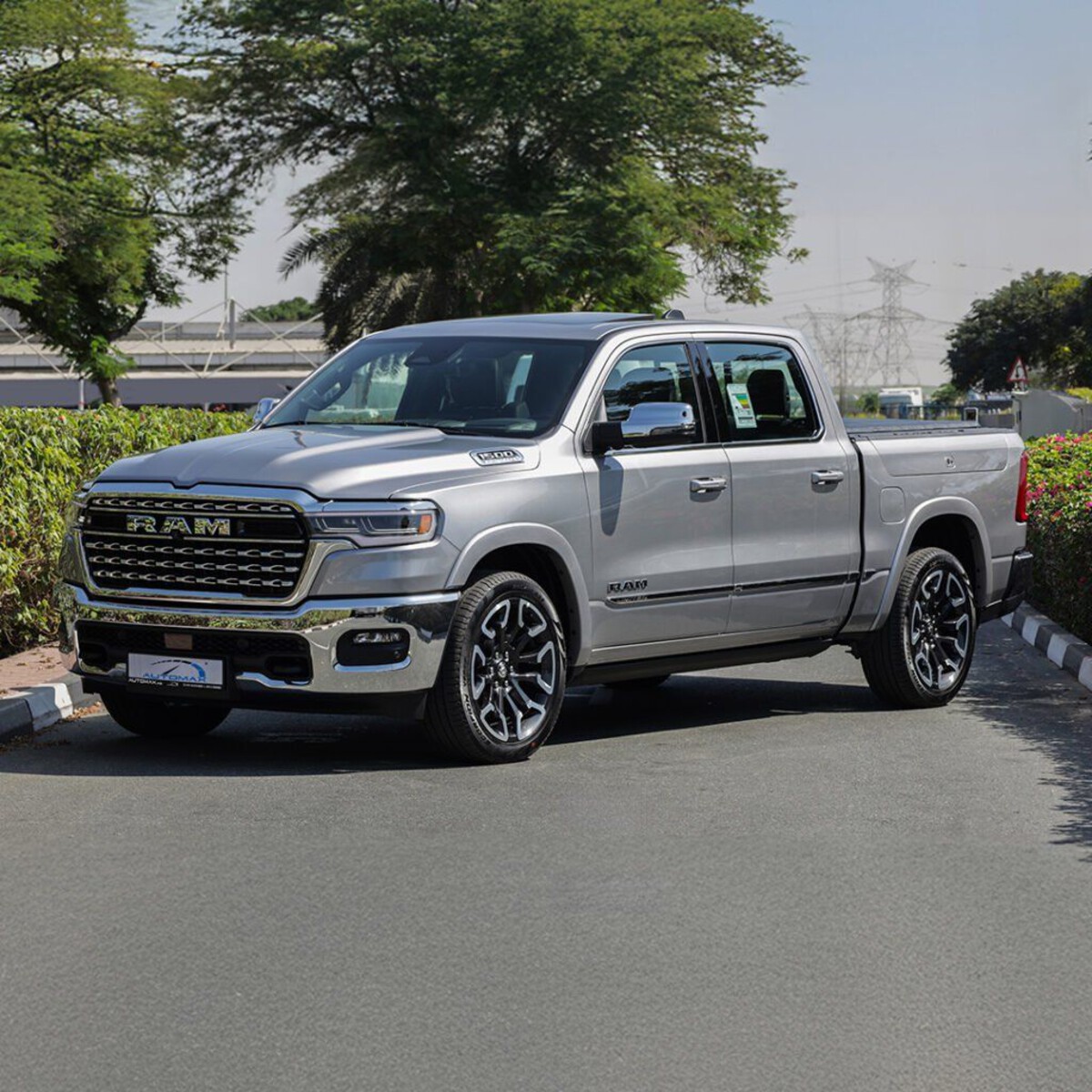
For rear middle seat passengers in the crew cab configuration, the Ram 1500 again impresses. The rear bench is wide, the floor is relatively flat, and the seat cushion is thick enough to handle long road trips without complaints. Families with three kids or three adults sharing the back will appreciate how Ram has engineered this space.
The seatbelt placement for the rear middle seat is positioned correctly. It doesn’t cut across the neck or require awkward adjustments to sit properly. These little ergonomic wins add up quickly when you’re three hours into a highway drive.
Ram’s attention to detail extends to the headrests as well. Each position in the cab, including the middle seats, gets a properly sized headrest. This matters greatly for safety and neck comfort during long journeys.
The Ram 1500 treats every passenger like they belong there. Whether you’re filling the front bench or cramming three people in the back, this truck makes the effort to ensure nobody is miserable. That’s a rare achievement in the truck world.
2. Ford F-150
The Ford F-150 is America’s best-selling vehicle, and it didn’t earn that title by ignoring passenger comfort. Ford has put genuine thought into the middle seat across multiple cab configurations. The result is a truck that works well for families, work crews, and long-distance travelers alike.
The front middle seat in the F-150 is a fold-down unit that converts into a center console when not in use. When deployed as a seat, it holds up well for passengers of average build. The cushion density is reasonable, and Ford has avoided the mistake of making it feel like a thin, emergency-only seat.
Ford’s Max Recline feature, available on higher trims, also gives rear passengers additional comfort. While this mainly benefits outboard rear passengers, it signals Ford’s broader commitment to cabin comfort as a whole. The rear middle seat benefits from this same comfort-forward philosophy in terms of materials and cushion design.
The rear floor of the F-150 is commendably flat. There’s no massive transmission hump forcing the middle rear passenger to spread their legs unnaturally or perch awkwardly on a raised surface. This flat floor design is one of the F-150’s most underrated comfort achievements.
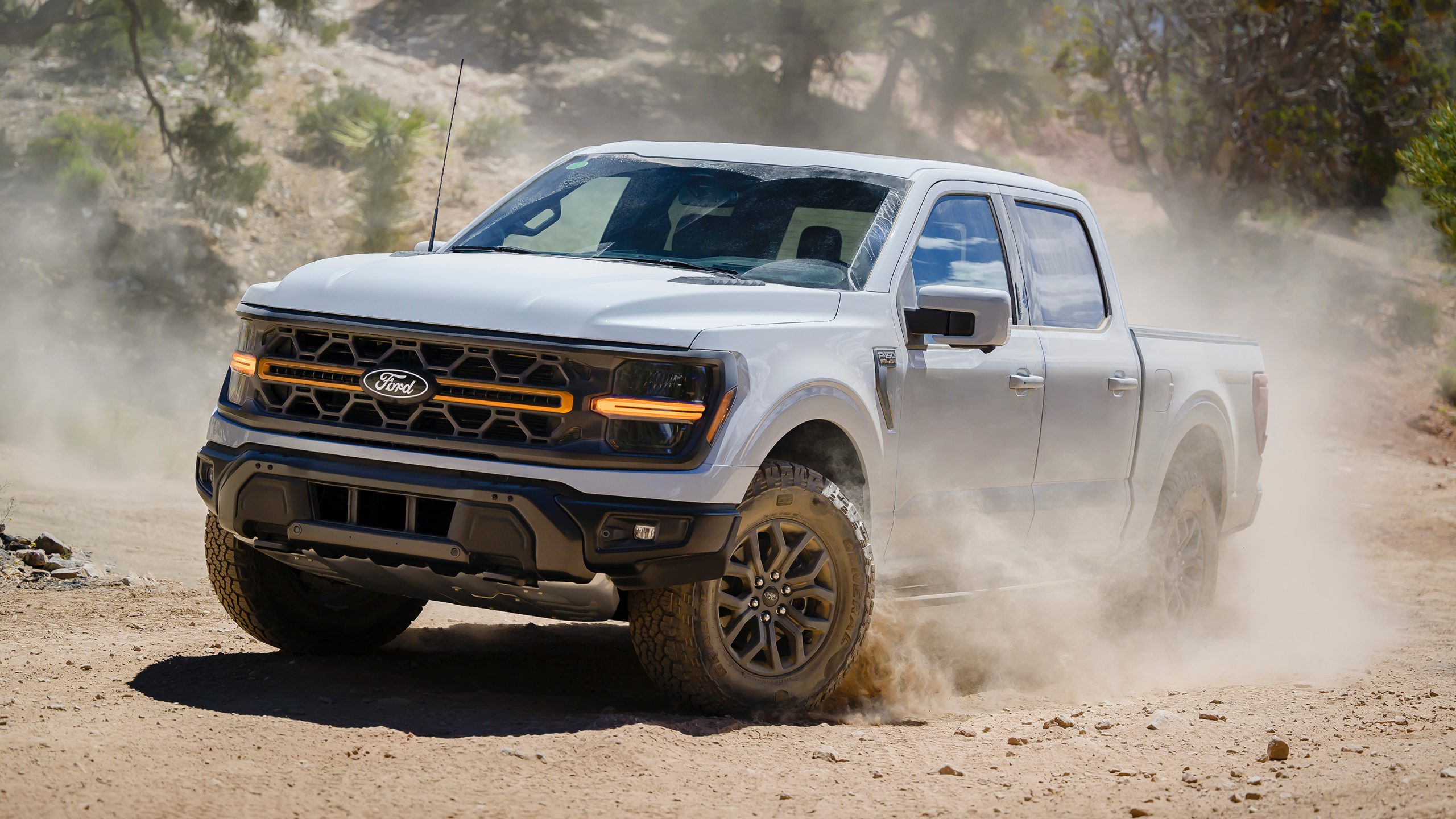
Legroom in the SuperCrew configuration is generous throughout. The middle seat passenger in the rear gets adequate knee clearance and doesn’t feel dramatically compromised compared to the outboard passengers. This kind of thoughtful proportioning makes multi-passenger trips far more pleasant.
The F-150’s interior width also works in the middle seat’s favor. Ford builds a genuinely wide cab, meaning that three adults in the rear aren’t forced into an uncomfortable sardine situation. Shoulder room is distributed fairly across all three rear positions.
Seatbelt ergonomics in the F-150 are well-executed. The middle rear seatbelt feeds from the ceiling rather than from a floor anchor, keeping it positioned correctly across the passenger’s chest and shoulder. This ceiling-mount design is a thoughtful engineering decision that not all truck makers have adopted.
The F-150 also offers heated rear seats on upper trims, and the middle rear seat is included in this feature. Having a warm seat in winter makes the middle position feel less like a punishment and more like an actual seating choice. That inclusion alone puts Ford ahead of several competitors.
3. Chevrolet Silverado 1500
The Chevrolet Silverado 1500 doesn’t always get the credit it deserves for interior comfort. While Ram and Ford often grab the headlines, Chevy has quietly built one of the more livable middle seat experiences in the full-size truck class.
The Silverado’s rear seat in the crew cab configuration is genuinely wide. GM has always prioritized raw interior width, and that generosity pays dividends when three passengers share the rear bench. Nobody has to sit at an awkward angle just to fit.
The rear floor in the Silverado is impressively flat. The transmission tunnel intrusion is minimal in the rear seating area, giving the middle passenger a proper footrest situation. Flat floors are a game-changer for middle seat comfort, and Chevy has nailed this element.
Seat cushioning in the Silverado has improved significantly over recent model years. The rear bench now uses denser foam that doesn’t compress flat after an hour of sitting. This might sound like a minor detail, but anyone who has sat in a poorly cushioned middle seat for three hours knows exactly how important foam quality is.
The Silverado also offers fold-up rear seat cushions, which create a flat load floor when needed. When the cushions are down and passengers are seated, the sitting position is comfortable, and the seatback angle is correctly reclined. Chevy has found a good balance between utility and comfort in this design.
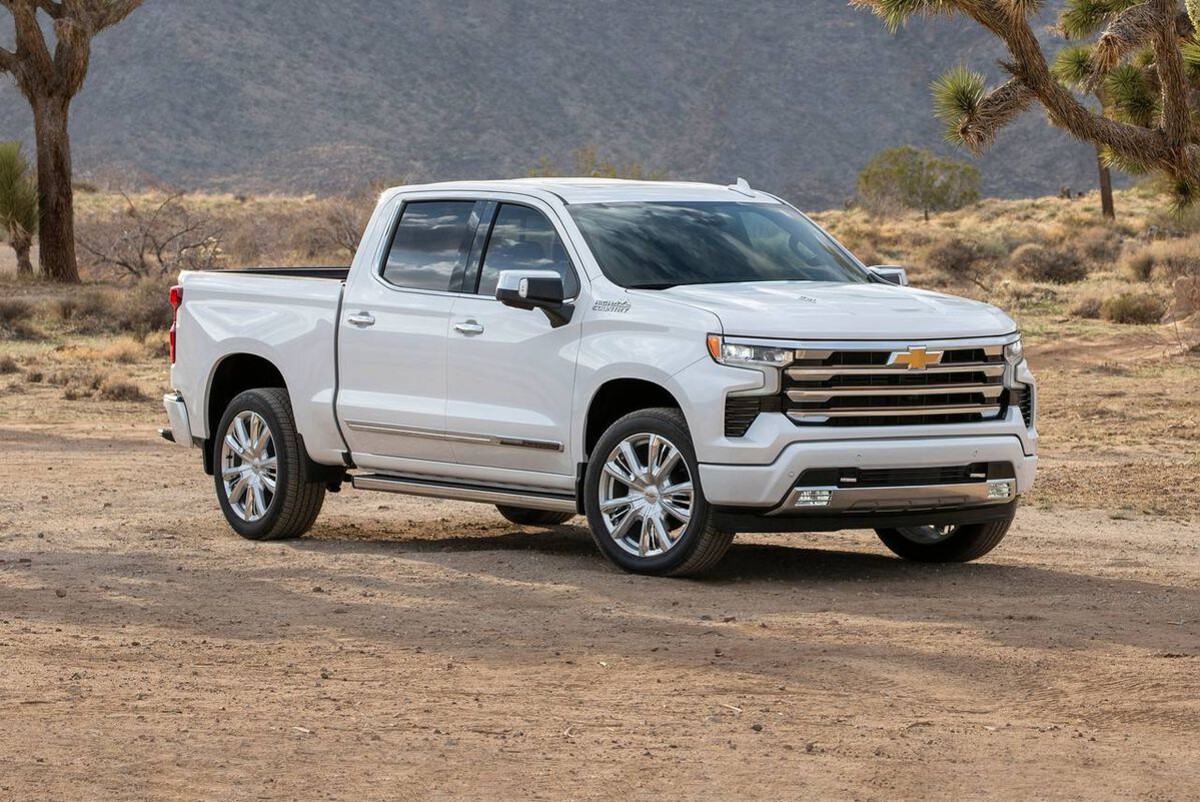
Headroom in the rear of the Silverado is strong. Taller passengers sitting in the middle rear position don’t need to hunch or tilt their head forward. This is particularly appreciated on long highway drives where fatigue sets in quickly when sitting in an unnatural position.
The front middle seat in the Silverado is a fold-down design that creates a usable center console. When used as a seat, it’s adequate for shorter trips. The padding is present, and the backrest angle works reasonably well for most body types.
Chevy’s interior build quality has improved in recent Silverado generations. The materials surrounding the middle seat occupant feel sturdy and well-finished. Sitting in the middle of a well-built cabin makes the experience far more tolerable than being surrounded by cheap, rattling plastics.
The Silverado 1500 won’t win any awards for most innovative middle seat design. But it delivers consistent, honest comfort that real-world truck buyers will appreciate. Sometimes, reliable and comfortable is exactly what you need.
4. GMC Sierra 1500
The GMC Sierra 1500 shares its platform with the Silverado but positions itself as the more premium offering. That premium positioning extends to the interior, and the middle seat experience reflects GMC’s commitment to refinement.
The Sierra’s cabin materials are a noticeable step up from the Silverado’s. Softer-touch surfaces and better-quality stitching surround middle seat passengers on upper trims. When you’re squeezed between two other people, having nice materials at elbow and knee level genuinely improves the experience.
GMC offers the MultiPro tailgate on the Sierra, which gets a lot of attention. Less discussed but equally important is the rear seat design in the Denali and AT4 trims. These upper-tier configurations bring additional cushion padding and seatback softness that directly benefit middle rear passengers.
The Sierra’s rear legroom is competitive with other full-size trucks. The middle seat passenger benefits from the same cabin depth as the outboard passengers. This equal treatment of legroom across all three rear positions is something GMC has maintained through multiple generations.
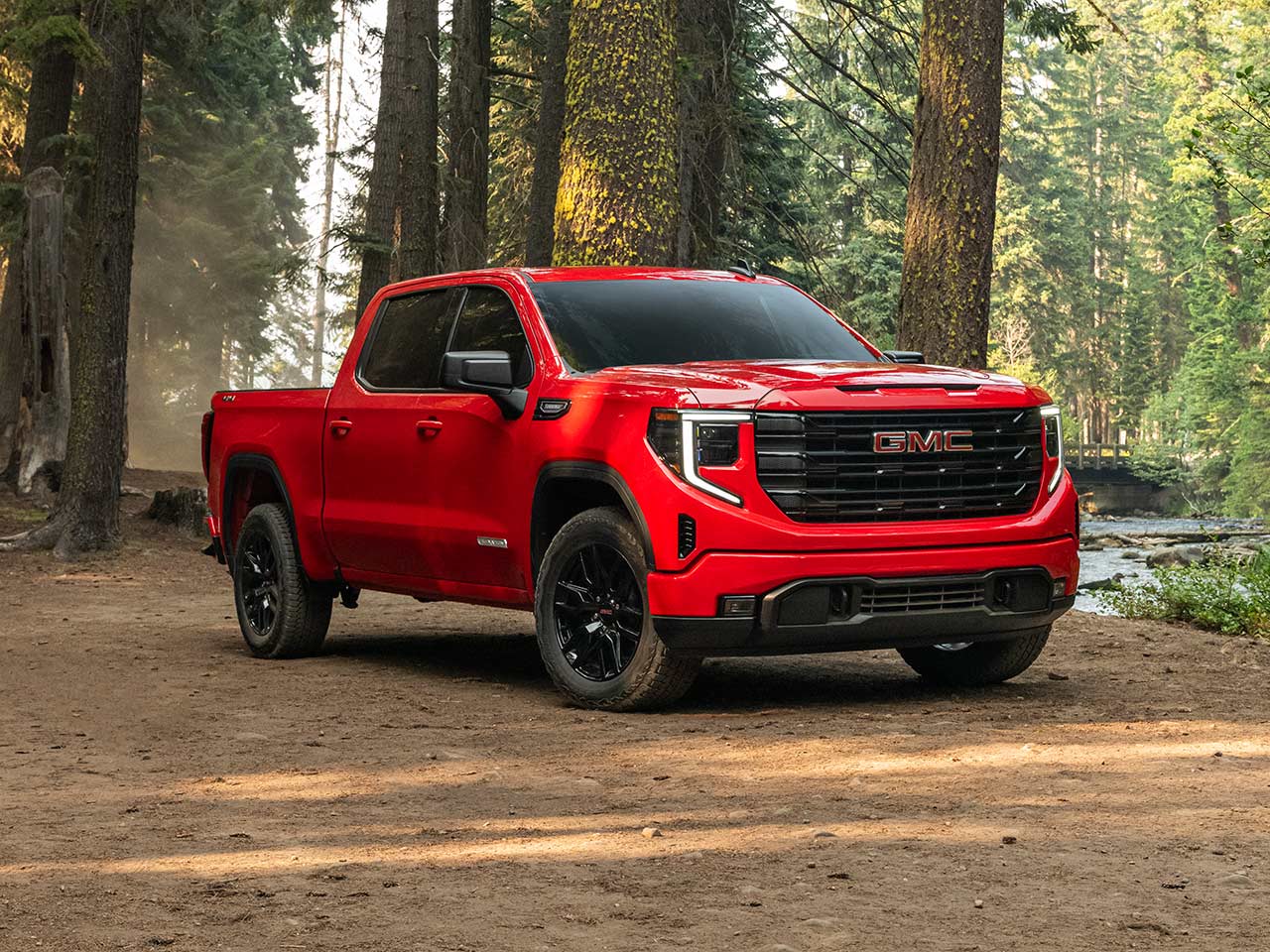
Seat width distribution in the Sierra’s rear bench is handled well. The middle seat isn’t squeezed to an abnormally narrow width just to allow the outboard seats to feel roomier. GMC has maintained consistent width across all three rear seating positions, making the middle seat feel like a deliberate design choice.
The front middle seat in the Sierra follows the same fold-down console design as the Silverado. It’s usable for shorter trips but doesn’t quite reach the standard set by Ram. For the front middle position, the Sierra is comfortable enough but not exceptional.
The rear center seatbelt in the Sierra is positioned thoughtfully. It doesn’t fight the passenger or require constant readjustment throughout a trip. Seatbelt comfort is one of those things you don’t notice when it’s done right, but you absolutely notice when it’s done wrong.
GMC’s sound insulation in the Sierra is among the best in the full-size class. A quieter cabin means middle seat passengers aren’t subjected to excessive road noise or wind intrusion. A calm, quiet environment makes any seating position more tolerable on a long trip.
The Sierra 1500 delivers a middle seat experience that matches its premium pretensions. It’s not revolutionary, but it’s polished, comfortable, and clearly designed with real passengers in mind. GMC earns its higher price point in this department.
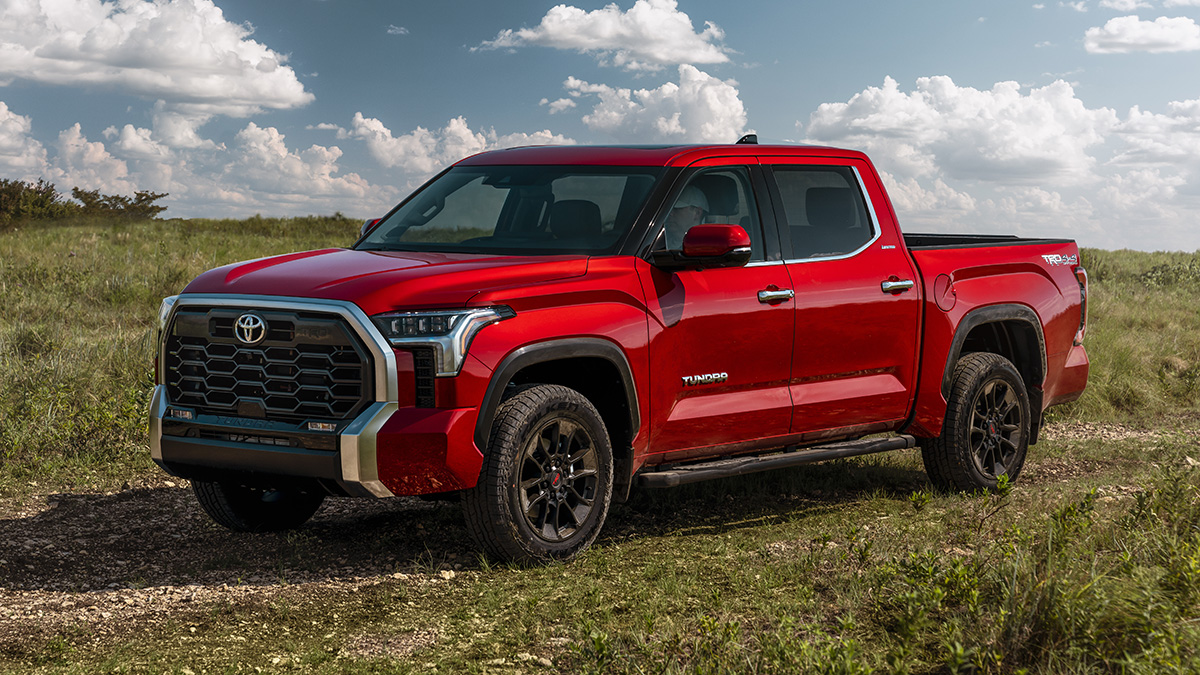
5. Toyota Tundra
The Toyota Tundra has undergone a complete redesign in recent years, and the interior improvements are significant. Toyota has brought its reputation for reliability and thoughtful engineering directly into the middle seat experience.
The new Tundra’s rear cabin is noticeably wider and more open than previous generations. This width creates breathing room for all rear passengers, including the person stuck in the middle. More width means less elbow-to-elbow contact, which is the number one complaint of middle seat occupants everywhere.
The rear bench cushioning in the modern Tundra is thick and supportive. Toyota has used quality foam density that maintains its shape over long trips. The difference between good foam and cheap foam becomes painfully obvious after 90 minutes on the road.
Toyota’s rear floor is well-designed in the crew cab Tundra. The transmission tunnel intrusion is kept to a minimum, allowing the middle rear passenger to position their feet comfortably. This flat floor approach shows that Toyota engineers actually thought about the person sitting in the middle.
The Tundra’s seatback angle in the rear is set at a natural recline. This angle supports the lower back without forcing passengers to sit rigidly upright. Good lumbar support at the middle position is rare in trucks and deserves recognition when present.
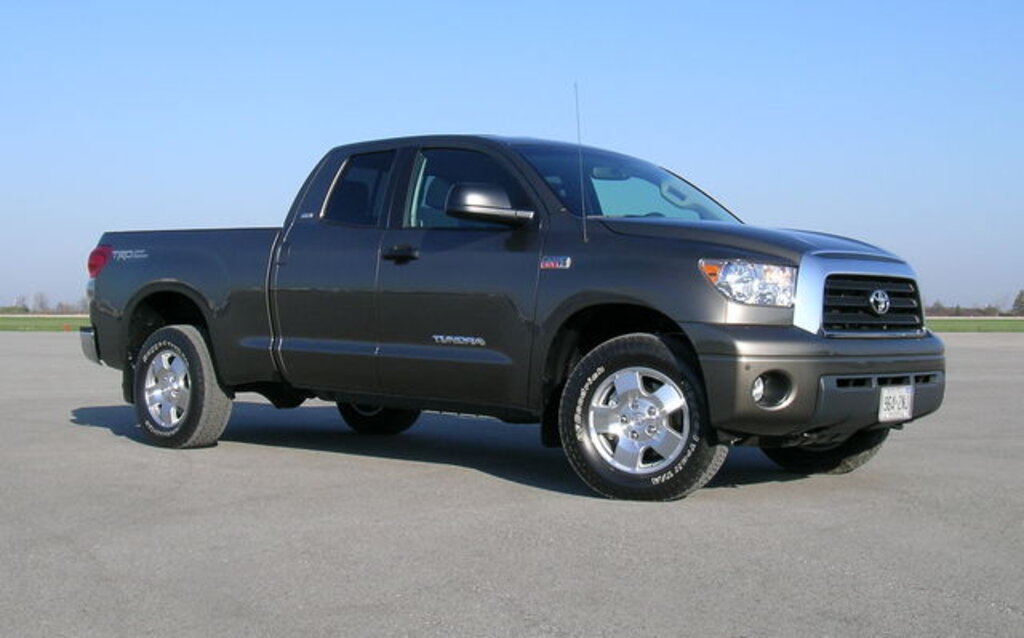
Headroom in the Tundra is generous across all rear positions. Toyota’s taller roofline benefits every passenger, but it particularly helps middle seat occupants who sometimes feel more confined due to the central seating position. Nobody wants to feel boxed in while already sharing space with two other people.
The front middle seat in the Tundra folds down into a practical armrest and storage console. When used as a seat, it’s firm but functional. Toyota has padded it adequately for occasional use, which is an honest and practical approach.
Tundra’s interior quality has jumped significantly in the latest generation. The use of better materials throughout the cabin creates an environment where sitting in the middle doesn’t feel like a downgrade. Quality interiors make every seating position feel more intentional.
The Toyota Tundra earns its place on this list by delivering consistent, reliable comfort across every seating position. It doesn’t try to be flashy about middle seat comfort, but it delivers substance where it counts. That’s very Toyota.
6. Honda Ridgeline
The Honda Ridgeline often gets dismissed by traditional truck enthusiasts. But when it comes to middle seat comfort, this unorthodox pickup punches well above its class.
The Ridgeline is built on a unibody platform, which fundamentally changes the cabin architecture. Without a traditional body-on-frame construction, Honda has more freedom to design a flat, open rear floor. The middle rear passenger directly benefits from this architectural freedom.
The rear floor in the Ridgeline is genuinely flat. There is virtually no transmission tunnel intrusion in the rear seating area. This creates a proper foot placement zone for the middle passenger that most traditional trucks simply cannot match.
The rear seat cushioning in the Ridgeline is excellent. Honda brings its car-like interior philosophy to the truck segment, using foam quality and density that you’d expect in a midsize sedan. This results in a rear middle seat that’s comfortable even on multi-hour drives.
Ridgeline’s rear seat also tilts up, creating a flat cargo area when needed. When used for passengers, the seating angle and backrest position are car-like in their comfort level. Honda has refused to compromise on seating geometry just because it’s a truck.
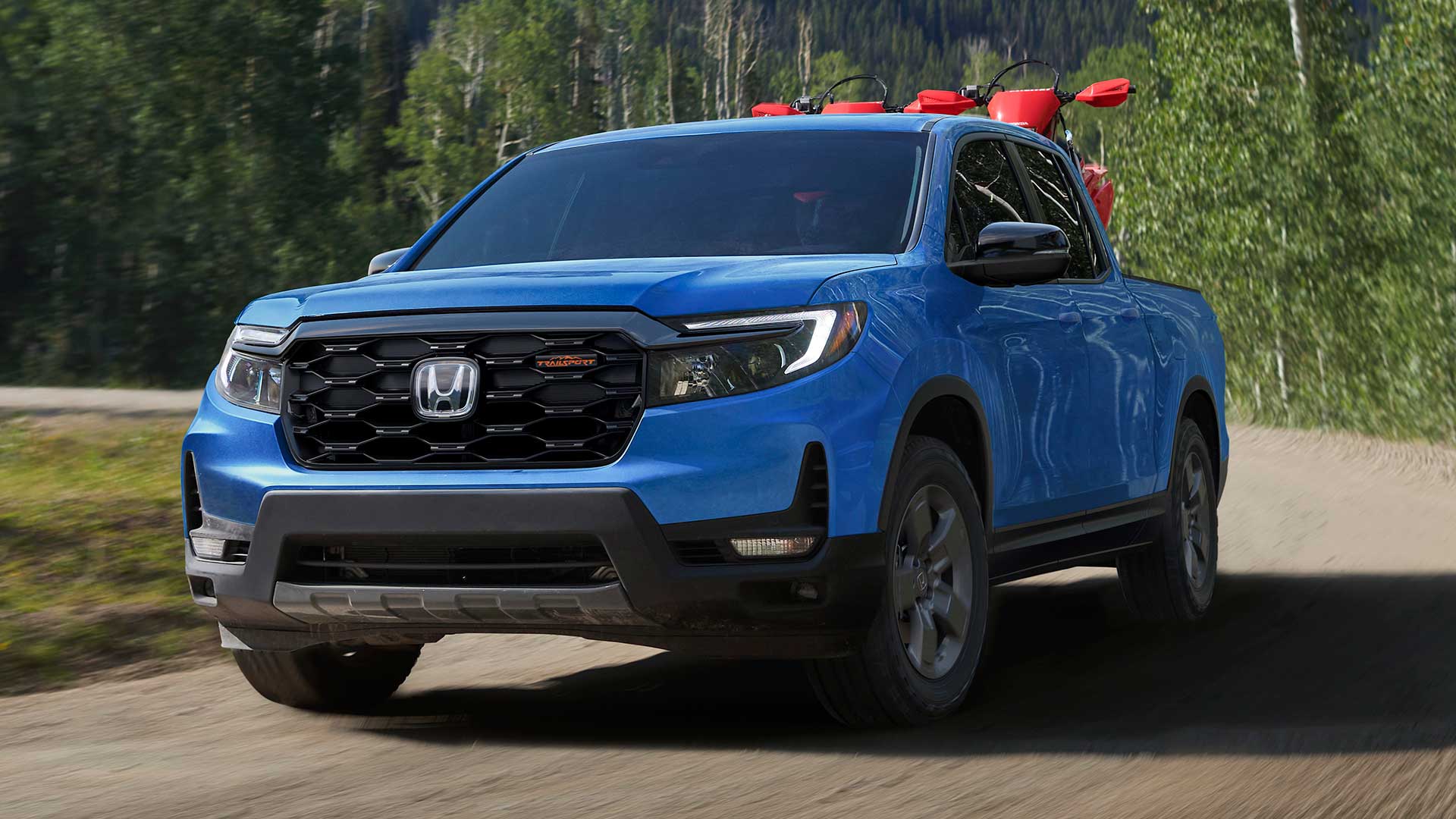
The cabin width in the Ridgeline is competitive with full-size trucks, despite the Ridgeline being a midsize vehicle. Three adults in the rear aren’t dramatically cramped, and the middle passenger has reasonable shoulder and hip room. Width management in the Ridgeline is impressive.
Noise levels inside the Ridgeline are among the lowest in the truck segment. Honda’s unibody construction and excellent sound dampening create a serene cabin environment. A quiet cabin makes the middle seat feel far less punishing on long journeys.
The Ridgeline’s front middle seat is a proper fold-down unit with decent padding. It’s usable for adult passengers on shorter trips without causing immediate discomfort. Honda has avoided the trap of making it an obvious afterthought.
The Honda Ridgeline proves that thinking differently about truck architecture can produce real passenger benefits. If you frequently carry three passengers and comfort is a priority, the Ridgeline deserves a serious look. Don’t let truck snobs talk you out of the most comfortable middle seat in the segment.
Also Read: 10 Used Vehicles That Feel Almost New for Half the Price
6 That Are Practically Useless
These trucks come with narrow, poorly padded middle seats that feel more like placeholders than real seating. Limited legroom, hard cushioning, and awkward positioning make them uncomfortable even for short rides.
In many cases, the center position is compromised by large center consoles, poor seat shaping, or a lack of proper support, making it impractical for regular use. Instead of adding functionality, these seats often feel like a design leftover rather than a usable feature.
1. Ford Ranger
The Ford Ranger is a popular midsize truck with a loyal following. Unfortunately, its middle seat situation is one of the weakest points in an otherwise capable package.
The rear middle seat in the Ranger is narrow. Very narrow. Three average-sized adults in the rear of a Ranger is a genuinely uncomfortable experience that nobody should be subjected to voluntarily. The seat width allocation for the middle position is clearly an afterthought.
The transmission tunnel in the Ranger’s rear is intrusive. The middle passenger’s feet are forced onto a raised hump that pushes knees up and creates an unnatural sitting posture. After 30 minutes in this position, the legs begin to ache.
Headroom in the Ranger’s rear is tight for taller passengers. The roofline slopes in a way that particularly affects center passengers. A six-foot adult in the Ranger’s rear middle seat will spend the entire trip with their neck slightly bent.
The seat cushioning in the Ranger’s rear middle position is thin. Ford has not invested in quality foam for this area, and the result is a seat that feels like padded plywood after the first hour. Thin cushioning is one of the fastest ways to make a passenger miserable.
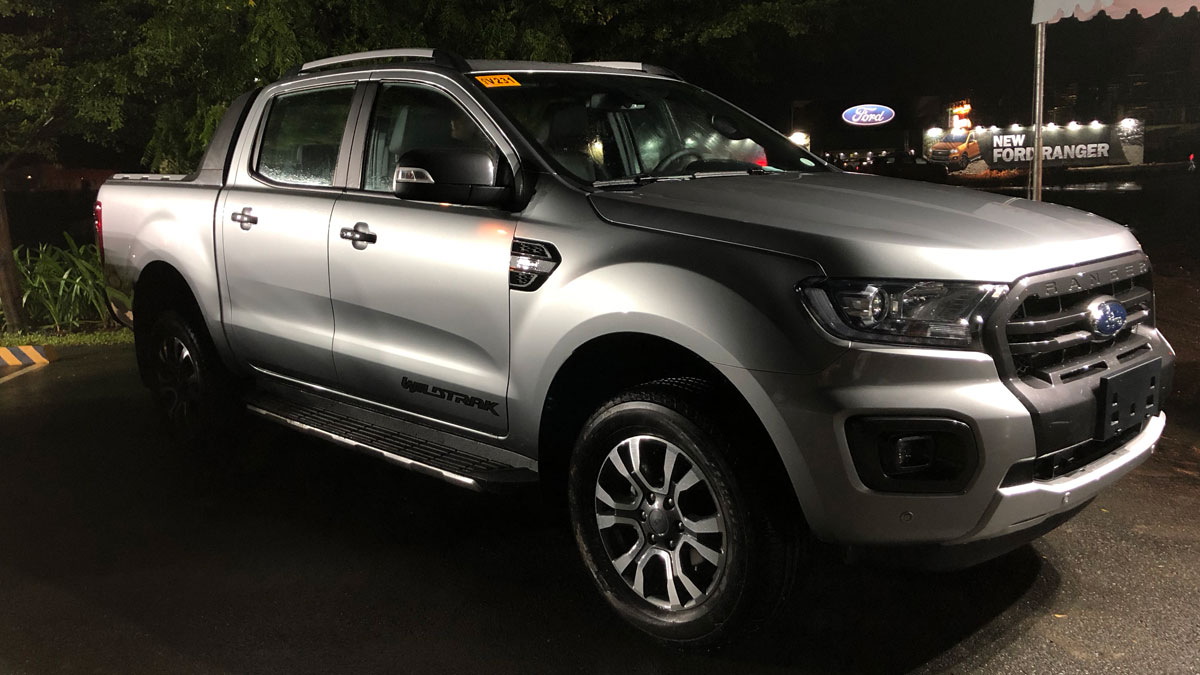
The seatbelt placement in the Ranger’s rear middle position is awkward. It doesn’t sit naturally across the body without adjustment and tends to ride up toward the neck. A poorly positioned seatbelt is both a safety concern and a comfort issue on longer trips.
The Ranger’s front middle seat is essentially non-functional. The center console is large and permanently fixed, eliminating any possibility of seating a third front passenger. Ford made a deliberate choice to prioritize storage over seating here, and middle seat passengers paid the price.
Legroom in the rear of the Ranger is limited across all positions. But the middle seat compounds this problem by combining limited legroom with the intrusive tunnel hump. The cumulative effect is a seating position that works for short trips only.
The Ford Ranger is a capable truck in many respects. But its middle seat situation represents a genuine shortcoming that families and work crews should factor into their buying decision. If you regularly carry three passengers, the Ranger will test everyone’s patience.
2. Chevrolet Colorado
The Chevrolet Colorado is GM’s midsize truck entry, and it suffers from many of the same middle seat problems that plague the segment. Despite a recent redesign, the middle seat experience remains underwhelming.
The rear floor transmission tunnel in Colorado is substantial. The center passenger is forced to straddle a large raised hump that makes comfortable foot placement nearly impossible. This is a fundamental design limitation that the redesign has not adequately addressed.
The rear middle seat cushion is thin and firm. There’s not enough foam between the passenger and the seat structure, and this becomes painfully apparent on drives longer than 45 minutes. Seat cushion quality is where GM has clearly cut costs in the Colorado.
Shoulder room in the rear of the Colorado is tight when three people are seated. The cabin simply isn’t wide enough to comfortably accommodate three adults side by side. The middle passenger inevitably ends up pressing against both neighbors, making everyone uncomfortable.
Headroom in the rear center position is acceptable for average-height passengers. Taller riders, however, will find the roofline uncomfortably close. Colorado’s cab dimensions limit what’s possible here, but the result is still a confining experience.
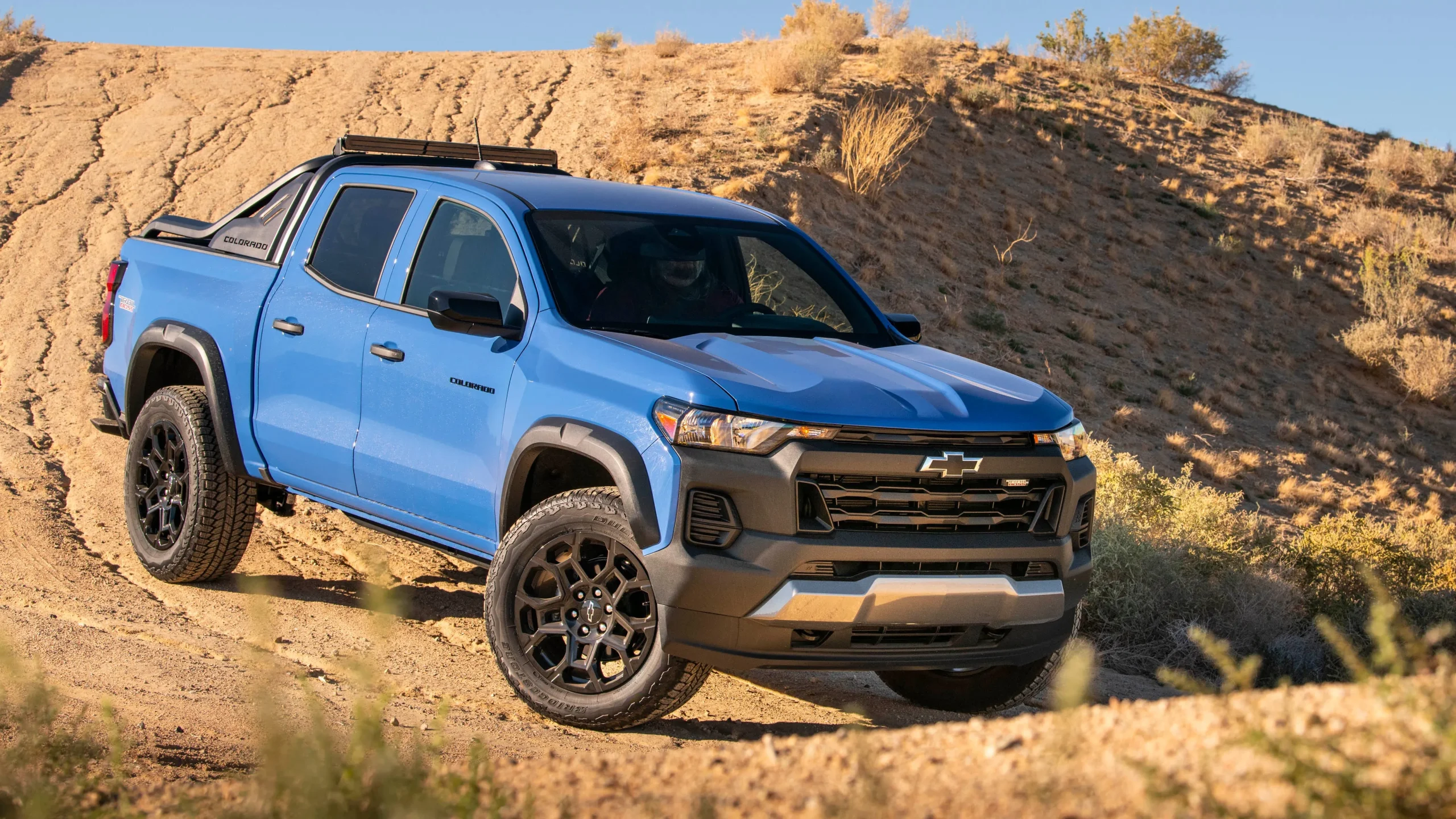
The seatback angle in the Colorado’s rear seat is too upright. Passengers can’t recline to a natural, relaxed position. A rigid, upright seatback is tiring over long distances and contributes to back and neck fatigue.
The front middle seat in the Colorado is blocked entirely by a fixed center console in most trim levels. This eliminates front three-person seating completely. Work truck buyers who need to seat three in the cab are automatically out of luck.
Interior materials around the rear middle seat in the Colorado feel budget-grade. The hard plastics and thin fabric don’t create a welcoming environment for passengers already sitting in a compromised position. Cheap materials make a bad situation feel worse.
Colorado has improved in many areas with its latest generation. But the middle seat experience has not kept pace with the broader truck improvements. Buyers who frequently carry three passengers should look elsewhere in the segment.
3. Toyota Tacoma
The Toyota Tacoma is one of the most beloved trucks on the American market. Its reputation for reliability and off-road capability is unmatched. Its middle seat, however, is a completely different story.
The Tacoma’s rear middle seat sits directly over a significant transmission tunnel. The hump is tall enough to force the middle passenger’s knees upward at an uncomfortable angle. This problem has persisted through multiple Tacoma generations without meaningful improvement.
Rear seat width in the Tacoma is limited. The Double Cab configuration is noticeably tight when all three rear seats are occupied. Three adults in the back of a Tacoma is a genuine test of human patience and flexibility.
The cushioning in the Tacoma’s rear bench is notoriously thin. Long-time Tacoma owners have complained about the rear seat comfort for years, and Toyota has been slow to address it. A hard, under-cushioned seat combined with a tall tunnel hump creates one of the worst middle seat experiences in the segment.
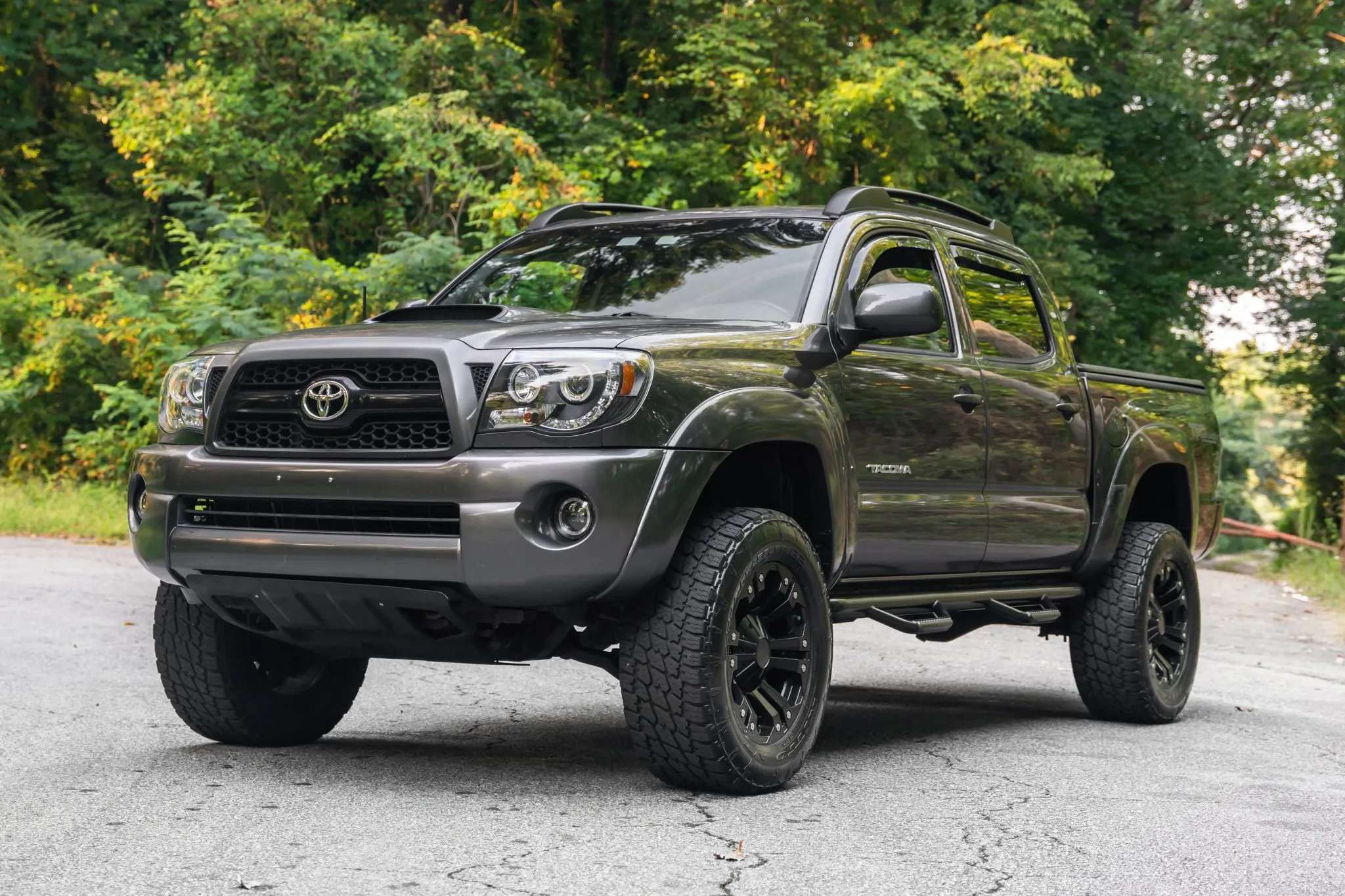
The seatback in the Tacoma rear is set at a very upright angle. There’s minimal recline available, which forces passengers into a rigid, fatiguing posture. Over a two-hour drive, this upright angle causes real back pain for most adults.
Legroom in the Double Cab rear is limited by the cab length itself. The middle passenger has no legroom advantage compared to outboard passengers, but faces additional discomfort from the tunnel. It’s a double penalty for the center occupant.
The front seat situation in the Tacoma eliminates any front middle seating. A large, fixed center console dominates the front floor space. Front three-person seating is impossible in any current Tacoma configuration.
Interior materials in the rear of the Tacoma are functional but not comfortable. The fabric and hard surfaces don’t soften the experience of sitting in an already compromised position. Toyota has prioritized durability over comfort here, which is fair for an off-road truck but frustrating for passengers.
The Tacoma is a great truck in nearly every way except for middle seat comfort. If you’re buying a Tacoma, be honest with yourself about how often you’ll need to seat three people. For solo or two-person use, this is an easy choice. For families, it’s a legitimate problem.
4. Nissan Frontier
The Nissan Frontier is a budget-friendly midsize truck that competes on value rather than luxury. Unfortunately, this value-first approach extends to the middle seat, and the results are predictably disappointing.
The Frontier’s rear transmission tunnel is large and unavoidable. The middle rear passenger must accommodate an aggressive hump that raises the foot position and tilts the pelvis forward. This forward pelvic tilt creates lower back discomfort within the first 20 minutes of driving.
Rear seat cushioning in the Frontier is among the thinnest in the segment. Nissan has clearly prioritized cost reduction over comfort in this area. The foam compresses quickly under body weight, leaving passengers sitting on what feels like a barely padded board.
The rear seat width in the Frontier is narrow. Fitting three adult passengers in the rear requires everyone to compromise their natural sitting posture. Middle seat passengers end up shoulder-pressing both outboard passengers, making nobody comfortable.
Headroom in the rear of the Frontier is average at best. The roofline doesn’t offer exceptional clearance, and the middle seat position offers no advantage over the sides in this regard. Taller passengers will feel constrained on longer trips.
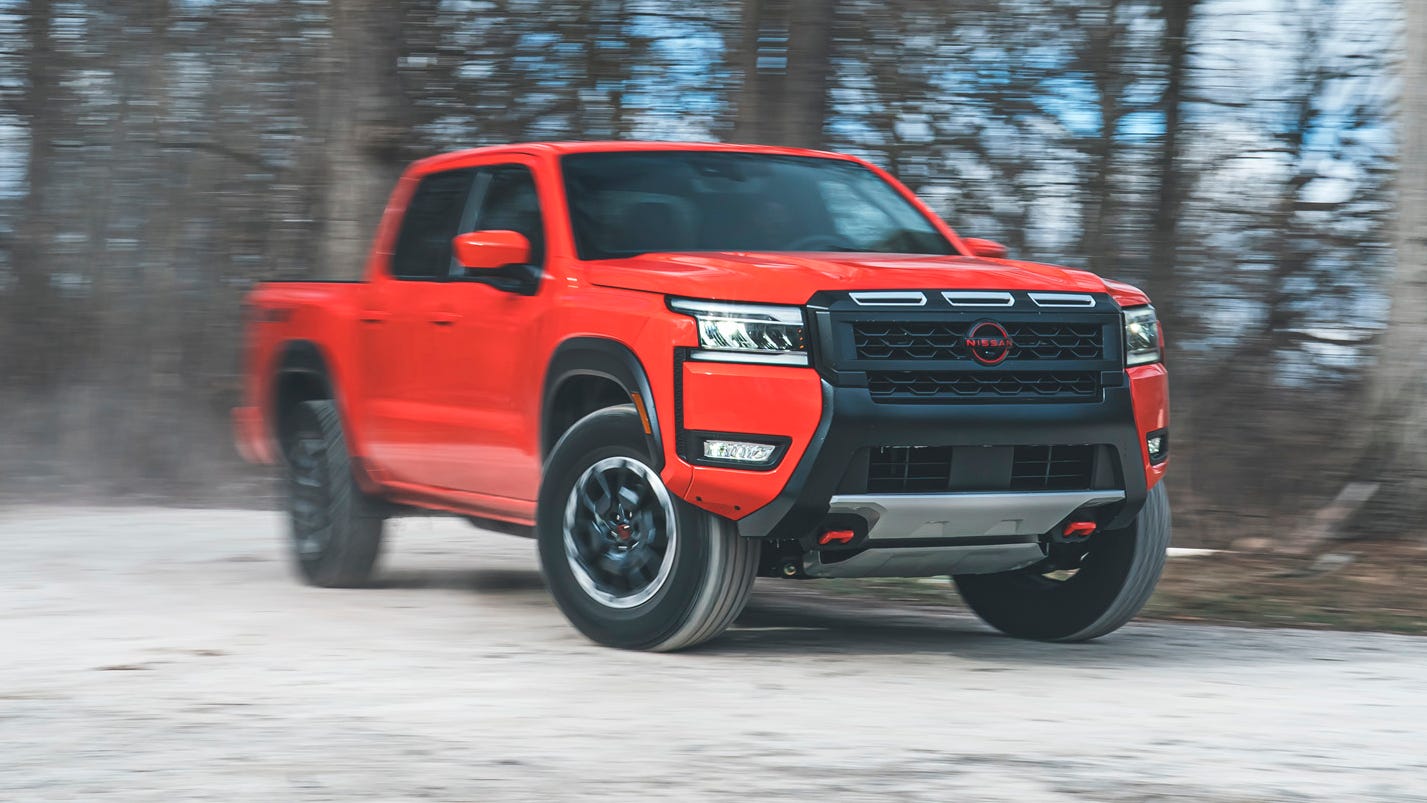
The seatback in the Frontier’s rear is extremely upright. There is almost no rake adjustment available, forcing passengers to sit in a posture more suited to a wooden chair than a vehicle seat. Extended time in this position leads to fatigue and back pain.
The Frontier’s front console eliminates any front middle seating option. Like most modern trucks, the fixed center console takes priority. Work crews that need three-up front seating will need to look at an older Frontier or a different truck entirely.
Build quality inside the Frontier’s rear is dated and inexpensive-feeling. The plastics are hard, the fabric is rough, and there’s no sense that Nissan invested in making this space hospitable for passengers. It feels like a leftover from a previous generation of truck design.
The Nissan Frontier offers good value in many areas, including powertrain reliability and off-road capability. The middle seat is simply not one of those areas. If passenger comfort is a regular requirement, the Frontier’s middle seat will become a constant source of frustration.
5. Ram 1500 Classic
The Ram 1500 Classic is the older-generation Ram that continued in production alongside the newer model. While the modern Ram 1500 earns high praise for its middle seat, the Classic tells a very different story.
The Ram 1500 Classic’s cabin architecture is significantly older than the current generation. This age shows most clearly in the rear floor design, where the transmission tunnel is tall and wide. The middle rear passenger pays a steep comfort tax for this outdated geometry.
Rear cushioning in the Classic is noticeably less sophisticated than the newer Ram. The foam density is lower, and the cushion depth is shallower. Sitting in the rear middle seat of a Classic for extended periods highlights just how much progress has been made in the current generation.
The seatback angle in the Classic rear is more upright than the modern Ram. This upright angle creates back fatigue on longer drives. Passengers used to car-like seating comfort will find the Classic’s rear bench a significant adjustment.
Shoulder room in the Classic rear is tighter than that of the current generation. The cabin width hasn’t kept pace with modern truck dimensions. Three passengers in the rear of a Classic will find themselves in closer-than-comfortable proximity.
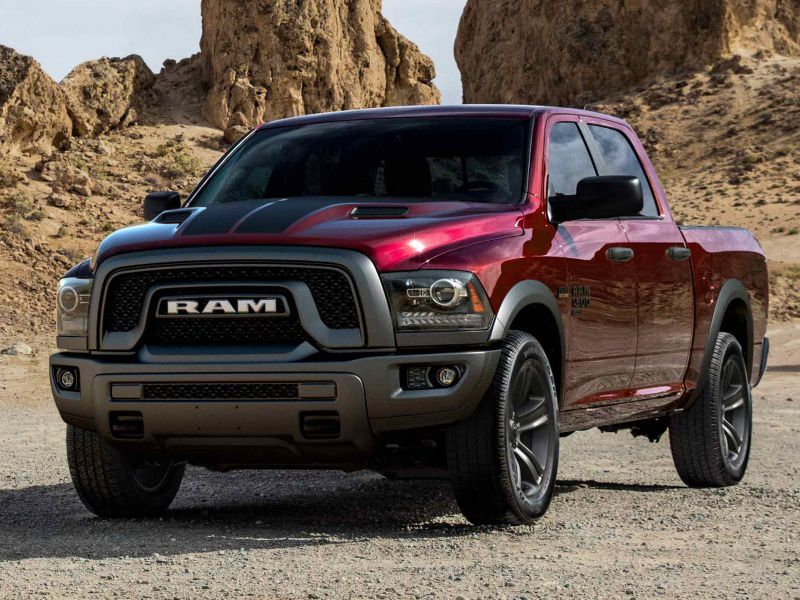
The Classic’s front middle seat lacks the sophistication of the modern Ram’s fold-down design. The console integration is less refined, and the seating surface is less cushioned. It’s a functional seat for emergencies, but not a comfortable one for regular use.
Interior materials in the Classic feel dated. Hard, inexpensive plastics dominate the surfaces around the middle seat occupant. This material quality gap becomes more apparent as the modern Ram has raised the bar for interior refinement.
Legroom in the rear of the Classic is adequate but not impressive. The tunnel hump eats into comfortable foot placement for the middle passenger. Combined with the upright seatback, this creates a seating experience that discourages middle seat use.
The Ram 1500 Classic has its merits, including a lower price point and proven reliability. But in direct comparison to the modern Ram, its middle seat experience is a genuine step backward. Buyers choosing the Classic for budget reasons should be aware of this specific compromise.
6. Ford Maverick
The Ford Maverick is a compact unibody truck that has attracted enormous attention for its fuel efficiency and affordable price point. It represents a new direction for American trucks. Its middle seat, however, represents a very old problem.
The Maverick’s rear seat is simply not designed for three adult passengers. The total rear width is limited by the Maverick’s compact dimensions. A middle rear passenger is immediately aware of how close the outboard occupants are on either side.
The rear floor in the Maverick has a noticeable tunnel intrusion. For a unibody truck, the tunnel is more pronounced than expected. The middle rear passenger’s feet are raised and cramped in a way that becomes uncomfortable quickly.
Rear seat cushioning in the Maverick is thin and designed with cost savings in mind. The cushion depth is minimal, and the foam doesn’t provide meaningful support for longer trips. This is appropriate for a budget-focused truck, but it makes the middle seat essentially unusable for distance travel.
The seatback angle in the Maverick’s rear is extremely upright. There is minimal recline available, which is a consistent problem across compact trucks. A rigid, forward-leaning seatback turns any trip longer than 30 minutes into an endurance test.
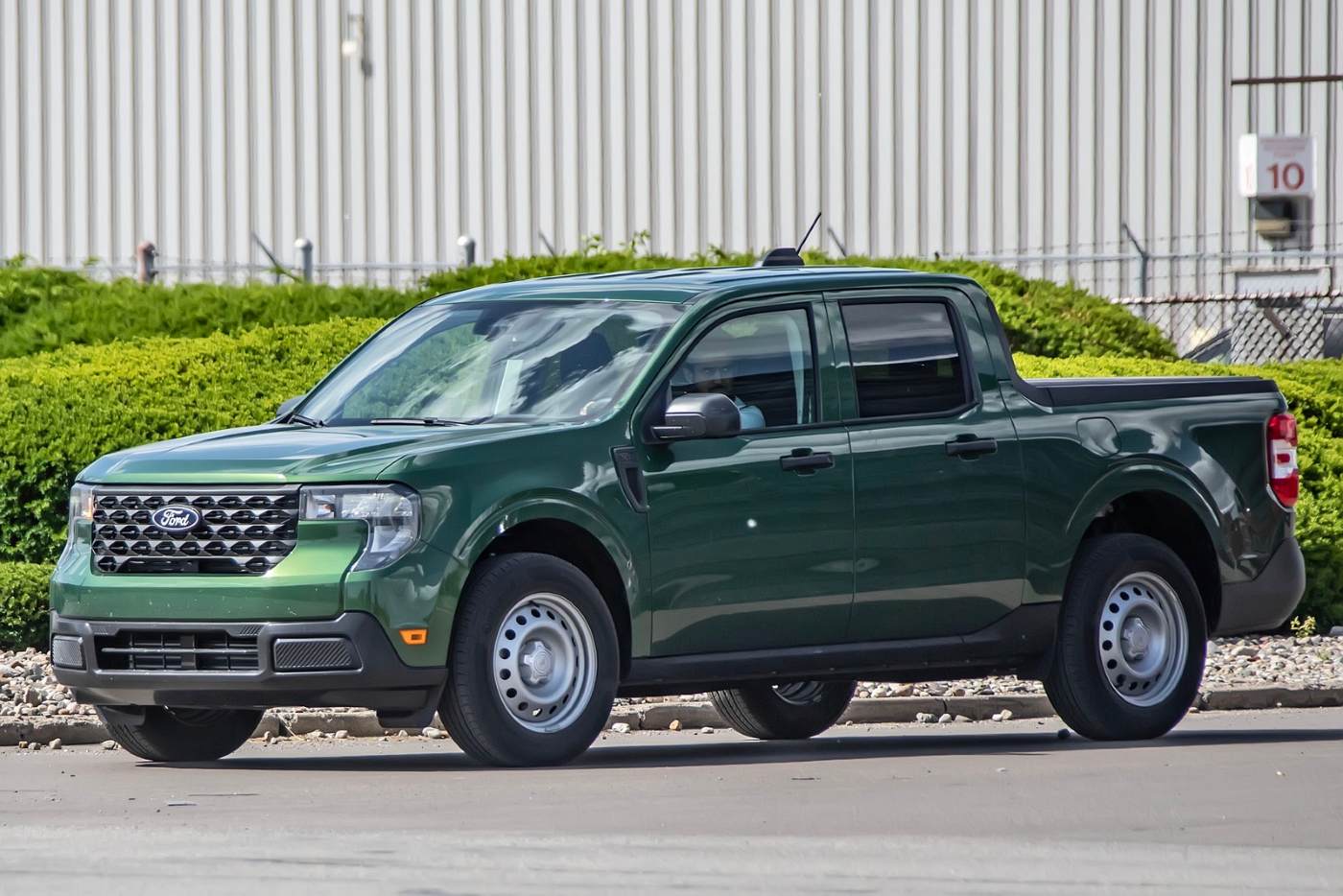
Headroom in the Maverick’s rear is the biggest challenge for middle seat occupants. The sloped roofline of the Maverick reduces clearance in the center rear position specifically. Tall passengers should not plan on sitting in the rear middle seat of a Maverick under any circumstances.
The Maverick’s front seating area eliminates any front middle passenger option. The center console is large and fixed. This was a conscious design decision by Ford, but it limits the Maverick’s versatility for work crews.
The Maverick’s compact size is both its greatest strength and its middle seat’s greatest enemy. There’s simply not enough space to provide comfortable middle seating in such a small vehicle. Ford has made the right call in every other area of the Maverick’s design, but the middle seat is where physics wins.
The Ford Maverick is an excellent truck for solo drivers and couples. For families or work crews needing to regularly seat three passengers, the Maverick’s rear middle seat will quickly become a source of complaints. Know your passenger requirements before you sign the paperwork.
Also Read: 9 Cheaper Trucks That Tow Almost as Much as a Heavy Duty
