
Buying a truck is a major investment. Most buyers focus on price, power, and payload, but long-term reliability often matters more than any of those factors. A truck that costs less upfront but breaks down every few months will drain your wallet faster than you can imagine. The real cost of ownership goes far beyond the sticker price.
Repair bills can quietly kill your budget over time. Across 100,000 miles, some trucks rack up thousands in unexpected repair costs. Others, however, prove to be remarkably tough machines that ask for very little in return. These are the trucks that working professionals, farmers, and everyday drivers swear by for decades.
Data from sources like Consumer Reports, J.D. Power, and RepairPal consistently highlight certain trucks as outliers in terms of dependability. These vehicles combine solid engineering, proven powertrains, and readily available parts. That combination keeps average repair bills surprisingly low, often under $250 per visit across a full 100,000-mile lifespan.
This list celebrates nine such trucks. Each one has earned its reputation through real-world performance and owner loyalty. Whether you haul heavy loads or just need a dependable daily driver, these trucks deliver. They prove that reliability is not luck, it is engineering done right.
1. Toyota Tacoma
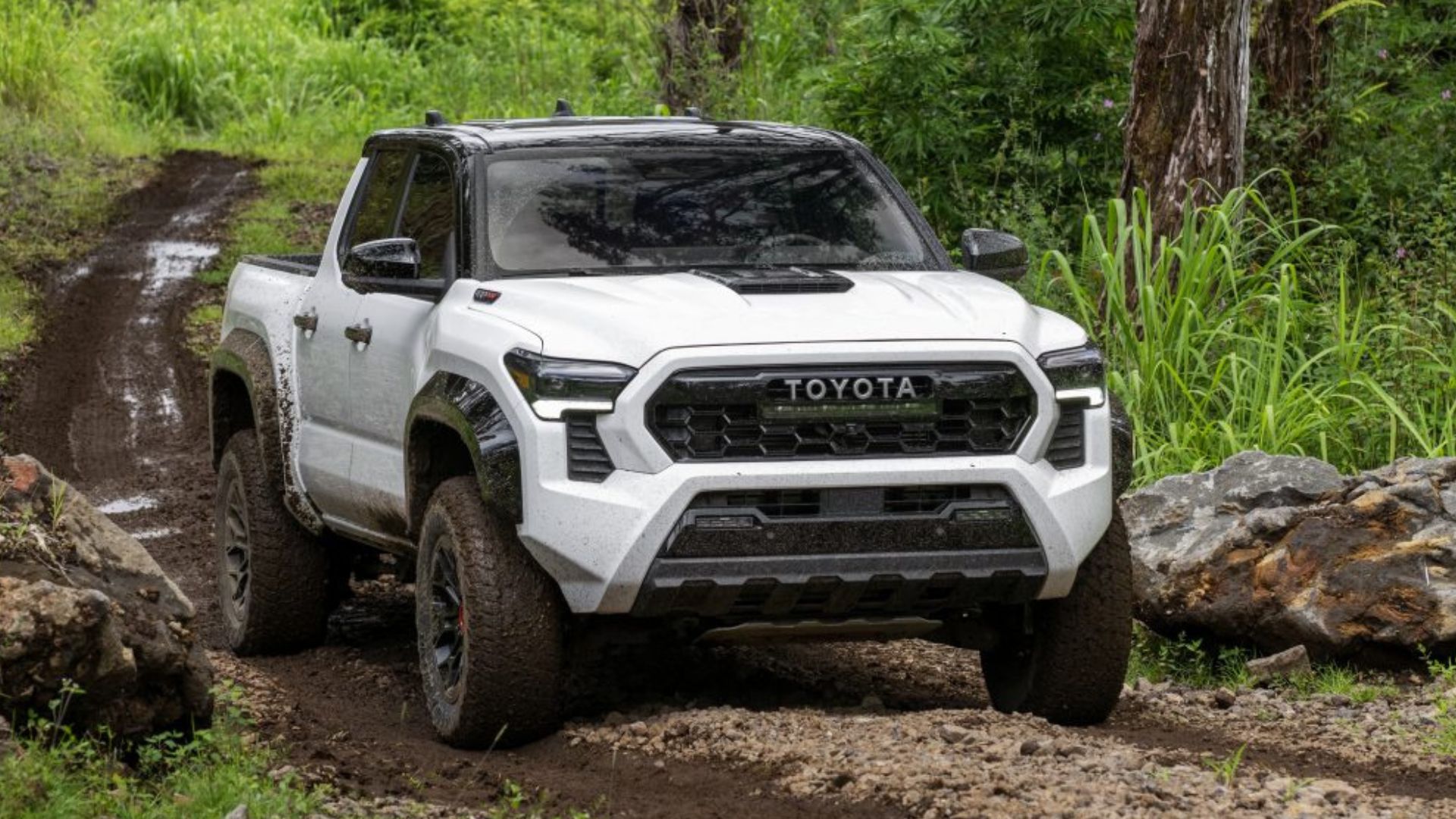
The Toyota Tacoma is one of the most celebrated trucks in American automotive history. It has built a devoted following over decades by doing one thing exceptionally well, refusing to break down. Owners frequently report driving their Tacomas well past 200,000 miles with minimal mechanical drama. That kind of loyalty does not happen by accident.
The Tacoma’s secret starts with its powertrain. Toyota has refined its 2.7-liter four-cylinder and 3.5-liter V6 engines over many generations. These engines are not the most powerful options on the market. But they are extraordinarily well-tested and proven under a wide range of conditions.
The transmission system in the Tacoma is equally dependable. Whether paired with a six-speed manual or automatic, the gearbox shifts smoothly and holds up under serious stress. Transmission failures, which are expensive and common in other trucks, are relatively rare in the Tacoma. That alone saves owners hundreds of dollars over time.
Suspension components on the Tacoma are built with durability as a priority. The front double-wishbone setup handles rough terrain without the constant need for replacement. Rear leaf springs are simple by design and rarely cause problems. Simplicity is one of the most underrated qualities in a reliable vehicle.
Parts availability is another major advantage. Because millions of Tacomas are on the road, replacement parts are everywhere. Competition among suppliers keeps prices low. Even dealership repairs tend to be more affordable than with rarer trucks. Your mechanic has likely worked on a dozen Tacomas this month alone.
The Tacoma’s body and frame also resist corrosion better than many competitors. Frame rust was a known issue in earlier generations, but Toyota addressed it with improved coatings and materials. Newer models from the mid-2010s onward have shown strong resistance to rust-related deterioration. That matters enormously if you live in a northern state with salted roads.
Across 100,000 miles, average Tacoma owners report repair costs well below $250 per incident. Routine maintenance like oil changes, brake pads, and tire rotations makes up the bulk of spending. Major mechanical failures are genuinely uncommon. That is a remarkable achievement for any vehicle in this class.
The Tacoma also holds its resale value better than almost any other truck. High demand keeps used prices strong. If you ever decide to sell, you recover a significant portion of your original investment. It is one of the few trucks where ownership feels like a financial win even after years of hard use.
2. Honda Ridgeline
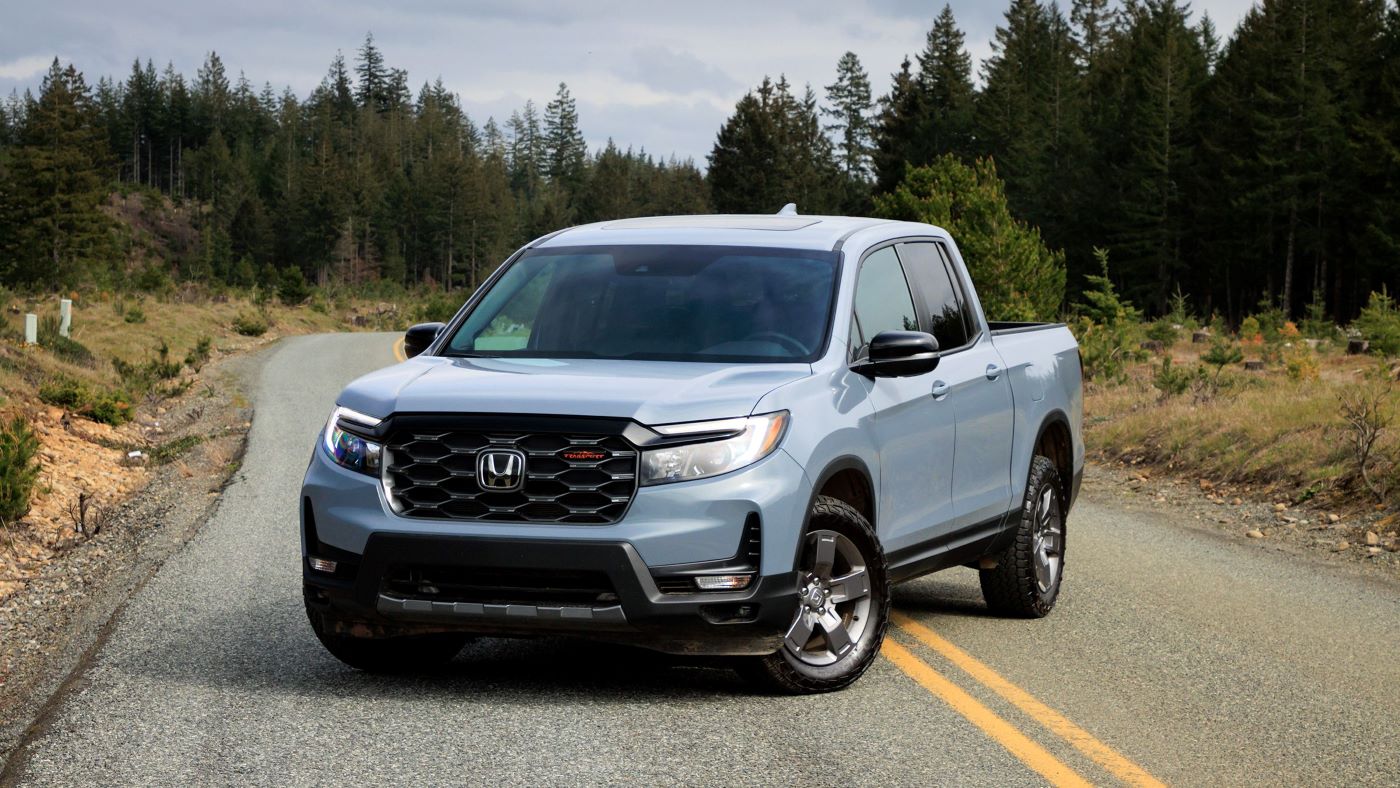
The Honda Ridgeline is a truck that confuses some buyers at first glance. It looks like a traditional pickup but is built on a unibody platform like an SUV. That unconventional construction is actually part of why it is so reliable. Fewer separate components mean fewer potential failure points across the lifetime of the vehicle.
Honda’s 3.5-liter V6 engine powers the Ridgeline with quiet confidence. This engine has been used across multiple Honda and Acura platforms for years. Its long track record means problems are well understood and largely engineered out. Mechanics are deeply familiar with it, which keeps diagnostic and repair times short.
The dual-action tailgate on the Ridgeline is clever engineering at work. It swings open like a traditional tailgate or opens to the side like a door. Despite the added complexity, reliability issues with this feature are rare. Honda’s attention to build quality shows up in small details like this throughout the truck.
The Ridgeline’s all-wheel-drive system is smooth and intelligent without being overly complicated. It manages traction seamlessly in wet and slippery conditions. Because it does not require the same heavy-duty transfer case found in traditional body-on-frame trucks, there is one less expensive system to worry about. The simplicity pays dividends over time.
Interior build quality in the Ridgeline is exceptional by truck standards. Switches, knobs, and infotainment components tend to last without rattling or failing. Electrical gremlins, which plague some competing trucks, are noticeably uncommon in the Ridgeline. A quiet, problem-free cabin makes daily driving genuinely pleasant.
Brake system durability is a quiet strength of the Ridgeline. Pad and rotor wear rates are reasonable. Owners rarely report premature brake failure or unusual wear patterns. That kind of predictable maintenance behavior makes budgeting for ownership straightforward and stress-free.
RepairPal gives the Honda Ridgeline an above-average reliability rating year after year. Average annual repair costs sit comfortably in the affordable range. Serious, unplanned repairs are infrequent enough that many owners go years between anything beyond routine service. That consistency is enormously valuable for budget-conscious drivers.
The Ridgeline also offers impressive fuel economy for a truck. Better fuel efficiency means lower operating costs. When you combine low repair bills with reasonable fuel spending, the total cost of ownership becomes very competitive. It is a smart choice for drivers who want truck utility without truck-sized maintenance headaches.
3. Ford Ranger
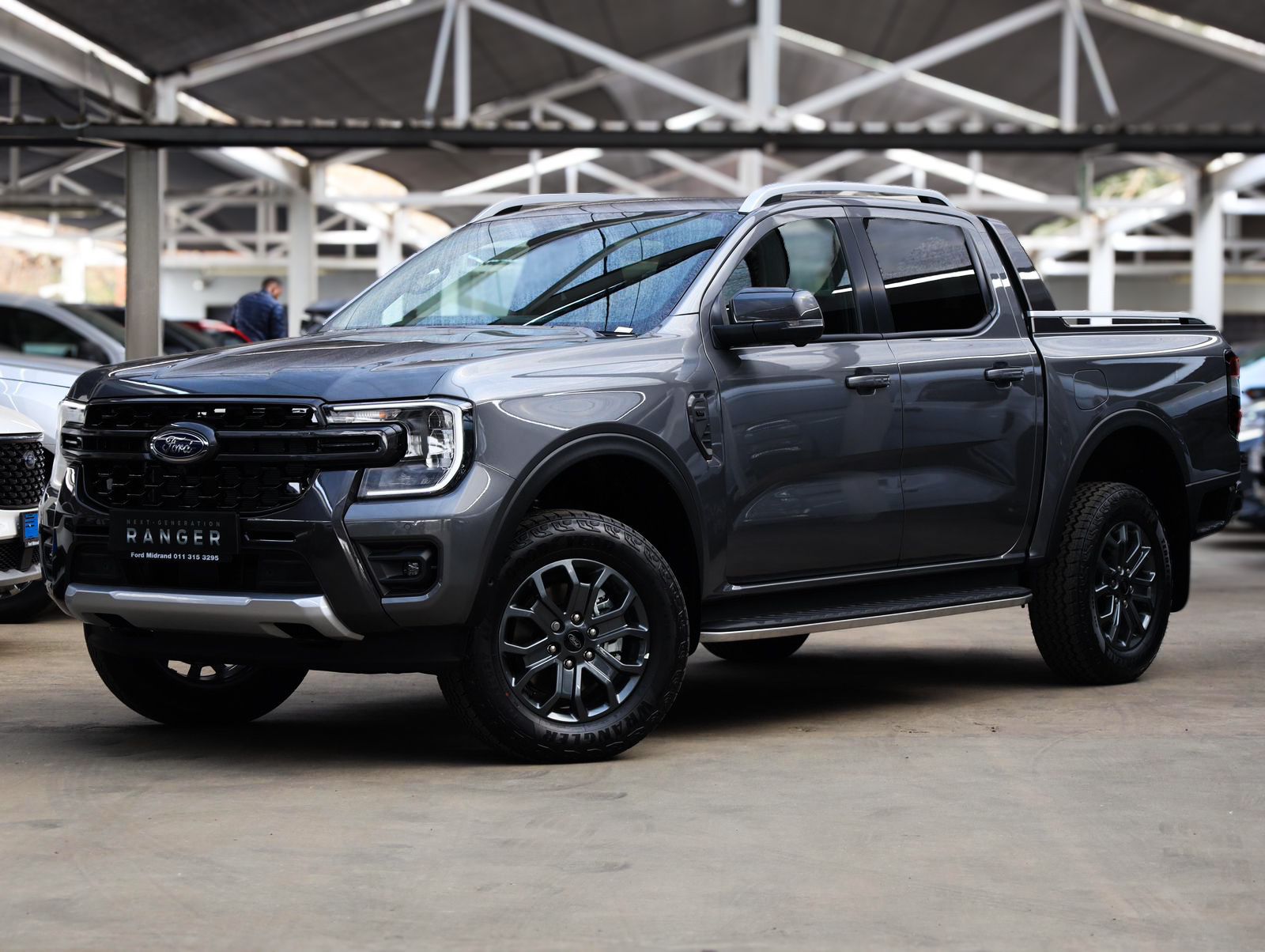
The Ford Ranger has been a staple of the midsize truck market for generations. After a hiatus, Ford brought it back in 2019 with modern engineering and a strong focus on efficiency. The reborn Ranger has quickly earned a reputation for solid dependability. It builds on decades of platform refinement and real-world feedback from loyal owners.
The 2.3-liter EcoBoost four-cylinder engine is the heart of the modern Ranger. It delivers competitive power and torque without excessive complexity. Ford has ironed out the early quirks of this engine through successive model-year improvements. By the time most buyers purchase a Ranger today, they are getting a well-sorted powertrain.
The Ranger’s ten-speed automatic transmission is responsive and well-calibrated. It pairs naturally with the EcoBoost engine to deliver smooth power delivery. Early concerns about this transmission in other Ford vehicles have largely not materialized in the Ranger. Owner feedback across forums and surveys reflects strong satisfaction with drivetrain behavior.
Steering and suspension components on the Ranger are robust and road-tested. The front independent suspension handles daily abuse without excessive wear. Owners in high-mileage situations report that suspension components last well beyond 80,000 miles without replacement. That is a strong benchmark compared to many rivals.
Ford’s parts ecosystem is one of the largest. A Ranger owner is never far from affordable replacement parts. The sheer volume of Ranger vehicles on the road ensures that aftermarket support is excellent. That keeps repair costs low even when something does eventually need attention.
Electrical systems in the Ranger are straightforward by modern truck standards. Ford has kept feature complexity at a manageable level in this model. Fewer advanced electronic systems mean fewer failure opportunities. Owners appreciate that repairs, when needed, are usually straightforward and affordable.
The Ranger performs well in towing and payload scenarios without showing premature fatigue. Many work trucks accumulate damage simply from being pushed hard. The Ranger’s frame and drivetrain are engineered to absorb that stress over time. Real-world feedback consistently shows it holding up well under demanding conditions.
Consumer satisfaction scores for the Ranger have climbed steadily since its relaunch. Reliability ratings from independent organizations place it near the top of the midsize segment. For buyers who want a traditional body-on-frame truck with low long-term costs, the Ranger is a compelling and sensible choice.
4. Toyota Tundra
The Toyota Tundra is a full-size truck that plays by its own rules. It is not the most powerful truck in its class. It does not offer the most towing capacity. But it is arguably the most reliable full-size truck money can buy, and that reputation has been earned over millions of miles in the real world.
The Tundra’s 5.7-liter V8 engine is an engineering masterpiece in terms of long-term durability. It runs smoothly, pulls confidently, and simply does not quit. Owners routinely report 200,000-mile service lives with nothing more than oil changes and basic maintenance. For a full-size V8 engine, that level of longevity is genuinely extraordinary.
Toyota’s six-speed automatic transmission in the Tundra is calibrated for durability rather than maximum performance. It shifts with deliberate smoothness and avoids the high-stress behavior that wears out competing transmissions prematurely. Long-haul drivers and work fleet operators consistently praise this gearbox for its staying power.
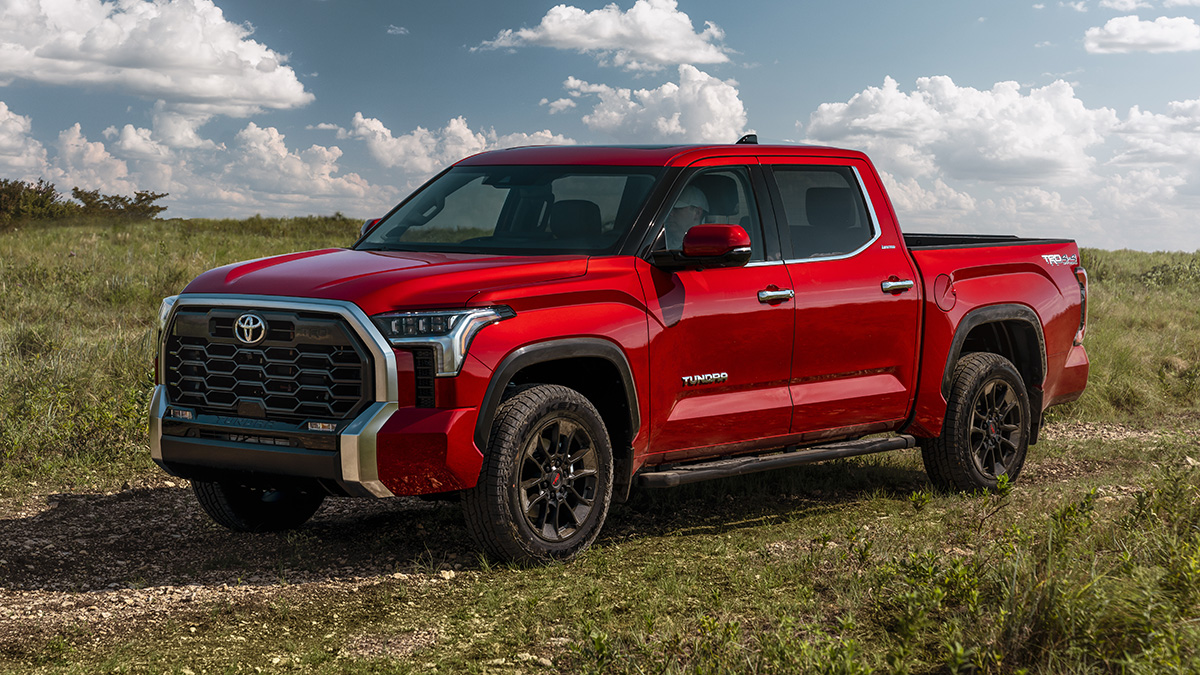
The Tundra’s frame is among the most corrosion-resistant in the full-size segment. Toyota applies multiple layers of protective coating during manufacturing. In regions where road salt accelerates rust, Tundra owners consistently fare better than owners of competing trucks. A healthy frame is the foundation of a long-lasting vehicle.
Braking components on the Tundra are generously sized and durable. The truck’s weight is well-managed through an effective ABS and brake booster setup. Owners do not report unusually rapid pad or rotor wear even under towing conditions. Predictable brake performance over time is a genuine ownership benefit.
Resale values for the Tundra are among the highest in the full-size segment. High demand for used Tundras reflects the market’s recognition of their reliability. A truck that holds value well is a truck that pays you back on your original investment. That financial resilience is part of the ownership calculation.
Maintenance costs for the Tundra are refreshingly predictable. Oil changes, tire rotations, and air filter replacements make up the vast majority of spending. Unexpected mechanical failures are genuinely uncommon across the first 100,000 miles. Toyota’s reputation for building trucks that simply work is well-deserved and backed by consistent data.
The Tundra may not win every spec sheet comparison. But in the metrics that matter most to real-world owners- durability, low repair frequency, and long-term dependability, it stands alone. For buyers who want a full-size truck they can count on unconditionally, the Tundra remains the gold standard.
Also Read: 4 Trucks With Clutches That Last 200,000 Miles vs 4 That Need Replacing at 60,000
5. Chevrolet Colorado
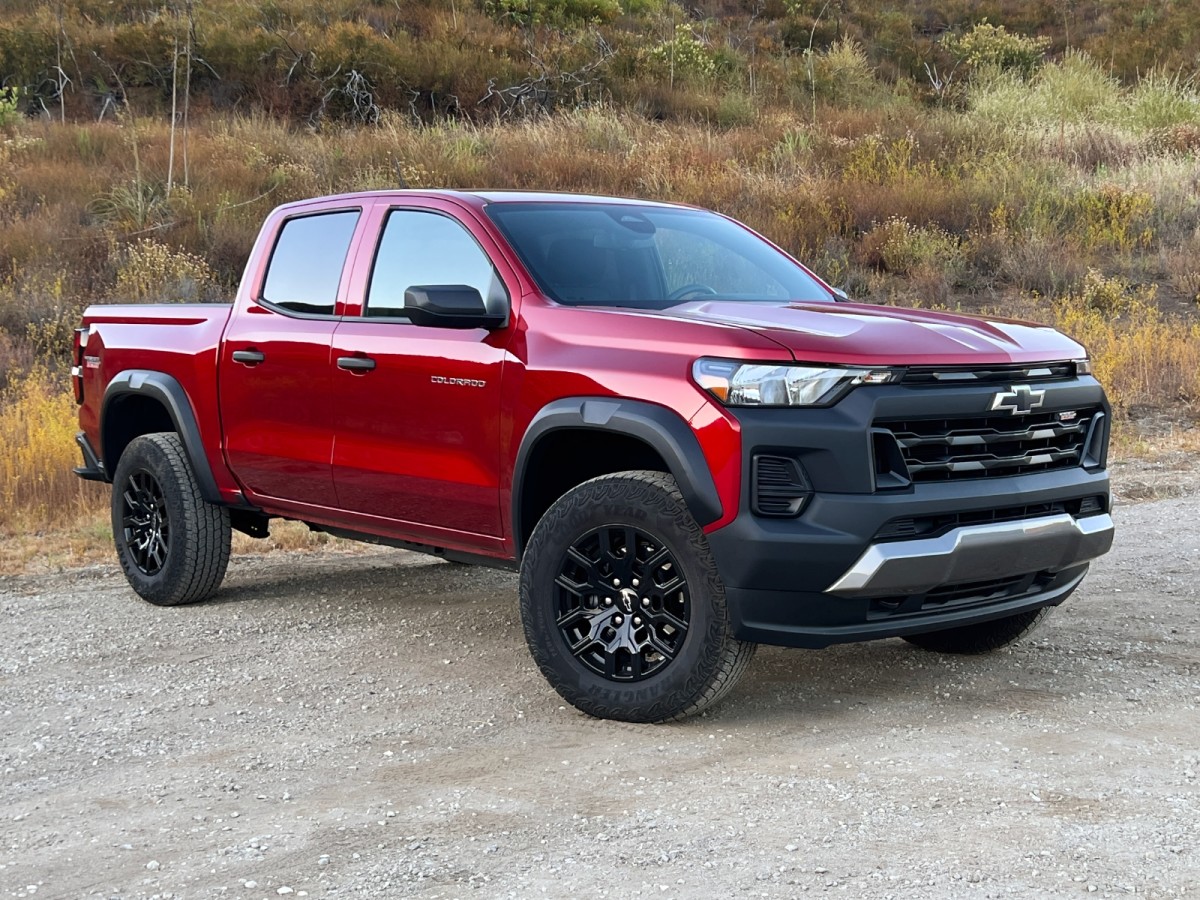
The Chevrolet Colorado occupies a sweet spot in the midsize truck market. It offers genuine truck capability in a more manageable size. Its reliability record has improved dramatically since the current generation launched. Today, it competes comfortably with Japanese rivals in long-term dependability rankings.
The Colorado’s 2.5-liter four-cylinder engine is the entry-level option and a surprisingly solid performer. It handles light-duty tasks efficiently without excessive mechanical strain. Owners who do not need heavy towing capacity find this engine to be an economical and dependable choice. Repair frequency with this powertrain is refreshingly low.
The 3.6-liter V6 option provides more power with a similarly strong reliability profile. It is a well-proven GM engine with a long track record across multiple vehicle lines. Mechanics are intimately familiar with this powerplant, which makes diagnostics faster and less expensive. Familiarity in the repair world directly translates to lower bills.
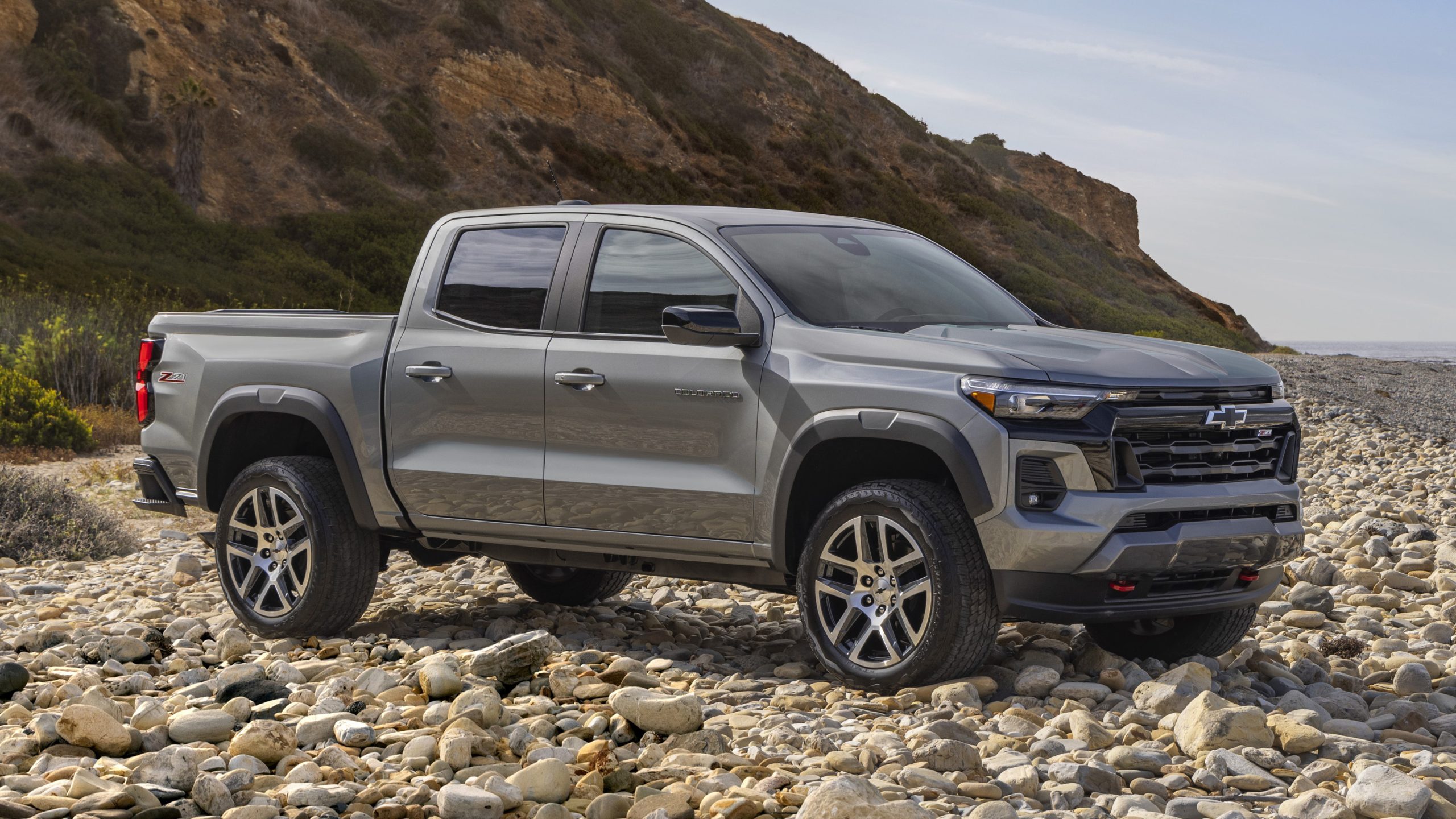
The Colorado’s diesel variant, introduced in 2016, became an unexpected reliability story. The 2.8-liter Duramax diesel delivers outstanding fuel economy and surprising durability. Diesel engines generally require fewer repairs related to ignition and fuel delivery complexity. Colorado diesel owners report high satisfaction with long-term ownership costs.
Suspension geometry on the Colorado is sensibly designed for mixed on and off-road use. Front torsion bars and rear leaf springs are time-tested configurations. Component wear rates are predictable and gradual. Owners are rarely surprised by sudden suspension failures, making maintenance planning straightforward.
Interior and electronic components in the Colorado have improved noticeably over the years. Earlier models had some infotainment quirks. Newer model years addressed most of those concerns through software updates and component revisions. The result is a more polished and reliable ownership experience across all trim levels.
GM’s nationwide dealer and parts network ensures that Colorado repairs are never expensive to source. With facilities in virtually every city and town, owners are never stranded without support. Parts competition is fierce, keeping prices competitive even for dealer-sourced components. That accessibility is a genuine ownership advantage.
J.D. Power consistently scores the Colorado above the segment average for initial quality and long-term dependability. Owners who push their Colorados into high-mileage territory report rewarding experiences. For buyers seeking a practical, affordable, and increasingly dependable midsize truck, the Chevrolet Colorado delivers meaningfully on all fronts.
6. GMC Canyon
The GMC Canyon is the more premium sibling of the Chevrolet Colorado. It shares the same fundamental architecture and powertrains. What it adds is a more refined interior and additional feature content. Crucially, it also shares Colorado’s excellent reliability profile, making it a smart choice for quality-conscious buyers.
The Canyon’s powertrain lineup mirrors the Colorado’s proven engines. The 3.6-liter V6 and the 2.8-liter Duramax diesel are both available and equally dependable here. Owners benefit from the same long track record of reliability that those engines have established elsewhere. There is real peace of mind in choosing a well-proven powertrain.
GMC targets a slightly more upscale buyer with the Canyon. That means more standard features and nicer materials throughout the cabin. Interestingly, the additional features have not translated into additional problems. Build quality in the Canyon is consistently praised by owners across multiple model years.

The Canyon’s towing and payload capabilities are identical to the Colorado’s. It handles work duties with ease and composure. Drivetrain components under load show the same durability patterns as the Colorado in real-world use. For buyers who need a capable work truck with a nicer interior, the Canyon hits the target.
Ride quality in the Canyon is slightly more refined than in the Colorado. Suspension tuning is tailored toward a more comfortable on-road feel. That tuning does not compromise durability. Components still last well beyond typical replacement intervals under normal use conditions.
The Canyon’s infotainment system has been well-reviewed for responsiveness and reliability. Screen failures and electrical gremlins that plague some competitors are uncommon in the Canyon. A stable electronic architecture makes the truck more pleasant to live with daily. Fewer tech problems mean fewer trips to the dealership.
Resale values for the Canyon are solid but slightly lower than the Colorado due to lower demand. However, the gap in repair costs compared to competitors in its class remains meaningfully in the Canyon’s favor. Low ownership costs are not always reflected in sticker price alone. The Canyon proves that value runs deeper than a single number.
For buyers who want the reliability of the Colorado platform with a premium feel, the GMC Canyon is an excellent choice. It delivers everything the Colorado offers in terms of long-term dependability. The refined experience comes at a modest price premium that many buyers gladly pay. Ownership satisfaction scores reflect that decision consistently.
7. Nissan Frontier
The Nissan Frontier is one of the longest-running and most underappreciated trucks in the American market. For years, Nissan barely changed the design, and that actually worked in its favor. The proven engineering had decades to shake out its problems. By the time a new generation arrived in 2022, the mechanical foundation was already deeply battle-tested.
The current Frontier’s 3.8-liter V6 engine is a notable improvement over the outgoing unit. It delivers more power, better fuel economy, and a cleaner emissions profile. But it retains the fundamental simplicity that made previous Frontier engines so durable. That combination of modern refinement and proven engineering philosophy is a powerful reliability formula.
The nine-speed automatic transmission introduced in the new Frontier has received positive owner feedback. It is smooth in normal driving and handles demanding towing situations without strain. Nissan’s experience building durable automatic transmissions across its lineup shows clearly in how this unit performs over time.
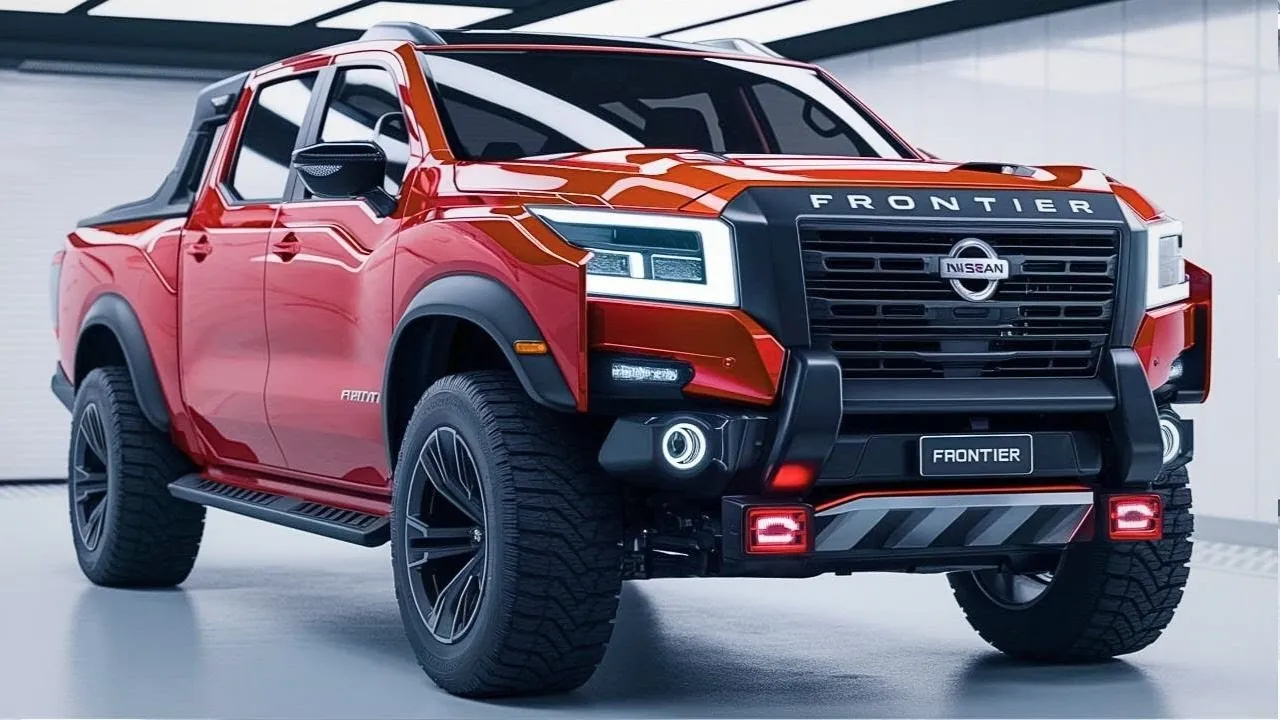
The Frontier’s body-on-frame construction is traditional and proven. It resists the kind of stress fractures that can affect unibody designs under heavy loads. For buyers who use their truck as a genuine work vehicle, that structural integrity matters enormously. Frame durability is foundational to long-term reliability.
Brake system performance in the Frontier is straightforward and predictable. Pads and rotors wear at expected intervals without surprise failures. The ABS system functions reliably without electronic quirks. Consistent brake behavior makes ownership maintenance easy to plan and execute without unexpected costs.
Parts availability for the Frontier is excellent due to its long production run. Aftermarket suppliers have had decades to develop affordable replacement components. Competition keeps prices low even at dealerships. Owners facing repairs are rarely forced to pay premium prices due to parts scarcity.
Frontier owners who log high mileage consistently report positive experiences. Reaching 150,000 miles without major mechanical intervention is not unusual. The truck rewards careful maintenance with extraordinary longevity. That relationship between regular care and long life is exactly what a dependable truck should deliver.
Consumer satisfaction with the Frontier has improved meaningfully with the new generation. Early buyers have logged significant miles with minimal complaints. Reliability scores from independent organizations reflect steady improvement over time. For buyers seeking a no-nonsense, affordable, and dependable midsize truck, the Frontier makes a compelling case.
8. Ford Maverick
The Ford Maverick is the newest truck on this list, and it has already made a remarkable impression. It launched in 2022 as a compact, affordable, unibody pickup with a standard hybrid powertrain.
That hybrid system is the key to its extraordinarily low operating and repair costs. It represents a new direction for dependable, budget-friendly truck ownership.
The standard 2.5-liter hybrid powertrain in the Maverick is a genuine revelation for truck buyers. It achieves up to 42 miles per gallon in city driving, which is extraordinary for any pickup truck.
The hybrid system uses a simple, well-proven architecture borrowed from Ford’s hybrid passenger car lineup. That proven technology means reliability issues are rare and well understood.
The Maverick’s unibody construction is shared with the Ford Bronco Sport and Escape. Engineers designed it with long-term durability in mind. Internal welds and structural reinforcements are positioned to resist fatigue over high mileage. The result is a surprisingly rigid and long-lasting platform for everyday truck use.
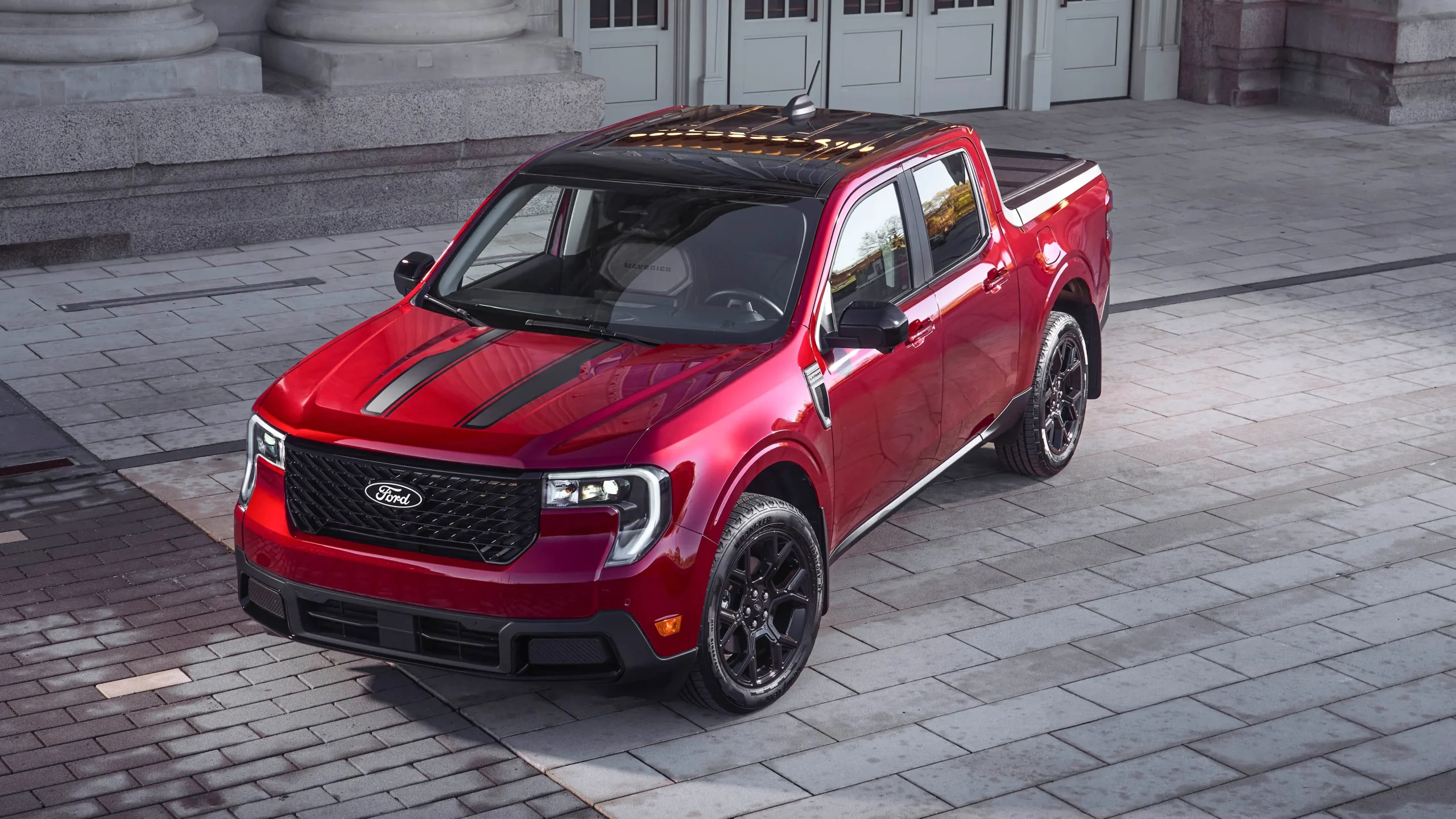
Ford also offers an optional 2.0-liter EcoBoost four-cylinder engine for buyers who need more towing capacity. This engine has been refined across multiple Ford platforms for years. Reliability feedback from EcoBoost Maverick owners has been broadly positive. The engine handles its duties without complaint under normal and demanding conditions.
The Maverick’s interior is deliberately simple. Ford made conscious choices to limit electronic complexity in the base trim levels. Fewer screens, fewer automatic systems, and fewer sensors mean fewer things to break. That restrained approach to technology pays dividends in long-term ownership reliability.
Cargo bed functionality in the Maverick is smarter than the truck’s compact size suggests. Ford engineers designed the FITS system, a series of integrated slots and connectors in the bed. These components are mechanically simple and durable. They add utility without adding fragile moving parts or complex mechanisms.
Early owner reports on the Maverick are overwhelmingly positive across multiple ownership surveys. Major mechanical failures within the first 50,000 miles are essentially unheard of. The hybrid powertrain in particular has shown exceptional durability in both urban and highway conditions. It is a genuinely promising start for a new nameplate.
The Maverick represents the future of affordable, reliable truck ownership. It combines low repair costs with exceptional fuel efficiency and genuine daily usefulness. For buyers who want a compact, modern, and dependable truck without financial risk, the Maverick is a standout choice. It earns its place on this list despite being the youngest truck here.
9. Toyota Hilux (Available in Select Markets)
The Toyota Hilux is perhaps the most famous, reliable truck in the entire world. While it is not sold in the United States, it deserves a place on any global reliability discussion.
It is sold across Asia, Africa, Europe, Australia, and Latin America, where it has built an almost mythological reputation. In many parts of the world, the Hilux is simply the truck against which everything else is measured.
The Hilux’s legendary status stems from its near-indestructible powertrain. The 2.4-liter and 2.8-liter turbodiesel engines are engineering monuments to simplicity and endurance.
These units operate in extreme heat, extreme cold, and everything in between without complaint. Stories of Hilux trucks running past 500,000 kilometers on original engines are not myths; they are common.
BBC’s Top Gear famously attempted to destroy a Hilux through drowning, burning, and rooftop placement on a collapsing building. The truck was revived each time with minimal intervention.
While that test was theatrical, it captured something genuine about the Hilux’s extraordinary structural toughness. Real-world owners report similar experiences of the truck simply not giving up.
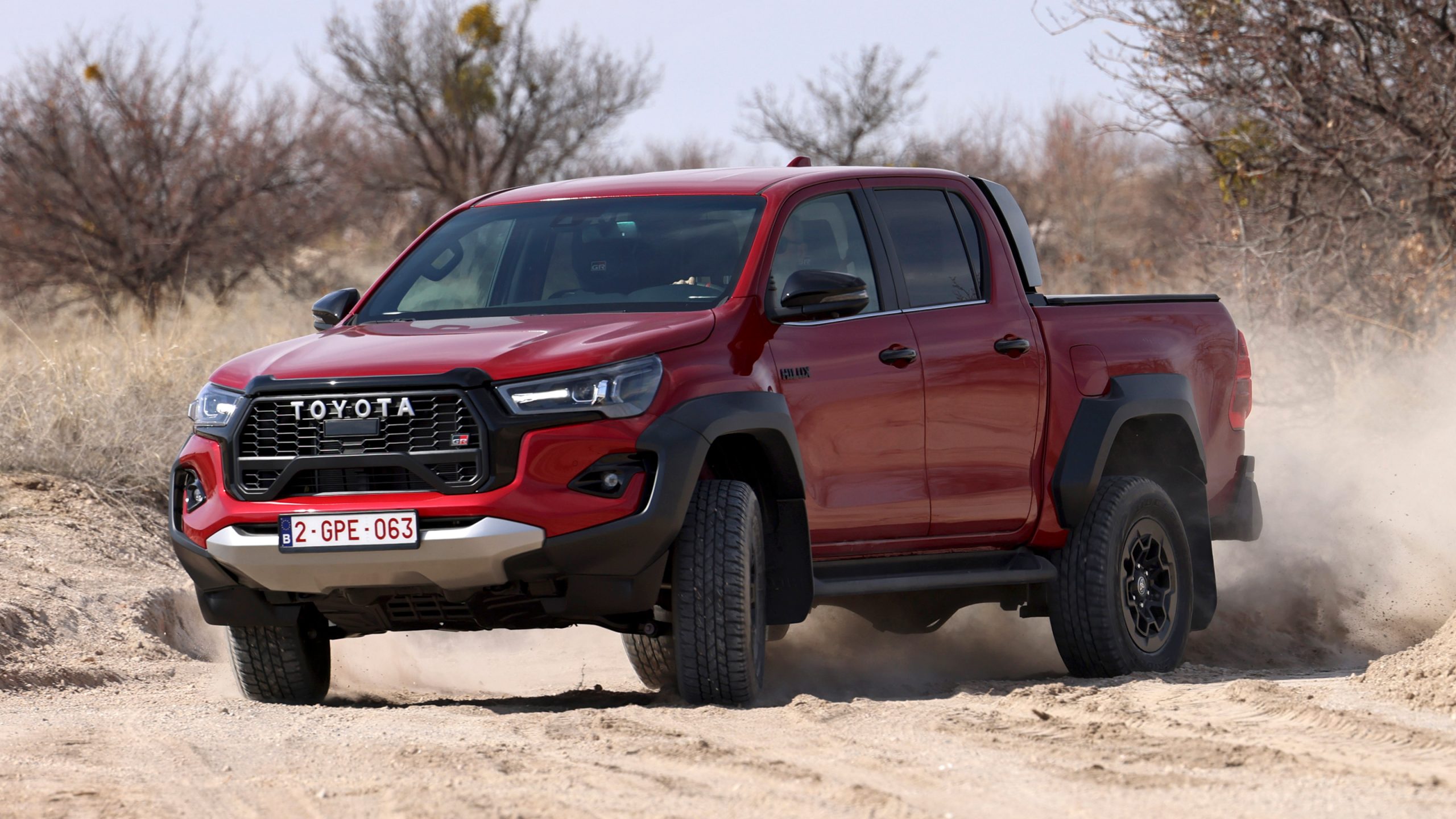
The Hilux’s ladder-frame chassis is reinforced to handle serious punishment. Mining operators, military fleets, and aid organizations all rely on the Hilux in the most demanding environments imaginable. The frame holds its integrity under loads that would deform lesser vehicles. That structural confidence is foundational to the truck’s long service life.
Suspension components on the Hilux are oversized relative to the truck’s weight class. Toyota engineers designed the suspension for longevity under sustained abuse. Shock absorbers and leaf spring components last far longer than competitors under equivalent conditions. Replacement intervals are long, and parts are inexpensive when the time comes.
Parts availability for the Hilux is arguably the best of any truck globally. In remote regions of Africa and the Middle East, Hilux parts are available where almost nothing else is. That universal accessibility dramatically reduces the cost and downtime of any repair. A truck that can be fixed anywhere, a truck that truly earns its reputation for reliability.
The Hilux’s braking and electrical systems are intentionally kept as uncomplicated as possible. Toyota resists the temptation to overload the Hilux with electronic complexity. That design philosophy means breakdowns due to sensor failures or computer issues are extremely rare. Simplicity is the most reliable technology available.
Across 100,000 miles or the equivalent in kilometers, Hilux owners globally report repair costs that are remarkably low. Major mechanical work is infrequent, and when needed, parts and labor are affordable. For the millions of people around the world who depend on their truck for their livelihood, the Hilux has never let them down. It is the definitive example of what a truly reliable truck should be.
Also Read: 4 SUVs That Tow a Camper With Ease vs 4 That Struggle With a Jet Ski
