
Buying a new vehicle feels exciting. The smell of fresh upholstery and the shine of untouched paint make it tempting. But that excitement comes at a steep financial price. Most people never fully calculate the true total cost of ownership when they drive off the lot.
A new vehicle loses value the moment it leaves the dealership. In fact, most cars depreciate by 15 to 25 percent in the very first year alone. That loss is immediate and brutal. You are essentially paying a premium just for the privilege of being the first owner.
Used vehicles, on the other hand, have already absorbed that initial depreciation hit. Someone else has paid the steep early-ownership penalty. You step in at the point where the value curve begins to flatten and stabilize.
Insurance costs are lower on used vehicles. Registration fees are cheaper in most states and countries. Financing amounts are smaller, which means less interest paid over the life of a loan.
Certain vehicle categories make the used-versus-new argument even stronger. These are vehicles that depreciate fast, cost a fortune new, yet remain extremely reliable when bought used. Knowing which ones they are can save you tens of thousands of dollars. Here are nine vehicles where buying used always wins on total cost.
1. Luxury Sedans (BMW 5 Series / Mercedes E-Class)
Luxury sedans are one of the smartest used-vehicle purchases you can make. They depreciate faster than almost any other category on the market. A brand-new BMW 5 Series or Mercedes-Benz E-Class can cost between $60,000 and $80,000 when fully loaded. Just three years later, that same vehicle can be found on the used market for $30,000 to $38,000.
That depreciation gap is staggering. The original buyer absorbs a loss of nearly half the vehicle’s value in just 36 months. You, as the used buyer, get a near-luxury experience at a fraction of the entry cost.
These vehicles are engineered to last. German automakers build their flagship sedans with long-term durability in mind. A well-maintained E-Class or 5 Series with 50,000 miles still has well over 100,000 miles of reliable life ahead of it.
The technology inside these cars remains impressive even after three or four years. Features like adaptive cruise control, lane-keep assist, and premium audio systems do not become outdated overnight. You enjoy cutting-edge features without cutting-edge prices.
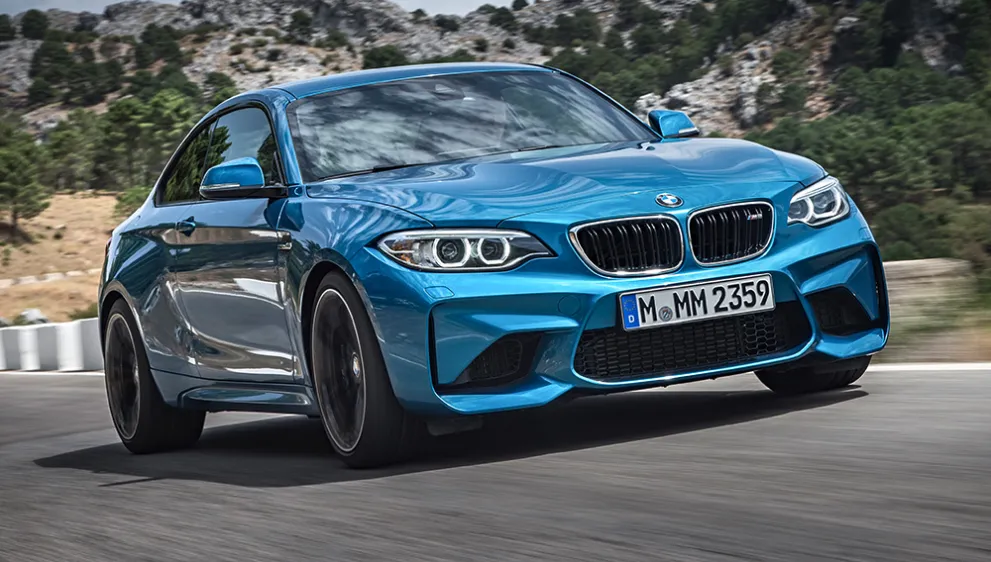
Certified Pre-Owned programs from BMW and Mercedes are particularly strong. These programs inspect the vehicle thoroughly and extend the factory warranty coverage. You get peace of mind that is rarely associated with used-car purchases.
Insurance on a three-year-old E-Class is notably lower than on a brand-new one. The replacement value is lower, which directly reduces your comprehensive and collision premiums. Over five years of ownership, insurance savings alone can reach several thousand dollars.
Maintenance costs on these vehicles are higher than those of economy cars. That is an honest reality buyers must accept. However, when you purchase at a $25,000 to $35,000 discount versus new, even raised service costs are easily absorbed within the savings margin.
Many luxury sedan buyers lease their vehicles and return them in excellent condition. This creates a reliable stream of low-mileage, well-cared-for used units entering the market every two to three years. You benefit directly from the leasing culture of luxury car buyers.
The total cost calculation strongly favors the use in this category. Lower purchase price, lower insurance, lower registration, and already-absorbed depreciation all stack in your favor. A used BMW 5 Series or Mercedes E-Class delivers more financial value per dollar spent than almost any new vehicle you could buy.
2. Full-Size Pickup Trucks (Ford F-150 / Chevrolet Silverado)
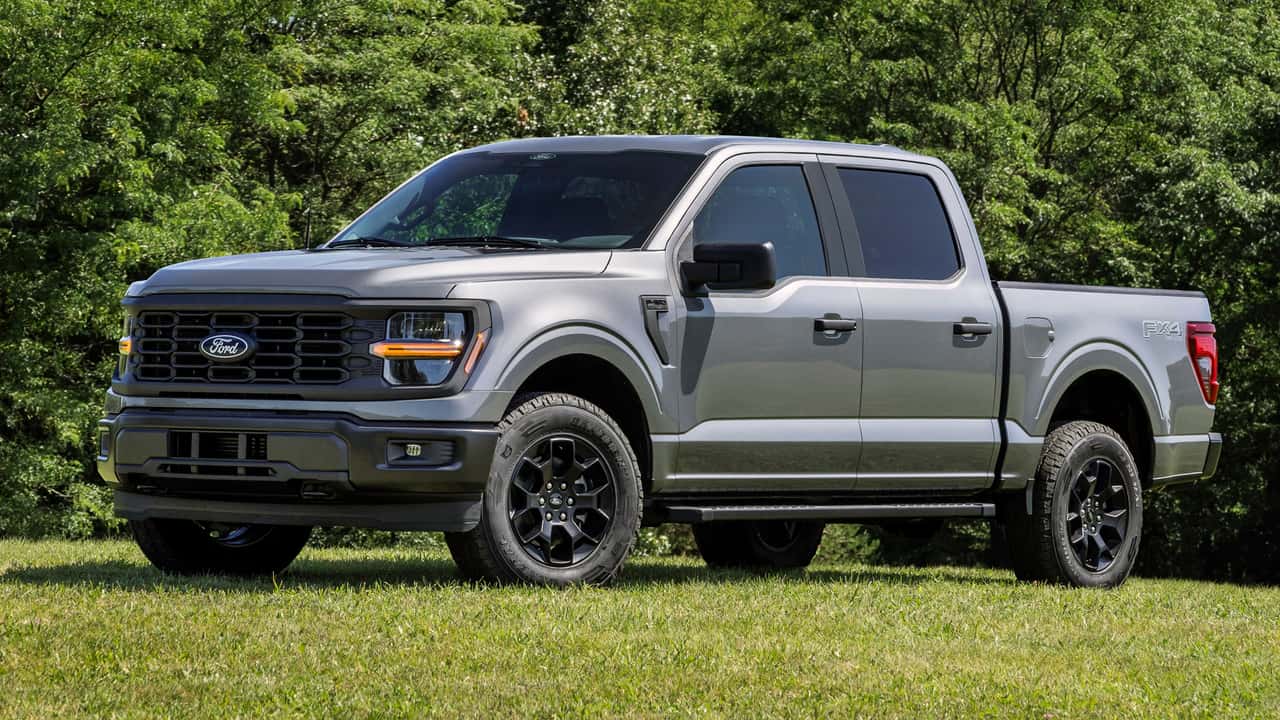
Full-size pickup trucks are the best-selling vehicles in America. They are also among the most expensive to buy new. A fully optioned Ford F-150 or Chevrolet Silverado 1500 can easily cross $65,000 to $75,000 in today’s market. That price point is genuinely shocking for what is essentially a work vehicle.
New trucks carry massive markups at dealerships. Demand remains consistently high, which gives dealers little reason to negotiate. Buyers who insist on purchasing new often pay sticker price or above it in competitive markets.
Used trucks, however, offer a completely different value equation. A two-to-three-year-old F-150 with 25,000 to 35,000 miles can be purchased for $38,000 to $48,000. You save $20,000 to $30,000 immediately just by letting someone else take the depreciation blow.
The F-150 and Silverado are legendarily durable platforms. These trucks are routinely driven past 200,000 miles with basic maintenance. Buying a used example at 30,000 miles means you are still getting the vast majority of its usable life.
Work capability does not diminish with age on these trucks. Towing capacity, payload ratings, and off-road ability remain fully intact. A three-year-old Silverado pulls a trailer just as effectively as a brand-new one.
Fuel economy has not changed dramatically between model years on traditional gasoline engines. A 2021 F-150 EcoBoost delivers nearly identical real-world fuel economy to a 2024 model. You are not sacrificing meaningful efficiency by buying a few years back.
Used truck buyers also avoid the painful first-year depreciation spike. Trucks lose roughly 20 percent of their value in year one. By buying at the two-to-three-year mark, you completely sidestep that financial crater.
Fleet sales and work-related purchases generate a large volume of used trucks entering the market. Many of these fleet trucks are serviced on strict schedules and maintained carefully. They represent excellent value for used buyers who do their homework.
The financing picture also improves significantly with a used truck. Borrowing $42,000 instead of $68,000 means thousands less in interest charges over a five-year loan. Lower loan amounts also mean smaller monthly payments and less financial stress.
Registration fees in most states are tied to vehicle value and model year. A three-year-old truck will cost significantly less to register annually than a brand-new one. These recurring savings add up to real money over a typical five-to-seven-year ownership period.
3. Electric Vehicles (Tesla Model 3 / Chevrolet Bolt)
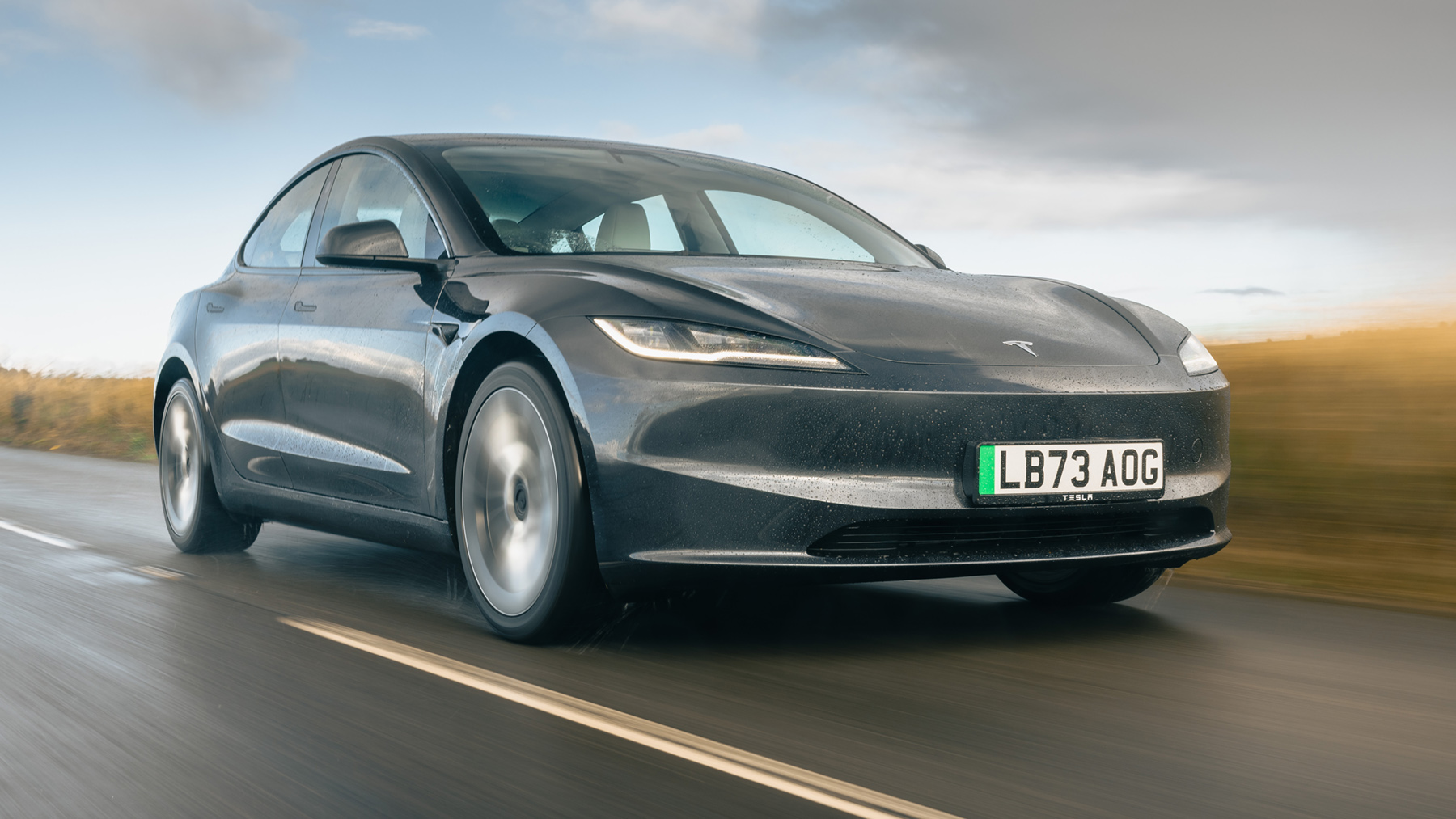
Electric vehicles present one of the most dramatic depreciation stories in the modern automotive market. New EVs lose value at an extraordinary rate compared to traditional gasoline vehicles. A brand-new Tesla Model 3 Long Range can cost $48,000 to $55,000 today. A two-to-three-year-old example with a similar range can often be found for $28,000 to $35,000.
That gap represents some of the fastest depreciation in automotive history. Multiple factors drive this steep drop. Frequent software updates, new model refreshes, and intense competition from newer EV entrants all accelerate the loss in residual value.
The used EV buyer captures enormous savings without sacrificing the core EV experience. Charging costs remain just as low. The instant torque and smooth acceleration are fully intact. You still avoid gas stations and enjoy the convenience of home charging.
Battery health on well-maintained Tesla Model 3s and Chevrolet Bolts remains strong past 100,000 miles. Studies have shown Tesla batteries retain over 90 percent of their capacity even at high mileage. This makes a used EV a genuinely reliable long-term purchase.
The Chevrolet Bolt, in particular, offers spectacular used value. GM addressed its early battery recall issues comprehensively. Post-recall Bolts with replaced battery packs are among the safest and most affordable used EVs available today.
Insurance costs on a used EV are lower than on a new one. Comprehensive and collision premiums drop alongside the vehicle’s actual cash value. This creates ongoing monthly savings that improve the used EV’s financial case even further.
Federal tax credits on used EVs now make the math even more compelling. Qualifying buyers can receive up to $4,000 in federal tax credits on used electric vehicles purchased through a dealer. This incentive did not exist for most of the EV era and dramatically improves affordability.
New EV technology evolves quickly, but practical driving range has plateaued at levels sufficient for the vast majority of drivers. A three-year-old Model 3 with 250 miles of range meets the needs of 95 percent of daily drivers comfortably. You are not giving up meaningful real-world utility.
The home charging infrastructure you install works equally well with a used EV. The Level 2 charger in your garage charges a 2021 Model 3 the same as a 2024 one. Your infrastructure investment pays the same dividend regardless of the car’s age.
The total cost of ownership on a used EV can undercut even new economy gasoline cars in many scenarios. Lower purchase price, lower fuel cost, lower maintenance cost, and available tax credits combine into a genuinely unbeatable financial package. The used EV market is one of the best-kept bargains in personal transportation today.
4. Midsize SUVs (Jeep Grand Cherokee / Ford Explorer)
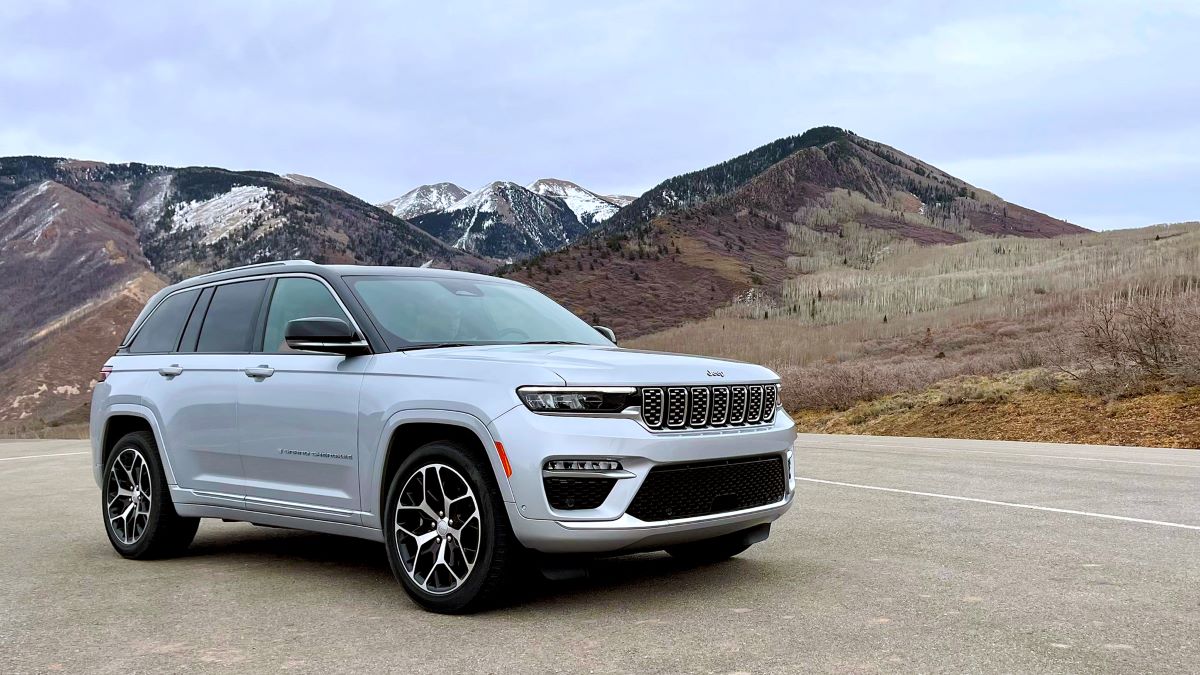
Midsize SUVs are the most popular vehicle segment in the United States. They are also consistently overpriced when purchased new. A new Jeep Grand Cherokee Limited or Ford Explorer XLT easily commands $48,000 to $58,000 at the dealership. That is a significant sum for a family hauler that spends most of its life in suburban traffic.
Depreciation in this segment is predictable and substantial. Most midsize SUVs lose 35 to 45 percent of their value within the first three years. A $52,000 Grand Cherokee becomes a $30,000 to $33,000 vehicle on the used market in that window. The original owner absorbs a $20,000 loss, so you do not have to.
Three-row family SUVs are particularly strong used purchases. The Ford Explorer with its third row seats works just as effectively at 40,000 miles as it does at delivery. Families get full utility without the full-price premium attached to a new vehicle.
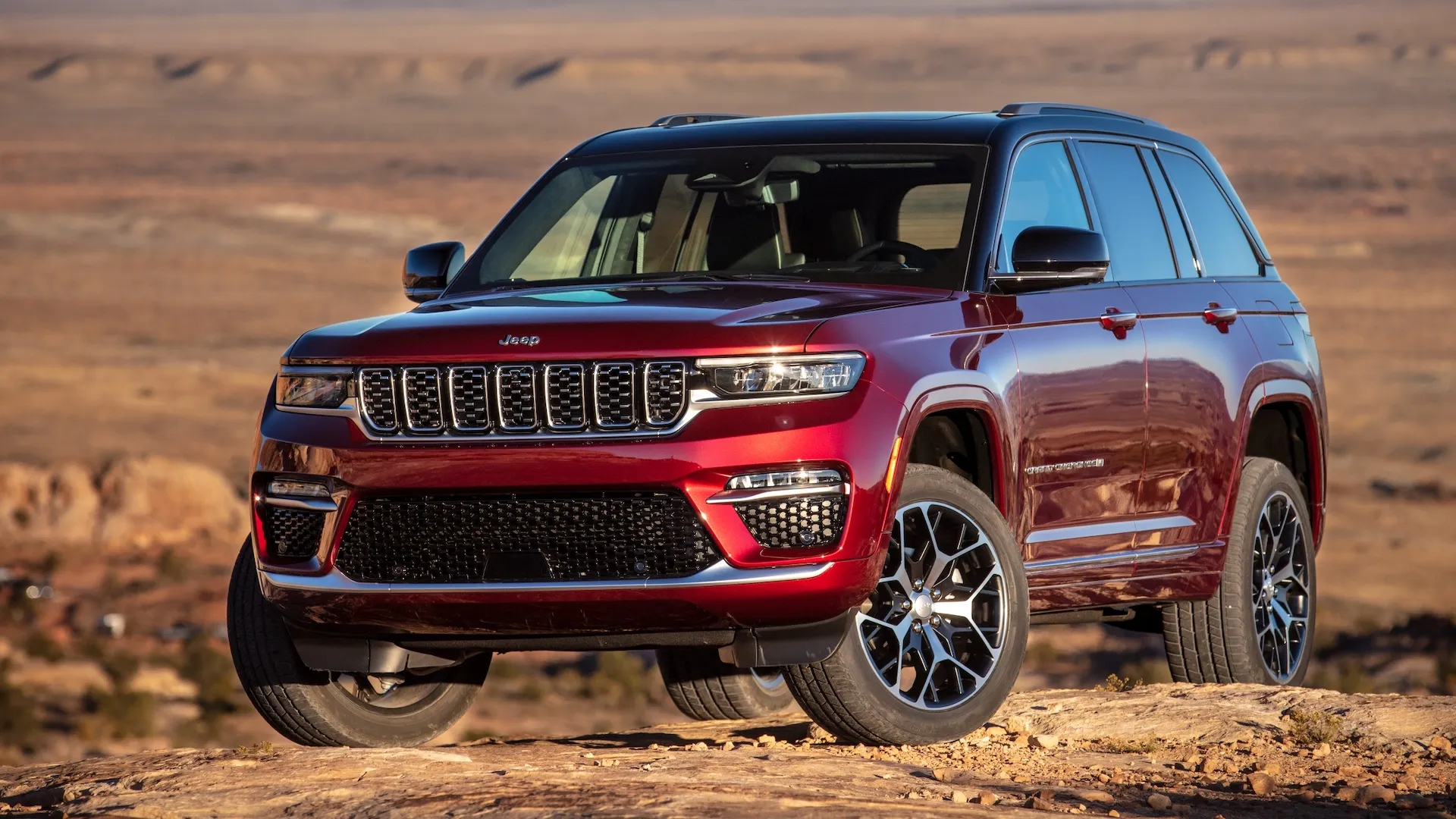
Reliability on both the Grand Cherokee and Explorer has improved significantly over the past decade. Consumer satisfaction scores and long-term reliability ratings have trended upward. Buying a 2021 or 2022 example benefits from years of engineering refinement without paying 2024 prices.
Safety technology in these vehicles remains highly competitive even three to four years after production. Features like automatic emergency braking, blind-spot monitoring, and rear cross-traffic alert were standard on mid-trim models from 2020 onward. You get a genuinely safe vehicle without paying for the latest model year.
Off-road capability on the Grand Cherokee holds up exceptionally well over time. The Quadra-Drive four-wheel-drive system is robust and proven. Buying a used Grand Cherokee for light off-road use or winter driving delivers the same capability as new at a far lower price point.
Family buyers particularly benefit from used SUV purchases. Children are notoriously hard on vehicle interiors. Spending $30,000 instead of $52,000 on a vehicle that will inevitably collect crumbs, scuffs, and spills makes obvious financial sense. The anxiety of keeping a new car pristine disappears entirely.
Dealer-certified pre-owned programs for both Jeep and Ford are widely available. These programs cover vehicles up to five years old with extended powertrain warranties. You gain significant protection against unexpected repair costs in the early years of used ownership.
The combination of lower purchase price, lower annual registration, and lower insurance premiums creates a powerful cumulative saving. Over a typical seven-year ownership period, a used midsize SUV can save $18,000 to $25,000 compared to its new equivalent. That money can fund a college savings account, pay down debt, or simply stay in your pocket.
Also Read: 6 Cars Where the Brake Lines Don’t Rust Through vs 6 That Need Replacement at 100K
5. Sports Cars (Porsche 911 / Chevrolet Corvette)
Sports cars are aspirational purchases for most buyers. Their prices are genuinely eye-watering. A base new Porsche 911 Carrera starts at over $115,000. A new Chevrolet Corvette Stingray begins around $67,000 but quickly climbs toward $90,000 with popular options.
These vehicles depreciate in fascinating and buyer-favorable ways. While Porsches hold value better than most sports cars, they still drop substantially when purchased with high option lists. Fully loaded 911s bought new for $140,000 to $160,000 can be found used for $80,000 to $95,000 within three to four years.
The Corvette depreciates even more aggressively. A three-year-old C8 Corvette that was purchased at dealer markup can frequently be found $15,000 to $20,000 below the original transaction price. The early-adopter premium evaporates quickly on the used market.
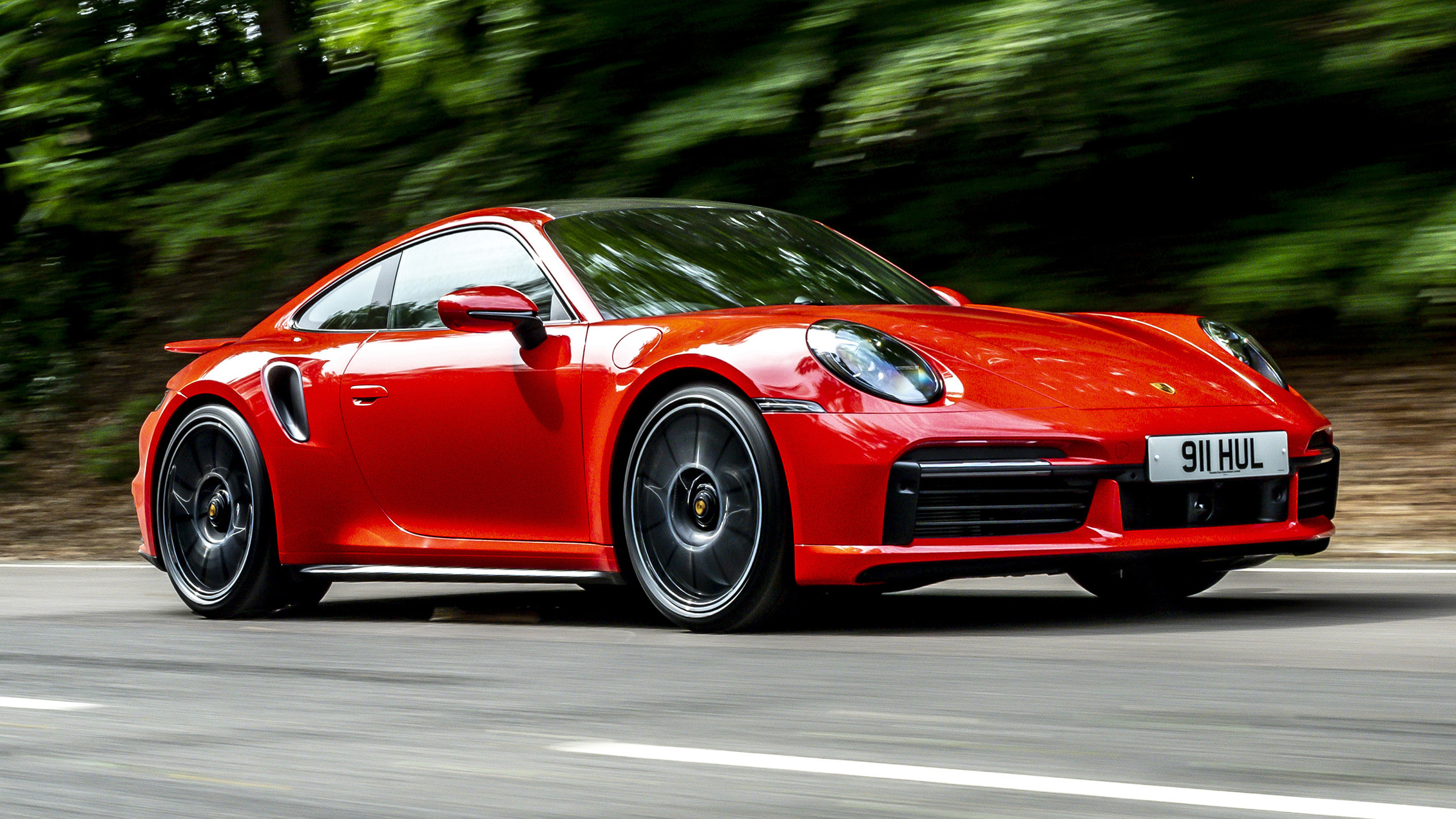
Performance does not diminish with moderate mileage on either of these vehicles. A Porsche 911 with 20,000 miles is mechanically identical to one with zero miles. The flat-six engine, precision steering, and world-class braking system work exactly as intended.
Porsche engines in particular are known for extraordinary longevity. Well-maintained 911s routinely surpass 200,000 miles. Buying a used 911 at 15,000 to 25,000 miles means you are purchasing a vehicle at the very beginning of its reliable life at a fraction of the new price.
Track-day and enthusiast buyers often sell their sports cars after just one to two years of ownership. They trade up to newer models or different configurations. This creates a steady supply of lightly used, well-loved sports cars entering the pre-owned market.
Insurance on sports cars is significant regardless of age, but lower on used examples. Comprehensive and collision premiums reflect the vehicle’s actual cash value. A $85,000 used 911 costs meaningfully less to insure annually than a $130,000 new one.
Maintenance costs on Porsches are a legitimate concern and must be budgeted honestly. However, when you save $40,000 to $50,000 on the purchase price, scheduled service costs become much easier to justify financially. The savings margin absorbs even expensive service intervals comfortably.
The Corvette offers perhaps the best performance-per-dollar ratio in the entire automotive world when purchased used. Mid-engine supercar performance at $50,000 to $55,000 for a used C8 is genuinely remarkable. No new vehicle in that price range comes remotely close to matching it dynamically.
Sports car ownership is deeply emotional and experiential. The joy of driving a 911 or Corvette does not require the car to be new. The sensory experience is identical whether the odometer reads 500 miles or 22,000 miles. Buying used gives you the full experience at a fraction of the emotional and financial cost of buying new.
6. Large SUVs (Cadillac Escalade / Lincoln Navigator)
Large luxury SUVs are status symbols that come with stratospheric price tags when purchased new. A fully loaded new Cadillac Escalade ESV can exceed $110,000. A new Lincoln Navigator Black Label pushes past $105,000. These are genuinely extraordinary sums for a family vehicle, regardless of how impressive they are.
Depreciation on large luxury SUVs is dramatic and rapid. These vehicles typically shed 40 to 50 percent of their value within the first three years. A $100,000 Escalade becomes a $55,000 to $62,000 vehicle on the used market. The original buyer essentially donates $40,000 to $45,000 in depreciation so the next owner does not have to.
The used Escalade market is particularly well-stocked. Corporate executives, entertainment industry professionals, and wealthy buyers trade these vehicles frequently. The result is a strong supply of clean, low-mileage used Escalades entering the market every two to three years.
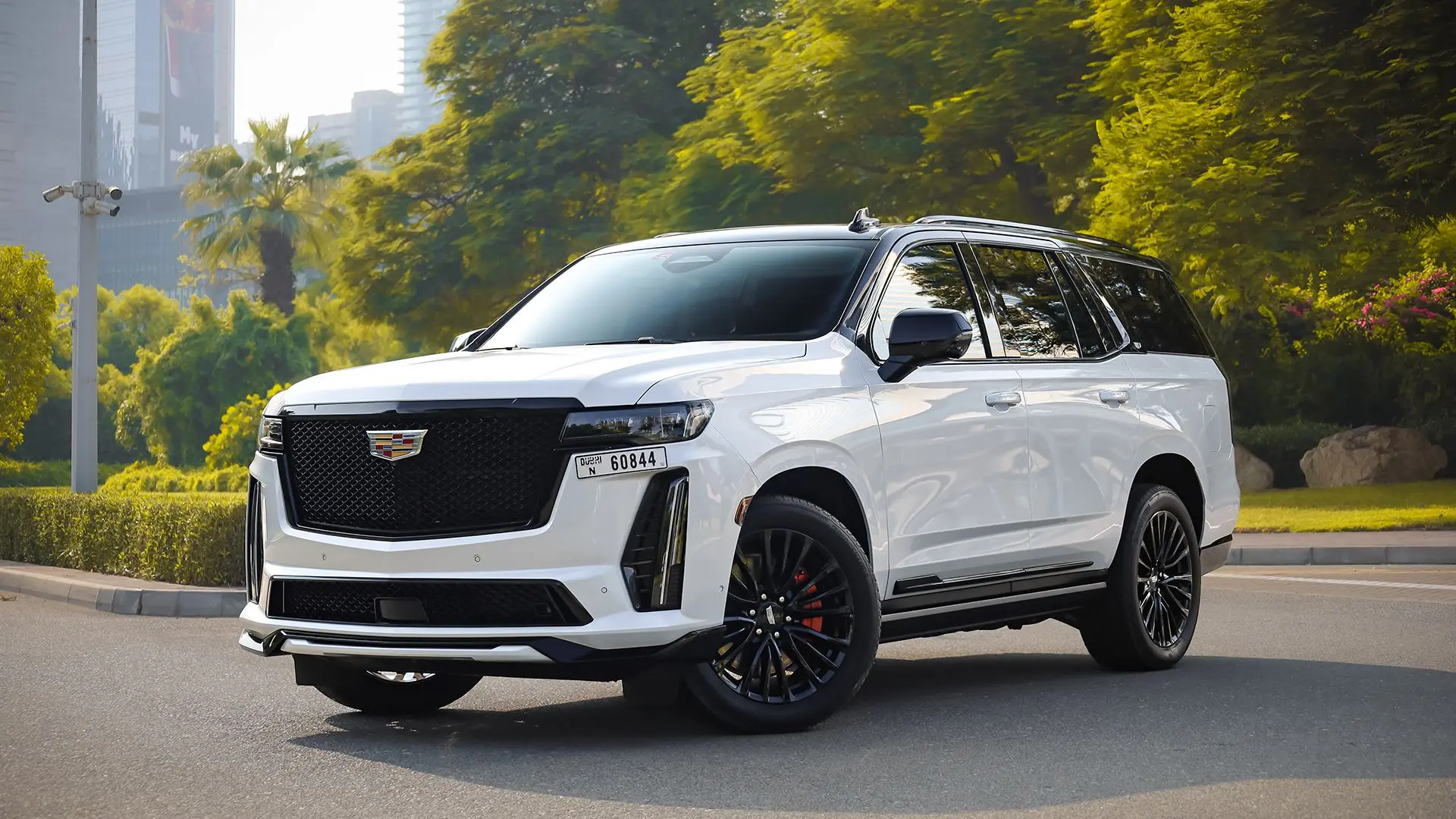
The Escalade’s body-on-frame construction is among the most durable architectures in the automotive world. The underlying platform is shared with the Chevrolet Tahoe and Suburban, which are known for extreme longevity. High-mileage Escalades are common and entirely manageable with proper maintenance.
Interior quality in an Escalade remains impressive even after several years of ownership. Leather surfaces, wood trim, and advanced infotainment systems age gracefully. A three-year-old Escalade still commands a room when you arrive at a destination.
Towing capacity on the Escalade and Navigator remains unchanged across model years in the same generation. A used example tows trailers, boats, and horse trailers with full factory-rated capability. Buyers who need genuine towing ability get full performance at used prices.
Fuel economy is the honest weak point of these vehicles, regardless of whether you buy new or used. That calculation does not change with purchase price. However, when you save $40,000 to $50,000 upfront, even raised fuel costs are manageable within the ownership budget.
Business buyers can often deduct large SUV purchases under Section 179 of the tax code. A used Escalade purchased for a legitimate business purpose carries the same deduction eligibility as a new one. The tax advantage amplifies the already-significant financial benefits of buying used.
Ride quality and noise isolation in large luxury SUVs hold up remarkably well over time. These vehicles are engineered with premium sound deadening and sophisticated suspension systems. A used Navigator still delivers a genuinely serene driving experience that rivals many new vehicles at similar used price points.
Total cost ownership strongly favors used in this segment. Saving $40,000 to $50,000 on purchase price while accessing the same luxury, capability, and presence is an unambiguous financial win. Used large luxury SUVs are among the best value propositions in the entire automotive market today.
7. Minivans (Toyota Sienna / Honda Odyssey)
Minivans carry an unfair reputation for being unglamorous. This reputation actually works in favor of used buyers in a powerful way. Because minivans are perceived as boring and practical, demand for new ones is moderate, and depreciation is significant. A new Toyota Sienna AWD Platinum can cost $55,000 to $60,000. A three-year-old example with 30,000 miles can be found for $36,000 to $42,000.
That depreciation gap is substantial. Families who need maximum interior space and practicality get it at a major discount. No other vehicle category offers more passenger and cargo space per dollar than a used minivan.
The Toyota Sienna and Honda Odyssey are both legendary for long-term reliability. Toyota Siennas regularly surpass 300,000 miles with proper care. Buying one at 30,000 to 40,000 miles means you are getting a vehicle at the very beginning of its usable life in terms of total mileage potential.
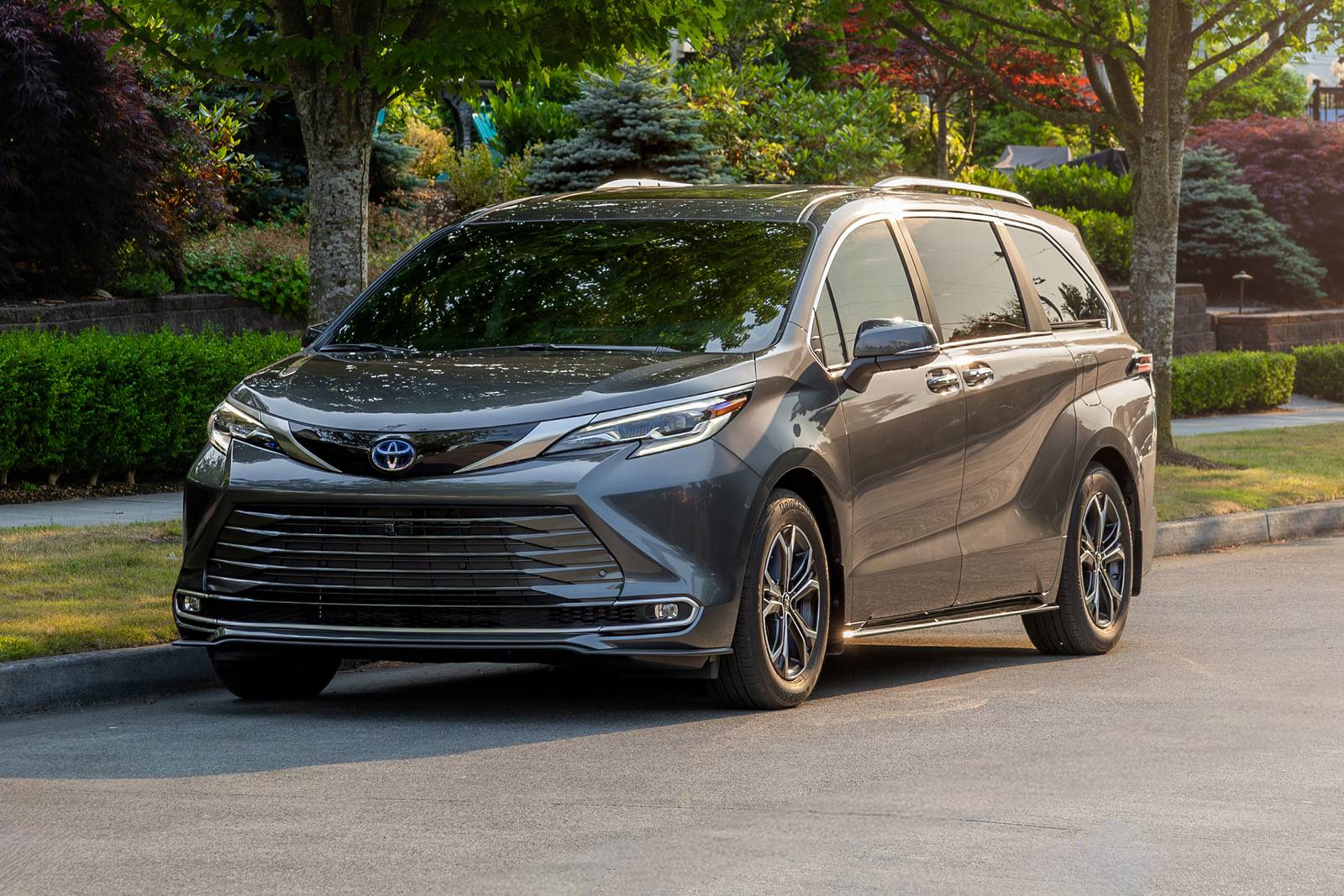
The Sienna’s hybrid powertrain, introduced in 2021, is particularly compelling when used. Hybrid systems are proven and mature. Battery degradation on Toyota hybrid systems is minimal even at high mileage, based on decades of real-world Prius data.
Fuel economy on the hybrid Sienna is genuinely impressive for a family vehicle. Around 35 to 36 miles per gallon in combined driving is achievable. Buying a used hybrid Sienna means you get strong fuel economy combined with the used-price discount, creating a double savings advantage.
The Honda Odyssey offers exceptional interior flexibility with its Magic Slide second-row seats. This feature remains fully functional regardless of the vehicle’s age or mileage. Used Odyssey buyers get all the clever interior engineering without the new-car premium.
Family buyers save money on a psychological level as well as a financial one. Driving a $38,000 used minivan into a crowded school parking lot creates no anxiety about door dings or scuffs. A used family vehicle liberates you from the stress of protecting an expensive new purchase.
Minivan safety ratings have been consistently excellent across multiple model years. The NHTSA and IIHS have awarded top ratings to both the Sienna and Odyssey for years. Buying a three-to-four-year-old example means you are still getting a vehicle that scored five stars in federal crash testing.
Resale value on these models is predictable and stable. Toyota and Honda products hold their value better than most competitors, even in the used market. Buying used and eventually reselling still leaves you in a favorable financial position compared to buying new.
The total cost of ownership on a used Sienna or Odyssey is exceptionally low when measured per mile of family transportation delivered. These are high-mileage, high-reliability, high-utility vehicles that shine brightest in the used market. For families prioritizing financial responsibility, the used minivan is one of the most logical purchases in the entire automotive world.
8. Compact Luxury SUVs (BMW X5 / Audi Q7)
Compact and midsize luxury SUVs occupy a sweet spot in the market that makes them particularly attractive when purchased used. Buyers pay enormous premiums for new examples. A new BMW X5 xDrive40i retails for $68,000 to $85,000, depending on options. A new Audi Q7 Premium Plus can reach $70,000 to $80,000 before additional packages.
These vehicles depreciate at rates that would make any financial advisor wince. Within three years, an X5 or Q7 can lose $25,000 to $35,000 in value. The used buyer steps in at precisely the point where the depreciation curve begins to flatten, capturing maximum value.
BMW and Audi engineers their vehicles to withstand high mileage when properly maintained. The N58 inline-six in the X5 is robust and capable of lasting well beyond 150,000 miles. Buying a used X5 with 30,000 to 45,000 miles means you still have the majority of the engine’s practical life ahead of you.
The technology gap between a 2021 and 2024 X5 is real but modest for most drivers. Both feature large touchscreen infotainment systems, digital instrument clusters, and comprehensive driver assistance packages. The average buyer would struggle to identify meaningful practical differences in daily use.
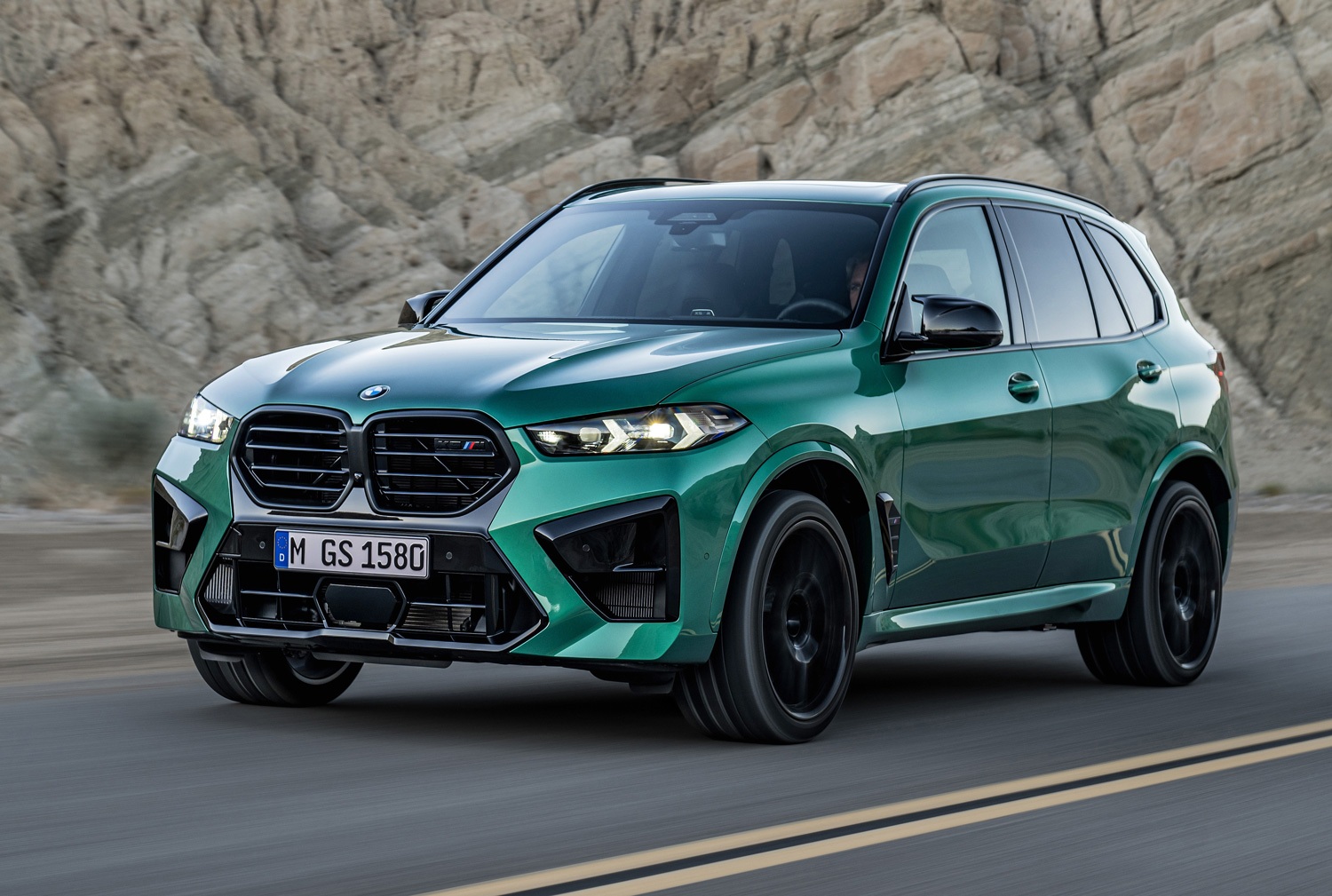
Audi’s build quality and interior refinement are consistently praised across model years. A used Q7 interior remains among the finest in the segment even three to four years after production. German interior quality ages better than most competitors in terms of perceived luxury and material feel.
Certified Pre-Owned programs from both BMW and Audi are among the most comprehensive in the luxury segment. BMW CPO vehicles receive a 172-point inspection and an extended warranty through 100,000 miles. Audi’s certified program is similarly thorough, providing genuine ownership security.
Lower-trim used examples offer particularly compelling value. A well-equipped used X5 xDrive40i at $48,000 delivers nearly the same ownership experience as a new one at $78,000. The $30,000 difference in purchase price is real money that dramatically changes the total cost calculation.
Fuel economy on the turbocharged six-cylinder engines used in both vehicles is reasonable for the segment. Around 22 to 26 miles per gallon in combined driving is achievable in real-world conditions. Efficiency does not degrade meaningfully between the first and fourth year of vehicle age.
Used luxury SUV buyers often find dealer inventory more negotiable than new vehicle inventory. Dealerships have carrying costs on used inventory that create negotiating pressure over time. Buyers who are patient and willing to negotiate can frequently acquire used X5s and Q7s well below their listed asking prices.
The sum total of financial benefits from buying a used X5 or Q7 is enormous. Lower purchase price, lower insurance, lower registration fees, and a comprehensive CPO warranty create an ownership experience that rivals new at a fraction of the price. These vehicles represent the premium used market at its most financially compelling.
9. Full-Size Vans (Ford Transit / Ram ProMaster)
Full-size cargo and passenger vans have become increasingly popular beyond their traditional commercial applications. The van life movement, remote work culture, and small business growth have all driven demand for large vans as both work tools and lifestyle vehicles. New Ford Transits and Ram ProMasters now command $45,000 to $65,000, depending on configuration.
Depreciation on full-size vans is significant and follows predictable patterns. Commercial buyers prioritize function over resale value and replace their fleets on regular schedules. This creates a steady supply of used vans entering the market at two-to-four-year intervals.
Fleet-returned Transits are among the most reliable used commercial vehicles available. Fleet operators service their vehicles on strict maintenance schedules to minimize downtime. A fleet-sourced Transit with 50,000 miles and complete service records is a genuinely trustworthy purchase.
The Ford Transit platform is extraordinarily versatile. It comes in multiple roof heights, wheelbases, and configurations to suit nearly any purpose. A used Transit purchased for van conversion, small business use, or passenger transport delivers full capability at $15,000 to $25,000 below new pricing.
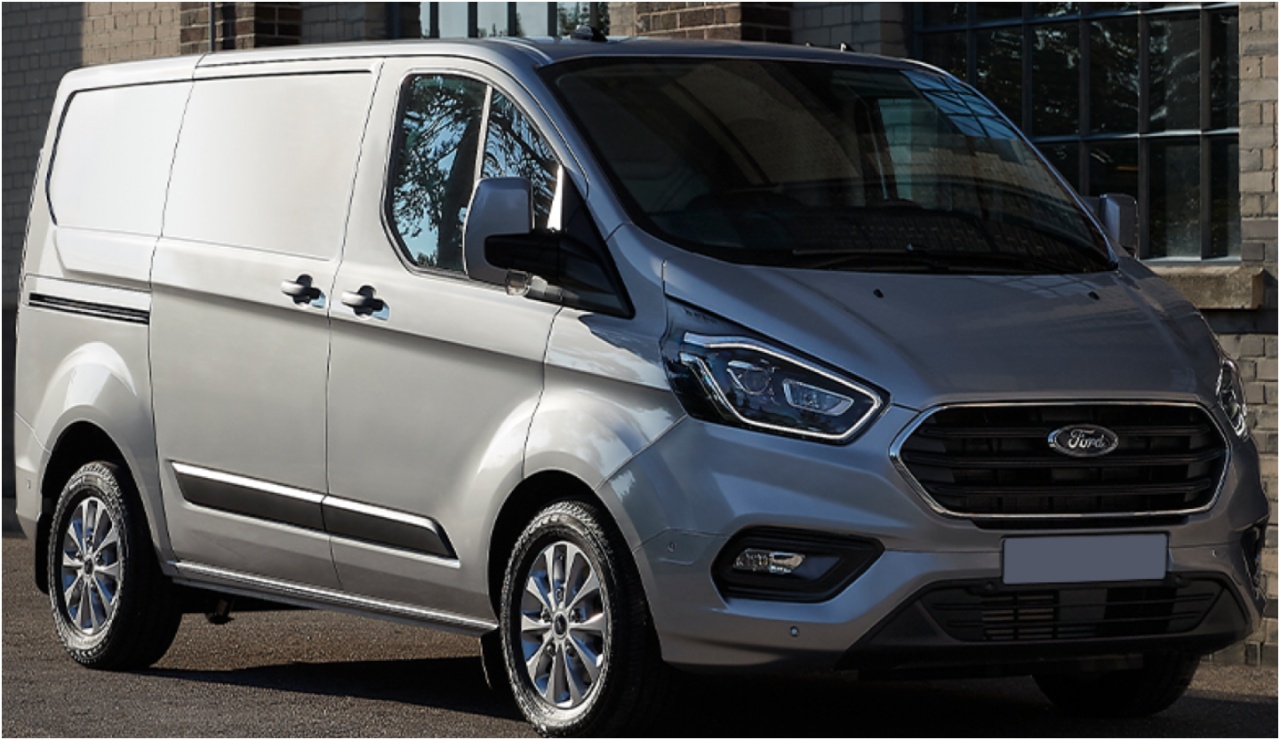
Ram ProMaster vans offer a front-wheel-drive layout that is particularly useful in snowy climates and for low-floor loading. This unique engineering advantage does not diminish with age or mileage. Buying a used ProMaster gives buyers all the platform benefits at reduced cost.
The van conversion community particularly benefits from buying used. Van builds can cost $20,000 to $50,000 in materials and labor. Saving $15,000 to $20,000 on the base vehicle purchase allows builders to invest more in high-quality components and craftsmanship.
Payload capacity and towing ratings on full-size vans remain constant regardless of vehicle age. A used Transit with a 3,500-pound payload rating carries 3,500 pounds just as effectively as a new one. For commercial users, this capability consistency is critical.
Maintenance parts availability for the Transit and ProMaster is excellent and affordable. Both platforms use widely available components that independent mechanics can service without dealer-only tools or diagnostic systems. This keeps long-term maintenance costs reasonable compared to more complex vehicles.
Insurance costs on commercial-use vans are calculated differently from personal vehicles in many cases. Used van insurance for commercial applications can be significantly lower than for comparable new vehicles. Business operators benefit from both the purchase savings and the reduced insurance overhead.
The total cost argument for used full-size vans is unambiguous and powerful. Commercial durability, fleet maintenance records, strong parts availability, and significant purchase price discounts combine into an ownership equation that new vans simply cannot match. Whether you need a work van, an adventure vehicle, or a mobile business platform, buying used is the clear financial choice.
Also Read: 5 Trucks Where the 4WD Engages Instantly vs 5 That Hesitate Before Locking In
