
Fresh-off-the-lot excitement does not always tell the full story of a car. Some vehicles arrive before drivers fully understand them. Others suffer from harsh reviews, weak tires, poor dealership service, or buyers expecting something completely different.
Years later, attitudes change. Better aftermarket support appears, mechanics learn the platform, and drivers begin appreciating qualities that were ignored at launch. A surprising group of cars now feels sharper, more dependable, and more rewarding than they did during their showroom years.
Improved suspension setups, stronger replacement parts, modern tire technology, and dedicated owner communities have transformed aging machines into genuine standouts. Certain models even gained respect after newer vehicles became heavier, quieter, and loaded with distracting technology.
Driving one of these cars today can feel like discovering a hidden talent that has spent years unnoticed. Steering feedback feels richer. Simplicity becomes refreshing. Manual transmissions suddenly seem more engaging than giant touchscreens and artificial engine sounds. What once looked outdated now feels authentic.
This list focuses on ten vehicles that matured in the best possible way. Some were misunderstood sports cars. Others were luxury sedans that finally escaped steep depreciation. A few became stronger simply because modern engineering moved away from the traits drivers once took for granted.
Here are ten cars that somehow aged backward and feel better to drive today than they did when they first rolled onto the road.
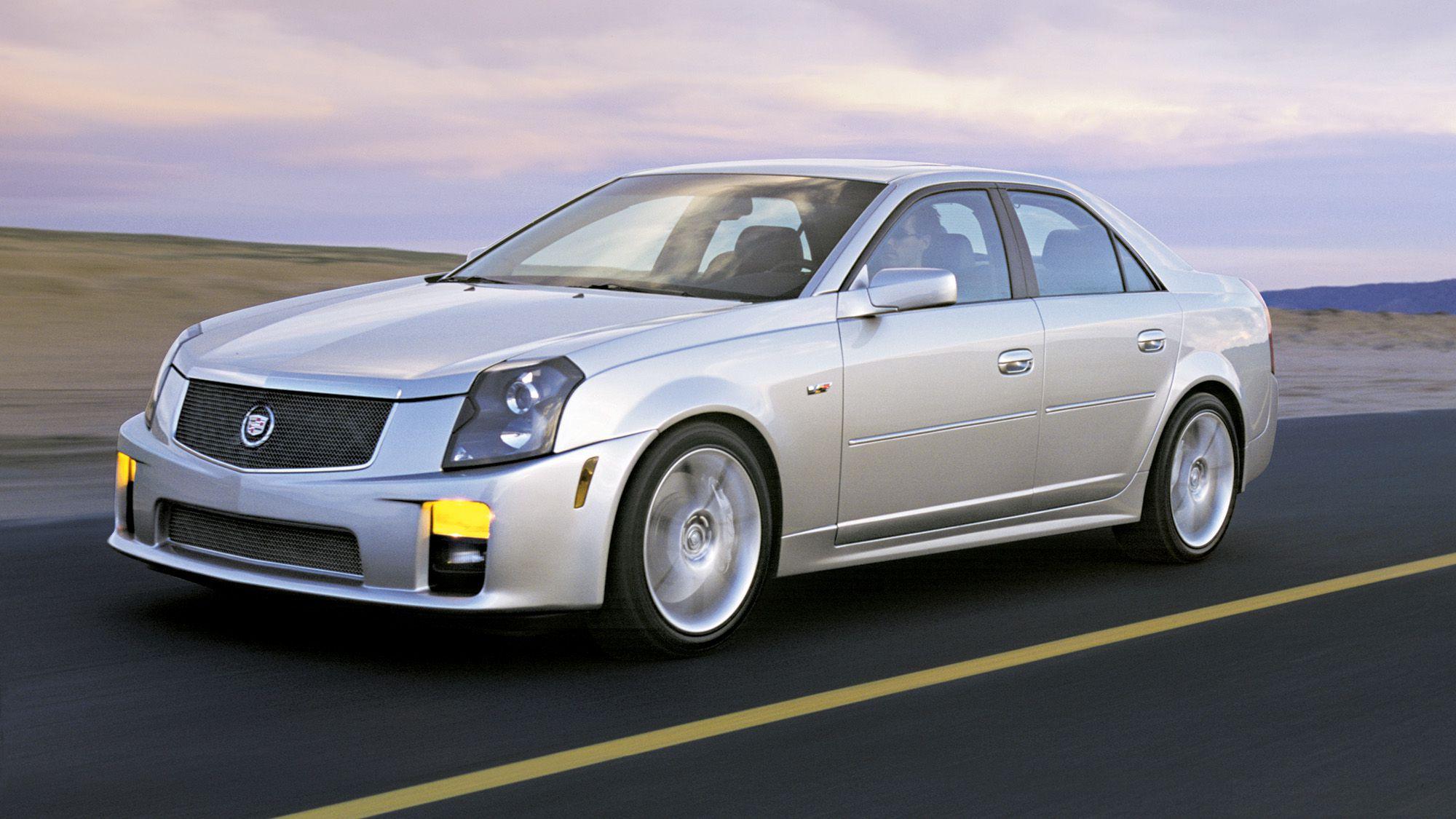
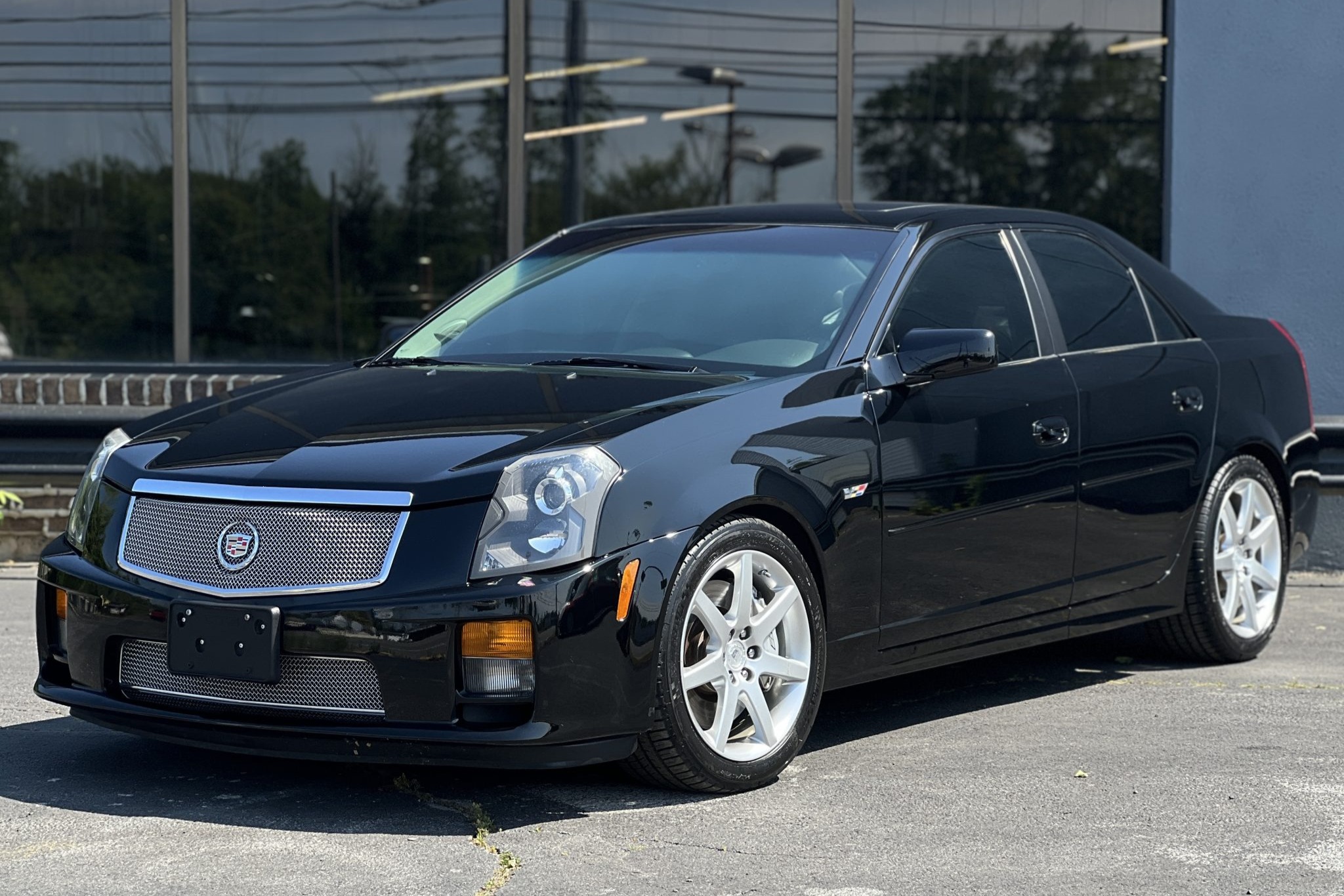
1. 2004 Cadillac CTS-V
American performance sedans carried a strange reputation during the early 2000s. Buyers often viewed them as soft cruisers designed for highways and retirement communities rather than sharp canyon-road machines. Then the 2004 Cadillac CTS-V arrived with a Corvette-sourced V8 and a six-speed manual transmission.
Despite impressive specs, early reactions remained mixed because the car felt rough around the edges. Interior quality disappointed luxury buyers, wheel hop frustrated aggressive drivers, and the suspension tuning could become unsettled on uneven pavement.
Twenty years later, those complaints no longer dominate the conversation. Drivers now see the first-generation CTS-V through a completely different lens. Modern luxury sedans have become heavier, quieter, and stuffed with electronic systems that filter out road feel.
That old Cadillac suddenly feels alive in a way newer machines rarely do. Hydraulic steering delivers honest communication through corners, while the naturally aspirated LS6 engine responds instantly without turbo lag or artificial sound enhancement. Another reason the car improved with age comes from the aftermarket community.
Early owners spent years fixing weak factory components and refining suspension behavior. Stronger bushings, upgraded dampers, improved differential mounts, and modern performance tires transformed the driving experience. A sorted CTS-V today feels tighter and more predictable than it did during its original press launches.
Road manners also gained appreciation because expectations changed. Drivers once criticized the car for lacking German-style polish. Today, that raw personality feels refreshing. Shifter vibrations, engine rumble, and firm steering no longer seem like flaws. They create character. Every drive feels mechanical and direct instead of digitally processed.
Long-distance cruising reveals another strength that people ignored years ago. Large seats remain comfortable for hours, visibility stays excellent by modern standards, and the V8 loafs effortlessly at highway speed. A current luxury sedan may offer more screens and driver aids, yet few provide the same sense of involvement.
Depreciation also helped the CTS-V earn respect. During its early years, buyers expected perfection because of the sticker price. Once values dropped, owners began appreciating how much performance existed beneath the imperfect presentation. The formula suddenly made sense: huge V8 power, rear-wheel drive, manual transmission, and practical four-door usability.
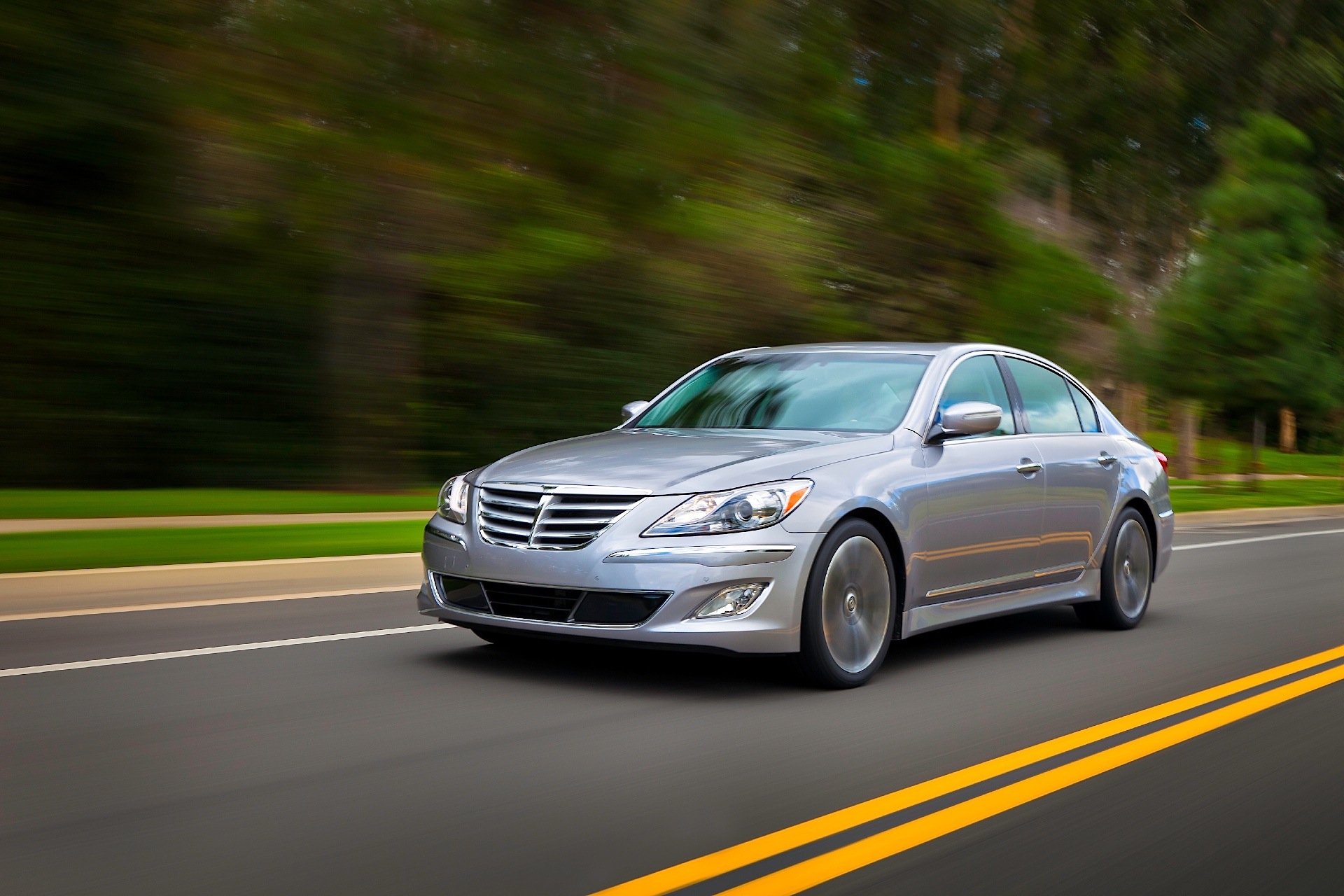
2. 2008 Hyundai Genesis Sedan 4.6
Luxury buyers did not know what to make of the Hyundai Genesis Sedan when it appeared for the 2009 model year. Hyundai had spent years building economy cars, so the idea of a rear-wheel-drive luxury sedan carrying a Hyundai badge sounded strange to shoppers accustomed to Lexus, BMW, and Mercedes-Benz.
Even though reviewers praised the quiet cabin and smooth V8 power, skepticism followed the car everywhere. Time changed that story dramatically. Driving a well-kept Genesis Sedan today reveals how carefully engineered the platform actually was.
Without giant wheels, stiff adaptive suspensions, or oversized touchscreens competing for attention, the car delivers a calm and balanced experience that feels surprisingly mature. Ride quality remains excellent because Hyundai prioritized comfort instead of chasing fake sportiness.
Back when it debuted, critics often described the steering as too soft and the styling as conservative. Those same traits now work in the car’s favor. Modern luxury sedans sometimes feel overly aggressive, with complicated interfaces and stiff low-profile tires ruining everyday comfort. The Genesis avoids those mistakes completely.
A major factor behind the car’s improved reputation comes from reliability. Early doubts about long-term durability faded as owners piled huge mileage onto these sedans with relatively few serious issues. The Tau 4.6-liter V8 earned praise for smooth power delivery and quiet operation, while the six-speed automatic transmission aged gracefully with proper servicing.
Cabin quality also aged better than expected. Soft leather seats, real wood trim, and solid switchgear helped the Genesis avoid feeling cheap years later. Since Hyundai avoided excessive gimmicks, the interior still feels usable today. Buttons remain simple, climate controls work logically, and gauges stay easy to read at a glance.
Another reason this sedan improved with age involves changing expectations from luxury vehicles. Buyers once demanded flashy prestige badges and sharp styling. Drivers today increasingly value comfort, reliability, and low ownership stress. The Genesis suddenly checks all those boxes.
Also Read: 10 Things Auto Manufacturers Quietly Removed From New Cars in 2026
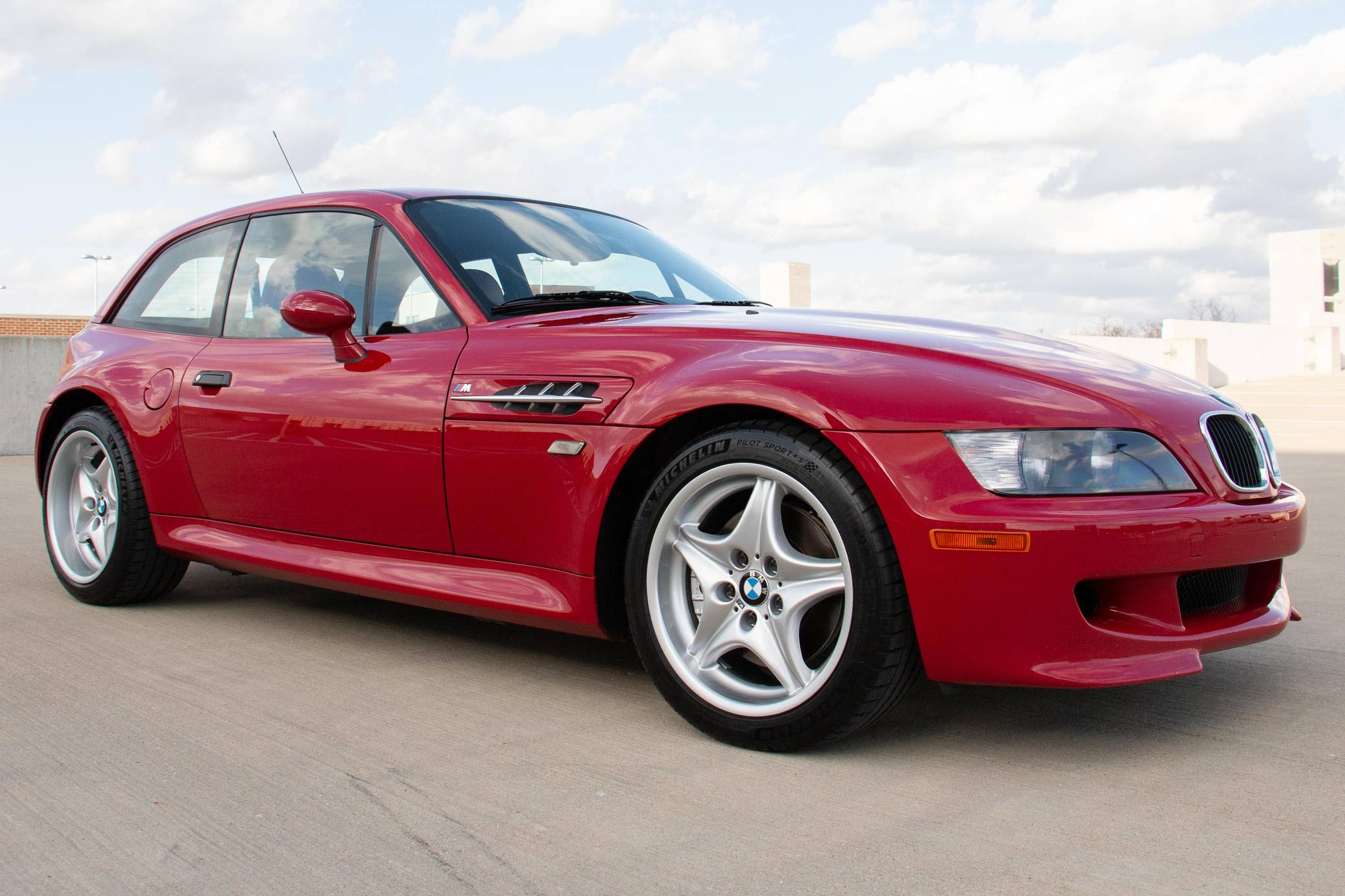
3. 1999 BMW Z3 M Coupe
Nothing about the BMW Z3 M Coupe looked normal when it first appeared. Critics mocked its clown-shoe shape, questioned its purpose, and struggled to understand why BMW created such an odd-looking hatchback sports car.
During the late 1990s, buyers chasing performance usually preferred sleek coupes or muscular sedans. The Z3 M Coupe looked like neither. Years later, the strange styling became part of its magic. Seeing one today feels special because modern car design rarely takes risks anymore.
Curved fenders, compact dimensions, and shooting-brake proportions give the car real personality. Better still, the driving experience backs up the appearance. Short wheelbase reactions, hydraulic steering, and naturally aspirated inline-six power create an engaging combination that feels increasingly rare.
Early reviews sometimes criticized the chassis for being twitchy near the limit. Modern tire technology changed much of that reputation. Contemporary performance tires dramatically improved grip and stability, helping the Z3 M Coupe feel more planted without removing its playful nature.
Weight also works in the car’s favor today. Current sports cars continue gaining mass due to safety regulations and technology features. Climbing into the Z3 M Coupe now feels refreshing because the vehicle remains compact and relatively light. Inputs produce immediate reactions instead of filtered responses.
BMW’s S52 and S54 inline-six engines aged beautifully as well. Throttle response feels crisp, power delivery builds naturally, and the sound remains addictive without fake speakers pumping engine noise into the cabin. Mechanical honesty gives the car a lasting appeal.
Interior simplicity deserves credit, too. Drivers sit low, gauges remain clear, and physical buttons handle basic functions without forcing touchscreen interaction. Nothing distracts from the road ahead. That straightforward layout now feels more premium than overloaded digital dashboards.
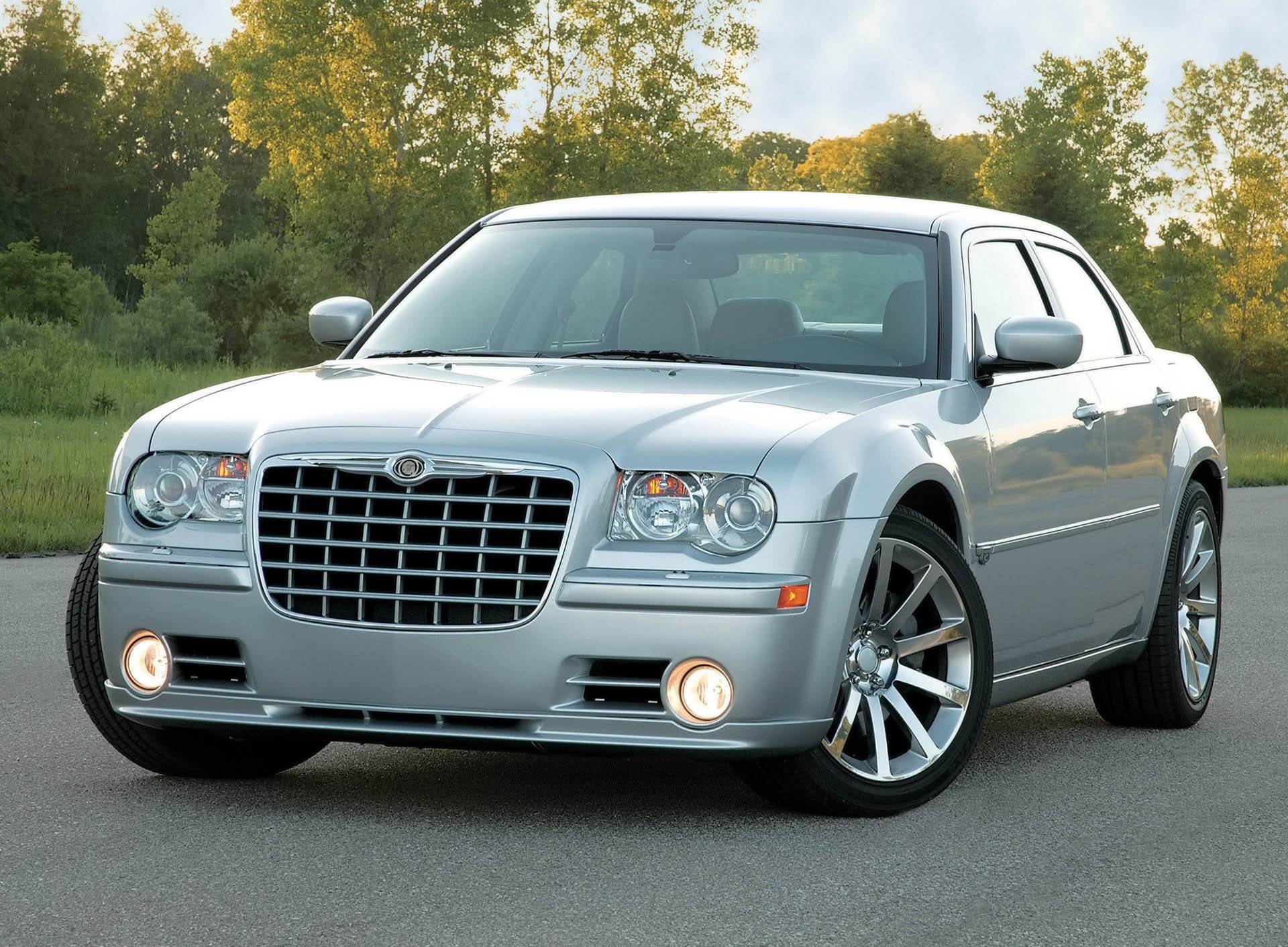
4. 2005 Chrysler 300C SRT8
Big American sedans rarely earned praise for precision driving during the early 2000s. Most buyers expected soft suspensions, vague steering, and enough chrome to blind traffic at sunset. Then Chrysler released the 300C SRT8 and shocked people with a completely different attitude.
Massive V8 power, aggressive styling, rear-wheel drive, and a firm suspension setup turned the car into a bruiser with real presence. Early reviewers admired the performance but criticized the stiff ride, bulky size, and cheap interior plastics. Two decades later, the same car feels far more appealing than it did in its original showroom days.
Modern performance sedans became extremely polished. Turbocharged engines hide their character behind software tuning, while electronic systems constantly manage the experience. The old Chrysler approaches driving with zero subtlety. Press the throttle, and the 6.1-liter HEMI answers immediately with a deep roar that sounds mechanical rather than engineered by speakers.
Ride quality also aged better than expected. Back when the car launched, people compared it directly to German sport sedans with tighter body control and more refined cabins. Today, drivers appreciate how the SRT8 balances comfort with brute force. It still absorbs highway miles comfortably while delivering enough muscle to make every entrance feel dramatic.
Visual design helped the car gain respect, too. During its debut years, some critics called the styling too aggressive or cartoonish. Now the squared-off body stands apart from modern sedans that often blur together visually. Tall windows, upright proportions, and wide fenders give the 300C genuine road presence.
A huge part of the car’s improved reputation comes from reliability in modified form. Owners discovered the HEMI V8 handles tuning, intake upgrades, exhaust systems, and suspension improvements without constant disaster stories. That durability created a loyal enthusiast community that refined the platform far beyond factory condition.
Modern tires transformed the handling experience as well. Factory rubber struggled to fully manage the car’s weight and torque. Current high-performance tire options dramatically improve grip and steering response. A properly maintained SRT8 today feels sharper and more confident than it did during period road tests.
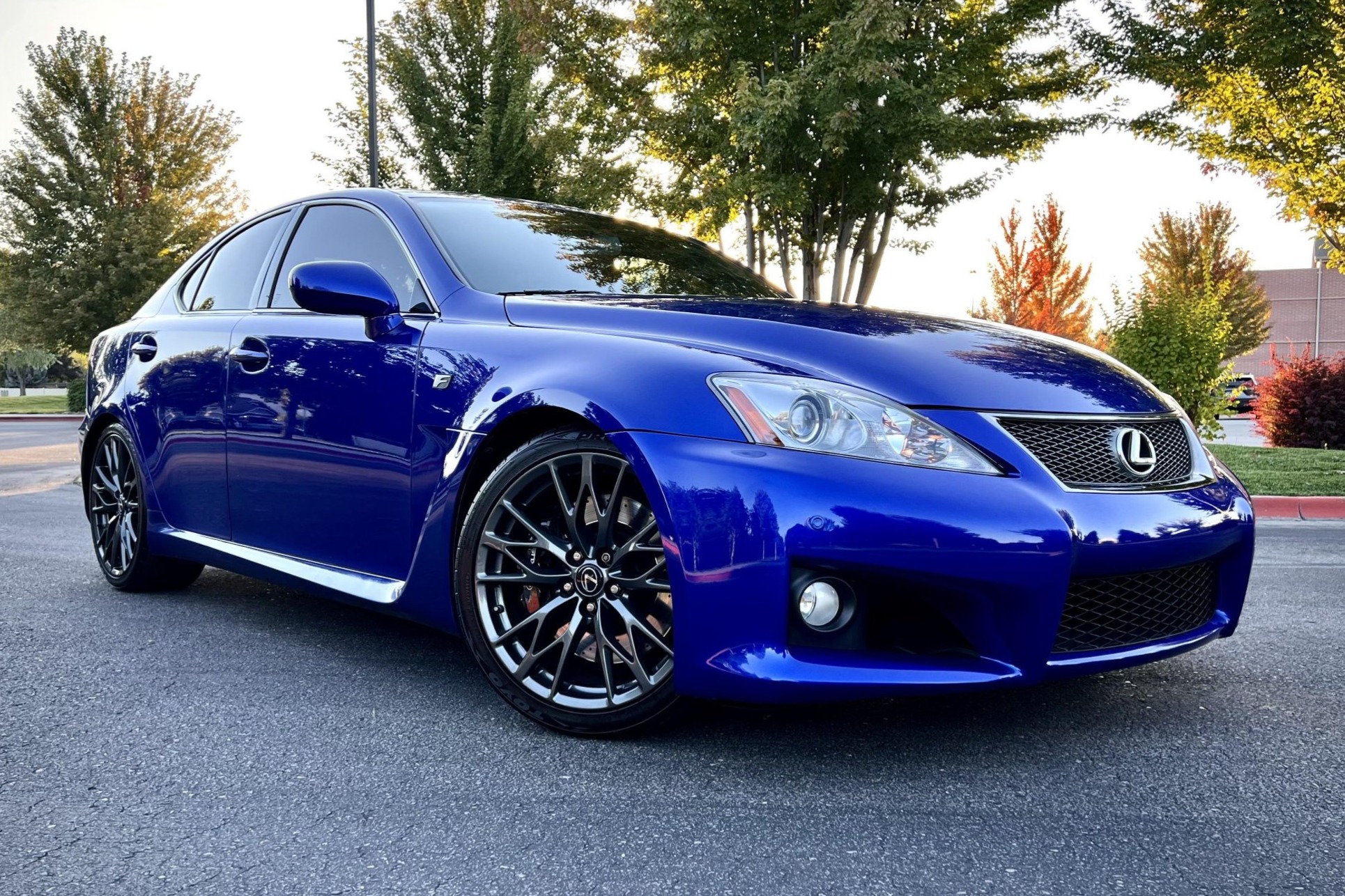
5. 2010 Lexus IS F
Lexus built its reputation on comfort, silence, and reliability. Performance excitement rarely entered the conversation before the IS F arrived. When this high-revving V8 sports sedan debuted, reviewers compared it directly against the BMW M3 and Mercedes-Benz C63 AMG. Those comparisons created unrealistic expectations.
Critics praised the engine but complained that the transmission felt abrupt and the suspension lacked the polished balance of German rivals. Years later, the IS F finally receives the appreciation it deserved from the start. Steering feel became another pleasant surprise.
Hydraulic steering systems disappeared from most modern performance cars, replaced by lighter electronic setups. The IS F now stands out because it communicates road texture naturally through the wheel. Drivers feel connected to the pavement rather than isolated from it.
Styling matured beautifully, too. Bulging fenders, stacked exhaust tips, and subtle aerodynamic tweaks gave the sedan enough aggression without becoming excessive. Current sports sedans often rely on oversized grilles and exaggerated vents that may age poorly. The Lexus still looks clean and purposeful.
Another reason the car improved with age involves owner communities. Suspension tuning upgrades, differential improvements, and refined wheel setups solved many of the complaints present during early testing. Enthusiasts spent years perfecting the formula, and modern examples frequently drive better than stock showroom cars from 2010.
Cabin quality deserves recognition as well. Lexus craftsmanship helped the interior survive years of use with minimal squeaks or material wear. Leather seats remain supportive, controls feel solid, and the dashboard avoids excessive gimmicks. That durability helps the IS F feel expensive long after many rivals began showing their age.
Driving excitement arrives from balance rather than raw speed alone. The car feels playful without becoming intimidating. Rear-wheel-drive handling characteristics remain approachable, allowing drivers to enjoy the chassis without constantly fighting electronic systems.
Sound plays a huge role in the experience. Yamaha helped tune the intake acoustics, giving the V8 a distinctive growl that builds beautifully toward redline. Current turbocharged engines may produce more torque, yet few deliver the same emotional payoff.
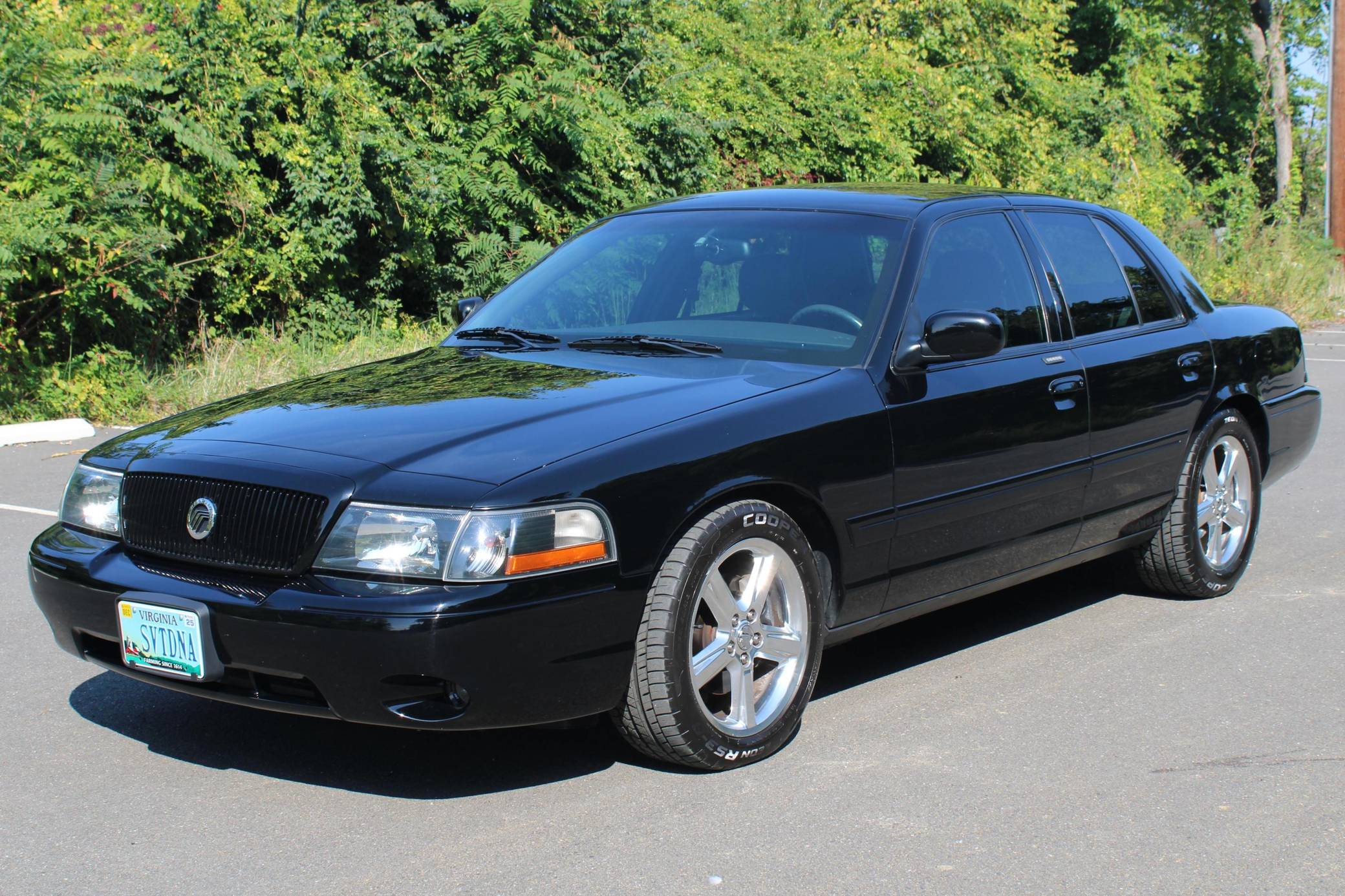
6. 2003 Mercury Marauder
Nobody expected Mercury to release a full-size muscle sedan during the early 2000s. By that point, the brand carried a sleepy image built around comfortable cruisers aimed at older buyers. Then the Marauder appeared with blacked-out styling, rear-wheel drive, dual exhaust pipes, and a 4.6-liter V8 borrowed from Ford’s performance catalog.
Despite the aggressive appearance, early reviews criticized the car for lacking enough horsepower to match its intimidating look. Today, the Mercury Marauder feels far cooler than it did during its original release period. Part of that improvement comes from changing automotive trends.
Full-size rear-wheel-drive sedans nearly vanished from the market, making the Marauder feel unique in modern traffic. Long hood proportions, wide bench-like seating, and body-on-frame construction create an experience that newer cars simply cannot replicate.
Driving one now feels relaxed yet entertaining. Steering stays light but predictable, while the suspension absorbs rough pavement with ease. Press the throttle and the V8 delivers smooth torque accompanied by a classic American exhaust note that feels authentic rather than digitally enhanced.
Modern tire technology helped the car tremendously. Factory tires had limited grip and responsiveness during early testing. Current performance touring tires sharpen handling without ruining ride comfort. A well-maintained Marauder now feels more planted and composed than period reviews suggested.
Another reason the car aged well involves owner modifications. Enthusiasts discovered easy ways to wake up the engine through intake upgrades, exhaust improvements, and tuning adjustments. Many modern Marauders produce far stronger performance numbers than factory versions ever managed.
Interior comfort became another strength with age. Large seats, simple gauges, and excellent visibility make the sedan enjoyable during long drives. Current cars often sacrifice comfort for flashy styling or oversized center consoles. The Mercury keeps everything spacious and straightforward.
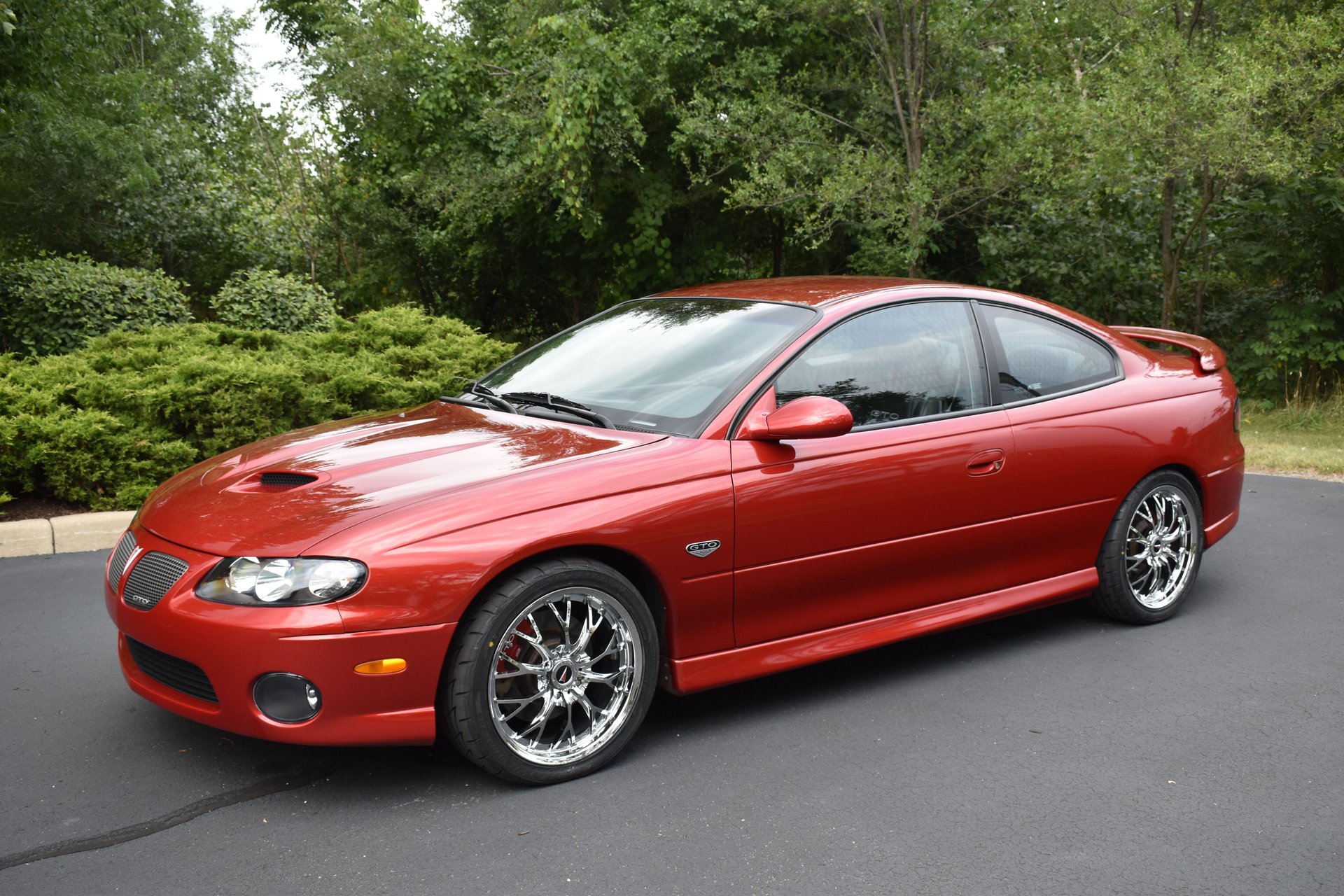
7. 2006 Pontiac GTO
American buyers expected retro styling when Pontiac revived the GTO nameplate during the mid-2000s. Instead, the company delivered a quiet-looking coupe imported from Australia with smooth body lines and barely any visual aggression.
Critics immediately attacked the design, calling it bland and forgettable. People wanted stripes, hood scoops, and flashy muscle-car drama. The GTO offered something entirely different. Years later, that restraint became one of the car’s greatest strengths.
Seeing a clean 2006 Pontiac GTO today feels refreshing because the styling aged gracefully. Rounded bodywork and subtle proportions avoided the exaggerated trends that trapped other performance cars in their era. Nothing looks forced or cartoonish. The coupe still appears clean, balanced, and mature.
Driving quality also improved in the eyes of enthusiasts. During launch years, some reviewers complained that the suspension felt too soft for a muscle car. Modern drivers appreciate the balance. The GTO delivers strong handling without punishing occupants during daily use. Highway comfort remains excellent, while rear-wheel-drive dynamics keep the experience entertaining.
Power from the 6.0-liter LS2 V8 deserves huge credit for the car’s growing reputation. Throttle response feels immediate, acceleration remains strong even by current standards, and the engine responds beautifully to modifications. Unlike heavily turbocharged modern performance cars, the GTO delivers smooth, linear power that feels natural and predictable.
Interior quality surprised buyers back then, though it receives even more appreciation now. Supportive seats, logical controls, and solid materials helped the cabin survive aging remarkably well. Drivers can simply get in and focus on the road without wrestling with giant touchscreens or confusing menus.
Another reason the car aged backward involves steering feel. Hydraulic steering systems continue disappearing from modern vehicles, making the GTO’s setup feel wonderfully connected today. Road texture, cornering load, and tire grip all communicate naturally through the wheel.
Enthusiast support transformed the ownership experience, too. Suspension upgrades, improved bushings, stronger brakes, and aftermarket tuning solutions corrected nearly every weakness mentioned in early reviews. A properly sorted GTO today feels tighter and more capable than the factory-original version journalists tested years ago.
8. 2011 Saab 9-5 Aero
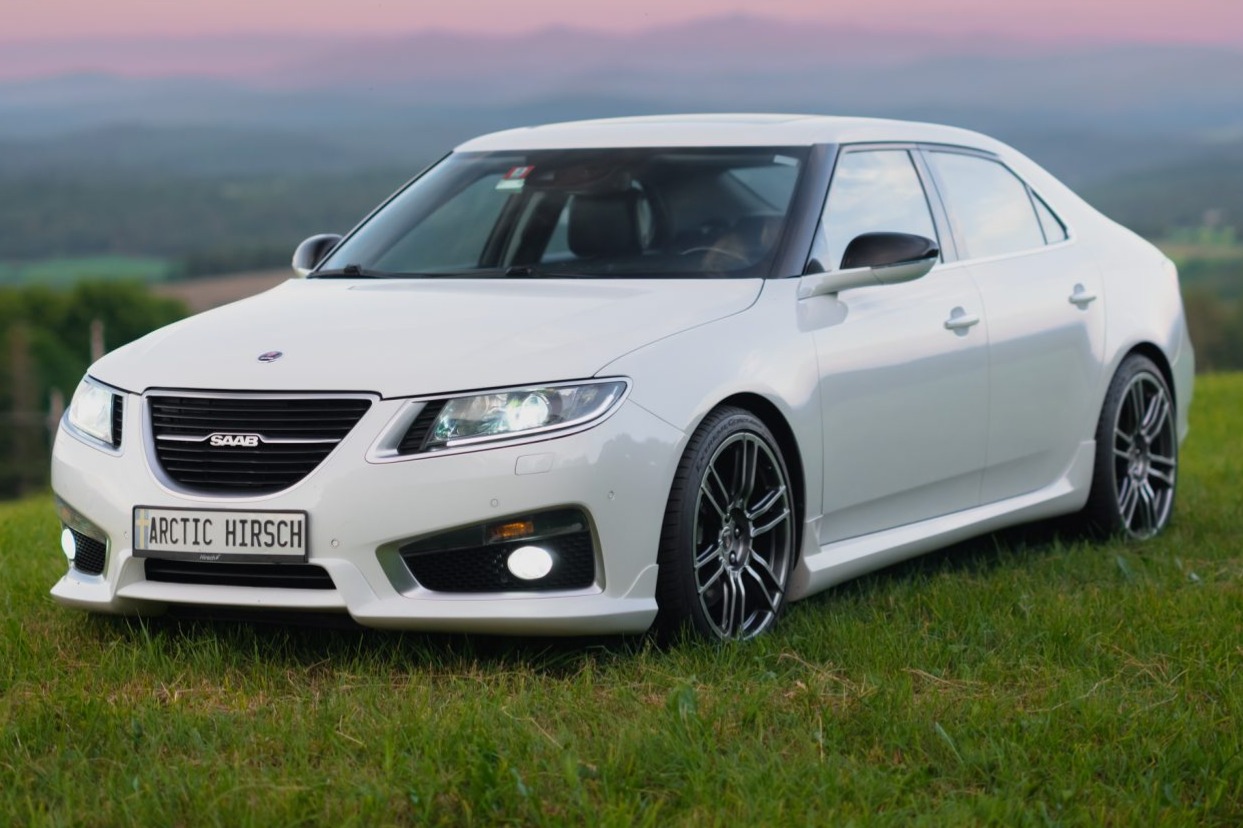
Saab spent years building cars for buyers who wanted something different from mainstream luxury brands. The final-generation 9-5 Aero carried that tradition proudly, though terrible timing hurt its chances immediately. General Motors’ ownership struggles and Saab’s financial collapse overshadowed the car’s actual strengths. By the time buyers started noticing how good the sedan was, the company had already disappeared.
Visual design stands out immediately. Sharp lines, wraparound windshield styling, and aviation-inspired details still look distinctive among modern sedans. While competitors chased aggressive grilles and exaggerated bodywork, Saab created something sleek and sophisticated.
Driving quality improved in public perception because modern luxury cars became increasingly isolated and numb. The Saab balances comfort with genuine driver engagement. Steering feels substantial, suspension tuning stays composed, and turbocharged power arrives smoothly without excessive drama.
Cabin design aged surprisingly well, too. Saab focused heavily on ergonomics, and that attention shows years later. Controls remain intuitive, seats feel exceptionally supportive, and visibility surpasses many newer sedans with tiny windows and thick roof pillars.
Early buyers worried about long-term ownership because of Saab’s uncertain future. Ironically, enthusiast communities helped solve many of those fears. Shared GM components kept parts availability stronger than expected, while dedicated owners built strong support networks around the car.
Turbocharged V6 power still feels impressive. Acceleration arrives with confidence, yet the engine avoids the strained character found in some smaller modern turbo engines. Highway passing feels effortless, making the 9-5 Aero an excellent long-distance cruiser.
9. 2007 Infiniti G35 Sport Sedan
During the mid-2000s, the Infiniti G35 Sport Sedan lived in the shadow of German competitors. Buyers shopping for performance luxury sedans usually focus on BMW, Audi, or Mercedes-Benz. Infiniti offered strong value and plenty of horsepower, yet critics often described the interior as less refined and the ride quality slightly rough around the edges.
Steering plays a huge role in that appeal. Hydraulic systems provide rich feedback that newer electronic setups often struggle to replicate. Drivers can feel tire grip changes and road texture naturally through the wheel, creating confidence during spirited driving.
Another reason the car aged well involves reliability. German competitors frequently developed expensive maintenance reputations as they grew older. The Infiniti proved more durable and easier to own long term, helping used buyers appreciate the platform even more.
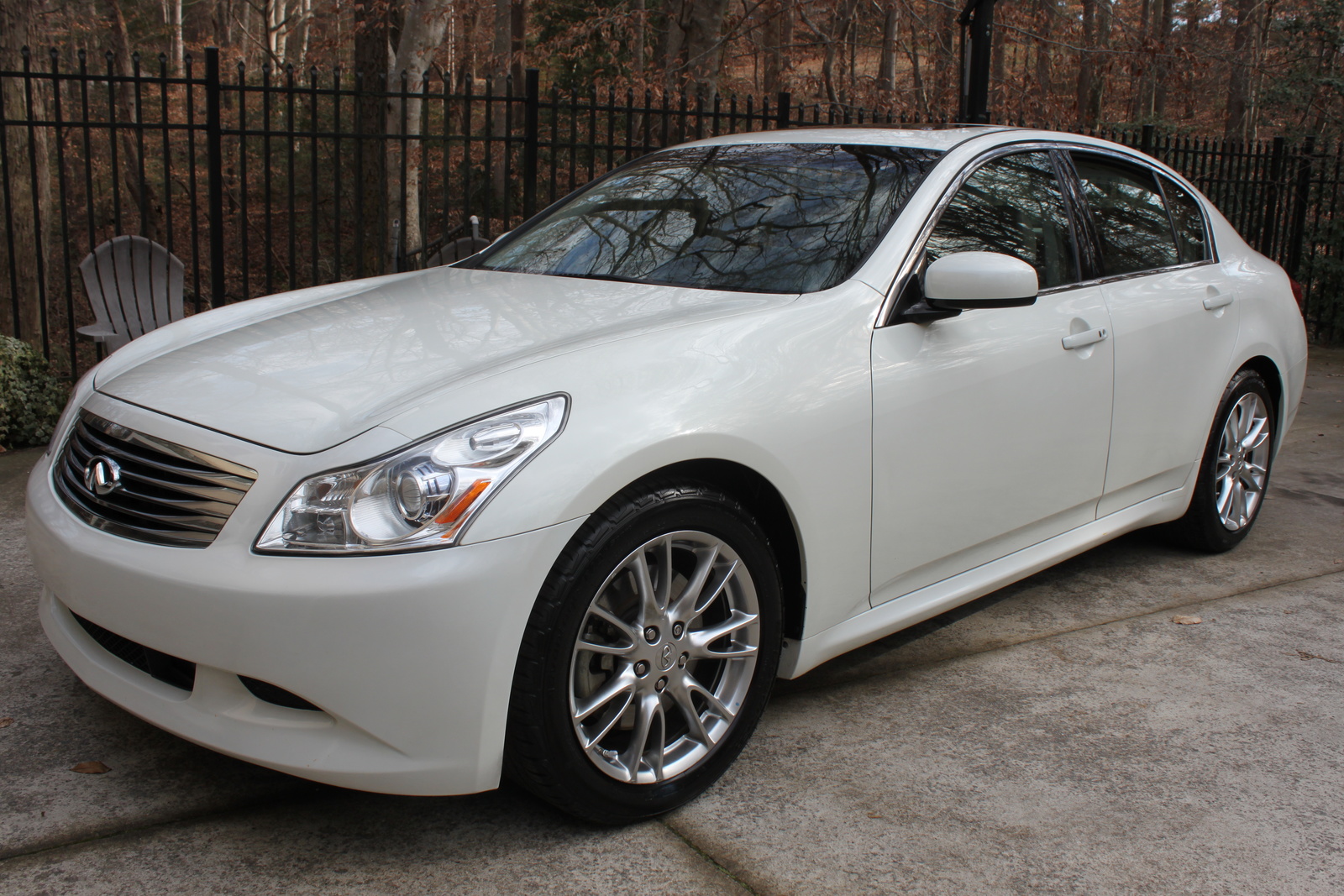
Styling matured gracefully, too. Sharp headlights, muscular fenders, and clean proportions still look attractive without feeling trapped in mid-2000s design trends. The sedan appears sporty without trying too hard. Modern tire and suspension upgrades transformed the driving experience as well.
Early complaints about ride harshness and chassis balance largely faded once owners installed better dampers and current-generation tires. A well-maintained G35 today feels sharper and more composed than factory examples did during launch years.
Cabin usability became another strength. Physical buttons handle audio and climate functions logically, while gauges remain clear and easy to read. Drivers can adjust settings quickly without scrolling through endless digital menus.
Engine sound deserves attention, too. The VQ-series V6 produces a distinctive growl that becomes addictive during hard acceleration. Unlike heavily muted modern engines, the Infiniti allows drivers to hear and feel mechanical character throughout the rev range.
Depreciation also changed the public conversation around the G35. Buyers originally expected luxury-brand perfection because the sedan competed directly against expensive European alternatives. Used owners viewed the car differently, appreciating its blend of performance, comfort, and reliability at a much more accessible price.
Also Read: 9 Quality Cuts Happening on New Cars That Don’t Show in the Brochure
10. 2009 Jaguar XF Supercharged
Jaguar faced enormous pressure when replacing the old S-Type sedan. Buyers criticized previous models for outdated styling and questionable reliability, while German luxury brands dominated the sports-sedan market. Then the 2009 Jaguar XF Supercharged arrived with a sleek design, a powerful V8 engine, and a completely different personality from earlier Jaguars.
At launch, skepticism remained strong. People admired the styling but questioned whether Jaguar could truly compete with established rivals. Today, the XF Supercharged feels far more impressive than it did during its original debut years.
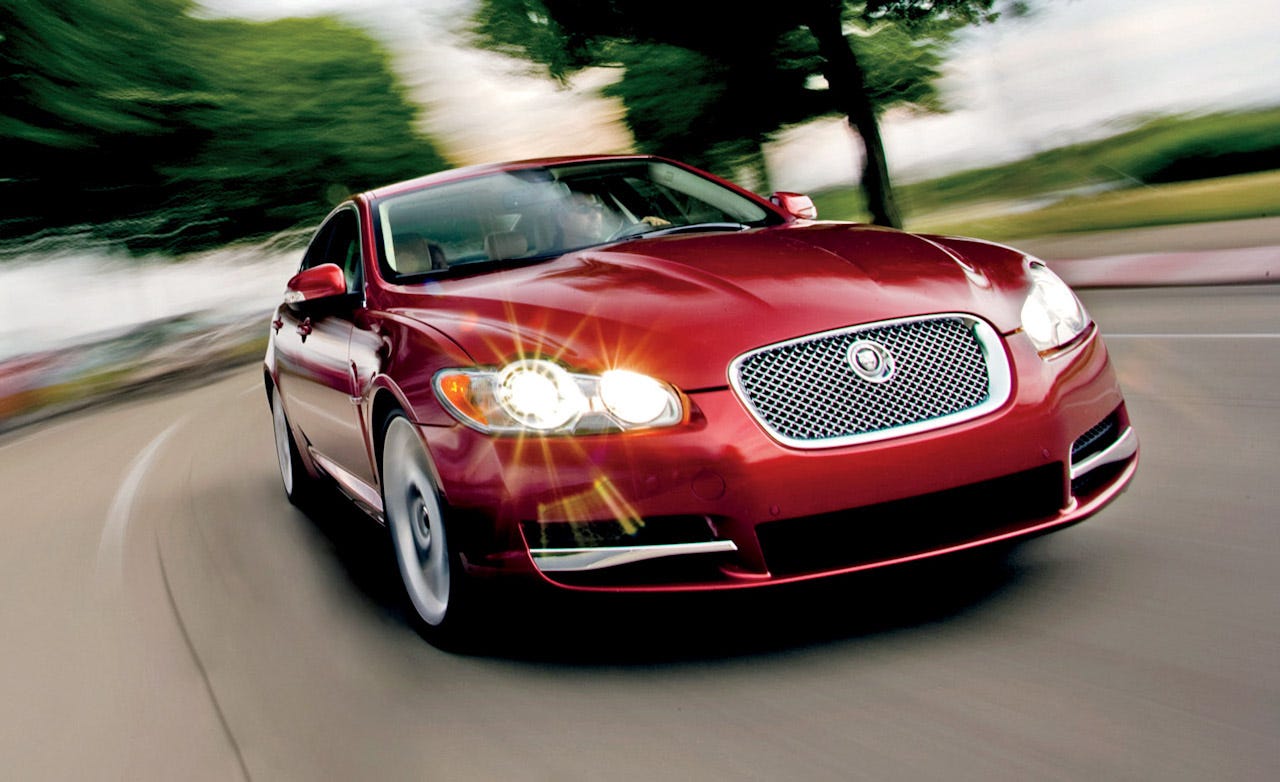
Exterior design aged beautifully. Smooth body lines, slim headlights, and elegant proportions still look modern without appearing overly aggressive. Plenty of luxury sedans from that era now seem cluttered or awkward. The Jaguar avoided that trap completely.
Driving experience stands out even more now because modern luxury cars often feel emotionally distant. The XF combines comfort with genuine driver involvement. Steering stays responsive, chassis balance feels natural, and the supercharged V8 delivers immediate acceleration with a satisfying mechanical soundtrack.
Interior presentation also improved with age. Jaguar used rich materials, flowing dashboard shapes, and subtle ambient lighting to create an upscale atmosphere without relying on oversized screens. Rising rotary shifters and hidden air vents felt futuristic back then while remaining tasteful today.
Reliability perceptions changed, too. Early concerns about ownership costs scared buyers away, yet many XF models proved more dependable than expected with proper care. As mechanics gained experience with the platform, maintenance became less intimidating.
