

Walk into a dealership today, and everything feels sharper, cleaner, and more advanced than ever before. Large displays dominate dashboards, voice commands replace buttons, and software updates promise to keep vehicles current long after purchase. At first glance, it looks like drivers are getting more than ever.
A closer look reveals a different story. While new technology continues to take center stage, familiar features are quietly disappearing without much attention. These are not dramatic removals that grab headlines. Instead, they are subtle changes that reshape everyday driving in ways many buyers only notice after living with the car.
Some features have been removed to cut costs. Others disappeared to make room for new design trends or to support efficiency goals. In a few cases, traditional functions have been replaced with digital alternatives that do not always deliver the same level of convenience.
These changes raise important questions. Are modern vehicles truly improving, or are drivers trading simple, reliable features for more complicated systems? The answer depends on what each buyer values most.
Below are ten examples of features that have quietly faded from new cars in 2026. Each one is tied to a specific model, showing how these decisions appear in real-world vehicles. Understanding these changes can help buyers recognize what they might be giving up, even as technology continues to advance.
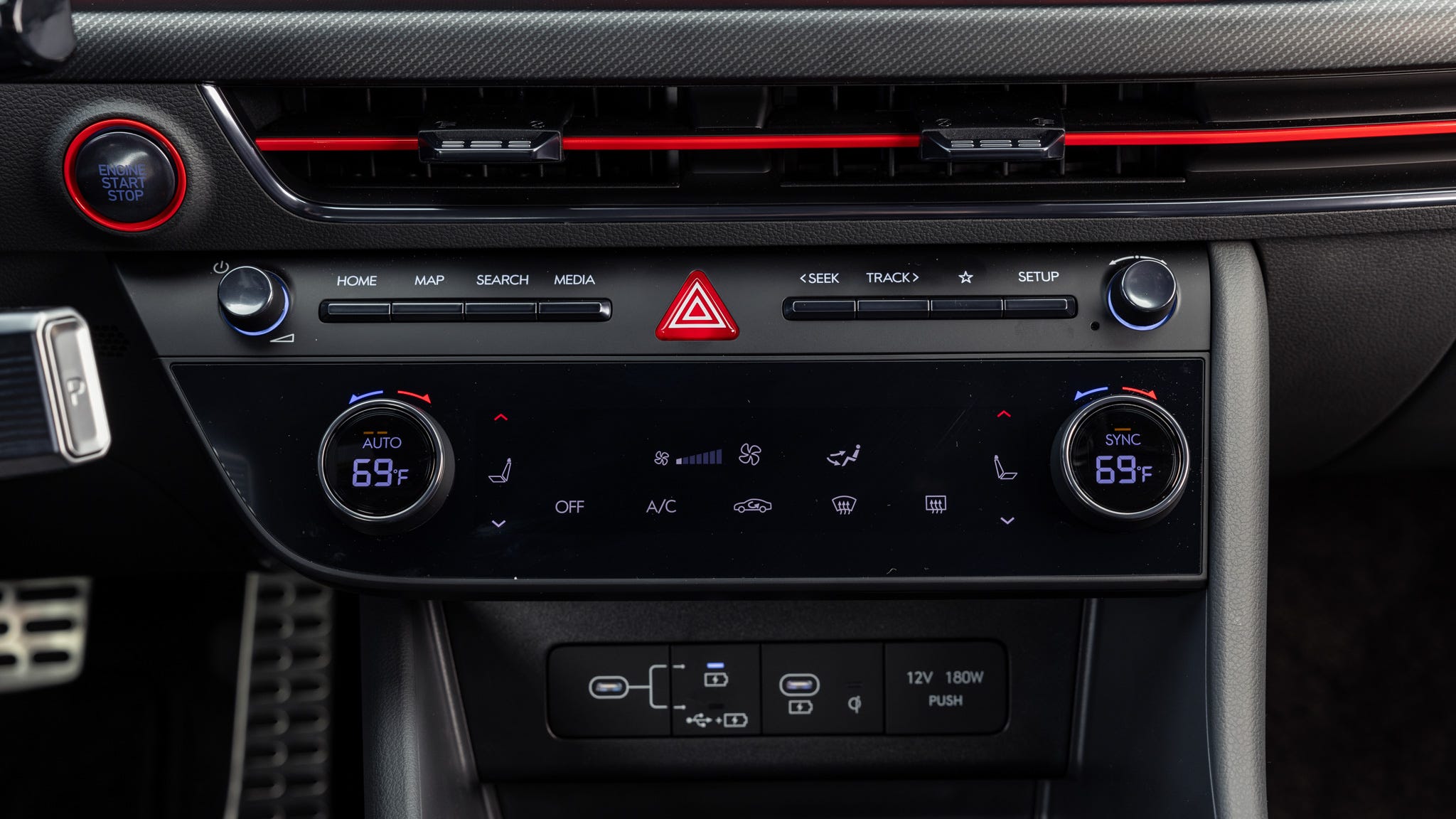
1. Hyundai Sonata N Line and the Disappearance of Physical HVAC Knobs
Interior presentation within modern vehicles has undergone a clear transformation, and the Hyundai Sonata N Line provides a fitting illustration of this development. Emphasis is now placed on sleek surfaces and integrated displays, leading to a reduced presence of traditional knobs and switches.
Climate control systems, which were once operated through simple mechanical dials, are now largely managed through touchscreen interfaces. In earlier designs, adjusting cabin temperature required only a brief movement of the hand. A driver could increase or decrease airflow without diverting attention from the road ahead.
This arrangement supported ease of operation and promoted safer driving habits. With the introduction of digital menus, however, the process now involves multiple steps, including selecting options on a screen and confirming settings. Such changes alter daily interaction with the vehicle in a subtle but meaningful manner.
Manufacturers have embraced this direction for several reasons. A reduced number of physical controls contributes to a refined interior appearance that aligns with contemporary design preferences. Smooth surfaces and minimal interruptions create a sense of modern sophistication. In addition, software-based systems allow updates and adjustments without requiring physical modifications to components.
Practical use presents certain concerns. Drivers who are accustomed to tactile controls may find digital systems less intuitive. The absence of fixed controls removes the benefit of muscle memory, requiring more deliberate interaction with the interface. This can affect how quickly adjustments are made during driving.
Safety considerations also arise. Even a brief glance toward a screen can introduce distraction, particularly in demanding traffic conditions. While voice commands offer an alternative method of control, their effectiveness may vary depending on environmental factors and system responsiveness.
Economic factors play a part in this transition. Fewer mechanical components can simplify production processes and reduce manufacturing costs. These savings, however, are not always reflected in the final purchase price. Opinions among drivers remain divided.
Some value the clean layout and integrated technology, viewing it as a natural progression. Others prefer the dependability and simplicity associated with physical controls.
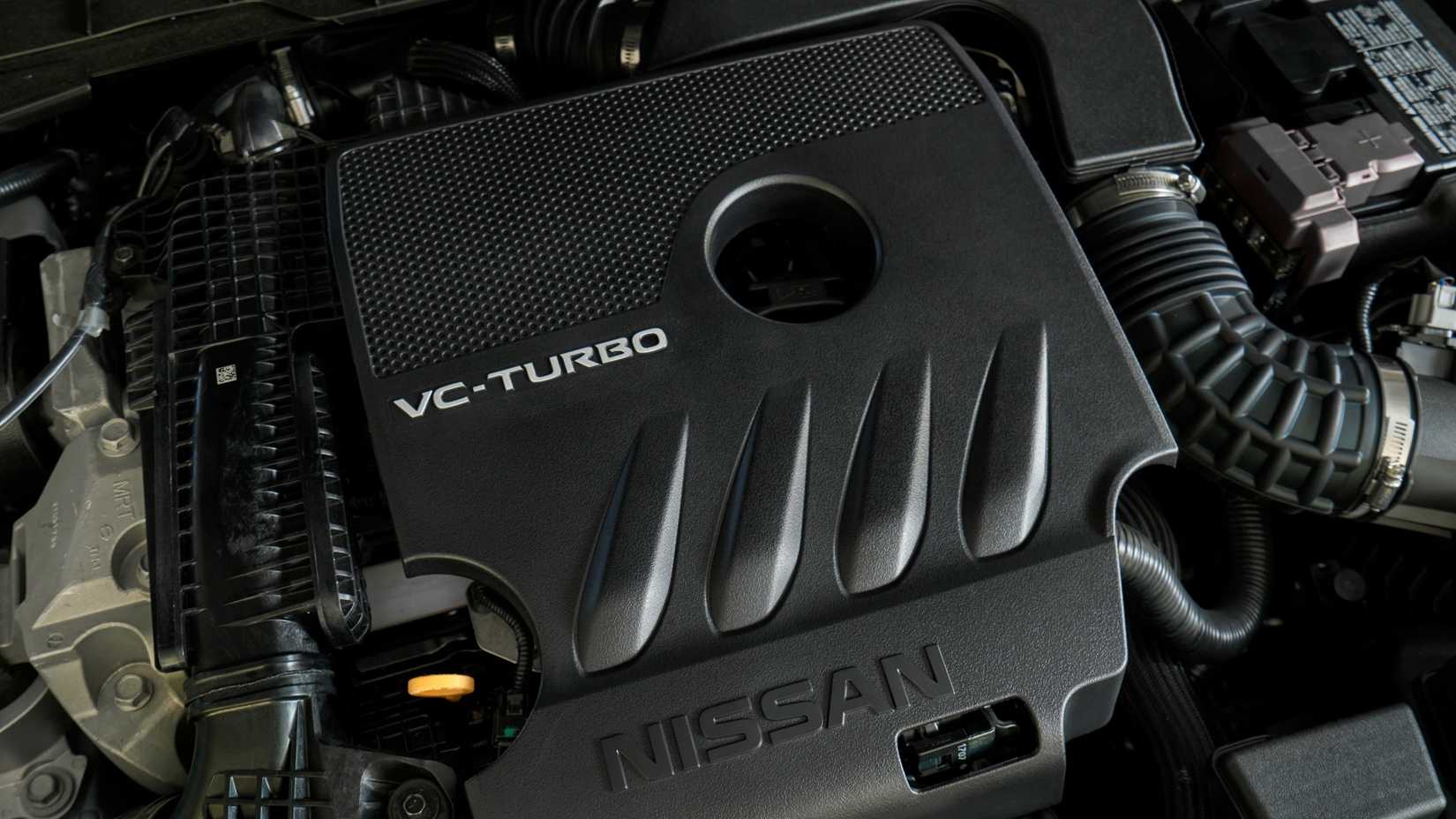
2. Nissan Altima SR VC-Turbo and the Quiet Removal of Hood Gas Struts
Examination of the engine bay in modern vehicles often reveals subtle changes that may not be immediately obvious. The Nissan Altima SR VC-Turbo demonstrates one such adjustment through the replacement of hood gas struts with a traditional prop rod system. While this alteration may appear minor, it carries implications for both convenience and perception.
Gas struts previously allowed the hood to rise smoothly and remain securely in position without manual support. This mechanism provided a refined experience, requiring minimal effort from the user. The controlled motion contributed to a sense of quality that complemented the design of the vehicle.
In place of this system, the prop rod requires the driver to manually secure the hood after opening it. This introduces an additional step, which may be considered less convenient, particularly when quick access to the engine compartment is required. The difference becomes more apparent during routine checks or maintenance activities.
Financial considerations have influenced this decision. Gas struts involve additional cost, and their removal enables manufacturers to manage production expenses more effectively. When applied across large production volumes, such adjustments can produce measurable savings.
Weight reduction also contributes to this approach. Although the difference may appear small on an individual basis, cumulative reductions across multiple components can support efficiency targets. From a durability perspective, the prop rod offers simplicity.
Unlike gas struts, which may lose pressure with extended use, the prop rod is less prone to mechanical failure. This characteristic supports long-term reliability, even if it reduces convenience. Perception of quality may be affected by the absence of gas struts.
Features that once enhanced the user experience often become more noticeable when they are removed. Drivers may interpret this change as a reduction in refinement, even though the vehicle continues to perform as intended. Manufacturers must weigh multiple factors, including cost, weight, and user experience, when making such decisions. In this instance, practicality and efficiency have taken precedence over convenience.
Small details play a role in shaping ownership satisfaction. The removal of hood gas struts illustrates how minor design changes can influence everyday interaction with a vehicle.
Also Read: 5 Cars With Genuinely Cold AC at Idle vs 5 That Only Cool While Moving
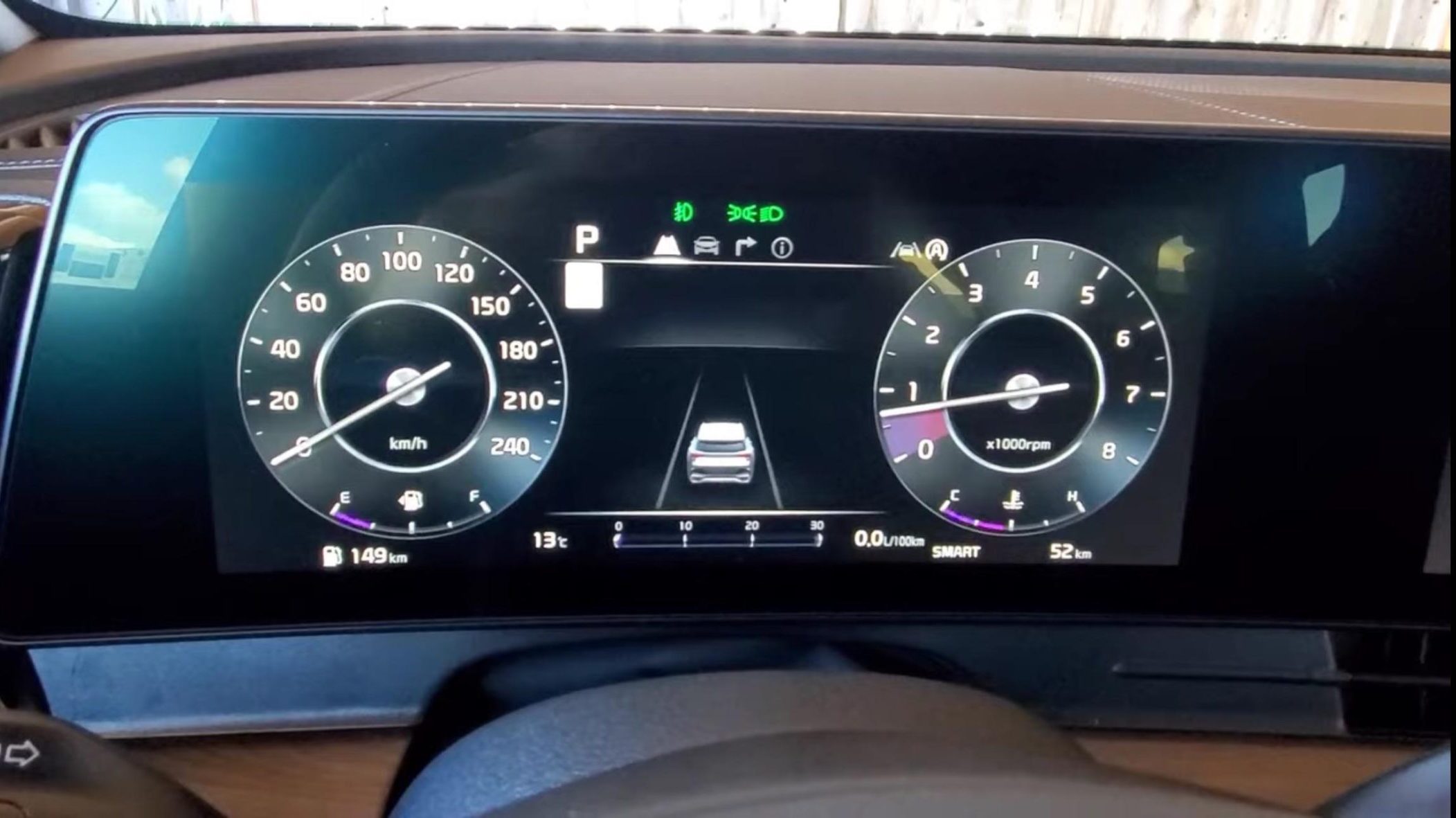
3. Kia Sportage SX Prestige and the Loss of Traditional Analog Gauges
Instrumentation within vehicles has progressed from mechanical displays to digital interfaces, and the Kia Sportage SX Prestige reflects this transition clearly. Traditional analog gauges, once a defining feature of the driver’s view, are now being replaced by fully digital instrument clusters.
Analog gauges relied on physical needles to display information such as speed and engine revolutions. Their operation was straightforward, offering immediate and consistent feedback without dependence on electronic processing. This simplicity contributed to ease of interpretation, particularly during dynamic driving conditions.
Digital displays introduce a different approach. Information is presented through configurable layouts that can be adjusted according to driver preference. This flexibility allows for multiple display modes, ranging from minimalist designs to detailed information screens. Such adaptability represents a clear advancement in presentation.
Despite these advantages, certain concerns arise. Analog gauges operate independently of software systems, providing a level of reliability that does not depend on electronic components. Digital displays, by comparison, rely on integrated systems that must function without interruption to maintain clarity.
Readability varies depending on design execution. Some digital interfaces present information in a clear and accessible manner, while others emphasize visual appeal at the expense of simplicity. This can affect how quickly a driver interprets essential data.
Production considerations also influence this move. A unified digital display system may reduce manufacturing variation and simplify assembly processes. This approach can support cost management across different models. Driver preference remains an important factor. Individuals who value modern presentation and customization may find digital displays appealing.
Others may prefer the familiarity and directness associated with analog gauges. Technological progress continues to shape the automotive environment. As digital systems become more prevalent, traditional gauges gradually disappear from new vehicles.
The driving experience develops alongside these changes. Visual interaction through screens replaces mechanical indication, reflecting a broader transformation in how information is delivered to the driver.

4. Mazda CX-50 Turbo Premium Plus and the Reduction of Independent USB Ports
Connectivity has become essential in modern vehicles, yet the Mazda CX-50 Turbo Premium Plus reflects a subtle reduction in available USB ports compared to earlier expectations. Passengers often rely on multiple devices during travel. Charging phones, tablets, and other electronics requires accessible ports throughout the cabin. Reducing the number of ports can limit convenience.
Design simplification contributes to this decision. Fewer ports create a cleaner interior layout and reduce wiring complications. Wireless charging and connectivity offer alternatives, though they do not fully replace the need for physical connections. Some devices still depend on wired charging for faster power delivery.
Cost considerations also play a role. Each additional port adds expense, and removing them helps manage production costs. User experience changes depending on usage patterns. Drivers who rely heavily on multiple devices may notice the limitation more than those who use fewer electronics.
Adaptation becomes necessary. Passengers may need to share ports or use external solutions such as adapters. Technology trends influence these choices. As wireless systems improve, manufacturers may continue to reduce physical connections.
Convenience, once defined by abundance, is now shaped by minimalism, requiring drivers to adjust to new expectations.
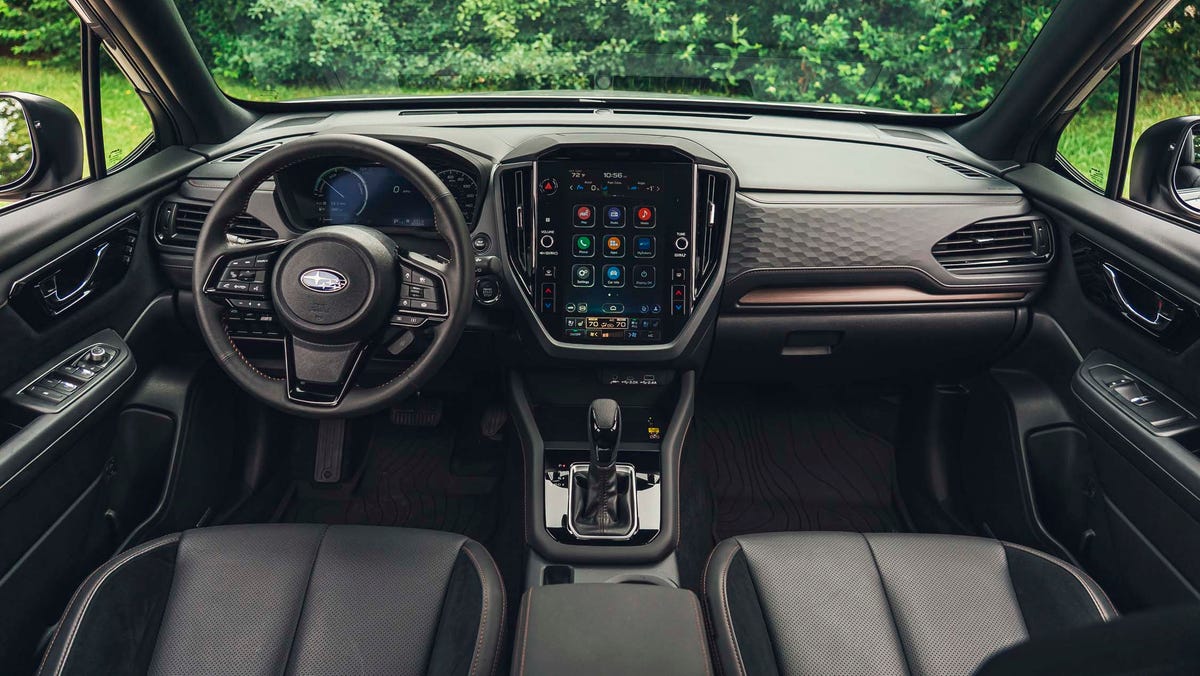
5. Subaru Forester Touring and the Quiet Elimination of CD Players
Music consumption has changed dramatically, and the Subaru Forester Touring reflects this move by removing the CD player from its design. CD players once served as a primary source of in-car entertainment. Drivers built collections and relied on physical media for music during trips.
Streaming services and digital storage have replaced this approach. Smartphones and online platforms provide access to vast libraries without the need for discs. Removing the CD player frees up space in the dashboard. This allows for larger screens and additional features.
Cost reduction also influences the decision. Eliminating components that fewer drivers use helps manufacturers manage expenses. For some drivers, the change feels natural. Digital music offers convenience and variety that physical media cannot match.
Others miss the reliability of CDs, especially in areas with limited connectivity. Physical media does not depend on network access. Ownership habits developed alongside technology. Features once considered essential fade as new options take their place. The disappearance of CD players highlights how changing consumer behavior shapes vehicle design.
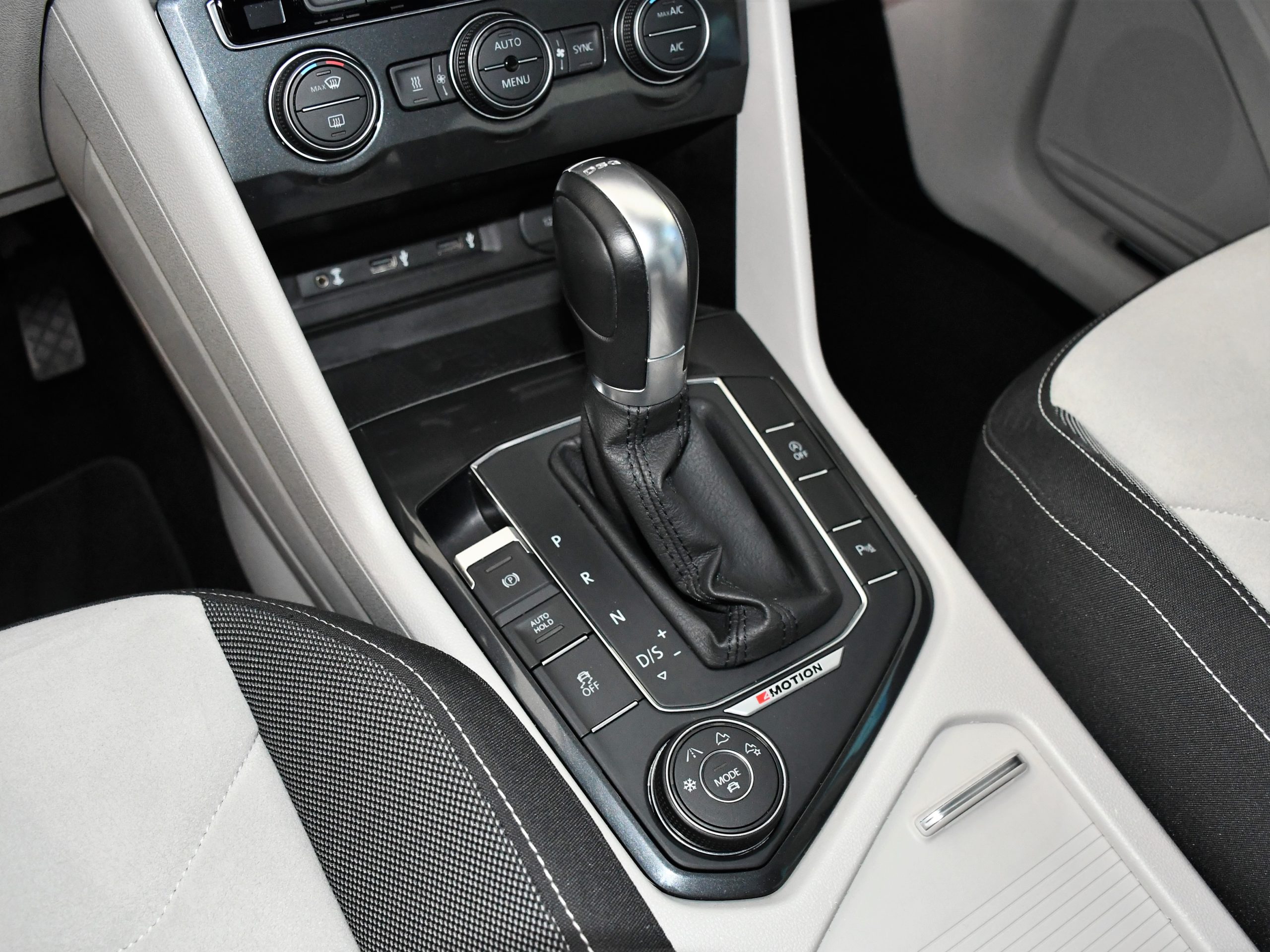
6. Volkswagen Tiguan SEL R-Line and the Absence of a Traditional Handbrake Lever
Interior layouts continue to develop, and the Volkswagen Tiguan SEL R-Line shows how one familiar control has nearly disappeared. The traditional handbrake lever has been replaced by an electronic parking brake, changing both form and function.
Pulling a lever once delivered a clear mechanical response. Drivers felt the resistance, heard the click, and knew the brake was engaged. That physical feedback created confidence, especially on steep inclines or during quick stops. Electronic systems remove that sensation, relying on a small switch to perform the same task.
Design priorities drive this change. Removing the lever frees up space in the center console, allowing for larger storage areas or a cleaner layout. This aligns with modern interior trends that emphasize simplicity and minimal clutter.
Ease of use becomes a mixed experience. Pressing a button requires less effort, and automatic engagement when parking adds convenience. Still, some drivers feel disconnected from the action, especially those accustomed to manual control.
Emergencies highlight the difference. A traditional lever allows gradual application of braking force if needed. Electronic systems handle this differently, which may not feel as intuitive in high-pressure moments. Manufacturers also consider integration with other systems.
Electronic parking brakes work seamlessly with features like hill hold and automatic brake release, enhancing convenience during everyday driving. Cost and production efficiency contribute as well. Simplified components and standardized systems can reduce manufacturing variation.
Driver reaction remains divided. Some embrace the modern approach, while others miss the reassurance of a mechanical control they can operate directly. Control methods continue to change as technology advances. The absence of a traditional handbrake lever reflects a broader move toward electronic systems, even in areas once defined by simple mechanics.
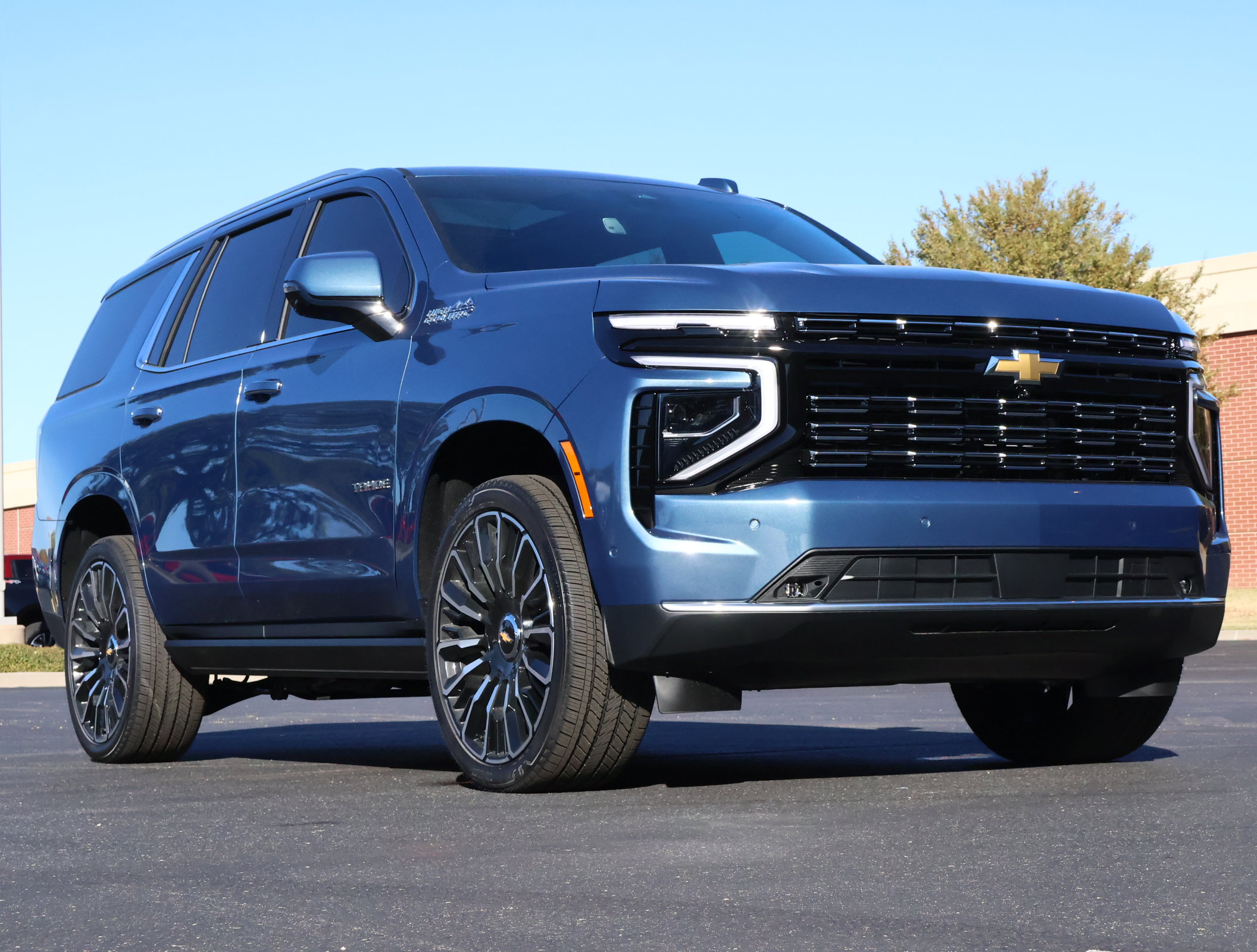
7. Chevrolet Tahoe High Country and the Removal of Built-In Garage Door Buttons in Some Trims
Convenience features often go unnoticed until they disappear. The Chevrolet Tahoe High Country reveals how built-in garage door buttons, once a common inclusion, are no longer guaranteed across all trims. Integrated garage door openers provided a simple solution.
Drivers could program the system and operate their garage without carrying an extra remote. This feature reduced clutter and added convenience to daily routines. Recent design changes have led to its removal in certain configurations.
Buyers may need to rely on traditional remotes or external solutions, bringing back an extra step that had quietly been eliminated in earlier models. Cost management plays a role in this decision. Removing small features across large production volumes can create meaningful savings for manufacturers.
Changing technology also influences this trend. Smartphone apps and connected home systems offer alternative ways to control garage doors, reducing reliance on built-in vehicle systems. User experience varies depending on preference. Drivers who value integration may miss the convenience, while others adapt quickly to alternative methods.
Interior design benefits from fewer embedded components. Simplification allows for cleaner layouts and reduces potential points of failure. Expectations, however, remain shaped by past experiences. Buyers who previously relied on built-in controls may find their absence surprising.
Small features contribute to daily convenience in ways that are easy to overlook. Removing them changes routines, even if the impact appears minor at first. The Tahoe continues to deliver capability and comfort, yet this quiet change highlights how even practical details can fade without much notice.
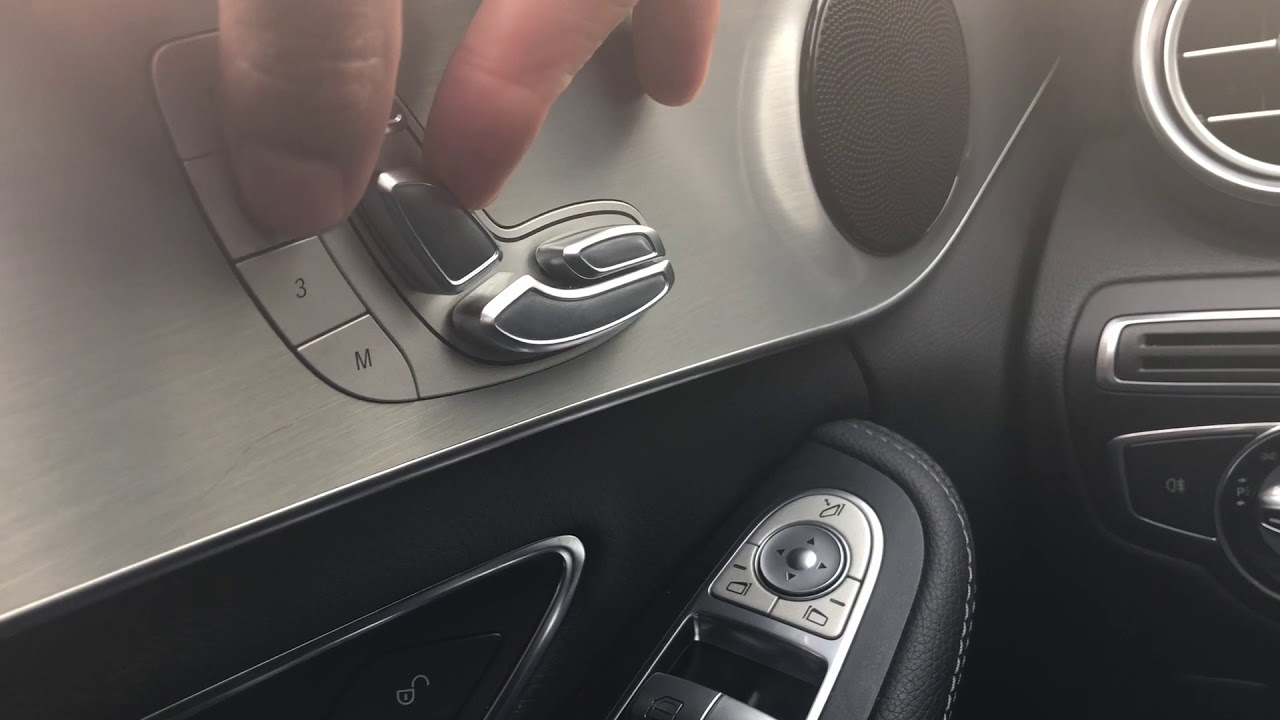
8. Mercedes-Benz C-Class C300 and the Reduction of Seat Memory Buttons on Doors
A long-standing feature in premium vehicles has been the provision of seat memory buttons placed conveniently on the door panel. In the Mercedes-Benz C-Class C300, this familiar arrangement is gradually being reduced or repositioned, with greater reliance placed on digital interfaces.
This development reflects a broader movement toward software-driven control within the cabin. Previously, a driver could press a clearly marked button to restore a preferred seating position without hesitation. The action was immediate, requiring no visual confirmation or interaction with additional systems.
Such direct access supported ease of use, particularly in situations where multiple drivers shared the same vehicle. With the introduction of digital control systems, seat adjustment settings are now often accessed through infotainment displays or linked to individual driver profiles.
While this arrangement allows for expanded personalization, including automatic adjustment upon vehicle entry, it introduces additional steps before a desired position can be achieved. For drivers who frequently alternate seating configurations, this may present a minor inconvenience.
Attention must also be given to accessibility. Physical buttons provide certainty, as their location and function remain constant. Digital menus, however, depend on screen navigation, which may require the driver to divert attention momentarily. This difference becomes more evident during regular use.
Interior design considerations have influenced this transition. Reducing visible controls contributes to a streamlined and contemporary appearance, which aligns with current automotive styling preferences. Manufacturers increasingly prioritize uncluttered surfaces, even if it means relocating or eliminating traditional controls.
Technology integration offers certain advantages. By linking seat settings to user profiles, the vehicle can automatically adjust to individual preferences without manual input. This level of automation supports convenience, particularly in households where more than one person operates the vehicle.
Comfort remains a central objective in vehicle design. However, the method by which drivers interact with that comfort is changing, reflecting a steady movement toward digital control systems within the automotive environment.
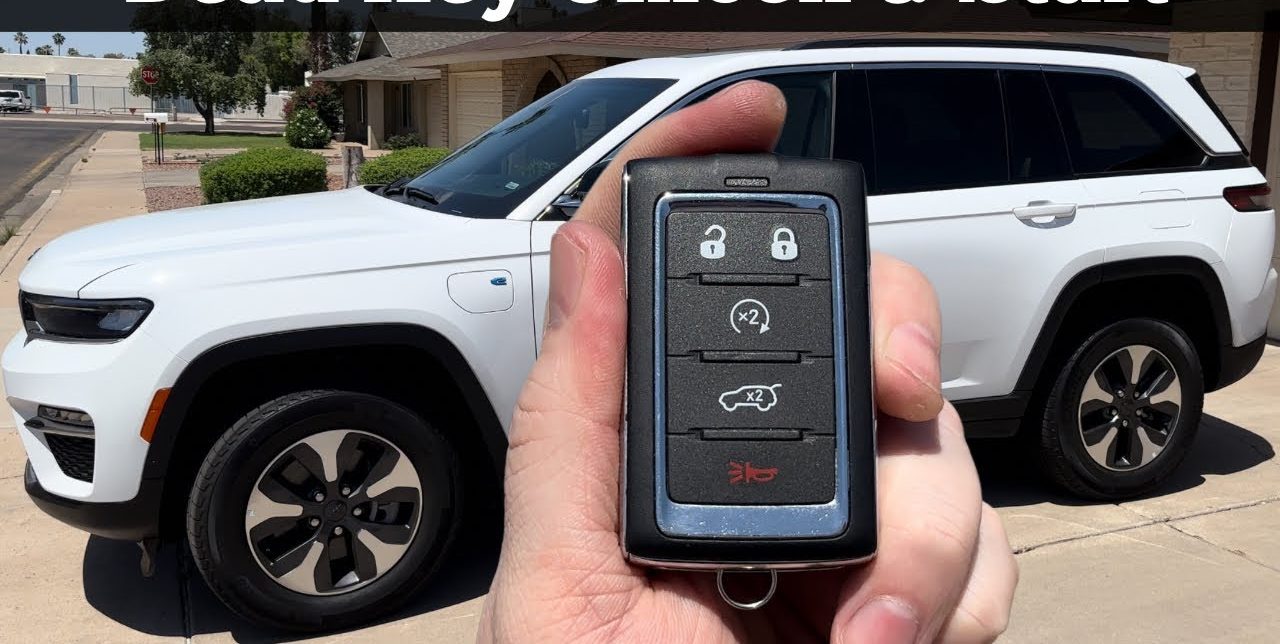
9. Jeep Grand Cherokee Limited and the Disappearance of Traditional Key Ignition Slots
The act of starting a vehicle once involved inserting a key into an ignition slot and turning it to bring the engine to life. In the Jeep Grand Cherokee Limited, this familiar process has largely been replaced by push-button start systems, marking a clear departure from traditional methods.
Push-button ignition offers a level of convenience that aligns with modern expectations. A driver can start the vehicle with minimal effort, provided the key fob is within range. This eliminates the need to handle a physical key, streamlining the process of entering and operating the vehicle.
Traditional ignition systems carried a sense of mechanical connection. Turning a key created a direct interaction between the driver and the vehicle, reinforcing a feeling of control. This tactile experience is not replicated by electronic systems, which rely on sensors and signals rather than physical movement.
Security considerations have contributed to this transition. Electronic authentication systems can enhance protection against unauthorized access when properly designed. These systems often work in combination with immobilizers and encrypted signals, offering an added layer of security.
User experience advances as a result of this change. While many drivers appreciate the convenience of keyless operation, others miss the familiarity associated with traditional ignition. The absence of a physical key can feel less engaging, particularly for those accustomed to older vehicles.
Integration with other features supports the adoption of push-button systems. Remote start functions, personalized driver settings, and keyless entry all operate more efficiently within a unified electronic framework. This creates a more connected driving experience.
Production efficiency also plays a role. Standardizing ignition systems across multiple models simplifies manufacturing processes and reduces variation in components. Dependence on electronic systems introduces potential challenges. Issues with key fobs, sensors, or software can prevent the vehicle from starting, requiring technical intervention rather than a simple mechanical solution.
Cultural attachment to traditional keys remains evident. For some drivers, the act of turning a key represents a familiar routine that connects them to the driving experience. Replacing this with a button alters that relationship. Automotive design continues to favor convenience and integration.
The removal of ignition slots reflects a steady movement toward electronic control systems, reshaping how drivers interact with their vehicles.
Also Read: 9 Cars That Don’t Mind Being Parked in 110-Degree Phoenix Heat
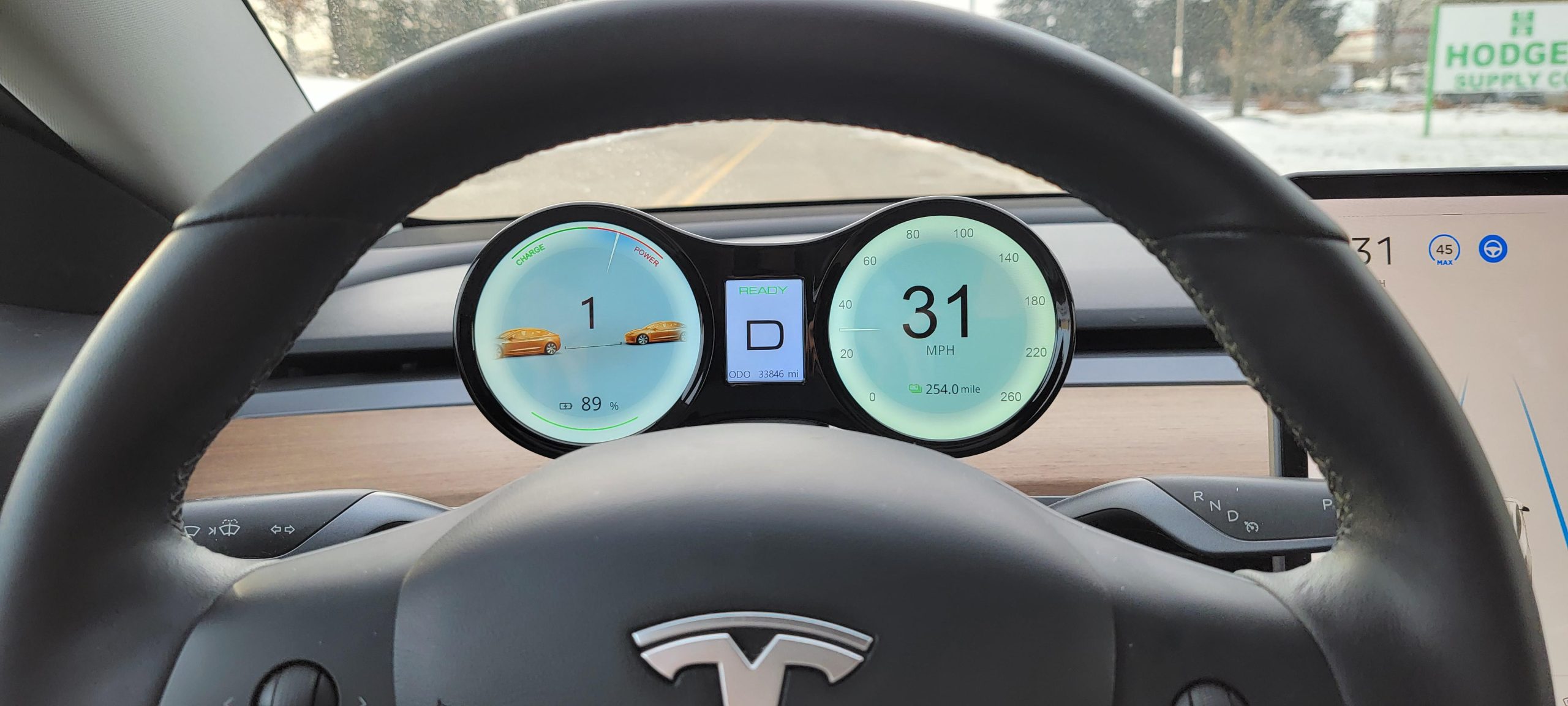
10. Tesla Model 3 Rear-Wheel Drive and the Absence of Traditional Instrument Clusters
Minimalist design has become a defining characteristic of certain modern vehicles, and the Tesla Model 3 Rear-Wheel Drive provides a clear example through the removal of a traditional instrument cluster. Instead of placing gauges directly in front of the driver, essential information is displayed on a central touchscreen.
Drivers accustomed to conventional layouts may initially find this arrangement unfamiliar. Speed, navigation, and other critical data are no longer presented within the immediate line of sight. Instead, the driver must glance toward the center of the dashboard to access this information.
Design philosophy strongly influences this approach. By eliminating the instrument cluster, the dashboard achieves a clean and uncluttered appearance. This simplicity aligns with a broader trend toward reducing visual elements within the cabin.
Technological capability supports this design. Digital displays can present multiple forms of information within a single interface, allowing updates and customization without altering physical components. This flexibility enables manufacturers to refine the user experience through software.
User preference plays an important role in evaluating this change. Some drivers appreciate the modern presentation and streamlined interior, while others prefer the familiarity of traditional gauges positioned directly ahead. Cost considerations may also influence the decision.
Removing a separate instrument cluster reduces hardware requirements, contributing to production efficiency. Focus while driving can be affected by the new arrangement. Accessing information from a central screen requires a slight change in visual behavior, which may influence how drivers engage with the road environment.
Tesla’s design approach challenges established conventions within the automotive industry. Removing the traditional instrument cluster, it introduces a different way of interacting with vehicle information.
