
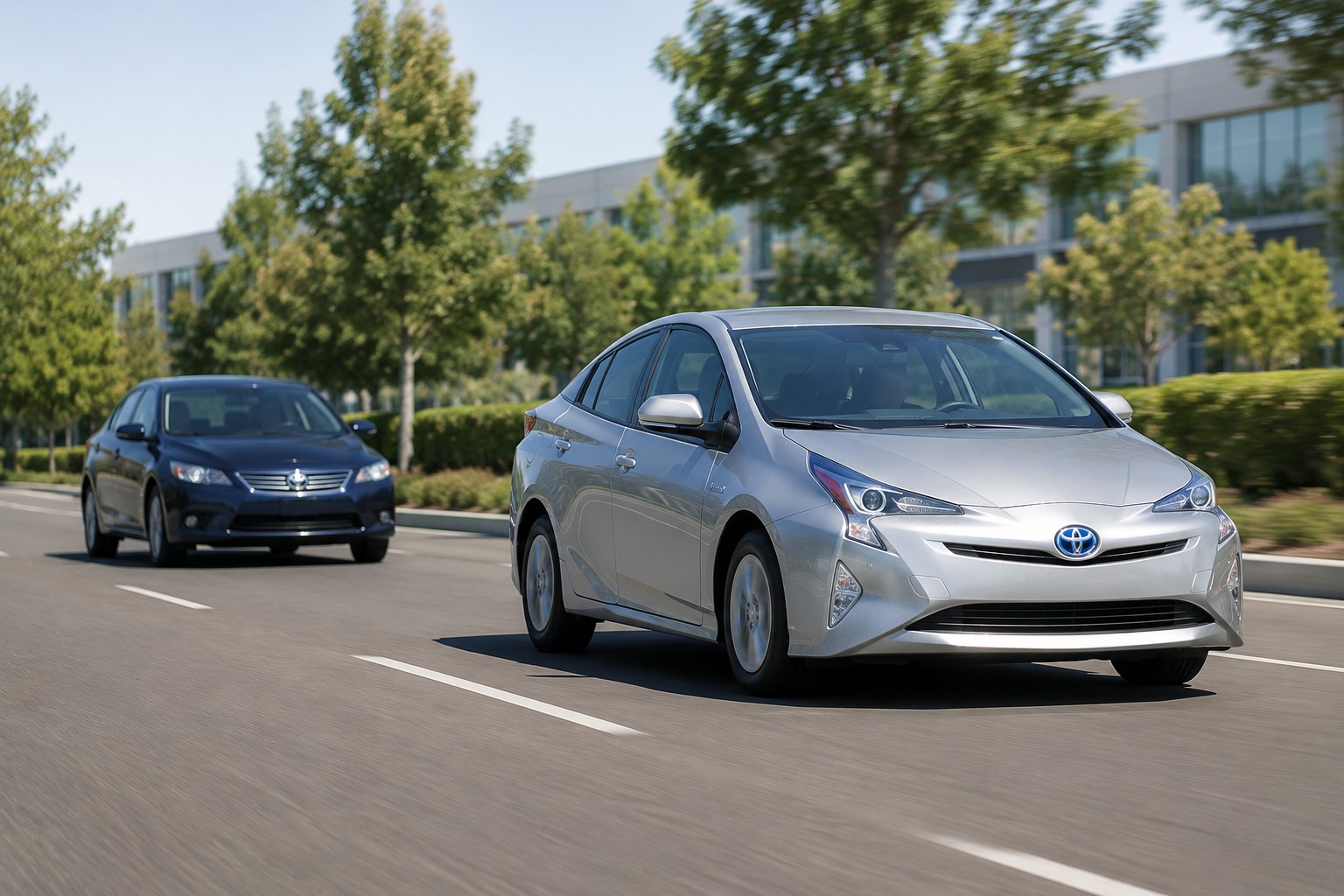
The automotive world is witnessing a remarkable shift in reliability. Hybrid vehicles are no longer just the fuel-efficient choice; they are now the more dependable one, too. Consumer Reports has released data showing that hybrid vehicles experience 15 percent fewer problems than their traditional gasoline-powered counterparts.
This is a significant milestone that challenges long-held assumptions about complex dual-powertrain systems being prone to more issues. For decades, drivers believed that more technology meant more problems. That thinking is rapidly becoming outdated. Hybrids combine an internal combustion engine with an electric motor, and this combination was once seen as a reliability risk.
Today, the opposite appears to be true. Manufacturers have spent years refining hybrid technology, and that investment is now showing clear results. Brands like Toyota, Honda, and Ford have logged millions of hybrid miles across global markets.
The lessons learned have been applied directly to engineering and quality control. This report from Consumer Reports is not just good news for hybrid owners, it is a turning point for the entire auto industry. It signals that electrified vehicles have crossed a critical threshold of trustworthiness.
The Consumer Reports Study, What the Data Actually Shows
Consumer Reports conducts one of the most respected annual vehicle reliability surveys. Hundreds of thousands of vehicle owners participate each year. Their responses cover everything from minor electrical glitches to serious engine failures.
The 2024 data revealed something striking: hybrid vehicles now outperform conventional gasoline cars by a clear 15 percent margin in problem rates. This is not a marginal statistical difference. It represents a meaningful and consistent pattern across multiple vehicle categories and brands.
The survey measures problems across 17 different trouble areas. These include engine performance, transmission behavior, in-car electronics, and fuel systems. Hybrids performed better in several of these categories simultaneously. That consistency across different problem types makes the finding especially credible. It is not a single anomaly in one system; it is a broad improvement.
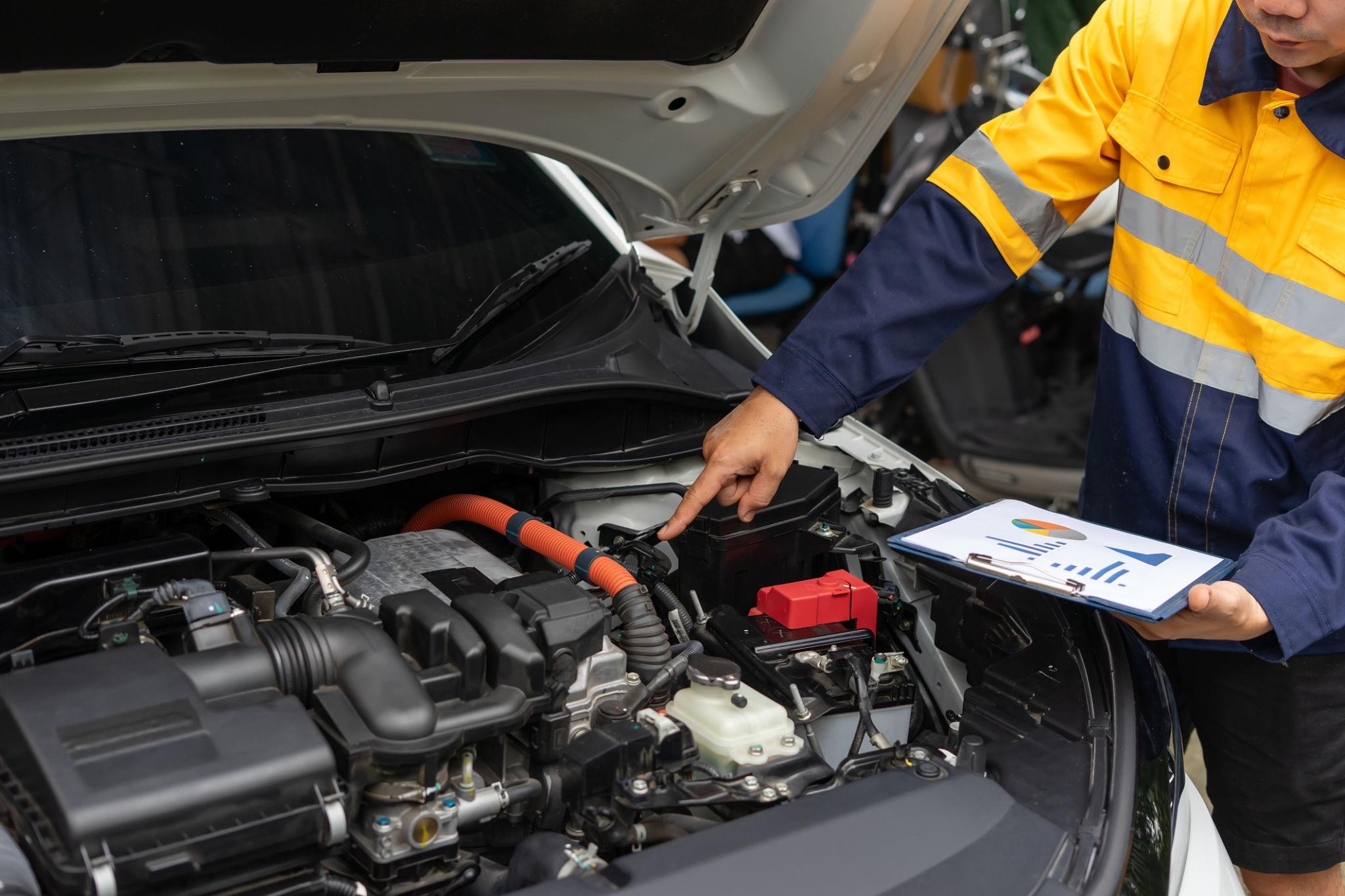
Interestingly, hybrids showed particular strength in drivetrain reliability. The regenerative braking system, which recovers energy during deceleration, actually reduces wear on traditional brake components. Brake replacement intervals are significantly longer in hybrids than in gasoline vehicles. This alone accounts for a notable portion of the reliability advantage.
The data also showed that newer hybrid models outperform older ones. Manufacturers have clearly been learning and improving with each generation. Consumers buying hybrids today are benefiting from years of accumulated engineering experience.
Also Read: Why Dealer Service Costs Are Becoming Impossible to Justify
Why Hybrids Are Becoming More Reliable Than Gas Cars
The reliability gains in hybrid vehicles are not accidental. They are the result of deliberate engineering decisions made over two decades. Toyota, which pioneered mass-market hybrids with the Prius in 1997, has had the longest runway for improvement. Their hybrid system has been refined through millions of real-world driving cycles. That depth of experience translates directly into fewer failures.
One key reason hybrids outperform gas cars is reduced engine stress. In a hybrid, the electric motor assists the gasoline engine during acceleration. The engine does not have to work as hard during the moments of peak mechanical strain. Lower stress means less heat, less wear, and fewer breakdowns over time.
Regenerative braking is another major factor. Traditional brakes rely on friction pads that wear down gradually. Hybrid systems use the electric motor as a generator during braking, converting kinetic energy back into battery charge. Physical brake components experience far less friction as a result. Drivers report needing brake pad replacements far less frequently in hybrid vehicles.
Battery technology has also matured significantly. Early hybrid batteries were expensive and sometimes unreliable. Modern nickel-metal hydride and lithium-ion battery packs used in hybrids are engineered for longevity. Many Toyota Prius owners have reported original battery packs lasting well beyond 200,000 miles. That kind of durability removes one of the biggest concerns foreign buyers once had about hybrid ownership.
Software management systems have improved, too. Modern hybrids use sophisticated onboard computers to balance power between the electric motor and engine. These systems optimize performance in real time. They reduce unnecessary engine cycling and prevent component overloading.
What This Means for Global Car Buyers
For international consumers, especially in markets across Asia, Europe, and the Middle East, this reliability data carries practical weight. Many buyers in these regions prioritize long-term dependability over short-term purchase price. A vehicle that costs slightly more upfront but requires fewer repairs over ten years is often the smarter financial decision.
In countries with hot climates, such as India, the Gulf states, and Southeast Asia, engine stress is a daily reality. High ambient temperatures put additional strain on cooling systems and mechanical components. Hybrids, with their reduced engine load and sophisticated thermal management, are particularly well-suited to these environments. The electric assist during stop-and-go city traffic reduces heat buildup meaningfully.

Fuel savings add another layer of financial benefit. Hybrid vehicles typically consume 30 to 50 percent less fuel than equivalent gasoline cars. In countries where fuel prices are high or subsidies are being reduced, this translates into thousands of dollars in savings annually. Combined with lower maintenance costs, the total cost of ownership over five to seven years becomes substantially more attractive.
Resale value is also strengthening for hybrids. As reliability data improves and consumer trust grows, used hybrid prices have risen in many markets. Buyers who purchase a hybrid today are protecting their long-term investment more effectively than those who choose a conventional gasoline vehicle.
Governments around the world are also accelerating the push toward electrified transportation. Many countries now offer tax incentives, reduced registration fees, or preferential lane access for hybrid owners. These policy advantages amplify the financial case. For a foreign buyer evaluating a purchase decision in 2025, the combination of reliability data, fuel savings, and policy support makes hybrids a compelling choice.
The Brands Leading the Hybrid Reliability Revolution
Not all hybrid vehicles perform equally. Consumer Reports data identifies clear leaders in the hybrid reliability segment. Toyota remains the gold standard. Models like the Camry Hybrid, RAV4 Hybrid, and Lexus ES Hybrid consistently rank among the most reliable vehicles in any category, not just hybrids. Their engineering discipline and long production history give them a substantial advantage.
Honda is another strong performer. The Honda Accord Hybrid and CR-V Hybrid have earned high reliability scores in recent surveys. Honda’s hybrid system, called i-MMD (Intelligent Multi-Mode Drive), prioritizes the electric motor for most city driving. The gasoline engine acts more as a generator in urban conditions. This approach reduces engine wear significantly and contributes to strong long-term reliability.
Ford has made impressive strides with its hybrid lineup. The Ford Escape Hybrid and Maverick Hybrid have received positive reliability feedback. Ford’s investment in hybrid technology over the past decade is beginning to produce measurable results in real-world ownership data.
Hyundai and Kia are emerging as serious contenders. Their hybrid systems have improved rapidly over the past three to four model years. The Hyundai Tucson Hybrid and Kia Sportage Hybrid offer strong reliability at competitive price points. For budget-conscious buyers in developing markets, these brands represent accessible entry points into dependable hybrid ownership.
It is worth noting that plug-in hybrid vehicles, or PHEVs, show slightly more mixed reliability results. The additional complexity of larger battery packs and charging systems introduces some new failure points. Pure hybrids, which charge their own batteries without external plugging, currently hold the clearest reliability advantage over conventional gasoline vehicles.
The Road Ahead for Hybrid Technology
The 15 percent reliability advantage that hybrids currently hold over gasoline cars is likely to grow. Engineers are not standing still. Each new model year brings incremental improvements to battery management, thermal control, and drivetrain integration. The reliability gap between hybrids and conventional vehicles will likely widen further over the next five years.
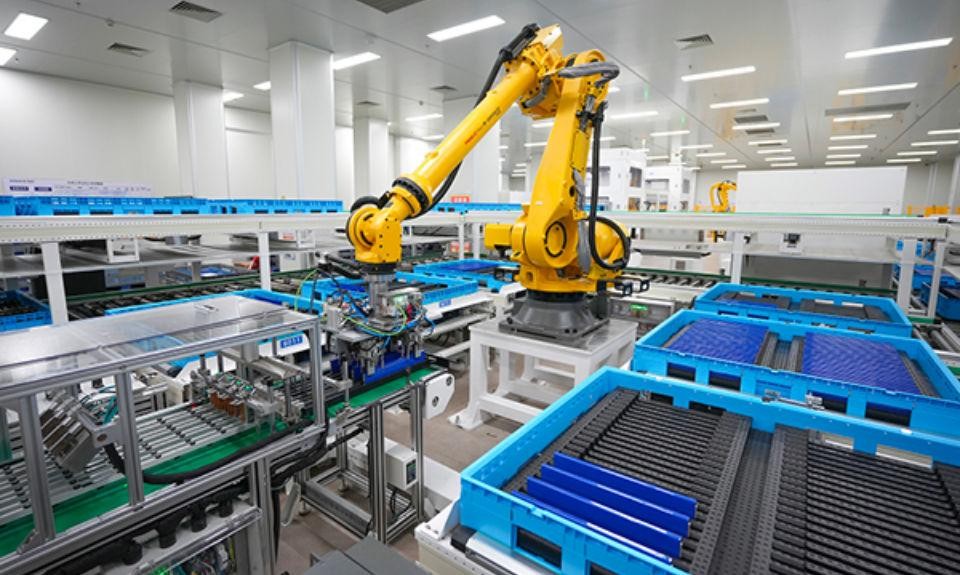
Automakers are also investing heavily in manufacturing quality control for hybrid-specific components. Battery pack assembly, electric motor winding, and power electronics production have all seen significant quality improvements. Defect rates at the factory level have dropped considerably. Fewer problems are being built into vehicles before they even leave the production line.
The growing volume of hybrid vehicles on the road also accelerates improvement. More vehicles mean more real-world data. Engineers can identify failure patterns earlier and address them in subsequent model updates. This feedback loop is a powerful driver of continuous reliability improvement.
Consumer awareness is catching up with the data. More buyers globally are recognizing that hybrids are not a compromise, they are an upgrade. The perception of hybrids as complicated, expensive, or risky is being replaced by a new understanding grounded in evidence. Reliability surveys, owner testimonials, and long-term cost analyses all point in the same direction.
The automotive industry is at an inflection point. Hybrid vehicles have proven themselves not just as efficient machines, but as genuinely durable, low-maintenance transportation tools. For buyers in any market, in any climate, and at almost any budget level, the case for choosing a hybrid has never been stronger.
Also Read: The Honest Truth About Synthetic Oil Change Intervals
