
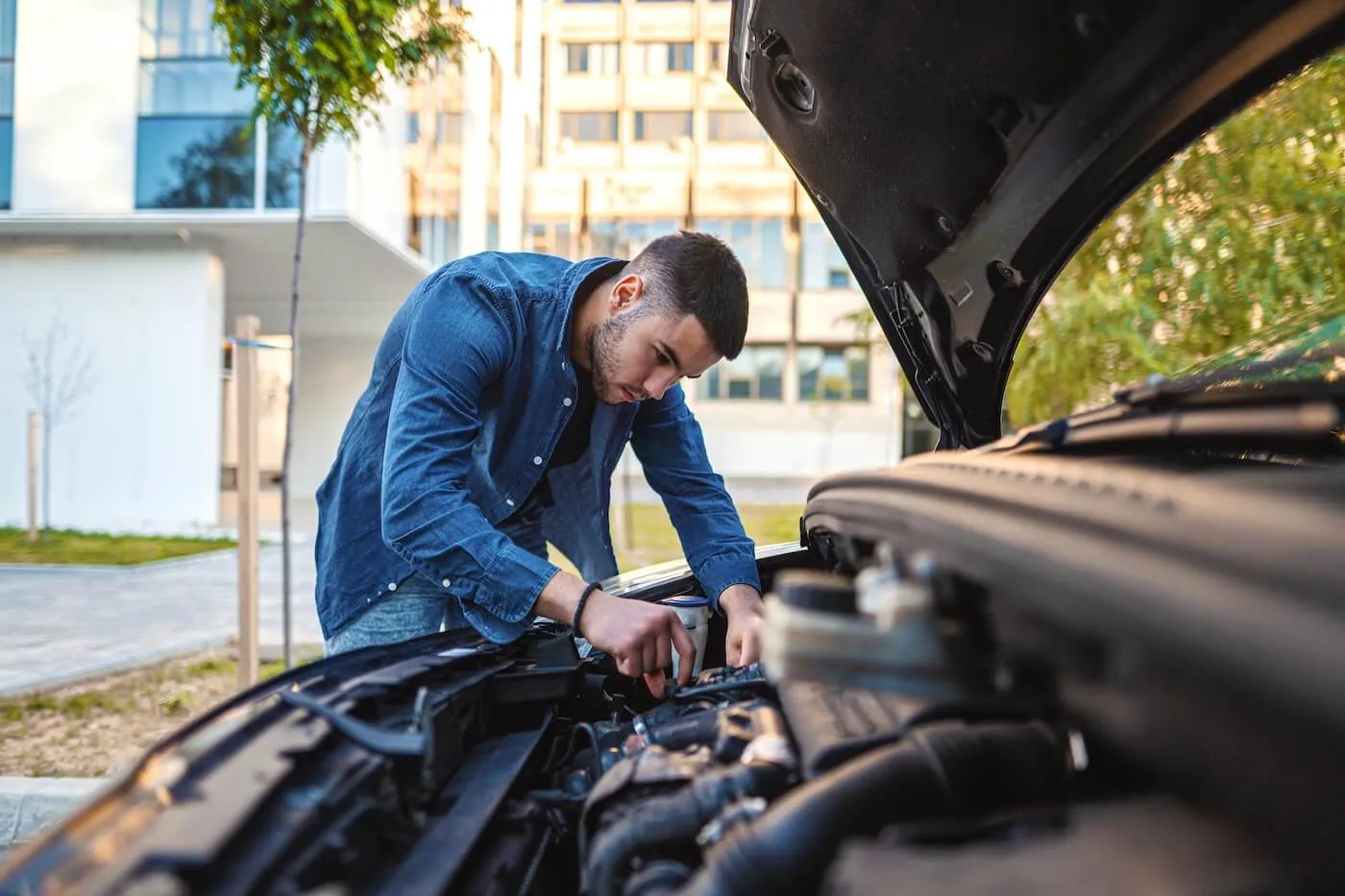
Most car repair bills that sting the hardest share one thing in common: they were preventable. Not by doing something expensive or complicated, but by doing something small, cheap, and easy weeks or months before the big failure happened. That is the quiet irony of vehicle ownership. People spend thousands fixing problems that a $15 bottle of coolant or a $30 air filter could have stopped entirely.
This is not a lecture. It is an honest, practical breakdown of nine vehicle tasks that cost less than $50 each but have the documented ability to prevent repairs that routinely run into the hundreds or thousands of dollars. Every single item on this list is within reach of the average vehicle owner, whether you do it yourself or hand it off to a shop for a quick service visit. Either way, the cost stays low. And the protection it provides is real.
Car ownership in the United States carries an average annual maintenance and repair cost that surprises most people when they actually add it up. AAA has repeatedly found that the average driver underestimates what their vehicle actually costs to keep on the road.
A big chunk of those costs comes from deferred small tasks that snowball into large failures. The engine burned through its oil because the owner pushed past the service interval. The radiator cracked because the old coolant turned acidic and ate through the metal. The wheel bearing failed prematurely because tire rotation was skipped for 40,000 miles.
Small actions create large outcomes in both directions. Skipping a $20 task can lead to a $2,000 repair. Doing that same $20 task on schedule keeps the vehicle running cleanly for another 50,000 miles. That is the math this article is built on, and once you see it laid out clearly, the decision to stay on top of these tasks becomes obvious.
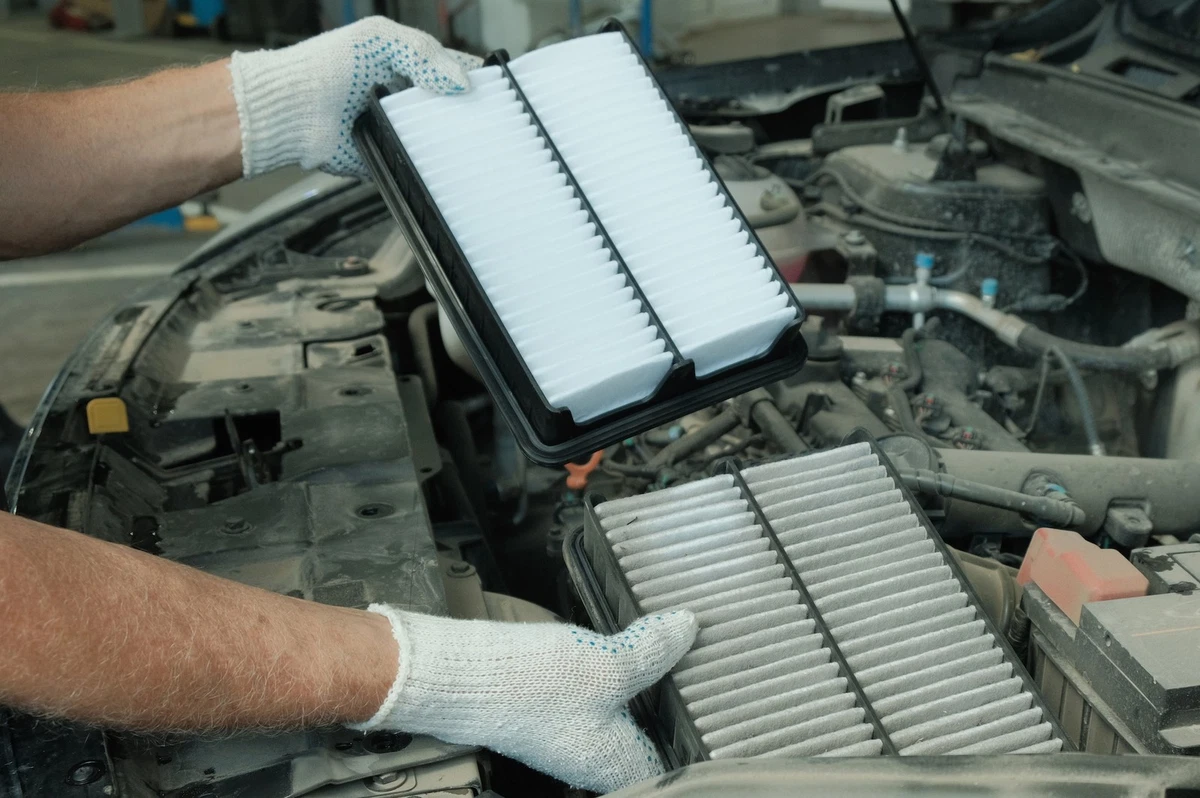
1. Replacing the Engine Air Filter Protects Performance and Keeps the Engine Clean
An engine air filter is one of those components that nobody thinks about until a mechanic holds it up during an oil change and shows them what it looks like after 30,000 miles of use. By that point, it is clogged with dust, debris, pollen, and road grime, and it has been choking the engine’s air supply for longer than anyone would like to admit.
A fresh engine air filter costs between $15 and $30, depending on the vehicle, and replacing it takes about five minutes with no tools required on most models. A 2016 Toyota Camry SE with the 2.5-liter 4-cylinder engine is one of the most common vehicles on American roads, and its air filter is one of the simplest to replace. Pop the clips on the airbox, lift the lid, swap the filter, and close it back up. Total time: four minutes.
Total cost: around $18 for a quality aftermarket filter. Compare that to the cost of a catalytic converter damaged by chronic rich running caused by years of air restriction, which can run $1,500 or more, depending on the position and quality of the unit. That is an 8,000 percent cost difference driven entirely by whether or not someone changed a cheap filter on schedule.
A 2019 Chevrolet Equinox LS with the 1.5-liter turbocharged engine also benefits from clean air filtration in a specific way. Turbocharged engines compress incoming air before it enters the combustion chamber, which means any particulates that pass through a compromised filter are being forced into the engine under pressure.
Turbo compressor wheels spin at extremely high speeds and are sensitive to abrasive debris. Keeping a fresh filter in a turbocharged engine is not just good practice. It is protection for one of the most expensive components in the system.
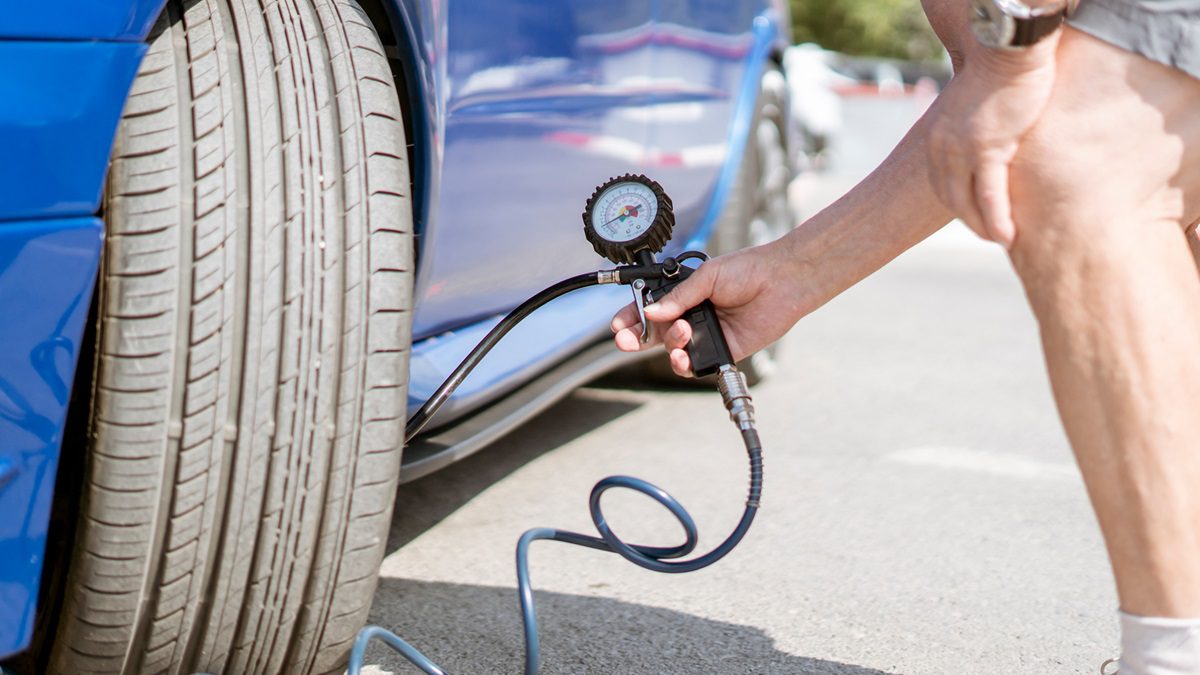
2. Checking and Topping Off Tire Pressure Prevents Blowouts and Saves Rubber
Tire pressure is one of the most frequently ignored items in vehicle ownership and one of the most directly connected to both safety and cost. A tire that is running even five to eight PSI below its specified pressure is carrying more load on the outer edges of the tread, building heat internally, wearing unevenly, and reducing fuel efficiency. None of those effects is visible from the driver’s seat until the damage is already done.
A quality tire pressure gauge costs between $10 and $15 and lasts for years. Checking pressure once a month takes three minutes per vehicle. That is the entire investment required to prevent a category of problems that costs American drivers billions of dollars annually in premature tire replacement, reduced fuel economy, and accident-related damage.
Tire pressure monitoring systems, which became federally required on new vehicles in 2007, warn drivers when pressure drops, but they typically do not alert until pressure is already well below optimal. Monthly manual checks catch gradual losses before the TPMS light ever comes on.
A 2014 Honda Accord Sport Sedan is specified for 32 PSI front and rear according to the door placard. Running that car at 24 PSI in each tire might feel normal to a driver who has never known any different, but it generates heat inside the tire that degrades the rubber compound, stresses the internal structure, and dramatically increases the risk of a sudden blowout at highway speed. A blowout on an interstate at 70 mph is not just a financial problem. It is a genuine safety emergency that can cause accidents.
A 2020 Ram 1500 Classic Express with the 3.6-liter Pentastar V6 carries different front and rear tire pressures depending on load configuration, and getting both right is essential for even tread wear on a truck that regularly varies between loaded and unloaded states.
Checking pressure when the tires are cold, before the vehicle has been driven, gives the most accurate reading because heat from driving artificially raises pressure readings. Setting the pressure correctly in the morning before a drive is the proper technique, and it costs nothing beyond the gauge.
Also Read: 10 Maintenance Tasks That Save US Owners 1200 Dollars Annually
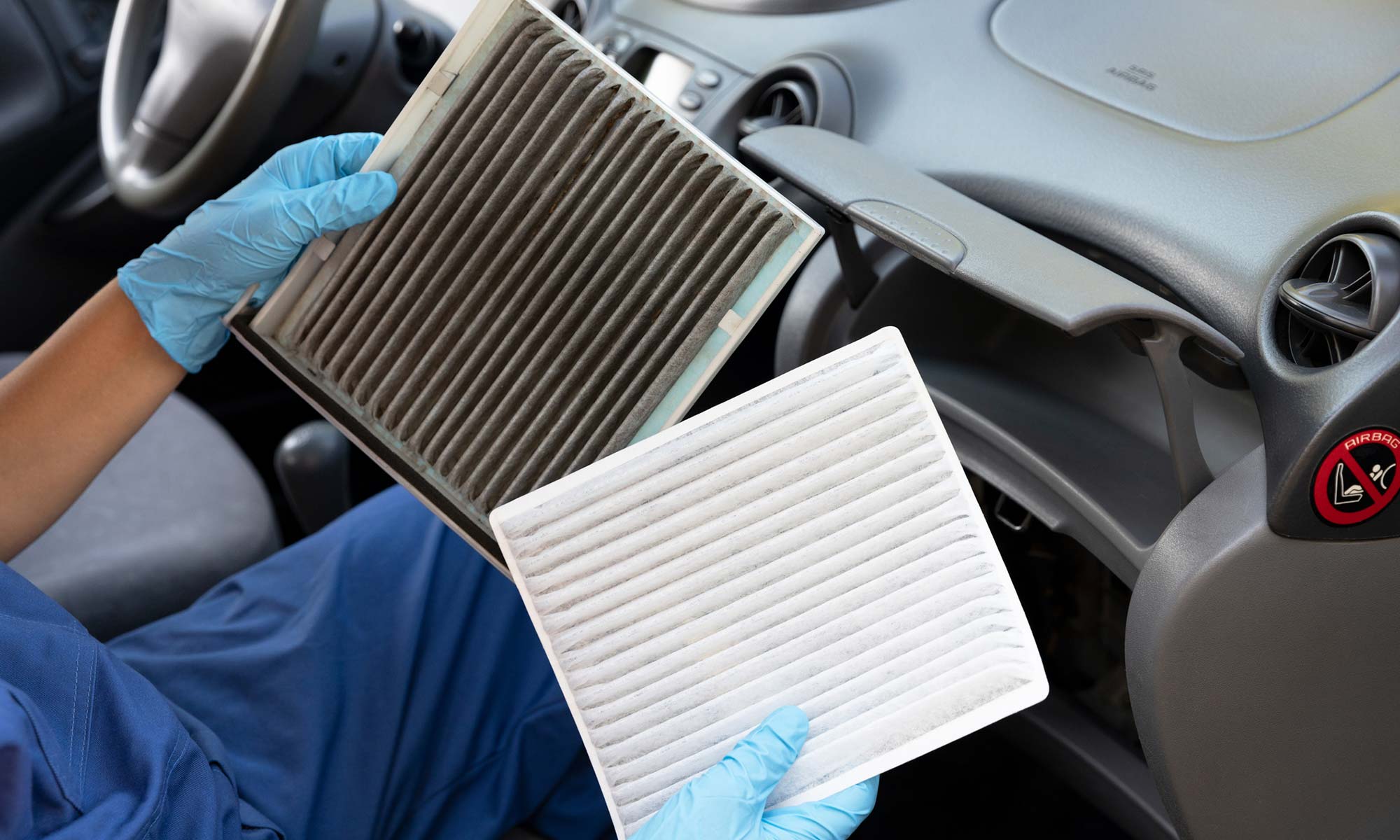
3. Changing the Cabin Air Filter Protects the HVAC System From Expensive Failures
Cabin air filters rarely make anyone’s list of exciting vehicle topics. They sit quietly behind the glove box or under the dashboard, collecting pollen, dust, pet hair, leaves, and debris from the outside air before it enters the passenger compartment.
When they are clean, the HVAC system flows air freely, and the interior stays comfortable. When they are clogged, airflow drops, the blower motor works harder than it should, and a cascade of problems can follow. A cabin air filter for most vehicles costs between $12 and $25, depending on the brand and filtration level. Standard paper filters are at the low end.
Activated carbon filters that also absorb odors sit slightly higher. Replacement intervals vary but typically fall between 15,000 and 25,000 miles, or annually for vehicles driven in areas with high pollen or dust counts. Most cabin air filters are accessible without any tools at all, making this a legitimate five-minute driveway task.
A 2017 Ford Fusion SE with the 2.0-liter EcoBoost engine has its cabin air filter located behind the glove box. Releasing the glove box, removing the old filter, sliding in a new one, and snapping everything back in place takes about eight minutes from start to finish. That task protects the blower motor from working against restricted airflow, which is the primary mechanical risk of a clogged cabin filter.
Blower motor replacement is not a devastating repair compared to some items on this list, but it is a genuinely avoidable one. Replacement costs run between $300 and $600, depending on the vehicle and whether the resistor pack needs to come out as well.
A blower motor that is laboring against a blocked filter runs hotter than designed, wears its brushes faster, and can fail prematurely because of sustained overwork. The $18 filter that prevents that outcome is one of the best returns on investment in vehicle ownership.
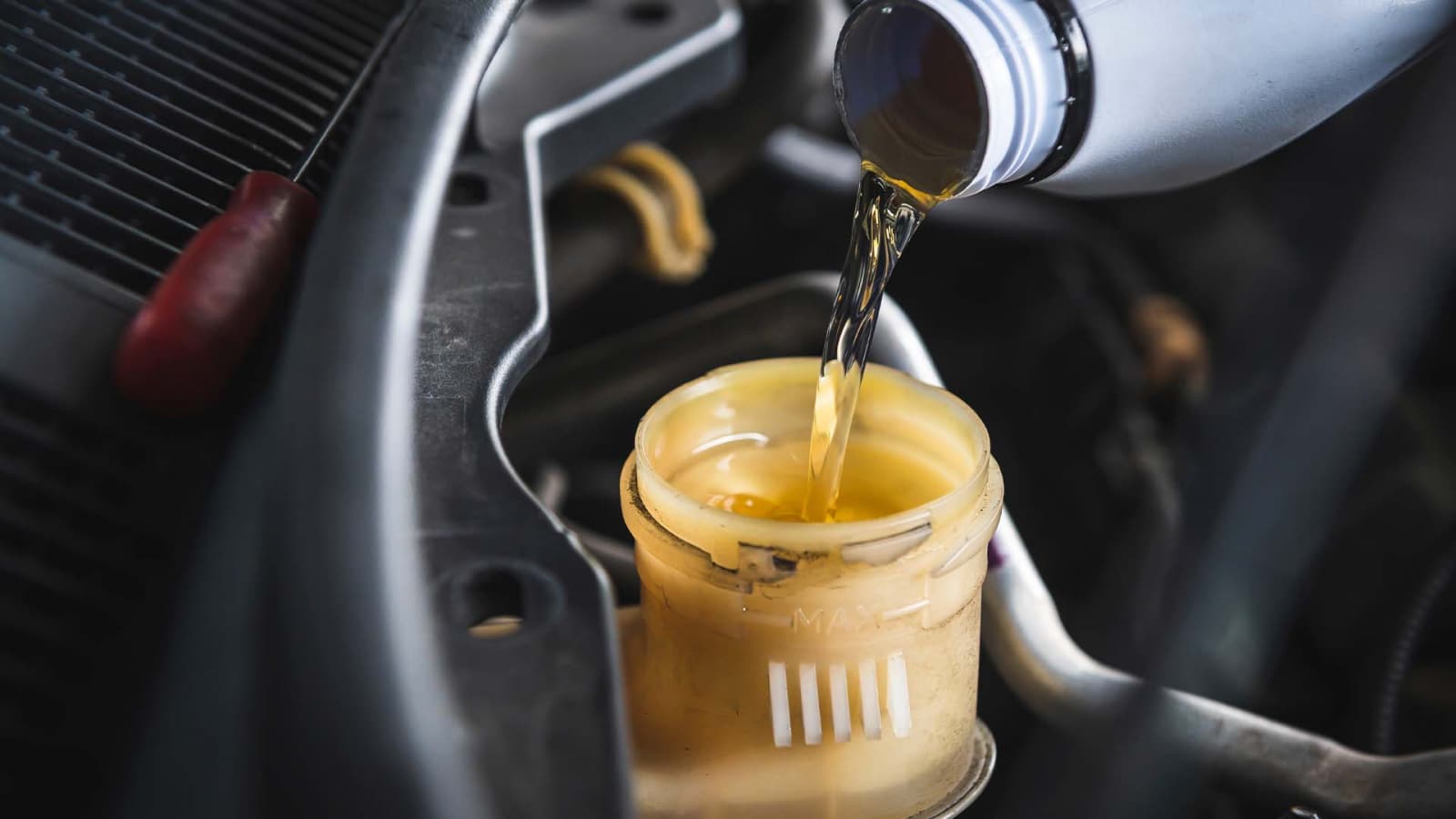
4. Flushing Old Brake Fluid Before It Causes a Real Problem Costs Almost Nothing
Brake fluid is hydroscopic, which means it actively absorbs moisture from the atmosphere through every rubber component in the braking system. That moisture absorption happens continuously from the day the vehicle is manufactured, and it has a direct effect on how the braking system performs under the conditions when reliable braking matters most.
Fresh DOT 3 or DOT 4 brake fluid has a dry boiling point above 400 degrees Fahrenheit. Water-contaminated fluid can have a boiling point well below 300 degrees. Under hard or repeated braking, brake components generate substantial heat. If the fluid in a heavily contaminated system reaches its reduced boiling point, it vaporizes inside the caliper.
Vapor is compressible. Brake fluid is not. A pedal that suddenly drops toward the floor during hard braking because the fluid has vaporized is a terrifying experience that a $20 bottle of brake fluid could have prevented. A 2010 Subaru Legacy 2.5i Premium with the 2.5-liter naturally aspirated engine is a vehicle that sees diverse driving conditions across its ownership life.
Owners who live in hilly areas, tow occasionally, or drive in mountain regions put more thermal stress on their braking system than flat-road highway commuters. For those owners, brake fluid service every two years, regardless of mileage, is a reasonable precaution that costs under $40 for a quality fluid and the labor to bleed the system.
A 2021 Nissan Rogue SV AWD is a newer vehicle where brake fluid service is sometimes overlooked because the car still feels new. But the hygroscopic process does not care about model year. It starts on day one. Checking fluid color is a basic indicator of condition.
Fresh fluid is clear to very light yellow. Dark brown or black fluid is heavily contaminated and overdue for replacement. Most shops will check fluid condition at no charge during a brake inspection, and the service itself typically costs between $30 and $80, depending on the vehicle and how much bleeding is required.
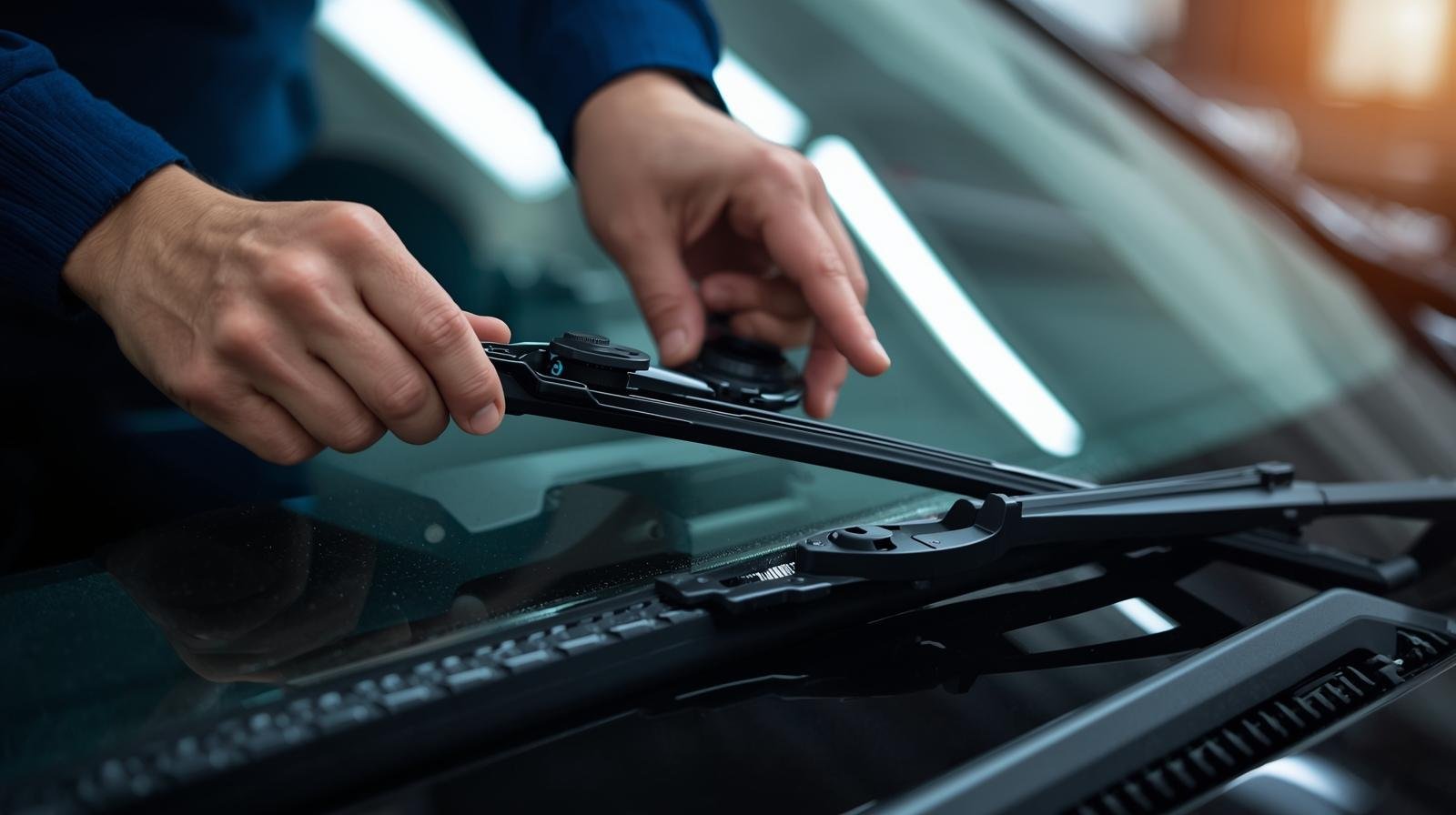
5. Inspecting and Replacing Wiper Blades Before They Fail Keeps Visibility Safe and Clear
Nobody thinks about wiper blades until it is raining hard at night on a busy highway and the blades are streaking, skipping, and leaving visibility somewhere between poor and dangerous. At that point, a $25 pair of wiper blades has become a safety issue that no amount of regret can fix while the rain is coming down.
Wiper blade rubber degrades from UV exposure, temperature cycling, and the abrasive effect of wiping a glass surface thousands of times per year. Most blades have a realistic service life of six to twelve months in average climates. In areas with extreme heat or cold, that window is shorter. An annual replacement at the start of fall, before winter weather arrives, is the simplest maintenance schedule a driver can follow.
A 2013 Buick Enclave Premium AWD uses a standard hook attachment system that makes blade replacement something any driver can do in a parking lot with no tools. Lift the arm, press the release tab, slide the old blade off, click the new one on, repeat on the other side. Total time: six minutes.
Total cost for a quality beam-style wiper set: around $35. Beam blades are worth the slight premium over conventional bracket blades because they conform to the curvature of the windshield better, clear more evenly, and resist ice buildup more effectively.
Worn wipers also cause windshield damage that most owners never connect back to blade condition. A blade with exposed or hardened rubber skips across the glass instead of gliding smoothly. Over many wipe cycles, that skipping action can create fine scratches in the windshield surface that scatter light and cause glare during night driving.
Windshield replacement costs between $200 and $500, depending on the vehicle and whether any sensors or heating elements are embedded in the glass. A $25 pair of blades is a reasonable trade-off for protecting a component that costs ten to twenty times more to replace.
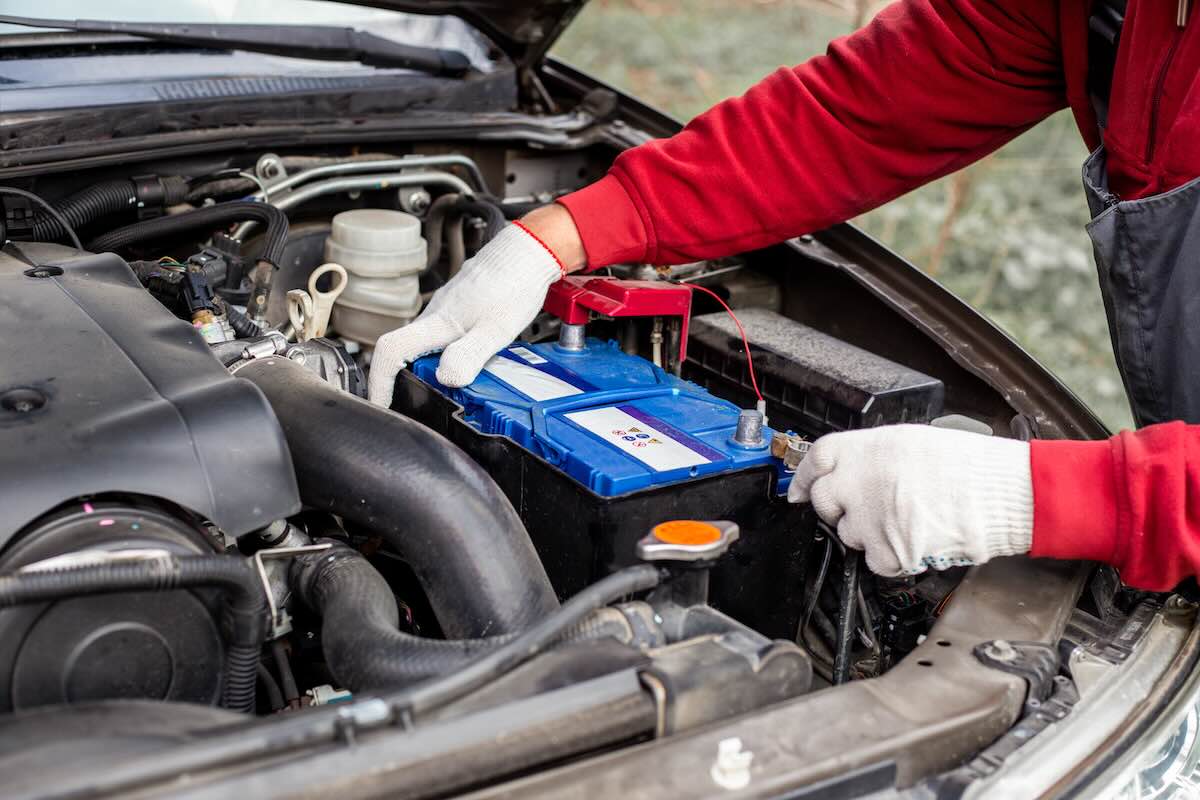
6. Cleaning Battery Terminals Prevents Starting Failures and Electrical System Stress
White or bluish-green crusty buildup on battery terminals looks minor. It is not. Corrosion at the battery connection point creates resistance in the electrical circuit between the battery and the vehicle’s entire electrical system. That resistance forces the alternator to work harder to maintain voltage, stresses the battery during cold starts, and can cause enough voltage drop that modern vehicles with sensitive electronic systems begin to behave erratically with warning lights, module errors, and intermittent electrical failures.
Cleaning battery terminals costs almost nothing. A wire brush, a box of baking soda, and some water will handle most corrosion buildup in a few minutes. Dedicated battery terminal cleaning tools cost around $5 at any auto parts store. Dielectric grease applied after cleaning, which runs about $4 a tube, prevents future corrosion by sealing the terminal connection against moisture. Total investment: under $15 and 15 minutes.
A 2015 Chrysler 200 S with the 2.4-liter Tigershark engine is a vehicle where the battery and its connections have a direct relationship with a fairly sophisticated electrical system. Chrysler’s vehicles from this generation use a battery current sensor that monitors charge and discharge rates to manage the alternator’s output efficiently.
Corrosion at the terminal connection throws off the sensor’s accuracy, and the result can be an overworked alternator that fails prematurely. Alternator replacement on a 2015 Chrysler 200 runs between $400 and $700, parts and labor. Battery corrosion also affects cold-weather starting performance in ways that are particularly frustrating for drivers in northern states.
A battery that is already working at reduced efficiency in cold temperatures and then has to push current through a corroded connection is being asked to do more than it was designed to handle. Hard starts, extended cranking times, and eventually a no-start condition are the predictable results. Cleaning the terminals before winter arrives is one of the most practical seasonal preparations a driver can make.
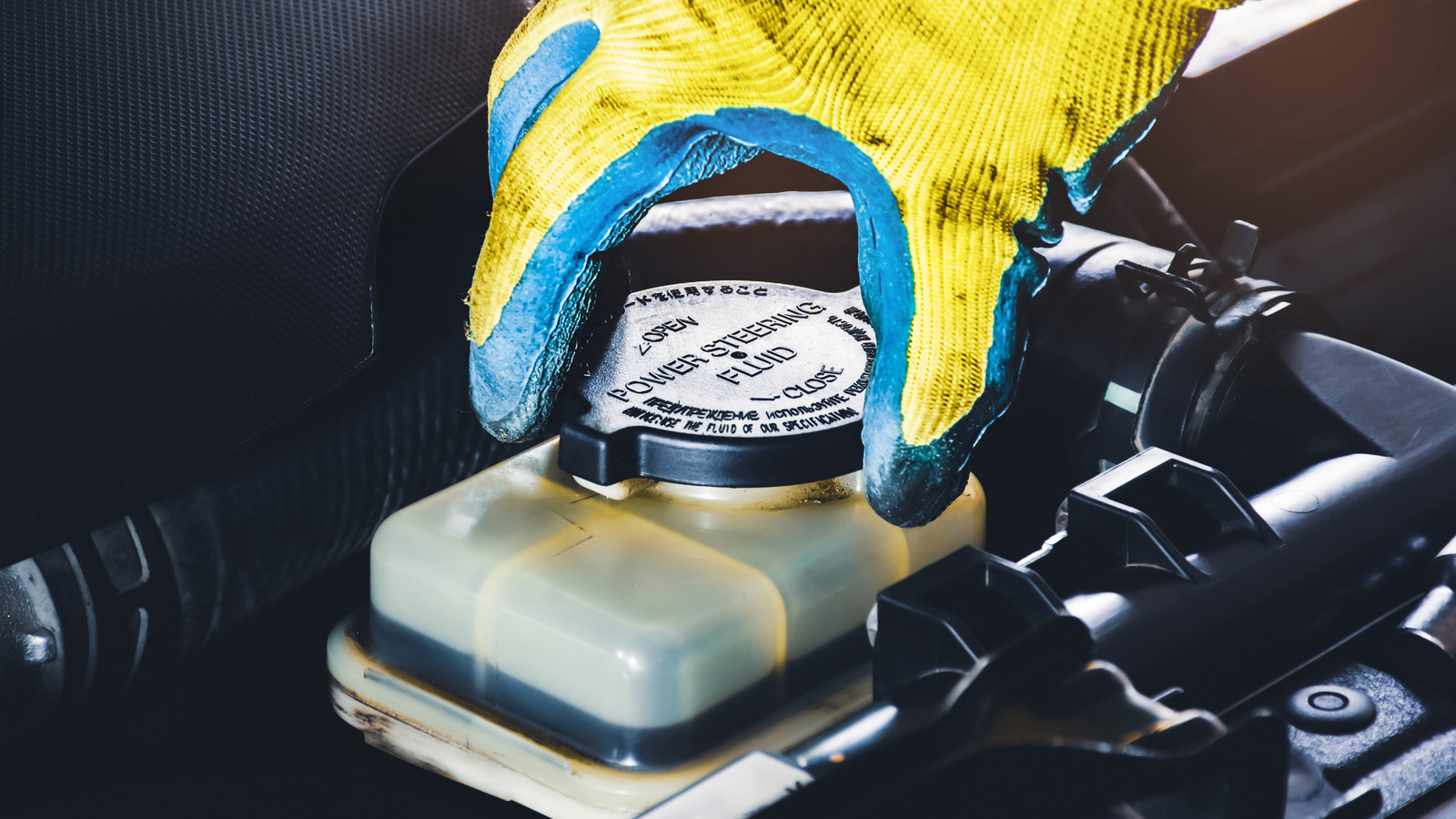
7. Checking Power Steering Fluid Protects a System That Costs Hundreds to Rebuild
Power steering fluid is one of the most overlooked fluids in any vehicle, often sitting in the reservoir undisturbed for years while the pump and rack quietly experience the kind of wear that could be slowed dramatically by simply keeping the fluid clean and at the correct level. A bottle of power steering fluid costs between $8 and $15. A power steering pump replacement costs between $400 and $800. A rack and pinion replacement can exceed $1,500.
Checking power steering fluid requires opening the reservoir cap, which is typically labeled clearly under the hood, and looking at the level and condition of the fluid. Fresh fluid is clear to slightly amber in color. Dark, burnt-smelling, or foamy fluid is a sign that the system has been running on degraded fluid and needs a flush.
Low fluid is a sign of a leak somewhere in the system that needs to be located and addressed before pump damage occurs. A 2007 Cadillac DTS Luxury with the 4.6-liter Northstar V8 uses hydraulic power steering with a pump that feeds a high-pressure rack.
Keeping that system properly filled with clean fluid is a direct form of pump protection. Hydraulic power steering pumps rely on the fluid itself for lubrication of the internal vane or roller mechanism. Running the pump on low fluid or degraded fluid generates metal-to-metal contact that accelerates wear and shortens the pump’s service life dramatically.
Whining noises during steering input, especially when turning at low speeds or during parking maneuvers, are a common early sign of power steering pump distress. Those sounds often appear first when fluid is low or when the pump is beginning to wear from running on degraded fluid.
Catching and correcting fluid condition when those noises first appear can arrest the wear process and extend the pump’s service life. Ignoring the noise until it gets louder usually means the pump has crossed a threshold that a fluid change can no longer reverse.
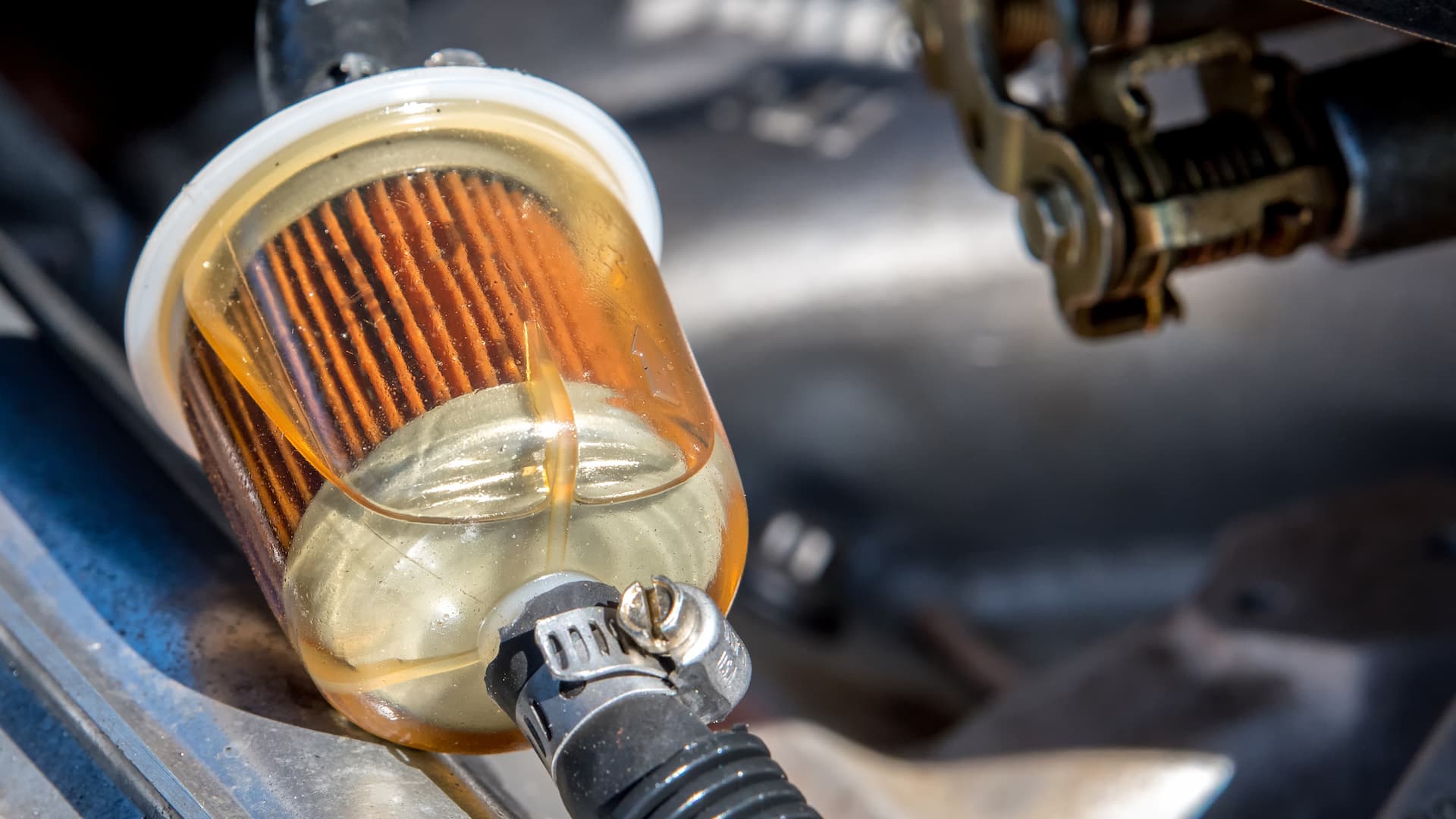
8. Replacing the Fuel Filter on Schedule Keeps Injectors and the Fuel Pump Running Clean
Fuel delivery is the unsung mechanical process that every engine depends on to run correctly, and the fuel filter is the component responsible for keeping that delivery system free of contamination. As time goes on, fuel tanks accumulate sediment, rust particles, and debris. Without a clean filter stopping those particles, they pass through to the fuel injectors and fuel pump, causing abrasive wear on precision components that are expensive to service or replace.
Fuel filter replacement intervals vary widely by vehicle. Some manufacturers recommend changes every 30,000 miles. Others have extended intervals up to 60,000 miles. Some modern vehicles integrate the filter into the fuel pump module inside the tank, which changes the service approach entirely.
For vehicles with an accessible inline fuel filter, replacement typically costs between $15 and $40 for the part, making it one of the cheapest forms of fuel system protection available. A 2005 Dodge Charger R/T with the 5.7-liter HEMI engine has an inline fuel filter that sits along the chassis and is accessible for replacement without dropping the fuel tank.
Keeping that filter fresh on a high-displacement engine that moves substantial fuel volume means the injectors receive clean, uncontaminated fuel at the correct pressure. HEMI injectors are not cheap to replace if abrasive particles have caused internal wear. A set of eight replacement injectors for that engine runs between $400 and $800, depending on whether remanufactured or new units are used.
Fuel pump failure is one of the most direct consequences of a chronically clogged fuel filter. A pump working against a restricted filter experiences elevated current draw and heat buildup. It has to work harder to maintain system pressure, and that sustained extra effort shortens its service life in a predictable and preventable way.
Fuel pump replacement typically runs between $400 and $900, including the labor to drop the tank on most vehicles. A $20 filter replacement that prevents that failure is the kind of straightforward value proposition that makes preventive service easy to justify.
Also Read: 10 Maintenance Tasks That Save You 1000 Dollars a Year at the Shop
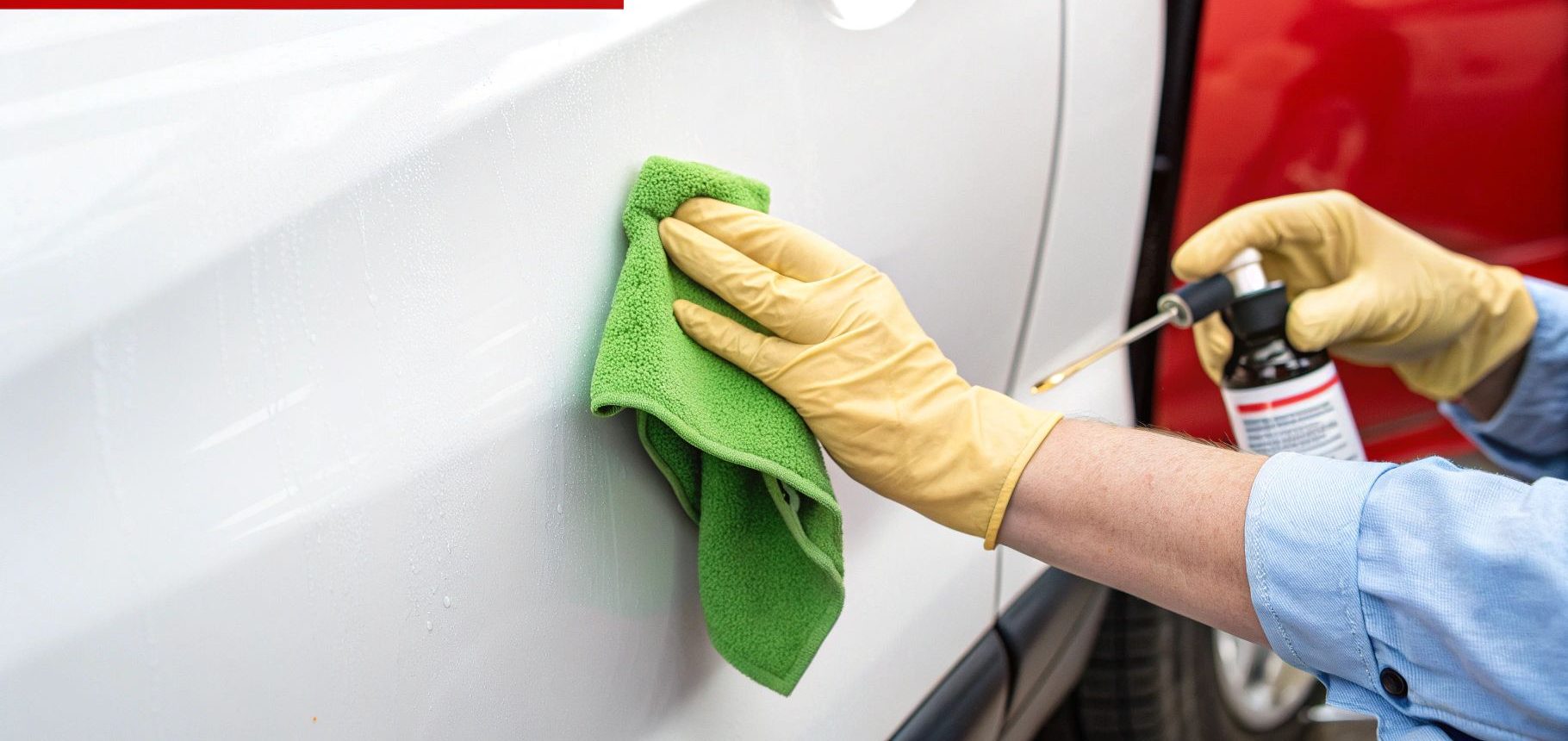
9. Lubricating Door Hinges, Latches, and Chassis Points Prevents Wear That Adds Up Fast
This last task sounds almost too simple to belong on a list about saving thousands of dollars, but the evidence supports it. Door hinges that are allowed to run dry develop wear in the pivot bushing that eventually causes the door to sag. A sagging door misaligns with the body, causes uneven weatherstrip compression, allows wind noise and water intrusion, and, in advanced cases, requires hinge replacement or body shop adjustment to correct. A $6 can of white lithium grease prevents every step of that progression.
Chassis lubrication points on older vehicles with grease fittings, known as Zerk fittings, require periodic injection of fresh grease through a grease gun to keep ball joints, tie rod ends, and driveline U-joints properly lubricated. A grease gun with a cartridge of chassis grease costs about $25 total and lasts for years. Vehicles with grease fittings that are allowed to run dry experience accelerated wear in precision steering and suspension components that cost far more to replace than to maintain.
A 2008 Saturn Vue XE with the 2.4-liter Ecotec engine does not have traditional grease fittings on its sealed suspension components, but its door hinges, hood hinges, and latch mechanisms benefit from regular lubrication just as much as any other vehicle.
White lithium grease on door hinge pins and a spray of dry lubricant on latch mechanisms keeps everything operating smoothly and prevents the kind of hinge wear that eventually requires a body shop visit to properly realign a door that has dropped and started scraping the rocker panel below it.
Squeaking doors are an early indicator that lubrication is overdue. Hinge pins that squeak are already experiencing metal-to-metal contact with every door open and close cycle. Addressing that squeak when it first appears with a small amount of grease stops the wear immediately. Ignoring it for another year of daily use allows the wear to progress to the point where grease alone no longer restores a tight, rattle-free fit.
