
Modern engines produce more power than ever before. Turbochargers, direct injection systems, hybrid assistance, and advanced electronics have transformed the automotive industry into a technology race focused on efficiency and performance.
Yet despite all these advancements, many drivers still admire older engines that earned legendary reputations through sheer endurance rather than impressive specification sheets. There is something deeply respected about an engine capable of crossing 400,000 miles without requiring an internal inspection or major teardown.
That kind of longevity does not happen by accident. Engines that survive for decades usually share several important characteristics. They tend to use conservative tuning, durable materials, proven engineering layouts, and simpler designs that avoid excessive stress.
Instead of chasing maximum horsepower numbers, manufacturers focused on balance, cooling efficiency, oil circulation, and mechanical reliability. Those decisions often created engines that continued running smoothly long after many newer competitors experienced expensive failures.
Another reason these power plants became legendary is the environments they survived. Many of them powered taxis, work trucks, delivery vehicles, and commuter cars that faced brutal daily use.
Endless stop-and-go traffic, long highway journeys, neglected maintenance schedules, extreme weather, and heavy workloads pushed these engines far beyond normal expectations. Yet some kept operating reliably for hundreds of thousands of miles with nothing more than regular oil changes and basic upkeep.
Drivers also value engines like these because they represent trust. Owners become attached to vehicles that start every morning without drama year after year.
A dependable engine reduces financial stress, increases confidence during long trips, and allows people to keep vehicles much longer than expected. That reliability matters more to many drivers than fast acceleration or complicated technology features.
The engines on this list come from different eras and vehicle categories, but they share one thing in common. Mechanics, fleet operators, and long-term owners consistently praise them for surviving extraordinary mileage without internal engine work.
Some became famous in pickup trucks, others in powered sedans or SUVs, yet all developed reputations strong enough to remain respected decades later.
Not every engine can survive neglect or abuse forever. Even the best designs require maintenance, proper fluids, and responsible ownership. Still, these engines proved that with reasonable care, reaching 400,000 miles is far from impossible.
In some cases, owners have pushed them well beyond that milestone while the original internals remained untouched. These are the power plants that turned ordinary vehicles into legends of long-term durability.
Also Read: The Top 8 Honda Engines Ever Built, Ranked by Mileage Records
1. Toyota 2UZ FE V8
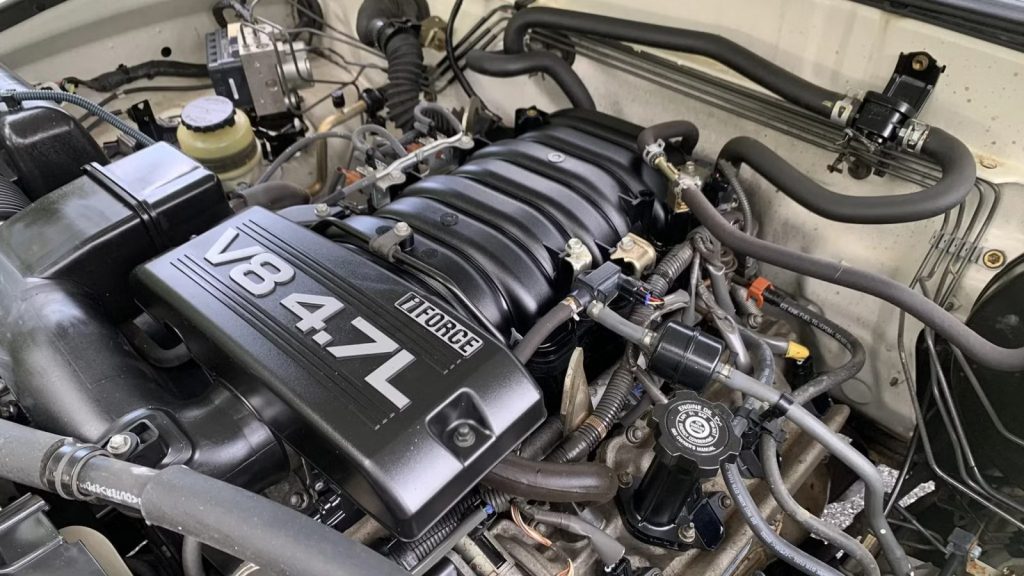
The Toyota Land Cruiser and several other Toyota trucks gained enormous respect partly because of the 2UZ FE V8 engine sitting under their hoods.
This 4.7-litre powerplant became one of the most trusted truck engines ever built, not because it delivered thrilling performance, but because it refused to quit. Mechanics frequently describe it as one of those rare engines that seems capable of running forever with basic maintenance.
Toyota engineered the 2UZ FE with durability as the priority. Unlike many modern engines chasing lightweight construction, this V8 used a massively strong cast-iron block capable of handling years of abuse.
That heavy-duty design added weight, but owners gladly accepted the tradeoff because the engine developed a reputation for surviving mileage numbers that destroyed lesser powerplants.
One reason the 2UZ FE lasts so long is its conservative tuning. Toyota did not push extreme horsepower figures from the engine. Instead, it focused on low-end torque, smooth operation, and reduced internal stress.
Components such as pistons, connecting rods, and crankshaft assemblies were built with long-term reliability in mind rather than maximum output. The result was an engine that rarely felt strained even under towing or off-road conditions.
Cooling efficiency also played a huge role in its survival record. Engines that overheat repeatedly often develop internal wear problems long before reaching high mileage.
The 2UZ FE earned praise for maintaining stable temperatures even in harsh environments, including desert climates and heavy towing situations. Many owners used these vehicles for camping, hauling, and long highway trips without worrying about overheating issues.
Another important factor involves oil management. The engine’s lubrication system proved extremely dependable over time, helping reduce wear on critical internal components. Owners who maintained regular oil changes frequently reported astonishingly clean internals even after hundreds of thousands of miles.
Timing belt replacements were necessary at scheduled intervals, but catastrophic failures remained uncommon when maintenance guidelines were followed.
The driving experience reflected the engine’s character perfectly. Instead of aggressive acceleration, the 2UZ FE delivered smooth, predictable power with a calm personality.
That relaxed behaviour helped reduce stress on the drivetrain and contributed to the engine’s legendary lifespan. Drivers often describe these V8-powered Toyotas as feeling unbreakable rather than exciting.
Its reputation spread globally because the engine appeared in vehicles operating under demanding conditions around the world. From Middle Eastern deserts to remote mountain regions, the 2UZ FE proved capable of enduring punishment that would shorten the life of many modern engines dramatically.
Another reason enthusiasts still admire this V8 is its mechanical simplicity. Compared with newer turbocharged truck engines packed with complex systems, the 2UZ FE feels refreshingly straightforward. That simplicity reduces long-term repair anxiety and helps owners keep vehicles running for decades.
Even today, high-mileage examples continue appearing for sale with original internals intact. Many have crossed 400,000 miles while still delivering reliable service. That achievement turned the 2UZ-FE from a dependable truck engine into one of the most respected, long-life powerplants Toyota ever produced.
2. Cummins 5.9 Litre 12-Valve Diesel
Few engines in automotive history achieved the cult following earned by the 5.9-litre, 12-valve Cummins diesel found in older Dodge Ram 2500 and Ram 3500 trucks.
Mention this engine around diesel enthusiasts and mechanics, and the conversation quickly turns into stories about absurd mileage totals, impossible workloads, and trucks that simply refused to die.
Part of the engine’s legendary durability comes from its industrial roots. Unlike many passenger vehicle diesels designed primarily for comfort and emissions refinement, the 12-valve Cummins felt closer to heavy equipment engineering adapted for pickup truck use.
Massive internal components, a stout block design, and straightforward mechanical systems created a powerplant capable of handling punishment far beyond normal consumer expectations.
The inline six-cylinder layout contributed heavily to its longevity. Inline engines naturally distribute stress differently than V configurations, and the Cummins benefited from exceptional structural strength.
The design allowed for simpler packaging and impressive durability under high torque conditions. Owners frequently hauled heavy trailers, farm equipment, and commercial loads without pushing the engine near its actual limits.
Another major reason this engine survived extreme mileage was its mechanical fuel injection system. Modern diesel engines rely heavily on electronics, emissions equipment, and high-pressure systems that can become expensive or failure-prone over time.
The 12-valve Cummins used a far simpler setup that many mechanics considered almost agricultural in nature. That simplicity became a tremendous advantage for long-term ownership.
Torque delivery also helped protect the engine internally. The Cummins produced strong low-end pulling power without needing high RPM operation.
Because the engine rarely needed to rev aggressively, internal wear stayed relatively controlled compared with smaller engines constantly working near their limits. Drivers often describe the engine as barely working even while towing heavy loads uphill.
Maintenance accessibility added another layer to its reputation. Many components were relatively easy to reach and service, which encouraged owners to keep up with maintenance rather than postponing repairs.
Diesel owners who changed fluids regularly and monitored cooling systems often discovered the engine could survive astonishing mileage totals with the original bottom end untouched.
Fuel economy for such a capable heavy-duty engine remained impressive, too. Owners appreciated being able to tow substantial loads while still achieving respectable efficiency numbers. That balance helped cement the engine’s popularity among both commercial users and everyday truck owners.
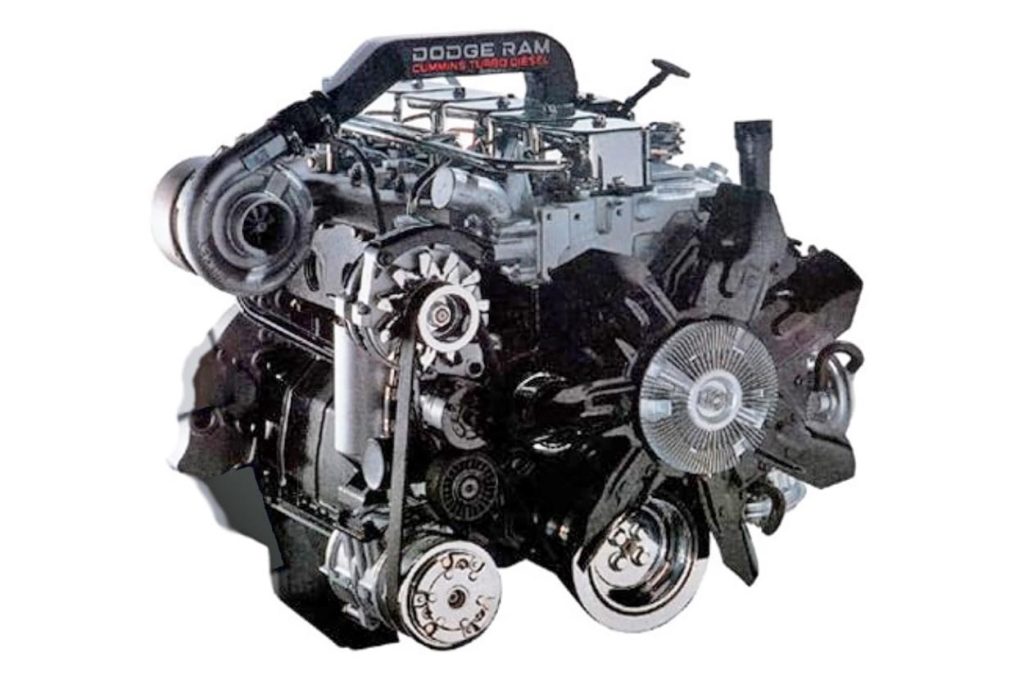
The sound of the 12-valve Cummins became iconic as well. Its mechanical clatter and deep diesel rumble created a personality completely different from modern,n refined diesels. For enthusiasts, the noise represented durability and honesty rather than refinement.
Of course, the trucks surrounding the engine did not always age as gracefully. Rust, transmissions, and ageing interiors sometimes created problems long before the engine itself showed serious wear. Many owners joked that the Cummins would outlive the rest of the truck several times over.
Crossing 400,000 miles became almost routine for properly maintained examples. Some commercial operators pushed these engines far beyond that figure while still avoiding internal rebuilds. In the diesel world, the 12-valve Cummins remains one of the clearest examples of an engine designed for endurance first and everything else second.
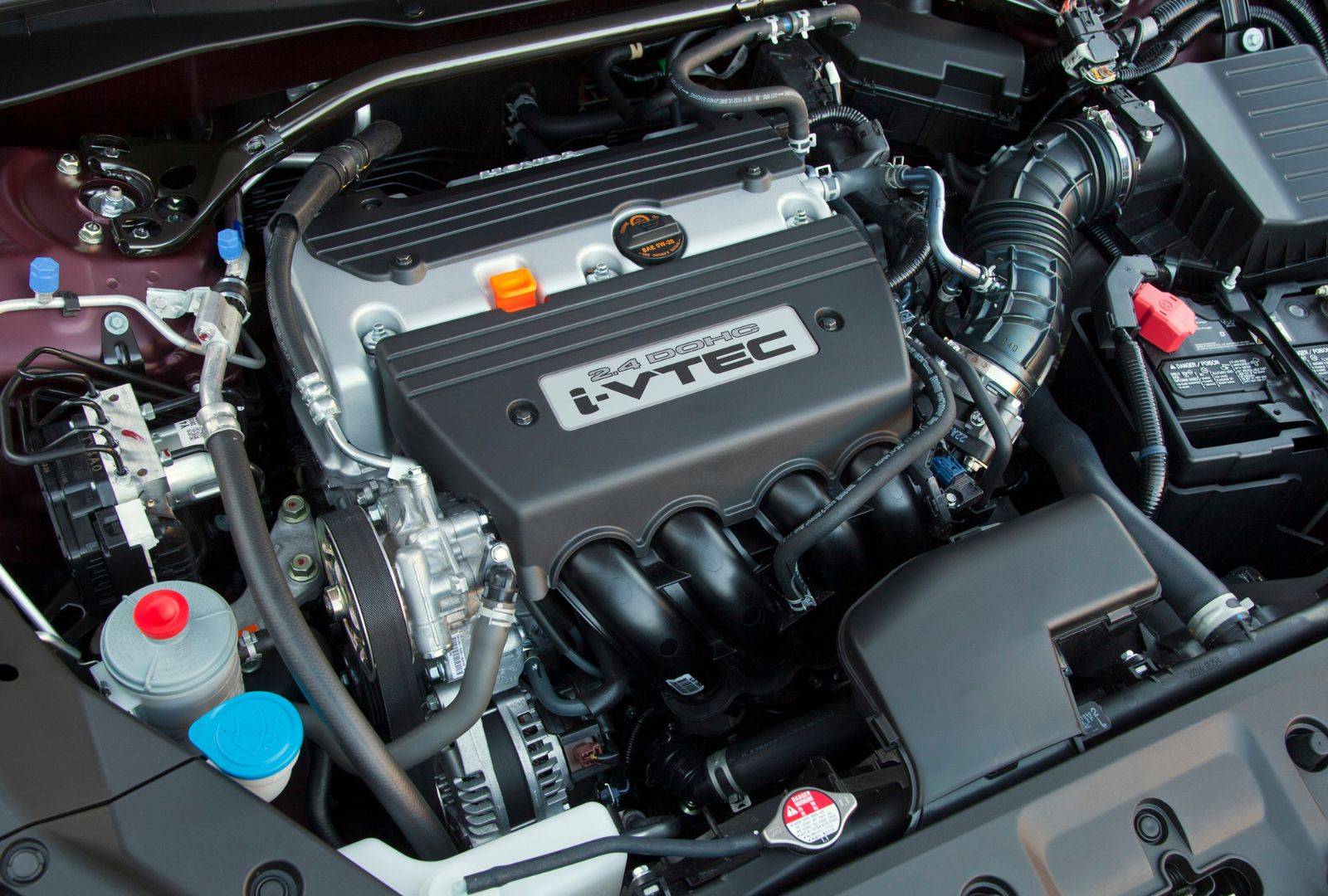
3. Honda K24 Inline Four
Some engines become famous because of massive horsepower potential, while others earn respect quietly through years of dependable service. The Honda K24 belongs firmly in the second category.
Found in vehicles such as the Honda Accord, CR-V, and Acura TSX,2.4-litre-liter four-cylinder engine has built a remarkable reputation for surviving huge mileage totals without demanding internal repairs.
Honda engineered the K24 during a period when the company focused heavily on balancing efficiency, reliability, and usability.
Instead of chasing extreme performance figures, the engine delivered smooth power, excellent fuel economy, and durability strong enough for daily commuting over many years. That balance helped it become one of the most respected modern naturally aspirated four-cylinders ever built.
One of the biggest reasons the K24 lasts so long is its intelligent design philosophy. The engine uses a strong aluminium block combined with efficient cooling passages and reliable oil circulation. Internal friction remained relatively low, reducing wear over time.
Honda also avoided overcomplicating the engine with excessive turbocharging pressure or highly stressed components, which helped extend longevity dramatically.
Drivers often underestimate how important smooth operation is for engine lifespan. The K24 rarely feels strained during normal driving. Power delivery remains linear and predictable, and the engine does not need constant high-RPM operation to move vehicles comfortably. That relaxed character reduces long-term stress on pistons, bearings, and valvetrain components.
Timing chain durability became another major advantage. Older engines using timing belts often required careful replacement schedules to avoid catastrophic damage.
The K24’s timing chain setup proved highly dependable in most applications, reducing maintenance concerns for long-term owners. Many examples reached enormous mileage with original timing components still functioning properly.
The engine also developed a reputation for handling neglect better than many competitors. While regular maintenance is always important, countless owners admitted to stretching oil change intervals occasionally without immediately destroying the engine.
That tolerance helped the K24 survive real-world ownership conditions where maintenance schedules are not always followed perfectly.
Fuel economy played a role in the engine’s popularity, too. Drivers could commute long distances cheaply while still enjoying enough power for highway merging and daily usability. Many engines that deliver excellent efficiency feel weak or overworked, but the K24 maintained a strong balance between economy and practical performance.
Mechanics frequently praise the engine for how clean it stays internally when maintained properly. Sludge buildup and oil consumption issues remained relatively uncommon compared with several competing four-cylinder engines from the same era.
That internal cleanliness contributes heavily to long-term durability because proper lubrication remains consistent over hundreds of thousands of miles.
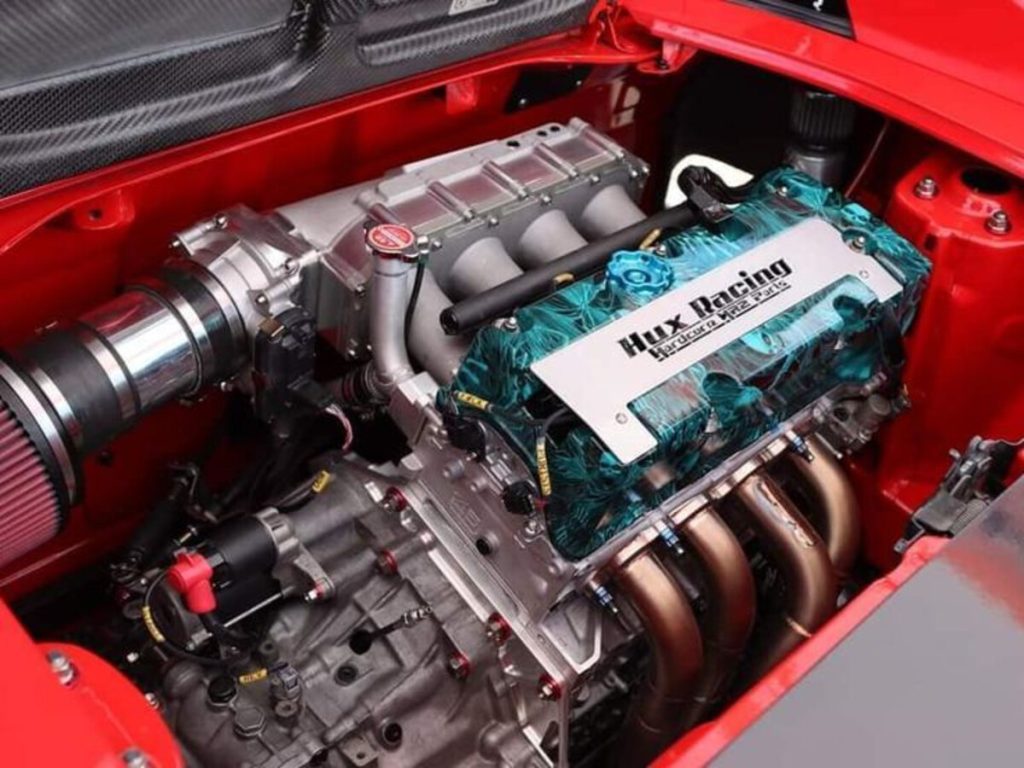
Another fascinating aspect of the K24 is its versatility. Enthusiasts modified it successfully for racing and performance applications, while ordinary drivers used the same engine for reliable commuting. Few engines adapt so well to completely different ownership styles without sacrificing their core dependability.
By 2026, stories of K24-powered vehicles crossing 300,000 or 400,000 miles became extremely common in automotive communities.
Many owners continue driving these cars daily with original internals intact, proving that simple, well-engineered naturally aspirated engines still deserve enormous respect in an increasingly turbocharged industry.
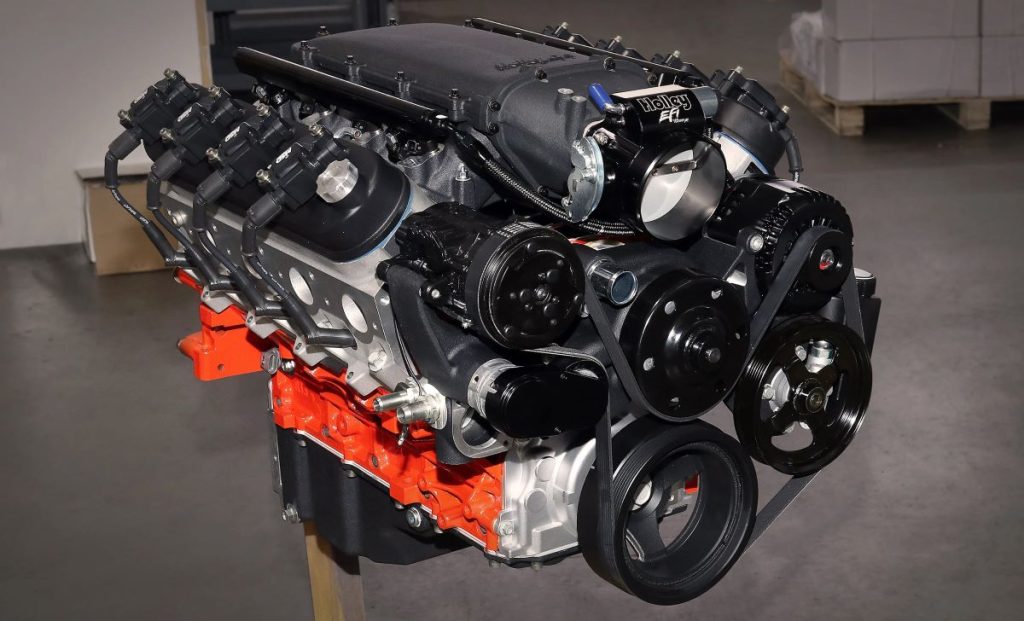
4. GM LS 5.3-Liter V8
The 5.3-litre LS-based V8 became one of General Motors’ most successful truck engines for a reason. Found in vehicles such as the Chevrolet Silverado 1500, Tahoe, Suburban, and GMC Sierra, this engine developed a reputation for durability strong enough to earn loyalty from contractors, families, fleet operators, and enthusiasts alike.
Unlike some truck engines designed purely for heavy towing, the 5.3 LS struck an impressive middle ground between capability, efficiency, and long-term reliability. It powered millions of vehicles across North America, and many of those trucks accumulated extraordinary mileage totals while still using untouched internals.
One reason the 5.3 survives so long involves the LS engine family architecture itself. General Motors created a compact yet extremely robust V8 platform with strong bottom-end construction, efficient airflow characteristics, and dependable lubrication systems. The design proved adaptable across countless vehicle applications while maintaining consistent reliability.
The engine’s pushrod layout also contributed to its durability. While some automakers shifted toward more complicated overhead cam designs, GM continued refining the traditional pushrod V8 formula.
Fewer moving parts in the valvetrain reduced complexity and helped improve long-term dependability. Mechanics appreciated the straightforward engineering because repairs and maintenance remained manageable.
Another major advantage came from low-stress power delivery. The 5.3 produced respectable torque without operating near extreme performance limits.
In everyday driving, the engine rarely felt overworked, especially in highway cruising situations where it could run comfortably for hours at stable RPM levels. That relaxed operating nature helped minimise internal wear over time.
Owners also benefited from wide parts availability and strong aftermarket support. Since the engine appeared in so many vehicles, replacement components became inexpensive and easy to source. Independent mechanics understood the platform thoroughly, making maintenance simpler and more affordable compared with less common engines.
Fuel economy was respectable for a V8 truck engine as well. GM managed to create a powerplant capable of hauling, towing, and family transportation without punishing owners excessively at the fuel pump. That practicality encouraged many people to keep their trucks for very long periods instead of replacing them quickly.
The 5.3 LS earned particular praise among commercial users who relied on their trucks daily. Contractors, utility companies, and delivery operators regularly accumulated huge mileage totals under demanding conditions. Stories of work trucks crossing 400,000 miles without internal engine rebuilds became surprisingly common.
Not every version of the 5.3 remained perfect. In certain years, issues related to active fuel management systems were experienced by some owners.
However, the core engine design itself maintained a strong reputation for toughness when maintained properly. Many enthusiasts even disabled problematic systems while continuing to trust the engine’s fundamental durability.
There is also an undeniable simplicity to the way these V8 trucks operate. They start reliably, produce usable torque, and tolerate years of heavy work without constant drama. That predictability helped the 5.3 become deeply respected among drivers who value dependable transportation more than cutting-edge technology.
Today, high-mileage LS-powered trucks continue filling roads, job sites, and towing duties across North America. The engine’s ability to survive hundreds of thousands of miles without major internal work turned it into one of the defining long-life V8S of the modern truck era.
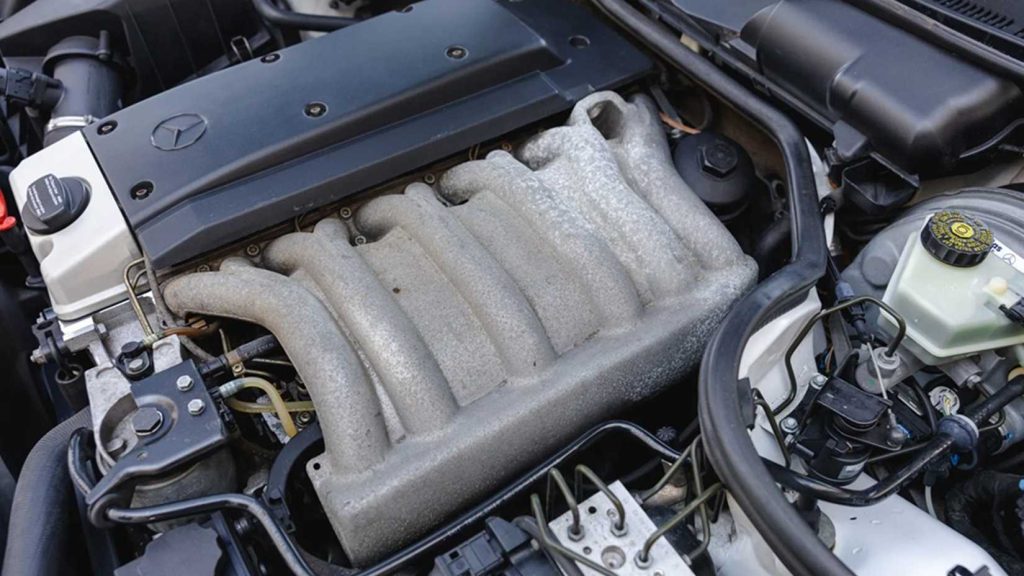
5. Mercedes-Benz OM606 Diesel
The OM606 diesel engine helped establish the Mercedes-Benz E-Class as one of the most durable luxury cars of its era. Built during a period when Mercedes prioritised engineering strength above marketing trends, this inline-six diesel became legendary for surviving mileage figures that sounded unrealistic for a premium European vehicle.
Unlike many modern luxury engines packed with delicate electronics and highly stressed turbo systems, the OM606 focused on mechanical durability.
Its cast iron block provided exceptional structural strength, while the inline six layout delivered smooth operation and balanced internal forces. That combination reduced long-term wear and helped the engine maintain reliability deep into high-mileage territory.
Taxi fleets across Europe played a huge role in building the OM606’s reputation. Many of these cars operated almost constantly in urban traffic, carrying passengers all day with minimal downtime.
Despite the harsh workload, the engines frequently crossed 400,000 miles while remaining mechanically healthy. Some examples even doubled that figure with original internals still untouched.
Part of the engine’s endurance came from conservative tuning. Mercedes engineers did not chase aggressive horsepower numbers. Instead, they focused on torque delivery, fuel efficiency, and stable operating temperatures. The engine rarely felt strained during normal driving, which helped preserve bearings, pistons, and cylinder walls over decades of use.
Maintenance routines also remained relatively straightforward compared with newer diesel luxury cars. Owners who changed fluids regularly and monitored cooling systems often discovered the OM606 could tolerate astonishing levels of daily use.
Mechanics admired how well the engine aged internally, especially when compared with many later diesel designs burdened by increasingly complicated emissions systems.
Another reason enthusiasts continue praising the OM606 is its adaptability. Performance tuners discovered the engine could handle large power increases without destroying its bottom end, proving just how overbuilt the original design truly was.
Yet even untouched stock versions gained respect simply for their ability to keep running year after year.
The sound and driving character added to its appeal as well. The engine delivered a calm, steady rhythm rather than harsh diesel noise, giving these older Mercedes sedans a feeling of effortless durability. Drivers often describe the cars as feeling engineered for endless highway miles rather than short ownership cycles.
Even today, surviving OM606-powered Mercedes models continue attracting buyers specifically because of the engine’s reputation. In a luxury segment where longevity can sometimes feel uncertain, this diesel became proof that comfort and extraordinary durability could exist together in the same vehicle.
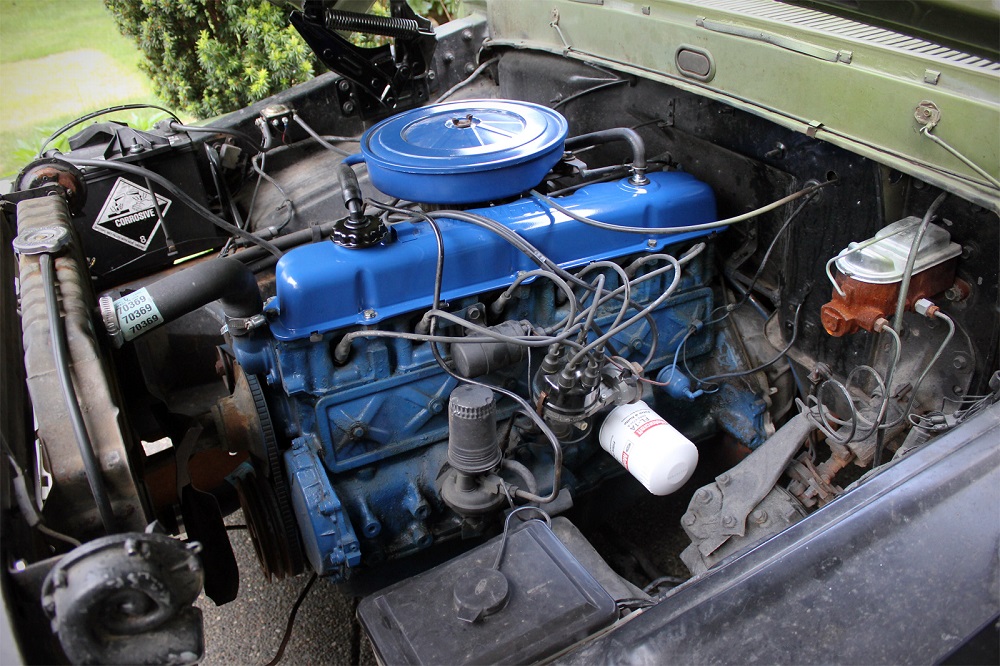
6. Ford 300 Inline Six
The Ford 300 inline six earned its legendary reputation the hard way through decades of relentless work inside trucks like the Ford F-150. Farmers, contractors, utility crews, and small business owners trusted this engine because it developed a near-unstoppable reputation for reliability under punishing conditions.
Introduced during an era when durability mattered more than flashy specifications, the 300 cubic inch six-cylinder focused entirely on low-end torque and mechanical simplicity. It was not fast, refined, or technologically advanced, but none of that mattered to owners who needed a truck that started every morning and kept working year after year.
One of the engine’s greatest strengths came from its heavy-duty construction. The block, crankshaft, and internal components were built with remarkable toughness, allowing the engine to handle continuous stress without excessive wear.
Many drivers hauled trailers, overloaded beds, and equipment for years while the engine continued running smoothly.
Its inline-six layout also contributed heavily to longevity. The design naturally balanced internal forces and reduced vibration compared with many V6 engines of the era. That smoother operation helped protect bearings and rotating assemblies over long mileage periods.
Another reason the Ford 300 survived so long involved simplicity. Repairs were straightforward, parts remained affordable, and mechanics everywhere understood the engine. Owners could keep these trucks alive without needing specialised tools or expensive diagnostics.
Fuel economy was not its strongest quality, but dependability more than compensated. Many examples crossed 400,000 miles with basic maintenance and untouched internals. The engine became famous for tolerating hard use that destroyed more fragile powerplants.
Even today, old Ford trucks equipped with the 300 inline six remain respected because the engine proved that honest engineering and durability could outlast changing automotive trends.
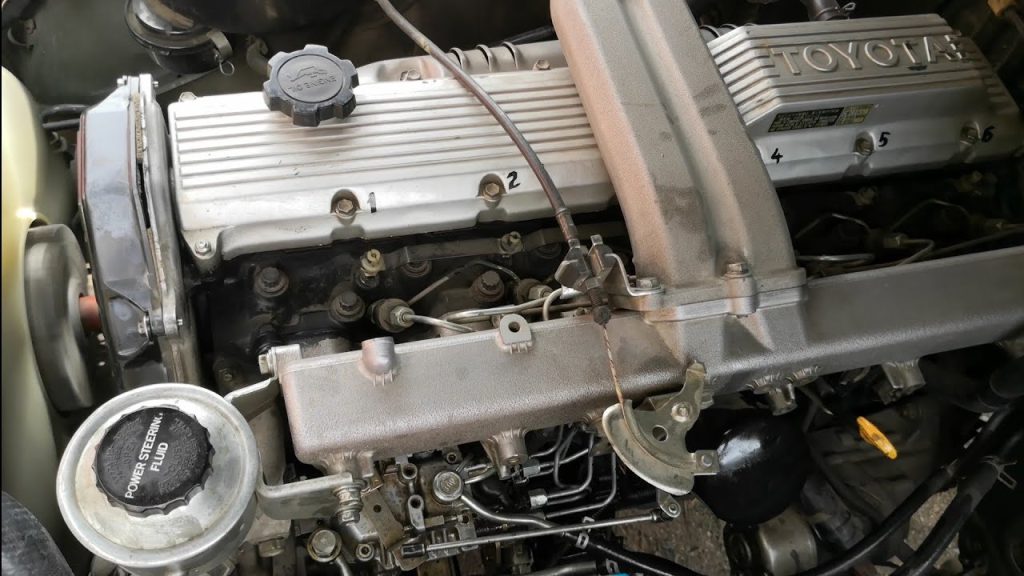
7. Toyota 1HZ Diesel
The 1HZ diesel engine became one of the main reasons the Toyota Land Cruiser 70 Series achieved legendary status in remote regions around the world. From mining operations in Australia to harsh African terrain, this naturally aspirated diesel earned trust through incredible reliability rather than modern technology.
Toyota designed the 1HZ with endurance as the top priority. The 4.2-litre inline six avoided unnecessary complexity and focused instead on surviving extreme heat, poor fuel quality, and brutal working conditions. That simplicity turned the engine into a favourite among people travelling far from repair facilities.
Unlike newer diesels loaded with emissions equipment and sensitive electronics, the 1HZ relied on straightforward mechanical systems. Owners appreciated being able to service and repair the engine in remote environments without specialised equipment. That practicality made it ideal for expedition travel and commercial use.
Another major strength involved low-stress operation. The engine produced modest power figures, but the conservative tuning dramatically improved longevity. Internal components were rarely pushed to their limits, allowing the engine to maintain reliability even after hundreds of thousands of miles.
Drivers often describe the 1HZ as slow but unstoppable. It may not accelerate quickly, yet it delivers steady pulling power and remarkable consistency over long distances. Many Land Cruisers equipped with this engine became famous for surviving decades of continuous service.
Cooling performance also contributed heavily to durability. The engine handled hot climates exceptionally well, reducing overheating risks that often shorten engine life. Combined with strong oil circulation and rugged construction, the 1HZ became one of the most respected long-life diesel engines Toyota ever produced.
Stories of these engines crossing 400,000 miles without internal work became common in off-road communities worldwide. For many owners, the 1HZ represented reliability in its purest form.
8. Jeep 4.0 Inline Six
The 4.0-litre inline six helped turn the Jeep Cherokee XJ into one of the most respected, durable SUVs ever built. While newer engines focused on efficiency and technology, Jeep’s famous straight six became admired for toughness, simplicity, and its ability to survive enormous mileage totals with minimal drama.
Originally derived from older AMC engineering, the 4.0 evolved into an incredibly durable powerplant by the 1990s. Its cast iron block and sturdy internals gave the engine exceptional strength, especially for off-road and utility applications where reliability mattered more than refinement.
One reason the engine lasted so long was its low-stress nature. Jeep did not extract extreme horsepower from the design, allowing the internal components to operate comfortably during daily driving and trail use.
The engine produced strong low-end torque, making it ideal for climbing hills, crawling over rough terrain, and hauling moderate loads.
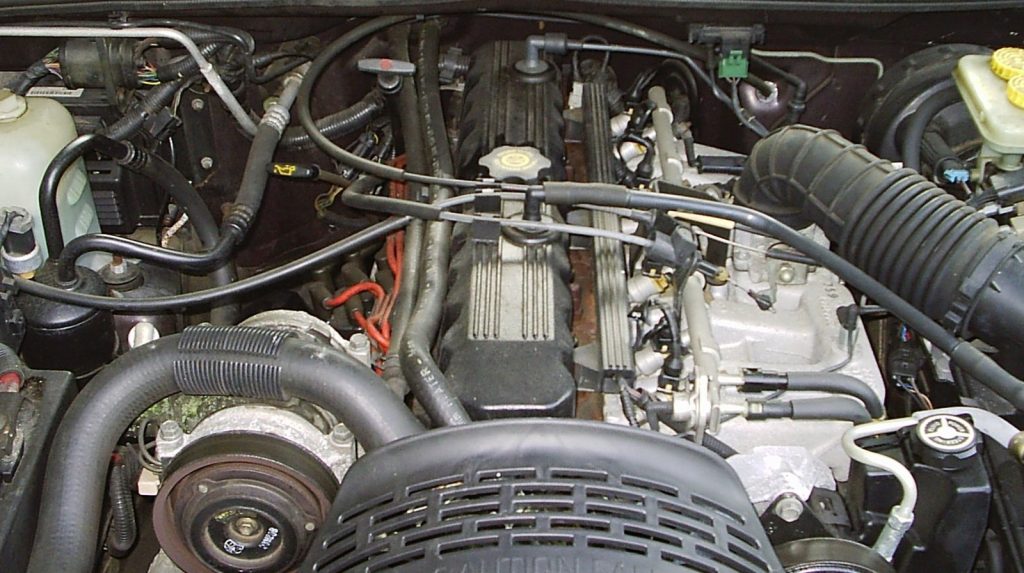
Owners also appreciated how easy the engine was to maintain. Basic maintenance tasks remained simple, parts availability stayed excellent, and independent mechanics knew the platform well. That accessibility encouraged long-term ownership because repairs rarely became financially overwhelming.
The 4.0 inline six gained enormous respect in off-road communities because it tolerated abuse remarkably well. Mud, steep inclines, hot weather, and high-mileage commuting failed to stop many examples from continuing to run reliably year after year.
Fuel economy lagged behind smaller modern engines, and refinement was never its strongest quality. Still, drivers accepted those weaknesses because the engine consistently delivered dependable service. Many owners proudly drove their Jeeps past 300,000 or 400,000 miles while the original engine remained untouched internally.
Even in 2026, the Jeep 4.0 remains one of the clearest examples of an engine earning legendary status through proven endurance rather than marketing hype.
Also Read: 8 Most Overrated Engines That Got Lucky Reputations
