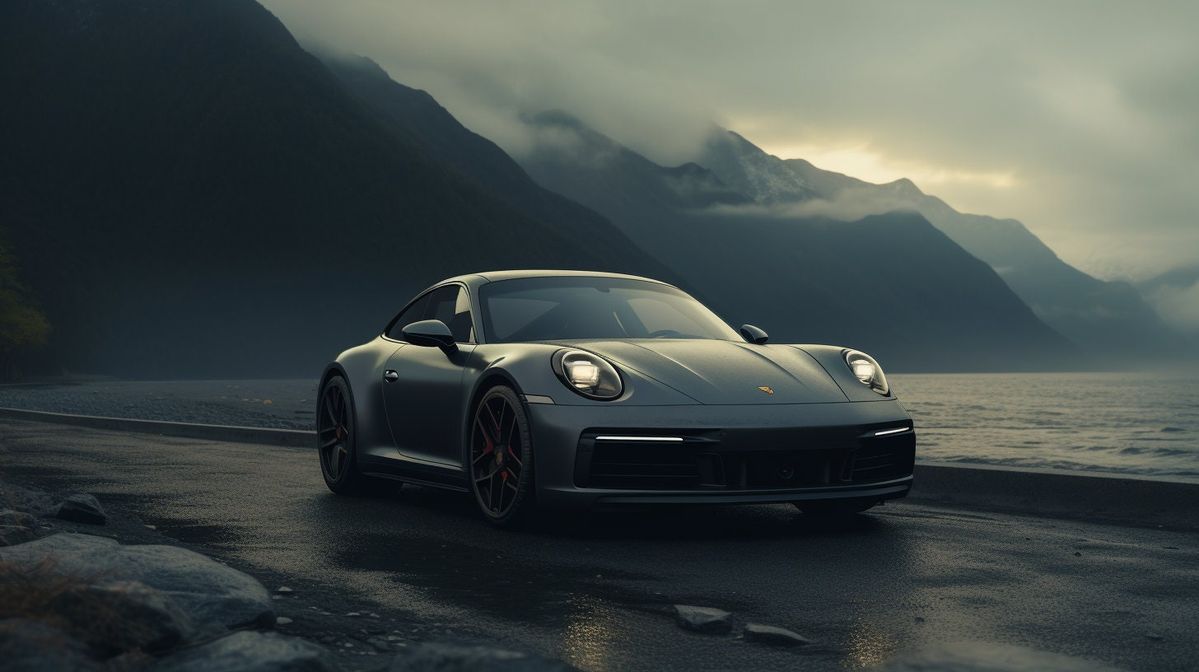
The 2000s were a wild time for the automotive world. Carmakers were experimenting hard, pushing design, testing new tech, and honestly, sometimes just flexing what they could do instead of what they should sell. Concept cars became less about boring previews and more about bold statements. Some looked like they came straight out of sci-fi movies, while others quietly introduced ideas that later shaped entire lineups.
But here’s the frustrating part: a lot of those concepts were actually too good to stay concepts.
Some had designs that still look fresh today. Others had features that were years ahead of their time, hybrid systems, lightweight materials, and modular interiors. And then there were the ones that just nailed the emotional side: cars that made people stop, stare, and think, “Yeah… I’d buy that.”
Instead, many of them got shelved.
Why? Sometimes it was costly. Sometimes the market “wasn’t ready.” And sometimes, companies simply lost their nerve. The result is a long list of cars that could’ve changed brand identities, reshaped segments, or at the very least, given enthusiasts something way more exciting than what actually hit showrooms.
Looking back now, it’s hard not to question those decisions. Because today’s buyers are more open than ever, electric cars are mainstream, bold designs sell, and niche models find loyal audiences. In other words, a lot of those “too risky” concepts would probably thrive now.
So let’s get into it. These are 12 concept cars from the 2000s that absolutely deserved a production version and still sting a little knowing they never got one.
Why These 2000s Concept Cars Still Matter Today
Concept cars from the 2000s weren’t just design exercises; they were test beds for real innovation. Brands like Ford Motor Company, General Motors, and Nissan were using them to explore new materials, rethink aerodynamics, and experiment with alternative powertrains long before those ideas became mainstream.
What makes certain concepts stand out today isn’t just how cool they looked; it’s how ready they actually were. Some had fully functional drivetrains. Others were based on existing platforms, meaning production wasn’t a fantasy; yet it was a choice that never got approved.
And that’s where things get interesting.
A lot of these cars predicted trends we now take for granted. Aggressive crossover styling, retro-modern design, lightweight performance builds, and even early hybrid systems all showed up in concept form first. In some cases, the concepts were better than the eventual production cars that followed years later.
So when we say these cars “should have reached production,” it’s not nostalgia talking. It’s a real argument. These vehicles had timing, design, and engineering on their side. What they lacked was commitment from the brands behind them.
Let’s start with one of the most talked-about misses.
ALSO READ: 10 Concept Cars From the 1990s That Should Have Reached Production
1. Ford GT90
When Ford Motor Company revealed the Ford GT90, it wasn’t just showing off; it was making a statement. This thing looked like the future in 1995, but its influence carried deep into the 2000s, and honestly, it still looks wild today.
The design followed Ford’s “New Edge” philosophy, which basically meant sharp angles everywhere. No soft curves, no safe lines, just aggressive geometry that made the car look like it was slicing through the air even when parked. It wasn’t pretty in a traditional sense, but it was impossible to ignore.
Then there’s the engine.
The GT90 packed a quad-turbocharged V12 pushing around 720 horsepower. Let that sink in. In the era when most performance cars were struggling to hit 400 hp, Ford was casually experimenting with numbers that wouldn’t become common until decades later. And this wasn’t just a theory; the car was functional.
Performance claims suggested a top speed of over 250 mph. Whether it could actually hit that is debatable, but that’s not the point. The point is, Ford was aiming that high.
So why didn’t it happen?
Simple answer: cost and practicality. A car this complex, this extreme, would’ve been insanely expensive to build. And back then, the supercar market wasn’t as forgiving as it is now. Brands didn’t have the same appetite for low-volume halo cars unless they were guaranteed hits.
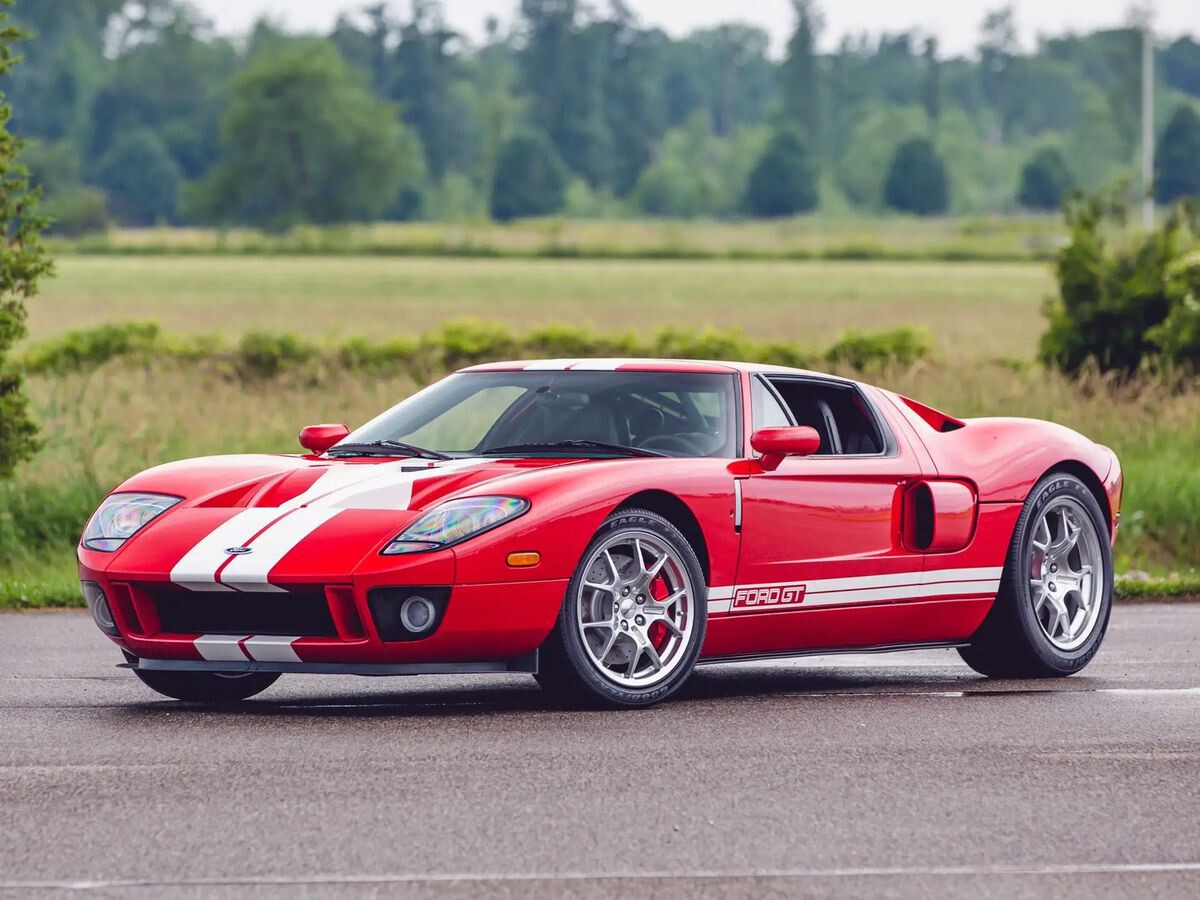
But here’s the thing: Ford did eventually build the Ford GT. And while that car was brilliant, it played things much safer. Retro styling, simpler engineering, less risk.
The GT90, on the other hand, would’ve pushed Ford into a completely different league. It could’ve redefined the brand’s performance identity years earlier and challenged European supercar dominance head-on.
Instead, it became a legend of “what if.”
And honestly? If a car like this dropped today with modern materials and refined engineering, it wouldn’t feel out of place at all. That’s how far ahead it was.
2. Cadillac Sixteen
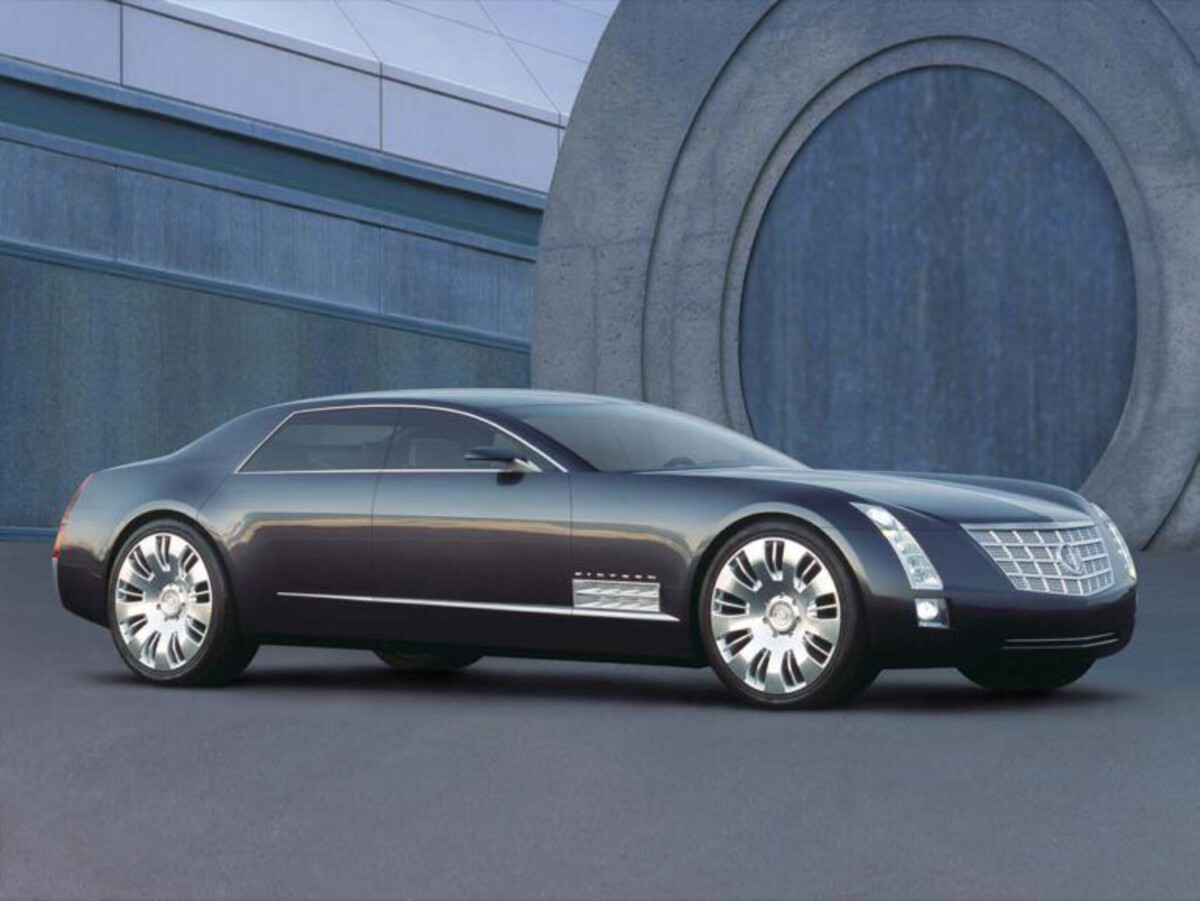
The early 2000s were filled with luxury brands trying to outdo each other, but the Cadillac Sixteen was on another level entirely. Cleared in 2003, this massive sedan carried a naturally aspirated 13.6-litre V16 engine producing around 1,000 horsepower and 1,000 lb-ft of torque. Even now, those numbers sound absurd for a luxury car.
What made the Sixteen special wasn’t just power. It was confidence.
The design mixed old-school American luxury with modern sharpness. Long hood, towering grille, dramatic proportions, everything about it looked expensive without trying too hard. Cadillac was clearly targeting the kind of ultra-luxury territory usually dominated by brands like Rolls-Royce Motor Cars and Bentley Motors.
The cabin pushed that feeling even further with handcrafted materials, polished metal finishes, and a layout that felt more private jet than production sedan.
The frustrating part is that the timing actually worked. During the 2000s, demand for ultra-premium luxury cars exploded globally. Cadillac had the chance to create a flagship that could’ve changed public perception of the brand overnight.
Instead, the Sixteen remained a symbol of unrealised ambition. Elements of its styling later influenced production Cadillacs, but the car itself disappeared quietly.
And honestly, that still feels like a missed opportunity.
3. Volkswagen W12 Nardo
Before Bugatti Automobiles became the face of insane top-speed engineering under the Volkswagen Group umbrella, there was the Volkswagen W12 Nardo.
This thing was ridiculous in the best possible way.
Powered by a mid-mounted W12 engine producing over 590 horsepower, the Nardo was built to prove Volkswagen could create a genuine hypercar. It eventually set endurance speed records at Italy’s Nardò Ring, averaging over 200 mph for 24 hours straight. That wasn’t marketing fluff if the car had serious engineering behind it.
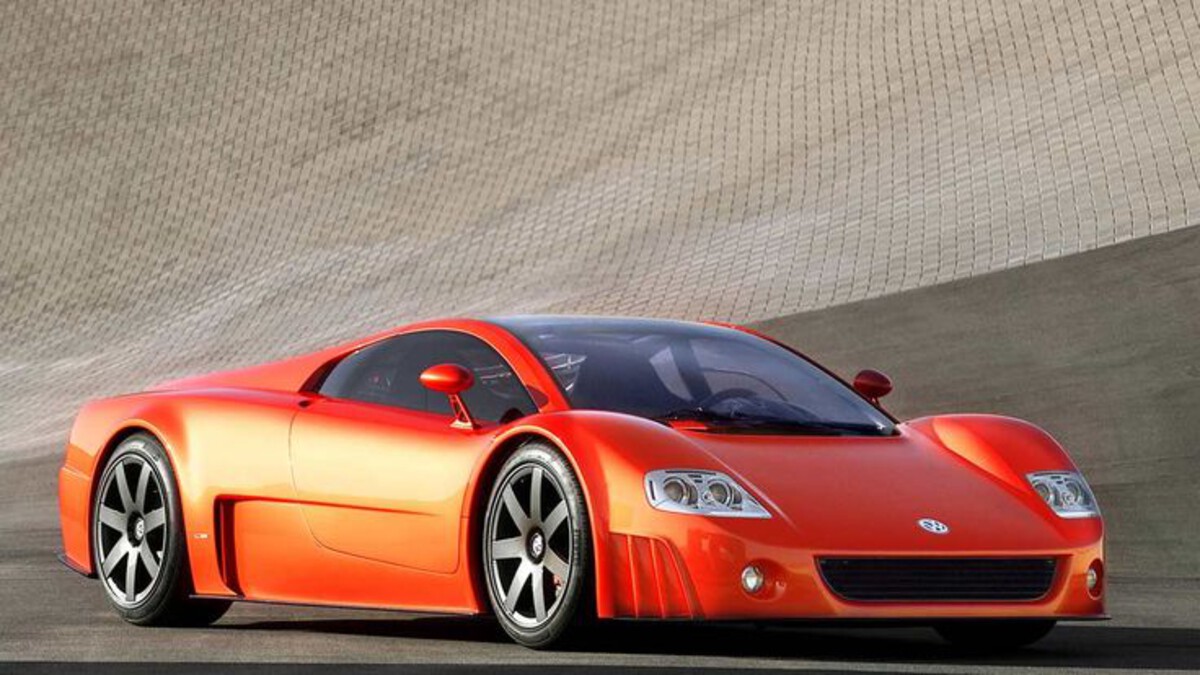
Visually, it looked clean and low without being overstyled. Unlike many concepts from the era, the W12 Nardo didn’t rely on exaggerated wings or dramatic gimmicks. It looked production-ready.
That’s what makes its cancellation so strange.
Volkswagen clearly had the technology, money, and platform knowledge to build it. In many ways, the Nardo became an unofficial stepping stone toward the later Bugatti Veyron. But instead of letting Volkswagen itself enter the supercar world, the project was quietly abandoned.
Had it reached production, the W12 Nardo could’ve completely changed how people viewed Volkswagen as a brand. Instead of being known mostly for practical hatchbacks and sedans, it might have earned a lasting performance identity much earlier.
4. Nissan GT-R Proto
Technically, the GT-R Proto did influence the production Nissan GT-R, but the original concept carried a sharper, more aggressive personality that many enthusiasts still prefer today.
Shown in 2005, the GT-R Proto looked brutal. The body lines were tighter, the proportions more dramatic, and the stance lower than the eventual production version. It felt closer to a street-legal race car than a grand touring coupe.
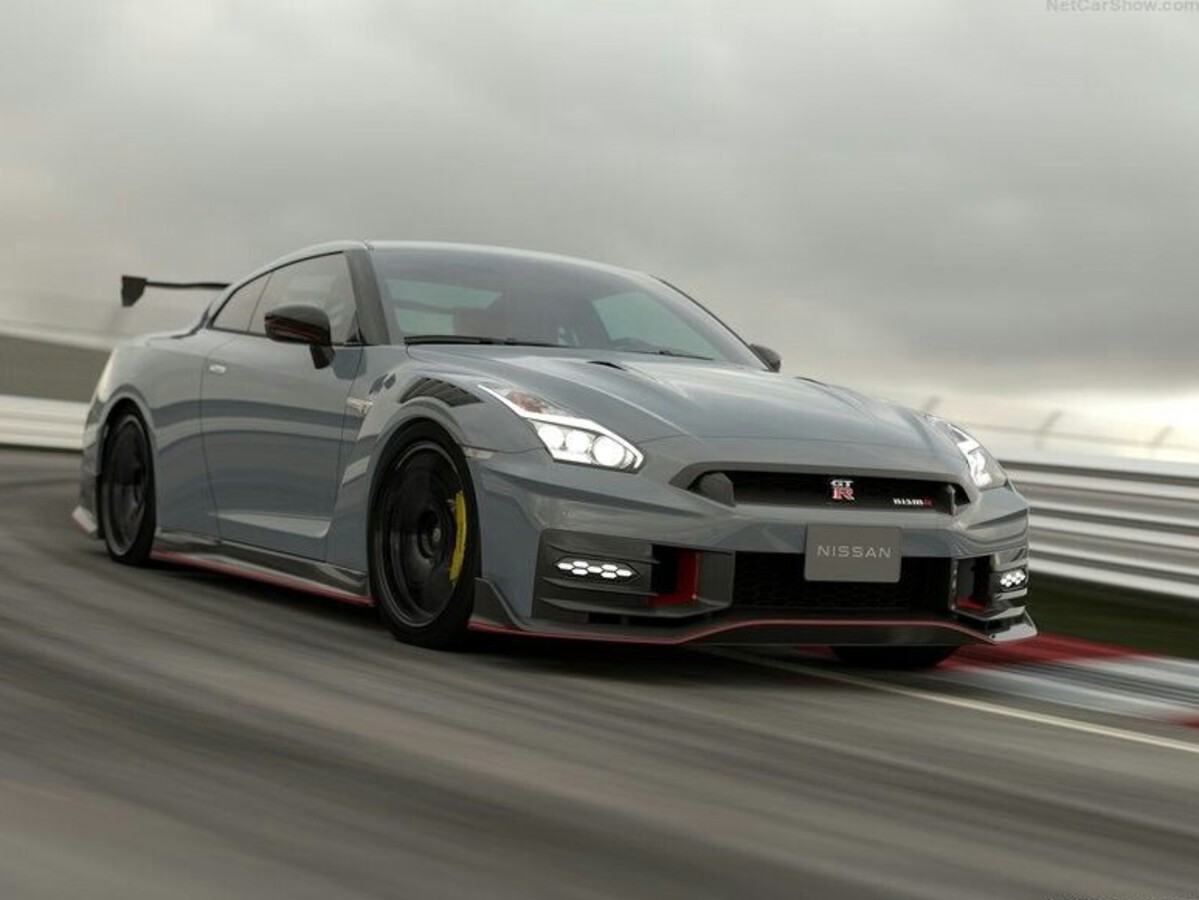
The excitement surrounding the concept was massive because Nissan wasn’t just reviving the GT-R name; it was reinventing it for a new era.
Underneath the design was the promise of advanced all-wheel drive technology, a twin-turbo V6, and performance capable of challenging European supercars at a lower price. When the production R35 finally arrived, it absolutely delivered on speed. But some of the raw visual aggression from the concept got toned down for practicality and regulation purposes.
That’s the version people still wonder about.
A near-identical production model based on the Proto would’ve become one of the boldest Japanese performance cars ever released. Even today, its styling feels sharper than many modern sports cars, trying too hard to look futuristic.
The concept captured a kind of controlled violence that the final production car softened slightly.
5. Chrysler ME Four-Twelve
The Chrysler ME Four-Twelve sounded fake when it debuted in 2004. A mid-engine American supercar with quad turbochargers, over 800 horsepower, and a claimed top speed near 250 mph? People thought it was a fantasy.
It wasn’t.
The car reportedly ran, drove, and performed close to Chrysler’s outrageous claims. Powered by a heavily modified Mercedes-Benz-derived V12 engine, the ME Four-Twelve was capable of reaching 60 mph in under three seconds, numbers that placed it directly against the world’s elite hypercars.
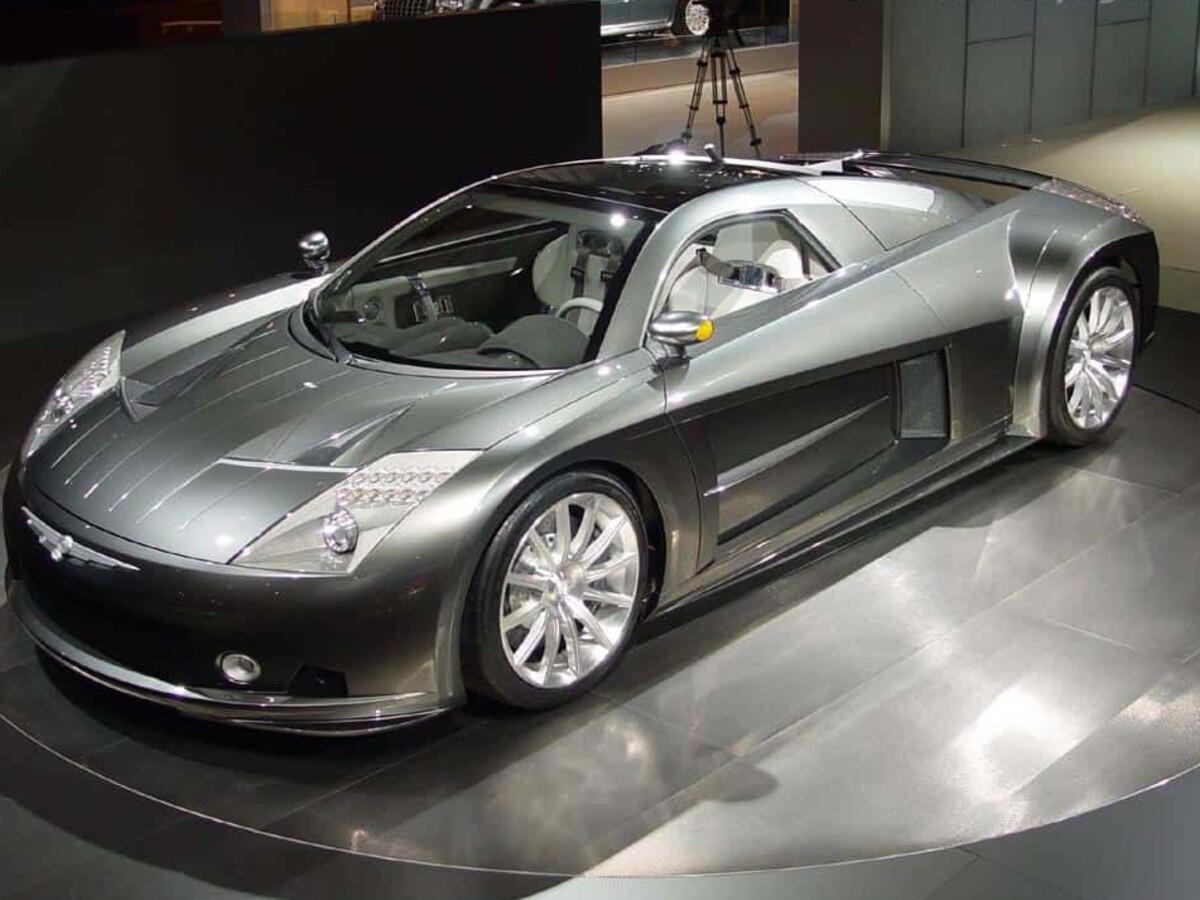
The design looked sharp without becoming cartoonish. Low roofline, huge air intakes, exposed carbon fibre, it had the drama expected from an exotic car, but still looked believable enough for production.
That’s what made its cancellation sting.
At the time, Chrysler desperately needed a halo vehicle that changed how people viewed the brand. The ME Four-Twelve could’ve done exactly that. Instead, internal politics and financial concerns reportedly killed the project before it moved further.
Ironically, today’s market is filled with limited-production hypercars from brands chasing attention and prestige. Chrysler had the chance to enter that space years earlier and backed away from it.
Now the ME Four-Twelve survives mostly as one of the biggest “what if” stories of the 2000s automotive industry.
ALSO READ: 10 Concept Cars That Looked Like Spacecraft But Were Built in Detroit
6. Mazda Furai
The Mazda Furai didn’t look like a car from the future. It looked like a car from another planet.
Revealed in 2008, the Furai blended race-car engineering with extreme aerodynamic styling. Built on a Courage C65 Le Mans prototype chassis, it used a rotary engine producing around 450 horsepower while staying incredibly lightweight.
Everything about the car focused on airflow. The body almost looked liquid, with curves flowing into giant vents and channels that made the Furai appear alive in motion.
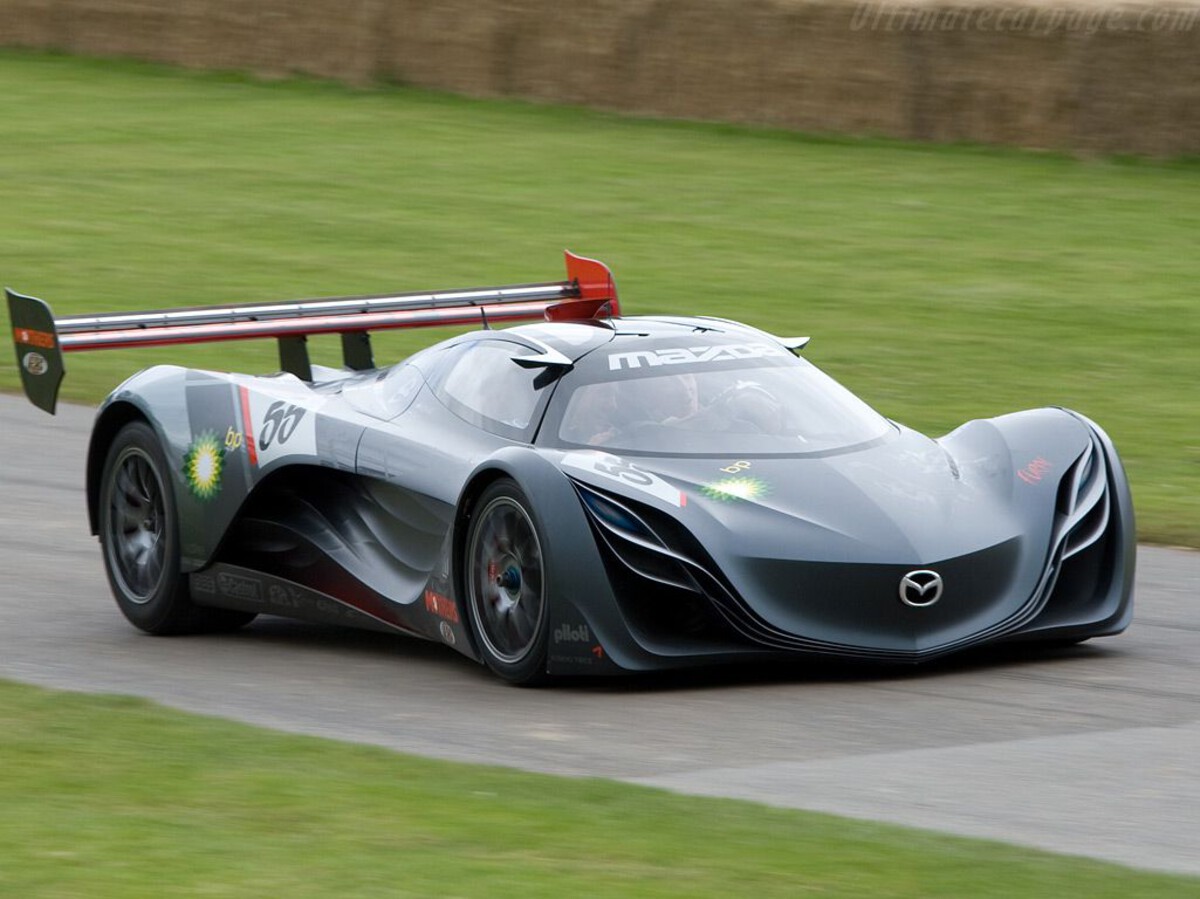
But what truly separated it from other concepts was how functional it felt. This wasn’t just a static design sculpture sitting under auto show lights. The Furai was fully operational and developed with genuine performance capability.
Mazda hinted at using it to preview the future direction of its design language, and enthusiasts immediately wanted more.
Unfortunately, the Furai’s story became tragic after the only known prototype was destroyed during a magazine test session fire in 2008. That incident practically ended any momentum the project had.
Even so, the Furai remains one of the most admired concept cars ever created by Mazda. A toned-down road-going version could’ve become a cult classic instantly,y especially in today’s market where unique lightweight performance cars are becoming increasingly rare.
7. BMW GINA Light Visionary Model
Most concept cars try to impress with horsepower or flashy interiors. The BMW GINA did something strange: er it changed shape.
Introduced in 2008, the GINA used a flexible fabric skin stretched over a movable metal framework. Instead of traditional body panels, the car could physically alter parts of its exterior depending on driving conditions or functionality.
The headlights stayed hidden beneath the fabric until activated. The doors opened by lifting the flexible outer skin. Even the shape of certain body sections could shift subtly.
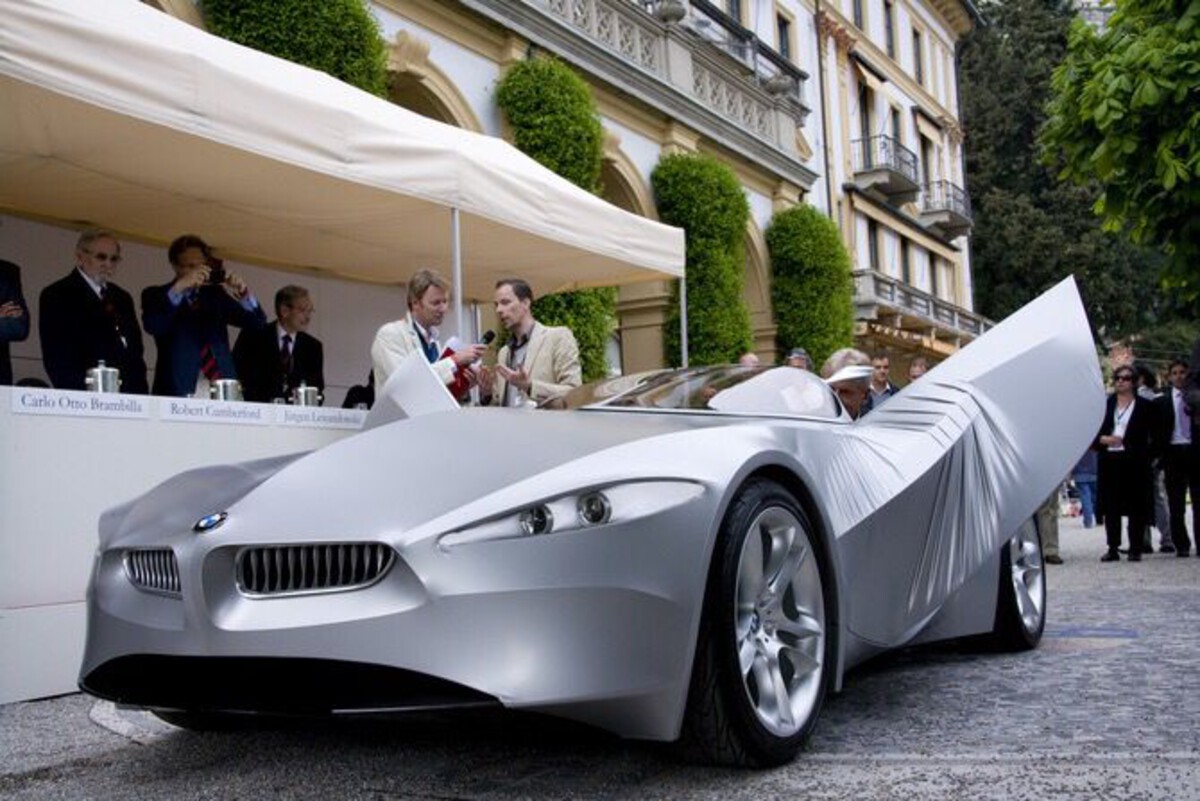
It sounded completely unrealistic, yet BMW built a functioning prototype.
What made the GINA important wasn’t whether its exact design would reach production. It was the thinking behind it. The project challenged the idea that cars had to be rigid, static objects. It explored adaptability years before modern automakers started heavily discussing responsive surfaces and active aerodynamics.
Visually, the GINA looked elegant rather than gimmicky. The long proportions and minimalist styling gave it a clean, futuristic appearance that still feels modern today.
Of course, mass-producing a car covered in stretchable fabric was never simple. Durability, safety standards, and repair costs would’ve been enormous challenges.
Still, certain ideas from the GINA absolutely deserved further development instead of remaining an experimental dead end.
8. Saab Aero X
By the mid-2000s, Saab was struggling to maintain a clear identity. Then came the Aero X in 2006, a concept that reminded people exactly why the brand once had such a loyal following.
The Aero X looked nothing like the safe executive sedans dominating European roads at the time. Inspired heavily by fighter jets, it featured a dramatic canopy-style cockpit instead of traditional doors, giving the entire car an aircraft-like feel. The wraparound glass, hidden pillars, and short overhangs made it look futuristic without becoming overly theatrical.
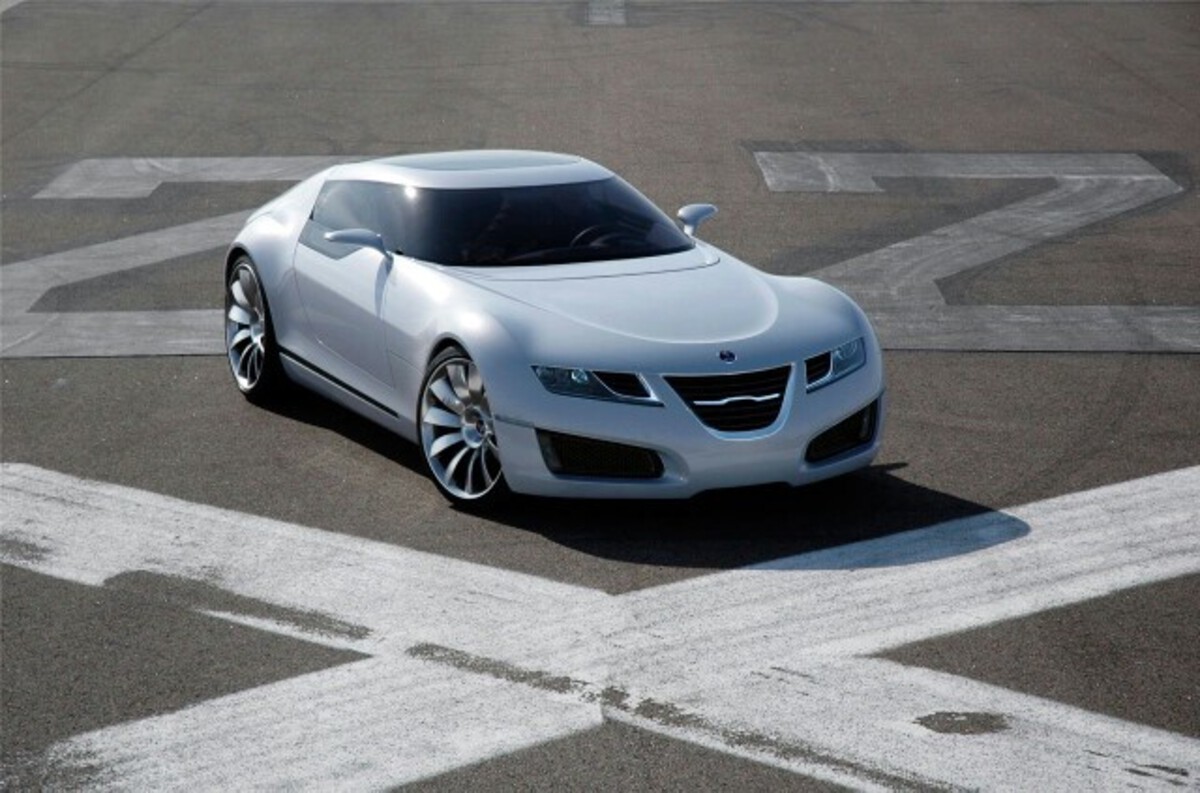
Under the hood sat a twin-turbocharged V6 running on bioethanol, producing around 400 horsepower. Saab was trying to blend performance with alternative-fuel technology long before sustainability became a marketing obsession.
The interior was equally distinctive. Minimal physical buttons, floating controls, and aviation-inspired instrumentation gave the cabin a personality missing from many luxury coupes of the era.
What hurts most is how badly Saab needed this car. The Aero X could’ve revived excitement around the brand and pulled it away from increasingly generic products. Instead, financial troubles and corporate instability kept it trapped as a concept.
Looking back now, the Aero X feels less like a fantasy and more like a missed rescue attempt.
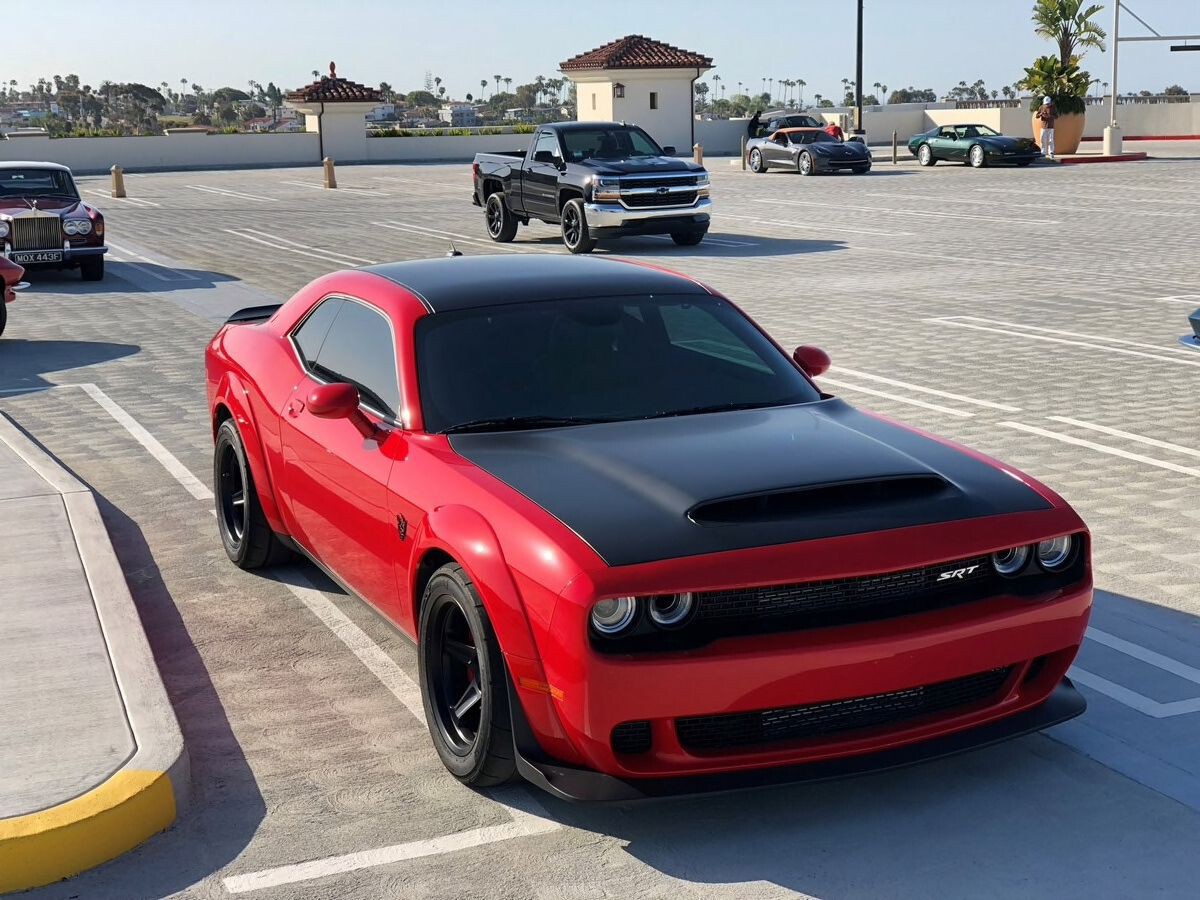
9. Dodge Demon
Long before the production Dodge Challenger SRT Demon terrified drag strips, Dodge revealed a completely different Demon concept in 2007.
This version was a lightweight rear-wheel-drive roadster aimed directly at affordable sports cars like the Mazda MX-5 Miata. Compact proportions, a short wheelbase, and an aggressive stance made it look playful rather than intimidating.
Powered by a 2.4-litre turbocharged four-cylinder engine producing around 172 horsepower, the Demon wasn’t about massive straight-line speed. It focused more on balance and driving fun. Dodge wanted to create something youthful and accessible rather than another heavy muscle machine.
And honestly, it made sense.
At the time, affordable enthusiast cars were gaining momentum again. A production Demon could’ve given Dodge a fresh audience beyond traditional V8 buyers. The styling already looked production-ready, and the mechanical setup wasn’t overly ambitious or unrealistic.
But the financial crisis approaching the late 2000s changed priorities fast. Smaller niche projects became harder to justify, and the Demon quietly disappeared.
That decision still feels shortsighted because the market later proved there was strong demand for lightweight, engaging sports cars with personality.
ALSO READ: 8 Concept Cars That Are Finally Reaching Dealerships This Year
10. Peugeot 907
French automakers rarely receive enough credit for bold concept design, and the Peugeot 907 proves exactly why they should.
Revealed in 2004, the 907 was a grand touring coupe powered by a massive front-mounted V12 engine producing around 500 horsepower. The proportions were classic GT car: long hood, compact cabin, and smooth flowing bodywork that avoided unnecessary aggression.
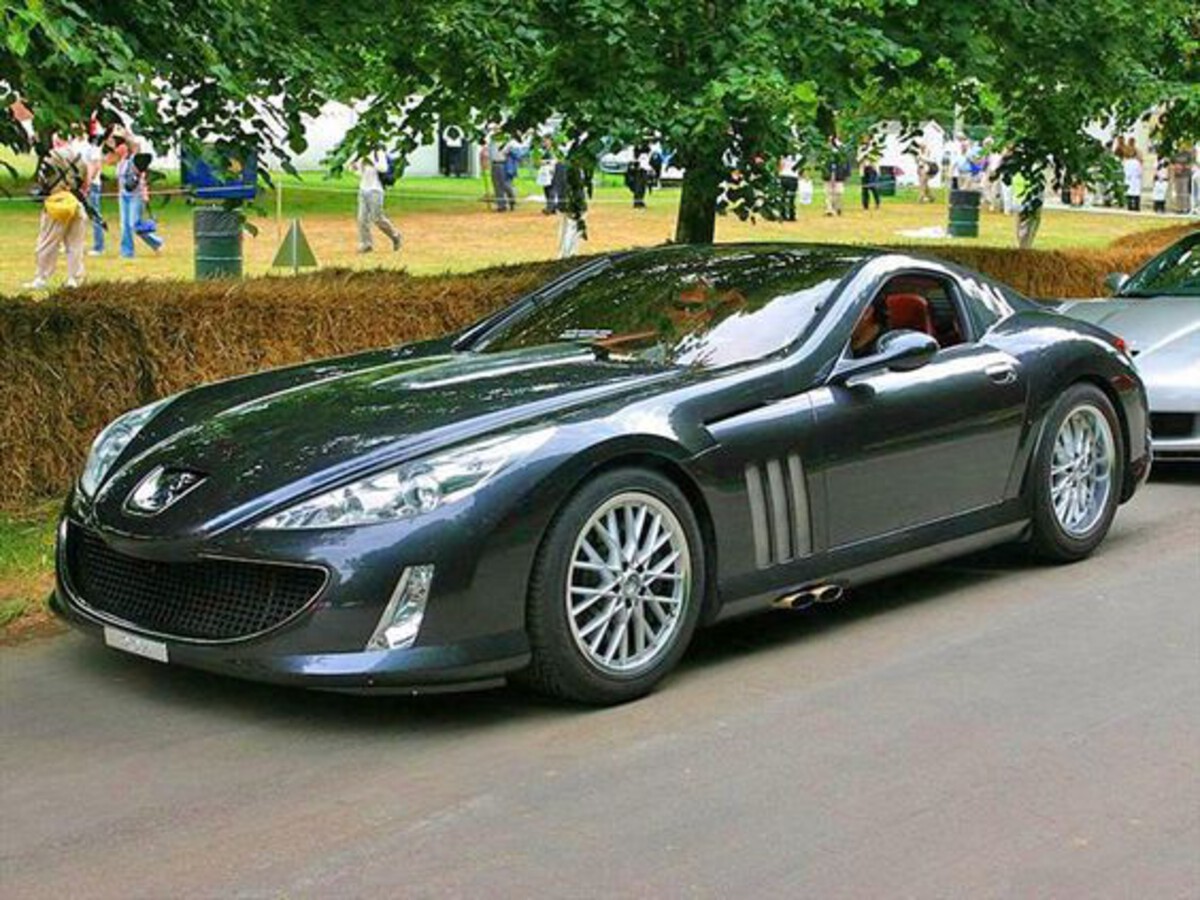
One of its most memorable features was the transparent hood section revealing part of the engine beneath the glass. It could’ve looked tacky, but somehow Peugeot made it elegant.
The interior focused heavily on craftsmanship instead of gimmicks. Rich leather, polished aluminium, and minimalist controls gave the cabin a timeless atmosphere that still holds up remarkably well today.
What made the 907 interesting was how unexpected it felt. Peugeot wasn’t known for building V12 luxury coupes, which made the concept even more exciting. It showed the company had creative ambition far beyond practical hatchbacks and family sedans.
Realistically, the business case for production was difficult. High-performance GT cars require a huge investment, and Peugeot likely saw limited global demand.
Still, a limited-run halo version could’ve transformed the brand’s image internationally. Instead, the 907 remains one of the most beautiful forgotten concept cars of the 2000s.
11. Lamborghini Estoque
Years before high-performance luxury sedans became normal for exotic brands, Lamborghini introduced the Estoque in 2008.
At the time, the idea sounded controversial. Lamborghini was supposed to build dramatic two-door supercars, not practical four-door vehicles. But the Estoque understood something important before many others did: wealthy buyers wanted speed without sacrificing usability.
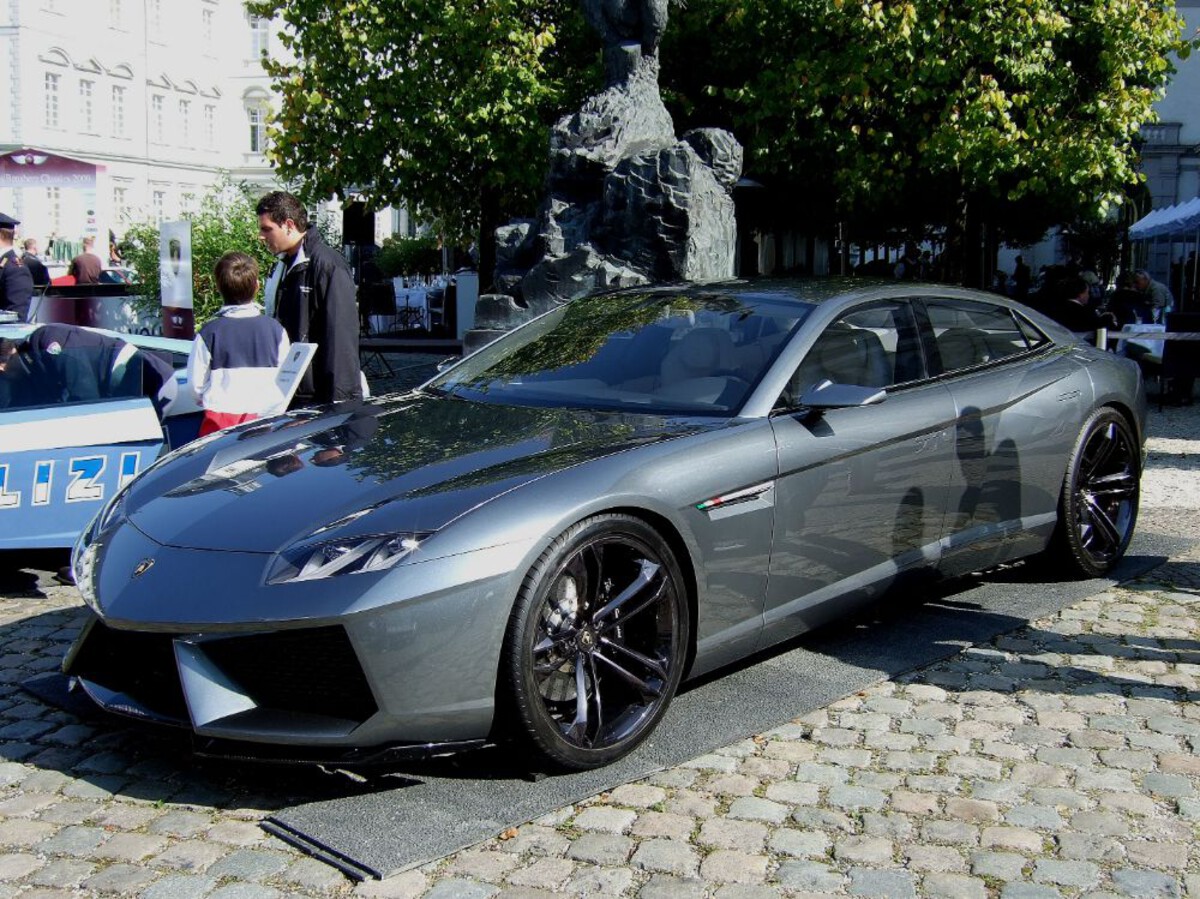
The design kept Lamborghini’s sharp styling language while stretching it into a low, muscular sedan shape. Unlike many luxury performance sedans of the era, the Estoque looked genuinely exotic instead of merely aggressive.
Reports during its debut suggested multiple possible powertrains, including a V10 engine similar to the Lamborghini Gallardo and even hybrid or diesel options under consideration. That flexibility showed Lamborghini was seriously evaluating the concept for production.
Then the project disappeared.
Eventually, Lamborghini entered the practical-performance market through the Lamborghini Urus SUV instead. Financially, that decision clearly worked. But creatively, the Estoque felt far more daring.
A production version could’ve challenged cars like the Porsche Panamera years earlier while giving Lamborghini an entirely different expansion path.
Even today, the Estoque still looks surprisingly modern, arguably more elegant than many current luxury sedans, trying too hard to appear futuristic.
12. Jaguar C-X75
The Jaguar C-X75 came painfully close to becoming reality, which honestly makes its cancellation even worse.
Introduced in 2010, the C-X75 combined exotic styling with advanced hybrid technology at a time when most high-performance brands were still hesitant about electrification. Originally developed with turbine-assisted electric propulsion before evolving into a hybrid system, the project represented Jaguar thinking far beyond its comfort zone.
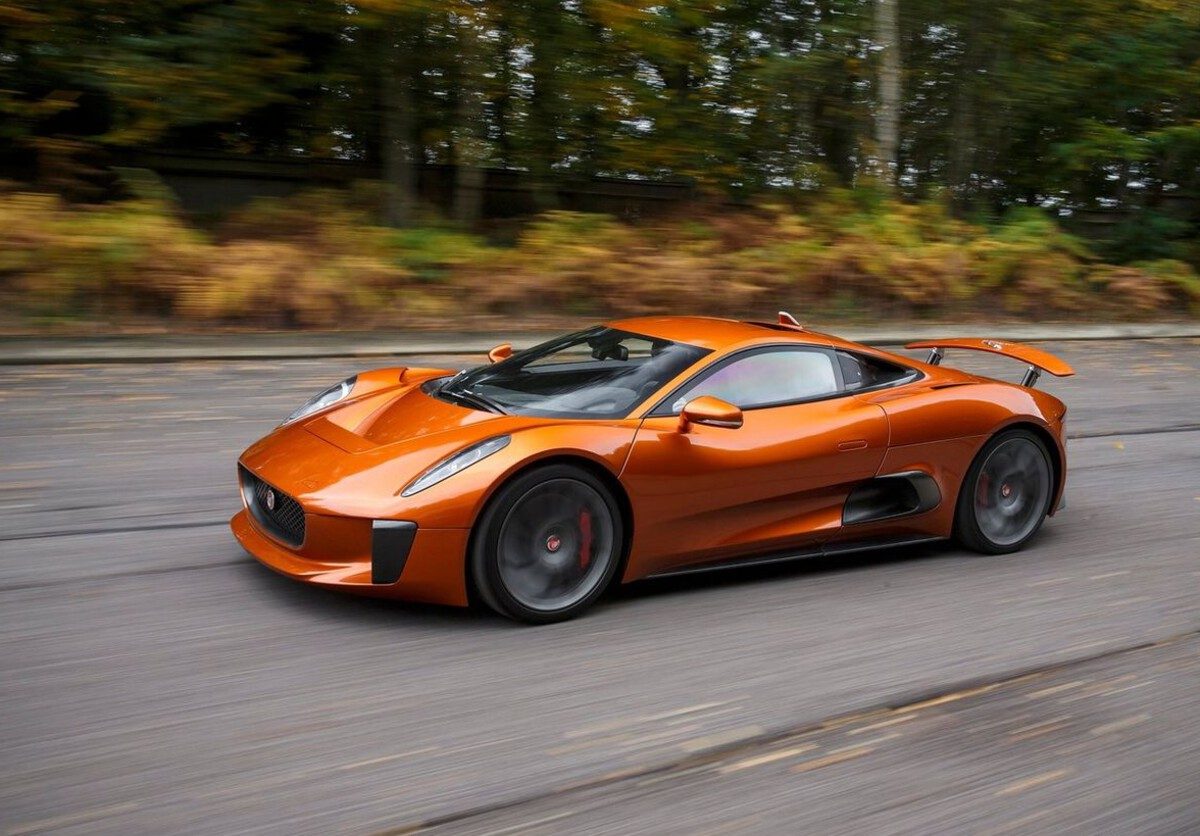
The design looked incredible. Low roofline, flowing aerodynamic surfaces, and proportions that balanced elegance with aggression,n it felt unmistakably Jaguar without copying older models.
Performance targets were equally serious. Jaguar planned supercar-level acceleration and top-speed capability while incorporating technology intended to push efficiency forward rather than simply chase horsepower figures.
The company even progressed deep enough into development to produce working prototypes alongside Williams Racing engineering support.
Then economic realities stepped in.
Jaguar ultimately decided the project was too expensive and risky for full production. Only a handful of prototypes survived, though the car later gained wider attention after appearing in the Spectre.
What makes the C-X75 especially frustrating is that the industry eventually moved exactly where it predicted. Hybrid hypercars became desirable, respected, and hugely influential. Jaguar simply arrived too early and failed to commit.
The Concept Cars That Deserved Better
Looking back at the 2000s, it becomes obvious that many concept cars failed not because they lacked potential, but because manufacturers hesitated at the wrong moment. Some were too expensive, some arrived during financial uncertainty, and others probably scared executives who preferred safer decisions.
But the automotive market eventually moved toward many of the ideas these cars introduced.
High-performance hybrids became normal. Radical styling started selling. Luxury brands expanded into new segments. Lightweight enthusiast cars regained value. Even experimental interiors and adaptive technologies began appearing in production models years later.
That’s what makes these forgotten concepts so fascinating now. They weren’t unrealistic fantasies built only for auto show attention. Many of them were early previews of where the industry was already heading.
Cars like the Cadillac Sixteen and Jaguar C-X75 could have transformed their brands entirely. Others, like the Mazda Furai or Saab Aero X, might not have sold in huge numbers, but they would’ve created an emotional connection, the kind modern automakers constantly chase today.
And honestly, that emotional factor matters more than companies sometimes admit.
People remember bold cars. They remember risk. Safe products might generate stable sales, but unforgettable vehicles shape automotive history. The concepts from this era proved manufacturers were capable of far more creativity than what ultimately reached dealerships.
Some ideas survived through later production models. Others disappeared completely. But all of them left behind the same question:
What would the automotive world look like today if these companies had simply gone all in?