
Engine temperature behavior is one of the most overlooked aspects of real-world driving, especially in countries where stop-and-go traffic is a daily reality. Whether you are stuck in long urban jams, crawling through signal after signal, or idling in summer heat with the air conditioning running full blast, the way an engine manages heat can define not only comfort but also long-term reliability and maintenance costs.
While many drivers focus on horsepower, torque, or fuel economy figures, the ability of an engine to maintain stable operating temperatures in low airflow conditions is often what separates a dependable powertrain from one that constantly struggles under urban stress.
Modern internal combustion engines are designed with sophisticated cooling systems that include radiators, electric fans, thermostats, coolant channels, and, in many cases, oil cooling systems as well. However, not all engines are created equal.
Some engines are engineered with conservative thermal loads, efficient combustion cycles, and well-optimized cooling pathways that allow them to remain stable even when the vehicle is barely moving. These engines tend to avoid heat spikes, maintain consistent oil viscosity, and reduce stress on components like head gaskets, turbochargers, and piston rings. In real-world conditions, especially in hot climates, these characteristics significantly improve longevity.
On the other hand, some engines operate closer to their thermal limits by design. High-output turbocharged engines, small-displacement motors tuned for performance, and older designs with less advanced thermal management can struggle when airflow is limited.
In traffic, where natural cooling from vehicle motion is minimal, these engines rely heavily on electric fans and coolant circulation. If any part of this system is not optimal, temperatures can rise quickly. This does not always mean the engine is poorly built, but rather that it is tuned for performance or efficiency in ways that make it more sensitive to heat buildup in urban driving conditions.
Understanding which engines tend to run cooler and which are more prone to overheating is useful not only for car buyers but also for long-term ownership planning. It affects decisions like choosing between diesel and petrol, naturally aspirated versus turbocharged engines, or even selecting a family car versus a performance-oriented vehicle.
It also helps in anticipating maintenance needs such as radiator cleaning, coolant replacement cycles, and fan system checks. In regions with hot climates and dense traffic conditions, this knowledge becomes even more valuable because ambient temperatures compound the challenge of heat dissipation.
In this article, we will explore five engines known for maintaining cool and stable temperatures in traffic conditions, followed by five engines that have a reputation for running hot or experiencing overheating tendencies under urban driving stress.
The goal is not to label any engine as good or bad, but to understand how engineering choices influence real-world thermal performance. Each engine will be discussed in detail with attention to design philosophy, cooling efficiency, and typical behavior in stop-and-go driving environments.
Also Read: 10 Cars With Insurance Premiums Lower Than a Compact Sedan
5 Engines That Run Cool in Traffic
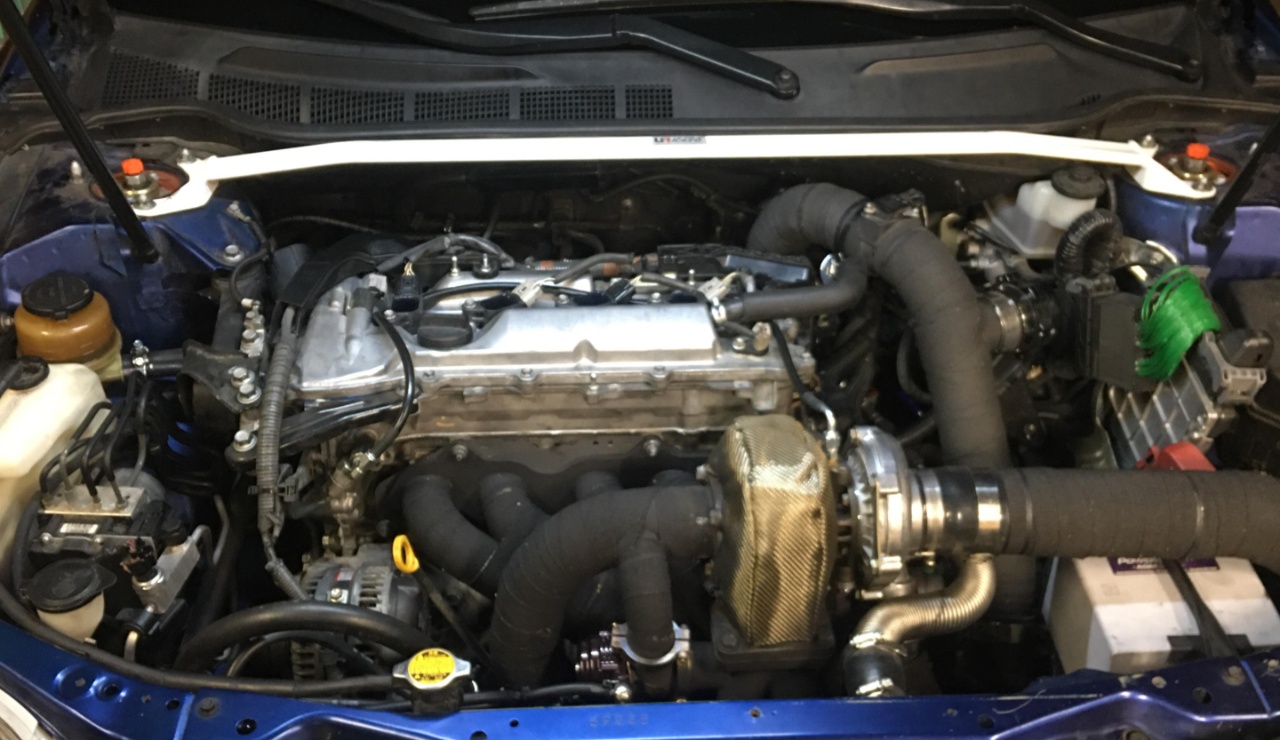
1. Toyota 2AR FE 2.5L Petrol Engine
The Toyota 2AR FE engine is widely recognized for its conservative tuning and excellent thermal stability, making it one of the most dependable engines for city driving conditions. One of the primary reasons it runs cool in traffic is its emphasis on efficiency over high-performance output.
Toyota designed this engine with a strong focus on reliability, using an aluminum block with integrated cooling passages that distribute heat evenly across the engine structure. This reduces the chances of localized hotspots, which are often the primary cause of overheating in congested driving conditions.
Another major factor contributing to its cool operation is its intelligent cooling system design. The 2AR FE uses a variable flow water pump in some configurations, along with a well-calibrated thermostat that opens at precise temperature thresholds.
This ensures that coolant circulation is optimized based on real-time engine load rather than operating at a fixed rate. In stop-and-go traffic, where engine load fluctuates constantly, this system helps maintain stable temperature levels without sudden spikes.
Fuel combustion in the 2AR FE is also engineered for smoothness rather than aggressive power delivery. The engine runs at moderate compression ratios and avoids extreme tuning, which reduces heat generation during idle and low-speed operation. Combined with Toyota’s focus on lean and efficient fuel mapping, the engine produces less waste heat compared to more performance-oriented engines in the same displacement category.
The radiator and fan system used with this engine is also well matched to its thermal output. Even when the vehicle is stationary for long periods, the electric cooling fans engage efficiently and maintain airflow through the radiator core.
This becomes particularly important in hot climates where ambient temperatures can reduce the effectiveness of passive cooling. The system is designed to compensate quickly without requiring the engine to reach critical temperature levels.
The 2AR FE is a textbook example of how balanced engineering can result in excellent thermal stability. It may not be the most powerful engine in its class, but in real-world traffic conditions, it consistently demonstrates low overheating risk, smooth temperature control, and long-term durability with minimal thermal stress on internal components.
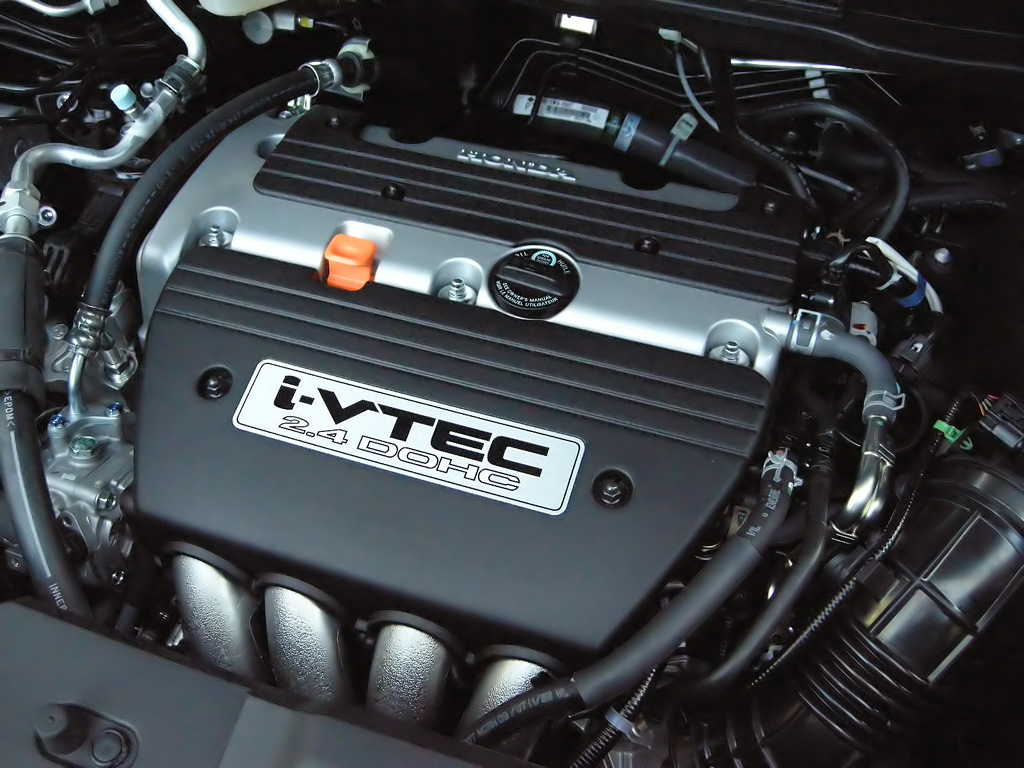
2. Honda K24 Series Engine
The Honda K24 engine series, particularly in its naturally aspirated form, is another strong performer when it comes to maintaining stable temperatures in traffic. Honda’s engineering philosophy for the K series emphasizes high efficiency, smooth airflow dynamics, and balanced thermal distribution.
The K24 benefits from a well-designed aluminum block and head structure that promotes rapid heat dissipation, helping the engine avoid excessive heat buildup during extended idling periods.
One of the key strengths of the K24 is its coolant circulation efficiency. The engine uses a carefully designed water jacket system that surrounds critical combustion areas such as the cylinder head and exhaust ports.
This allows heat to be extracted quickly from the most thermally stressed regions of the engine. In traffic conditions where airflow through the radiator is limited, this internal cooling efficiency becomes extremely important in preventing temperature spikes.
Honda also engineered the K24 with a relatively low-stress tuning approach in its non-performance variants. While VTEC-equipped versions can deliver strong power at higher RPMs, in normal driving conditions, the engine operates at moderate load levels, which significantly reduces heat generation. This balance between performance and efficiency makes it particularly suitable for urban environments where frequent acceleration and deceleration occur.
The engine’s oil circulation system also plays a role in maintaining temperature stability. Engine oil in the K24 is used not only for lubrication but also as a secondary cooling medium for internal components. Honda designed the oil passages to ensure consistent flow even at low engine speeds, which helps dissipate heat from piston surfaces and camshaft assemblies during prolonged idling in traffic.
In real-world usage, the K24 has earned a reputation for being tolerant of hot climates and heavy city driving. Even in congested urban environments, it typically maintains stable operating temperatures as long as the cooling system is properly maintained. This combination of efficient design, reliable cooling pathways, and moderate thermal load makes it one of the more dependable petrol engines for stop-and-go driving conditions.
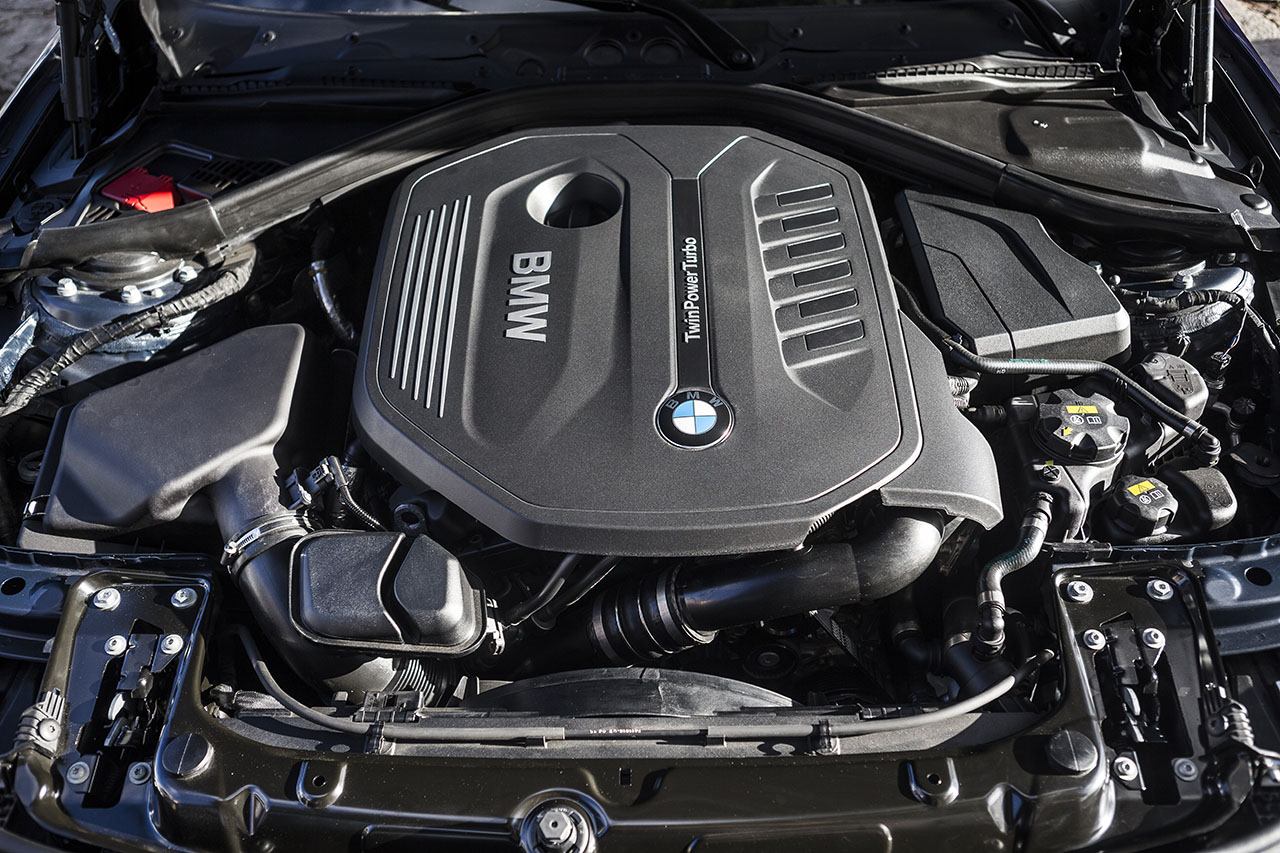
3. BMW B58 Inline Six Turbo Engine
The BMW B58 engine represents a modern approach to thermal management in high-performance turbocharged engines. Despite producing significant power, it is known for surprisingly stable temperature control, even in traffic conditions where cooling airflow is minimal.
This is largely due to BMW’s advanced integration of cooling systems, including a split cooling circuit design that separates cylinder head and engine block temperature management.
One of the standout features of the B58 is its integrated water-to-air intercooler system housed within the intake manifold. This design reduces the distance that compressed air travels and allows for more efficient heat exchange.
By cooling intake air more effectively before it enters the combustion chamber, the engine reduces internal combustion temperatures, which directly helps in maintaining lower engine heat levels during stop-and-go driving.
The engine also uses an electronically controlled thermostat and electric water pump system that dynamically adjusts coolant flow based on real-time driving conditions. In traffic, where engine load is inconsistent but airflow is low, this system prioritizes consistent cooling rather than reactive cooling. This proactive thermal management approach helps prevent sudden heat spikes that are common in older turbocharged designs.
BMW also optimized the combustion process in the B58 to reduce unnecessary heat generation. The direct injection system, precise fuel mapping, and efficient turbocharger design allow the engine to extract more energy from fuel without excessive thermal waste. This means that even when the vehicle is idling in traffic, the engine does not accumulate heat as aggressively as older turbocharged engines.
In practice, the B58 demonstrates that high performance does not necessarily mean poor thermal control. With proper engineering, it is possible to achieve both power and stability. While it still requires a healthy cooling system and regular maintenance, its design makes it one of the more thermally efficient turbocharged engines in modern automotive engineering.
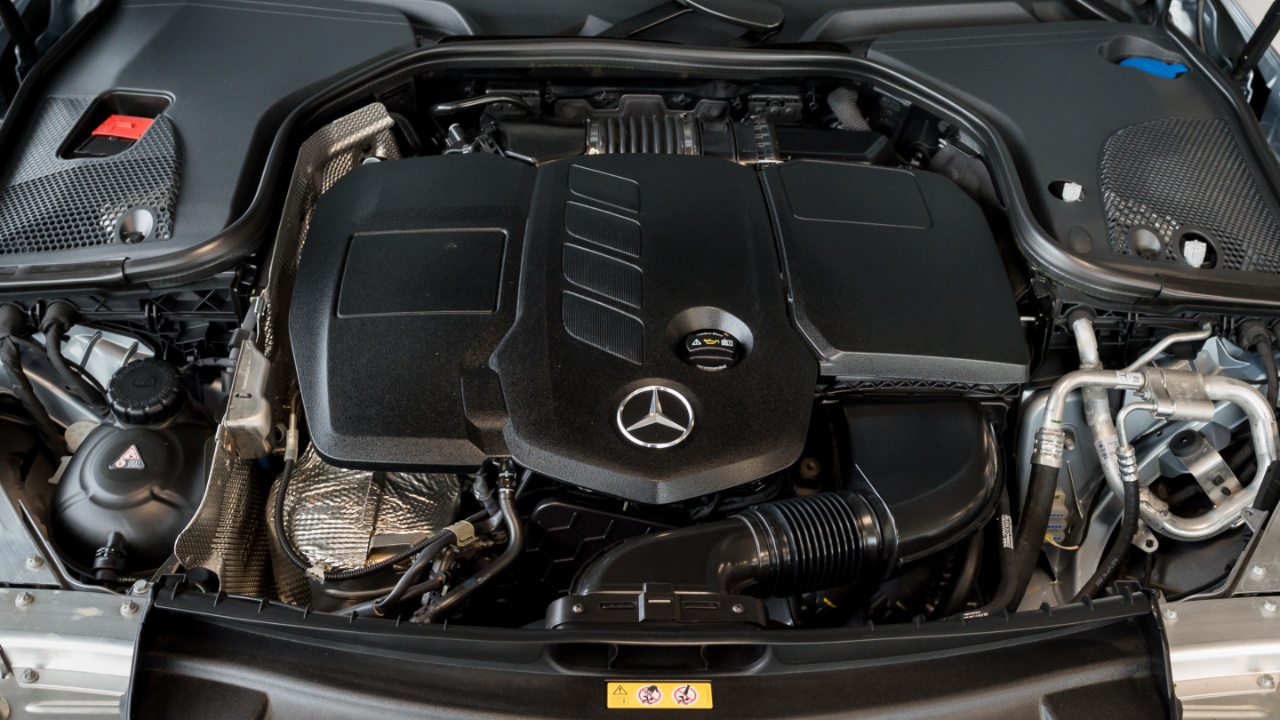
4. Mercedes-Benz OM654 Diesel Engine
The Mercedes-Benz OM654 diesel engine is designed with a strong emphasis on efficiency and thermal stability, particularly in urban driving conditions. Diesel engines generally run cooler than petrol engines due to their combustion characteristics, and the OM654 enhances this advantage through advanced thermal insulation and aluminum construction.
One of the key features of this engine is its integrated exhaust manifold design, which is built directly into the cylinder head. This allows exhaust gases to be managed more efficiently and reduces excessive heat buildup in the engine bay. By controlling exhaust heat more effectively, the engine maintains a more stable temperature profile even during prolonged idling in traffic.
The OM654 also uses a sophisticated cooling circuit that includes low-temperature and high-temperature loops. This separation allows sensitive components such as the intercooler and electronics to remain at optimal temperatures while the main engine block is managed independently. This layered approach to cooling significantly improves stability in stop-and-go driving conditions.
Mercedes engineered the combustion process in the OM654 to be extremely efficient, with multiple injection phases that reduce sudden heat spikes during fuel combustion. This not only improves fuel economy but also ensures that thermal output remains consistent rather than fluctuating sharply under varying loads.
In real-world conditions, the OM654 is well known for its ability to maintain stable temperatures even in heavy city traffic. Combined with diesel efficiency and strong low RPM torque, it provides a smooth and thermally controlled driving experience that is particularly well-suited for urban commuting in warm climates.
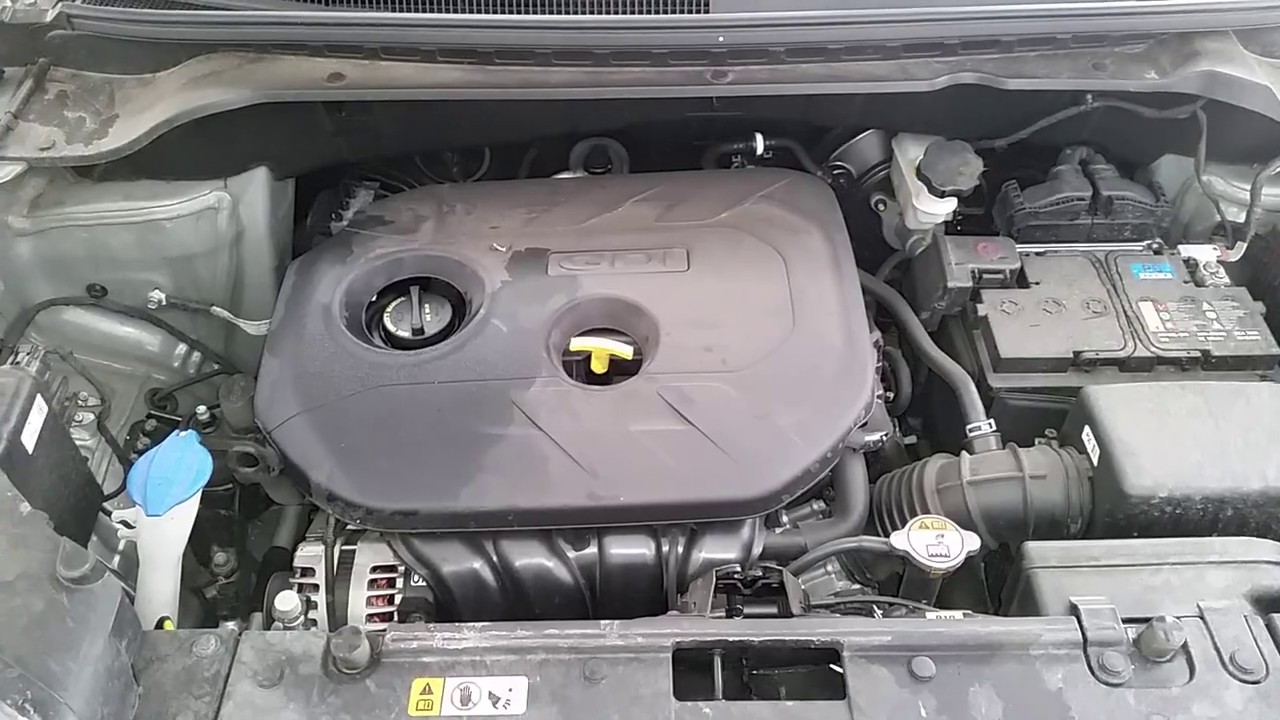
5. Hyundai 2.0 MPi Petrol Engine
The Hyundai 2.0 MPi naturally aspirated engine is another example of a simple, robust design that performs reliably in traffic without significant overheating issues. Its strength lies in its mechanical simplicity and conservative tuning, which results in lower internal heat generation compared to turbocharged or high-compression performance engines.
The engine uses a traditional port fuel injection system, which contributes to more uniform fuel distribution and smoother combustion. This reduces localized heat buildup inside the combustion chamber, helping the engine maintain stable temperatures during prolonged idle conditions. Unlike direct injection systems, port injection also helps keep intake valves cleaner, indirectly supporting thermal efficiency over time.
Hyundai designed the cooling system of this engine with durability in mind, using a straightforward but effective radiator and fan configuration. The electric cooling fans are calibrated to engage early when temperatures begin to rise, ensuring that airflow is maintained even when the vehicle is stationary for long periods.
Another important factor is the engine’s relatively low compression ratio compared to modern turbocharged units. This reduces the peak combustion temperatures, which in turn lowers heat stress on engine components. In traffic conditions, this design choice plays a major role in preventing overheating.
The 2.0 MPi is not a performance-focused engine, but it excels in reliability and thermal stability. It is particularly well-suited for drivers who prioritize low maintenance and consistent operation in congested urban environments.
Also Read: 10 Cars That Survive Being Used as Daily Uber Vehicles
5 Engines That Are Known to Run Hot
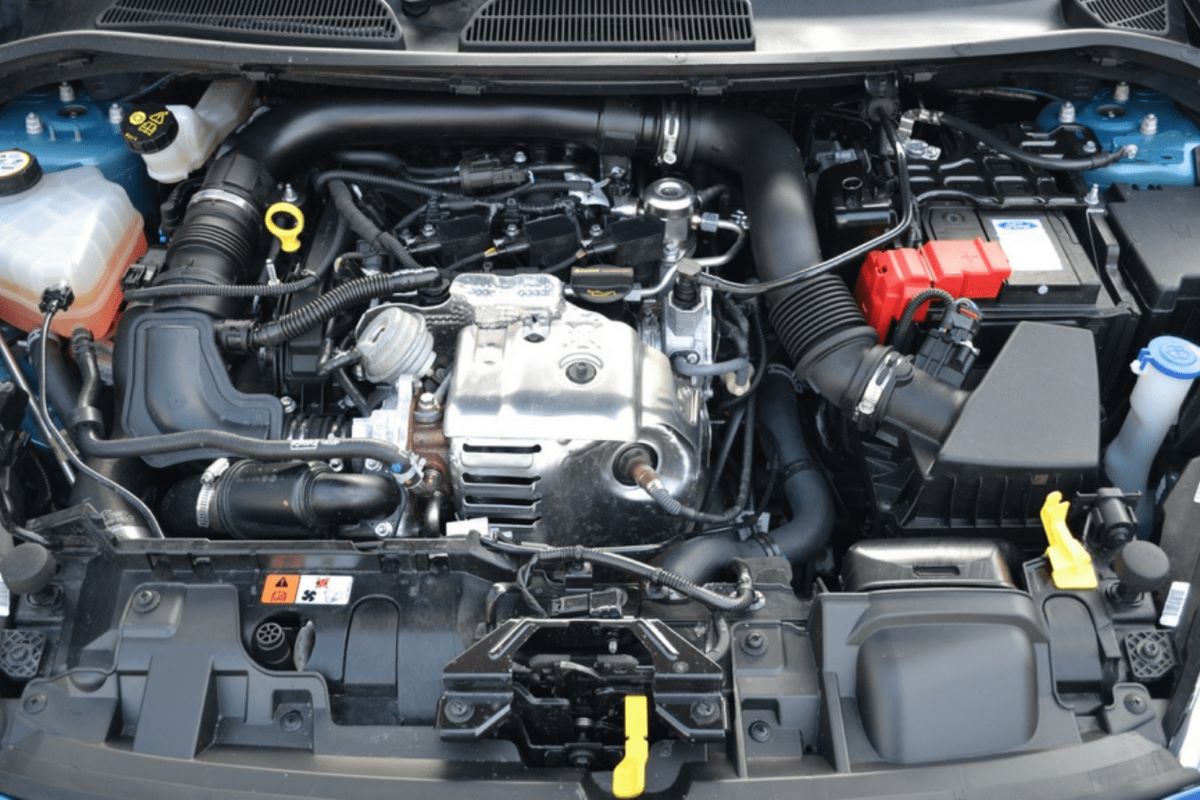
1. Ford 1.6 EcoBoost Turbo Engine
The Ford 1.6 EcoBoost engine is a compact turbocharged petrol unit designed to deliver strong performance and good fuel efficiency from a relatively small displacement. However, this combination of high boost pressure and small engine size also creates a naturally higher thermal load. In traffic conditions where airflow is limited, this heat does not dissipate quickly, making the engine more temperature sensitive compared to larger naturally aspirated engines.
One of the primary reasons this engine tends to run warmer is the way it generates power. The turbocharger forces more air into the combustion chamber, allowing more fuel to be burned in a smaller space. While this improves performance, it also increases combustion temperatures significantly. In stop-and-go traffic, repeated low-speed acceleration events keep the turbo partially active, which continuously adds heat into the system.
The engine bay design in vehicles using this engine is relatively compact, which restricts natural heat escape. When the vehicle is stationary or moving slowly, there is minimal airflow through the radiator and intercooler. This means that electric fans must handle most of the cooling workload. If ambient temperatures are high, especially in hot climates, the cooling system can struggle to maintain ideal engine temperatures.
Another factor is heat soak from the turbocharger itself. After repeated acceleration, the turbo retains a large amount of residual heat. When the car stops in traffic, this heat radiates into the surrounding components, increasing the engine bay temperature. This effect is more noticeable in turbocharged engines that lack advanced heat shielding or enhanced cooling circulation around the turbo system.
Over time, if the cooling system is not maintained properly, issues such as coolant degradation, radiator clogging, or weak fan performance can worsen the engine’s thermal behavior. While the 1.6 EcoBoost performs well on highways, its sensitivity to heat in urban driving makes it less forgiving in heavy traffic conditions compared to simpler engine designs.
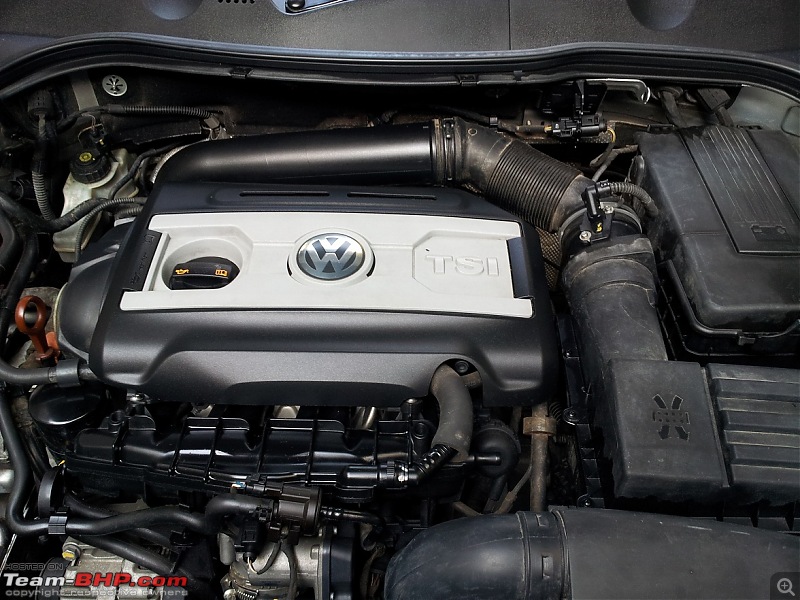
2. Volkswagen 1.8 TSI
The early generation Volkswagen 1.8 TSI engine is known for its strong power delivery and responsive turbocharged performance, but it also has a reputation for running hotter than expected in city driving conditions. This is largely due to its high efficiency tuning combined with a relatively compact engine layout that prioritizes performance over thermal headroom.
The engine uses direct injection and turbocharging together, which significantly improves combustion efficiency but also increases internal pressure and temperature. In traffic conditions where the vehicle is constantly starting and stopping, the turbocharger frequently engages at low levels, generating continuous heat without sustained airflow to cool it down effectively.
Another important factor is the tight engine compartment design used in many vehicles equipped with this engine. Components are packed closely together, which limits natural heat dissipation. When the car is stationary, heat accumulates in the engine bay and takes longer to escape. This creates a situation where even normal idling can gradually increase engine temperature.
Cooling system performance in early versions of the 1.8 TSI was adequate for moderate driving conditions but sometimes struggled in extreme stop-and-go traffic, especially in hot climates. The radiator and fan system had to work continuously under high load, and any reduction in efficiency due to aging components could quickly lead to higher operating temperatures.
Although later improvements were made in newer revisions of the engine, the early 1.8 TSI remains a good example of how performance-oriented turbocharged engines can face thermal challenges in urban environments where airflow is limited and heat buildup is constant.
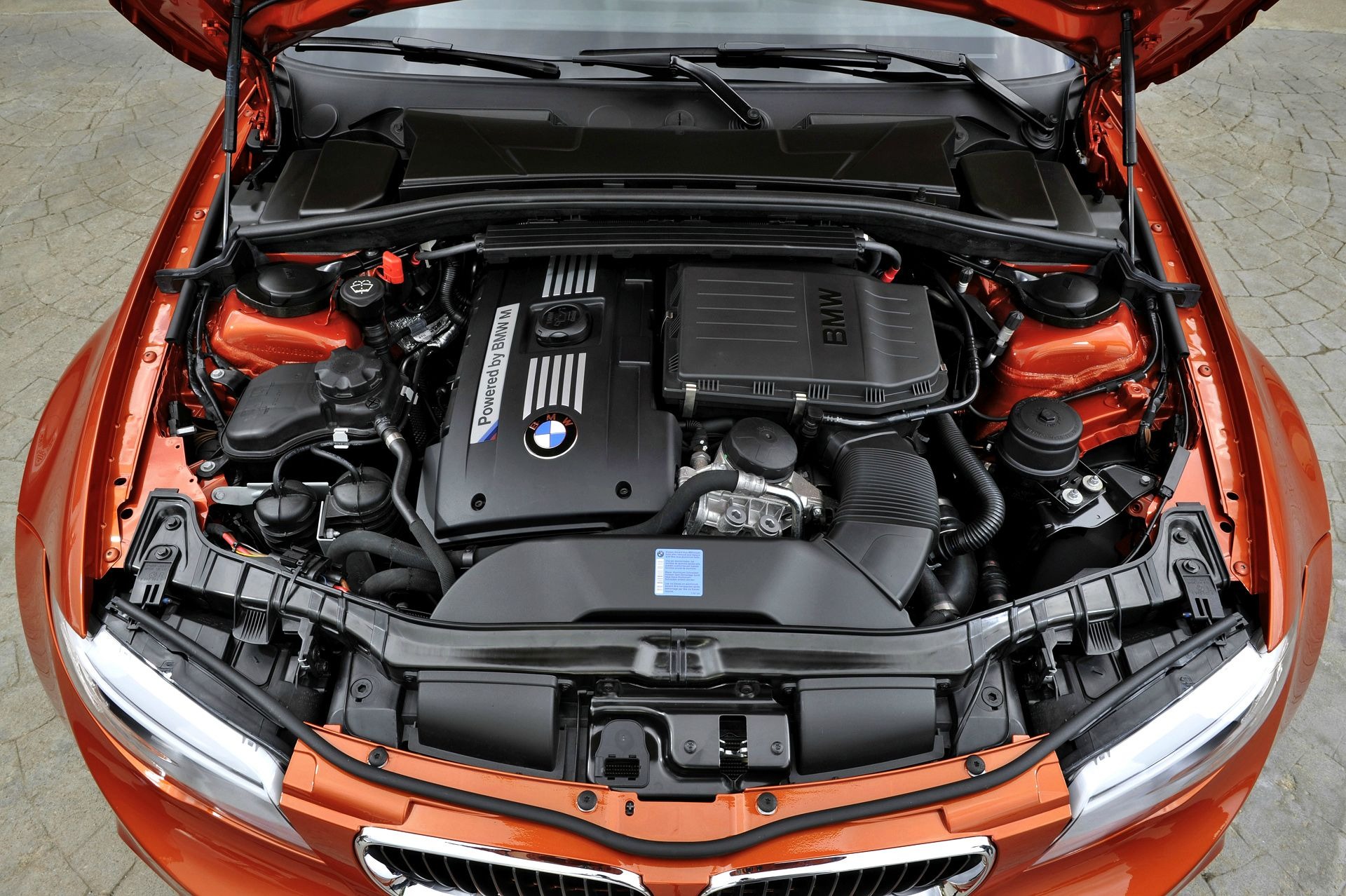
3. BMW N54 Twin Turbo Engine
The BMW N54 engine is a high-performance twin-turbocharged inline six that delivers impressive acceleration and power output, but this performance comes with significant heat generation. The twin turbo setup itself is one of the main contributors to its thermal behavior, as two turbochargers produce substantially more heat compared to a single turbo system.
In traffic conditions, the engine experiences frequent transitions between idle and low-load operation. Even when not under heavy acceleration, the turbochargers and exhaust components remain extremely hot. This residual heat gradually spreads into the engine bay, especially when the vehicle is stationary, and there is no airflow to carry it away.
The engine’s compact packaging further intensifies this issue. BMW designed the N54 to fit within performance-oriented vehicle platforms, which means components are closely arranged. While this improves responsiveness and weight distribution, it reduces available space for heat dissipation. As a result, heat tends to accumulate more easily during prolonged idling.
The cooling system is advanced and includes electric water pumps and intercoolers designed to manage high thermal loads. However, in traffic conditions where airflow through the intercooler is limited, the system relies heavily on active pumping and fan operation. This continuous workload can lead to elevated temperatures if the system is not in perfect condition.
Over time, carbon buildup, coolant aging, or minor inefficiencies in the cooling system can make the N54 more prone to overheating in city driving. While it is a powerful and capable engine on highways and open roads, its thermal behavior in heavy traffic requires careful maintenance and awareness of heat management.
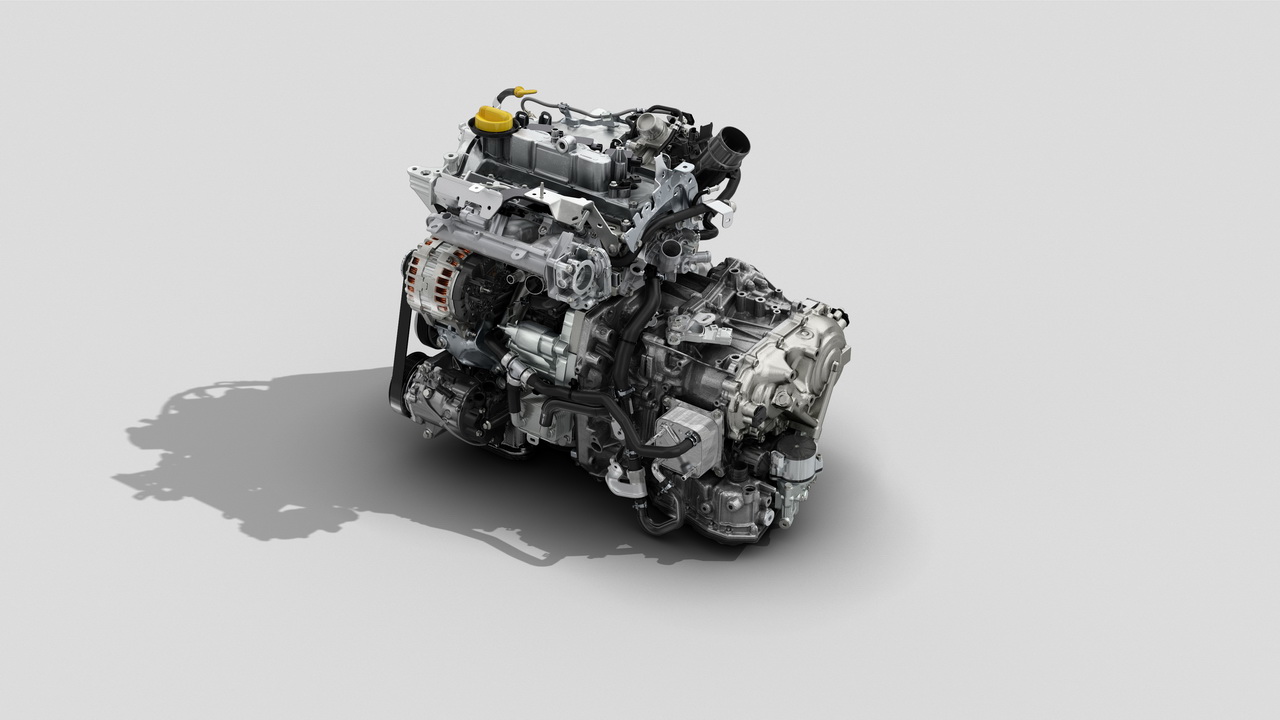
4. Renault 1.2 TCe Turbo Engine
The Renault 1.2 TCe turbo engine is a small-displacement turbocharged unit designed to balance fuel efficiency and performance. However, because it extracts relatively high power from a small engine block, it operates under higher thermal stress, especially in stop-and-go traffic conditions.
One of the key reasons for its heat sensitivity is its high specific output. The engine is required to produce significant power from a limited displacement, which means it relies heavily on turbocharging. In urban driving, where acceleration is frequent, the turbo stays active more often than in highway cruising, continuously generating heat.
The compact engine design further contributes to heat buildup. The engine bay in vehicles using this engine does not allow large amounts of airflow when the vehicle is stationary. As a result, heat dissipation depends almost entirely on the radiator fan system, which must operate frequently in traffic conditions.
Another contributing factor is the nature of turbocharged combustion in small engines. Higher boost levels increase cylinder temperatures, and repeated low-speed acceleration cycles in traffic do not give the engine enough time to cool down between bursts of load. This leads to a gradual accumulation of heat during extended city driving.
While the engine performs well in moderate conditions, its thermal margin is narrower compared to larger or naturally aspirated engines. This means that proper cooling system maintenance, including coolant quality and radiator cleanliness, is essential to prevent overheating in hot climates and heavy traffic situations.
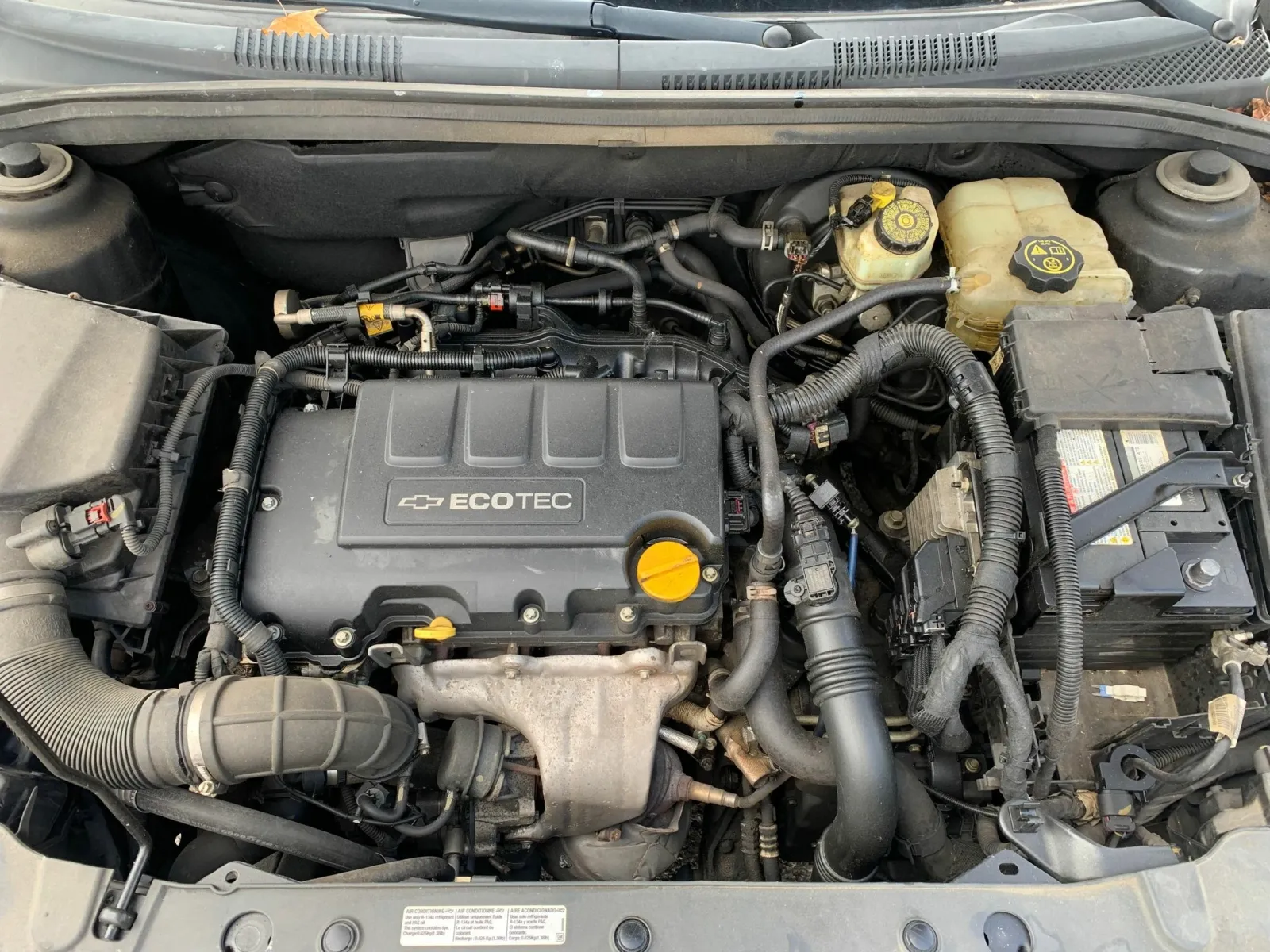
5. Chevrolet 1.4 Turbo Ecotec Engine
The Chevrolet 1.4 Turbo Ecotec engine is a small turbocharged petrol engine designed for efficiency and everyday usability. While it performs well in mixed driving conditions, it can exhibit higher operating temperatures in dense urban traffic due to its turbocharged design and compact cooling setup.
The turbocharger plays a major role in heat generation. During acceleration, it compresses air into the engine, significantly increasing combustion temperatures. In traffic, where driving involves frequent stop-and-go cycles, the turbo repeatedly heats up without sustained airflow to cool it down efficiently.
Another factor is the reliance on active cooling systems. When the vehicle is stationary, the radiator fan becomes the primary method of heat management. If ambient temperatures are high or the cooling system is not in peak condition, heat can accumulate faster than it is dissipated, leading to higher engine temperatures.
The direct injection system used in this engine also contributes to higher thermal efficiency, which improves fuel economy but results in higher combustion chamber temperatures. This makes the engine more sensitive to cooling efficiency, especially during prolonged idling in traffic.
While the 1.4 Turbo Ecotec is a capable and efficient engine, its design prioritizes performance and economy over thermal excess capacity. This makes it more prone to running warm in heavy urban traffic compared to naturally aspirated engines with simpler cooling demands.
