

Changing your car’s air filter is one of the simplest maintenance tasks you can do at home. It takes just a few minutes and costs a fraction of what a shop charges. Yet not every car makes this job easy; some manufacturers design engine bays that seem to deliberately hide the filter behind a maze of hoses, brackets, and sensors.
The air filter protects your engine from dust, debris, and contaminants that can cause serious internal damage. A clogged filter reduces power, hurts fuel economy, and puts strain on the entire intake system. Experts recommend replacing it every 12,000 to 15,000 miles, or annually for most drivers.
Knowing whether your specific car allows a simple DIY swap or demands a mechanic’s expertise can save you real money and frustration. Some vehicles feature a large, clearly labeled airbox with a quick-release clamp on top. Others bury the filter deep beneath layers of plastic panels, requiring special tools and a full intake removal.
This guide breaks down six cars that make air filter replacement refreshingly simple and six that will send even confident DIYers straight to the dealership. Whether you’re trying to save money or simply understand your vehicle better, read on to find out where your car stands.
6 Cars With Easy DIY Air Filter Access
These cars are designed with quick, tool-free, or minimal-tool air filter access, making routine maintenance simple for owners. Models like the Toyota Corolla, Honda Civic, and Hyundai Elantra typically use clip-on airbox covers or a few easily accessible screws, allowing filter replacement in minutes.
Vehicles such as the Mazda3, Kia Forte, and Subaru Impreza also feature straightforward engine bay layouts, making DIY maintenance hassle-free. These designs save time and money, making them ideal for owners who prefer basic upkeep at home.
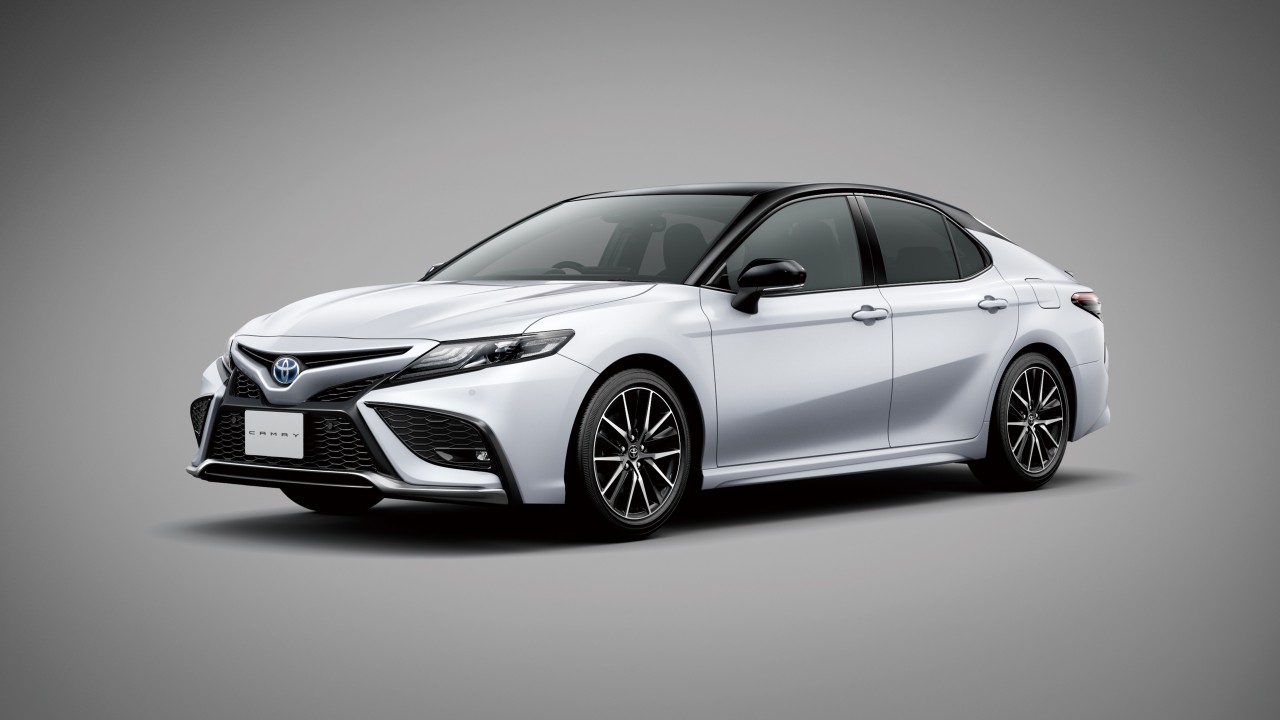
1. Toyota Camry (2012–Present)
The Toyota Camry is widely regarded as one of the most DIY-friendly vehicles on the road. Its engine bay is spacious, well-organized, and thoughtfully laid out. The air filter housing sits in a very visible position on the driver’s side of the engine compartment.
The airbox is a large black plastic housing secured by two metal clips on the side. You simply squeeze the clips, lift the lid, and the filter is right there waiting to be swapped. No tools are required whatsoever for this job.
The entire process takes about five minutes from start to finish. Toyota uses a flat, rectangular panel filter that slides out effortlessly and fits back in with zero resistance. Alignment is foolproof thanks to a simple groove that guides the filter into position.
Even first-time DIYers consistently report success with this task. Online tutorials for the Camry air filter replacement are everywhere, and the process looks exactly as simple as it actually is. You simply cannot make a mistake here.
Replacement filters are inexpensive and available at every auto parts store. Brands like K&N, Fram, and Wix all make drop-in replacements. The Camry’s reputation for easy maintenance is fully earned here.
Toyota’s design philosophy emphasizes owner accessibility, and this job is a perfect example. The Camry air filter is one of the best arguments for buying a Japanese mainstream sedan. If you’ve never changed a car part yourself, start here.
2. Honda Civic (2016–Present)
The Honda Civic is another champion of easy at-home maintenance. Honda has kept the air intake system accessible across multiple generations of the Civic. The tenth and eleventh generation models are particularly straightforward.
The airbox sits behind the headlight assembly on the passenger side of the engine bay. It is clearly identifiable, relatively large, and unobstructed by surrounding components. Honda uses a simple screw-and-clip system to secure the top of the housing.
You’ll need a flathead screwdriver at most to loosen the intake hose clamp. Even that step is minimal, the hose pulls off with gentle pressure after a quarter-turn. The filter itself is a rectangular panel that lifts straight out of the housing.

Civic owners routinely swap the filter in under ten minutes on their first attempt. The parts cost around $15 to $25, depending on the brand and filtration level. Honda OEM filters are also reasonably priced compared to competitors.
The Civic’s engine bay is compact but extremely well-organized. Each component has a clear purpose, and nothing unnecessarily crowds the airbox area. Routing of vacuum lines and sensors keeps everything tidy and out of the way.
This job is perfect for a beginner wanting to build confidence working on their car. The Civic rewards self-reliance, and Honda’s consistent attention to maintenance accessibility makes it a long-term ownership favorite.
3. Ford F-150 (2015–Present)
The Ford F-150 is America’s best-selling truck, and Ford knows its owners like to do things themselves. The engine bay on the thirteenth and fourteenth-generation F-150s is enormous, giving plenty of room to work. The air filter housing is impossible to miss, it’s a large rectangular box sitting prominently at the front of the engine compartment.
Ford uses a quick-release latching system on the airbox lid. Two or three clips pop open with your fingers alone, and the lid swings up or lifts off completely. The filter is a large, flat rectangular panel that slides straight out.
Given the truck’s working-class audience, Ford designed the intake system for real-world owner maintenance. No special tools, no specialty knowledge, and no frustration involved. The whole job is done in five minutes or fewer.

Replacement filters for the F-150 are widely available and often sold in two-packs at warehouse clubs. High-performance reusable filters from K&N are also a popular upgrade among truck owners. Either way, the swap is identical in difficulty.
The EcoBoost engine variants are equally easy to service in this regard. Despite the added complexity of the turbocharger system, the air filter remains in a fully accessible position. Ford did not let the turbo hardware complicate the filter access at all.
F-150 owners take enormous pride in maintaining their trucks. The easy filter access reflects Ford’s understanding of who buys this vehicle. It’s one of the few trucks where routine maintenance truly feels routine.
4. Chevrolet Silverado 1500 (2019–Present)
The fourth-generation Chevrolet Silverado is a direct competitor to the F-150, and it matches the Ford in DIY accessibility. General Motors designed the 1500’s intake system with the working owner in mind. The airbox is front and center in the engine bay, visually dominant and completely unobstructed.
The housing uses a series of spring-loaded clips that release with simple finger pressure. You pop them open, lift the lid, and the filter is immediately accessible. There are no screws, no specialty clips, and no confusing multi-step procedures.
Chevy’s filter housing design is especially forgiving because of its large interior volume. The filter itself is well-seated but not jammed; it slides out cleanly without effort. Reinstallation is equally smooth, and the lid snaps back securely with a satisfying click.

The 5.3L and 6.2L V8 engines both use filters in identically easy locations. This consistency across the engine range is a genuine convenience for fleet operators and private owners alike. You don’t have to relearn the process for a different powertrain.
Silverado forums are full of positive feedback about this particular maintenance task. Owners frequently report doing the filter swap in a parking lot immediately after buying a replacement at the auto parts store. That’s how simple the Chevrolet system is.
Chevy’s filter is also larger than average, which means it handles more airflow capacity before clogging. That translates into slightly longer service intervals under normal driving conditions. It’s a thoughtful design choice that rewards Silverado owners in multiple ways.
Also Read: 10 Cars That Have Cult Followings You Didn’t Know About
5. Subaru Outback (2015–2019)
The fifth-generation Subaru Outback is a pleasant surprise when it comes to filter accessibility. Subaru’s horizontally opposed Boxer engine can be complicated to work on in some areas, but the air filter is not one of them. The airbox is positioned prominently on the driver’s side of the engine bay.
You’ll see a large black housing with a flat lid secured by several spring clips. The clips release easily with your fingers no tools needed for the basic procedure. The lid lifts off completely, giving full, unobstructed access to the filter.
The Outback’s filter is a slightly unusual, curved or contoured shape, but replacement is no more difficult than a flat design. Drop it in, seat it properly, and replace the lid. Done in under ten minutes, even with careful attention to proper filter seating.

Subaru uses a relatively generous-sized airbox compared to many competitors in the crossover segment. The extra space makes it easy to inspect the housing interior for debris before installing the new filter. This is a smart design choice for a brand favored by outdoor enthusiasts.
Owners driving the Outback on dusty, unpaved roads benefit enormously from easy filter access. They can check and replace the filter more frequently without dreading the process. This aligns well with the adventure-focused lifestyle the Outback is marketed toward.
The pre-2020 Outback generation is the clear recommendation here. The 2020 redesign added a turbocharged engine option that slightly complicates things on certain trims. Stick with the naturally aspirated models for the most hassle-free filter service experience.
6. Hyundai Elantra (2017–2020)
The Hyundai Elantra of this generation represents excellent value not just in purchase price but in ownership costs. The air filter is a particularly user-friendly element of this car’s maintenance package. Hyundai positioned the airbox very deliberately for owner accessibility.
The housing sits on the passenger side of the engine bay, clipped securely to the firewall area. A single clamp on the intake hose and two clips on the housing lid are all that stand between you and the filter. Loosen the hose, pop the clips, lift the lid, and swap the filter.
Most Elantra owners complete this job in under eight minutes on their first try. The filter is a standard flat rectangular design that every major parts brand manufactures. You’ll pay $10 to $20 for a perfectly functional replacement at any auto parts retailer.

Hyundai’s quality improvements over the past decade have also extended to maintenance design. The tight tolerances on the airbox lid clips mean the housing seals well after reinstallation. There’s no rattling, no intake air leaks, and no uncertainty about whether you put it back together correctly.
The Elantra’s engine bay is compact but cleverly organized. Hyundai engineers routed cables and hoses away from the airbox area rather than letting them crowd the space. The result is a maintenance experience that punches well above the car’s budget price point.
If you’re new to vehicle maintenance and own an Elantra from this period, start with the air filter. It will give you confidence, save you real money, and prove that thoughtful engineering doesn’t have to cost a fortune.
6 That Require a Mechanic
These cars often have complicated air filter access due to cramped engine bays, extra components in the way, or multiple fasteners, making a simple task unnecessarily difficult. In some cases, parts like intake tubing, covers, or sensors must be removed first.
This added complexity can turn a quick replacement into a time-consuming job, often requiring professional help. For owners, this means higher maintenance costs and less convenience, even for something as basic as changing an air filter.
1. BMW 3 Series (F30 Generation, 2012–2018)
The BMW 3 Series is a spectacular driving machine, but a frustrating vehicle to self-maintain. German engineering precision is on full display in the engine bay, and not in a helpful way. Every component is packed tightly around the others with almost no wasted space.
The air filter housing on the F30 3 Series sits beneath a large plastic engine cover that spans nearly the full width of the engine bay. You must remove this cover first, which requires both a trim panel removal tool and a Torx screwdriver set. The cover is also clipped at awkward angles that resist simple upward removal.
Once the cover is off, you’ll encounter an intake tube routed across the top of the engine toward the driver’s side. This tube must be disconnected from both the airbox and the throttle body. BMW uses proprietary snap-fit connectors that can crack if you apply force in the wrong direction.

The airbox itself is secured by a combination of bolts and integrated plastic tabs that engage with the body structure. Removing the filter requires partial disassembly of this housing. Rushing the process almost always results in broken tabs that are expensive to replace.
BMW also uses an unusually long, cylindrical air filter element on some variants. This filter is harder to source, more expensive to buy, and trickier to seat correctly. Improper seating can trigger intake air leak fault codes that persist for miles after service.
Dealership technicians charge between $80 and $150 for this job, depending on the region. Independent BMW specialists can do it for less, but the DIY option is genuinely inadvisable for most owners. This is a car where knowing your limits saves you money in the long run.
2. Mercedes-Benz C-Class (W205 Generation, 2015–2021)
The Mercedes-Benz W205 C-Class is one of the most beautifully engineered cars in its segment. Inside the cabin and under the hood, every piece fits with surgical precision. Unfortunately, that same precision makes routine maintenance unnecessarily difficult for the average owner.
The air filter system on this generation is part of a complex intake module that integrates several sensors, vacuum lines, and crankcase ventilation connections. Accessing the filter requires removing a plastic engine cover that connects to the intake module through four pressure-fit grommets. These grommets are notoriously difficult to reseat without distortion.
Below the cover, a large intake resonator sits directly above the filter housing. This resonator is connected to the airbox via a molded duct that requires disconnecting a mass airflow sensor connector first. Disturbing this sensor connection without following proper electrostatic discharge precautions can corrupt sensor calibration.

The airbox lid itself is secured by four bolts that Mercedes has placed at angles that require a flex-head ratchet and a specific length extension. Using a standard ratchet in these spaces is nearly impossible without stripping the fasteners. Patience and specialty tools are both mandatory.
The filter element inside the W205 is a pleated cylindrical unit that slides out on guides. Alignment of the replacement filter on reinstallation must be exact, or the lid will not close properly. A poorly sealed airbox on a Mercedes with this many integrated sensors will generate fault codes immediately.
Professional service at a Mercedes dealership for this job typically costs $120 to $200 before parts. The parts themselves are also pricier than economy-brand alternatives because the cylindrical filter format is proprietary. This is a car that financially rewards leasing rather than long-term ownership for the DIY-averse.
3. Audi A4 (B9 Generation, 2017–Present)
The Audi A4 in its current generation combines beautiful interior design with a deeply intimidating engine bay. Audi’s longitudinal engine mounting in this front-wheel-drive platform creates a dense, top-to-bottom packaging challenge. The air filter is buried in the consequences of those packaging decisions.
On the 2.0T TFSI engine, the airbox sits on the driver’s side beneath a full-width engine cover and partially beneath the battery box in right-hand-drive markets. Left-hand-drive US models face a different obstacle: the airbox is wedged behind the headlight module and above the driver’s side strut tower. Neither position is welcoming.
You must remove the engine cover using a combination of press-clips and M8 bolts before anything useful is visible. Under the cover, the air intake hose runs across the engine and connects to the turbocharger with a silicone coupler secured by a proprietary spring clamp. Moving this coupler without the correct spring clamp pliers almost guarantees damage.

The airbox itself on the B9 A4 uses a one-piece shell with a snap-together lid. The clips that hold the lid appear simple but require a very precise angle and force to release without cracking. Audi technicians use a special trim tool shaped for this exact clip design. Generic trim tools break them.
Replacement Audi filters are also significantly more expensive than economy alternatives. Aftermarket options exist, but the tolerances on Audi’s housings are tight enough that poorly-fitting filters cause air bypass, defeating the entire purpose of replacement. OEM is strongly recommended here.
Expect to pay $130 to $180 at an authorized Audi service center. The labor time is longer than you’d expect for a filter swap because the technician must follow a multi-step procedure to avoid damaged connectors or cracked trim components.
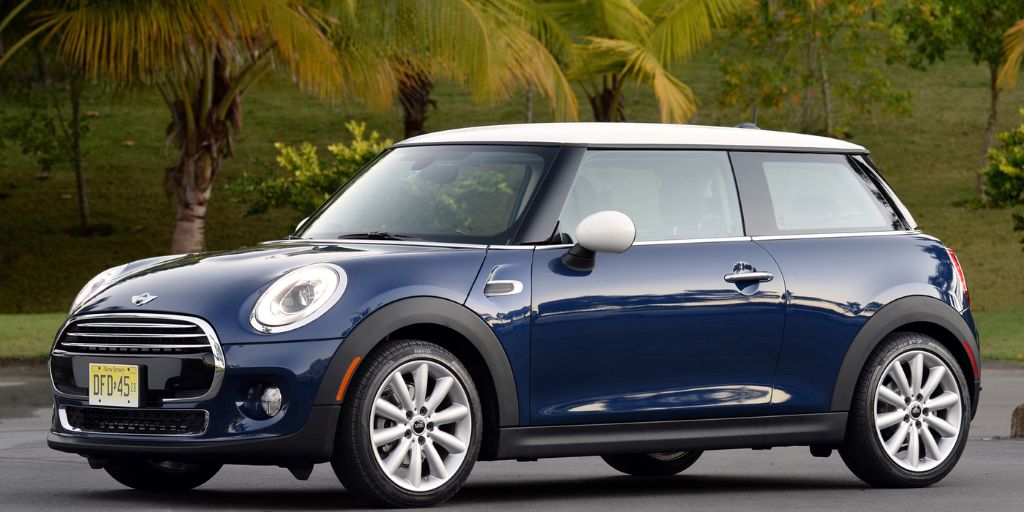
4. Mini Cooper (F56 Generation, 2014–Present)
The Mini Cooper is an irresistibly charming car. It is also, beneath its colorful hood, a densely engineered BMW product with all the accessibility challenges that implies. The F56 generation shares its platform and many components with the BMW 2 Series, including a similarly complex intake arrangement.
The engine bay of the F56 is tiny, almost absurdly so. Every component has been packaged with millimeter-level precision to make the engine fit beneath a hood designed for style rather than service access. The air filter housing is visible from above, but reaching it requires removing a substantial amount of surrounding hardware.
The intake tube on the Cooper runs from the filter housing across the top of the engine and connects to the turbocharger via a pair of interlocking pieces. Disconnecting the intake requires releasing two spring clamps and a mass airflow sensor connector. The clamps are accessible only at awkward angles due to surrounding components.
BMW’s proprietary connector designs appear throughout the F56’s intake system. These connectors are designed to release by squeezing tabs at specific points, but access to those points is often blocked by adjacent components. Trying to release them without proper guidance frequently results in broken tabs.
The airbox lid on the Cooper is held by clips integrated into the housing walls. Several of these clips are beneath overhanging brackets that make it physically impossible to reach them without partial removal of those brackets. This turns a five-minute job into a forty-five-minute procedure.
Mini dealerships charge between $100 and $160 for this service, including parts. Independent shops with Mini or BMW experience can often do it for less. The filter itself costs $25 to $40, depending on whether you choose OEM or aftermarket.
5. Volkswagen Tiguan (Second Generation, 2018–Present)
The second-generation Volkswagen Tiguan is a popular family crossover with strong interior quality and a smooth driving experience. Under the hood, however, it presents a less welcoming face to the DIY owner. VW’s MQB platform is technically advanced but maintenance-unfriendly.
The 2.0T TSI engine in the Tiguan uses an air intake system that integrates closely with the engine’s charge air management components. The airbox sits beneath an engine cover on the passenger side, partially tucked beneath a strut brace on fully equipped models. The strut brace itself must be removed before meaningful access to the filter area is possible.
Removing the strut brace requires loosening four bolts that are frequently over-torqued from the factory. Stripped brace bolts are a common complaint among Tiguan owners attempting DIY work. A calibrated torque wrench and proper thread condition are prerequisites for doing this safely.

Beneath the brace, the intake hose connects to the airbox and the turbocharger inlet via molded couplers with spring band clamps. VW uses European spring band clamps that are best opened with dedicated spring clamp pliers. Standard pliers will open them, but frequently distort the clamp shape, preventing proper reassembly.
The filter housing itself is a two-piece unit where the upper lid seats against a precision-molded seal. This seal must be perfectly seated or the lid will not align with the lower housing. A misaligned seal allows unfiltered air into the intake system, causing potential long-term engine damage.
VW dealerships charge approximately $100 to $150 for air filter replacement on the Tiguan. The procedure is well within the abilities of an experienced home mechanic with the right tools. For most owners without specialty clamp pliers and a torque wrench, professional service is the smarter choice.
6. Jeep Wrangler JL (2018–Present)
The Jeep Wrangler is celebrated as one of the most capable off-road vehicles ever made. It is rugged, customizable, and endlessly popular among outdoor enthusiasts. Despite its reputation for durability, the JL-generation Wrangler makes basic air filter access surprisingly frustrating.
FCA, now Stellantis, redesigned the Wrangler’s intake system significantly for the JL generation. The new design prioritizes ground clearance and off-road air intake positioning. These priorities came at the cost of simple maintenance access.
The 3.6L Pentastar V6 in the JL routes the intake from a high-mounted snorkel-position at the rear of the engine bay, forward and down to the airbox tucked near the driver’s side front wheel well area. This routing means the intake hose is longer, stiffer, and harder to maneuver than older Wrangler designs.
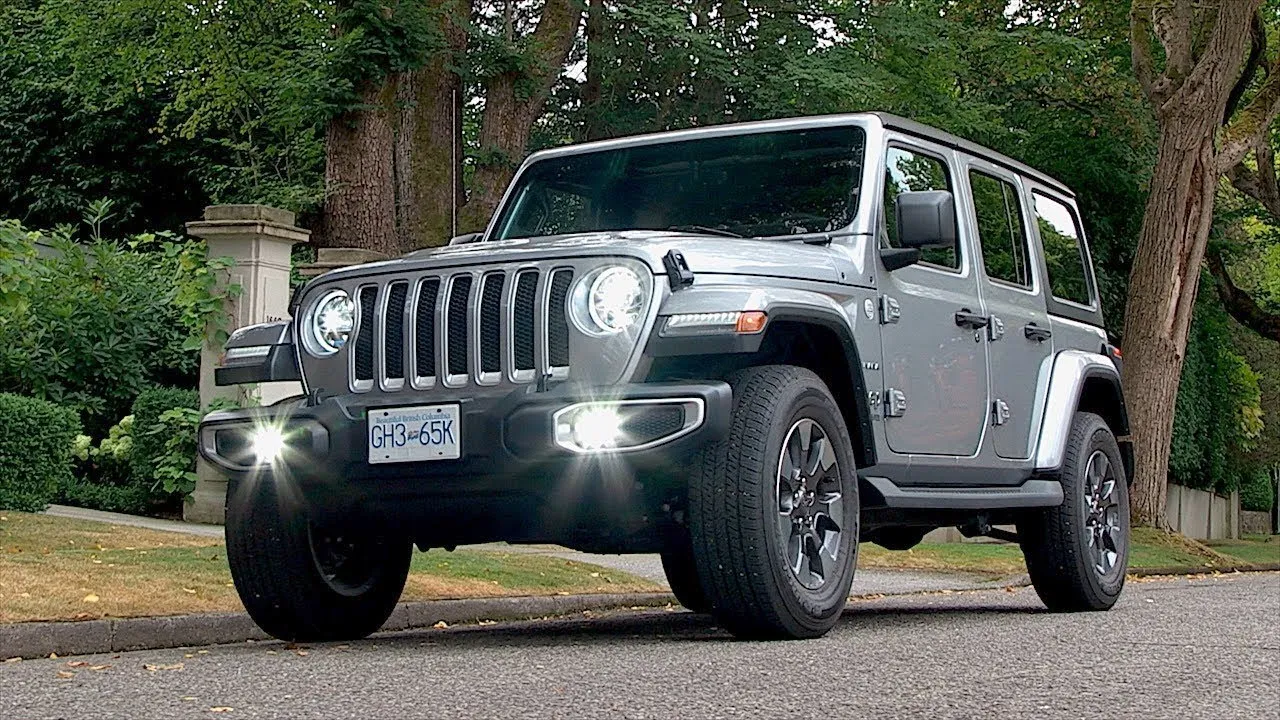
The airbox itself is secured by a bracket system that connects to both the fender liner and the body frame. Removing these brackets requires accessing bolts that sit behind the fender liner, which itself requires partial removal. What begins as a filter change quickly becomes a wheel-well disassembly job.
The 2.0T turbocharged four-cylinder variant is actually more accessible than the V6 in some respects, but its filter housing includes a secondary fresh air intake port that must be properly reconnected during reassembly. Missing this reconnection step causes cold-start issues and idle anomalies that are frustrating to diagnose.
Off-road Jeep owners who modify their vehicles frequently improve the air intake system with aftermarket setups that improve both filtration and accessibility. The stock JL system, however, was not designed with the weekend driveway mechanic in mind. Expect to pay $80 to $130 at a Jeep dealership or independent shop for a stock filter replacement.
Also Read: 6 Trucks With Comfortable Middle Seats vs 6 That Are Practically Useless
