
Modern trucks are engineered to reduce routine maintenance by extending the life of key components such as engine air filters. In many current pickups and heavy-duty rigs, air filtration systems are designed to last 30,000 to 40,000 miles or more under normal highway driving.
This is made possible through larger airboxes, high-capacity filter media, turbocharged engine efficiency, and restriction sensors that monitor actual airflow instead of relying only on mileage schedules. These systems are built to maintain strong airflow while gradually collecting dust without quickly becoming restricted. As a result, drivers experience fewer service interruptions and lower long-term maintenance costs.
From everyday half-ton trucks to commercial-grade diesel workhorses, manufacturers now prioritize durability and efficiency in intake design. The following list highlights eight trucks that are known for long air filter service life, especially when used in steady highway conditions. They show how far filtration technology has advanced in balancing performance, protection, and maintenance convenience.
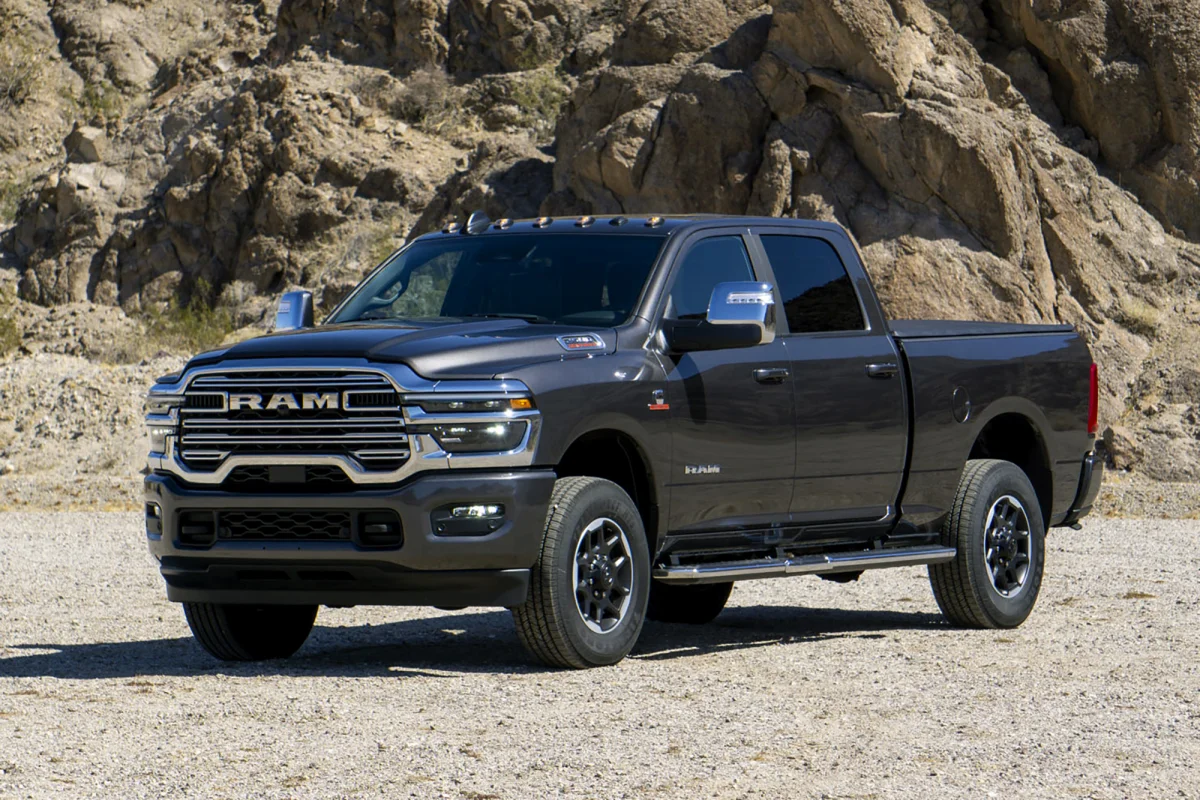
1. Ram 2500 / 3500 (6.7L Cummins Turbo Diesel)
The Ram 2500 and 3500 equipped with the 6.7L Cummins Turbo Diesel are widely recognized for their durability and long air filter service intervals, thanks to a heavy-duty intake system designed for sustained towing and commercial-grade workloads.
At the core of this longevity is an oversized air intake and filtration assembly that provides a much larger surface area than typical light-duty trucks. This allows the filter to capture large amounts of dust and debris gradually without quickly restricting airflow. Under normal highway driving conditions, the air filter can often remain effective for 30,000 to 40,000 miles, and in some cases even beyond, before requiring replacement.
The system uses high-capacity filtration media engineered for both airflow efficiency and dust-holding capability. This helps maintain proper air-to-fuel ratios for the turbocharged diesel engine while protecting internal components over long service intervals. Unlike smaller filters that clog quickly, the deep-pleat design spreads contaminants across a wider area, significantly extending usable life.
Engine characteristics also contribute to reduced filter wear. The 6.7L Cummins operates at lower RPMs compared to gasoline engines, meaning it draws air more slowly over time. This reduces the rate of contamination buildup and supports longer maintenance intervals. The engine is also designed for extreme durability, often exceeding 300,000 miles of service life when properly maintained.
Many aftermarket options further extend usability, including washable and reusable performance filters that can last 50,000 miles or more between cleanings. However, factory or OEM-quality filters remain the most consistent choice for long-term protection.
Despite these long intervals, driving conditions play a major role. Highway towing and steady cruising support maximum filter life, while dusty job sites, off-road use, or heavy agricultural work require more frequent inspections, typically around 15,000–20,000 miles. The vehicle’s filter restriction indicator helps drivers determine when replacement is truly needed.
Beyond filtration, the Ram HD lineup benefits from major engineering upgrades, including strengthened chassis components, improved ride stability, and enhanced cabin insulation. The trucks are powered by a high-output Cummins diesel producing around 400 horsepower and up to 1,000 lb-ft of torque, paired with a heavy-duty automatic transmission capable of handling extreme towing loads exceeding 35,000 pounds.
Inside, Ram has significantly improved comfort and technology, offering refined materials, modern infotainment systems, and a broad trim range from work-focused models to luxury-oriented configurations. The addition of off-road-focused variants like the Power Wagon further expands capability.
Together, the Ram HD trucks combine extended air filter life, exceptional towing strength, and upgraded comfort, making them versatile tools for both commercial and recreational heavy-duty use.
2. Ford F-150
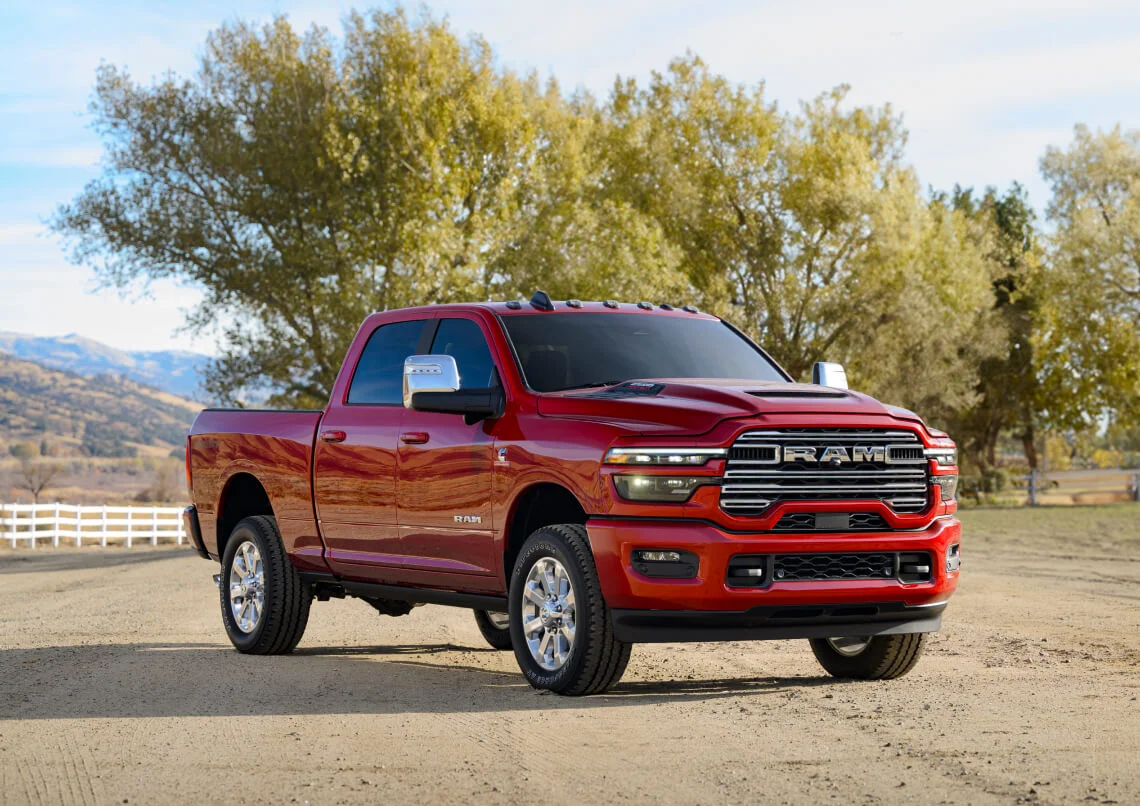
Among full-size pickups, the Ford F-150 stands out for combining strong performance with a thoughtfully engineered air intake system that supports long service intervals under typical driving conditions.
The air filtration setup in the F-150 is built around a high-capacity filter element and a spacious airbox, allowing the engine to maintain steady airflow even as dust accumulates over time. Ford generally recommends inspecting the air filter between 15,000 and 30,000 miles, but in many real-world cases, especially for drivers who stay on highways or paved roads, the filter can remain effective up to roughly 30,000–40,000 miles before replacement becomes necessary.
This extended durability comes from several design factors. The filter media has a large surface area to trap contaminants without quickly restricting airflow. The airbox is sized to handle high intake demands from both EcoBoost turbocharged engines and the naturally aspirated V8, and the intake placement helps draw in relatively cleaner air, reducing premature clogging.
Service life varies significantly with driving conditions. Light-duty highway driving allows the filter to last longer, while dusty, rural, or construction-heavy environments can shorten the interval to around 10,000–15,000 miles. As the filter becomes saturated, drivers may notice reduced acceleration, slightly lower fuel efficiency, or a less responsive throttle.
Engine choice also influences how important clean airflow becomes. The 2.7L and 3.5L EcoBoost engines rely on consistent air delivery to support turbo performance, while the 5.0L V8 benefits from unrestricted airflow to maintain smooth and linear power output.
Beyond the intake system, the F-150 is paired with a 10-speed automatic transmission that optimizes both towing strength and fuel economy. When properly equipped, it can tow up to 13,200 pounds while still delivering competitive efficiency for its class. Inside, the truck offers modern infotainment features, advanced driver-assistance systems, and available comfort upgrades.
Safety technology includes adaptive cruise control, lane-keeping assist, and automatic emergency braking. Warranty coverage typically includes 3 years/36,000 miles for basic protection and 5 years/60,000 miles for the powertrain. Routine inspection of the air filter remains a simple but important part of maintaining performance and engine efficiency over time.
3. Chevrolet Silverado 2500HD / 3500HD (Duramax Diesel)
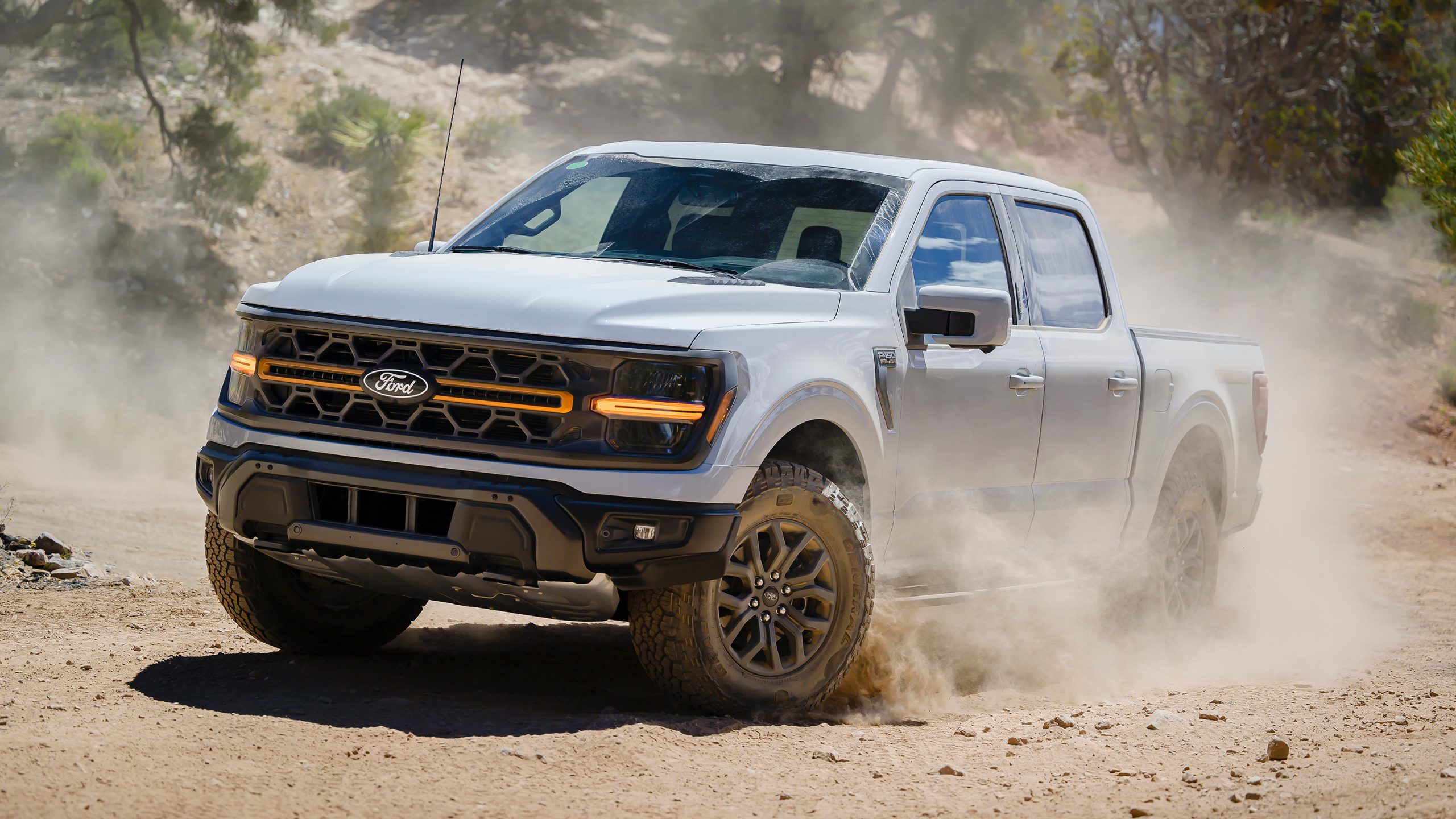
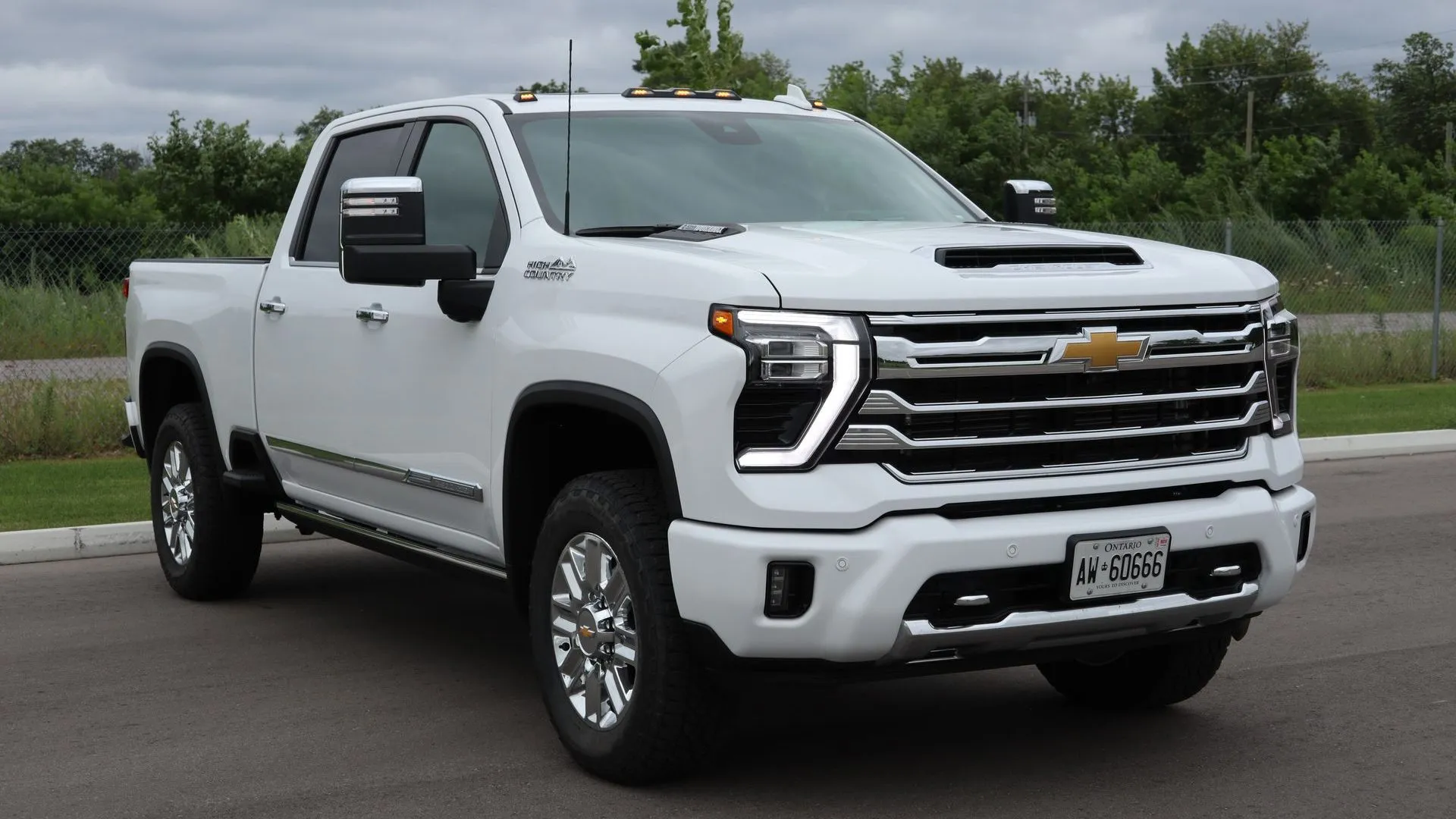
In heavy-duty trucking, maintenance intervals are often dictated less by mileage and more by how the vehicle actually breathes under load, and the Chevrolet Silverado 2500HD and 3500HD Duramax diesel is a strong example of this engineering approach.
These trucks are equipped with oversized, high-capacity air filtration systems designed specifically for long-haul towing and commercial-grade durability. Instead of relying only on mileage-based schedules, many models use a restriction monitoring system such as a “Filter Minder,” which tracks real airflow resistance. This means the air filter is typically replaced only when it becomes genuinely restricted, not simply when a preset mileage is reached. In real-world highway towing or paved-road use, this often results in service intervals reaching 40,000 miles or more, with some owners extending to 40,000–45,000 miles before replacement.
The long service life is made possible by the design of the filtration system. Factory AC Delco filters used in Duramax engines are large and built with high-efficiency media, offering a wide surface area that captures dust gradually rather than clogging quickly. Many filters achieve very high filtration efficiency, often above 99%, which protects sensitive components like turbochargers while maintaining steady airflow. Dual-layer or multi-stage construction further improves durability by separating larger debris from finer particles.
Even so, driving conditions remain the biggest factor in determining lifespan. Highway-heavy towing allows the longest intervals, while dusty environments, construction work, or off-road use can significantly reduce filter life. Despite this variation, the system still outperforms typical light-duty air filters due to its size and capacity.
Beyond filtration, the Silverado HD lineup is built for serious capability. The Duramax diesel is paired with a 10-speed Allison automatic transmission, delivering strong and consistent torque for demanding loads. Properly equipped, the 3500HD can tow up to 36,000 pounds, placing it among the most capable trucks in its class. Advanced trailering technology, including multi-camera views and trailer assistance systems, enhances control during complex towing tasks.
Inside, the cabin balances practicality with modern features such as large infotainment screens, digital driver displays, and smartphone integration. Higher trims add improved comfort and premium materials, supporting long-distance usability.
This combination of durable air filtration, high towing capacity, and advanced technology makes the Silverado HD a reliable choice for demanding work environments and extended highway use.
Also read: 5 Cars With Manufacturer Maintenance Plans That Pay Off vs 5 That Don’t
4. Ram 2500 / 3500 (6.7L Cummins Turbo Diesel)
Durability is a defining trait of the Ram 2500 and 3500 Heavy Duty trucks, and the 6.7L Cummins Turbo Diesel supports that reputation with an air filtration system built for long service intervals and demanding workloads.
Rather than relying on frequent replacement schedules, the Cummins intake system is designed to operate efficiently over extended mileage by using a high-capacity filtration setup. While Ram generally advises inspecting the air filter around 15,000 miles, real-world highway towing and steady cruising often allow the filter to remain effective for 30,000–40,000 miles, with some drivers extending even further under ideal conditions.
This extended lifespan comes from the engineering of the filtration system itself. It uses Fleetguard high-efficiency media with a deep-pleat construction, creating a large surface area that traps dust gradually instead of becoming quickly restricted. This allows the engine to maintain strong airflow even as debris builds up over time.
The intake system is also notably oversized compared to light-duty trucks. The larger airbox reduces airflow speed and spreads dust across a wider area of the filter, slowing the rate of clogging. Many models also include Ram Active Air technology, which can adjust intake sources depending on driving conditions, helping protect the filter from excessive dust, moisture, or debris exposure.
Despite this robust design, maintenance intervals vary depending on how the truck is used. Highway towing and long-distance driving provide the most favorable conditions for extended filter life, while off-road use, construction environments, or dusty rural roads can require earlier replacement, sometimes closer to 15,000–20,000 miles.
The performance capability of the Cummins engine is equally notable, producing around 400 horsepower and up to 1,000 lb-ft of torque. This enables towing capacities exceeding 35,000 pounds when properly equipped. A heavy-duty automatic transmission is paired with the engine to manage sustained torque delivery under demanding loads.
Inside, Ram HD trucks prioritize comfort alongside strength. Enhanced chassis tuning, improved sound insulation, and vibration control help reduce fatigue during long drives, while higher trims offer modern infotainment systems, digital displays, and upgraded interior materials.
Together, the Ram 2500 and 3500 deliver a combination of extended air filter life, high towing capability, and refined long-distance comfort, making them well-suited for commercial hauling and serious heavy-duty use.
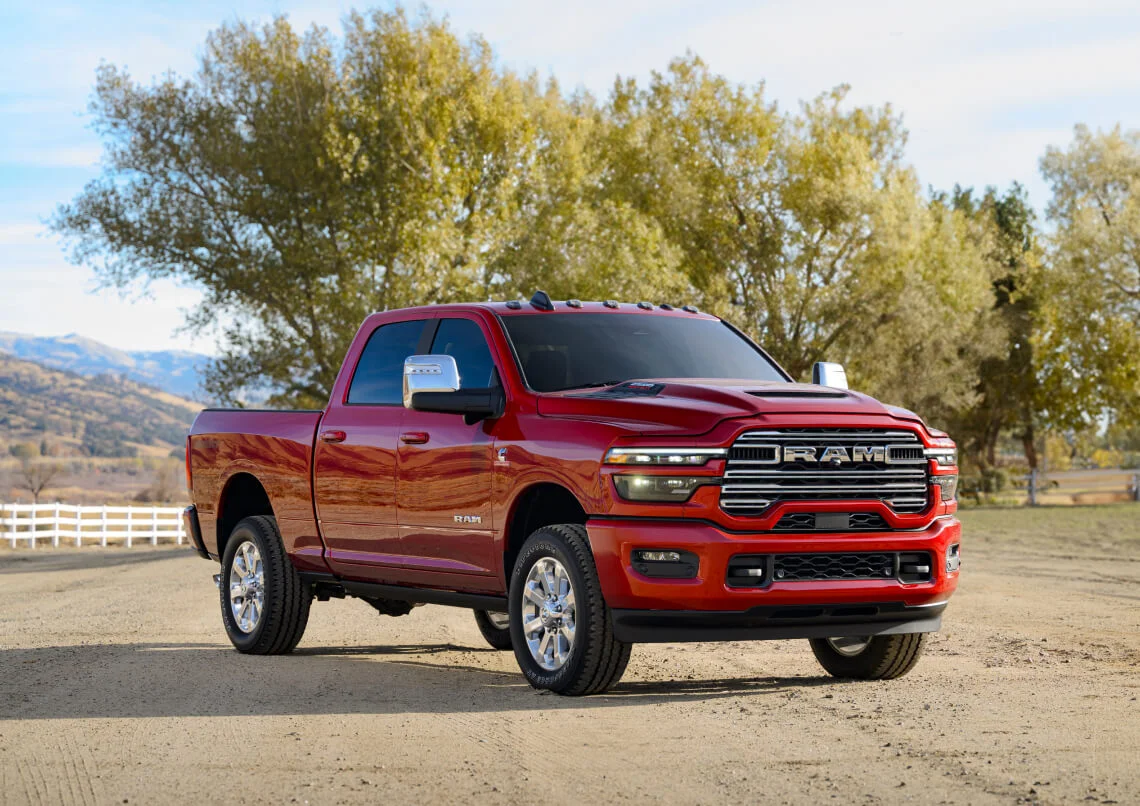
5. Ford Super Duty (6.7L Power Stroke Diesel)
For heavy-duty truck owners who prioritize towing strength and long maintenance intervals, the Ford Super Duty with the 6.7L Power Stroke diesel is engineered with an air intake system built to handle extreme airflow demands over extended mileage.
At the core of this durability is an oversized air filter housing paired with a high-capacity filtration element. This setup allows the engine to continuously draw large volumes of clean air without rapid restriction buildup. In normal highway or long-distance towing conditions, the air filter can often last up to around 40,000 miles before replacement, as long as the system is not exposed to severe-duty environments.
Instead of relying only on fixed mileage schedules, Ford integrates a restriction monitoring system (filter minder) that measures actual airflow resistance. This ensures the filter is replaced based on real performance degradation rather than time alone, helping maintain engine protection and efficiency.
The filter itself is designed with large surface-area media and, in many configurations, an additional foam pre-filter layer that captures larger particles before they reach the main element. This structure improves dust-holding capacity and slows clogging, allowing the turbocharged diesel engine to maintain stable airflow for longer periods.
Air intake design also plays a role in longevity. The system pulls cooler, cleaner air from outside the engine bay, reducing contamination and supporting more efficient combustion. However, operating conditions still significantly affect lifespan. Highway towing provides the longest intervals, while dusty job sites, agriculture, mining, or off-road use can shorten replacement needs considerably.
Power comes from the 6.7L Power Stroke, which produces up to 500 horsepower and 1,200 lb-ft of torque in high-output configurations. Paired with a 10-speed automatic transmission, it delivers strong towing performance, with properly equipped models capable of handling up to 40,000 pounds in gooseneck applications.
Inside, the Super Duty balances utility with modern technology, offering large infotainment displays, configurable digital instrument clusters, and advanced trailering tools. Safety and driver-assistance features such as adaptive cruise control, lane-keeping assist, and multi-view cameras improve confidence during towing and highway driving.
The combination of extended air filter life, immense torque output, and advanced towing technology makes the Ford Super Duty a highly capable platform for demanding commercial and long-distance heavy-duty use.
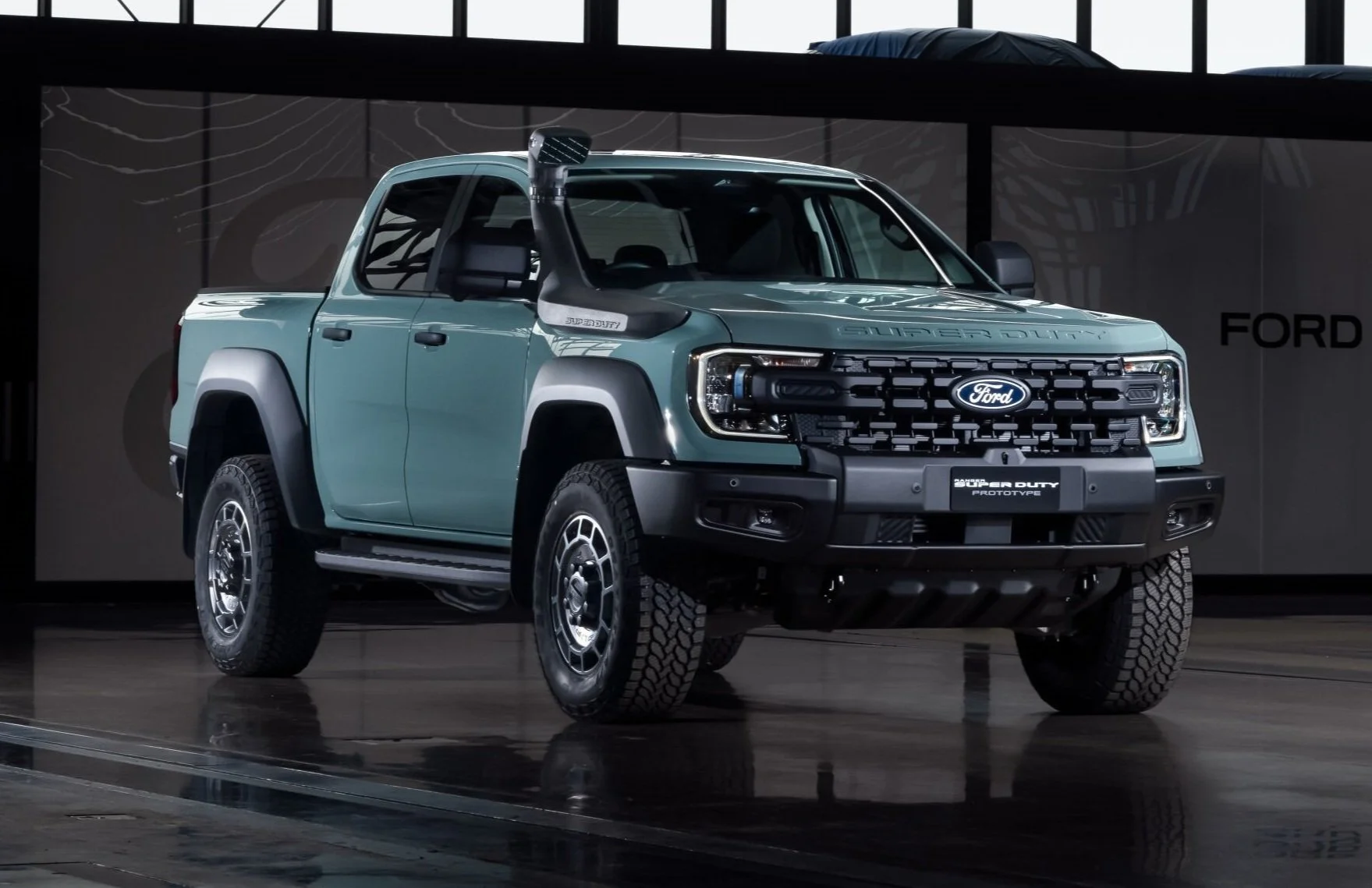
7. Toyota Tundra (3.4L i-FORCE MAX Hybrid / Twin-Turbo V6)
The Toyota Tundra with the 3.4L i-FORCE MAX Hybrid and twin-turbo V6 engines is designed with a strong focus on long-term reliability and low-maintenance ownership, including an air filtration system built to handle extended mileage in typical driving conditions.
Toyota’s approach to air filter design emphasizes durability and consistent airflow over long service intervals. While the official maintenance recommendation suggests replacing the engine air filter around 30,000 miles (or every 36 months), many owners in normal highway or paved-road use often see the filter remain effective up to 30,000–40,000 miles, especially in clean or temperate environments with low dust exposure.
This long service life is made possible by a high-capacity OEM filter system that uses multi-layer filtration media. The design allows the filter to trap fine particles efficiently while maintaining airflow for the twin-turbocharged engine, which requires steady intake volume for performance and efficiency. The filter housing and sealing system also play a role, preventing unfiltered air from bypassing the element and helping protect the turbochargers and engine components.
Toyota’s maintenance philosophy supports this extended interval with regular inspection recommendations every 5,000 to 10,000 miles. In many cases, inspections reveal that the filter remains in good condition well before replacement is necessary, reinforcing its long usable lifespan in normal driving conditions.
The intake system is engineered for high airflow demands, especially in turbocharged configurations, ensuring that performance is not compromised as the filter gradually collects debris. In addition, the use of durable OEM materials and precise sealing contributes to consistent filtration performance over time.
For owners seeking even longer service intervals, some aftermarket reusable or high-flow filters are available, which can extend maintenance cycles further with periodic cleaning instead of replacement.
Beyond filtration, the Tundra uses twin-turbo V6 engines producing between 348 and 389 horsepower (with a hybrid variant offering higher output), paired with a 10-speed automatic transmission. It offers up to 12,000 pounds of towing capacity and competitive fuel efficiency for its class.
Inside, the Tundra provides a functional cabin with modern infotainment options, advanced driver-assistance systems, and Toyota Safety Sense technology. Safety features such as adaptive cruise control, lane-keeping assist, and automatic emergency braking come standard, while warranty coverage includes 3 years/36,000 miles plus 2 years of complimentary maintenance.
Together, the Tundra combines reliable air filtration, solid performance, and strong long-term value for everyday and towing use.
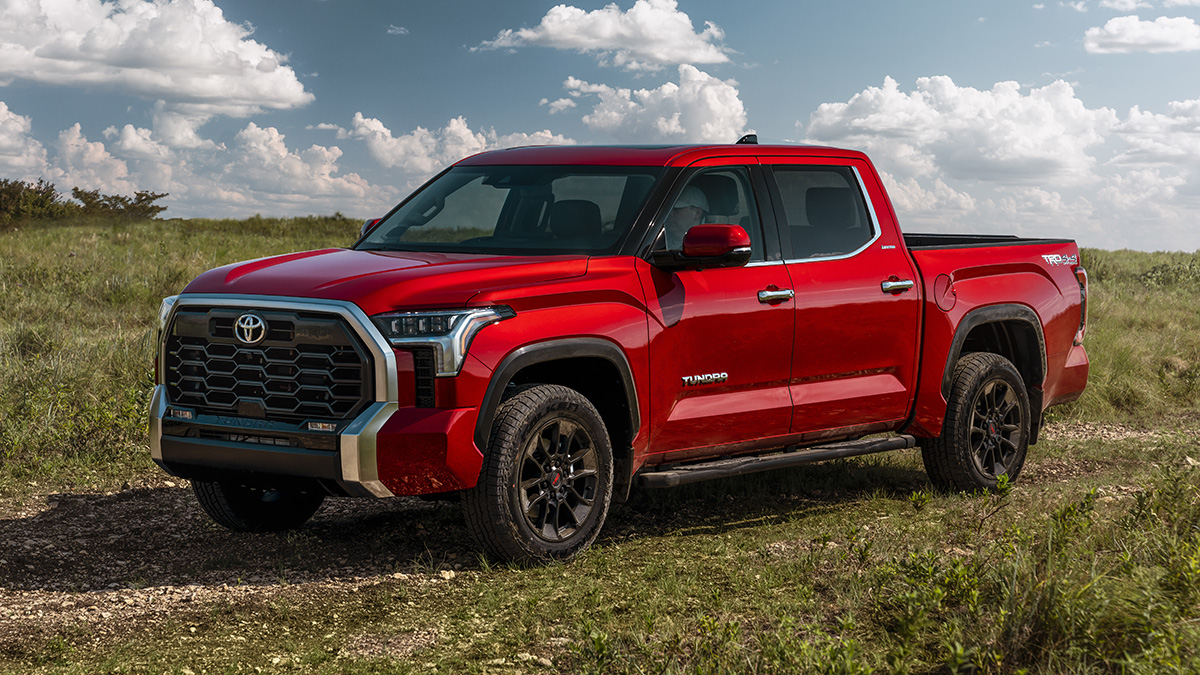
7. Nissan Titan XD (5.6L Endurance V8)
Built to sit between half-ton and heavy-duty pickups, the Nissan Titan XD with the 5.6L Endurance V8 takes a durability-focused approach to its air intake and filtration system, prioritizing long service life and steady performance under sustained load.
The Titan XD uses an oversized airbox and high-capacity filter element designed to handle greater airflow demands than standard light-duty trucks. This larger filtration surface allows the engine to accumulate dust gradually without quickly restricting airflow. In typical highway use, this setup often supports air filter life up to around 40,000 miles before replacement is needed, depending on driving conditions.
The system relies on dense, high-efficiency filter media engineered to maintain consistent airflow for the 400-horsepower V8 while capturing fine contaminants over long intervals. This helps preserve engine performance and maintains stable air-to-fuel ratios even as the filter loads with debris.
Nissan’s maintenance approach emphasizes regular inspection rather than frequent replacement. Under normal conditions, the air filter is often checked every 20,000 miles or so, while severe environments such as dusty roads, off-road driving, or heavy towing require more frequent inspections, typically every 5,000 to 7,500 miles. Despite this variation, the system is designed to remain effective longer than many standard pickup configurations.
The 5.6L Endurance V8 itself is built for long-term reliability, with potential lifespan exceeding 200,000 to 400,000 miles when properly maintained. It produces 400 horsepower and 413 lb-ft of torque and is paired with a nine-speed automatic transmission and standard four-wheel drive. While smooth and refined, the truck is tuned more for utility than agility, with steering and braking feel reflecting its heavy-duty intent.
In terms of capability, the Titan XD offers towing capacity around 11,000 pounds, placing it below many competitors in both half-ton and heavy-duty segments. However, it compensates with stable highway manners and a comfortable ride for long-distance driving, especially when unladen or lightly loaded.
Inside, the cabin emphasizes practicality and comfort, featuring available leather trims and Nissan’s Zero Gravity seating for long-trip support. Technology includes touchscreen infotainment systems with smartphone integration, while safety features such as automatic emergency braking, blind-spot monitoring, and lane-departure warning come standard.
With strong warranty coverage of up to 5 years or 100,000 miles for both basic and powertrain protection, the Titan XD stands out for its extended air filter life, engine durability, and long-term ownership value in a work-oriented truck platform.
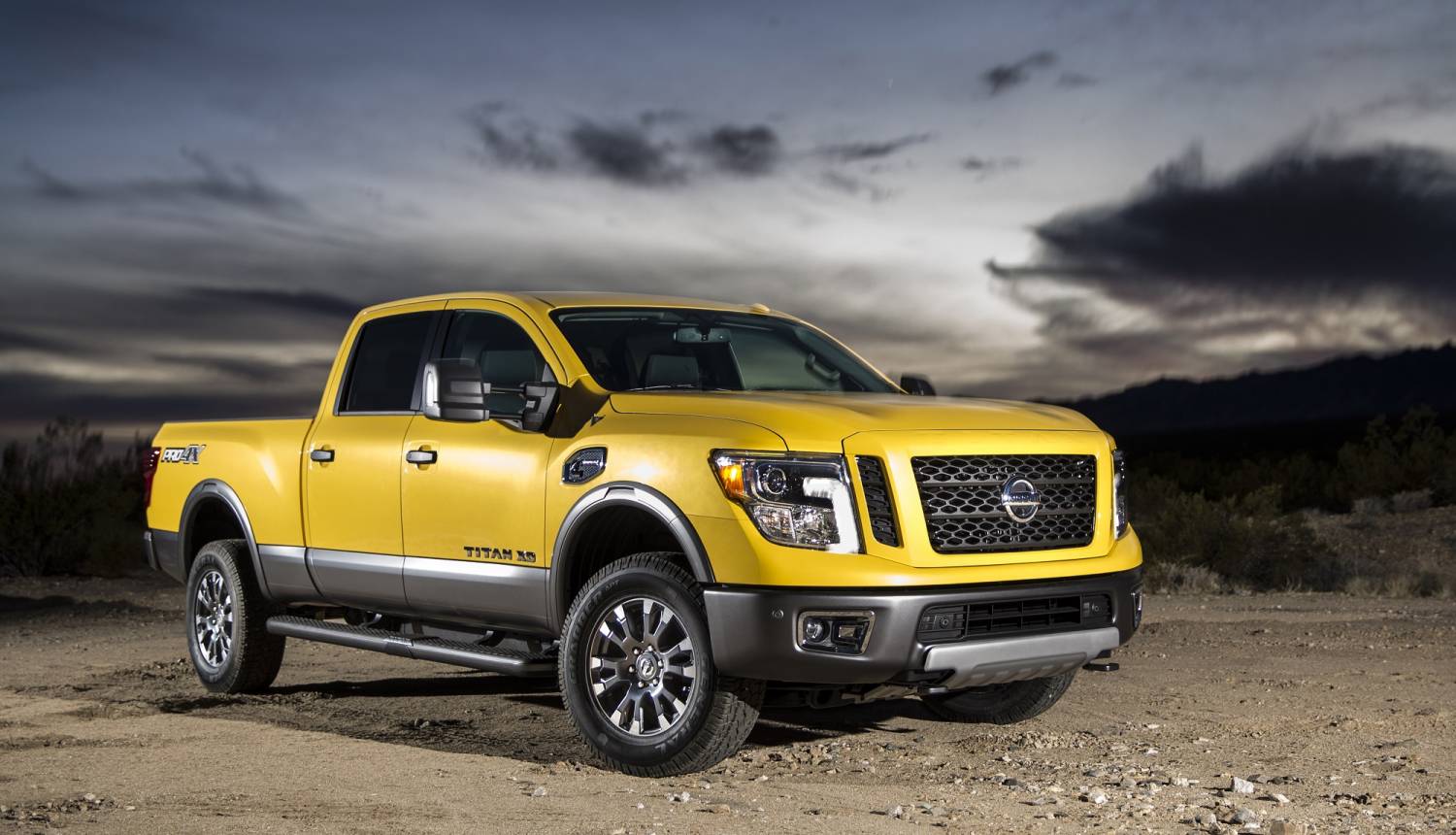
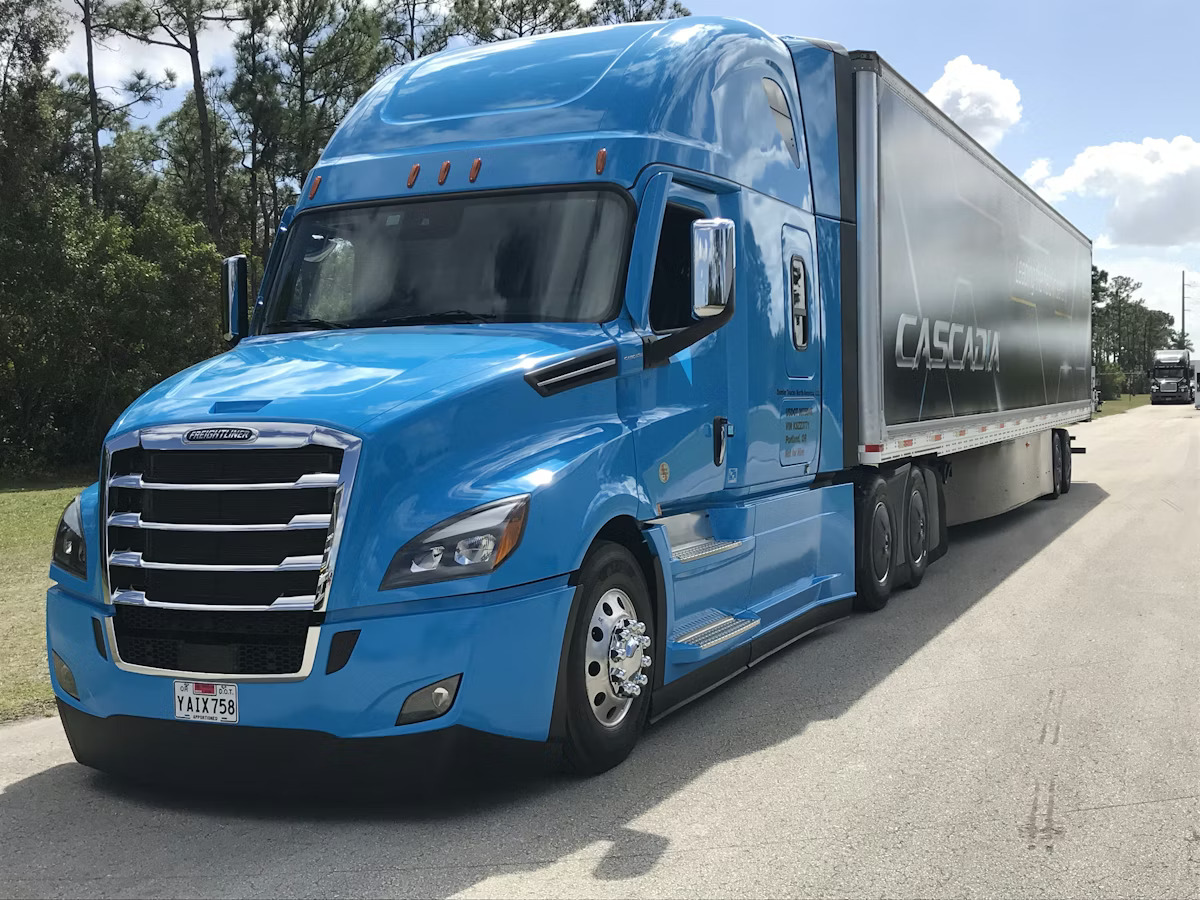
8. Freightliner Cascadia (Detroit Diesel)
The Freightliner Cascadia equipped with Detroit Diesel engines (DD13, DD15, or DD16) is a Class 8 long-haul truck designed for extreme durability, high mileage operation, and minimal downtime, with an air filtration system built for professional fleet use.
Unlike consumer vehicles, the Cascadia uses an industrial-scale air intake system with a very large, high-capacity filter element. This oversized design allows it to handle massive volumes of airflow while gradually accumulating dust over long distances. In typical highway-focused operations, these filters commonly last 40,000 to 50,000 miles before the restriction sensor indicates that replacement is necessary.
A key feature enabling this extended service life is the use of a “filter minder” system, which measures actual airflow restriction instead of relying on fixed mileage intervals. This ensures the filter is replaced based on real performance conditions rather than a schedule. In clean interstate driving, this system often allows operators to maximize filter life while still protecting the engine and turbocharger.
The filter itself uses advanced synthetic media designed for high dust-holding capacity and consistent airflow. As it gradually loads with particles, it continues to protect engine components without significantly restricting performance. The air intake system is also engineered to draw cleaner air from higher positions on the vehicle, reducing exposure to road dust and debris.
These design choices are especially important for long-haul trucking, where vehicles may cover 100,000 miles or more per year. Extending filter life helps reduce maintenance stops, lower operating costs, and improve fleet efficiency. However, in severe-duty environments such as construction, hauling, or dusty rural routes, more frequent inspection and replacement may still be required.
Beyond the air filtration system, the Cascadia is built for efficiency and driver comfort. It features aerodynamic improvements that enhance fuel economy, advanced safety systems such as adaptive cruise control and emergency braking, and a quiet, spacious cab designed for long-distance driving. Inside, drivers benefit from ergonomic seating, large sleeper options, and modern infotainment and storage solutions.
Powered by Detroit Diesel engines paired with a smooth-shifting automated transmission, the Cascadia delivers strong performance, excellent fuel efficiency, and reliable handling under heavy loads. With proper maintenance, these trucks can achieve lifespans of 750,000 miles to over 1 million miles, making them a cornerstone of modern freight logistics and fleet operations.
Across different classes of trucks, extended air filter life has become a standard feature of modern engineering. Whether in light-duty pickups or heavy-duty commercial rigs, manufacturers now rely on oversized airboxes, advanced filter materials, and airflow monitoring systems to extend maintenance intervals.
In many cases, air filters can remain effective for 30,000 to 40,000 miles or more under steady highway driving. This reduces maintenance frequency and improves long-term ownership convenience. However, actual service life still depends heavily on driving conditions. Dusty environments, off-road use, and heavy towing can shorten these intervals significantly.
The key advantage of these systems is that they focus on real airflow restriction rather than fixed replacement schedules. Trucks such as the Ram HD, Ford Super Duty, and Freightliner Cascadia show how filtration technology has evolved to support durability, efficiency, and reduced downtime. For drivers, this means fewer service stops and more consistent performance over long distances.
Also read: 12 Cars With Bulletproof Drivetrains You Can Buy for Peanuts
