
Buying a car is one of the biggest financial decisions most people make. It’s not just about how it looks on day one; it’s about how it treats you at 50,000 miles and beyond.
The honeymoon phase of car ownership is real. Almost every new car feels exciting, smooth, and reliable in the first few months of driving.
But 50,000 miles is where the truth starts to surface. That’s when cheap materials crack, poorly engineered engines start drinking oil, and transmission problems begin their slow, expensive reveal.
Some cars are built to reward long-term owners. They stay tight, efficient, and dependable decade after decade. Others look great in the showroom but quietly fall apart once the warranty expires. These are the cars that flood mechanic bays and Reddit forums with frustrated owners.
This article breaks down both sides of that story. We’ve looked at reliability data, owner reviews, and real-world feedback to find the cars that genuinely hold up and the ones that betray your trust. Whether you’re buying new or used, this list could save you thousands of dollars and years of headaches. Let’s get into it.
6 Cars Where Owners Stay Happy at 50,000 Miles
These cars tend to deliver consistent reliability, low running costs, and minimal surprises, keeping owners satisfied well past the early ownership phase. Models like the Toyota Corolla, Honda Civic, and Mazda3 are known for smooth performance and trouble-free ownership, even as mileage builds.
Others, such as the Hyundai Elantra, Subaru Forester, and Lexus NX, also stand out with strong build quality, comfortable driving experience, and dependable components, helping owners feel confident and satisfied at the 50,000-mile mark.
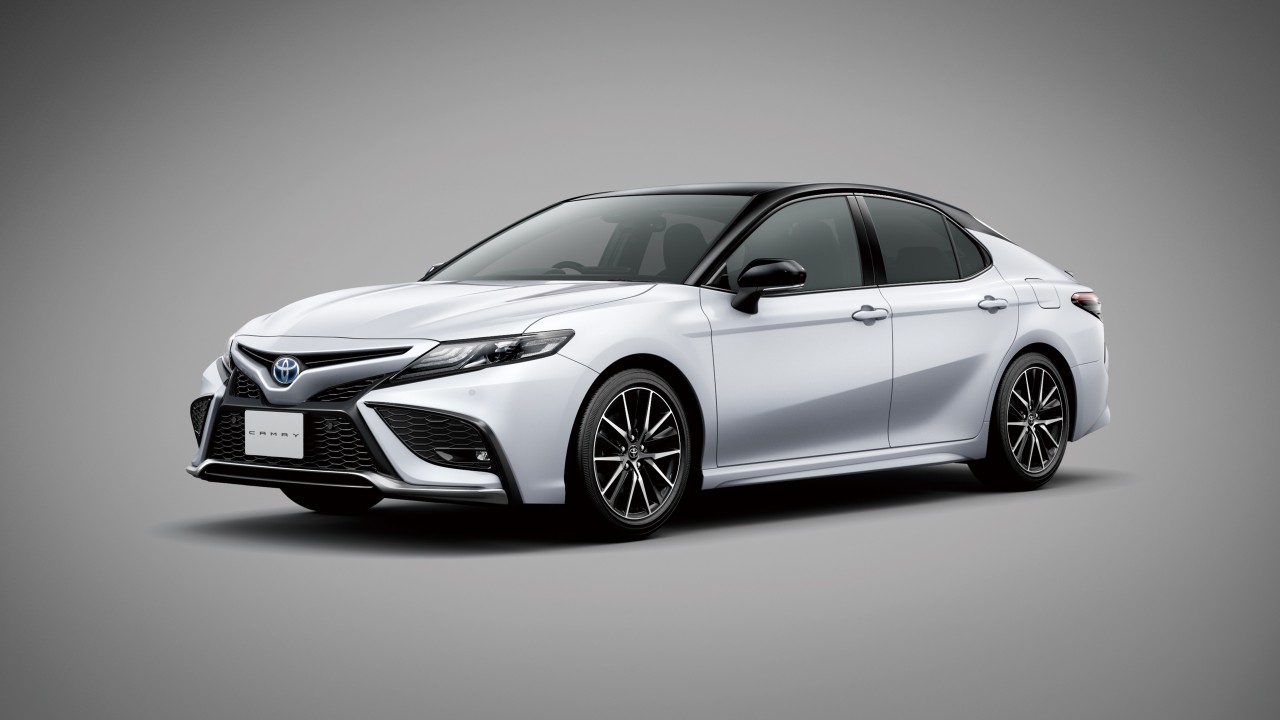
1. Toyota Camry
The Toyota Camry has been earning its reputation for decades. At 50,000 miles, most Camry owners report that their car feels almost exactly like it did when they drove it off the lot.
That’s not a coincidence; it’s an engineering discipline. Toyota builds the Camry with conservative tolerances and proven technology that resists wear exceptionally well.
The 2.5-liter four-cylinder engine in the latest generation is particularly impressive. It delivers smooth, consistent power without showing signs of oil consumption or internal stress at high mileage.
Owners frequently note that the cabin materials hold up with minimal wear. The plastics don’t rattle, the seat fabric stays intact, and the infotainment system continues working without glitches.
Transmission behavior remains smooth and predictable past 50,000 miles. There are no sudden shudders, no hesitation between gears, and no costly fluid leaks to worry about.
Brake pad life on the Camry also tends to be longer than average. Many owners report their original pads lasting well beyond 40,000 miles with normal driving habits.
Resale value stays strong because used car buyers trust the nameplate. A well-maintained Camry at 50,000 miles commands prices that smaller or less reliable sedans simply cannot match.
Maintenance costs remain low and predictable. Oil changes, filter replacements, and tire rotations are typically all you need through the first 50,000-mile stretch.
The hybrid version adds another layer of appeal. The regenerative braking system significantly reduces brake wear, meaning hybrid Camry owners often see even lower maintenance bills.
Consumer Reports consistently ranks the Camry among the top vehicles for long-term owner satisfaction. Year after year, the data backs up what Camry drivers already know. At 50,000 miles, this car doesn’t feel like it’s aging. It feels like it’s just getting warmed up.
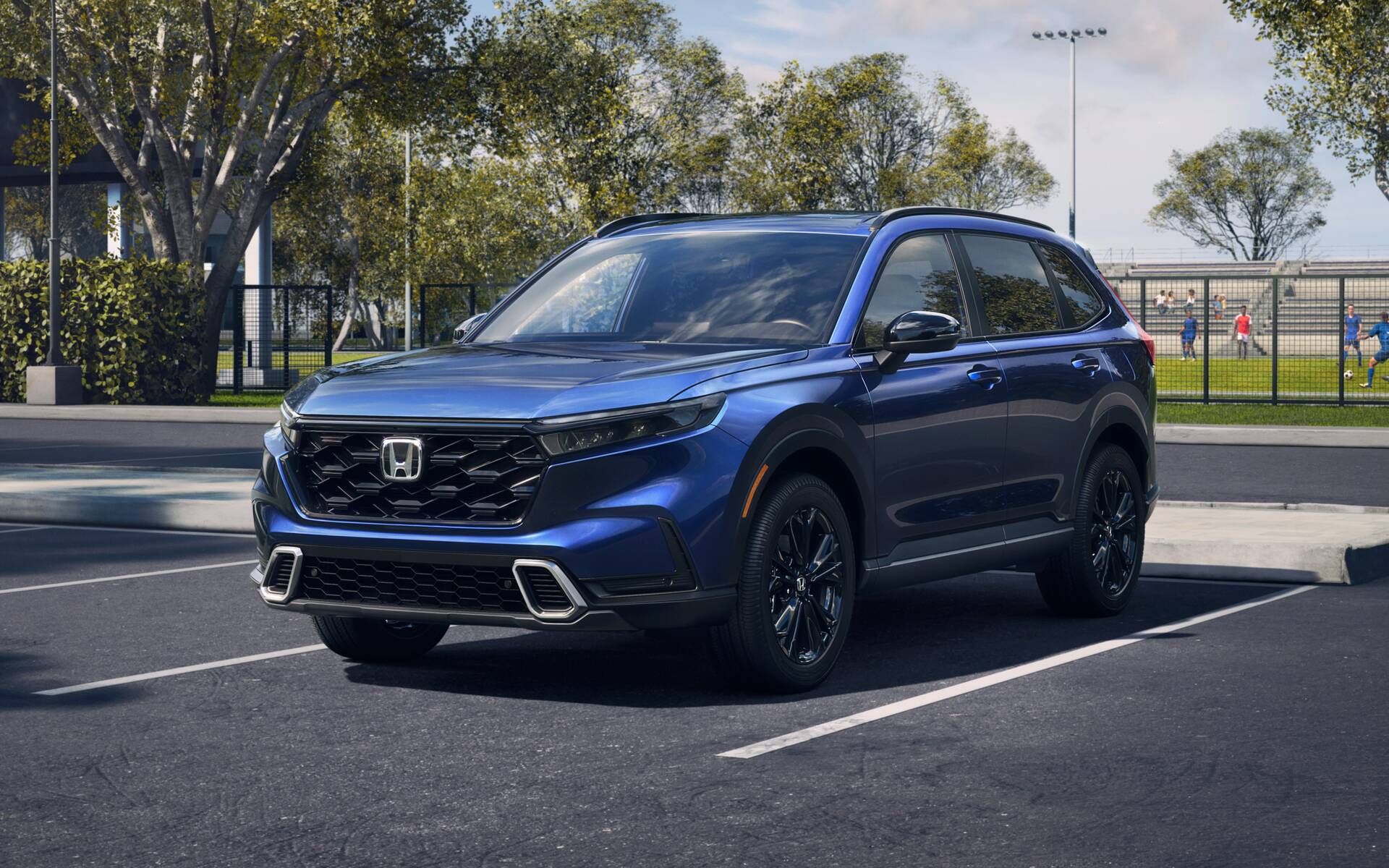
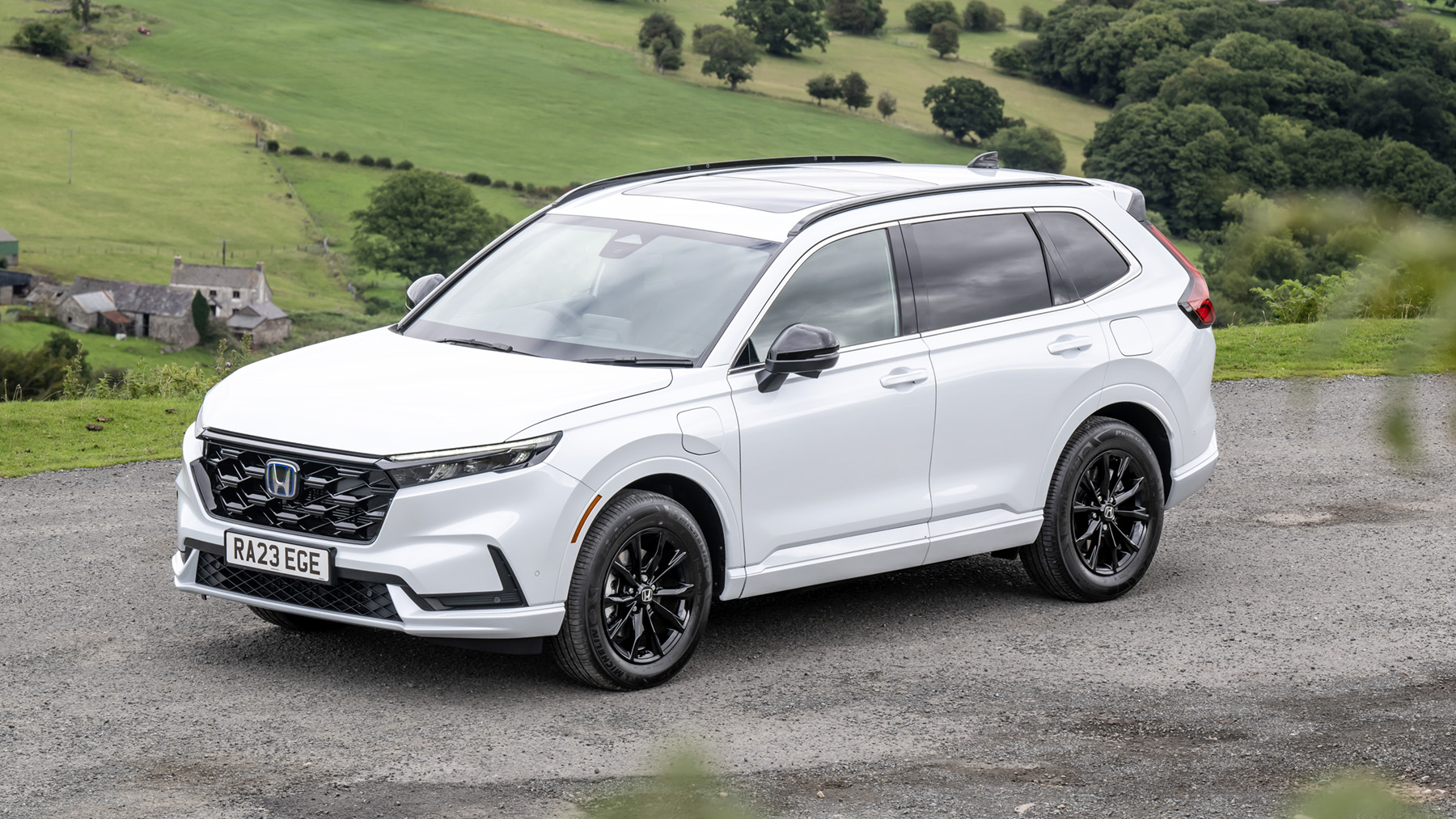
2. Honda CR-V
The Honda CR-V has long been a favorite among families and commuters alike. Its reputation at 50,000 miles is built on consistency, practicality, and mechanical dependability.
The 1.5-liter turbocharged engine is where early CR-V models had some concerns. Honda addressed those issues, and later generations have shown remarkable improvement in long-term engine health.
Owners of 2020 and newer CR-Vs report clean engines and stable oil levels past 50,000 miles. That alone is a significant confidence booster for buyers who plan to hold on for the long term.
The all-wheel-drive system in the CR-V is one of its quietest strengths. It operates seamlessly in the background and rarely requires attention or early servicing beyond standard fluid changes.
Cabin quality in the CR-V holds up beautifully through the first 50,000 miles. Soft-touch surfaces resist cracking, controls stay responsive, and the interior feel doesn’t degrade noticeably over time.
Cargo space remains one of the CR-V’s practical highlights. The rear seats fold flat easily, and the hatch mechanism continues to work smoothly without adjustment or squeaking.
Fuel economy consistency is another area where CR-V owners express satisfaction. The EPA-rated numbers stay close to real-world performance even as mileage climbs.
Suspension components hold up well on varied road surfaces. Owners report minimal creaking, no premature bushing wear, and a ride quality that remains comfortable across different conditions.
Honda’s parts availability is excellent nationwide. Whether you’re doing DIY maintenance or visiting a shop, finding parts for a CR-V is fast and affordable.
The CR-V’s resale value remains among the highest in the compact SUV segment. That financial cushion gives long-term owners peace of mind if they ever decide to sell or trade in. At 50,000 miles, the CR-V proves it was worth every rupee. It’s the kind of vehicle that makes you glad you made that choice.
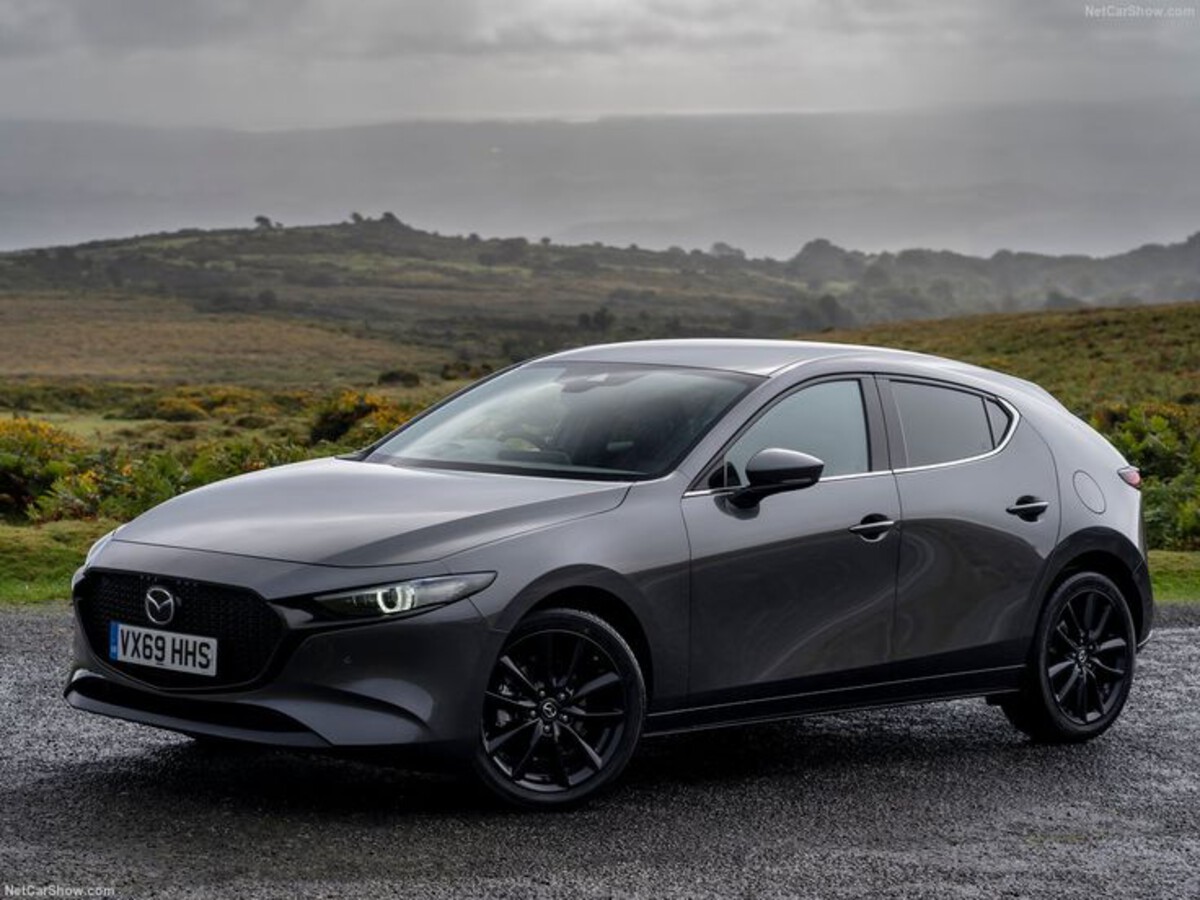
3. Mazda3
The Mazda3 is the car that quietly outperforms expectations. While bigger brands get more headlines, Mazda has been building some of the most refined and durable vehicles on the market.
Mazda’s SkyActiv engine technology is central to the Mazda3’s long-term reliability. These engines are designed with lower compression ratios and tighter tolerances, resulting in less mechanical stress over time.
At 50,000 miles, Mazda3 owners typically report zero major mechanical issues. The engine runs clean, oil consumption stays minimal, and the transmission shifts with the same crisp precision it had on day one.
The build quality of the Mazda3 is genuinely impressive for its price point. Door panels feel solid, the dashboard materials resist scratching, and there are no mysterious rattles emerging from the interior.
Mazda’s attention to steering feel pays off over time. The steering stays tight and communicative, offering drivers a connected feel that most competitors lose as miles accumulate.
Suspension tuning on the Mazda3 strikes a rare balance between comfort and sporty responsiveness. The components are durable and resist premature wear even on rougher road surfaces.
Safety features remain fully functional and calibrated throughout early ownership. Owners report no sensor malfunctions, no false alerts, and no recalibration requirements in the first 50,000-mile period.
Fuel efficiency holds steady as the car ages. The SkyActiv powertrain maintains its efficiency without requiring injector cleaning or other costly interventions early in its life.
Mazda3 owners form a quietly passionate community. Their forums are filled with high-mileage success stories and owners pushing 150,000 and 200,000 miles without major drama.
The Mazda3 proves that reliability doesn’t have to mean boring. It’s a driver’s car that also happens to be one of the smartest long-term purchases in its class.
4. Toyota RAV4
The Toyota RAV4 is one of the best-selling crossovers, and its 50,000-mile reputation explains exactly why. Buyers keep coming back because the ownership experience is genuinely excellent.
The RAV4’s 2.5-liter Dynamic Force engine is smooth, efficient, and exceptionally well-built. It doesn’t run hot, doesn’t consume excessive oil, and doesn’t develop the kind of quirks that drain your wallet.
Hybrid and plug-in hybrid versions of the RAV4 add impressive longevity to an already durable vehicle. The hybrid powertrain reduces engine load and brake wear simultaneously, extending the lifespan of multiple systems.
At 50,000 miles, RAV4 owners frequently comment on how tight the car still feels. There’s no body flex on bumpy roads, no door sag, and no squeaks or groans from the chassis.
Toyota’s Multi-Terrain Select system in AWD models stays calibrated and functional without needing adjustment. It works when you need it and stays quiet when you don’t.
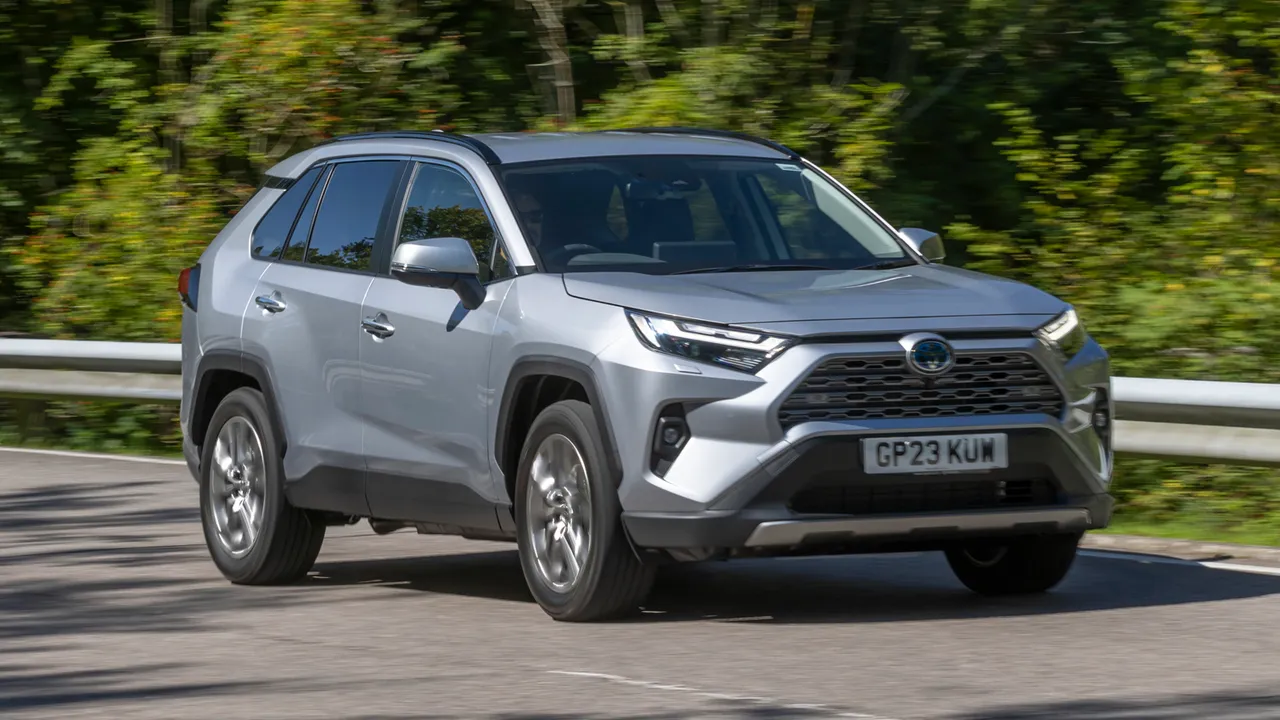
The interior materials are chosen for durability over flash. Cloth seats resist wear, the center console doesn’t scratch easily, and the touchscreen avoids the lag and freezing issues that plague competitors.
Toyota’s dealer network is one of the largest. At 50,000 miles, getting your RAV4 serviced is never a logistical challenge, regardless of where you live.
Long-term cost of ownership for the RAV4 consistently ranks among the lowest in its segment. This vehicle is genuinely affordable to keep running at a high level.
Owner loyalty to the RAV4 is exceptionally high. Many buyers are on their second or third RAV4 specifically because the first one served them so well past 50,000 miles. The RAV4 doesn’t try to wow you with gadgets or flash. It earns your trust one reliable mile at a time.
Also Read: 5 SUVs Where Apple CarPlay Actually Stays Connected vs 5 Where It Drops Constantly
5. Subaru Outback
The Subaru Outback has developed a devoted following for good reason. It’s a vehicle designed from the ground up to handle demanding conditions without sacrificing daily comfort or reliability.
Subaru’s symmetrical all-wheel-drive system is the backbone of the Outback’s reputation. It operates constantly, not just when triggered, providing consistent traction and mechanical balance across all conditions.
The 2.5-liter naturally aspirated engine in the Outback is one of the more straightforward powerplants in its class. Without a turbocharger adding complexity, the engine ages with fewer potential failure points.
At 50,000 miles, most Outback owners report smooth operation and no unusual engine behavior. Oil consumption, which was a concern in older models, has been significantly improved in newer generations.
Ground clearance is a feature that becomes more appreciated over time. Outback owners who regularly travel rough roads or light off-road terrain report that the suspension handles it without showing signs of accelerated wear.
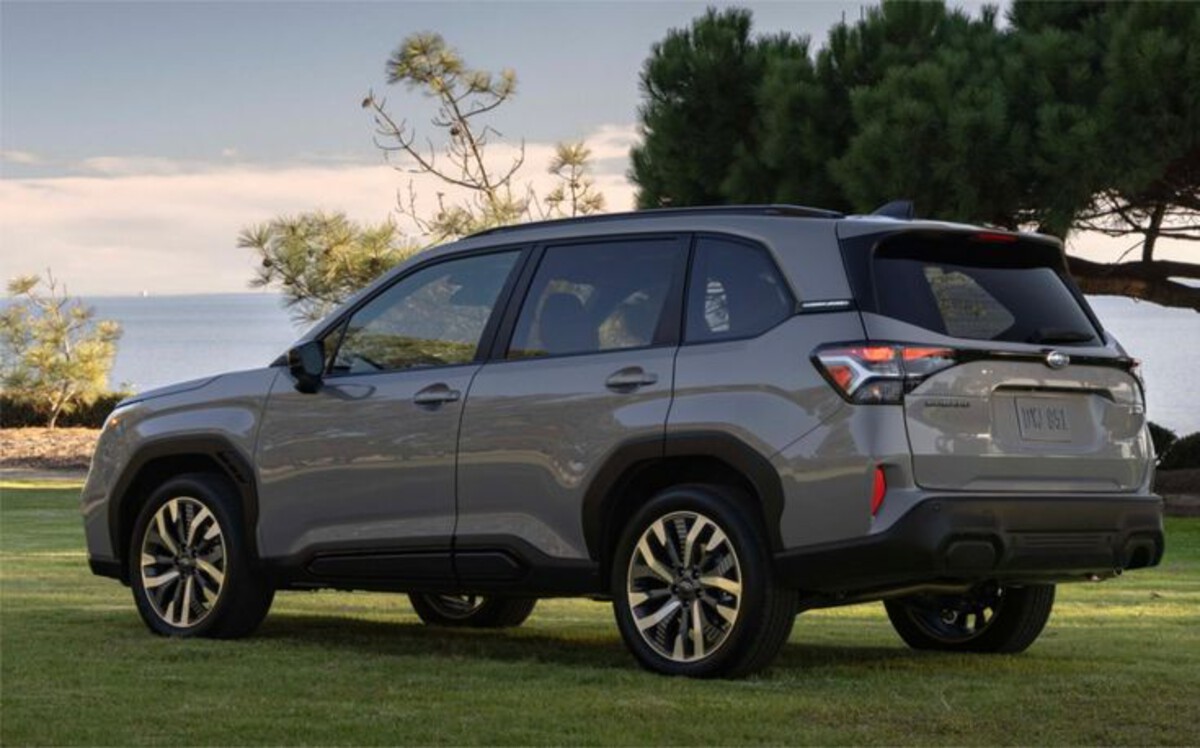
The Outback’s cabin is spacious and practically laid out. Materials are chosen for resilience, and high-traffic areas like door handles and center consoles hold up well through daily use.
Cargo versatility is consistently praised in long-term ownership reviews. The flat load floor, roof rail system, and rear-seat configuration stay functional and easy to use past 50,000 miles.
Subaru’s EyeSight driver assistance system remains reliable in long-term use. Owners report fewer calibration issues compared to some competitor systems, making the safety tech trustworthy over time.
The Outback’s strong resale value reflects real market confidence. Used Outbacks at 50,000 miles command solid prices because buyers know what they’re getting.
For owners who want capability and comfort without constant maintenance anxiety, the Outback delivers. It’s a car that fits your life without demanding that your life revolve around it.
6. Honda Civic
The Honda Civic has been the reliable choice for everyday drivers for generations. At 50,000 miles, it continues to prove that smart engineering outlasts every marketing trend.
The current generation Civic uses a 1.5-liter turbocharged engine that has been carefully refined. Honda addressed early oil dilution concerns, and the updated versions show clean, stable performance well past 50,000 miles.
Fuel economy in the Civic stays impressively consistent as mileage builds. Owners report real-world numbers that remain close to EPA estimates, which directly impacts the total cost of ownership.
The Civic’s interior quality punches above its price class. The materials resist premature aging, the stitching holds, and the infotainment system stays responsive without freezing or lagging.
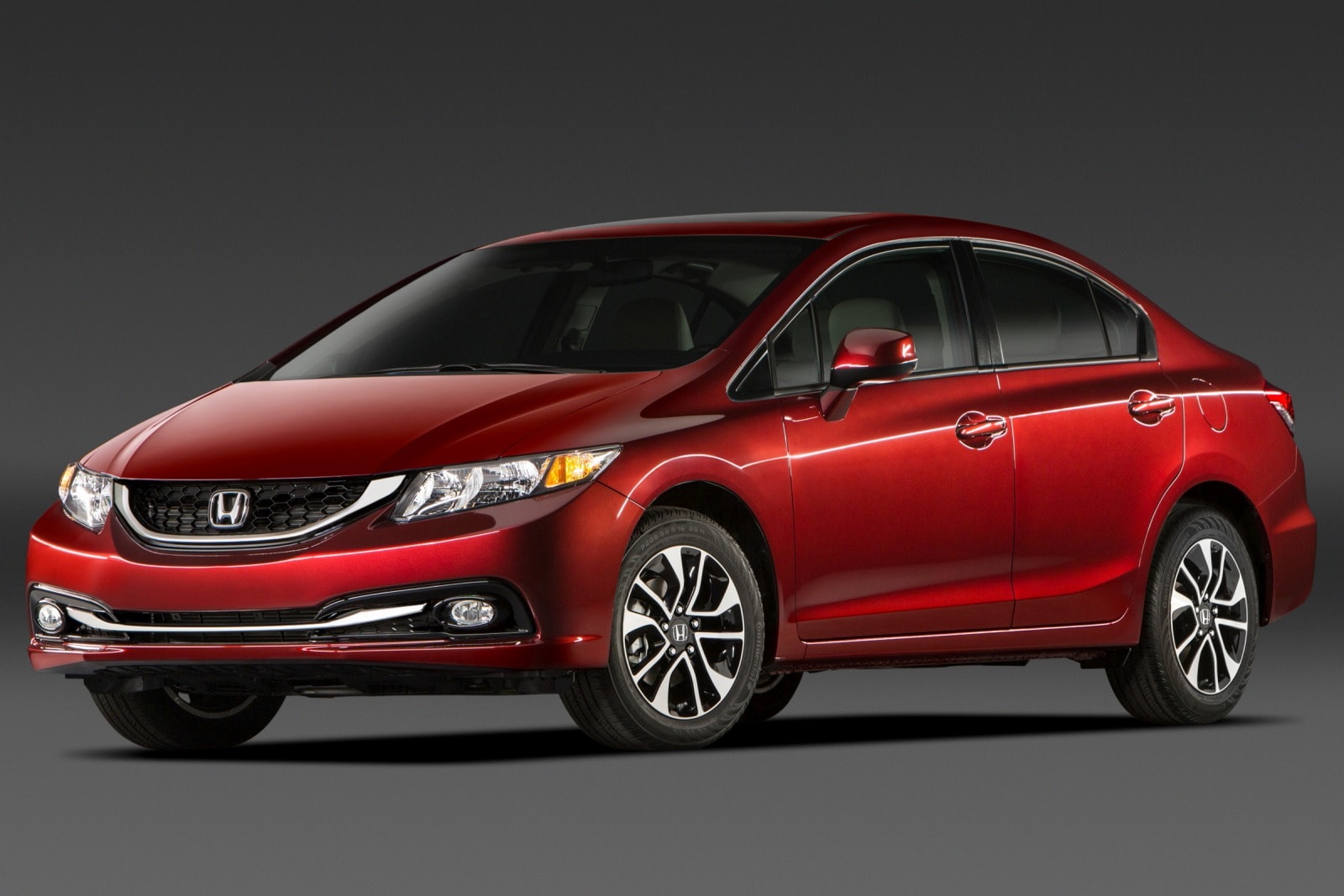
Honda’s CVT transmission has improved significantly in recent years. Most Civic owners report smooth, drama-free operation at 50,000 miles without any shuddering or unexpected behavior.
Brake performance holds up reliably in the Civic. Rotors and pads wear evenly, and owners typically don’t face early brake replacement costs that affect some competing compact cars.
Maintenance access is excellent and affordable. Honda parts are widely available, and independent mechanics are familiar with the platform, keeping service costs reasonable and predictable.
The Civic’s ride quality doesn’t significantly degrade over the first 50,000 miles. Suspension components are designed to absorb road imperfections without accelerating their own wear.
Civic owners show high rates of repurchase. This isn’t just loyalty it’s a rational response to a car that genuinely delivers on its promises mile after mile. At 50,000 miles, the Civic is still the car you wanted when you bought it. That’s the ultimate compliment any car can receive.
6 Already Regretting It
These cars often lead to early ownership frustration due to reliability issues, higher maintenance costs, or disappointing performance. Problems like electrical glitches, transmission concerns, or poor build quality can start appearing before or around 50,000 miles.
In many cases, owners report unexpected repairs, declining comfort, or lower-than-expected durability, making the ownership experience less enjoyable. While they may seem appealing initially, these issues can quickly lead to regret as mileage increases.
1. Volkswagen Tiguan
The Volkswagen Tiguan looks and feels premium from the moment you sit inside. The cabin is beautifully designed, the infotainment is polished, and the ride quality is genuinely impressive in the early miles.
But by 50,000 miles, a very different story starts to emerge. Tiguan owners frequently report a cascade of issues that weren’t even hinted at during the honeymoon phase of ownership.
DSG transmission problems are one of the most common complaints from long-term Tiguan owners. Shuddering, hesitation, and jerky low-speed behavior become increasingly frequent as mileage climbs past 40,000 miles.
The 2.0-liter TSI engine, while capable, has a well-documented appetite for oil consumption. Owners report having to add a quart of oil between changes, which is both inconvenient and a sign of deeper mechanical concern.
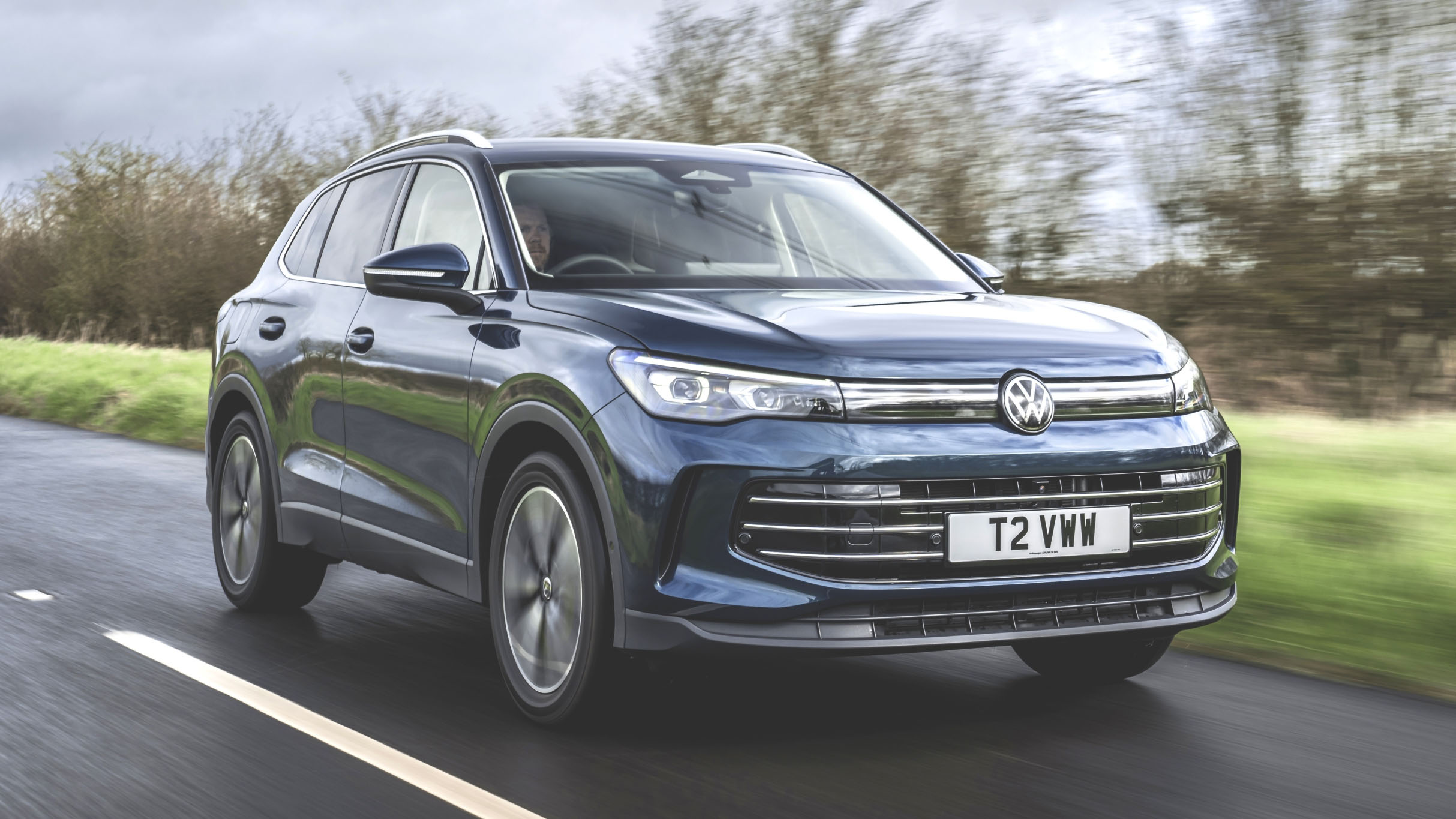
Electrical gremlins are another persistent issue. Random warning lights, malfunctioning sensors, and infotainment system failures are common threads across Tiguan owner forums at the 50,000-mile mark.
Repair costs at this mileage are where the real shock sets in. VW parts and dealer labor are significantly more expensive than those of Japanese competitors, and the frequency of needed repairs compounds the financial pain.
Timing chain issues have been reported on some Tiguan engines used past 50,000 miles. This is a critical and costly repair that can run into substantial money if not caught early.
The Tiguan’s sunroof mechanism has generated numerous complaints. Drain clogs, seal deterioration, and motor failures start appearing at relatively low mileage for a premium-branded product.
Rust has been a concern for Tiguan owners in regions with harsh winters or road salt exposure. Underbody corrosion appearing before 60,000 miles is a red flag that speaks to long-term durability concerns.
The Tiguan promises European sophistication, and it delivers until it doesn’t. At 50,000 miles, too many owners are paying premium prices to fix problems that shouldn’t exist yet.
2. Jeep Cherokee (2014–2021)
The Jeep Cherokee sold the dream of rugged adventure wrapped in a comfortable, modern package. Buyers were drawn in by the brand’s legendary off-road identity and the Cherokee’s surprisingly capable feature list.
By 50,000 miles, however, many Cherokee owners feel deeply betrayed. The vehicle that promised freedom and reliability has become a frequent visitor to the service bay.
The 9-speed ZF automatic transmission is the Cherokee’s most infamous problem. It has earned a reputation for erratic behavior, including harsh shifts, hesitation, and an unsettling tendency to hunt for the right gear during normal driving.
Multiple transmission software updates and hardware replacements haven’t fully solved the problem for many owners. Some have gone through two or three transmission-related repairs before the 50,000-mile mark.

The 2.4-liter Tigershark engine, used in base models, has been linked to excessive oil consumption. Owners have reported needing to top off oil every 1,000 to 1,500 miles, which is an alarming rate for a modern engine.
Electrical system failures are a recurring complaint. Issues ranging from infotainment crashes to power window failures and instrument cluster malfunctions are well-documented in Cherokee ownership communities.
Cooling system problems have also emerged at high enough frequency to be a concern. Thermostat failures, coolant leaks, and water pump issues are showing up well within the 50,000-mile window.
The Cherokee’s underbody and suspension components show accelerated wear for owners who use their vehicles off-road. Components designed to handle rough terrain seem to degrade faster than the marketing suggests.
Dealer service experiences have added to owner frustration. Multiple visits for the same recurring problem, without lasting resolution, have eroded trust in both the vehicle and the brand’s customer support.
At 50,000 miles, the Jeep Cherokee should still be in its prime. Instead, too many owners are counting repair bills and wondering why they didn’t choose differently.
3. Nissan Rogue (CVT Models)
The Nissan Rogue has been one of America’s best-selling crossovers for years. It offers an attractive combination of space, fuel efficiency, and an affordable price point that makes it appealing to budget-conscious buyers.
But beneath that sensible exterior lies one of the most problematic powertrains in the compact crossover segment. The CVT transmission paired with the Rogue’s 2.5-liter engine has a troubled long-term reliability record.
By 50,000 miles, CVT problems are surfacing for a significant portion of Rogue owners. Shuddering during acceleration, delayed response, overheating, and complete transmission failure are all documented issues.
Nissan has extended warranty coverage for the CVT multiple times in response to owner complaints. That extension is an acknowledgment of the problem, but it doesn’t erase the stress of dealing with it.
Oil consumption is another complaint that appears frequently in Rogue ownership forums. The engine can burn through oil faster than expected, requiring owners to monitor levels more carefully than they should have to.
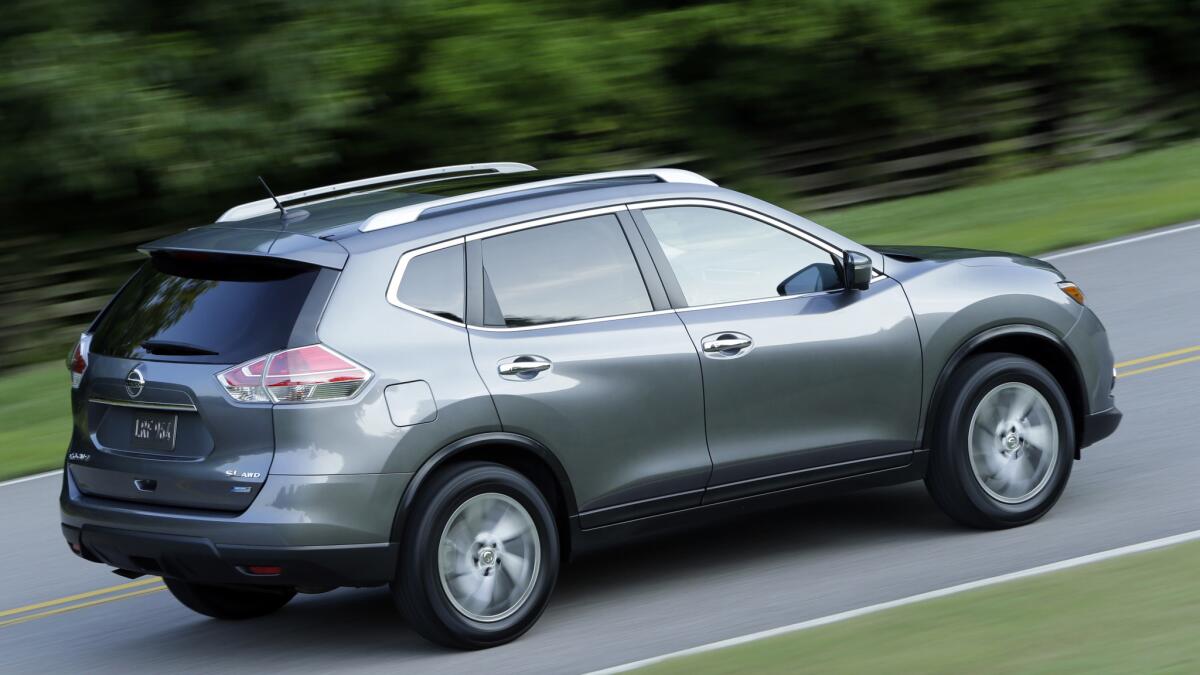
Interior quality, while acceptable at purchase, tends to degrade more noticeably than competitors. Seat fabric wears thin, trim pieces loosen, and dashboard materials show scratching and fading faster than average.
The Rogue’s fuel economy, while decent early on, can decline as CVT efficiency degrades over time. Owners notice reduced mpg as transmission wear progresses, adding to ongoing ownership costs.
Suspension noise is another issue that emerges around the 50,000-mile range. Creaking front struts and clunking suspension components generate anxiety-inducing sounds that require attention and expense.
Resale values for the Rogue have been dragged down by its reliability reputation. The used car market reflects what owners know: a high-mileage Rogue carries real mechanical risk.
Nissan makes an attractive-looking crossover with the Rogue. But at 50,000 miles, the looks stop being enough to justify the growing list of mechanical concerns.
4. Ford EcoSport
The Ford EcoSport was positioned as an affordable, nimble compact crossover for urban buyers. It promised practicality, fuel efficiency, and the trustworthiness associated with the Ford nameplate.
Unfortunately, the EcoSport has become a case study in unmet expectations. By 50,000 miles, owners across multiple markets have reported a level of frustration that the initial purchase price doesn’t justify.
The 1.0-liter EcoBoost three-cylinder engine is the powertrain of choice in many markets, and it’s where many problems begin. Carbon buildup on intake valves is a known issue that causes rough idling and reduced performance as mileage builds.
Turbocharger reliability on the EcoBoost engine has also come under scrutiny. Some owners have faced turbo-related failures before or around the 50,000-mile mark, which is a premature failure for this type of component.
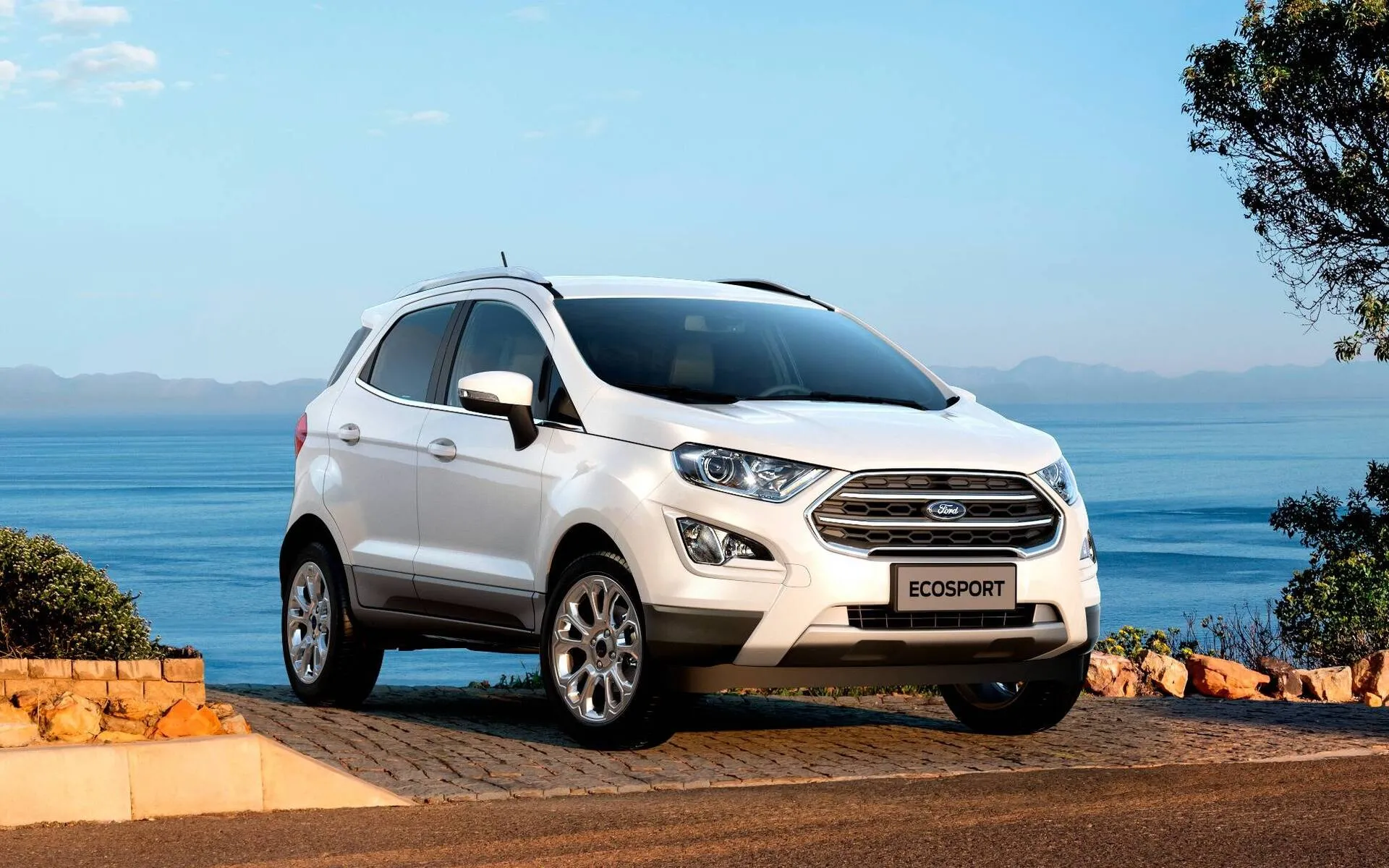
The EcoSport’s ride quality was never its strong suit, but it deteriorates noticeably with mileage. Suspension components wear faster than expected, and the result is a jarring, uncomfortable driving experience.
Transmission options have received mixed reviews. The PowerShift dual-clutch transmission, used in some markets, has a history of juddering and hesitation that becomes worse rather than better with time.
Interior space limitations become more pronounced as the novelty wears off. The rear door opens to the side rather than upward, which is a design choice that owners frequently cite as a daily annoyance.
Water ingress issues have been reported by EcoSport owners in multiple markets. Leaks around door seals and the tailgate area are not the kind of quality concern anyone expects from a brand like Ford.
Build quality inconsistencies, including misaligned panels and early paint issues, have surfaced in owner reports. These cosmetic problems compound the mechanical frustrations at the 50,000-mile stage.
The EcoSport had potential that never fully materialized. At 50,000 miles, it’s a vehicle that leaves too many owners wishing they had spent their money differently.
5. Chevrolet Equinox (1.5T)
The Chevrolet Equinox looks like a solid mainstream crossover choice on paper. It offers a spacious cabin, modern technology, and competitive pricing that make it a natural consideration for family buyers.
But the 1.5-liter turbocharged engine that powers most Equinox models has developed a troubling reputation. By 50,000 miles, a significant number of owners are dealing with engine-related headaches that are hard to excuse.
Oil consumption is the Equinox 1.5T’s most widely reported issue. Some owners report adding multiple quarts of oil between scheduled changes, which points to piston ring and cylinder wall wear that shouldn’t occur at these mileages.
General Motors acknowledged the problem and issued technical service bulletins. However, fixes have provided inconsistent results, and many owners continue to experience oil consumption even after repair attempts.
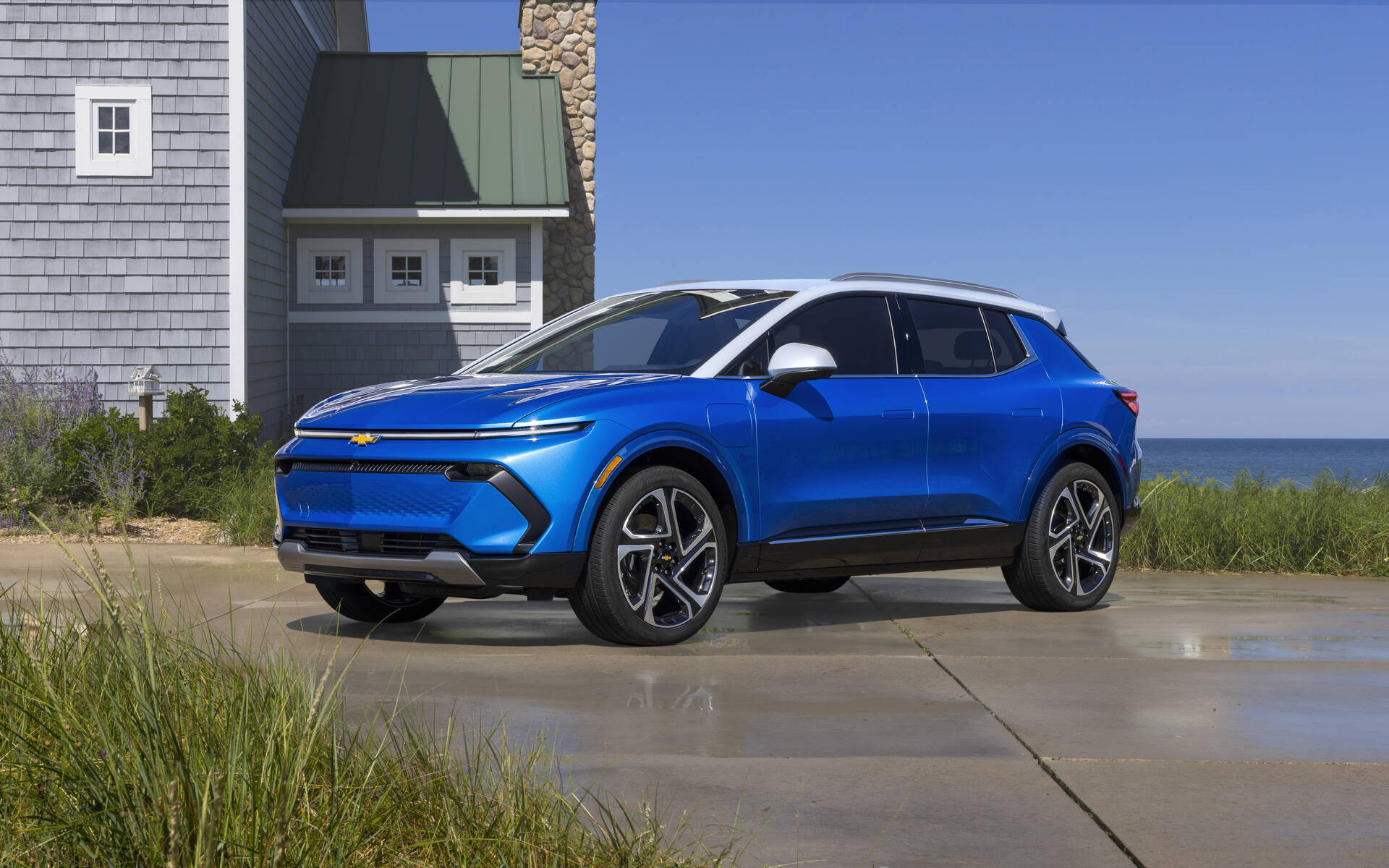
Timing chain issues have also been documented on the 1.5T engine. A stretched or failing timing chain is a serious mechanical problem, and its appearance at 50,000 miles or sooner is deeply concerning for long-term ownership.
Transmission behavior in the Equinox has drawn complaints as well. Hesitation on acceleration and rough shifting behavior appear in owner reports, particularly in stop-and-go traffic conditions common to daily commuters.
Interior quality, while decent at launch, shows wear patterns faster than competitors. Touchscreen responsiveness decreases, seat bolsters compress, and trim pieces begin to show stress in high-use areas.
Cooling system reliability has come into question. Thermostat failures and coolant leaks appear at mileage ranges where they simply shouldn’t be occurring in a modern, well-engineered crossover.
Dealer responses to these concerns have been inconsistent. Some owners report successful resolutions while others describe a frustrating cycle of repairs, partial fixes, and return trips to the service bay.
The Equinox with the 1.5T engine is a car that could have been great. At 50,000 miles, the engine’s well-documented problems are the reason too many owners have turned their satisfaction into regret.
6. Land Rover Discovery Sport
The Land Rover Discovery Sport sells a compelling package. Premium interior, sophisticated all-terrain capability, and a prestigious badge combine to create a crossover that genuinely excites buyers at the dealership.
But Land Rover’s reliability record is one of the most consistently poor in the automotive industry. By 50,000 miles, Discovery Sport owners are experiencing this reality firsthand, and the contrast with the purchase experience is stark.
Electrical system failures are the most widespread complaint among Discovery Sport owners. Warning lights for systems ranging from terrain response to parking sensors and adaptive cruise control appear and disappear without a clear cause.
Infotainment system malfunctions are particularly frustrating. The InControl Touch system freezes, restarts unexpectedly, and loses pairing connections with regularity that no owner of a premium vehicle should accept.
Air suspension problems, where fitted, represent one of the most expensive potential failures. Compressor failures and air spring leaks can occur within the first 50,000 miles, resulting in repair bills that shock even buyers prepared for premium ownership costs.
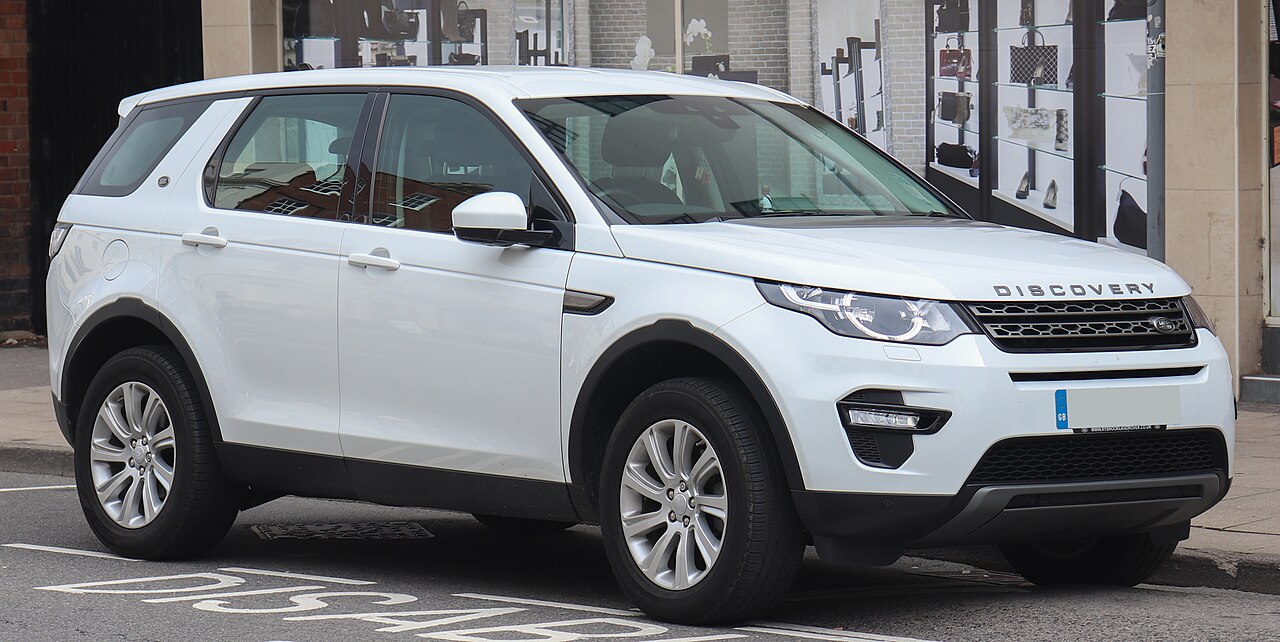
Engine oil leaks have been reported across multiple Discovery Sport variants. Seals and gaskets showing premature failure at these mileage levels indicate quality control issues that go beyond acceptable wear.
Cooling system reliability is a concern that appears consistently in long-term owner reviews. Overheating events and coolant system failures at relatively low mileage are alarming for a vehicle designed for demanding use.
Transmission behavior in the nine-speed automatic used in the Discovery Sport has been inconsistent. Owners report harsh downshifts, hunting between gears, and moments of unexpected behavior that undermine confidence.
Land Rover’s dealer service experience often compounds the frustration. Long wait times for parts, repeated visits for the same issues, and high labor rates make ownership increasingly burdensome past the warranty period.
The Discovery Sport is genuinely beautiful and capable when it works. At 50,000 miles, however, far too many owners have discovered that beauty and capability don’t mean much when reliability is missing from the equation.
Also Read: 9 SUVs With the Best 5-Year Resale Values in 2026
