
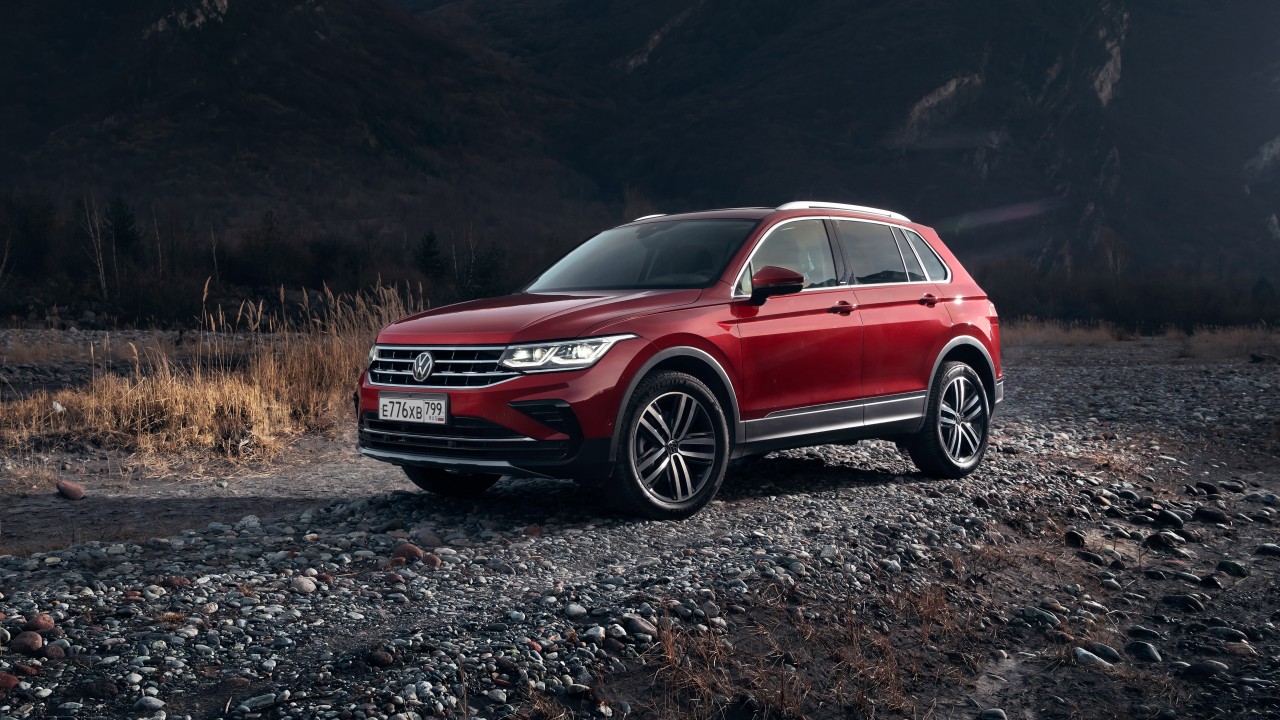
The automotive world has undergone a seismic shift over the past two decades, with compact SUVs emerging as a dominant force in the marketplace. Once considered niche vehicles, compact SUVs have grown into practical, versatile alternatives to sedans, offering the comfort of passenger cars combined with the capability and elevated driving position of larger SUVs.
Their rise in popularity is not a coincidence, it reflects changing consumer priorities and advancements in automotive design that allow manufacturers to create vehicles that meet modern lifestyle demands.
Many compact SUVs are directly derived from sedan platforms. Auto manufacturers often leverage the mechanical underpinnings, chassis design, and powertrains of successful sedans to create SUVs that maintain a familiar driving experience while providing additional cargo space, higher ride height, and increased utility.
This strategy allows brands to capitalize on existing engineering while appealing to a wider demographic. In numerous cases, the SUVs outlive the sedans they were based on, continuing production and evolving through multiple generations even after the original sedan has been discontinued.
This longevity is influenced by several factors, including consumer preference for higher seating positions, perceived safety advantages, and a desire for vehicles that handle both urban and light off-road conditions. Sedans, while efficient and comfortable, often lack the versatility demanded by modern drivers who value weekend getaways, road trips, and active lifestyles. Compact SUVs meet these needs without requiring drivers to step up to a full-size SUV, making them a practical yet aspirational choice.
Furthermore, technological advancements in engine efficiency, all-wheel-drive systems, and lightweight materials have narrowed the performance gap between sedans and SUVs. Modern compact SUVs can deliver fuel efficiency, driving dynamics, and interior comfort comparable to their sedan counterparts.
This convergence makes the SUV not only a practical choice but also a smart one for consumers who want to future-proof their vehicle investment.
The following list highlights ten compact SUVs that have outlasted the sedans they were based on. Each of these models demonstrates a combination of smart design, market adaptability, and enduring appeal. From European engineering to Japanese reliability and American innovation, these SUVs represent the trend of sedans giving rise to vehicles that redefine the automotive industry, proving that sometimes, evolution favors versatility over tradition.
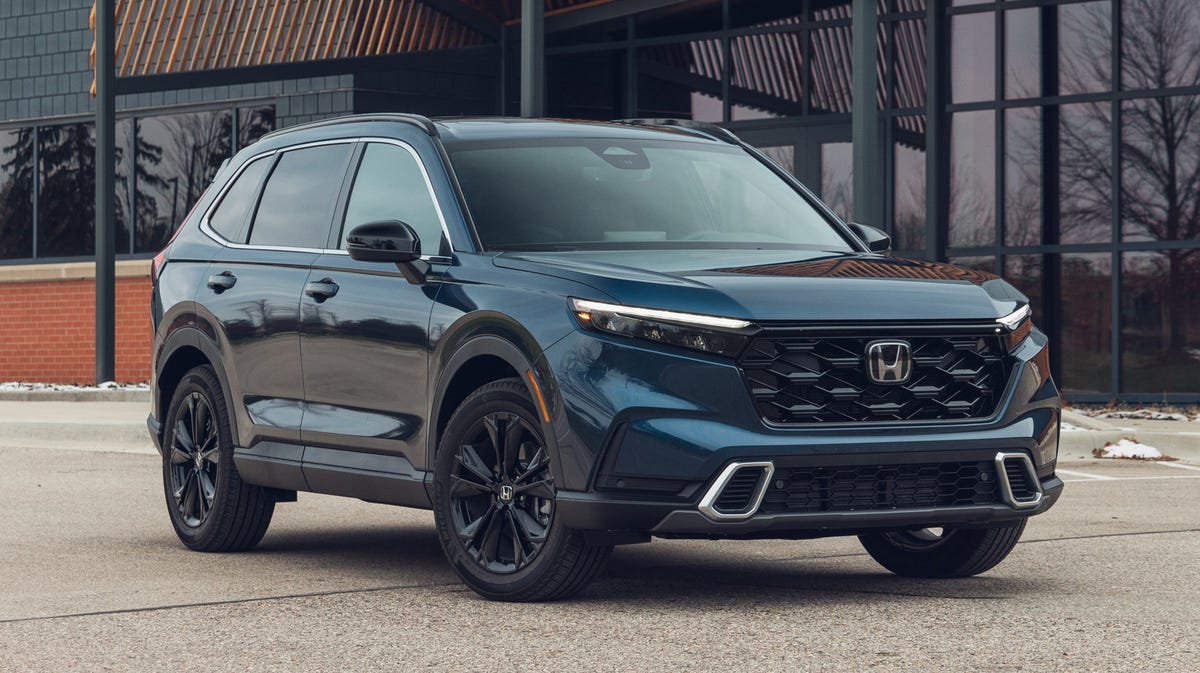
1. Honda CR-V
The Honda CR-V, one of the most successful compact SUVs of all time, traces its origins to the Honda Civic platform. Introduced in the mid-1990s, the CR-V quickly became known for its reliability, spacious interior, and practical design. While the Civic remains popular, the CR-V has maintained a dominant position in the SUV market, surpassing its sedan counterpart in sales and cultural recognition.
One of the CR-V’s strengths lies in its balance between car-like handling and SUV utility. Using the Civic’s underpinnings, Honda created a vehicle that feels nimble in urban environments while offering the extra cargo space and elevated driving position that drivers crave. Over the years, Honda has continually updated the CR-V with new features, safety technologies, and fuel-efficient powertrains, ensuring that it stays relevant even as the market evolves.
The CR-V’s adaptability is another reason for its longevity. Unlike sedans, which can feel outdated as trends shift, the CR-V has been able to accommodate hybrid powertrains, advanced infotainment systems, and driver-assist technologies. Its ability to evolve with consumer expectations has helped Honda maintain a competitive edge in the crowded compact SUV segment.
Customer loyalty also plays a role. Many CR-V owners initially purchased the Civic, finding the CR-V to offer an ideal combination of familiarity and utility. Word-of-mouth and consistent reliability ratings have kept the model in high demand, even as competitors enter the market.
The CR-V exemplifies how a sedan platform can be transformed into a vehicle that outlives its origins. Honda leveraged the Civic’s strengths, added versatility, and maintained a keen focus on evolving consumer needs. This formula has allowed the CR-V to thrive where the Civic has plateaued in certain markets.
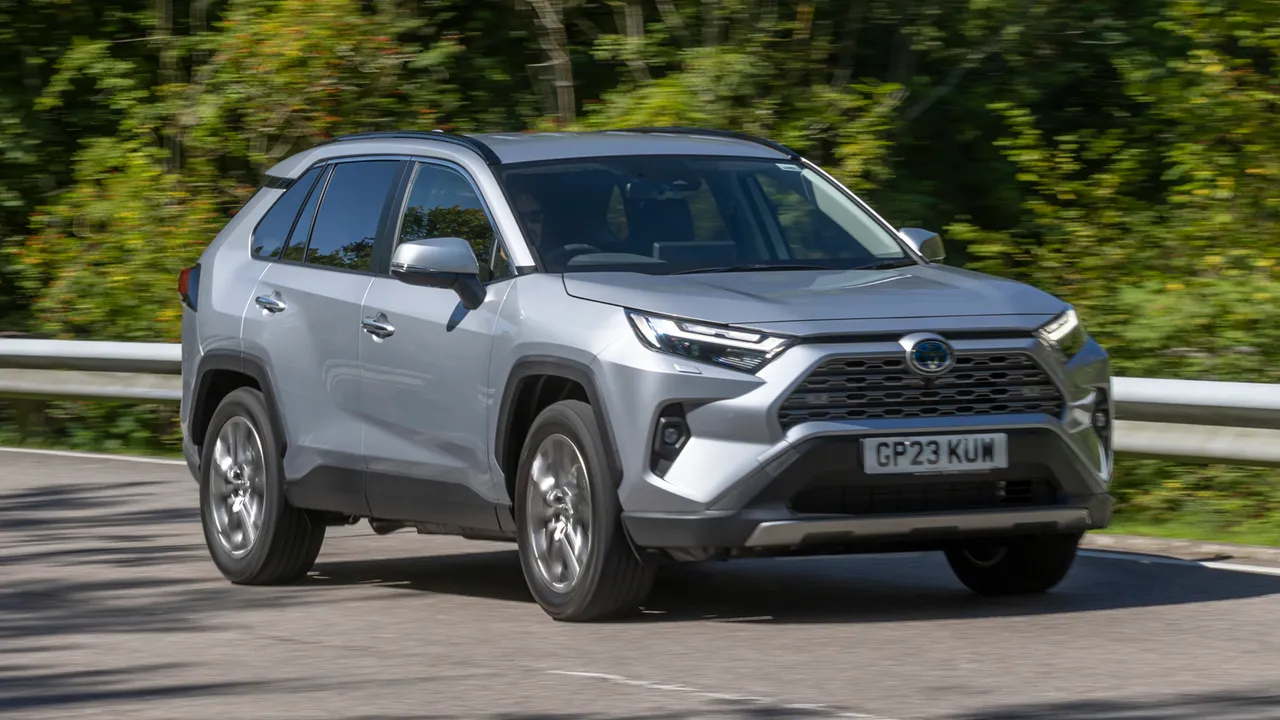
2. Toyota RAV4
The Toyota RAV4 has become one of the most influential compact SUVs in automotive history, and its success is deeply tied to its origins on the Toyota Corolla platform. While the Corolla remains one of the best-selling sedans globally, the RAV4 has outpaced it in several major markets, signaling a major shift in consumer preference toward SUVs. This transformation did not happen overnight but through consistent evolution across multiple generations.
One of the key advantages of the RAV4 is how effectively Toyota translated the Corolla’s efficiency and reliability into a more versatile body style.
The underlying engineering ensures low maintenance costs and predictable performance, which appeals strongly to buyers seeking long-term dependability. This familiarity gives sedan owners an easy transition into SUV ownership without feeling overwhelmed by complexity or cost.
As the SUV segment expanded, Toyota strategically repositioned the RAV4 from a simple utility vehicle into a lifestyle-oriented product. Modern versions offer advanced safety systems, hybrid powertrains, and improved ride comfort that rival or exceed many sedans in the same price category. This shift allowed the RAV4 to appeal not only to families but also to younger urban buyers.
Hybrid technology has been especially important in extending the RAV4’s dominance. The RAV4 Hybrid and Plug-in Hybrid variants offer fuel economy that directly competes with compact sedans, removing one of the traditional advantages sedans held over SUVs. This technological parity has accelerated the decline in sedan demand while strengthening SUV adoption.
Today, the RAV4 is not just a derivative of the Corolla platform. It has effectively become Toyota’s global volume leader in many regions, proving that a sedan-based architecture can evolve into a long-term flagship SUV that outlives its original form in both relevance and impact.
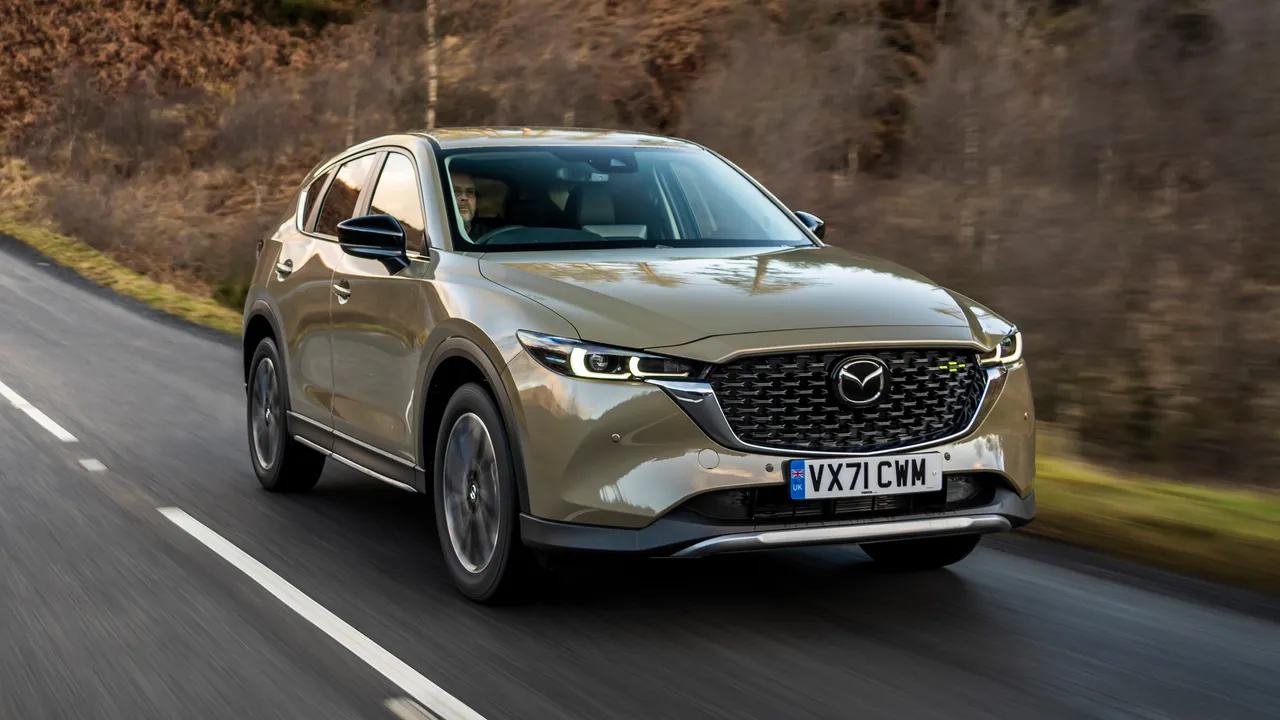
3. Mazda CX-5
The Mazda CX-5 represents a turning point for Mazda as a brand, evolving from the Mazda3 sedan platform into one of the most refined compact SUVs in its class. While the Mazda3 still exists, the CX-5 has overtaken it in global recognition and sales importance, particularly in markets where SUVs dominate consumer demand.
Mazda’s engineering philosophy plays a major role in the CX-5’s success. The company prioritizes driving enjoyment, and this is clearly inherited from the Mazda3. However, the CX-5 enhances this foundation by offering a more commanding driving position, improved suspension tuning, and a more versatile interior layout. The result is a vehicle that retains sedan-like agility while delivering SUV practicality.
Interior refinement is another area where the CX-5 has helped redefine expectations for compact SUVs. High-quality materials, minimalist dashboard design, and intuitive controls give it a premium feel that often rivals entry-level luxury brands. This has allowed Mazda to move the CX-5 beyond being just a practical vehicle into a more aspirational product.
Over time, Mazda has chosen an evolutionary approach rather than frequent redesigns. This strategy ensures that improvements are carefully integrated without losing the core driving characteristics that define the CX-5. Updates typically focus on safety technology, infotainment systems, and engine efficiency, allowing it to remain competitive without losing identity.
As SUV demand continues to grow, the CX-5 has become more important to Mazda’s global strategy than many of its sedan offerings. It demonstrates how a well-executed SUV can surpass its sedan origins not only in sales but also in brand identity and long-term relevance.
4. Subaru Forester
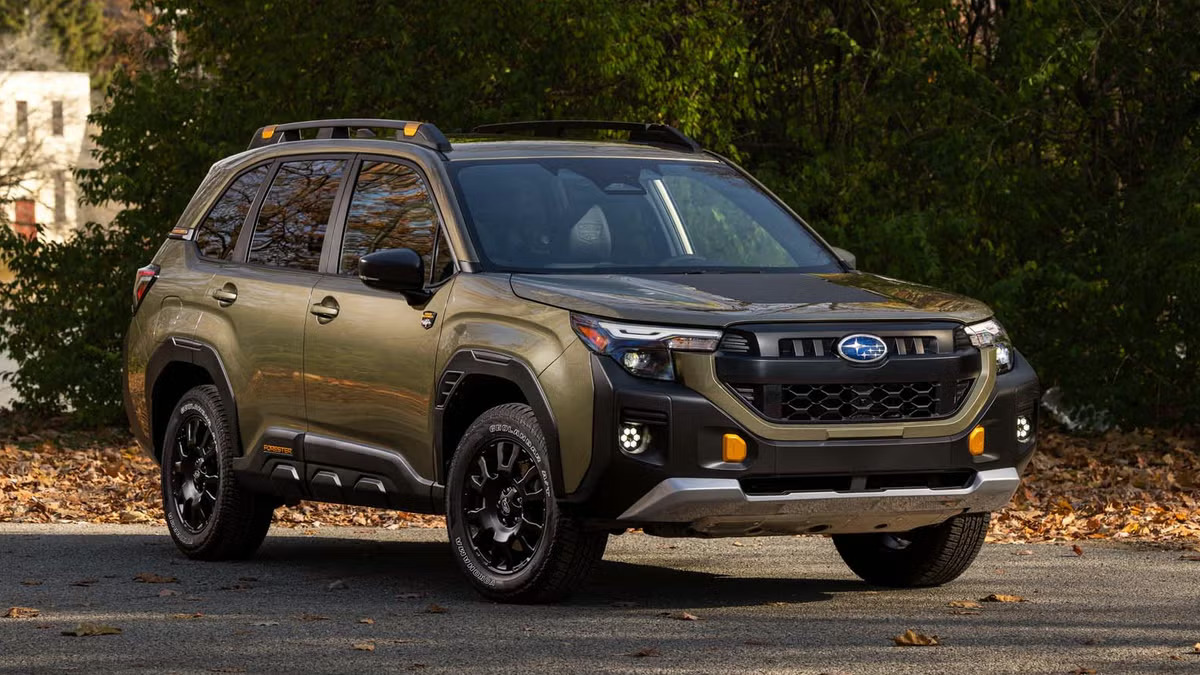
The Subaru Forester is one of the clearest examples of a compact SUV that has grown far beyond its sedan roots. Built on the Subaru Impreza platform, the Forester inherits the sedan’s engineering DNA but transforms it into a far more practical and capability-focused vehicle. While the Impreza continues in certain markets, it has largely been overshadowed by the Forester in global importance.
A defining characteristic of the Forester is its standard all-wheel-drive system, a feature that originates from Subaru’s sedan engineering philosophy. However, the SUV format amplifies its usefulness by combining traction capability with higher ground clearance and improved visibility. This makes it particularly appealing in regions with harsh weather or rugged terrain.
The Forester’s boxy design is not just aesthetic but functional. It maximizes interior space, allowing for a roomy cabin and generous cargo capacity. This design approach has helped the Forester become a favorite among outdoor enthusiasts, families, and drivers who prioritize practicality over styling trends.
Safety has also played a crucial role in its success. Subaru has consistently focused on crash protection and driver assistance technologies. Features like EyeSight driver assist have made the Forester one of the safest vehicles in its segment, further increasing its appeal over traditional sedans.
As consumer preferences continue to shift toward SUVs, the Forester has grown in prominence to the point where it often defines Subaru’s identity in many markets. It demonstrates how a sedan platform can evolve into a more dominant and enduring vehicle category.
5. Nissan Rogue
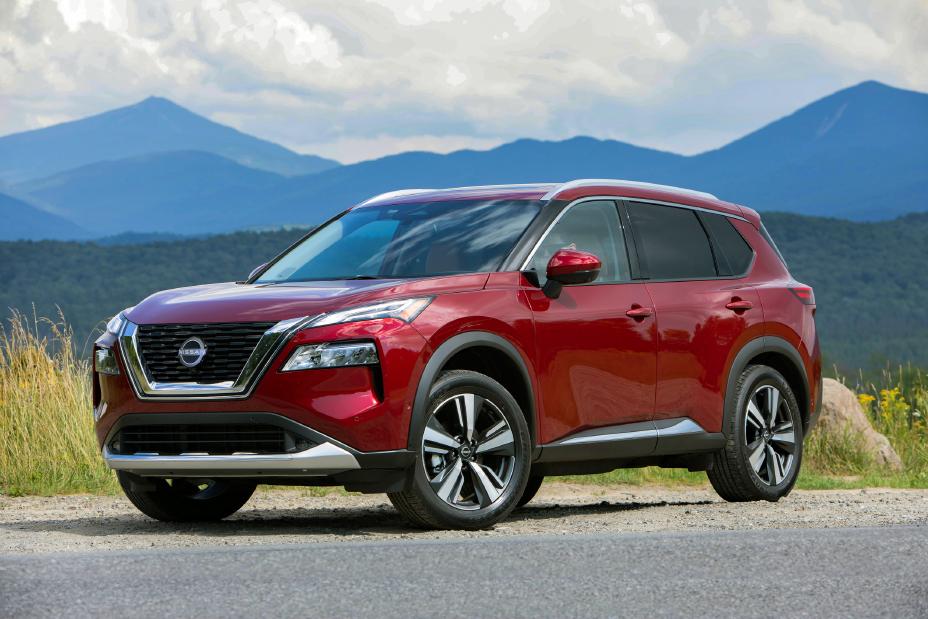
The Nissan Rogue, derived from the Nissan Sentra platform, has become one of the most successful compact SUVs in North America. While the Sentra remains part of Nissan’s lineup, the Rogue has far surpassed it in sales and market influence, reflecting the broader decline of sedans in favor of SUVs.
One of the Rogue’s strengths is its emphasis on comfort and usability. Nissan designed it to appeal to everyday drivers who want a smooth, predictable ride combined with practical interior space. The sedan-based platform provides stability and efficiency, while the SUV design adds versatility.
Interior packaging is a major highlight of the Rogue. Nissan has consistently focused on maximizing usable space, creating a cabin that feels larger than its external dimensions suggest. This makes it particularly attractive for families and commuters who need flexibility without moving into larger vehicle categories.
The Rogue has also benefited significantly from technology integration. Systems like ProPILOT Assist and advanced safety suites have positioned it as a modern, forward-thinking vehicle. These features help it compete not only with other compact SUVs but also with higher-end models in some cases.
As sedan demand for models like the Sentra has declined, the Rogue has taken center stage in Nissan’s lineup. It represents a clear example of how a sedan-derived SUV can become the defining product of a brand in a changing automotive industry.
6. Hyundai Tucson
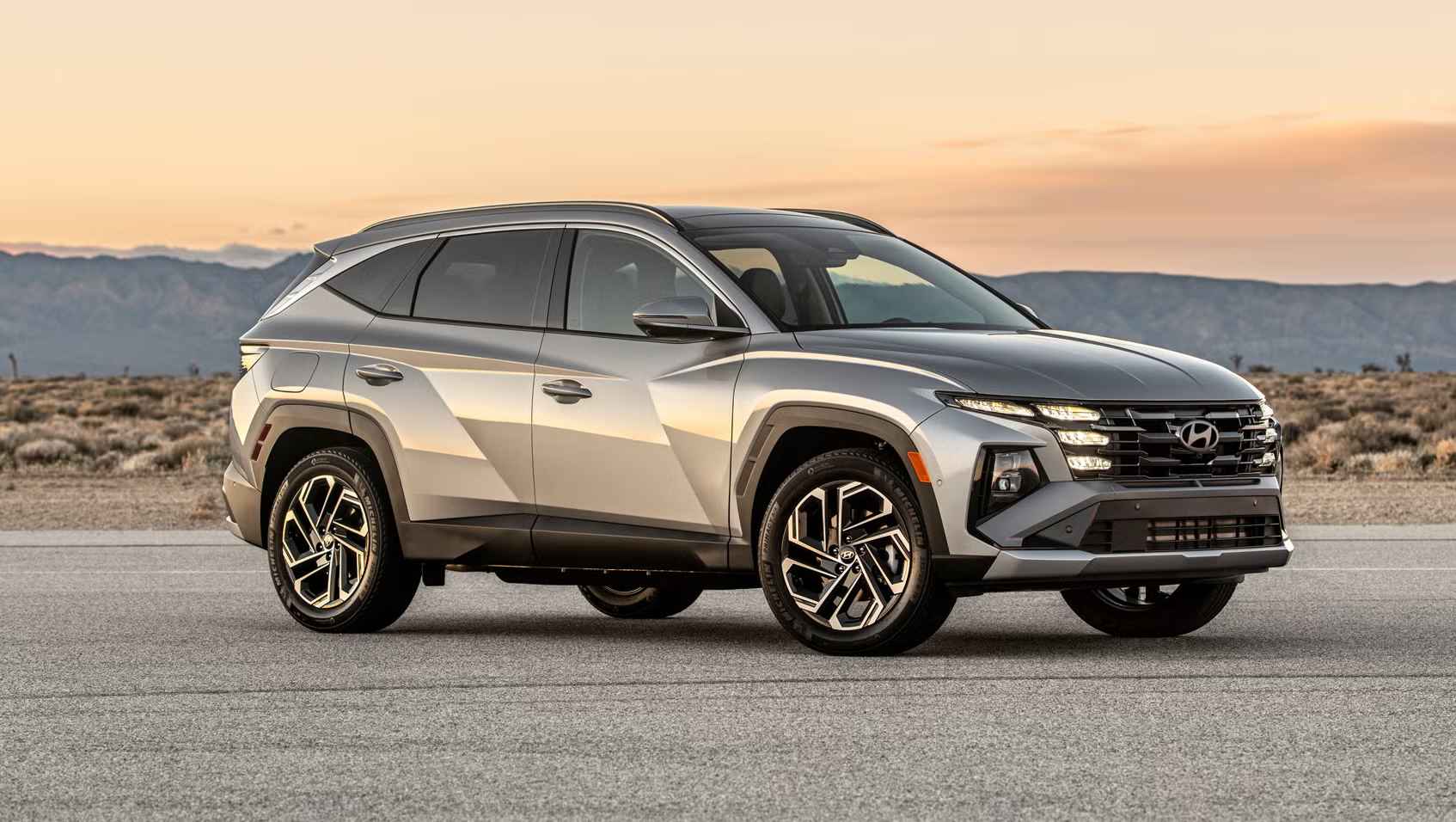
The Hyundai Tucson, built on architecture shared with the Hyundai Elantra sedan, has become one of the most important vehicles in Hyundai’s global portfolio. While the Elantra remains a strong seller, the Tucson has surpassed it in influence across many markets due to the global rise of SUVs.
The Tucson benefits from the Elantra’s efficient engineering foundation, which allows it to deliver strong fuel economy and dependable performance. However, Hyundai has significantly reworked the platform to prioritize interior space, ride height, and versatility, making it far more practical than its sedan counterpart.
Design has played a major role in the Tucson’s success. Hyundai adopted bold, futuristic styling elements that set it apart from conservative competitors. This distinctive appearance has helped it attract younger buyers and differentiate it in a crowded SUV segment.
Inside the cabin, the Tucson offers advanced digital displays, high-quality materials, and intuitive layout design. These improvements reflect Hyundai’s broader push toward more premium-feeling vehicles, elevating the brand beyond its economy-car reputation of the past.
As SUV demand continues to grow, the Tucson has become more important than the Elantra in several global regions. It shows how effectively a sedan platform can evolve into a more successful and globally relevant SUV.
7. Kia Sportage
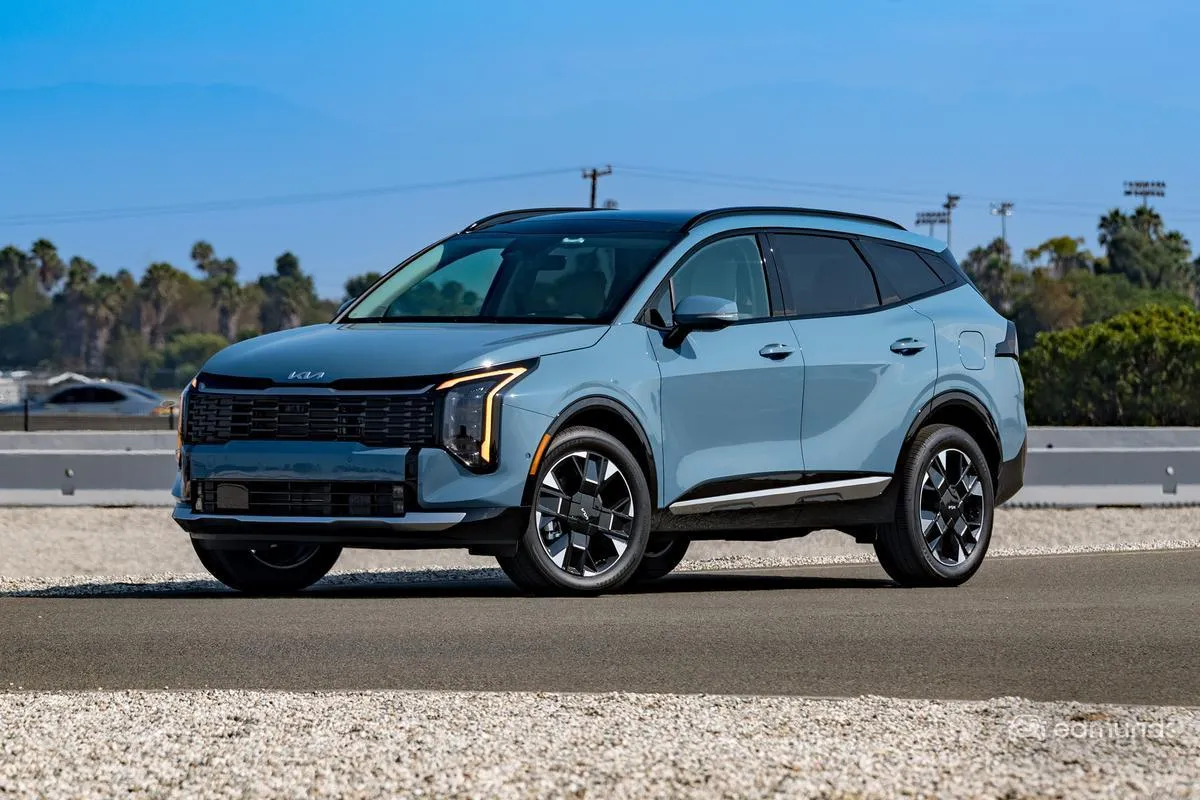
The Kia Sportage has evolved from a compact sedan-based platform into one of Kia’s most globally recognized SUVs. While Kia still produces sedans like the K5, the Sportage has become significantly more influential in shaping the brand’s identity.
The Sportage leverages sedan-derived engineering to provide a comfortable and refined ride quality. This makes it approachable for drivers transitioning from traditional cars while still offering the benefits of SUV ownership.
Kia has invested heavily in design innovation for the Sportage, giving it a bold and distinctive appearance that stands out in a competitive segment. This visual identity has helped the Sportage gain strong market traction globally.
Interior space and practicality are major strengths. The Sportage offers flexible seating configurations and generous cargo capacity, making it far more versatile than its sedan predecessors. This adaptability is key to its long-term success.
Over time, the Sportage has become one of Kia’s most important global models, often outperforming sedans in both sales and brand recognition. It exemplifies how SUV evolution can surpass traditional car platforms in modern markets.
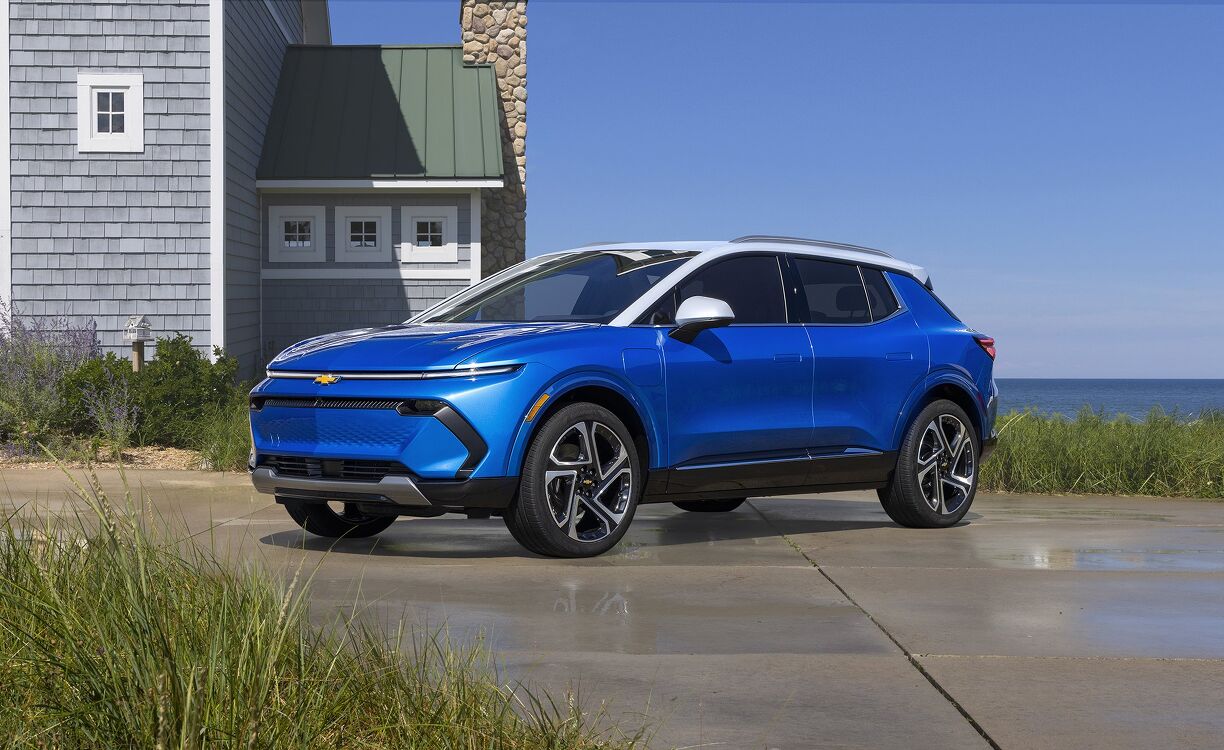
8. Chevrolet Equinox
The Chevrolet Equinox is rooted in GM’s compact sedan platforms, including architecture related to the Chevrolet Malibu. While the Malibu continues to exist, the Equinox has taken a more central role in Chevrolet’s lineup.
The Equinox prioritizes comfort and accessibility. Its sedan-based engineering ensures a smooth ride and predictable handling, making it appealing to a wide range of drivers.
Chevrolet has consistently updated the Equinox with modern safety features and technology enhancements. These improvements ensure that it remains competitive in an increasingly crowded SUV segment.
Interior design focuses on practicality and usability, offering flexible cargo space and user-friendly controls. This makes it a strong choice for families and commuters.
As SUV demand continues to rise, the Equinox has become more relevant than its sedan counterparts, reinforcing the shift in consumer preference.
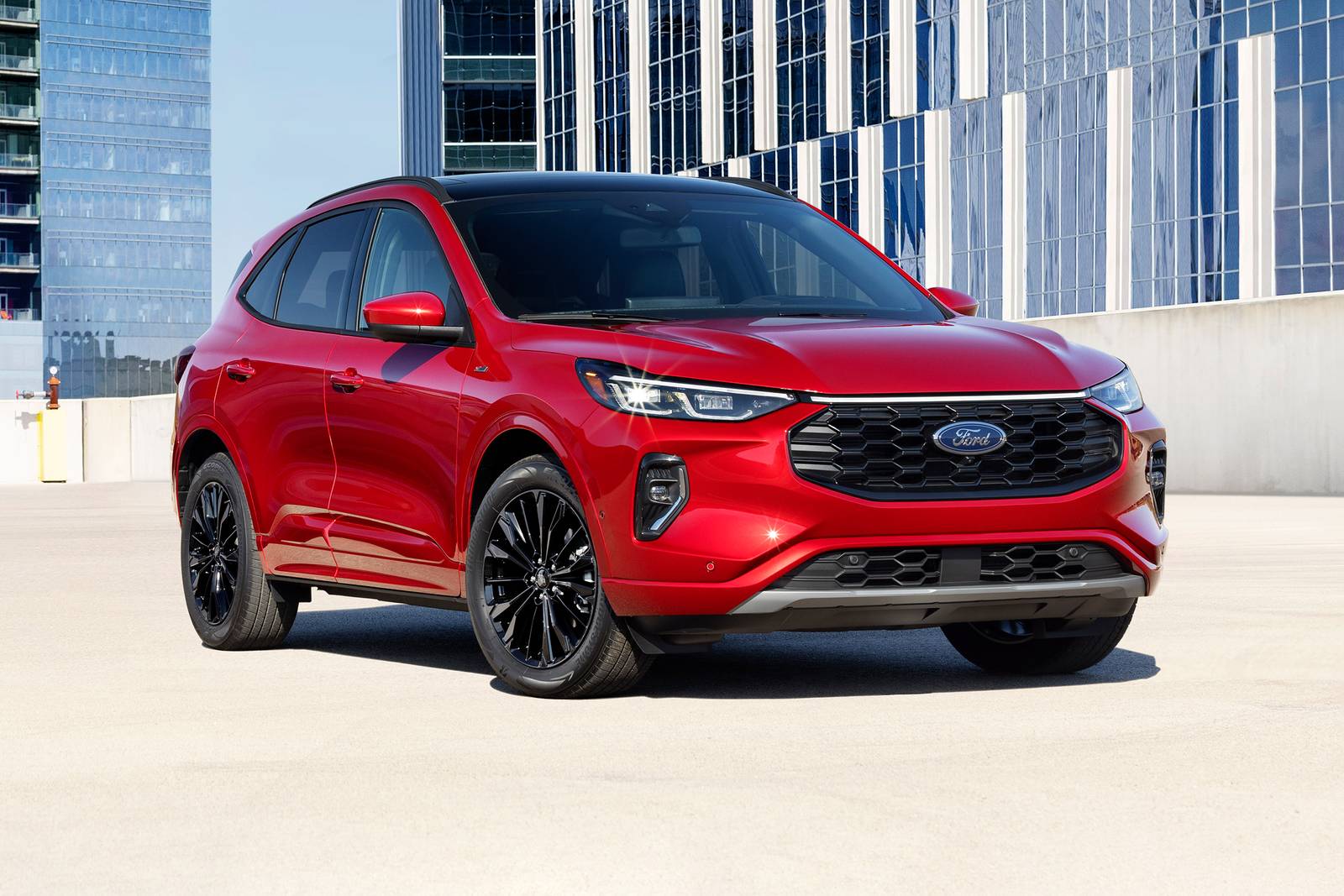
9. Ford Escape
The Ford Escape evolved from the Ford Focus platform, a compact sedan and hatchback that was once central to Ford’s global strategy. While the Focus has been discontinued in many markets, the Escape continues to thrive.
The Escape retains the Focus’s agile handling characteristics while expanding its practicality through SUV design. This makes it appealing to drivers who want car-like dynamics with added versatility.
Ford has heavily emphasized technology in the Escape, introducing hybrid and plug-in hybrid variants to meet changing consumer expectations. This diversification has helped it remain competitive.
Interior comfort and connectivity features have also improved significantly, aligning the Escape with modern consumer demands for digital integration and convenience.
As the Focus fades from global prominence, the Escape stands as a clear example of how SUV evolution can outlast its sedan origins in both production and relevance.
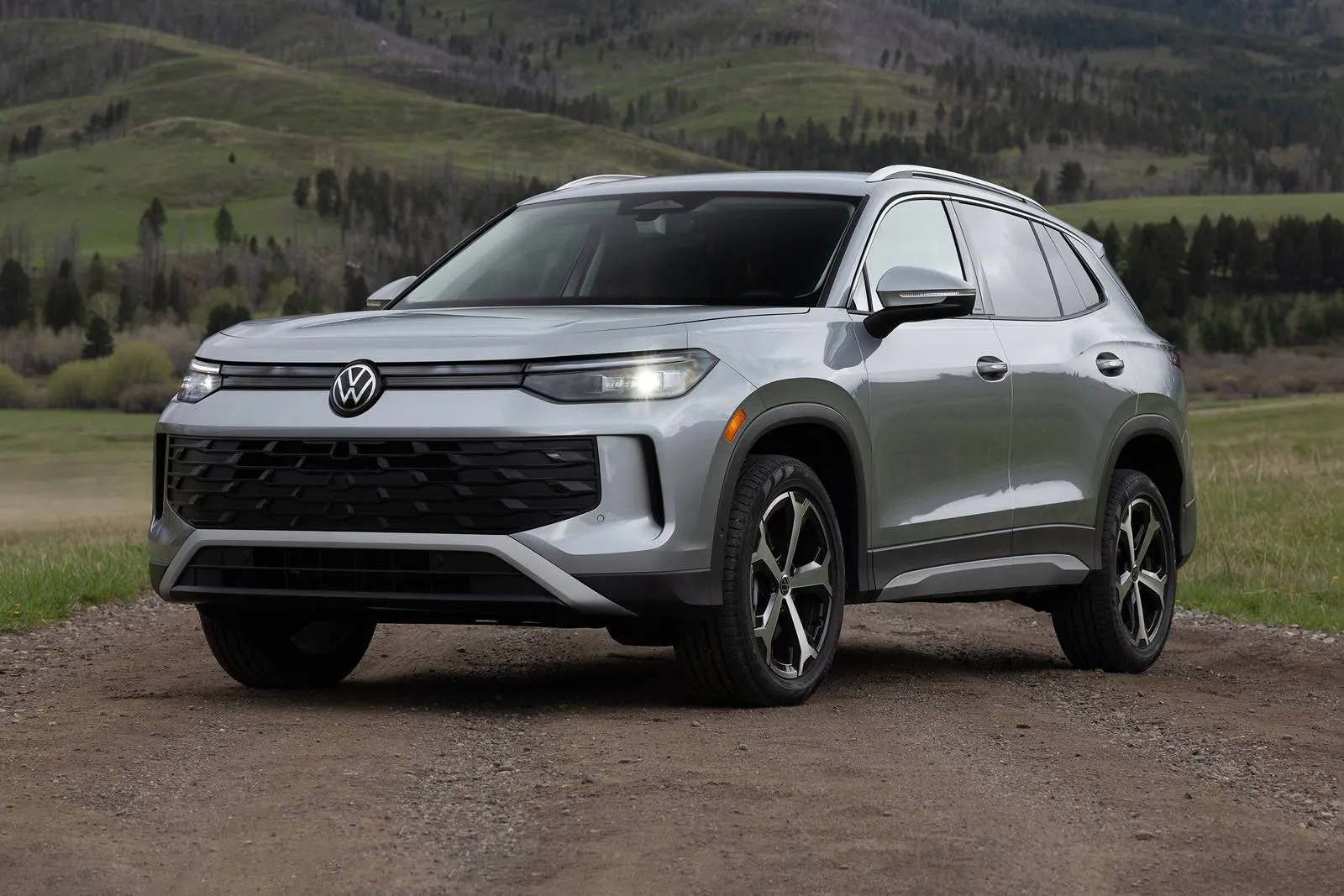
10. Volkswagen Tiguan
The Volkswagen Tiguan is built on the highly successful Volkswagen Golf platform, one of the most iconic compact car architectures in automotive history. While the Golf remains in production, the Tiguan has grown in importance within Volkswagen’s global lineup.
The Tiguan translates the Golf’s refined driving dynamics into a more practical SUV form. This balance of comfort and precision has made it a strong competitor in the compact SUV segment.
Volkswagen has positioned the Tiguan as a slightly more premium option, offering high-quality materials, advanced infotainment systems, and strong safety credentials. This elevates it above many mainstream competitors.
Its interior flexibility, including optional third-row seating in some markets, gives it a versatility that the Golf cannot match. This added functionality is key to its long-term appeal.
As global demand continues to shift toward SUVs, the Tiguan has become more influential than many sedan-based counterparts, reinforcing the trend of SUV dominance over traditional car platforms.
