
When hybrid vehicles first entered the American market, they came with a clear expectation. Buyers were told to accept a higher purchase price in exchange for lower fuel spending, with the assurance that patience would be rewarded through long-term financial benefit. For a portion of owners, that expectation has been met, and the numbers have worked exactly as projected.
For many others, the experience has been less satisfying. The additional amount paid at the dealership was never balanced by savings at the fuel station, even after several years of ownership. Those drivers were left questioning whether the decision truly made financial sense. The reality is simple and often overlooked: hybrid vehicles do not deliver the same financial outcome across the board.
Some hybrid models justify their higher pricing through strong fuel efficiency gains that close the cost gap within a reasonable ownership window. These vehicles continue to reduce operating expenses year after year, turning the initial premium into a practical investment. In such cases, the financial benefit is clear, measurable, and repeatable under normal driving conditions.
Others wear the hybrid label but deliver only modest improvements in fuel consumption. In those situations, the buyer pays more upfront while receiving savings so limited that recovery of the price difference would require many years of near-perfect driving conditions. For most households, that recovery period extends far beyond how long the vehicle is actually kept.
Buyers deserve clarity rather than assumptions. Hybrid technology can be a sound choice when the figures support it. When the figures do not, the purchase becomes an emotional decision rather than a financial one. Paying extra for technology that looks appealing on paper but fails to reduce real expenses is not a wise outcome for budget-conscious drivers.
This page separates the hybrid market into two straightforward groups. The first section focuses on four models where the financial reasoning is solid and supported by ownership costs that remain favourable across five years. These vehicles demonstrate how hybrid systems can deliver real value when pricing, efficiency, and resale behaviour align properly.
The second section examines four hybrid vehicles where expectations often exceed results. In these cases, buyers who assume that a hybrid badge automatically leads to savings are likely to feel dissatisfied once real expenses are calculated. Both sections deserve careful attention before a purchase decision is made. Hybrid ownership can reward the right buyer with measurable savings, but only when the arithmetic supports the promise.
4 Hybrids That Save You Cash
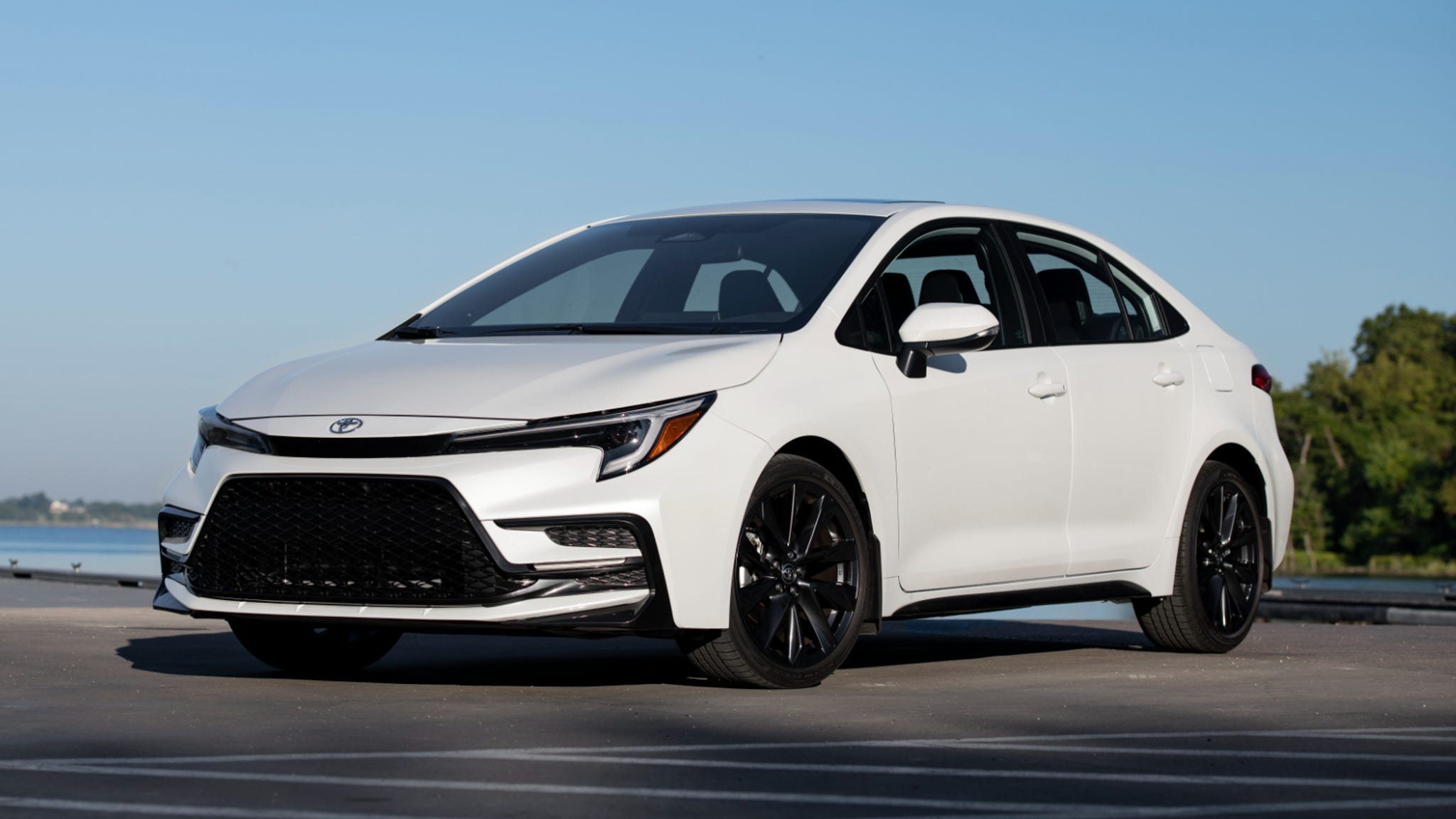
1. Toyota Corolla Hybrid LE FWD
Start with the numbers, because on the 2025 Toyota Corolla Hybrid LE FWD, the numbers are genuinely impressive. MSRP for this vehicle sits around $23,500, which places it only $2,000 to $2,500 above a comparable standard Corolla LE with a conventional powertrain.
That is a modest price premium by any hybrid standard, and what you get in return for it is a combined EPA fuel economy rating of 52 miles per gallon. A standard Corolla LE returns around 32 miles per gallon combined. That gap is 20 miles per gallon on the same chassis, same interior, same feature set.
Put real driving math to that. Assume 15,000 miles per year and a national average gas price of $3.50 per gallon. A standard Corolla LE uses approximately 469 gallons annually. At 52 miles per gallon, the Corolla Hybrid uses approximately 288 gallons per year. Annual fuel savings come to roughly 181 gallons, which at $3.50 per gallon equals $633.50 saved every year just in fuel costs. Over five years, that is $3,167 in fuel savings.
Your hybrid price premium of approximately $2,200 is completely recovered in under four years of average driving. From year four onward, you are banking pure savings on a vehicle that costs only marginally more to purchase. If you drive more than the national average, the payback period shrinks further. At 20,000 miles annually, the break-even point arrives in roughly two and a half years.
Toyota’s hybrid reliability record adds another layer to this financial picture. Toyota has been producing hybrid powertrains since 1997, and the data on long-term hybrid battery durability is as strong as any manufacturer in the segment. Corolla Hybrid owners are not taking a mechanical gamble. They are buying into a proven system with a track record that spans hundreds of thousands of vehicles and multiple generations of development.
Battery replacement is the fear most buyers carry about hybrids, and it is worth addressing directly here. Toyota’s Corolla Hybrid battery carries an 8-year, 100,000-mile warranty on the hybrid system in all 50 states. Real-world data from Corolla Hybrid and Prius owners shows battery systems regularly lasting 200,000 miles or more without replacement.
A buyer who drives 15,000 miles per year and keeps the vehicle for ten years is very unlikely to encounter a hybrid battery replacement cost within their ownership period.
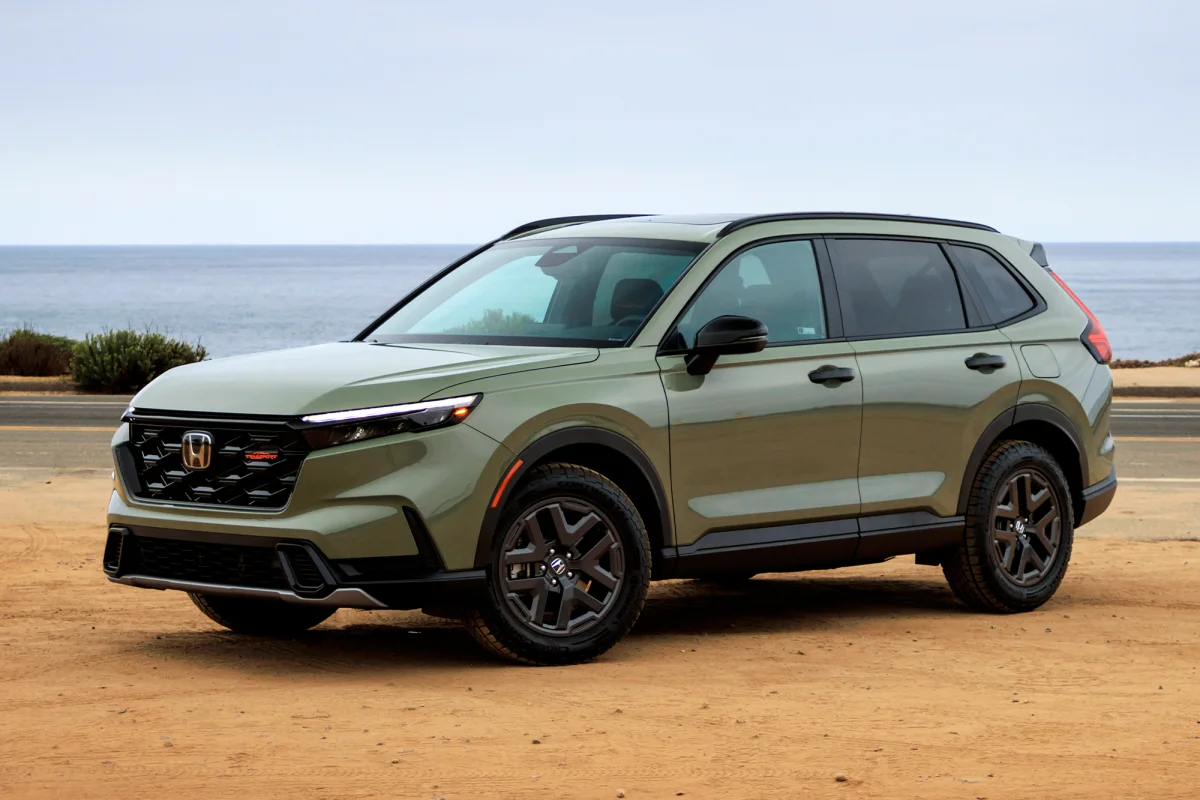
2. Honda CR-V Sport Touring Hybrid AWD
Crossover utility vehicles dominate the American market because they balance passenger space, efficiency, and daily usability. Within that crowded category, the 2025 Honda CR-V Sport Touring Hybrid AWD stands out as a model that asks buyers to pay more at purchase while offering a structured financial case across a normal ownership cycle.
The manufacturer suggested retail price for this trim sits close to forty-three thousand dollars, placing it roughly three thousand five hundred to four thousand dollars above a similarly equipped non-hybrid CR-V Sport Touring with All Wheel Drive. That difference appears large at first glance, yet the fuel and resale calculations reveal a more measured picture.
Fuel economy forms the foundation of the hybrid argument. The Environmental Protection Agency rates the CR-V Hybrid at thirty-six miles per gallon combined driving. The non-hybrid All Wheel Drive version delivers close to twenty-eight miles per gallon under the same testing conditions.
When both vehicles cover fifteen thousand miles each year, the efficiency gap results in a clear difference in fuel usage. The hybrid consumes about four hundred and seventeen gallons annually, while the conventional model requires approximately five hundred and twenty-four gallons. That reduction of more than one hundred gallons per year directly affects running costs.
Using a conservative fuel price of three dollars and fifty cents per gallon, the hybrid owner saves roughly three hundred and seventy-five dollars each year at the pump. Across five years of ownership, fuel savings approach one thousand eight hundred and seventy-five dollars. That amount does not fully repay the initial purchase difference on fuel savings alone. However, vehicle ownership rarely ends with fuel costs, and resale value plays a major role in total cost calculation.
Used vehicle markets have shown a consistent preference for Honda hybrid crossovers. Buyers seeking dependable efficiency are willing to pay more for hybrid variants with documented service history. As a result, CR-V Hybrids typically retain more value than their non-hybrid equivalents after several years.
Market data suggests a five-year residual value advantage ranging between one thousand five hundred and two thousand five hundred dollars in favour of the hybrid model. When this resale premium is added to fuel savings, the ownership balance moves in a favourable direction.
Combining these figures produces a clearer financial outcome. Fuel savings and resale advantage together are capable of matching or slightly exceeding the initial hybrid premium within five years. This calculation does not rely on optimistic fuel pricing or unusually high mileage.
It reflects ordinary driving habits and conservative assumptions, which strengthens the credibility of the result. Any state or local incentives available to hybrid buyers would further reduce the effective purchase difference, although such incentives vary by location and eligibility.
Beyond financial reasoning, daily driving experience also influences ownership satisfaction. The CR-V Hybrid delivers stronger low-speed torque than the standard petrol version. This characteristic improves responsiveness during city driving, traffic queues, and parking situations. The result is a vehicle that feels smoother and more relaxed in routine conditions where crossovers spend most of their time.
Also Read: Hybrids Lead Growth as U.S. Auto Market Extends Sales Slump
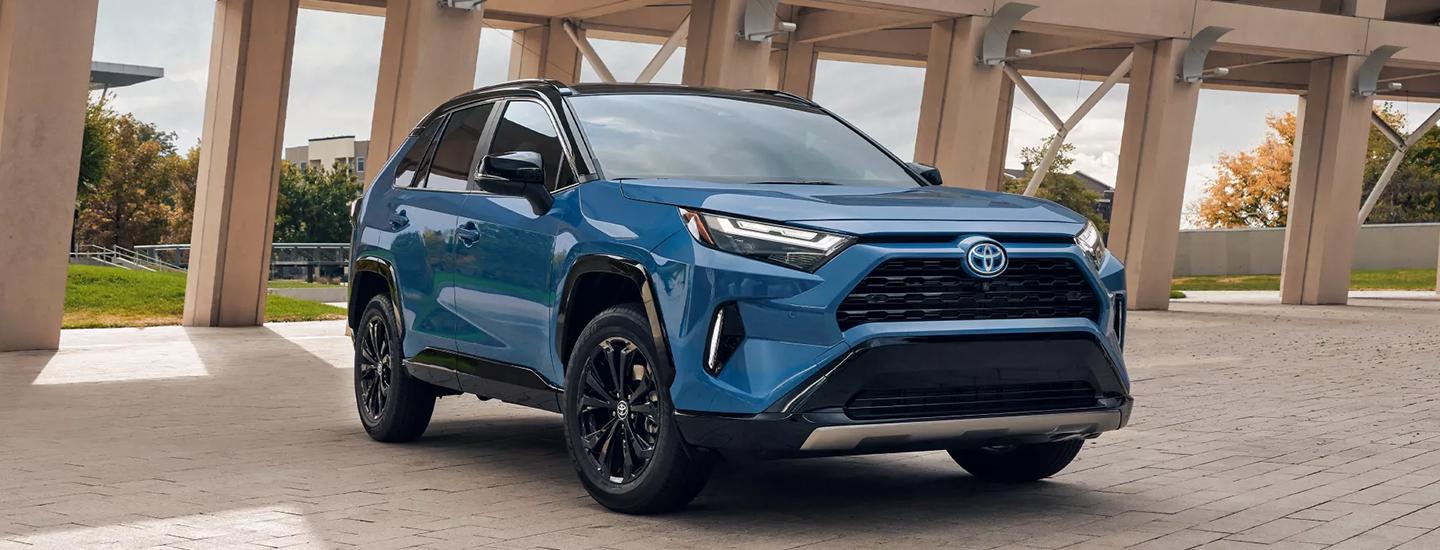
3. Toyota RAV4 Hybrid XSE AWD
Among compact sport utility vehicles, the Toyota RAV4 Hybrid XSE AWD has earned a reputation for delivering dependable ownership economics. Pricing for the 2025 model stands near thirty-six thousand dollars, placing it roughly three thousand two hundred dollars above the equivalent petrol-powered RAV4 XSE with All Wheel Drive.
That premium buys access to a hybrid system that has proven both efficient and durable across multiple production cycles. Fuel efficiency forms the core of the RAV4 Hybrid’s appeal. The hybrid version achieves a combined fuel economy rating of thirty-nine miles per gallon, while the standard petrol model returns about thirty miles per gallon combined.
Over an annual distance of fifteen thousand miles, the difference becomes substantial. The petrol RAV4 consumes close to five hundred gallons of fuel per year, while the hybrid uses approximately three hundred and eighty-five gallons. At a fuel price of three dollars and fifty cents per gallon, this reduction of around one hundred and fifteen gallons produces yearly savings slightly above four hundred dollars.
Over five years, the direct fuel cost reduction approaches two thousand dollars. This alone covers a large portion of the initial price difference without relying on optimistic assumptions or unusually low fuel consumption. Resale value strengthens the financial case even further. Demand for used RAV4 Hybrids regularly exceeds available supply, driven by buyers who prioritise efficiency combined with Toyota’s reliability record.
As a result, hybrid versions often command resale prices two thousand to four thousand dollars higher than comparable non-hybrid models with similar age and mileage. In many cases, the resale premium alone offsets the original purchase difference. Real-world fuel economy performance adds credibility to these figures.
Many owners report achieving fuel consumption figures that closely align with published ratings. Drivers who spend more time in city traffic frequently exceed forty miles per gallon due to the hybrid system’s ability to recover energy during braking and rely on electric drive at low speeds.
For motorists who replace vehicles within five to seven years and cover average or above-average annual mileage, this ownership profile produces predictable financial benefits. The combination of fuel efficiency, strong resale demand, and Toyota’s established hybrid reliability creates an ownership structure that rewards patience rather than speculation.
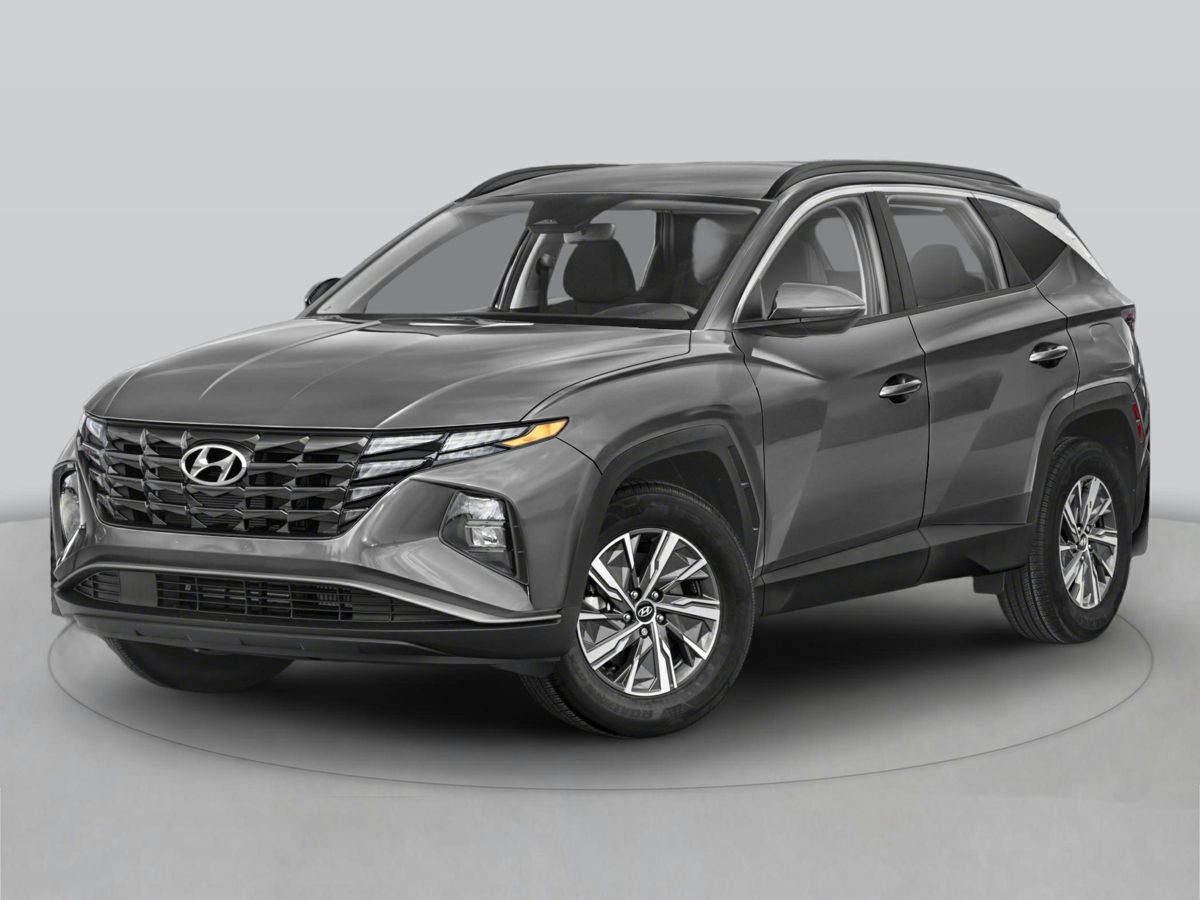
4. Hyundai Tucson Hybrid SEL Convenience AWD
Hyundai has been refining its hybrid technology for years, and the 2025 Hyundai Tucson Hybrid SEL Convenience AWD represents the point where that development produces genuinely competitive financial results. MSRP for this vehicle runs approximately $35,000, sitting roughly $2,800 above the comparable non-hybrid Tucson SEL Convenience AWD. EPA combined fuel economy comes in at 38 miles per gallon, compared to 28 miles per gallon for the standard AWD Tucson.
Annual fuel savings at 15,000 miles and $3.50 per gallon: the standard Tucson uses approximately 536 gallons per year, while the Tucson Hybrid uses approximately 395 gallons. Savings of 141 gallons annually at $3.50 per gallon equal $493.50 saved per year. Over five years, direct fuel savings reach approximately $2,467, which comes close to recovering the full $2,800 hybrid premium through fuel costs alone.
Hyundai backs the Tucson Hybrid with a 10-year, 100,000-mile powertrain warranty, which exceeds the industry standard and covers the hybrid battery and system components. That extended coverage reduces the financial risk of hybrid ownership for buyers who are not certain about long-term battery reliability, making it a particularly strong choice for first-time hybrid buyers who want assurance built into the purchase.
Residual values on Hyundai hybrids have strengthened as the brand’s hybrid reputation has improved. A 2025 Tucson Hybrid will retain value better than its non-hybrid counterpart at resale, further tightening the gap between the hybrid premium paid at purchase and the total financial return over the ownership period.
For buyers who want hybrid ownership economics without paying Toyota or Honda premium pricing, the Tucson Hybrid SEL Convenience AWD makes a financially honest argument.
4 Hybrids That Don’t Save You Cash
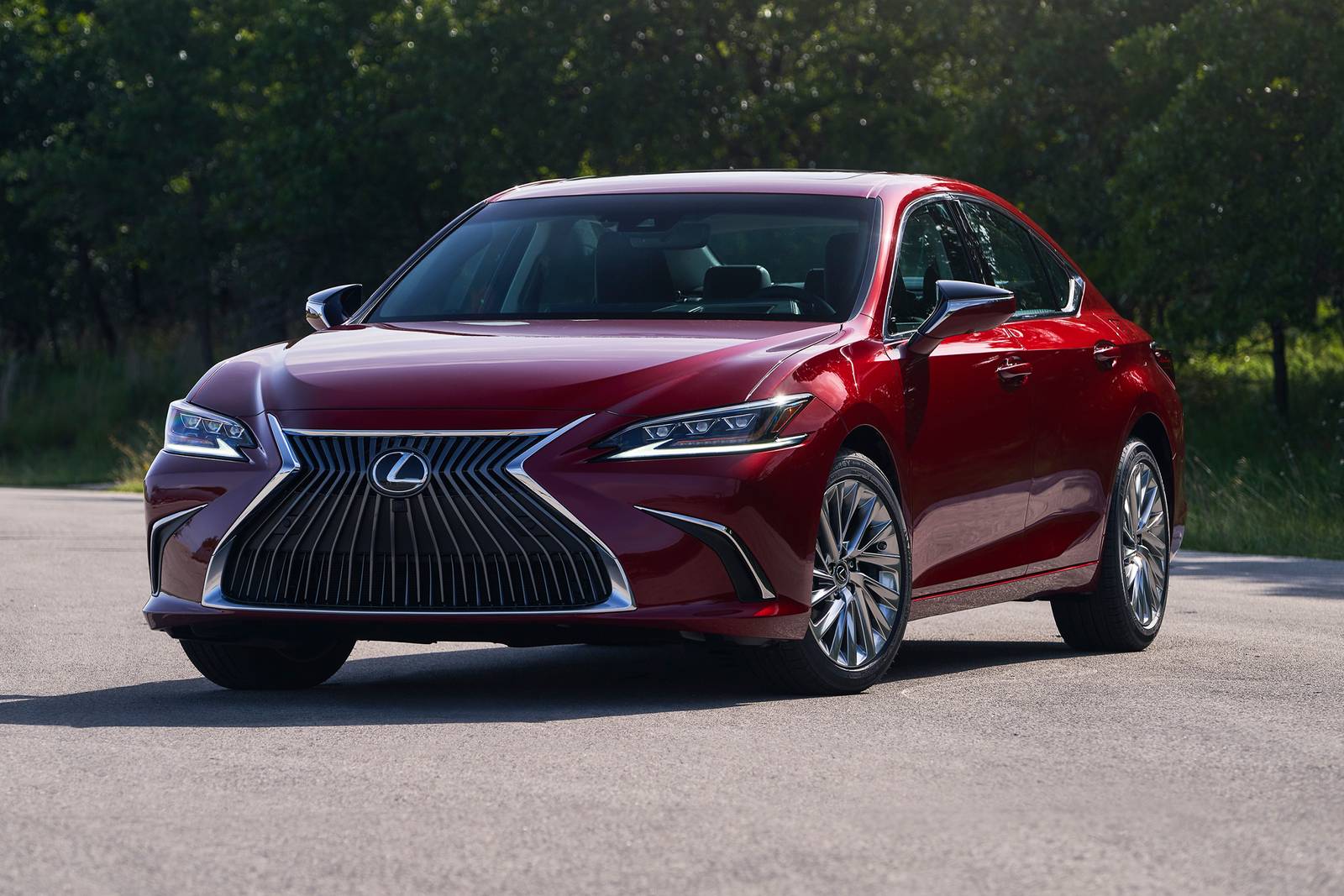
1. Lexus ES 300h AWD Ultra Luxury
Lexus builds genuinely refined vehicles. Luxury finish, whisper-quiet cabins, and long-term reliability are all legitimate attributes of the brand. But buying a hybrid for financial savings and buying a Lexus ES 300h AWD Ultra Luxury are motivations that do not point in the same direction.
MSRP for the 2025 Lexus ES 300h AWD Ultra Luxury sits around $63,500. A comparably equipped Lexus ES 250 AWD with a conventional powertrain costs around $50,000. That is a $13,500 hybrid premium. To evaluate whether fuel savings justify that gap, run the standard math.
EPA combined fuel economy for the ES 300h is 44 miles per gallon. For the ES 250 AWD, that figure is 27 miles per gallon combined. At 15,000 miles per year and $3.50 per gallon, the ES 300h saves approximately 317 gallons per year compared to the ES 250 AWD. Annual fuel savings come to approximately $1,109.
Divide the $13,500 premium by $1,109 annual savings, and you get a break-even point of roughly 12.2 years. That assumes constant fuel prices, constant driving habits, and no hybrid system maintenance costs during that period. For a buyer who replaces their vehicle every five to seven years, as most American car buyers do, the break-even point is simply never reached.
You spend $13,500 more upfront and recover approximately $5,545 to $7,763 in fuel savings before trading in. You are behind by $5,737 to $7,955 when you hand over the keys. Luxury vehicle depreciation makes this calculation even less favorable. High-end vehicles depreciate faster in absolute dollar terms than mainstream vehicles, meaning the resale value advantage of the hybrid version is a smaller percentage of a larger depreciation number.
A $63,500 ES 300h losing 40 percent of its value in five years loses $25,400. Recovering the hybrid premium through resale advantage requires the hybrid version to depreciate more slowly than the conventional version by a percentage that the market data simply does not consistently support.
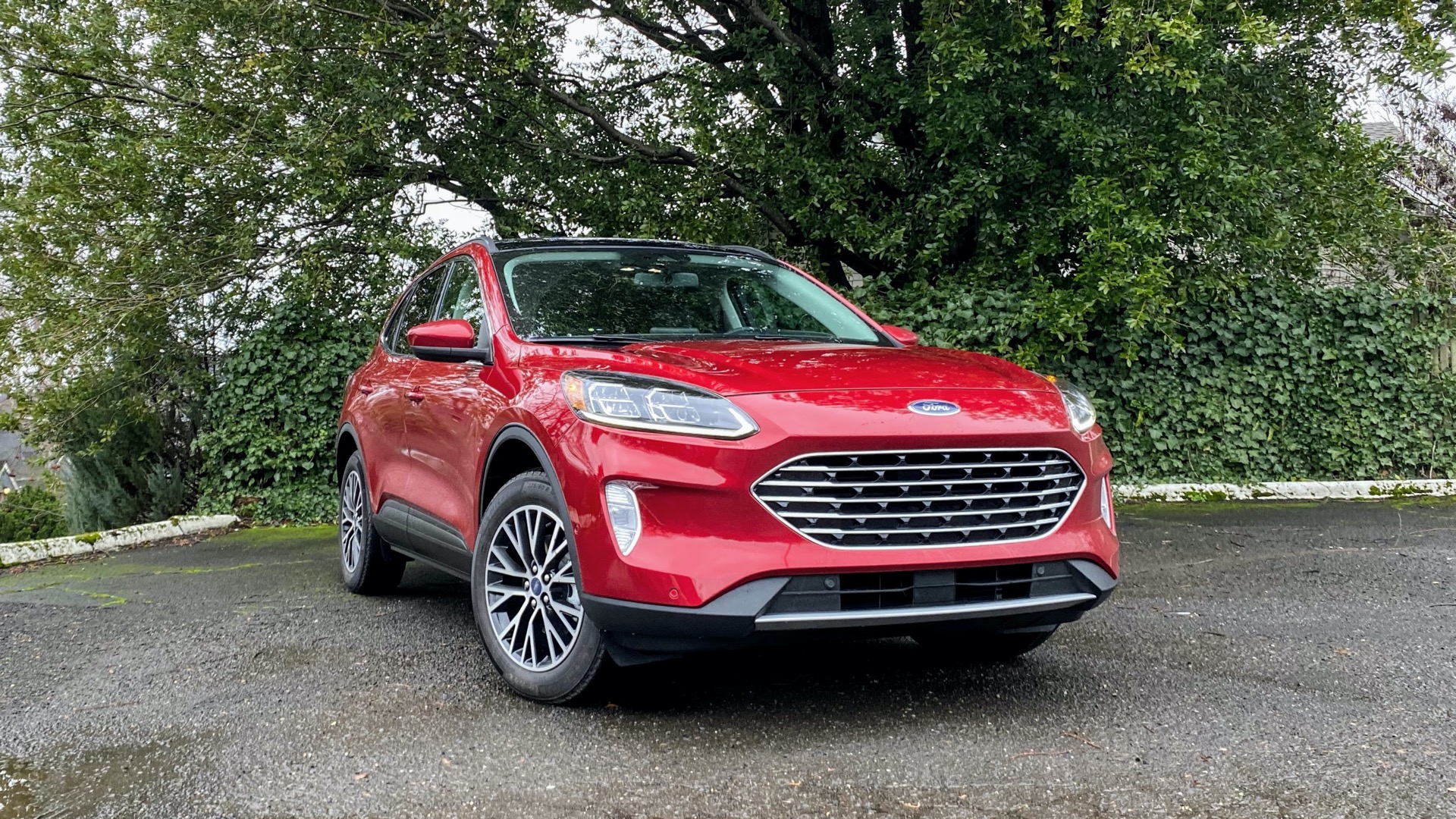
2. Ford Escape Plug-In Hybrid SE Sport FWD
Plug-in hybrid vehicles are sold with a promise that depends heavily on user behaviour. They offer electric driving for short distances and petrol-powered efficiency once the battery is depleted. Both benefits rely on one condition being met consistently: regular charging.
When that condition is absent, the ownership case changes sharply, and the financial logic that supports the higher purchase price begins to weaken very quickly. The 2025 Ford Escape Plug-In Hybrid SE Sport FWD carries a starting price close to forty-five hundred dollars. This places it about eight thousand dollars above the regular Escape SE Sport with Front Wheel Drive.
That difference is not small and cannot be ignored during purchase planning. The electric-only driving range is rated at thirty-seven miles. For a buyer whose daily commute stays below that distance and who connects the vehicle to a charger each night, petrol usage can drop to near zero during the work week. In that narrow usage pattern, fuel expenditure declines sharply, and the higher entry price starts to appear reasonable.
However, this outcome requires discipline and access. The vehicle must be charged at home or at work with near daily consistency. Without that habit, the Escape Plug-In Hybrid operates much like a conventional hybrid but with extra weight from its larger battery pack.
In charge of sustaining operation, fuel economy sits at roughly forty miles per gallon combined. The standard Escape with the 1.5 litre EcoBoost engine delivers about thirty-two miles per gallon combined while costing far less to purchase. When the numbers are placed side by side, the weakness becomes clear. An eight-mile-per-gallon improvement achieved through an eight-thousand-dollar price increase produces very small annual savings if the vehicle is not charged.
At fifteen thousand miles per year and fuel priced at three dollars and fifty cents per gallon, the difference amounts to roughly one hundred and thirty dollars saved annually. Recovering the purchase premium through fuel savings alone would take several decades, a period far beyond any realistic ownership horizon.

3. Mercedes-Benz GLE 450e 4MATIC PHEV
Luxury plug-in hybrids present a very different ownership challenge from their mainstream counterparts. The technology is advanced, the engineering is impressive, yet the financial case often fails to align with the asking price. The 2025 Mercedes-Benz GLE 450e 4MATIC PHEV illustrates this problem with unusual clarity.
Starting prices for the GLE 450e sit close to eighty thousand dollars. A similarly equipped GLE 450 with a conventional mild hybrid system can be purchased for roughly seventy-two thousand dollars. That difference of about eight thousand dollars places immediate pressure on the buyer to justify the upgrade through operating savings. Without frequent charging, that justification becomes nearly impossible.
In charge sustaining operation, where the battery is depleted, and the vehicle functions as a petrol hybrid, the GLE 450e achieves around twenty-two miles per gallon combined. The standard GLE 450 delivers about twenty-one miles per gallon combined. One mile per gallon improvement does not meaningfully reduce fuel expenditure, especially when paired with such a large purchase difference. Even at high annual mileage, the savings remain marginal.
The electric driving range of the GLE 450e is rated at fifty-four miles. This allows for petrol-free commuting only when daily driving remains within that limit and charging occurs each night without exception. Owners who meet those conditions can reduce fuel usage during the week.
Yet the vehicle’s size, weight, and luxury positioning mean that real-world efficiency depends heavily on driving style and traffic conditions. Any lapse in charging habits returns the vehicle to its petrol operating mode with little economic reward. Repair exposure further weakens the ownership outlook. Mercedes-Benz dealer labour rates in the United States frequently fall between one hundred and seventy-five and two hundred and fifty dollars per hour.
The hybrid system includes components such as the high-voltage battery management unit, integrated starter generator, and complicated transmission interaction with the electric motor. Diagnosing and repairing these systems requires specialised tools and factory-trained technicians. Independent repair options are limited, especially as the vehicle ages.
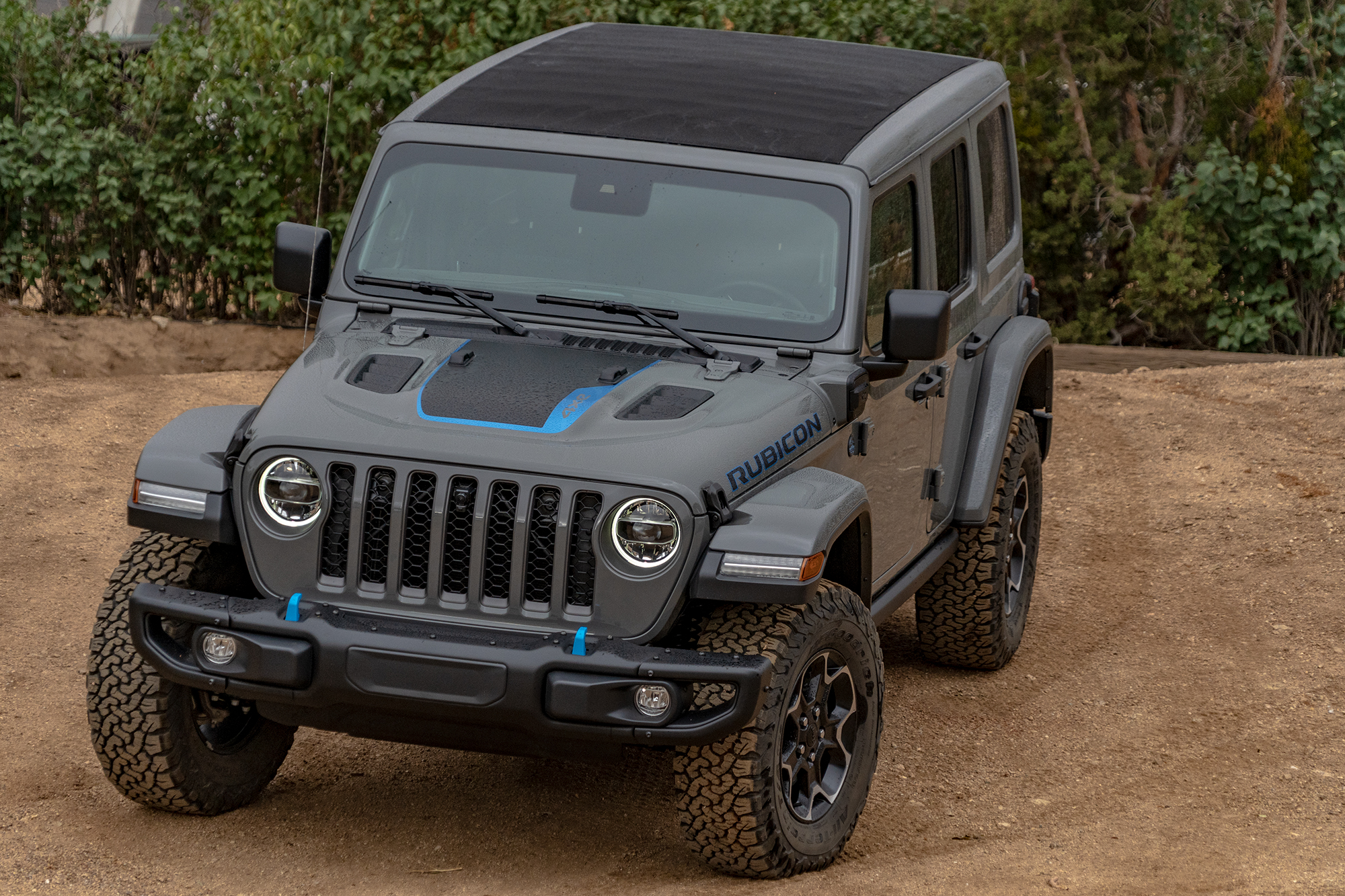
4. Jeep Wrangler 4xe Rubicon
Few vehicles carry the cultural weight of the Jeep Wrangler, and the 2025 Jeep Wrangler 4xe Rubicon takes that icon and adds a plug-in hybrid system to it. MSRP for the 4xe Rubicon starts around $62,000. A comparable Wrangler Rubicon with the conventional 3.6-liter Pentastar V6 is available for approximately $53,000. That $9,000 hybrid premium is the starting point of a financial calculation that is difficult to resolve in the buyer’s favor.
EPA combined fuel economy for the Wrangler 4xe in charge-sustaining mode is 20 miles per gallon. A conventional Wrangler Rubicon with the V6 achieves approximately 17 miles per gallon combined. That 3 miles per gallon improvement on a $9,000 premium at 15,000 miles annually and $3.50 per gallon produces annual fuel savings of approximately $93. Break-even on the hybrid premium: roughly 97 years.
Electric-only range on the 4xe is 21 miles, which is among the shorter PHEV ranges available in the current market. Buyers who charge daily and use the vehicle primarily for short daily driving may see more meaningful fuel substitution. But Wrangler buyers are not typically short-trip urban commuters.
They are buyers who chose the Wrangler for capability, adventure use, and trail driving. Highway towing, extended off-road trips, and long-distance travel are common use cases that consume the electric range immediately and return the vehicle to charge-sustaining hybrid operation at mediocre efficiency.
Off-road use adds another wrinkle. Aggressive four-wheel driving in low-range conditions, climbing grades, and obstacle navigation all stress the drivetrain in ways that reduce hybrid system efficiency. The fuel savings argument depends on efficient hybrid operation. Trail use is not an efficient hybrid operation.
