
Car recalls are far more common than most drivers realize. Every year, millions of vehicles are pulled back by manufacturers to fix hidden dangers that only surface after real-world use. Some of these recalls make front-page news. Others quietly slip through the cracks, leaving many owners completely unaware that their vehicle has a serious safety defect.
Between 2024 and 2026, the automotive world experienced a staggering wave of recall activity. Cars recalled in 2026 are three times higher so far than in 2025, reflecting higher NHTSA standards and growing concerns over build quality. The range of issues is breathtaking, from tailgates that fall open on highways to luxury electric vehicles with short-circuiting batteries.
What makes this era of recalls so fascinating is the sheer variety of vehicles involved. Pickup trucks, family SUVs, luxury sedans, and even high-performance electric cars have all found themselves on the NHTSA’s recall list. Some of these vehicles carry strong reputations for quality. Many of their owners were completely blindsided.
This article shines a light on ten vehicles that were recalled between 2024 and 2026 that you probably didn’t hear about. Each story reveals just how complex and unpredictable modern vehicle safety can be. Whether you own one of these cars or not, every driver deserves to know the full picture. Knowledge is your first line of defense on the road.
1. Chevrolet Silverado HD / GMC Sierra HD
The Chevrolet Silverado is one of the best-selling vehicles in America. Most owners buy it for its rugged reliability and heavy-duty capability. So it came as a shock when General Motors issued one of its biggest recalls of the period over something as fundamental as the tailgate.
General Motors recalled 132,037 pickup trucks because their tailgates may open on their own, with the affected vehicles’ tailgates potentially opening inadvertently while the vehicle is in Park due to an electrical short in the release switch caused by moisture intrusion. That is not a small or theoretical problem. If cargo falls out of the truck’s bed at highway speeds, other drivers face a potentially deadly hazard.
In February 2024, General Motors issued one of its largest recalls of the year: 323,232 Chevrolet Silverado HD and GMC Sierra HD pickup trucks were at risk for their tailgates opening unexpectedly. Then, just months later, GM expanded the campaign even further. The sheer number of affected trucks grew to over half a million vehicles across multiple model years.
GM recalled nearly 820,000 cars due to this safety issue affecting its power-operated tailgates, as water intrusion into the electronic latching mechanism can result in the tailgate unlatching while the vehicle is in park. At the time of the recall, there had already been 130 complaints filed with safety regulators. This was not an issue discovered in a lab; real-world drivers were experiencing it on real roads.
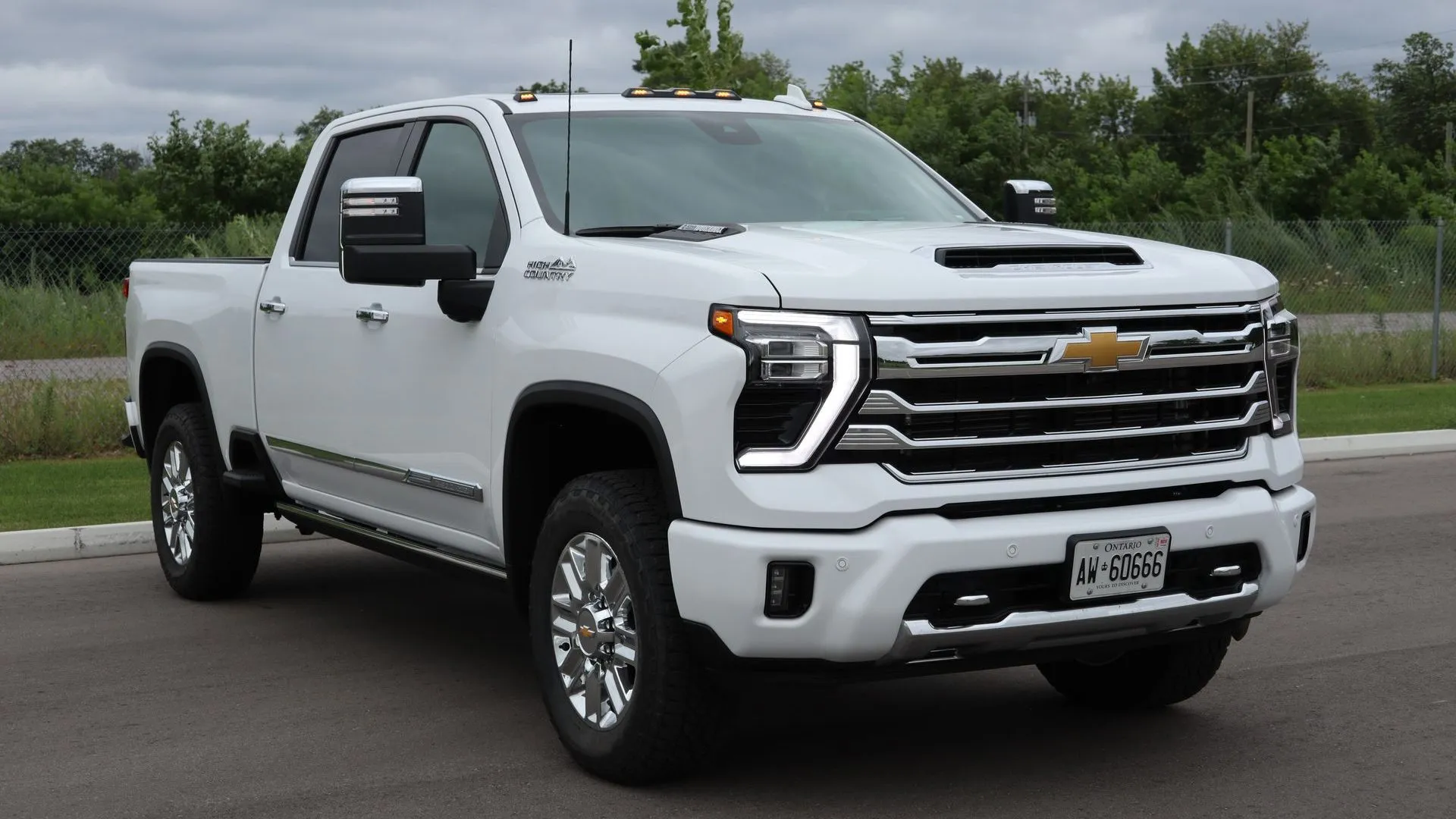
The irony here is sharp. Heavy-duty truck buyers choose these vehicles specifically because they are built to handle tough conditions. Water resistance is supposed to be a basic feature of a work truck. Yet a moisture issue in one small switch was enough to compromise the safety of hundreds of thousands of America’s most popular vehicles.
GM responded by replacing the tailgate release switch free of charge at dealerships. Owners were notified by mail in early 2025. But the damage to the Silverado’s reputation for toughness lingered well beyond the recall itself.
This case serves as a reminder that even the most iconic and capable vehicles are not immune to engineering oversights. The smallest component, like a simple electronic switch, can create a massive safety crisis. Always check your truck’s tailgate before you drive away.
2. Porsche Taycan
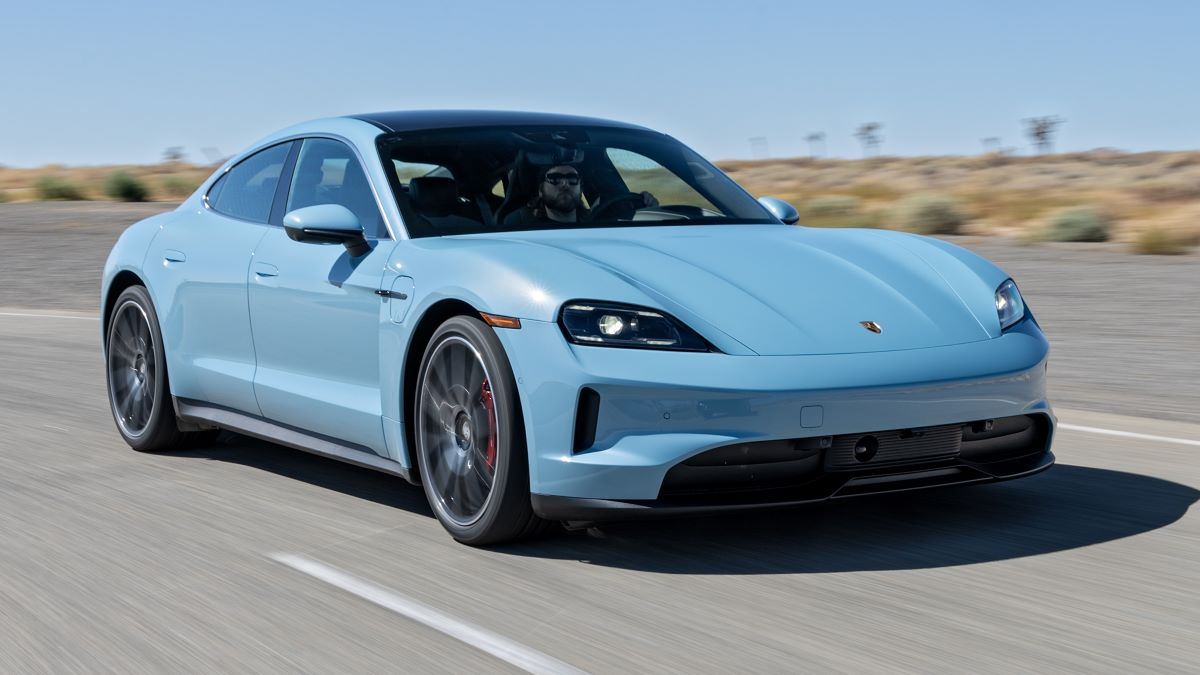
The Porsche Taycan is widely regarded as one of the finest electric vehicles ever built. It is fast, elegant, and loaded with cutting-edge technology. The last thing any Taycan owner expected was a recall over a potentially dangerous battery defect.
Porsche Cars North America recalled certain 2021–2024 Taycan vehicles because the high-voltage battery may experience a short circuit within the battery module. A high-voltage battery short circuit is a serious matter. It can lead to fire, sudden loss of power, or catastrophic battery failure.
As of December 31st, 2024, Porsche Cars North America had been involved in 13 recalls throughout the year, impacting an estimated 78,593 consumers, including a recall of 2020–2025 Taycan vehicles since the front brake hoses can develop cracks and leak brake fluid. That combination of a battery short-circuit risk and brake hose cracking issues painted a troubling picture for the Taycan in a relatively short period.
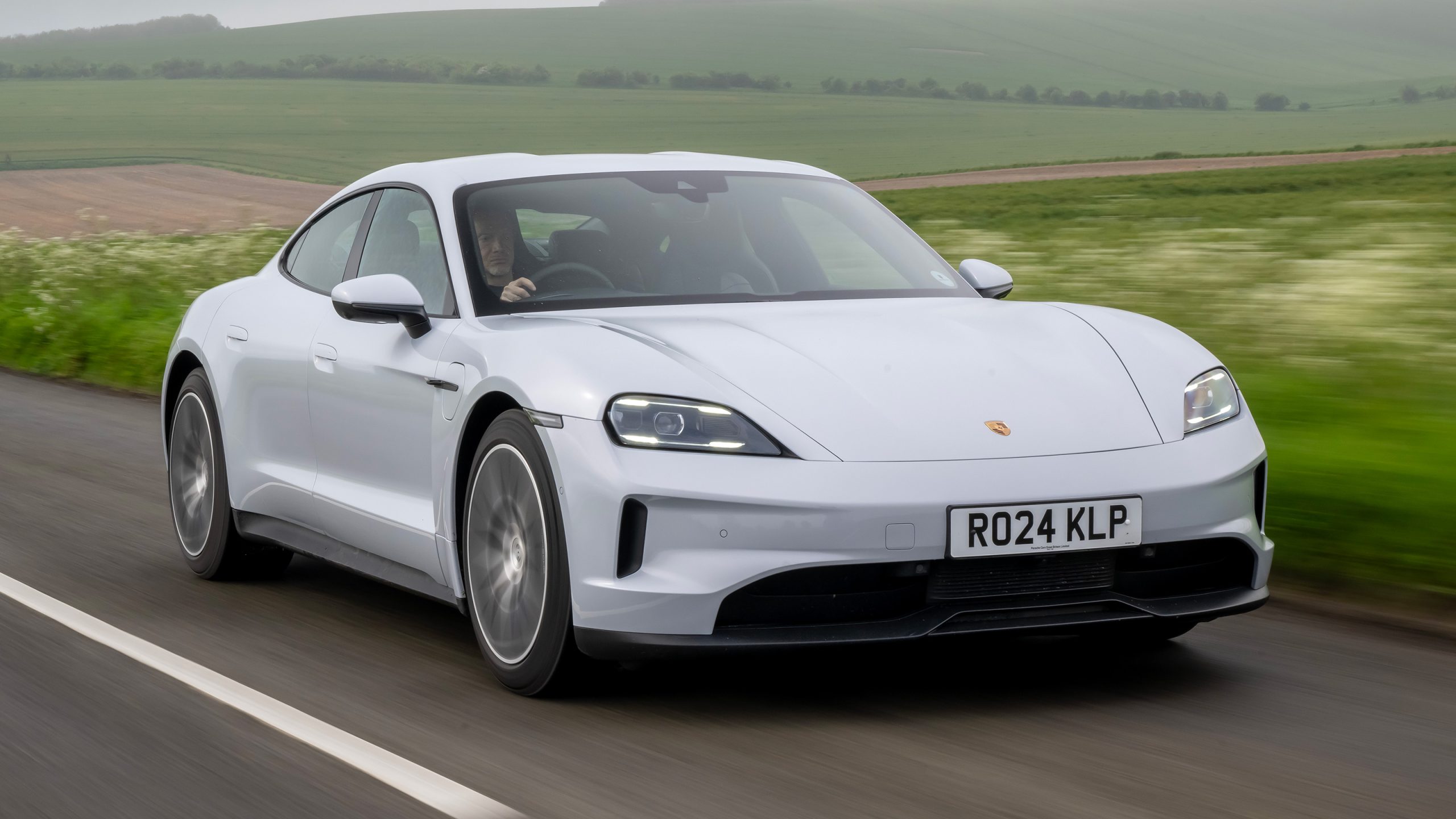
The battery recall fix was particularly complex. As an interim remedy, dealers installed advanced diagnostic software, and Porsche monitored available online vehicle data, contacting owners as necessary to advise them to only charge the vehicle to 80% capacity until the battery could be replaced. For vehicles where online monitoring was unavailable, in-person diagnostics were performed.
This recall highlights a growing challenge with the electrification of performance vehicles. The higher the voltage and performance demands placed on a battery pack, the more critical every individual module becomes. A flaw in a single cell cluster can have serious consequences across the entire system.
Porsche handled the recall professionally and offered all repairs free of charge. However, the idea of being told to limit your charging capacity on a $100,000-plus sports car is understandably unsettling for owners. Many had invested in the Taycan precisely because it represented the pinnacle of electric performance.
The Taycan recall serves as an important lesson for the EV era. Even the most meticulously engineered electric vehicles are still going through uncharted territory. High-performance battery systems require constant monitoring, and recalls like this one are part of that ongoing process.
3. Tesla Cybertruck
Few vehicles generated more headlines between 2024 and 2025 than the Tesla Cybertruck. The stainless-steel electric pickup was already controversial by design. Its recall history only added fuel to the fire.
The biggest recall of 2024 was the Tesla Cybertruck in early summer. Tesla recalled nearly all 12,000 Cybertrucks at the time because of the windshield wiper and plastic trim in the bed, with investigators saying that driving the truck could cause the plastic to detach, causing significant hazards. Loose plastic flying off a moving vehicle at highway speeds is a serious danger to following traffic.
But that was only the beginning. In March 2025, regulators again recalled nearly all 46,000 Cybertrucks after determining that the exterior panel could detach from the windshield while driving, which, if it falls off, could create a significant obstacle in the road and cause crashes. The pattern of recurring recalls for the same vehicle in such a short timeframe raised serious questions about quality control.
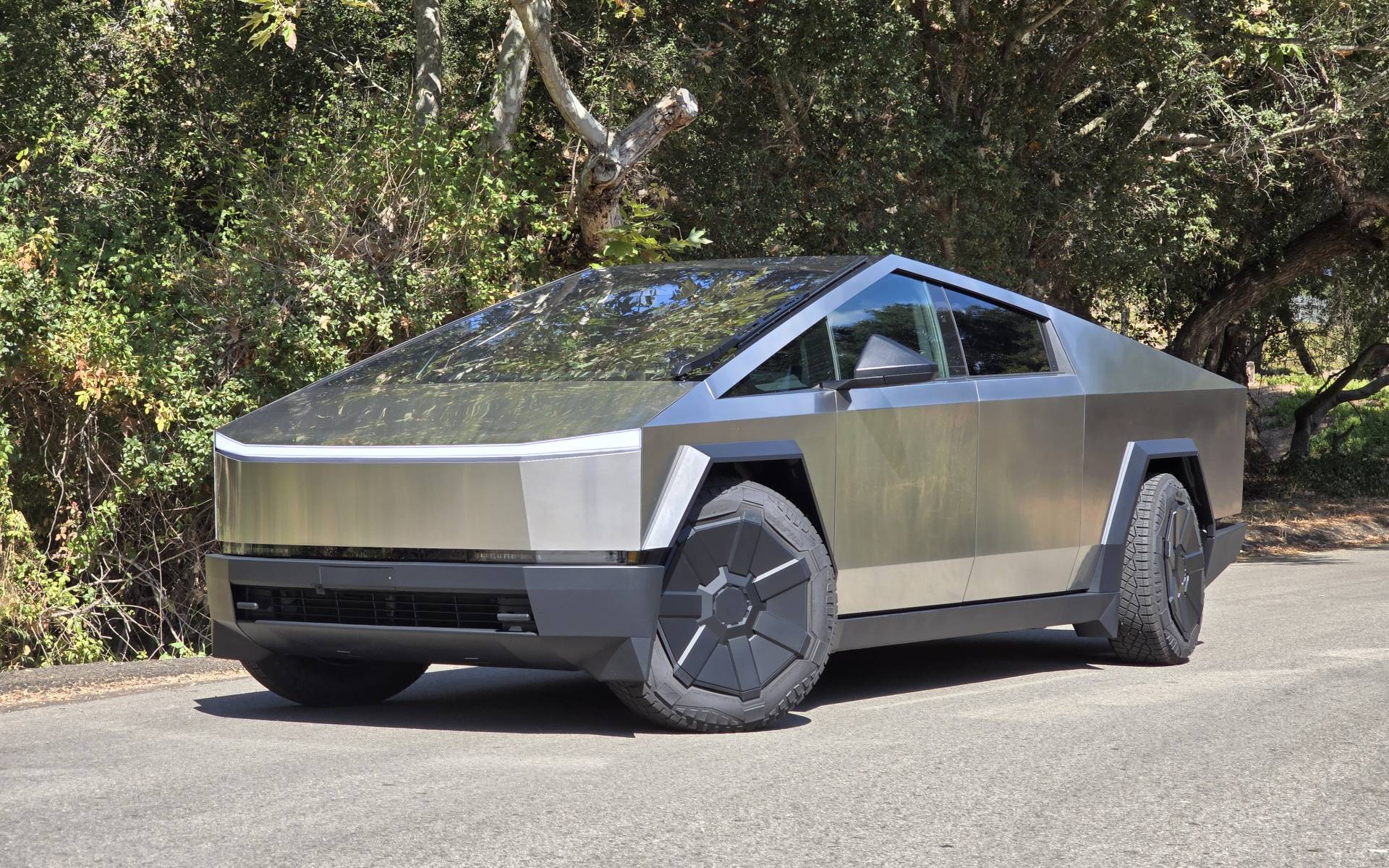
Tesla committed to replacing the panels for free on all affected vehicles. The company’s over-the-air software update capability helped manage some recall situations remotely. But physical hardware defects still required traditional dealer visits, something Tesla’s service network struggled to manage at scale.
The Cybertruck’s recall saga drew widespread media attention partly because of the vehicle’s cult status. Owners who had waited years on a reservation list to receive their trucks were understandably disappointed. The vehicle’s futuristic design had promised revolutionary reliability, not recall letters.
There is also a broader point here about the pressure automakers face when launching bold, entirely new vehicle platforms. The Cybertruck used materials and manufacturing techniques that had never been applied to a mass-market truck. Pioneering always carries risk, and in this case, early adopters bore the brunt of it.
Love it or hate it, the Cybertruck’s recall history is an important data point in the ongoing conversation about EV reliability. As production volumes grow and manufacturing processes mature, many of these early issues tend to get ironed out. For now, though, Cybertruck owners have had quite an eventful ownership experience.
4. Volkswagen Atlas
The Volkswagen Atlas is a popular three-row family SUV known for its spacious interior and everyday practicality. Families trust it to keep their passengers safe. That trust was tested when a quiet but deeply alarming recall was issued.
Certain 2021–2024 Atlas and 2020–2024 Atlas Cross Sport vehicles were subject to recall because the passenger occupant detection system may deactivate the front passenger air bag despite the seat being occupied, due to faulty wiring. An airbag that does not deploy during a crash because it thinks no one is in the seat is an extraordinary failure of a basic safety system.
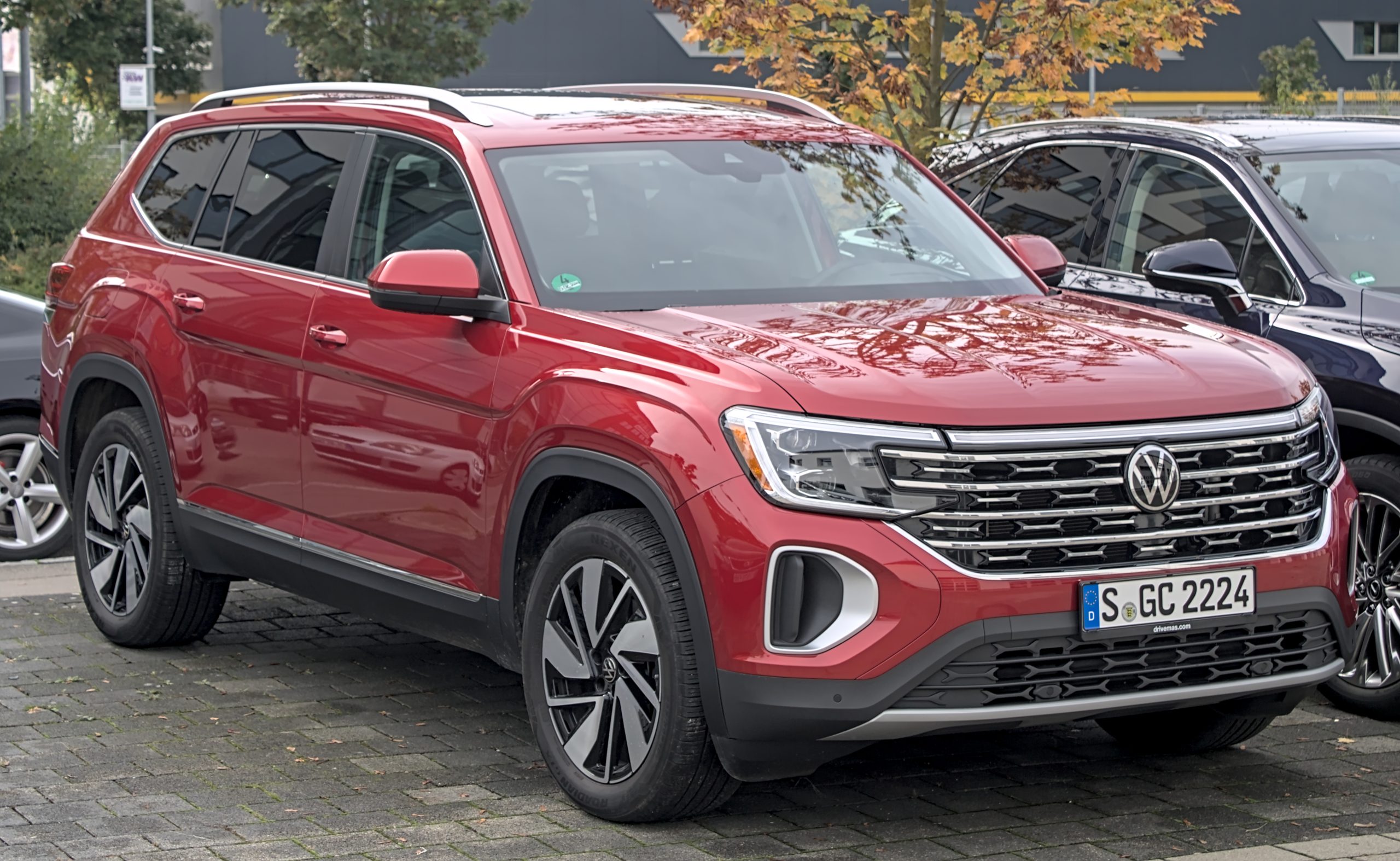
Volkswagen Group of America recalled 271,330 vehicles over this issue, with the faulty passenger occupant detection system wiring harness causing the airbag suppression even when someone is sitting in the seat. That is over a quarter of a million families driving around with a potential airbag blind spot in the front seat.
The fix required dealers to replace the PODS sensor mat and wiring harness at no charge to the owner. While the solution was straightforward, the danger in the interim period was anything but. Passengers sitting in a seat that the car’s computer believed was empty could have faced a crash with no airbag protection.
What makes this recall particularly striking is how invisible the defect was. There was no warning light, no unusual noise, no change in how the car drove. Owners had absolutely no way of knowing the system was compromised without being told. The Atlas looked and felt perfectly normal right up until it wasn’t.
Volkswagen had a challenging 2024 and 2025 across multiple models and recall campaigns. Volkswagen ended 2025 with nearly 700,000 units recalled across more than 25 separate campaigns, with recalls covering the electrical and safety departments heavily. The Atlas airbag recall was among the most serious of the batch, given its direct impact on crash protection.
This story underscores why it is always worth checking your vehicle’s recall status, even if nothing seems wrong. The most dangerous defects are often the ones you cannot see or feel. A working airbag is one of the last lines of defense in a serious crash, and it has to be trustworthy.
Also Read: 6 Cars Where Skipping Service Was Fine vs 6 Where It Wasn’t
5. Lexus NX and RX
Lexus has spent decades cultivating a reputation for meticulous build quality and luxurious attention to detail. Its vehicles regularly top reliability rankings. So when a recall arrived for one of its most popular crossover lines, owners were understandably surprised.
Toyota, which owns the Lexus brand, recalled 11,418 crossovers whose headrests may inadvertently be pulled out, reducing the level of occupant protection in a crash and upping the risk of injury. The headrest is a simple but critical piece of safety equipment. It is designed to stay firmly in place during a rear-end collision to prevent whiplash or worse.
The head restraints for the front driver and passenger seats were removable without pressing the release button due to a supplier error, which may result in the vehicle not meeting a federal safety standard and increasing the risk of injury in the event of a rear-end crash if a head restraint is removed and not replaced. The defect was caused not by Lexus’s own production but by an error at the supplier level.
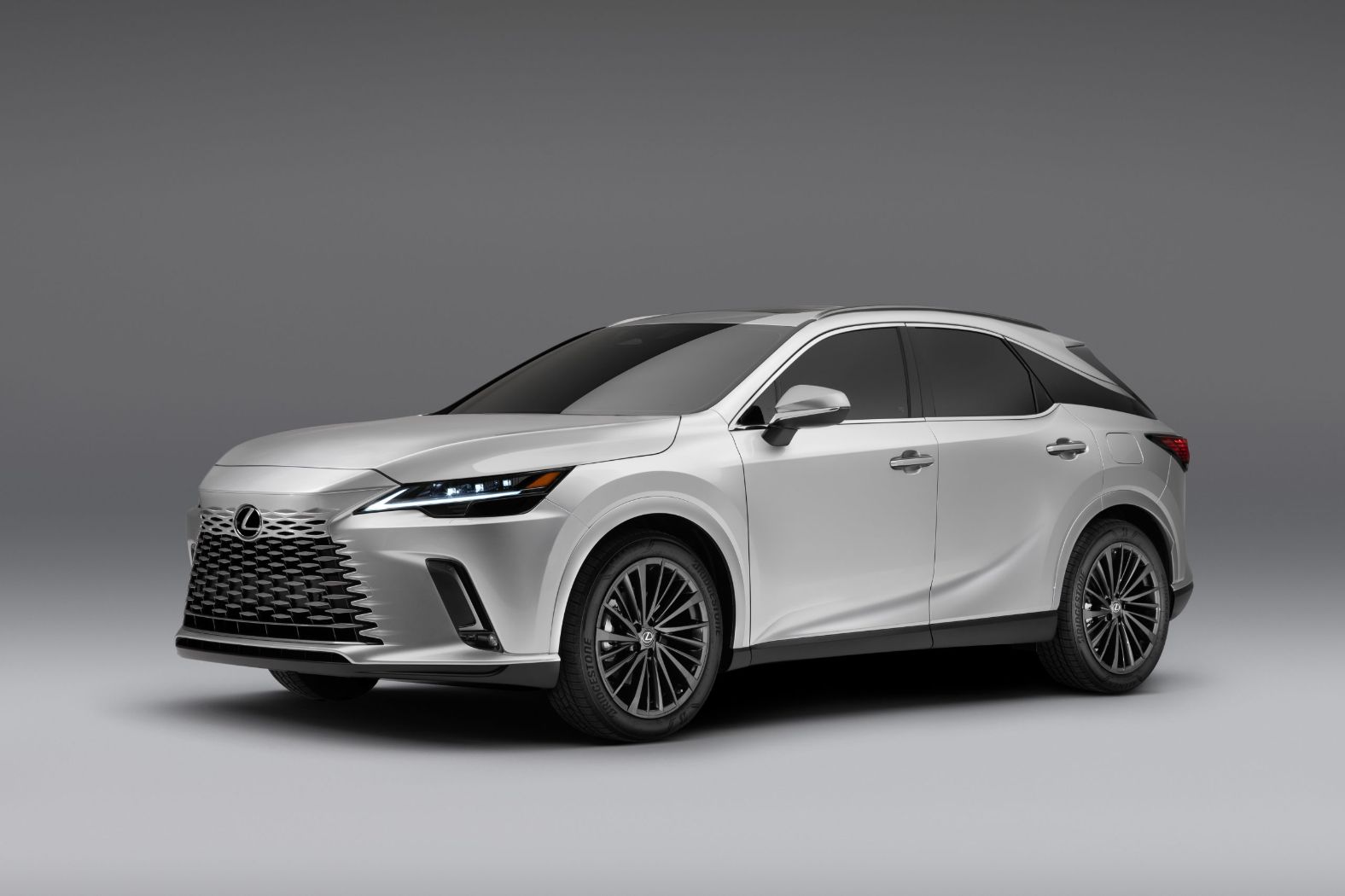
Dealers would replace the driver and front passenger seat headrest assemblies free of charge, with owner notification letters expected to be mailed in late July 2024. The remedy was simple and quick to perform. But the defect’s existence still raised eyebrows, given Lexus’s premium positioning in the market.
The headrest issue affected the 2024 Lexus RX and the 2024–2025 Lexus NX, two of the brand’s best-selling vehicles in North America. These are cars that luxury buyers choose precisely because they believe every detail has been inspected and perfected before leaving the factory. A supplier error slipping through final quality checks was not reassuring.
This recall also illustrates a systemic challenge for all modern automakers. Vehicles today contain thousands of components sourced from dozens of suppliers around the world. Even the best quality control systems cannot catch every defect from every part of such a complex global supply chain.
Lexus owners should not lose faith in the brand’s quality record over a single supplier mishap. However, the incident is a useful reminder that luxury branding and genuine engineering perfection are not always the same thing. Always verify your recall status, regardless of how premium your vehicle’s badge may be.
6. Kia Sorento
The Kia Sorento has grown into one of the most respected mid-size SUVs on the market. Its mix of value, style, and features has made it a consistent bestseller. But a software glitch threatened to make it genuinely dangerous to drive at night.
Kia recalled 74,469 of its 2024–2025 Sorento, 2025 Sorento Hybrid, and 2025 Sorento Plug-In Hybrid vehicles due to a software error that may cause loss of low beam headlights and taillights, reducing visibility and increasing crash risk. Losing your headlights while driving at night on a busy road is not a minor inconvenience. It is a life-threatening emergency.
The fact that this was a software error rather than a mechanical failure is particularly telling. Modern vehicles rely increasingly on complex software to manage even the most basic functions. A bug in a piece of code can now disable systems that drivers have taken for granted for over a century.
The recall affected not just the standard Sorento but also its hybrid and plug-in hybrid variants. That breadth of impact across powertrains suggests the software flaw was deeply embedded in a shared system. Kia moved quickly to address the issue with a software update delivered through dealerships.
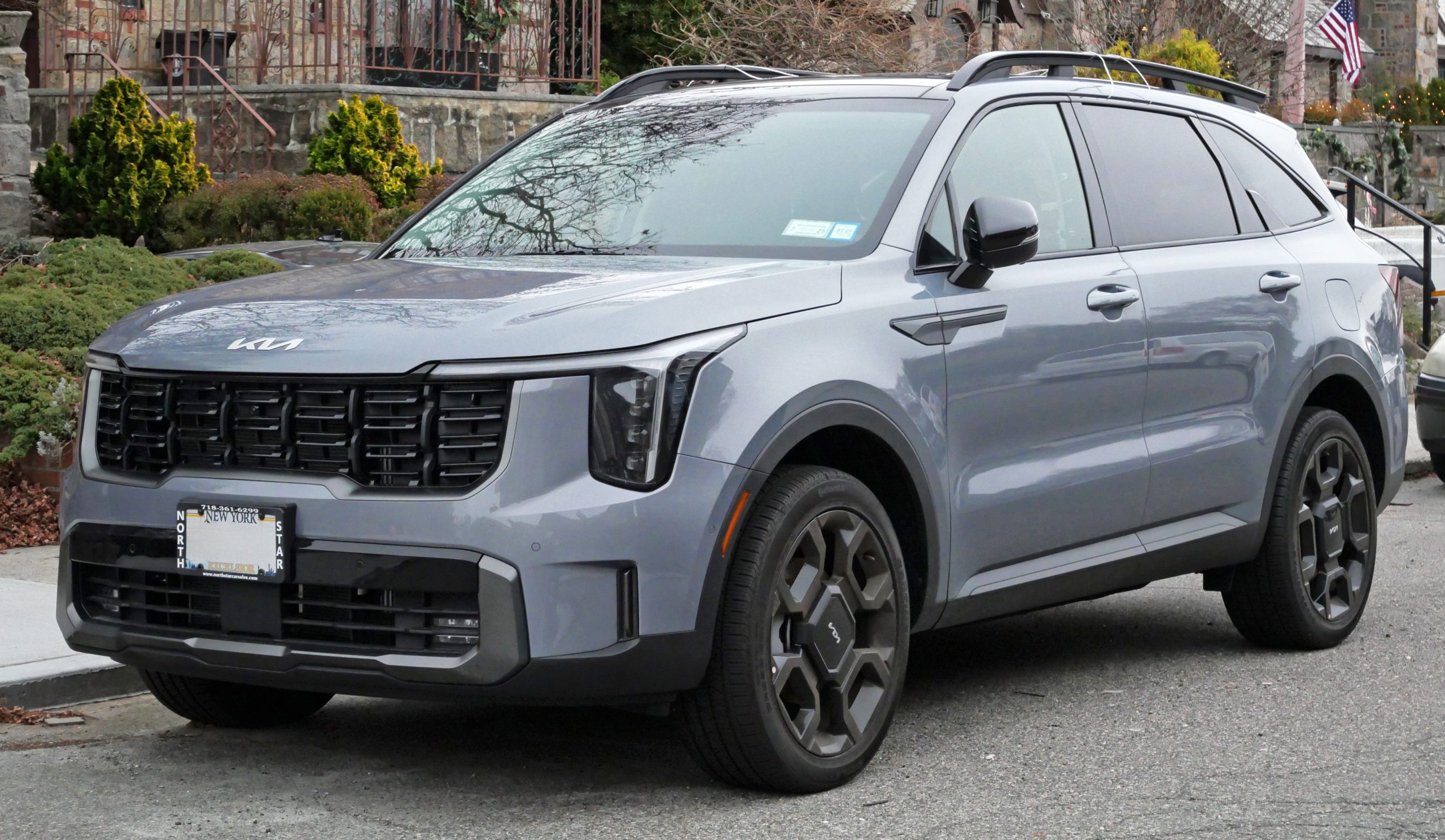
This was not the only recall Kia navigated during this period. Kia America identified a fire risk from overheated power seat motors in 2023–2024 Kia Sorento and Kia Sportage models, affecting 462,869 vehicles, which included a Park Outside Advisory indicating a potential fire risk. The combination of fire risk and lighting failures across back-to-back model years put the Sorento under significant scrutiny.
Kia’s response to these recalls was generally swift and professional. The company issued communications to affected owners and provided dealer fixes at no cost. However, the scale and variety of defects across its lineup during this period highlighted the quality pressures that come with rapid sales growth.
The Sorento’s headlight recall is a perfect example of how the digital transformation of the automobile has introduced new categories of failure. When your car runs on software, bugs are not just a tech nuisance. They can be a public safety crisis.
7. BMW i4 and i7
BMW has long positioned itself as the ultimate driving machine. Its foray into full electric vehicles with the i4 and i7 was meant to signal that performance and electrification could coexist beautifully. A series of recalls, however, showed that the transition was not entirely smooth.
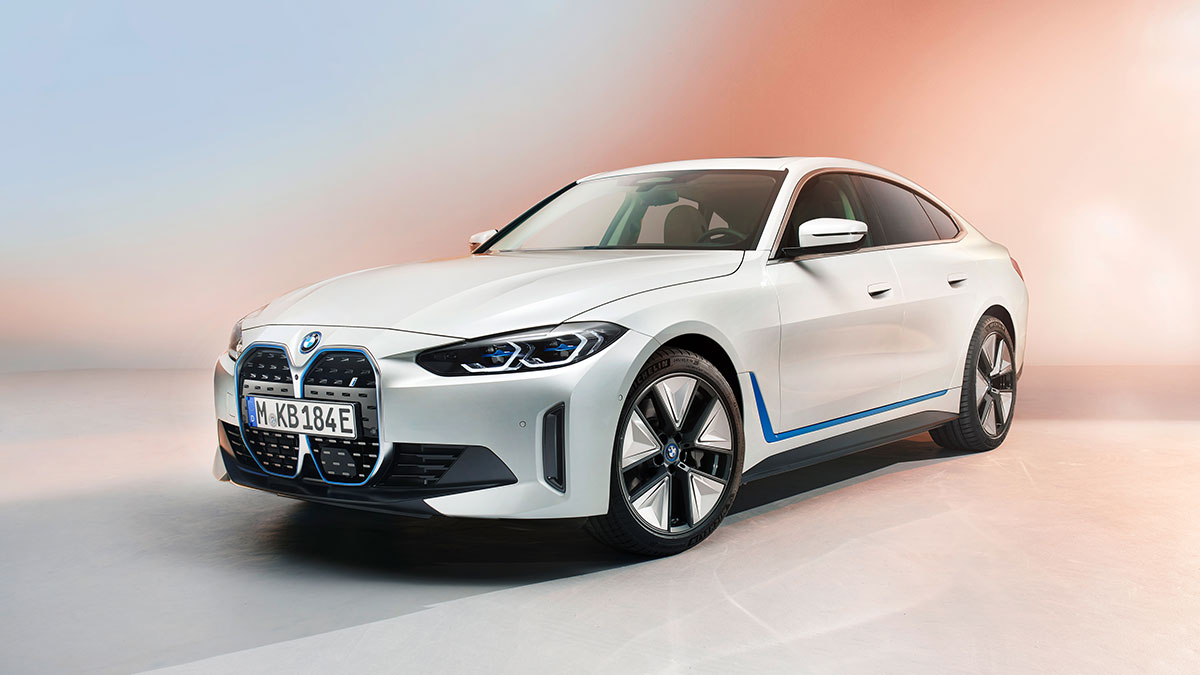
Recalls came for certain 2024 BMW vehicles, with 1,150 of the 2024 i4 models, including eDrive40, xDrive40, and M50, recalled for a left side beam crack, and the manufacturer is also recalling 12,535 of their 2020–2024 MINI Hardtop 2 Door (Cooper SE) vehicles due to battery faults that could result in a short circuit. A cracked structural beam in a brand-new premium electric sedan is a significant structural concern.
BMW’s recall problems during this period were not limited to its electric lineup. A water pump malfunction that may be exposed to water and short circuit, thus increasing the risk of or causing a fire, required recalling 720,796 vehicles from 2012–2018, including models such as the X1 sDrive28i, 228i, and X4 xDrive28i. The sheer volume of that water pump recall dwarfed the newer EV-related campaigns but received far less media attention.
BMW issued 21 recalls spanning more than half a million cars in 2025, with a 200,000-car recall covering engine starters that may corrode, overheat, or even start a fire, leading the way, covering vehicles ranging from the Toyota Supra to the 2 Series. BMW’s engine starter components are used across multiple vehicle brands, which expanded the reach of that single defect significantly.
For i4 and i7 buyers, the structural beam recall was particularly unsettling. These vehicles start at significant price points, and buyers expect flawless engineering for their investment. A cracked beam discovered on brand-new units suggests a manufacturing issue that should have been caught before delivery.
BMW responded to these campaigns diligently and performed all repairs free of charge. The brand’s dealer network is generally well-equipped to handle complex repairs on sophisticated vehicles. Still, the frequency and variety of recall campaigns were a challenging period for one of Germany’s most prestigious automotive names.
The BMW EV recall story is ultimately a growing-pains narrative. Every automaker launching new electric platforms faces unexpected challenges that testing alone cannot fully predict. The key is how quickly and transparently those issues are addressed, and in that regard, BMW’s record during this period was generally considered acceptable by industry standards.
8. Mercedes-Benz GLE
Mercedes-Benz is synonymous with engineering excellence and safety innovation. The brand pioneered many of the passive safety features that are now standard across the industry. It was, therefore, a genuine shock when the GLE SUV was recalled for a defect that could prevent its airbags from deploying in a crash.
Mercedes-Benz AG recalled certain 2021–2022 GLE 350 and GLE 450 vehicles because the front acceleration sensor’s wiring harness may be routed incorrectly, which can prevent the front air bags from deploying properly, and these vehicles fail to comply with Federal Motor Vehicle Safety Standard 208. A wiring harness routed incorrectly is a manufacturing error, not a design flaw. It means individual vehicles left the factory with a potentially life-threatening defect already built in.
Car and Driver reported in March 2024 that 116,020 SUVs had been recalled to repair an issue surrounding a 48-volt ground connection found under the passenger seat that could come loose and lead to an electrical problem, which could result in a fire, with impacted vehicles including the Mercedes-Benz GLE250, GLE450, GLE580, Mercedes-AMG GLE53 SUV, and the Mercedes-Maybach GLS600 within model years between 2019 and 2024. This second recall, covering a different electrical issue on the same vehicle family, compounded the concern around the GLE’s electrical systems.
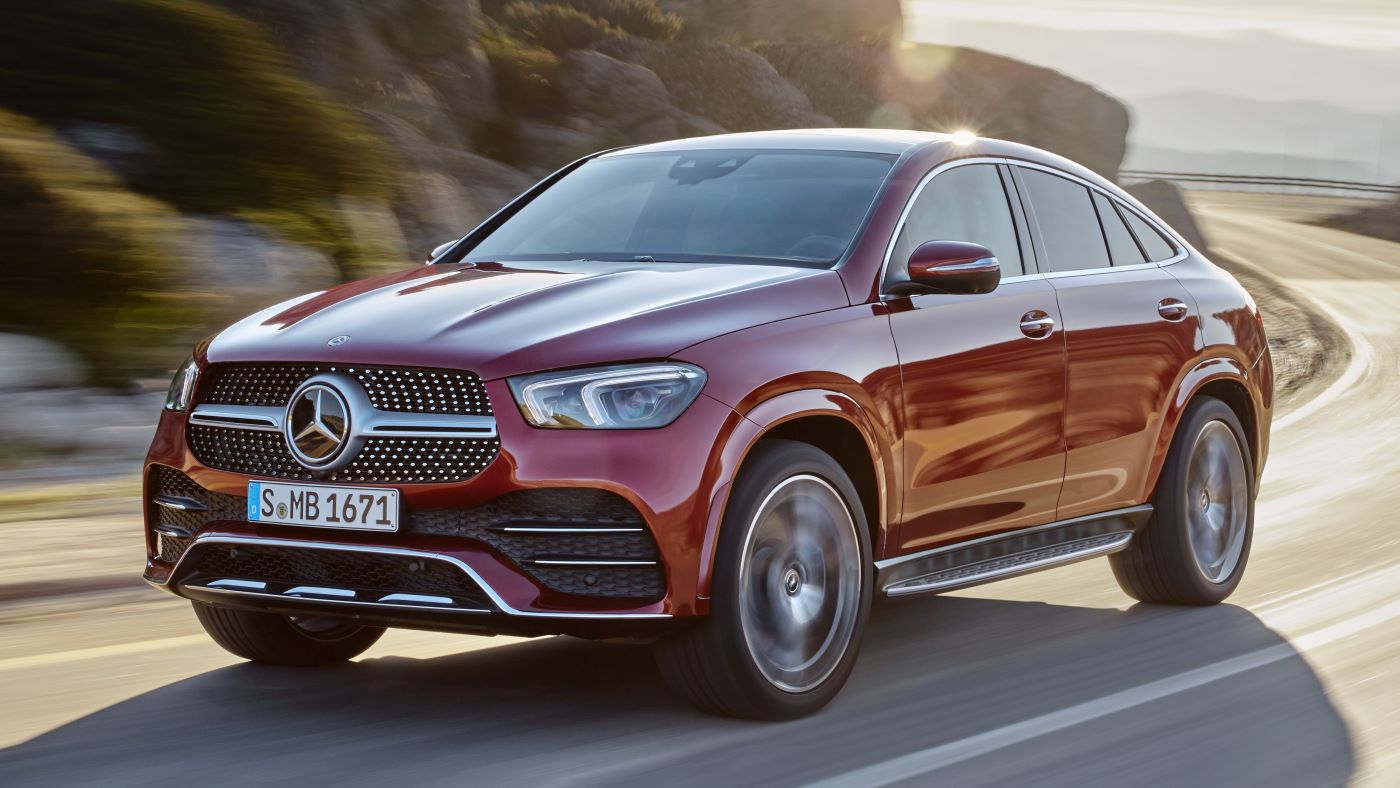
The combination of airbag deactivation risk and a potential fire-causing electrical fault made the GLE one of the more alarming recall stories of the period. These are vehicles that often serve as family transport, carrying children and other vulnerable passengers. The idea of an airbag not deploying in a frontal crash is genuinely frightening.
Mercedes responded by having dealers inspect and correct the wiring harness routing and replace the ground connection where necessary, all at no cost to the owner. The repairs themselves were relatively simple. The fact that these errors made it through production quality checks was the harder question to answer.
Mercedes-Benz maintained its reputation for transparency by communicating clearly with affected owners. Recall notification letters were dispatched in a timely manner. Dealers were briefed on the necessary inspection and repair procedures before the public campaign was announced.
The GLE recall is a sobering reminder that even the world’s most safety-conscious automotive brands are not beyond manufacturing error. The complexity of modern vehicle assembly, with components sourced globally and assembled at high speed, means that occasional human or process errors will slip through. What matters is the response.
9. Volkswagen ID.4
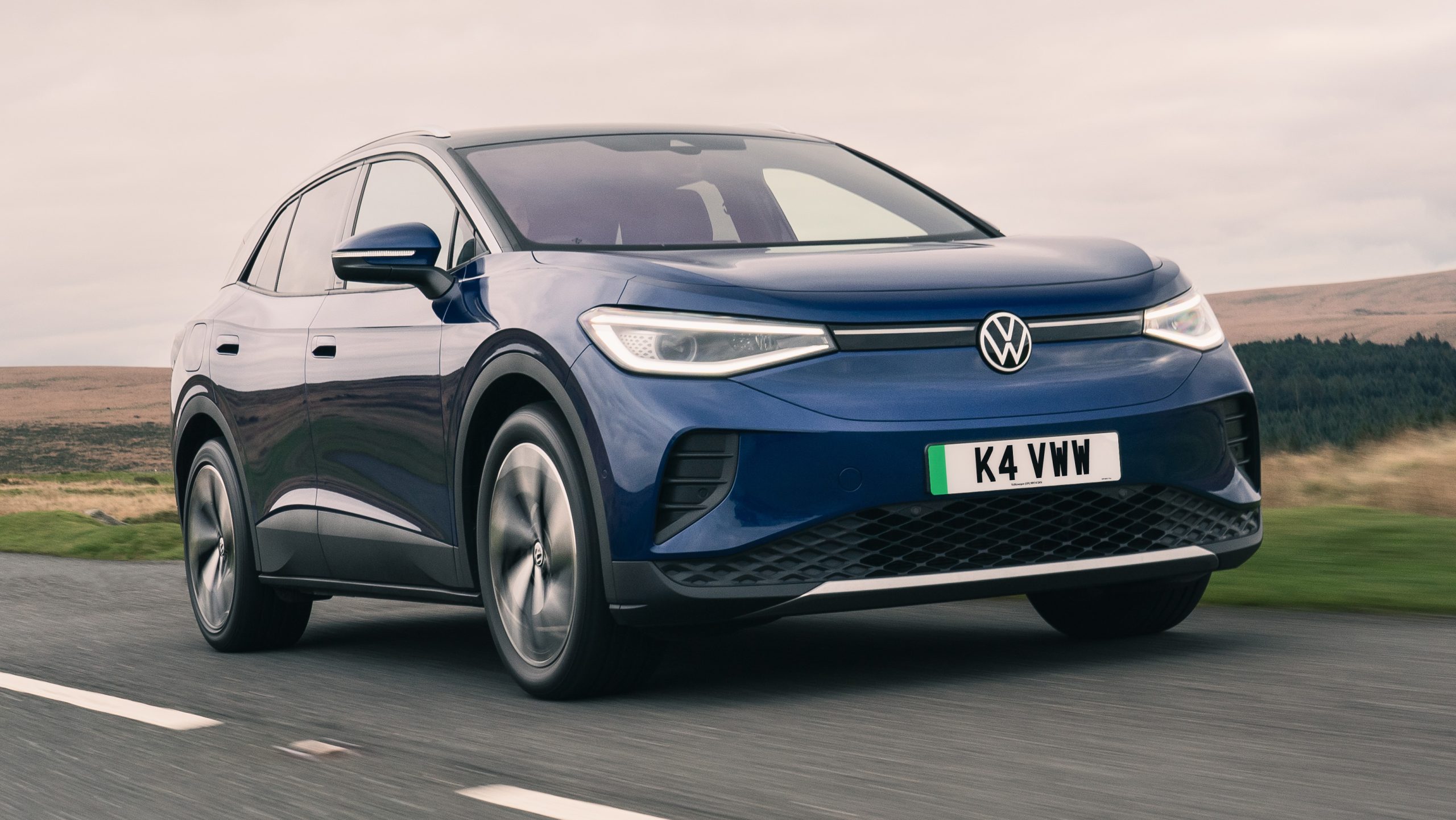
The Volkswagen ID.4 was launched as the brand’s flagship electric vehicle for the mass market. It was designed to democratize EV ownership across global markets. So the news that certain versions of the ID.4 had doors that could open unexpectedly was a deeply uncomfortable development.
Certain 2021–2024 ID.4 vehicles were subject to recall due to vehicle doors that may open unexpectedly. A door opening without warning while a vehicle is in motion is one of the more viscerally alarming defects imaginable. Passengers could fall out, or unsuspecting pedestrians and cyclists could be struck.
Volkswagen’s electric platform issues during this period extended across multiple models and multiple systems. Volkswagen Group of America recalled 20,201 Audi Q5 (2021–2024) and A7 E Hybrid PHEV (2022) vehicles due to high-voltage batteries that may overheat, increasing fire risk. The battery overheating issue on Audi models sharing the Volkswagen Group platform suggested a shared architecture vulnerability.
Adding to the brand’s challenging stretch, one of the strangest recalls of 2025 involved the all-electric Volkswagen ID.BUZZ, which was recalled because its third-row bench seat is too wide for the number of seatbelts provided. A seat that cannot accommodate the required number of seatbelts is a fundamental design oversight, not a manufacturing error.
Volkswagen ended 2025 with nearly 700,000 units recalled across more than 25 separate campaigns, with two huge recalls covering more than 170,000 units, one for loose engine covers that posed a starter risk and another for faulty backup cameras. The sheer breadth of recall activity across the Volkswagen Group family was extraordinary.
The ID.4 door recall was addressed through inspection and replacement of the faulty latch mechanism. Volkswagen issued notifications and performed all work at no cost through its dealer network. But for a vehicle positioned as a safe, modern, and forward-thinking family car, the timing was deeply unfortunate.
Volkswagen’s ID platform represents a massive corporate bet on electric vehicles. Recalls of this nature, particularly those that affect such fundamental safety features as door latches, slow consumer confidence in new technology. The brand had to work hard to reassure buyers that these were isolated issues rather than systemic platform failures.
10. Toyota Prius
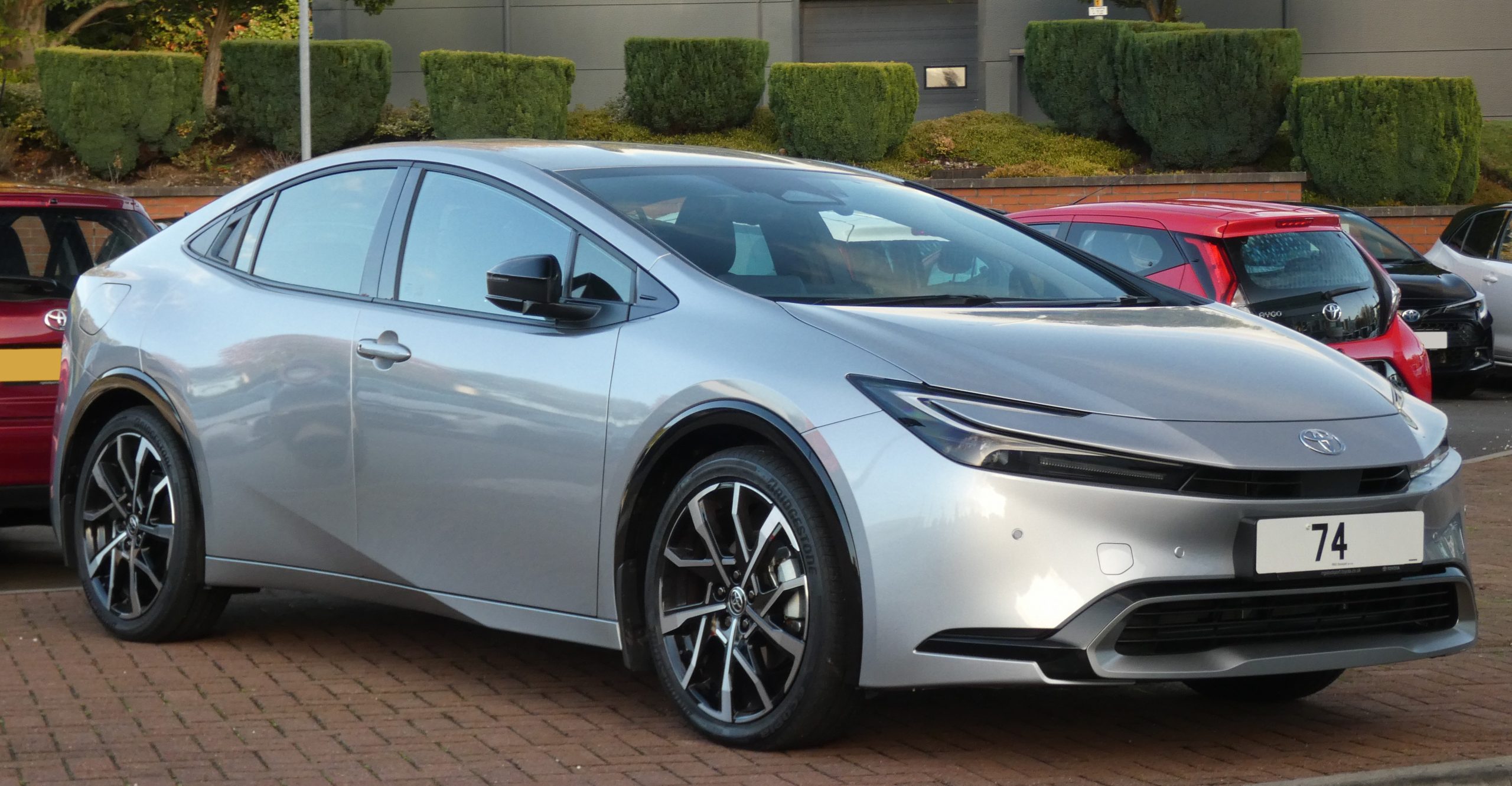
The Toyota Prius is arguably the most iconic hybrid vehicle ever made. For two decades, it has symbolized fuel efficiency, environmental responsibility, and Japanese engineering reliability. It was genuinely surprising when the Prius found itself at the center of a recall over doors that could fly open while the car was moving.
Major recalls include Prius models with faulty rear doors that may open unexpectedly, Supra models with overheating starter motors that could ignite, and Highlander models with seat backs that might not lock securely. The Prius rear door issue was not a minor latching glitch. An open rear door while driving at speed creates immediate danger for rear passengers and vehicles following behind.
Toyota’s recall activity from 2024 to 2026 was notable in its breadth. The recall update covers a wide range of vehicles, including Corolla, Highlander, Prius, Supra, Tacoma, Tundra, RAV4, Sequoia, and Land Cruiser, across hybrid and non-hybrid variants, addressing safety defects that breach federal standards. The Prius was just one name on a very long list for Japan’s largest automaker.
Toyota recalled 221,846 of its 2024 and 2025 Toyota Tacoma units over potential brake fluid leaks that could hinder drivers’ braking ability, and dealers would inspect and replace defective rear brake hoses at no cost. The Tacoma recall, like the Prius door issue, showed that Toyota’s range of affected vehicles spanned from economy hybrids to rugged off-road trucks.
The Prius door defect was traced to a fault in the rear door latch mechanism. Under certain conditions, the latch could fail to hold the door securely closed. This was especially dangerous for vehicles carrying rear seat passengers, including children, who might not notice the door had become insecure.
Toyota responded by inspecting and replacing the faulty latch components through authorized dealers at no charge. Given the Prius’s devoted ownership community and its brand promise of reliability, the company moved quickly to minimize damage to consumer trust. Notifications were sent by mail to all registered owners of affected vehicles.
The Prius recall is perhaps the most symbolically significant story on this list. If the poster child for reliable, responsible, low-emission motoring can suffer a door-latch recall, no vehicle is entirely above scrutiny. From 2015 to 2024, Toyota had the fewest recalls among the top manufacturers at 158, which speaks to its quality culture. But even the best record in the industry does not mean perfection.
The lesson the Prius teaches is simple and universal. Regardless of a vehicle’s history, its brand reputation, or how carefully you’ve maintained it, checking your recall status through the NHTSA database at least once a year is one of the most important things any driver can do. A recall fix takes an afternoon. A preventable accident lasts a lifetime.
Also Read: Ford Recalls 179,000 Bronco and Rangers Over Seat Safety Risk
